
Who doesn’t love a taste of island life? Where you can kick off your shoes and leave work behind. And cocktails aren’t just provided at the snap of a finger – they’re encouraged.
But island escapes aren’t just about lazy beach days – although that’s certainly a big part of it. They can also be full of adventure, water sports, wildlife-watching, and age-old cultures you can trace back over thousands of years. So, whether you’re looking for that typical tropical beach escape or a trip to an exotic ecosystem untouched by tourism, there’s an island out there calling your name.
50. Moorea, French Polynesia
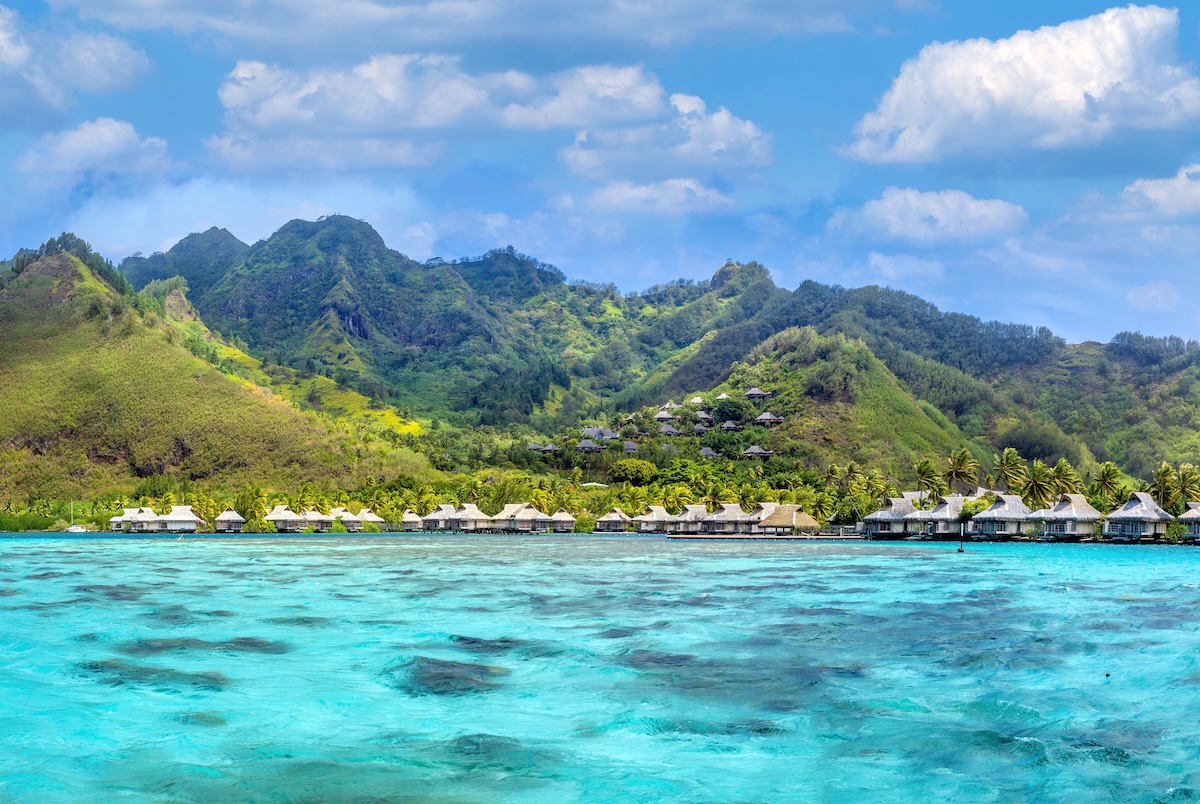
Moorea sits just a quick 25-minute ferry ride from Tahiti. Tucked in the heart of French Polynesia, it still feels like a secret—somehow not yet overrun by tourists.
Seen from above, Moorea looks a bit like a heart. The turquoise lagoon wraps around white sand beaches that almost seem unreal. You might snorkel with sharks and rays in the morning, then hike through volcanic mountains by afternoon. Moorea gives you that classic Polynesian vibe, but without Bora Bora’s crowds or sky-high prices. Local restaurants and markets mix authentic Polynesian culture with French flair.
Whether you’re into water sports, lounging on the beach, or exploring lush mountain trails, Moorea’s got you covered. The scenery shifts from sharp volcanic peaks to calm lagoons in minutes, and every turn feels like a new find.
49. Siargao, Philippines
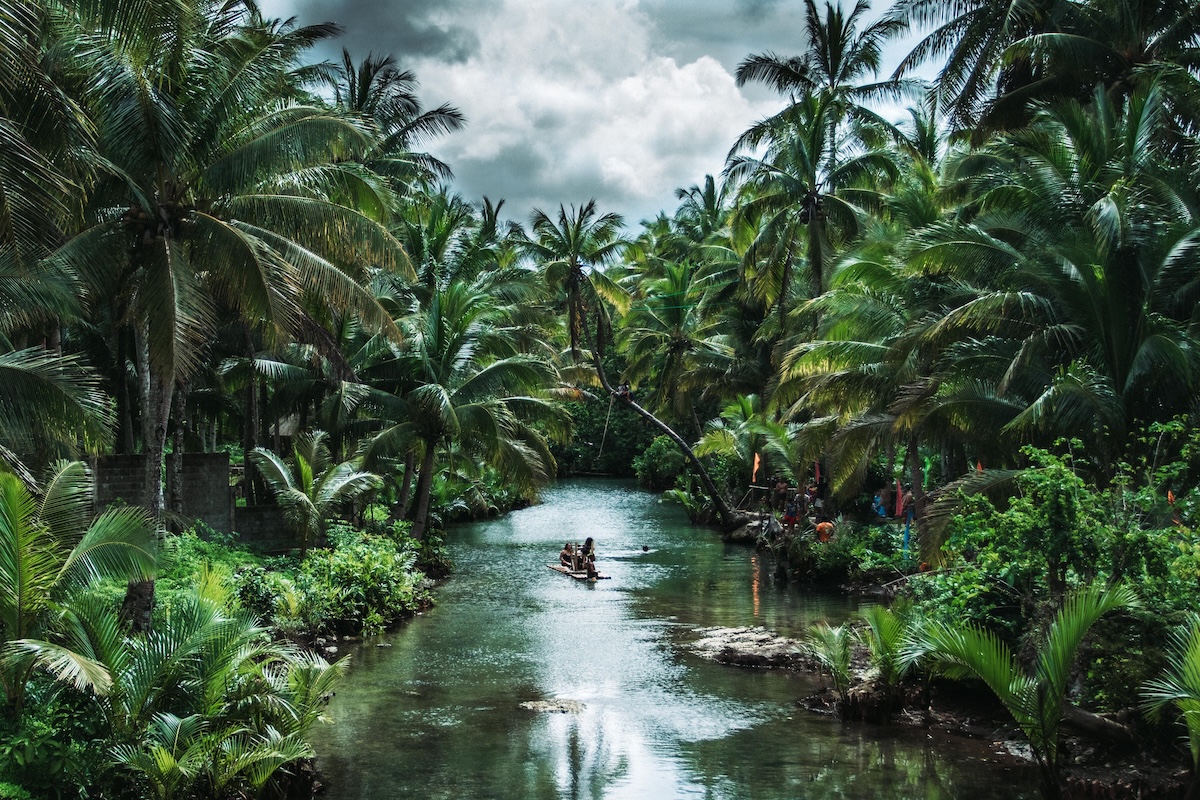
Siargao is a tear-shaped island off Mindanao’s northeast coast in Surigao del Norte. In 2019, Conde Nast Traveler readers called it the best island in the world.
It’s famous as the “Surfing Capital of the Philippines” thanks to Cloud 9, a legendary surf break. But honestly, you don’t need to surf to fall for this place. White sand beaches, turquoise lagoons, and coconut forests sprawl across the island. The water is crystal-clear—perfect for swimming or island hopping. Cave pools and rope swings add a twist to your adventures beyond the sand.
Roughly 200,000 people live here. The laid-back vibe draws backpackers, digital nomads, and anyone itching to escape crowded tourist traps. If you rent a motorbike, you can roam to hidden coves and quiet beaches on your own schedule.
48. Sicily, Italy
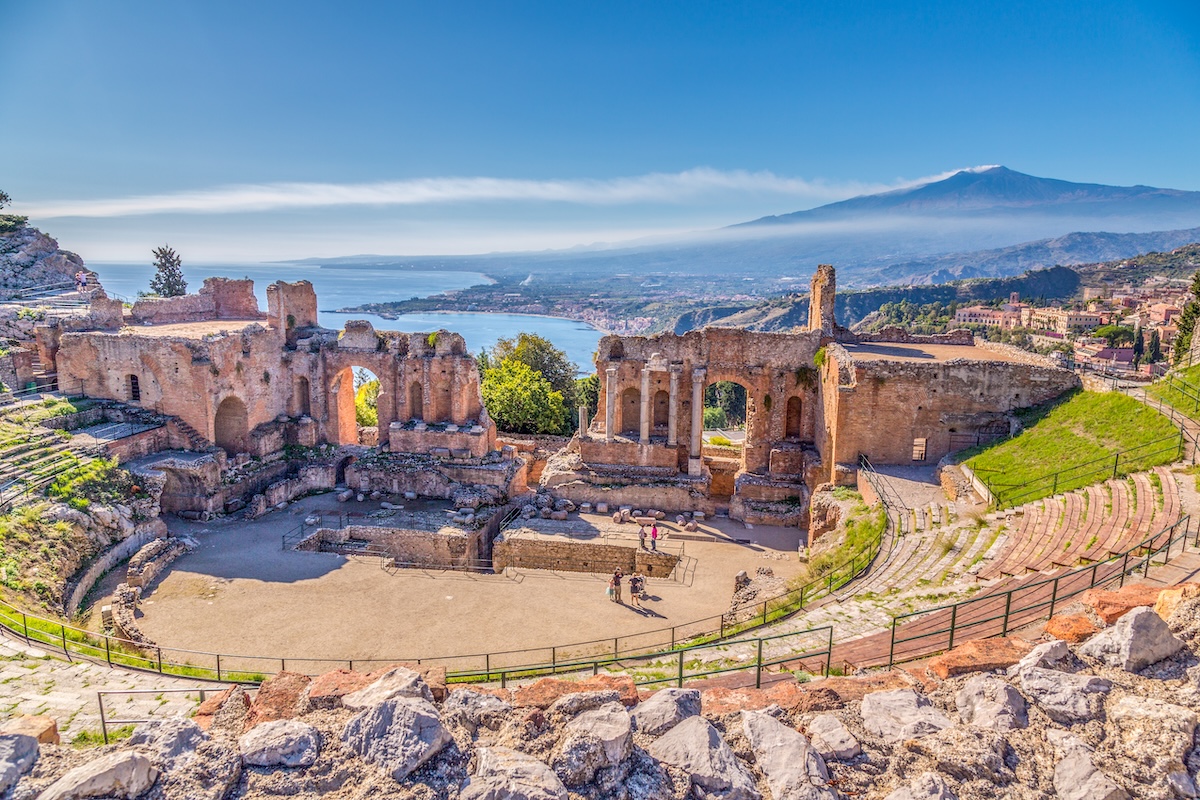
Sicily, Italy’s largest island, sits in the Mediterranean. Dramatic coastlines mix turquoise waters with volcanic black sand beaches, and Mount Etna—the most active volcano in Europe—looms over the east.
You can hop over to smaller nearby islands too. Off the west coast, the Egadi Islands have some of the Mediterranean’s clearest waters. Favignana stands out for its sea caves and sandy coves like Cala Rossa and Cala Azzurra.
It’s easy to spend one day exploring ancient Greek ruins, then relax on a quiet beach the next. Sicily’s history and natural beauty blend in ways that just feel real. Fishing villages dot the coast, citrus groves fill the valleys, and the food—shaped by Arab and Greek influences—tastes nothing like mainland Italy.
47. Mount Desert Island, Maine
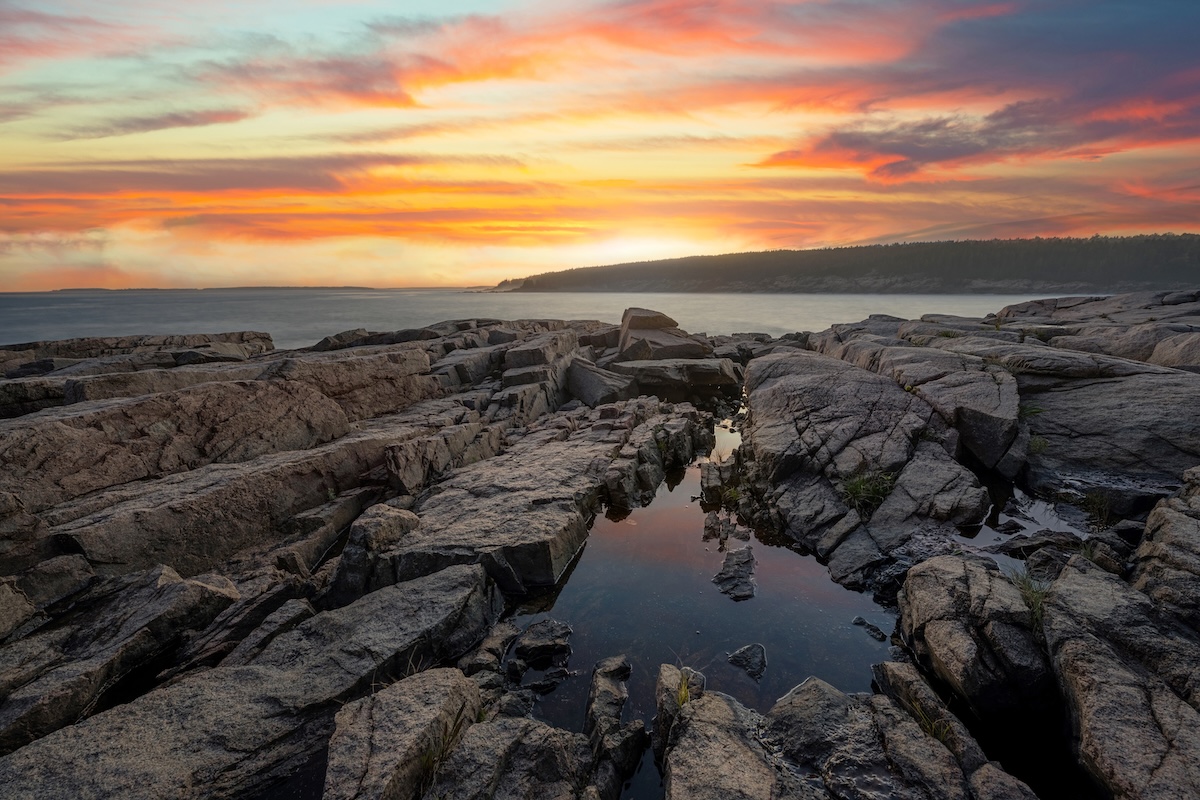
Mount Desert Island sits off the coast of Maine, where mountains tumble right into the Atlantic. The island covers 108 square miles and anchors Maine’s Downeast region.
Acadia National Park takes up much of the island. You can hike pine forest trails or wander along rocky cliffs. The park’s 47 miles of old carriage roads are perfect for biking or walking. Bar Harbor and other small towns hug the coast. Local restaurants, shops, and lobster wharves are all within reach. Fresh lobster is everywhere, and once you try it, you’ll get why Maine’s so proud of it.
Granite shores drop down to tide pools waiting to be explored. Swimming beaches offer cold, bracing Atlantic water. From the peaks, you’ll spot islands scattered across the bay below.
46. Tasmania, Australia
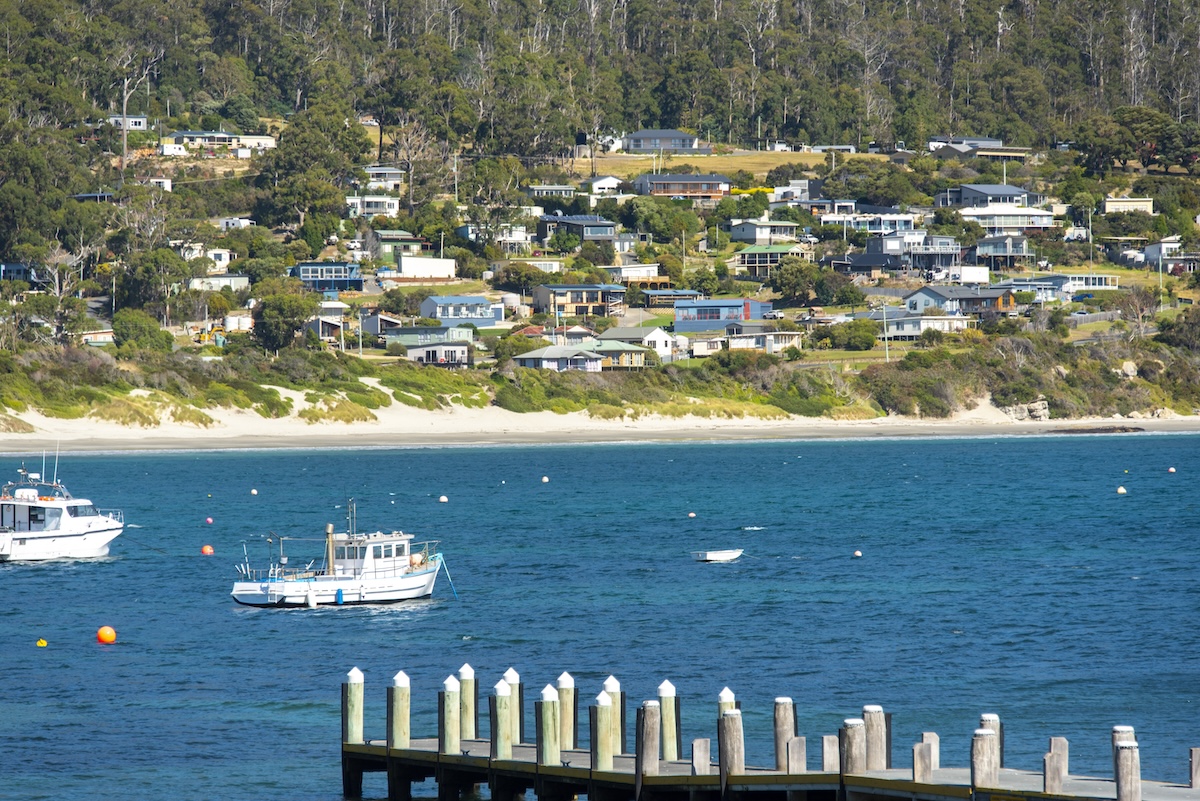
Tasmania floats off Australia’s southern coast, separated from the mainland by Bass Strait. Over 40% of the island is protected wilderness, making it one of the wildest places you can visit.
Dramatic coastlines crash against rugged cliffs, and beaches here have water so clear it almost seems fake. Mountain ranges slice through dense bushland where unique wildlife—yes, including real Tasmanian devils—roams free. The locals are friendly, and fresh water runs even in thick forests—a rare thing in Australia. Tasmania’s mix of wild nature and cultural spots creates experiences you’ll remember.
If you want adventure or just want to wander gorgeous landscapes, Tasmania manages both without even trying hard.
45. Fernando de Noronha, Brazil
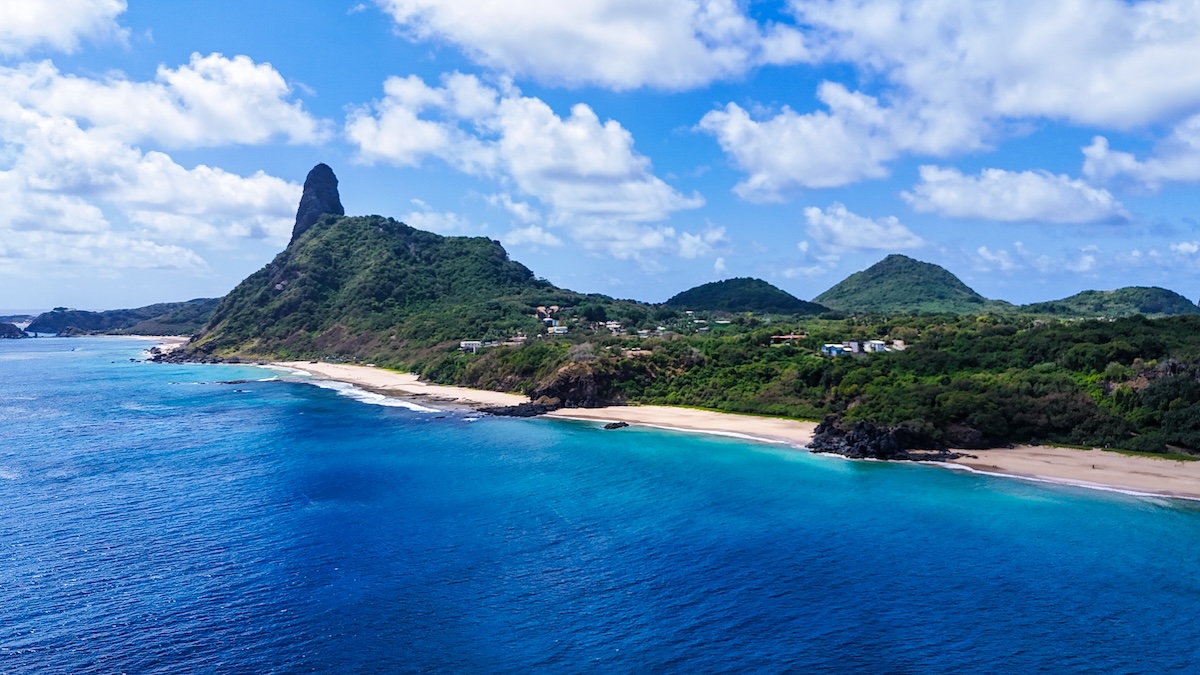
Fernando de Noronha sits about 350 kilometers off Brazil’s northeast coast. This volcanic archipelago includes 21 islands, but only the biggest one has people living on it.
Brazil turned it into a marine national park in 1988. To protect the fragile ecosystem, only around 500 visitors can stay at once. You’ll need to buy a park pass for most beaches. Dolphins, sea turtles, sharks, and rays fill the waters here. It’s one of the world’s top diving spots. On land, hiking trails wind through protected areas.
Baía do Sancho keeps getting voted the best beach in the world. The island belongs to Pernambuco state and offers a remote escape with untouched nature.
44. Cozumel, Mexico
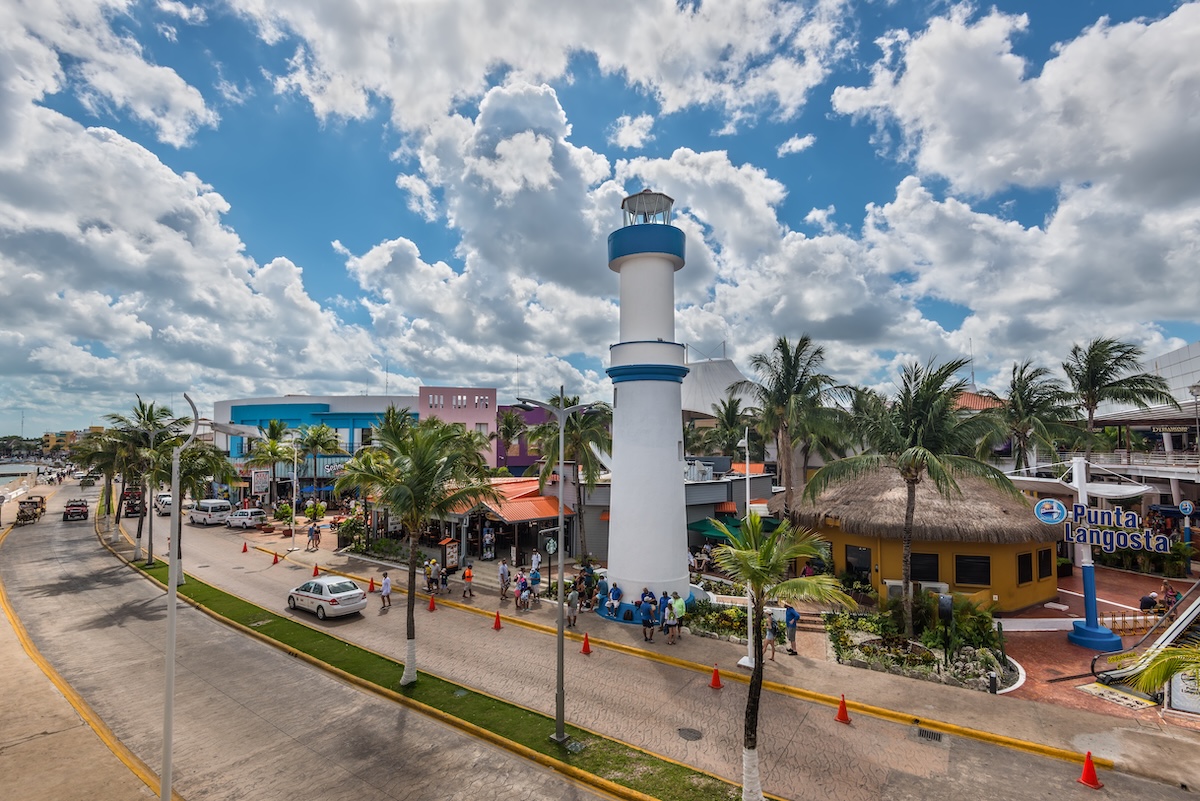
Cozumel floats in the Caribbean Sea, just off Mexico’s Yucatan Peninsula. The island stretches about 30 miles long and 10 miles wide, so there’s plenty to explore.
The water here really steals the show. You can dive into world-class coral reefs like Palancar and Columbia. The island sits near a massive reef system that draws divers from everywhere. If snorkeling’s more your thing, just walk off the beach and you’ll spot tropical fish, coral, stingrays, and nurse sharks. The beaches have that classic white sand, and the water stays warm and clear all year.
Isla Pasion, a tiny spot off Cozumel’s coast, snagged Tripadvisor’s best beach award for 2026. UNESCO declared the island a Biosphere Reserve, helping keep its natural beauty intact.
43. Crete, Greece
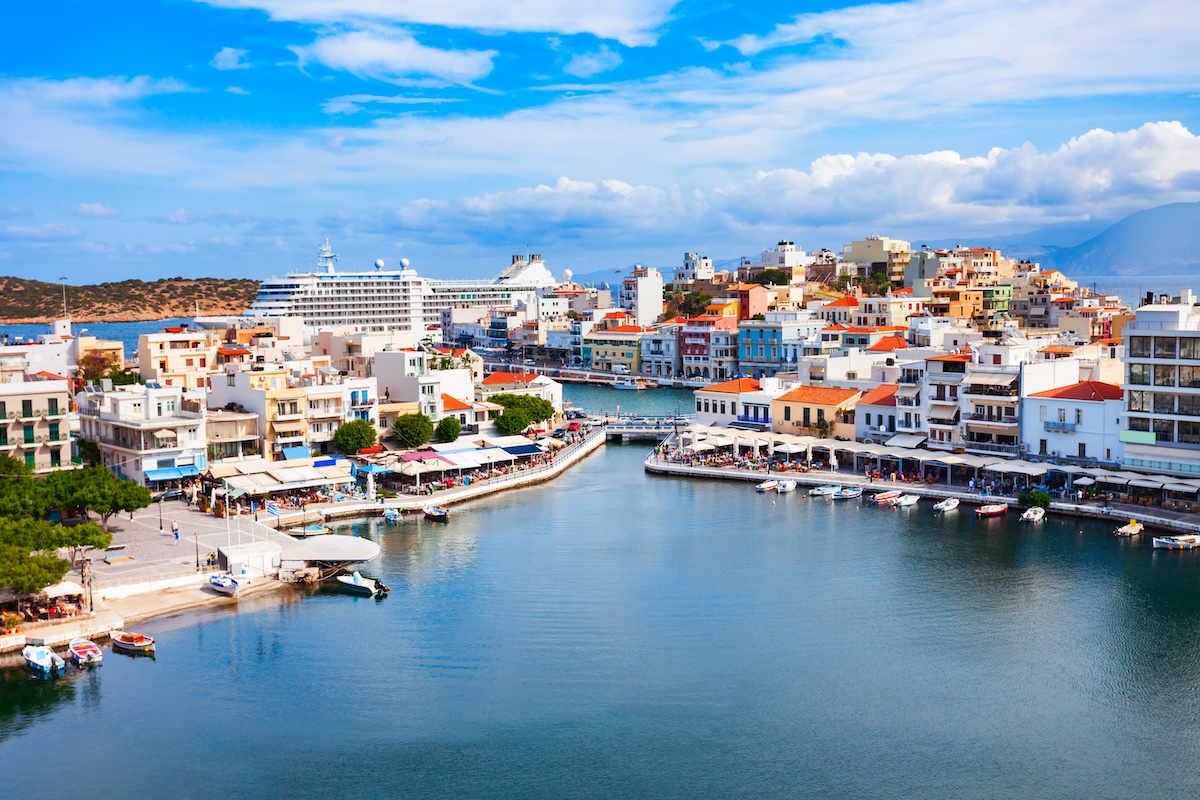
Crete is Greece’s largest island and one of the Mediterranean’s most diverse. Ancient ruins from the Minoan civilization—Europe’s oldest—dot the landscape. History and natural beauty just blend together here.
The beaches are jaw-dropping. Elafonissi has unique pink sand, while Balos Beach draws crowds for its turquoise water. Hikers can tackle the Samaria Gorge for some rugged mountain scenery.
Towns each bring their own flavor. Chania charms with its colorful streets and Venetian harbor. Heraklion offers up the ancient palace of Knossos. Out in the countryside, small villages move at a slower pace, and the food? Somehow, it tastes even better.
42. Martinique
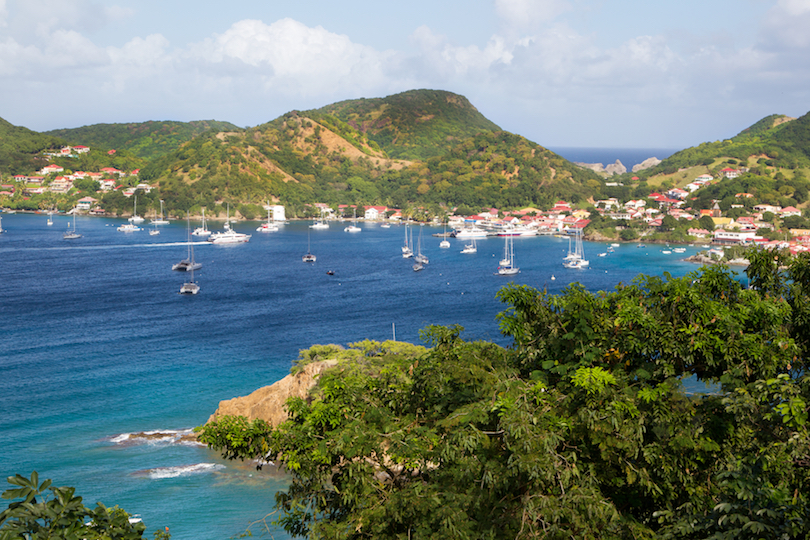
Martinique is nothing if not culturally interesting. A French island in the Caribbean’s Lesser Antilles, there is a fusion of French and West Indian cultures that you can experience, particularly through gastronomy. Boudin Creole and Boudin Blanc are the two main types of food, and the national dish ‘Colombo,’ made with spicy chicken and coconut, comes highly recommended.
But food aside, the island’s scenery has plenty to inspire you, with gorgeous beaches, botanical gardens, volcanic peaks, and historical architecture. Discover the capital, Fort-de-France; its museums tell the tale of the island’s pre-Columbian and colonial past.
Visiting Saint-Pierre is a must, too. This modern city was built among the ruins of the island’s former capital after it was destroyed when Mount Pelée erupted in the 1900s.
41. Koh Tao, Thailand
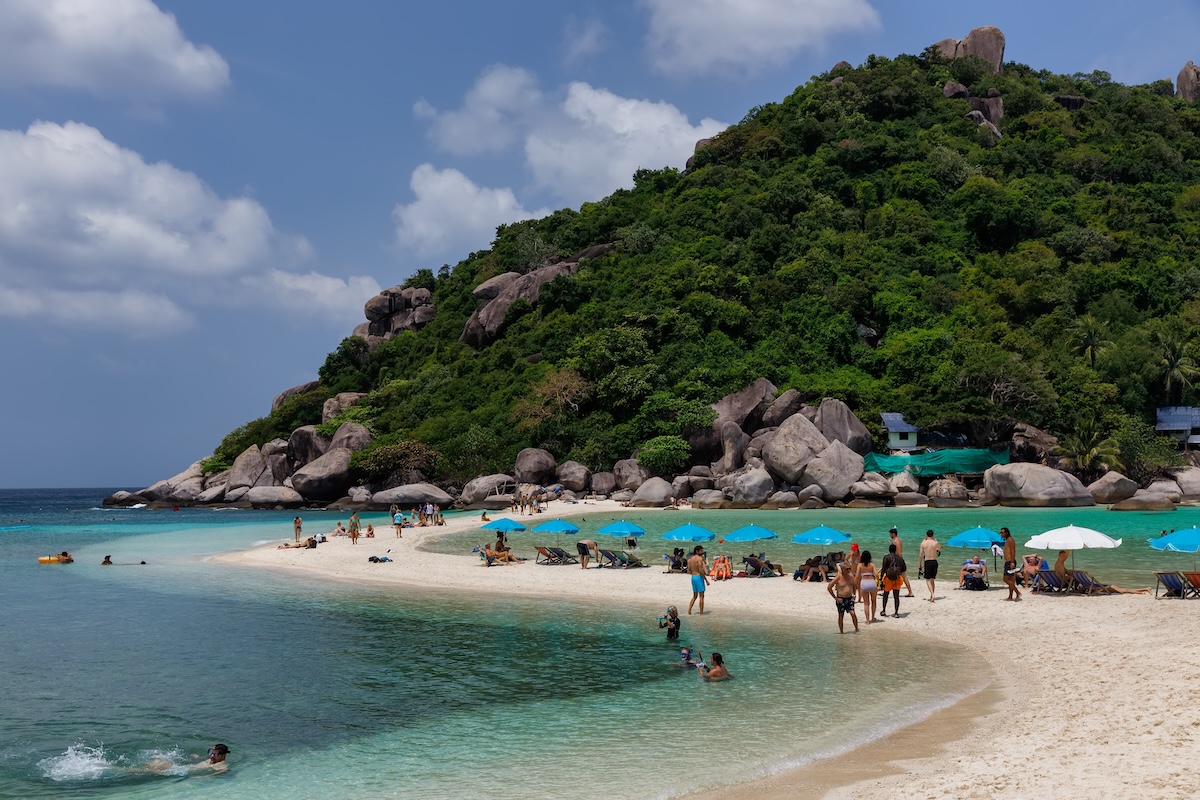
Koh Tao sits in the Gulf of Thailand, between Koh Samui and the mainland. The name means “Turtle Island” because sea turtles used to hang out here.
Crystal-clear water and white sand beaches are everywhere. The island’s small but packed with things to do. Scuba diving is the main draw, with some of the clearest water in Southeast Asia. If diving’s not your thing, snorkeling’s fantastic too. You can hop to nearby islands or hike up to scenic viewpoints. The beaches stay way less crowded than Phuket or Phi Phi.
Backpackers and travelers from all over show up here. You can take diving courses, chill on the sand, or just explore the marine life right offshore. It’s a solid pick for a tropical escape without the tourist mobs.
40. Key West, Florida
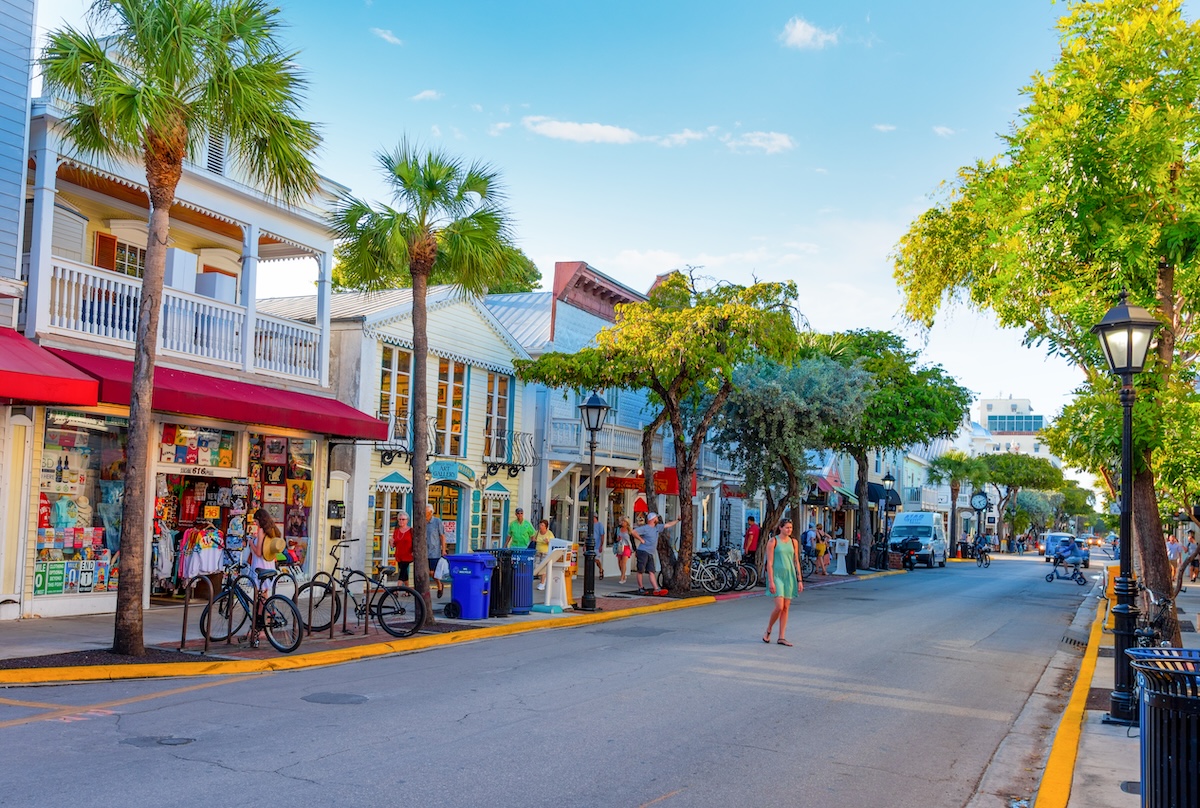
Key West marks the southernmost tip of the US, where turquoise water meets a quirky island vibe. The famous Overseas Highway connects it to mainland Florida, so it’s easy to reach but somehow feels like another world.
The island pulls you in with its laid-back pace and colorful history. Spend your days wandering local shops, checking out historic sites, or just soaking up the sun on sandy beaches. Sunsets here? They’re unreal—no filters needed. You can dive into clear waters for snorkeling or fishing. After dark, the nightlife gets lively, with music spilling from bars along Duval Street.
Key West gives you a taste of island life without leaving the country. Whether you want to relax or chase adventure, this tiny island packs a lot of personality into seven square miles.
39. Madeira, Portugal
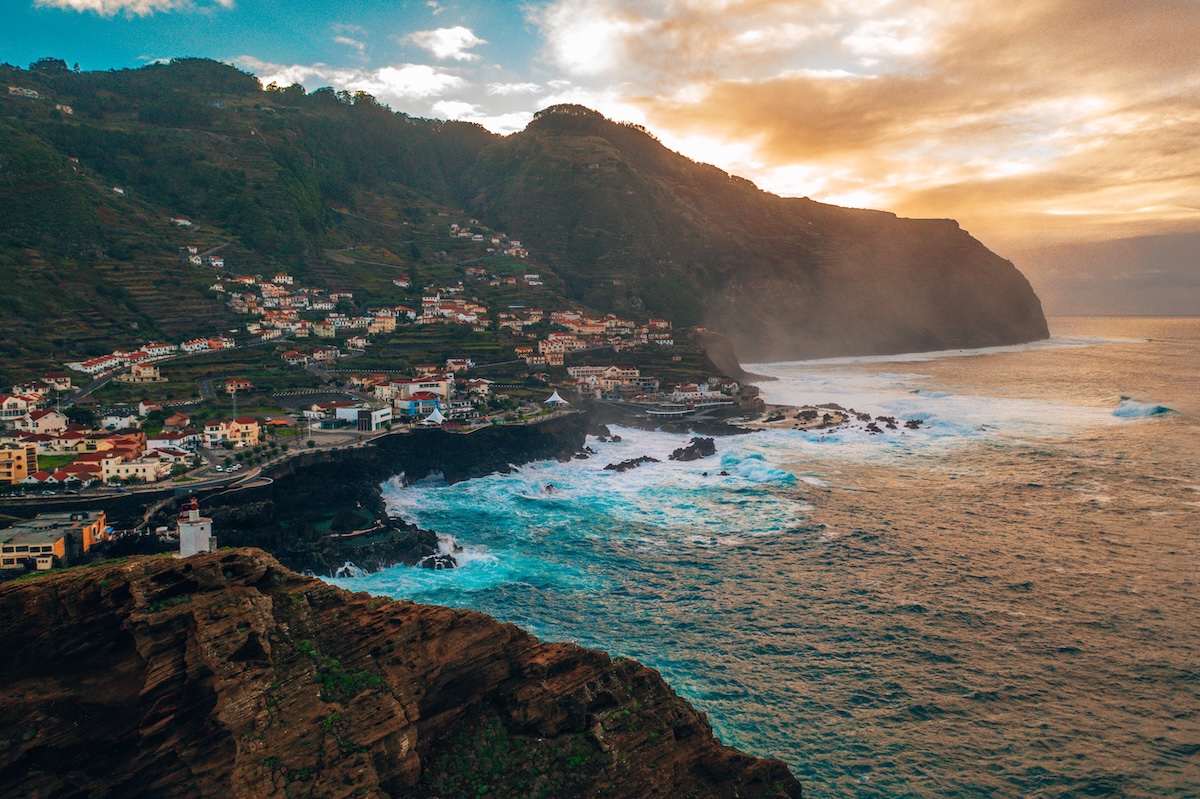
Madeira floats in the Atlantic, about two hours by plane from mainland Portugal. The island actually sits closer to Africa than Europe, which gives it a vibe all its own.
Madeira has racked up awards as Europe’s Leading Island Destination more than once. Dramatic cliffs, lush green mountains, and charming seaside towns make you want to see every corner. Your days might include hiking scenic trails, wandering botanical gardens, or sipping the island’s famous fortified wine. Thanks to volcanic soil and a mild climate, vineyards and rare plants thrive here.
Funchal, the capital, offers Portuguese culture with a twist—think simple cathedrals, local eats, and old merchant quarters. The Atlantic breeze keeps things comfortable all year round.
38. Curacao
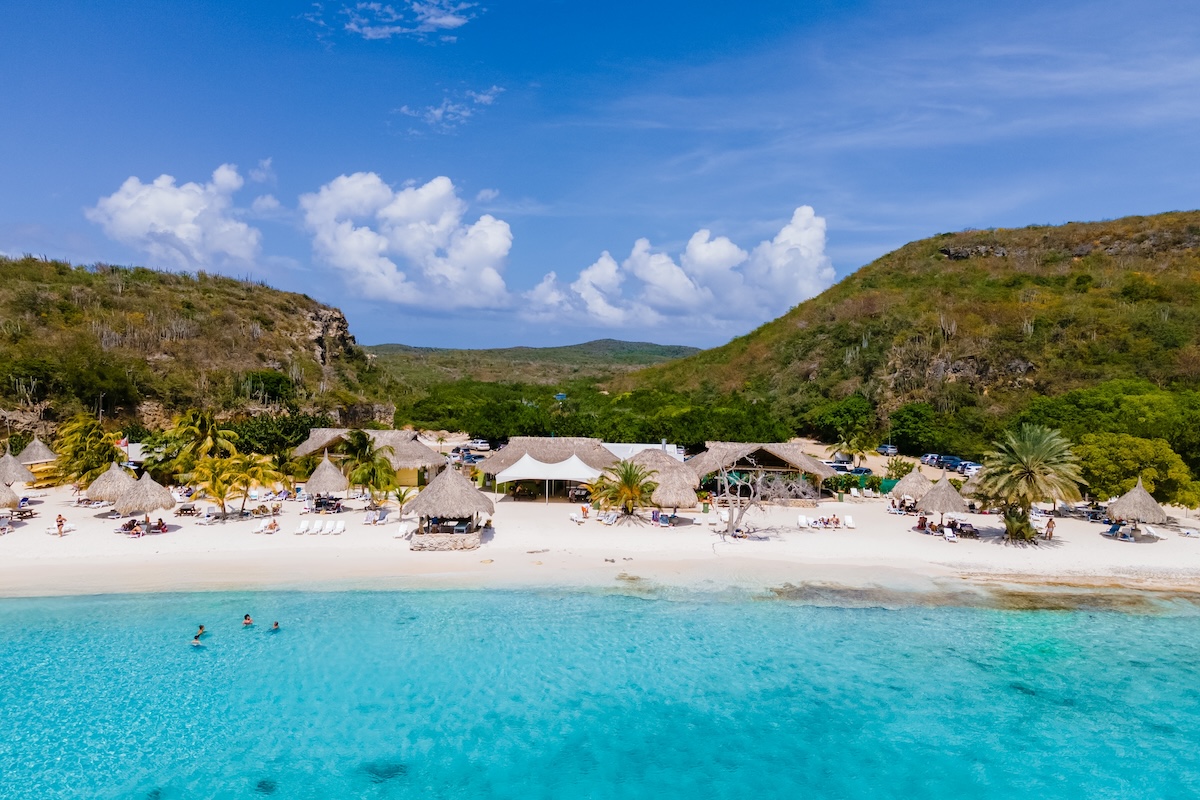
Curacao sits in the southern Caribbean Sea, outside the hurricane belt. The island greets you with rows of colorful Dutch colonial buildings along Willemstad’s waterfront—UNESCO calls it a World Heritage site.
The beaches here really stand out. Playa Lagun and Grote Knip Beach have calm, clear water—perfect for snorkeling. You can check out coral reefs teeming with tropical fish just steps from shore. Curacao blends European charm with Caribbean warmth. Dutch influences mix with African and Latin American traditions, and you’ll taste it in the food too—local dishes bring together flavors from all over.
There are over 35 beaches, each with its own feel. Some hide in quiet coves, others stretch out with soft white sand.
37. Raja Ampat Islands, Indonesia
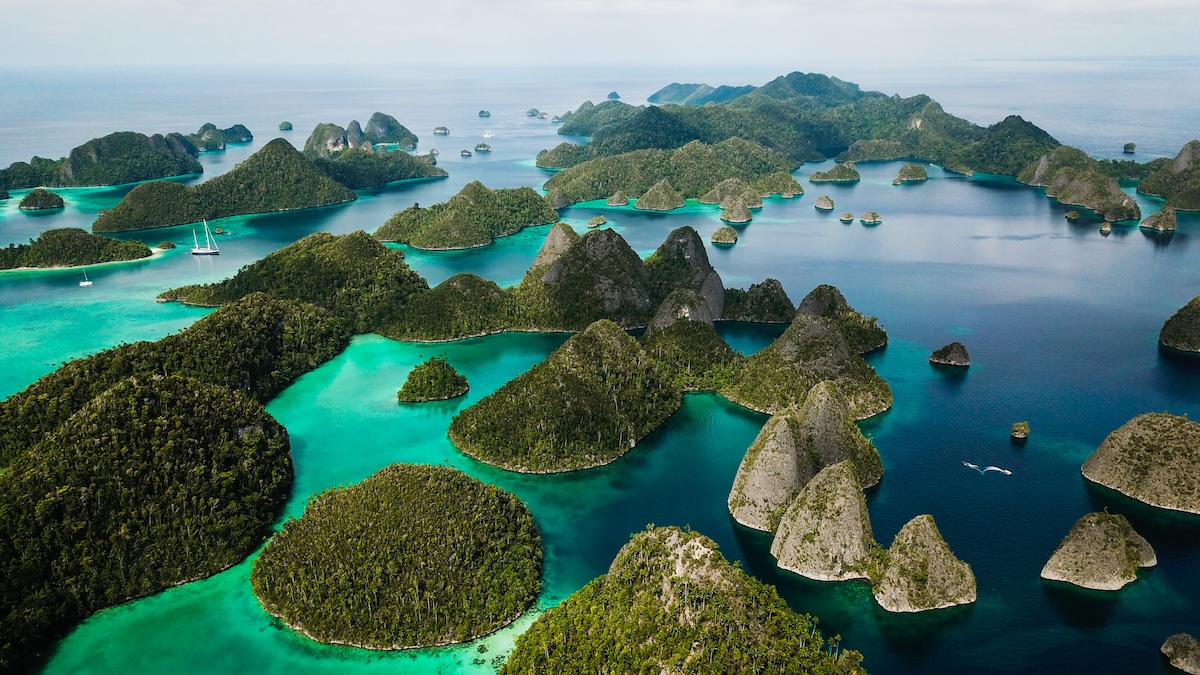
Raja Ampat sits off New Guinea’s northwest tip, in Indonesia’s West Papua province. Over 1,500 small islands dot bright blue waters where the Indian and Pacific oceans meet.
The ocean life here is wild—about 75% of the world’s coral species live in these waters, along with reef sharks, manta rays, and more colorful fish than you can count. The main islands—Waigeo, Salawati, Batanta, and Misool—are covered in thick jungle, hidden caves, and beaches with insanely clear water. The whole place feels pretty untouched compared to other tourist spots.
You can snorkel right off the beach and see coral gardens below. Diving conditions stay perfect year-round. Locals are welcoming and happy to share their remote home with those who make the trek.
36. Haida Gwaii, Canada
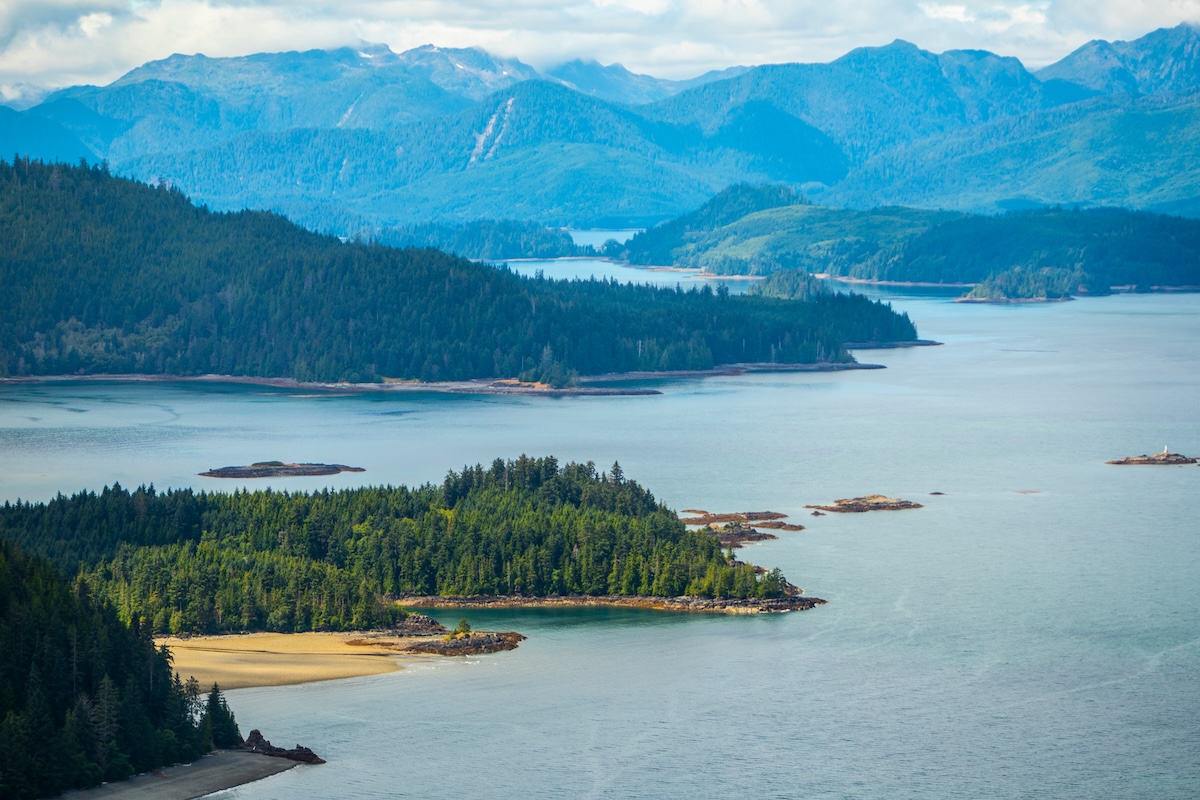
Haida Gwaii sits off northern British Columbia, where more than 150 islands stretch across 155 miles of wild Pacific. The Haida people have lived here for thousands of years, and their culture still pulses through the forests and villages.
The landscape keeps you guessing. Mossy rainforests melt into rugged coasts and wide, sandy beaches. You might spot wildlife you won’t see anywhere else in Canada—folks sometimes call it the “Canadian Galapagos.”
Getting here isn’t simple—the islands are remote. Honestly, that’s part of the magic.
Hike ancient forests, try cold-water surfing, or camp under stars that seem impossibly bright. The Haida call this place “Islands of the People,” and after spending time here, you get why they’ve guarded it for so long.
35. Jamaica
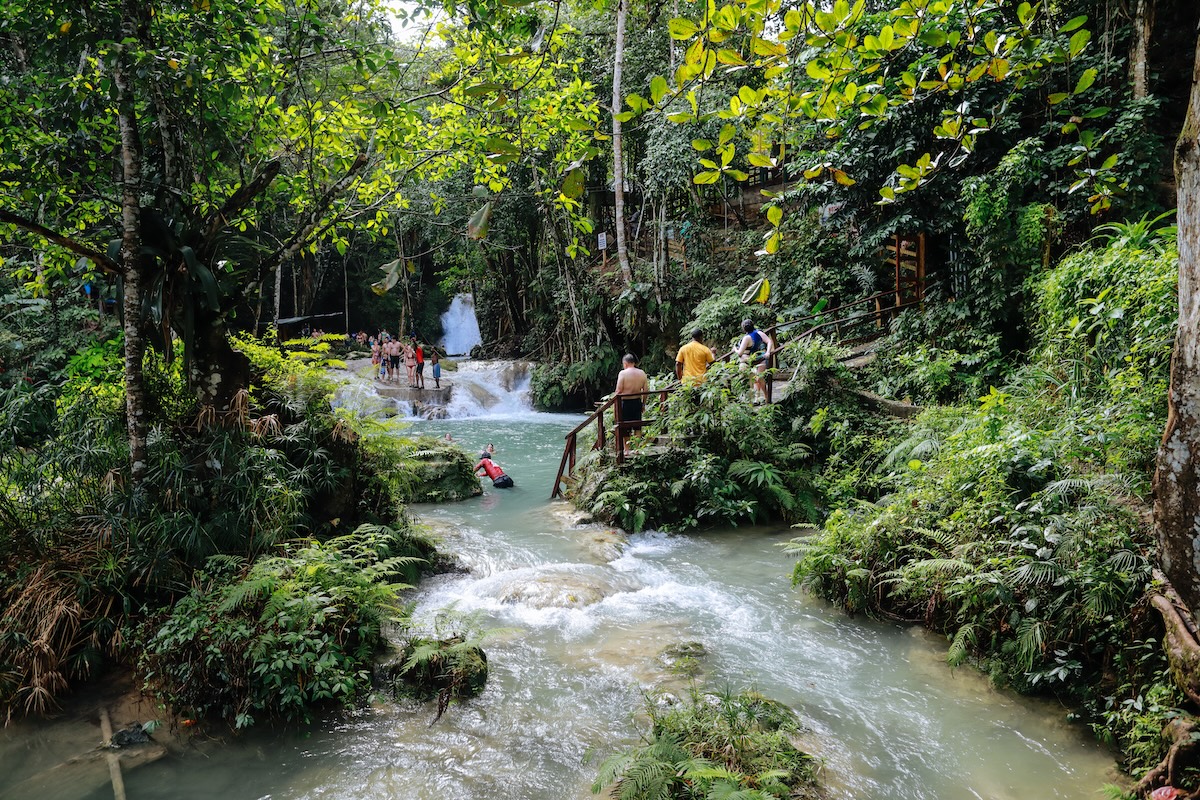
Jamaica is one of the Caribbean’s most captivating islands. You’ll find everything from misty blue mountains to powdery white beaches along its coastline. The island hands you natural wonders like Dunn’s River Falls and the lush Blue Mountains. These spots contrast beautifully with the turquoise sea that wraps the island.
Explore hidden coves or stretch out on famous beaches. Some spots buzz with energy, while others feel almost secret—perfect for soaking up local vibes or just zoning out.
Jamaica delivers more than beaches. Rainforests, rivers, and mountains shape a dramatic backdrop. Travel and Leisure ranked it the sixth most beautiful Caribbean island, and honestly, once you’re there, you’ll see why.
34. Maui, USA
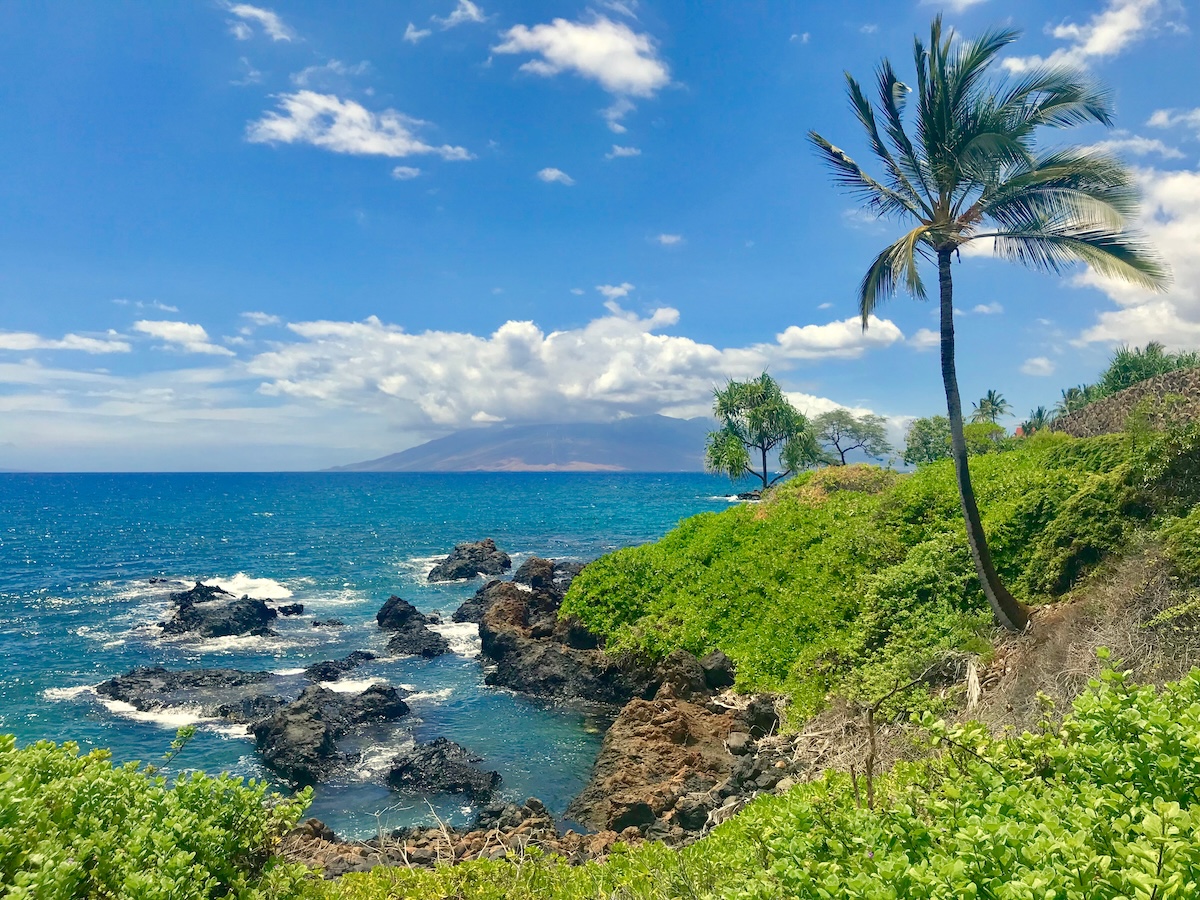
Maui really earns its reputation as one of the world’s most gorgeous islands. Golden beaches, wild volcanic landscapes—it’s all here.
Swim with sea turtles in clear water or sink your toes into soft white sand. Drive the Road to Hana for rainforests and waterfalls around every bend. Haleakalā National Park shows off craters and sunrises that people travel across the globe to see.
The beaches range from lively resorts to tucked-away coves, so you can find your own vibe. Surf, snorkel, or just nap under a palm tree—Maui always delivers natural beauty, no matter your speed.
33. Yasawa Islands, Fiji
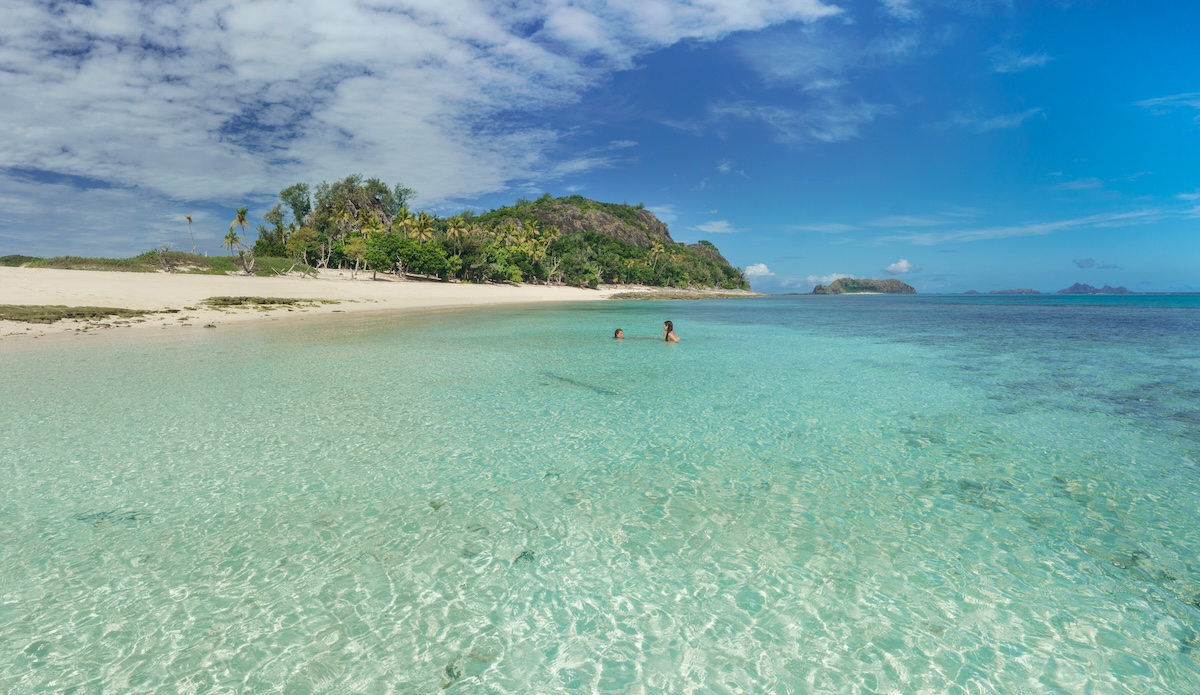
The Yasawa Islands sprawl across northwestern Fiji—20 volcanic islands with white sand beaches and coconut palms. The water’s so clear you can see every shell and fish below. These islands got famous from the Blue Lagoon movies. The north stays quiet and remote, while the southern islands see more visitors but still feel peaceful.
Snorkel coral reefs, hike green hills, or swim with manta rays. The beaches here are some of the Pacific’s best—powdery sand that just feels right under your feet.
They’re about 40 kilometers from Fiji’s main island, Viti Levu. Backpackers love the Yasawas; you get the postcard paradise without draining your wallet. Ancient Polynesian and Melanesian people settled here centuries ago, building tight-knit fishing communities.
32. Corsica, France
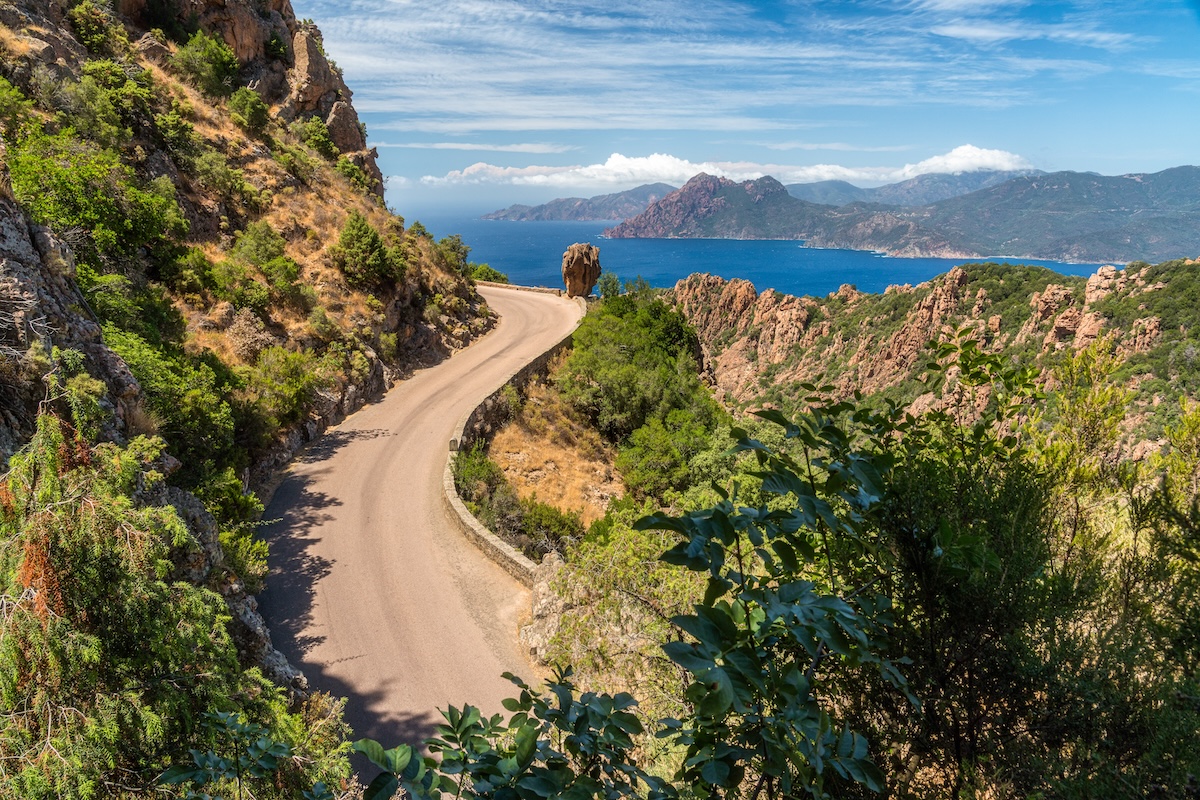
Corsica floats in the Mediterranean as one of France’s most striking regions. The “Isle of Beauty” nickname isn’t just hype. Mountains shoot up next to pristine beaches, and the coastline flips from rocky cliffs to soft sand. French and Italian influences mix in ways that feel totally Corsican.
Wander through tiny villages with narrow alleys and old stone houses. Cap Corse, the wild northern tip, shows off the island’s untamed side. Beaches go from hidden nooks to long, open stretches.
Corsica stays quieter than most Mediterranean islands. You get that authentic island feeling—no crowds, just the sound of waves and maybe a bit of Corsican spoken alongside French.
31. San Blas Islands, Panama
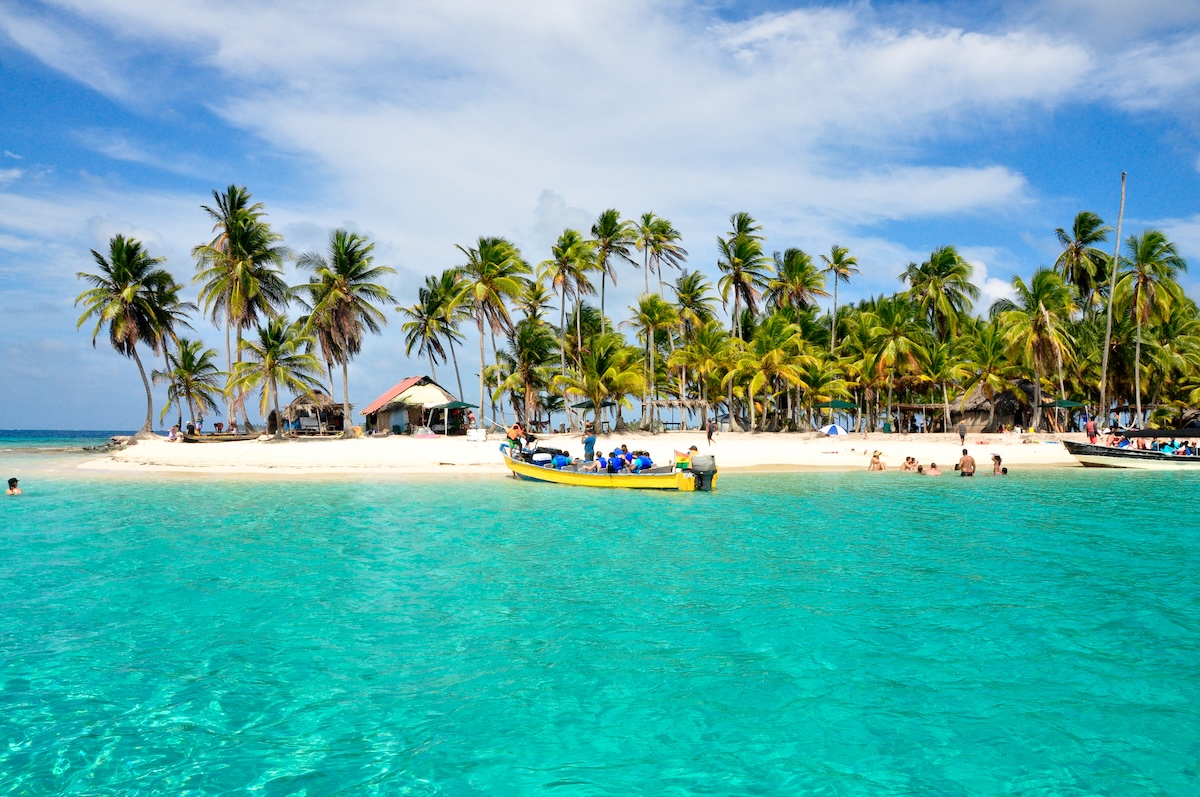
The San Blas Islands sprawl off Panama’s Caribbean coast—over 365 tiny islands, each with white sand and blue water that looks almost unreal.
The Guna people run these islands as their own region, Guna Yala. They’ve protected their traditions and kept the islands free from big hotels or heavy development. You can reach San Blas by boat from Panama City or join a day trip. Most islands offer only basic comforts, since the Guna want to keep things natural.
Swim in shallow pools, snorkel coral reefs, and sprawl out on quiet beaches. It’s a rare chance to experience indigenous culture while floating in some of Central America’s clearest water.
30. Mauritius
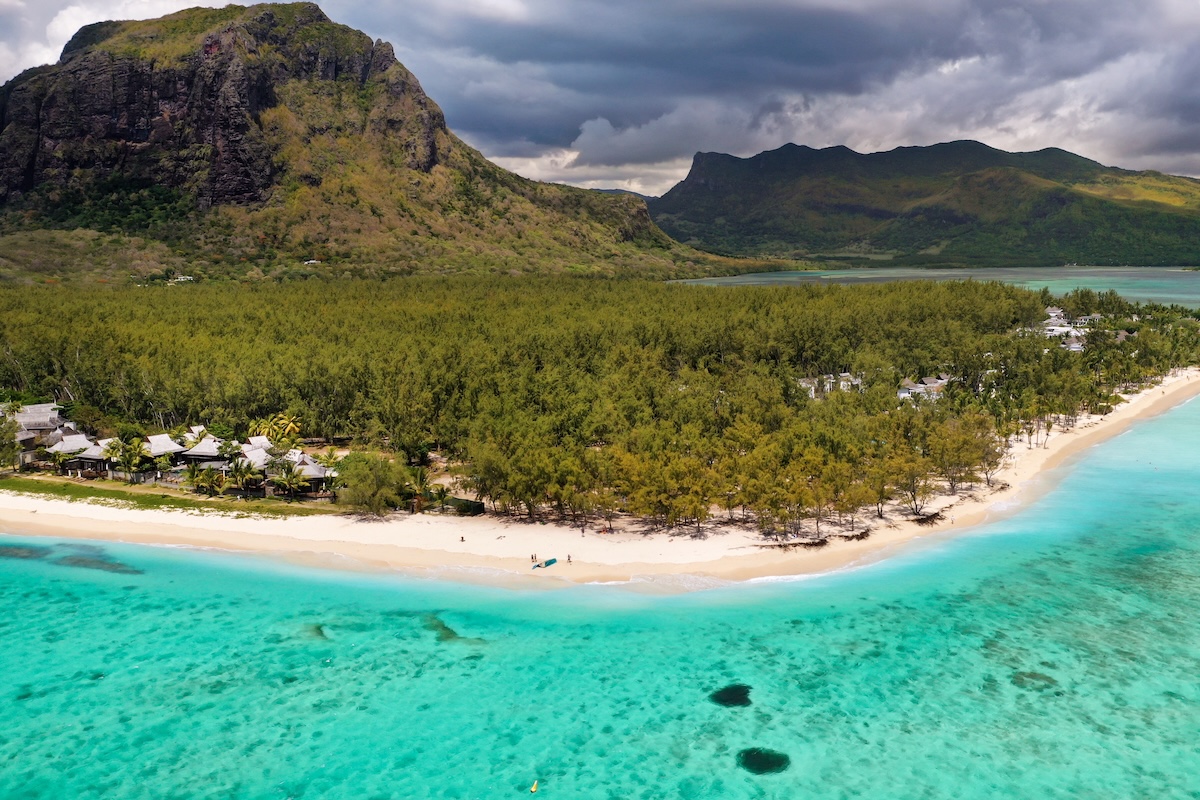
Mauritius sits in the Indian Ocean, a little island that feels like a secret. White sand beaches meet turquoise water so clear you can see your toes—and the fish swimming by. But it’s not just about the coast.
Hike through thick forests in Black River Gorges National Park, where trails wind past waterfalls and through deep valleys. The landscape keeps changing—black sand coves, rolling tea fields, and tiny islets just offshore.
Take a boat out to smaller islands where sea turtles nest and bright fish dart between coral. The mix of wild nature, sunny weather, and friendly locals makes Mauritius a standout among island getaways.
29. Faroe Islands
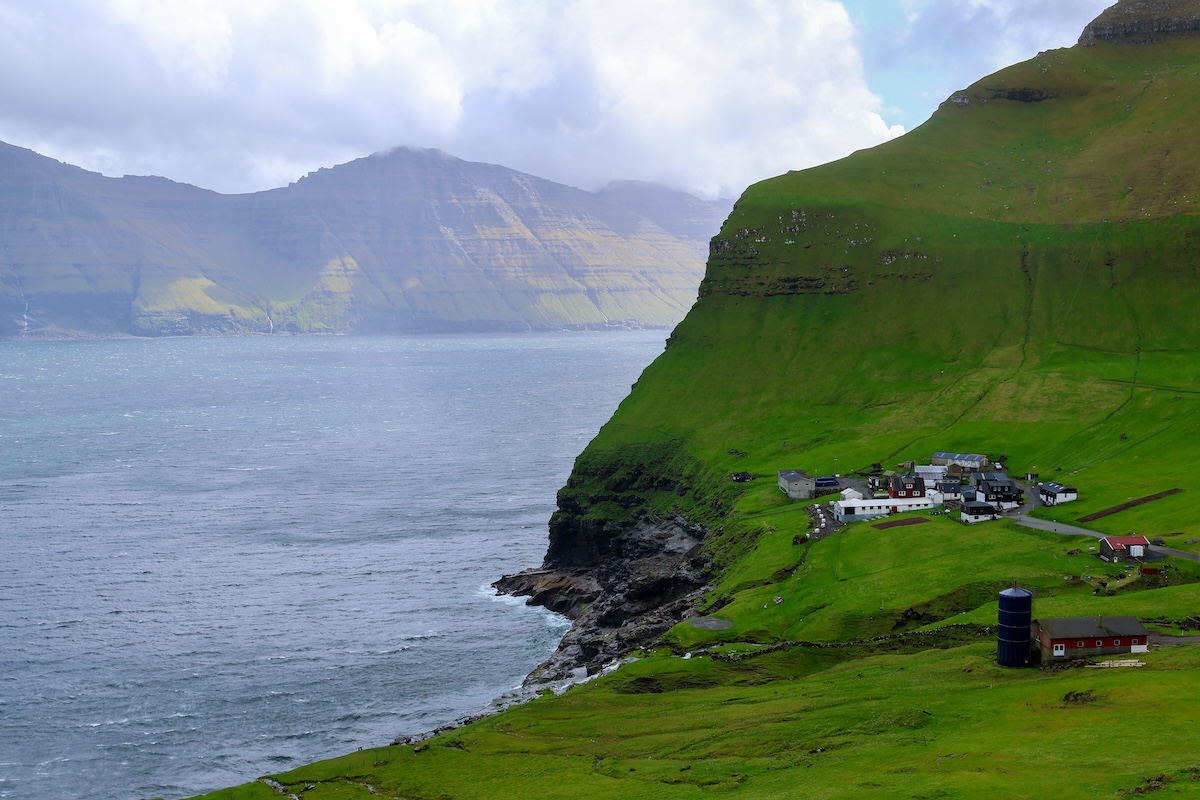
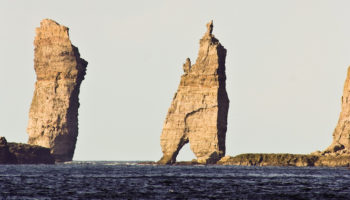
You’ll need at least a week to explore all the captivating attractions the 18 volcanic Faroe Islands have to offer. Just a short flight from the UK, the island country has been associated with the Kingdom of Denmark, but it is actually self-governed. What makes the archipelago so special is that it’s incredibly underrated and untouristy.
Did you know that you can see the Northern Lights here from November to February? Apart from its spectacular scenery of majestic valleys, remote villages, and jaw-dropping waterfalls, it’s also a popular spot for nature enthusiasts seeking a glimpse of thousands of coastal birds, including clifftop puffin colonies.
28. Easter Island, Chile
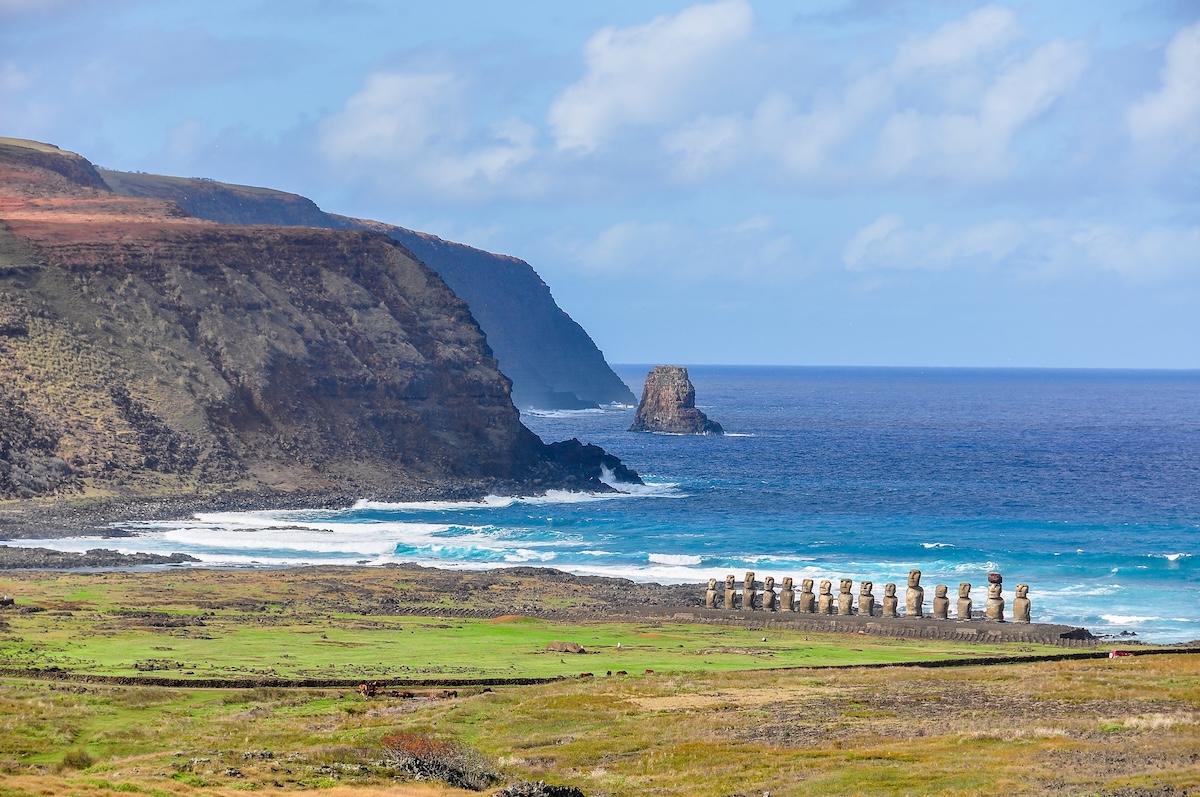
Tucked away in the southeastern Pacific, the Polynesian Easter Island is both remote and historically significant. The enormous Moai statues are undeniably the top attraction here, lending an air of history and mystery to this far-away island. Over 800 statues designed like humans with over-sized heads dot the island.
They were created by the Rapa Nui many centuries ago, and each is believed to have taken at least a year to hand-craft.
But there’s more to Easter Island than the Moai statues. There are some excellent beaches, remote caves, ancient petroglyphs, and hiking and cycling routes too! Diving into the island culture with a traditional Rapa Nui dancing show is truly memorable.
27. Cuba
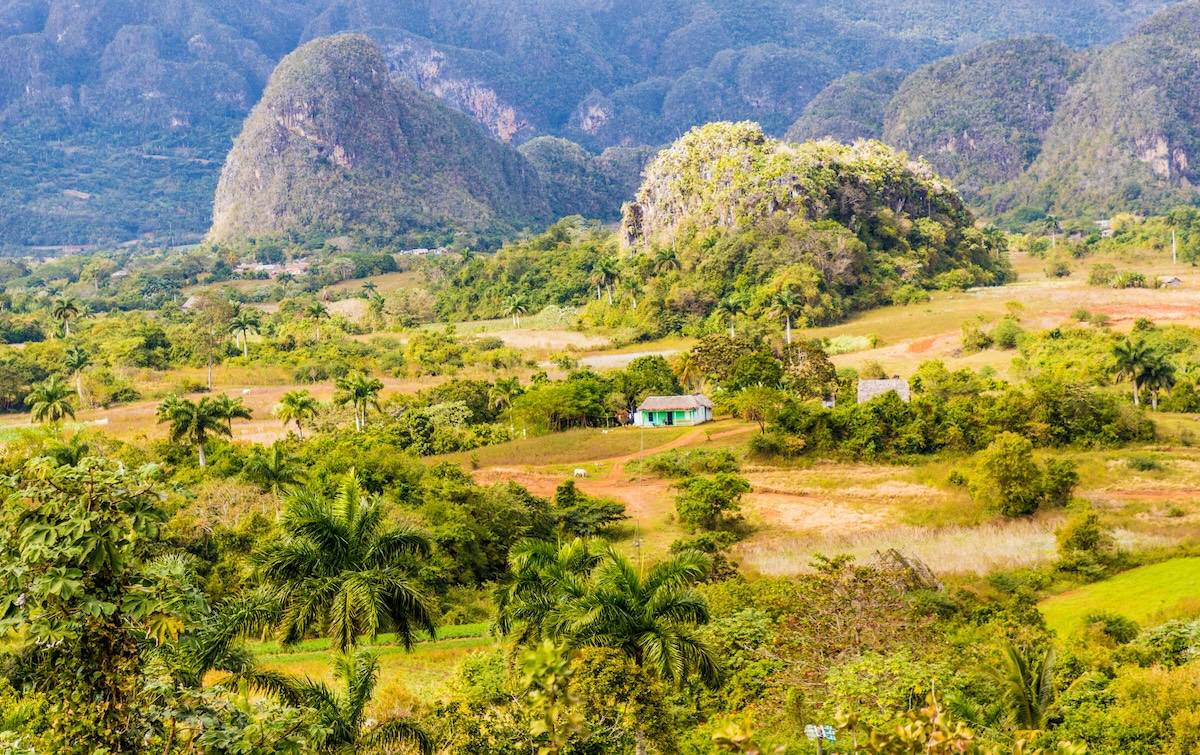
Cuba stretches across the Caribbean, a long, slim island with over 42,000 square miles to explore. Hundreds of smaller cayos surround the main island, dotting the blue water like scattered jewels.
Some of the region’s best beaches are here, especially on Cayo Largo del Sur. Playa Paraíso really lives up to its name—white sand, clear water, and a vibe that feels untouched. These little islands are perfect for escaping the crowds.
Cuba protects huge areas of land and ocean, so you get to see rare ecosystems up close. Each island tells its own story, from lush forests to wild diving spots teeming with marine life. There’s a lot more to Cuba than just Havana’s colorful streets.
26. Socotra, Yemen
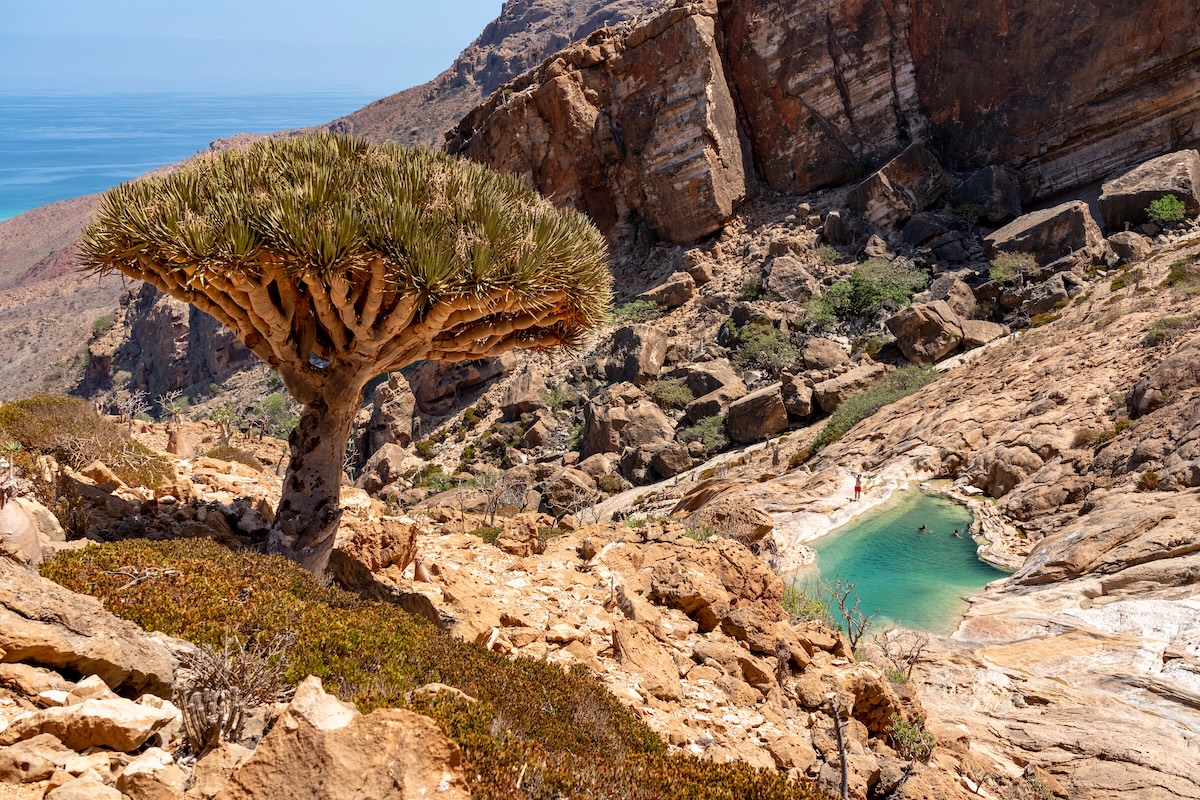
Socotra sits in the Indian Ocean, about 240 miles south of Yemen. It honestly looks like a fantasy world. The island’s famous for its dragon’s blood trees—umbrella-shaped, oozing red sap, and found nowhere else. Around 700 plant species here exist only on Socotra.
Beaches stretch for miles, white sand meeting clear turquoise water. In some spots, massive sand dunes roll right down to the sea.
Socotra has stayed peaceful and safe for visitors, even while Yemen’s mainland faced conflict. The trouble never touched the island. Explore limestone caves, camp under wild stars, and swim in waters full of sea life. The mix of desert, mountains, and coast is something you just don’t see anywhere else.
25. Perhentian Islands, Malaysia
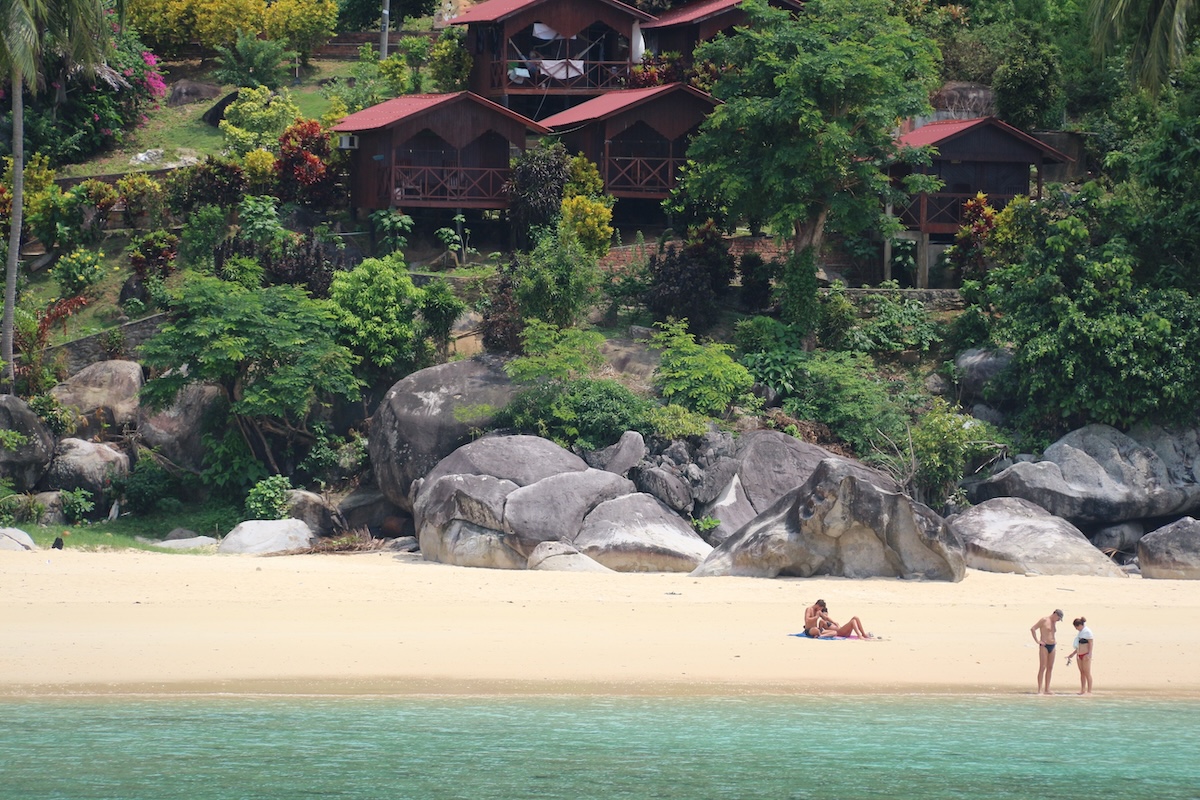
The Perhentian Islands sit off Malaysia’s northeast coast in Terengganu. These tropical islands deliver white sand beaches and water so clear you’ll want to swim all day.
The two main islands—Perhentian Besar and Perhentian Kecil—each have their own feel. Besar is bigger and quieter, perfect if you want peace. Kecil’s smaller, busier, and budget-friendly, with a social scene that keeps things lively.
The real magic is underwater. Snorkel right off the beach with sea turtles, reef sharks, and neon-bright fish. Divers love the coral reefs that wrap around the islands. Hit the jungle trails to explore hidden beaches. The islands have managed to keep their laid-back, natural vibe—no mega resorts here.
24. Azores, Portugal
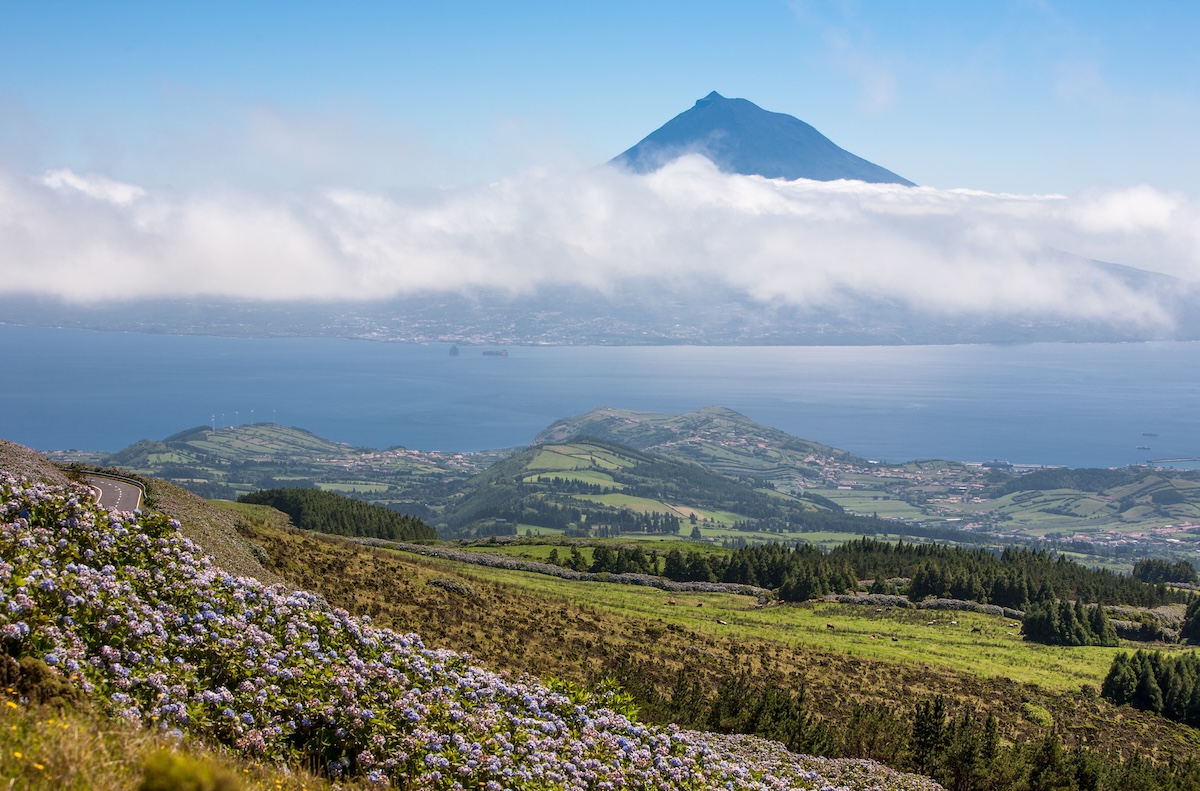
The Azores float in the Atlantic, about 1,000 miles from mainland Portugal. These nine volcanic islands serve up wild, dramatic scenery that feels a world away from typical Europe.
São Miguel is the biggest and most popular. Expect crater lakes, hot springs, and green valleys everywhere. The twin lakes at Sete Cidades? Absolutely worth the hype. Pico lures hikers with its massive volcano. Tiny Corvo stuns with its huge volcanic crater. Each island has its own personality—Flores for waterfalls, Santa Maria for golden sand.
Hike volcanic trails, soak in geothermal pools, and eat fresh seafood straight from the Atlantic. You won’t find packed resorts or tourist traps here, just raw beauty and a slower pace.
23. Yakushima
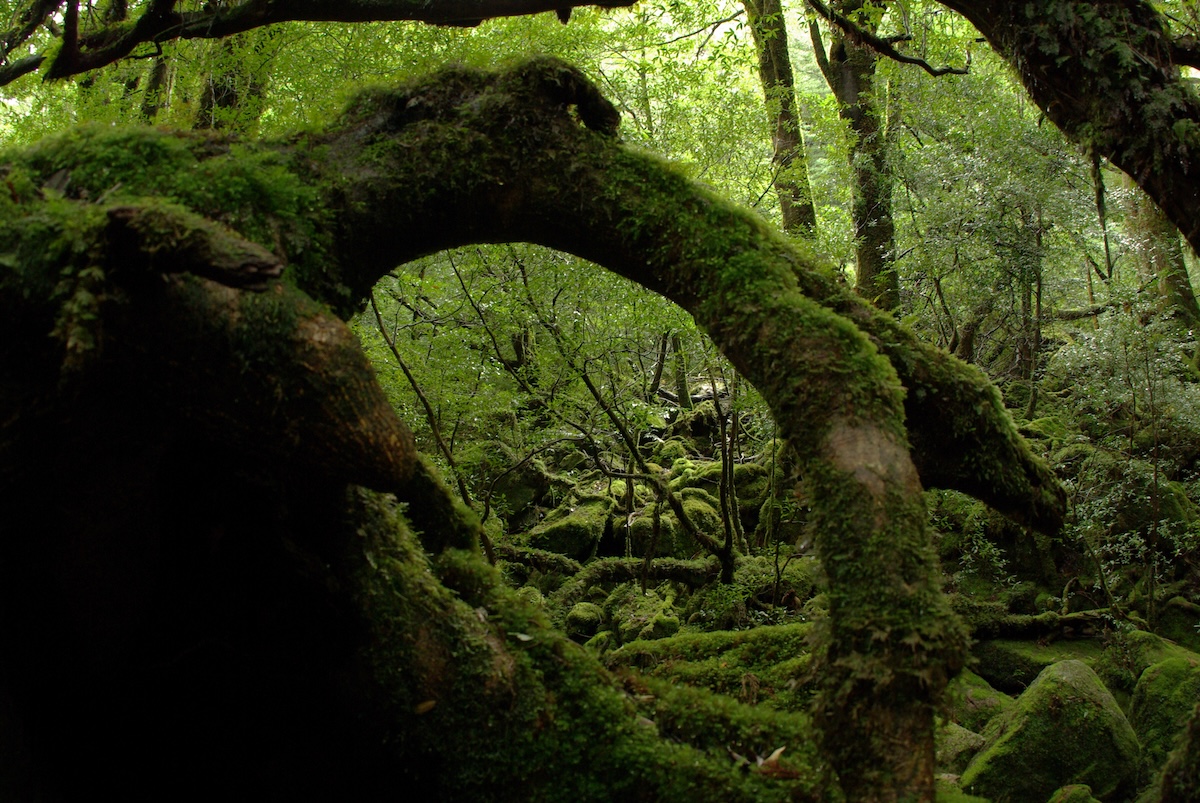
Yakushima sits about 60 kilometers off Japan’s southern coast. It’s a small island, but it packs in a ton of natural wonder.
The rain here never seems to quit. Locals joke it rains “35 days a month.” All that water feeds waterfalls and rivers that carve through the landscape in wild, green ribbons. Hike through ancient cedar forests—Jomon Sugi, the most famous tree, might be thousands of years old. Eight mountain peaks rise above 1,800 meters, with Mount Miyanoura topping out at 1,936 meters, the tallest in Kyushu.
UNESCO named part of Yakushima a World Natural Heritage site in 1993. You’ll probably spot monkeys and deer wandering the mossy trails as you explore.
22. Jeju Island, South Korea
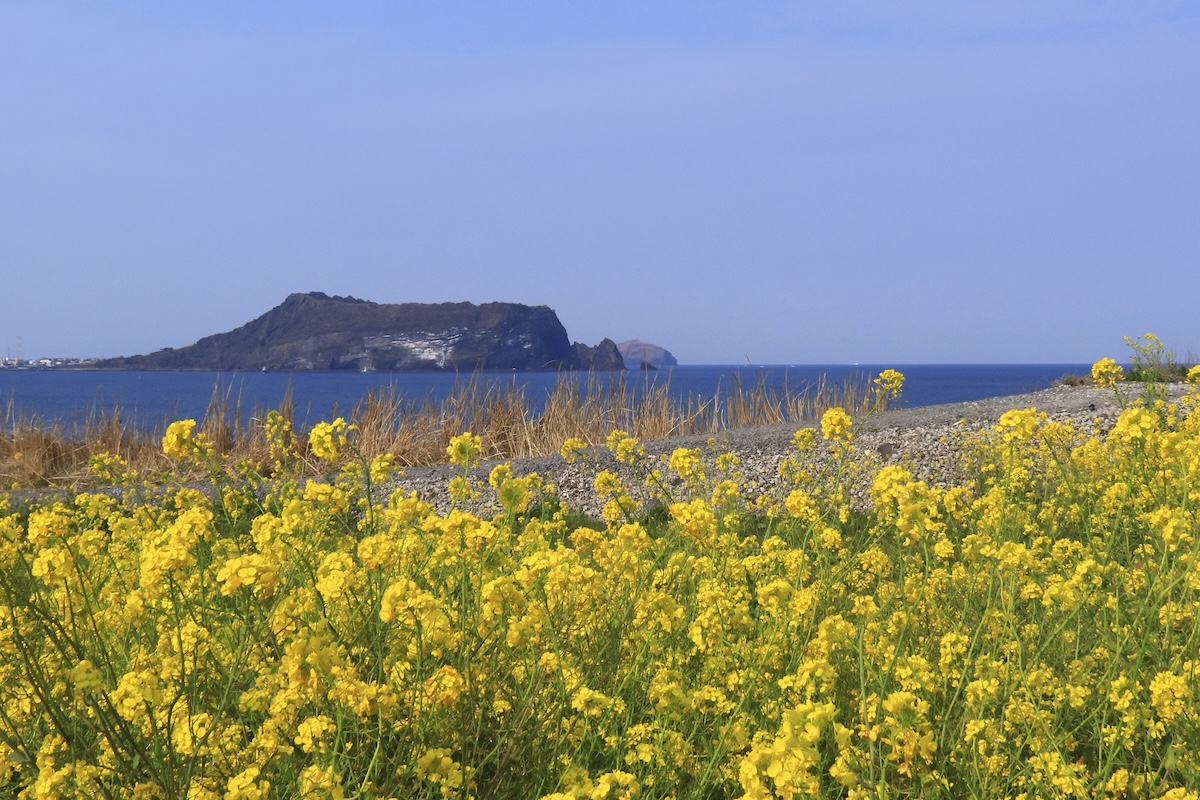
Jeju Island sits off South Korea’s southern coast in the Korean Strait. Born from a volcanic eruption over 2 million years ago, it’s now one of the New 7 Wonders of Nature. Expect dramatic volcanic scenery, white sand beaches, and clear water. You can wander through lava tube caves, hike Hallasan (the country’s tallest mountain), or chill on beaches like Hyeopjae and Jungmun.
Jeju’s famous for fresh seafood, sweet tangerines, and a culture all its own. You might even spot haenyeo—elderly women who free-dive for seafood using old-school methods.
The island spent years isolated, only really opening up in the 1980s. Now, it’s a favorite getaway for Koreans and international visitors looking for tropical vibes without leaving East Asia.
21. Hvar, Croatia
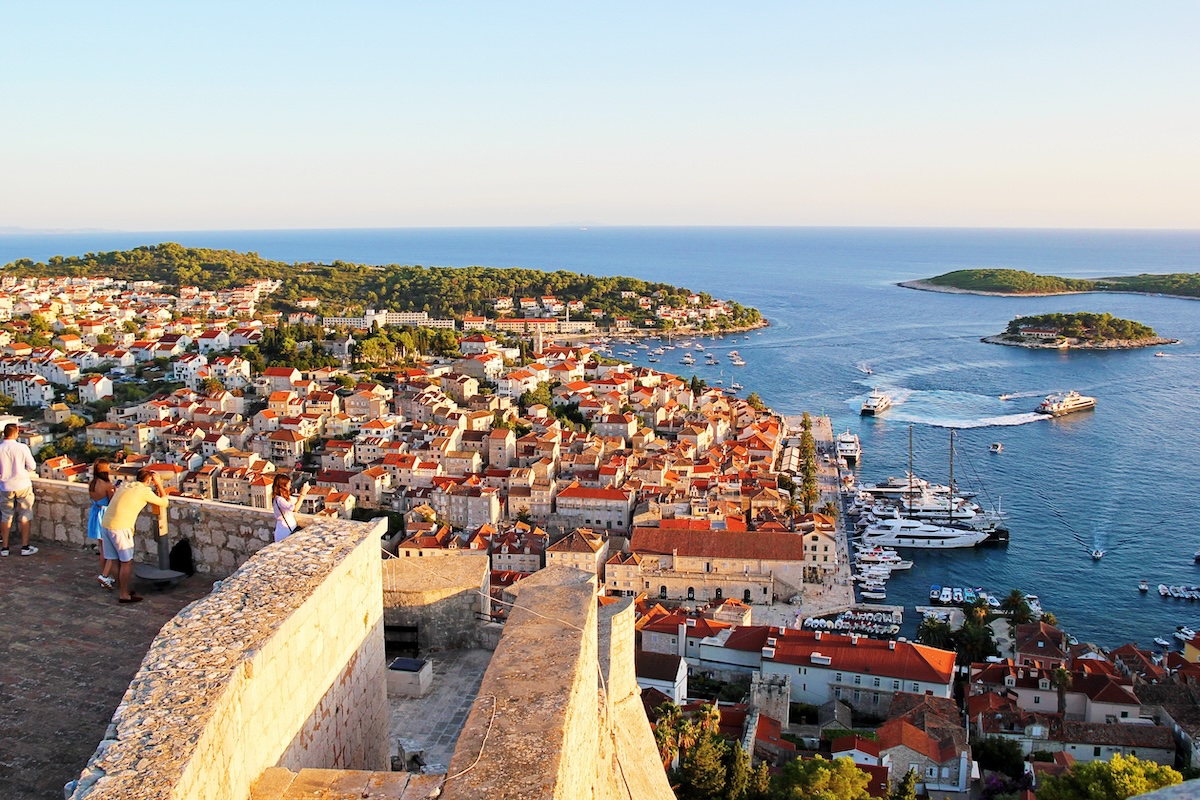
The Croatian island of Hvar can be found on the edge of the Adriatic. While it is certainly celebrated for its summer beach parties and glitzy nightlife scene, Hvar has so much more to offer than raves and hangovers.
Take your time unpicking the history of the island with a visit to the port town of Stari Grad – the oldest in Croatia – and the Venetian-style fortress perched on a hilltop above Hvar Town. Or explore the island’s stunning natural scenery, from secluded beaches and inland lilac lavender fields to undulating vineyards famous for their fine Croatian wines.
20. Zanzibar Island, Tanzania
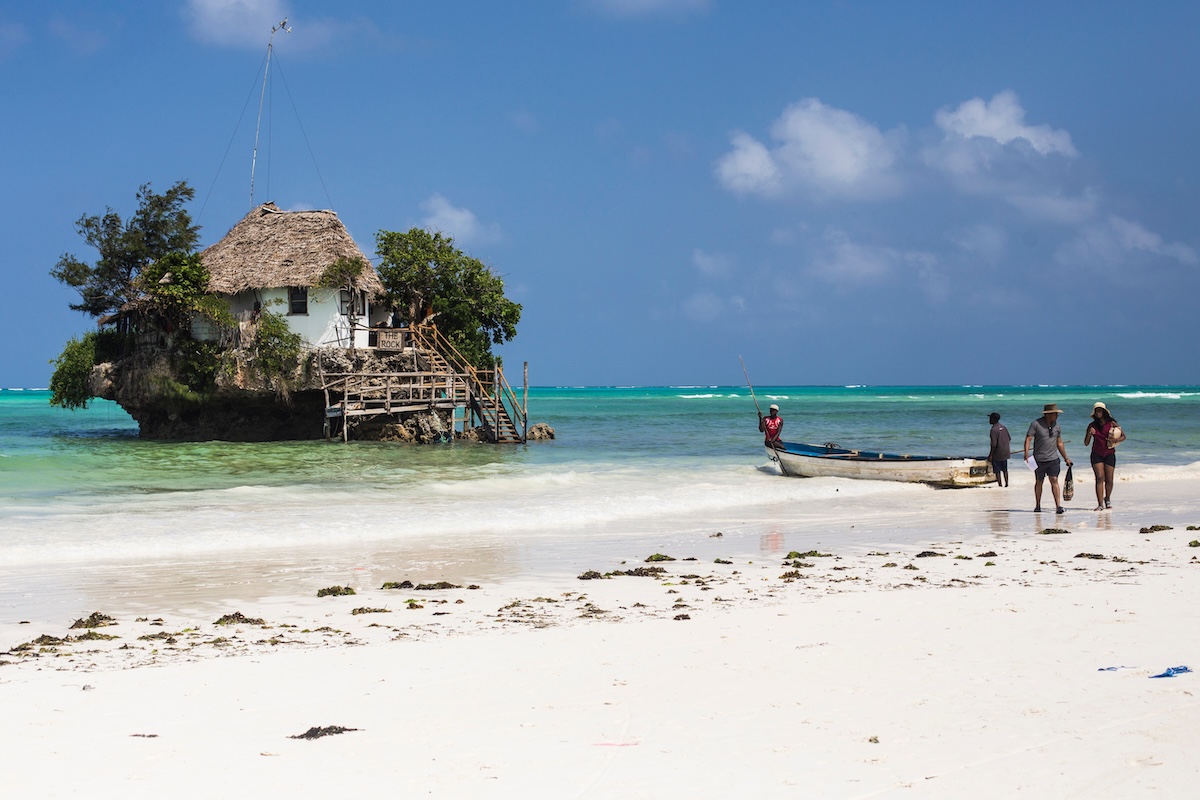
Zanzibar floats in the Indian Ocean, just 15 miles off Tanzania’s coast. This tropical paradise has some of Africa’s most stunning beaches, with soft white sand and turquoise water that’s almost too perfect to believe. Stone Town, at the heart of Zanzibar City, pulls you into a maze of narrow streets lined with historic buildings and bursts of local culture. The old quarter reveals centuries of trading history at every turn.
The beaches? They’re the kind people daydream about. Palm trees fringe the shores, and shallow sandbars let you wade out into warm water. Each coast brings its own vibe—quiet coves on one side, lively stretches on another.
Jozani Forest is home to red colobus monkeys you won’t find anywhere else. The surrounding reefs turn snorkeling and diving into a colorful spectacle, with fish darting through coral gardens.
19. Antigua
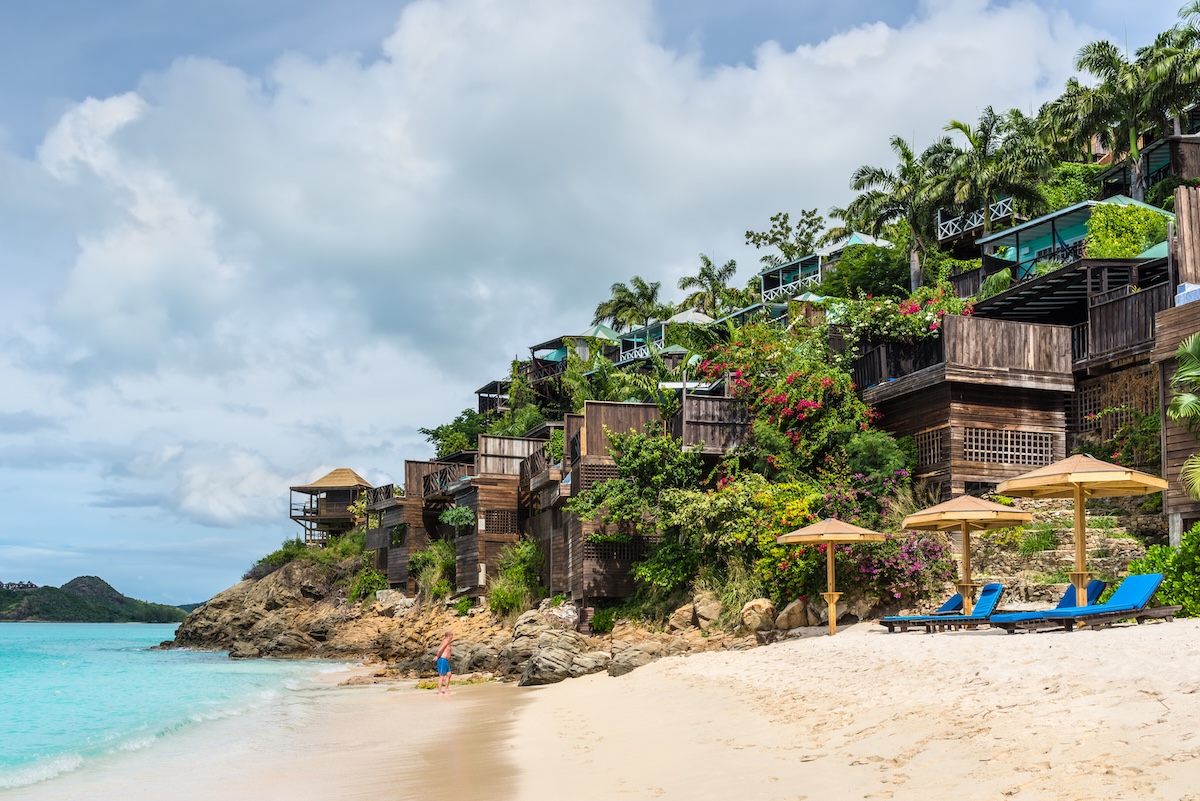
Antigua greets you with 365 beaches—one for every day of the year, if you can believe it. The island sits in the eastern Caribbean, its white sand stretching along clear turquoise water.
Dickenson Bay is one of the island’s most famous beaches. You get that classic Caribbean scene: endless powder-soft sand, blue bays, and space to stroll for what feels like miles. They call Antigua the sailing capital of the Caribbean, and it’s easy to see why. Antigua Sailing Week draws sailors from all over, thanks to perfect wind and protected harbors. Boating just feels right here.
There’s more than beaches, though. Rolling green hills and historic landmarks dot this small island. The friendly local culture gives Antigua an easygoing charm you notice right away.
18. Kodiak Island, Alaska
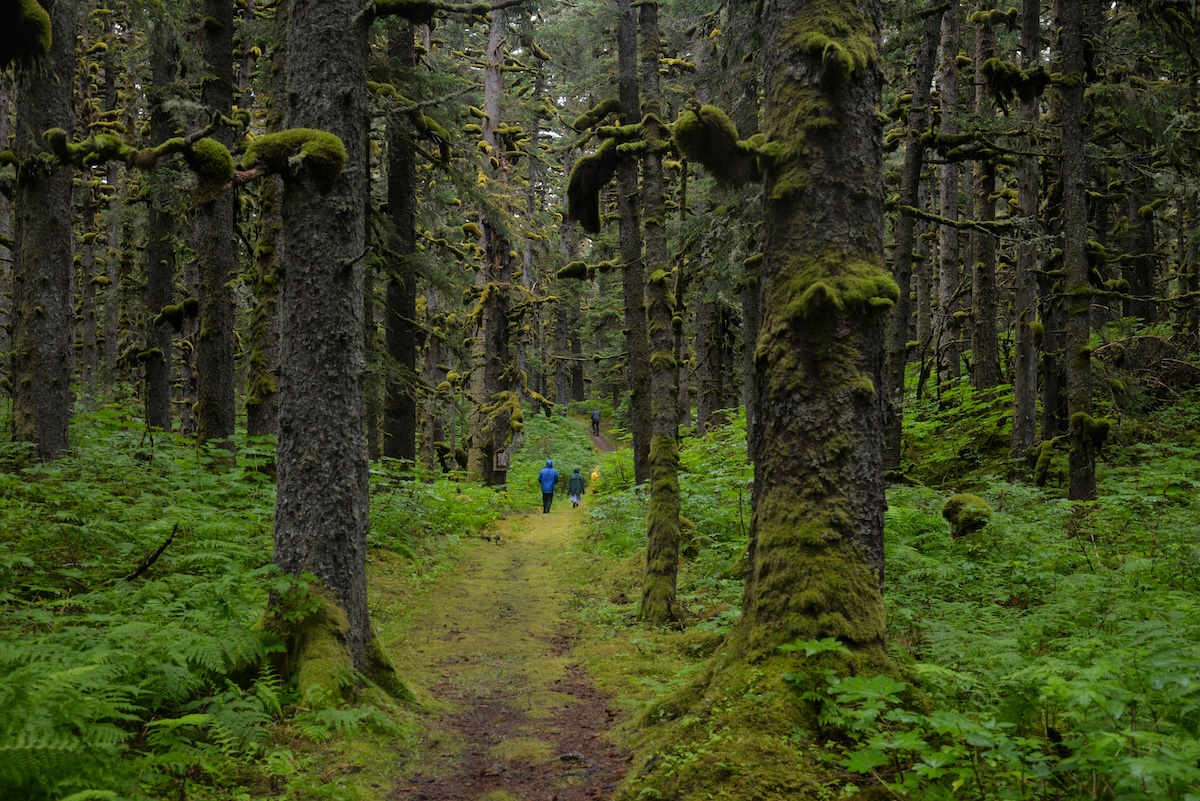
Kodiak Island sits in the Gulf of Alaska, where rugged beauty meets wild adventure. As the second-largest island in the United States, it covers nearly 3,600 square miles of untamed land.
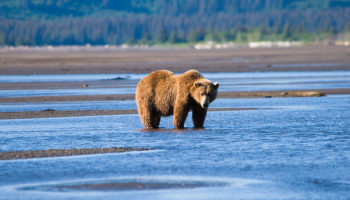
Dramatic coastlines, dense forests, and snow-capped mountains stretch across the island. Rain and sunshine swap places all day, so the landscape never really looks the same twice. About 13,500 people live across the Kodiak Archipelago, mostly in the city of Kodiak. But the real stars here are the 3,500 Kodiak brown bears that roam free. You might catch them fishing for salmon or just playing in open meadows at the Kodiak National Wildlife Refuge.
The fishing industry keeps the place buzzing, and Alaska Native culture runs deep in the community. With just 87 miles of roads, you can still find scenic routes that show why locals call this their emerald isle.
17. Whitsunday, Australia
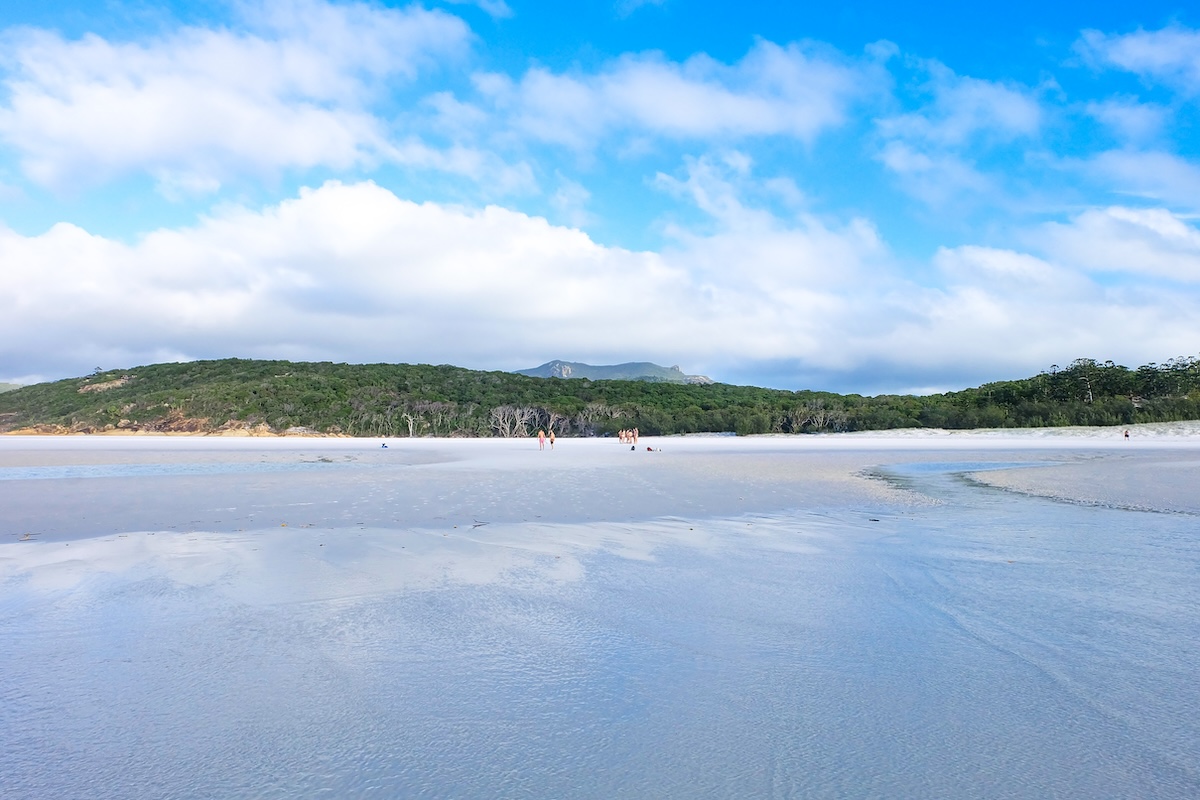
Made up of a collection of 74 sun-soaked islands, the Whitsundays nestled between the coast of Australia and the Great Barrier Reef is something truly special. The ultimate destination for divers and wildlife enthusiasts, the archipelago is largely uninhabited – at least by humans. A plethora of wildlife species call them home – from dolphins, sea turtles, and saltwater crocodiles to kangaroos, whales, and wallabies.
As with most islands of this caliber, the majority of the activities are water-based and include sailing, snorkeling, and scuba diving. That being said, hiking, exploring the sights of the tourist hub of Hamilton Island, and sunbathing on pearly beaches like Whitehaven Beach are just as popular.
16. Mallorca, Spain
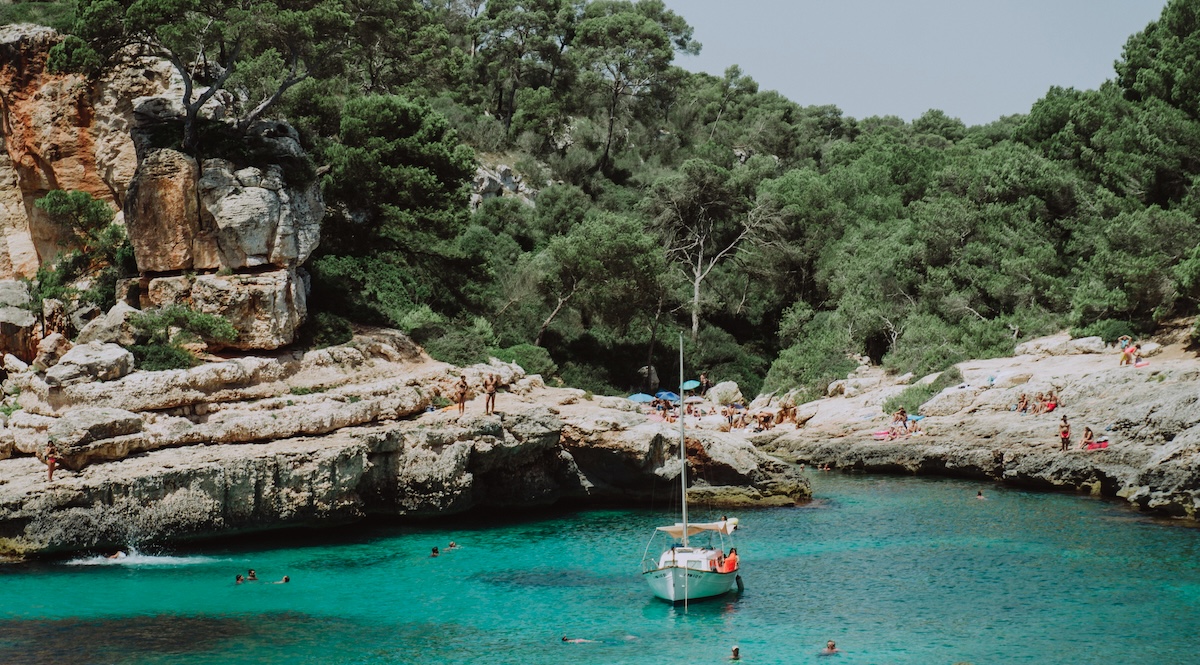
One of the most popular of Spain’s Balearic Islands, Mallorca is a celebrated beach escape that gets 300 days of sunshine every year. With quiet coves, limestone mountains, citrus orchards, and sleepy stone villages overlooking the Mediterranean, it’s perfect for relaxing. But there’s a lot more to Mallorca than meets the eye.
The island is also home to several Roman and Moorish ruins, as well as a pumping nightlife scene in the capital of Palma. For those interested in history and architecture, don’t miss the royal palace with its glorious Moorish design and the Palma Cathedral with its enchanting Gothic façade. Built on the site of a Moorish mosque, this unusually mecca-facing cathedral boasts one of the largest stained glass windows in the world.
15. Aitutaki, Cook Islands
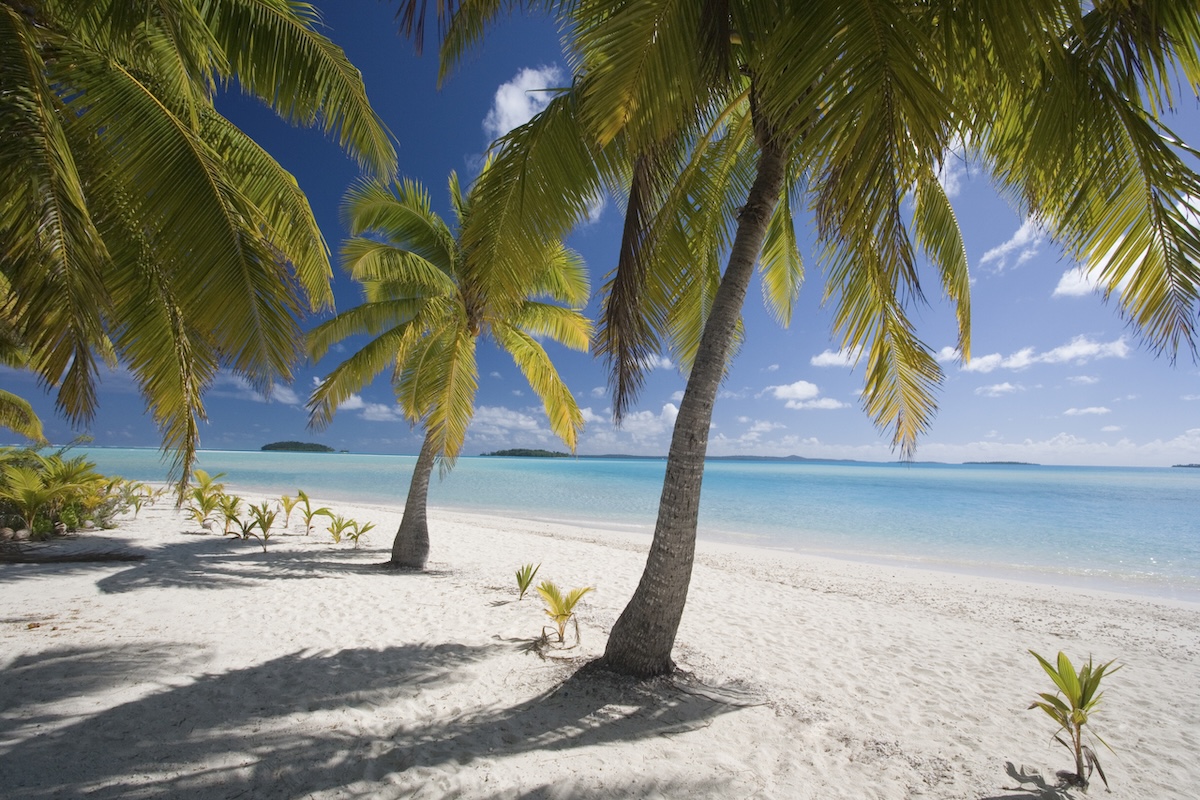
Aitutaki sits about 140 miles north of Rarotonga in the South Pacific. Only around 1,800 people live here, and the island is famous for what many call the world’s most beautiful lagoon.
The lagoon sprawls across turquoise water, dotted with 15 tiny islets known as motus. White sand beaches circle these little islands, and the water is so clear and calm—plus, no sharks. You can wade through shallows that glow in blue shades you won’t find anywhere else.
Getting here means a 50-minute flight from Rarotonga. Life moves slower on Aitutaki, so you really get to unwind. Swim, snorkel around coral reefs, or just lounge on beaches that feel untouched by the modern world.
14. St. Lucia
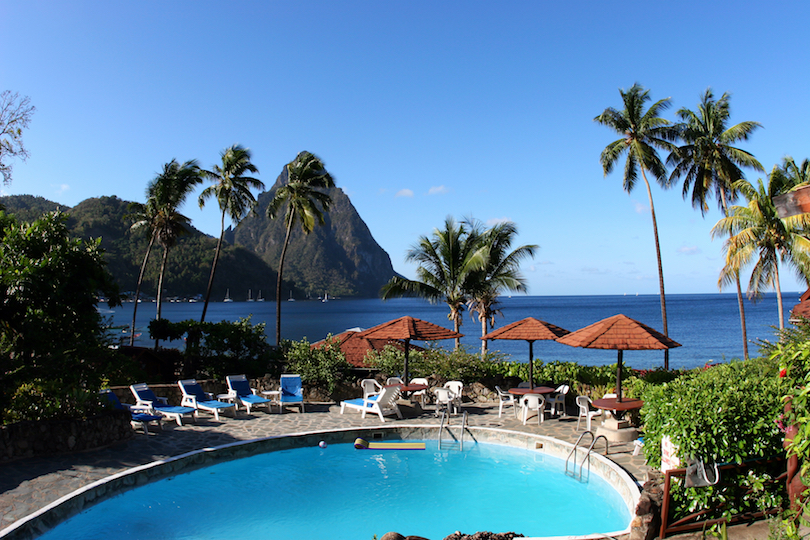
A tropical retreat in the Eastern Caribbean, the once-colonial island of Saint Lucia is about as scenic as it gets. Characterized by the iconic Pitons, lush rainforests, clifftop waterfalls, banana and pineapple plantations, and some of the most beautiful volcanic beaches, it is unapologetically photogenic.
While many fly in to take advantage of the island’s top-notch beach resorts and explore the quaint fishing villages, the melting-pot capital of Castries is also a popular cruise port. From sulfur springs and secluded bays to bustling markets and Caribbean dance parties, Saint Lucia has a bit of everything.
13. Sri Lanka
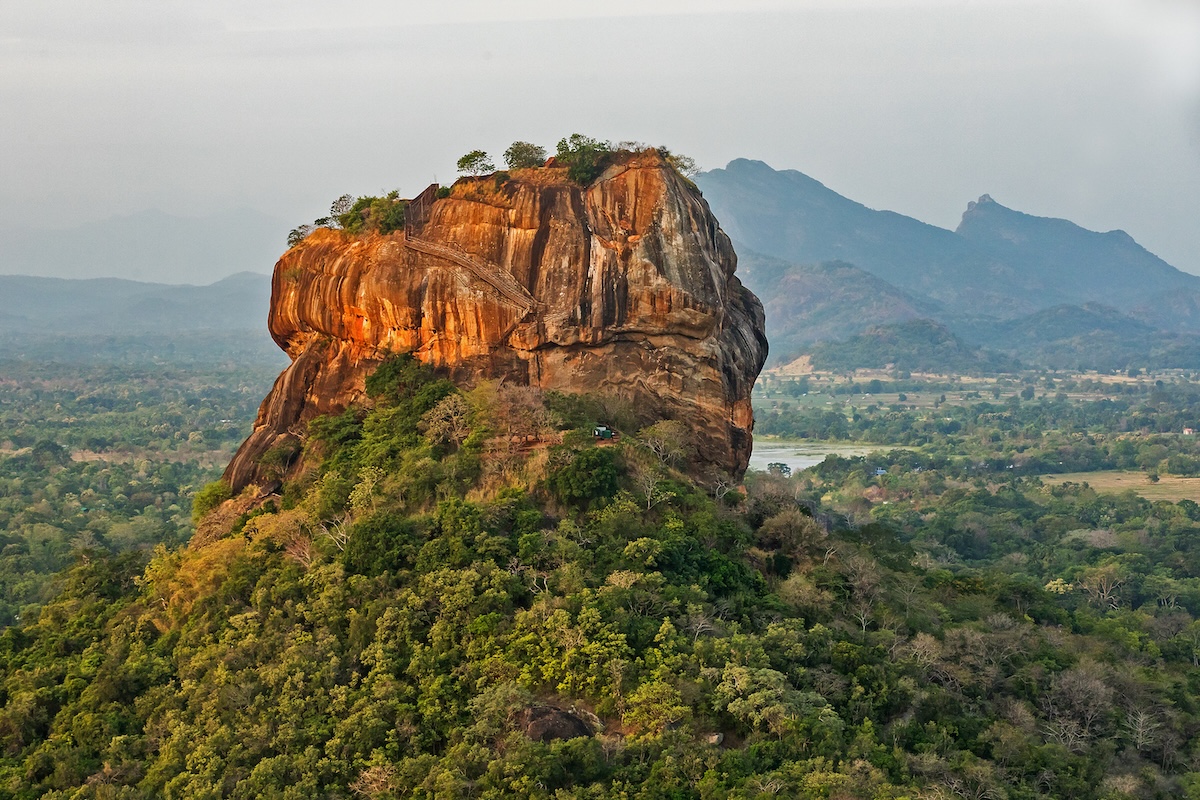
Big 7 Travel named Sri Lanka the “Most Beautiful Island in the World” for 2025. This small country sits off India’s southern coast and crams a wild variety of landscapes into a surprisingly compact space.
Golden beaches stretch across 833 miles of coastline. Misty mountains covered in terraced tea plantations create rolling green hills. Ancient temples and historic sites pop up everywhere, offering a window into centuries of tradition.
The wildlife here is something else. Elephants, leopards, and countless bird species live across different ecosystems. You get everything from tropical rainforests to highlands, all in one trip.
12. Capri, Italy
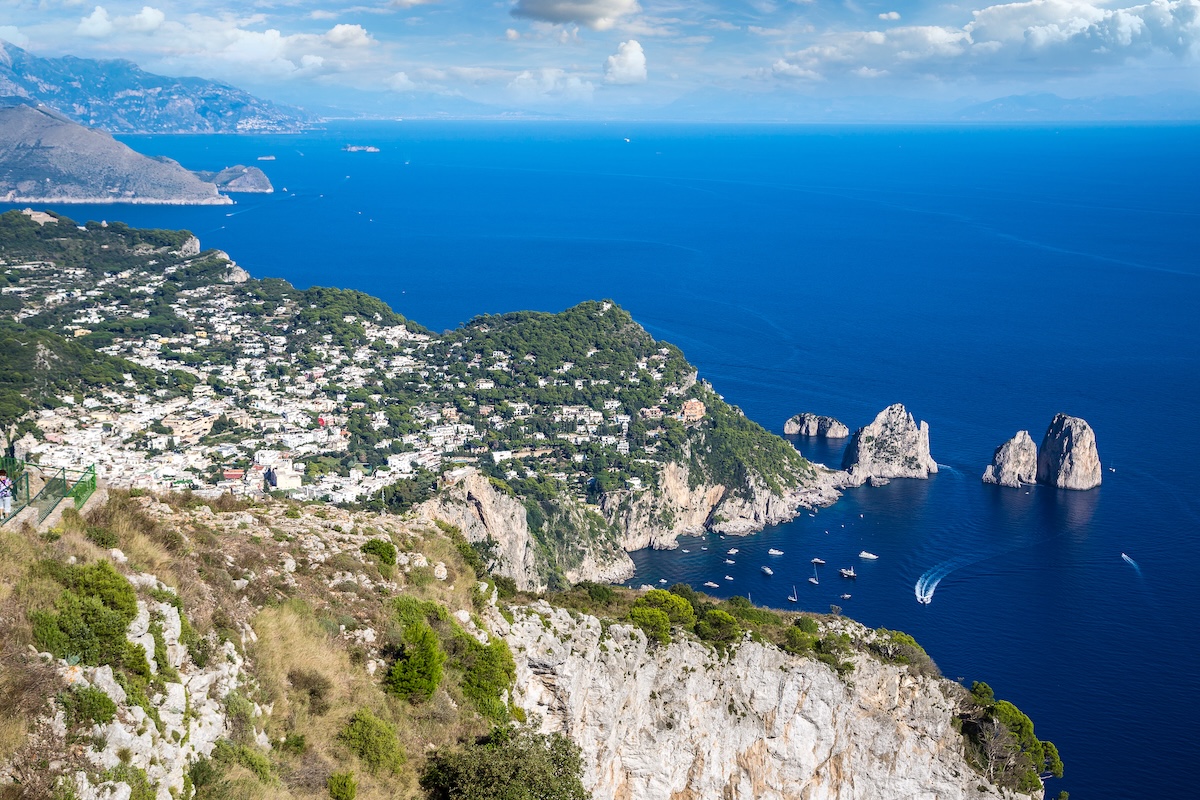
Capri floats in the Bay of Naples, just off Italy’s famous Amalfi Coast. For thousands of years, people have flocked here—from Roman emperors to travelers chasing beauty and a bit of glamor.
Limestone cliffs rise straight from bright blue waters. The Blue Grotto, with its electric blue glow, feels almost magical. Faraglioni rock formations jut out of the sea like sculptures nature whipped up just for fun.
Two main towns split the island. Capri town bustles with boutiques and the Piazzetta, a tiny square where everyone seems to gather. Anacapri, up in the hills, is quieter and a bit more laid-back. Take the chairlift to Monte Solaro for sweeping views. Gardens, walking paths, and rocky beaches keep you busy. Capri somehow mixes natural wonders with a dash of Italian style you can’t quite find anywhere else.
11. Kauai, USA
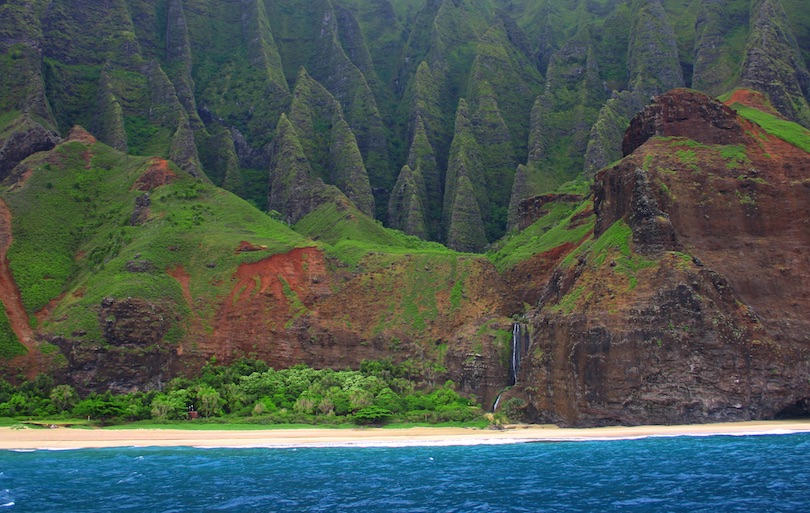
Lovingly dubbed the Garden Isle, the Hawaiian island of Kauai is an enchanting place full of cascading waterfalls, tropical jungles, remote beaches, and rugged coastlines. A trip to Kauai is not your average fly and flop holiday. Here, there are adventures around every corner, and your experience is what you make it.
Make memories zip-lining through the jungle, trekking to waterfalls, kayaking along winding rivers, and dolphin and whale watching. When it comes to natural wonders, you’ll have your fill: hike through the dramatic Waimea Canyon and explore the Insta-famous Napali Coast – more than 60 movies and TV shows have been filmed here.
10. Galapagos, Ecuador
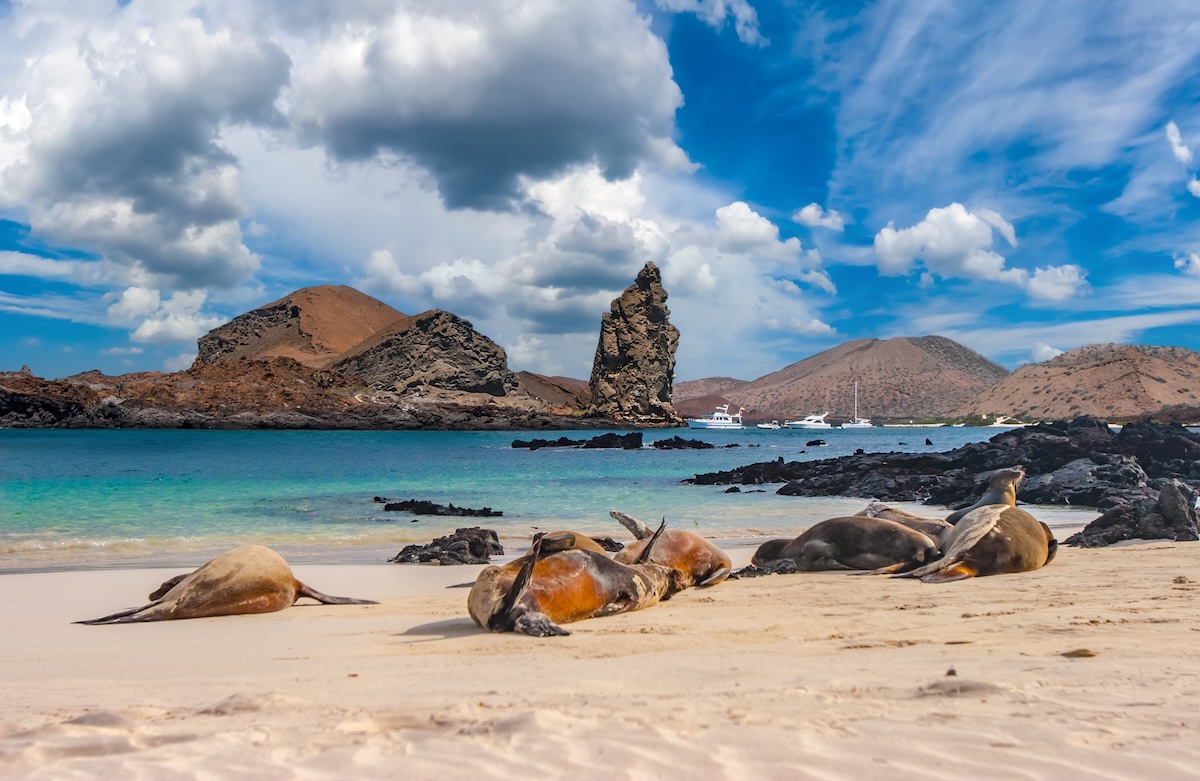
Often referred to as the Enchanted Isles, the Galápagos Islands are a collection of volcanic islands and smaller islets in the Pacific Ocean off the coast of Ecuador. What makes this string of islands so special is the spectacular ecosystem. It provides a home for a diverse array of animals, plants, fish, and birds that you won’t find anywhere else on Earth.
As much as 97% of the archipelago is a national park and biosphere reserve that’s been around for over 60 years. Known for its extraordinary and unique geology, the Galapagos is home to still-active volcanoes and more iguanas than people.
Located close to the equator, yet cooled with chilly sea breezes, the Galapagos has a unique climate. So unique, in fact, that it is home to the only penguin colony in the Northern Hemisphere. It also means that it’s a great place to visit all year round!
9. Lofoten, Norway
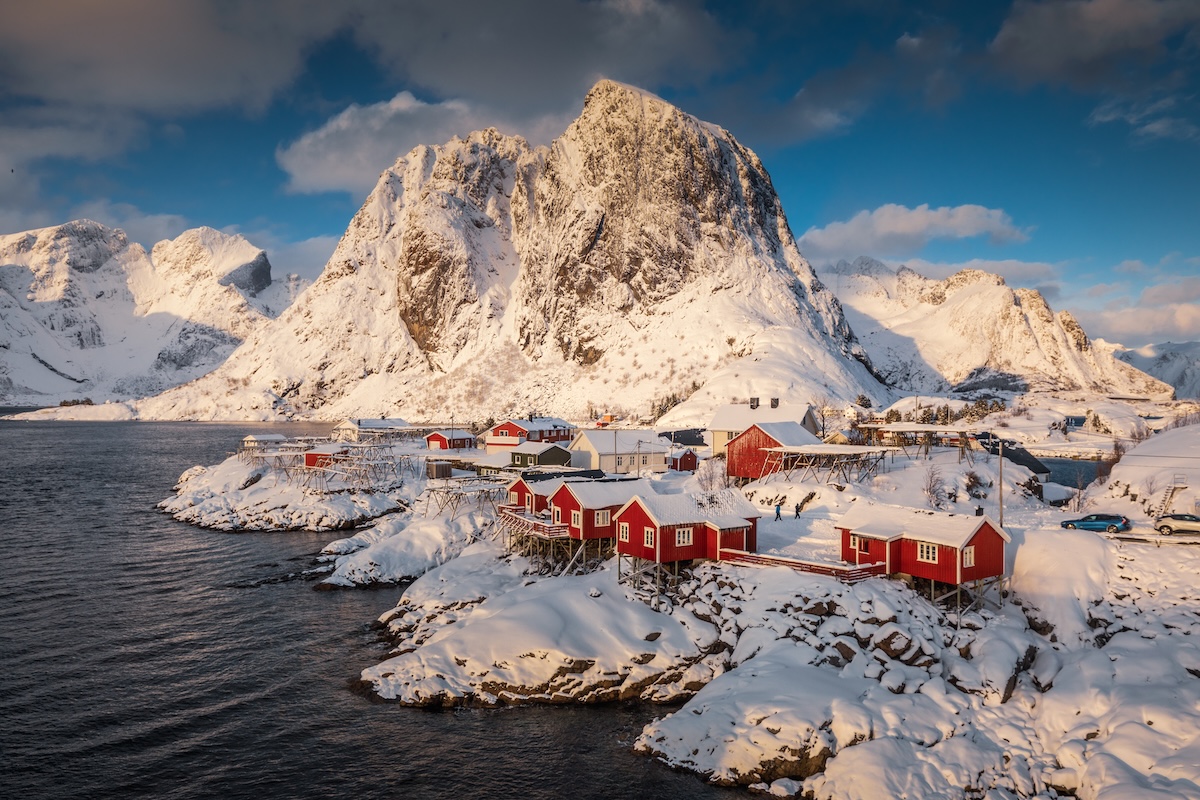
Lofoten is an island group that’s famous for its dramatic natural attractions – from towering mountains to the deepest bays. Those in the know come here hoping to witness the mysterious Northern Lights and to hike the Svolvær Goat, one of the most popular climbing peaks in Norway.
For those looking to get off the beaten track, this archipelago is a real treat, with opportunities for fishing, bird watching, cycling, and sea kayaking in the summer, and skiing and tracking down the Aurora Borealis in the winter. Visiting these islands is unforgettable as village life seems charmingly stuck in time. Even the sun shines until midnight for part of the year.
8. Ko Phi Phi, Thailand
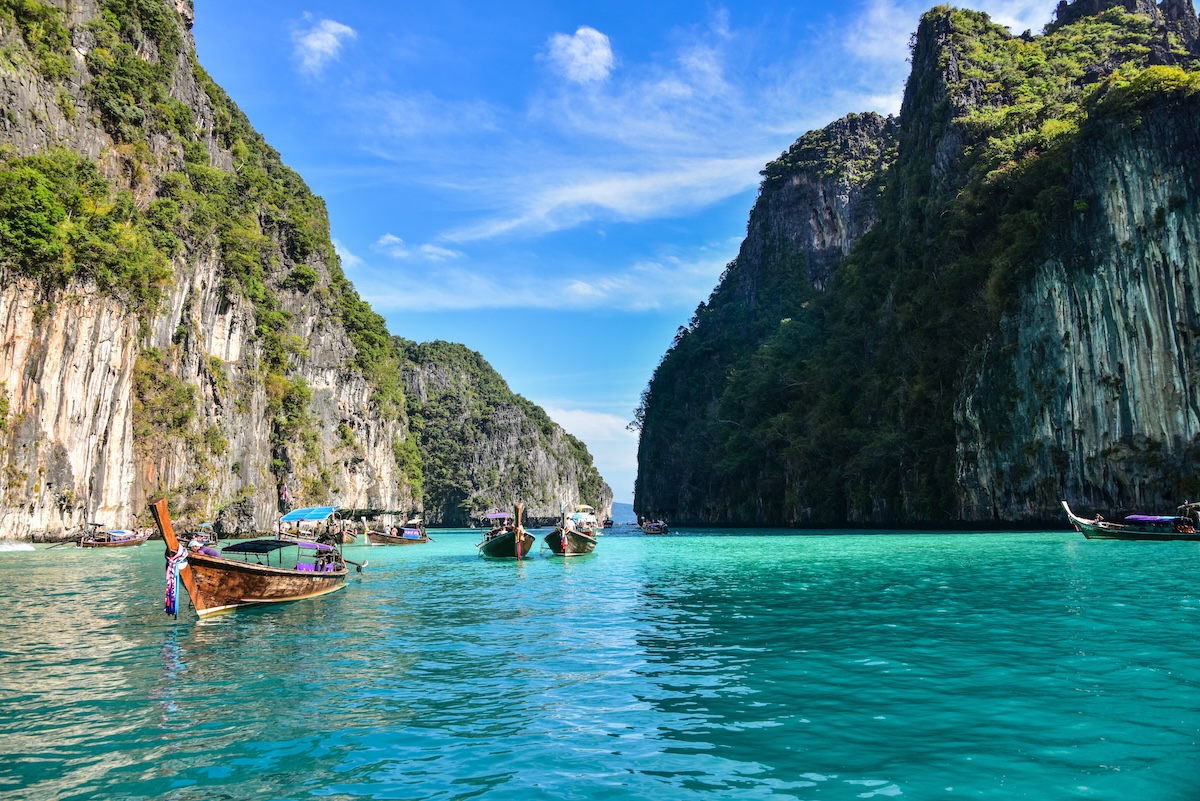
Ko Phi Phi is possibly one of Thailand’s most famous archipelagos. It is most notable for a stunning natural bay that was filmed in the movie The Beach, starring Leonardo DiCaprio. But while many come here and have this renowned bay at the top of their to-do list, there are many more reasons to tempt you to Phi Phi beyond Maya Bay.
The six islands of Phi Phi are jaw-droppingly beautiful, with pearl-white sand beaches and emerald waters. Spend your days swimming and snorkeling among extraordinary marine life or hire a longtail boat. The surrounding islets like Monkey Beach are worth a visit, home to a plethora of cheeky tree-swinging monkeys.
7. Maldives
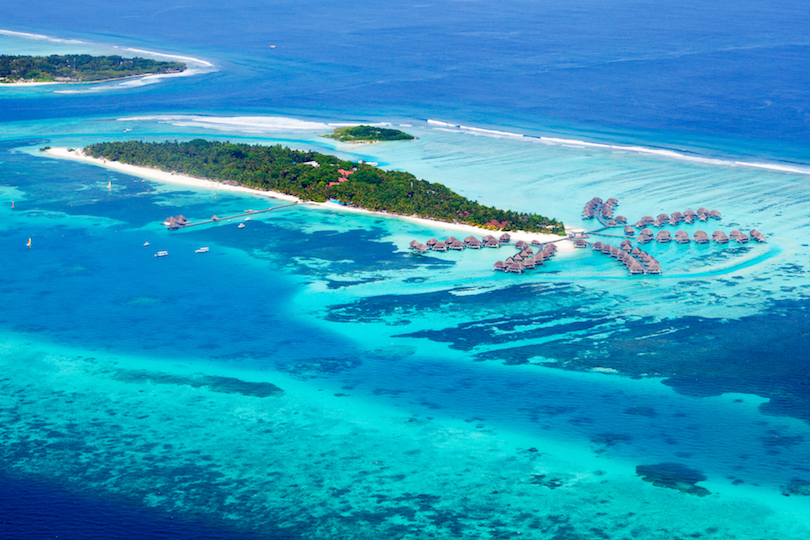
Located in the middle of the Indian Ocean, the idyllic Maldives archipelago is spellbindingly beautiful. Close to the equator, the Maldives has a warm and tropical climate that’s perfect for lazy beach days all year round. This low-lying island group is celebrated for its high level of luxury and emphasis on the slow life.
Perfect for honeymooners, the Maldives’ designer accommodation is out of this world – take your pick of underwater villas, over-water villas, and everything in between. There’s even an underwater restaurant for those looking to dine surrounded by schools of tropical fish.
As relaxation is key in the Maldives, you can spend your days sipping on cocktails and sunbathing, interspersed with a snorkeling, diving, or surfing excursion to keep things interesting.
6. Palawan, Philippines
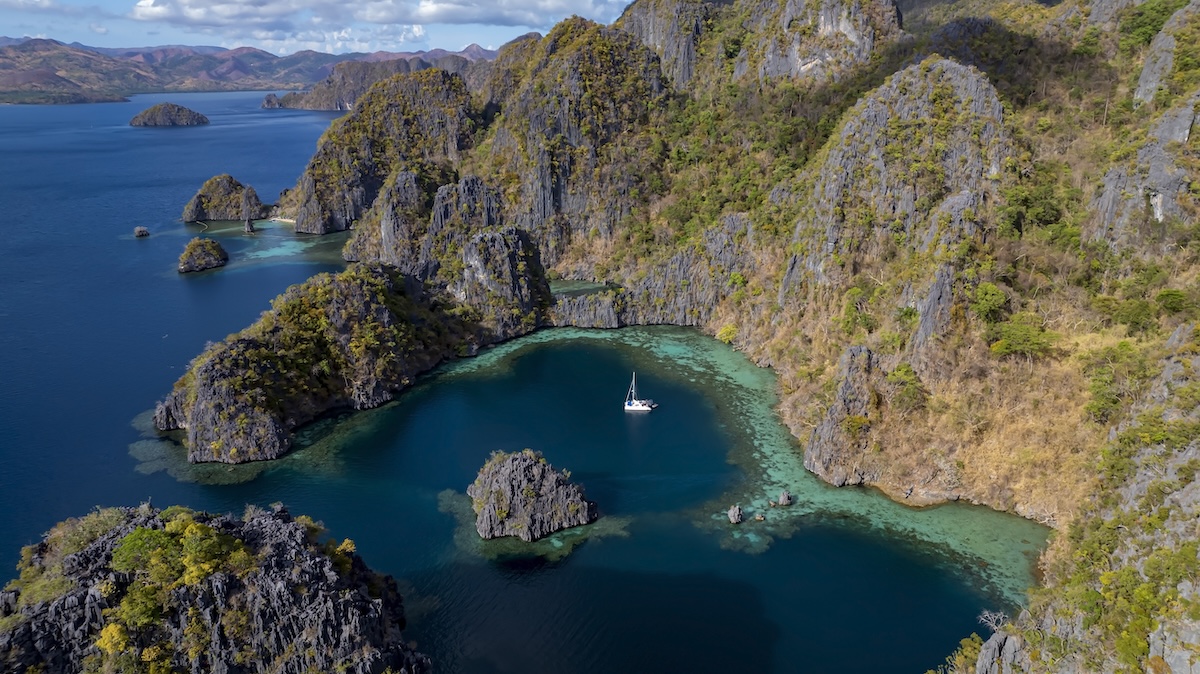
Palawan is an island province in the westernmost part of the Philippines. This string of islands is a pure paradise, made up of national parks, enigmatic limestone caves and bays, and bright turquoise inland lakes and lagoons.
For those looking to explore offshore, Palawan is home to some unforgettable diving sites, such as the shipwrecks of Coron Bay that have transformed over the years into natural coral reefs. Every day in Palawan is magical – go swimming in waterfalls, kayaking on secluded lagoons, and paddle boating to see luminous fireflies when the sun goes down.
After all, the island of Palawan wasn’t declared the 2nd best island in the world by Travel and Leisure for nothing.
5. Seychelles
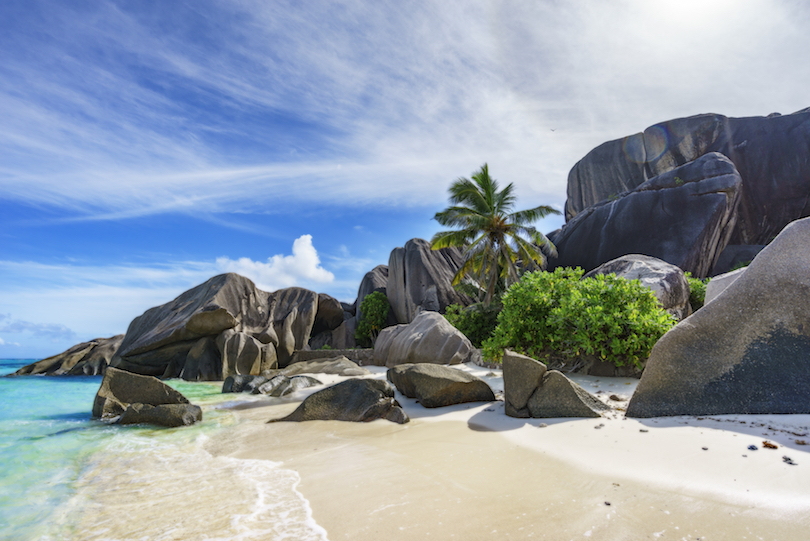
The Seychelles are one of those elite island destinations. Popular among the rich and famous, these 115 granite islands in the Indian Ocean are idyllic, to say the least. Encompassing a triumph of nature reserves, golden beaches, rainforests, and extraordinary coral reefs, it is a natural utopia.
Each island has something special to offer: Mahe for a culturally-rich experience, La Digue for getting back to nature, Praslin for beach hopping, and Silhouette for sensational diving. In the Seychelles, you’ll share the beaches with giant 100-year-old Aldabra tortoise and see protected bird species such as the rare Seychelles black parrot – it’s also the national bird.
4. Iceland
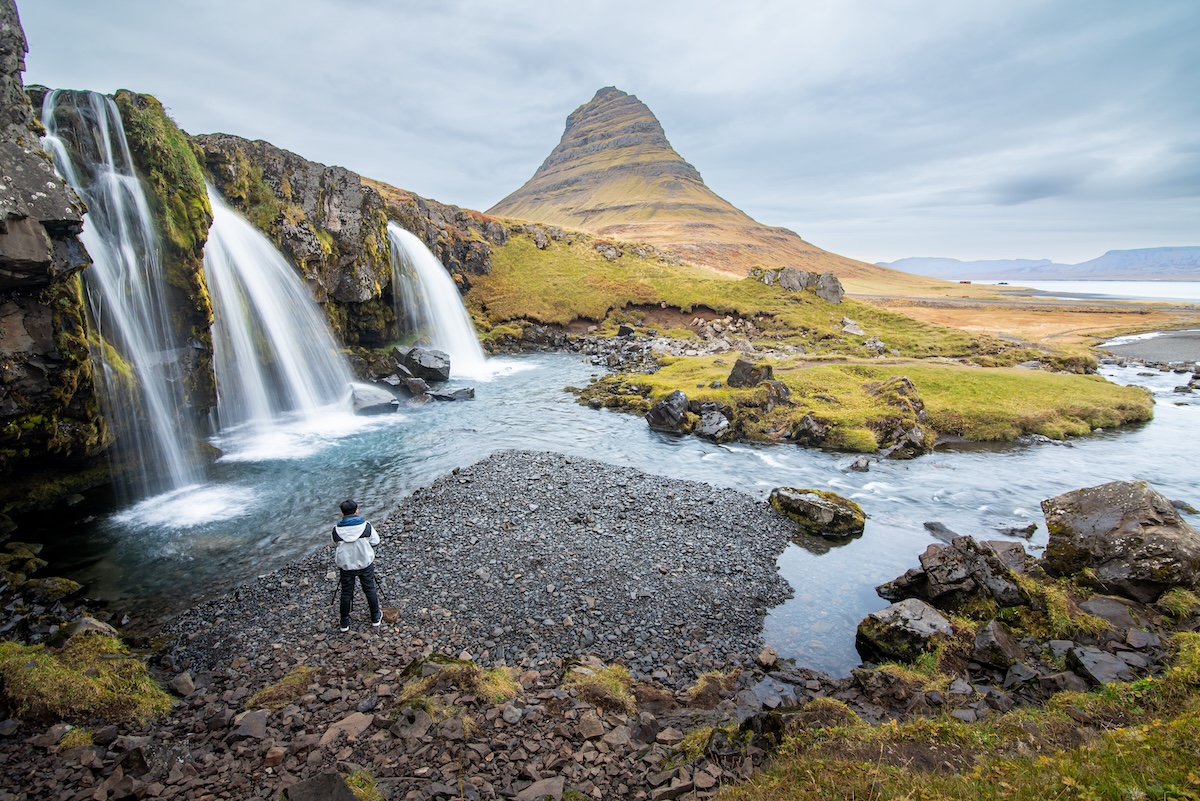
Iceland sits near the Arctic Circle and has some of the most unique scenery you’ll ever see. The landscape feels almost otherworldly—ice, fire, volcanic rock all jumbled together in ways that don’t quite make sense until you’re standing there.
Heimaey Island, the biggest of the Westman Islands, lets you walk through volcanic craters and, if you’re lucky, spot puffin colonies in the summer. There’s a small fishing village where people still hang on to the traditional Icelandic way of life. It’s pretty wild to see how they manage in such a rugged place.
Flatey Island, somehow named the world’s best island, has only six residents. Six! It’s a glimpse into remote island living that most folks will never get. Honestly, it’s hard to imagine what daily life feels like out there.
Expect black sand beaches, steaming geysers, and glaciers all packed into one wild landscape. The weather? It flips on you in a heartbeat, so pack for everything. Forget palm trees and cocktails—Iceland delivera a totally different adventure, and maybe that’s what makes it so unforgettable.
3. Bali, Indonesia
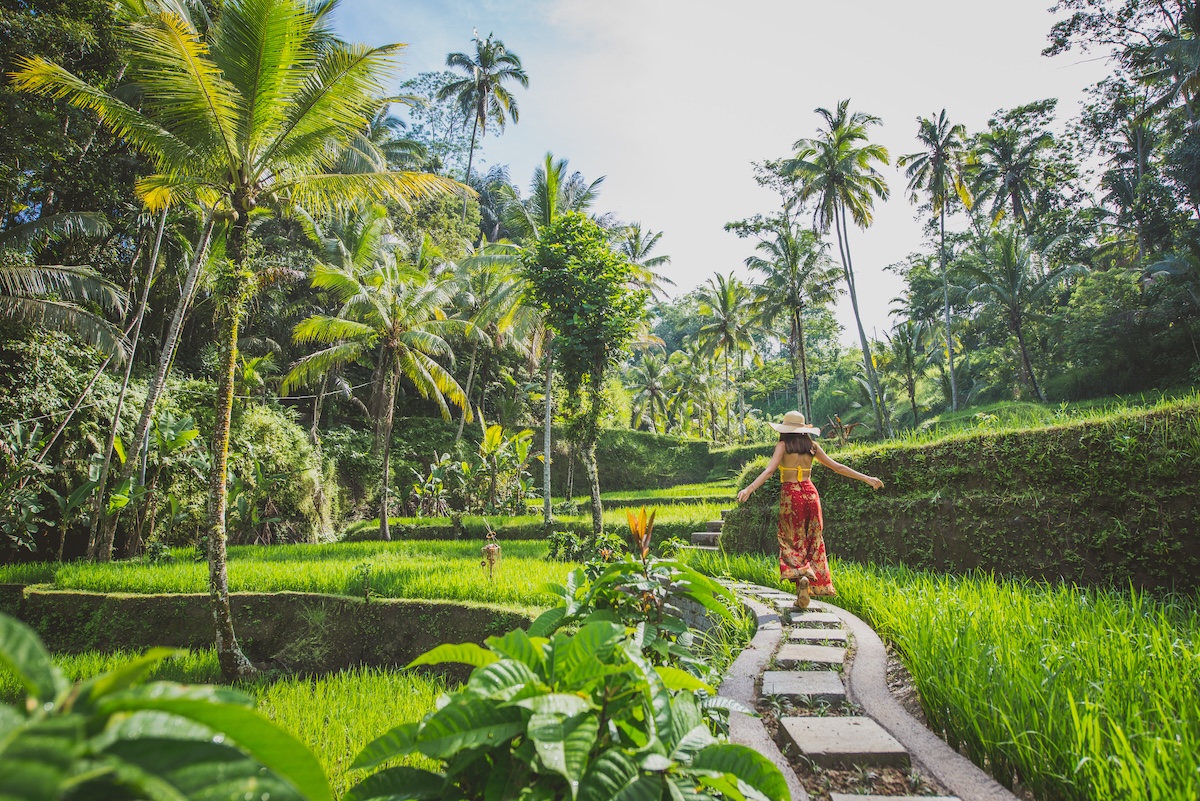
Possibly one of the most popular islands on Earth, Bali is a yogi and surfer’s playground, with regular retreats on the social calendar. While Bali as a whole has become much more commercialized in recent years, with everything from backpackers to top-rated villa hotels, there’s still plenty of culture to be found here too.
Bounded by forest-clad volcanoes, incredible beaches, and undulating rice paddies, you’ll find Balinese temples, authentic villages, and tourist towns in the Land of the Gods. The Uluwatu Temple is the main highlight in Bali. Perched on the edge of a cliff, it is one of the best places on the island to catch the sunset.
Water babies will be in their element in Bali too. Part of the Coral Triangle that’s home to the highest biodiversity of marine life, it’s a fantastic snorkeling and diving destination.
2. Santorini, Greece
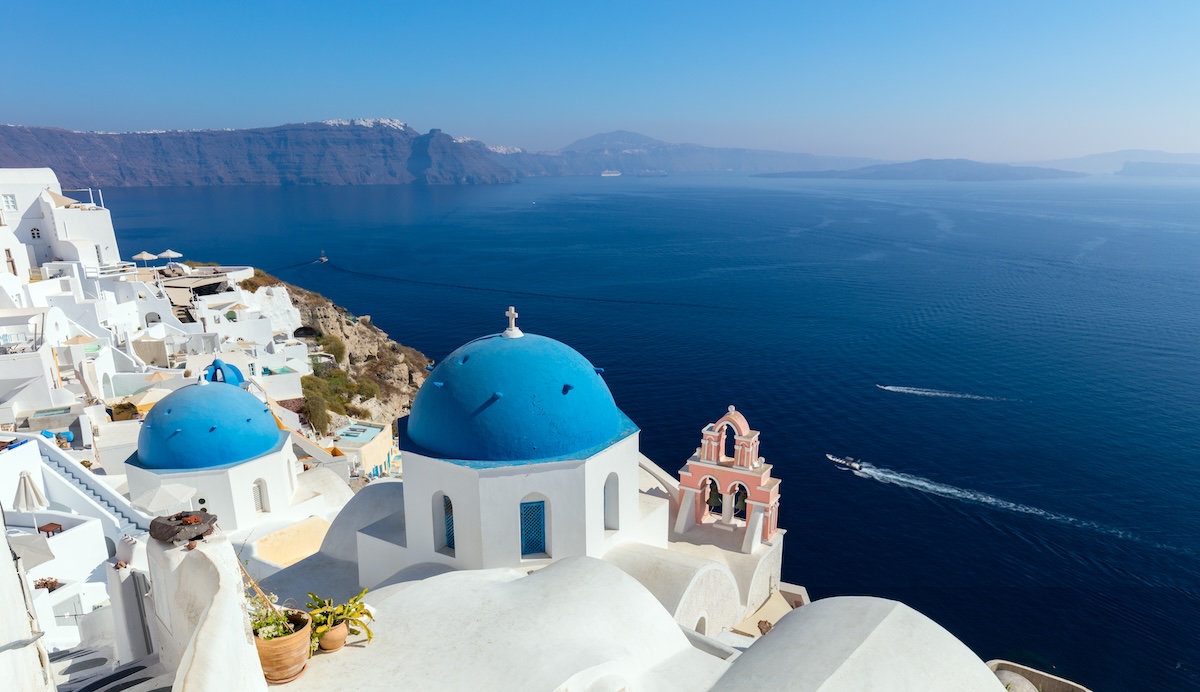
The volcanic island of Santorini is probably one of the most recognized islands on Earth. Characterized by its whitewashed and blue-domed Cycladic towns hugging the caldera cliffs above the edge of the Aegean, this Greek island is world-famous for its enviable sunsets.
Stroll through the alleyways of Oia town, wine and dine at gourmet tavernas, relax on the volcanic beaches, or sail off into the sunset on a glamorous catamaran cruise. As it’s one of Greece’s most expensive islands, you’ll undoubtedly rub shoulders with the rich and famous. For its views and Mediterranean climate alone, Santorini is something special.
1. Bora Bora, French Polynesia
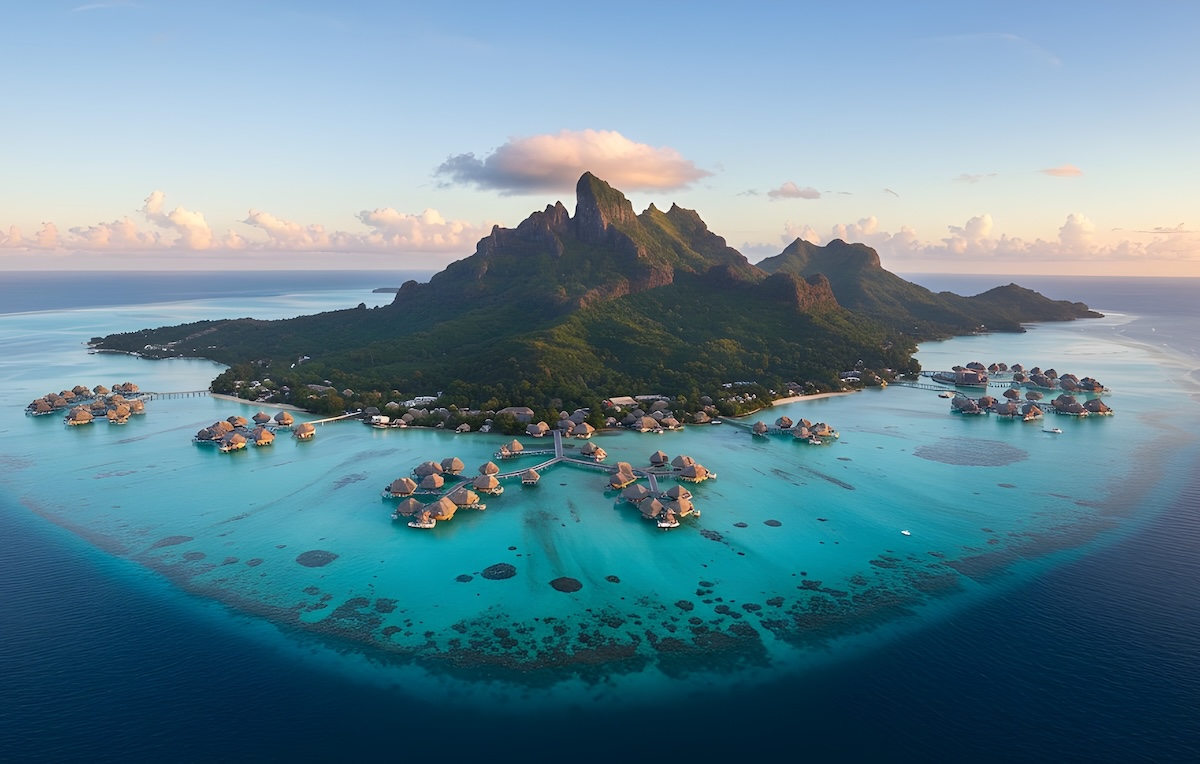
Beach bliss is the order of the day on the volcanic island of Bora Bora. While the enormous turquoise lagoon is the main attraction here, many flock to the island for its dazzlingly white beaches and ultra-luxurious resorts that include romantic over-water bungalows. If you’re up to exploring, though, there’s more to Bora Bora beyond the beach.
Hike the slopes of Mount Pahia for 360-degree bird’s eye views, snorkel the coral gardens at the isle’s northern tip, and swim with sea turtles as part of a local conservation initiative. For those with a PADI license, scuba diving may provide electrifyingly close-up encounters with manta rays and lemon, blacktip, and grey reef sharks. Don’t forget your underwater camera!


I think the Island of Corsica (France) is worth to mention also..was considered a paradise by the Romans and many other cultures for centuries. Renoir and other French artists loved its natural light, sunsets and vegetation ..isnpiring much of the Impressionist movement. And today admired by artists of many continents also.