
America built its shopping culture on strip malls and big box stores, which makes finding a street worth actually walking for retail purposes feel like a minor miracle. These thoroughfares earned their reputations the hard way, through combinations of independent character, architectural settings, and enough variety to justify arriving with both an empty bag and a flexible budget.
Some lean luxury, others favor the eclectic and independent, and a few manage both simultaneously. But the one universal truth is that you will never be disappointed when choosing to wander over a hit-and-run approach.
12. Santana Row Boulevard, San Jose
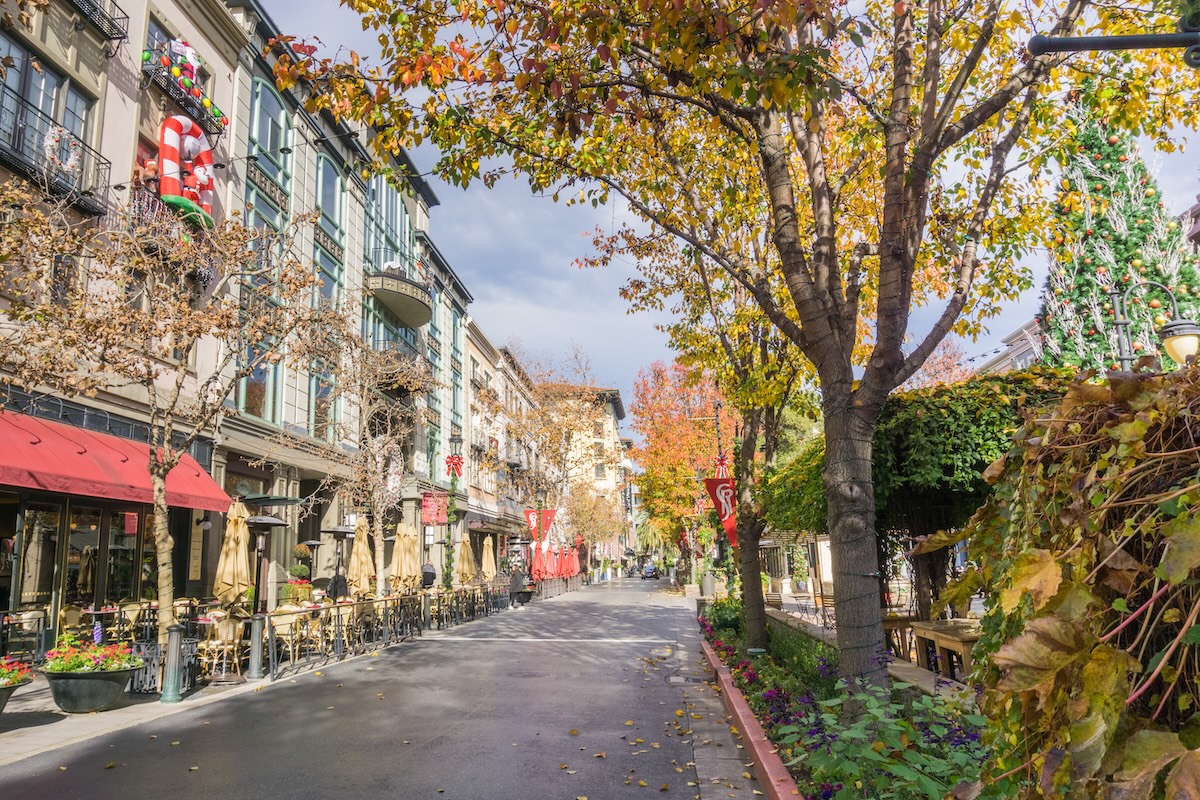
Silicon Valley money needed somewhere to go, and Santana Row became the answer. The outdoor lifestyle center runs a mix of upscale boutiques and restaurants along a pedestrian-friendly boulevard designed to feel like a European shopping street, which works better than it sounds in the middle of California’s tech corridor.
Weekend afternoons draw a crowd that clearly considers spending money a leisure activity, and the restaurant selection keeps the energy going well past store closing hours. The permanent residential component above the shops gives Santana Row a neighborhood quality that purely commercial developments never quite achieve on their own.
11. Chestnut Street, Philadelphia
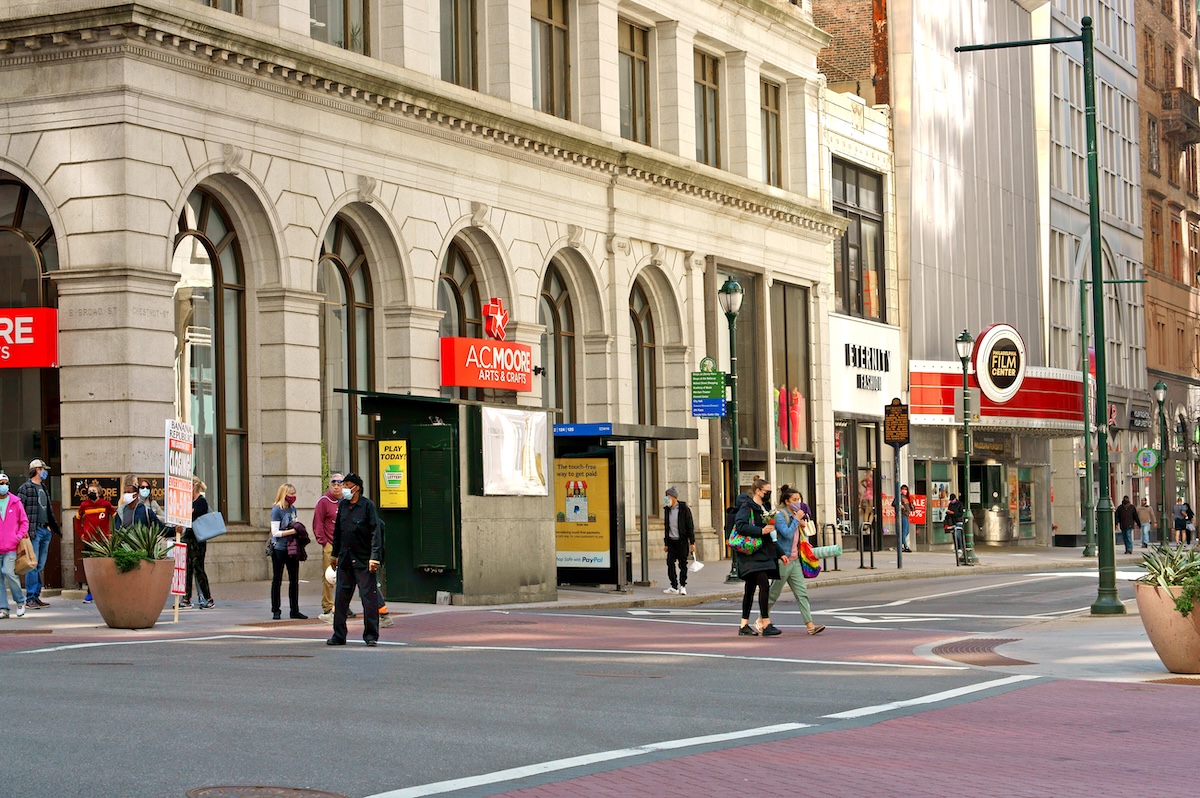
Philadelphia’s version of a neighborhood shopping street runs through Rittenhouse Square with a mix of local boutiques, national retailers, and coffee shops filling brownstone ground floors. The walkable scale keeps everything at a pace that encourages discovering stores you didn’t come looking for.
Chestnut Street is for the browser more than the mission-driven shopper. Local businesses hold significant ground here against chain store pressure, and the surrounding residential neighborhood feeds foot traffic that keeps the whole corridor alive on weekday afternoons. Strong independent restaurant options make building a full afternoon around the street very straightforward.
10. South Congress Avenue, Austin
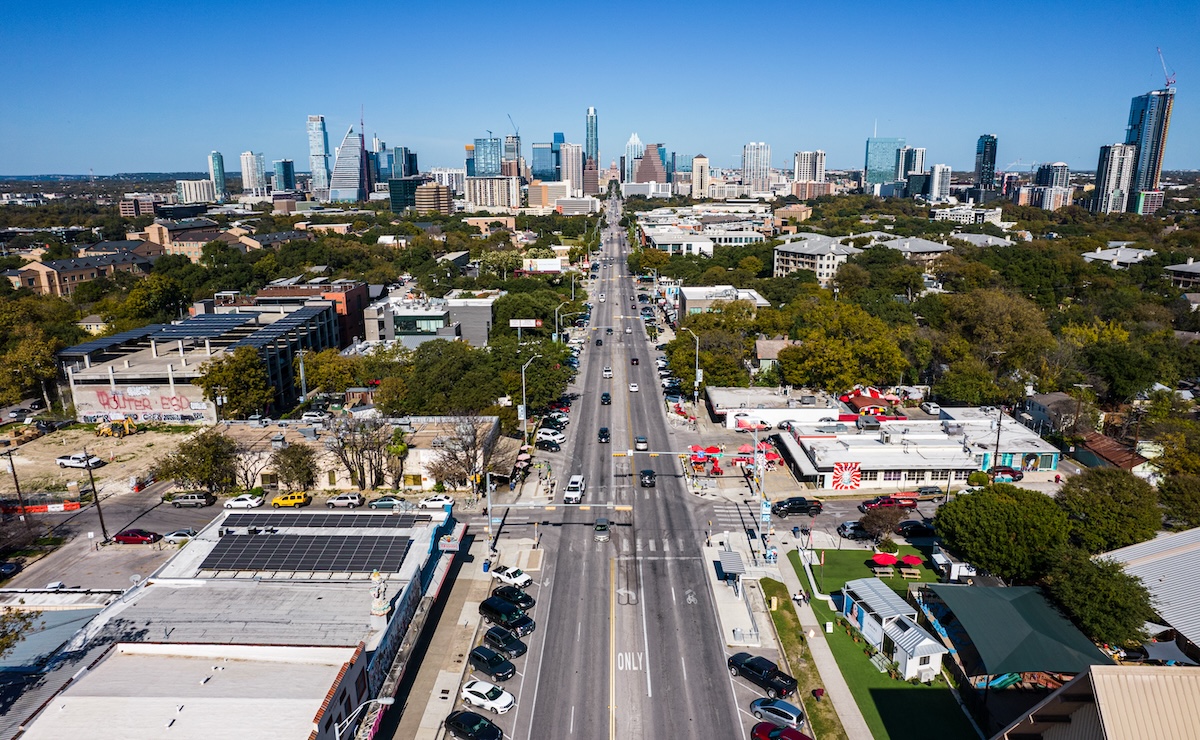
Austin’s most characterful shopping corridor built its reputation on vintage stores, independent boutiques, and local designers who set up shop here before the city exploded into national consciousness. The “Keep Austin Weird” philosophy plays out most visibly along these blocks, where stores stock things you won’t find duplicated anywhere else in the country.
Food trailers cluster throughout the corridor, turning the whole street into an intermittent meal between shops. The gentrification pressure that reshaped much of Austin hit South Congress hard, but enough independent spirit survived to keep the street worth a dedicated afternoon. Comfortable shoes help considerably given the distances between the best stops.
9. Lincoln Road, Miami Beach
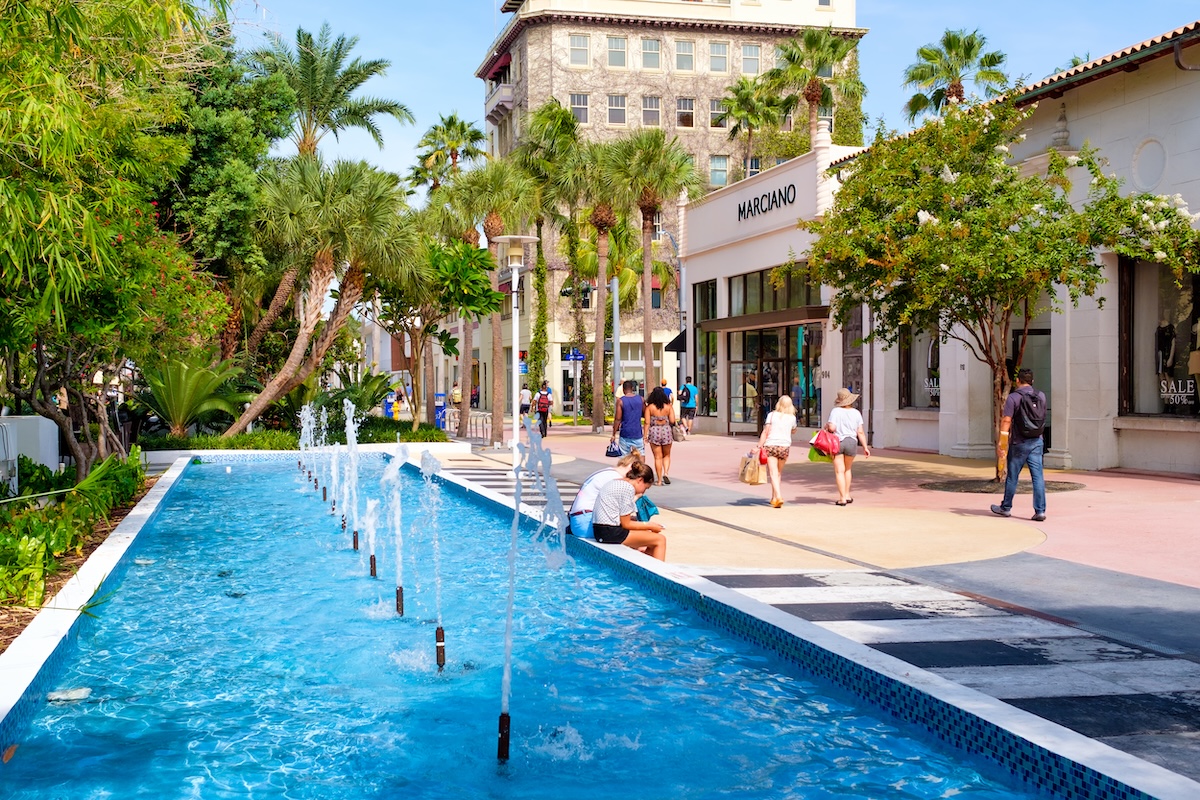
Eight blocks of pedestrian-only shopping running between the Atlantic Ocean and Biscayne Bay, with year-round outdoor dining and a climate that makes walking this street feel more enjoyable than most. Morris Lapidus designed the original corridor in the 1960s, and the architectural bones still show throughout.
The mix skews toward mainstream retail brands with a sprinkling of local boutiques, but Lincoln Road earns its place on this list through atmosphere rather than exclusivity. People-watching here operates at competitive levels, the outdoor seating fills at all hours, and the whole street functions as a social venue that shopping just happens to anchor.
8. Madison Avenue, New York City
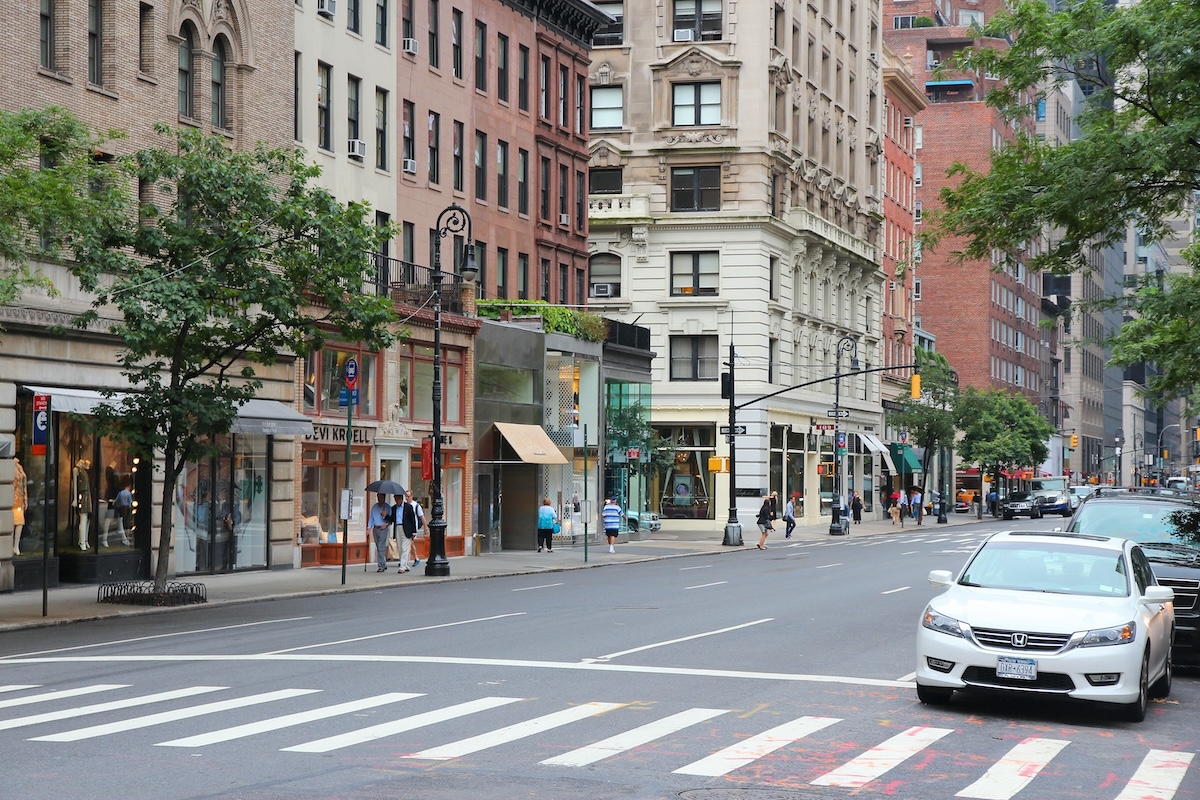
From 57th Street northward through the Upper East Side, Madison Avenue runs the most concentrated stretch of luxury fashion flagships in the country. European houses planted their most important American stores along these blocks, treating each location as a statement.
Art galleries fill the upper residential blocks beyond the main commercial stretch, pushing the cultural conversation past fashion entirely. Window shopping here costs nothing and delivers considerable entertainment for anyone interested in how luxury brands present themselves when budget stops being a factor. The Upper East Side neighborhood surrounding the strip adds one of Manhattan’s most elegant walking environments to the experience.
7. King Street, Charleston
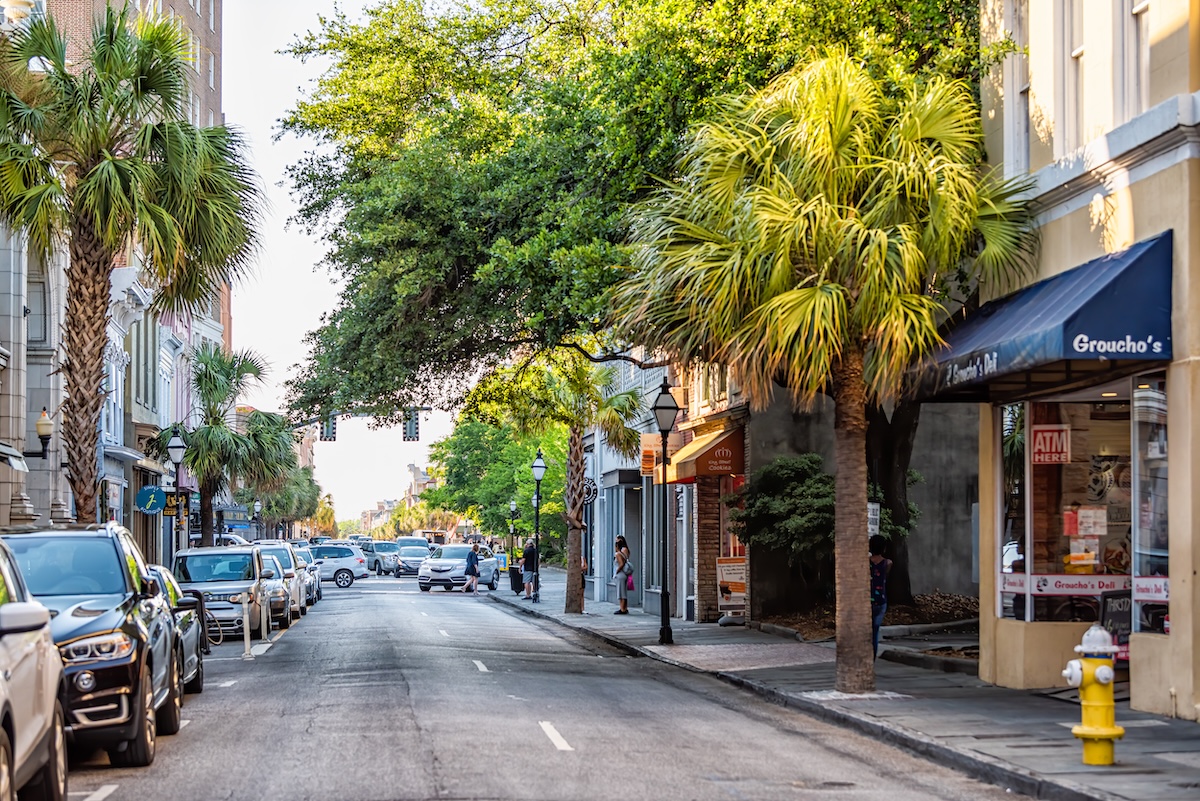
Historic preservation laws kept King Street’s architectural character intact while independent retailers filled the ground floors, creating a shopping corridor where the buildings themselves compete for attention with the stores inside them. Antebellum facades house local boutiques, specialty food shops, and design stores in a combination that reflects Charleston’s particular brand of Southern sophistication.
The street divides naturally between the boutique-heavy upper section and the antique and home goods concentration further south, giving different types of shoppers clear reasons to cover the full length. Charleston’s food scene spills onto the surrounding blocks generously enough that building a full day around King Street requires very little additional planning.
6. Fillmore Street, San Francisco
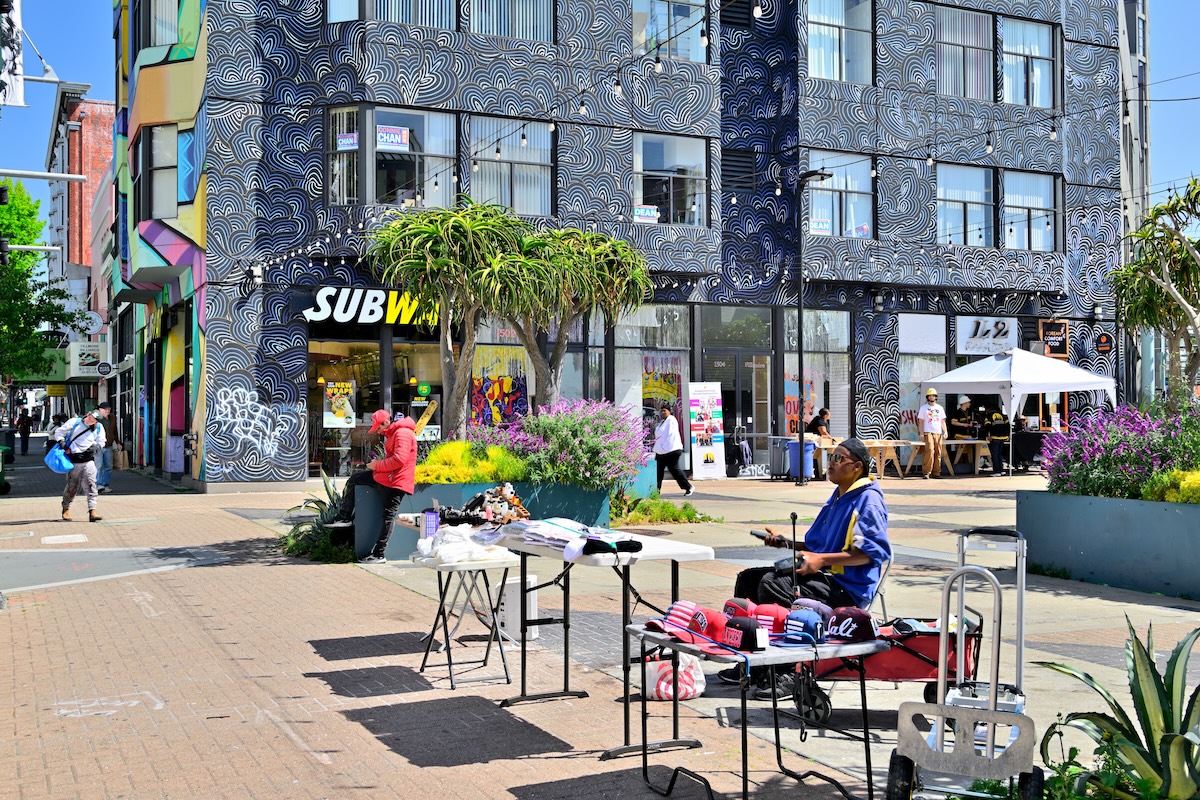
San Francisco’s most underrated shopping street runs through Pacific Heights with an independent business culture that held its ground through decades of the city’s economic turbulence. Local boutiques, bookshops, and specialty food stores occupy a stretch that feels deliberately removed from the tourist circuit, which is most of its appeal.
The neighborhood demographic skews toward the kind of residents who know their cheese shop owner by name, and that sensibility extends to every business on the street. Weekend mornings also draw a brunch crowd that keeps the sidewalk lively between retail hours.
5. Worth Avenue, Palm Beach
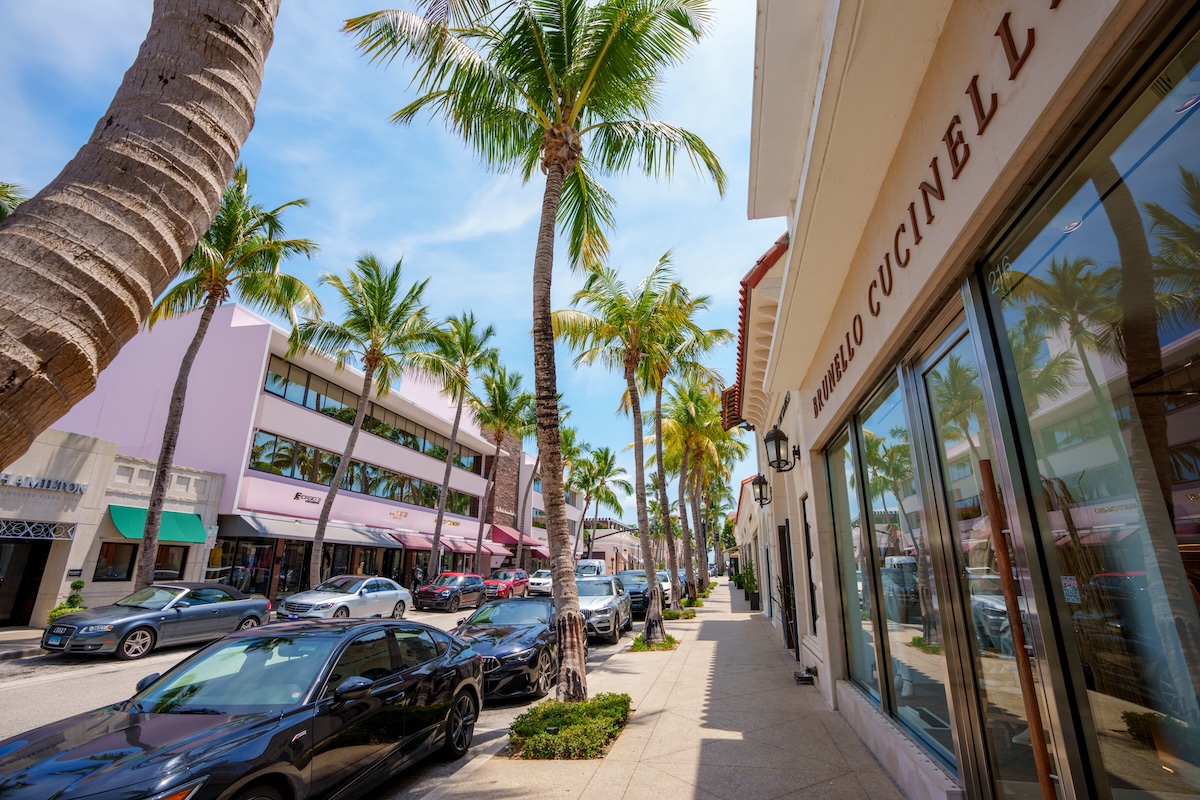
Old money found its shopping street a long time ago and never left. Worth Avenue runs four blocks through Palm Beach with a tenant concentration of ultra-luxury brands housed in Mediterranean Revival architecture. Addison Mizner designed it in the 1920s, and the whole street has maintained that aesthetic standard without apology ever since.
Hidden courtyards called “vias” branch off the main street with smaller boutiques and galleries tucked inside. Window shopping on Worth Avenue costs nothing and provides a window into how the other fraction of one percent approaches retail therapy. Spoiler, it is not in moderation.
4. Newbury Street, Boston
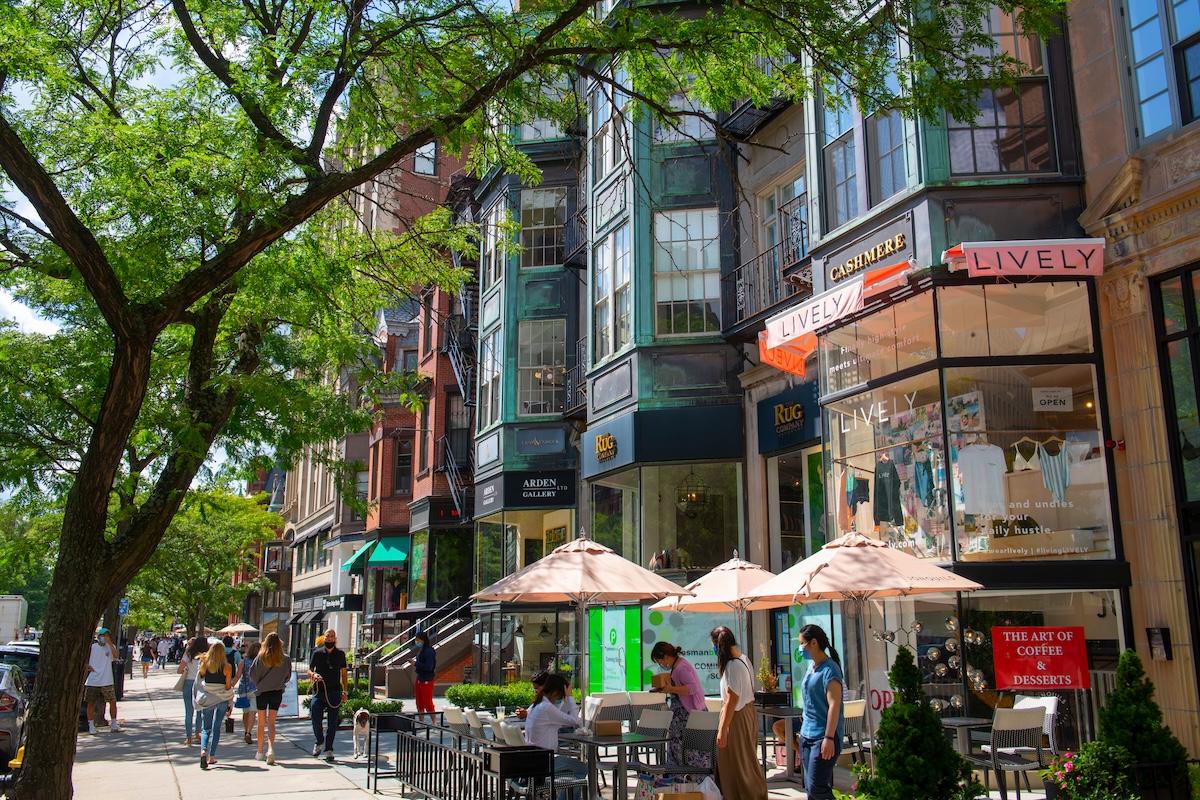
Newbury Street spans eight blocks through Back Bay and covers a massively impressive retail range. The street starts with luxury flagships near the Public Garden and transitions block by block toward independent boutiques, vintage shops, and student-oriented stores as it approaches Massachusetts Avenue. This creates a natural gradient that serves multiple budgets across a single walkable stretch.
Victorian brownstones provide the architectural backdrop throughout, with ground floor retail and restaurants below residential floors above. The street lures you back for repeat visits across different blocks rather than a single end-to-end walk, and the surrounding Back Bay neighborhood delivers enough complementary destinations to build a full Boston day around Newbury Street.
3. Rodeo Drive, Beverly Hills
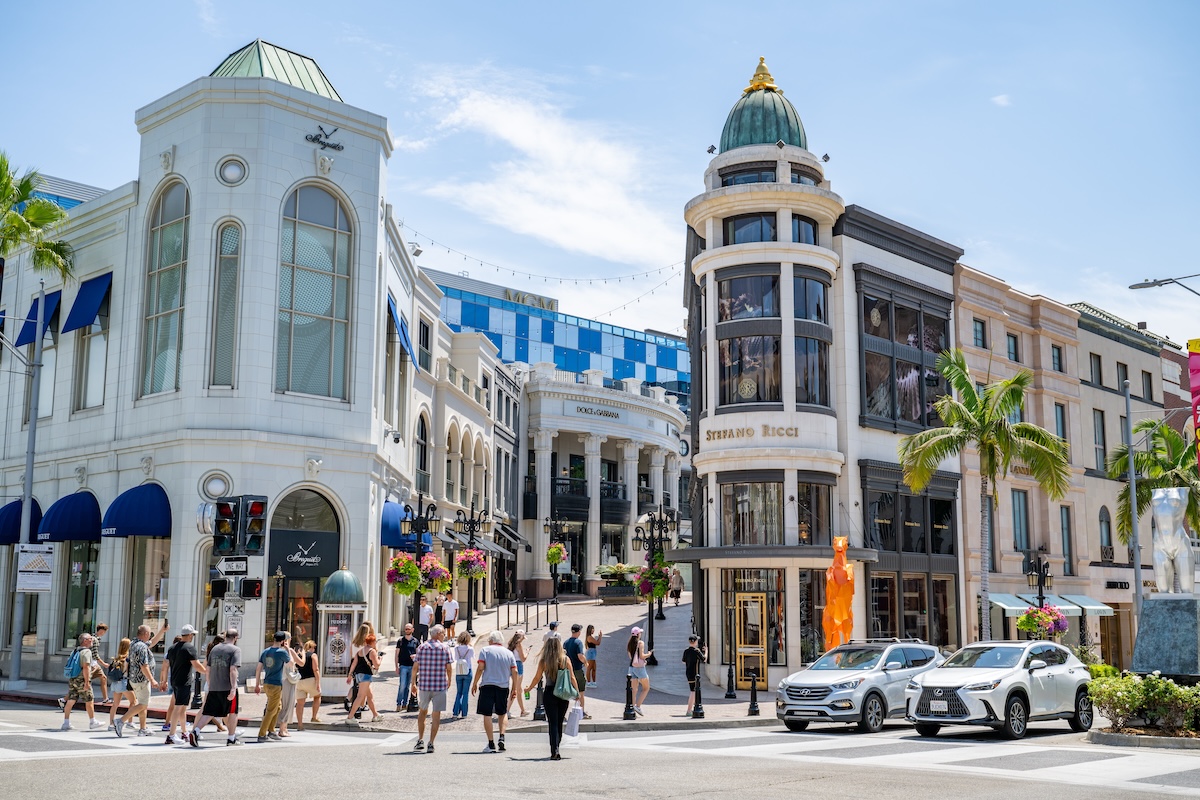
Two miles of the most photographed retail street in America deliver on the cultural reputation with a concentration of luxury flagships that Beverly Hills built specifically to host. The three-block core between Wilshire and Santa Monica Boulevards covers designer names, but you will probably be broke before making it past the first corner.
The sidewalk theater runs independently of purchasing intentions. Tour buses, celebrities conducting business between fittings, and tourists who drove across Los Angeles specifically to stand on this pavement create a street-level energy that you won’t find while clicking on Amazon. Rodeo Drive truly is the OG when it comes to labels and brands.
2. North Michigan Avenue, Chicago
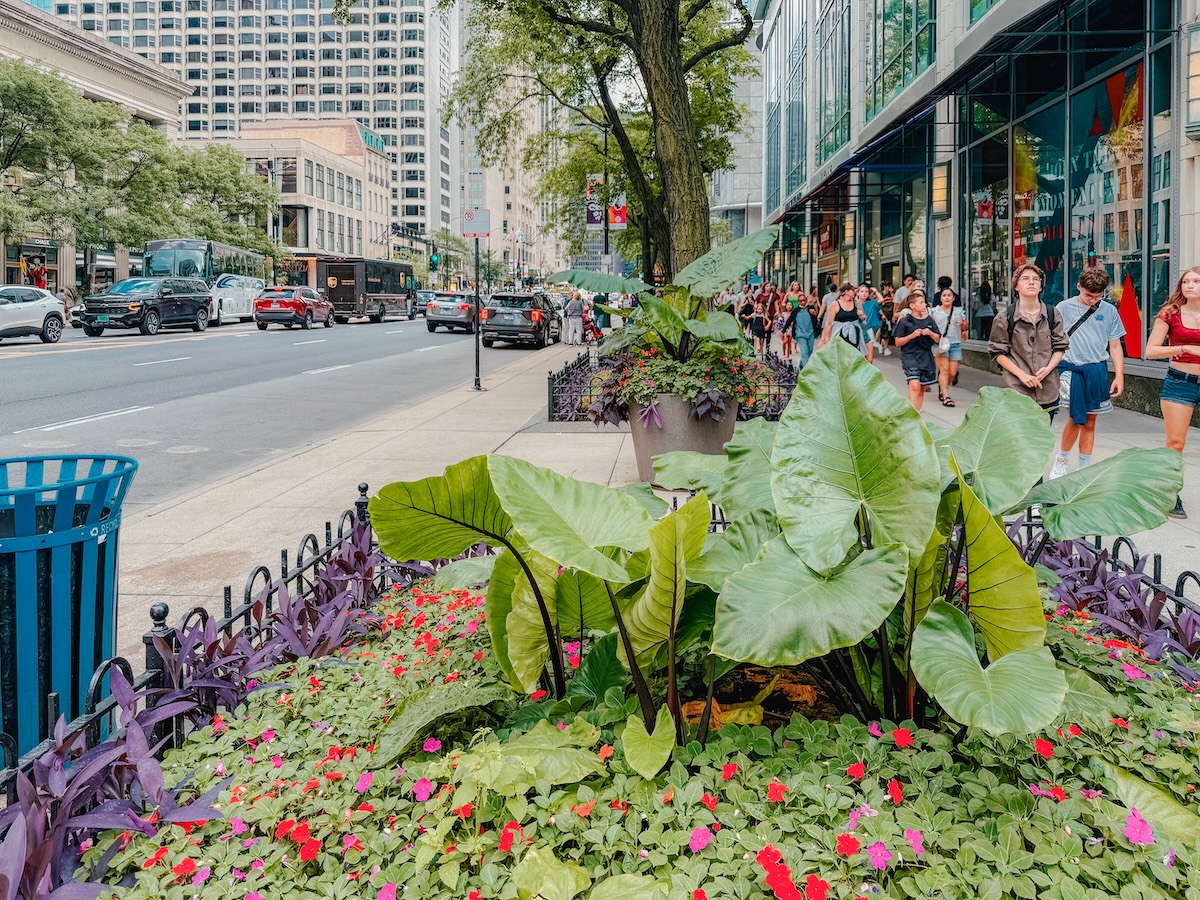
The Magnificent Mile delivers on its considerable self-confidence through sheer concentration of flagship retail, landmark architecture, and Chicago’s urban energy across a single mile of Lake Michigan-adjacent boulevard. Department stores, luxury brands, and mid-range retailers stack up along both sides of the avenue with enough variety to cover every shopping agenda simultaneously.
The architectural quality of the surrounding buildings elevates the whole experience beyond standard retail corridor territory. Tribune Tower, the Wrigley Building, and the Chicago Water Tower all sit within the strip, mixing cultural landmarks into the shopping itinerary without requiring any detours. Winter winds off the lake test commitment considerably, but Chicago shoppers consider that a character-building feature.
1. Fifth Avenue, New York City
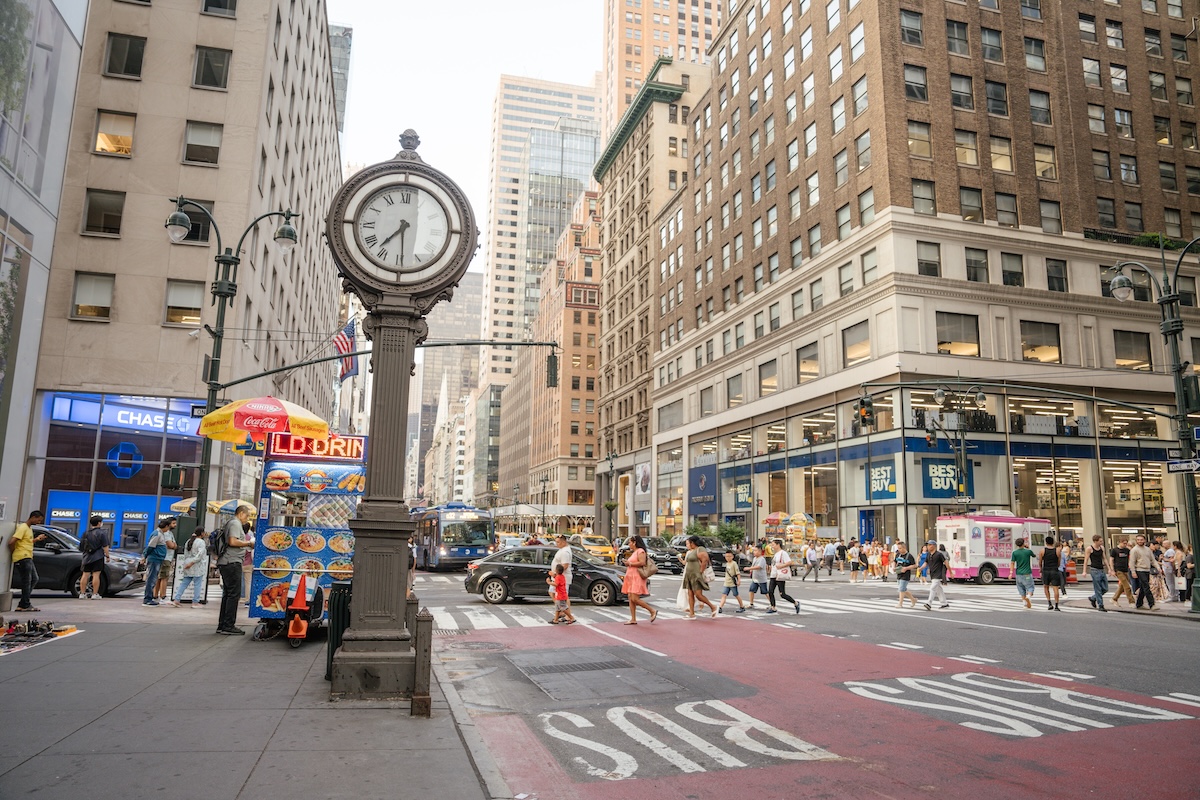
No American shopping street carries more cultural weight, more retail history, or more concentrated flagship presence than the stretch of Fifth Avenue running through Midtown Manhattan. Department store giants, luxury houses, and global brands planted their most important locations here over more than a century of retail evolution, and the street absorbed every shift in the industry while keeping its position at the top of the American shopping hierarchy.
The whole corridor functions as a living document of how retail ambition expresses itself at maximum scale. Tiffany’s flagship, the Plaza Hotel, Saks Fifth Avenue, and Central Park anchor the northern end. First-time visitors and regular New Yorkers experience it completely differently, which is the mark of a street that never runs out of things to offer.