
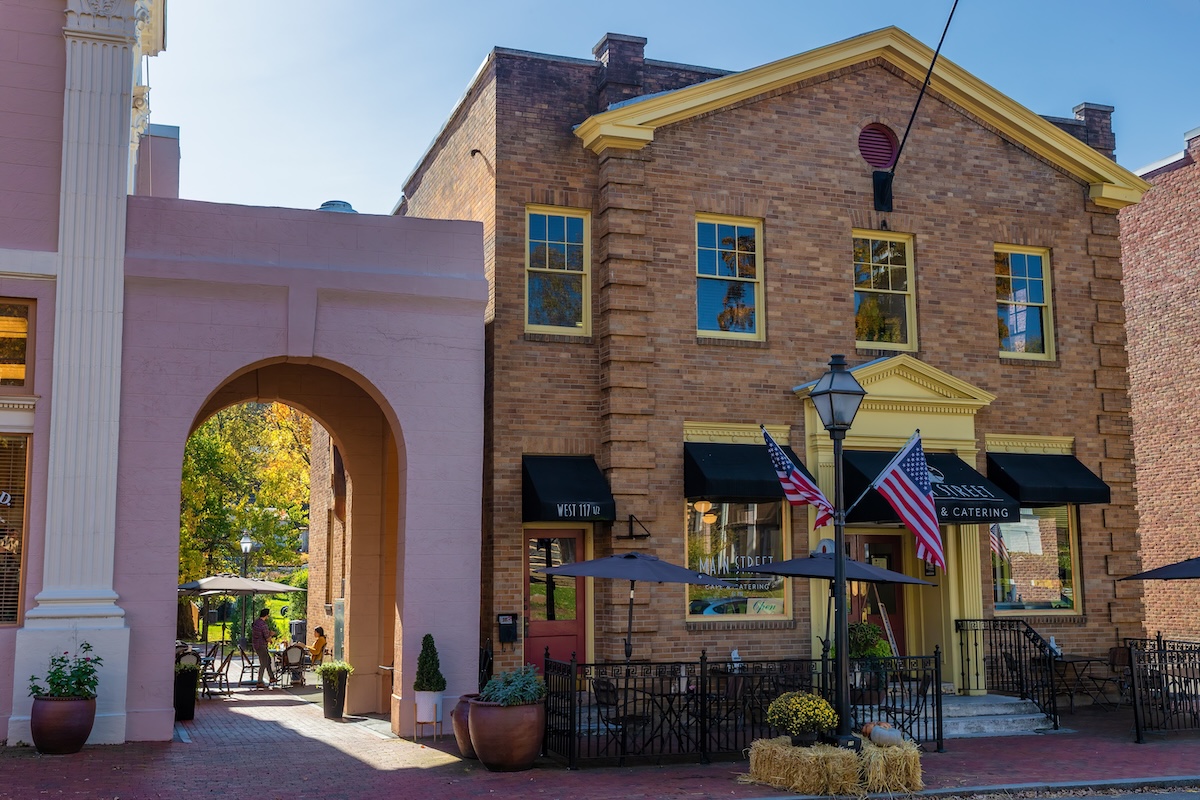
Brick storefronts line Main Street, and you’ll probably slow down before you even realize it. The buildings are original—not some glossy reconstruction—and you can tell by the worn limestone steps and those odd, old proportions you just don’t see in modern renovations. Jonesborough wears its age without fuss, and that lived-in character is what pulls travelers off the Appalachian route and into town, even if they didn’t plan to stop.
With just under 6,000 residents, Jonesborough is truly small. You can stroll the historic core in less than an hour, but most folks end up spending an afternoon poking into antique shops, checking out local crafts at the Old Town Emporium inside the Visitor Center, or lingering over coffee at Corner Company Beverage Emporium on Main Street. There’s no rush—and honestly, that’s the best way to see the place.
The town sits in northeastern Tennessee, tucked in the foothills of the Appalachian Mountains, not far from Johnson City. If you’re driving in from I-26, the rolling farmland and ridges seem to nudge you into a slower, older world.
Tennessee’s Oldest Town
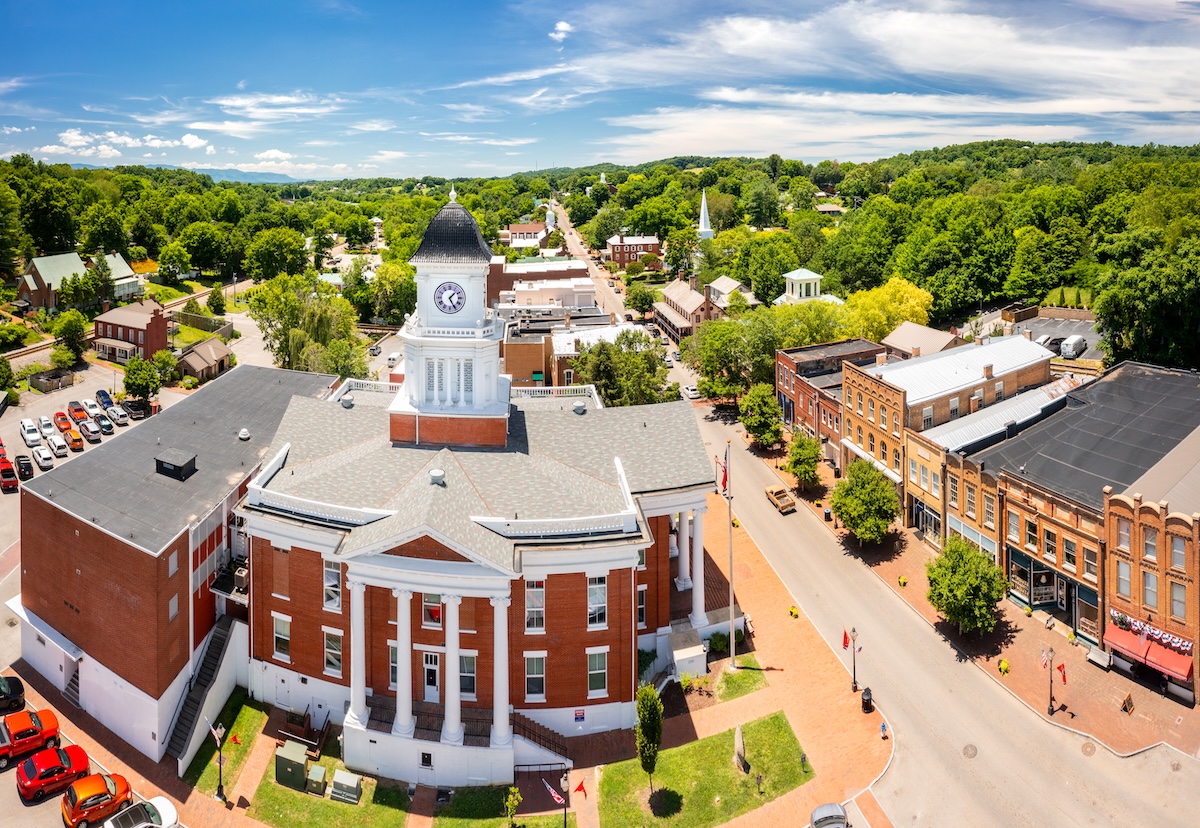
Chartered by North Carolina in 1779 and laid out a year later, Jonesborough holds the title of Tennessee’s oldest town. Tennessee didn’t even exist back then, which is wild to think about. That early start explains what you see downtown: late 18th and early 19th-century architecture, preserved with all its quirks, not dressed up for tourists.
The town got its name from Willie Jones, a North Carolina politician who pushed for western settlement. For a brief moment, Jonesborough was the capital of the short-lived State of Franklin (1784–1785). That experiment in self-government fizzled out, but it left behind a political history that’s a bit more tangled than your standard frontier tale.
The Jonesborough-Washington County History Museum and Archives keeps a stash of artifacts, old newspapers, and photos that dig into the area’s social and economic story. It’s a real working archive, not just a display, and if you’re curious about what’s behind the pretty streets, it’s worth a look.
Guides in period clothing lead walking tours through downtown, sharing stories about buildings and local characters. The town played a role in abolitionist history too—a printing press here published what’s believed to be the first American newspaper dedicated to ending slavery.
Main Street isn’t just for show. Restaurants, galleries, and independent shops fill the same brick buildings that give the town its historic feel.
Storytelling As Living Culture
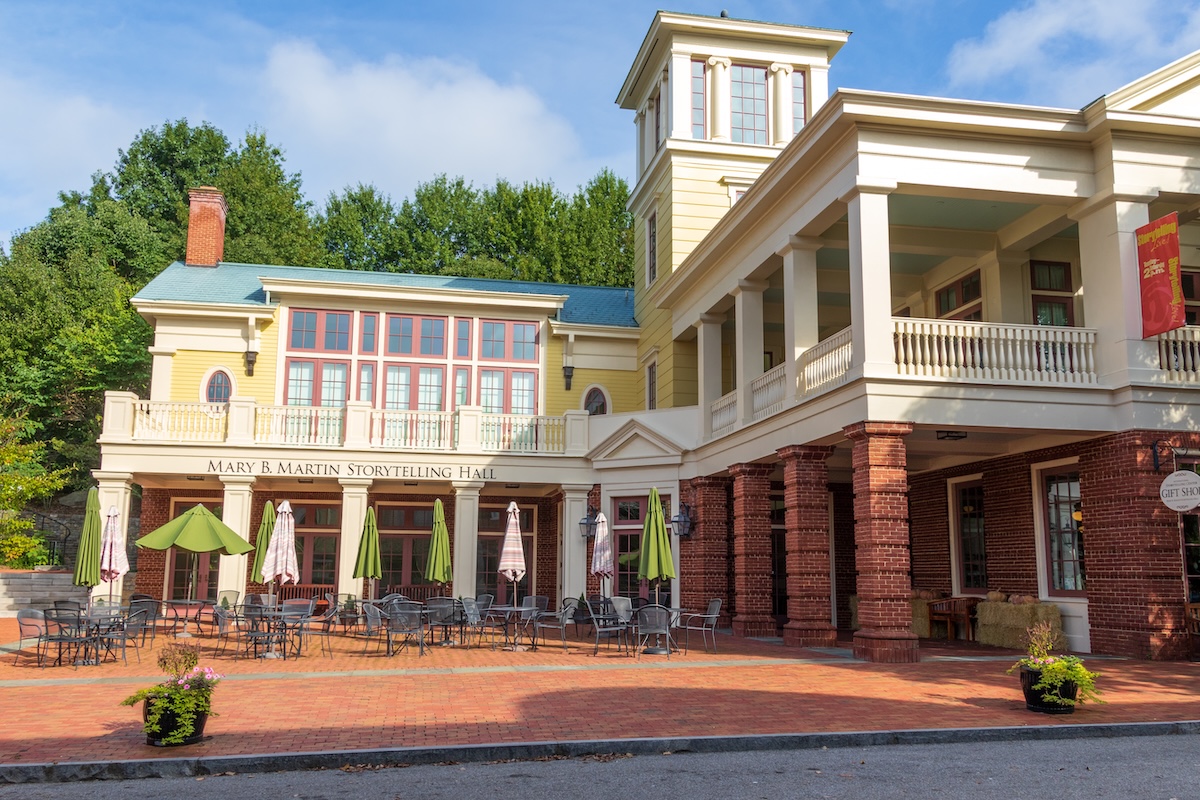
Jonesborough calls itself the Storytelling Capital of the World, and it’s not just a slogan—there’s real substance behind it.
The International Storytelling Center sits right on Main Street. This nonprofit champions storytelling as a way to build community, educate, and keep culture alive. They run a Teller-in-Residence program and put on Tuesday night concerts at 7 p.m. all year, so odds are good you’ll catch a live storytelling event whenever you show up. These aren’t stuffy lectures—they’re public performances that pull in a true local crowd.
Every October, the National Storytelling Festival takes over, usually the first weekend of the month. By 2026, it’ll be the 52nd time people gather for this, with more than 20 storytellers performing across several big tents. The festival brings in folks from all over, and suddenly the quiet downtown buzzes with energy. Planning to come in early October? Better lock in a place to stay way ahead of time.
When it’s not festival season, storytelling still weaves through daily life. Guided town tours lean heavily on narrative, and the local museum organizes its exhibits around the stories of real people and communities instead of just dates and facts.
The Jonesborough Storytellers Guild also puts on its own events at the Storytelling Center. For a town this small, the amount of storytelling action is pretty remarkable. It shapes the vibe here in a way you’ll start to feel not long after you arrive.