
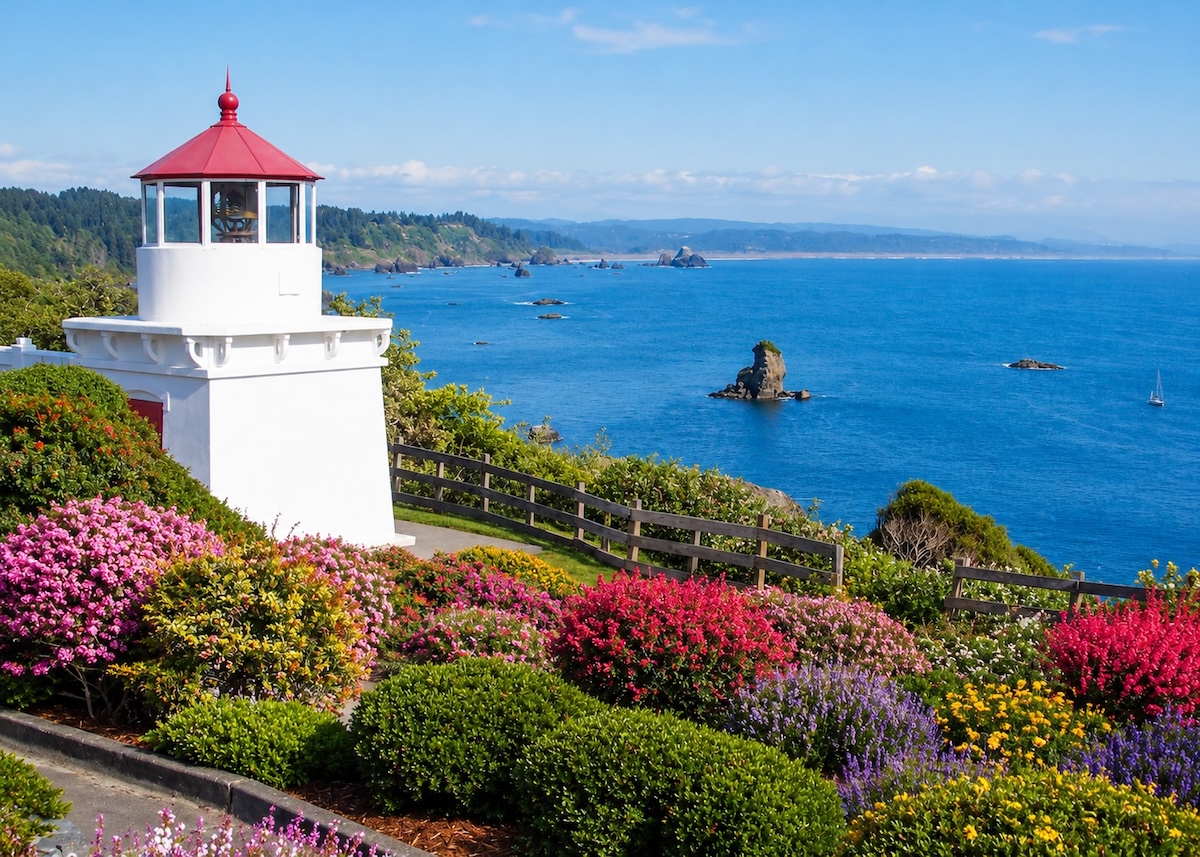
Perched on a rocky bluff, this tiny coastal town looks out over a small working harbor and a stretch of Pacific coastline that most California travelers just miss. Fewer than 400 people live here. There’s one main road, no traffic lights, and if you’re driving Highway 101 through Humboldt County, it’s just a quick detour west—suddenly you’re somewhere that feels worlds away from the crowded beach towns down south.
Trinidad feels less like a destination and more like a hidden edge of the California coast that somehow escaped notice. This isn’t the kind of place with a boardwalk or carnival rides. Trinidad started as a fishing village, and it’s still surrounded by coastal forest, sea stacks, and plenty of fog. People come for tide pools, short cliff walks, and fresh rockfish.
The quiet here sneaks up on you; you need a day or two to really let it sink in. It’s a handy stopover between the Redwood parks and the rest of the North Coast, or maybe a good spot to spend a couple nights if you’d rather slow down and poke around a wild bit of shoreline.
Remote Setting And Slower Pace
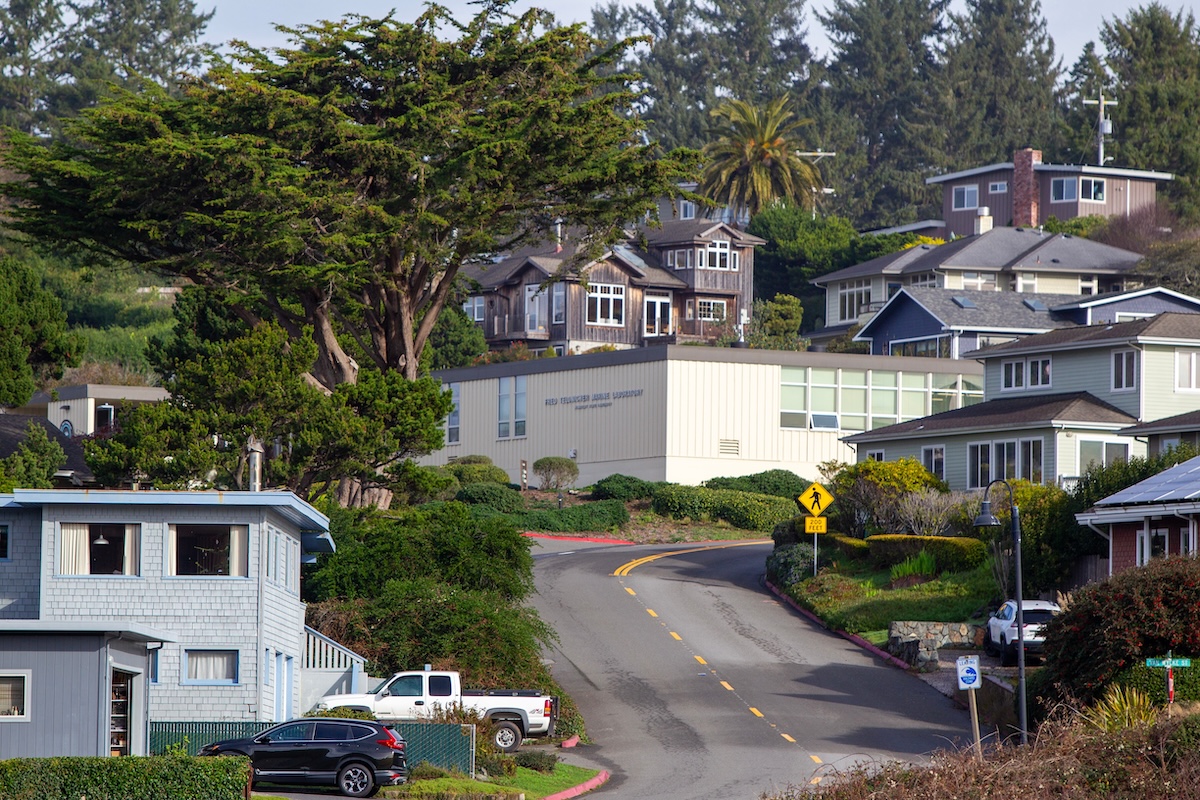
Getting to Trinidad is a bit of a trek. The closest commercial airport—Arcata-Eureka—sits about eight miles south, and honestly, flights are pretty limited. Most folks end up driving in on Highway 101, winding for hours through redwood groves and sleepy towns before finally hitting the coast. That distance from big cities keeps things quiet around here.
The town covers about one square mile. You can walk from one end to the other in under twenty minutes, easy. There are a few restaurants, a couple of small shops, and some vacation rentals—nothing flashy. The Seascape Restaurant on the pier dishes up local catch with a harbor view that’s hard to beat. You won’t find a resort strip, nightlife scene, or any chain stores.
Fog hangs around a lot, especially in summer. Mornings usually start off gray and cool, with temperatures in the mid-50s even in July. Sometimes the marine layer burns off by afternoon, sometimes it just lingers. Bring layers, no matter when you visit, and be ready for the weather to change on a whim.
Trinidad doesn’t really try to entertain you. The tides set the rhythm here, not some packed event calendar. You eat when the restaurant’s open, walk when the trail’s dry, and watch the harbor when there’s nothing else going on. That’s the charm, honestly.
Beaches, Trails, And Outdoor Time
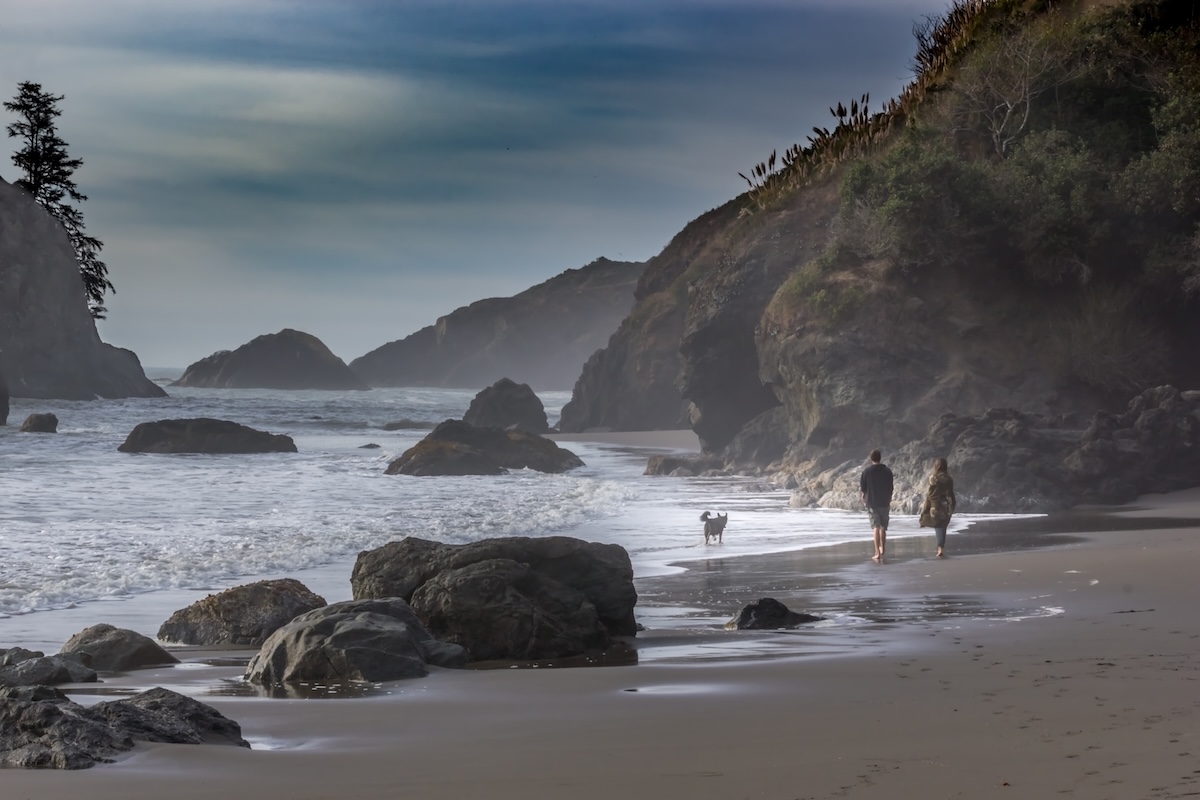
Trinidad State Beach sits just below town, so you can get right to the sand, driftwood, and—if the tide’s out—those exposed rock shelves. Walk north along the shore toward Elk Head and you’ll stumble onto tide pools full of sea stars, anemones, and little crabs scurrying around. Indian Beach hides at the base of Trinidad Head; it’s a shorter walk and usually dodges the wind a bit better. College Cove, farther south on Stagecoach Road, is a crescent of sand tucked under steep bluffs and somehow stays pretty empty, even when the weather’s perfect. Definitely check a tide chart before you go—some of these beaches just vanish at high tide, and the rocks turn slick fast.
The Trinidad Head Trail draws the most hikers in town. It’s about 45 minutes round trip, climbing roughly 350 feet to an overlook above the harbor. From up there, you can scan for gray whales spouting offshore between December and April. If you’re craving a longer walk, try the Elk Head Trail or the loop through Sue-meg State Park—both give you those classic coastal bluff views, with sea stacks and offshore rocks popping up along the way. For redwoods, Prairie Creek Redwoods State Park sits about half an hour north and has trails winding through massive old-growth groves.
Gray whales cruise past Trinidad Head from late fall through spring. Harbor seals hang out on the rocks near the pier all year. Birders do well along the bluffs, spotting brown pelicans, cormorants, and sometimes even a peregrine falcon. Summer usually brings calmer seas but the fog can get thick. Fall? That’s when you’ll catch the clearest skies and warmest afternoons.