

Powder-white beaches, crystal-clear lagoons, and overwater villas perched above turquoise seas have made this one of the world’s most coveted tropical escapes. Few destinations evoke the idea of paradise quite as effortlessly.
Scattered across the Indian Ocean, the islands of the Maldives form a breathtaking archipelago of coral atolls and tiny palm-fringed isles. While many are home to luxury resorts, others remain inhabited by local communities or untouched by development, offering a remarkable diversity of experiences despite the country’s small size.
Whether you’re snorkeling among vibrant coral reefs, surfing world-class waves, indulging in exceptional cuisine, or simply unwinding beside the water, the Maldives delivers a level of natural beauty that few places can match. It’s no surprise that it remains a dream destination for honeymooners, divers, and beach lovers alike.
Snorkel Over a Tropical Reef

One of the easiest and most rewarding ways to experience the Maldives is by snorkeling.
Most resorts provide snorkeling equipment and can direct you to nearby reefs, whether that’s a house reef accessible from shore or a more remote site reached by boat. Beneath the surface, you’ll discover colorful coral gardens teeming with tropical fish, sea turtles, moray eels, rays, and reef sharks.
The visibility is often exceptional, making the Maldives one of the best places in the world to explore marine life without needing scuba certification.
Wear reef-safe sunscreen, avoid touching coral, and take your time getting comfortable in the water before venturing over shallow reef systems.
Get your Scuba Certification at Banana Reef
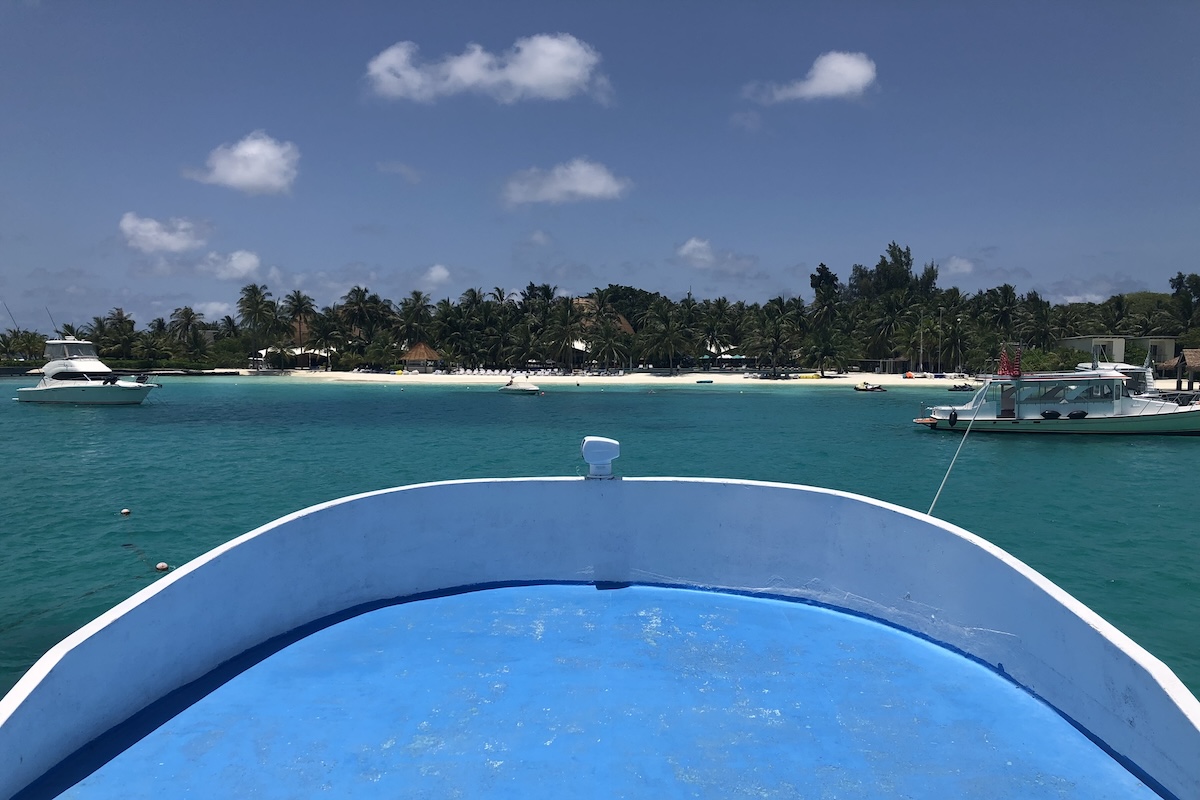
If you’ve ever considered learning to dive, the Maldives is an incredible place to do it.
Banana Reef, located in North Malé Atoll, is one of the country’s most famous dive sites and has been attracting divers for decades. Known for its dramatic coral formations, schooling fish, and diverse marine life, it provides an ideal environment for beginner and experienced divers alike.
Many resorts offer PADI-certified courses, allowing you to earn your Open Water Diver certification while exploring some of the clearest waters on the planet.
Visit a Tidal Sandbank Island

One of the most unique experiences in the Maldives is visiting a temporary sandbank that emerges during low tide.
These tiny strips of white sand surrounded by endless shades of blue often feel like your own private island. There’s usually little to do beyond swimming, relaxing, and admiring the scenery, but that’s precisely the appeal.
Many resorts organize excursions that include private picnics, romantic dinners, or day trips to nearby sandbanks.
Walking across an island that may disappear beneath the ocean a few hours later is an experience that’s hard to forget.
Surf at an Outer Reef Break

The Maldives is home to some of the best tropical surf breaks in the world.
While many islands have waves breaking close to shore, some of the most sought-after breaks form along the outer edges of the atolls. Reaching them usually involves a short boat ride, after which you’ll paddle out into warm water surrounded by stunning scenery.
These waves can be powerful and often break over shallow reef, making them better suited to experienced surfers.
Many resorts and surf operators offer guided surf trips based on daily conditions.
Join a Yoga Class

Few places are better suited to a morning yoga session than the Maldives.
Many resorts host classes on overwater platforms, beachfront decks, or open-air pavilions overlooking the ocean. The combination of sea breezes, gentle waves, and uninterrupted views creates a peaceful setting for stretching, meditation, and relaxation.
Whether you’re a beginner or an experienced practitioner, it’s an excellent way to start the day.
Swim with Manta Rays at Hanifaru Bay

If seeing manta rays in the wild is on your bucket list, make time for Hanifaru Bay.
Located in Baa Atoll, this protected marine area is famous for attracting large numbers of manta rays during feeding season, which typically runs from May through November.
During peak periods, dozens of these graceful giants can gather in a single location, creating one of the world’s most spectacular wildlife encounters.
Snorkeling alongside manta rays in their natural habitat is an experience you’ll remember long after your trip ends.
Spend a Day at Maafushi Island

While luxury resorts dominate most images of the Maldives, visiting a local island offers a completely different perspective.
Maafushi Island is one of the most popular local islands for travelers and provides a chance to experience everyday Maldivian life. You’ll find local restaurants, guesthouses, cafés, markets, and friendly residents going about their daily routines.
It’s also a great base for snorkeling, diving, and boat excursions, often at lower prices than resort-based activities.
Adopt a Piece of Coral

Many resorts now participate in coral restoration projects designed to help damaged reef systems recover.
By adopting a coral frame, you contribute directly to marine conservation efforts while learning more about the fragile ecosystems that surround the islands.
You’ll often have the opportunity to attach coral fragments to an artificial structure that is later placed underwater, where it can grow into a thriving reef over time.
It’s a meaningful way to leave a positive impact on the destination you’re visiting.
Spend a Night in an Overwater Villa

Few travel experiences are as iconic as spending a night in an overwater villa.
These luxury accommodations sit directly above the lagoon, often featuring private pools, sun decks, glass floors, and direct access to the ocean. Waking up to uninterrupted views of turquoise water has become one of the defining images of the Maldives.
While overwater villas are typically the most expensive accommodation option, they’re also one of the most memorable.
Master a New Skill with a Maldivian Cooking Lesson

Food is an important part of any travel experience, and the Maldives offers an opportunity to learn the flavors behind traditional island cuisine.
Cooking classes often include a tour of herb gardens, introductions to local ingredients, and hands-on instruction in preparing classic Maldivian dishes featuring fresh seafood, coconut, tropical fruits, and aromatic spices.
At the end of the session, you’ll get to enjoy the meal you’ve prepared, often in a beautiful beachfront setting.
Visit the Male Local Market

Before heading straight to a resort, spend a few hours exploring Malé, the country’s bustling capital.
The Local Market and Fish Market provide a fascinating glimpse into daily life beyond the luxury resorts. You’ll find stalls overflowing with coconuts, mangoes, bananas, vegetables, spices, and freshly caught seafood.
Because Malé is relatively compact, it’s easy to explore on foot. Walking through the city offers a valuable look at the culture, commerce, and everyday rhythm of life in the Maldives.
It’s a refreshing contrast to the secluded resort islands and helps paint a fuller picture of the country as a whole.