
Traveling for food makes complete sense once you accept that a great meal creates stronger memories than most museums. These destinations have build entire cultural identities around it, and arriving with an empty stomach and a flexible schedule produces experiences that no amount of research fully prepares you for.
Some cities earned their reputations through centuries of culinary tradition. Others built theirs through cultural collision, immigration, and the kind of creative restlessness that produces dishes nobody planned but everyone needed. All of them deserve serious attention from anyone who books flights around restaurant reservations.
23. Copenhagen, Denmark
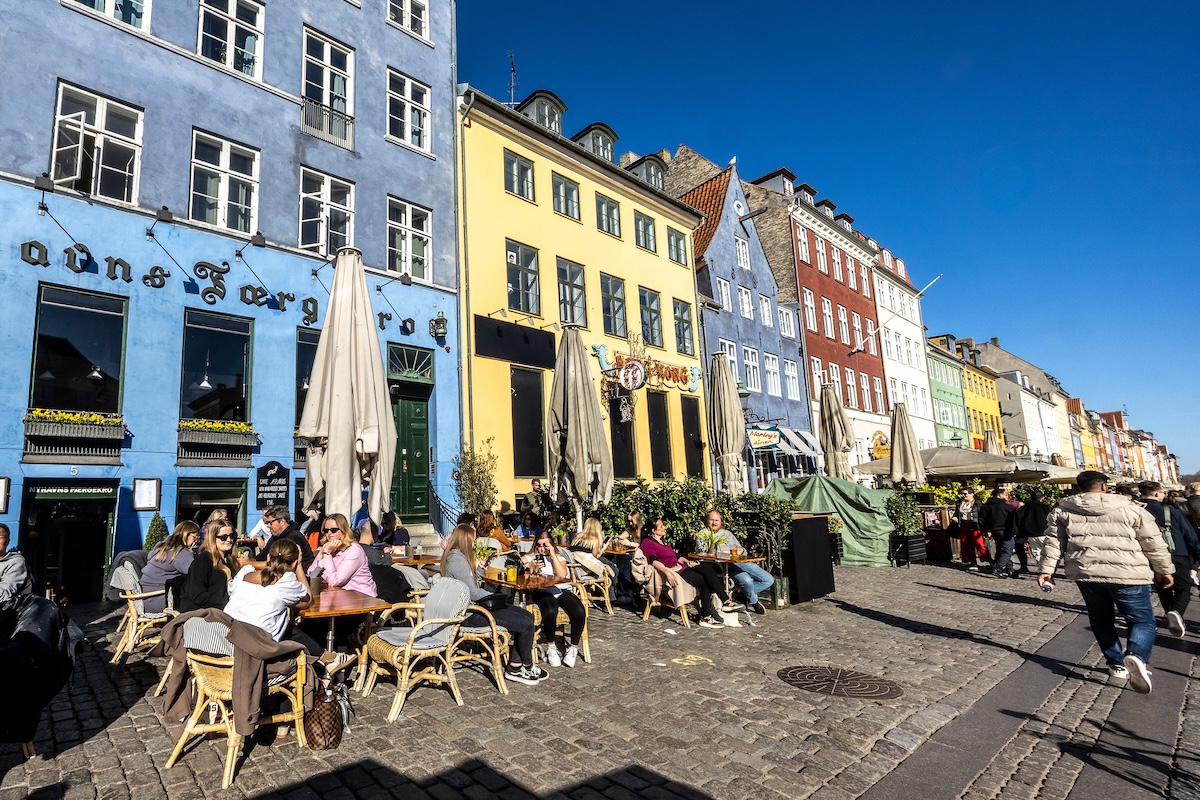
New Nordic cuisine put Copenhagen on the global food map in ways that surprised even the Danes, who previously weren’t internationally celebrated for culinary ambition beyond open-faced sandwiches and pastries. Noma changed the conversation entirely, inspiring a generation of chefs to forage, ferment, and rethink what Scandinavian ingredients could do on a plate.
The scene now extends well beyond fine dining, with natural wine bars, smørrebrød lunch spots, and street food markets covering multiple budgets across the city. Copenhagen cooks with a philosophical commitment to seasonality and locality that other cities talk about constantly but rarely match in practice.
22. Singapore
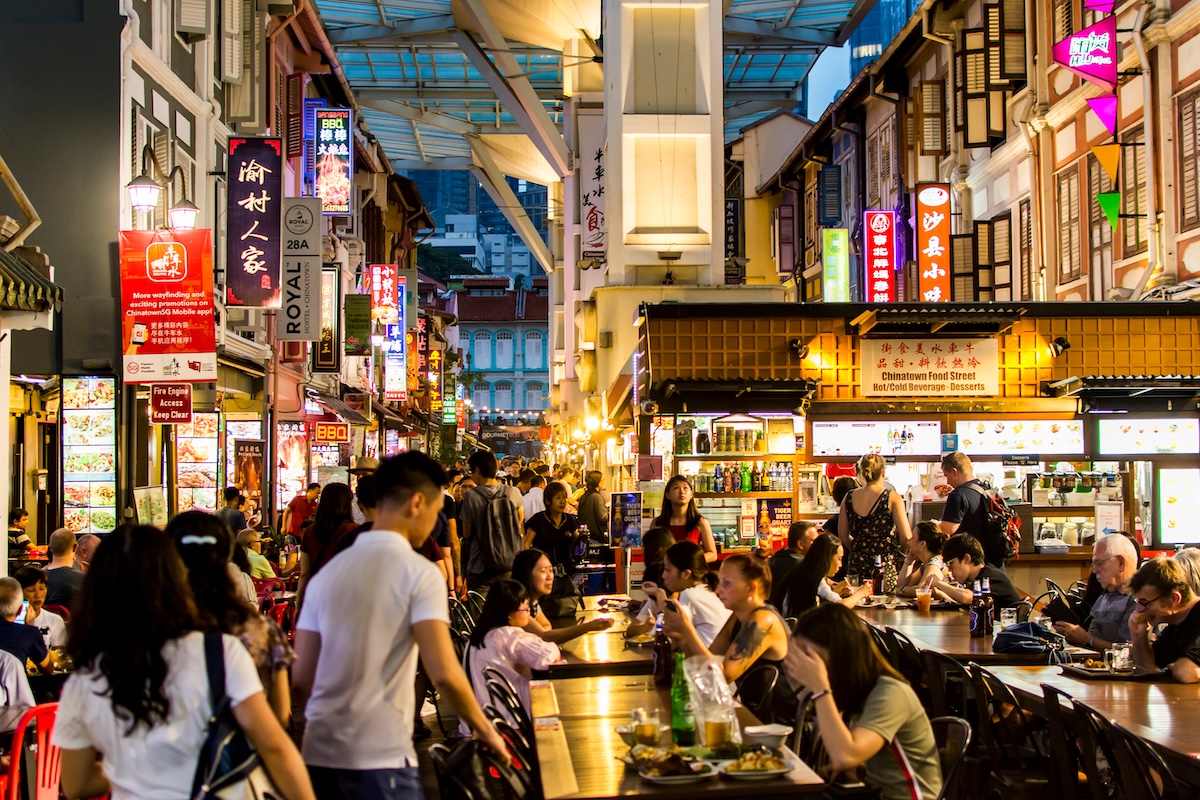
Singapore takes the crown for culinary offerings per square meter. Chinese, Malay, Indian, and Peranakan cooking traditions collide daily in hawker centers where individual stalls have spent decades perfecting single dishes, occasionally earning Michelin stars for their dedication to one very specific bowl of noodles.
Maxwell Food Centre, Lau Pa Sat, and Old Airport Road Food Centre represent some of the world’s best casual eating, and Singapore’s high-end restaurant scene runs alongside the hawker culture without either undermining the other. The city covers every level of culinary ambition under one very humid sky.
21. Montreal, Canada
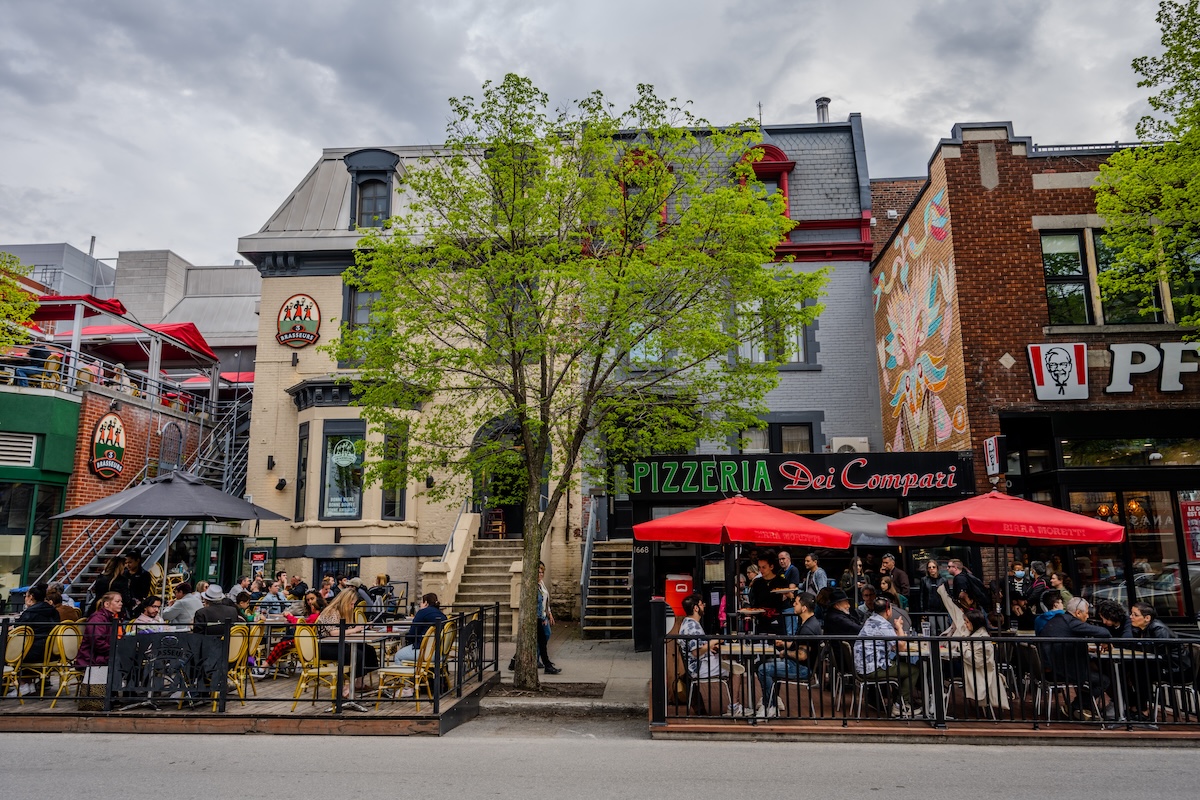
Quebec’s largest city draws from French culinary tradition while adding its own North American creativity and a Jewish deli heritage that produced the Montreal smoked meat sandwich. Locals will defend it against any New York pastrami comparison with surprising intensity, and that particular rivalry gets taken very personally around here.
The bagel debate between Fairmount and St-Viateur is well worth doing your own hands-on research on. Similarly, poutine gets argued over across dozens of establishments with strong opinions about cheese curd quality. Beyond the classics, a restaurant scene running from classic French bistros to wildly adventurous contemporary cooking makes Montreal a food destination worth tasting.
20. Bologna, Italy
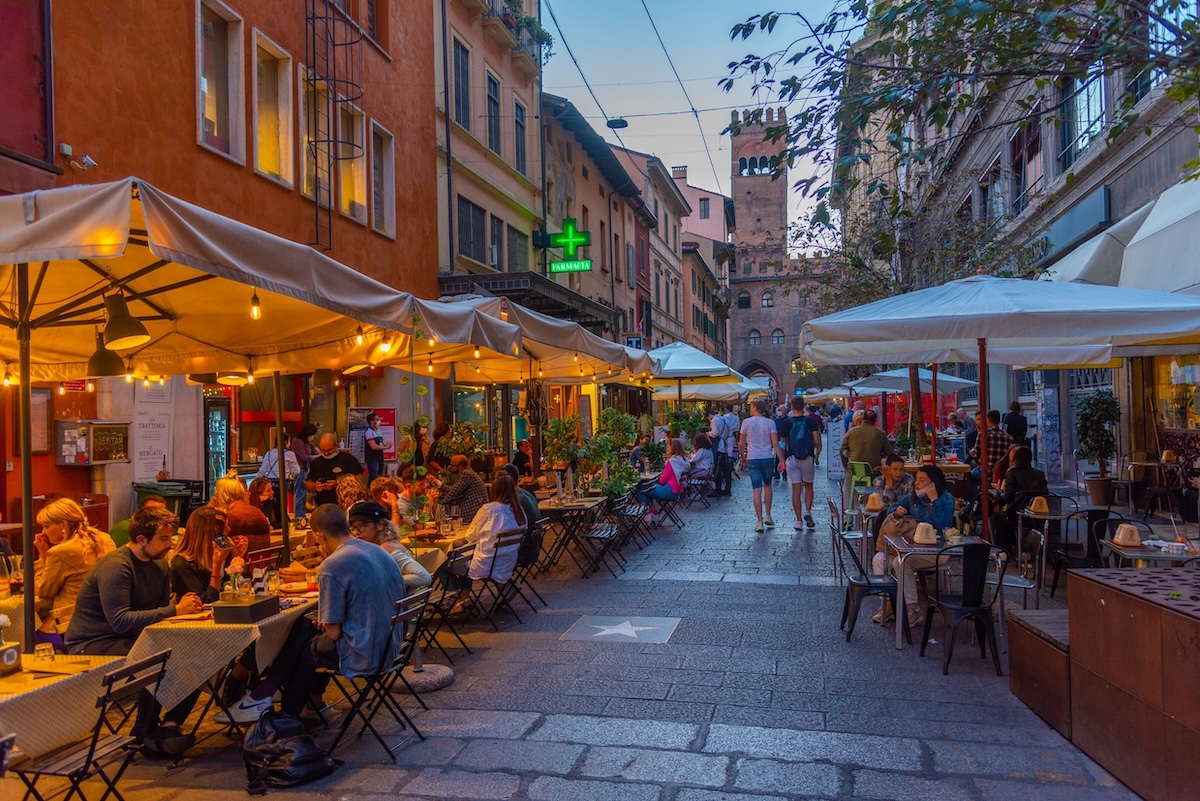
The province of Emilia-Romagna produces Parmigiano-Reggiano, Prosciutto di Parma, mortadella, and fresh pasta with a regularity that makes every meal a greatest hits anthology. Bologna earned the nickname “La Grassa” (the fat one) centuries ago and has been living up to it enthusiastically ever since, with zero apparent plans to stop.
Tortellini in brodo, tagliatelle al ragù, and crescentine fried bread stuffed with local cured meats describe a food culture built on doing simple things at an exceptionally high standard. The covered arcades running through the city center shelter market stalls and food shops that make walking anywhere in Bologna a calorically dangerous activity.
19. Addis Ababa, Ethiopia
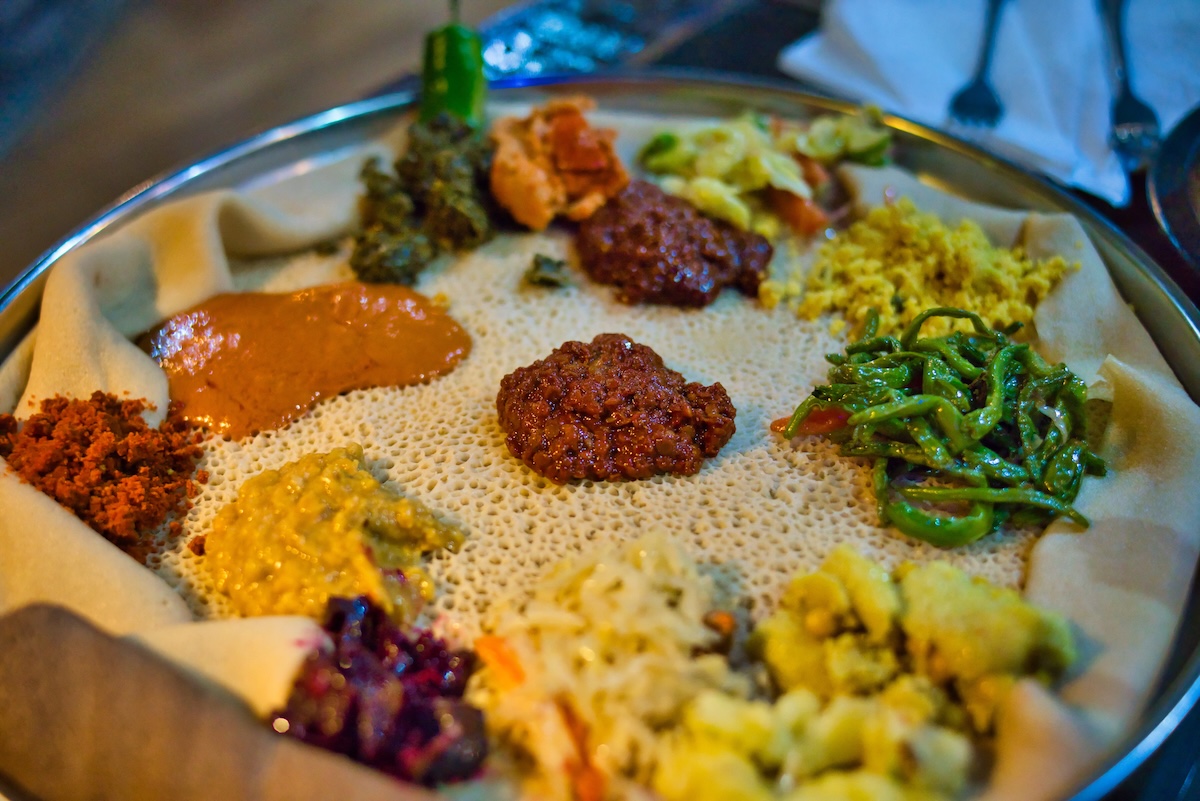
Ethiopian food operates on a logic entirely its own, built around injera, a sourdough flatbread functioning as plate and utensil simultaneously. Everything arrives on top of it: spiced lentils, slow-cooked lamb, chicken stew spiked with berbere, and an array of vegetable dishes that make Ethiopian cooking one of the world’s great vegetarian cuisines even when that wasn’t the original intention.
Tej houses serve honey wine alongside the food, and coffee ceremonies transform a caffeine hit into a three-cup ritual that nobody should rush. The coffee makes complete sense here, given that Ethiopia is where the stuff originated.
18. Oaxaca, Mexico
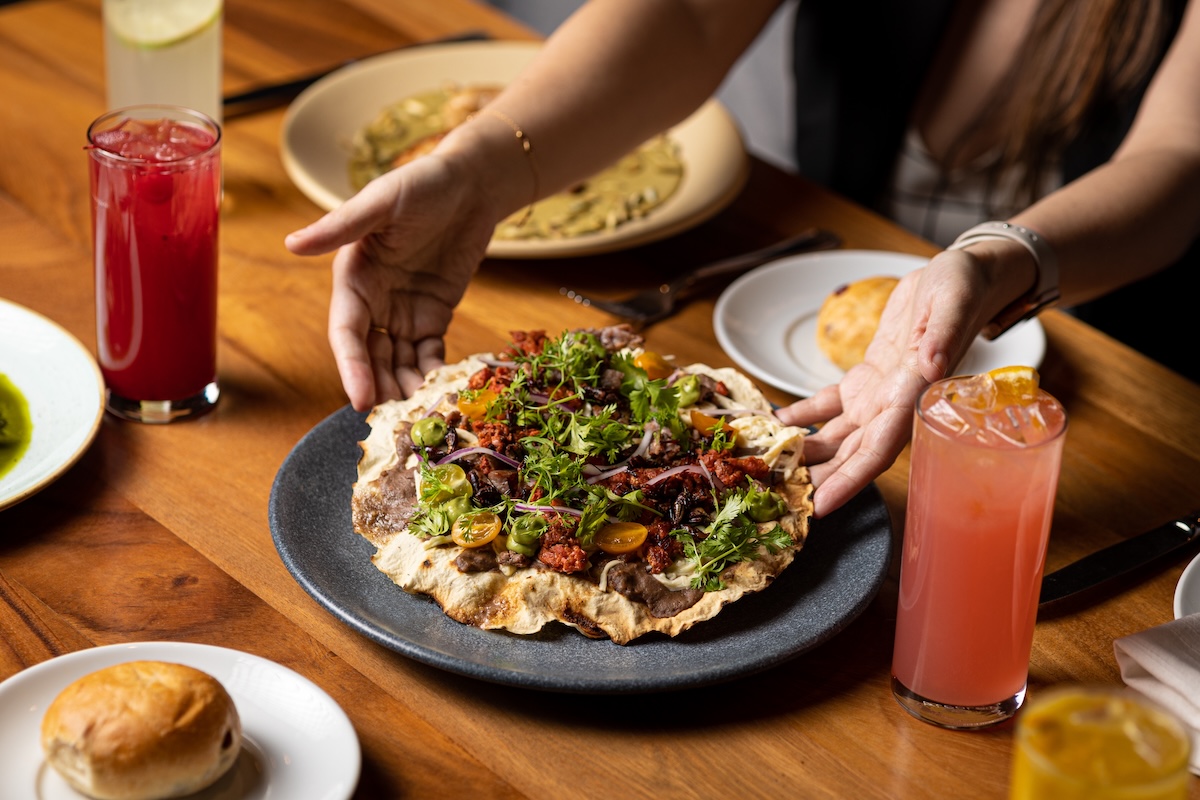
Oaxaca operates as Mexico’s culinary heartland, producing seven distinct mole sauces, tlayudas, memelas, and a cheese that melts like string and defies easy description. The state’s indigenous cooking traditions run so deep that they function largely independently of what the rest of Mexico considers traditional food, which is saying something in a country that takes its food this seriously.
Markets at Etla and Tlacolula work as outdoor culinary universities where vendors sell ingredients, prepared dishes, and knowledge simultaneously. Mezcal production from wild agave varieties adds another dimension entirely. Oaxaca rewards traveling slowly and eating frequently, which turns out to be a very good instruction set for anywhere on this list.
17. Taipei, Taiwan
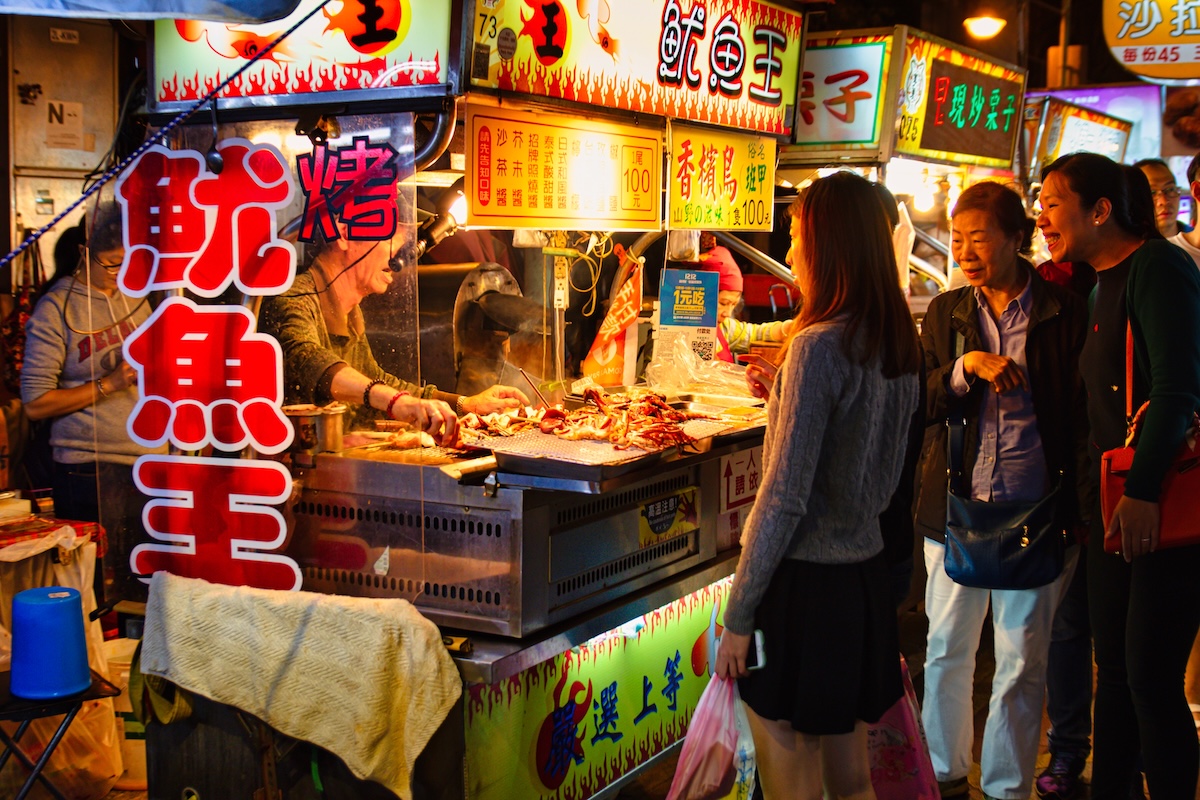
Night markets built Taipei’s reputation, and they deliver nightly across the city. Shilin, Ningxia, and Raohe each run their own distinct character, but all produce the same result: visitors who planned to grab one snack and emerged two hours later having completely lost count.
Beyond night market culture, Taipei developed a serious dining scene covering every Chinese regional tradition alongside Japanese-influenced cooking by contemporary chefs doing creative things with local produce. The city also approaches beef noodle soup with a competitive intensity that could anchor an entire travel itinerary on its own.
16. Lyon, France
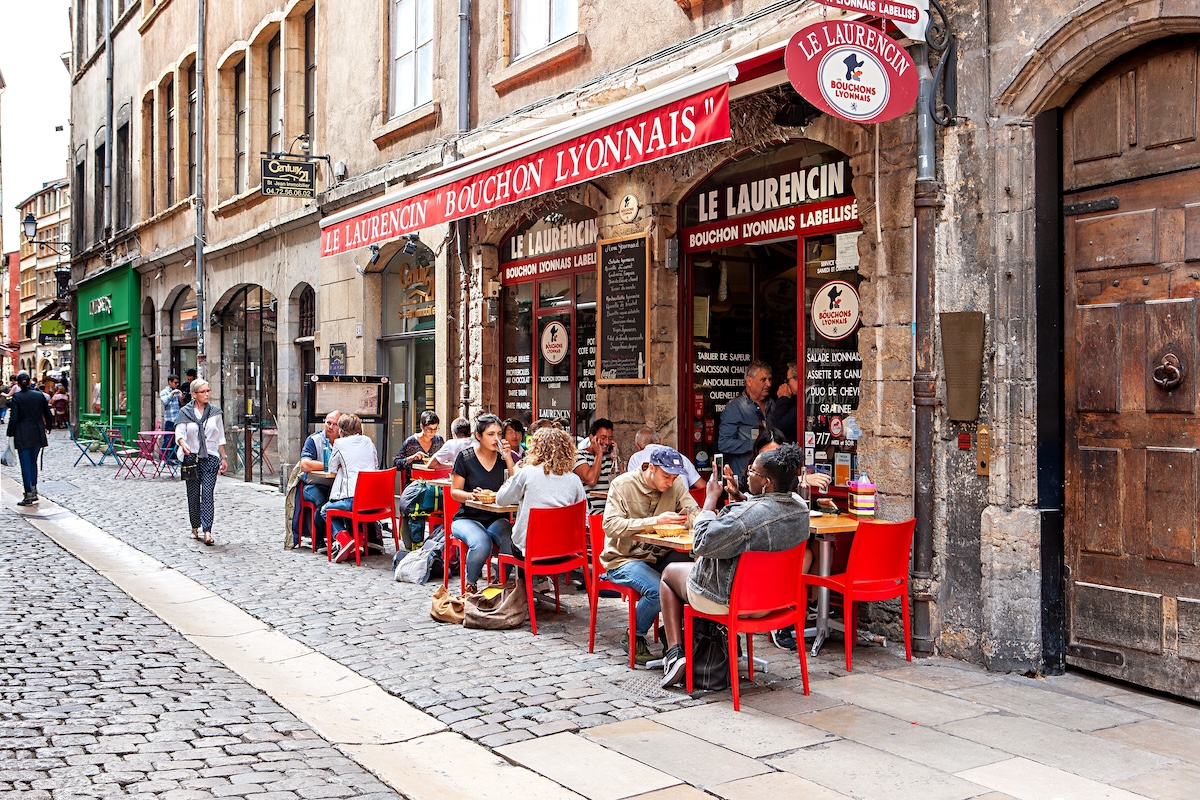
France argues constantly about which city deserves its culinary capital title, and Lyon wins that argument most convincingly. The bouchon tradition, simple restaurants serving rich Lyonnaise cooking to workers who needed fuel, produced dishes like quenelles, andouillette, and tablier de sapeur that still define the city’s food identity centuries later.
Paul Bocuse spent decades making Lyon internationally famous while other chefs followed the trail he blazed. Les Halles de Lyon Paul Bocuse packs an astonishing amount of high-quality food vendors all under one expansive roof. Eating well in Lyon requires almost no effort, because this city simply refuses to let you have a bad meal.
15. Bangkok, Thailand
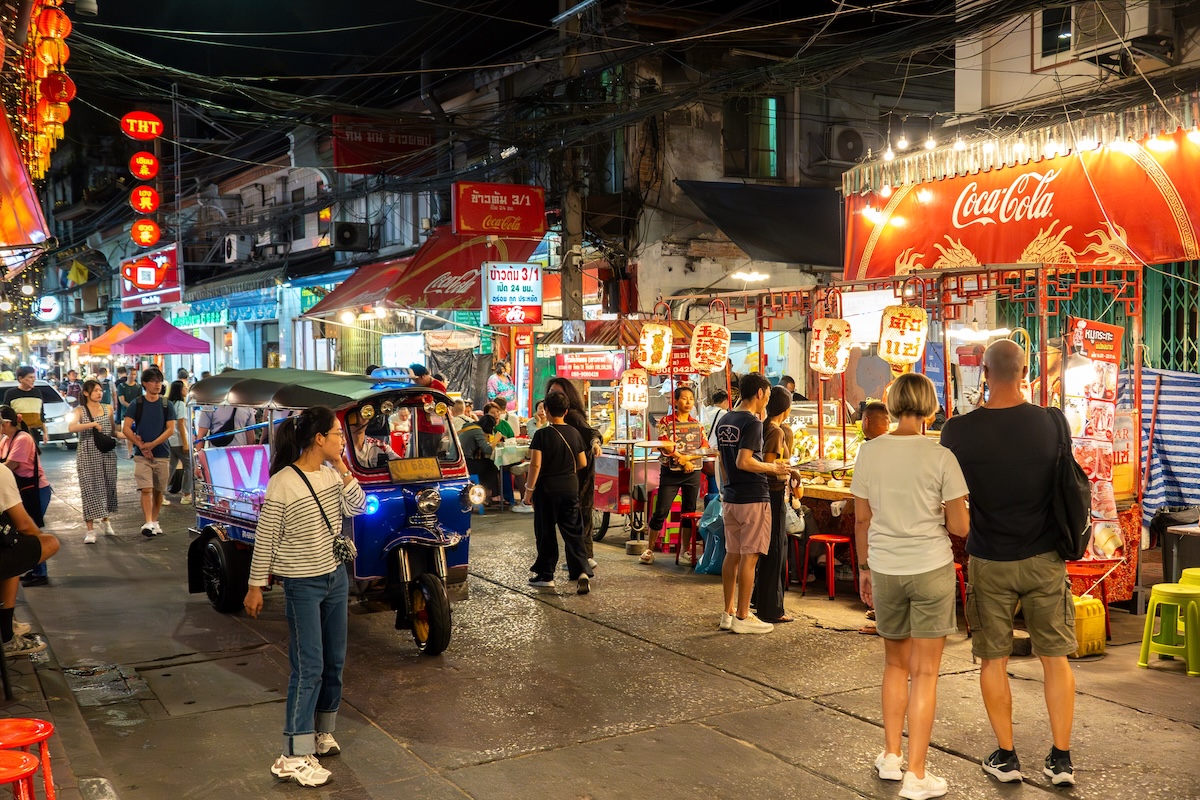
Bangkok treats street food as infrastructure rather than novelty, with vendors occupying the same sidewalk positions for decades and building loyal followings that cross every social boundary. Tom yum, pad see ew, boat noodles, and mango sticky rice all reach peak versions somewhere on Bangkok’s streets, and finding them requires nothing beyond following the crowd toward the longest queue.
The city also runs a high-end dining scene drawing international attention, and the gap between a street meal and a fine dining experience covers less culinary distance than most visitors expect. Bangkok cooks with aromatics, heat, and balance at a level that makes many other food cities look like they’re still working things out.
14. Osaka, Japan
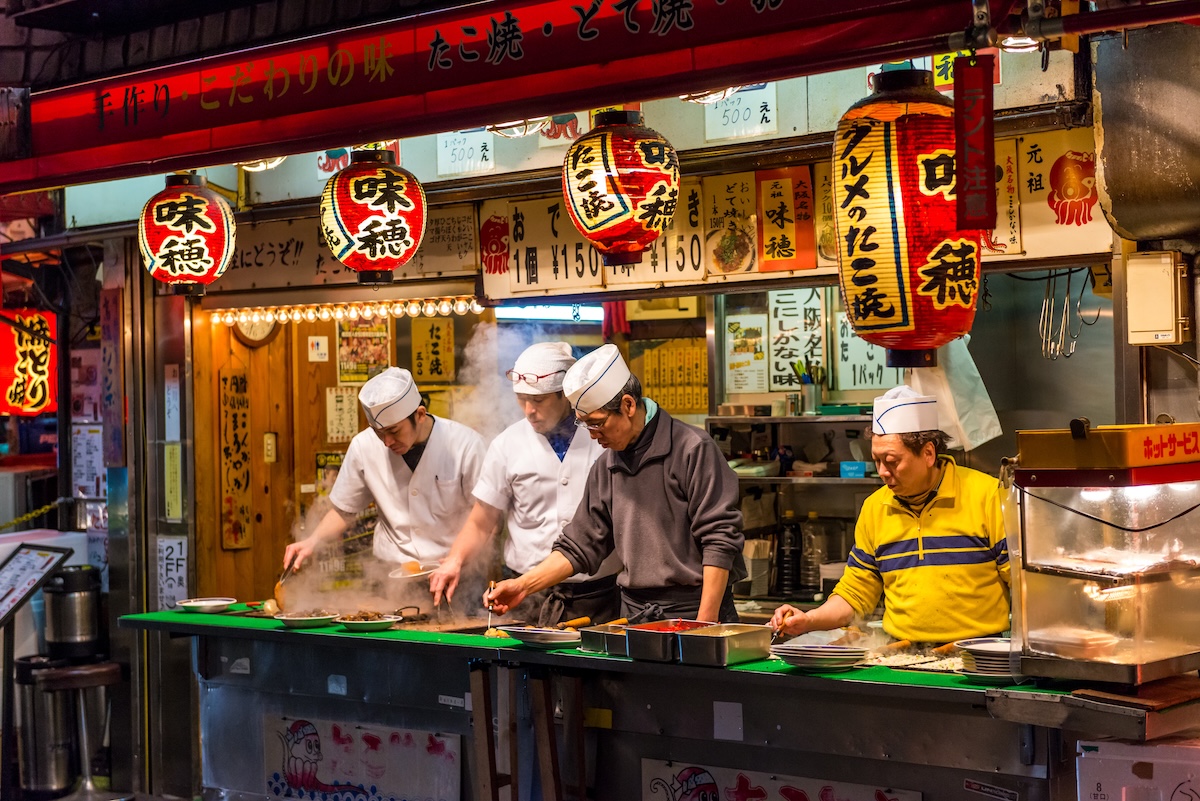
Osaka takes food more seriously than any other Japanese city, which carries significant weight given Japan’s general commitment to culinary excellence across the board. The local expression “kuidaore,” meaning to eat until you collapse, is a warning and a civic aspiration. Takoyaki, okonomiyaki, kushikatsu, and fugu describe a street food culture built around bold flavors and extremely hot food served fast.
Dotonbori runs as the most famous food corridor, but worthwhile eating happens throughout every neighborhood at all hours. The Kuromon Ichiba market supplies professional chefs and regular residents alike with seafood and prepared foods that make browsing it a worthwhile activity even without anywhere to cook.
13. São Paulo, Brazil
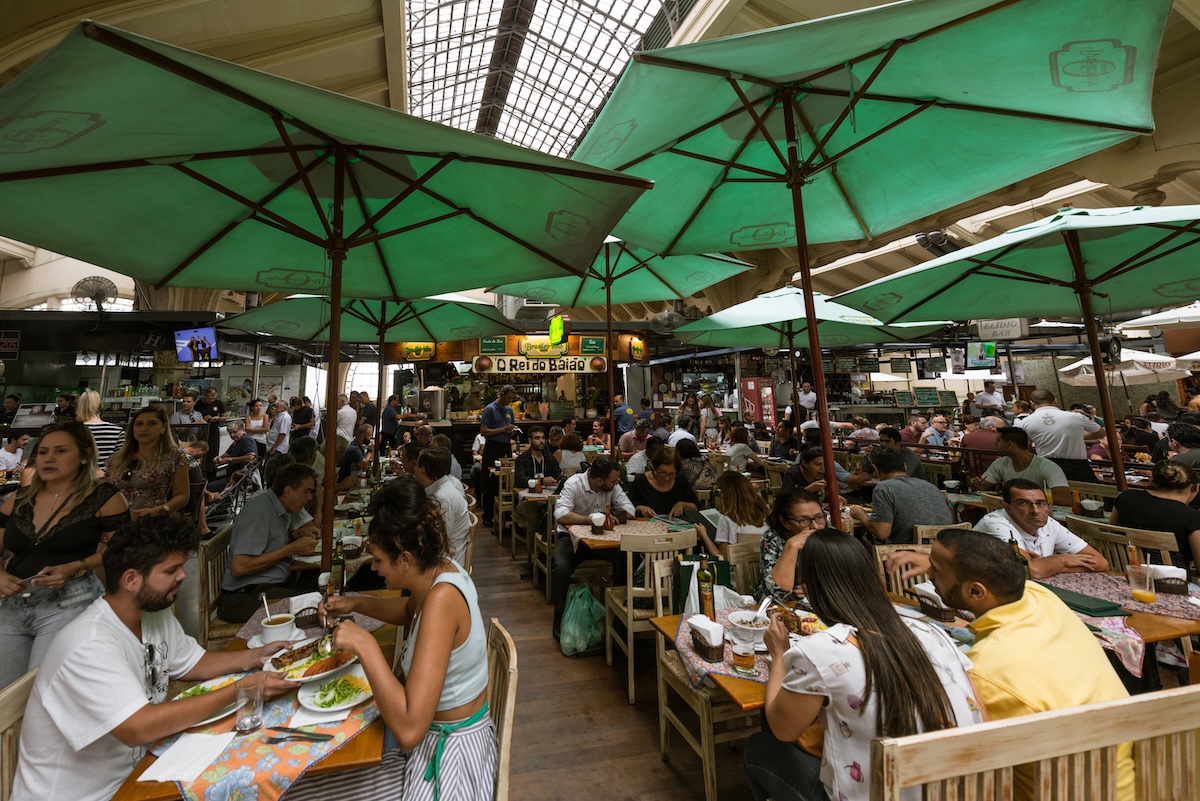
Brazil’s largest city developed a culinary identity that reflects immigration history more directly than almost anywhere else on this list. Japanese, Italian, Lebanese, and Northeastern Brazilian cooking traditions all landed in São Paulo, put down roots, and produced distinct neighborhood cuisines bearing only passing resemblance to their origins.
Japanese-Brazilian fusion running through the Liberdade neighborhood produced dishes that exist nowhere else on Earth. Churrascarias serve meat at volumes that challenge human limits. The bar food culture around tiradentes and petiscos turns drinking into an extended meal that can last an entire evening without anyone noticing how late it got.
12. Chengdu, China
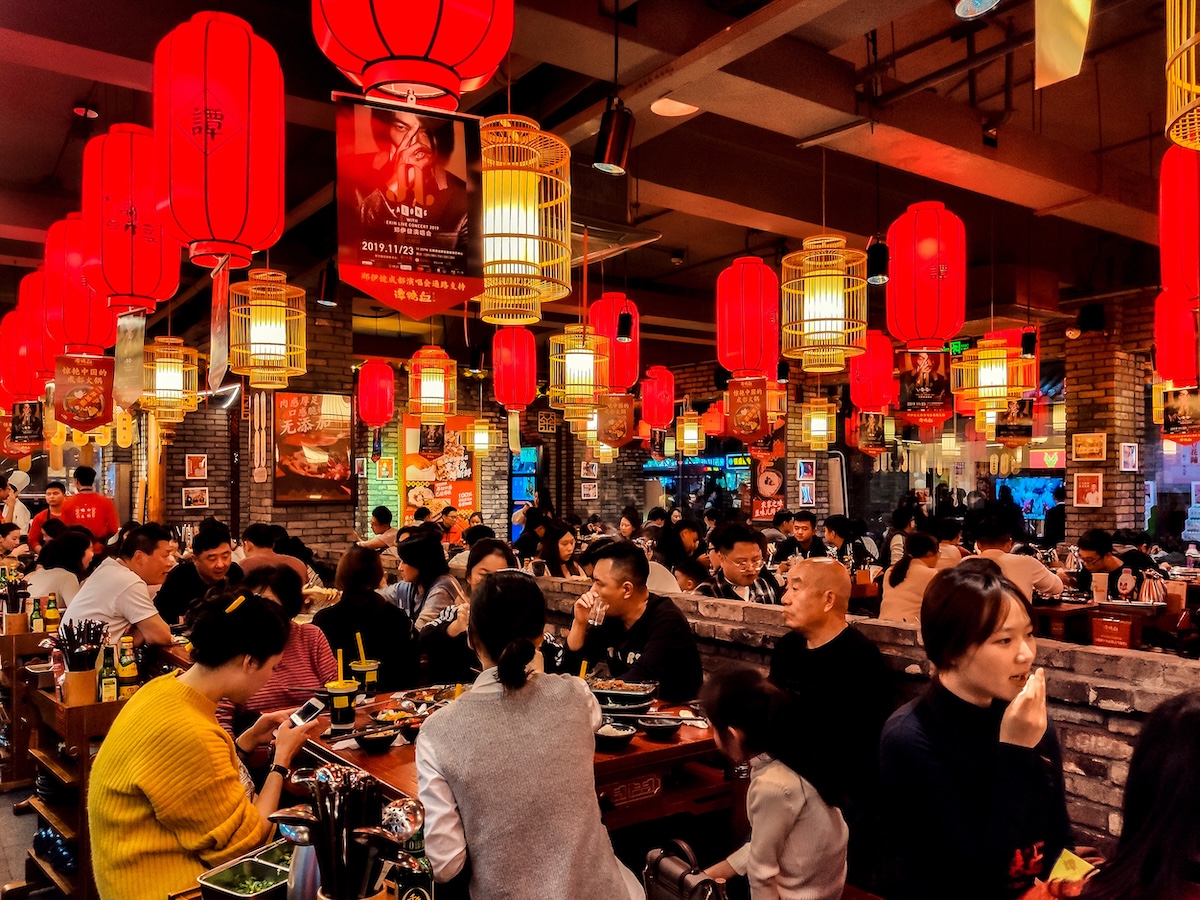
Sichuan cooking places numbing heat at the center of the flavor experience through a combination of dried chilies and Sichuan peppercorns, creating a sensation called “mala,” meaning simultaneously numbing and spicy. Chengdu runs on this flavor profile at every meal, in every restaurant, at every hour, and locals view anything less aggressively seasoned as food requiring immediate correction.
Hot pot, mapo tofu, dan dan noodles, and twice-cooked pork all originated here, and eating them in Chengdu reveals how dramatically exported versions differ from the source material. UNESCO designated Chengdu a City of Gastronomy, which the city acknowledged and then got straight back to cooking.
11. San Sebastián, Spain
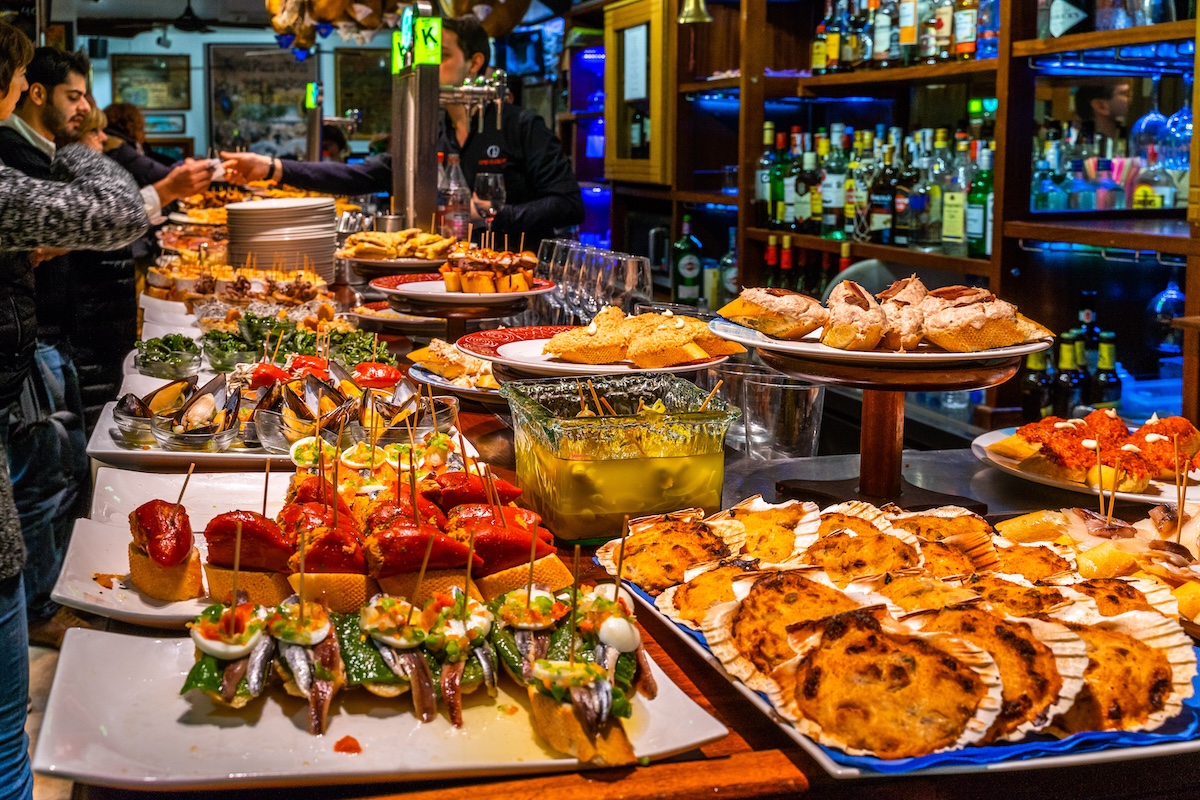
The Basque Country produces more Michelin stars per capita than anywhere else on Earth, and San Sebastián concentrates that culinary firepower into a compact coastal city that treats pintxos with the same reverence it gives fine dining. The old town bar crawl, moving counter to counter collecting small plates of anchovy, jamón, and tortilla, stands as one of the world’s great casual eating traditions and costs very little money.
Txakoli wine poured from height to add effervescence, accompanies most of the eating, and the whole ritual runs on a social schedule that starts late and ends very late. San Sebastián also sits on a beautiful bay with a famous beach, though most visitors spend considerably more time thinking about dinner than swimming.
10. London, UK
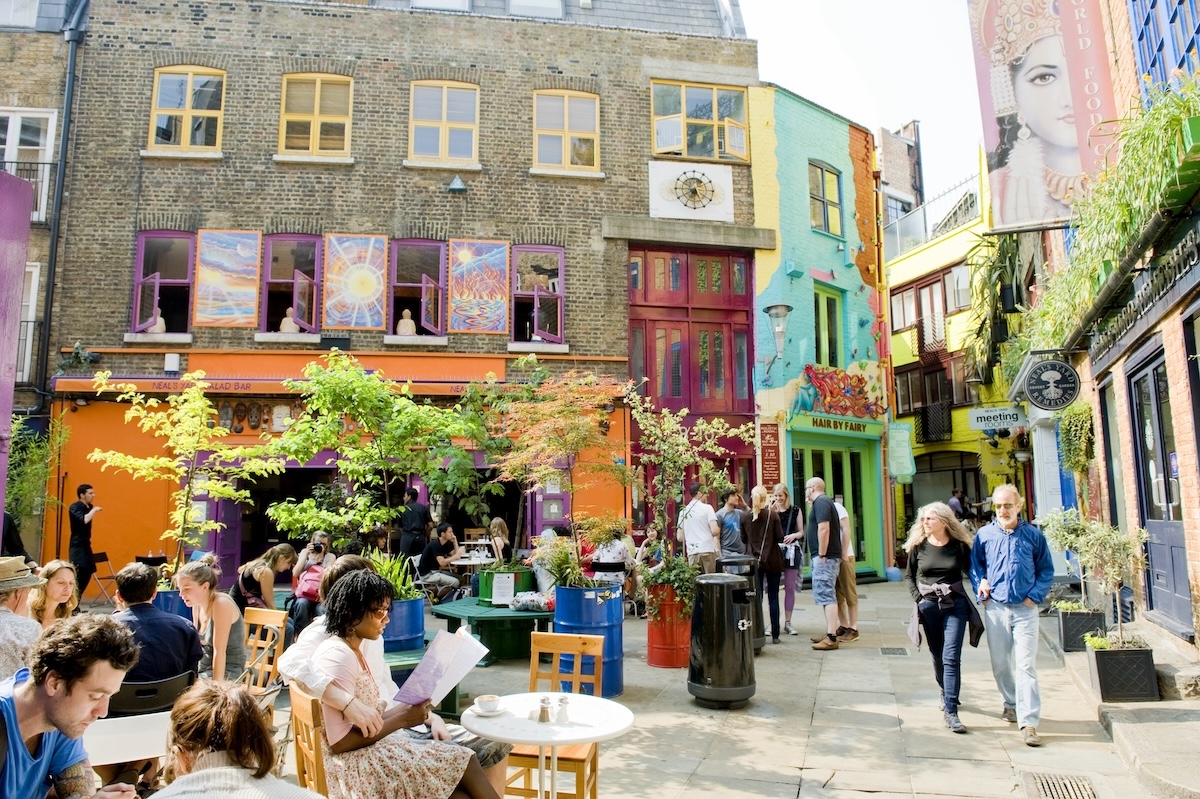
Visit London and you’ll land in one of the world’s most exciting food cities. The city brings together flavors from every corner of the globe, all packed into one wild, delicious destination. Want classic fish and chips from a local shop? London’s got it. Craving ramen, curry, or tacos? You’ll find those too. The city speaks over 300 languages, and that diversity shows up on every plate.
Options range from casual street food markets to fancy Michelin-starred restaurants. You can grab a quick bite from a food truck or settle in for a long meal at a historic pub. Borough Market alone will keep you busy for hours with its endless food stalls.
What makes London special is how it mixes the old with the new. Traditional British cooking sits right next to cutting-edge fusion restaurants, giving you endless choices for every meal.
9. Athens, Greece
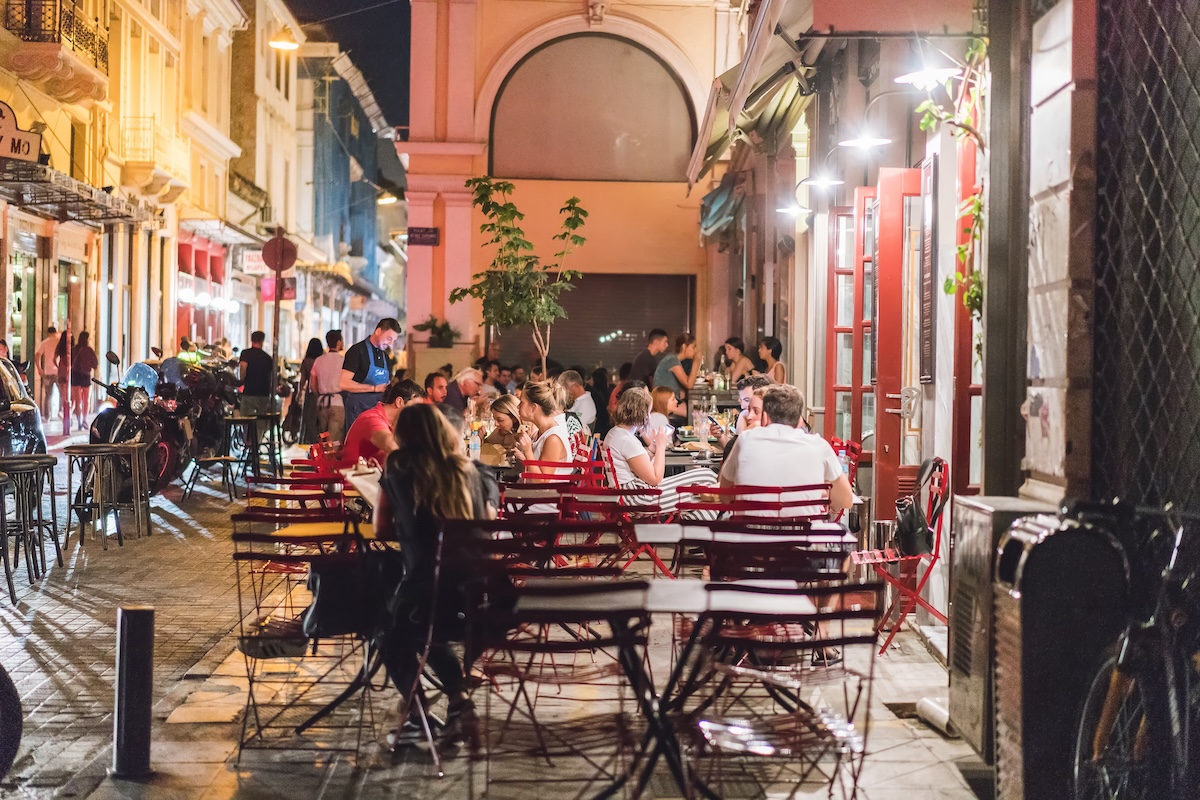
Athens brings together thousands of years of food traditions with fresh takes on Greek cooking. Family-run tavernas sit next to modern restaurants, both changing how people think about Greek food. The street food scene here is worth your time. Grab souvlaki from a corner stand or try koulouri from a morning vendor. These quick bites show you how locals really eat.
When you want to sit down for a meal, you’ve got options. Traditional ouzeries serve small plates of meze that pair perfectly with ouzo. Newer spots add their own spin to classic Greek dishes while keeping those familiar flavors.
Walk through the city’s food markets and you’ll see ingredients up close. Vendors sell fresh fish, olives, and cheese—stuff you’ll spot on menus all over town.
8. Buenos Aires, Argentina
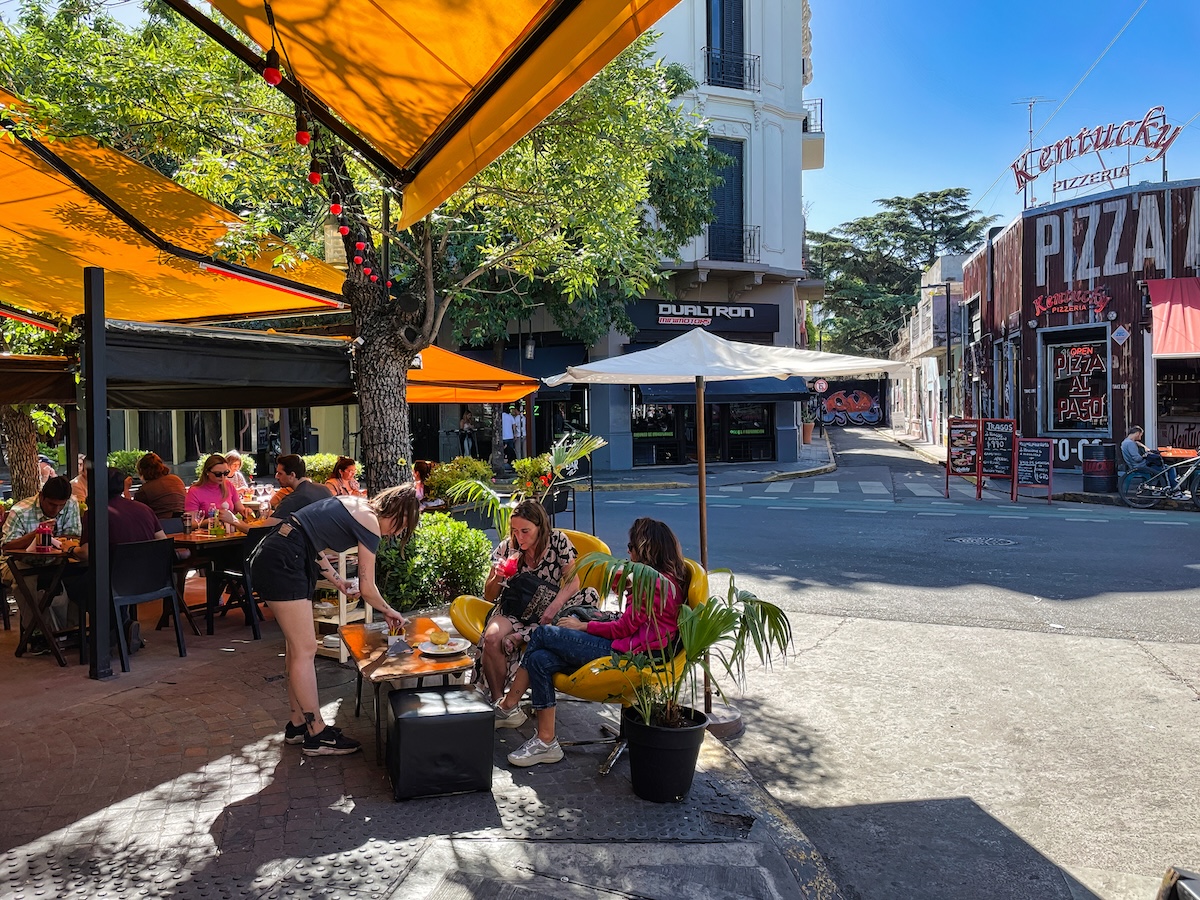
Buenos Aires serves up a food scene that mixes European traditions with South American flair. You’ll see Italian pasta shops next to parrillas where beef sizzles over open flames. The city’s cafes stay busy from morning until late at night. Grab medialunas at breakfast or settle in for a long dinner of empanadas and wine. Neighborhoods like Palermo and San Telmo each have their own food personality to explore.
Argentine beef is famous for a reason. The cuts are different from what you might know, and locals take their steak seriously. Even the pizza here stands out, with thick crusts and loads of cheese—a nod to the city’s Italian roots.
Food tours will take you to markets, bakeries, and family-run spots you might miss on your own. Guides explain why dulce de leche shows up in so many desserts and how immigration shaped what people eat today.
7. New Orleans, USA
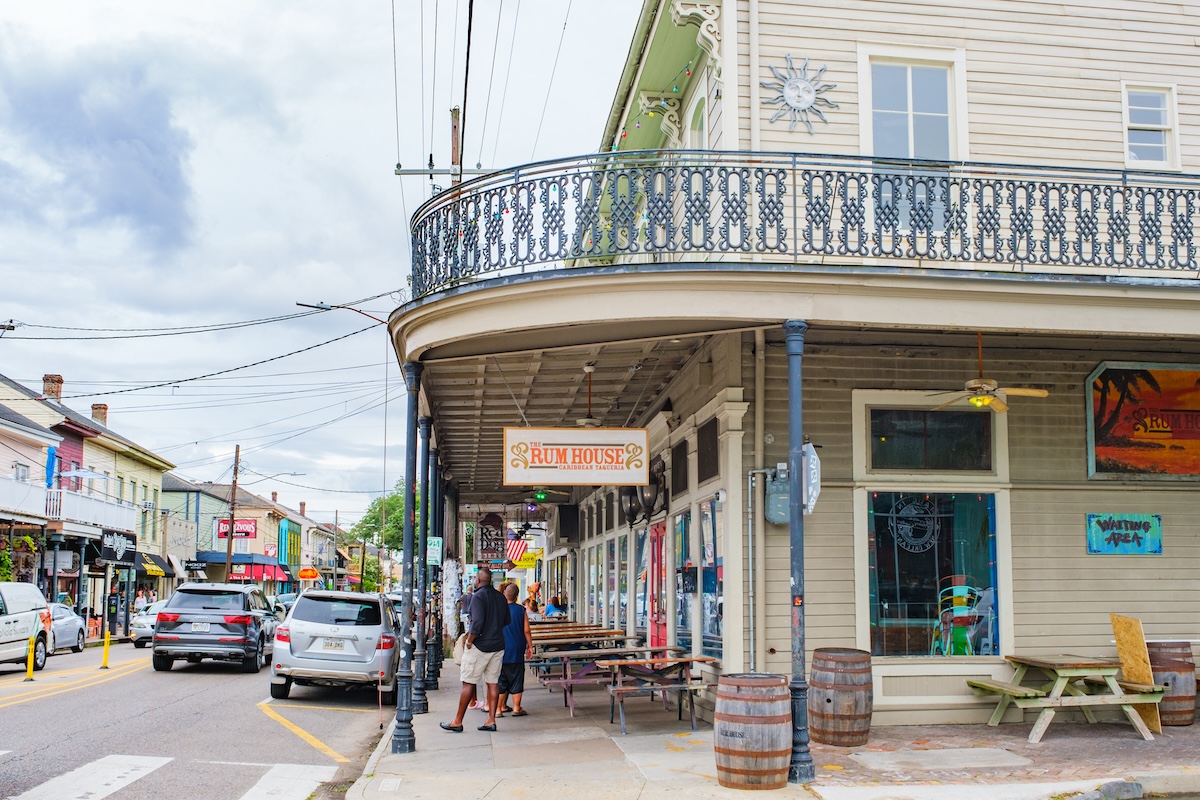
New Orleans stands out as one of America’s most unique food cities. The flavors here blend Cajun, Creole, and African cooking with French, Spanish, and Vietnamese touches. You just can’t find this mix anywhere else. The city welcomes food lovers with open arms. Beignets dusted with powdered sugar, rich gumbo, and classic po’ boys are just the start. You can hop on a food tour to uncover both famous spots and hidden gems locals swear by.
Honestly, you don’t need to stick to fancy restaurants. Some of the best meals come from small neighborhood joints off the main tourist path. Street food, family-run cafes, and bustling markets all serve up incredible bites.
Your taste buds will thank you for coming to this Louisiana city. Jazz spills into the streets while you eat your way through meal after meal.
6. Lima, Peru
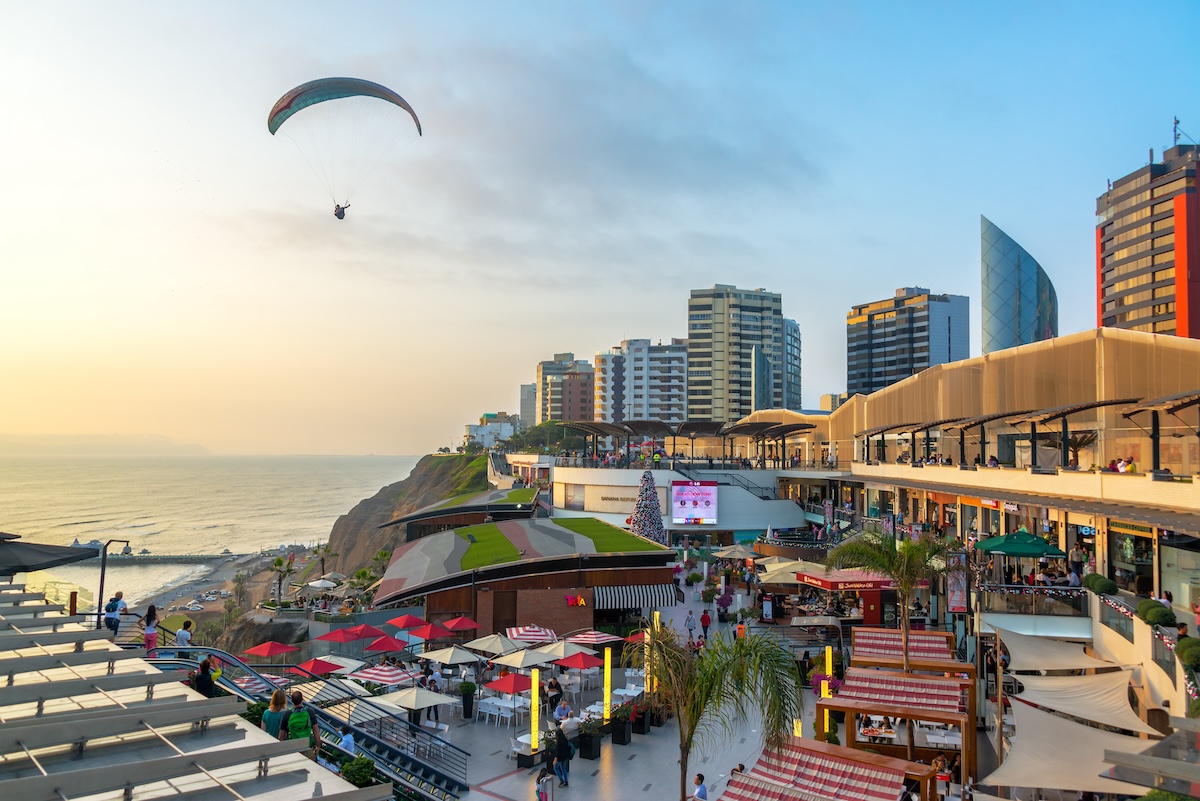
Lima has become South America’s top spot for food lovers. The city blends traditional Peruvian cooking with modern techniques that make every meal something special. Everything from simple street food stands to upscale restaurants fills the city. Lima earned recognition as a world-leading culinary destination for eight years straight through 2019. More than 40% of people visiting Peru come mostly for the food.
Try fresh ceviche at local counters or book a spot at a top restaurant. Food tours take you through different neighborhoods, letting you taste authentic dishes and learn about Peru’s cooking traditions.
You can jump into hands-on experiences like cooking classes and market tours. See how locals shop for ingredients and prepare their meals. Lima’s food scene gives you a real taste of Peruvian culture, bite by bite.
5. Barcelona, Spain
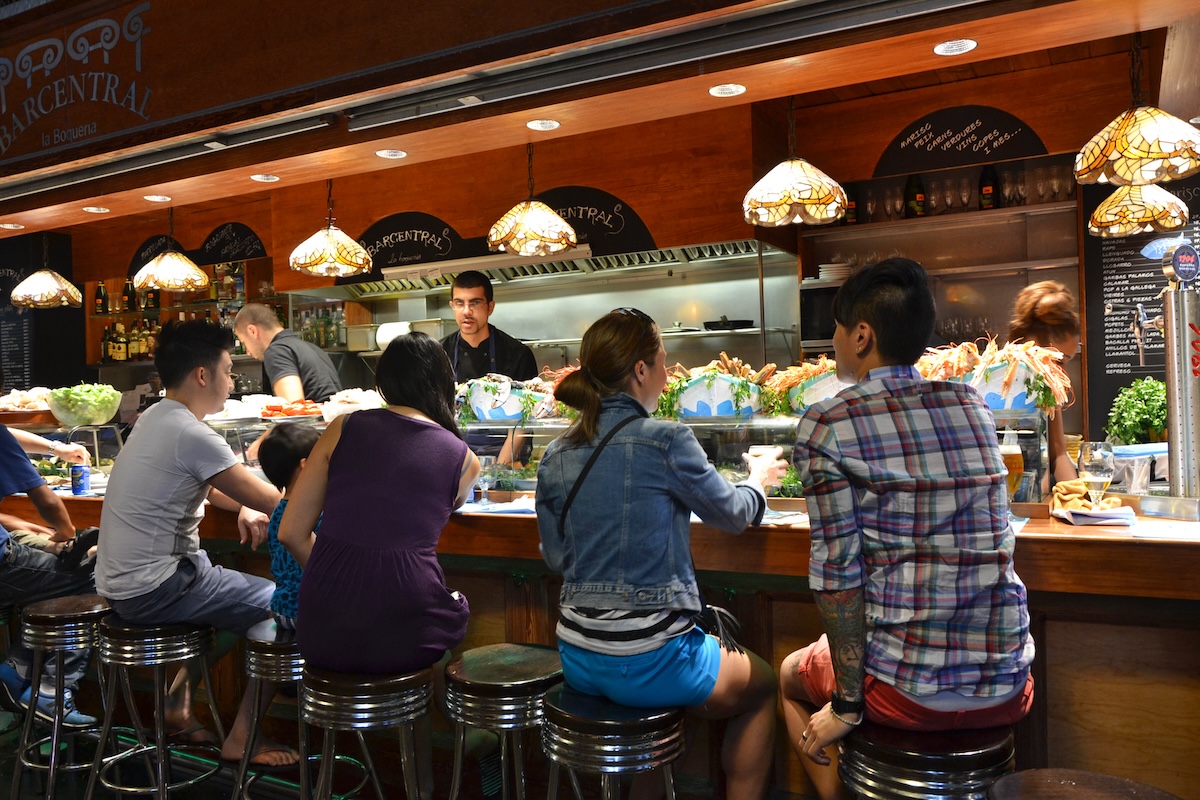
Barcelona brings together tradition and creativity on every plate. You’ll wander through bustling food markets and stumble into tiny tapas bars hidden in narrow streets. The city’s food scene shows off Catalan pride with dishes made from seafood caught nearby and vegetables from local farms.
Start at La Boqueria market, where vendors offer up fresh ingredients and quick bites. Pick up jamón ibérico, local cheeses, and colorful produce. Tapas bars serve patatas bravas, crispy croquettes, and pan con tomate all day long.
Barcelona earned its spot as a top food destination with everything from casual bites to world-class restaurants. You don’t need a big budget to eat well here. Whether you’re trying seafood by the beach or grabbing pintxos in a crowded bar, Barcelona delivers bold flavors that stick with you.
4. Naples, Italy
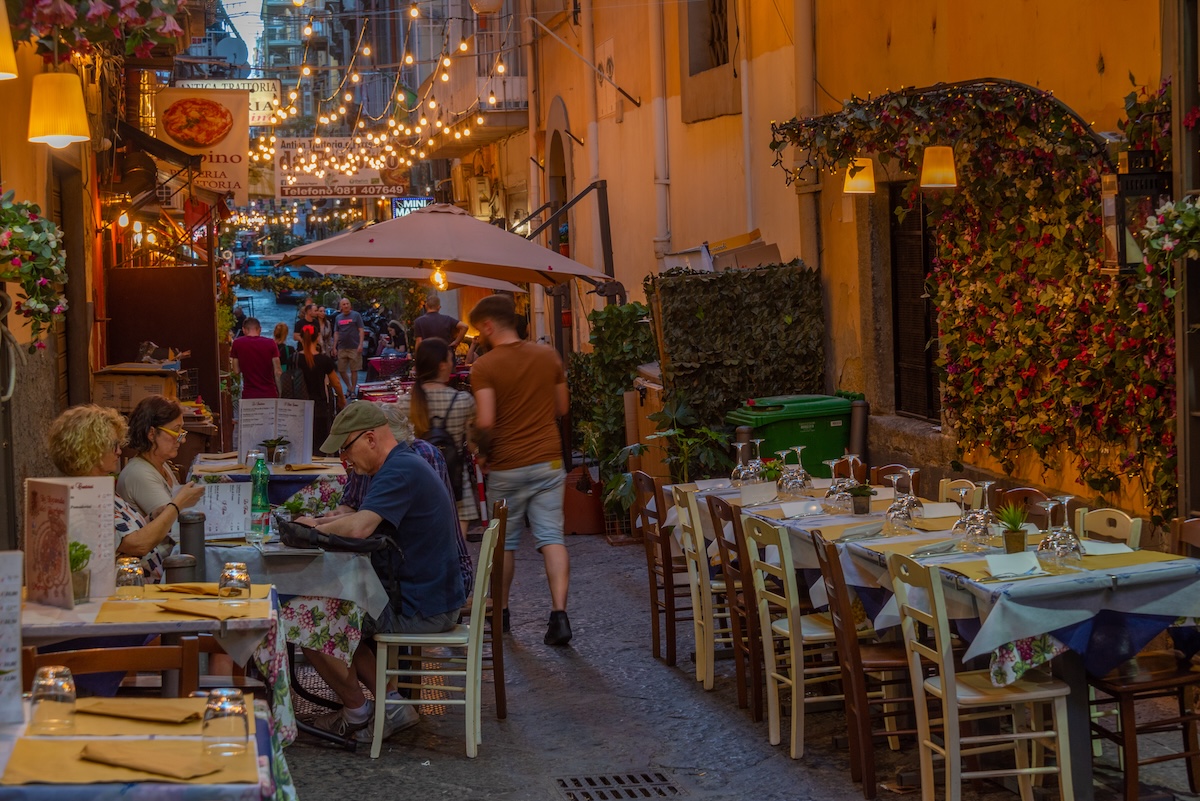
If you’re serious about authentic Italian food, Naples is calling your name. This southern city built its reputation as a food lover’s paradise, and once you arrive, it just makes sense. Pizza was born here, and you’ll taste the difference right away. Local pizzerias still make pies the traditional way, using simple ingredients that somehow create something amazing. But pizza’s just the beginning.
Fresh seafood, handmade pasta, and pastries perfected over generations fill the city’s kitchens. Markets overflow with produce, cheese, and cured meats that reflect the region’s agricultural roots.
Street food matters in Naples. Grab fried pizza, stuffed pastries, and other quick bites as you wander the historic streets. The laid-back food culture means you’ll eat well without spending a fortune or fussing with fancy places.
3. Paris, France
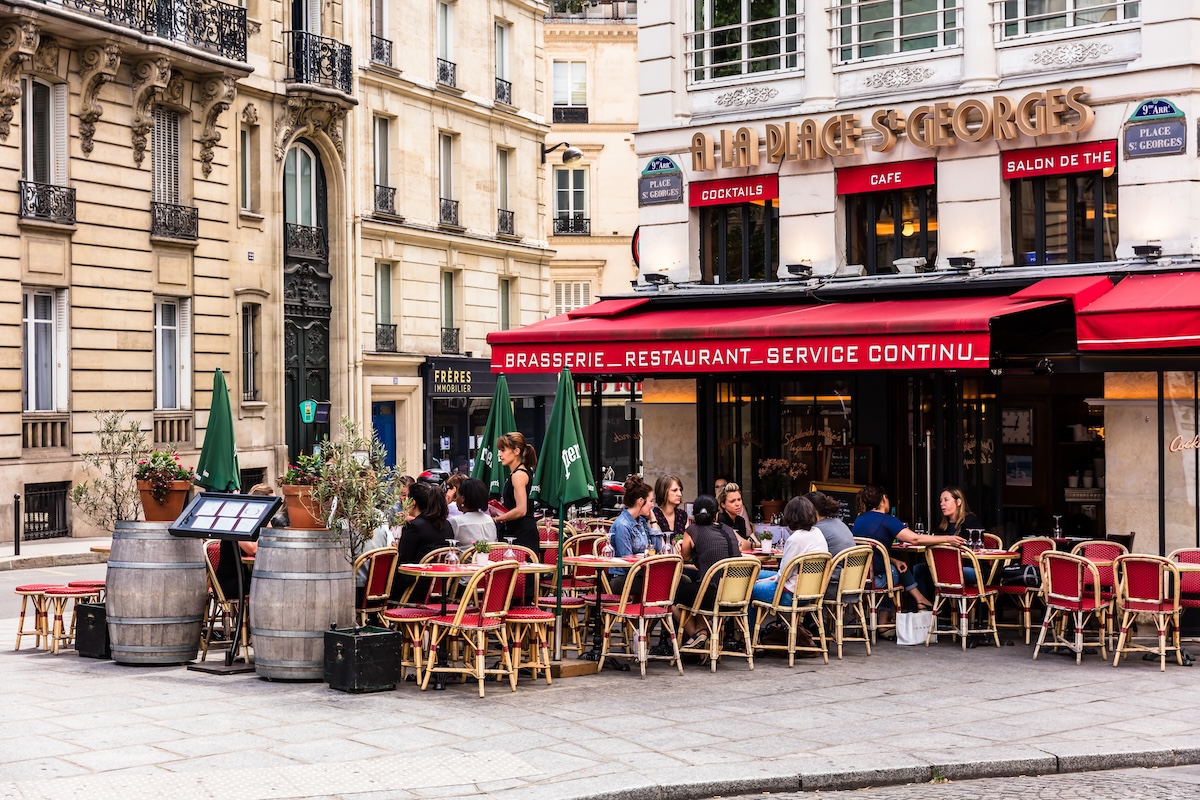
You can’t talk about food destinations without mentioning Paris. The city’s about so much more than fancy restaurants and expensive tasting menus.
Start your morning at a local boulangerie where fresh croissants come out of the oven. These neighborhood bakeries are where Parisians actually buy their bread, and you’ll notice the difference right away. The cheese shops could keep you busy for days. Vendors let you sample different varieties and tell you which ones go best with wine. Speaking of wine, tucked-away wine bars on quiet cobblestone streets serve local bottles you won’t find anywhere else.
Street markets pop up all week in different neighborhoods. You’ll find everything from rotisserie chicken to crepes made fresh while you wait. It’s how locals eat without breaking the bank at sit-down places.
2. Marrakech, Morocco
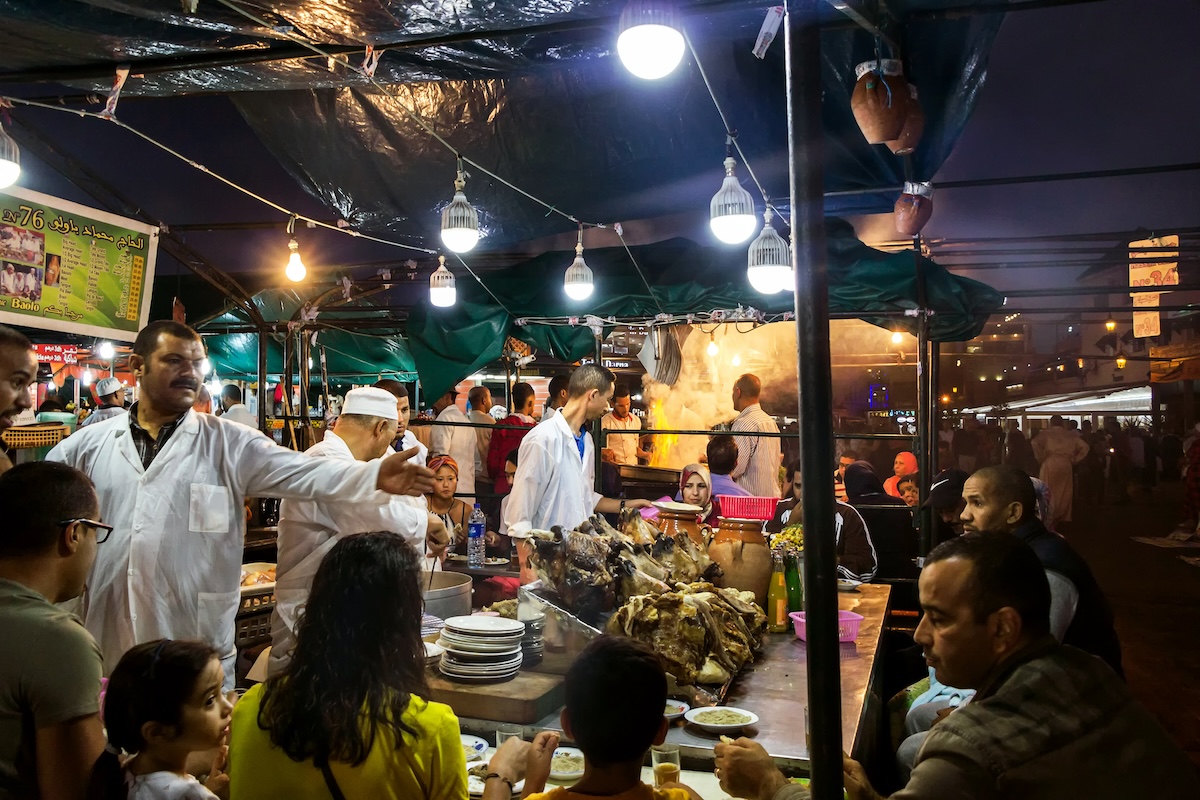
In Marrakech, food is both art and tradition. The city brings together bold spices, slow-cooked tagines, and the buzz of open-air markets that have fed travelers for centuries.
The heart of the action? Jemaa El Fna square. Street vendors grill meats over charcoal, steam rises from pots of harira, and you can grab fresh-squeezed orange juice or try msemen flatbreads cooked on hot griddles. Beyond the street stalls, the city offers over 2,000 restaurants. Some serve traditional Moroccan dishes in centuries-old riads, while others blend local flavors with modern cooking on rooftop terraces overlooking the medina.
Your food adventure here means tasting preserved lemons, enjoying mint tea poured from silver teapots, and discovering why this ancient city stands out as one of the world’s top food destinations.
1. Rome, Italy
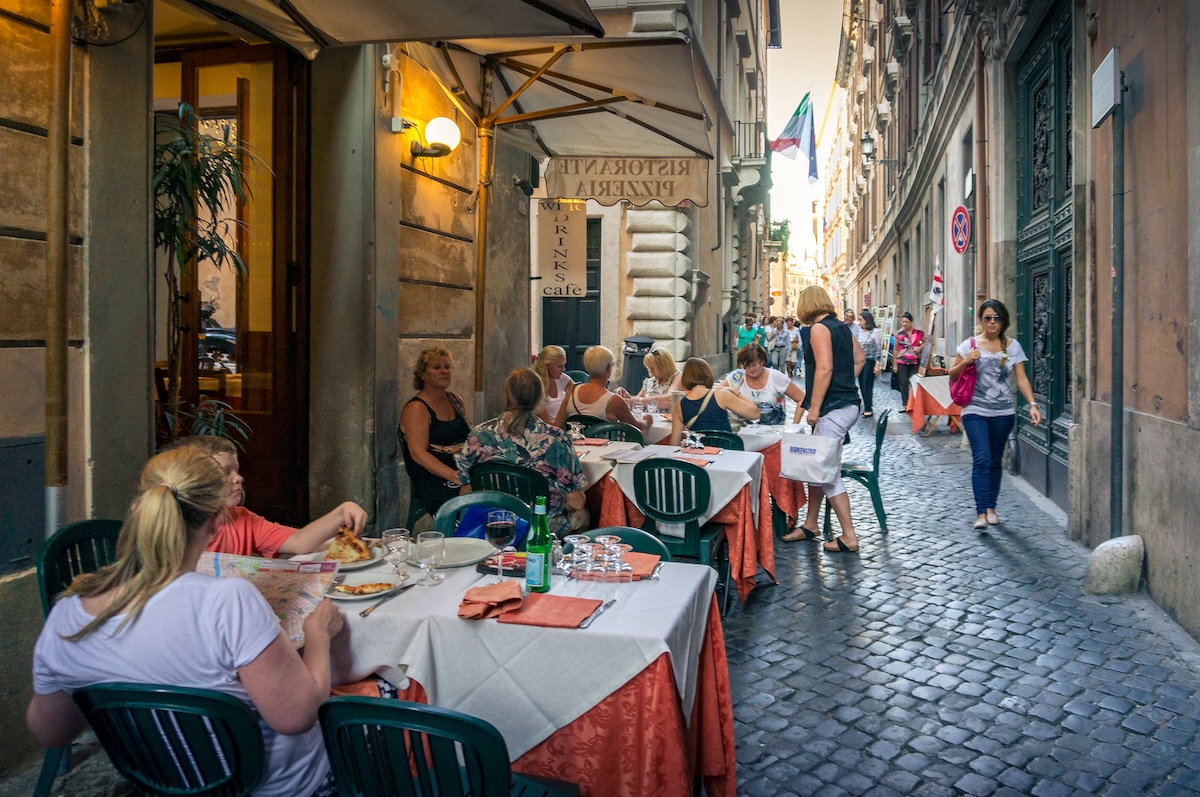
You can’t talk about food destinations without mentioning Rome. The city serves up some of Italy’s most famous dishes right where they were invented. Strolling through Rome’s winding streets, you’ll spot pizza bubbling away in wood-fired ovens and pasta tossed together just hours after it’s made. Supplì—those crispy, cheesy rice balls—tempt you from tiny counters, and carbonara is basically everywhere. Honestly, the gelato alone could justify the flight.
Food tours in Rome don’t just stick to the obvious spots. Local guides will nudge you toward market stalls where chefs actually shop, and you’ll get to try real Roman dishes like cacio e pepe. These small-group tours often reveal tucked-away gems you’d never stumble on by accident.
And let’s be real, eating your way through ancient alleyways and lively piazzas just hits different. Each meal feels like a little piece of history, with Romans keeping those old-school kitchen traditions alive, even today.