
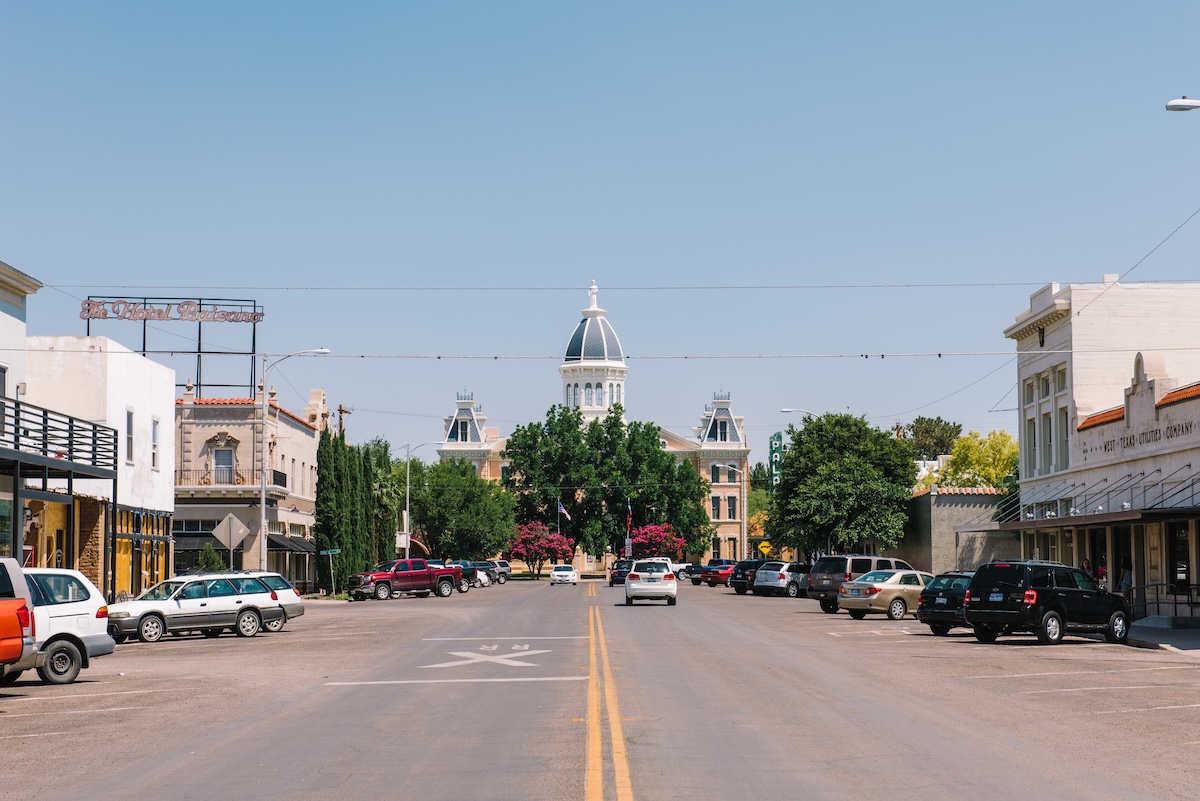
Trying to pin down what pulls people to this small place is tricky. The town’s a working county seat, a contemporary art hotspot, and somehow, the sky’s scale just changes how you move through your day. It’s got a specific vibe but never feels too precious, and that mix tends to linger with you.
Marfa sits out in the high desert of far West Texas, about four hours from El Paso and seven from Austin. The drive is long—flat stretches, ranch land, endless scrub brush—so rolling into town feels like something of an arrival. Only about 1,800 people live here, and at 4,685 feet up, the summer heat isn’t as brutal as you might guess for West Texas.
Where Marfa Is And Why People Go
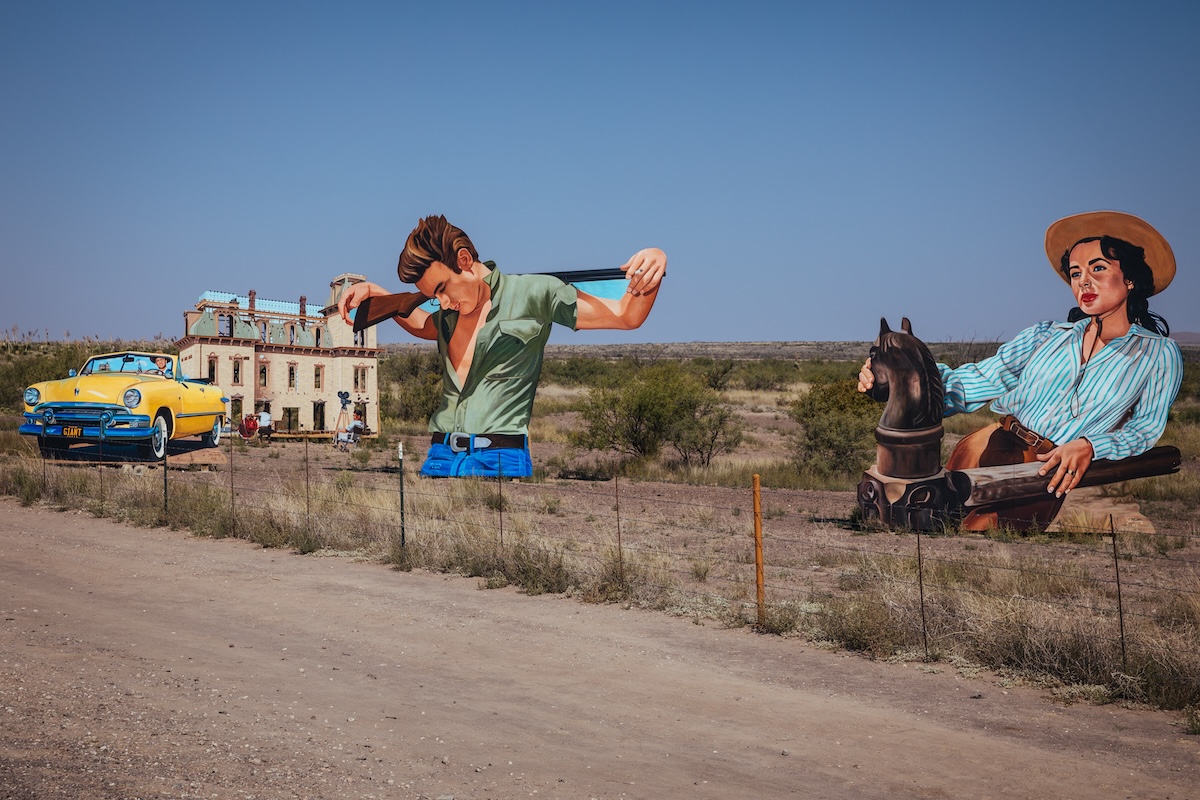
You’ll find Marfa in Presidio County, tucked between the Davis Mountains up north and Big Bend National Park down south. The Chihuahuan Desert sprawls out in every direction, and honestly, the landscape’s half the point of coming out here.
Back in the early 1880s, Marfa started as a railroad water stop. For decades, it was mostly ranchers and military folks. Then in the 1970s, minimalist artist Donald Judd showed up and started buying up old buildings, turning them into permanent art spaces. That move nudged Marfa onto a path most small Texas towns never take.
These days, people show up for the art, the slow pace, the impossibly dark skies, and the atmosphere you only get in a remote spot that’s drawn creative types but somehow dodged the tourist-trap makeover. Marfa feels genuinely lived-in. Locals, artists, and visitors cross paths on the same streets, grab food at the same handful of places, and soak up the same wide-open horizon.
What To See Around Town
When you wander through Marfa, you’ll pass galleries that swing from polished commercial spaces to scrappier artist-run rooms. There’s everything—textiles, photography, mixed media, light installations. The Chinati Foundation sits out on the edge of town, taking over an old military base. It’s packed with massive permanent works by Judd and others, but you’ll need to book a timed tour to get the full experience. The Judd Foundation keeps up several of Judd’s old workspaces right in town, including his home and studio. You can poke around those, too, if you’re curious.
The main streets near the courthouse square still look and feel like old West Texas. You’ll see adobe storefronts, faded mid-century signs, and squat brick buildings mixed in with indie bookshops, boutiques, and local coffee spots. Nothing about the place screams “tourist trap,” which probably explains why people love snapping photos here. The Presidio County Courthouse is a must; if you climb up to the higher floors, you’ll get this sweeping view of town and the desert stretching out beyond. Worth the effort, honestly.
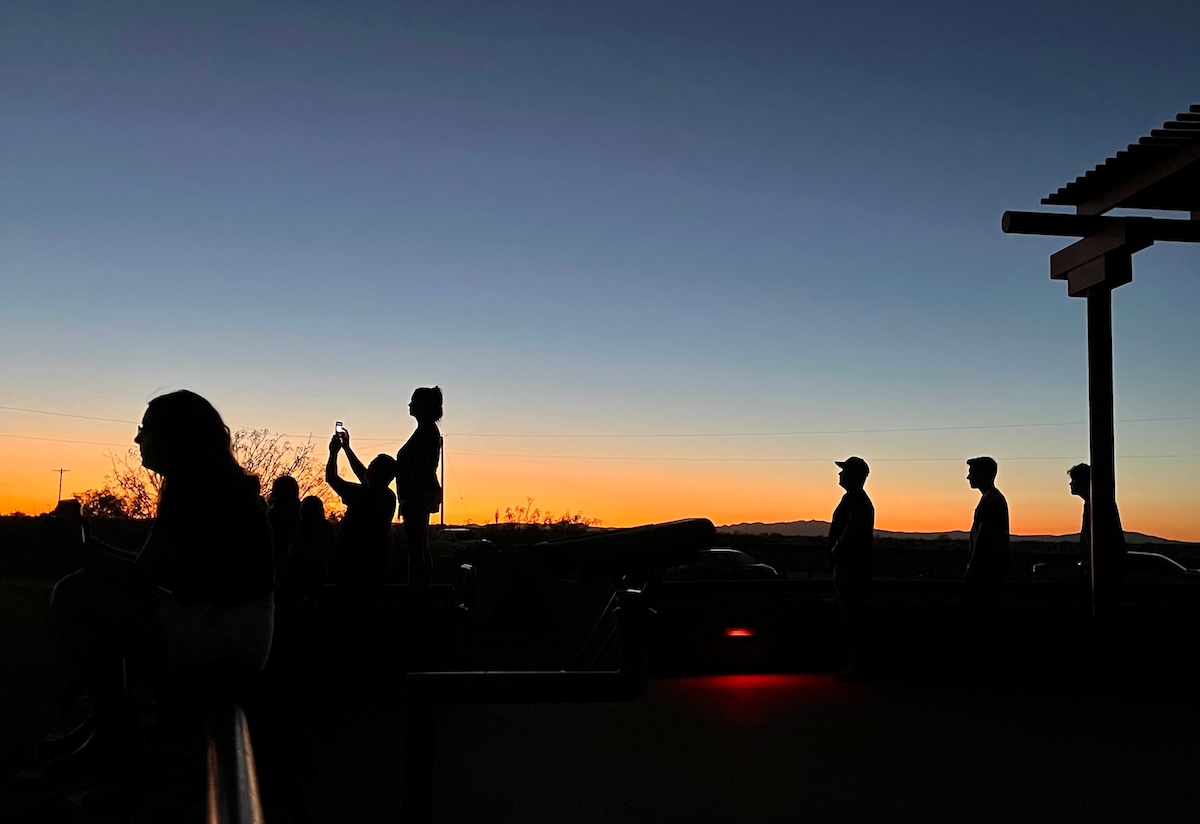
Head about nine miles east on US Highway 90, and you’ll hit the Marfa Lights Viewing Area—a pull-off set up for folks hoping to catch those mysterious lights flickering on the horizon after dark. People have talked about the lights for over a hundred years. Scientists have tossed around theories about the atmosphere and whatnot, but no one’s nailed down the real cause. Some nights you’ll see something, some nights you won’t; it’s a toss-up. Still, the spot draws a steady trickle of curious travelers, and just standing out in the desert at night is its own kind of magic.