
Europe has a particular talent for making you feel like you planned the wrong itinerary. You book five days somewhere, spend the first two figuring out the transport system, and leave with a list of things you missed that’s longer than the original plan.
These destinations don’t reveal themselves quickly. All of them send visitors home mentally reconstructing the trip they just took, adding days, rerouting, and promising to come back better prepared. So instead of living with regrets, just book the extra days upfront. You’ll use every one of them and then some.
Spain
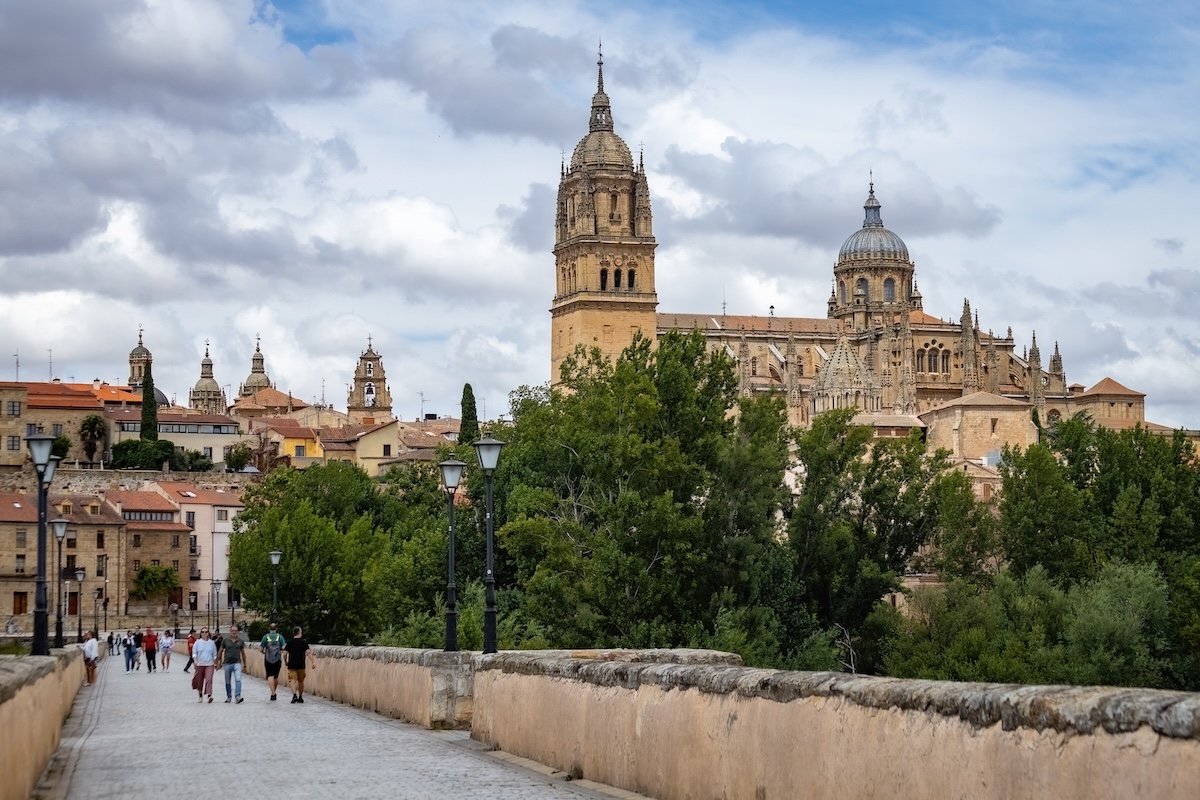
You could spend months in Spain and still leave with a sense of unfinished business. Barcelona’s Gothic quarters and Andalusia’s Moorish palaces each bring their own personality and quirks. The country’s culture runs deep, and it’s not just about the big cities—tiny Galician villages serve up seafood fresh off the boat, while Catalonia’s rural corners hide medieval monasteries tucked into mountain valleys.
Deciding what to skip in Spain can feel impossible. Foodies bounce between tapas in San Sebastian and jamón in Extremadura. Architecture fans debate whether to prioritize Gaudí’s playful buildings or Granada’s Alhambra with its intricate Islamic details. The coasts alone could fill an itinerary: wild Costa Brava beaches or the sun-soaked Costa del Sol? Spain rewards those who stray from the obvious, revealing layer after layer of history, food, and scenery. No matter how long you stay, you’ll probably leave feeling like you missed something essential.
Vienna
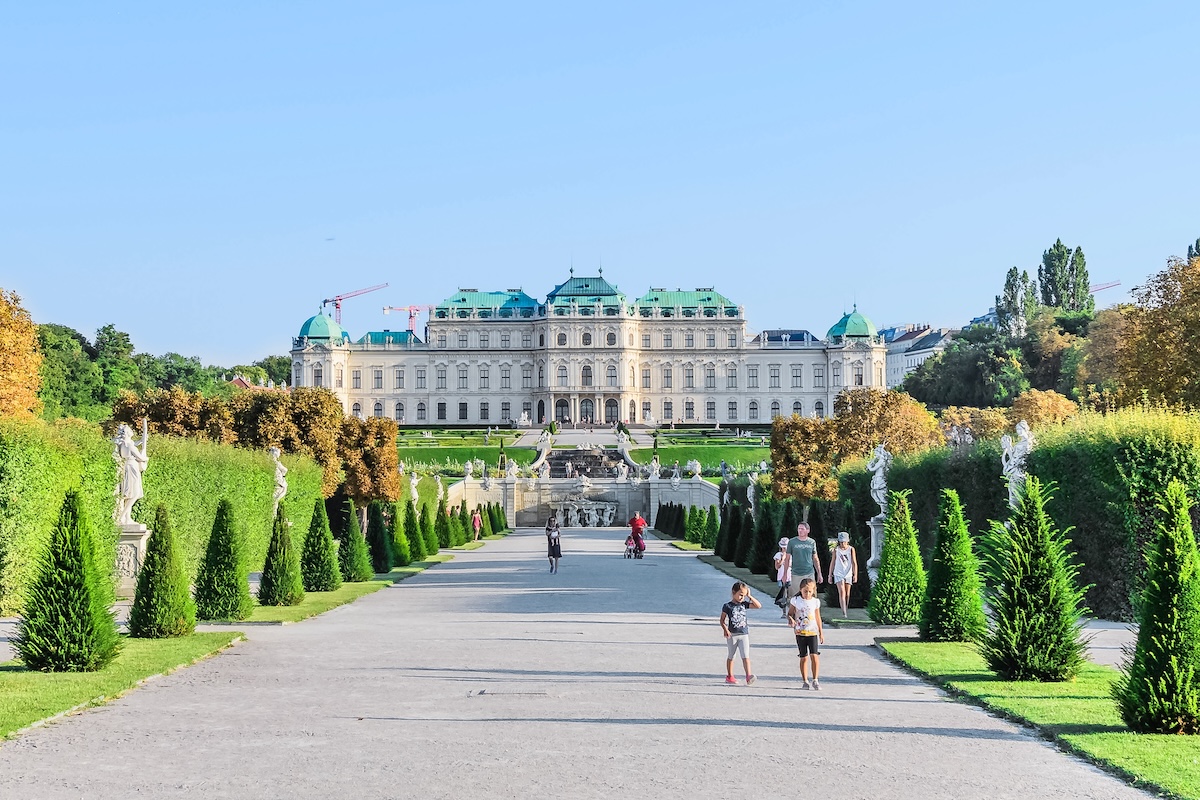
Vienna tempts you to linger, and honestly, a few days just don’t cut it. The city’s coffeehouses alone could eat up entire afternoons—locals have been nursing pastries and newspapers here for generations. Grand palaces, renowned museums, boulevards lined with old-world charm… it never feels like enough time.
The real challenge? Picking what to do. Maybe you start at the Kunsthistorisches Museum, then realize you’ve missed the Spanish Riding School’s famous Lipizzaner horses. Schönbrunn Palace deserves hours, but so does the Belvedere and its Klimt collection. And that’s before you even think about the opera, the Naschmarkt, or just wandering Vienna’s atmospheric old streets. Most people leave Vienna with a nagging sense they’ve only scratched the surface.
Rome
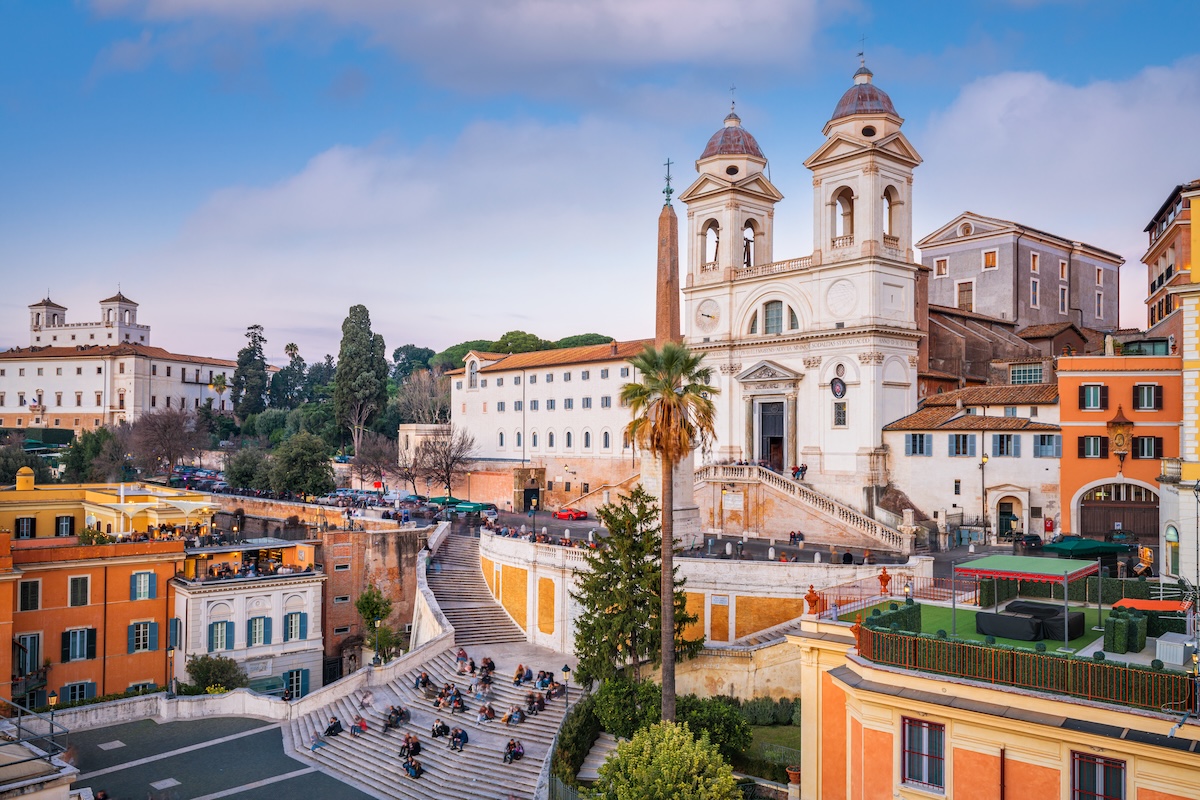
Rome overwhelms you with its sheer volume of things to see. The Colosseum, Roman Forum, Vatican Museums, Sistine Chapel—each demands time you probably don’t have. You end up racing through legendary sites, squeezing centuries of history into a handful of days.
But Rome’s magic isn’t limited to its landmarks. Wandering Trastevere’s narrow lanes, pausing for espresso in a quiet piazza, or ducking into a church to find a Caravaggio—those unscripted moments stick with you. The food alone could keep you occupied for days, from the perfect cacio e pepe to street snacks like suppli. Most people wish they’d booked a week, not just a quick stopover, and leave knowing they’ve barely started to unravel Rome’s secrets.
London
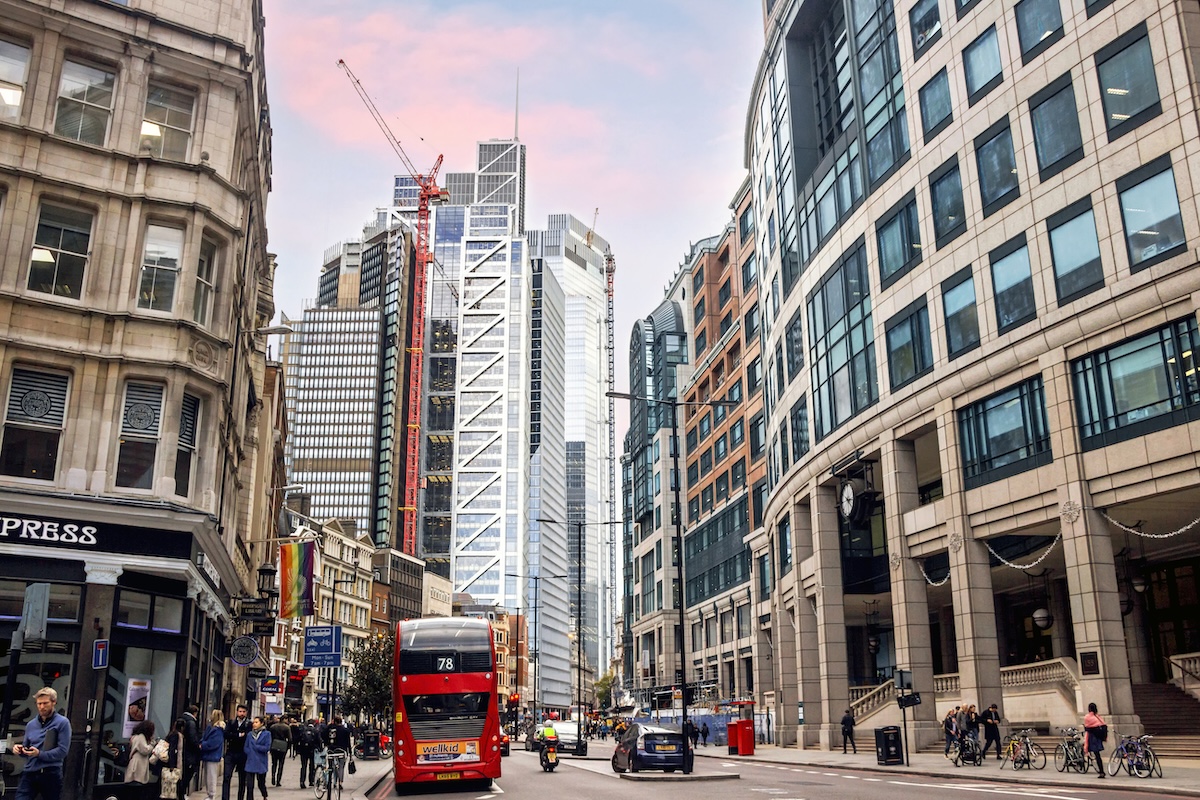
London pulls you in a dozen directions at once. The British Museum could swallow days, and that’s just one of the city’s cultural heavyweights. The Tate Modern, National Gallery, endless quirky little museums—there’s no shortage of art, history, or oddities, and a lot of it’s free.
But the real London lives in its neighborhoods. Grab curry on Brick Lane, poke around Camden’s vintage markets, or get lost in Bloomsbury’s bookshops. Parks pop up when you least expect them, offering a breather between adventures. Sure, you’ll check off Westminster Abbey, the Tower, and Buckingham Palace, but every time you come back, there’s another pub, a new restaurant, or a corner of the creative scene you never noticed before. It’s the kind of city that always leaves you thinking, “Next time, I’ll stay longer.”
Montenegro
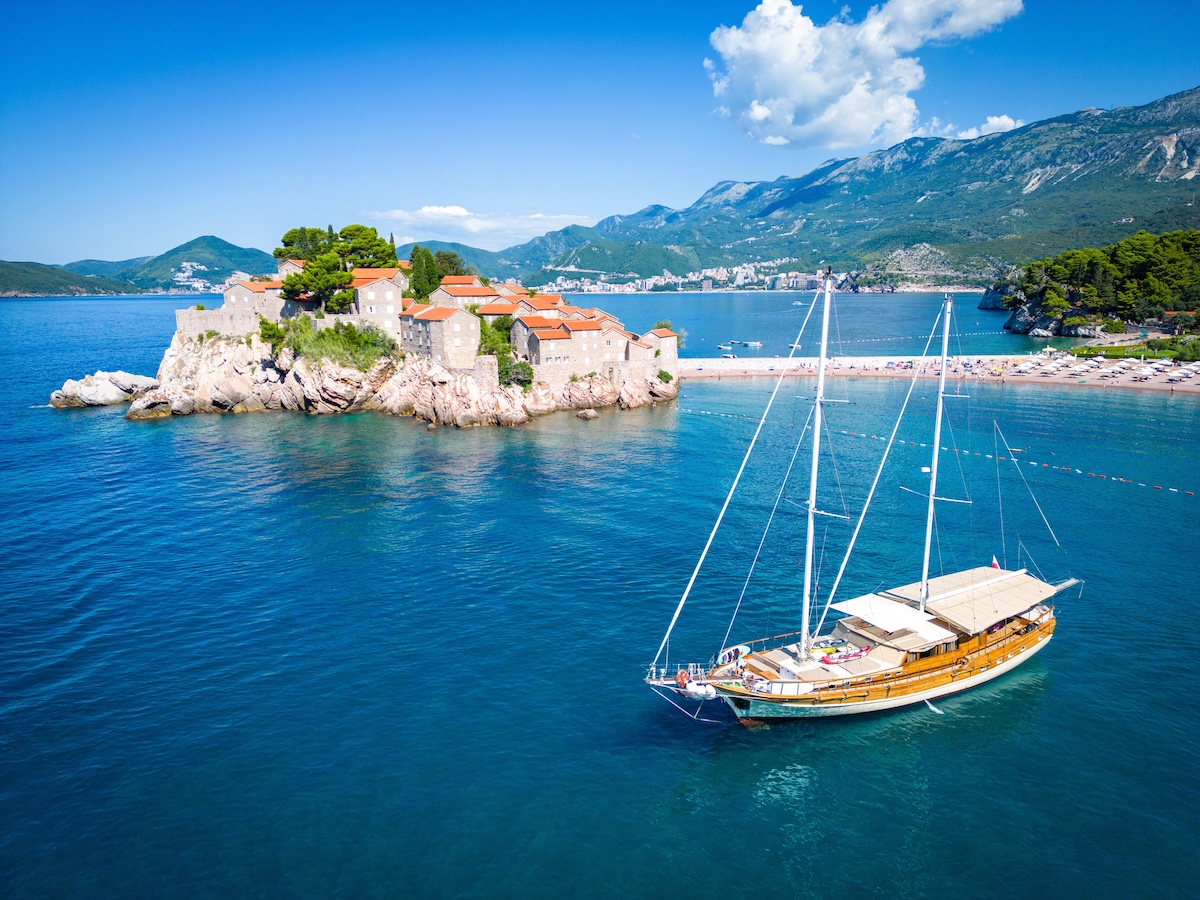
Kotor Bay cuts so far inland through the limestone mountains that standing on the waterfront feels nothing like a coastline and everything like a landlocked alpine lake. The medieval walled city at the water’s edge packs Venetian architecture behind walls that climb 1,350 meters straight up the cliff face, and the walk to the fortress at the top earns a panorama that makes the burning legs immediately forgivable.
Drive north, and the country shifts completely, with the Tara River Canyon dropping through mountain scenery that bears no resemblance to the coastline an hour behind you. Beach culture, medieval history, and alpine wilderness coexist in a country smaller than Connecticut, and most visitors discover this entirely by accident before returning with considerably more time set aside.
Prague
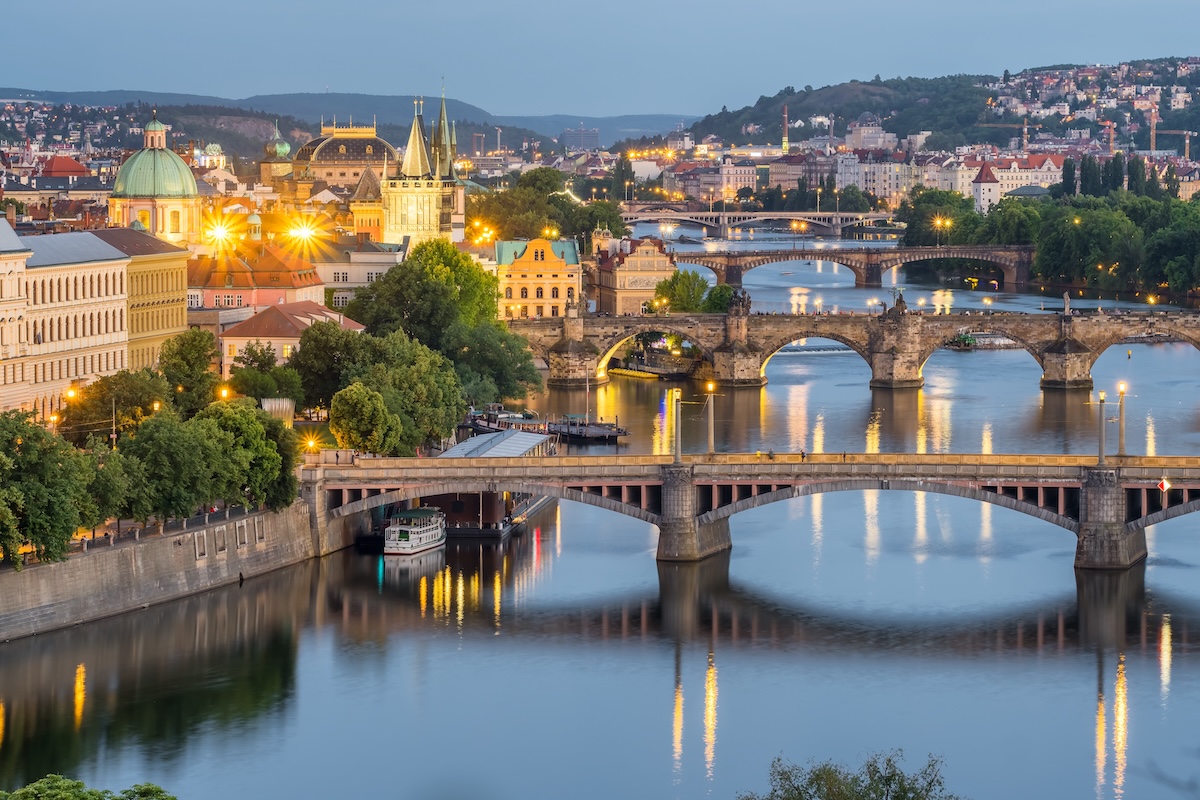
Decades of post-communist tourism did nothing to the Gothic and Baroque architecture, and the beer got cheaper. Charles Bridge at dawn, before the tour groups arrive, is one of those European moments that justifies the early alarm without any further argument. The castle district above the Vltava covers ground that takes a full day to do properly, and most visitors give it three hours and leave wondering why it felt rushed.
Push into Vinohrady, Žižkov, and Holešovice and the city changes register entirely. These are neighborhoods where Czechs eat dinner, drink local wine rather than tourist-priced beer, and go about their evenings without performing for anyone. September and October bring the summer crowds down, the light turns golden over the river bridges, and Prague stops feeling like a shared experience and starts feeling like a personal discovery.
Budapest
Buda and Pest face each other across the Danube with entirely different personalities, and one day covering both is a mistake most visitors only make once. The castle district, the hilltop panoramas, and the quiet residential streets of Buda deserve a morning. Pest deserves everything after that: the Grand Market Hall, the ruin bars hollowed out of abandoned Jewish Quarter buildings, and a food scene that Hungarian cooking developed over centuries while the rest of Europe largely looked elsewhere.
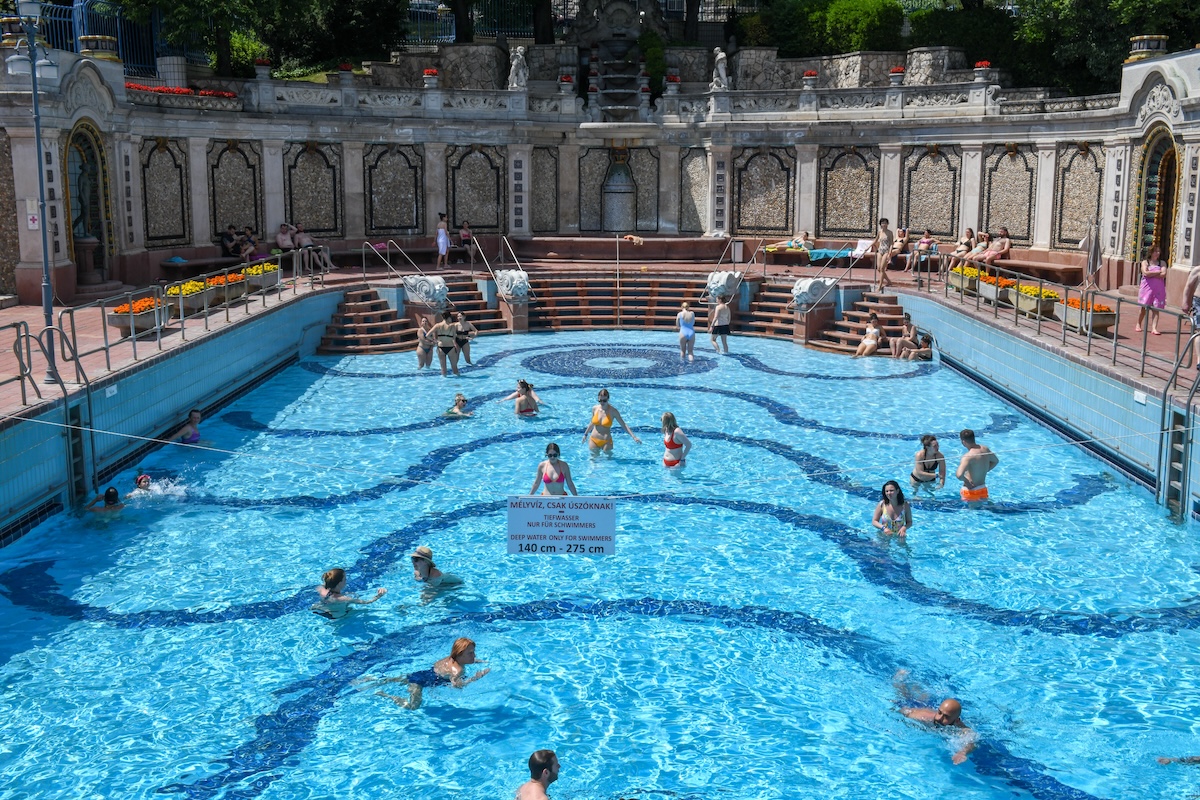
The thermal baths need a proper afternoon too, not just a rushed hour between attractions. Széchenyi and Gellért both run enormous neo-baroque soaking complexes that Budapest residents treat as a religion. Sitting in outdoor pools while steam rises around the surrounding stonework in winter is the kind of experience that makes you rethink city breaks entirely.
Florence
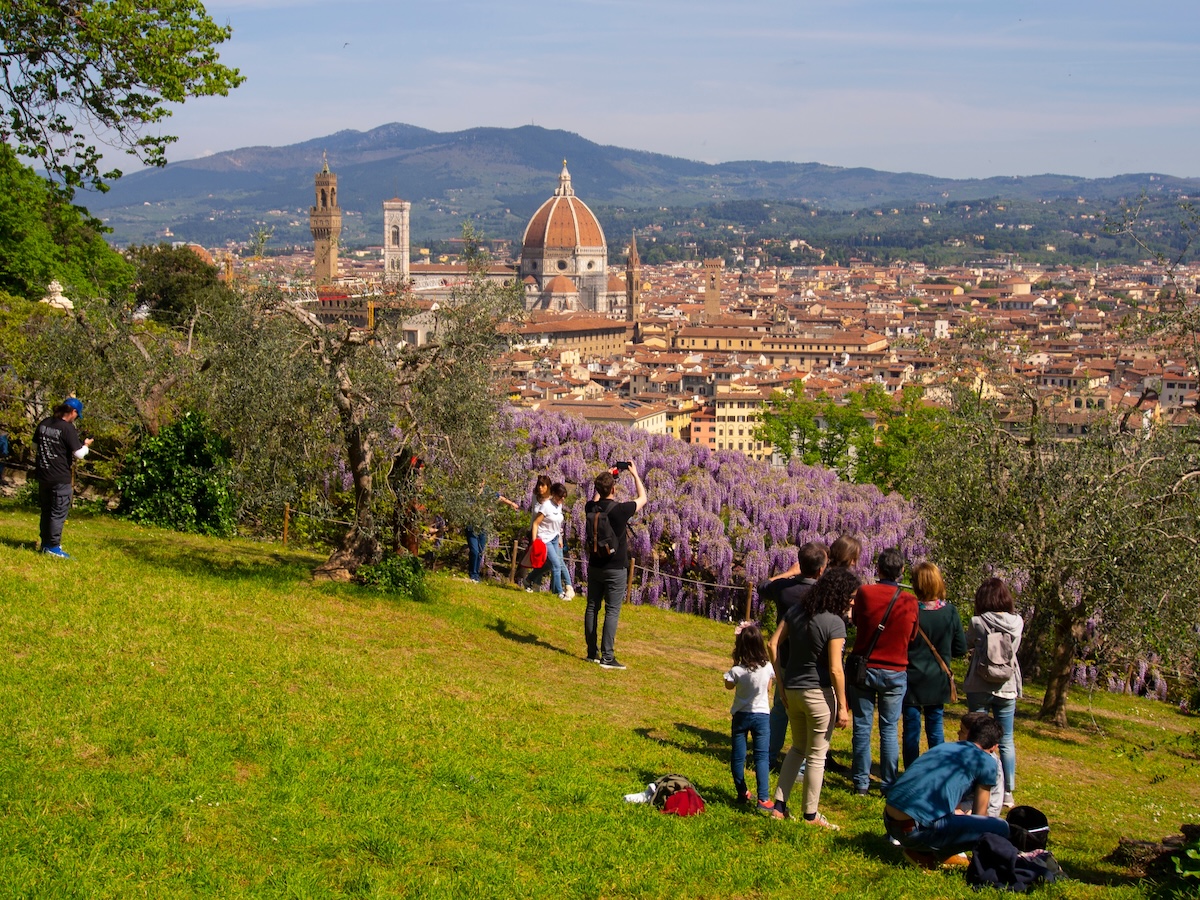
The Uffizi Gallery alone contains enough Renaissance masterworks to derail an entire day of good intentions, and that’s before the Bargello, the Accademia, the Brancacci Chapel, and the hundred other things competing for the same limited hours begin registering on the itinerary. Most visitors leave Florence with the uncomfortable feeling that they saw the famous things and missed the actual city.
The surrounding Tuscan countryside changes everything. Fiesole sits above the city with views over the terracotta rooftops that no museum interior could match. The Chianti roads south toward Siena pass through vineyards and hilltop villages at a provincial pace that Florence’s art-saturated center occasionally makes you forget exists. A week feels like enough until you’re standing there.
Portugal
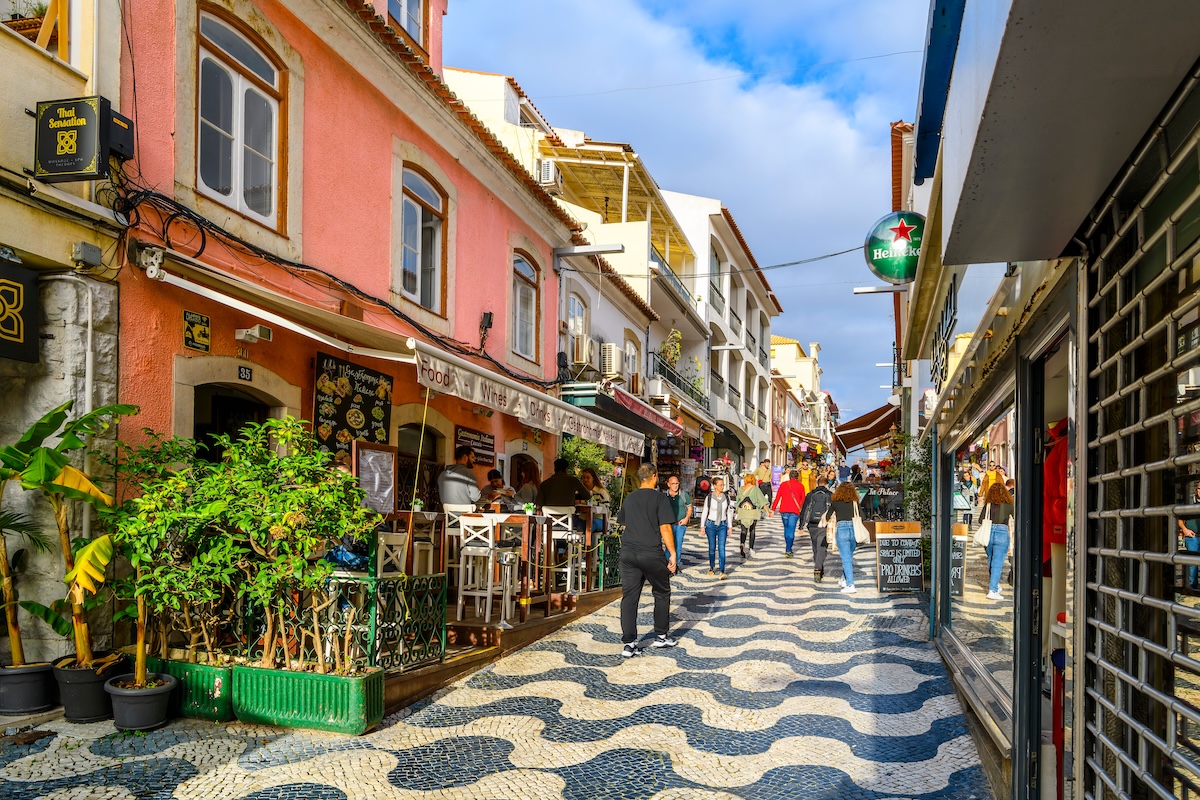
Lisbon and Porto both deserve several days each, which means most one-week Portugal itineraries involve uncomfortable choices before anyone has fully recovered from the flight. Lisbon covers the Alfama’s fado bars, the Belém pastries, and the miradouro viewpoints across the Tagus estuary. Porto covers the Douro riverfront, the wine lodges across in Vila Nova de Gaia, and a food scene that northern Portuguese cooking built without the international attention it deserves.
The Alentejo cork oak plains, the Douro Valley vineyard terraces, and the Algarve coastline all sit between those two cities waiting for a return trip that most visitors start planning on the flight home. Portugal is affordable and rewarding enough that this response is entirely understandable.
Stockholm
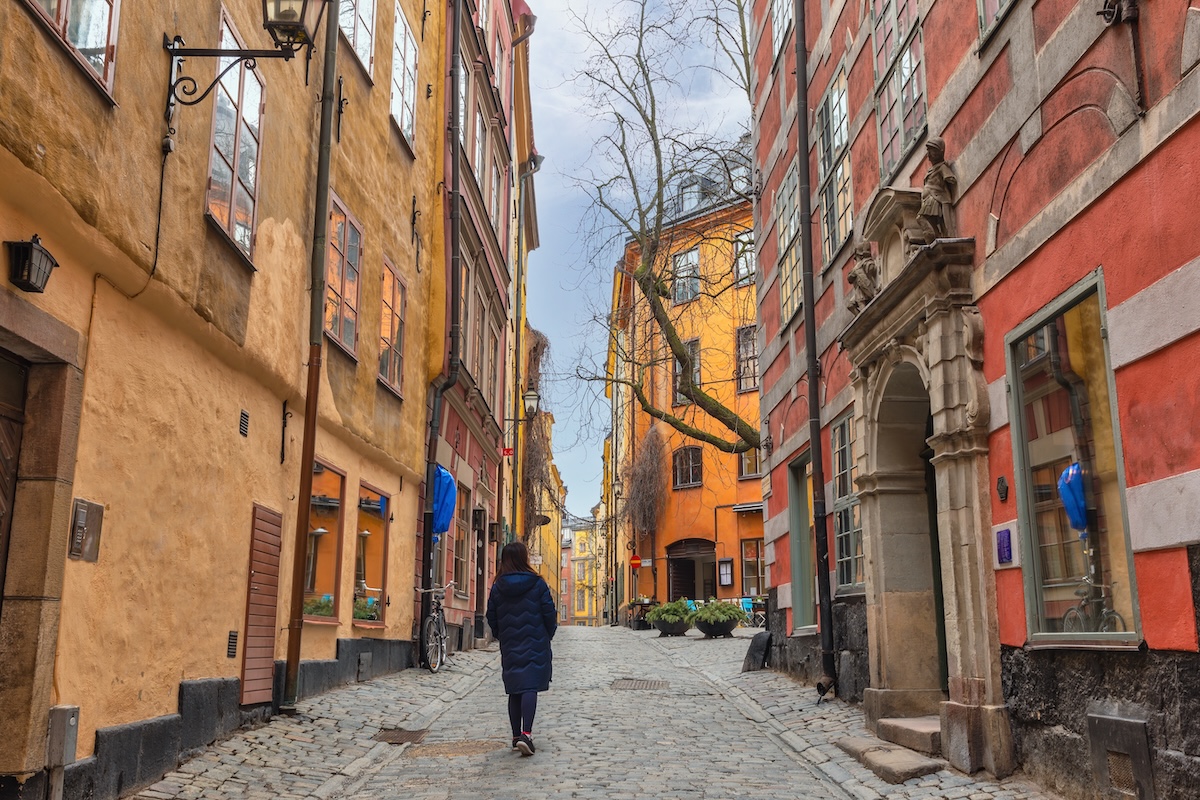
Fourteen islands connected by bridges and a ferry network make Stockholm feel like several cities sharing a postcode. Gamla Stan holds the medieval street plan and the Nobel Museum. Södermalm runs on design culture, independent restaurants, and creative energy. Djurgården holds the Vasa Museum, where a 17th-century warship that sank on its maiden voyage sits perfectly preserved in a purpose-built hall that stops maritime historians completely cold.
Summer opens the archipelago ferry system into 30,000 islands stretching toward Finland, and Swedes disappear into that network through June, July, and August. Visitors who time their trip right can follow them directly from the city center, trading Stockholm’s elegant urban geography for pine islands and cold Baltic water within the same afternoon.
Bologna
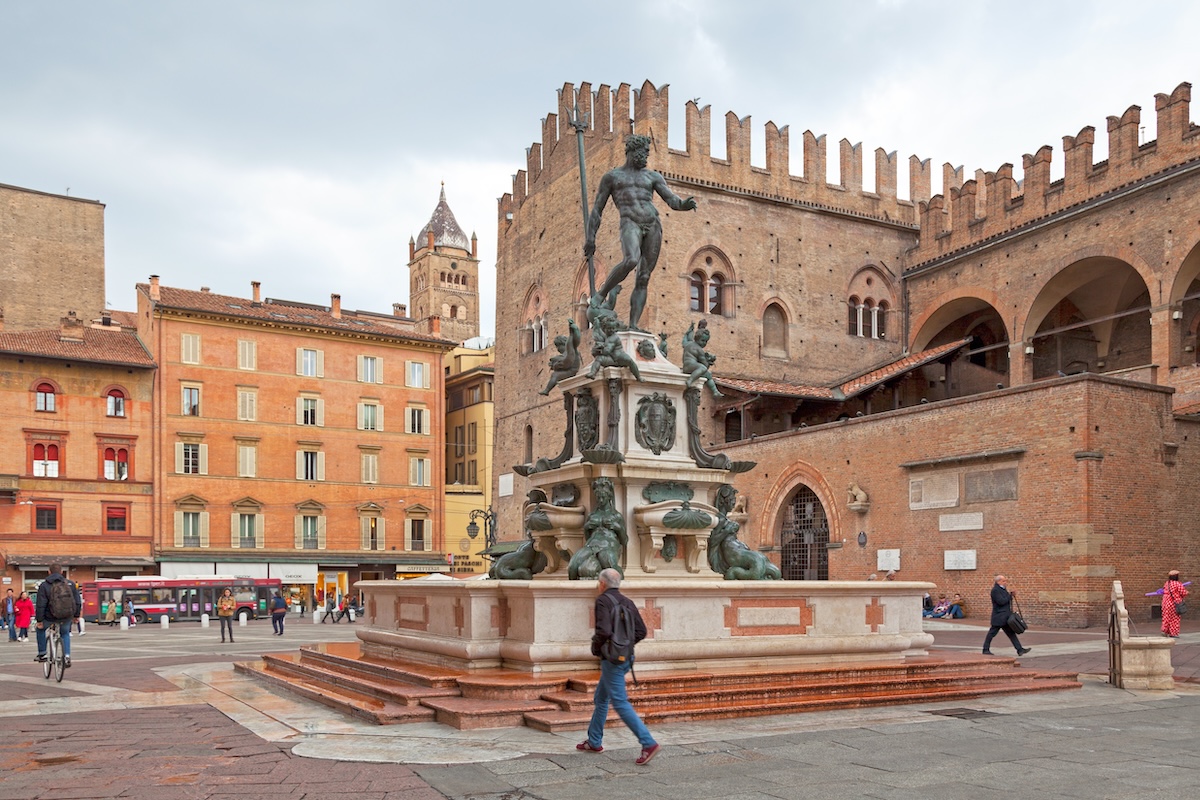
The food capital of Italy sits an hour from Florence by fast train and pulls a fraction of the visitors, despite feeding both the local population and the wider world more reliably than anywhere else in the country. Tortellini in brodo, tagliatelle al ragù, and mortadella from the covered market- they thrive on doing a small number of things at an extraordinary standard and never tiring of the repetition.
Forty kilometers of medieval porticoes run through the city center, meaning you walk between restaurants in any weather without getting wet. Whether this constitutes excellent urban planning or a very deliberate conspiracy to keep people eating longer is a question Bologna has never felt the need to answer.
Amsterdam
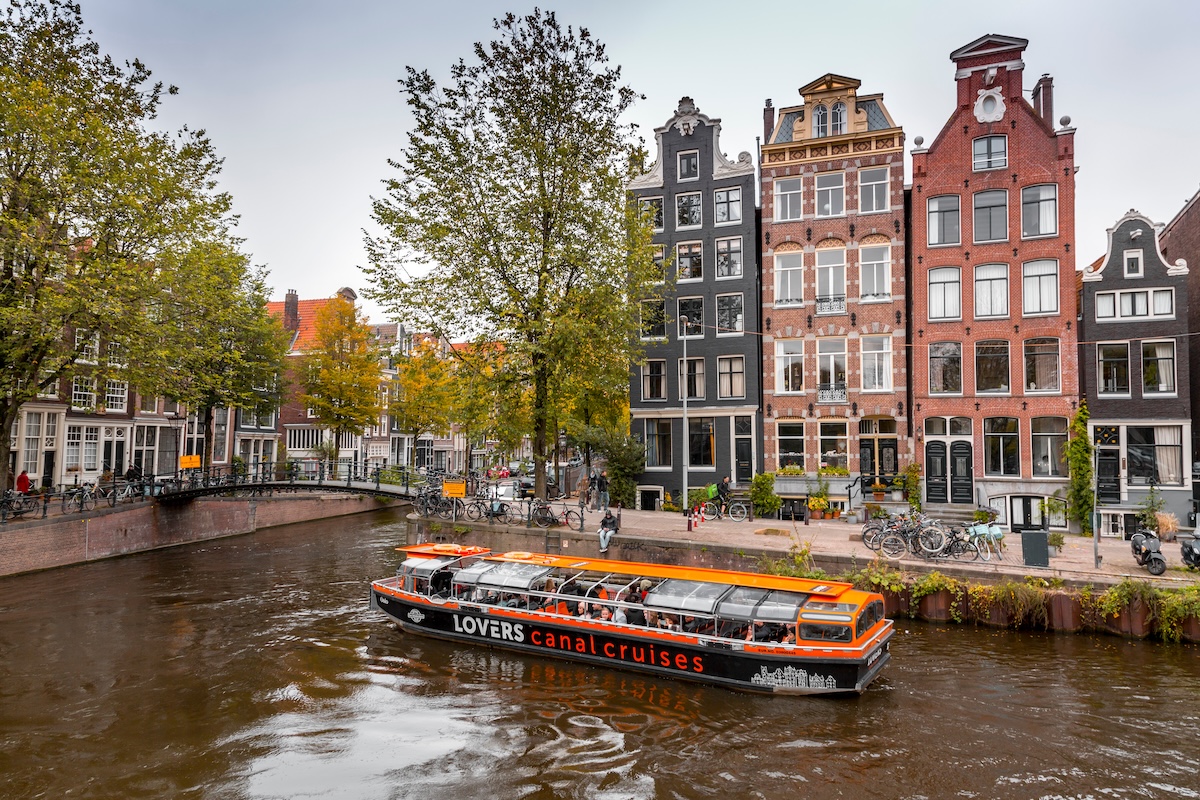
The Rijksmuseum, the Van Gogh Museum, and the Anne Frank House fill three to four days for visitors who pace themselves and resist the impulse to stack everything into a single ambitious afternoon. Anne Frank House alone deserves a quiet morning and advance booking rather than a slot squeezed between other attractions. Beyond the obvious circuit, the Jordaan neighborhood brings you the independent café and gallery culture that Amsterdam’s reputation promises.
Rent a bike on the first morning, and the city reorganizes itself completely. Then canals also read differently from the saddle than from a tour boat deck, and the whole place makes much more sense once you stop navigating it like a pedestrian.
Sicily
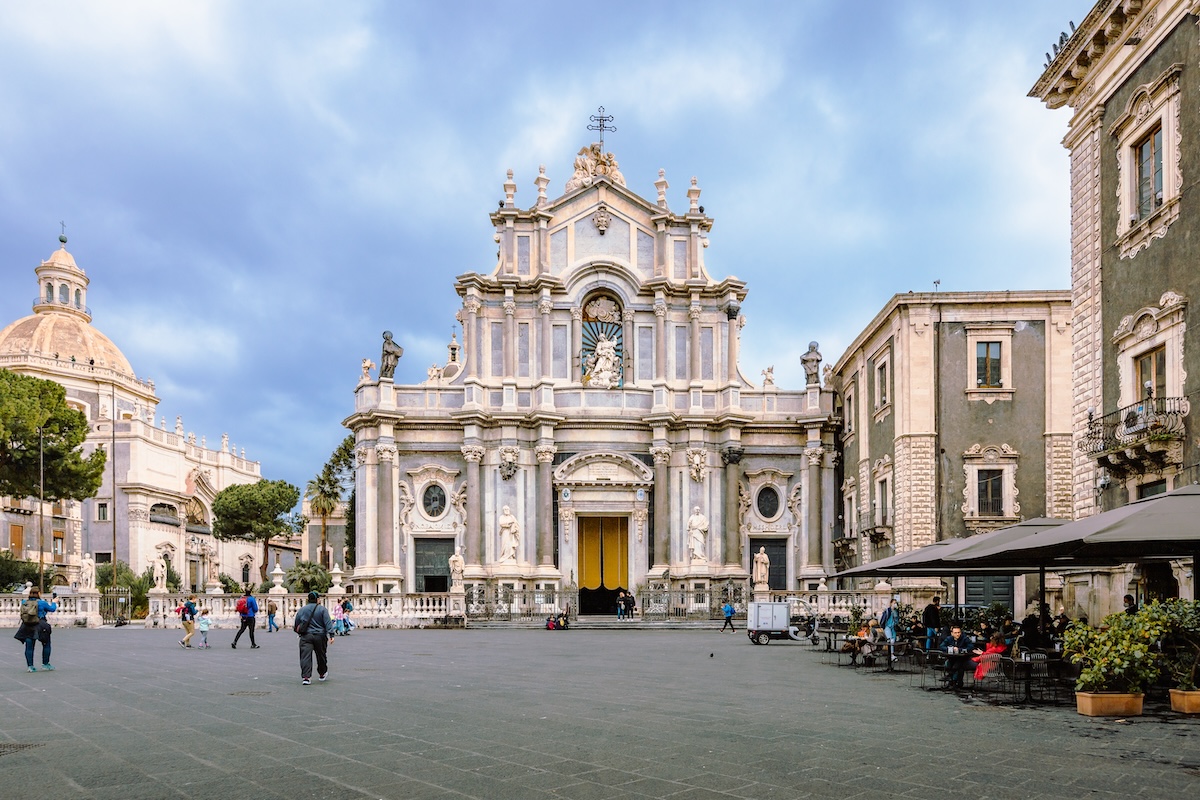
The crossroads position between Europe, Africa, and the Arab world left Sicily with Greek temples, Norman cathedrals decorated in Byzantine mosaics, and an iconic street food. The Ballarò and Vucciria markets pile fresh swordfish, blood oranges, arancini, and panelle into a concentrated stretch that takes a full morning to work through and leaves you negotiating with yourself about whether lunch counts as a separate meal or a continuation of the same one.
Mount Etna smokes above the eastern coast with casual indifference. The volcanic soil covering the surrounding slopes grows grapes that produce wines with a mineral intensity that wine writers keep discovering with fresh excitement, which says more about how underexposed Sicilian viticulture remained for so long than about the writers themselves.
Croatia
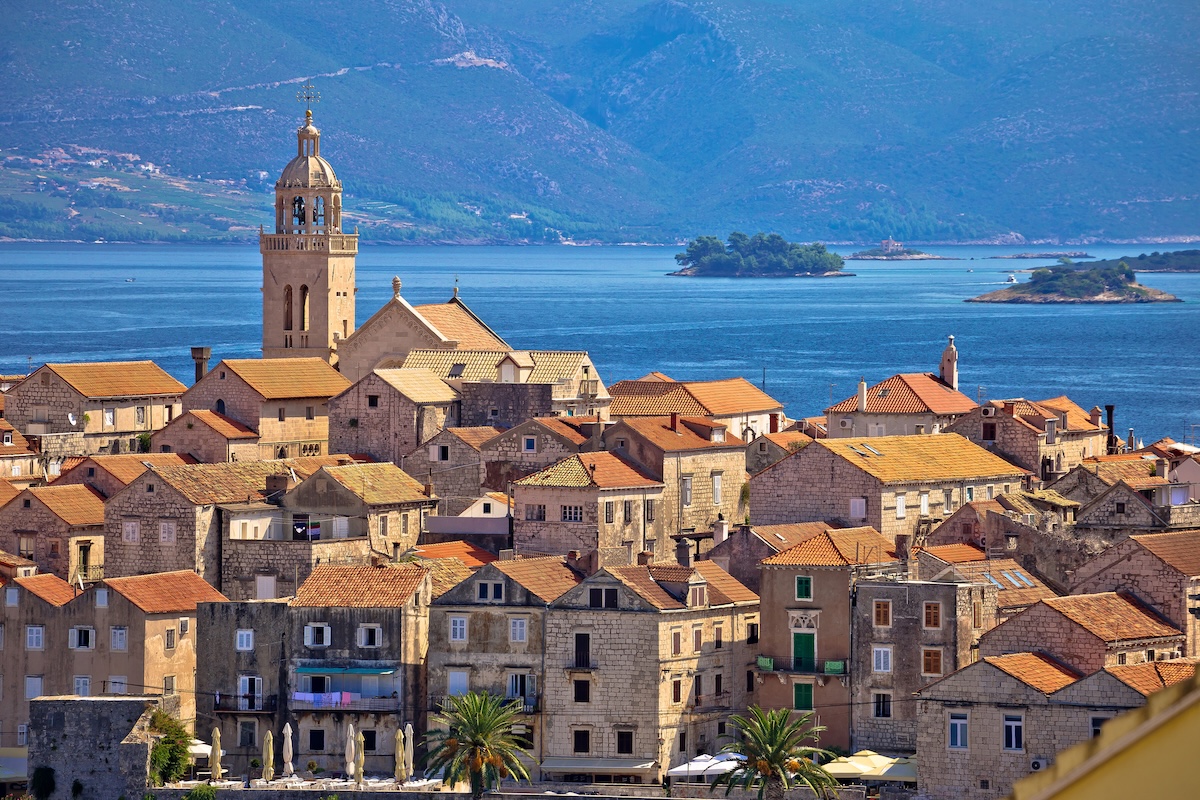
The Dalmatian coast stretches for hundreds of kilometres between Split and Dubrovnik, and the standard one-week itinerary barely scratches the surface of what sits offshore. Hvar, Brač, Vis, and Korčula each have ferry connections, stone villages, clear Adriatic water, and local wine cultures that are each more interesting than the last.
Plitvice Lakes in the interior add a completely different Croatian landscape entirely, turquoise lakes connected by waterfalls through beech and fir forest that the coastal itinerary almost never makes room for. Roman ruins, medieval coastal cities, island culture, national park wilderness, and food built on Dalmatian olive oil and fresh seafood make Croatia one of Europe’s most consistently underestimated countries for how much a single trip leaves unfinished.
Copenhagen
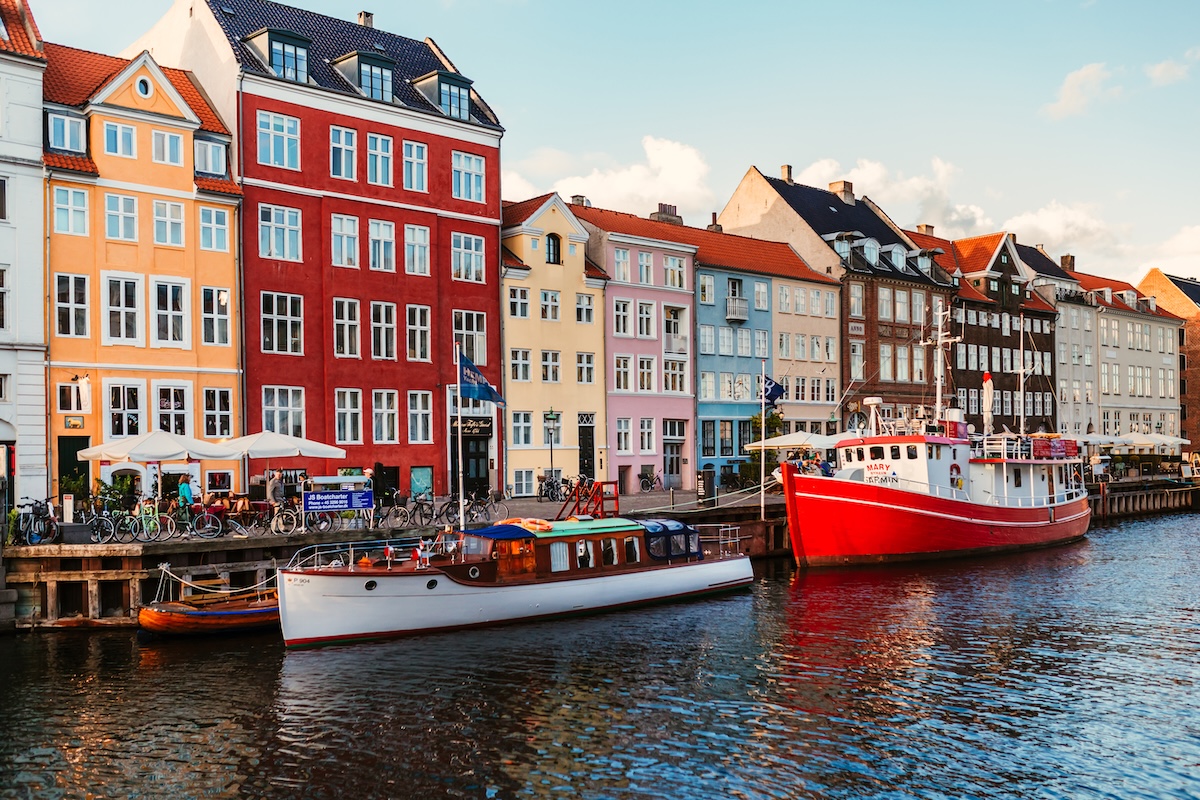
Copenhagen mixes old-world charm with a modern edge. Nyhavn’s colorful waterfront lures you in, but you quickly realize there’s much more beyond the postcard view. Vesterbro’s inventive food scene, the free-spirited community of Christiania—this city rewards curious wanderers.
Trying to fit it all in? Good luck. Copenhagen’s bike lanes make it easy to cover ground, but you’ll want extra time for Tivoli Gardens at night, the indie shops of Jægersborggade, and all the Nordic cuisine that’s put the city on every foodie’s radar. That Danish hygge vibe seeps into cozy wine bars and design shops, making it hard to leave. Plenty of visitors regret not adding days for North Zealand’s castles or just aimlessly exploring the Latin Quarter’s cobbled streets.
Thessaloniki
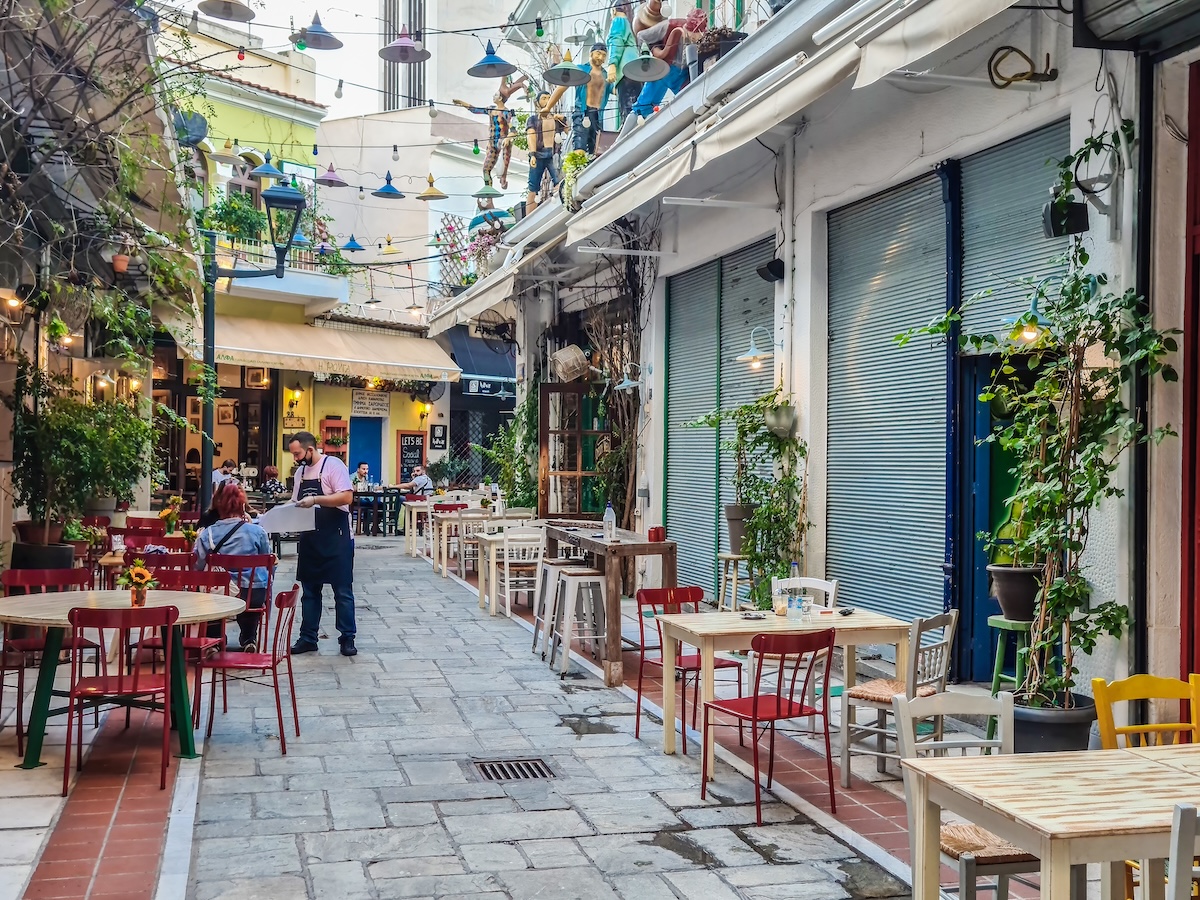
Thessaloniki gives you layers of Byzantine history, lively streets, and a laid-back waterfront—all packed into a city most travelers barely get to know. The White Tower stands guard by the sea, while UNESCO-listed churches and monuments pop up throughout the neighborhoods. In the old town, winding lanes and traditional tavernas create a sense of authenticity you won’t find in Athens.
You’ll have to choose: do you dive into archaeological museums, lose yourself in the chaos of Modiano and Kapani markets, or just soak up the atmosphere along the promenade? The food’s a revelation, too—Greek, Ottoman, and Balkan flavors all mingle here in ways you won’t find elsewhere. When night falls, students and locals fill the bars in Ladadika and Valaoritou, reminding you that Thessaloniki isn’t just a relic, but a city that actually lives.
Palermo
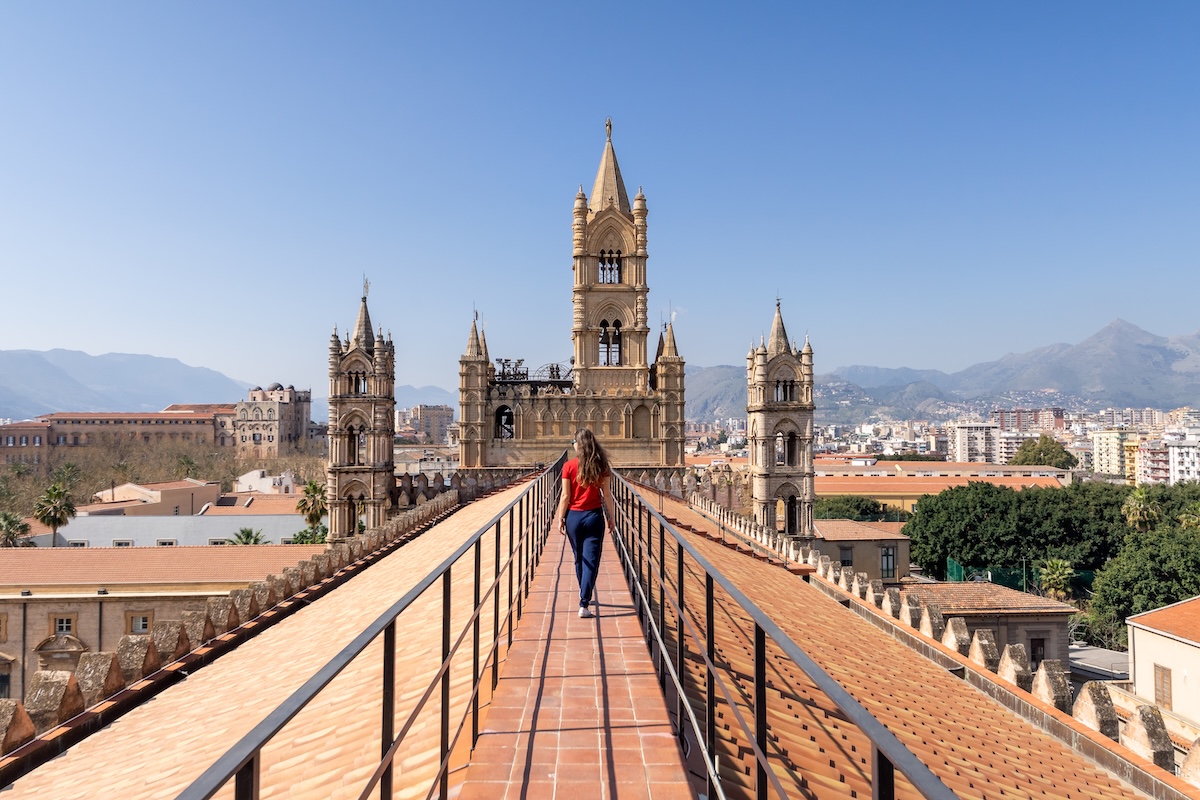
Palermo’s a maze that never really gives up all its secrets. Sicily’s capital pulses with energy—Arab-Norman palaces, noisy street markets, and Baroque churches all jostle for space, sometimes behind crumbling facades. The old center feels like a museum, but a lived-in one, where laundry flaps above the alleyways and seafood vendors shout their specials in Ballarò.
Most people breeze through Palermo on a whirlwind Sicily tour, but you need time to really get it. The Norman Palace’s mosaics, the Vucciria’s tangled alleys, street food like arancini and panelle—none of it should be rushed. Save an evening for the Teatro Massimo, and don’t skip the Capuchin Catacombs or a side trip to Monreale. Palermo opens up for those who slow down, revealing layers of Greek, Roman, Arab, and Norman history that just don’t fit into a two-night stop.
Puglia
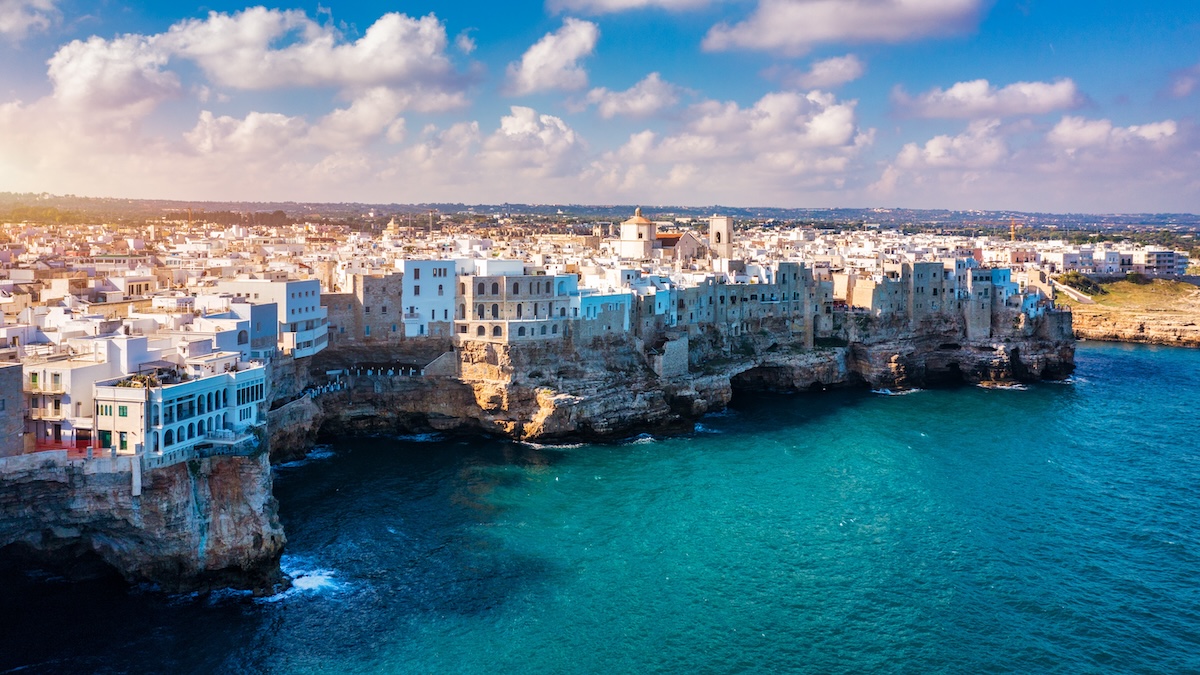
Puglia’s the kind of place you wish you’d given a whole month. Whitewashed trulli houses pepper the countryside, ancient olive groves stretch toward the sea, and towns like Alberobello look like they were plucked from a storybook. Along the coast, cliffs tumble into turquoise water, and villages like Polignano a Mare cling to the rocks.
The food alone could keep you here indefinitely—fresh burrata, orecchiette made by grandmothers at their doorways, wines you won’t find anywhere else. Life in Puglia’s masserie (those old fortified farmhouses turned agriturismos) moves at a different pace, and it’s easy to fall into the rhythm. Before you know it, there’s another medieval town to explore, another secret beach, another family-run trattoria you just can’t skip. Leaving always feels premature.
Sintra
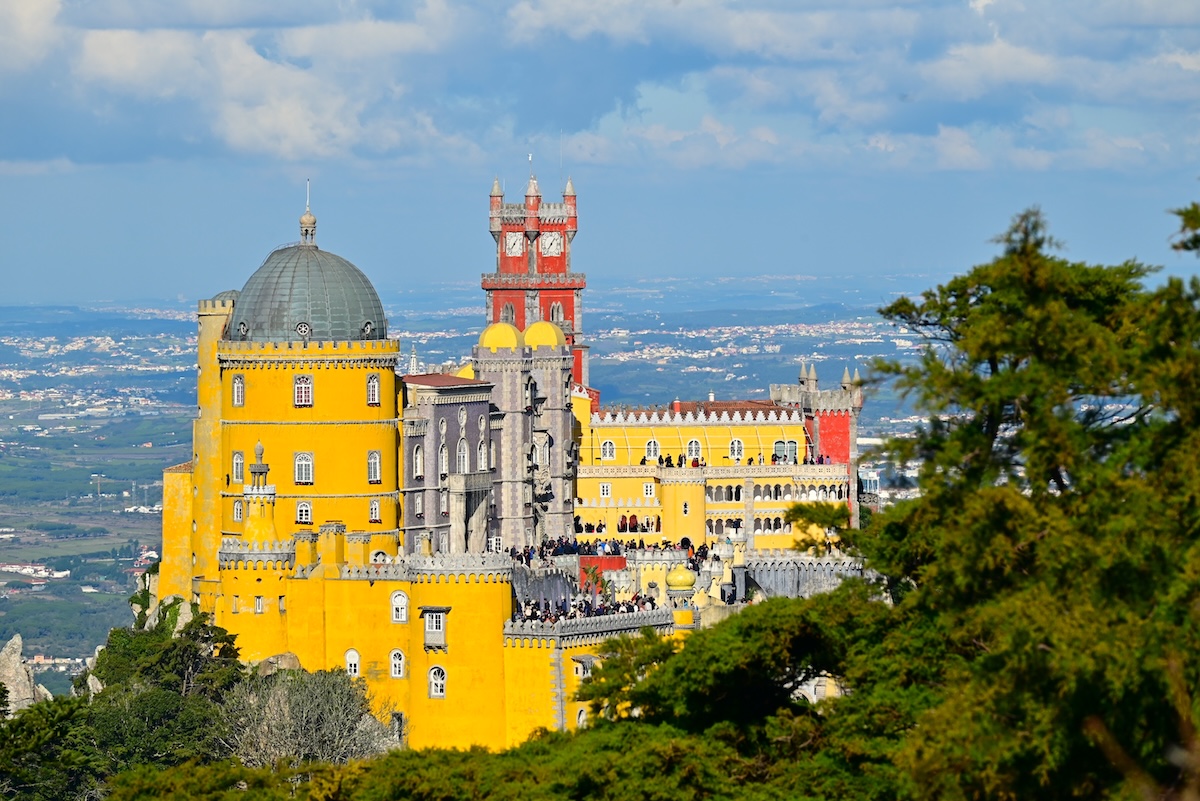
Sintra, nestled in the hills near Lisbon, feels like it belongs in a fairy tale. Misty mornings give the town an almost otherworldly atmosphere. Most people squeeze in a rushed day trip, but that barely scratches the surface. The vivid colors of Pena Palace grab your attention, but the grounds and surrounding park deserve a slow wander.
Beyond the headline sights, the medieval streets invite you to get lost, Quinta da Regaleira’s mysterious wells are worth the detour, and the Moorish Castle offers sweeping views if you’re willing to climb. Staying overnight means you get the place to yourself in the early mornings and quiet evenings—plus, local restaurants are a lot more inviting without the daytime crowds. The steep, winding roads can be a workout, but finding hidden gardens and lesser-known estates makes it all worthwhile.
Cannes
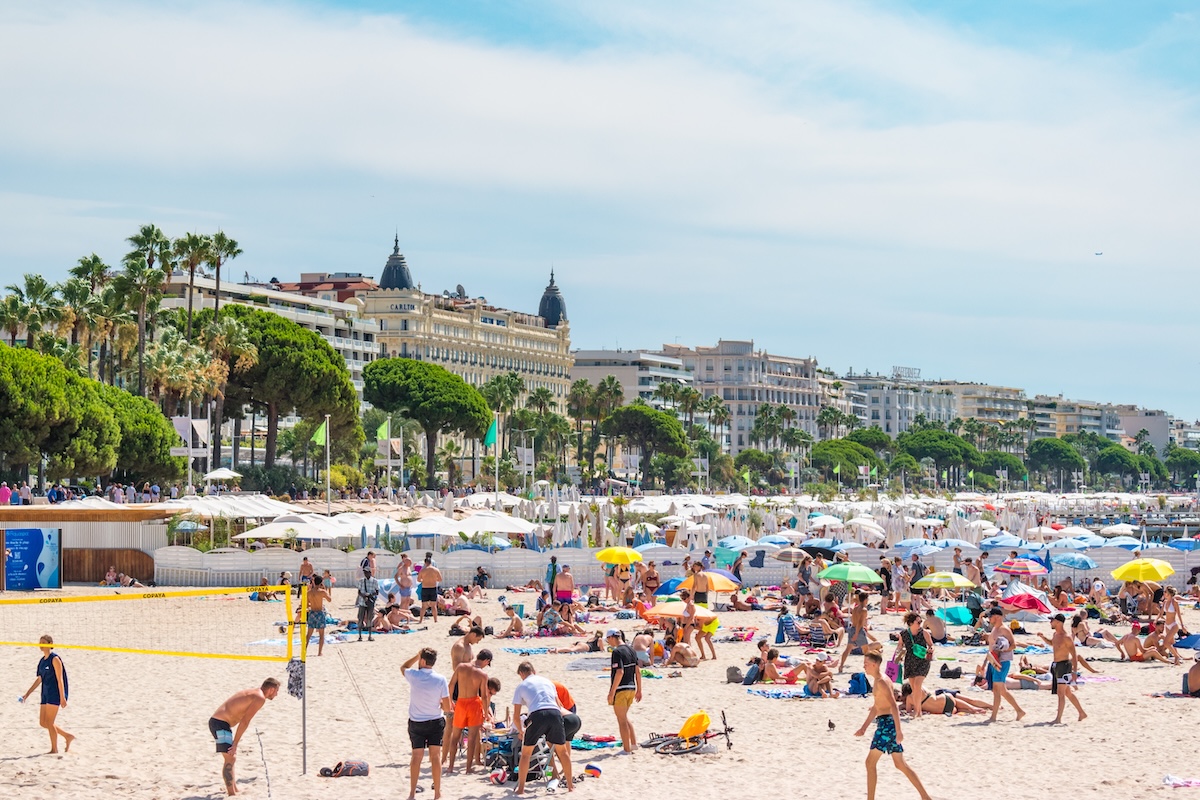
Everyone knows Cannes for the film festival, but honestly, it deserves more than a pit stop. The Boulevard de la Croisette hugs the Mediterranean, lined with fancy boutiques, belle époque hotels, and palm trees that practically beg you to slow down. You’ll want to linger at a café, watching yachts bob in the harbor, maybe with a glass of something cold in hand.
Venture uphill into Le Suquet, and the old quarter reveals pastel houses, tiny squares, and bistros serving up real Provençal food. Morning markets overflow with fresh produce and flowers, and if you climb to the top, the Musée de la Castre inside a medieval castle rewards you with panoramic views and an eclectic art collection. Most travelers zip through Cannes on their way to Monaco or Nice, but if you stick around, you’ll find a laid-back coastal vibe and pockets of local life that rarely make it into the guidebooks.
Sardinia
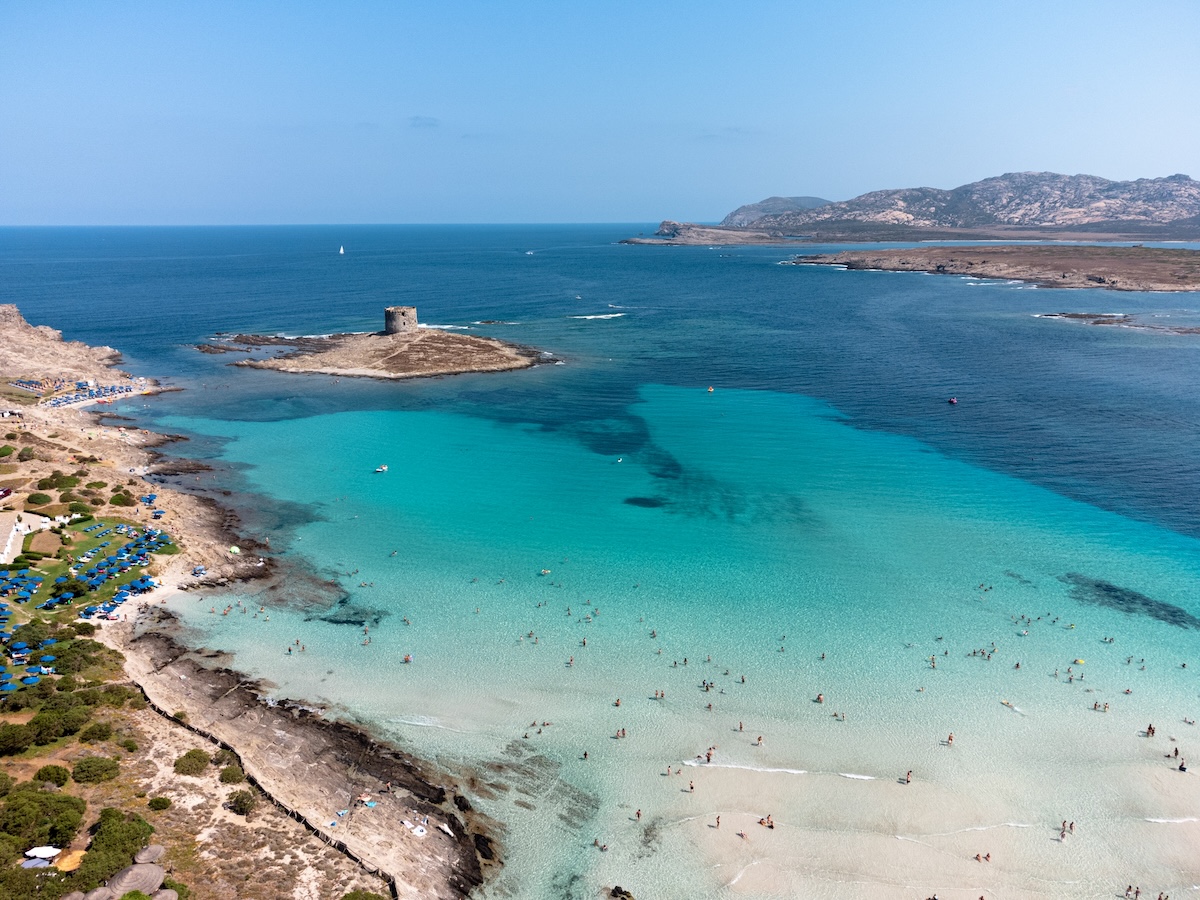
Honestly, you’ll probably wish you had weeks instead of just a few days to soak in Italy’s second-largest island. Sardinia stretches across the Mediterranean, flaunting over 1,100 miles of coastline—from the glitzy white sands of Costa Smeralda to those secret little coves you can only reach by boat. Head inland, and the rugged mountains and ancient villages feel like a whole different universe compared to the flashy resort towns. You might spend your whole trip exploring just one corner and still leave with a list of places you missed.
Sardinia’s culture feels distinct from the rest of Italy. People still speak their own language in plenty of towns, and you’ll stumble across archaeological sites that have been around for thousands of years. Maybe you’ll dive into turquoise water in the morning, hike up to a Bronze Age nuraghe tower by afternoon, and finish the day with some porceddu (roasted suckling pig) and a glass of cannonau wine. The real challenge? Accepting you just can’t do it all in one go.