
Public transportation has come a long way since the days of horse-drawn carriages and steam-engine trains. Today, sleek metro systems that cruise beneath the US’s modern cities have become an essential lifeline for millions.
We’ve got everything from electric buses to ferries to light rail, all working together (at least most of the time) to move people around safely, affordably, and efficiently. A good way to understand the efficiency of getting around a city is to compare its walk score with its transit and bike scores. And that is exactly what I have done with this list.
While American cities, with their large surrounding suburbs, can be tricky to connect, these cities have nailed the Walk Score brief for public transportation:
20. Milwaukee
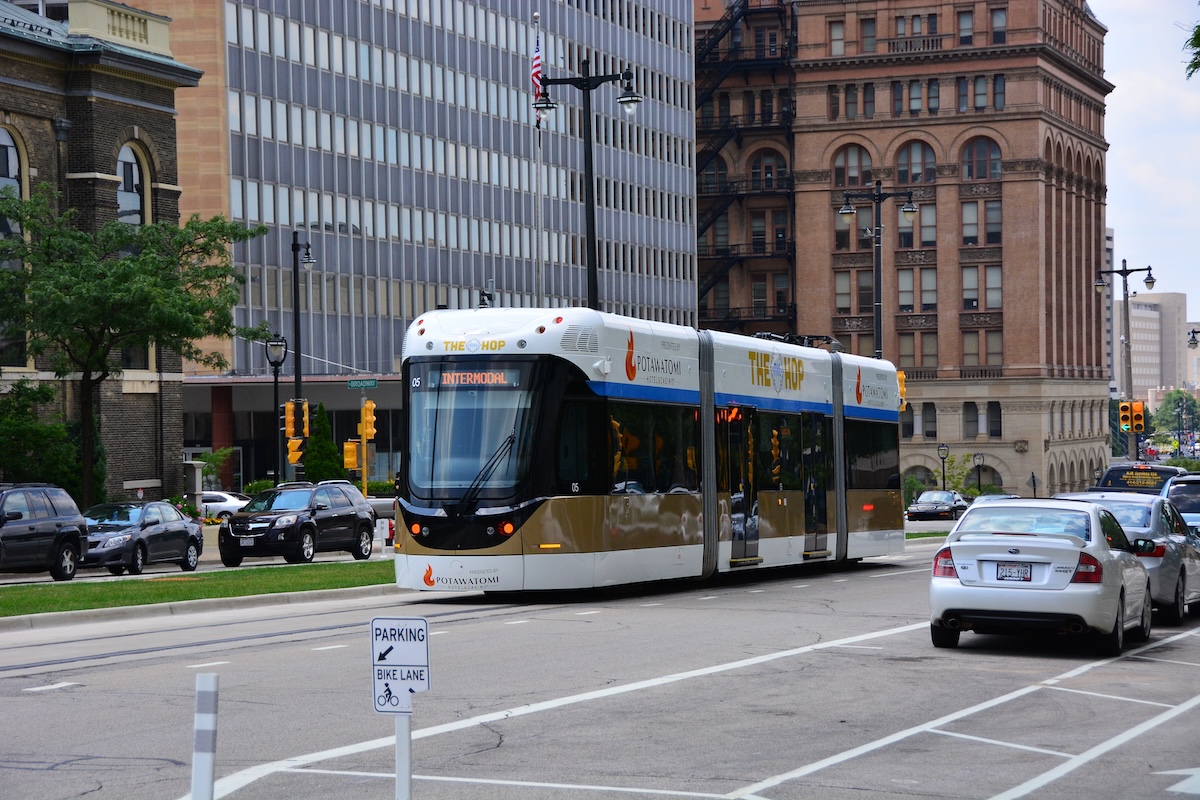
Milwaukee gives you public transportation options that genuinely make life easier. The downtown’s small size means you can walk just about everywhere and easily hop on transit if you need it. >Milwaukee County Transit System runs most of the buses. They zip through different neighborhoods and stick to pretty reliable schedules.
The Hop Streetcar adds another layer, connecting key areas and popular spots in the city center. It’s modern, it’s easy, and honestly, it’s kind of fun. Downtown Milwaukee stays walkable and compact. Getting from one place to another on foot rarely feels like a hassle.
Public Service Ambassadors in blue shirts or jackets walk around, ready to help if you get turned around or need a pointer. Between buses, streetcars, and walkable streets, Milwaukee keeps it straightforward. No need to overthink your route here.
19. Long Beach
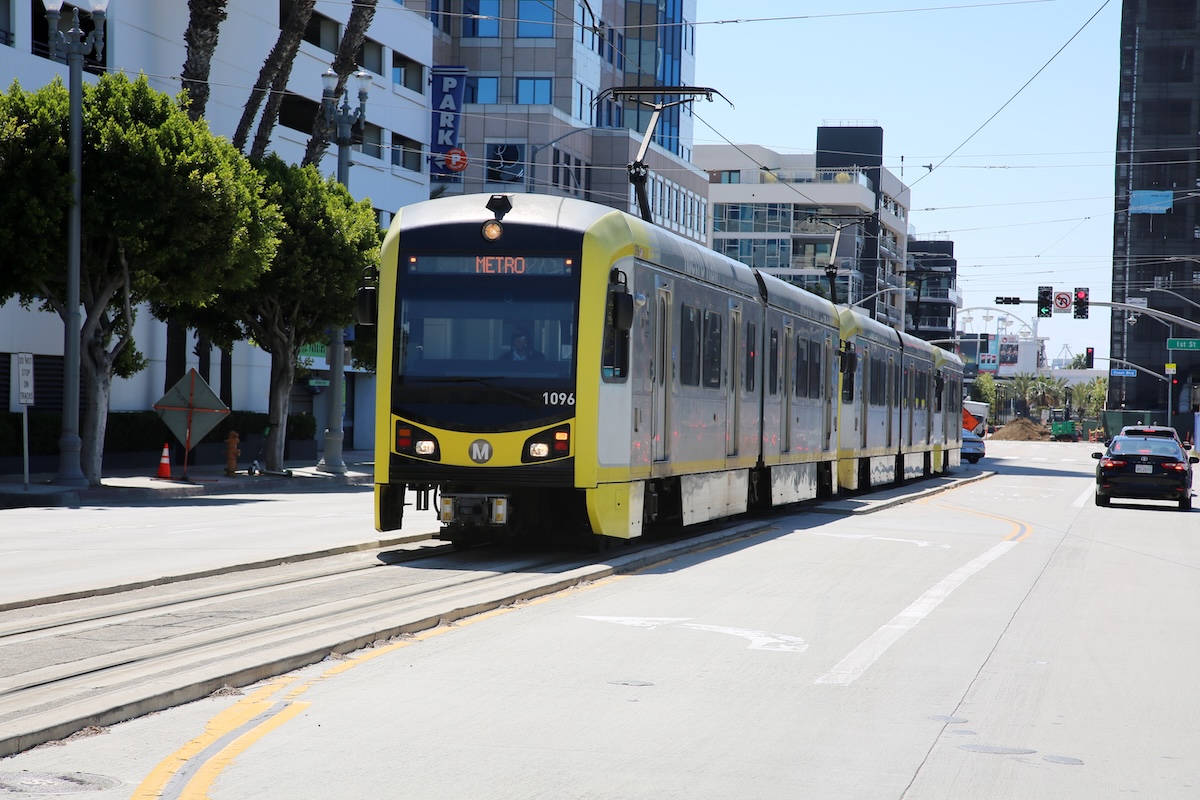
Long Beach gives you a few solid transit options to get around without a car. It’s not overwhelming, but it covers the basics. Long Beach Transit operates the main bus network, with routes threading through all the major parts of the city. Buses stop at most of the places you’d want to go.
The Metro Blue Line light rail also runs here, linking Long Beach to downtown Los Angeles and other cities on the way. If you need to head north, it’s a quick ride. The system fits both daily commuters and tourists. Locals use the buses for work and errands, and the routes cover the big destinations visitors want to see.
Long Beach keeps adding new routes and tweaks. The system isn’t stuck in the past—it’s getting better, bit by bit.
18. Portland, OR
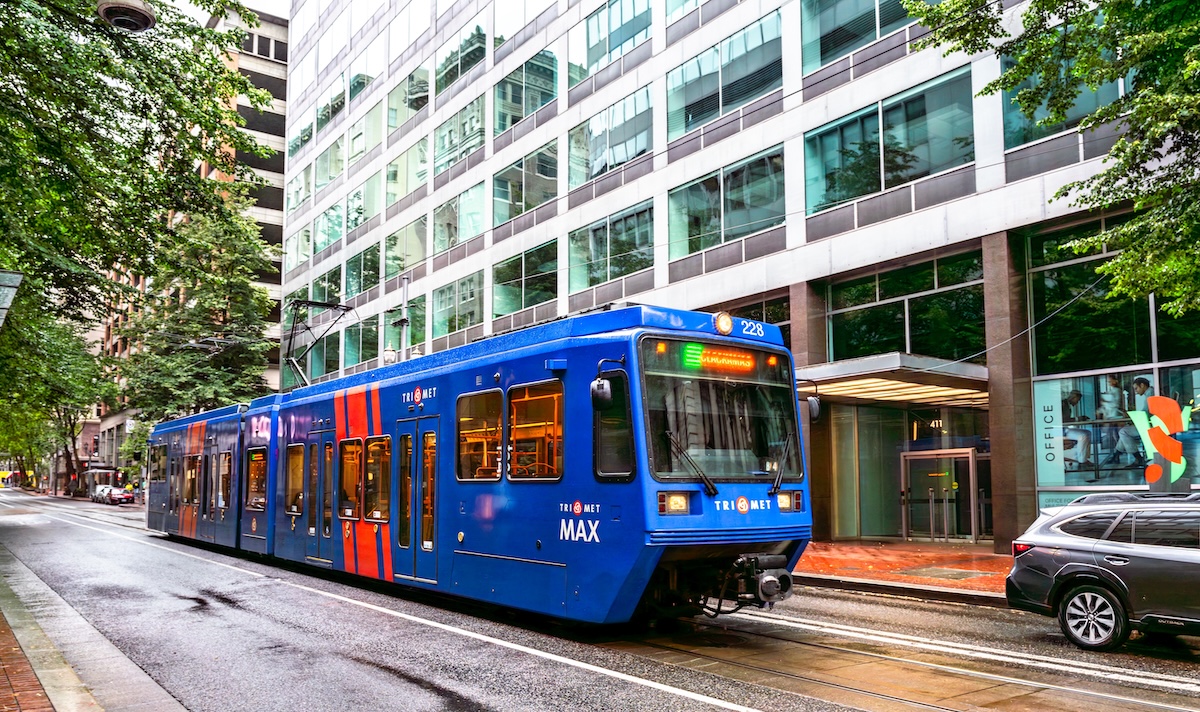
Portland lands in the top ten for public transit nationwide. Over 323,000 people use the system every day, which is pretty impressive for a city its size. TriMet runs the show here—light rail, streetcars, buses, and even a strong bike infrastructure. Everything works together, mostly seamlessly.
Getting around from downtown to the suburbs doesn’t cost much or take forever. The system covers the whole metro area with plenty of options. Portland’s big on sustainability. About 85% of the fleet runs on clean energy, making it one of the greenest networks in North America.
The city offers about 1 train stop and 25 bus stops per mile, so you’re rarely far from your next ride. With MAX light rail, buses, and the Portland Streetcar, you can live car-free here without feeling stranded. Not every city can say that.
17. Los Angeles
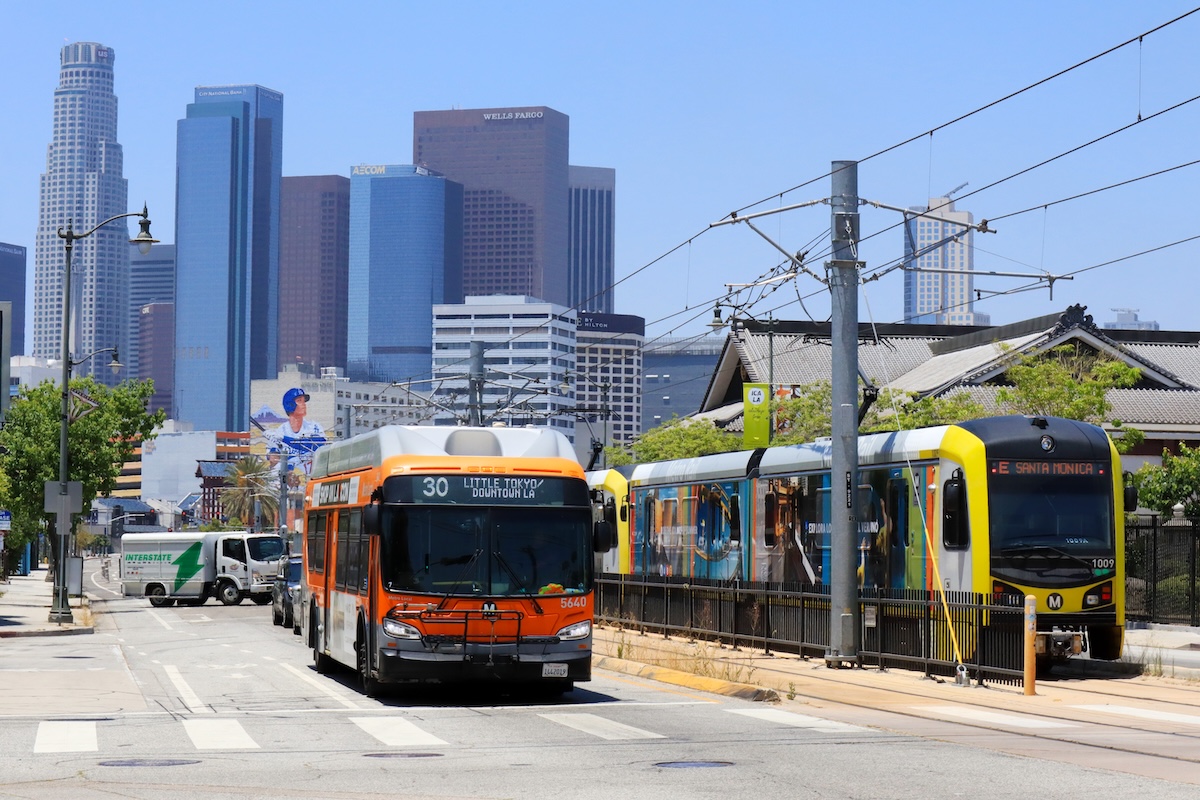
LA surprises a lot of people with its public transit. You can actually get around using buses, subways, light rail, and shuttles—yes, even in LA. The Metro system covers most of LA County. It connects downtown to Hollywood and a ton of other neighborhoods.
The TAP Card makes things simple. One card, all the buses and trains—no juggling tickets. Downtown LA and Hollywood have some of the best transit access. If you want to ditch the car, these are the neighborhoods to do it in.
Metro Buses, DASH Buses, and Metro Rail trains reach just about every corner of Greater LA. It’s a huge area, but the network pulls it off. Compared to other big cities, LA’s transit is pretty affordable. Plus, it gets you to most top attractions and business districts.
Honestly, LA’s public transit is more connected than most people expect.
16. Baltimore
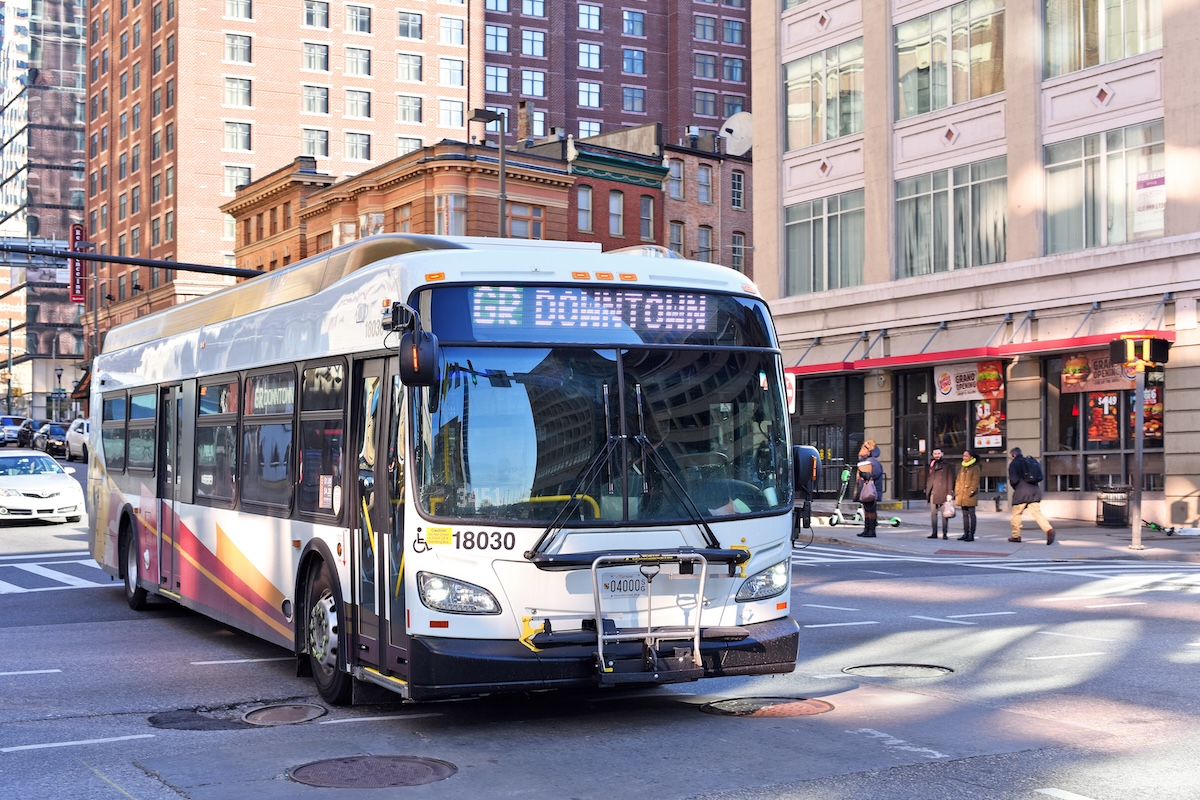
Baltimore sits near the top for US public transit. Maryland Transit Administration runs the show here. Buses, light rail, and subway lines crisscross the city, linking up neighborhoods and business districts.
You can get to downtown, the waterfront, and BWI Airport without needing a car. That’s a big deal in a city with tight parking. Baltimore’s transit scores high for frequency and coverage. During rush hour, you won’t be waiting long.
Public transport saves you money—parking downtown adds up fast. The city also runs water taxis along the harbor, connecting tourist spots and office buildings by boat.
Bus routes reach most neighborhoods. Light rail brings people in from the suburbs to downtown. If you ride often, transit passes cut the cost.
15. Minneapolis

Minneapolis gives you a public transportation system that actually connects the city. Metro Transit runs buses and light rail all over the Twin Cities. The Blue and Green light rail lines anchor the system, taking you from downtown Minneapolis to the airport, Mall of America, and right over to St. Paul.
Buses cover most neighborhoods and run often during busy times. Many routes link up with light rail stations, so transfers are easy. Getting around without a car is totally doable, and fares are reasonable compared to other big cities.
Suburbs like Brooklyn Center get BRT bus service, making commuting from outside the city much less of a headache. Winter sometimes throws a wrench in the works, but overall, Minneapolis transit stays reliable for daily trips.
14. Pittsburgh
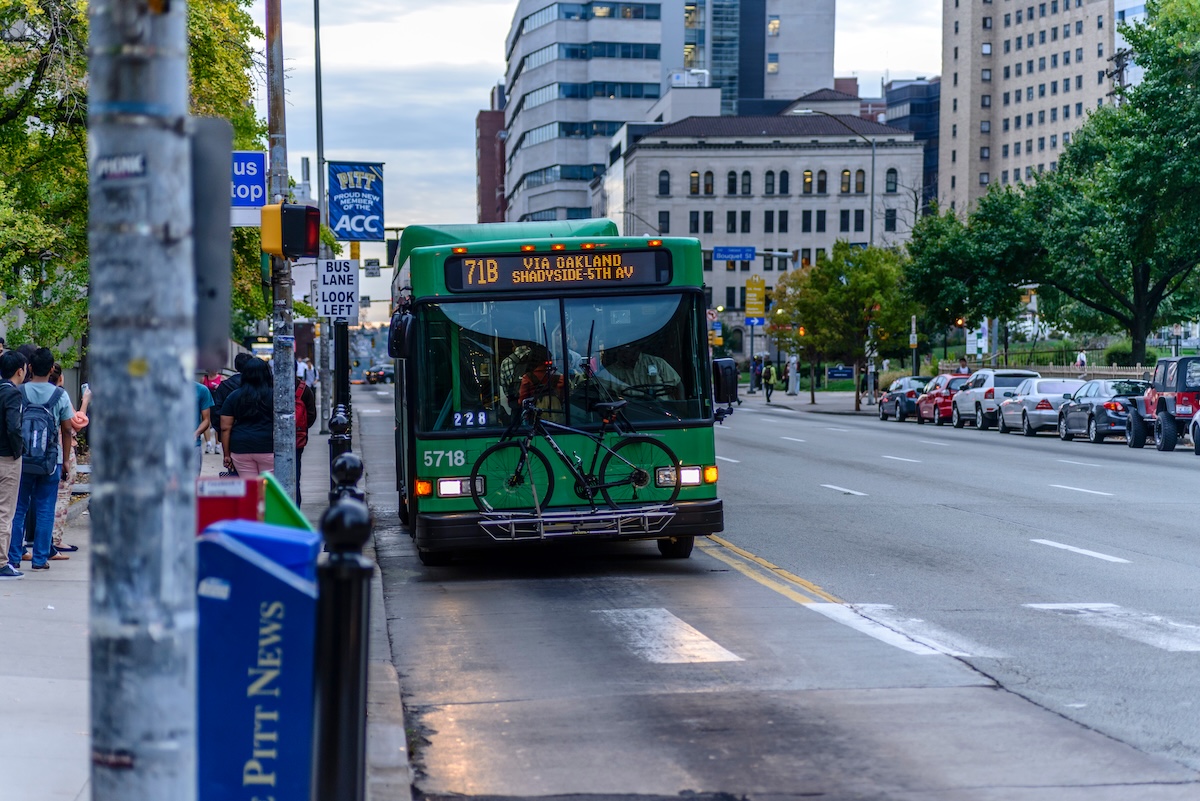
Pittsburgh’s public transit might catch you off guard. The city scored 55 for public transit—not bad at all for a place its size. You can get around on buses, light rail, and even those quirky funicular railways. The Port Authority runs most of it, covering both the city and surrounding areas.
Pittsburgh’s also super walkable. It gets a 62 on the Walk Score, making it one of the best places to live without a car. Downtown links up with nearby neighborhoods through different transit options. You won’t feel stranded if you don’t drive.
Federal funding recently came in to improve transit even more. That should help boost ridership and expand services.
13. Honolulu
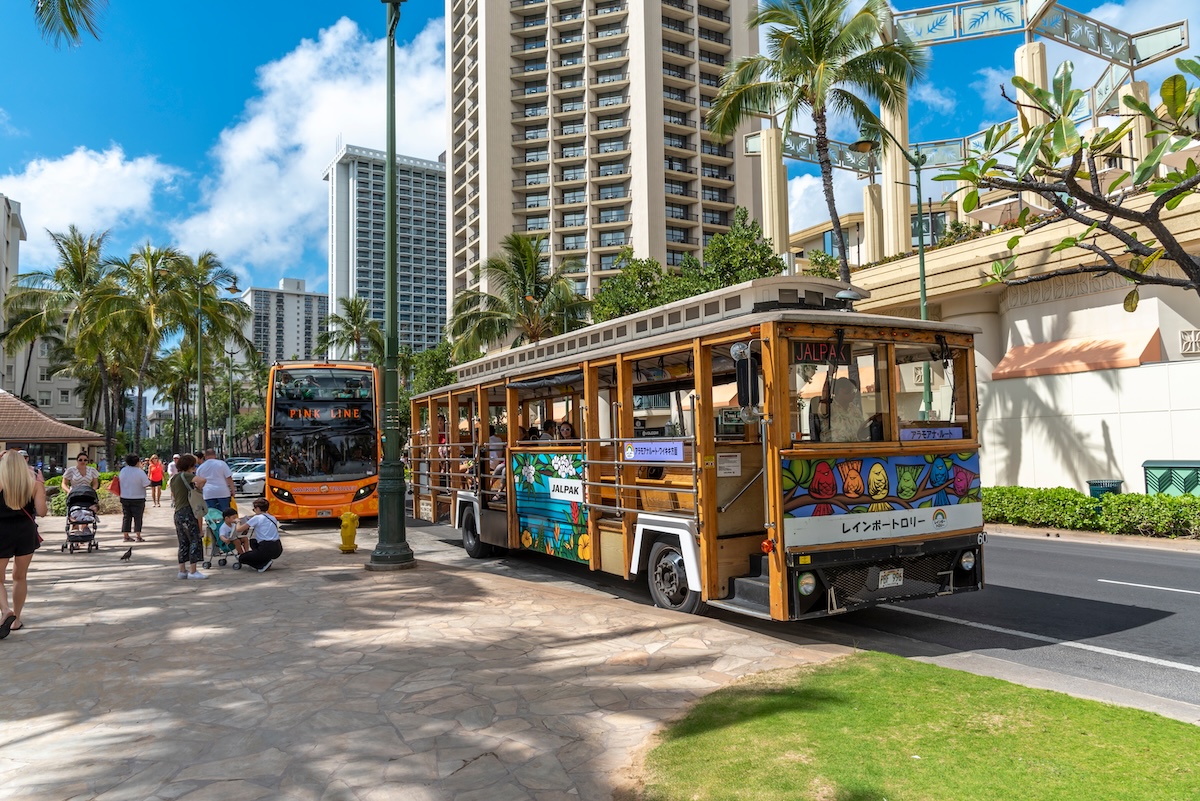
Honolulu cracked the top 10 for public transportation in recent rankings, bumping Miami off the list. TheBus runs the show here. Over 69 million people ride it each year. The buses are air-conditioned and offer great views of the island—honestly, not a bad way to travel.
TheBus keeps things affordable and reliable for getting around Oahu. Most tourist spots are just a ride away. The Waikiki Trolley gives visitors another option, focusing on tourist areas and popular attractions.
Parking is tough and traffic gets heavy, so public transit makes way more sense than driving. You can skip the stress of circling for a spot. The city plans to add a new rail system soon, which should make getting around even easier.
12. Oakland
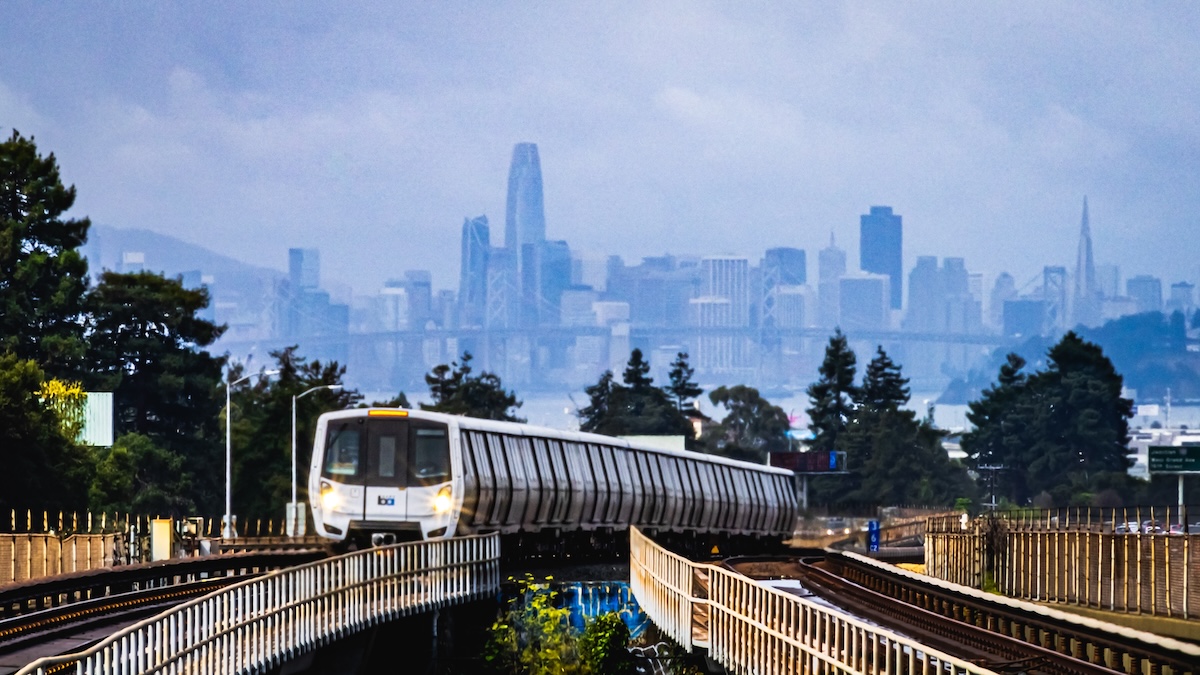
Oakland’s public transportation connects you to the Bay Area and beyond. The city scores a 57 for transit, meaning you’ve got good options. BART is the go-to for quick travel—hop on and get to San Francisco or other Bay Area cities fast.
AC Transit handles a ton of bus routes, filling in the gaps where BART doesn’t reach and linking up with nearby cities. Downtown Oakland even has a free Broadway Shuttle, letting you zip between key spots without paying a dime.
Mix and match transit types to get where you need to go. BART’s great for long hauls, buses handle the local stuff. The system’s not perfect—there are some gaps—but in most of Oakland, you can get by just fine without a car.
11. Miami
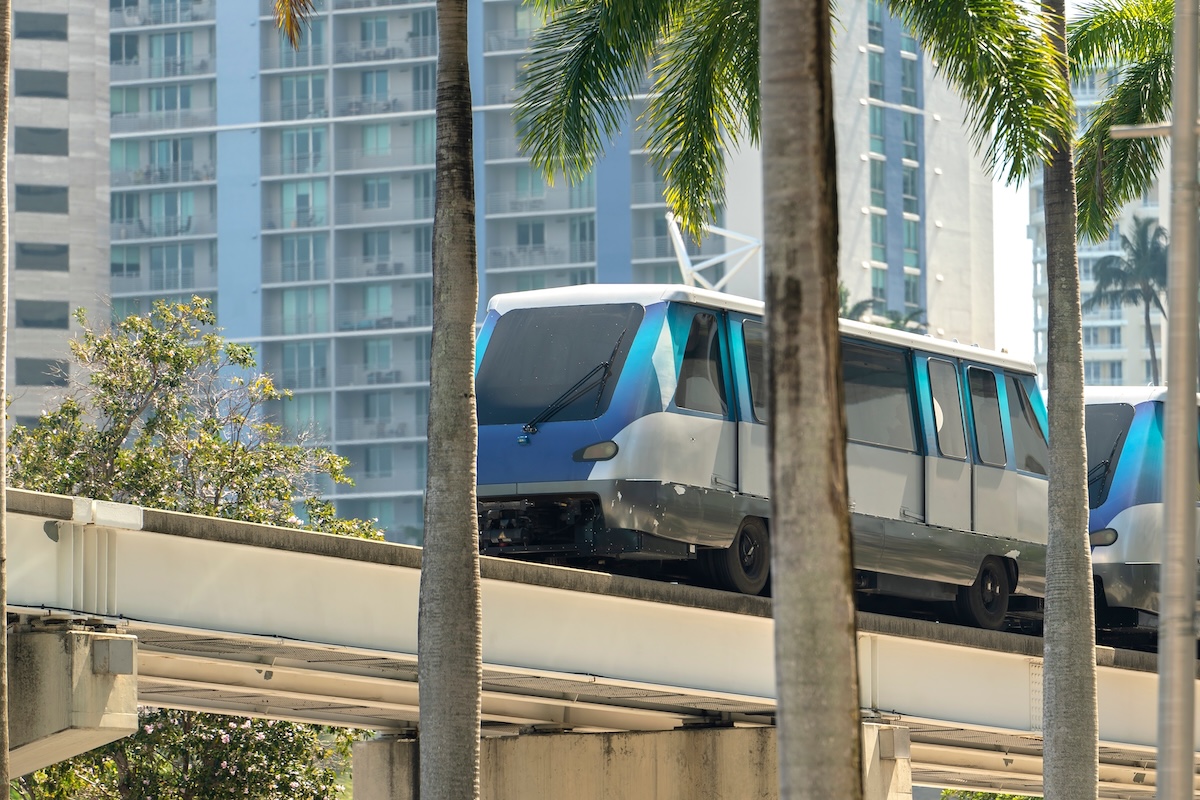
Miami’s got a bunch of ways to get around if you’re not driving. Buses, trains, and some surprisingly handy free services connect a lot of the neighborhoods. Metrobus covers Miami-Dade County and takes you to most of the big spots. You’ll see buses everywhere, honestly.
The Metromover’s a free, automated train that loops through downtown. It zips between business districts—pretty convenient if you’re working or just exploring the city core. FreeBee runs quirky little electric shuttles in spots like South Beach and downtown. You just hop on, and they’ll take you around those neighborhoods for free. Not bad, right?
For trip planning, the GO Miami-Dade Transit app can be a lifesaver. It gives you real-time arrivals and helps you figure out which route actually makes sense (because, let’s be real, it can get confusing). There are trolleys too, serving some neighborhoods and linking up popular tourist spots and local attractions. They’re kind of charming, honestly.
The transit system covers a lot, but Miami’s pretty spread out. Sometimes, you’ll still want a car to reach those out-of-the-way places the buses and trains just don’t touch.
10. Arlington

You wouldn’t think the suburban city of Arlington, Virginia, would rank among the best for its public transport network, but it does.
The star of the show is the Washington Metro (WMATA), which connects the city with the neighboring D.C. area. It’s clean, quick, and surprisingly easy to navigate, considering the network crosses the state border.
Arlington scores 71 for its walkability (and 72 for its bike score), too. But if you’re not big on walking, the Arlington Transit (ART) zips around the inner city, with metro and bus lines. You can plan and track your route using the Moovit App.
9. Seattle

Seattle’s public transport offers a little mix of everything. Light rail, buses, ferries, and streetcars roam the streets and waterways around here, connecting the suburbs to the city center and beyond. This makes sense, given that companies like Amazon, Microsoft, and Starbucks have head offices in this city.
Sound Transit runs the Link Light Rail, with smooth connections between downtown and the airport in around 40 minutes. There is also the King County Metro bus system, which covers just about every inch of the city.
It’s all integrated, too. So, you can hop from one mode of transport to the next in only one journey. Oh, and Seattle is also super walkable – hitting a 74 on the walk score.
8. Chicago

Chicago is one of the most walkable cities in the US — quite the feat for a major city home to millions of residents. The Chicago Transit Authority (CTA) is responsible for the city’s trains and buses. While they are all pretty efficient, the L trains (which stand for ‘elevated’) deserve a special mention.
Not only are they synonymous with the city landscape, but the Red and Blue lines run 24 hours a day. This is an absolute lifesaver for a city that never sleeps. The buses generally cover a pretty extensive area and are affordable, too. Suburban dwellers can hop on the Metra train to get out into the burbs.
7. Newark
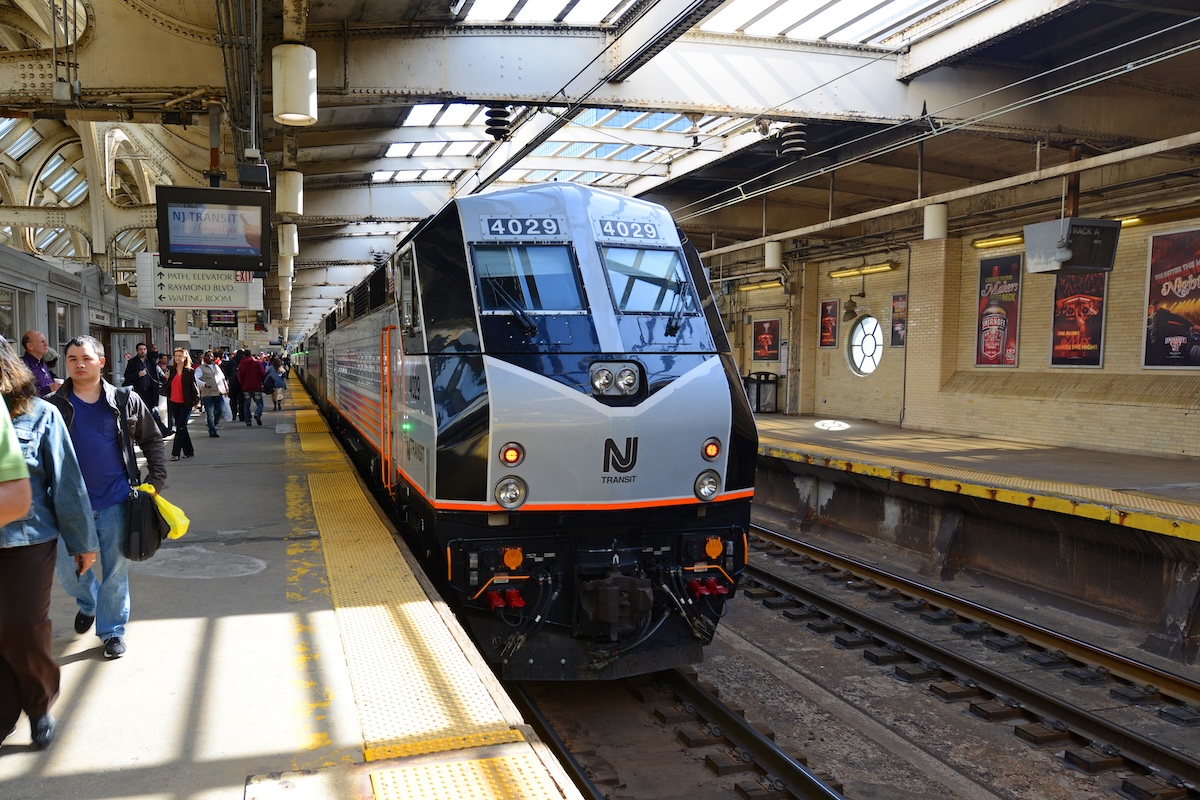
If you thought Jersey was just the sleepy city on the outskirts of Manhattan – think again. It might not be New York, but it has a pretty solid public transport network of its own.
The NJ Transit is the main player here, with buses and light rail options connecting downtown Newark with the suburbs of Jersey, the airport, and even Manhatten in just 20 minutes.
Best of all, it’s pretty affordable for a transit network that travels beyond state borders. Newark has one of the highest walk scores (76) but a relatively mediocre bike score (51).
6. Philadelphia

Philadelphia SEPTA (Southeastern Pennsylvania Transportation Authority) is among the best on the East Coast. Not only for its efficiency and affordability but also for its sheer diversity of modes of transport. I’m talking about buses, trolleys, subways, and regional rail lines. You name it, they’ve got it.
The Market-Frankford Line (EI) is the best option for getting around the inner city, and the trolleys are a real nostalgic throwback. The Acela Express Trains are pretty extensive, too. They connect the city with Boston, New York, and Washington D.C.
5. Washington D.C.

The capital hits a decent walk, bike, and transit score. D.Cs Metrorail is famous, and for good reason. It’s one of the cleanest and most organized subway systems you’ll have the pleasure of riding on. Quite the accomplishment for the second busiest subway in the country. Seriously, it’s incomparable to nearby East Coast contenders.
The color-coded lines are easy to navigate, and subways connect the inner city to the suburbs and beyond. Buses fill any gaps where the Metrorail doesn’t reach, and with tech-friendly cashless payment systems, it’s as easy as tapping your smartphone.
4. Jersey City

Jersey City might sit in the lonely shadow of New York, but its public transport system deserves its own bragging rights. The PATH trains run throughout the city, connecting Jersey City to Manhattan in a mind-blowing 15 minutes. No wonder people chose to live here and commute to NYC daily.
The Hudson-Bergen Light Rail is the network to use to zoot around the waterfront or up into Union City, Hoboken and Weehawken. It also hits a high 87 mark on its walk score, meaning most errands can be accomplished on foot.
3. Boston

If you’ve spent any time in Boston, you’ll know that locals call their transport system the ‘T.’ Technically called the MBTA (Massachusetts Bay Transportation Authority), the subway is the oldest in the country. It has color-coded lines that make it possible for even the most unfamiliar tourist to navigate.
There is also a solid bus network, commuter rail, local rail, and even ferries to fill the gaps the MBTA doesn’t reach. Like any successful city, The Ride offers door-to-door rides for disabled travelers.
2. San Francisco

San Francisco’s public transport network is as eclectic as the city itself. You’ve got historic cable cars, buses, and trains run by Muni. But there is also an underground system called the BART (Bay Area Rapid Transit) which connects the city to others in the Bay Area. BART is the best way to cross the Bay Bridge into Oakland or to reach SFO or even San Jose.
But for inner city transit, Muni is the way to go. Buses are pretty clean, but I can’t say they’re always on time. With massive hills to contend with, I’m a little surprised this city has such a high walk score (89).
1. New York City

New York first hopped on the public transport train back in 1832 when it introduced a horse-drawn streetcar. Fast-forward nearly 200 years, and the city rumbles with its extensive (and sometimes rather gritty) subway we see today.
As time passes, the Big Apple keeps improving its transport facilities – new bike lakes, ride share, and, of course, its extensive MTA network. You’re never more than a fifteen-minute walk to a subway station in Manhattan, Brooklyn, or Williamsburg, and the subway runs 24 hours a day.
Throw in The Staten Island Ferry and PATH trains connecting Manhattan to New Jersey, and this transport network is tough to compete with.











First time in Honolulu I got on TheBus going to Diamond Head. Except it was going the opposite direction!! So for $.50 I got a 3.5 hour tour of Oahu. Pineapples, Northshore…..Eventually we got to Diamond Head.
Very good coverage of public transit. Just one request: please note that it isn’t just Minneapolis. St. Paul has a major part in the metro area’s transit. My husband had a major role in the Green Line in St. Paul, connecting up with the Blue Line in Minneapolis. And somehow, St. Paul is often left out of the information about the area.