
Overtourism is real, and some of the world’s most stunning destinations are finally doing something about it. From ancient ruins crumbling under the weight of selfie sticks to pristine beaches drowning in trash, popular spots are setting limits on daily visitors to protect what makes them special in the first place.
The good news? These restrictions mean you’ll actually get to enjoy these places without battling crowds or contributing to their destruction. The bad news? You’ll need to plan ahead and book early. Here are 17 incredible destinations that are saying “not so fast” to unlimited tourism.
17. Boracay Island, Philippines

This tiny island with powder-white sand and crystal-clear water became so overrun that the Philippine government shut it down completely for six months in 2018. The beaches were literally being destroyed by pollution and overdevelopment. Now Boracay has reopened with strict carrying capacity limits.
The island can only handle a certain number of tourists at any given time, and authorities are serious about enforcing environmental regulations. You’ll need to register online before visiting, but don’t let that discourage you. The beaches are cleaner, the water is clearer, and you might actually find a spot to lay your towel without sitting on top of someone else.
16. Pompeii, Italy

Getting buried by a volcano was bad enough but getting trampled by millions of tourists every year was adding insult to ancient injury at this remarkably preserved Roman city. Pompeii now caps daily visitors and requires timed entry tickets to manage the flow of people through the archaeological site.
This protects the delicate frescoes and structures while giving you a better experience walking through frozen-in-time streets. The ruins are incredibly fragile after spending nearly two millennia underground. Limiting crowds means future generations will actually have something to see besides worn-down pathways and faded mosaics.
15. Muir Woods National Monument, California

These towering coastal redwoods just north of San Francisco became victims of their own accessibility. On busy days, thousands of people would descend on the forest, creating traffic nightmares and turning peaceful trails into crowded sidewalks.
The National Park Service now requires parking reservations and shuttle tickets during peak season. You can’t just roll up anymore and hope for the best. The good news is that the system actually works. The woods feel quieter, the trees seem taller, and you can actually hear birds instead of car horns. Plus, the redwoods are probably grateful for fewer people carving initials into their thousand-year-old bark.
14. Islas Marietas National Park, Mexico

Remember that hidden beach photo that went viral? The one that looks like a top secret swimming pool? Well, everyone wanted to visit, and it nearly destroyed this protected archipelago off Puerto Vallarta. Luckily, Mexican authorities now limit daily visitors to just a fraction of previous numbers.
You need permits booked well in advance, and only a small number of people can visit the famous hidden beach each day. The coral reefs are recovering, seabirds are nesting again, and the turquoise water is as stunning as ever. The restrictions might seem strict, but they’re the only reason this place still exists in Instagram-worthy condition.
13. Montecristo Island, Italy

This uninhabited island off the Tuscan coast takes exclusivity to another level. Only 1,000 visitors are allowed per year, and you can only visit between March and October. The island is a nature reserve protecting rare species and Mediterranean vegetation so getting permission involves applying through the national forestry service, and tours are strictly guided.
Most people have never heard of Montecristo, which is exactly how Italian authorities want to keep it. If you manage to secure a spot, you’ll experience one of the Mediterranean’s most pristine and untouched islands and have eternal bragging rights about this ultra-exclusive destination.
12. Acropolis of Athens, Greece

The Parthenon has survived wars, earthquakes, and centuries of weathering. But it was nearly defeated by tourist hordes wearing down the ancient marble. Greece now limits daily visitors and divides entry into timed slots. Summer heat and overcrowding were also creating dangerous situations on the rocky hilltop.
The new system means you can actually see the monuments without being swept along in a human wave. The marble is also less likely to be polished smooth by millions of shuffling feet each year. It would have been a shame if this marvel stood for millennia only to be ruined by us in under 100 years.
11. Ha Long Bay, Vietnam

This UNESCO World Heritage Site with thousands of limestone islands rising from emerald water was becoming choked by tourist boats. The bay was turning into a floating traffic jam, not to mention an ocean of trash. Vietnam has reduced the number of boats allowed in the bay and designated specific routes to distribute visitors more evenly. Overnight cruise permits are especially limited, putting a stop to rowdy party boats.
The result is a more peaceful experience gliding between karst formations. The water quality is improving, and you might actually feel like you’re exploring a natural wonder instead of attending a crowded boat convention.
10. Lord Howe Island, Australia

This volcanic island between Australia and New Zealand limits visitors to just 400 at any time. It’s not a new policy either. The cap has been in place for decades, proving that this is a long game, not an overnight fix. Getting there requires booking flights well ahead, and accommodation is limited. But that’s the whole point.
Lord Howe remains spectacularly unspoiled because it never allowed mass tourism to take root. The island offers world-class diving, hiking, and beaches without a single traffic light or chain restaurant. It’s proof that keeping tourist numbers low preserves both the environment and the experience.
9. Forbidden City, Beijing

The world’s largest palace complex was living up to its name for all the wrong reasons. With over 80,000 visitors on peak days, the Forbidden City was becoming unbearably crowded and its ancient structures were suffering. Daily visitor caps are now enforced, and you must book tickets online in advance.
The limit still allows tens of thousands of people, but it’s a significant reduction from previous chaos.You’ll have a better chance of appreciating the imperial architecture without being swept along by crowds or missing details in the rush. The vermilion walls and golden roofs deserve more than a hurried shuffle through.
8. Galapagos Islands, Ecuador

Darwin’s living laboratory was at risk of being loved to death. These volcanic islands with fearless wildlife and unique ecosystems need serious protection from human impact and Ecuador strictly controls visitor numbers through a permit system.
Tour operators must follow designated routes, and independent travel is heavily restricted. Each visitor site has specific capacity limits too. The animals remain remarkably unbothered by humans because the islands have never been overrun like many of the other places on this list. You can snorkel with sea lions and walk past blue-footed boobies because tourism has been carefully managed from the start.
7. Maya Bay, Thailand
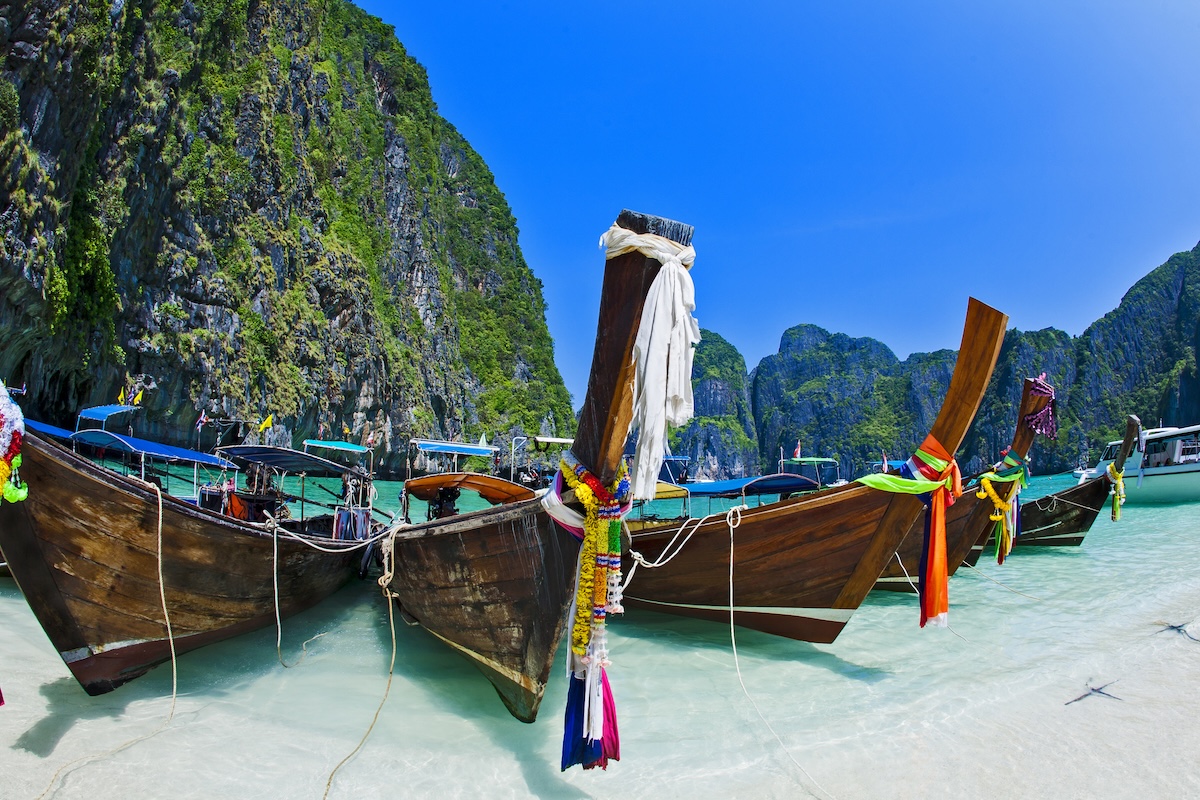
Leonardo DiCaprio has a lot to answer for because after “The Beach” made this bay famous, up to 5,000 tourists per day were destroying the coral reefs and ecosystem. Thai authorities closed Maya Bay completely for several years to allow recovery and many tourists were left disappointed when their boat tours just did a cruise-by viewing.
It has since reopened with strict daily limits and no boats allowed in the bay itself. Swimmers are also restricted to protect recovering corals. The beach that launched a thousand Instagram posts is healing. The water is clearer, sharks have returned, and the bay might actually survive its own popularity.
6. Glacier National Park, Montana

Montana’s crown jewel was experiencing gridlock on its famous Going-to-the-Sun Road. Cars were parking illegally, trails were overcrowded, and the wilderness experience was vanishing.
The park now requires vehicle reservations during peak season for certain areas and popular trailheads have timed entry requirements to prevent overcrowding on narrow mountain paths. These restrictions mean you can actually enjoy the dramatic peaks, alpine lakes, and potential grizzly bear sightings without feeling like you’re in a mall parking lot. The glaciers are melting fast enough without adding trampling to their problems.
5. Bhutan

This Himalayan kingdom pioneered the “high value, low volume” tourism model. Bhutan requires all tourists to book through licensed operators and pay a daily sustainable development fee. The policy keeps visitor numbers manageable while funding free healthcare and education for citizens.
You can’t backpack Bhutan on the cheap, but that’s entirely intentional. The result is a country that has preserved its Buddhist culture and pristine mountain environments. Bhutan measures Gross National Happiness instead of GDP, and limiting tourism is part of that philosophy.
4. Île de Bréhat, France

This car-free island off the Brittany coast limits daily visitors during summer months. The tiny island simply can’t handle unlimited crowds without destroying the flower-filled paths and pink granite coastline. Visitors arrive by ferry, and when the daily limit is reached, you’ll need to wait for another day.
The island’s charm depends on staying peaceful and uncrowded. Bréhat’s microclimate supports Mediterranean plants despite its northern location. Keeping tourist numbers down protects the unique ecosystem and ensures the island doesn’t become another overcrowded day-trip destination.
3. Potala Palace, Tibet

This massive hilltop palace and former home of the Dalai Lama restricts daily visitors to protect its priceless Buddhist murals and artifacts. The high altitude location also makes large crowds dangerous. Tickets must be booked in advance, and your visit is limited to a specific time window.
Photography is also restricted inside to protect delicate artwork from flash damage. The palace sits at over 3,600 meters above sea level, and controlling crowds helps prevent accidents on steep staircases and narrow passages. The spiritual significance and cultural treasures justify the strict access rules, keeping the sacred atmosphere of this location truly intact.
2. Cinque Terre, Italy
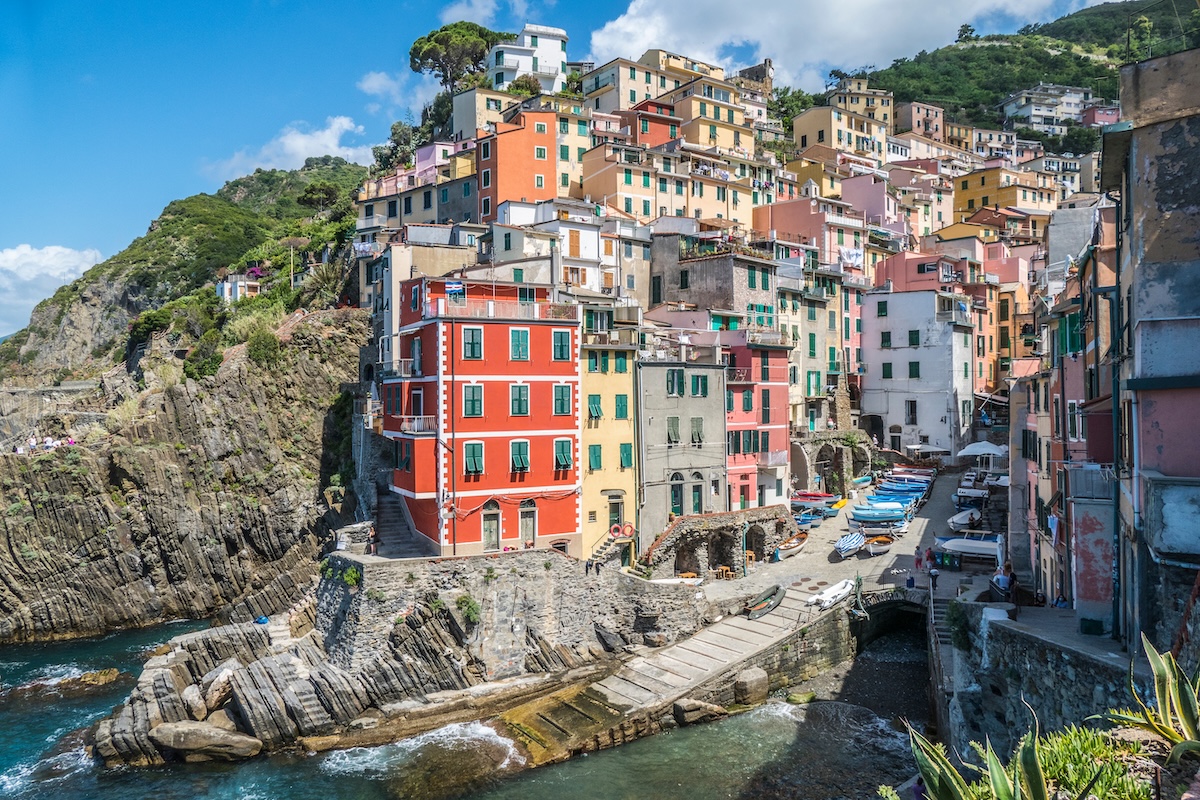
These five colorful villages clinging to the Italian Riviera were being overwhelmed by day-trippers. Cruise ships would dump thousands of visitors who would swarm the narrow streets and then leave. Italy has introduced tourist caps and plans to charge entry fees during peak season.
The famous coastal hiking trails already require paid tickets to manage numbers and fund maintenance. The villages were built for fishing families, not Instagram hordes. Limiting visitors helps preserve the authentic character and prevents the towns from becoming open-air museums rather than living communities.
1. Machu Picchu, Peru

The most famous ruins in South America were at serious risk from overtourism. The ancient Incan citadel perched on a mountain ridge was never designed for thousands of daily visitors, and even the taxing trip to the top didn’t deter tourists.
Peru now enforces strict entry times and limits total daily visitors. You must enter during your assigned time slot, and staying all day is no longer allowed, while the Inca Trail to reach Machu Picchu has even stricter permit limits. These rules might seem like a hassle when you’ve traveled halfway around the world, but they’re the only reason future travelers will have anything to see besides worn-down stones and eroded pathways.