
Humans have a remarkable talent for looking at terrible locations and deciding to build anyway. Volcanic slopes. Eroding clifftops. Islands barely above sea level. History shows we’ve never let imminent geological catastrophe interfere with a good harbor or a convenient trade route.
The places on this list aren’t abandoned ruins or ghost towns. They are functioning communities with grocery stores, schools, and residents who sleep reasonably well most nights. Some face threats that are centuries old. Others have timelines scientists measure in decades. Neither of those sounds appealing, but these folks stay despite it all!
12. Venice, Italy
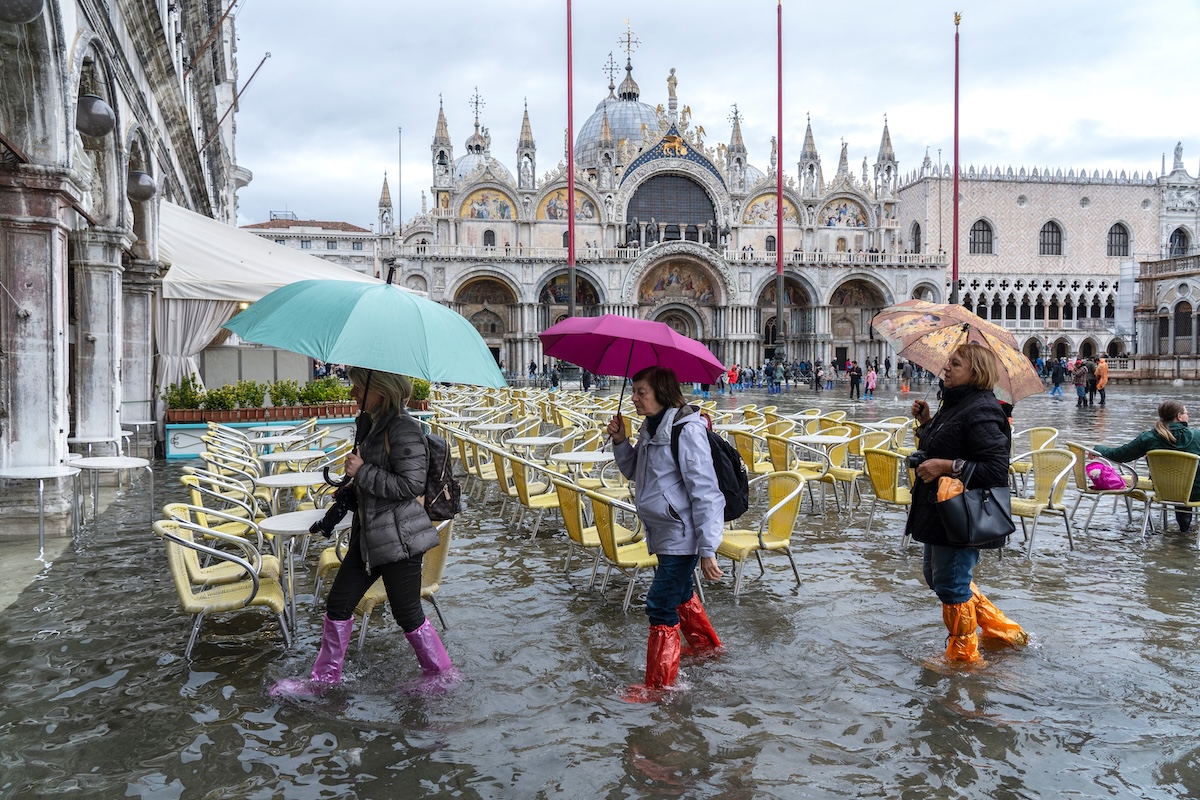
Venice sits on 118 small islands, built on wooden piles driven into lagoon mud by people who found solid ground philosophically unappealing. The city sinks roughly two millimeters every year. The MOSE flood barrier system became operational in 2020, after seventeen years of construction and eight billion euros, an impressive amount of money to stay afloat.
Acqua alta still regularly floods the streets. Residents own rubber boots the way everyone else owns umbrellas, but complaints are nowhere to be seen! They just eat risotto and get over it. Five million tourists arrive annually and find the whole arrangement deeply romantic, which is considerably easier when you’re leaving on Sunday.
11. Kivalina, USA
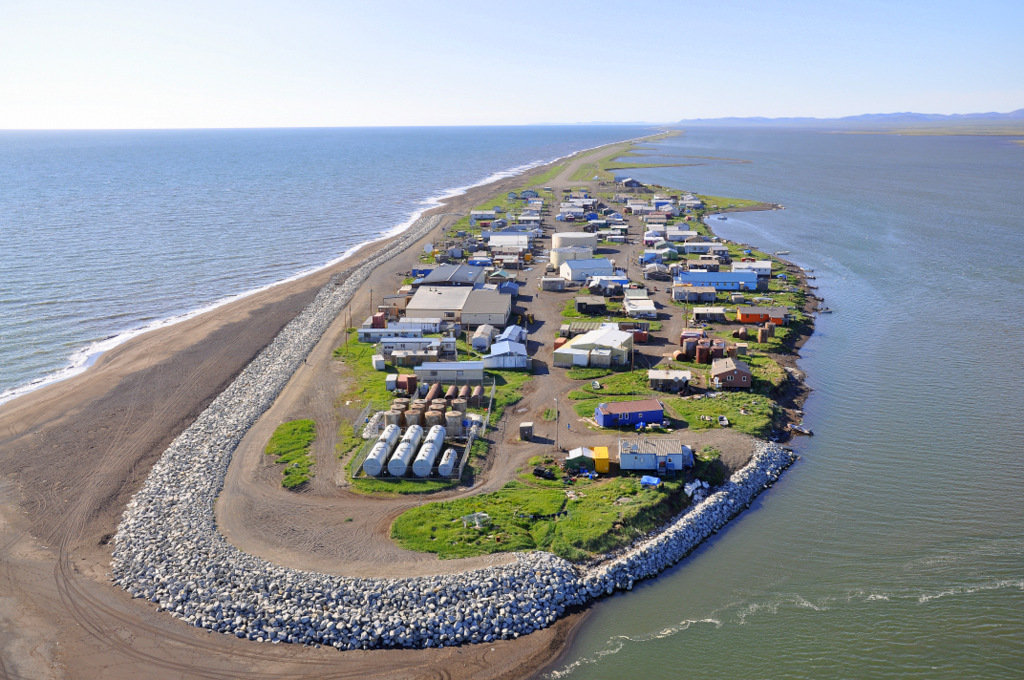
Off the northwest coast of Alaska is Kivalina, home to about 400 Iñupiat people. It is disappearing due to, you guessed it, global warming. Sea ice once protected its shores during storms, but now it doesn’t form reliably, and erosion takes more land every year. Relocating the village costs an estimated 400 million dollars, which the federal government has not funded.
The nearest road is over a hundred miles away and the only way in or out is by air. The community stays because it has been here for generations, and because leaving requires money that nobody has managed to actually produce. The situation is as straightforward and as impossible as it sounds.
10. Coober Pedy, Australia
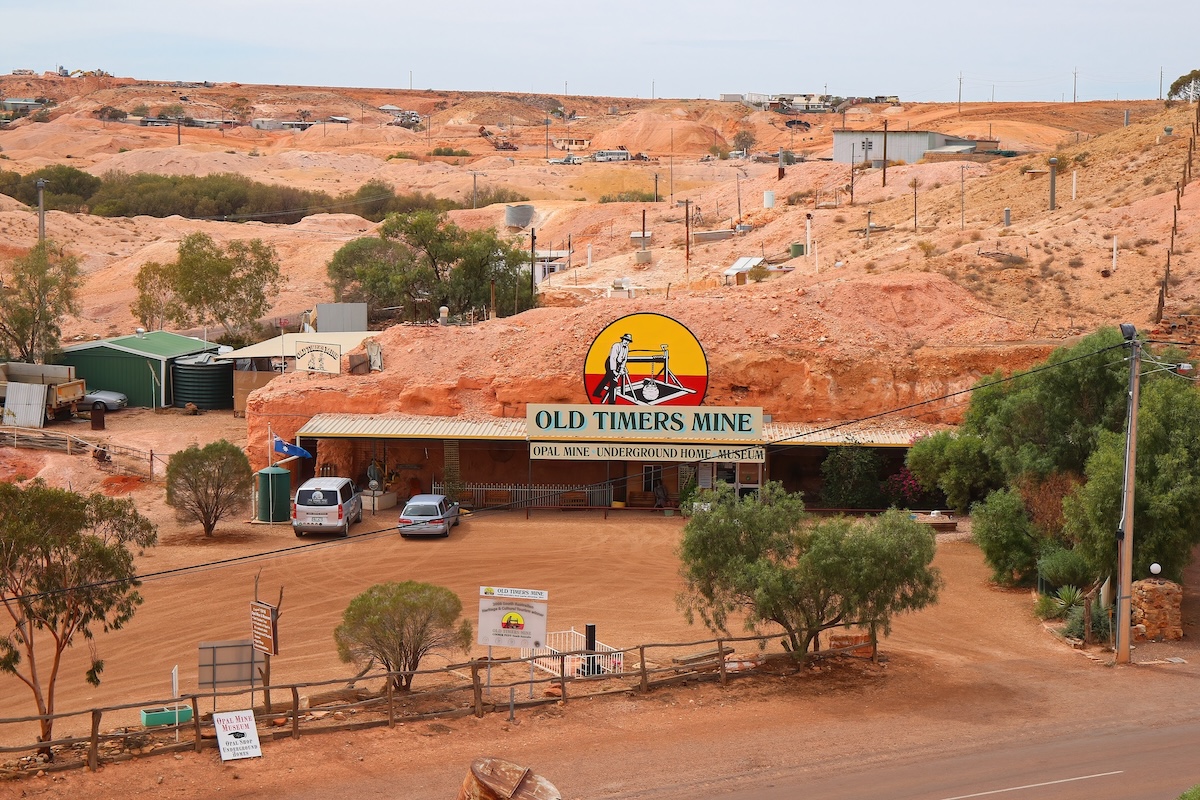
The South Australian outback regularly sees summer temperatures crack 50 degrees Celsius. Yet, Coober Pedy decided this is the place to be. The town’s reasoning was elegant: go underground. About half of Coober Pedy’s residents live in dugouts carved into hillsides, which hold a stable temperature year-round without air conditioning.
There are underground hotels. Underground churches. At least one underground bar, which feels like exactly the right place to process all of this. The town produces roughly 70% of the world’s opal supply, which explains why people put up with conditions that would finish most other communities in about a week.
9. Yungay, Peru
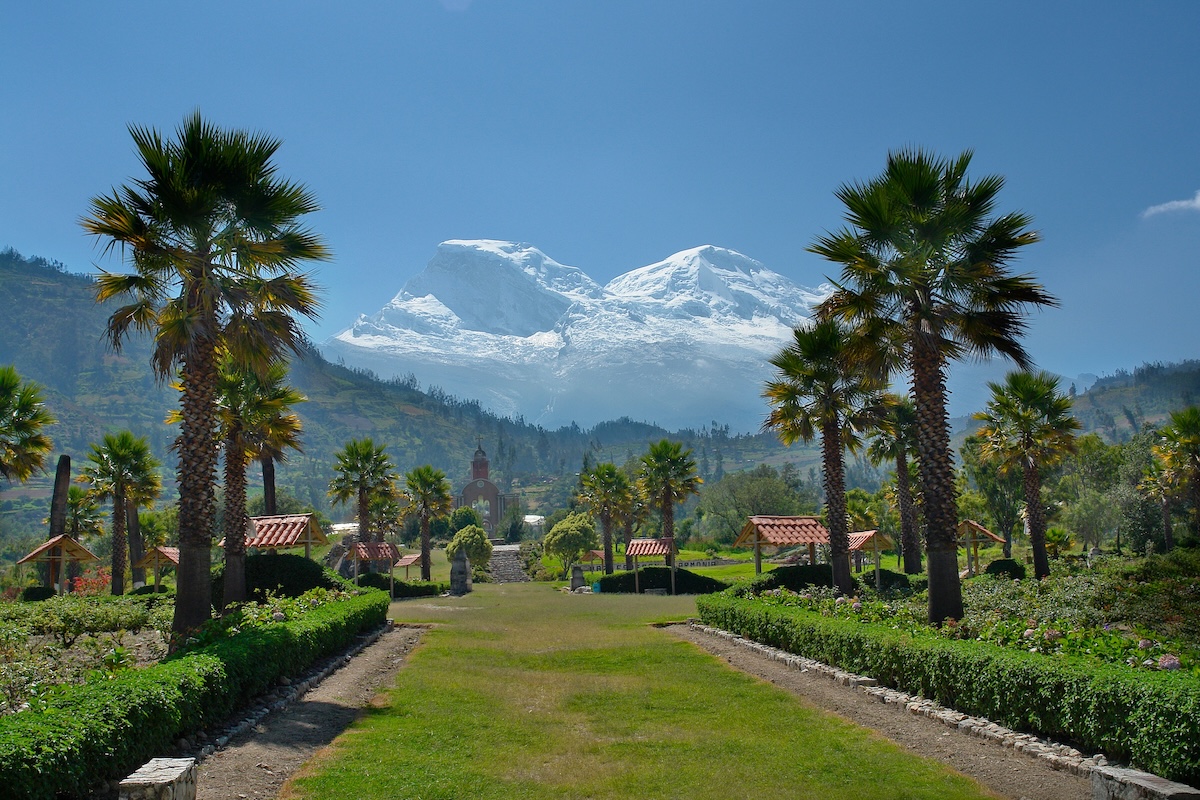
In May 1970, an earthquake shook loose a section of Huascarán, Peru’s highest mountain, sending 80 million cubic meters of ice, rock, and mud downhill at roughly 200 miles per hour. It took three minutes to bury the entire town of Yungay, and around 70,000 people died. Four palm trees and a cemetery on higher ground survived, and the debris field is still there.
Today, the site is a memorial park, marked by those same palms. A new Yungay sits nearby, home to around 20,000 people, because the valley’s agricultural land ranks among the most fertile in Peru. Huascarán is still there, too, same as always, reminding the folks down below that another landslide is just a few Richter numbers away.
8. Malé, Maldives
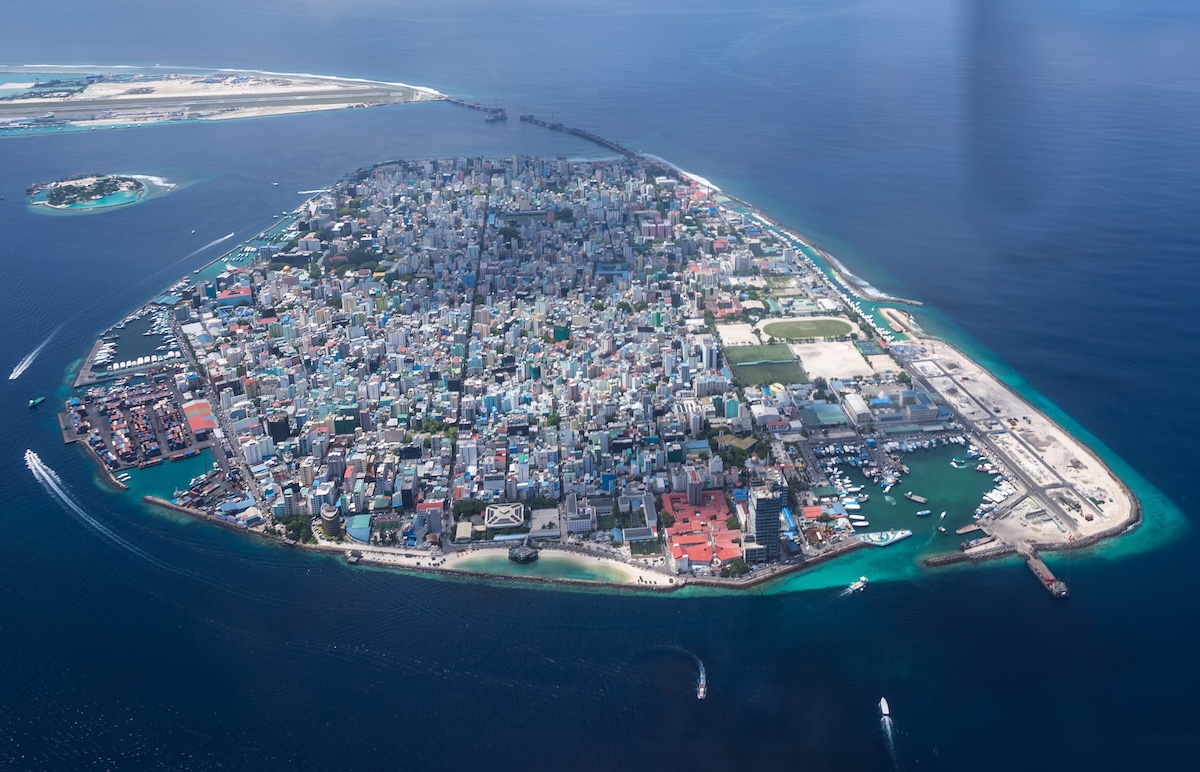
Malé packs roughly 130,000 people into two square kilometers of Indian Ocean island, placing it among the most densely populated cities on earth. The average elevation across the Maldives sits at 1.5 meters above sea level, which means there is not a lot of buffer. The government has built sea walls around Malé and constructed an artificial island called Hulhumalé to give residents somewhere marginally higher to be.
Climate projections suggest serious inundation within this century. The government has purchased land in Sri Lanka and Australia as contingency real estate, which is either responsible for long-term planning or the most alarming government property portfolio in modern history. Malé keeps building upward. It is, geometrically, the only sensible direction available.
7. Civita di Bagnoregio, Italy
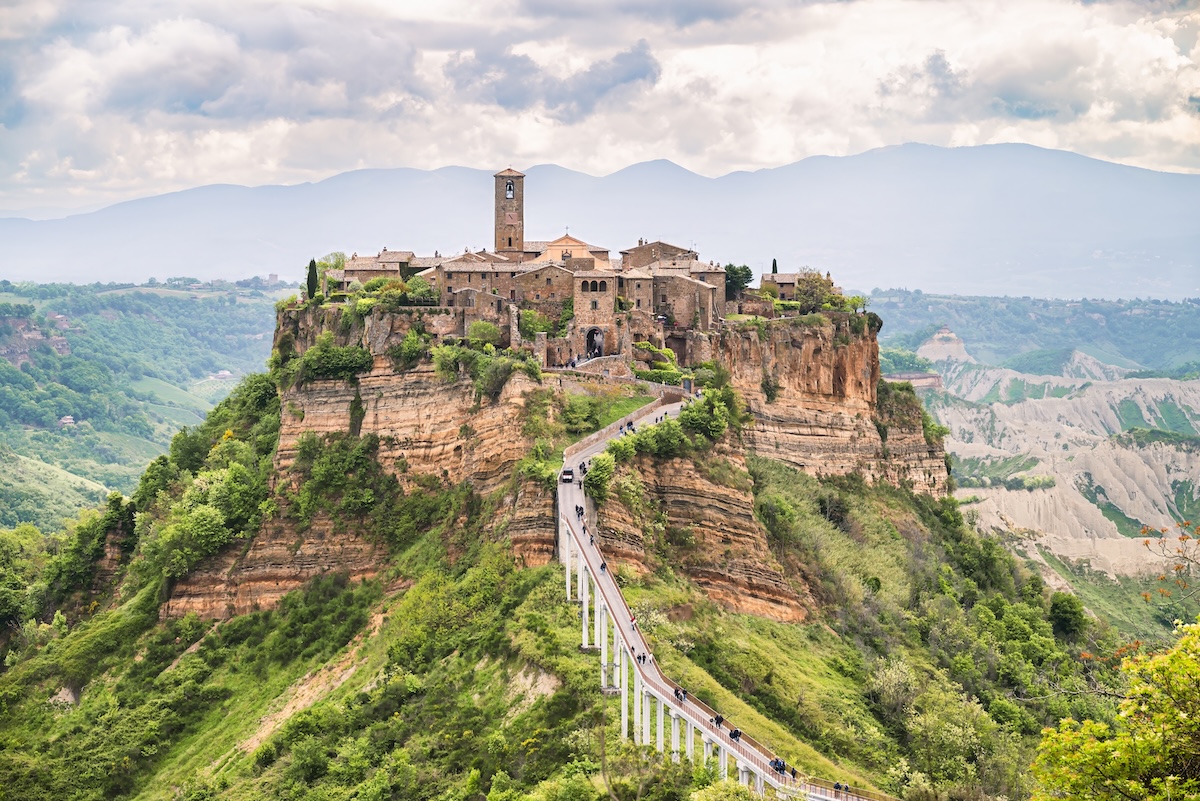
A single 300-meter pedestrian bridge connects Civita di Bagnoregio to the rest of Italy. The town sits on a plateau of crumbling volcanic tuff, and earthquakes, rain, and simple time erode the cliffs on all sides continuously. About ten people live here full-time, yet about a million tourists show up annually. The ratio is extreme enough to constitute its own category of problem.
Locals call it “la città che muore.” The dying city. It has been dying for several centuries now, which raises reasonable questions about what dying actually means in geological terms. The University of Perugia monitors the cliffs with sensors, but the ten permanent residents presumably monitor them with a more personal level of professional concern.
6. Kagoshima, Japan
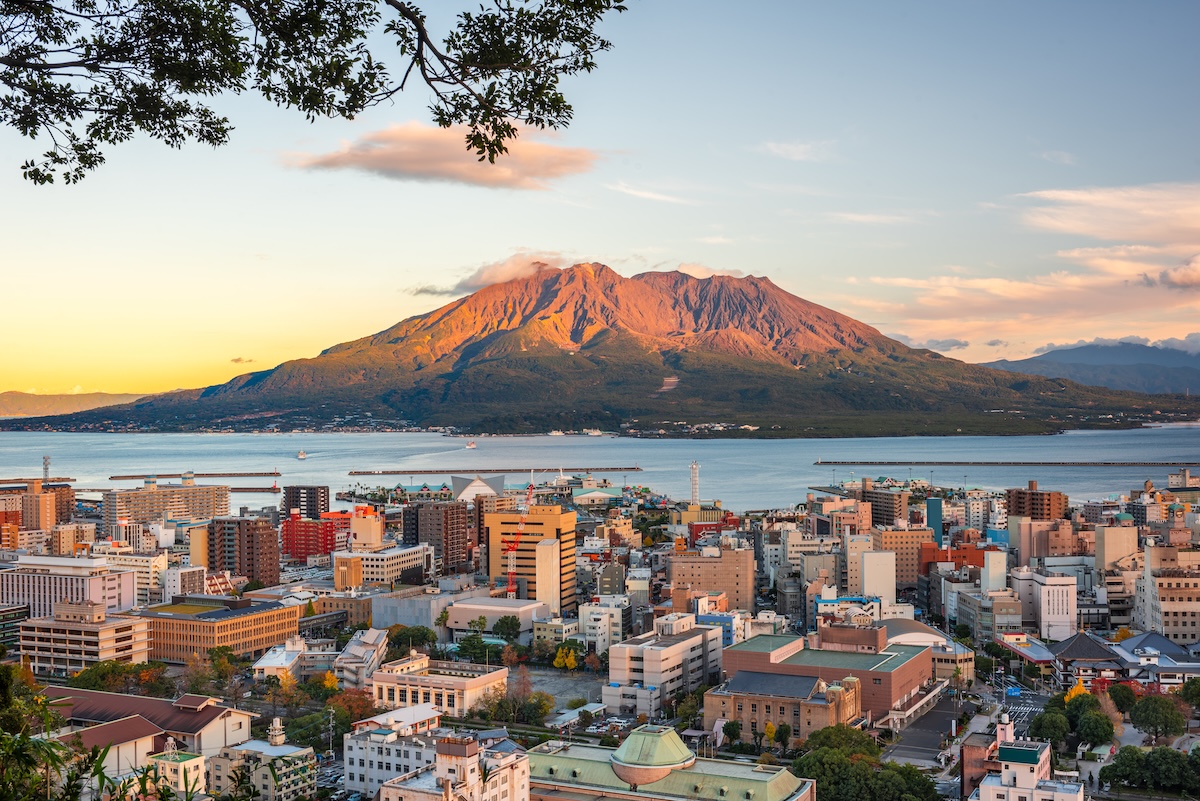
Kagoshima is a city of 600,000 people living across the bay from Sakurajima, an active volcano that erupts hundreds of times per year. Not occasionally. Hundreds of times. Annually. Residents keep go-bags packed, and check ash forecasts like you probably check the rain forecast. Here, cars accumulate ash on otherwise clear days.
The volcano last produced a major eruption in 1914, when lava flows connected it permanently to the mainland, a piece of local history that the tourist board calmly mentions. Kagoshima has excellent food, good transit links, and one of the most thoroughly rehearsed civil emergency response systems in Japan, which is saying a lot.
5. Santorini, Greece
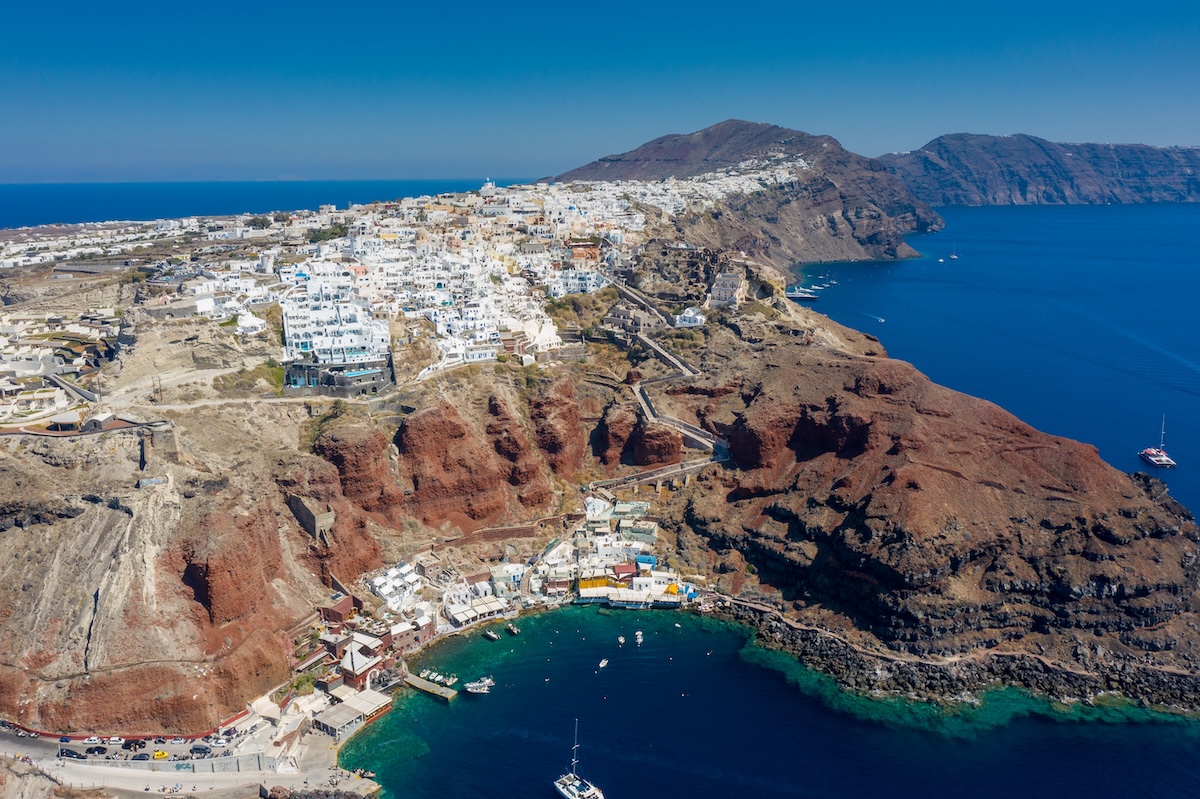
That dramatic, curved harbor, the white cliff villages, the sunsets appearing in every travel magazine for four consecutive decades… All of this precariously arranged on the rim of a volcanic caldera. The eruption that created it, around 1600 BCE, ranks among the largest in recorded human history and may have contributed to the collapse of the Minoan civilization. The caldera is still geologically active, and Santorini had a significant earthquake as recently as 1956.
About 15,000 people live here year-round, joined by roughly two million tourists annually. The white buildings of Oia and Fira cling to the caldera edge with real commitment. The wine is excellent, but the geology is worth a thorough read before booking flights.
4. Jakarta, Indonesia
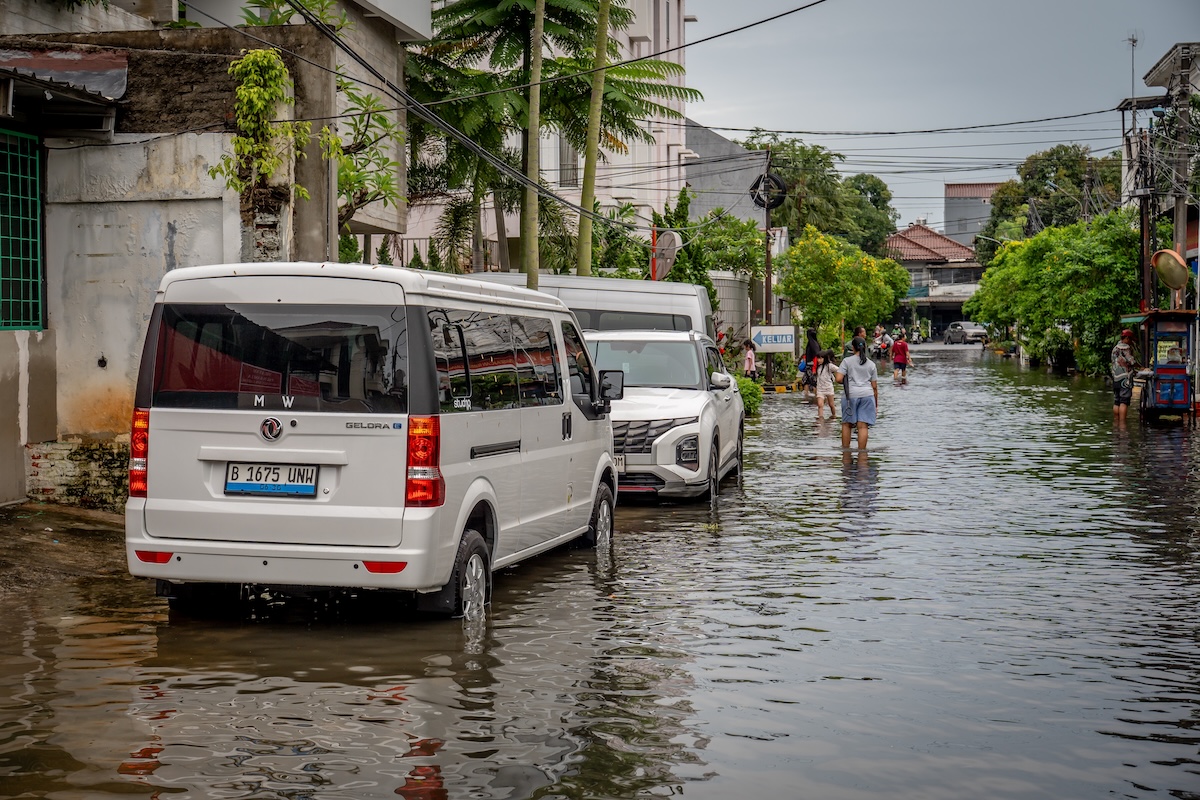
Jakarta sinks faster than any other major city on earth, with parts of the north having dropped more than two and a half meters over the past decade. It is primarily because of excessive groundwater extraction from an inadequate piping system. About 40% of the city now sits below sea level. Engineers describe the coastal defense system holding it together as insufficient, a word that engineers tend to deploy carefully and that everyone else should read with some alarm.
Indonesia has announced plans to relocate the capital to a new city called Nusantara on Borneo. Jakarta’s 34 million metropolitan residents keep going about their lives in the meantime, because 34 million people don’t relocate on any schedule that fits neatly into a government press release.
3. Longyearbyen, Svalbard
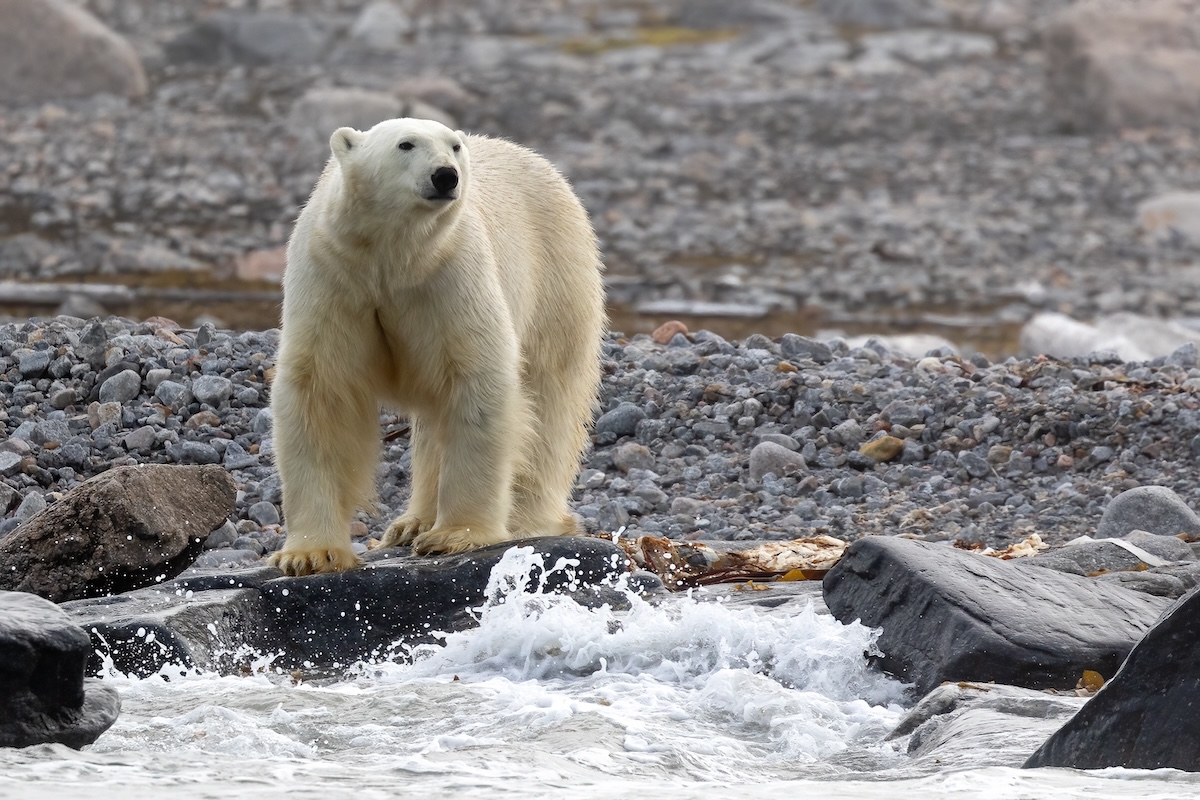
Longyearbyen sits at 78 degrees north, making it the world’s northernmost permanent settlement, and around 2,500 people live here. Polar bears outnumber humans across the wider archipelago, which is why local law requires carrying a firearm when leaving town. The permafrost underpinning the town’s infrastructure is melting, causing buildings to shift , and roads to buckle as the ground slowly loses its structural commitment to the whole project.
Avalanche risk has rendered parts of the settlement uninhabitable, forcing residents to relocate. Fresh produce arrives by plane, and winter brings months of total darkness while summer delivers a sun that refuses to set. The residents who stay tend to describe all of this as a tradeoff, which is one way to characterize it.
2. Naples, Italy
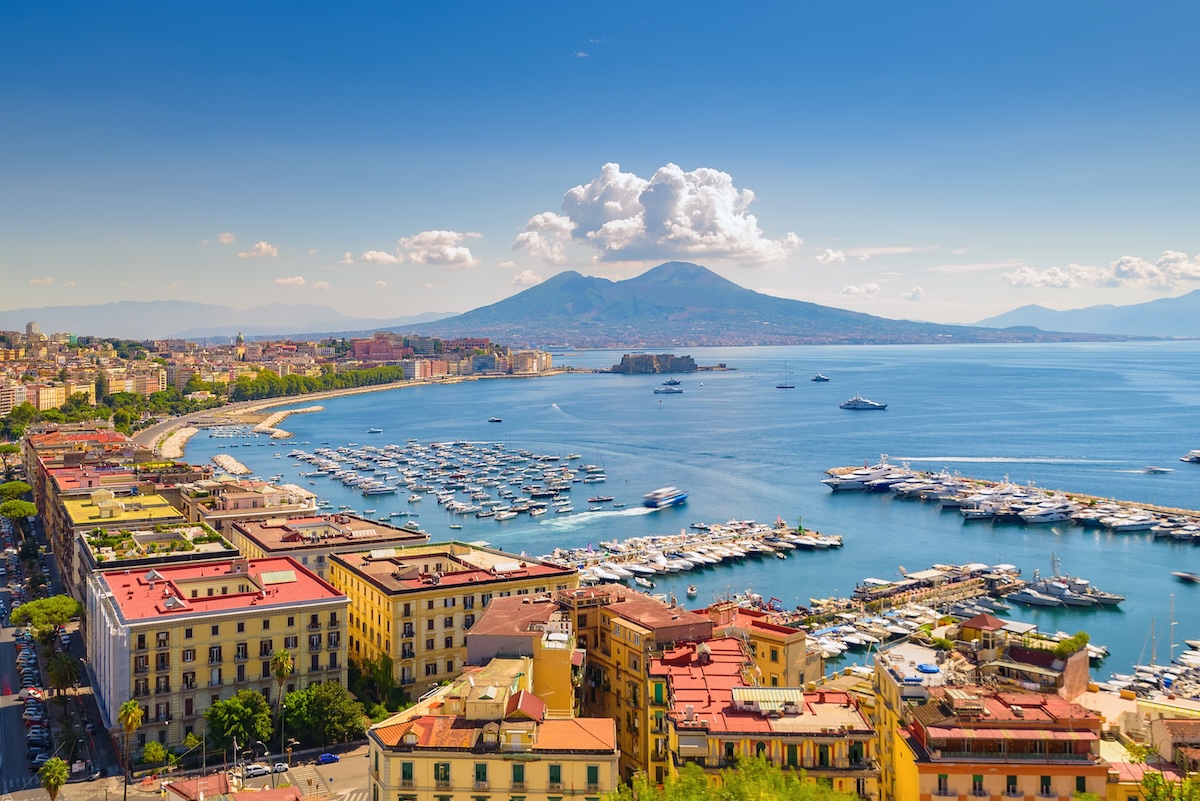
About three million people live within close range of Mount Vesuvius, the volcano that buried Pompeii and Herculaneum in 79 CE and last erupted in 1944. It’s like we learned nothing! The evacuation plan for a significant event involves moving those three million people through a limited road network in an unspecified window of time and volcanologists describe the logistics as ‘challenging’. That word is doing considerable heavy lifting.
Directly beneath the city sits Campi Flegrei, a supervolcano showing increased seismic activity in recent years, yet Naples manages to be unbothered. The pizza, coffee, and street food operate at full intensity regardless of what the ground is doing, but as long as people are fed, they will happily stay.
1. Grindavík, Iceland
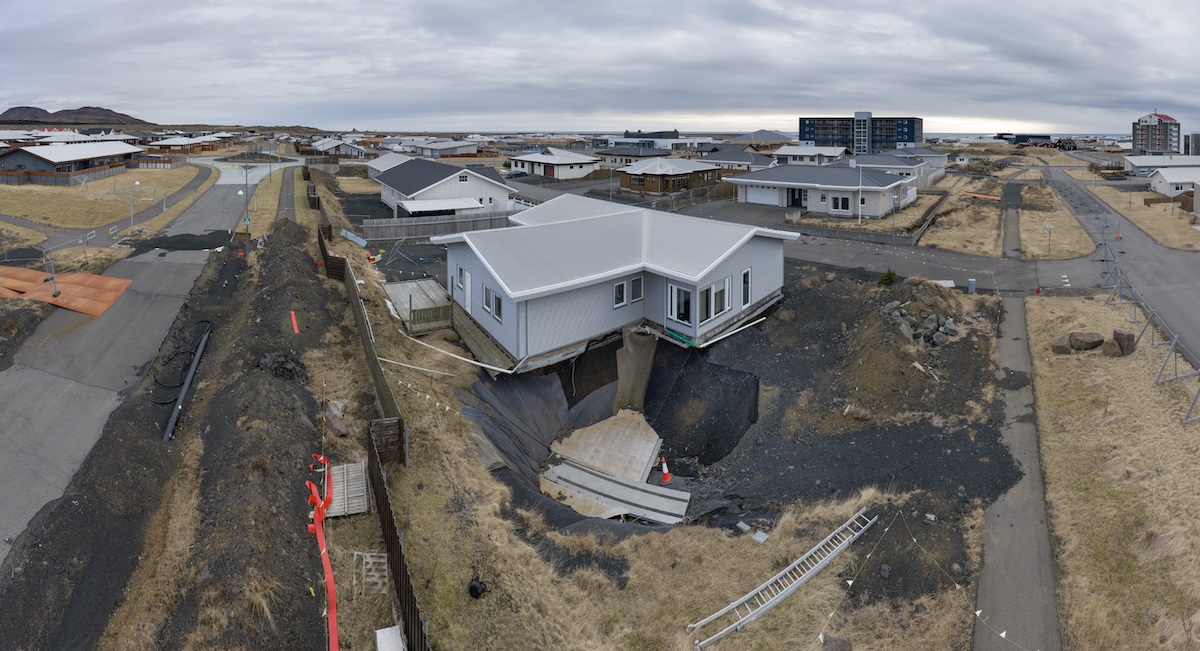
Grindavík is an Icelandic fishing town of about 4,000 people that has evacuated multiple times since November 2023, when volcanic fissures began erupting beneath the Reykjanes Peninsula. Lava flows have destroyed homes and severed infrastructure. The Blue Lagoon next door has opened, closed, reopened, and closed again in direct rhythm with whatever the earth is currently doing.
Residents keep returning between eruptions because their livelihoods and fishing quotas are there, and because Icelanders maintain a working relationship with geological instability that the rest of the world finds impressive and baffling. The eruptions continue. So does Grindavík.