
Europe has approximately one castle for every twelve towns (don’t fact-check us on that), so building a list of the most beautiful castle towns requires conviction and strong opinions held loosely. These are not castles sitting alone in fields waiting for tourists to photograph them through a chain-link fence.
These are towns that grew up in the shadow of real fortifications, organized their streets inside their walls, named their pubs accordingly, and built entire identities on the understanding that the castle was always the main point. Pack solid shoes. Cobblestones function as the one reliable constant across European civilization.
19. Werfen, Austria
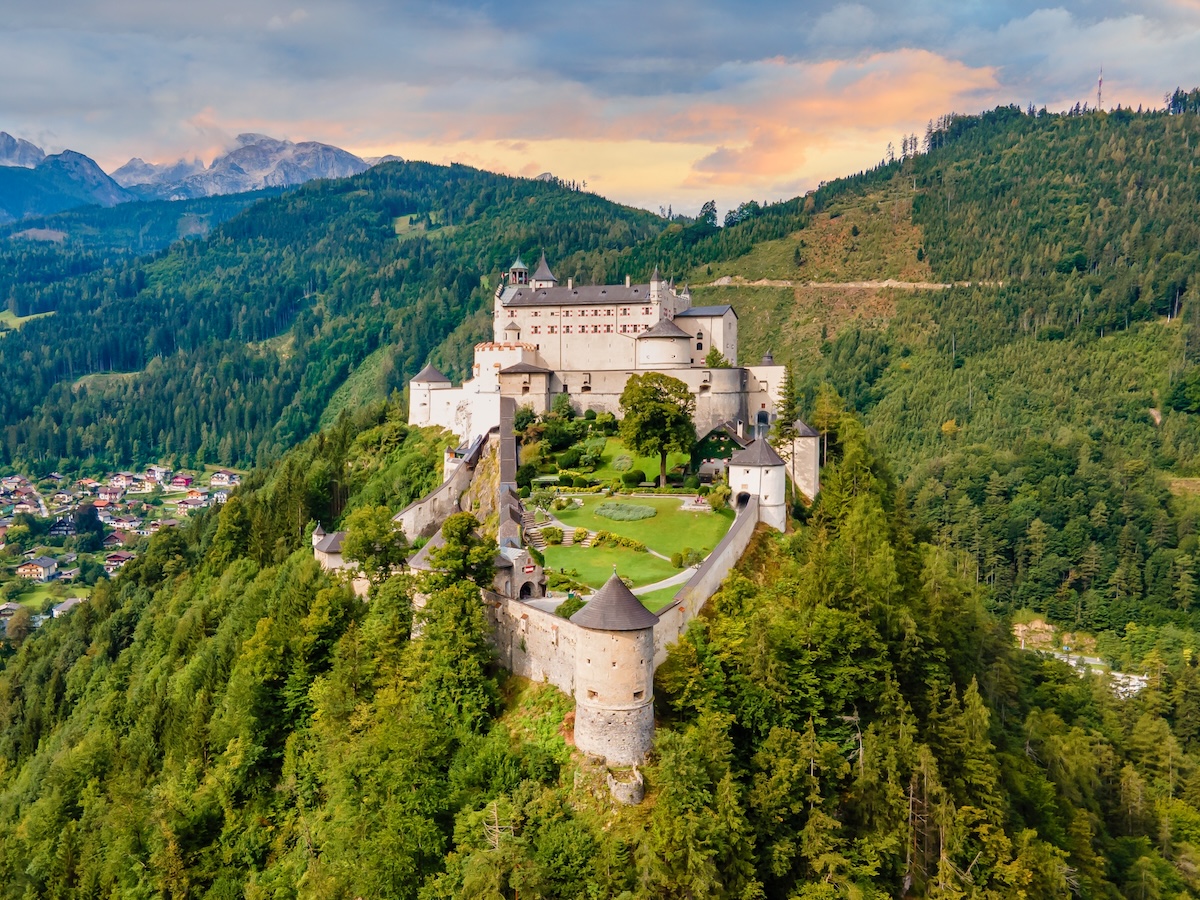
Werfen sits tucked into the Salzach Valley, about 40 kilometers south of Salzburg. This small market town nestles among the dramatic peaks of the Berchtesgaden Alps and Tennengebirge mountains.
Hohenwerfen Castle steals the show, perched on a rocky cliff 155 meters above the valley. It’s been standing for over 900 years, built around the same time as its sister castle in Salzburg. You can explore medieval rooms, watch falconry shows, and check out exhibitions inside the ancient fortress.
Werfen also gives you access to Eisriesenwelt, the world’s largest ice cave. The town keeps that traditional Austrian feel, with local shops and restaurants. Sure, it’s an easy day trip from Salzburg, but honestly, the mountain scenery and castle vibe make it worth staying longer.
18. Bouillon, Belgium
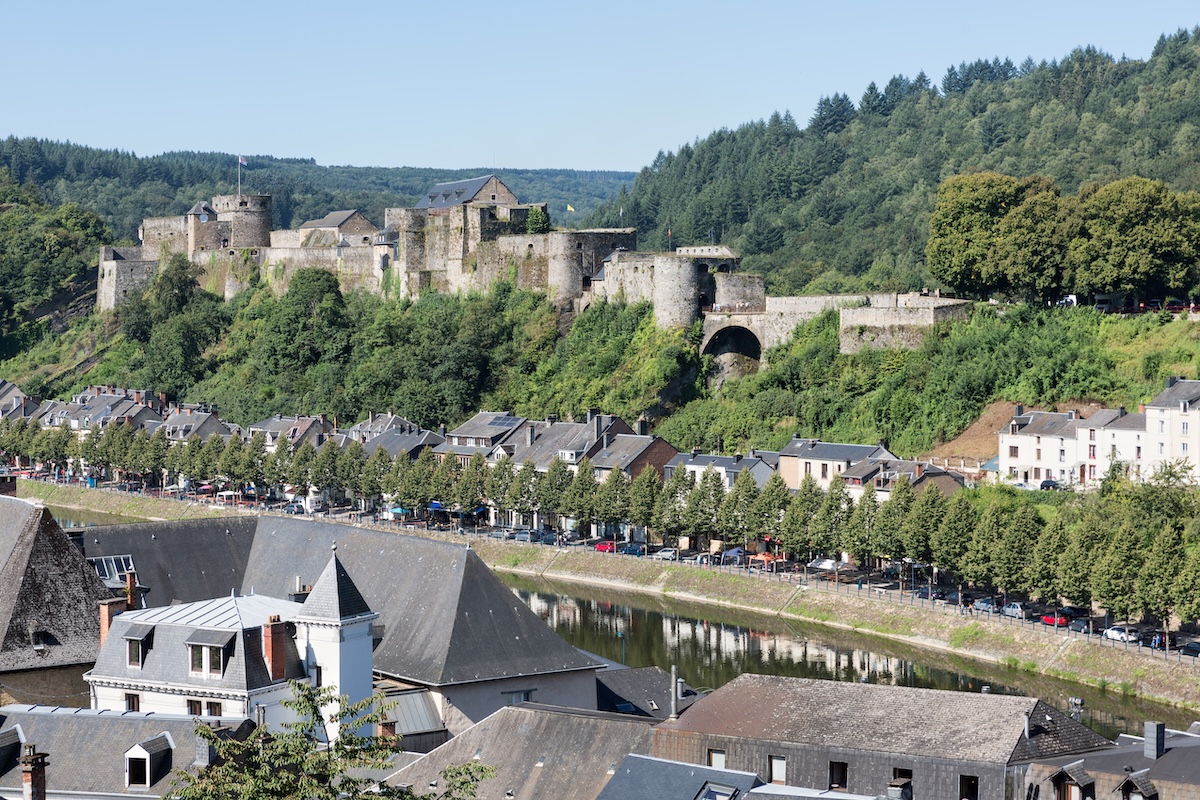
Bouillon hides in the Belgian Ardennes, where a massive medieval fortress has watched over the Semois River for more than 1,000 years. The castle sits on three rocky peaks and is one of the oldest feudal structures in Belgium.
Cross three drawbridges into the main courtyard. The ducal palace houses the 13th-century Salle Godefroy de Bouillon. If you climb the 16th-century Tour d’Autriche, you’ll get views stretching across the winding river and the town below. Inside, you’ll wind through torture chambers, cisterns, and dungeons. There’s even a well shaft that drops 65 meters deep. The surrounding valley has hiking trails and riverside walks.
Bouillon’s less than two hours from Brussels and close to the French border—makes for a pretty easy weekend escape.
17. Vitré, France
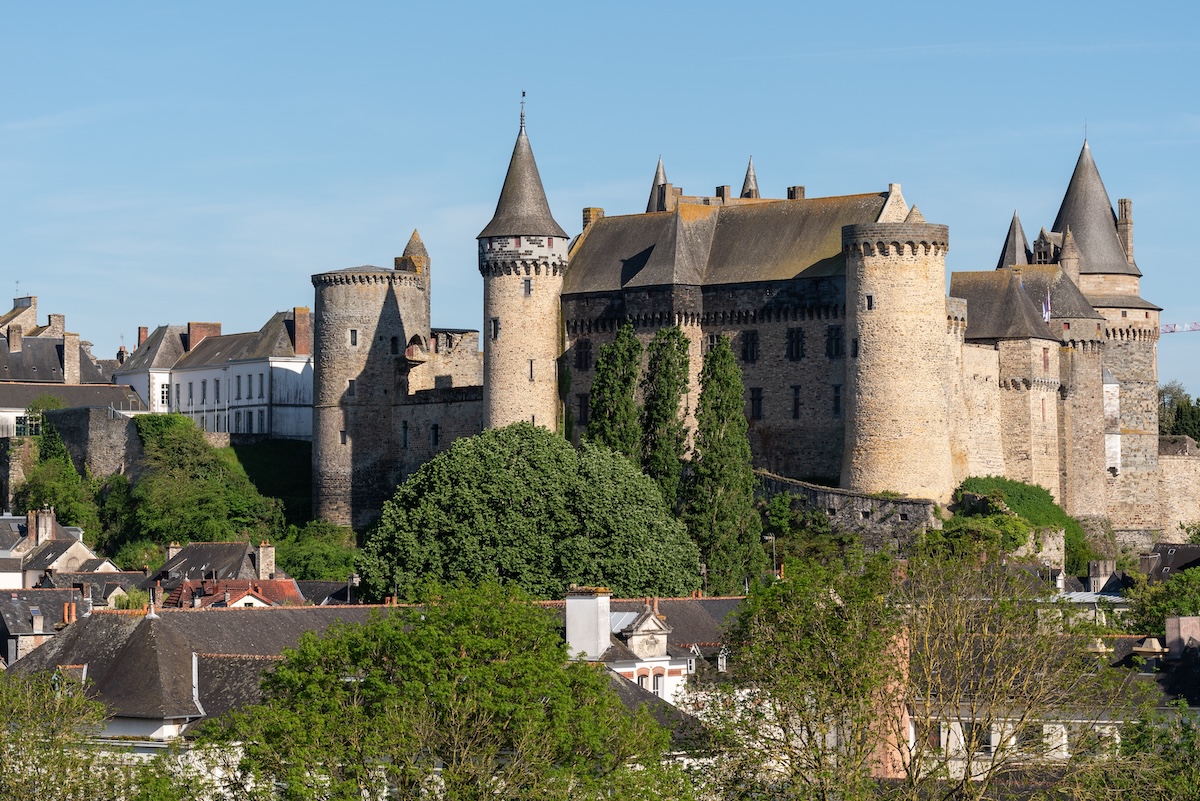
Vitré perches in western Brittany, where medieval France comes alive through its cobblestone streets and towering fortress. The Château de Vitré rises above the Vilaine River, its granite walls standing for nearly a thousand years. Built around 1060 and rebuilt during the 13th to 15th centuries, the castle once guarded the border between the Duchy of Brittany and the Kingdom of France.
Walking through town feels a bit like stepping onto a film set. Half-timbered houses line the narrow streets, their colorful facades leaning together in that haphazard, charming way old buildings do. The castle became one of France’s first protected monuments back in 1872.
Here, you’ll mix castle exploration with wandering through one of France’s best-preserved medieval towns. The tiny shops and architecture really do make you feel like you’ve slipped back to the time of knights and cloth merchants.
16. Bellinzona, Switzerland
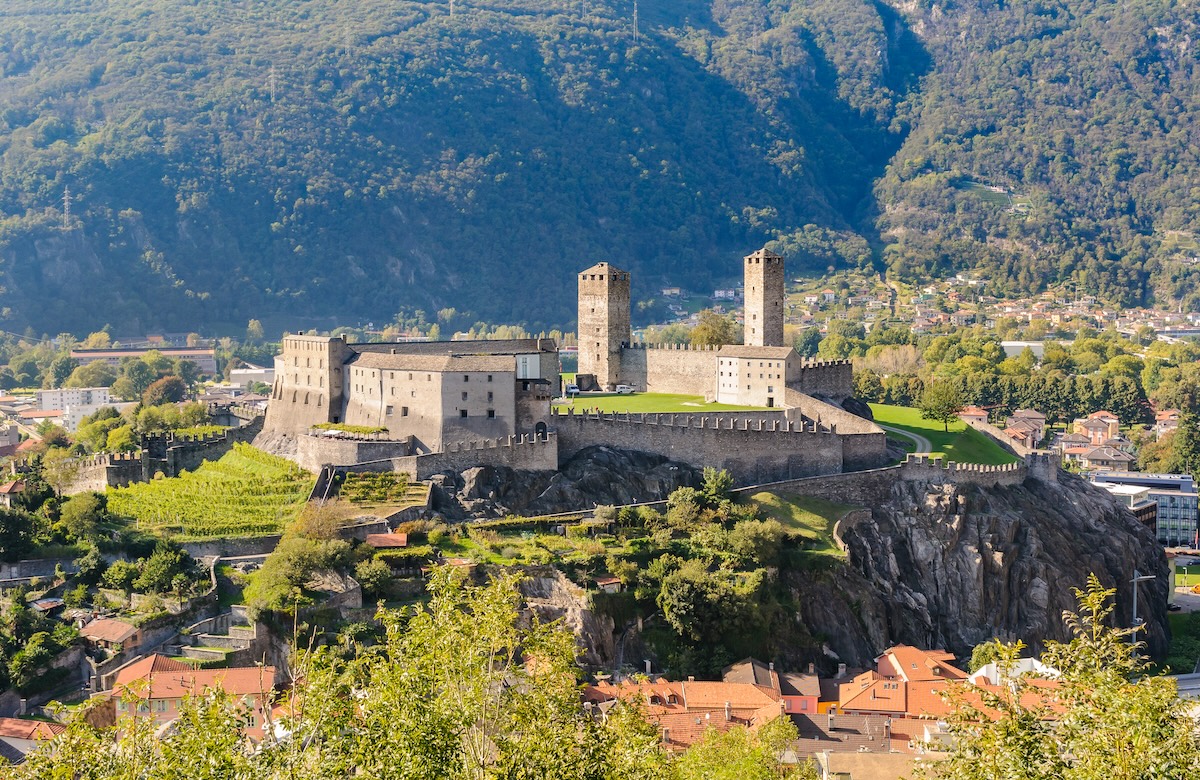
Three medieval castles watch over this Swiss town in the Ticino region. The fortresses sit on hillsides, their stone walls and towers giving the skyline a storybook look.
Castelgrande, Montebello, and Sasso Corbaro date from the 15th century. In 2000, UNESCO gave them World Heritage status. Defensive walls once linked the castles and protected the entire valley—some of the best medieval military architecture in the Alps, if you ask me.
The town itself mixes Swiss efficiency and Italian charm. Wander the cobblestone old town, then climb up to the castle grounds for views over red-tiled roofs and the mountains. The Ticino River runs through the valley, adding to the atmosphere.
15. Alnwick, England
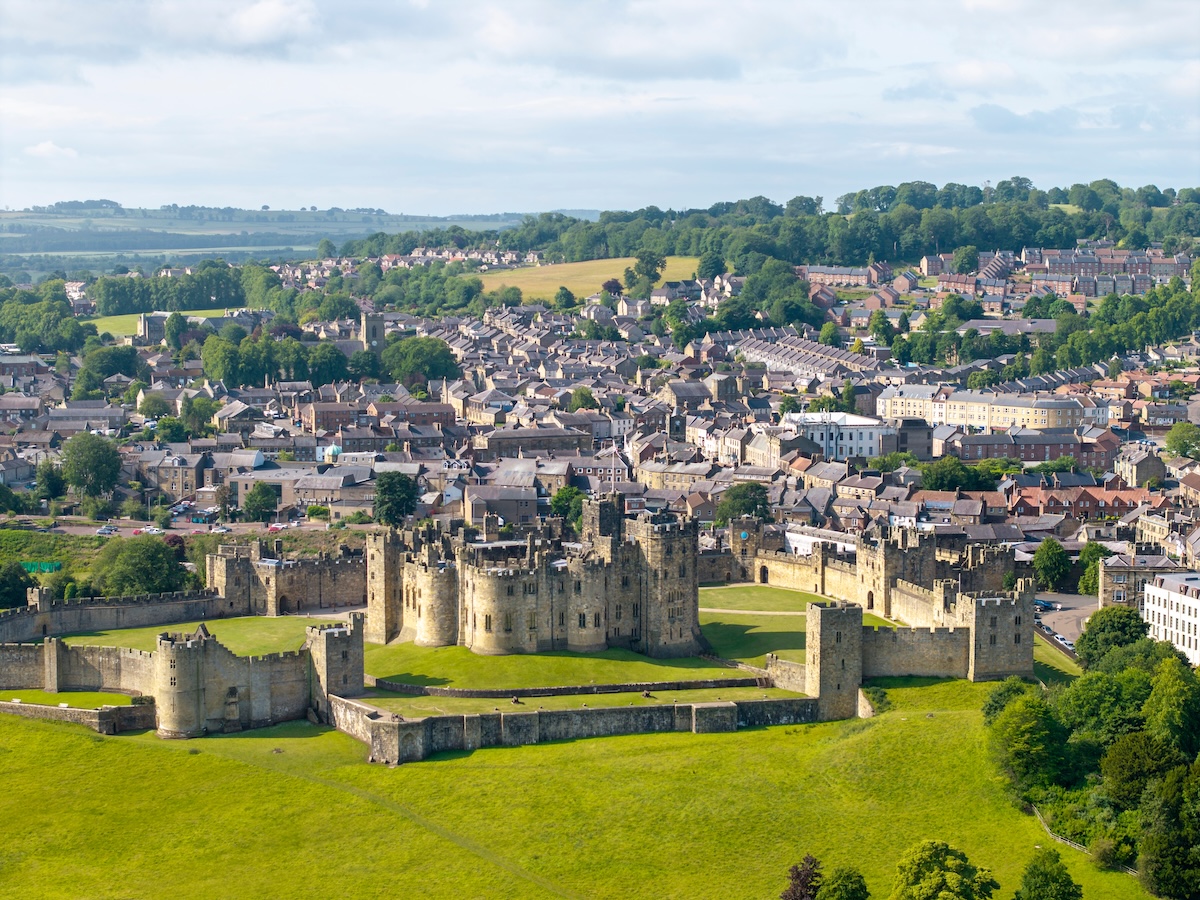
Alnwick sits tucked away in Northumberland, where a massive medieval castle towers over the River Aln. This isn’t just any fortress gathering dust—the Duke and Duchess of Northumberland actually live here. It’s the second largest inhabited castle in England after Windsor.
The castle’s stone walls have stood for over 1,000 years, surviving Scottish invasions and English civil wars. You can explore the State Rooms, which are packed with art and furniture collections. If the castle looks familiar, well, it played Hogwarts in the Harry Potter films. Guided tours show you exactly where those scenes happened. The castle also popped up in Downton Abbey and other big productions.
The town wraps around the castle with a market square and historic streets that are worth a stroll. Nearly 200,000 visitors come here each year for that blend of living history and a bit of movie magic.
14. Tarasp, Switzerland
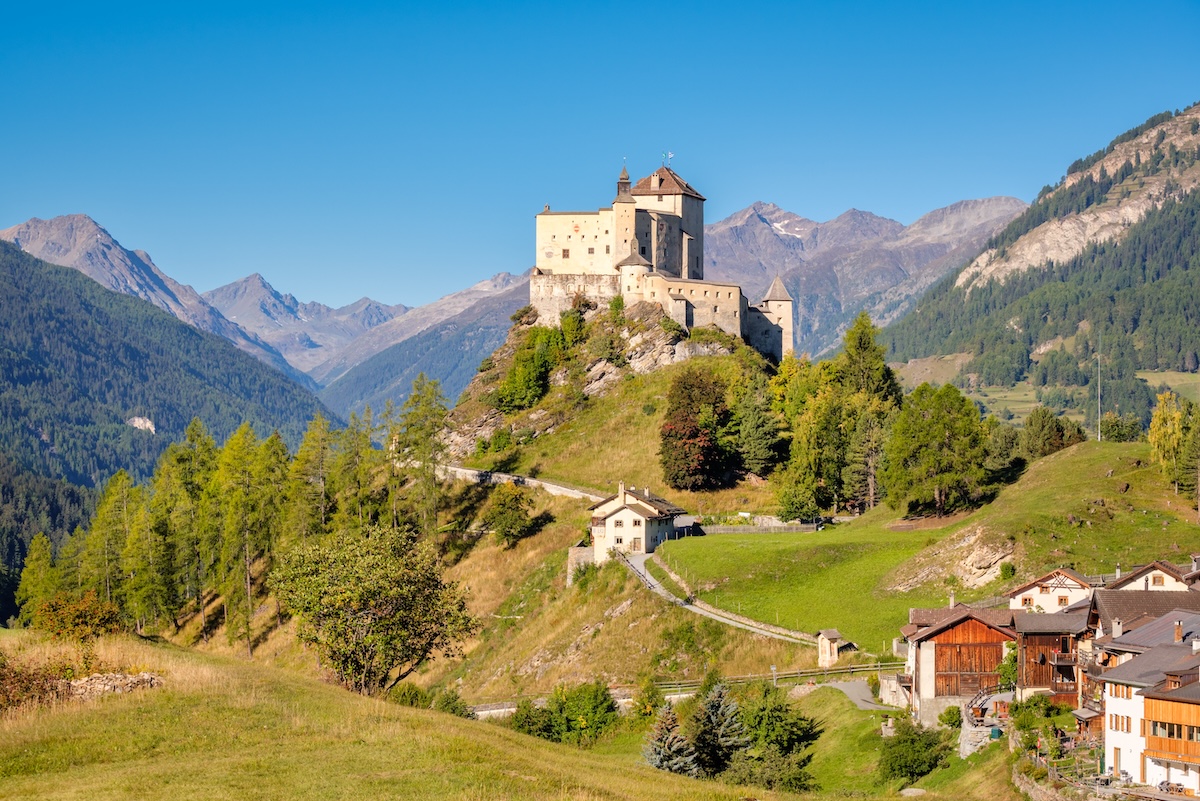
Tarasp Castle sits high on a rocky hill in the Engadin valley, towering over the landscape at 1,400 meters above sea level. Local lords from the Lake Como area built it around 1040.
This medieval fortress changed hands plenty of times over its 1,000-year history. It was Austria’s last enclave in Switzerland until Napoleon handed it over to the Helvetic Republic in 1803. Guided tours take you through knights’ halls, ballrooms, and old bedrooms. The castle chapel has a huge organ with 2,500 pipes, and regular concerts fill the halls with music.
The views from Tarasp Castle stretch across the valley and the lake below. Since 1919, visitors have come to experience one of Switzerland’s best-preserved medieval fortifications.
13. Sirmione, Italy
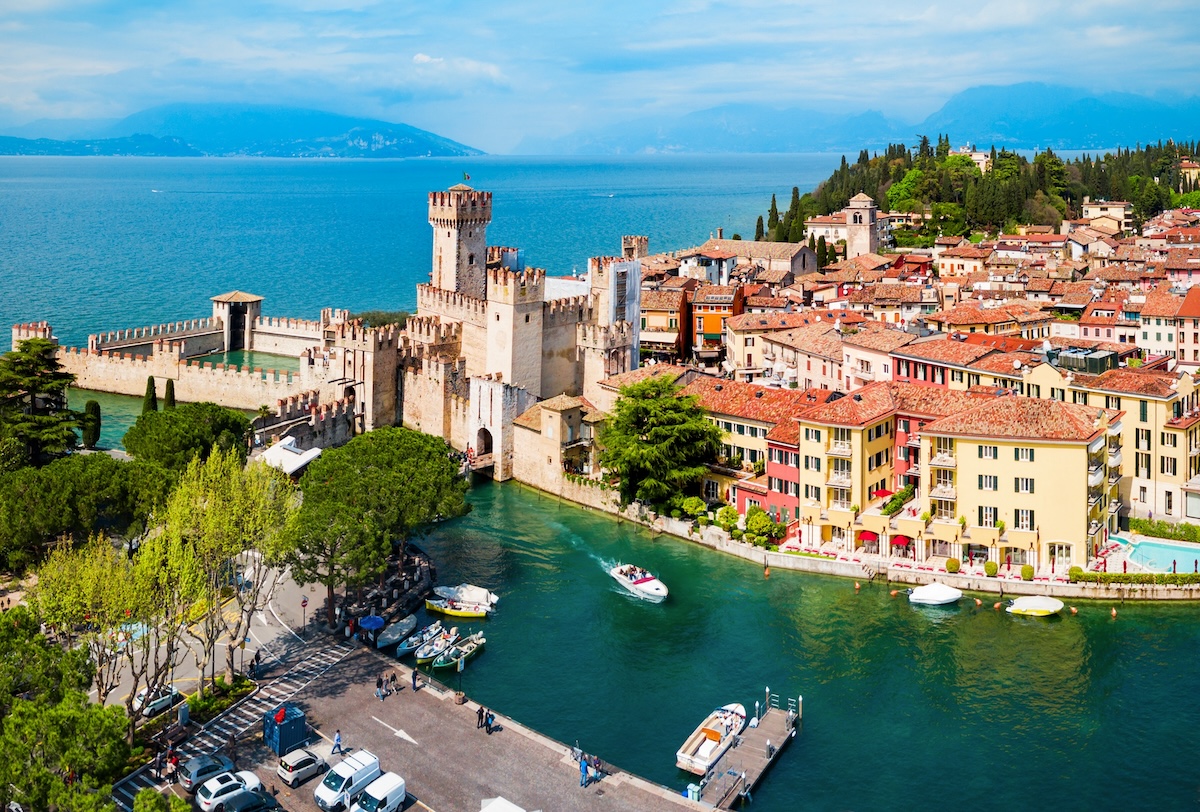
Sirmione stretches into Lake Garda’s turquoise waters on a narrow peninsula in northern Italy. The town sits on a strip of land just 400 meters long and 200 meters wide—perfect for wandering without wearing yourself out.
The Scaliger Castle guards the entrance to the old town. Built in the 13th century, this medieval fortress rises straight from the lake and is among Italy’s best-preserved castles. You’ll cross a drawbridge and pass through fortified gates to enter, which honestly feels pretty cool.
Beyond the castle, you can check out the Roman villa ruins called the Grotte di Catullo. The town also has thermal baths if you want to relax. Lake Garda draws over 22 million visitors a year, and a lot of people say Sirmione is the most beautiful of the lake’s 24 villages. The crystal-clear waters and sun-drenched vibe make it easy to see why.
12. Bragança, Portugal
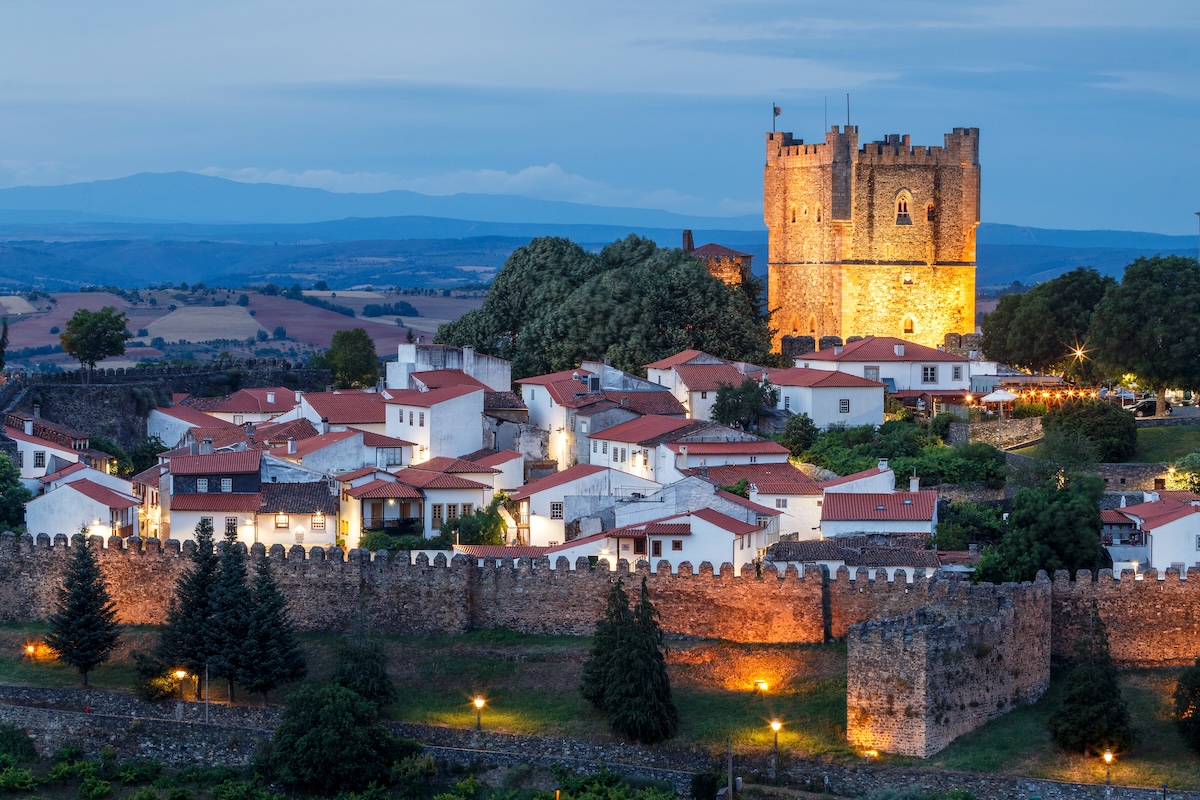
Bragança sits in the remote northeast corner of Portugal, where medieval walls still guard cobblestone streets. The town splits into two parts: an ancient citadel on the hilltop and a lower town along the Fervença River.
The Castle of Bragança dominates the skyline with its 15th-century keep and Gothic windows. King João I ordered its construction in 1409, though there were fortifications here long before. Inside the keep, you’ll find the Military Museum spread across five floors.
What stands out here is just how much survived through the centuries. The castle walls, towers, and gates look much like they did 600 years ago. Families still live inside the old citadel, so the historic quarter feels lived-in, not like a museum.
11. Karlštejn, Czechia
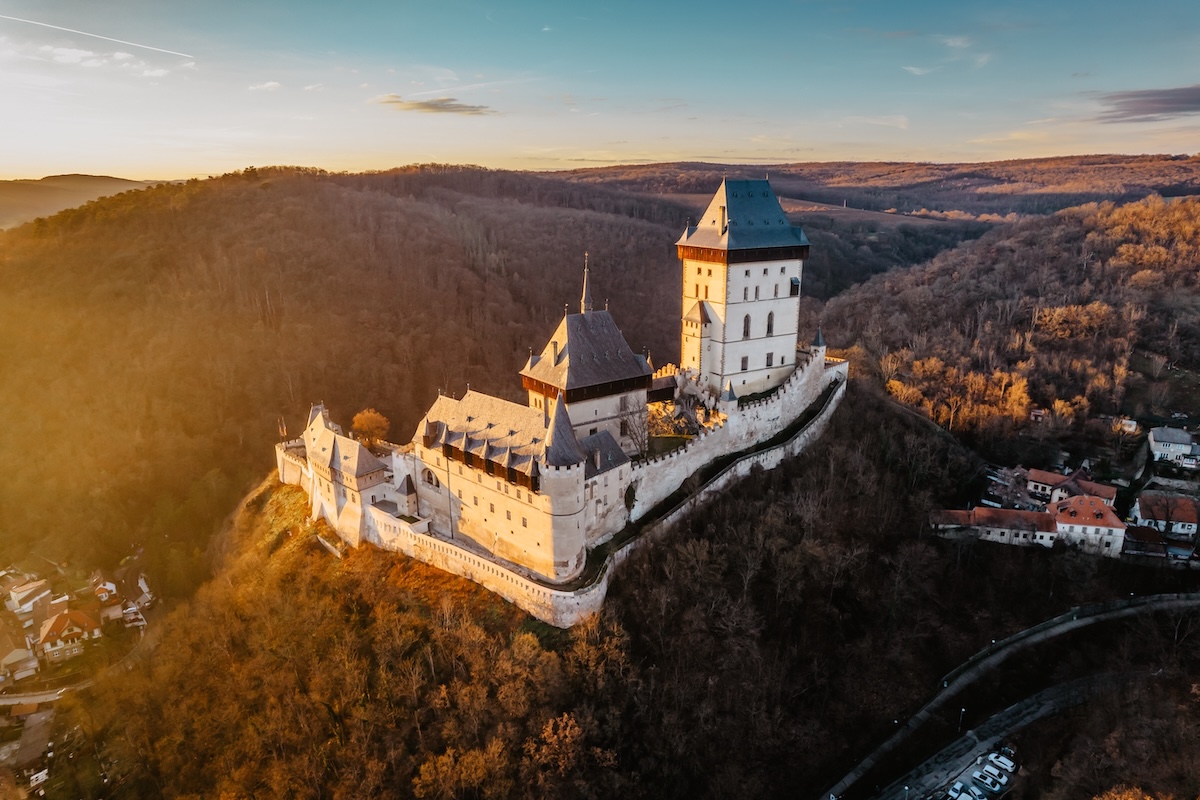
Karlštejn sits tucked away in the Bohemian countryside, about 45 minutes from Prague. The village huddles at the foot of a striking Gothic castle that looms above the Berounka River valley. Back in 1348, King Charles IV decided to build Karlštejn Castle to guard the crown jewels and holy relics. The fortress climbs a limestone cliff in layers—each one a bit more impressive than the last. Honestly, it’s no wonder so many people visit; the place has a certain magic.
If you walk from the village up to the castle, you’ll wind through wooded hills and pass old-school Czech houses along the way. Inside, you can check out the rooms where they once hid royal treasures. If you’re up for it, the nearby nature reserve has hiking trails that let you wander further than just the castle grounds.
The medieval village below still feels old-world, dotted with cozy restaurants and quirky little shops.
10. Stirling, Scotland
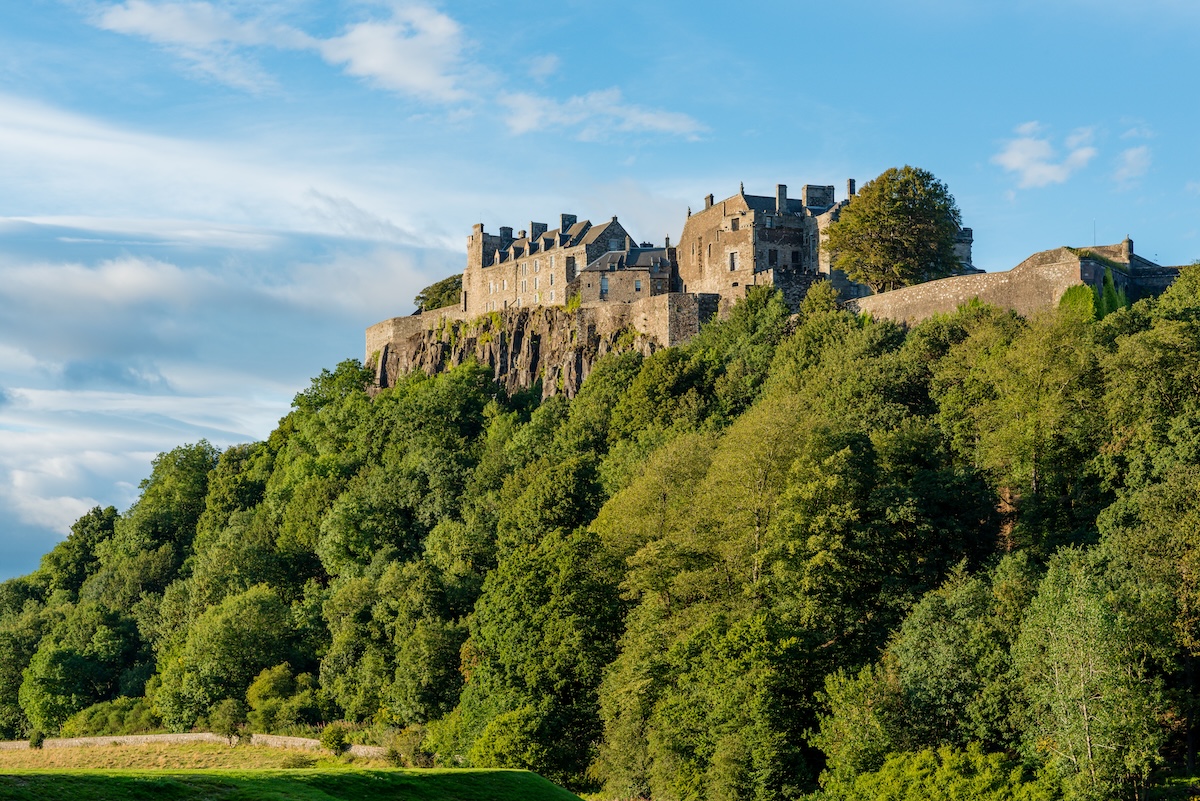
Stirling Castle commands a volcanic crag 250 feet above town, a geological situation that Scottish kings treated as non-negotiable real estate for five straight centuries. Sixteen major battles took place within sight of this rock, so you know everyone wanted it very badly. The town spreads downhill from the castle gates, its medieval street grid still intact and surprisingly navigable once you accept that “head toward the castle” is the only direction you will ever need.
The Old Town holds an impressive density of medieval and Renaissance architecture. The Church of the Holy Rude hosted the coronation of infant James VI in 1567, giving it bragging rights over almost every other church in Scotland, a distinction it carries with considerable confidence.
9. Vianden, Luxembourg
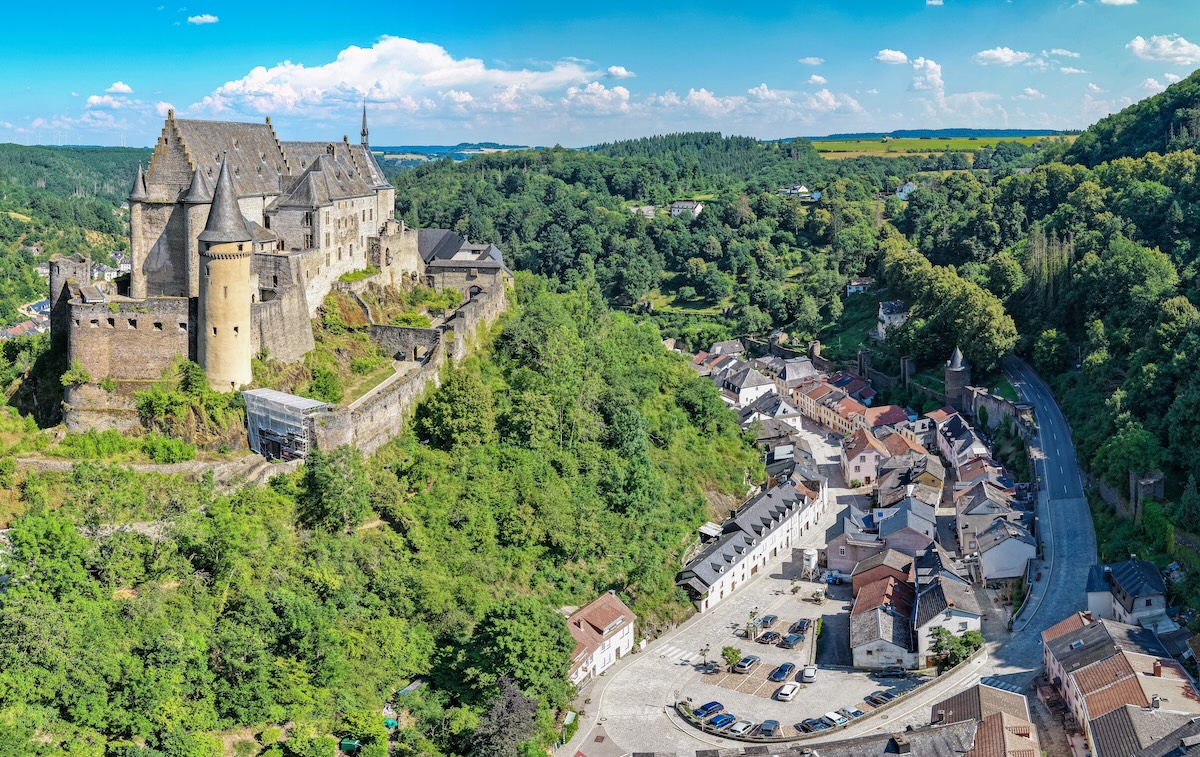
In Luxembourg’s town of Vianden, you will find only 1,600 residents and a castle so disproportionately large it looks like someone miscalculated badly at the planning stage. The Castle of Vianden rises above the Our River valley in a spread of towers and halls covering a surface area honestly described as “more castle than most countries need.” Victor Hugo came here in 1871 and kept returning, which counts as a credible literary endorsement from someone with particularly high standards.
The town below the castle is compact, stone-built, and walkable in an afternoon. The chairlift above the Our valley gives you a broader perspective on the whole ensemble that confirms the scale situation is real and entirely worth the trip.
8. Trakai, Lithuania
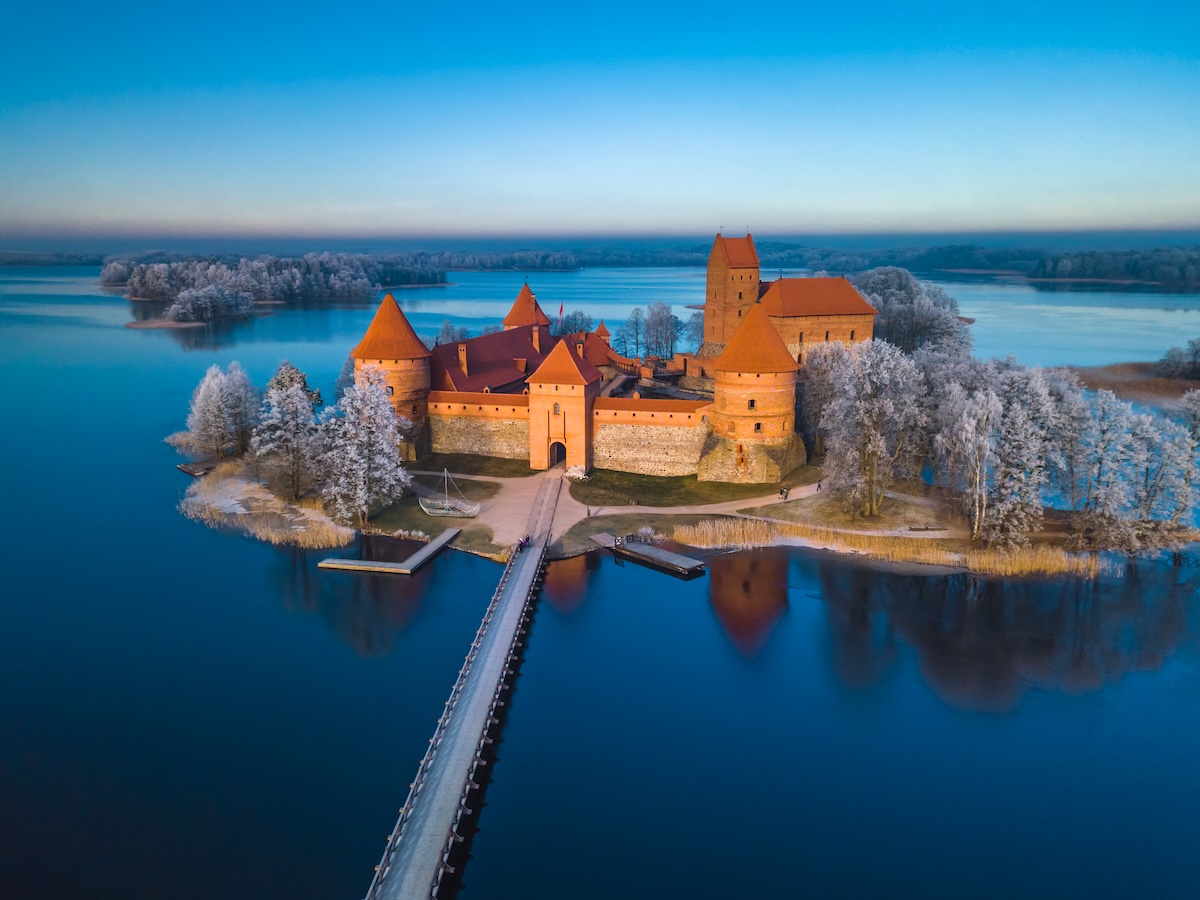
Trakai arranges itself across a cluster of islands in Lake Galvė, roughly 17 miles west of Vilnius, with the 14th-century Island Castle occupying its own small island at the center of the lake. The red-brick towers reflect in the surrounding water with an intensity that could make drone photographers cry actual tears of professional gratitude. The combination of medieval brickwork, lake, and surrounding pine forest hits pretty hard, fulfilling any childhood fantasy princesses, knights, and dragons.
Day-trippers arrive from Vilnius in massive numbers, meaning an early start or an overnight stay earns considerably more of the place. Kibinai, the local pastry stuffed with meat or mushrooms, deserves its own paragraph but will accept this sentence.
7. Gruyères, Switzerland
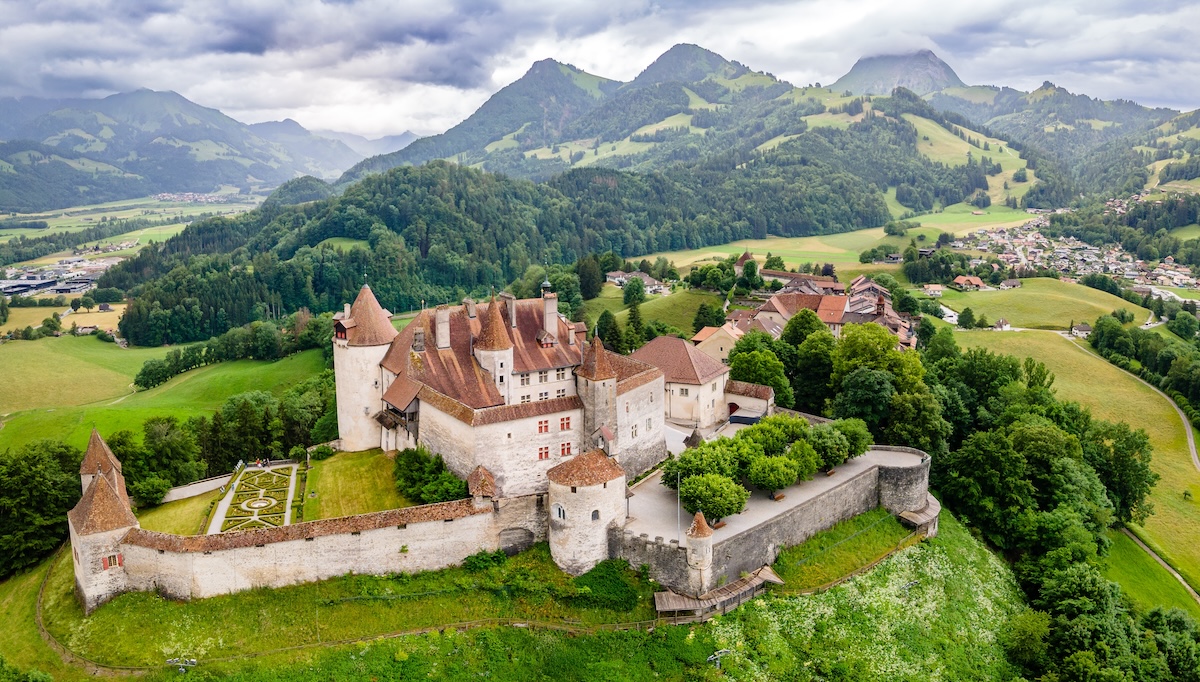
The Swiss pre-Alps is home to a medieval village that shares its name with the most famous cheese in Switzerland, giving the local tourist board two entirely separate marketing angles to manage simultaneously. The castle at the top of the single main street dates from the 13th century and draws visitors on architectural merit alone, the cheese connection functioning as a bonus. The cobbled main street running from the town gate to the castle entrance ranks among the more intact medieval commercial streets in Central Europe.
The local fondue runs mandatory and excellent. The H.R. Giger Museum in the lower village, displaying work by the Alien designer, gives the castle an unusually surreal neighbor and raises the town’s overall conversational value considerably.
6. Fougères, France
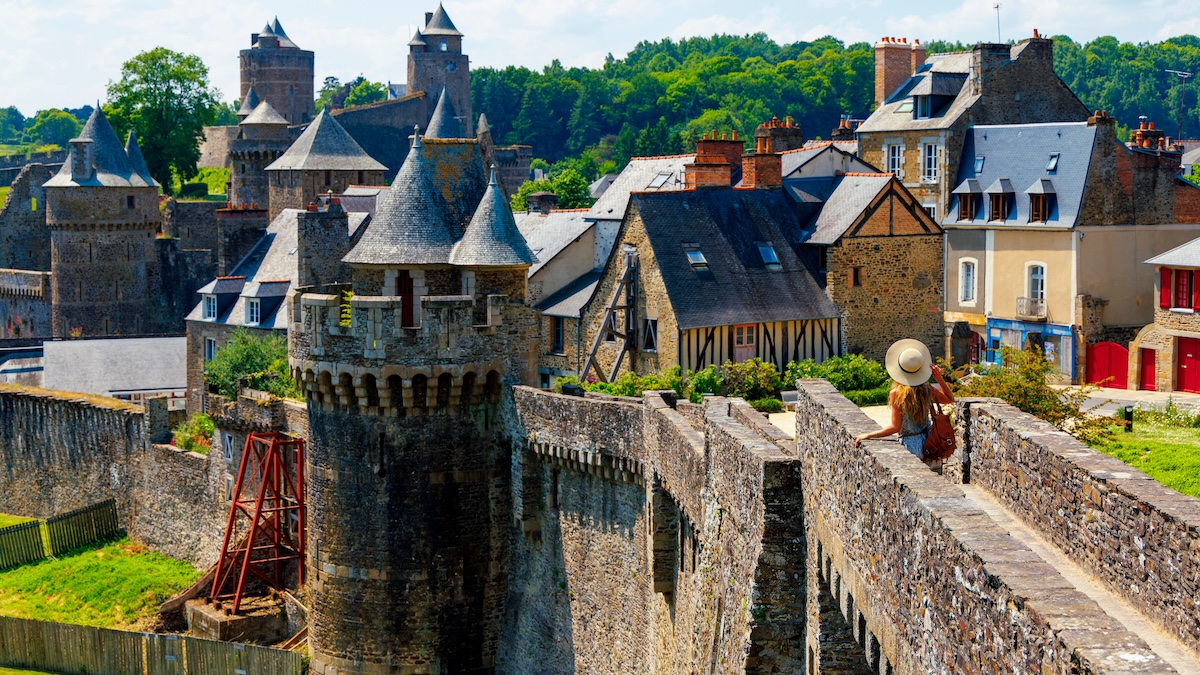
Fougères holds one of the largest medieval fortresses in Europe, which is a meaningful distinction in a region of Brittany that has no shortage of significant fortresses. The castle occupies the river valley below the town, not the hill above it, an arrangement that medieval defensive architects presumably found suboptimal but that visitors find deeply photogenic. Thirteen towers ring the walls, giving any theoretical defender an enormous amount to manage and any actual tourist an enormous circuit to walk.
The upper town holds historic churches, timber-framed houses, and one of the more pleasant public gardens in the region. Victor Hugo and Balzac both wrote extensively about Fougères, a fact the town has neither forgotten nor lets visiting writers forget.
5. Arundel, England
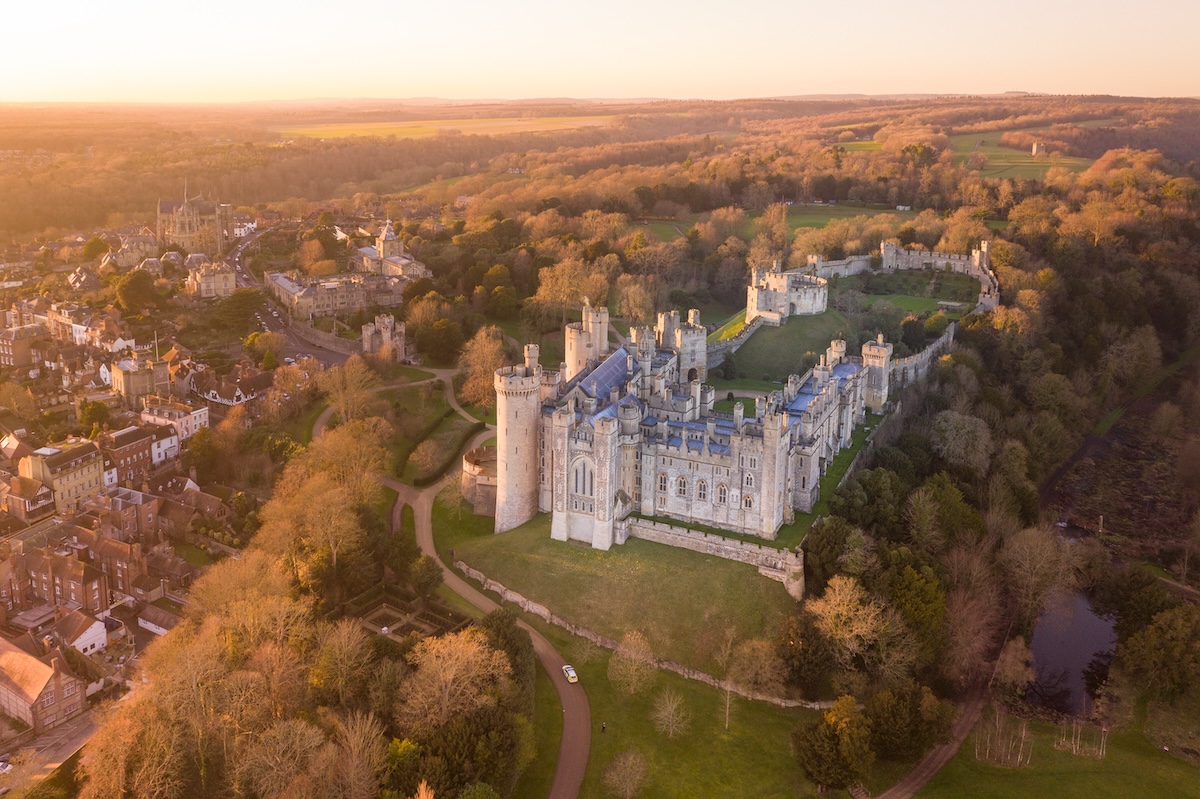
In West Sussex sits the market town of Arundel, home to about 3,500 people. The castle, which the Dukes of Norfolk have occupied continuously since 1138 with periodic interruptions for sieges and succession disputes, dominates the town from a wooded hilltop above the River Arun. The Catholic cathedral next door, which builders completed in 1873, adds a second major Gothic structure to the skyline through what feels like competitive instinct.
The high street below runs steep and narrow, holding an excellent concentration of independent shops and antique dealers. An annual literature festival in August draws considerably more prominent names than a town whose entire population fits inside a mid-sized concert venue has any right to expect.
4. Malbork, Poland
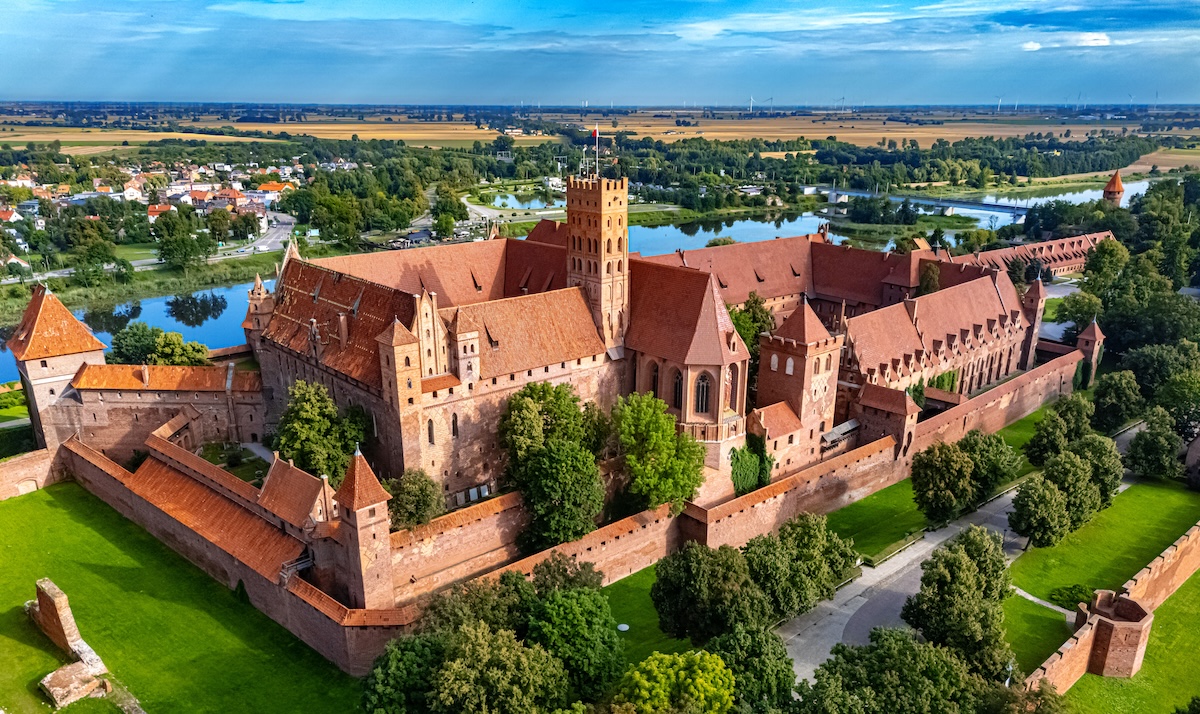
Malbork sits on the Nogat River in northern Poland and is home to the largest castle in the world by land area. The Teutonic Knights built and expanded the complex throughout the 13th and 14th centuries with an enthusiasm that nobody apparently thought to question until it covered 52 acres. Visiting is a serious hiking day that happens to feature medieval brickwork at every turn.
The surrounding town is relatively small and quiet, which makes the fortress’s dominance over the landscape land harder than the brochures suggest. Budget at least four hours for the three interconnected castles inside the complex and wear shoes suited to serious cobblestone distances.
3. Óbidos, Portugal
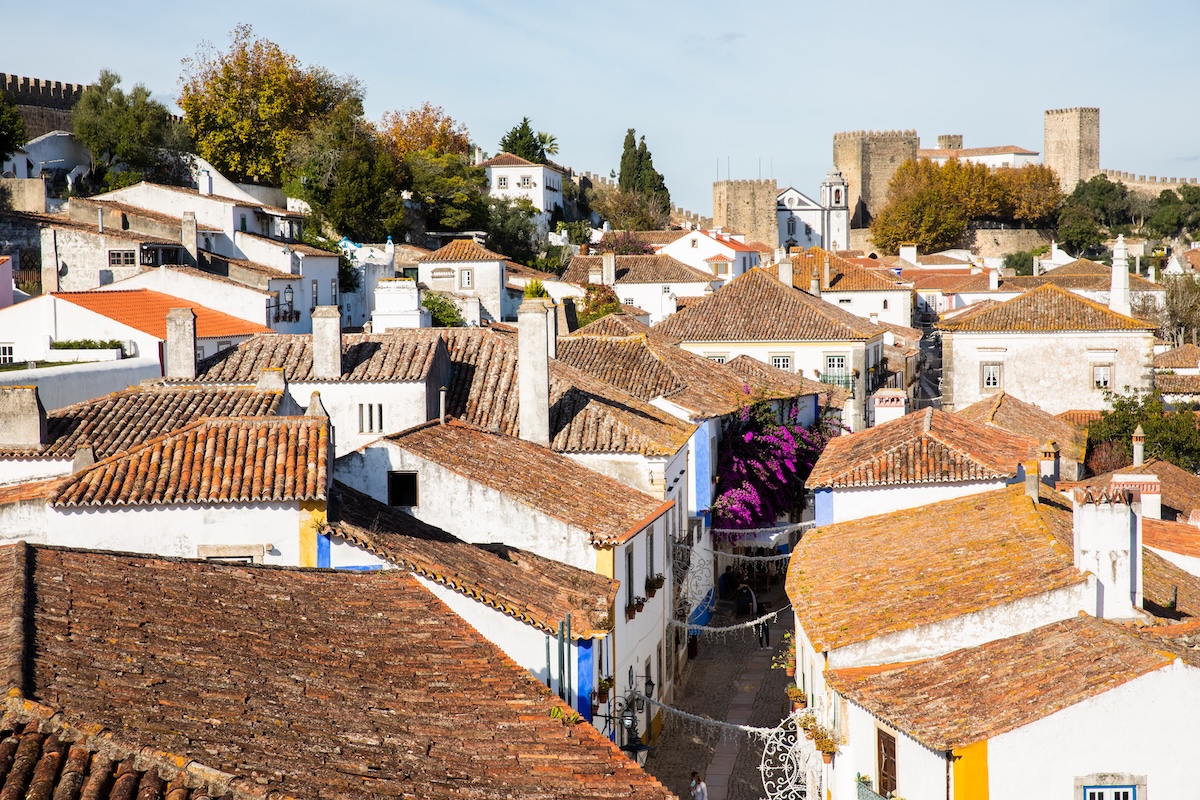
This walled medieval town in central Portugal has the entire historic center sitting inside intact 12th-century fortifications. As you arrive, you get to experience walking through an ancient gate and finding a fully functioning village on the other side. The castle at the northern end of town now operates as a pousada, meaning guests sleep in real medieval towers with views across the Leiria district, a situation that no conventional hotel room can meaningfully compete with.
The main street runs blue and white, lined with bougainvillea and shops selling ginjinha in chocolate cups, which is the town’s primary commercial signature and a thoroughly respectable one. January visits, when the crowds thin considerably, reward the visitor who plans against the season.
2. Cochem, Germany
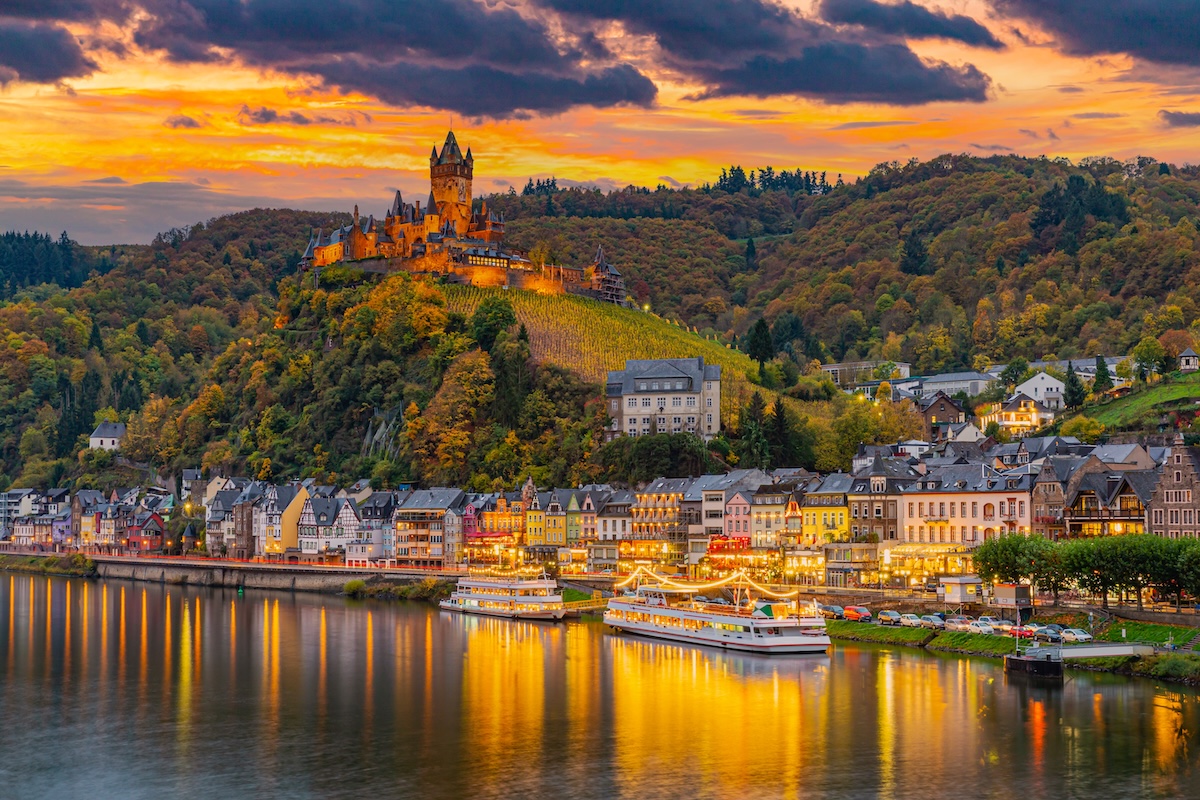
The Moselle River in Rhineland-Palatinate is home to a wine town of about 5,000 people, all proudly promoting a fully restored medieval castle directly above its slate-roofed center. The Reichsburg Cochem crowns a steep vineyard hill 80 meters above the river and looks, from any direction, extremely pleased with its position.
The town below packs half-timbered houses, wine taverns, and a waterfront promenade into a walking circuit of about 20 minutes, which means the remaining hours of the day allocate themselves naturally toward Riesling. The Moselle Valley road through Cochem ranks among Germany’s best drives at any time of year. The steep-slope Riesling from the surrounding vineyards is the correct pairing at every stage of the visit, and locals will not argue the point.
1. Conwy, Wales
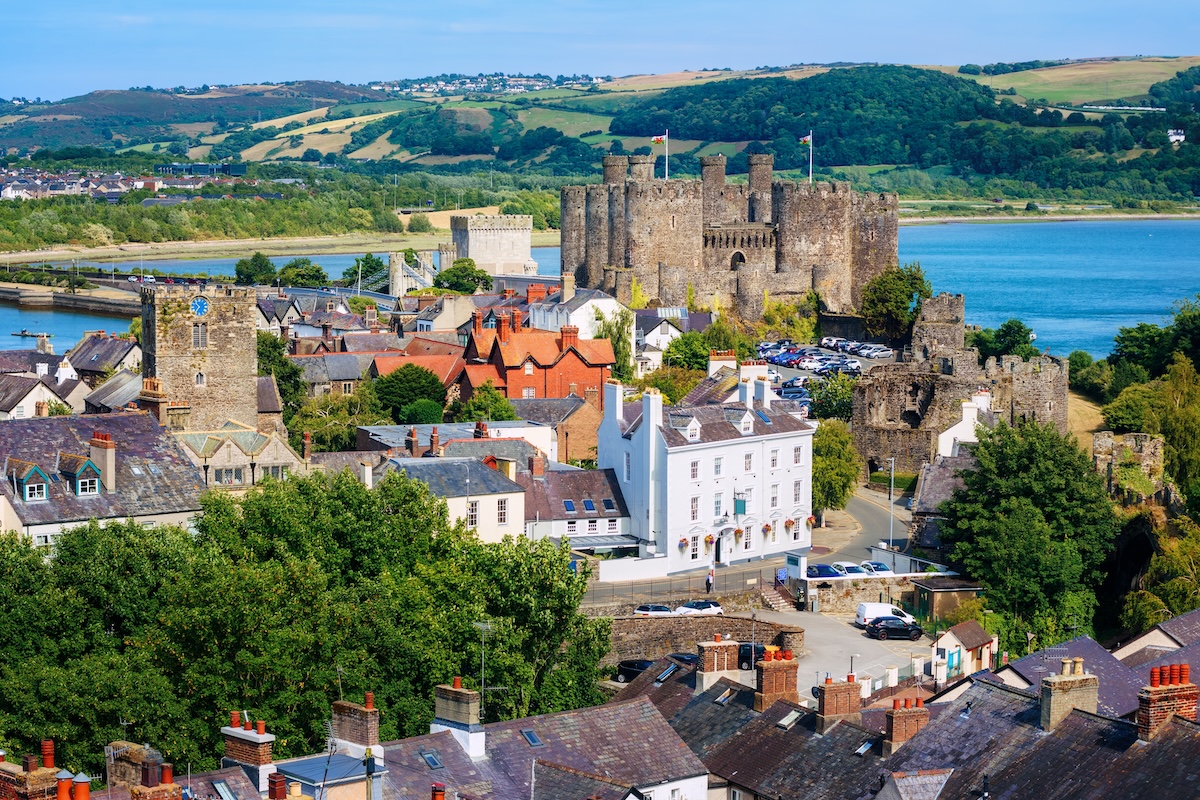
Conwy is a walled town on the northern Welsh coast where three circuits of walls, 21 towers, and a UNESCO World Heritage castle coexist with roughly 14,000 people living fully modern lives inside medieval fortifications. Edward I built the castle and walls between 1283 and 1289, spending the equivalent of approximately $100 million in today’s money, because Edward had no interest in doing this halfway. The walls survive at their original height along most of the perimeter, creating the experience of walking a complete medieval circuit above a functioning Welsh town.
Inside the walls, Conwy holds the smallest house in Great Britain at 72 inches wide and just over 10 feet tall. The quayside restaurants pulling fresh mussels from the Conwy estuary are where the afternoon ends correctly, with the castle walls looming above every table.