
Paris, Rome, and Barcelona absorbed your first European trip and did their job well. Now the question shifts from “where should I go?” to “what did I miss?” Europe runs considerably deeper than the highlights reel, and the destinations below reward visitors who already burned through the obvious checklist.
These spots range from Norwegian fjord cities to the heel of the Italian boot. Some sit hours from the standard tourist trail. Others hide in plain sight while famous neighbors absorb all the attention. But you can rest assured that all of them deliver the kind of travel experience that makes the first trip feel like a warm-up.
18. Freiburg im Breisgau, Germany
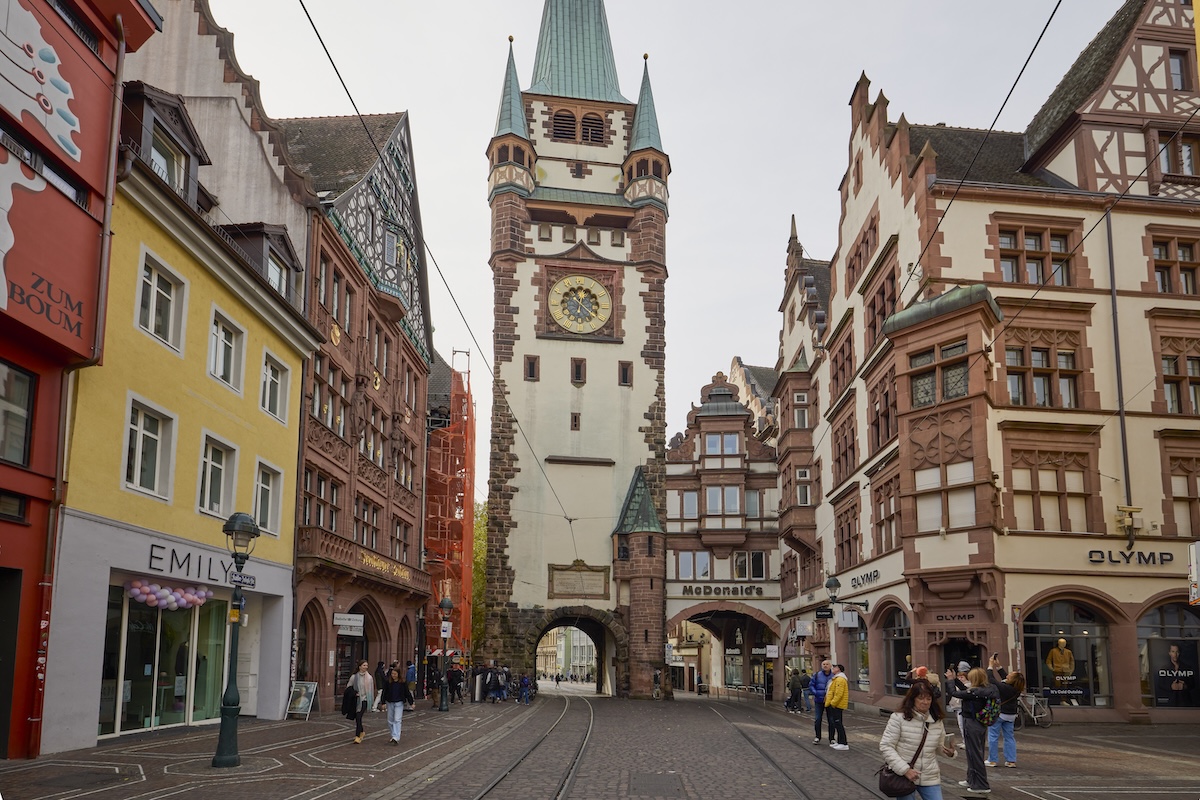
A network of narrow channels called Bächle runs along the medieval streets here, built originally for fire fighting and livestock watering and now serving primarily as a hazard for distracted tourists who step into them without looking down. Freiburg sits at the Black Forest’s western edge in Germany’s sunniest corner, giving the outdoor café culture a Mediterranean ease that surprises visitors expecting typical German weather.
The medieval Münster cathedral dominates the market square, and the surrounding Baden wine region keeps everyone adequately supplied. The tram network makes the whole city navigable without a car, and the university population keeps evenings lively year-round.
17. Leiden, Netherlands
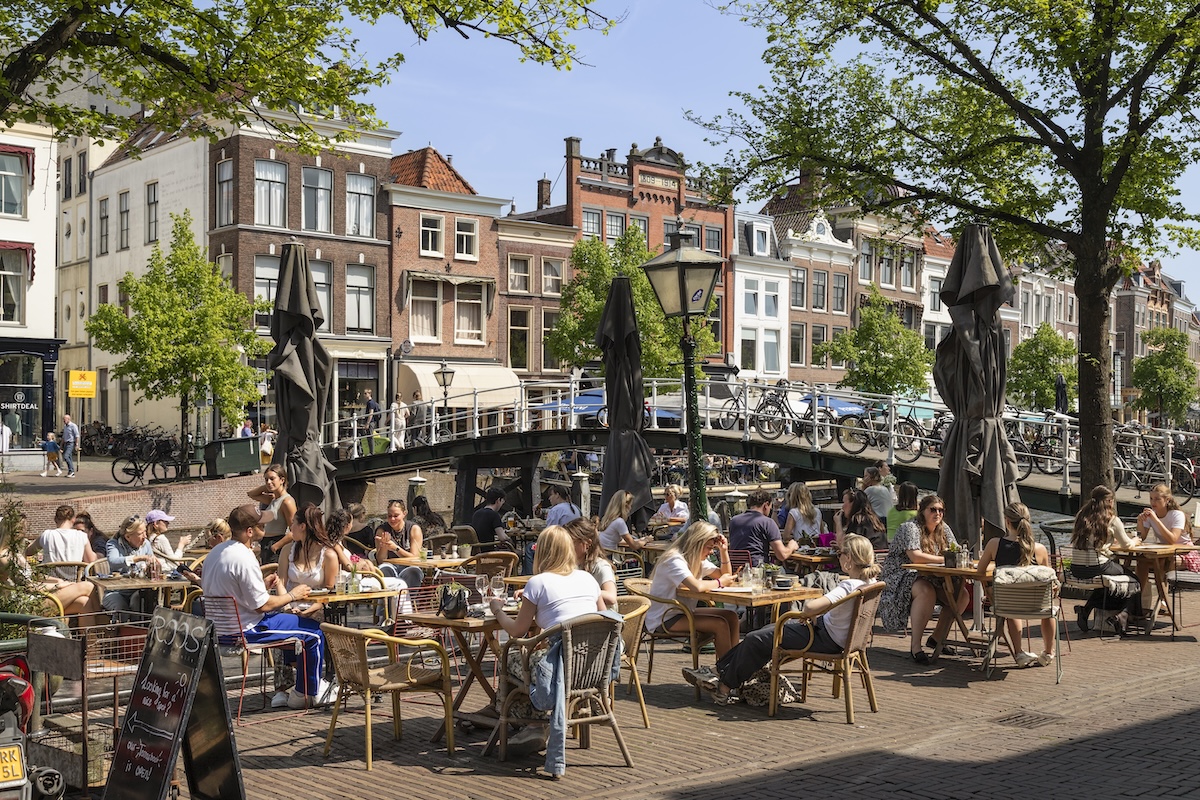
Rembrandt was born here in 1606, and the city holds a canal network, a hilltop castle, and a botanical garden dating to 1590, making it one of Europe’s oldest. The university atmosphere gives Leiden a younger energy than Amsterdam without the stag party tourism that the city currently absorbs in enormous quantities.
The Rijksmuseum van Oudheden holds one of Europe’s strongest classical antiquity collections in a city small enough to cover on foot in an afternoon. Cycling the surrounding flatlands past windmills and tulip fields on a clear spring morning beats anything a tour bus window can offer.
16. Lucerne, Switzerland
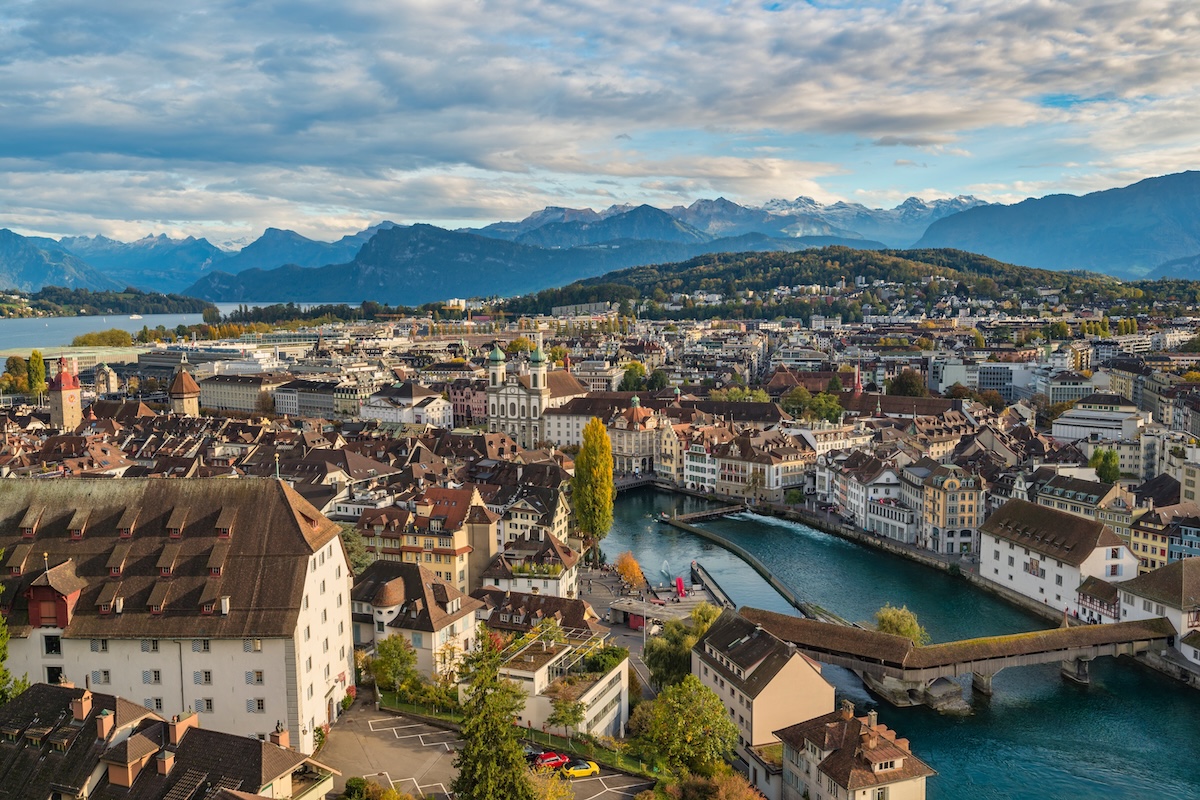
The Chapel Bridge crossing the Reuss River dates to 1333, making it Europe’s oldest covered wooden bridge and Lucerne’s most immediately recognizable landmark. The old town clusters between Lake Lucerne and mountains accessible by cogwheel railway, and Mount Pilatus looming above the western shore keeps the scenery from settling into the background.
Switzerland charges accordingly for all of it, so arriving with realistic budget expectations prevents the kind of shock that derails otherwise excellent days. The lake boat connections also reach small villages for people who want to feel even more intrepid than tourists who already get this far.
15. Bath, England
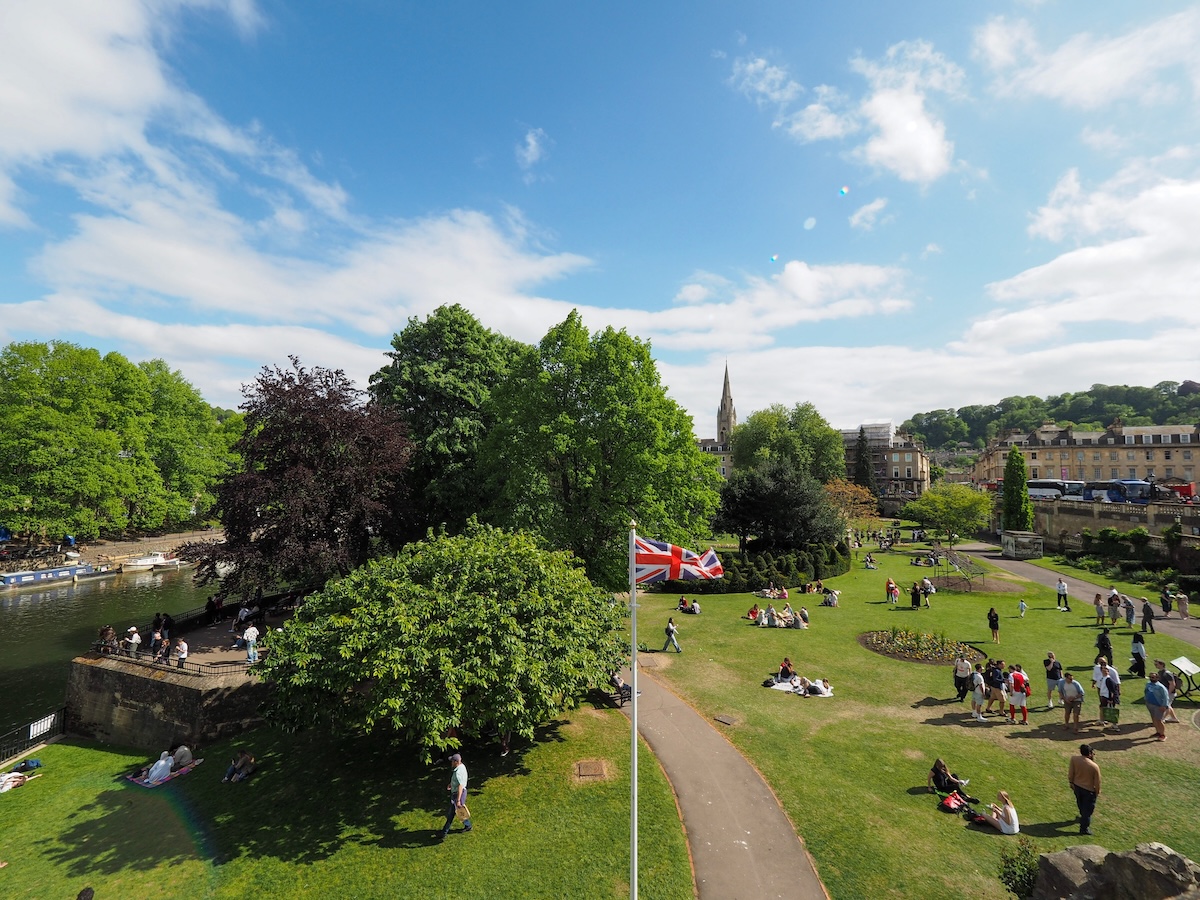
The Romans built the only natural hot spring baths in Britain here and left behind enough engineering that visitors still gather around the same thermal water two thousand years later. The Georgian city that grew around those foundations features honey-colored limestone architecture coordinated across the entire center, which the UNESCO World Heritage designation protects fiercely.
Jane Austen lived here unhappily for several years and wrote very little during the period, which the city somehow turned into a thriving literary tourism industry. The Royal Crescent and Pulteney Bridge also justify the visit before the Roman Baths even enter the picture.
14. Split, Croatia
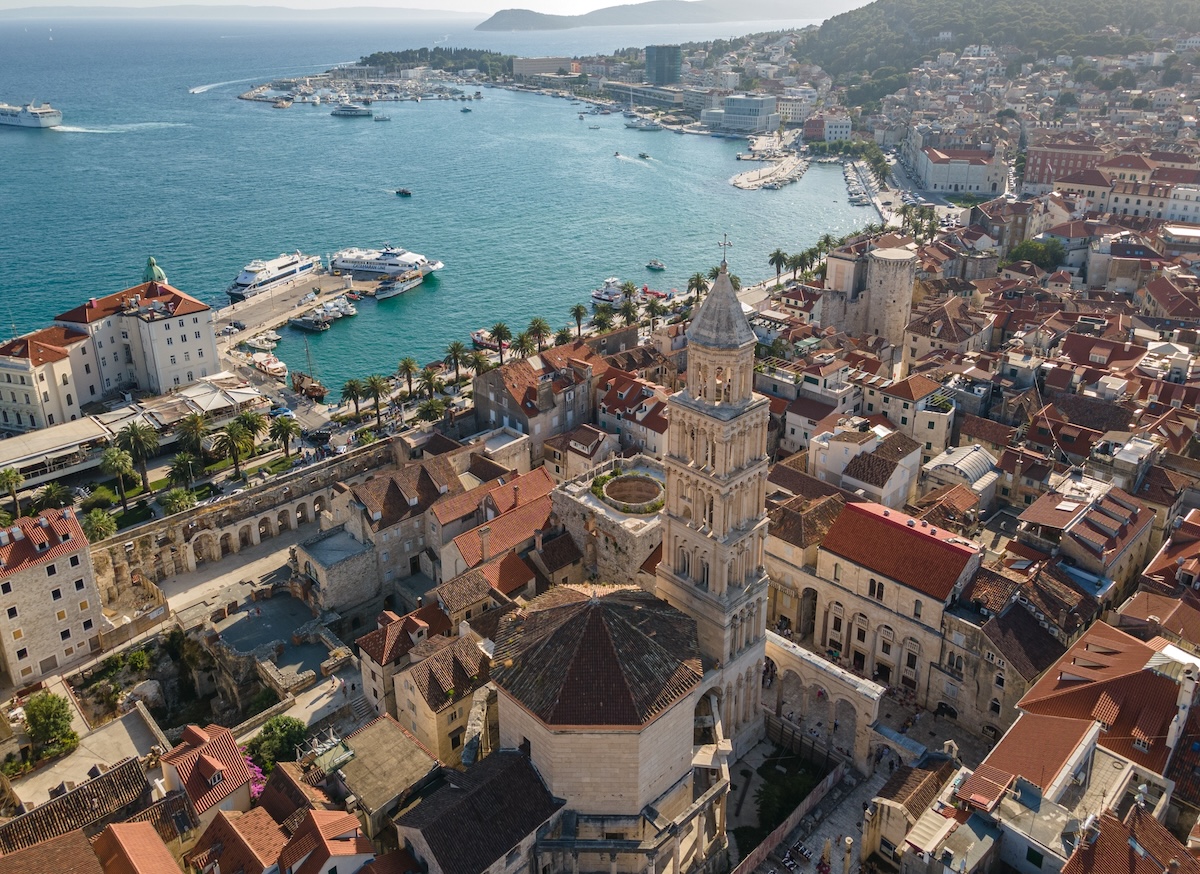
Diocletian retired from running the Roman Empire in 305 AD and built himself a palace on the Dalmatian coast. Around 3,000 people currently live inside its walls in apartments, restaurants, and bars occupying spaces the emperor designated for something considerably more imperial, producing one of the world’s more unusual urban environments.
The local food scene runs well ahead of the tourist-facing restaurants near the main square, and the evening promenade along the Riva waterfront gives an honest picture of how Split actually operates day to day. The surrounding coast and islands beg you to stay longer than the palace alone suggests, and you won’t regret it.
13. Lyon, France
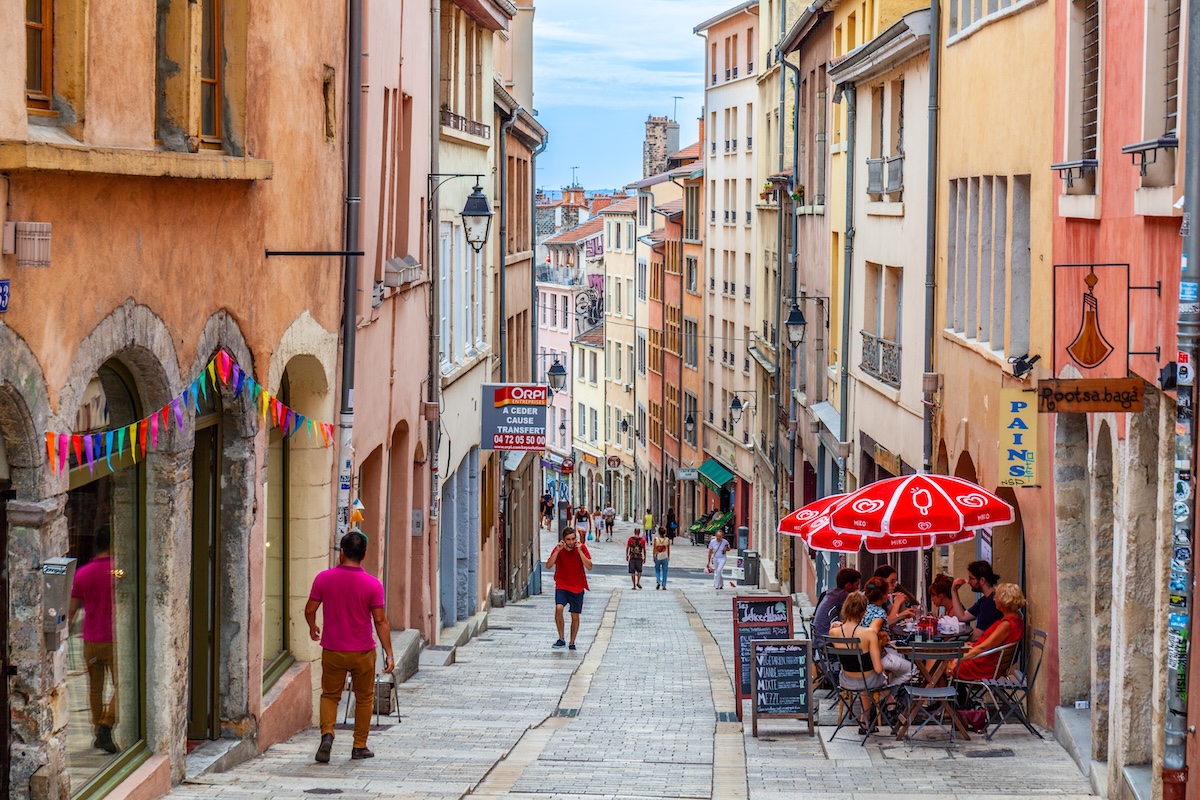
The bouchon tradition deserves the opening sentence because it defines what Lyon does better than any other French city. These unfussy restaurants serve quenelles, andouillette, and tablier de sapeur to anyone who shows up hungry, and the Paul Bocuse legacy gives high-end dining equal credibility at the other end of the market.
The Vieux-Lyon district bursts with Renaissance architecture across a pedestrian street network that UNESCO protects, and the traboules, hidden passageways that silk workers originally used for transporting fabric, is for explorers who get their kicks from ducking through unmarked doors. Les Halles de Lyon Paul Bocuse alone takes two hours to cover with any seriousness, so this isn’t an overnight stop by any means.
12. Bergen, Norway
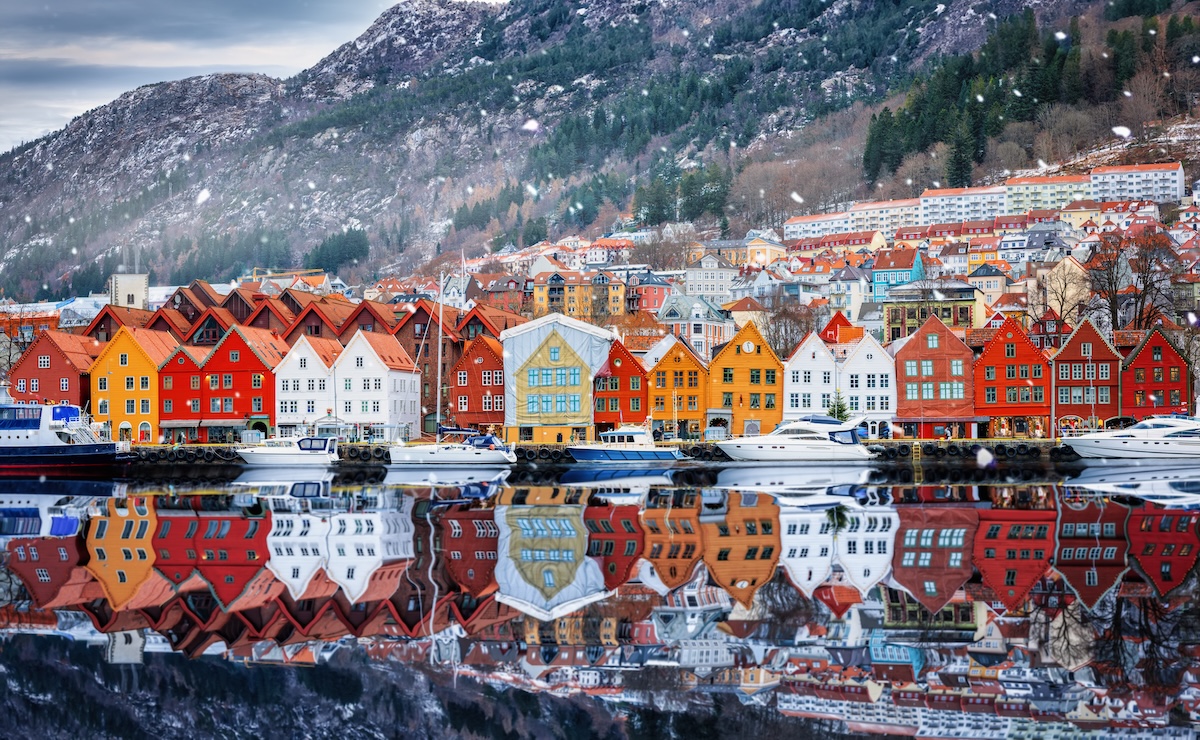
Five of Norway’s longest fjords reach the sea within striking distance of Bergen, making the city the natural base for fjord exploration while being very much worth the visit on its own terms. The Bryggen wharf’s colored wooden buildings date to the 14th-century Hanseatic trading era and lean at angles that cause some structural concerns that apparently never materialize.
The fish market handles fresh seafood daily, and the funicular climbing Mount Fløyen above the city delivers views across the seven surrounding mountains in under eight minutes. Rain falls here around 240 days annually, so waterproofs belong in the bag regardless of the forecast.
11. Peloponnese, Greece
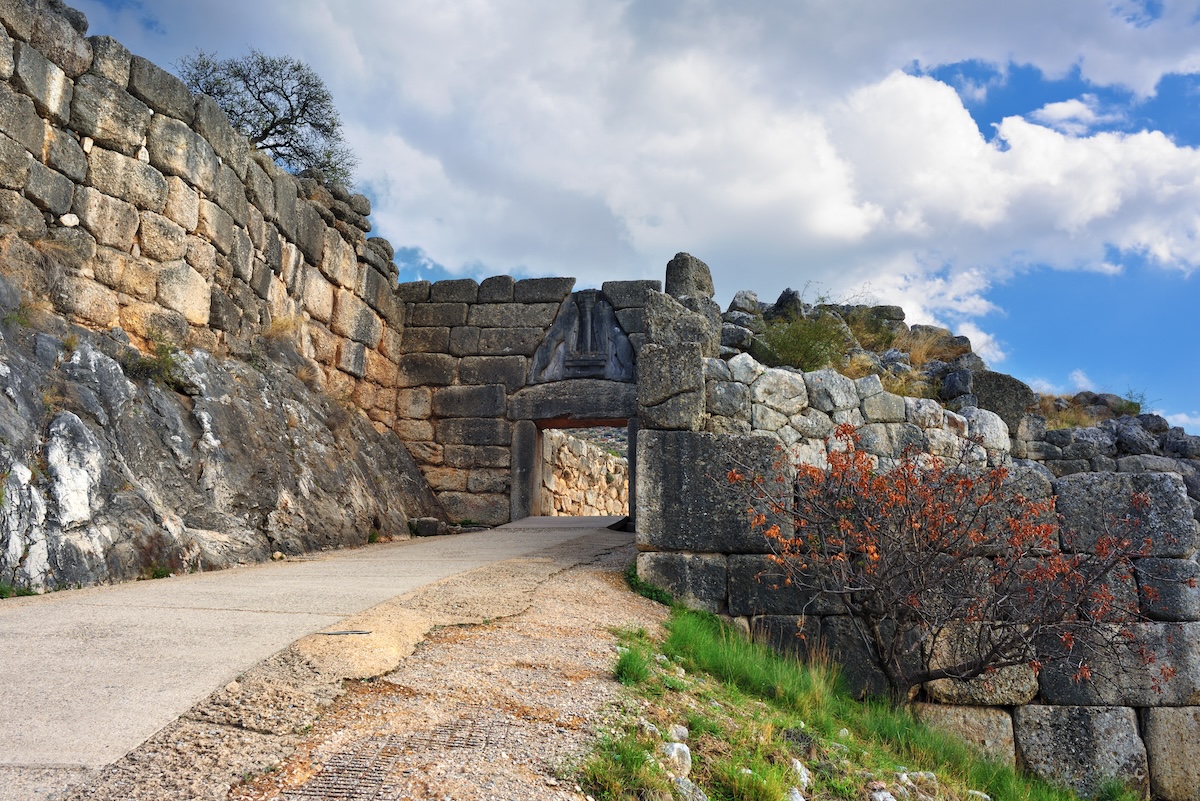
The peninsula hanging below Corinth holds more ancient and medieval history per square kilometre than any region in Greece, which is a huge achievement. Ancient Olympia hosted the original Olympic Games, Mystras served as the Byzantine Empire’s last significant cultural center, and Nafplio claimed status as modern Greece’s first capital, all within a day’s drive of each other.
Most visitors on Greek itineraries head straight for the islands and never cross the Corinth Canal, which is a tragedy. The Mani Peninsula in the south has tower villages and coastal scenery that the island-focused tourist circuit consistently overlooks, so a rental car over several days will help you reach ground that no organized tour approaches.
10. Budva, Montenegro
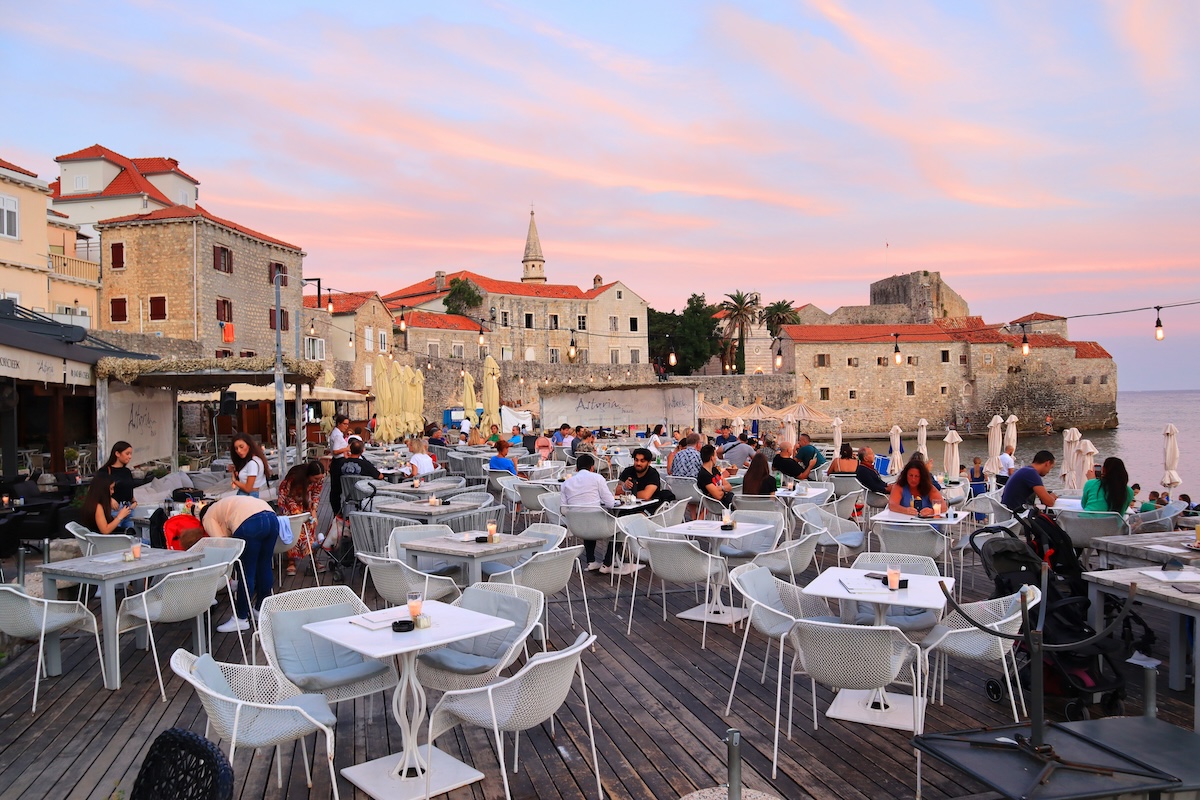
A walled medieval old city on a small Adriatic peninsula shines with its Dalmatian atmosphere and prices that Croatia’s coastline abandoned some years back. The beaches surrounding the old town fill completely in July and August, while coves accessible by boat further along the coast stay manageable throughout peak summer weeks.
The nightlife runs until dawn during high season, which either strengthens or weakens Budva’s appeal depending on what the trip requires. Kotor Bay to the north, a UNESCO-listed fjord-like inlet, pairs naturally into a coastal circuit covering Montenegro’s highlights without significant duplication.
9. Menorca, Spain
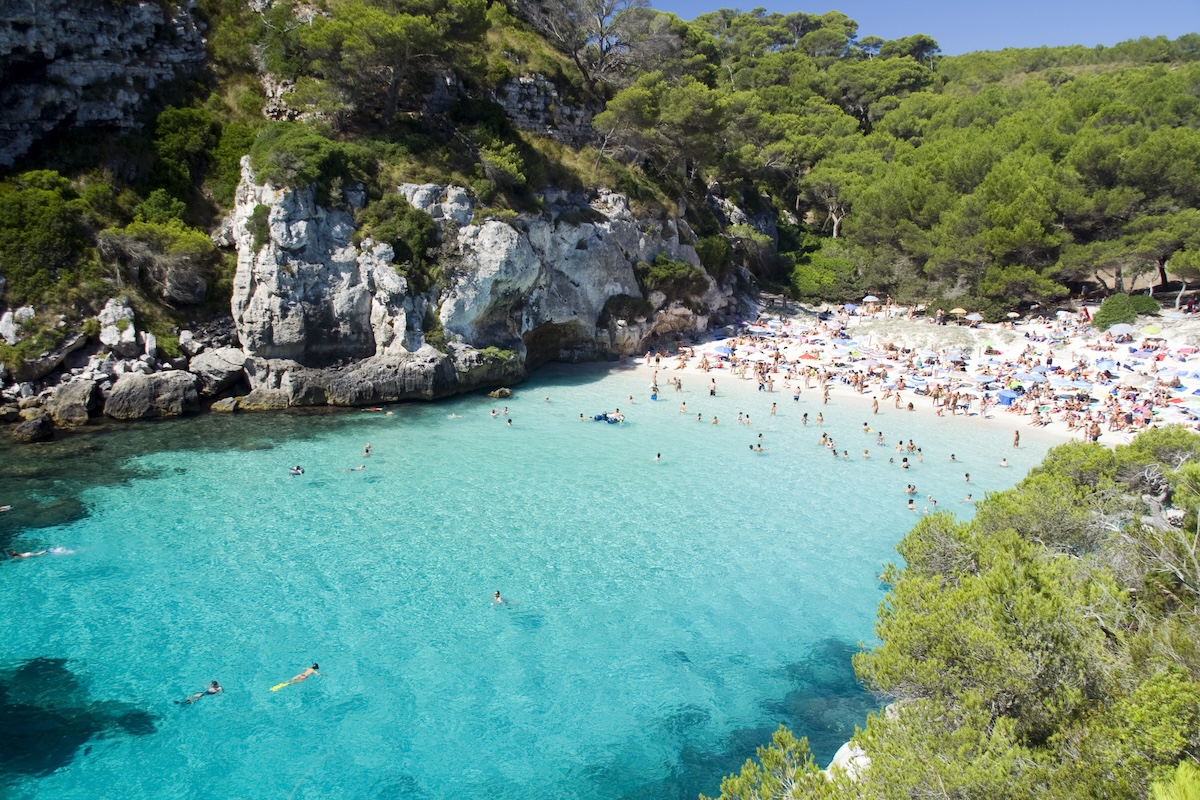
The quieter Balearic island operates on a different scale from Ibiza and Mallorca, with a UNESCO Biosphere Reserve designation covering most of the island. There are also prehistoric Talayotic stone monuments scattered across farmland that tourism never disrupted enough to remove. The south coast’s coves with clear water are simply marvelous, clean enough to see the sandy bottom at several meters depth without snorkeling equipment.
Ciutadella at the western end and Mahón in the east bookend an island crossable by car in under an hour, though the coastal road taking the long route is absolutely worth the extra time. The local cheese and gin also make surprisingly strong cases for extending the stay.
8. Transylvania, Romania
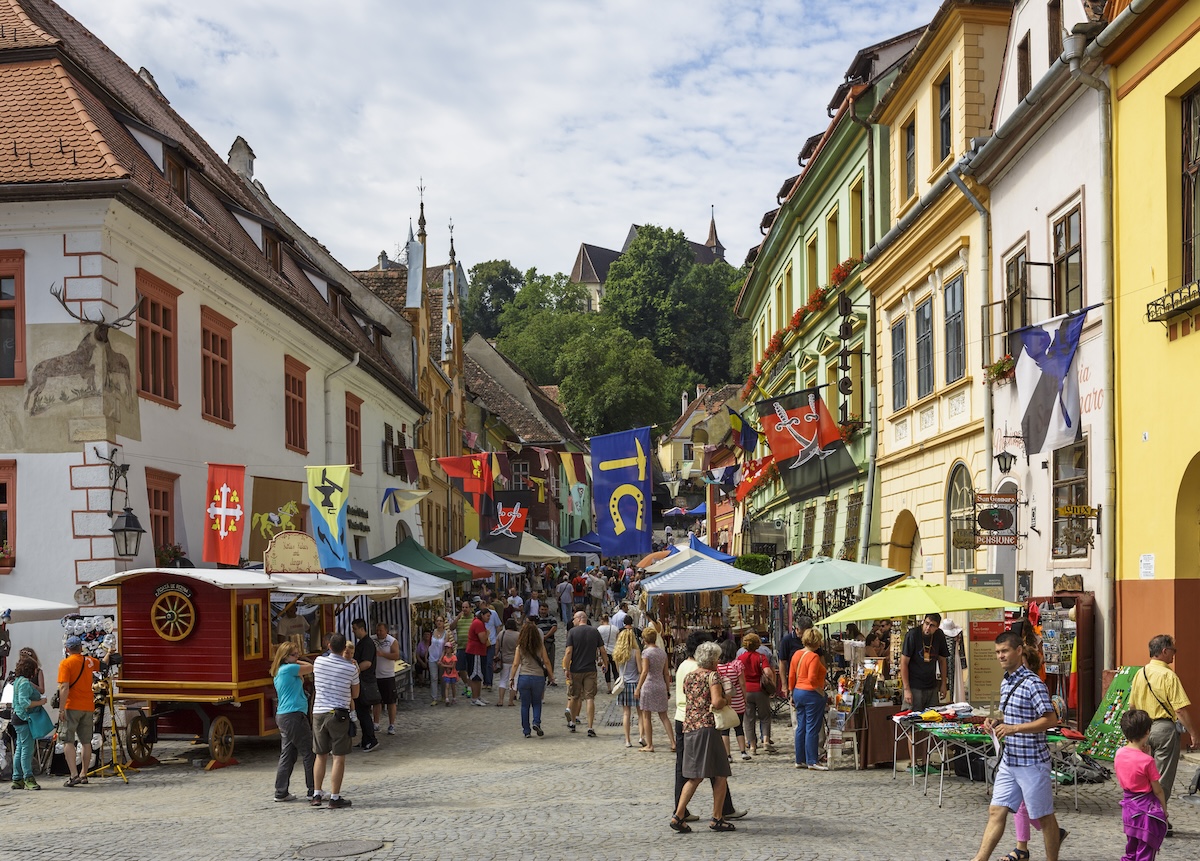
The name carries cinematic baggage that the actual region handles with a mixture of amusement and mild exasperation, since Bram Stoker never visited and constructed most of the Dracula geography from London library research. The real Transylvania holds Saxon fortified churches, medieval towns including Sighișoara and Sibiu, and Brașov, sitting below the Carpathians, a walled city that international tourism leaves untouched.
Bear watching tours into the surrounding Carpathian forest operate through local guides and involve actual brown bears, which turns out to be considerably more exciting than the fictional alternative. Saxon villages between the main towns are brimming with guesthouses run by community heritage organizations, a special treat well worth seeking out specifically.
7. Slovenia

The country fits the Julian Alps, a vast Karst cave system, a Venetian-influenced coastal town, and a capital city with a castle all into the same compact territory. Ljubljana and its pedestrian center along the Ljubljanica River will delight you with charming cafés and restaurants that you probably weren’t really prepared for.
Lake Bled sits 55 kilometres northwest of the capital with an island church and clifftop castle delivering scenery you 100% have seen in a guidebook, just never knowing where it was located. The Soča Valley, further west, is another worthwhile sidequest with a river running a shade of turquoise that stops people mid-sentence.
6. Porto, Portugal
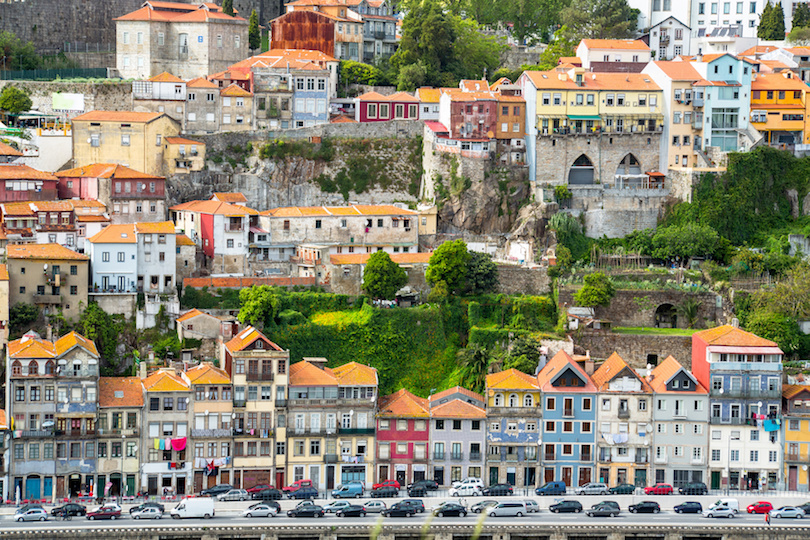
The Douro River cuts through the city, and the port wine trade built both banks into something remarkable, with the Ribeira district’s colored buildings stacking up the northern slope while Vila Nova de Gaia’s wine lodges line the southern shore. Tasting port wine across the river from where it arrives after 100 kilometers from the Douro Valley vineyards is something you can’t duplicate.
Azulejo tile panels cover church facades, train station walls, and building fronts throughout the city, telling historical and decorative stories in blue and white. The Livraria Lello bookshop, one of the world’s most beautiful, now charges admission because Instagram turned it into a crowd management challenge, but it is still worth a visit if you can appreciate the beautiful things in life.
5. Puglia, Italy
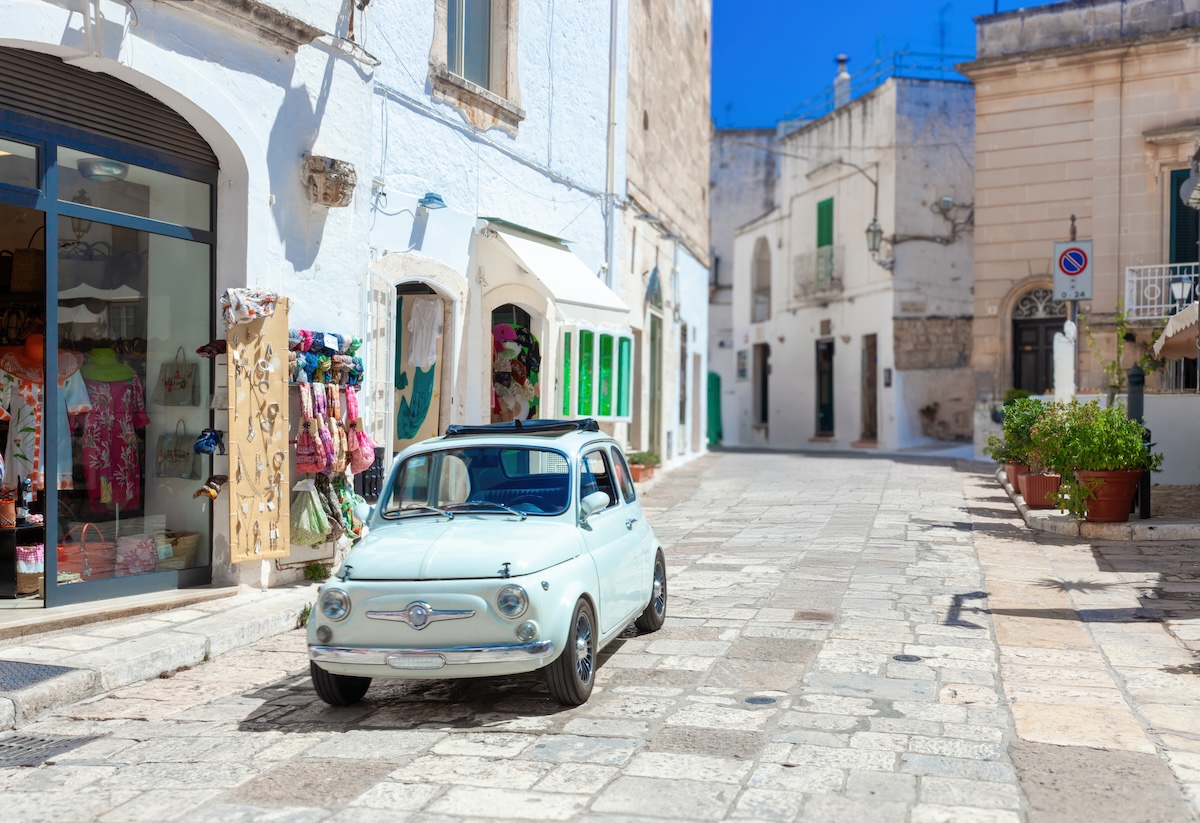
The heel of Italy’s boot is beloved for its trulli, prehistoric stone huts with conical roofs that Alberobello clusters into a UNESCO-listed neighborhood looking like a fairy tale settlement. Lecce, further south, delivers baroque architecture so ornate it makes Rome look restrained, carved from local limestone that shifts toward gold as afternoon light moves across the facades.
The olive oil produced across Puglia supplies a significant portion of Europe’s total. The food culture built around that agricultural base, with fresh orecchiette pasta, fava bean purées, and wood-roasted vegetables, runs completely distinct from the northern Italian cooking most visitors encountered on previous trips. The Adriatic and Ionian coasts on either side of the heel make a week here much more sensible than a weekend.
4. Valencia, Spain
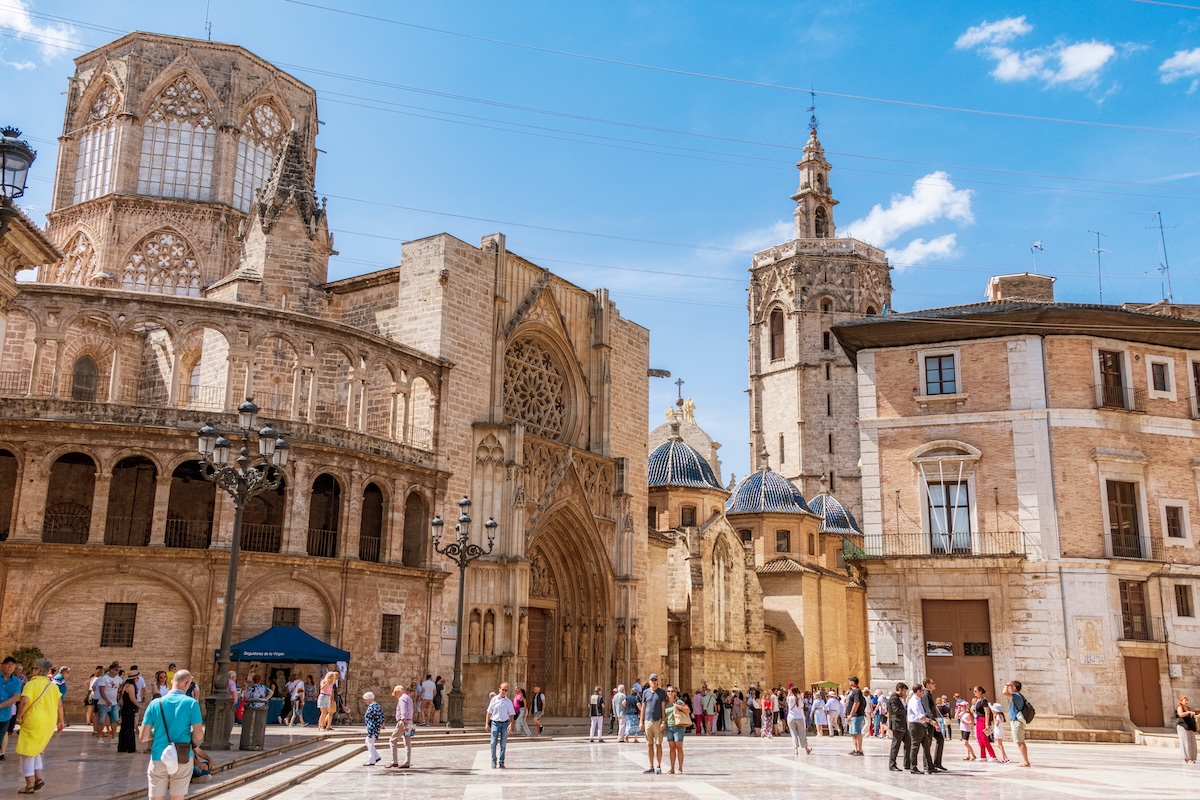
Paella originated in the rice fields surrounding this Mediterranean city, and local insistence on that fact serves as an immediate introduction to Valencian food culture. The dish bears limited resemblance to the versions most international visitors encountered before arriving, which the city treats as an educational opportunity.
Santiago Calatrava’s City of Arts and Sciences complex occupies the drained bed of the old Turia River in futuristic structures that look borrowed from a science fiction film set. The riverbed itself now runs as a 9-kilometer park threading through the city, one of Europe’s better urban planning decisions of recent decades.
3. Galway, Ireland
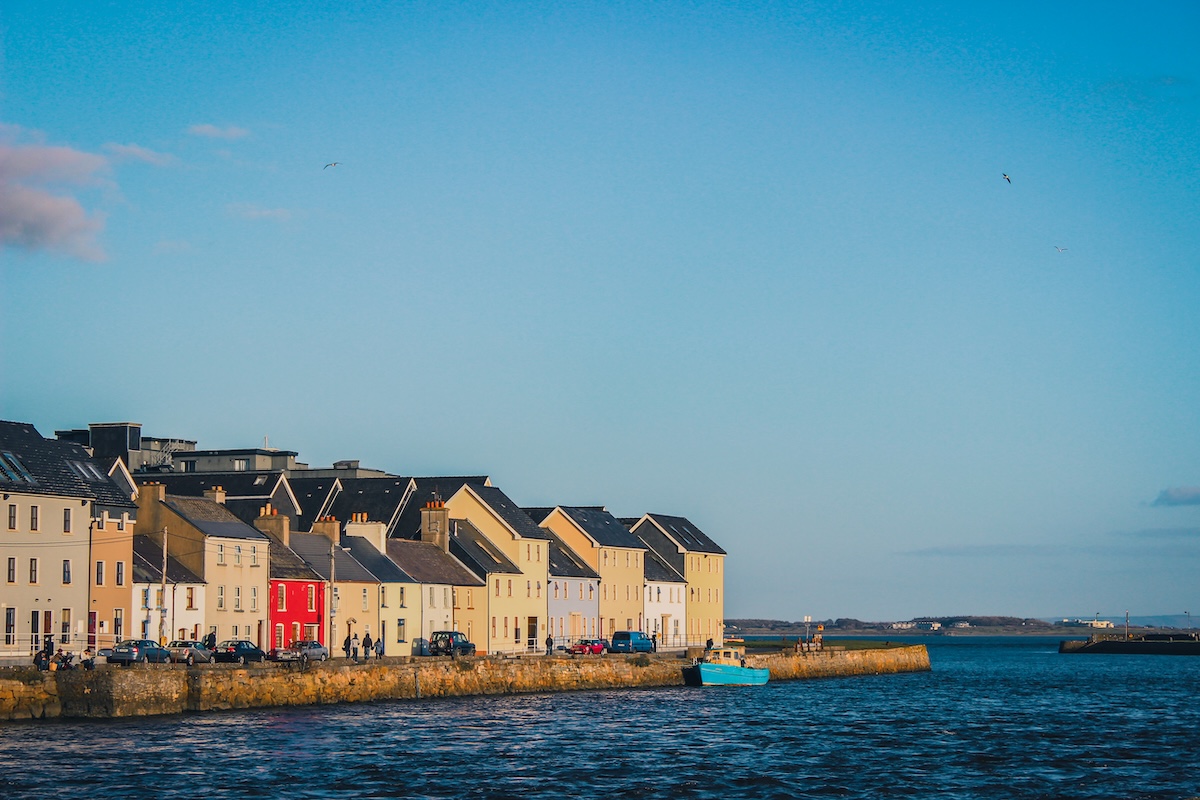
Galway stakes a claim to Irish music culture that is extending well beyond its size. Traditional music sessions run in pubs along Shop Street and Quay Street at hours that make the concept of a last song essentially theoretical. The compact city center can be covered on foot in twenty minutes, leaving considerable time for the surrounding territory.
The Wild Atlantic Way runs north into Connemara, where bog landscapes, stone walls, and Irish-speaking communities thrive. The Aran Islands also sit a ferry ride from Rossaveal, and a day on Inis Mór gives you Atlantic light that helps you make sense of all the Leprechaun myths.
2. Ghent, Belgium
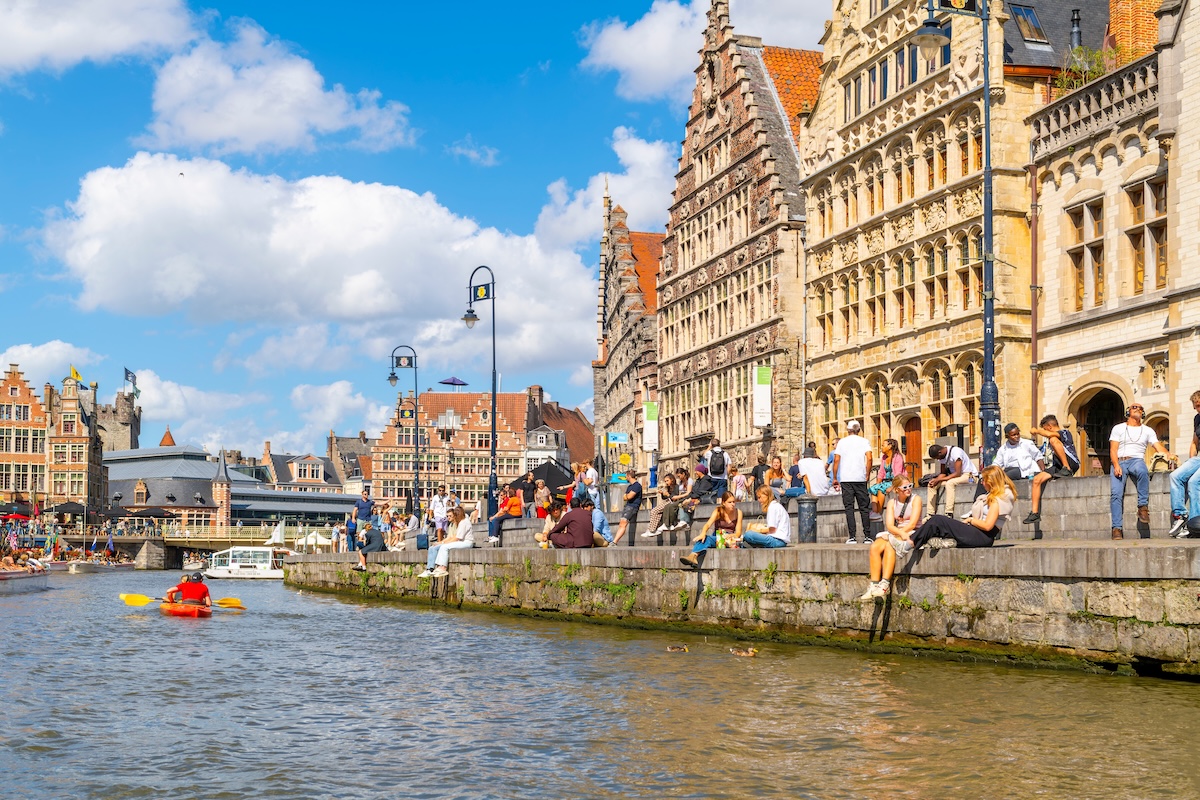
Three medieval towers are visible simultaneously from the Graslei waterfront, making Ghent’s skyline one of the most dramatic in northern Europe. And the city sits close enough to Bruges that most visitors choose between them without realizing that both work better as a combination. Ghent runs larger, less polished, and considerably more interesting for it.
The Ghent Altarpiece by the Van Eyck brothers, now back in St. Bavo’s Cathedral after surviving various wartime removals, ranks among the most significant paintings in European art history. Thanks to the student population, you also know prices are low, and energy levels are high, the perfect combo for a new destination.
1. Dresden, Germany
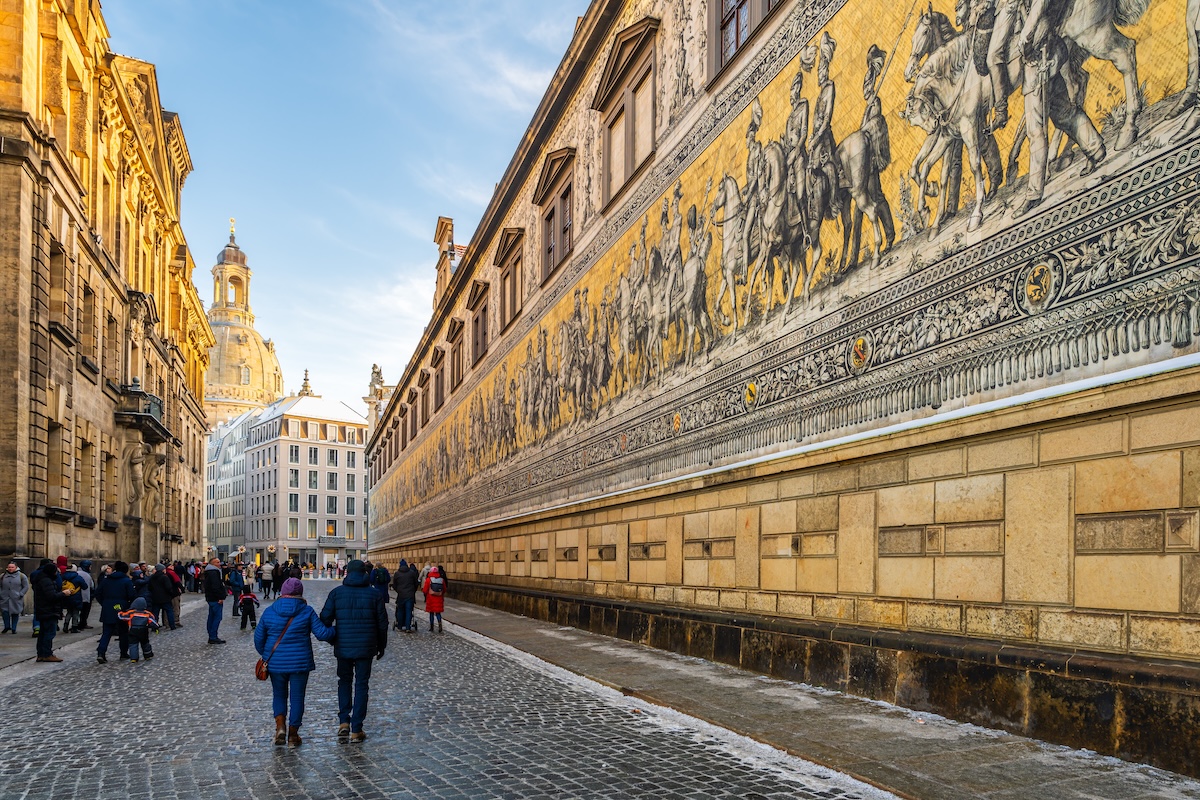
Allied bombing in February 1945 destroyed one of Europe’s most beautiful baroque cities in three days. Dresden spent the following decades rebuilding with determination, producing results visible throughout the Altstadt today. The Frauenkirche, rebuilt from stones that workers catalogued and stored during the East German period, reopened in 2005 as the most prominent example of what that effort achieved.
The Semperoper opera house and the Zwinger museum complex anchor the city. The Elbe River’s southern banks hold vineyard slopes producing Riesling from Germany’s smallest wine region, which Dresden’s cafés stock with appropriate local pride. The best part is how walkable the city is, taking you from history to hospitality in a matter of minutes.