
Step back in time through Europe’s most magical medieval cities where cobblestone streets wind beneath ancient towers and history seeps from every stone wall. While modern metropolises offer gleaming skyscrapers and subway systems, these preserved treasures transport visitors to a world of knights, merchants, and craftsmen who built lasting legacies in stone and timber.
These medieval gems survived wars, modernization, and tourist hordes to retain their authentic charm. Whether perched on rocky islands, nestled in river valleys, or crowning hilltops, they offer immersive journeys into Europe’s past without sacrificing modern comforts. Pack comfortable walking shoes and prepare for serious camera workouts. These stunning medieval masterpieces deliver travel experiences straight from a storybook!
25. Lucca, Italy
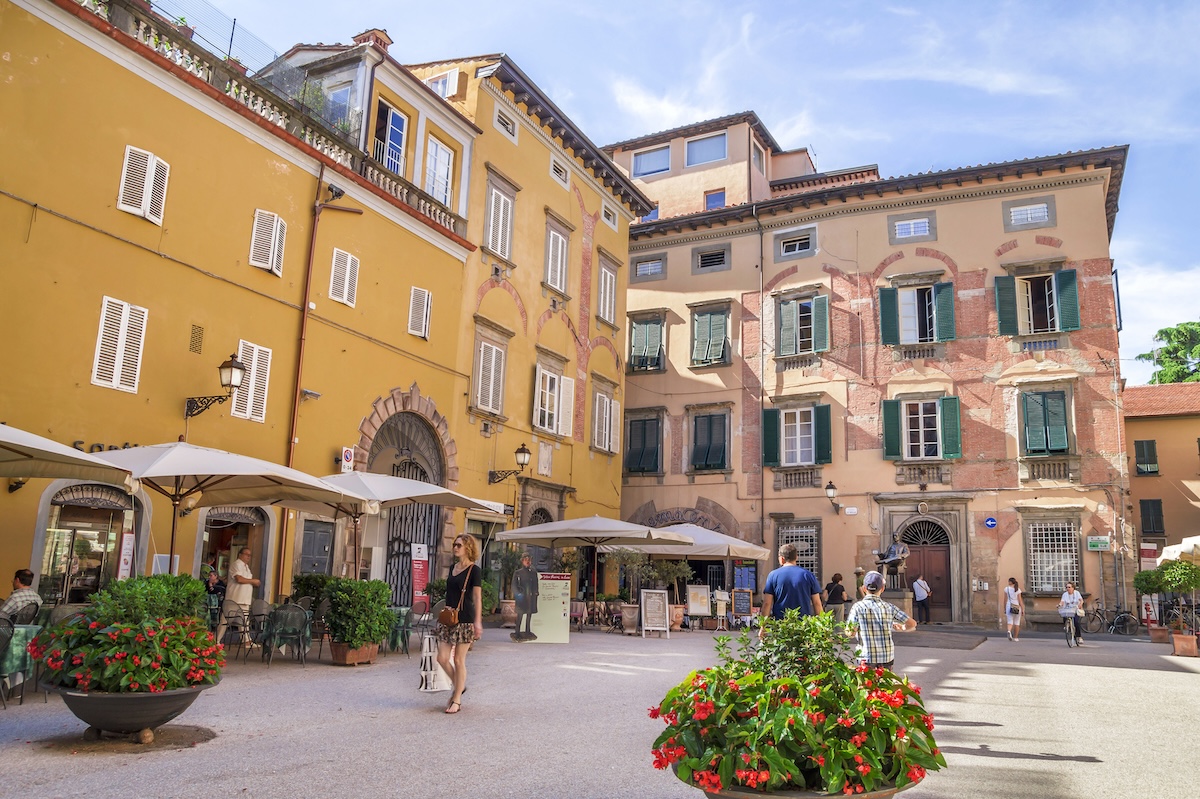
You’ll find Lucca tucked away in the Tuscany region of Italy. The city’s intact medieval walls now serve as wide walking and cycling paths. Strolling along the top gives you a great view of the city and the rolling countryside.
Inside those walls, narrow cobblestone streets twist between old buildings. There are cute piazzas, little shops, and cafes where you can just sit and watch daily life go by.
Piazza dell’Anfiteatro, the main square, sits on the site of an ancient Roman arena. The round shape still hints at its original purpose. You’ll spot traces of history in every corner.
24. Heidelberg, Germany
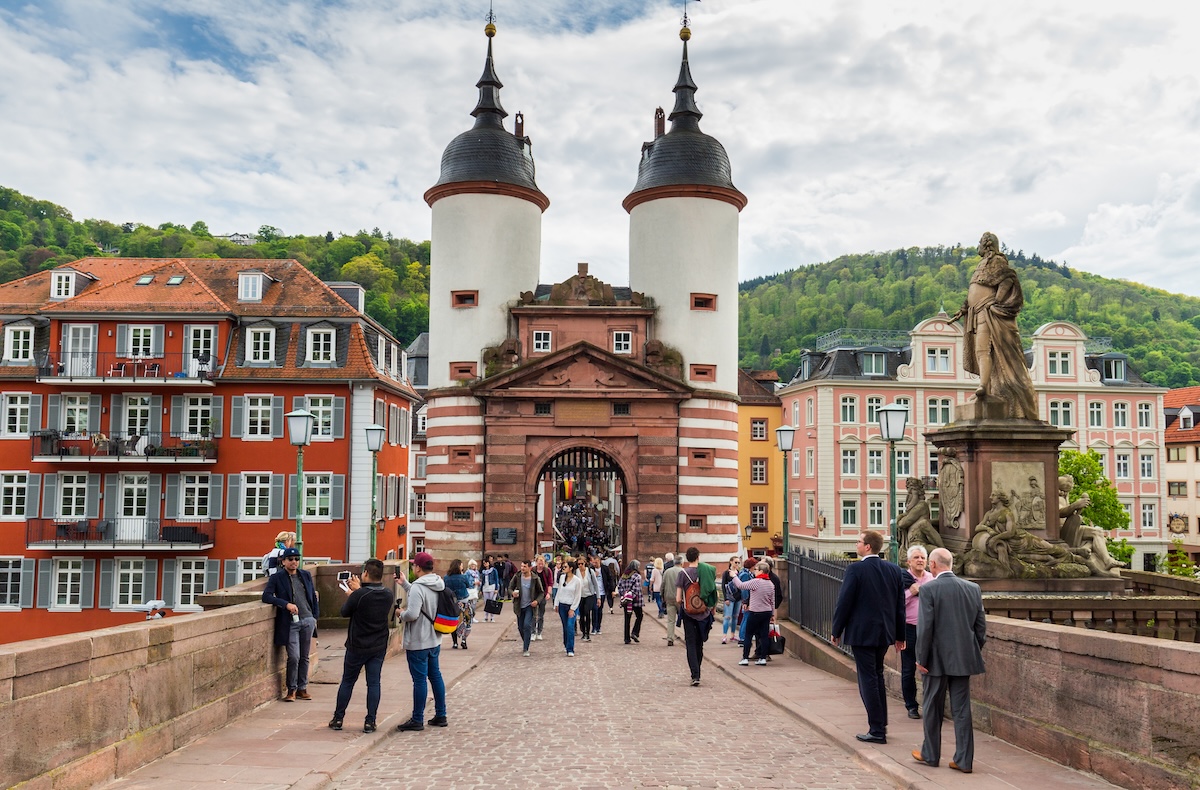
Heidelberg’s old town feels like a step back in time. Narrow cobblestone streets wind between colorful buildings, cozy cafés, and little shops.
Walk across the medieval Old Bridge for great views of the Neckar River. Heidelberg Castle sits up on a hill—you can climb up or ride the funicular.
The Church of the Holy Spirit stands in the town center, surrounded by open squares where people gather. At night, the area glows under warm streetlights, giving the city a peaceful vibe.
23. Avila, Spain
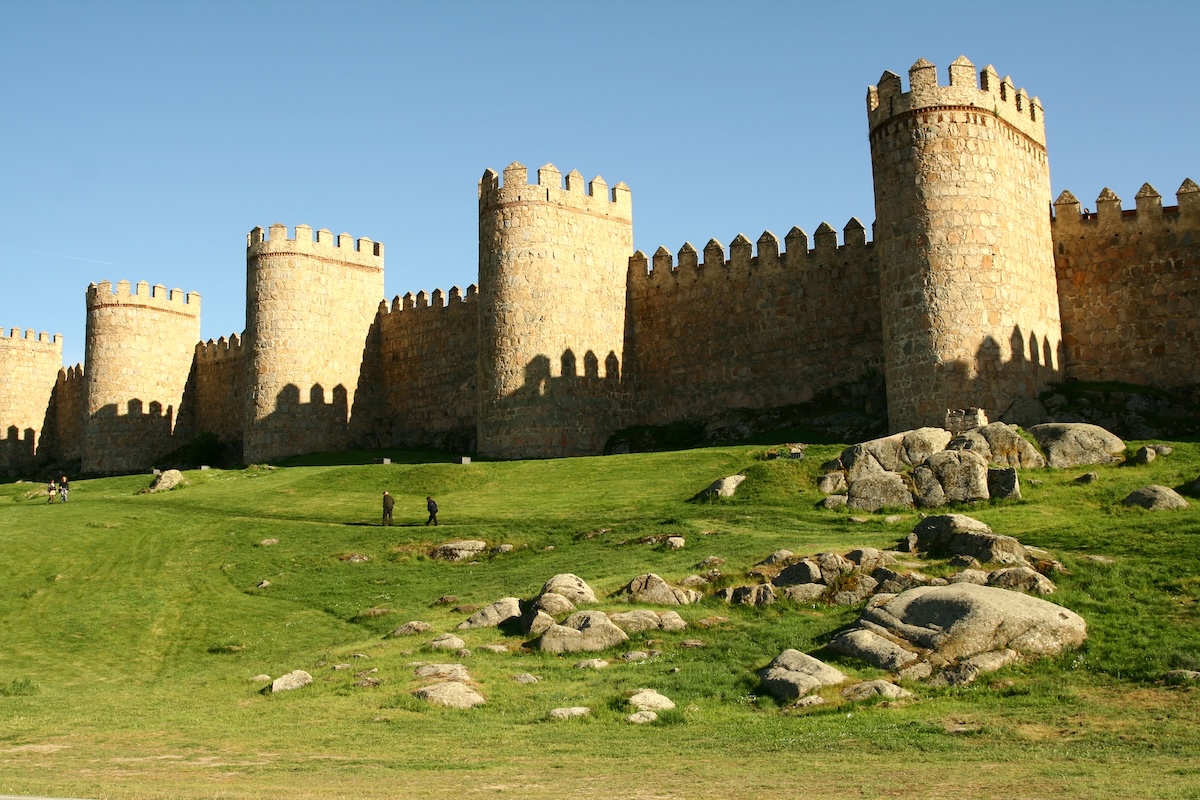
Avila’s iconic medieval walls stretch almost two miles and rank among the best preserved in Europe.
If you’re up for it, climb the walls for views of the city and countryside. The stone towers really make you feel like you’re stepping back in time.
Inside, you’ll find narrow streets, cozy cafes, and old churches. Avila’s small enough to explore on foot in a day, but there’s something to see at every turn.
At night, the walls light up, giving the city a magical look. There’s a quiet, peaceful feel to Avila that makes you want to linger.
22. Vilnius, Lithuania
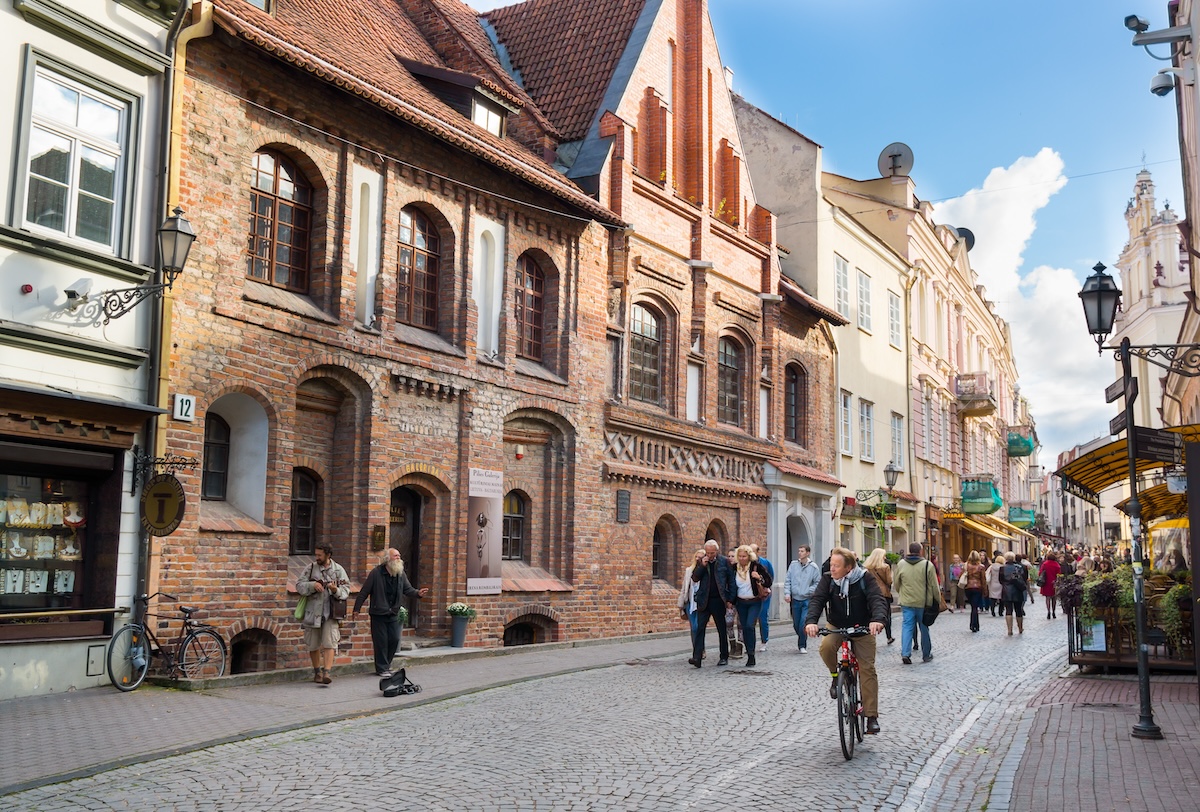
Walking around Vilnius feels like stepping into history. The Old Town is packed with narrow cobblestone streets, colorful buildings, and quiet courtyards.
You’ll spot Gothic, Renaissance, Baroque, and Neoclassical architecture all mixed together. Gediminas Castle Tower gives you a wide view of the city from the top.
Stroll past churches, small shops, and cozy cafes. It’s easy to get lost in the alleys lined with centuries-old houses. Vilnius is a UNESCO World Heritage Site and stands out as one of the best-preserved medieval towns in Eastern Europe.
21. Trogir, Croatia
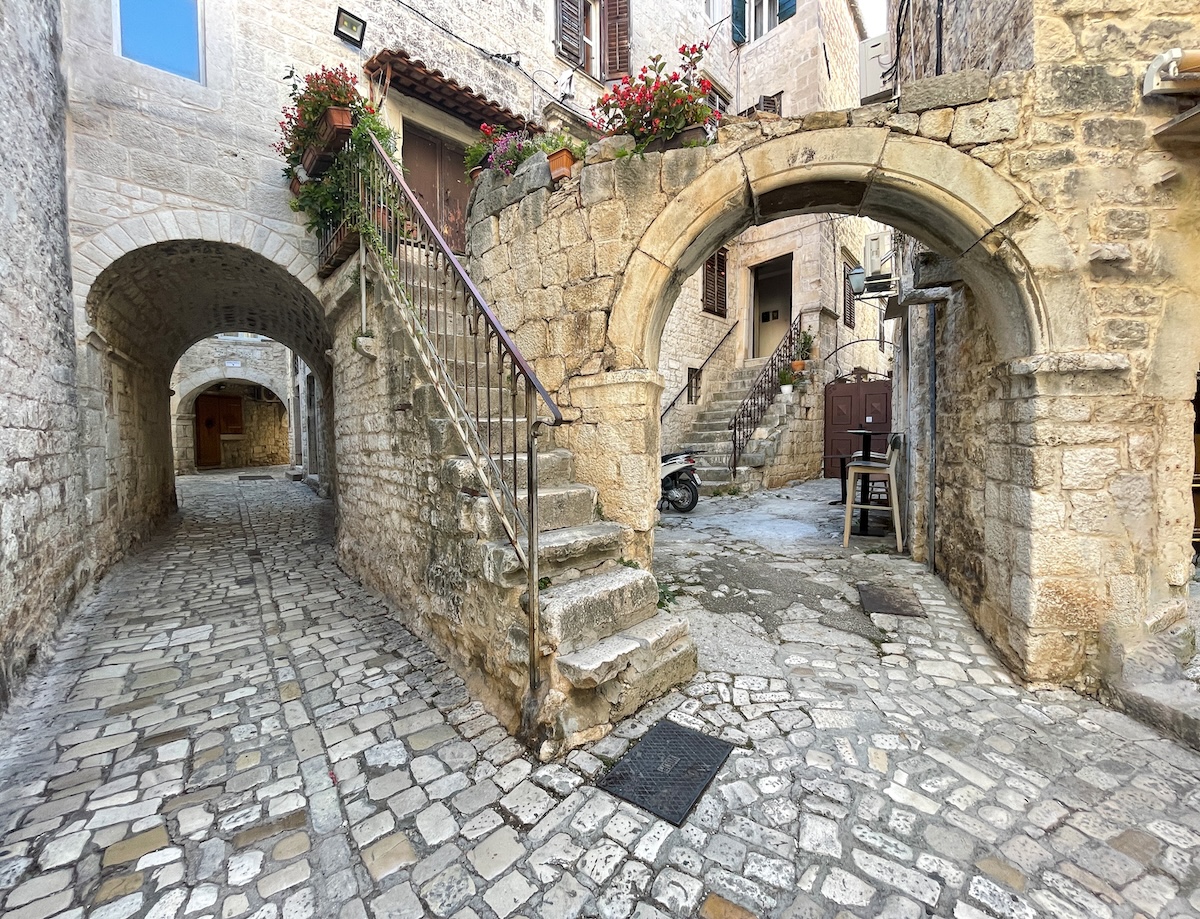
Trogir sits on a small island in Croatia. The Old Town’s famous for its narrow, winding streets and well-preserved stone buildings. You might lose your sense of direction in the maze of medieval homes and shops.
Palm trees line the waterfront promenade, with cafés and boats nearby. Trogir’s got Romanesque and Gothic architecture all packed into one place.
The vibe’s relaxed as you explore old churches and the town square. You can slow down, grab a coffee, and watch local life unfold.
20. Bern, Switzerland
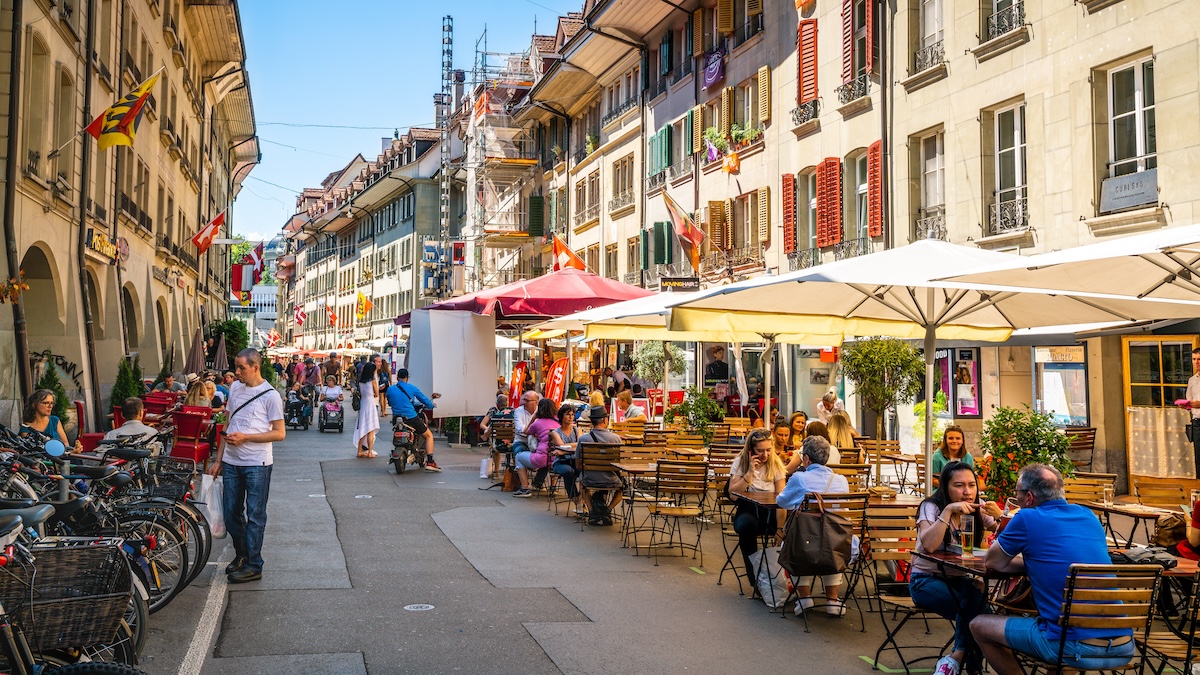
Bern’s old town really does feel like a trip back in time. Cobblestone streets, stone arcades, and medieval towers give the city a historic vibe you can’t miss.
The Zytglogge clock tower stands at the center, with moving figures and a clockwork show every hour.
All over, you’ll spot fountains topped with colorful statues. These are originals, dating back hundreds of years.
Bern sits along the Aare River, and its old town is surrounded by water on three sides. This natural layout helped keep the area protected in medieval times.
As you wander, you’ll find local shops, small markets, and cozy cafes. The whole place feels relaxed and perfect for strolling or snapping photos.
19. Óbidos, Portugal
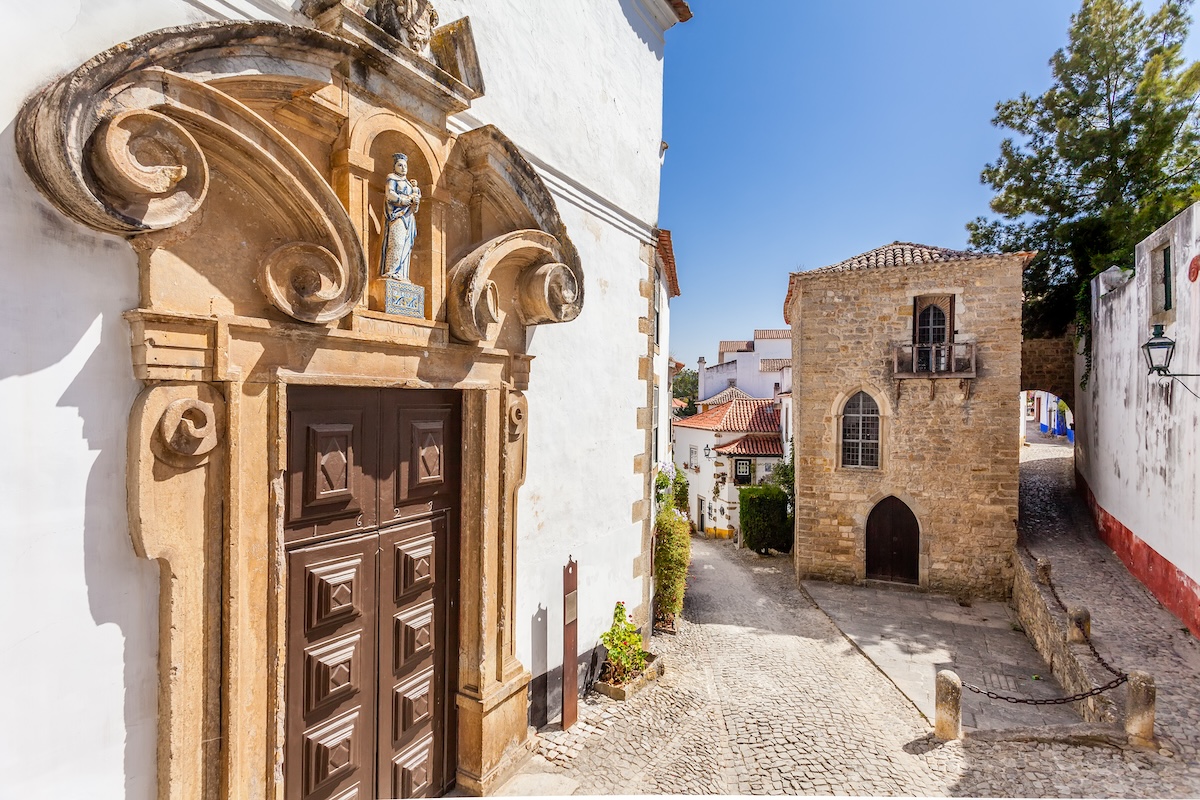
Walk into Óbidos and you’re on narrow cobblestone streets lined with whitewashed houses. The city walls, built by the Moors and later expanded, still stand tall around the village.
Red-tiled roofs and lush vines climb old stone buildings. Shops sell cherry liqueur in chocolate cups—definitely worth a try as you wander.
The main street’s full of little bookstores and cozy cafés. You can walk the whole village in less than an hour.
Everywhere you look, there are photo spots—arches, squares, medieval gates. It’s quiet but lively, especially during festivals.
18. Mdina, Malta
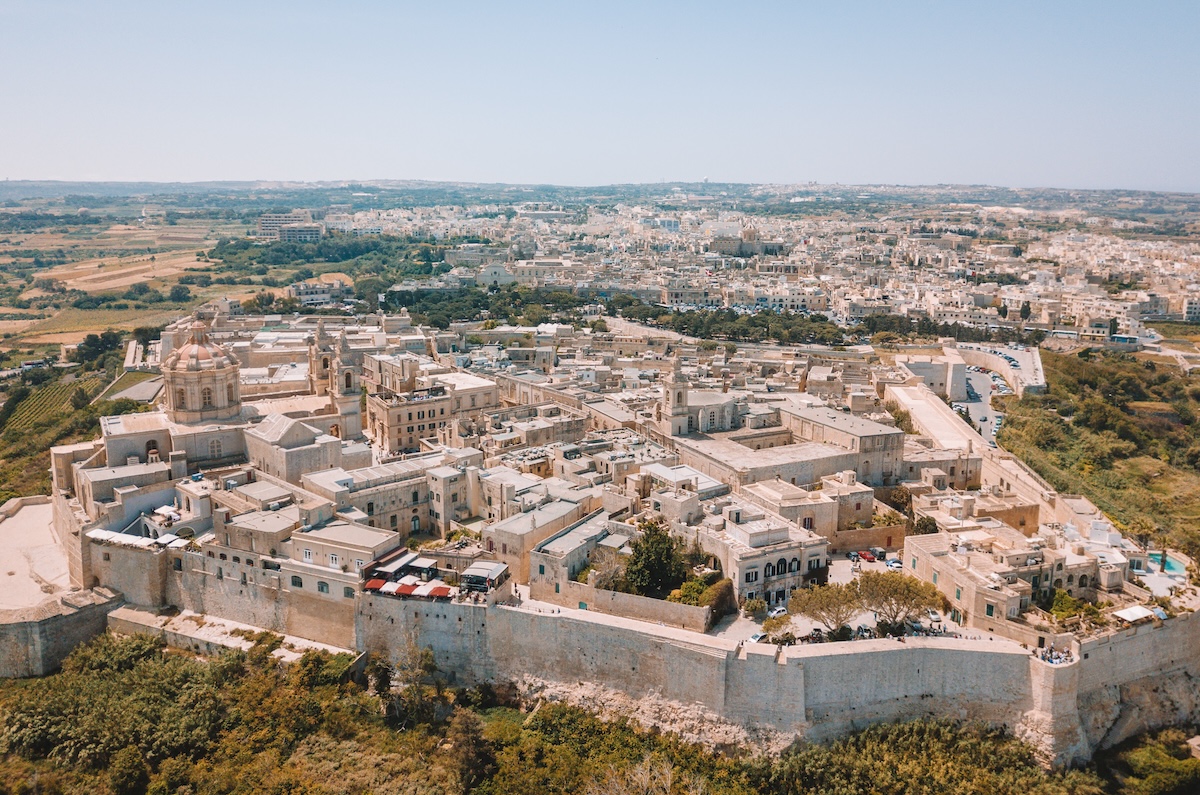
Mdina’s quiet hits you right away. Locals call it the “Silent City” because almost no cars drive through, and the stone streets stay peaceful.
Medieval walls still stand strong around the city. Narrow alleys, old churches, and traditional wooden balconies give the place a unique charm.
Mdina sits in the middle of Malta and used to be the capital. You’ll see a mix of medieval and baroque buildings, so every corner feels like a step back in time.
It’s not crowded, so you can take your time exploring. Maybe try some local treats at small cafés tucked into quiet lanes.
17. Toruń, Poland
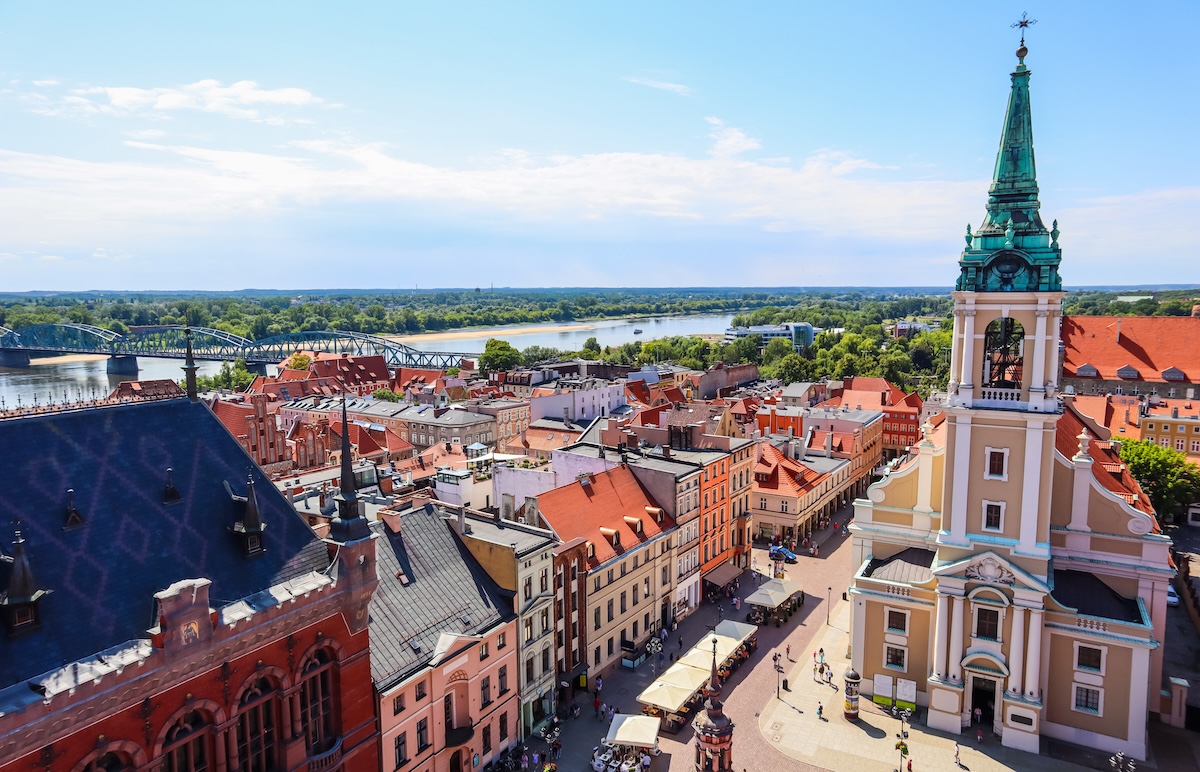
As you walk through Toruń, you can see traces of its medieval history everywhere. The old town’s a UNESCO World Heritage Site, famous for its red brick Gothic buildings.
The city’s medieval walls and towers still stand. The ruins of the 13th-century castle are open for exploring.
Toruń’s known for its gingerbread, made here for centuries. You can even visit a gingerbread museum and try making your own.
The streets are lined with cozy shops and cafés. If you’re into astronomy, you might know Nicolaus Copernicus was born here.
The city feels peaceful, but there’s always something interesting to see—whether it’s the architecture or the lively market square.
16. Kotor, Montenegro
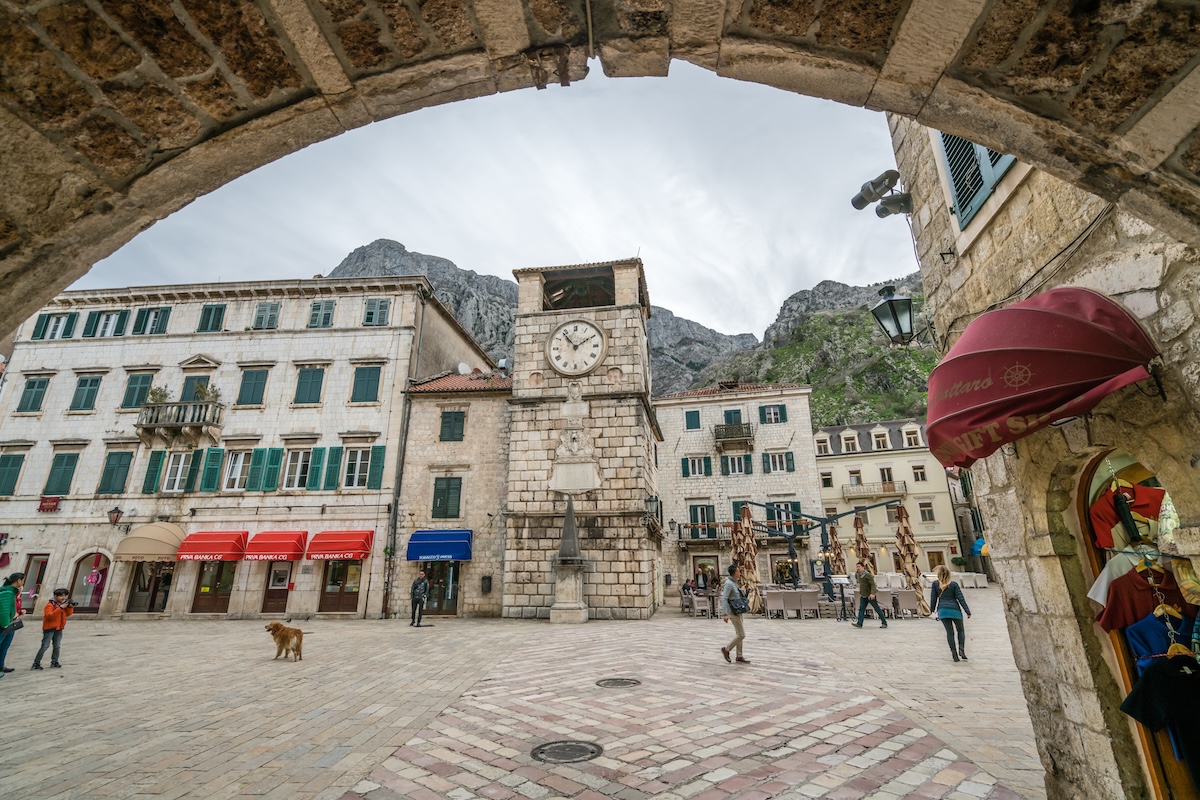
Kotor’s tucked away on the Adriatic coast, surrounded by steep mountains and a calm bay. Its medieval walls still curve around the old town, and you feel the history the moment you walk in.
Narrow stone streets twist between ancient buildings, small churches, and hidden squares. You’ll see cats lounging in the sun and laundry hanging from windows—a sign people still live here.
Climb the old fortress steps for a view over red rooftops and blue water. The city feels peaceful, but there’s a buzz from restaurants and little shops.
Kotor isn’t huge, but every corner tells a story. Spend an afternoon wandering—you’ll always find something new.
15. Segovia, Spain
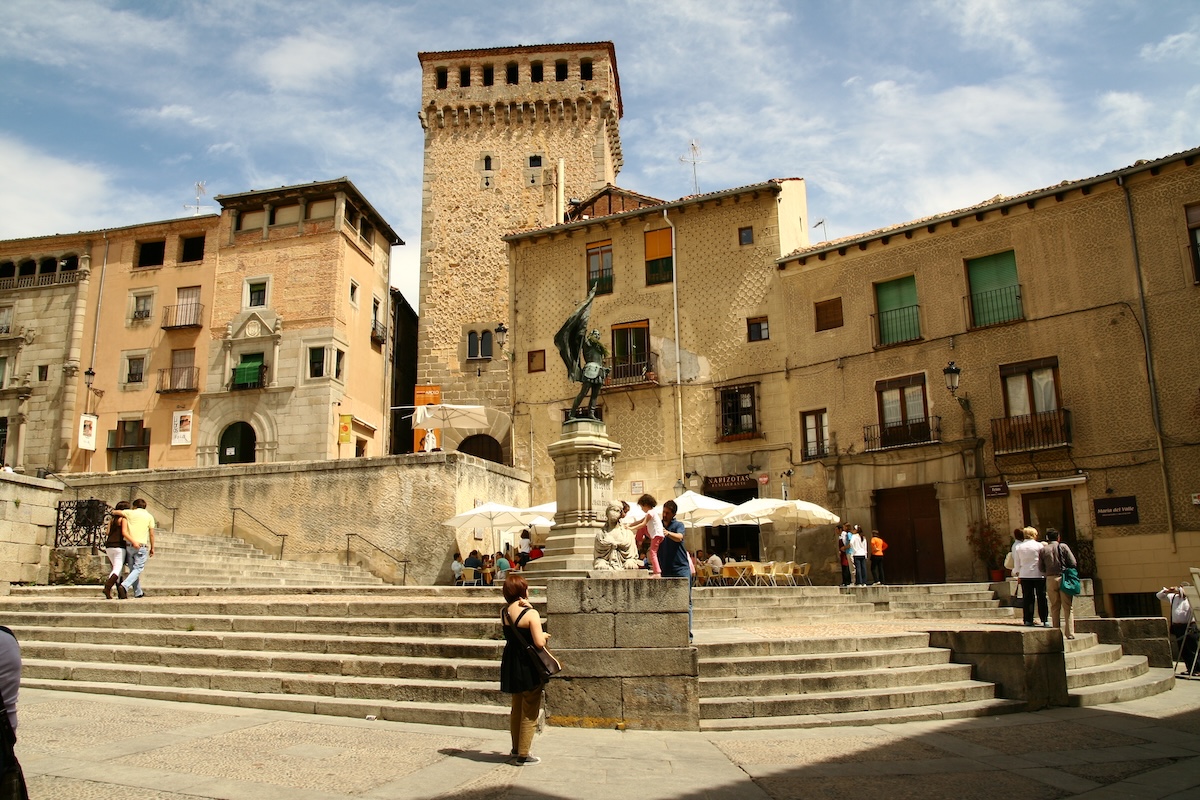
Segovia’s Roman aqueduct stretches across the city, its stones still solid after all these centuries. The old town’s full of narrow streets, small shops, and cozy cafes.
You can explore the Alcázar, a castle that looks straight out of a storybook. Climb the stairs to the tower for wide views of the city and countryside. Every step feels worn smooth by visitors over the years.
Segovia’s cathedral stands right in the center, with tall spires and stained glass windows. The main square’s a good spot to sit and watch local life.
Around the edges of Segovia, you’ll find medieval walls. These once protected the town and now frame some pretty great sunset views.
14. York, England
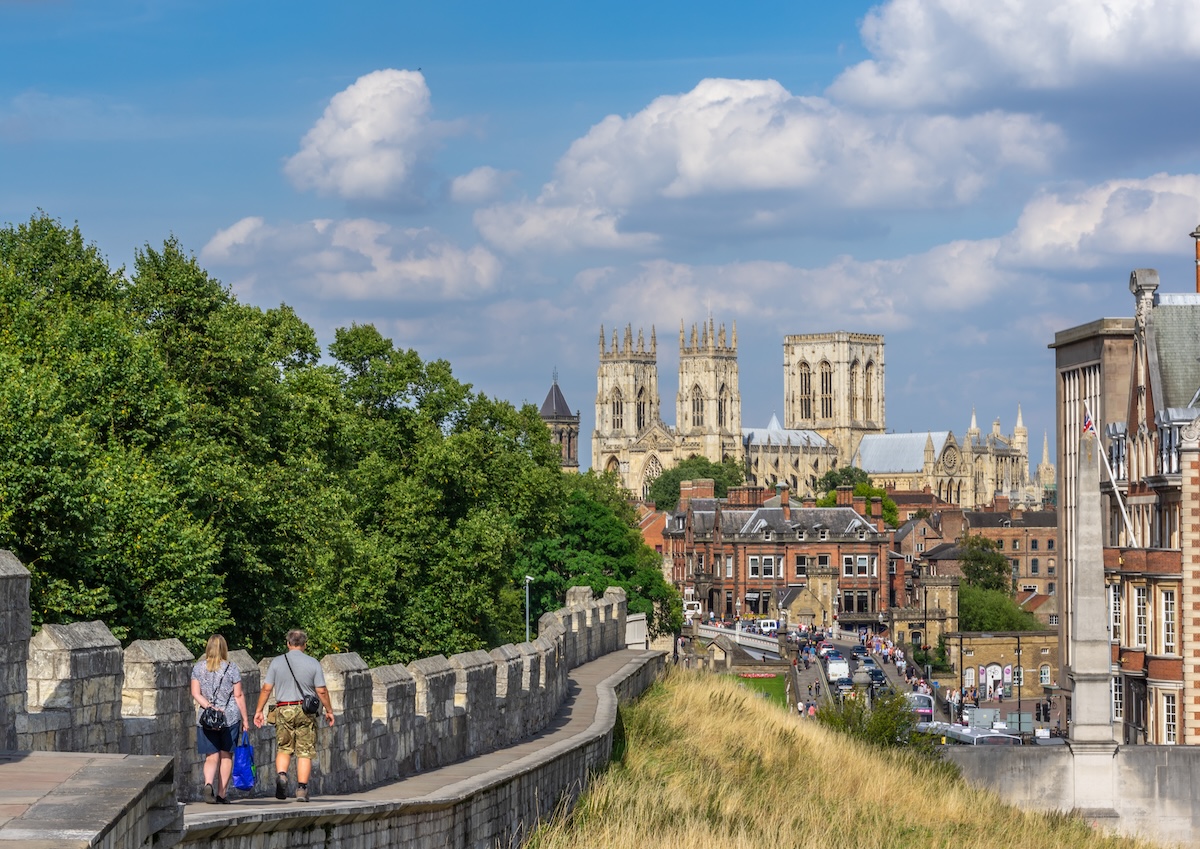
In York, you can actually climb up and stroll along parts of its old medieval city walls. These stone walls are some of the best preserved in England, and you get a cool view of the city as you go.
York’s narrow streets are lined with buildings that seem straight out of a history book. The Shambles area has overhanging timber-framed houses that look a bit crooked.
You’ll notice old gates called “bars” and towers around the city. Don’t miss York Minster, the big Gothic cathedral in the center.
There’s a mix of old shops, cozy cafes, and museums. Walking through York feels like stepping back hundreds of years, but with all the modern touches you might want.
13. Český Krumlov, Czechia
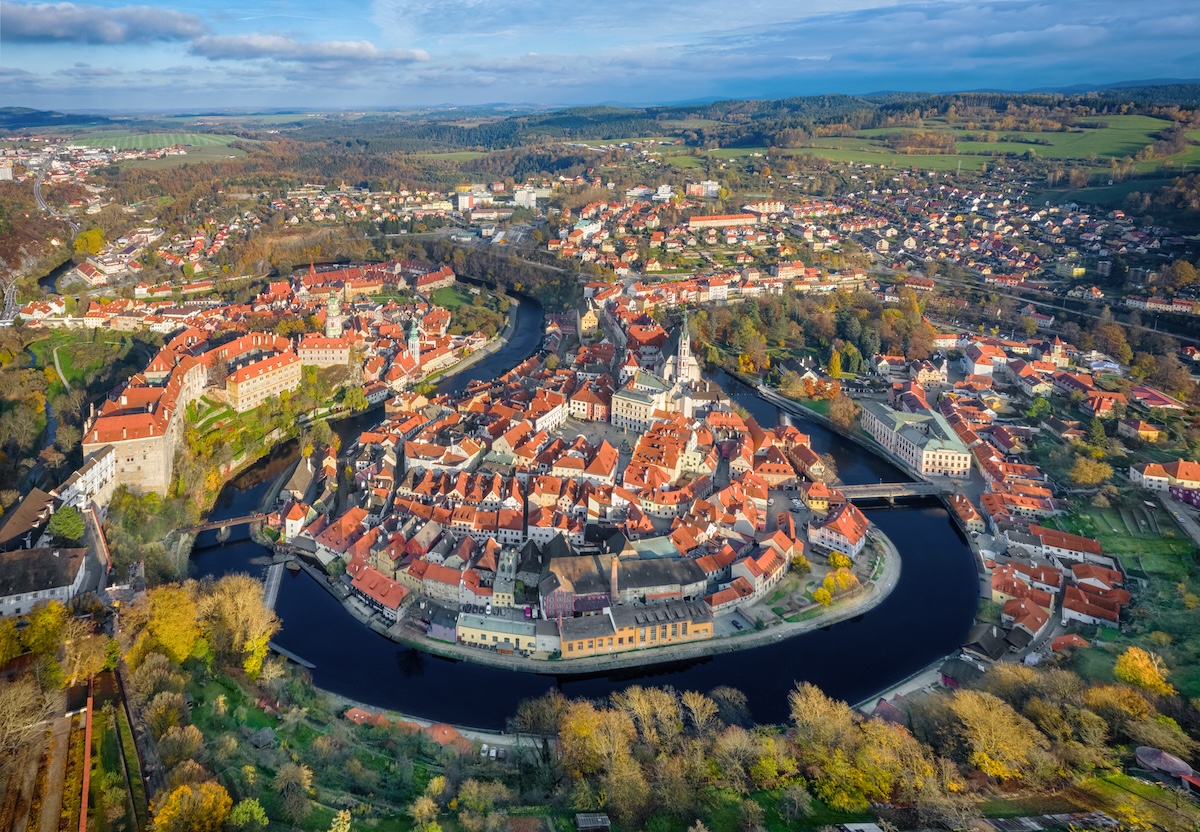
When you walk into Český Krumlov, it’s like stepping straight into the past. The town’s winding streets twist through colorful houses and old stone bridges. It’s peaceful, almost slow, and you can get around easily on foot.
You’ll spot the Český Krumlov Castle perched on a hill above everything. Climb up and you’ll get a sweeping view of red roofs and the Vltava River curling below. Sometimes, artists set up easels or musicians drift into the main square—honestly, it feels a bit like a movie set.
Shops and tiny cafés squeeze along the narrow roads. Many of the buildings haven’t changed much in hundreds of years. If you’re after a place to kick back, sample some local food, and just soak up that medieval atmosphere, this is it.
12. Sigişoara, Romania
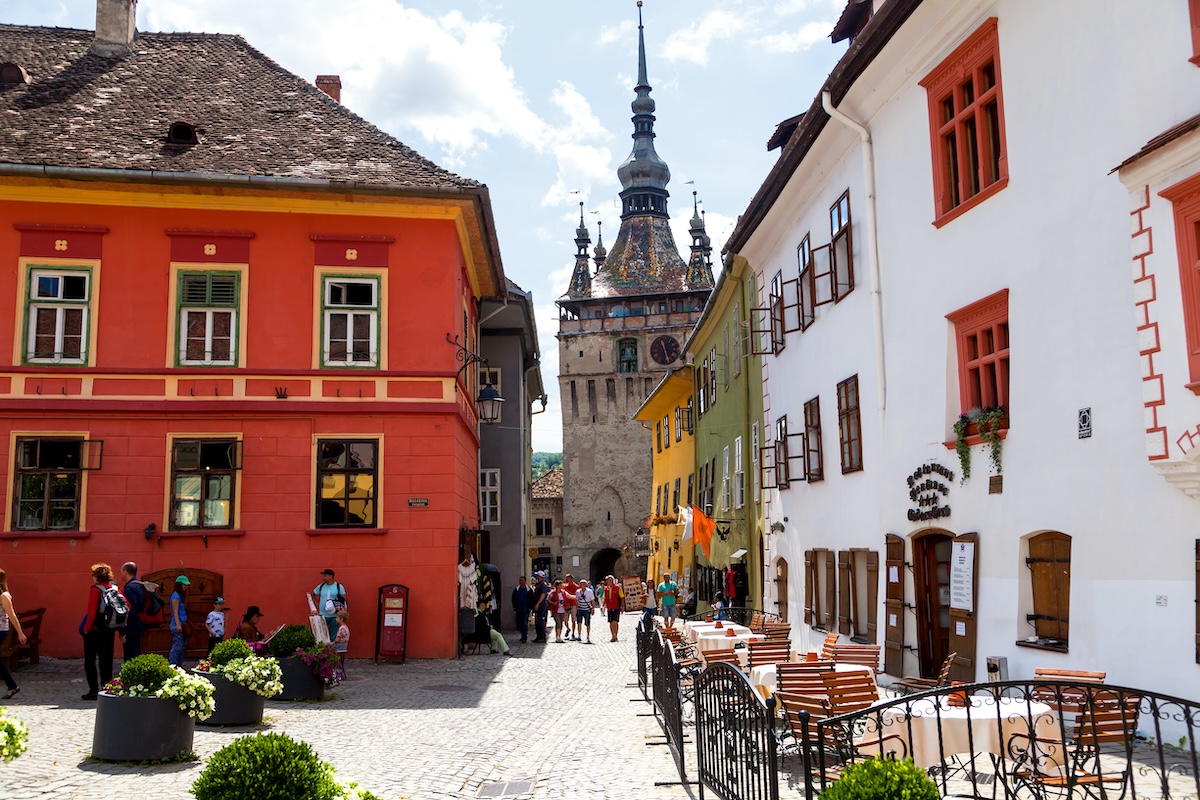
Sigişoara’s perfectly preserved medieval core earned its UNESCO status by looking almost exactly as it did 500 years ago. The cobblestone streets practically echo with the footsteps of medieval guild members and maybe even Vlad the Impaler, who was born here in 1431 before becoming the inspiration for Dracula.
Visitors can climb the covered wooden Scholar’s Stairs to reach the Gothic Church on the Hill, pausing to catch their breath while taking in views across terracotta rooftops. The nine surviving defensive towers each belonged to different craft guilds. Locals still live within the citadel walls, creating a lived-in atmosphere rather than a museum feel.
11. Carcassonne, France

Carcassonne looks exactly like the medieval castle every child draws. This mighty fortress city boasts 53 towers and impossibly perfect crenellated walls. The double ring of ramparts creates a fortress within a fortress, reflecting its strategic importance on the historic route between the Mediterranean and Atlantic.
The La Cité area within the walls transforms after day-trippers leave, when evening light bathes the ancient stones in golden hues. The annual Bastille Day fireworks create a spectacular modern light show against the medieval backdrop. Visitors should venture beyond the main tourist streets to find quiet corners where cats nap in sun-dappled spots and grapevines grow against weathered stone walls unchanged for centuries.
10. Rothenburg ob der Tauber, Germany
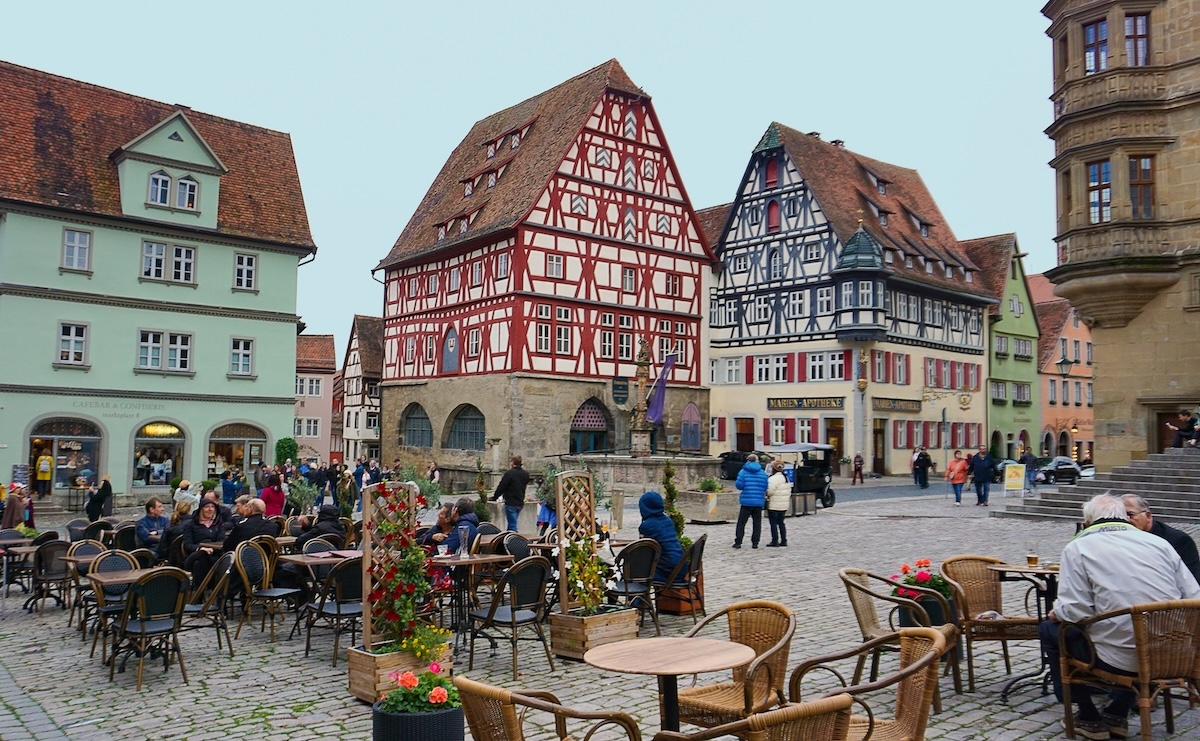
This Bavarian beauty survived the centuries looking like it was preserved in amber since 1400. Rothenburg presents such a perfect medieval townscape that Walt Disney reportedly used it as inspiration for Pinocchio. The completely intact city walls invite visitors to walk their full 1.5-mile circuit above half-timbered houses with steep gabled roofs. The town somehow survived WWII bombing mostly intact thanks to its cultural significance.
Medieval crime and punishment come alive at the Medieval Crime Museum, featuring creepy torture devices alongside fascinating historical context. The Night Watchman’s Tour offers evening entertainment as a costumed guide shares stories of past plagues and perils. Christmas transforms Rothenburg into a winter wonderland with a famous Christmas market dating to the 15th century.
9. Besalu, Spain
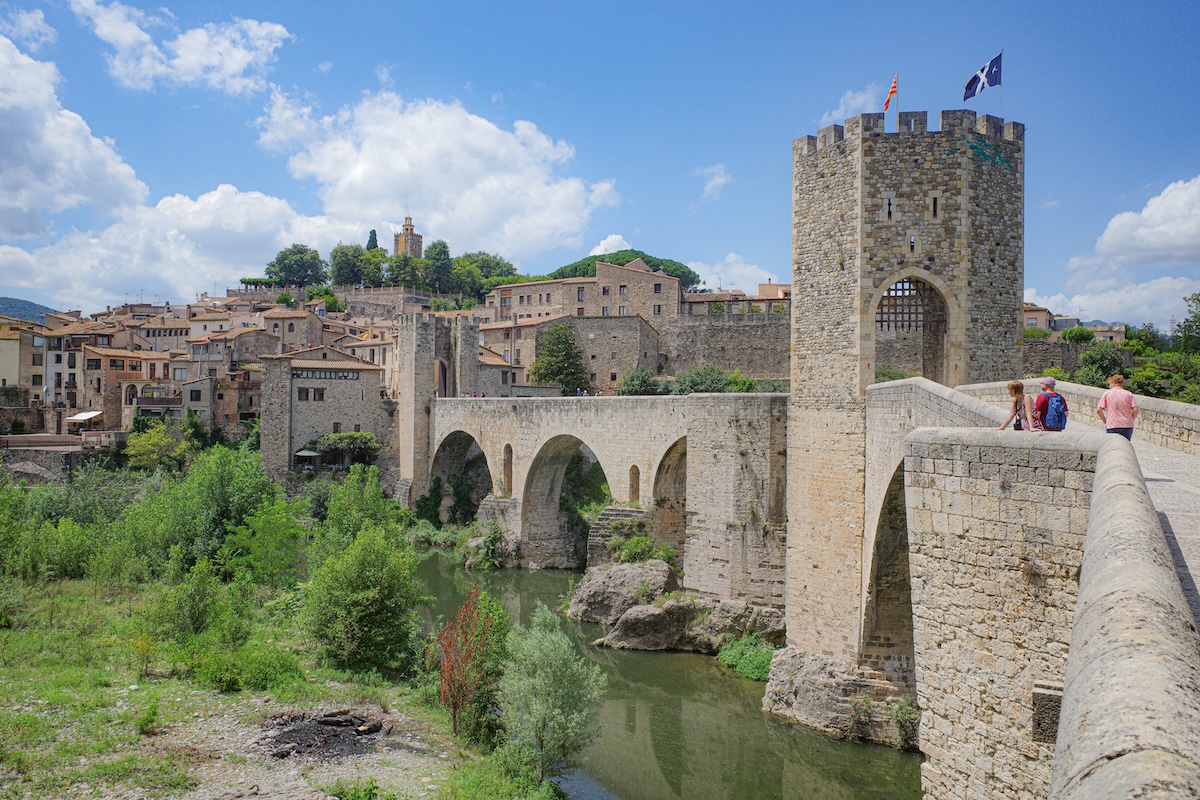
Catalonia hides this medieval gem across a stunning 12th-century fortified bridge spanning the Fluvià River. Besalu packs incredible historic density into a small space, with perfectly preserved Jewish ritual baths, Romanesque churches, and atmospheric stone arcades. The town feels delightfully untouched by mass tourism despite its undeniable charm and historical significance as a medieval power center.
The former Jewish Quarter contains a rare surviving mikveh, testament to the once-thriving Sephardic community. Plaza Mayor comes alive during September’s medieval fair when traditional musicians fill the square and artisans demonstrate forgotten crafts. Besalu delivers authentic medieval atmosphere without the commercial overtones found in more famous historic towns.
8. Bruges, Belgium
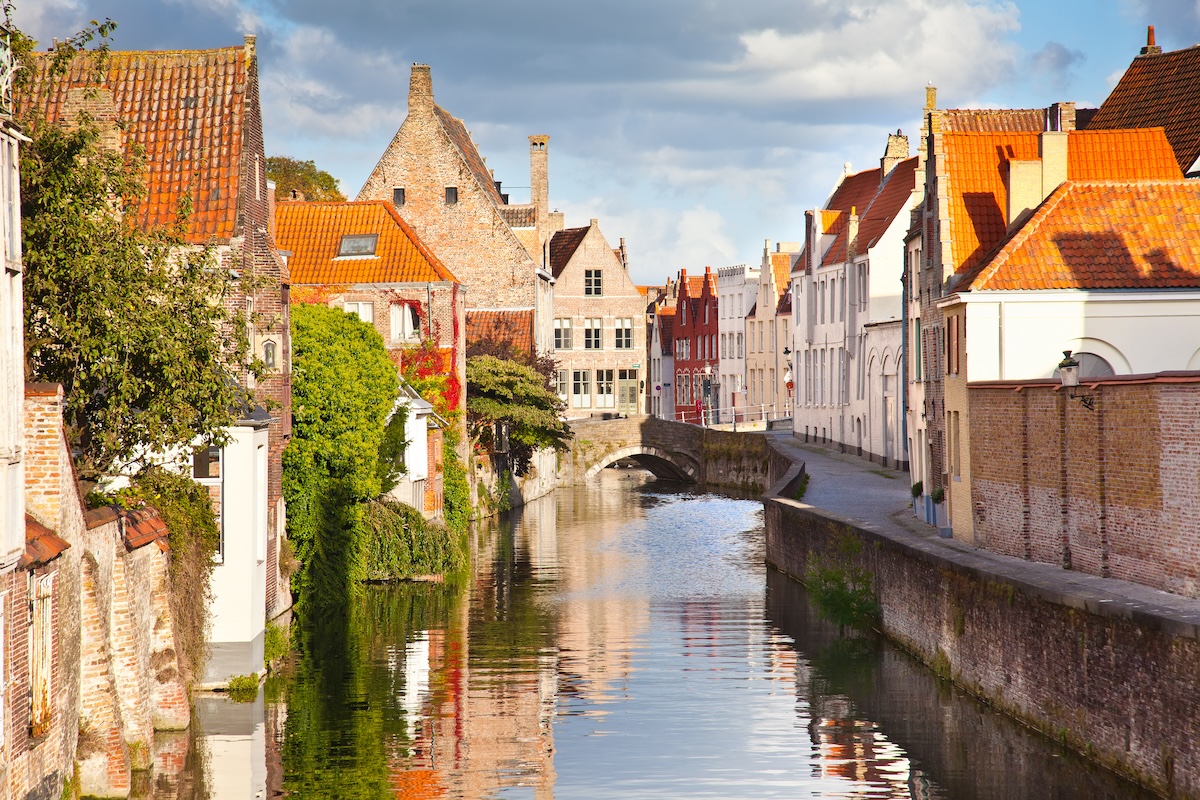
Bruges floats like a medieval mirage, its Gothic spires and step-gabled houses reflected in tranquil canals. This perfectly preserved trading powerhouse once connected Northern Europe to the Mediterranean world. The wealth from this commerce built the stunning architecture that survived virtually untouched through centuries when the city fell into economic decline. This accidental preservation created what many consider the most complete medieval cityscape in Europe.
Chocolate shops and Belgian beer now fuel the economy instead of Flemish cloth, but the backdrop remains authentically medieval. The Belfry tower dominates Market Square, offering panoramic views for those willing to climb 366 steps. Winter brings magical Christmas markets, while summer sees boats filled with tourists plying the canals beneath stone bridges.
7. Visby, Sweden
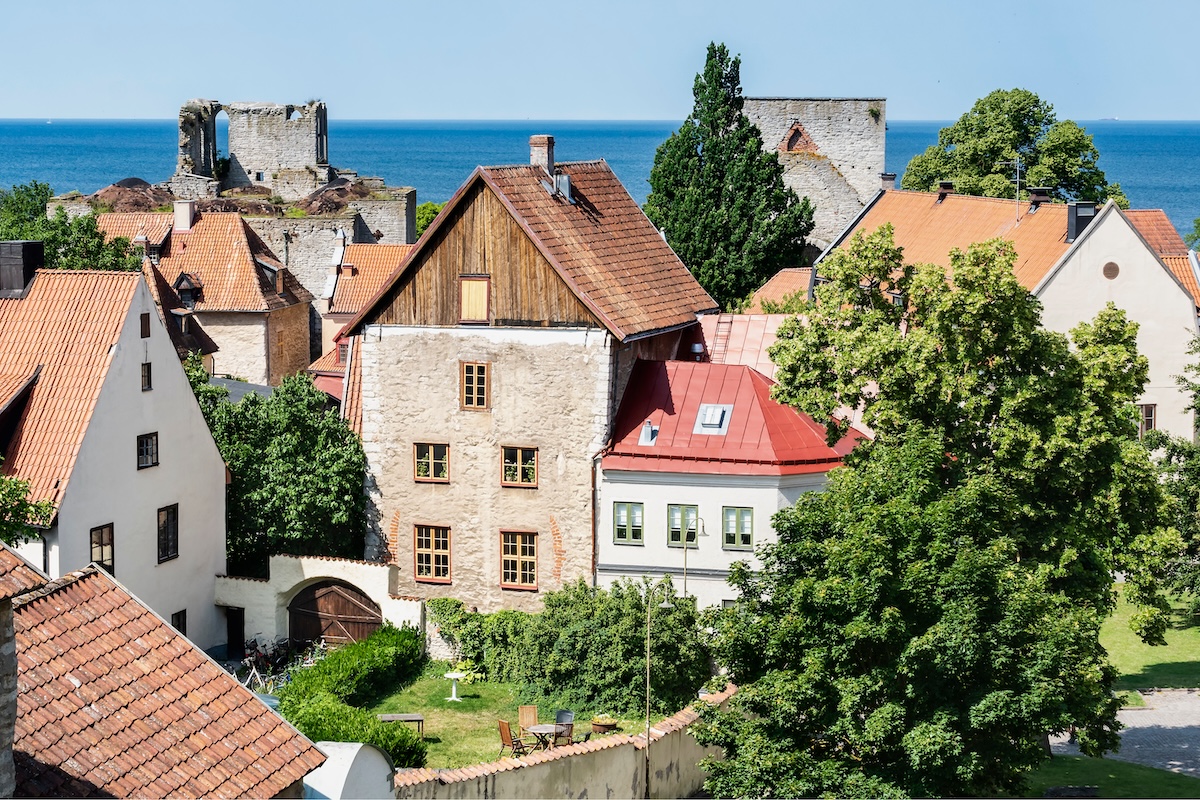
Medieval meets Viking on Sweden’s Gotland Island where Visby’s 13th-century wall encircles a Baltic trading hub frozen in time. This former Hanseatic League powerhouse boasts the best-preserved medieval city wall in Scandinavia, complete with 44 defensive towers.
The compact city bursts into life during Medieval Week each August when thousands arrive in period costumes for tournaments and markets. Rose-covered cottages line cobblestone streets barely wide enough for modern vehicles. Winter brings a magical quiet when snow dusts the ramparts and locals reclaim their city from summer crowds. UNESCO recognized Visby’s unique preservation of a complete medieval trading town with typical Scandinavian wooden buildings alongside stone merchant houses.
6. Rhodes Town, Greece
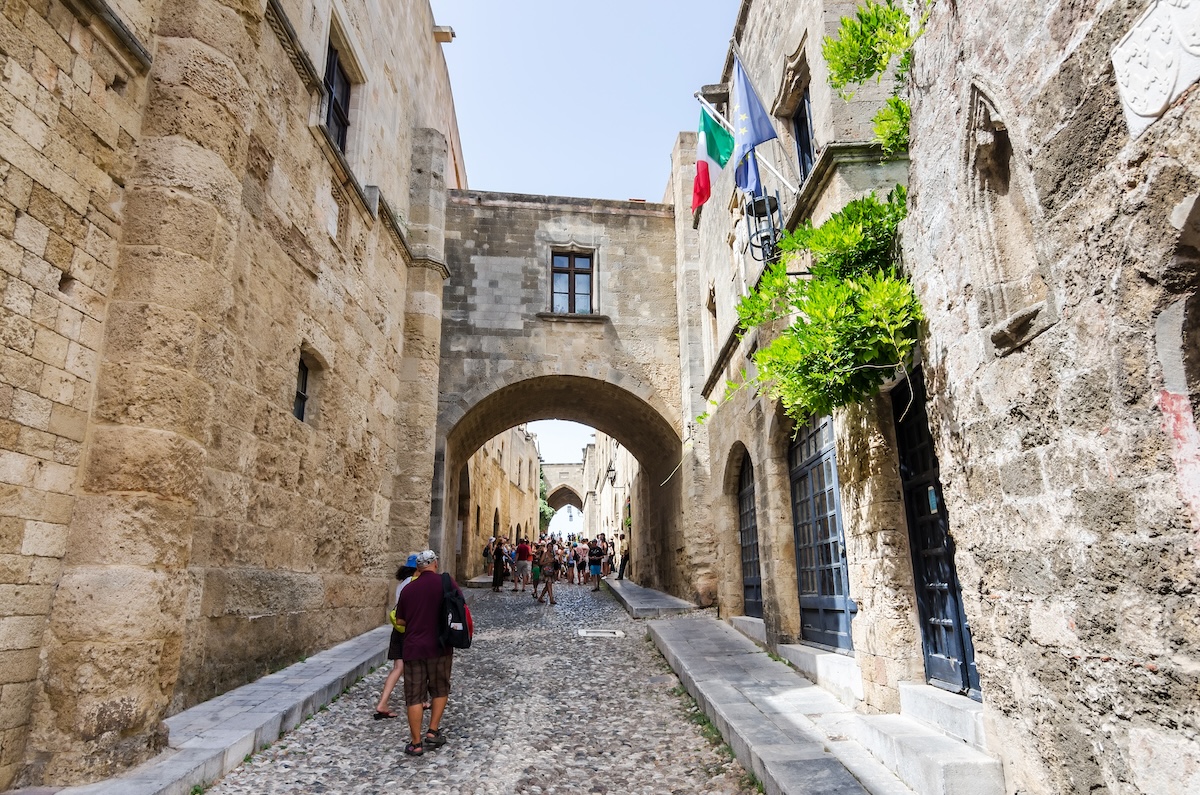
Knights Hospitaller built this medieval stronghold where Byzantine, Ottoman, and Western European influences create a uniquely Mediterranean medieval experience. The Street of the Knights presents the most perfect medieval thoroughfare in existence, lined with inns that once housed knights according to their native languages. The massive Palace of the Grand Master dominates the skyline with imposing square towers unlike the fairy-tale turrets of northern Europe.
Visitors can walk the entire wall circuit for views across terracotta rooftops to the sparkling Mediterranean beyond. The Archaeological Museum houses treasures spanning thousands of years in a former knights’ hospital. Rhodes offers a fascinating glimpse of how medieval Christian military orders adapted classical buildings for their purposes in an architectural fusion unique to this Mediterranean crossroads.
5. Tallinn, Estonia
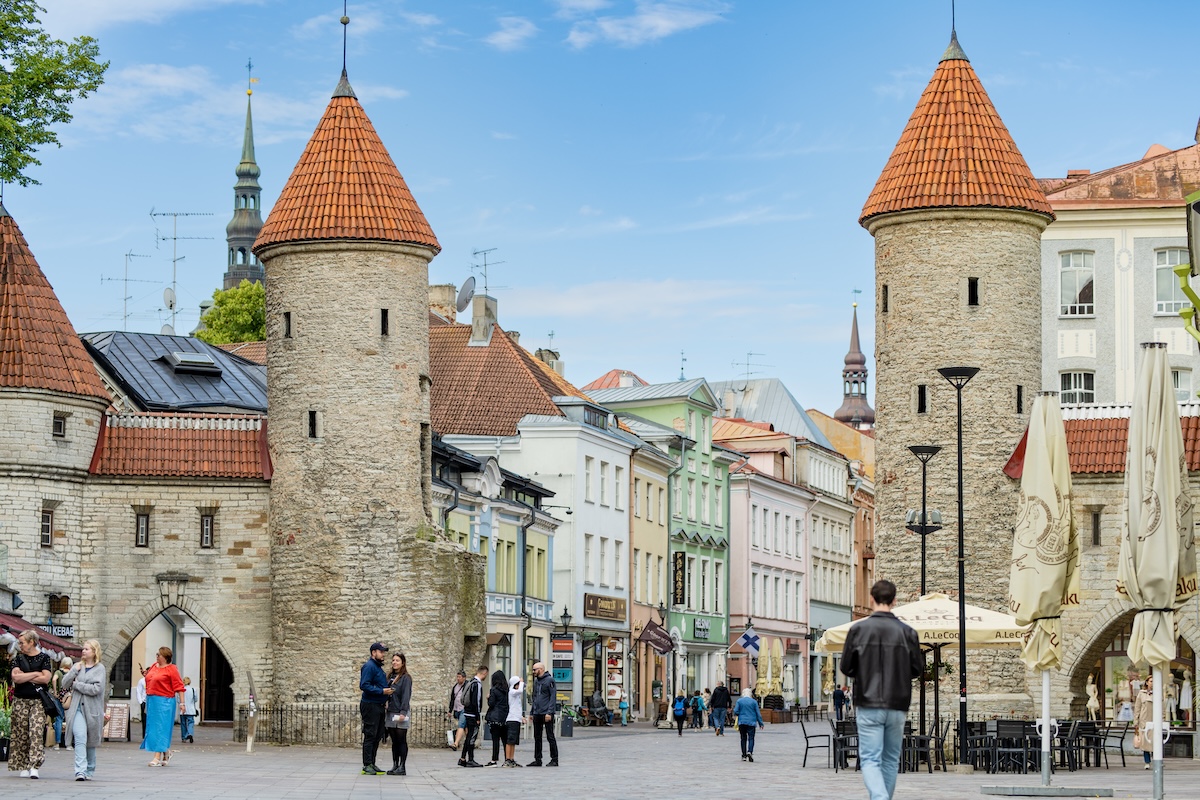
Tallinn’s fairytale skyline rises above the Baltic, its spires and towers creating one of Europe’s least altered medieval silhouettes. The atmospheric Old Town splits between the merchant-focused Lower Town and the aristocratic Upper Town on Toompea Hill, connected by steep streets passing through former defensive gates.
The Town Hall Square has hosted markets since the Middle Ages, now filled with outdoor cafes where visitors sample traditional Estonian food beneath colorful merchant houses. Tallinn balances preservation with innovation, as tech startups operate from centuries-old buildings in this former Hanseatic League port. St. Olaf’s Church once held the title of world’s tallest building, its spire serving as a critical navigation point for medieval Baltic sailors.
4. Toledo, Spain
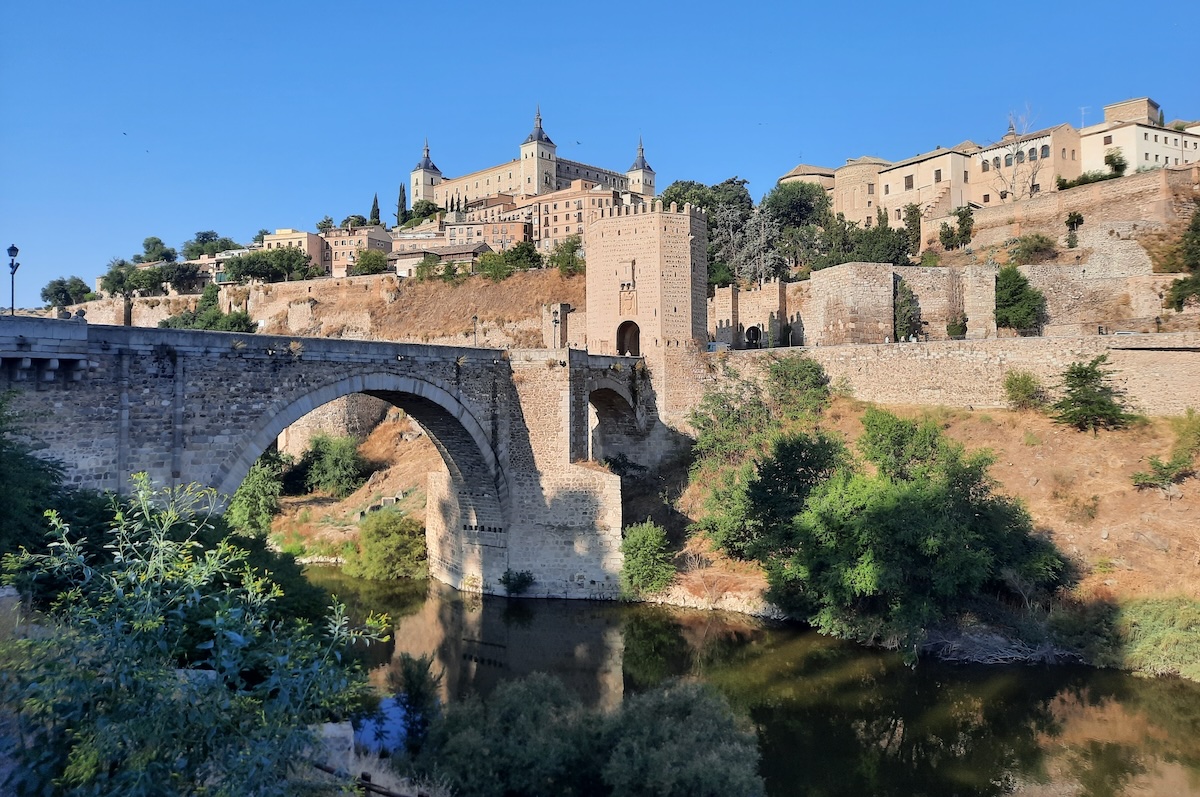
Toledo crowns a rocky hill above the Tagus River, its medieval streets preserving an extraordinary mix of Christian, Muslim, and Jewish heritage. This “City of Three Cultures” served as Spain’s capital before Madrid, creating a concentration of historical treasures within its compact walled center. The massive Alcázar fortress anchors one end while the Gothic cathedral marks the other, with a maze of winding lanes between them following patterns established over a thousand years ago.
El Greco’s masterpieces hang in churches where he worshipped, his distinctive elongated figures reflecting the very same city skyline visible today. Traditional workshops still produce damascene metalwork using techniques dating to medieval Moorish craftsmen.
3. Dubrovnik, Croatia
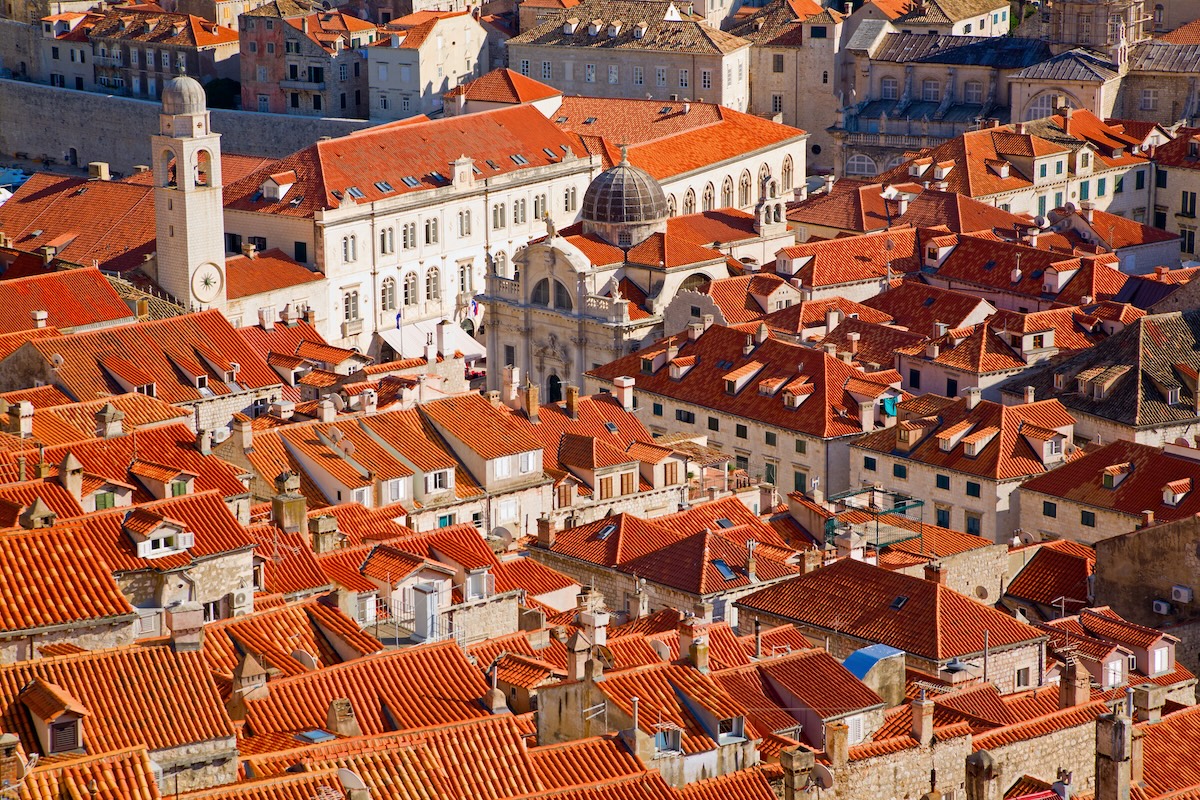
The Pearl of the Adriatic, Dubrovnik rises from the sea with massive stone walls embracing a medieval wonderland of gleaming limestone streets and red-tiled roofs. The meticulously planned city layout reflects its heyday as the sophisticated Republic of Ragusa, a wealthy maritime power that rivaled Venice.
The Stradun, main thoroughfare through the car-free old city, gleams like polished marble from centuries of foot traffic wearing down the limestone. Hidden staircases lead to unexpected residential neighborhoods within the walls. Although damaged during the 1990s Yugoslav wars, remarkable restoration returned the medieval city to its former glory.
2. Mont Saint-Michel, France
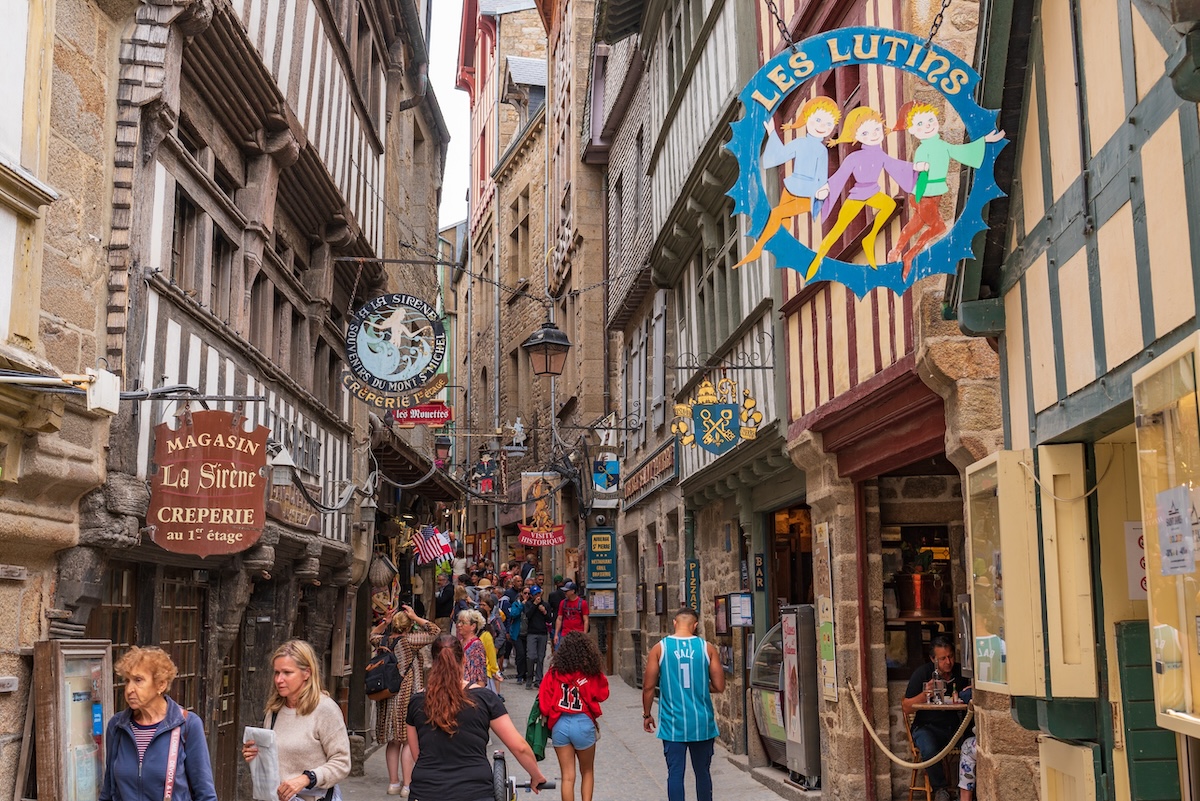
Rising dramatically from tidal flats, Mont Saint-Michel creates perhaps the most recognizable medieval silhouette on earth. This island abbey seems to float above the sea during high tide, a testament to medieval engineering and spiritual devotion. The winding village street spirals upward past shops and houses built against the defensive walls, eventually reaching the abbey church crowning the granite mount.
Massive tides transform the landscape twice daily, sometimes isolating the island completely as they have for a thousand years. Traditional omelets at La Mère Poulard follow centuries-old recipes beaten with copper implements to create a signature soufflé texture. Recent restoration projects removed a causeway and restored the mount’s island character, enhancing the medieval approach experience.
1. San Gimignano, Italy
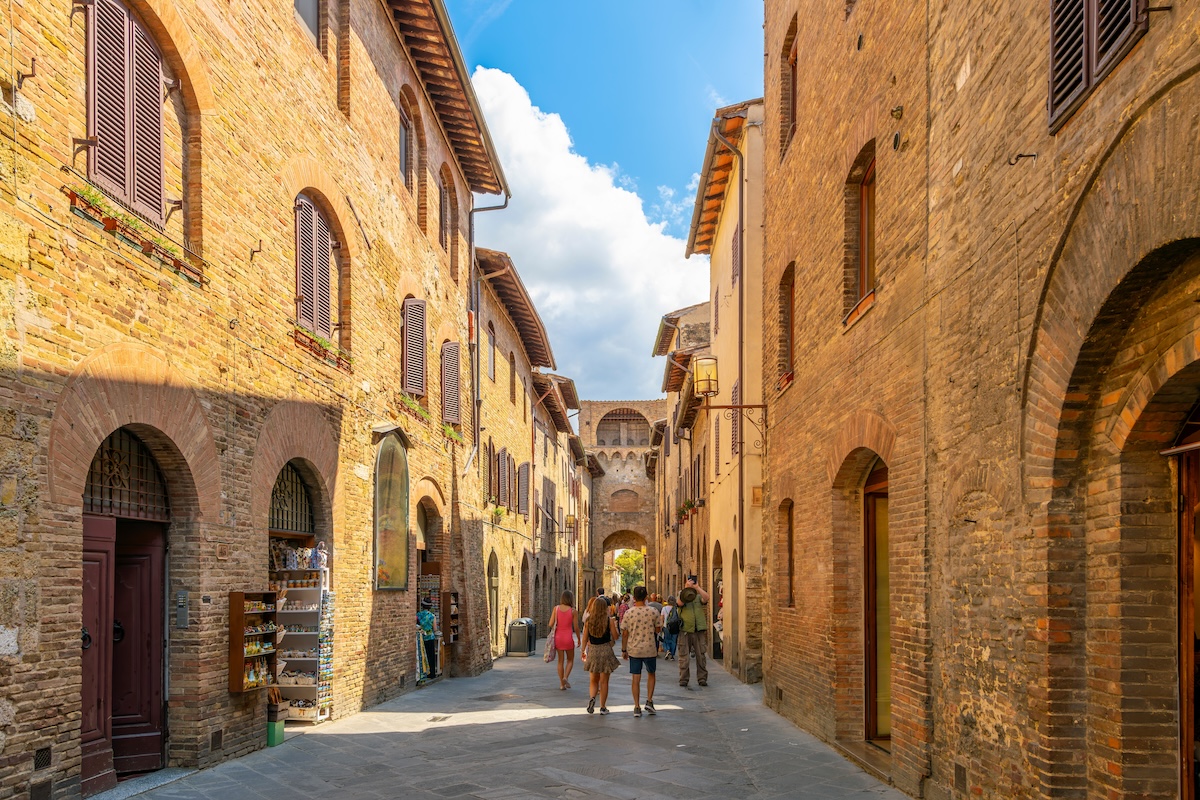
Tuscany’s “Medieval Manhattan” stuns visitors with its skyline of stone towers piercing the sky above rolling vineyards. During its 13th-century prime, San Gimignano boasted 72 towers built by wealthy families competing for status. The 14 surviving towers still create an unforgettable profile visible for miles across the countryside.
Piazza della Cisterna, the triangular main square named for its ancient well, hosts locals and visitors enjoying the world’s best gelato from award-winning Gelateria Dondoli. The surrounding countryside produces the crisp white Vernaccia wine, the first Italian wine to receive official quality designation. San Gimignano delivers the perfect balance of authentic medieval atmosphere and comfortable tourism infrastructure.