
Gothic cathedrals are not the religious building of the ancient Goths, but rather cathedrals built in the Gothic architecture. Just as Vandalism doesn’t have anything to do with the Vandals, Gothic architecture has nothing to do with the Goths. It’s a style of architecture that developed in France out of the Romanesque style in the 12th century and was simply known as the “French Style”.
Gothic architecture spread to all of Western Europe and continued to evolve until well into the 16th century, before being subsumed into Renaissance art. Only then it was called “Gothic”, and not in a positive way as the Goths were considered rude and barbaric.
The Gothic style emphasizes verticality and light. This appearance was achieved by the development of certain architectural features such as the clustered columns, ribbed vaults and flying buttresses. Although the architecture is used in many castles, palaces and town halls it is the magnificent Cathedrals of Europe that really demonstrate the beauty of Gothic architecture.
29. Strasbourg Cathedral, France
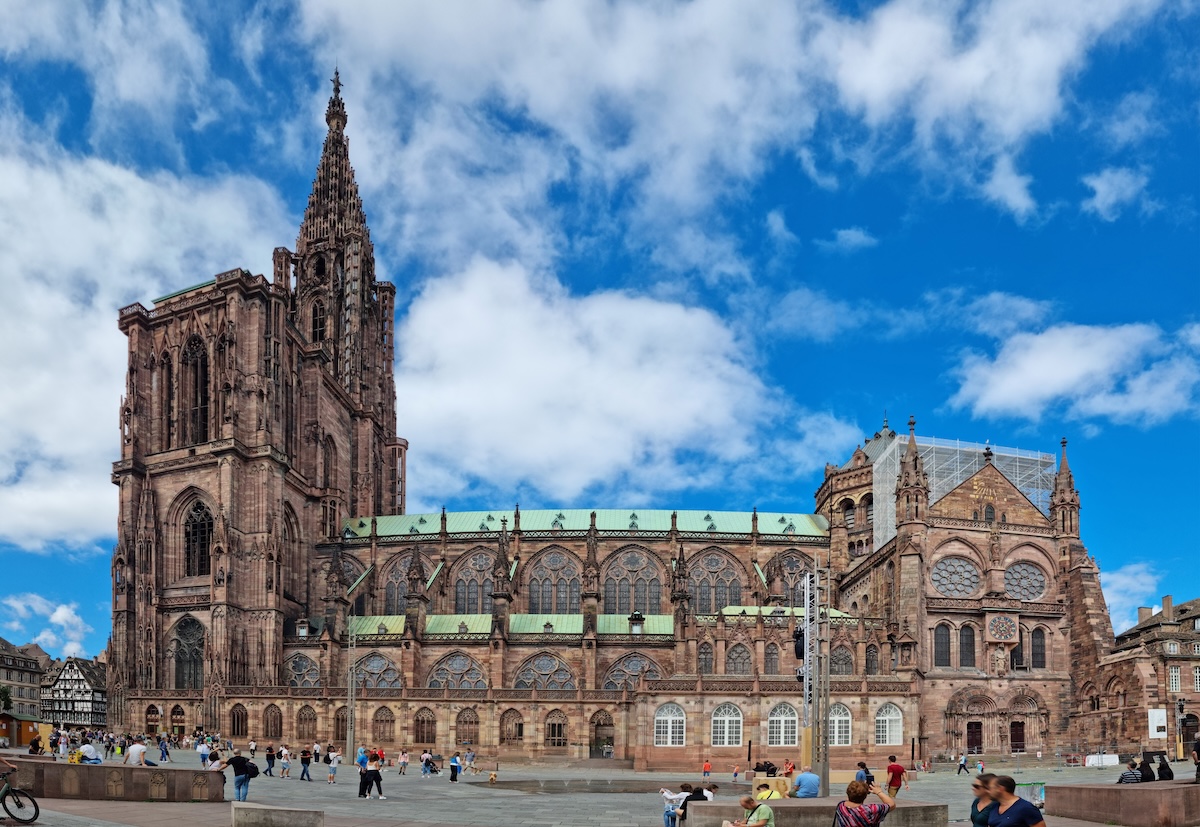
Strasbourg Cathedral towers over Alsace, carved from pink sandstone that gives it a look you won’t find anywhere else. Builders started work in 1015, but after a fire in the 12th century, they had to start over—this time in the Gothic style that was all the rage.
Its single spire shoots into the sky, claiming the title of Europe’s tallest medieval structure. Cologne and Ulm might be taller, but their towers came much later, in the 1800s.
Inside, you’ll spot a famous astronomical clock and vibrant stained glass. The project dragged on for more than 400 years, with the last touches going in around 1439. The Strasbourg workshop became a powerhouse of medieval construction, shaping the city and beyond.
28. St. Martin’s Cathedral, Slovakia
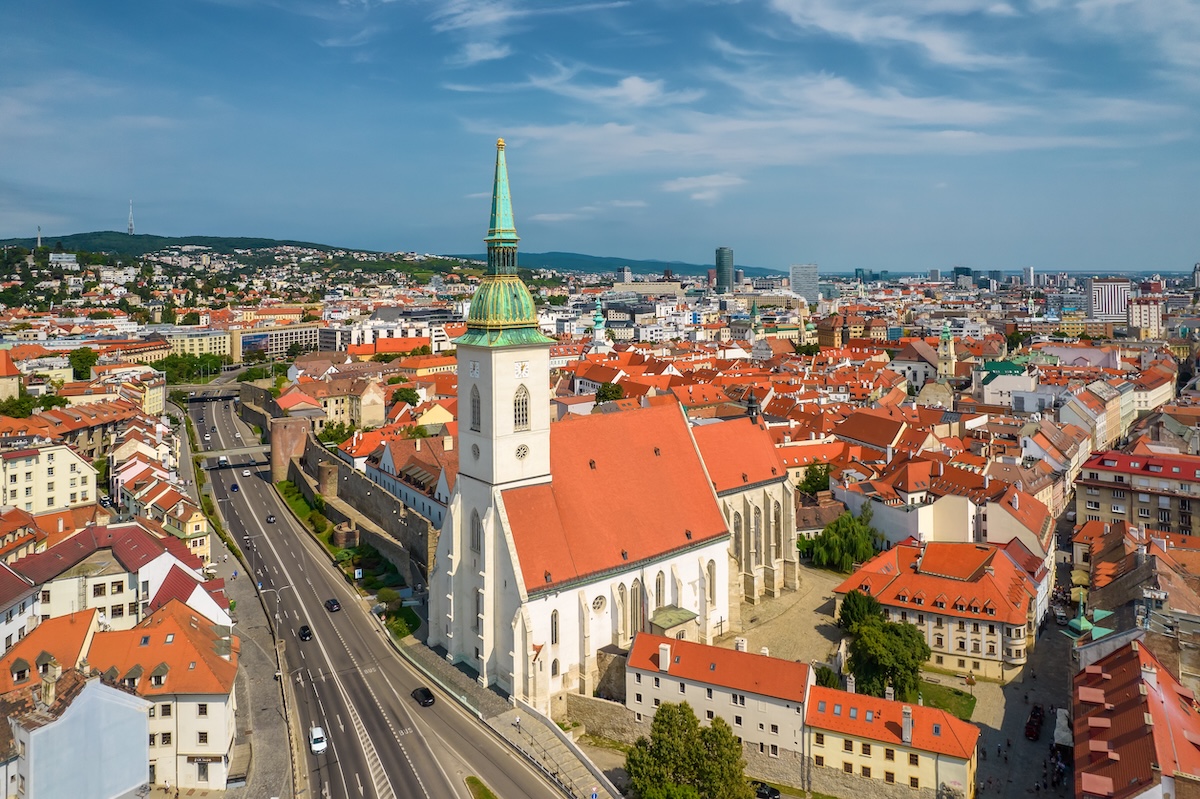
St. Martin’s Cathedral rises in Bratislava’s old town, just below the castle. Builders shaped it in the 13th and 14th centuries, right on top of an older Romanesque church.
Its 85-meter tower stands out from nearly anywhere in the city center. Step inside and you’ll walk beneath vaulted ceilings and stained glass that fill the space with color. The cathedral’s royal history sets it apart. Nearly twenty kings and queens were crowned here, so you’re literally walking the same halls as Hungarian royalty.
It’s close to the Danube, just a short stroll from Austria’s border. Today, it’s still Bratislava’s largest Gothic building and the main cathedral for the city’s archdiocese.
27. Regensburg Cathedral, Germany
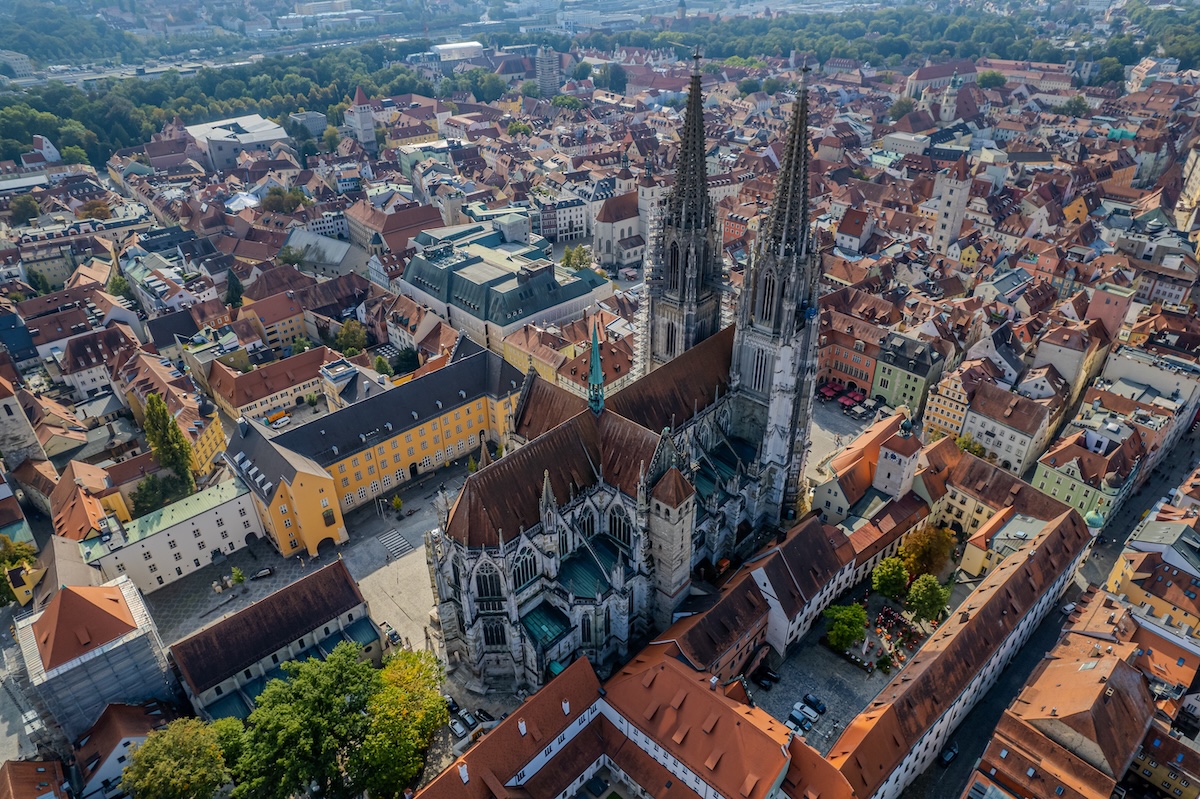
St. Peter’s Cathedral dominates Regensburg’s medieval old town with its massive twin spires. Builders broke ground in the late 1200s, but money problems and tricky engineering stretched construction out for almost two centuries.
This place is German Gothic at its boldest. The intricate stonework and stained glass inside make it a real standout. It isn’t just eye candy—it’s the seat of the Catholic Diocese of Regensburg and, along with Cologne, ranks among Germany’s most important Gothic churches. The cathedral anchors the historic center, and honestly, you can’t miss it if you’re in town.
26. Glasgow Cathedral, Scotland
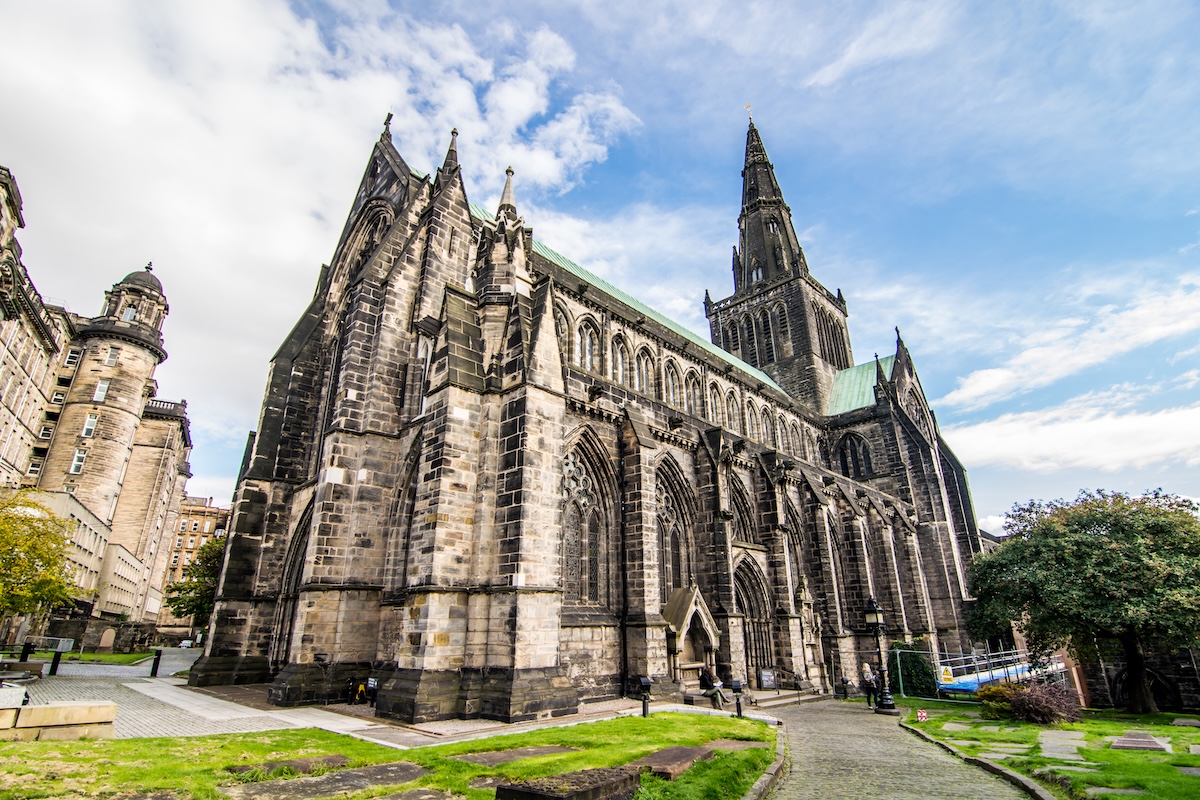
Glasgow Cathedral stands as one of Scotland’s rare medieval survivors. Most Scottish cathedrals didn’t make it through the Reformation of 1560, but this one did—roof and all.
Construction kicked off in 1136 and wrapped up about 350 years later. The cathedral honors St. Kentigern (or St. Mungo), a 6th-century missionary who left his mark on the region. It’s the oldest cathedral on mainland Scotland and Glasgow’s oldest building, too. The Gothic architecture mixes with a few Romanesque touches, so you get the best of both worlds.
The real surprise? How much of it is still intact. Most medieval cathedrals in Scotland are ruins, but you can explore this one much as it was centuries ago.
25. Rouen Cathedral, France
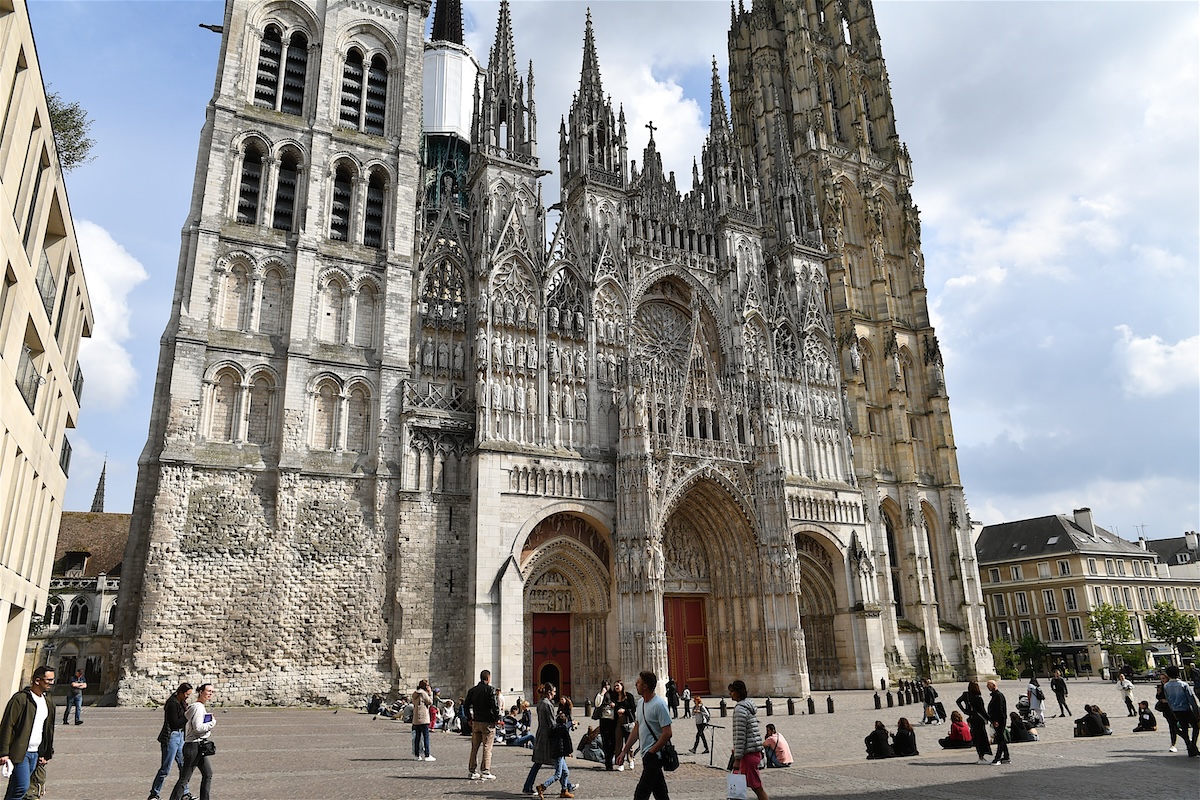
In Normandy, Rouen Cathedral stands as one of France’s Gothic marvels. It took over 800 years to build, so you’ll spot different Gothic styles around every corner. The cathedral sits on layers of history, including churches from as far back as the 4th century.
Three towers crown the building, each totally different from the next. The main spire is the tallest church spire in France. Early and Flamboyant Gothic styles blend together as you walk through.
Claude Monet couldn’t get enough of this cathedral—he painted it dozens of times, chasing the way light played across the façade. Stand in front of it and you’ll get why he was hooked.
24. Toledo Cathedral, Spain
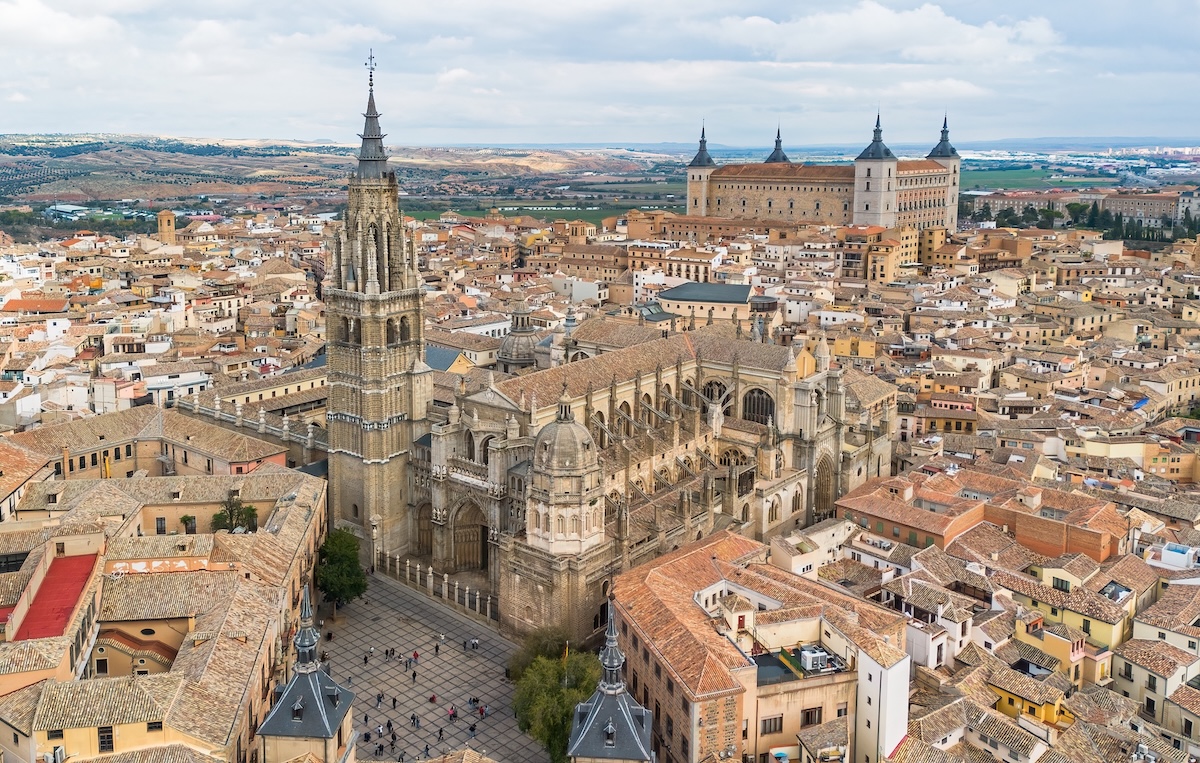
In Toledo, you’ll find one of Europe’s grandest Gothic cathedrals. Construction began in 1226 under King Ferdinand III and didn’t wrap up for more than 200 years.
The cathedral’s blend of Gothic and Mudejar styles makes it unique. You’ll see Islamic-inspired geometric patterns, especially in the cloisters—a nod to Toledo’s layered cultural history.
Inside, masterpieces by El Greco, Velázquez, and Goya line the walls. The cathedral has held the title of Primatial since 1088, putting it above other Spanish churches in rank. It stands on ground that once held a Visigothic church and a Great Mosque. Five naves stretch across a vast interior packed with medieval art and treasures.
23. Zagreb Cathedral, Croatia
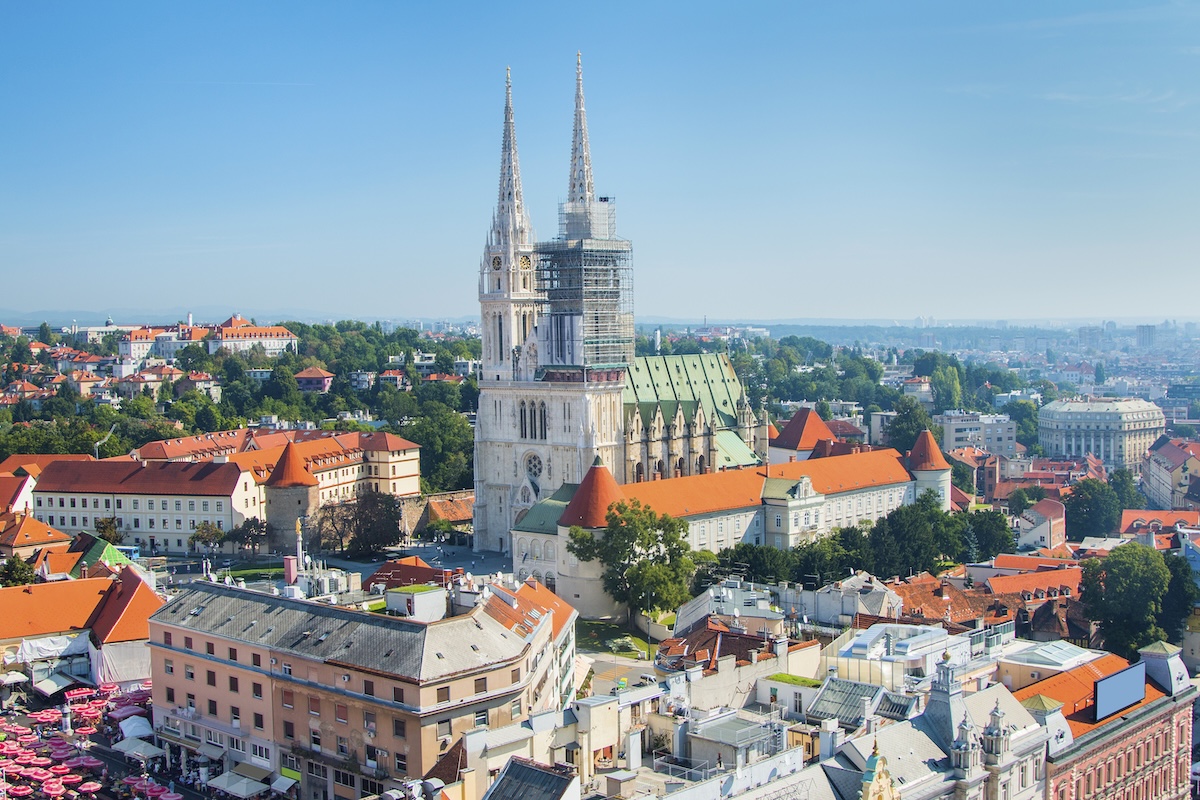
Zagreb Cathedral’s twin spires reach 108 meters above Croatia’s capital. Its story starts in 1093, when King Ladislaus of Hungary set up a monastery here.
An earthquake wrecked the original Gothic building, so architects rebuilt it in Neo-Gothic style in the late 1800s. Hermann Bollé led the restoration, giving the cathedral its current silhouette.
As Croatia’s tallest structure and most important religious site, it’s hard to miss in the Kaptol district. Step inside for intricate details and artwork that set this cathedral apart. It’s still a working church and a symbol of Croatian heritage. The Gothic architecture keeps it among the region’s most impressive sacred spaces.
22. St. Michael and Gudula Cathedral, Belgium
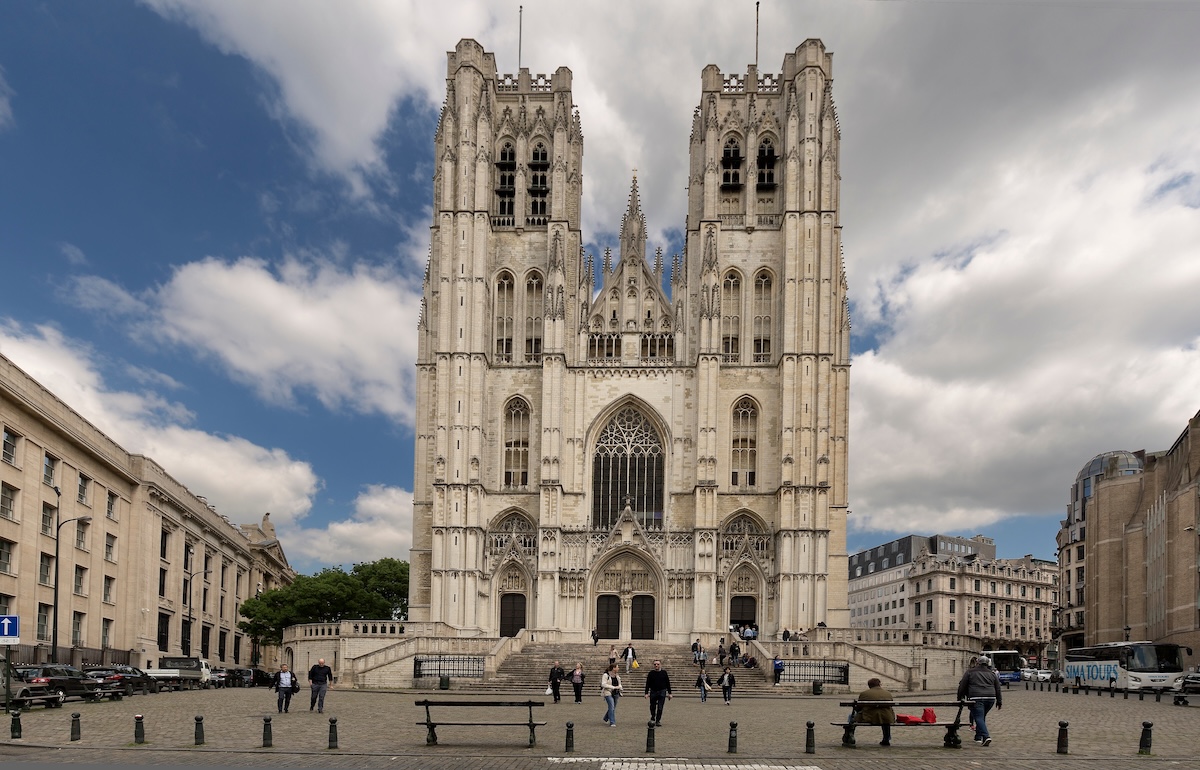
This cathedral sits atop a hill in Brussels, its twin Brabant Gothic towers visible from all over the city.
Builders started work in the early 1200s, right on top of an older Romanesque church from the 1000s. The whole thing took 300 years to finish. Named for Brussels’ two patron saints, the cathedral houses gorgeous stained glass and a wooden pulpit carved in 1699. Soaring Gothic arches and sunlight pouring through the windows make it a special place to wander.
You can walk in for free to explore, or pay extra to see the Treasury or Romanesque remains below. The cathedral still hosts royal ceremonies now and then.
21. León Cathedral, Spain
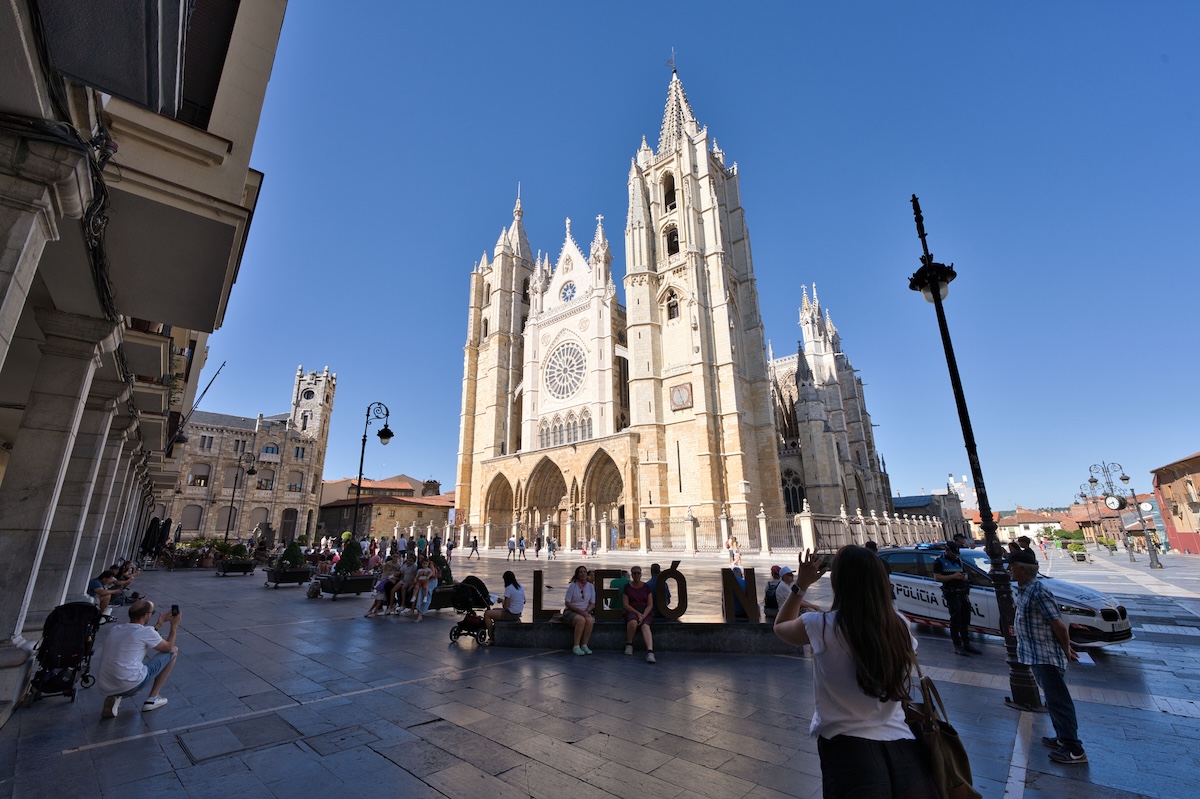
León’s Pulchra Leonina—or “the Beautiful Leonese”—is one of Europe’s most breathtaking Gothic cathedrals. Built in the 13th century where Roman baths and a royal palace once stood, it’s a stunner. The stained glass is what really sets León Cathedral apart. About 1,800 square meters of medieval glass fill the place with colored light—one of the world’s largest collections.
Inspired by French cathedrals like Reims and Chartres, the builders pushed Gothic design by thinning the walls and filling the space with glass. The effect? A bright, airy interior that feels almost weightless.
Towers rise nearly 70 meters high, and the cathedral stretches 90 meters long—testament to the skill of the craftsmen who built it.
20. Guarda Cathedral, Portugal
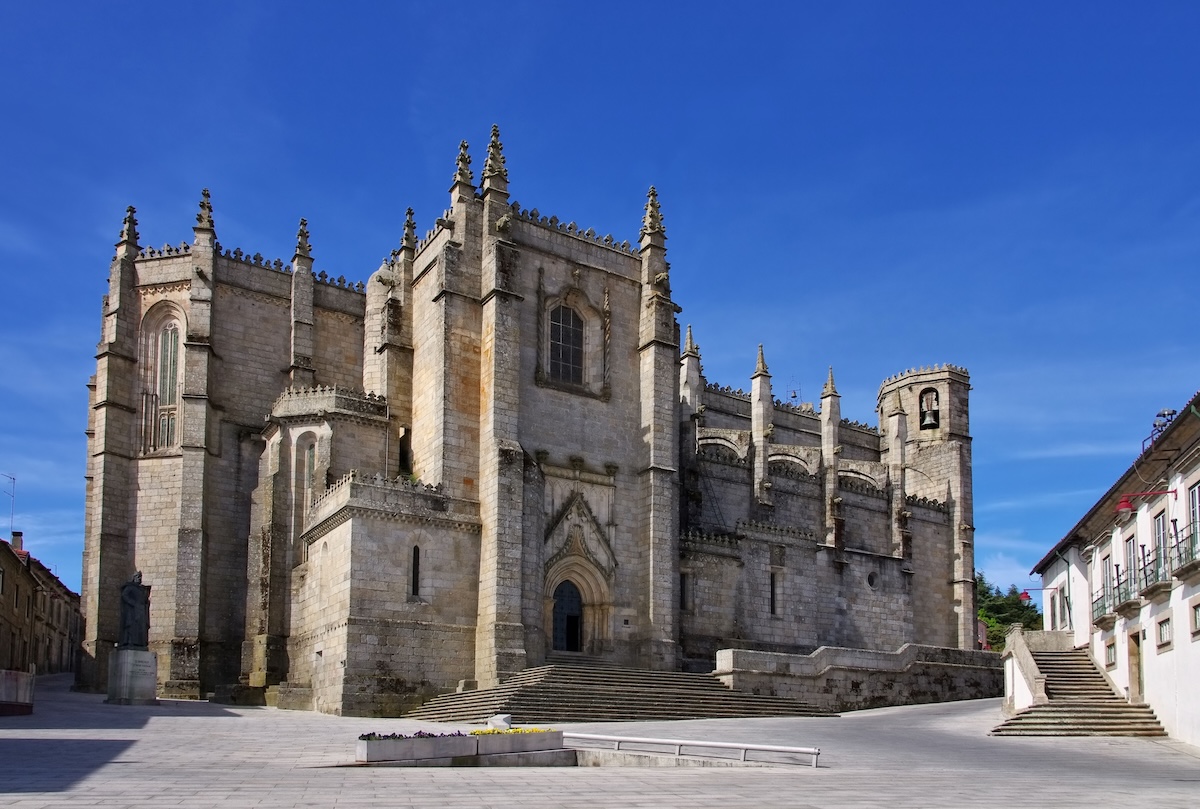
Guarda Cathedral looms over the northeastern Portuguese city of Guarda. Construction started in 1390 and didn’t finish until the mid-1500s—over 150 years in the making.
The mix of Gothic and Manueline styles gives the cathedral a fortress-like look, thanks to its chunky octagonal towers and tough granite exterior. It made sense back then—Portugal still faced conflicts, so cathedrals doubled as strongholds. Inside, you can spot how the style shifts from Gothic to Manueline as the decades passed.
The cathedral stands at Praça Luís de Camões, right in the city’s heart. It’s actually the third cathedral to rise here, taking the place of earlier versions.
19. Salisbury Cathedral, England
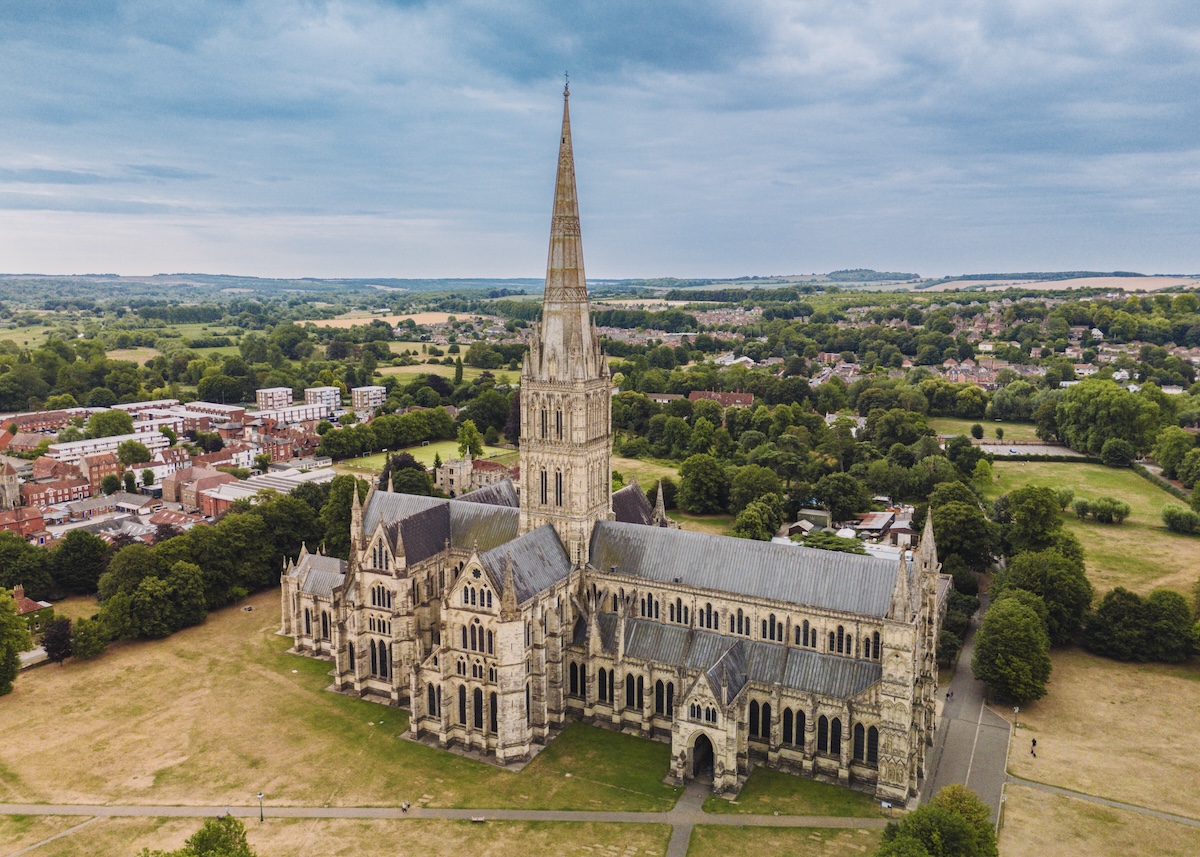
Salisbury Cathedral stands in Wiltshire, a textbook example of Early English Gothic. What’s wild is the whole thing went up in just 38 years, from 1220 to 1258.
Most cathedrals took centuries, mixing styles as tastes changed. Salisbury’s quick build gave it a rare, unified look among English churches. The spire is the tallest in Britain, built in the 1300s, and now leans about 27 inches southeast. Inside, you’ll find one of only four surviving original Magna Carta copies from 1215.
The complex includes the church, cloisters, and chapter house, making it one of England’s most complete medieval cathedral sites.
18. Uppsala Cathedral, Sweden
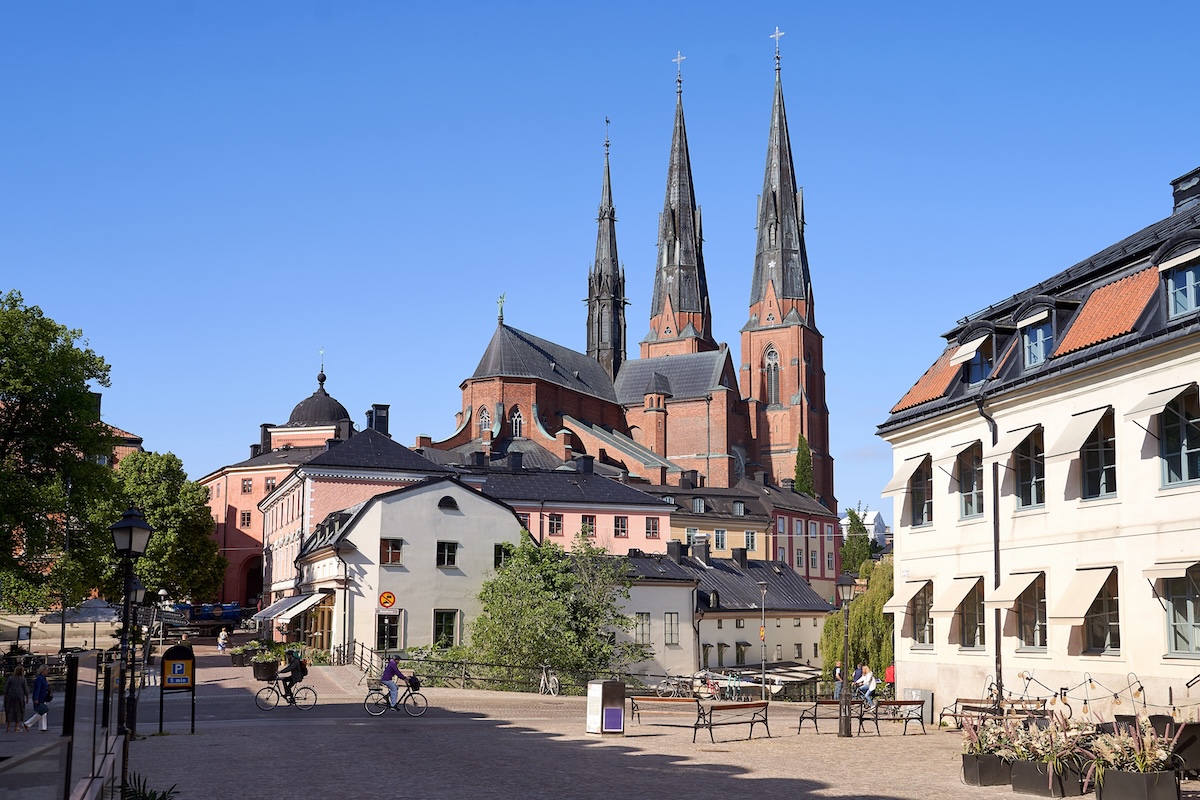
Uppsala Cathedral soars 119 meters above the city, making it Scandinavia’s tallest church. Builders started in the late 1200s and finished up in 1435.
The twin spires and reddish-pink Gothic stonework dominate the skyline between the Fyris River and Uppsala University. Inside, Swedish history comes alive—kings and queens rest in elaborate tombs, and the relics of St. Erik, Sweden’s patron saint, are kept here.
The north tower holds a treasury museum with one of Europe’s best medieval church textile collections. Since the Reformation, the Lutheran Church of Sweden has run the cathedral, and it’s still the archbishop’s seat today.
17. Orvieto Cathedral, Italy
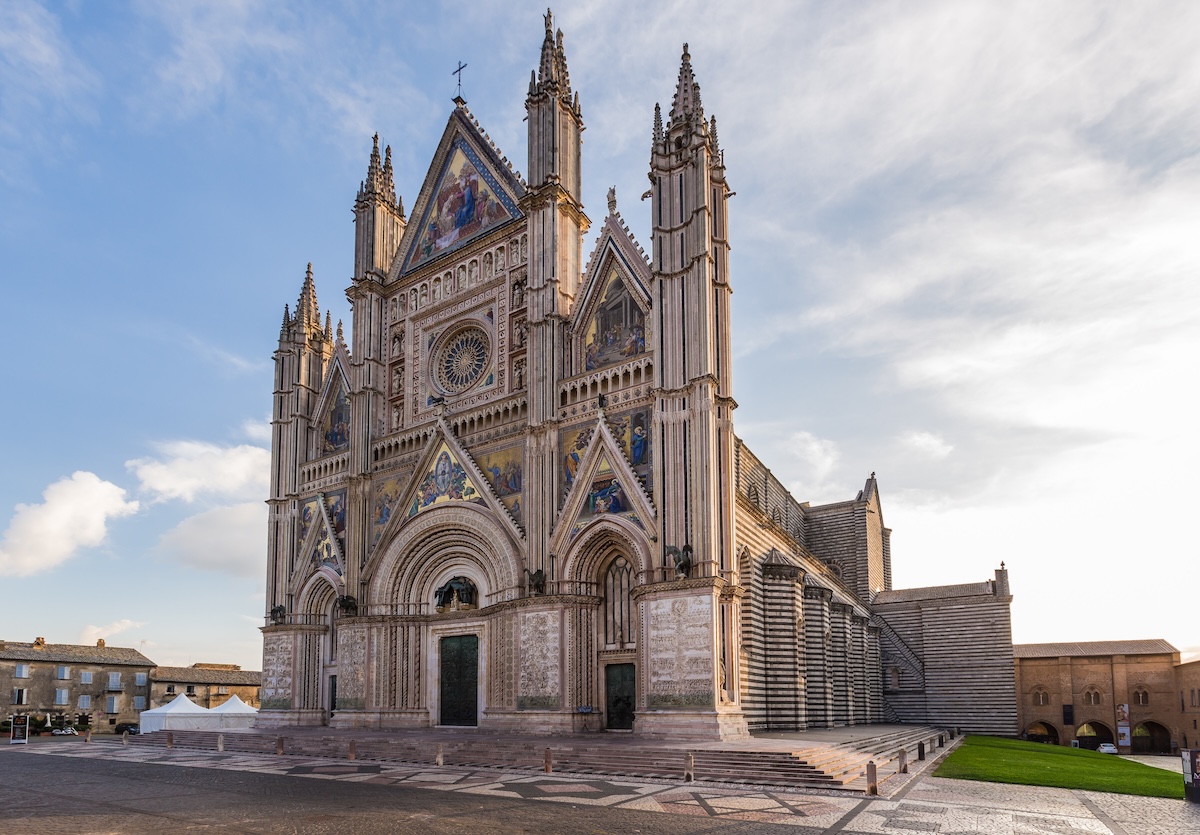
Orvieto Cathedral sits high on a plateau in Umbria, construction starting in 1290—making it one of Italy’s later Gothic cathedrals. The facade is a real showstopper, mixing Romanesque and Gothic styles in a way that’s rare elsewhere. Golden mosaics catch the light, colorful spires shoot upward, and sculpted details pull you in for a closer look.
Inside, you’ll find important frescoes and religious art from different eras. Builders created the cathedral as a pilgrimage site after a miracle in nearby Bolsena in 1263, and it still houses the sacred cloth from that event.
The piazzas around the cathedral give you perfect views from all angles. Wander a bit and you’ll see how the architects blended so many artistic styles into one unforgettable building.
16. St. Vitus Cathedral, Czechia
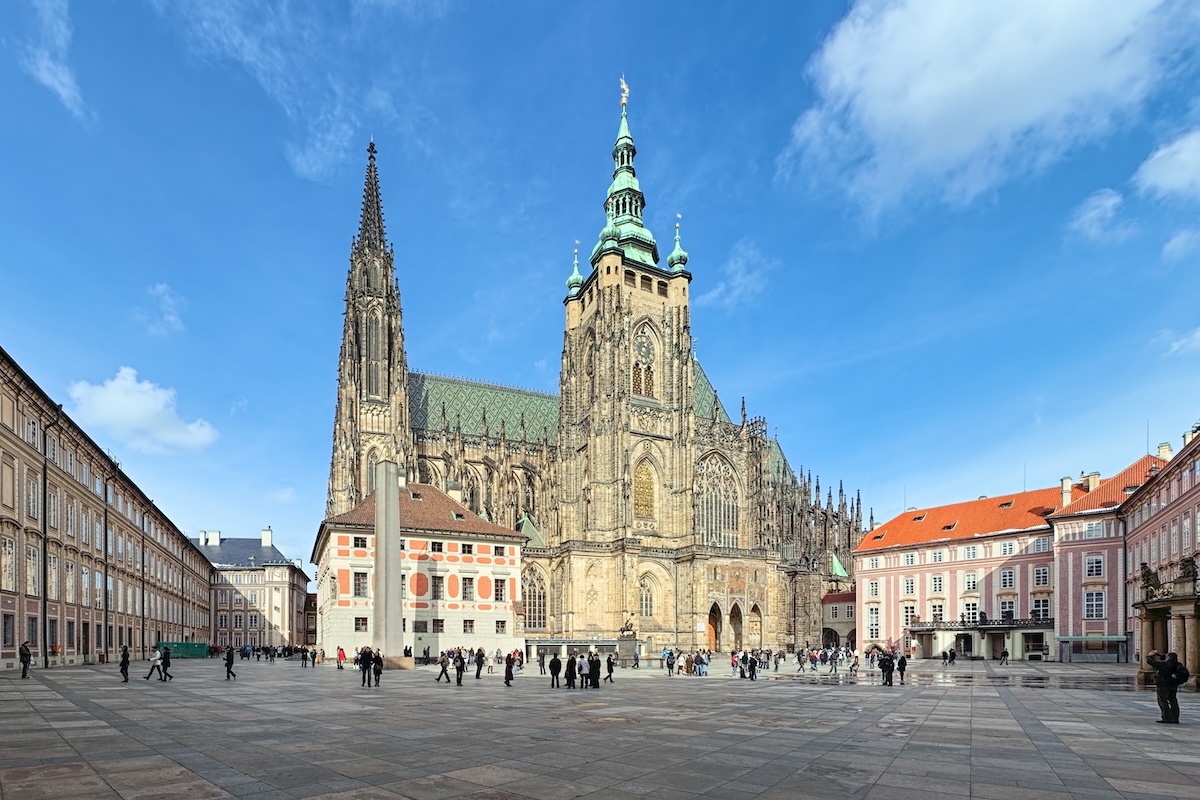
St. Vitus Cathedral stands tall within Prague Castle and claims the title of the largest church in the Czech Republic. This Gothic giant stretches 122 meters long and 60 meters wide—honestly, you can’t miss it.
The cathedral’s story starts way back in the 10th century. Builders kept adding and changing things over the years. Architect Peter Parler left his mark here, and his ideas shaped Gothic buildings across Central Europe.
When you wander through, you’re in the same place where Czech kings and queens were crowned. The cathedral also houses the tombs of patron saints, rulers, and archbishops. It’s not just another church—it’s a symbol of Czech identity and history.
Classic Gothic features fill the building, the kind that made the style famous in medieval Europe. Its size and detail make it one of the continent’s most important cathedrals.
15. Lincoln Cathedral, England
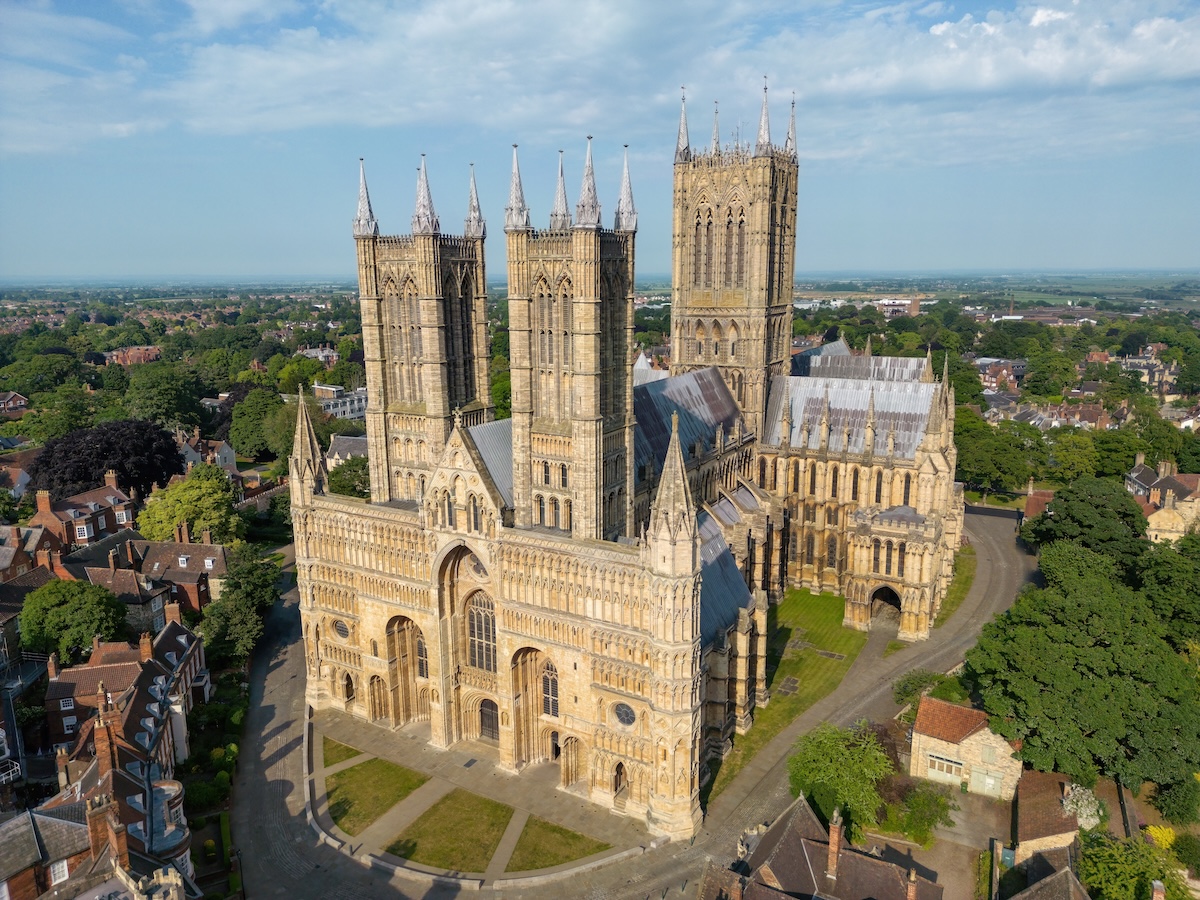
Lincoln Cathedral sits on a high ridge in eastern England, standing for nearly a thousand years. First consecrated in 1091, it’s among the oldest Gothic structures you can visit.
This cathedral stands out for its unusual mix of architectural styles. You’ll spot two rare rose windows—”Dean’s Eye” on the north, original to the building, and “Bishop’s Eye” on the south, probably rebuilt around 1325-1350.
For more than two centuries, it was the world’s tallest building. Writer John Ruskin claimed it was “worth any two other cathedrals we have.” The cathedral dominates the city skyline and stays visible for miles.
14. Bourges Cathedral, France
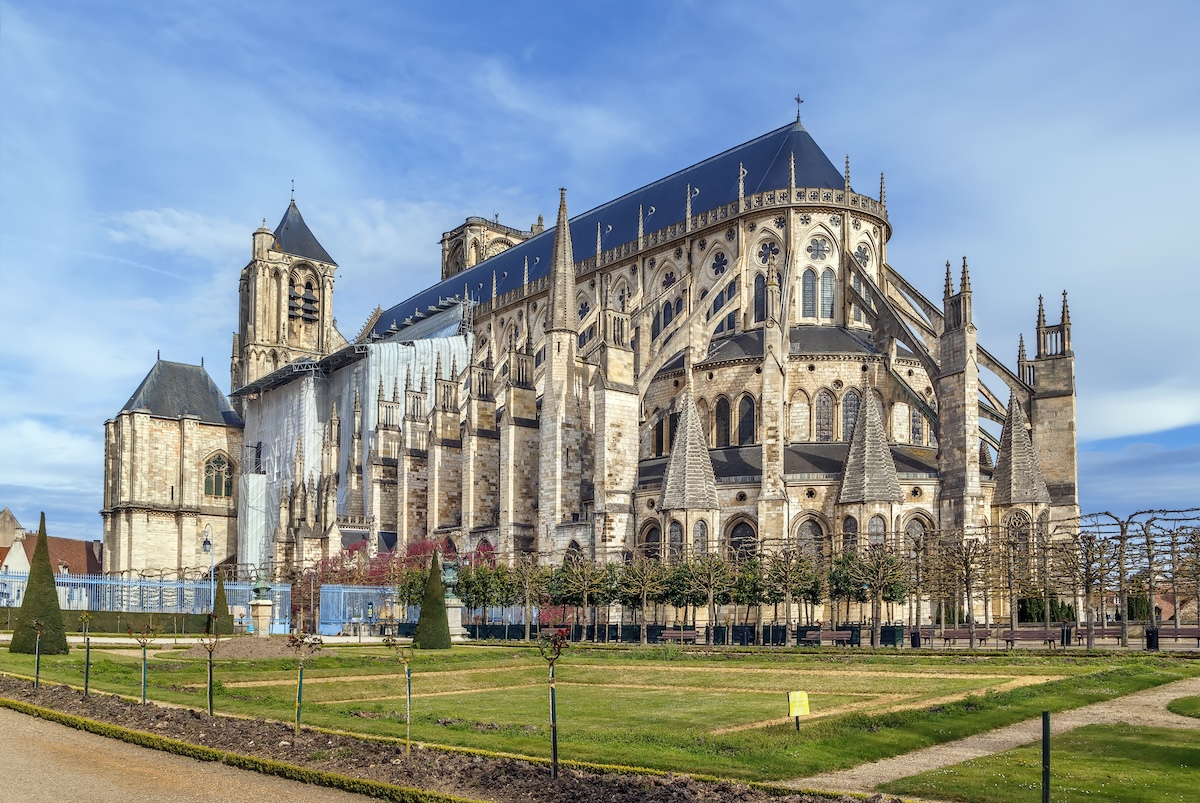
Bourges Cathedral towers over the rooftops of central France, breaking plenty of Gothic rules. Built between 1195 and 1230, it skips the traditional transept design most Gothic churches used. Inside, five aisles climb upward in a pattern that pulls your eye toward the ceiling. This creates a sense of depth you won’t find in most medieval churches.
Stained glass windows throw colorful patterns across the interior, and the carved tympanum tells stories in stone. UNESCO added it to the World Heritage list in 1992 for its unified design and impressive size.
When you visit, you’re seeing one of Europe’s largest cathedrals. Bourges served as the seat of a major archbishop back when the city was one of only four main archbishoprics in France. The cathedral really shows what Gothic builders could do when they wanted to break the mold.
13. Canterbury Cathedral, England
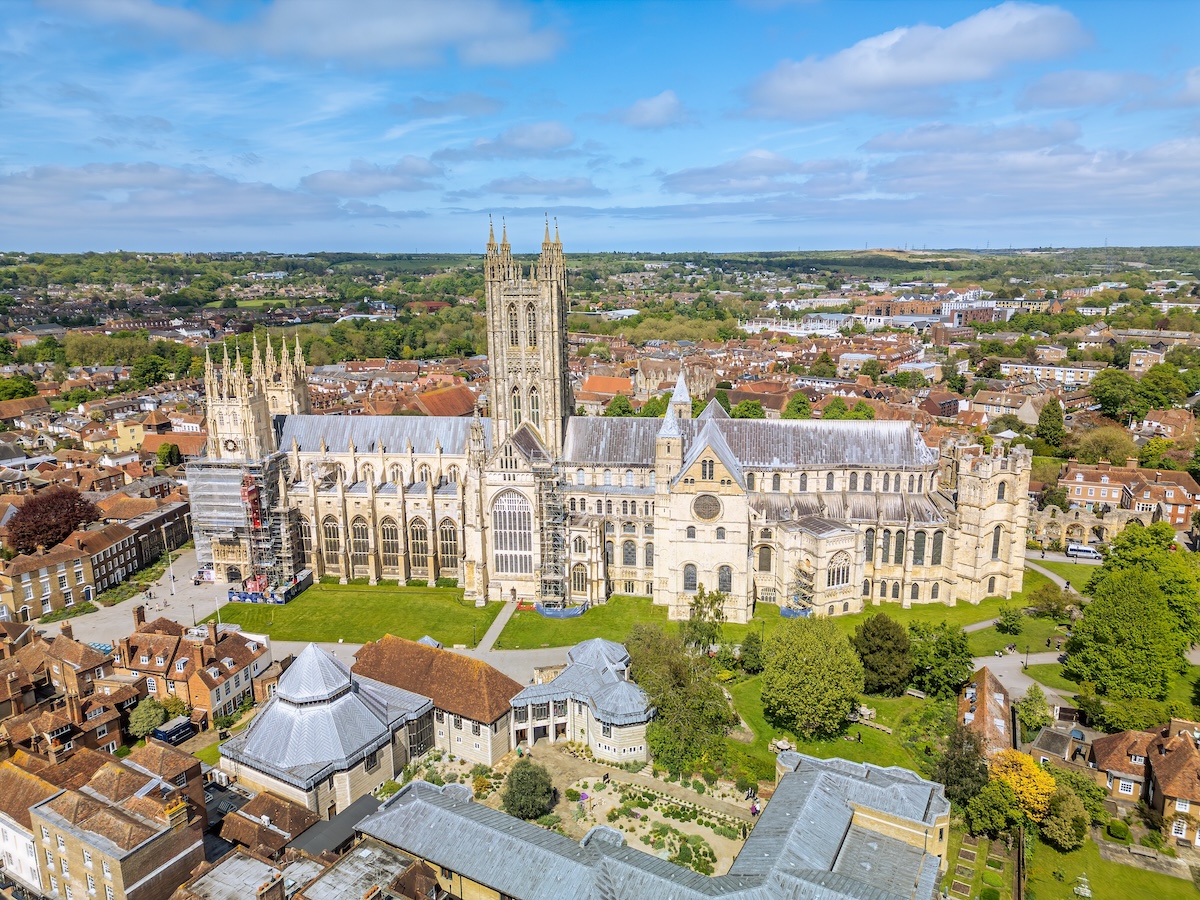
Canterbury Cathedral is England’s oldest, dating back to 597 AD when St. Augustine founded it. This huge structure became the seat of the Archbishop of Canterbury, making it the mother church for the entire Anglican Communion. The Gothic architecture draws your eyes upward with soaring arches and stained glass windows. You can walk through medieval cloisters that monks used centuries ago.
The cathedral hit the history books in 1170 when Archbishop Thomas Becket was murdered inside. After reports of miracles, Canterbury turned into one of Europe’s biggest pilgrimage sites. You can still visit the spot where it all happened.
The cathedral blends Romanesque and Gothic styles, showing how it grew and changed over hundreds of years. Its quire and Trinity Chapel display some of the best medieval craftsmanship in England.
12. Siena Cathedral, Italy
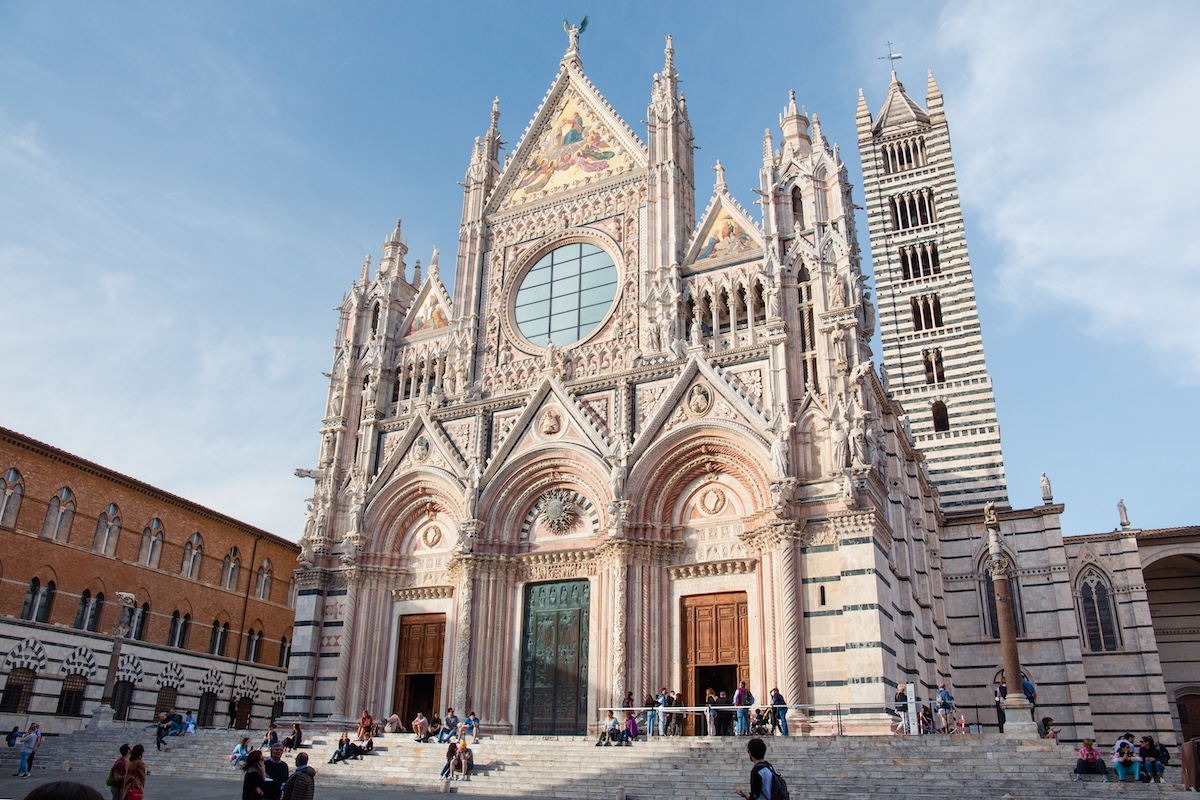
Right in the heart of Siena stands one of Italy’s most stunning Gothic cathedrals. The Cathedral of Santa Maria Assunta grabs your attention with its black-and-white striped marble—nothing else looks quite like it.
Construction began in 1215 and dragged on for decades. The building mixes Romanesque and Gothic styles in a way that feels just right for Italy. Step inside and you’re in what many call a treasure chest of art. The floor alone took five centuries to finish, packed with marble inlays that tell all kinds of stories. You’ll spot works by Renaissance masters like Michelangelo and Bernini scattered throughout.
The Piccolomini Library houses frescoes you really shouldn’t miss. The bell tower, finished in 1313, rises above Siena’s winding streets and marks this spot as one of the city’s landmarks.
11. Amiens Cathedral, France
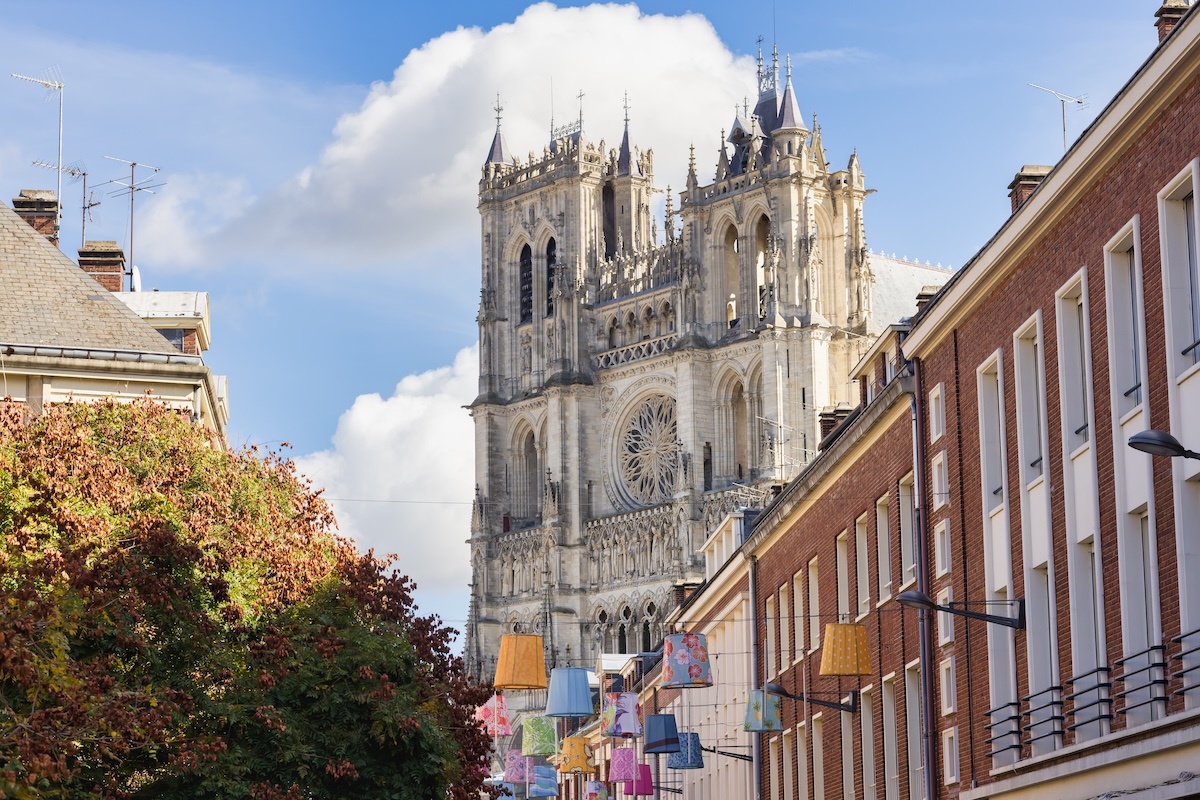
Amiens Cathedral rises above the Somme River valley in northern France. It’s the largest Gothic cathedral in the country, and the sheer scale will probably leave you a little stunned. They built this cathedral quickly during the 13th century, which kept the design consistent—pretty rare for the Middle Ages. You can spot that harmony everywhere inside.
The nave soars higher than any other completed medieval church in France. When you walk in, the three-tier interior creates a jaw-dropping sense of space. The stonework almost feels alive.
Outside, the main facade draws you in with detailed sculptures. Figures above the entrance show natural poses and flowing robes that were cutting-edge for their time.
UNESCO recognized Amiens Cathedral as a World Heritage Site in 1981. You can climb the towers for city views and spot the last medieval spire still standing on a French cathedral.
10. St Stephen’s Cathedral, Austria
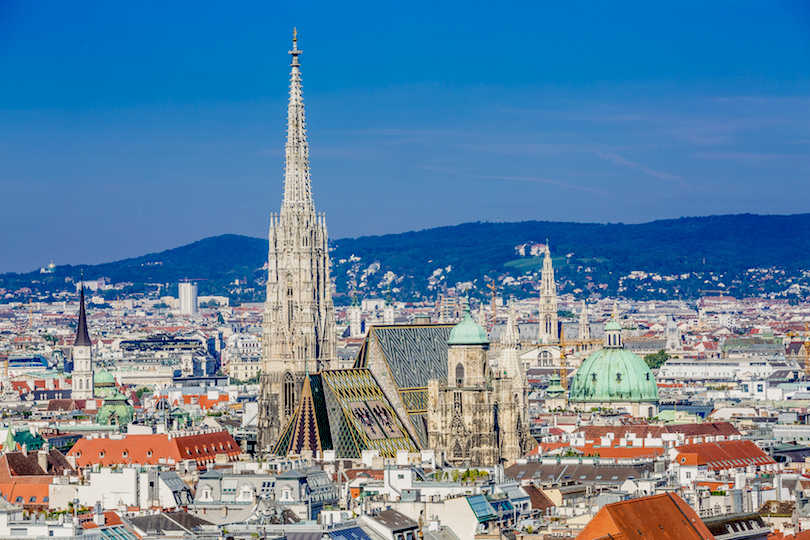
St Stephen’s Cathedral (Stephansdom), situated at the heart of Vienna, has survived many wars and is now a symbol of the city’s freedom. The Gothic cathedral stands on the ruins of two earlier churches and was largely initiated by Rudolf IV, Duke of Austria, in the 14th century.
World War II left it damaged, and rebuilding became a symbol of Austria’s recovery. Its most recognizable characteristic, the diamond-patterned tile roof, was only added in 1952. You can climb the towers, explore the catacombs, or just stand in Stephansplatz and stare up at a Gothic masterpiece that’s watched over Vienna for centuries.
9. Burgos Cathedral, Spain
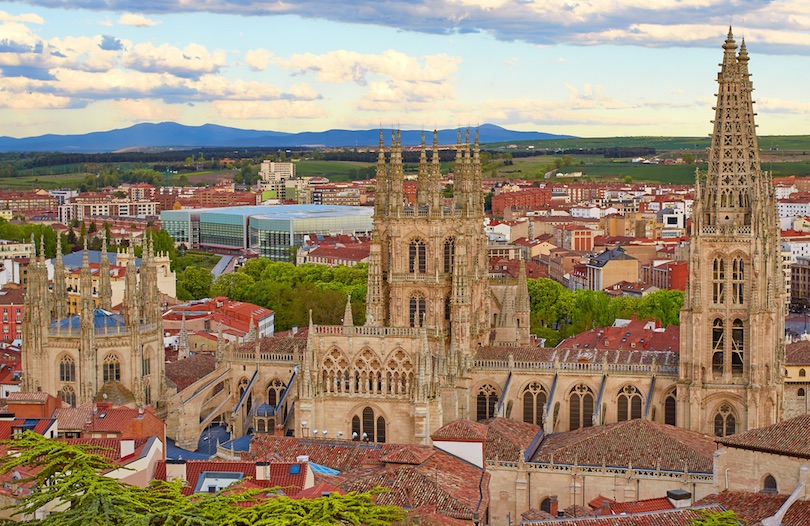
Right in the heart of Castile, Burgos Cathedral stands as one of Spain’s most stunning Gothic structures. Construction began in 1221, bringing French Gothic style to Spain, and didn’t finish until 1567—over 300 years later. The building follows a Latin cross layout with three aisles and a dramatic ambulatory. Its exterior shows clear French influences from places like Paris, Reims, and Amiens—the first architects even came from France.
You can explore centuries of Gothic evolution in one place. The cathedral holds UNESCO World Heritage status as the only Spanish cathedral recognized without attached buildings. Its spires pierce the skyline, and ornate doorways like the Sarmental and Coronería highlight medieval craftsmanship.
El Cid and his wife found their final resting place here in 1919. That’s 800 years of history, still standing proud.
8. Reims Cathedral, France
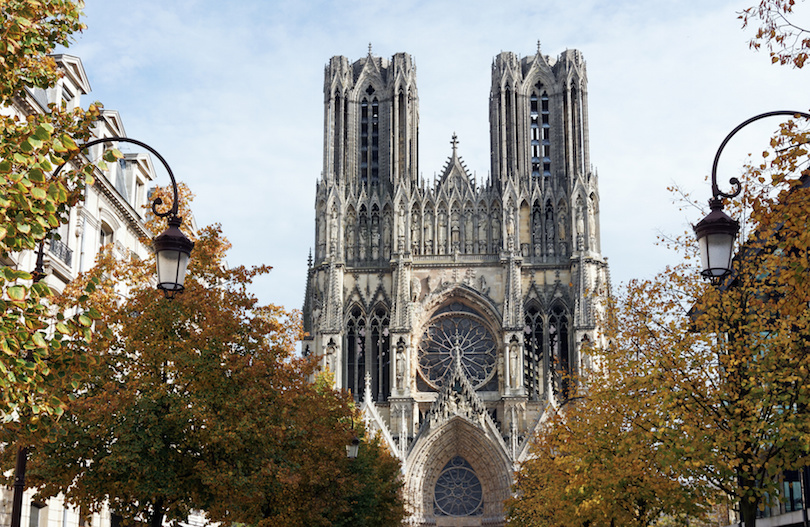
Right in the heart of Reims, you’ll find one of France’s most jaw-dropping Gothic masterpieces. This cathedral hosted the coronation of French kings for centuries, so it’s way more than just a pretty building.
The facade stuns with detailed sculptures and towering spires. Inside, gorgeous stained glass windows fill the space with colored light—some are ancient, others surprisingly modern, including works by Chagall.
The building shows off High Gothic architecture at its peak. Construction started over 800 years ago, and the result is truly something else. If you visit, don’t miss the famous Smiling Angel sculpture outside. Today, it’s a UNESCO World Heritage Site and welcomes about a million visitors every year.
7. Milan Cathedral, Italy
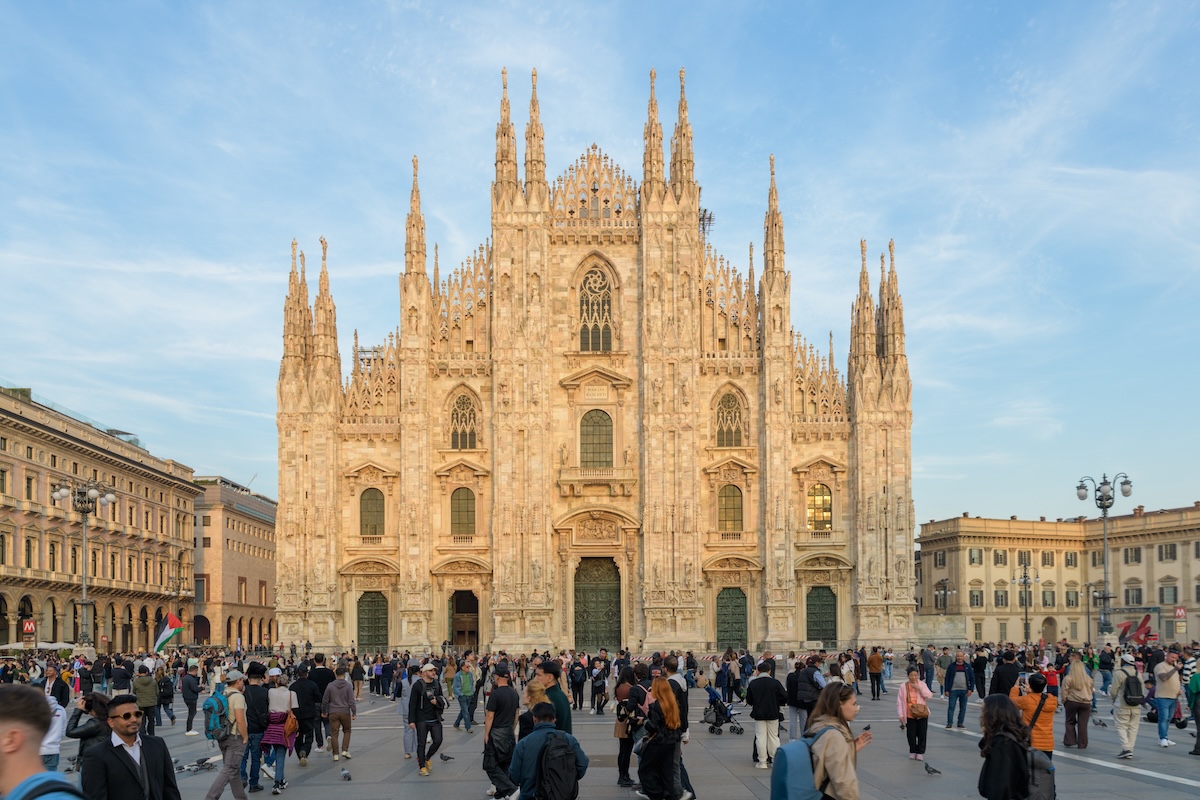
In Milan, you can’t really miss the Duomo di Milano rising from the main square. This Gothic cathedral is one of the largest churches on earth, and construction started way back in 1386.
What sets this cathedral apart is how long it took to finish. Workers didn’t put the last touches on the front until 1965—almost 600 years after they started. Over 135 spires reach for the sky, each decorated with intricate carvings.
The cathedral sits on an ancient Roman site at the city’s center. All the main streets branch out from this spot. Inside, you’ll find Italy’s largest organ and walk through spaces where Napoleon was crowned King of Italy in 1805. The golden Madonnina statue sits at the highest point, keeping watch over Milan below.
6. Seville Cathedral, Spain
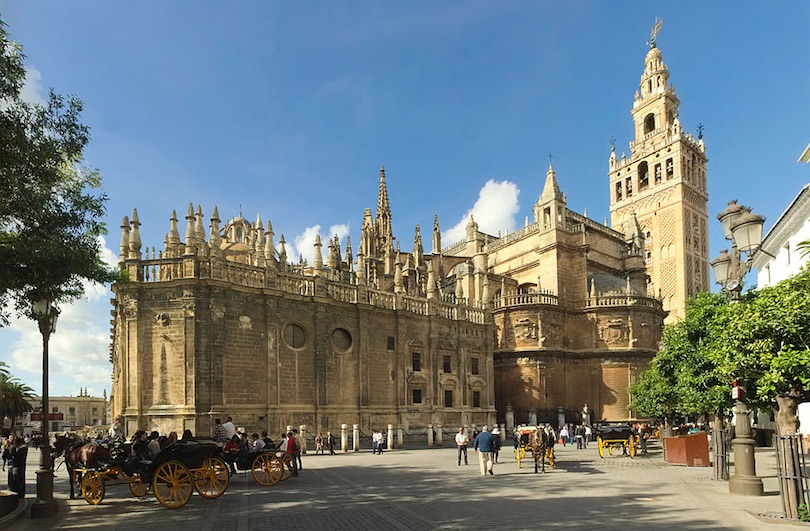
Built on the site of a grand Almohad Mosque, Seville’s medieval cathedral was built to demonstrate the city’s power and wealth after the Reconquista. At the time of its completion in the 16th century, it supplanted the Hagia Sophia as the largest cathedral in the world. It is still the largest Gothic cathedral and the third-largest church in the world. The builders used some columns and elements from the mosque, most famously the Giralda, a minaret converted into a bell tower.
Inside, you’ll find five massive naves and Christopher Columbus’s tomb. The cathedral’s mix of Gothic and Renaissance styles makes it stand out among medieval churches. UNESCO named it a World Heritage Site in 1987. The sheer scale sticks with you long after you leave.
5. York Minster, England
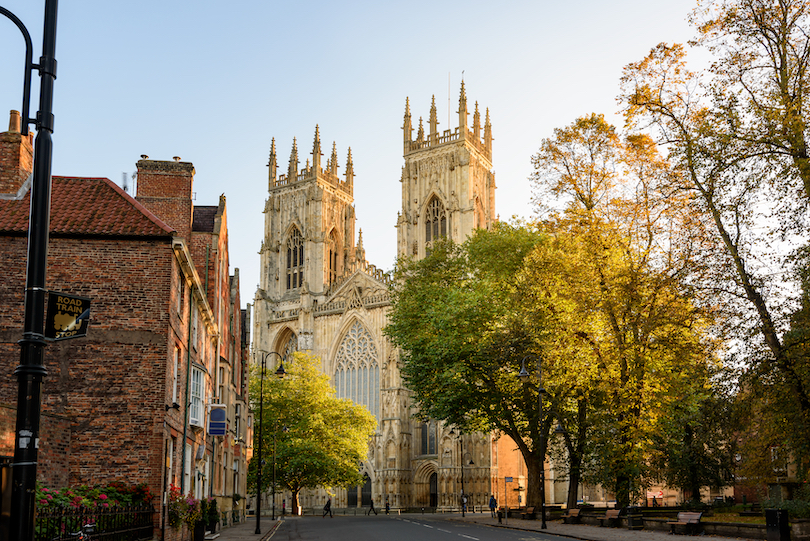
York Minster towers over the ancient city of York as one of Northern Europe’s largest Gothic cathedrals. Construction started around 1230 and took more than 250 years, wrapping up in 1472.
Inside, you’ll find Britain’s richest collection of stained glass. The building traces the evolution of English Gothic architecture, from Early English to Perpendicular style. The cathedral serves as the seat of the Archbishop of York and has been central to Christianity in northern England since the 7th century. Despite fires and wars, York Minster still stands as a testament to medieval craftsmanship.
The vast nave, soaring choir, and enormous east window create a unified Gothic vision. You can get great views of the Minster from York’s medieval city walls.
4. Notre Dame de Paris, France
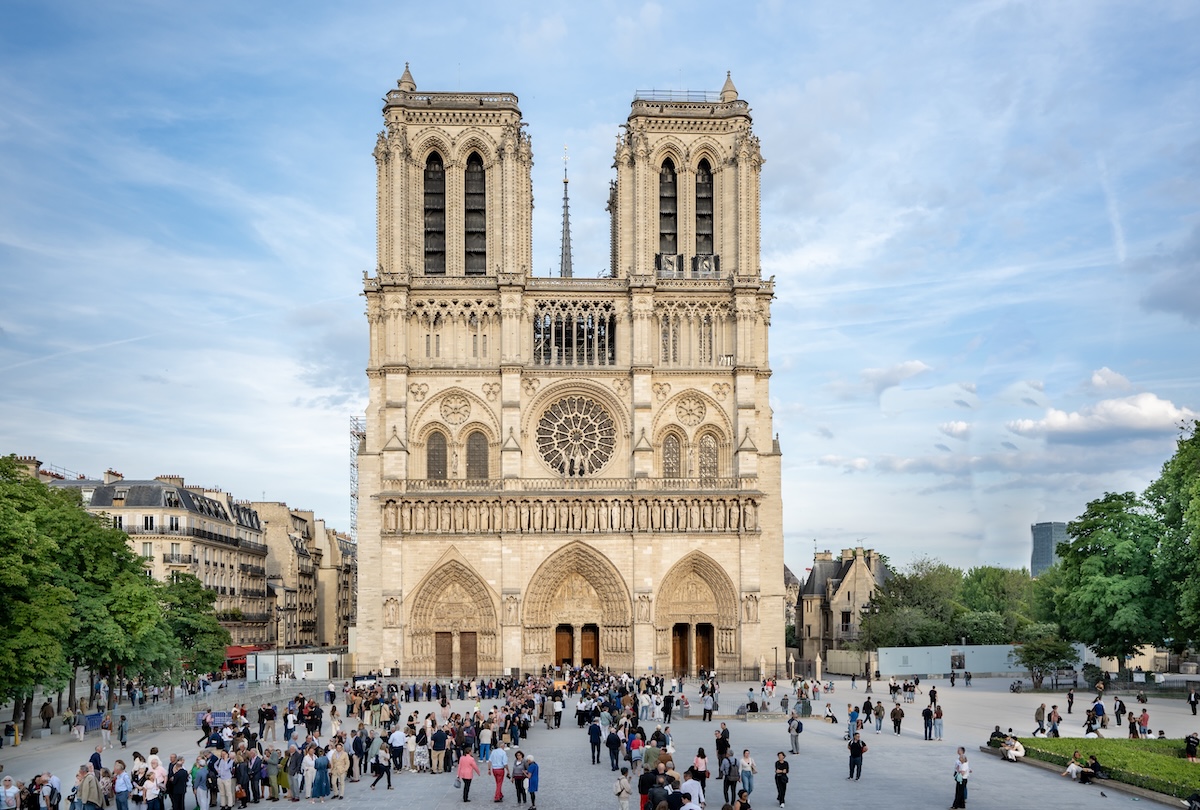
Notre Dame de Paris sits on a small island in the Seine River, right in the heart of Paris. Construction began in 1163 and took almost 200 years to finish, wrapping up around 1345. It’s one of the most famous examples of French Gothic architecture anywhere.
The cathedral stands out with its massive size and detailed design. Two tall towers rise from the front, and intricate stone carvings cover the façades. Inside, stunning stained glass windows fill the space with colored light.
Notre Dame has witnessed more than 850 years of French history, from royal ceremonies to revolutions. A devastating fire in 2019 destroyed much of the roof and the 19th-century spire. Still, the cathedral remains a powerful symbol of Paris and a testament to medieval builders’ skill.
3. Cologne Cathedral, Germany
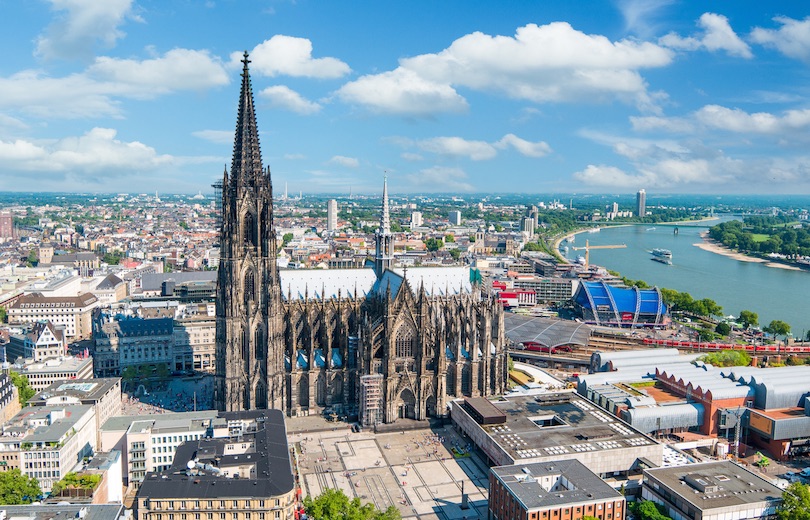
Easily the greatest Gothic cathedral in Germany, Cologne Cathedral (Kölner Dom) has been Cologne’s most famous landmark for centuries. Once the tallest building in the world, it still has the largest facade anywhere. The famous cathedral stands on the site of a 4th century Roman temple, followed by a church commissioned by Maternus, the first Christian bishop of Cologne. Construction of the present Gothic church began in 1248 and took, with interruptions, more than 600 years to complete. It is dedicated to the saints Peter and Mary and is the seat of the Catholic Archbishop of Cologne.
About 20,000 people visit the church every day. The cathedral serves as the seat of the Archbishop of Cologne and stands as a UNESCO World Heritage site. Its Gothic architecture showcases the height of medieval design, with pointed arches and detailed stone carvings everywhere you look. You can visit for free and even climb the towers to catch a view of the Rhine River below.
2. Santa Maria del Fiore, Italy
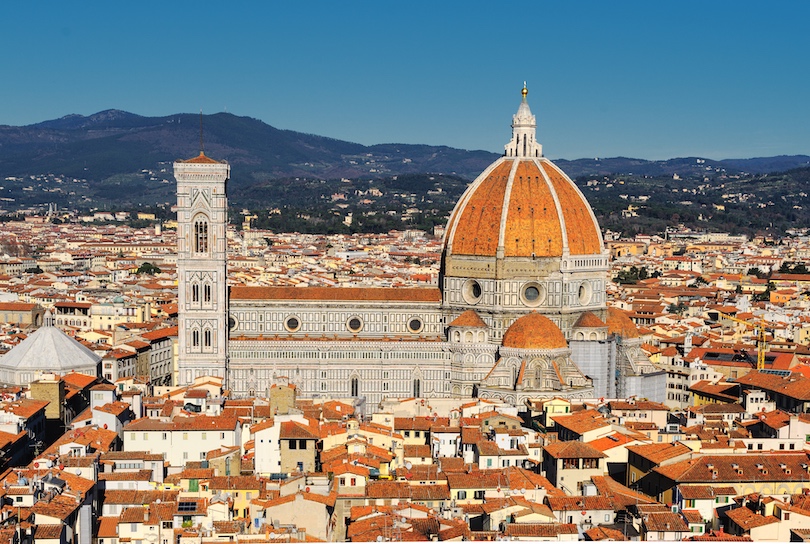
This massive cathedral rises above Florence, its famous dome catching your eye from almost anywhere in the city. Builders started work back in 1296, and by the 1400s, it stood as the largest church in Europe.
The cathedral stretches 153 meters long and climbs up to 90 meters high. Filippo Brunelleschi designed the dome, finishing it in 1436—pretty wild that it’s still standing after all these centuries. If you’re up for it, you can tackle 463 steps to the top and get some of the best views over Florence.
Outside, green, red, and white marble cover the building in a bold pattern. These colors echo Italy’s national flag, which feels like a nice touch. The Gothic structure sits where a 7th-century church once stood, so there’s a lot of history layered here. “Santa Maria del Fiore” translates to “Saint Mary of the Flower,” nodding to Florence’s old name and its lily symbol. Kind of poetic, really.
1. Chartres Cathedral, France
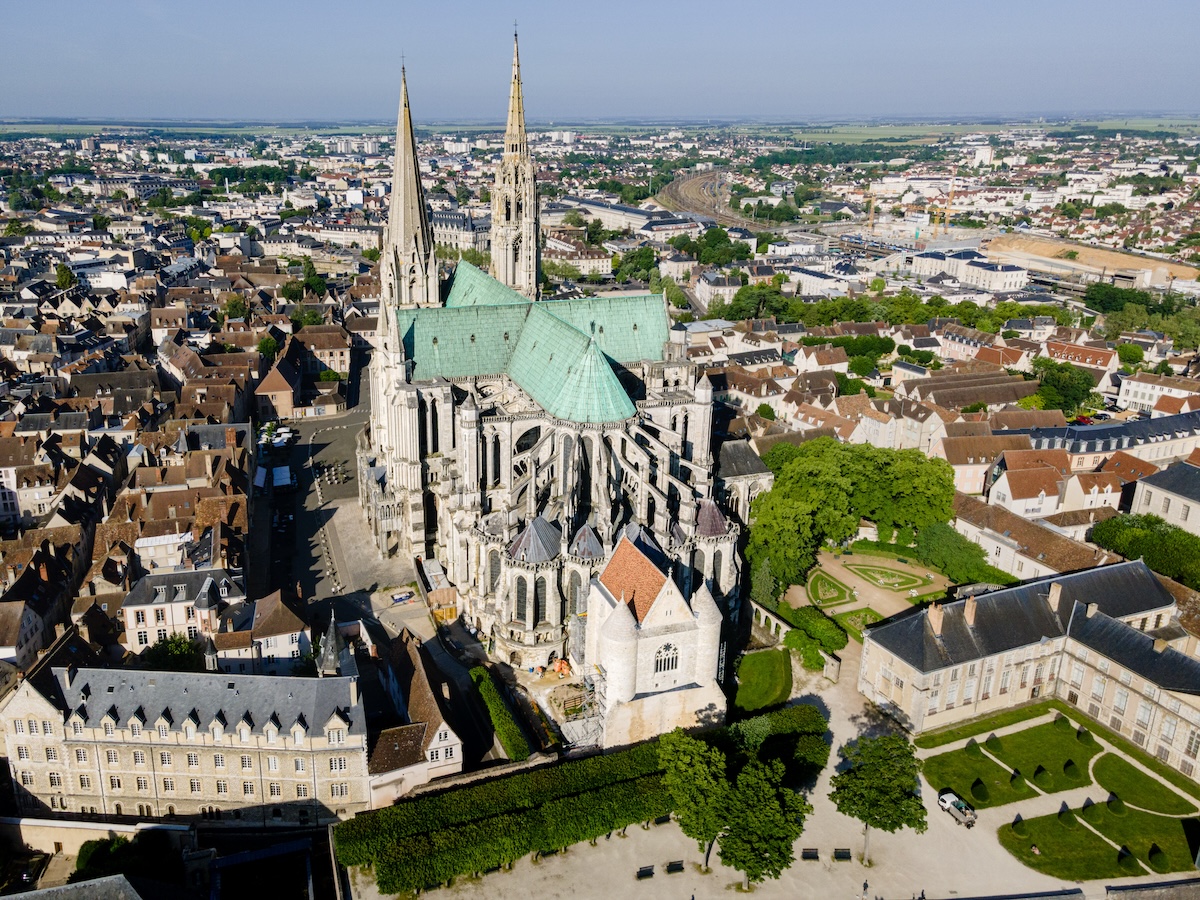
You’ll find Chartres Cathedral about 50 miles southwest of Paris. Most of what you see today went up between 1194 and 1220, after a fire wiped out an earlier church on the same ground. This cathedral really shook up Gothic architecture all over Europe. Its design inspired famous churches like those in Reims, Amiens, Cologne, and even Westminster in England. Builders leaned into flying buttresses and some clever new tricks, which let them push the walls higher than before.
But honestly, it’s the stained glass that steals the show. Those windows have somehow survived since medieval times—how many places can say that? The legendary “Blue of Chartres” still glows in the sunlight, a color medieval artists somehow managed to create. There’s also a floor labyrinth, and it’s one of the best-preserved ones you’ll find anywhere in France.
Pilgrims used to trek for miles to reach Chartres. These days, it’s a UNESCO World Heritage site, and people still come from all over to see what might just be the most breathtaking Gothic cathedral around.