
Europe built its road network over centuries of necessity, and some of those routes turned out to be accidental masterpieces. Mountain passes, clifftop coastal highways, and fjord-side roads collectively describe a continent where the drive regularly outperforms the destination waiting at the end of it.
These twelve roads share one quality: nobody covers them efficiently. Stopping for views, pulling over for photographs, and abandoning any pretense of arriving on schedule are behaviors these routes actively encourage. Pack snacks, download offline maps, and accept upfront that the journey is entirely the point.
12. Bealach na Bà, Scotland
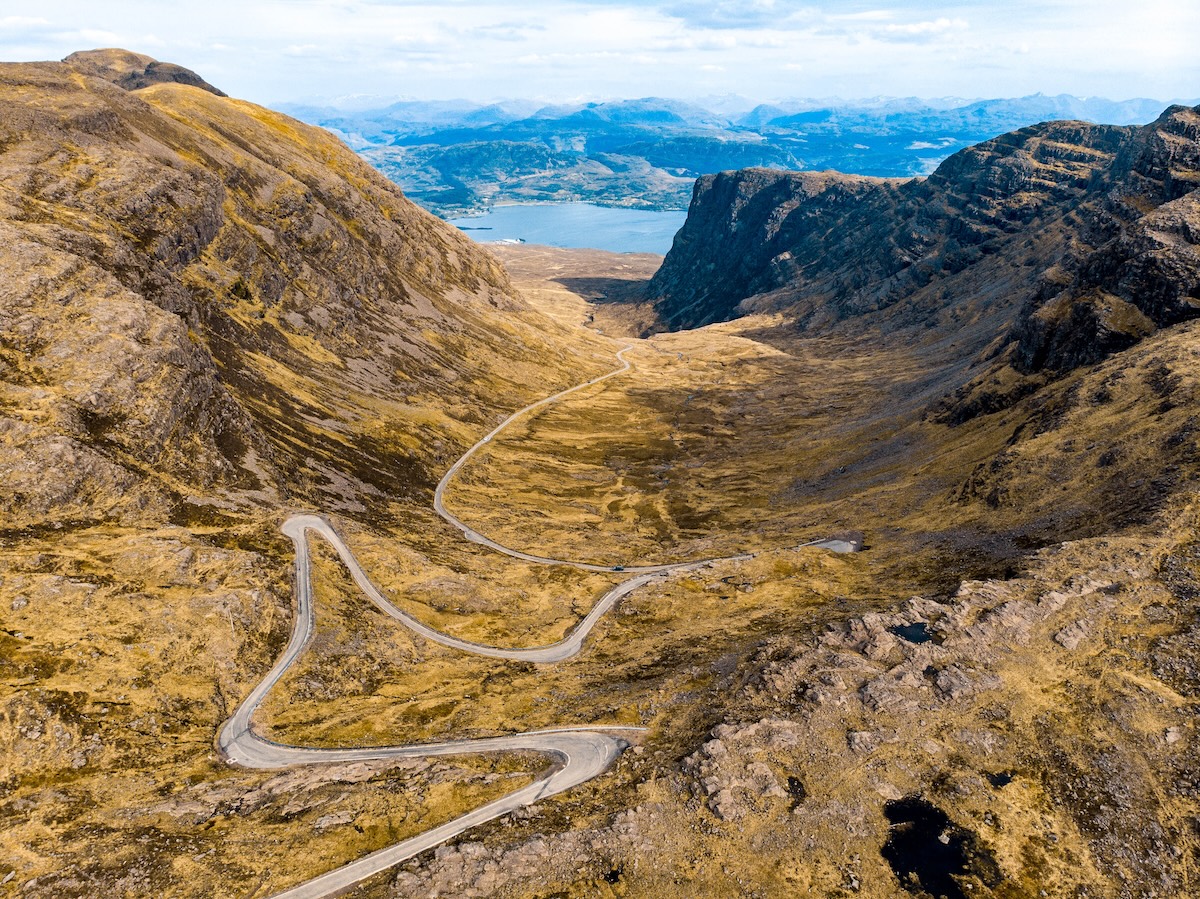
Scotland’s most dramatic mountain road climbs 626 meters through the Applecross Peninsula in a series of tight hairpin bends that road signs describe as unsuitable for learner drivers, caravans, and nervous passengers. Head the warning! The ascent delivers views across to the Isle of Skye that arrive without warning, making all that nailbiting worth it.
The Gaelic name translates to “Pass of the Cattle,” reflecting centuries of droving history along a route that now draws drivers willing to navigate the conditions. Local weather can transform from it from dramatic to genuinely alarming within the same hour. The descent toward Applecross village and its famous pub feels very well earned.
11. Calanques de Piana, Corsica, France
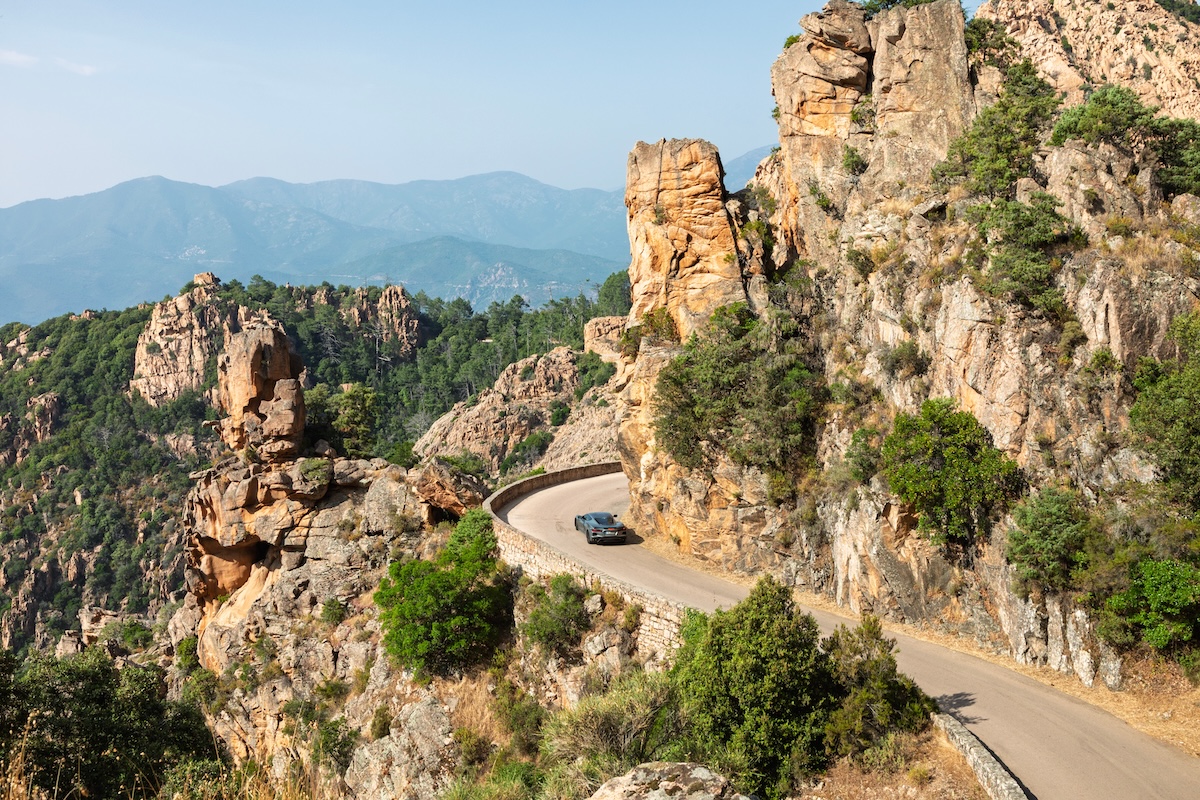
Pink and orange granite formations rising from the Mediterranean along Corsica’s western coast create a road corridor that looks like the landscape is showing off with not an ounce of guilt. The D81 winds between towering rock formations above turquoise water, with each bend revealing views that will make your foot permanently rest on the brakes.
The Calanques de Piana carry UNESCO World Heritage status, which the surrounding scenery absolutely justifies. Summer traffic backs up considerably along the narrow road, making early morning the smart approach before tour buses from Ajaccio start working through the same bends at considerably more cautious speeds.
10. Transfăgărășan Highway, Romania
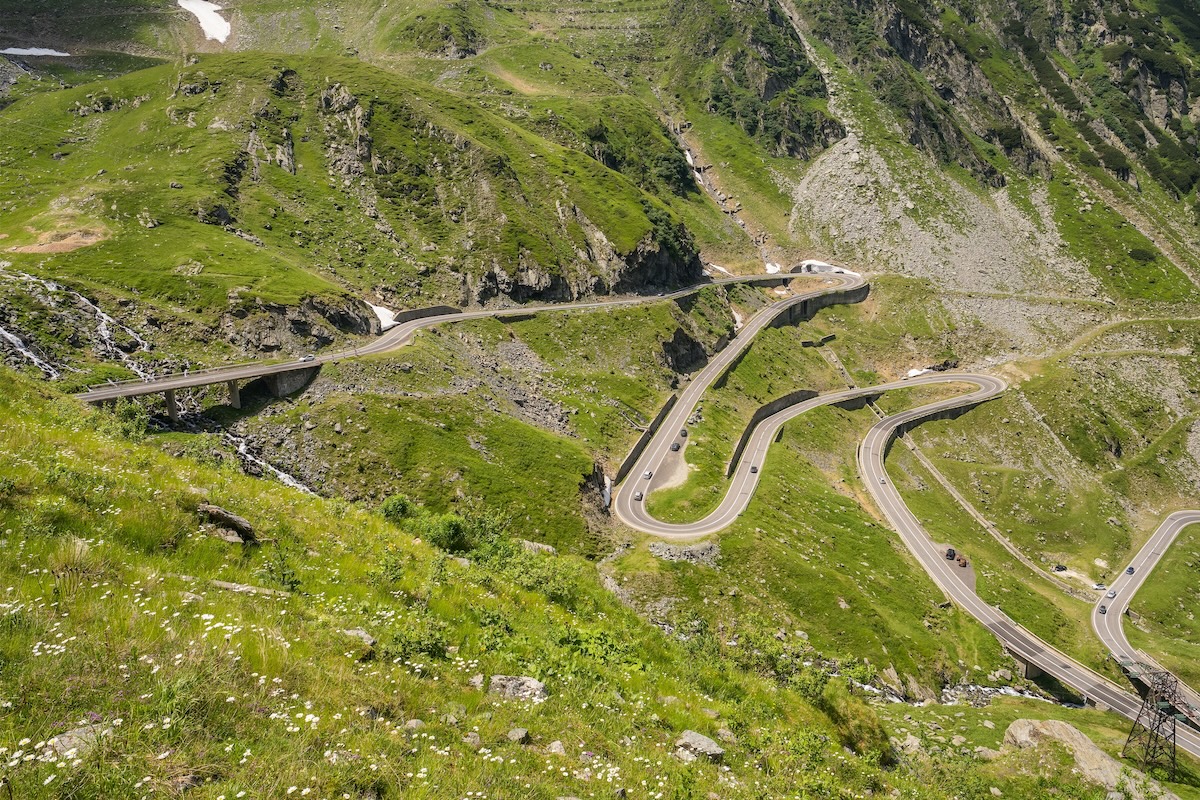
Romania’s most famous mountain road cuts through the Carpathians at 2,042 meters, connecting Transylvania and Wallachia across terrain that engineers spent four years convincing themselves was actually crossable. The result includes an 887-meter tunnel near the summit and enough switchbacks to challenge any driver’s spatial reasoning skills.
Top Gear declared this the world’s greatest driving road, which sent scores of international visitors in search of adventure, bears, and switchbacks. Snow closes the upper sections from October through May, concentrating the full experience into a summer window that fills up predictably fast once word gets around.
9. Trollstigen, Norway
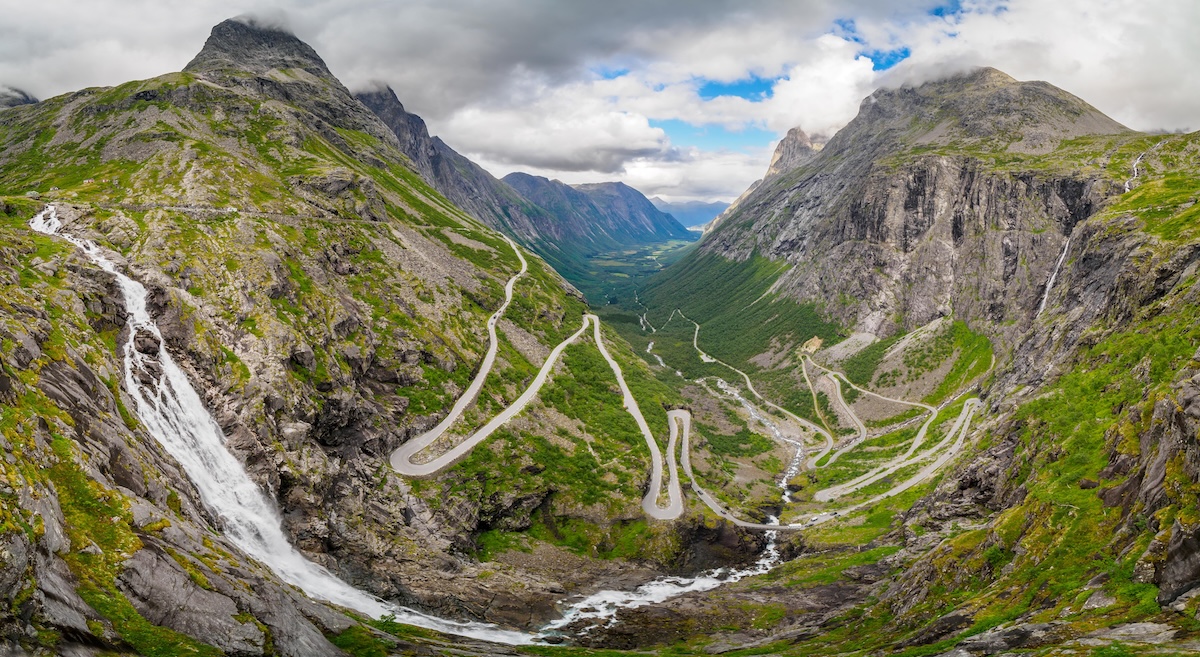
The name translates to “Troll’s Path,” which undersells the drama of 11 hairpin bends. You will be climbing 858 meters up a cliff face above a waterfall, and the cross the rushing water to add to the terror. Norwegian engineers built Trollstigen in the 1930s, and the achievement impresses considerably given what they were working with in terms of both equipment and terrain.
A visitor center at the summit draws crowds who arrive specifically to watch vehicles navigate the bends below from the viewing platform. Buses take the switchbacks at a pace that produces visible tension among passengers, while motorcyclists tackle the same corners with an enthusiasm that produces a completely different kind of tension.
8. Wild Atlantic Way, Ireland
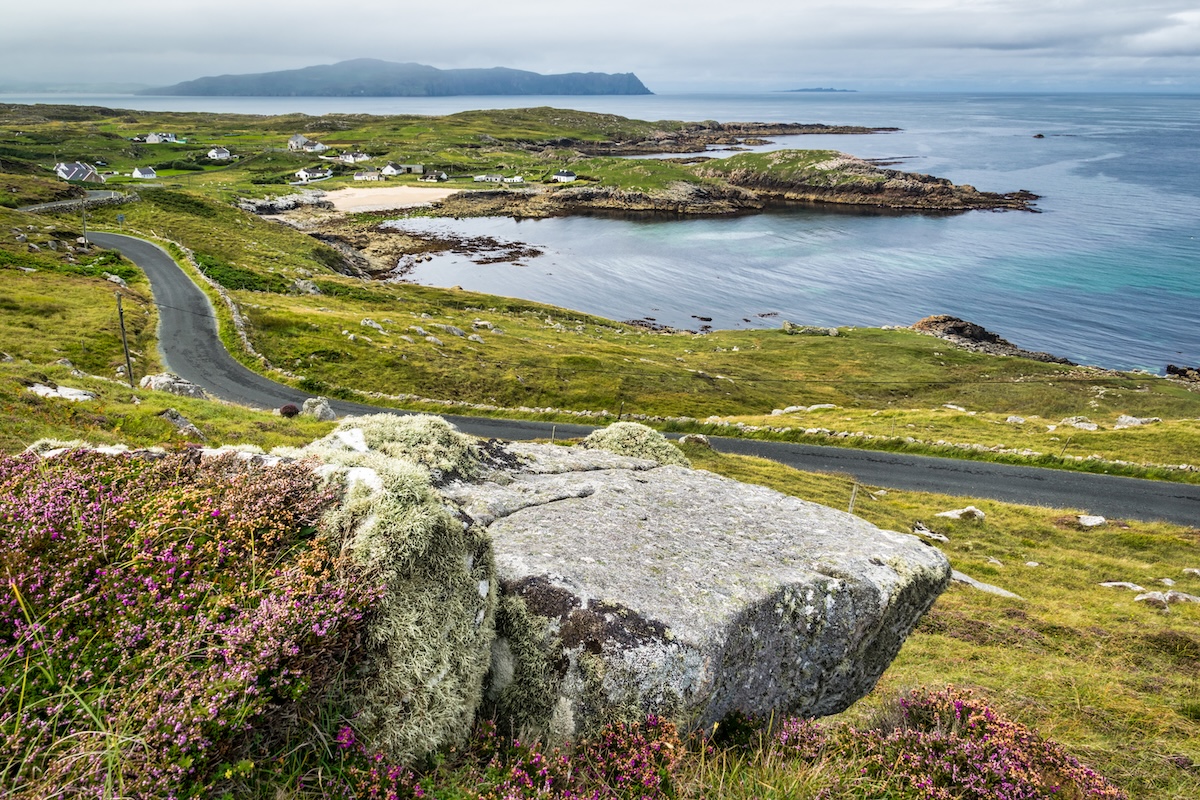
Ireland’s 2,500-kilometer western coastal route runs from Donegal in the north to Cork in the south, passing through cliff scenery, seaside villages, and Atlantic headlands that Irish weather treats as a canvas for dramatic light. The Cliffs of Moher, Connemara, and the Ring of Kerry all fall within the route, but these landmarks aren’t even coming close to describing the full scope of what the drive covers.
The Wild Atlantic Way needs several days of slow driving. Follow unsigned tracks toward the coastline at random for discoveries that no printed guide anticipates, and the locals in small towns along the way tend to have strong opinions about which sections most visitors miss entirely.
7. Cap de Formentor Road, Spain
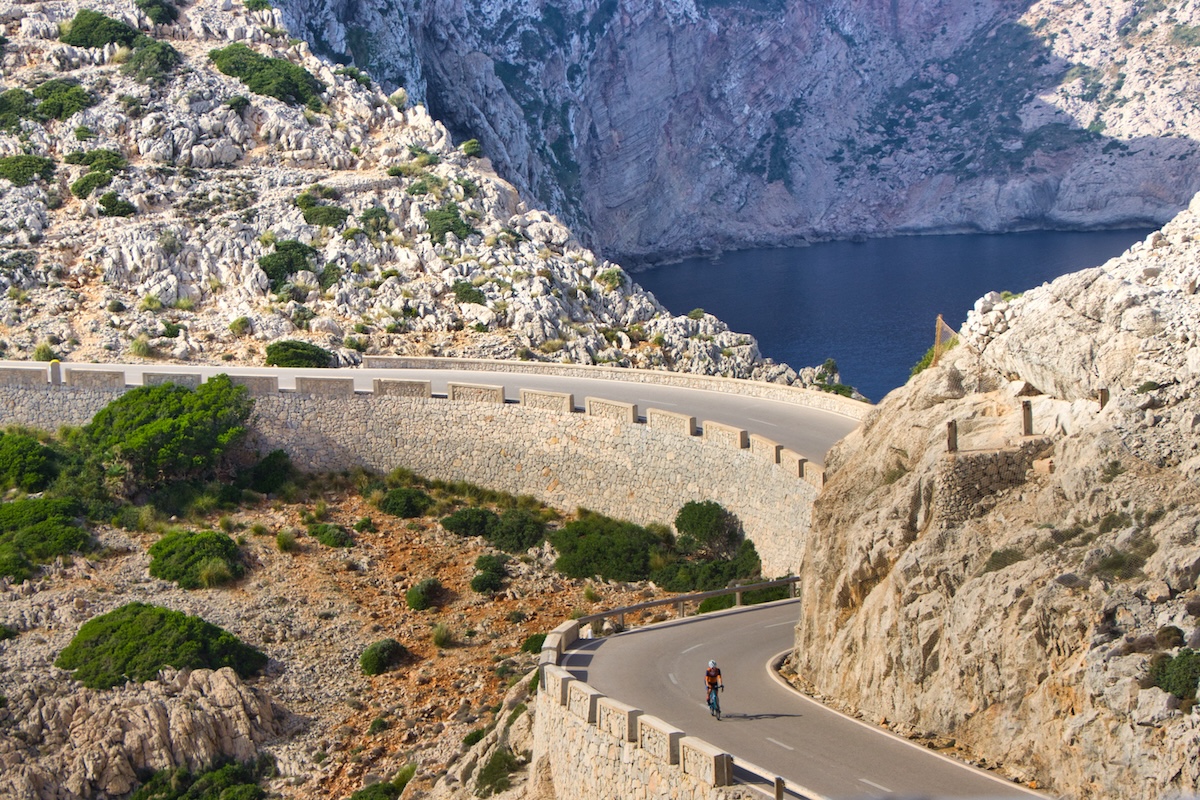
Mallorca’s northernmost peninsula concentrates the island’s most dramatic scenery into a 20-kilometer road dropping from mountain pine forest to clifftop views above the Mediterranean. The lighthouse at the end sits 210 meters above sea level with open water stretching to the horizon in every direction.
Private vehicle access has restrictions during peak summer months, with shuttle buses handling the volume that the narrow road cannot safely absorb. Shoulder season visitors get considerably the better deal, when morning mist holds in the pine forests, and the road stays quiet enough to stop anywhere without blocking the flow of traffic.
6. Stelvio Pass Road, Italy
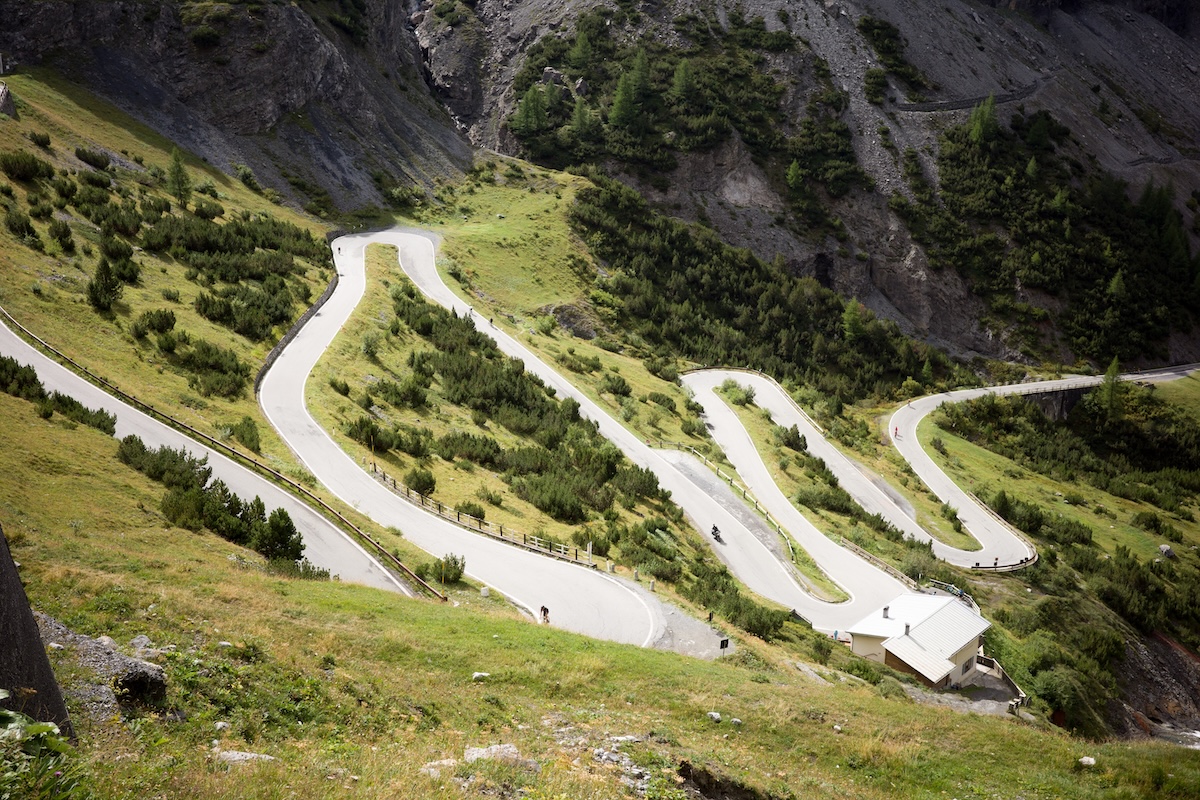
Forty-eight numbered hairpin bends climbing to 2,757 meters in the Italian Alps make Stelvio one of the most photographed mountain roads on the continent. The aerial view of switchbacks stacked against the mountainside appears on enough automotive calendars to suggest the car industry considers this particular road a permanent marketing asset.
Cyclists tackle the same ascent during the Giro d’Italia with a commitment to suffering that most drivers observe from air-conditioned vehicles at a respectful distance. Snow closes the upper sections from October through May, and opening day each spring draws drivers who apparently spent the entire winter in a state of patient anticipation.
5. Adriatic Highway (D8), Croatia
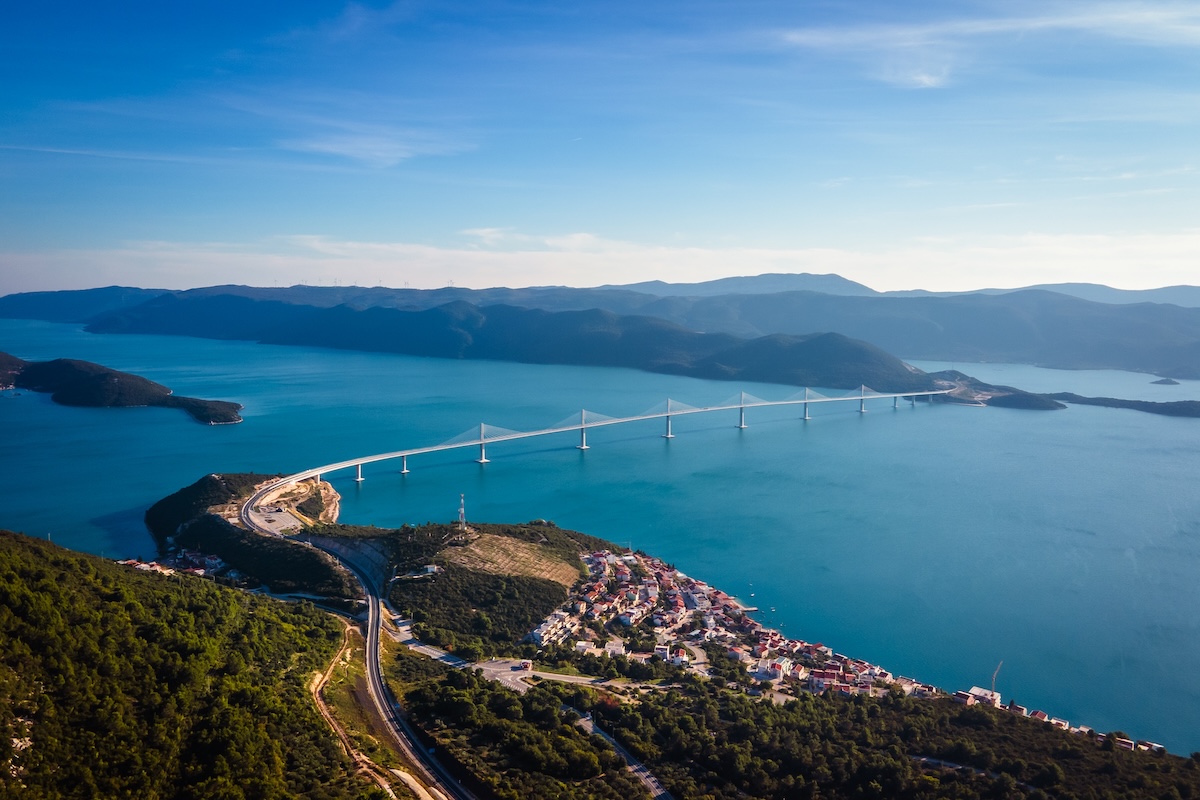
Croatia’s coastal highway runs the length of the Dalmatian coast with the Adriatic Sea visible almost continuously on one side and limestone karst mountains rising sharply on the other. The road passes through Makarska, Omiš, and the Neretva Delta while connecting Split and Dubrovnik along a route that makes stopping in every seaside town detour feel like a win.
Summer traffic builds considerably around the major cities, and the sections approaching Dubrovnik require real patience during peak season. Driving it in September, when sea temperatures peak and crowds thin, produces conditions that make the Dalmatian coast look even better than the photographs that convinced you to visit in the first place.
4. Furka Pass, Switzerland
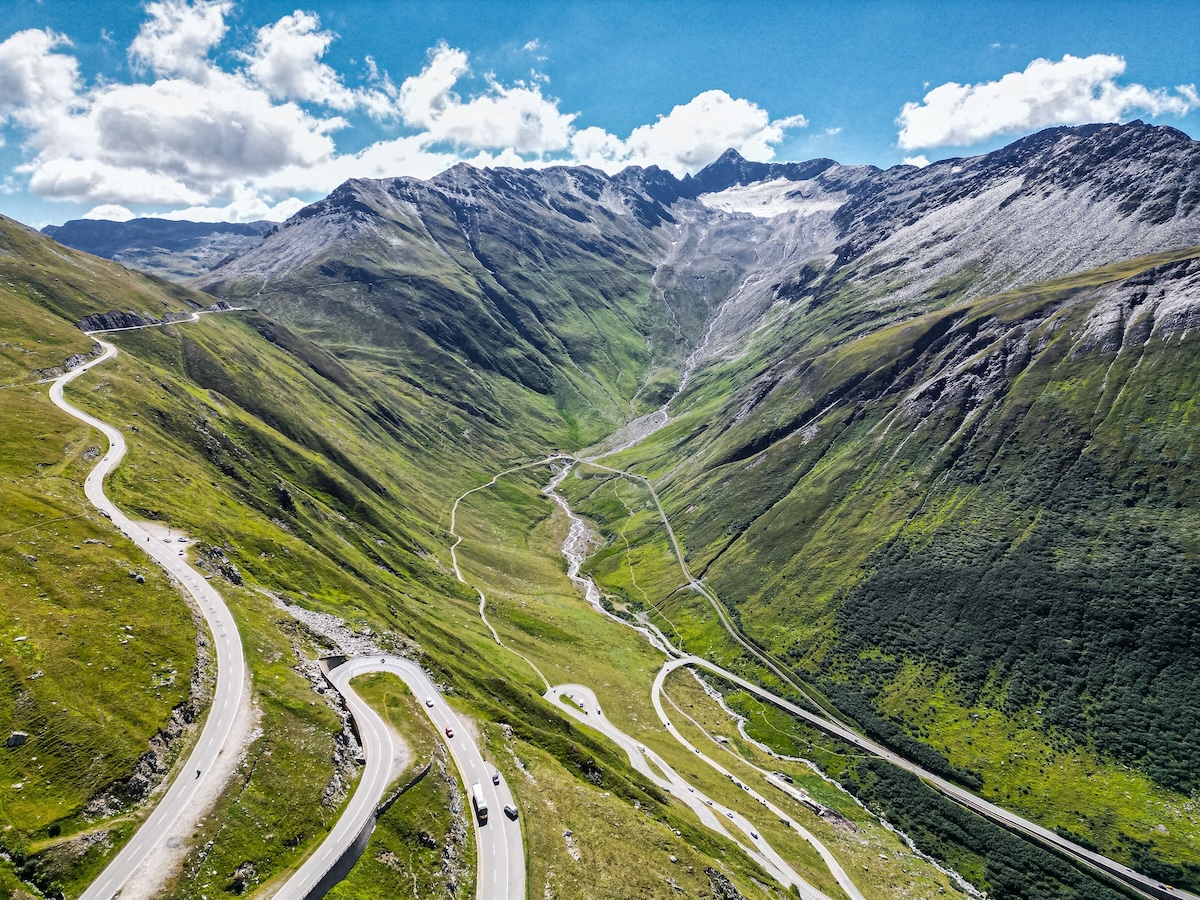
The Furka Pass road climbs to 2,429 meters through central Swiss Alps terrain. It once inspired Romantic painters and currently motivates driving enthusiasts who come specifically for what happens above the tree line. The Rhône Glacier sits alongside the upper section, though the ice retreated enough in recent decades that comparison photographs from past and present make you a little unsettled.
James Bond drove an Aston Martin along this road in Goldfinger, adding a cinematic reputation alongside the natural one. The pass closes from October through June, and the first drive of each new season delivers fresh snowfields alongside the road that summer visitors never quite get to see at their best.
3. Atlantic Ocean Road, Norway
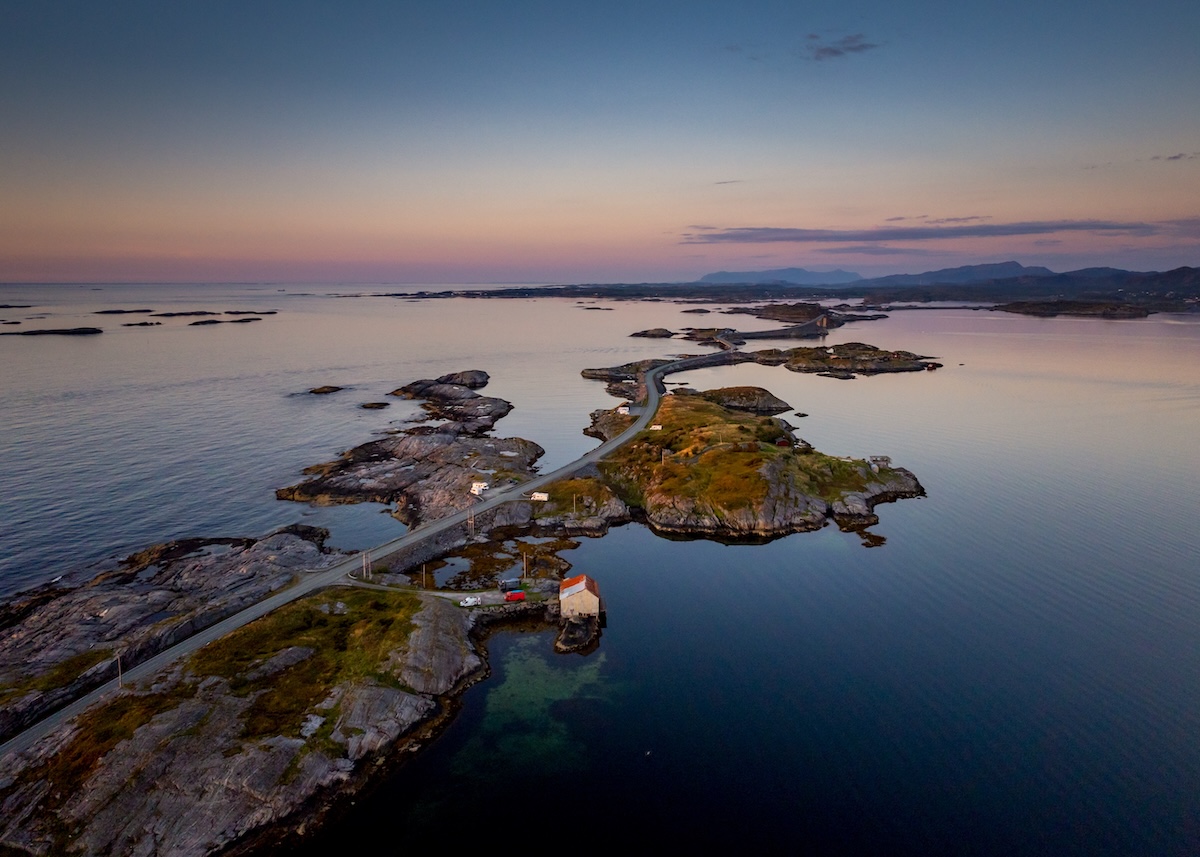
Eight bridges connecting small islands across open North Atlantic water in northwestern Norway create a road that feels more like driving across the sea than beside it. The most dramatic bridge, Storseisundet, curves upward at an angle that briefly removes the visible road ahead, delighting photographers and unsettling every passenger simultaneously.
Storms hit the exposed sections with enough force that the road earned a Norwegian award for the century’s most beautiful construction project, suggesting Norwegians maintain a particularly robust relationship with extreme weather. Visiting during storms produces spectacular conditions for photography, while a calm summer evening produces something closer to paradise.
2. Amalfi Coast Road (SS163), Italy
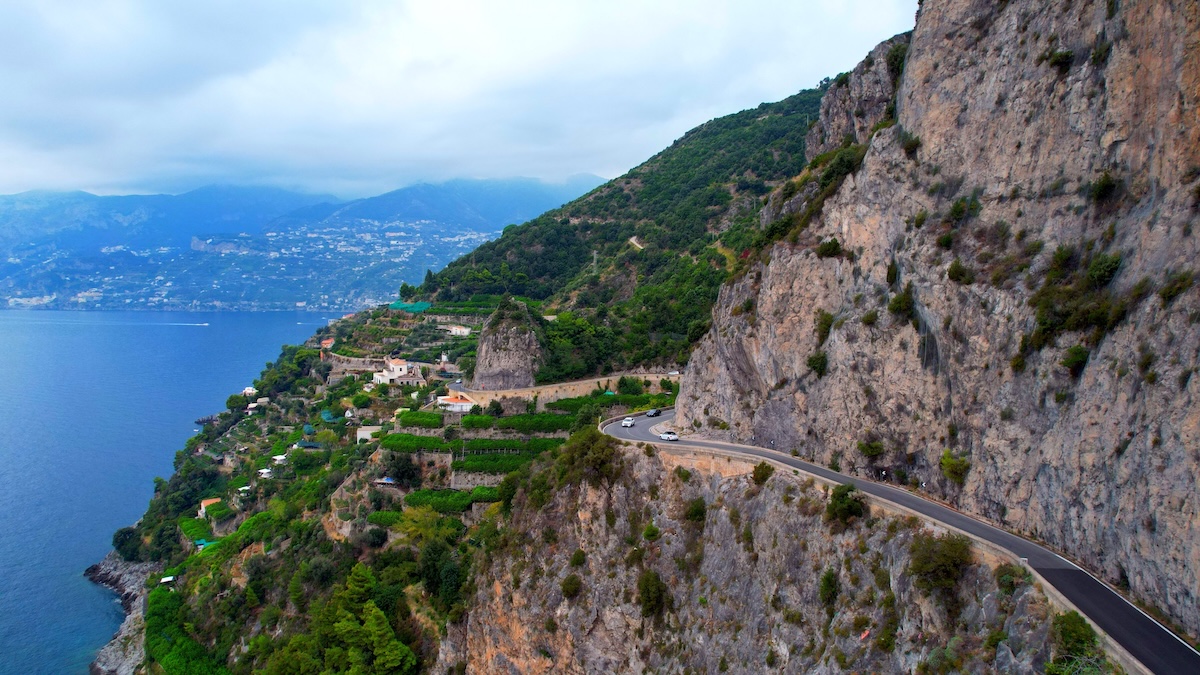
The SS163 runs 50 kilometers along cliffs above the Tyrrhenian Sea, threading through Positano, Ravello, and Amalfi itself. The combinations make stopping every few kilometers feel completely necessary as you need to oggle the villages that cling impossibly to vertical terrain.
The road’s width and summer traffic volumes create conditions where tour buses and trucks passing in opposite directions require precision that neither vehicle fully has available. Hiring a local driver removes the stress of navigating it personally while adding the subsidiary experience of watching someone else do so with genuinely terrifying confidence.
1. Grossglockner High Alpine Road, Austria
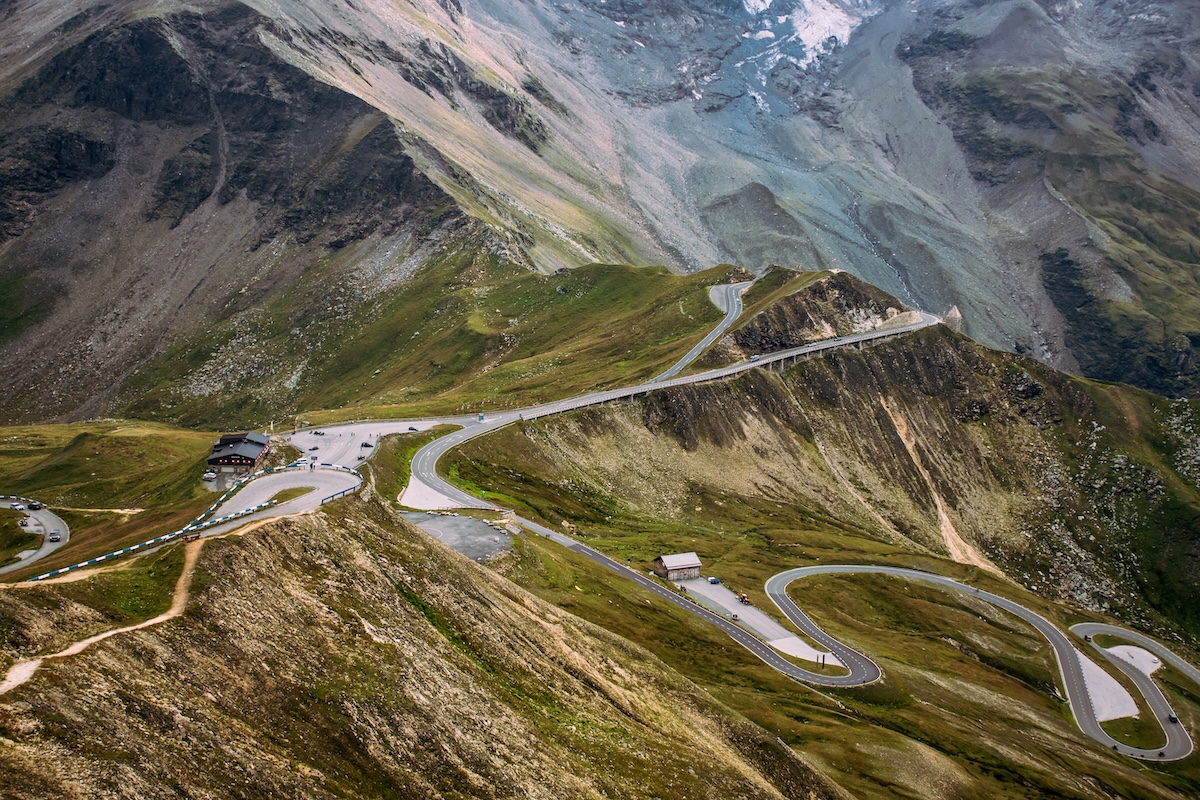
Austria’s most celebrated mountain road climbs to 2,571 meters through 36 switchbacks in the Hohe Tauern National Park, passing the Pasterze Glacier and Austria’s highest peak. It runs along a route that charges an entrance fee but this feels totally fair once you see the views on offer. The road opened in 1935 as an engineering achievement the country still uses as a national talking point.
Keep an eye out for Marmots that appear alongside the road frequently. The Kaiser-Franz-Josefs-Höhe viewpoint above the glacier offers a panorama across the High Alps that is unmatched, truly the crème de la crème of mountain roads.