
Home to a diverse array of peoples, cultures, countries and landscapes, Europe stretches all the way from the Arctic Ocean in the north to the Atlantic Ocean in the west with the Mediterranean and Black seas making up its border in the south. Encompassing majestic mountain ranges such as the Alps, Carpathians and Pyrenees as well as major rivers like the Danube and Volga, its huge landmass is replete with gorgeous scenery with lots of wonderful coastline also on show.
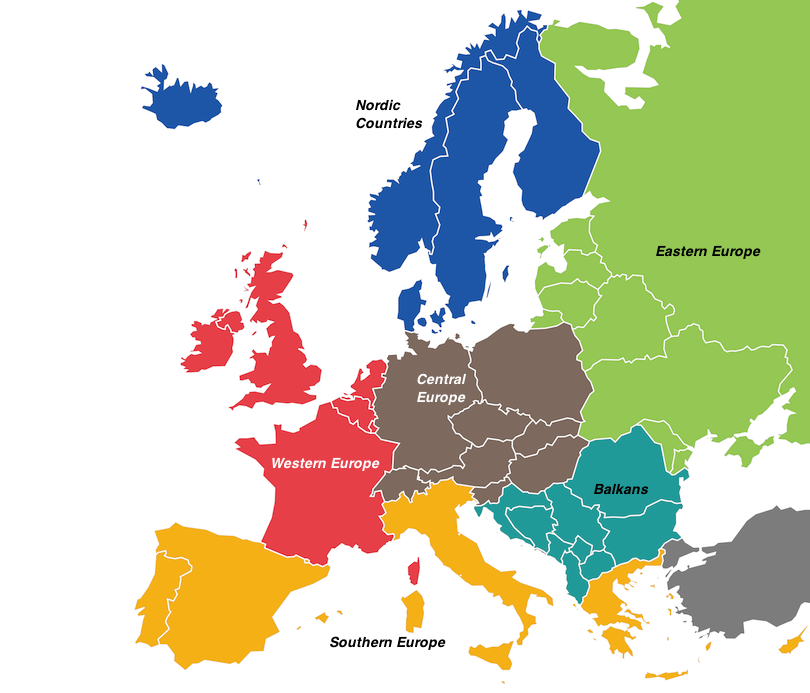
As innumerable kingdoms, empires and republics have made Europe their home over the millennia, its beautiful regions are dotted with incredible archaeological sites as well as a whole host of magnificent cities and towns, each boasting their own amazing historical sights and cultural landmarks.
With so many different cultures and countries to explore, it is no wonder that Europe is the most popular continent in the world amongst tourists who come to see its many sights, cities and stunning natural sites.
Nordic Countries
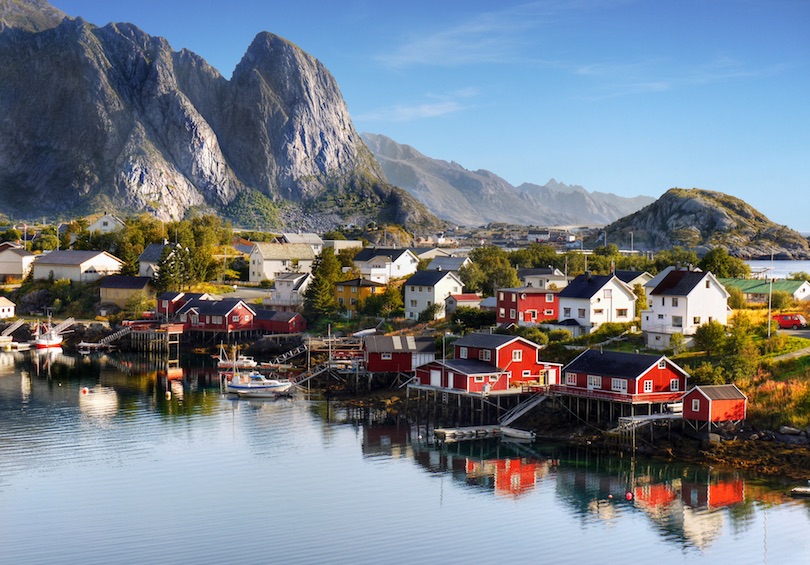
Home to breathtakingly beautiful nature and wonderful wilderness, the sparsely populated Nordic Countries in the northwestern part of Europe are a delight to visit and citizens of Denmark, Finland, Iceland, Norway and Sweden enjoy some of the highest standards of living in the world.
Tied together by a common heritage that dates all the way back to Viking times, the countries also share many similarities when it comes to their stunning landscapes and environments with lots of wild areas and water on show with only Denmark breaking the trend as it is mostly made up of low-lying fields and farms. Indeed both Iceland and Norway are renowned for their volcanic and fjord-filled landscapes while both Sweden and Finland are riddled with glittering lakes and endless forests and woodlands. In the northern realms the frozen world of the Arctic reigns supreme and it is here that you can best enjoy the awe-inspiring Northern Lights that so memorably light up the night’s sky.
With incredible national parks such Thingvellir, Nuuksio and Jotunheimen and the scenic archipelagos of Aland, Lofoten, South Funen and Stockholm for you to explore, each landscape is more beautiful than the last and there are a wealth of great outdoor activities on offer with hiking, mountain climbing and sailing all being popular. The Nordic Countries are also a fantastic place to go whale watching and in places like Svalbard you may even see polar bears.
Besides its magnificent scenery, the region also boasts lots of fascinating historical sights and cultural landmarks with lots of charming fishing villages, Viking-era ruins and centuries-old wooden churches to be found here and there.
In addition to this, no visit to the Nordic Countries can be complete without stopping by cities such as Gothenburg in Sweden and Bergen in Norway as well as the capitals of Copenhagen, Helsinki, Oslo, Reykjavik and Stockholm.
Western Europe
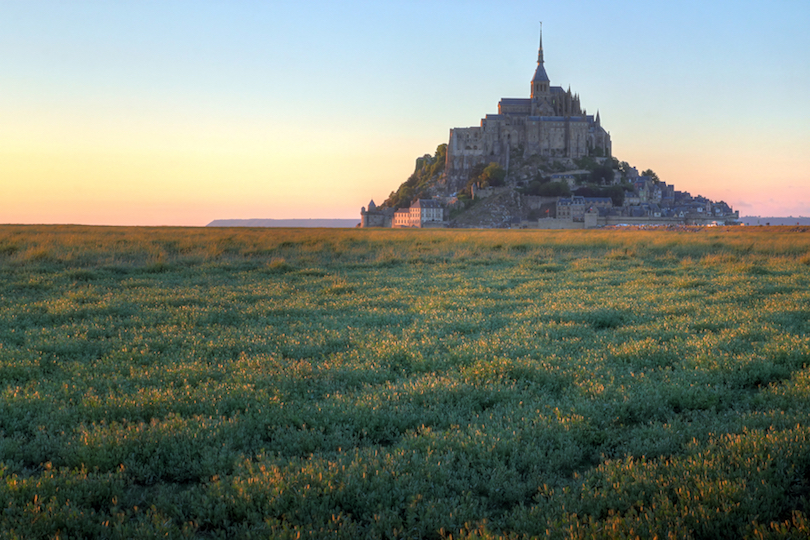
Encompassing a wide array of different peoples, languages, cultures and landscapes, Western Europe is a very popular place to visit amongst tourists as it is replete with incredible cities, age-old historical sights and important cultural monuments for you to check out.
While the capitals of Amsterdam, Brussels, Dublin, London and Paris each offer up stunning sights for you to enjoy such as Big Ben, the Grand Place and the Eiffel Tower, smaller towns and cities also showcase their own particular attractions and identities with Bruges, Edinburgh, Luxembourg City and Nice all being well worth a visit. Indeed Western Europe is awash with history and culture and wherever you go you’ll come across millennia old churches and cathedrals, crumbling castles and picturesque medieval old towns with magnificent museums such as the British Museum, Louvre and Rijksmuseum to boot.
Although its cities, towns and cultural sights are second-to-none, Western Europe is also home to lots of breathtakingly beautiful scenery with the French Riviera, the Giant’s Causeway, Keukenhof and of course the Alps being among its most notable sights. Alongside the delightful countryside and patchwork of farms and fields that are to be found everywhere from Belgium and Luxembourg to Ireland and the UK, the region is also dotted with some wonderful Atlantic beaches, rolling hills, rivers and lake-filled landscapes.
With so much to see and do, one could spend a lifetime exploring Western Europe and the region’s well-developed transport links make hopping from one city to another and delving into another history, culture and gastronomy as easy as you like.
Central Europe
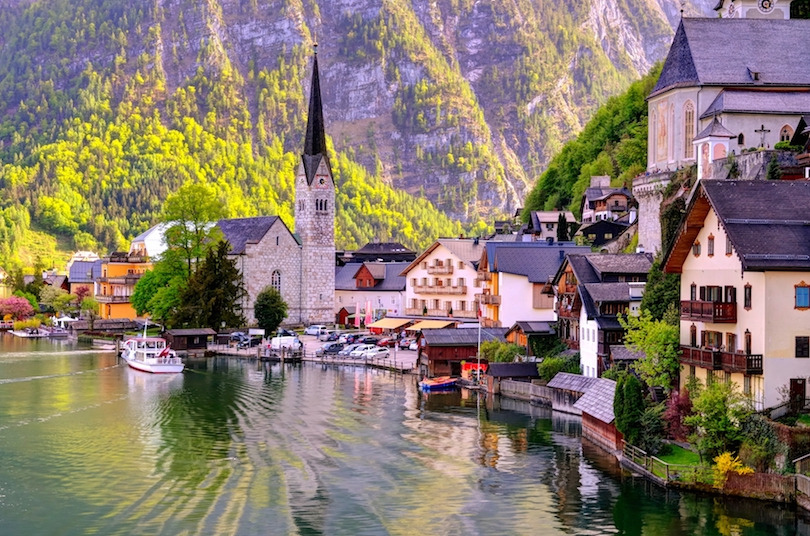
One of the most beautiful regions in the whole of Europe, Central Europe is a treat to travel around and both history lovers and nature enthusiasts will rejoice at all that it has to offer up. While it is home to different peoples, languages and countries, much of the region shares a similar history and culture as both the Holy Roman Empire and later on the Austro-Hungarian Empire ruled over its lands.
Not long ago divided by the Cold War, Central Europe has opened up remarkably in the space of just three decades and now it is just as easy to travel around Germany, Switzerland and Austria as it is to visit Poland, Hungary and Czechia. While the capitals of Berlin, Budapest, Prague and Vienna attract the lion’s share of tourists with their beautiful architecture, captivating historical sights and lively arts and culture scenes, less visited places such as Bratislava, Gdansk and Vaduz are also well worth stopping by for the hidden gems they have to offer up.
In addition to its rich history and cultural heritage, Central Europe is also replete with some of the most stunning scenery imaginable. While the Black Forest, Bialowieze National Park and the Tatras Mountains are all absolutely gorgeous to behold, it is the towering Alps that are the most popular of the lot for the amazing hiking, rock climbing and skiing they have to offer up on top of the sweeping panoramas and vistas you can enjoy from their peaks.
Southern Europe
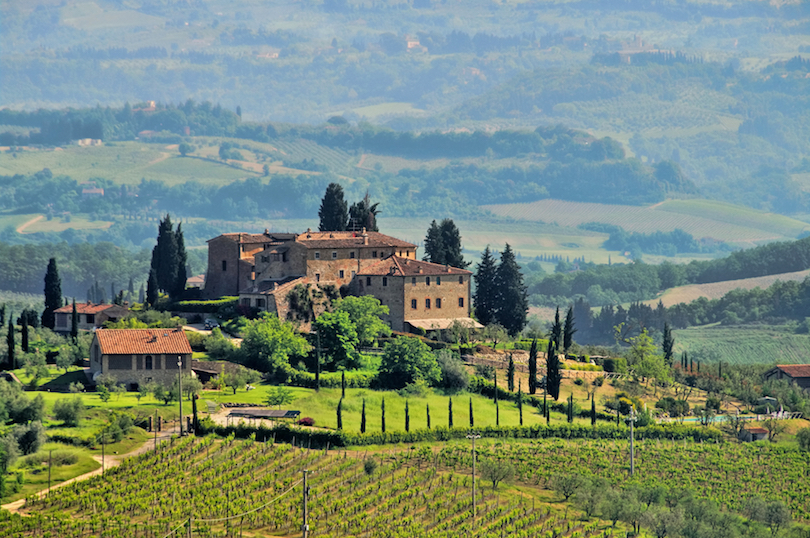
With glittering, beach-filled coastlines, warm, inviting climates and an incredible array of historical sights and beautiful cities to boot, Southern Europe really does have it all. As such, every year hordes of tourists flock to Greece, Italy, Portugal and Spain while its smaller countries of Andorra, Cyprus and Malta are equally delightful for what they have to offer up.
Awash with stupendous natural sights, Southern Europe’s dramatic landscapes range from the towering Alps and shimmering lakes in northern Italy to Portugal’s rugged Atlantic coastline and Greece’s plethora of alluring islands such as Mykonos, Rhodes and Santorini while the majestic Pyrenees in Andorra and Spain top it all off. With so many natural attractions on show, the region really is a nature lover’s delight with hiking, climbing and skiing all being popular while the glittering Mediterranean lends itself perfectly to sailing, snorkelling and watersports.
While Athens, Lisbon, Madrid and Rome are all renowned for the myriad of world-class historical sights, cultural landmarks and amazing museums they have to offer up, cities such as Granada, Naples and Valletta are also full of wonders for you to gaze upon. Due to the many ancient civilizations that sprung up around the Mediterranean, there are also lots of fascinating archaeological sites for you to visit with those at Delphi, Pompeii and Tarragona being among the most impressive.
Balkans
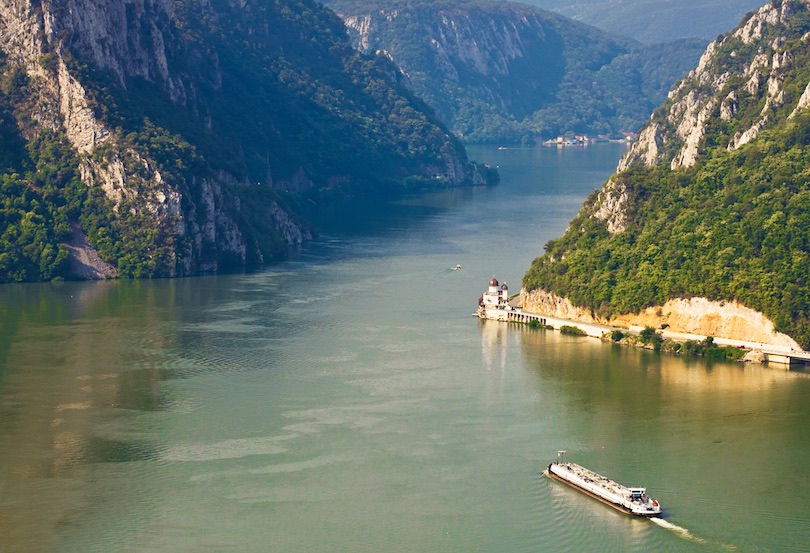
Located in between the Adriatic Sea and Black Sea, the Balkans are a captivating place to visit as its patchwork of peoples, cultures and countries are set amongst stunning mountain scenery, pretty forests, plains and rivers with beautiful beach-filled coastlines also on offer.
While the region has all too often been beset by strife as everyone from the Romans and Ottomans to the Austro-Hungarians and Soviets swept through, the Balkans are now attracting more and more visitors each and every year as the wars that marked the break up of Yugoslavia are now long gone.
Indeed each of the aforementioned powers left their mark in terms of monuments, architectural styles and ruins that they left behind and this is what makes cities such as Belgrade, Sarajevo, Sofia and Zagreb so fascinating to explore as they boast a multitude of mesmerising sights with lots of great local cuisine and nightlife to boot.
In addition to its historic cities, age-old monasteries and impressive hilltop citadels, the Balkans are replete with gorgeous natural sights such as the Albanian Riviera, Plitvice Lakes National Park, Tara Canyon and the Carpathian Mountains while cruising along the Danube River and stopping off at the many amazing cities that line its banks is a lovely way to see the region.
Eastern Europe
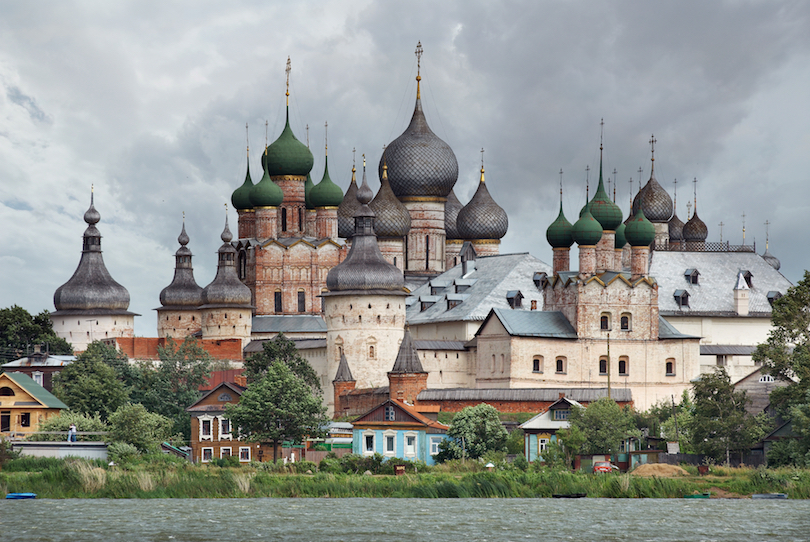
Home to a diverse array of peoples and cultures, landscapes and geographies, Eastern Europe encompasses Russia, the largest country in the world, and the post-Soviet states of Belarus, Ukraine, Moldova and the Baltic States.
Despite covering a huge swathe of territory, these fascinating countries attract relatively few visitors in comparison with other regions in Europe and this is a shame as there is so much for you to see and do in terms of history and culture with lots of stunning scenery and natural sights also on show.
While Kyiv, Moscow and Saint Petersburg have the most attractions to offer up in terms of glorious architecture, amazing museums and their thriving arts and culture scenes, the Baltic capitals of Riga, Tallinn and Vilnius all boast wonderful old towns while Chisinau and Minsk are very much hidden gems with the latter being the capital of the last dictatorship in Europe.
With beautiful Black Sea coastlines for you to explore, the craggy Carpathian Mountains to climb and the endless forests of Belovezhskaya National Park to hike through, Eastern Europe is awash with nature and the only question really is where to begin.