
You don’t need to hop on a plane to Europe to see jaw-dropping churches. Right on your doorstep in America, you have some seriously amazing places of worship that don’t hold back! From buildings carved into red rocks to glass chapels that seem to float among trees, these churches showcase American creativity at its finest.
Maybe you’re religious or just love cool architecture, but these spots deserve a place on your travel bucket list. Pack your camera (and maybe a little reverence) as we tour America’s most spectacular churches that prove you don’t need centuries of history to create something truly divine.
Duke Chapel, Durham
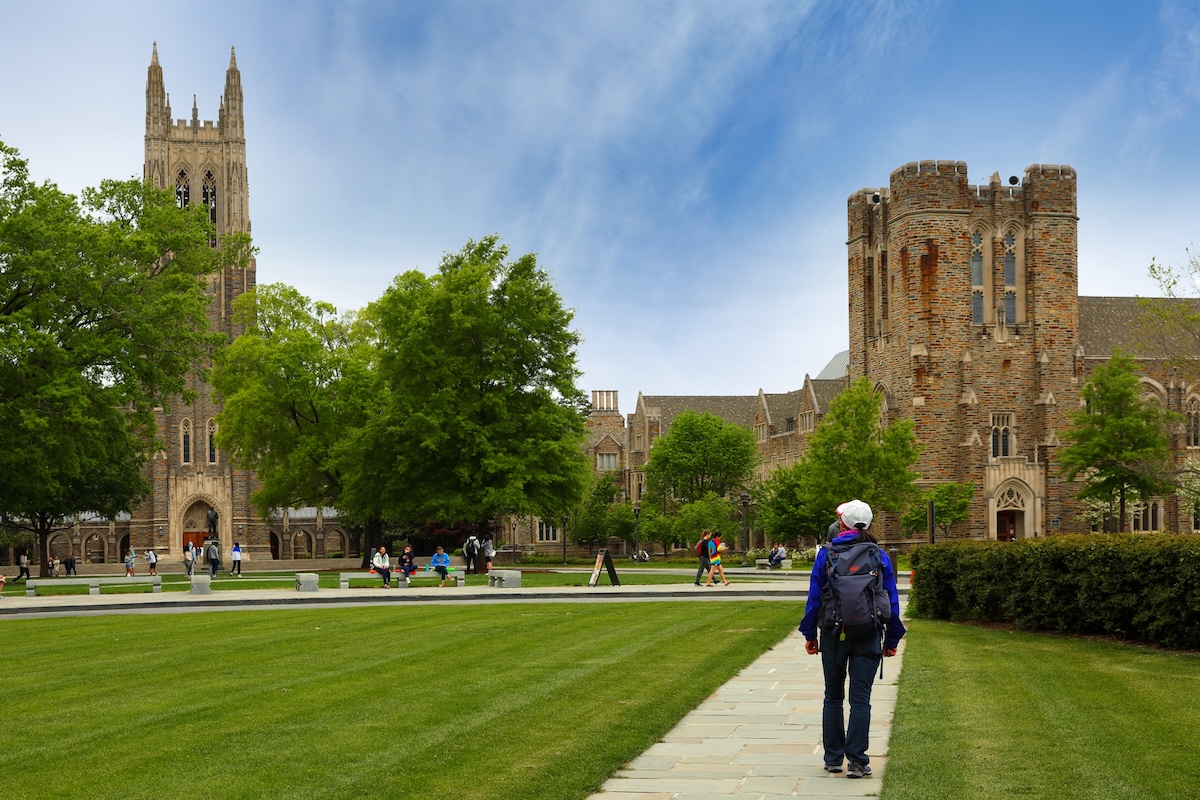
Duke Chapel is the showpiece of Duke University’s West Campus, and its 210-foot tower dominates the Durham skyline. Completed in 1932, the Collegiate Gothic building came from the designs of Julian Abele, the Black architect who also shaped much of the campus. Builders used local Hillsborough bluestone, which glows warmly in the afternoon sun.
Inside, you’ll find 77 stained glass windows and seats for about 1,600 people. Music lovers come for the three pipe organs, including a towering Flentrop. Try to catch the 50-bell carillon, which rings out most weekday afternoons. Admission is free, and Duke Gardens is a short walk away if you want to extend your visit.
Chapel in the Hills, Rapid City
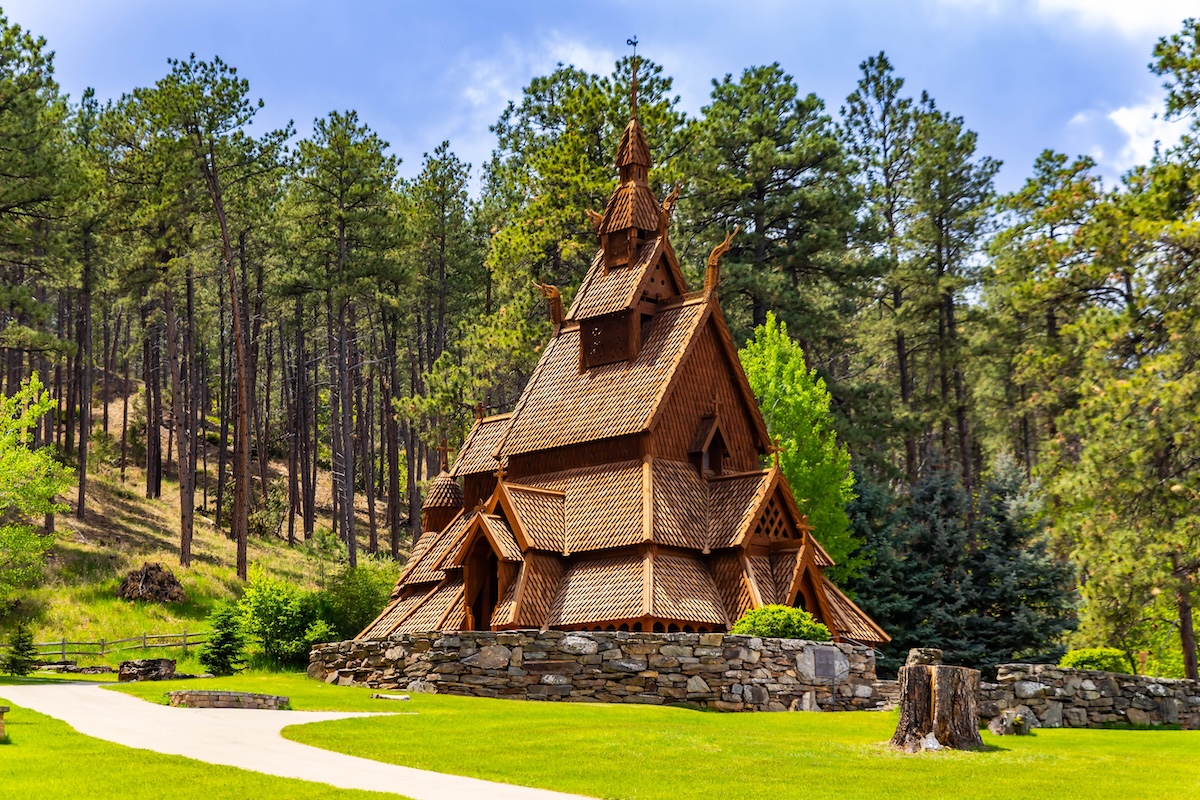
Chapel in the Hills brings a slice of medieval Norway to South Dakota’s Black Hills. The wooden church faithfully replicates the 12th-century Borgund Stave Church. It was dedicated in 1969 and built from plans supplied by the Norwegian government. Dragon heads jut from its steep, layered rooflines, while carvings decorate the doorways.
You can wander the grounds on a quiet prayer walk through the pines. A small log cabin museum, built by a Norwegian immigrant, shows how early settlers lived. The site welcomes visitors from May through September, with evening vespers in summer. Mount Rushmore is about 30 minutes away, making the chapel an easy stop on a Black Hills road trip.
MIT Chapel, Cambridge
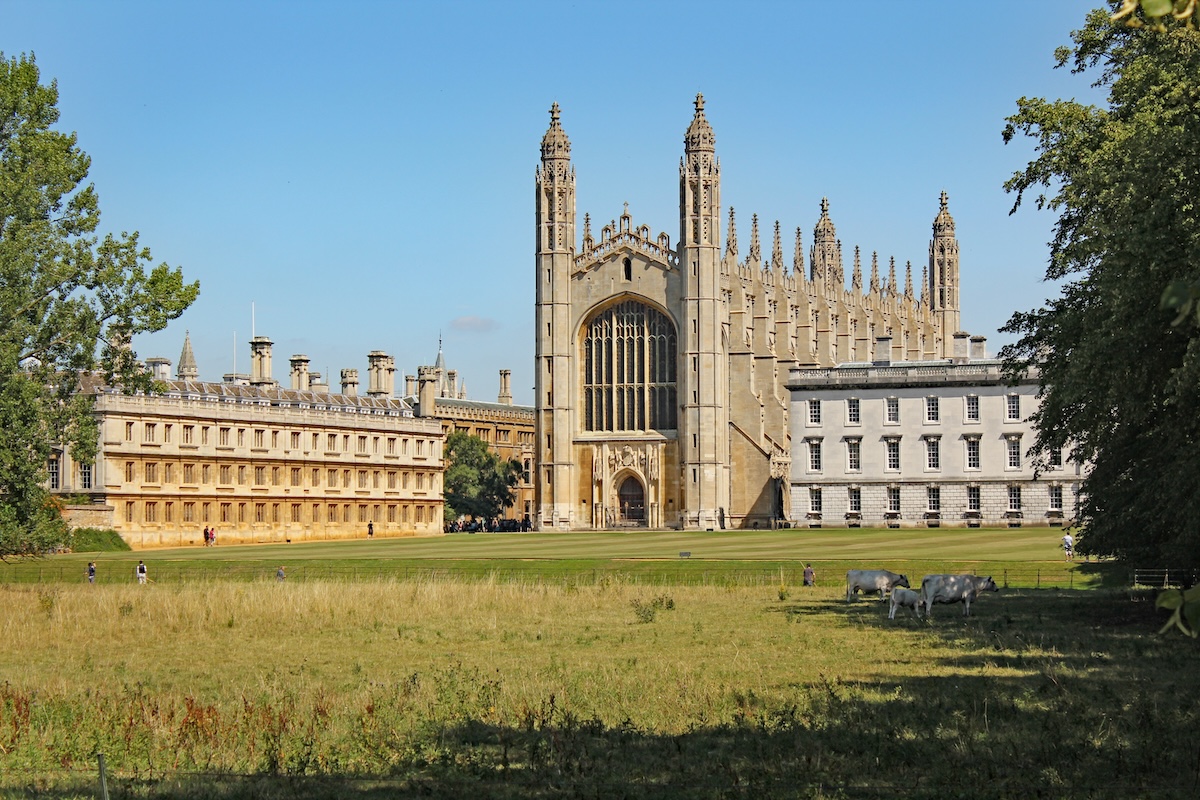
Eero Saarinen designed the MIT Chapel in 1955 as a windowless brick cylinder surrounded by a shallow moat. From outside, it looks plain. Step inside, though, and light reflects off the water through low arches, sending ripples across the curved walls.
The real showstopper hangs behind the altar. Harry Bertoia’s sculpture of shimmering metal pieces catches daylight streaming through an oculus in the ceiling. Theodore Roszak’s slender aluminum bell tower tops the roof. The chapel is nondenominational and seats around 130, so you can see it in just a few minutes. Pair it with Saarinen’s Kresge Auditorium across the lawn for a quick midcentury architecture fix.
Holy Ascension Cathedral, Unalaska,
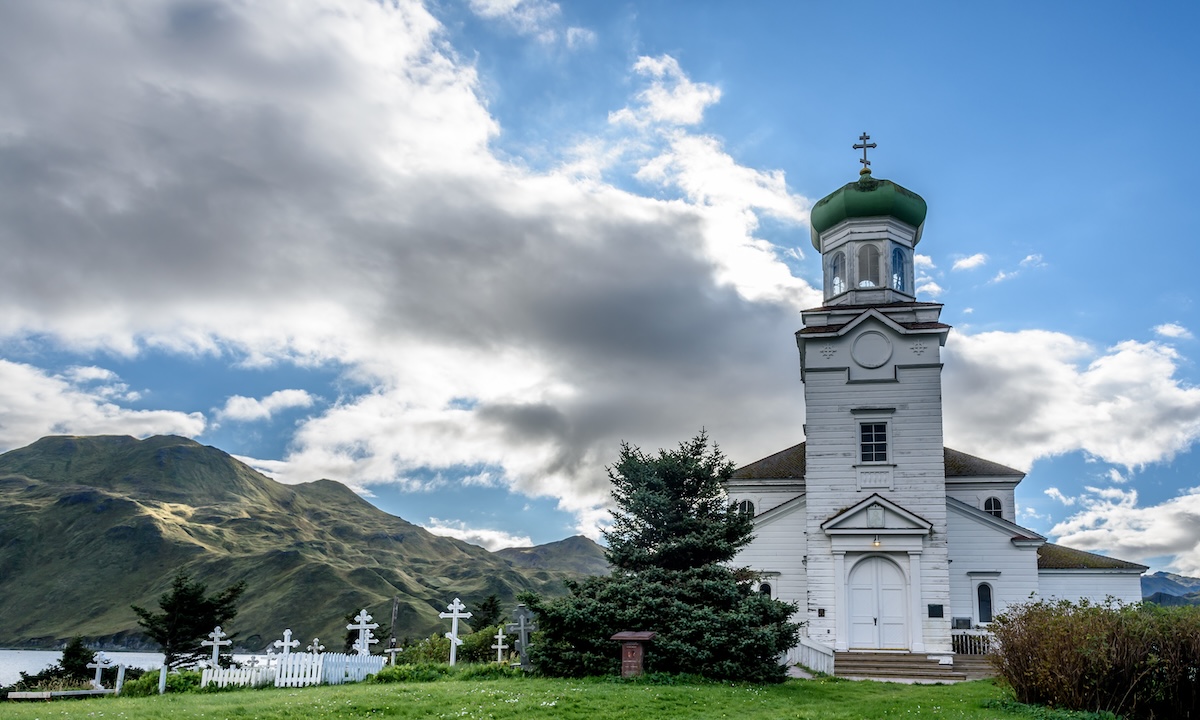
Holy Ascension Cathedral stands on the remote Aleutian Islands and ranks among the oldest Russian Orthodox churches in America. The current building dates to 1894 to 1896. It replaced an earlier church built by Father Ivan Veniaminov, later canonized as St. Innocent. It’s the oldest cruciform Russian Orthodox cathedral in the country and a National Historic Landmark.
Green onion domes rise against rugged mountains and the harbor, creating a striking scene on a clear day. Inside, you’ll see hundreds of icons and artifacts tied to the Unangan people and Russian-era Alaska. Getting there takes effort: fly from Anchorage or arrive by ferry. Check tour arrangements with the parish before you go.
St. Louis Cathedral, New Orleans
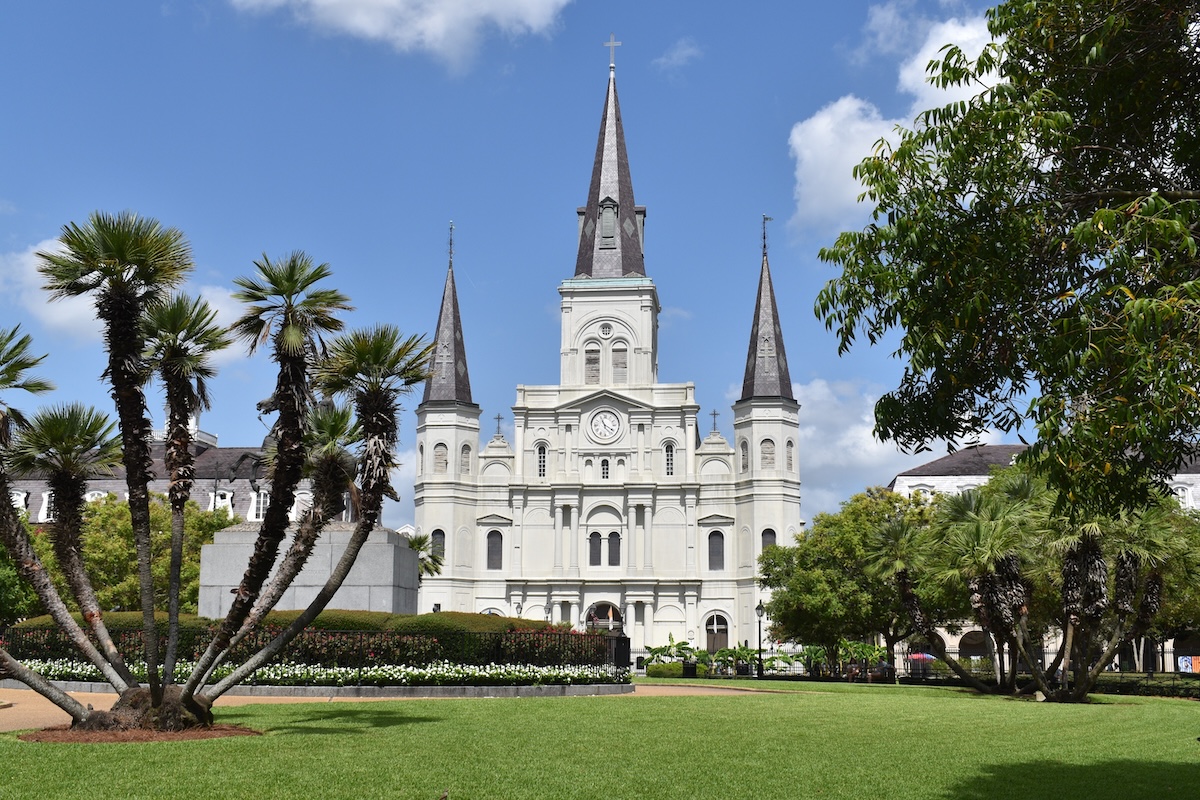
St. Louis Cathedral’s three white spires anchor Jackson Square in the French Quarter. It’s the oldest cathedral in continuous use in the United States, with a parish dating to 1720. The current structure went up between 1789 and 1794, and workers largely rebuilt it in 1849 and 1850.
Inside, look up at the painted ceiling murals and stained glass windows depicting the life of King Louis IX. Pope Paul VI named it a minor basilica in 1964, and Pope John Paul II visited in 1987. Self-guided visits are free when Mass isn’t underway. Afterward, grab beignets at Café du Monde across the square.
Sacred Heart Cathedral, Newark
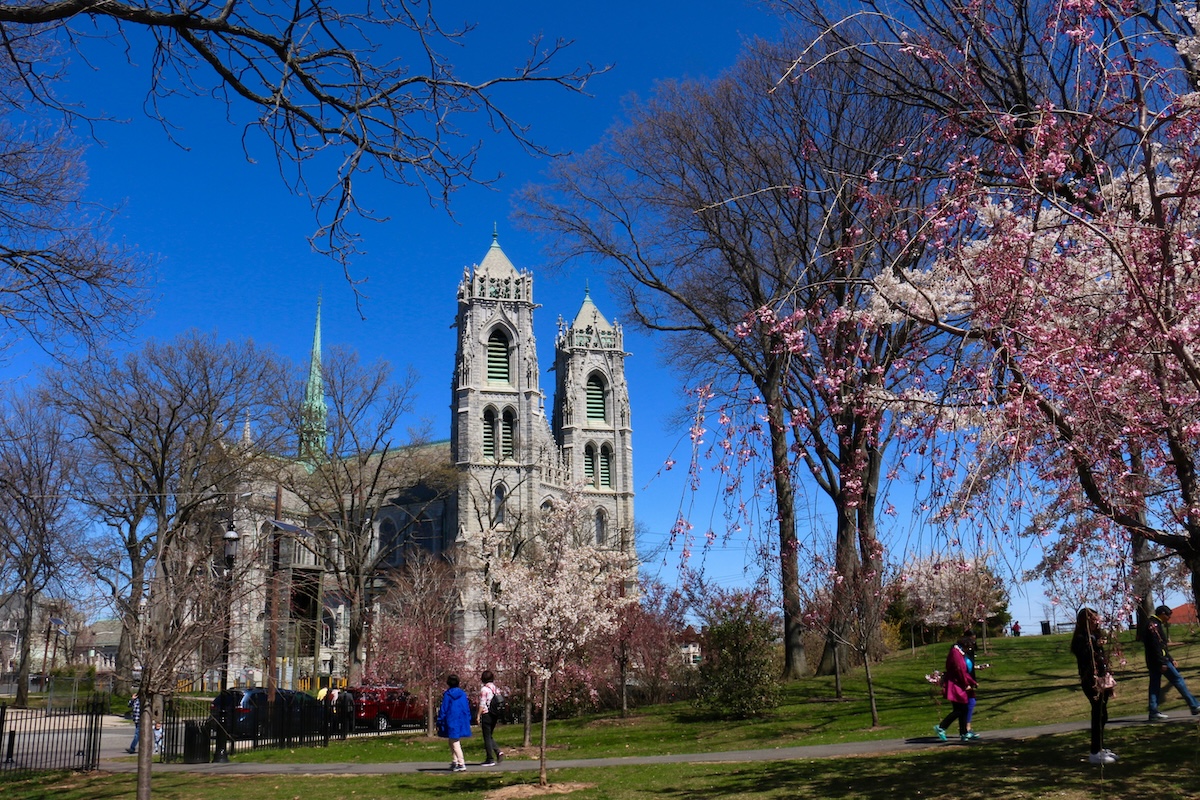
Few visitors expect to find one of North America’s largest cathedrals in Newark. Construction on Sacred Heart Cathedral Basilica began in 1899, took more than 50 years, and reached its end with the 1954 dedication. Its French Gothic design brings to mind Europe’s great cathedrals, and its twin towers rise 232 feet.
The interior features about 200 stained glass windows made in Munich, plus a rose window above the entrance. Carved oak, marble, and a massive pipe organ fill the space. Pope John Paul II elevated it to a basilica during his 1995 visit. It’s an easy stop from Newark Penn Station, and nearby Branch Brook Park bursts into cherry blossoms each April.
St. Francis Cathedral, Santa Fe
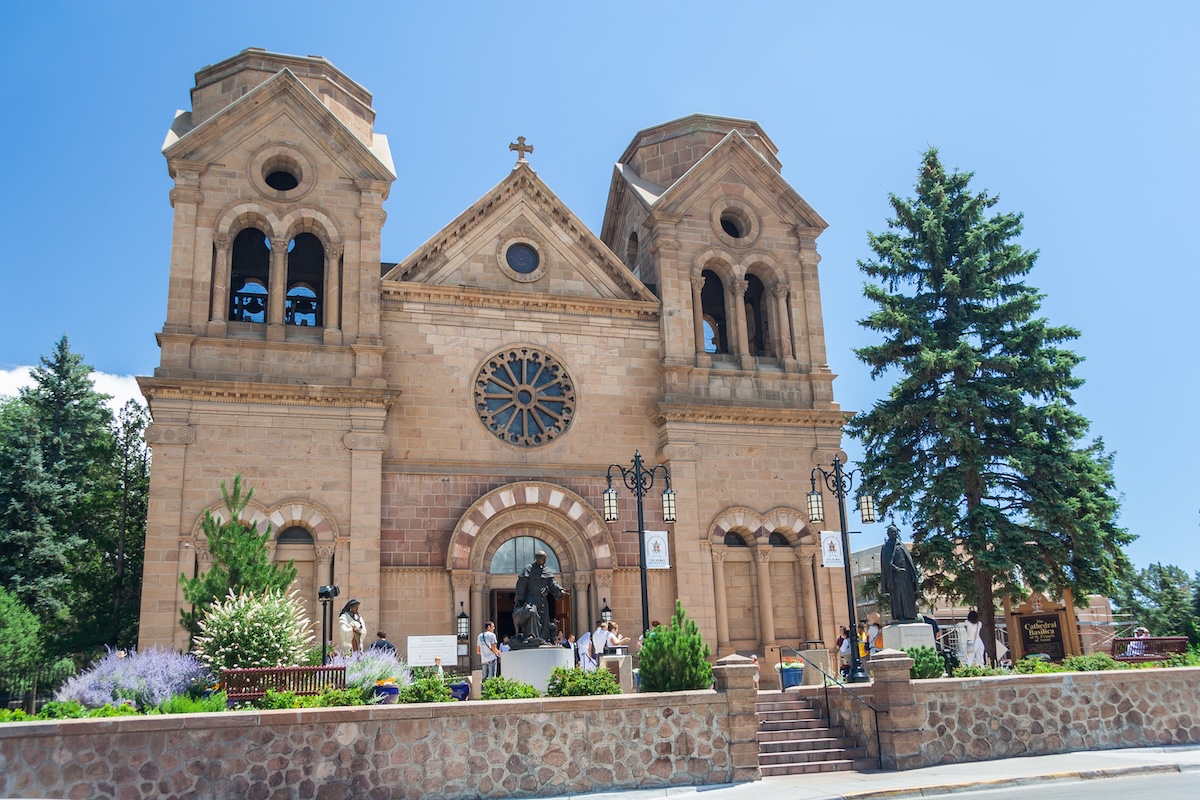
St. Francis Cathedral Basilica stands at the end of San Francisco Street, a short stroll from Santa Fe’s Plaza. Archbishop Jean-Baptiste Lamy oversaw its construction between 1869 and 1886 in the Romanesque Revival style. Its golden stone stands out in a city famous for adobe.
Inside, look for the chapel that houses La Conquistadora, a wooden Madonna statue that arrived in 1625 and is considered the oldest in the country. Out front, a bronze statue honors St. Kateri Tekakwitha, the first Native American saint. The cathedral became a basilica in 2005. You can pair your visit with a stop at the nearby Loretto Chapel, home to its famous spiral staircase.
Mission San Xavier del Bac, Tucson
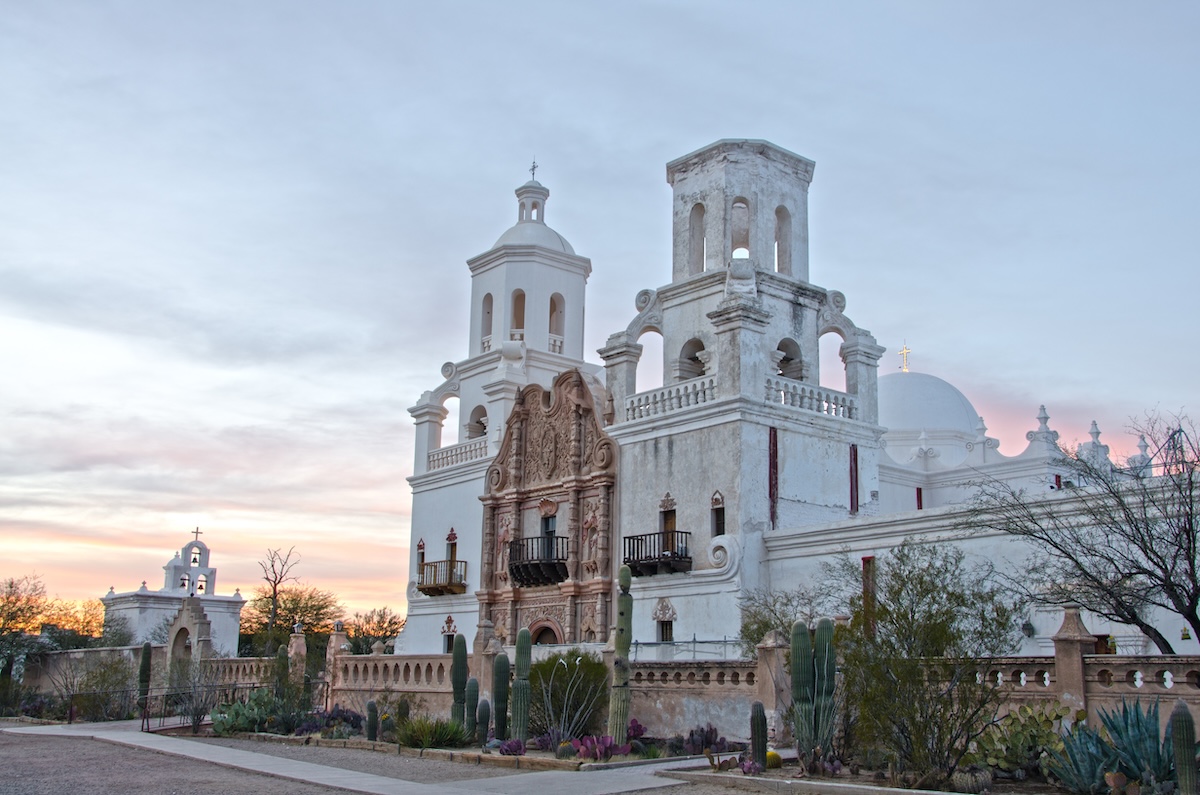
Locals call Mission San Xavier del Bac the “White Dove of the Desert,” and its bright walls make the nickname easy to understand. Father Eusebio Kino founded the mission in 1692, and workers completed the current church in 1797. It stands on the Tohono O’odham Nation, about 10 miles south of downtown Tucson.
Step inside to find painted statues, frescoes, and an ornate altar in a mix of Spanish Baroque and Moorish styles. Franciscan friars still serve the active parish community. Admission is free, though donations help fund ongoing restoration. Visit in the morning to beat the heat, and look for Tohono O’odham vendors selling fry bread in the plaza.
Thorncrown Chapel, Eureka Springs, Arkansas
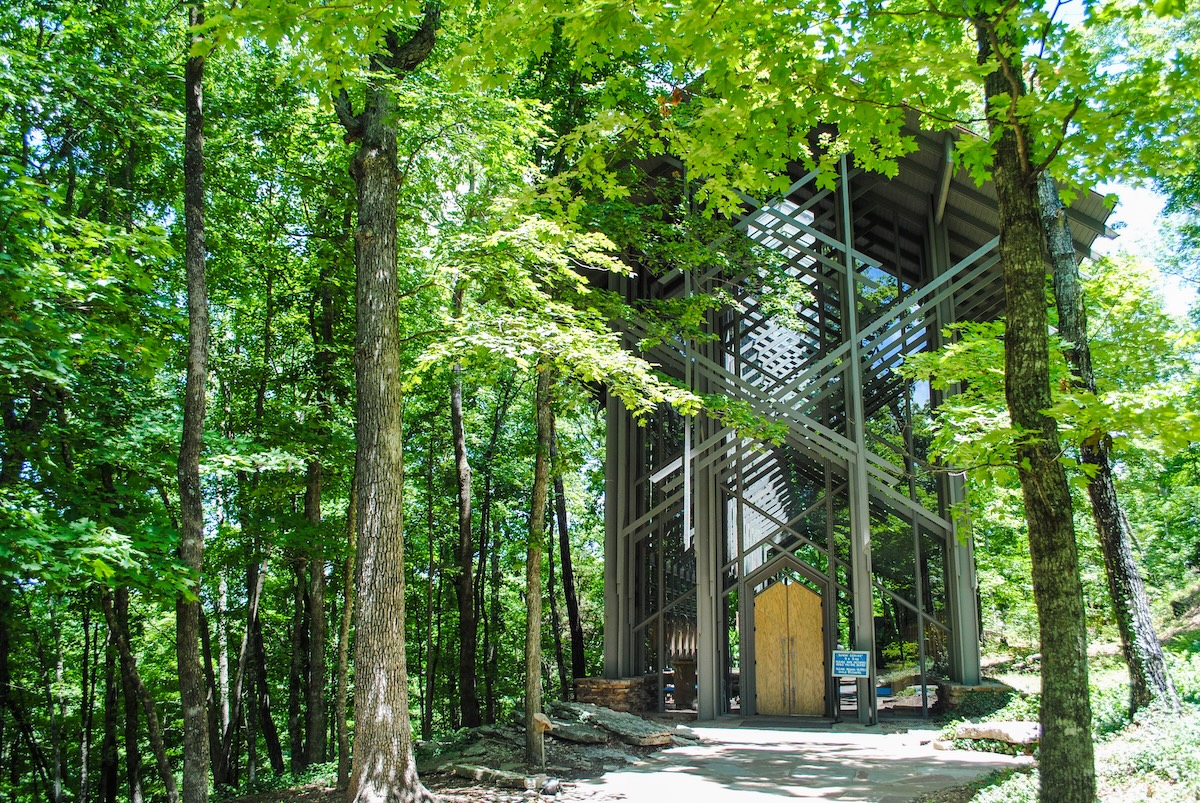
Thorncrown Chapel proves a small building can earn a big reputation. Architect E. Fay Jones, a student of Frank Lloyd Wright, designed it in 1980 for an Ozarks hillside. The American Institute of Architects later ranked it fourth on its list of top American buildings of the 20th century.
The chapel rises 48 feet and has 425 windows framed by a lattice of pine beams. You’ll feel surrounded by forest, and the light shifts with the seasons. Fall foliage makes October a standout time to visit. Thorncrown sits a few miles west of downtown Eureka Springs and welcomes visitors most days from March through December.
St. Patrick’s Cathedral, New York City
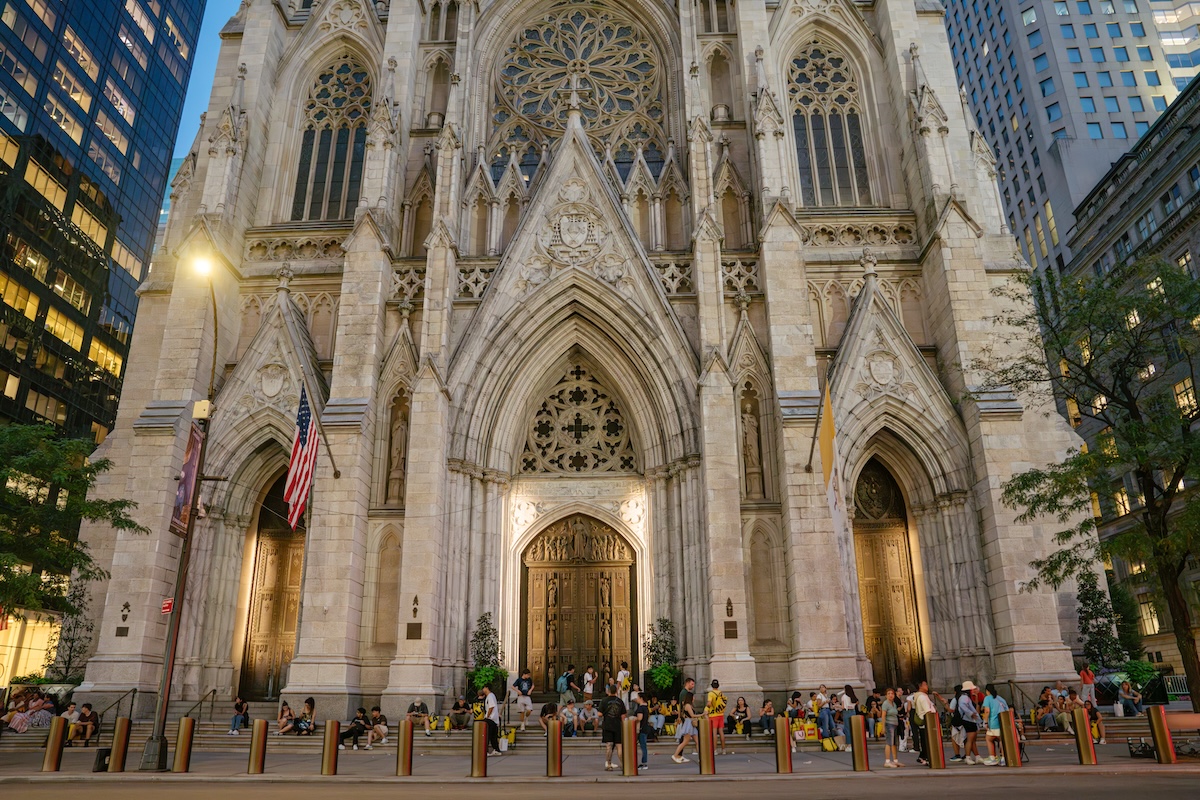
St. Patrick’s Cathedral holds its own against the skyscrapers of Fifth Avenue. James Renwick Jr. designed the Neo-Gothic landmark. Construction ran from 1858 to 1878, and workers added the spires in 1888. They rise about 330 feet, directly across from Rockefeller Center.
A major restoration finished in 2015 brightened the marble exterior and cleaned the stained glass. Inside, you’ll find the Lady Chapel, a grand rose window, and the Pietà sculpture near the altar. Millions of people visit each year, so arrive early on weekdays to beat the crowds. You can take a self-guided audio tour, then head to Top of the Rock for skyline views.
Washington National Cathedral, Washington, D.C.
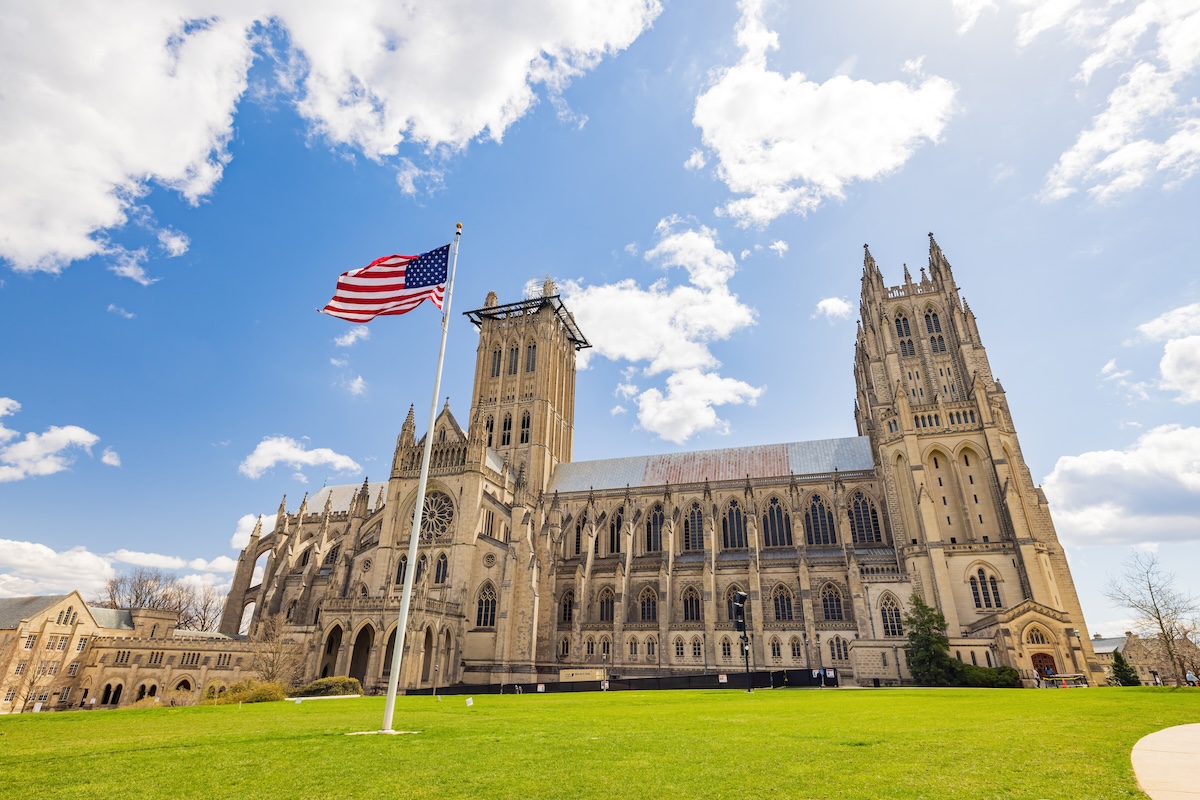
Washington National Cathedral took 83 years to build, from 1907 to 1990. The Episcopal cathedral is the country’s second largest church and hosts state funerals and national prayer services. Its Gothic towers rise from one of the highest points in D.C.
Bring binoculars to spot the Darth Vader grotesque on the northwest tower, carved after a kids’ design contest. Inside, the Space Window holds a small piece of moon rock from Apollo 11. The cathedral is still repairing damage from the 2011 earthquake. You’ll need a ticket for general tours, but you can explore the Bishop’s Garden outside for free.
Christ Cathedral, Garden Grove
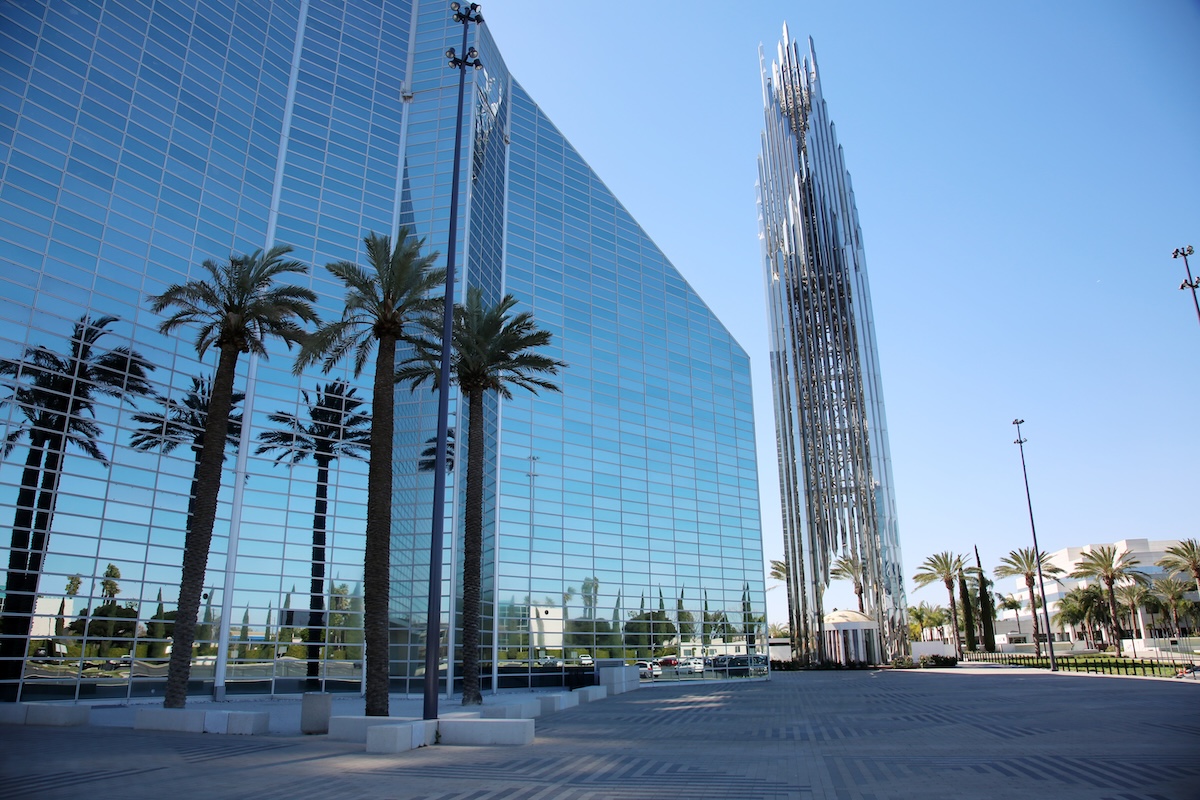
Christ Cathedral began as the Crystal Cathedral, Philip Johnson’s 1980 glass landmark built for televangelist Robert Schuller. More than 10,000 panes of glass wrap the building. The Catholic Diocese of Orange bought the campus in 2012, then dedicated it as a cathedral in 2019 after major renovations.
Inside, quatrefoil panels now soften the light pouring through the glass. The Hazel Wright Organ, one of the world’s largest pipe organs, was restored for the reopening. You can tour the grounds, including Richard Neutra’s earlier Tower of Hope. The cathedral is about 15 minutes from Disneyland, making it an easy side trip.
Cadet Chapel, Colorado Springs
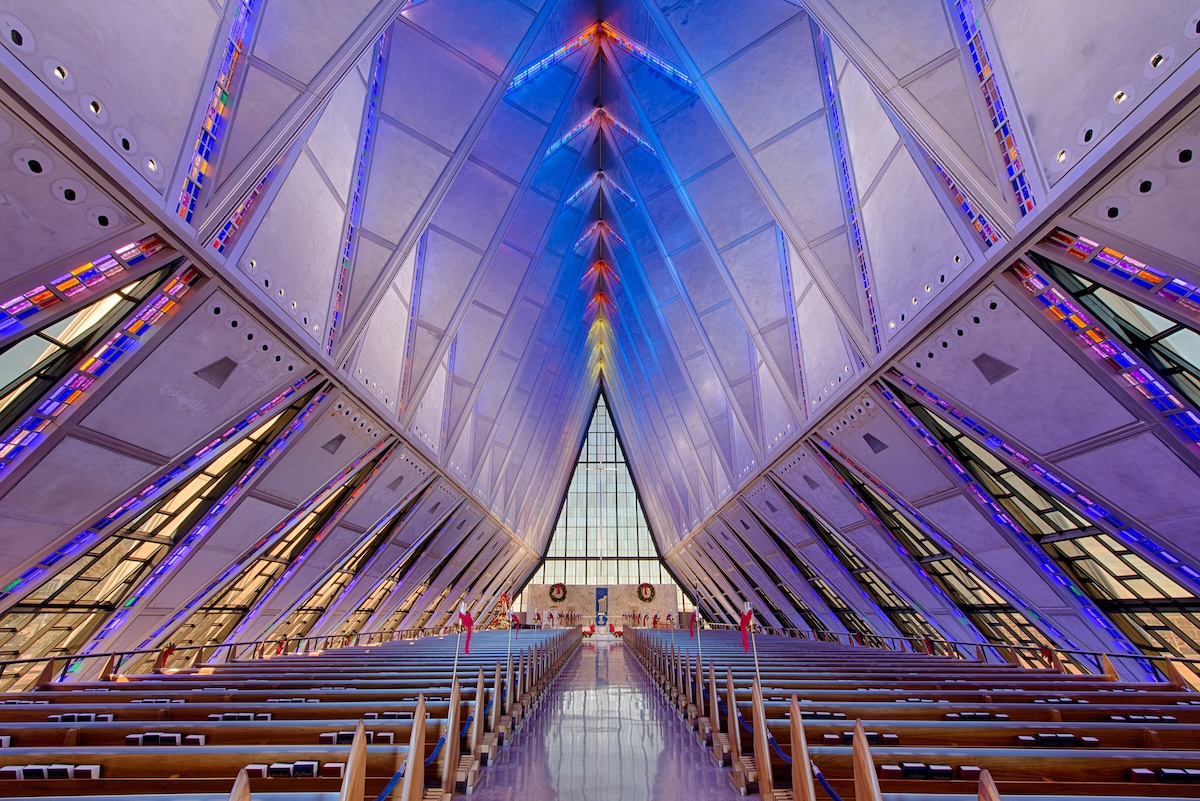
The Cadet Chapel at the U.S. Air Force Academy is a modernist icon, with 17 aluminum spires shaped like fighter jets in formation. Walter Netsch of Skidmore, Owings and Merrill designed it, and it opened in 1963. The chapel houses separate worship spaces for several faiths under one roof.
The building has been closed for a major restoration since 2019, so check the Academy’s visitor updates before planning your trip. You can still visit the Barry Goldwater Visitor Center and see the chapel’s exterior against the Rampart Range. Bring a photo ID, since the Academy is an active military base. Garden of the Gods is nearby for an afternoon hike.
Cathedral Basilica of St. Louis, St. Louis
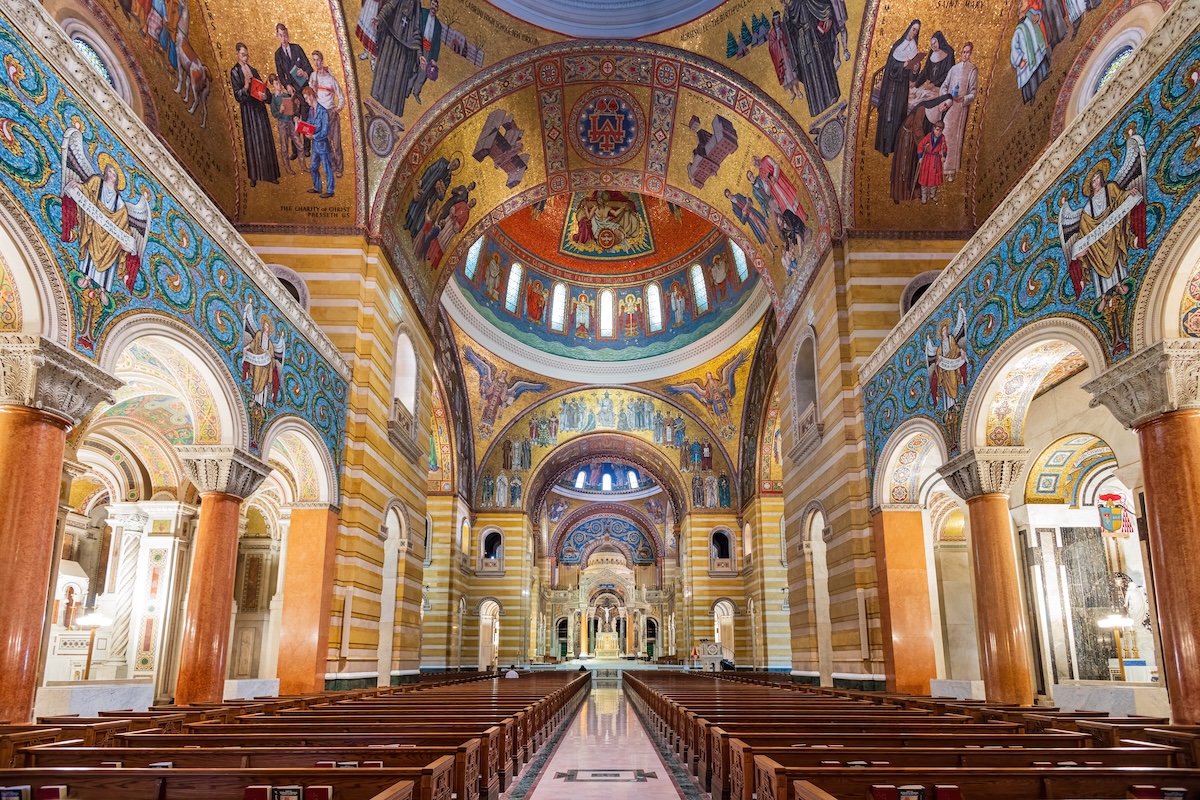
The Cathedral Basilica of St. Louis holds one of the world’s largest mosaic collections. More than 41 million glass tesserae cover about 83,000 square feet of its walls and domes. The church was dedicated in 1914, and artists continued installing mosaics until 1988.
The exterior has a Romanesque style, while the interior bursts with gold, blue, and green Byzantine designs. Take time to visit the mosaic museum downstairs and learn how the work came together. The cathedral sits in the Central West End, a walkable neighborhood near Forest Park. Guided tours run most days, but call ahead to confirm the schedule.
Basilica of St. Mary, Minneapolis

This Minneapolis beauty broke ground in 1907 as America’s first basilica, beating out every other Catholic church in the country for the title. Its massive copper dome stands out in the city skyline like a spiritual lighthouse. It dome soars 138 feet above your head, making even whispers echo dramatically throughout the space. The marble altar weighs a whopping 35 tons, and during Christmas and Easter, the basilica packs in up to 3,000 people.
Locals love “The Basilica Block Party,” an annual summer music festival that raises money for building restoration. Even if you’re not religious, the free weekend tours make this architectural gem worth a visit.
St. Philip’s Church, Charleston

Charleston drips with Southern charm, and St. Philip’s Church stands as its crowning jewel. The bright white steeple has guided sailors into Charleston Harbor since 1850, while the church itself dates back to 1680 (though hurricanes and fires meant rebuilding a few times). The steeple doesn’t just look pretty, it also served as a lighthouse for decades.
Famous worshippers included George Washington and notorious pirate Stede Bonnet, who attended services before his hanging. The surrounding graveyard holds many Revolutionary War heroes and signers of the Constitution. The church still holds regular services, but visitors can peek inside most weekdays between 10am and 2pm.
Trinity Church, New York City

This Gothic Revival masterpiece stands defiantly among the skyscrapers of Wall Street, looking like it teleported straight from medieval Europe. It was built in 1846 with an impressive 281-foot spire and Trinity was once the tallest building in New York City. Inside, you’ll find stunning stained glass and an altar carved from pure white marble.
The surrounding cemetery holds some major historical celebs, including Alexander Hamilton and his wife Eliza. The church survived both 9/11 and Superstorm Sandy despite being just blocks away from Ground Zero. Trinity offers free weekday tours, and their pipe organ concerts will blow your mind. Even in the middle of Manhattan’s chaos, the church interior feels eerily peaceful.
Wayfarers Chapel, Palos Verdes

This glass masterpiece was Designed by Lloyd Wright (son of famous architect Frank Lloyd Wright) in 1949. The walls and ceiling are nearly all glass, making you feel like you’re worshipping in the middle of a redwood forest. The design follows “organic architecture” principles which means that the building becomes part of nature instead of fighting against it.
The chapel only seats 100 people, creating an intimate vibe despite the open design. Even if you just stop by for a quick visit, the meditation garden and ocean views make this place feel magical, especially at sunset when golden light filters through the trees.
St. Joseph the Betrothed Church, Chicago

This 1977 gem breaks all the rules of traditional American church design with its seven golden domes (representing the seven sacraments) and distinctly Eastern European style. The interior will knock your socks off when you see how artists covered nearly every inch with colorful Byzantine-style icons against brilliant blue backgrounds.
During Ukrainian festivals, the church becomes the center of community celebrations with food, music, and dancing. Even on regular Sundays, the traditional Ukrainian choir makes the hair on your arms stand up. You won’t find pews here either, because in Eastern tradition, worshippers stand during services, though they provide chairs for those who need them.
Basilica of St. Josaphat, Milwaukee

Polish immigrants built this Milwaukee landmark using salvaged materials from a demolished Chicago post office in 1901. The stunning copper dome looks particularly spectacular covered in snow during Wisconsin winters. The interior feels more like a European cathedral than something you’d expect in the Midwest, with colorful murals covering nearly every surface.
The basilica houses over 200 relics of various saints, making it a major pilgrimage site. Despite its grandeur, the church maintains deep community connections through Polish festivals and cultural events. Free tours run most weekends, with visitors often gasping audibly when first stepping inside. The building’s excellent acoustics make it a popular venue for Christmas concerts when hundreds of candles transform the already beautiful space into something truly magical.
Memorial Presbyterian Church, St. Augustine

Oil tycoon Henry Flagler built this Venetian Renaissance church in just one year as a memorial to his daughter who died in childbirth. Completed in 1890, the church looks like it belongs in Europe with its massive copper dome, intricate carvings, and distinctive terra-cotta color. The interior features hand-carved mahogany, stunning stained glass, and marble from Italy.
The church sits in America’s oldest city, St. Augustine, adding historical significance to its architectural wow-factor. Hurricane Irma threatened to destroy the church in 2017, but quick-thinking staff moved precious artifacts to higher ground just in time.
Trinity Church, Boston

Boston’s most beautiful building stands in Copley Square, its distinctive reddish granite walls and massive tower making it impossible to miss. Completed in 1877, Trinity pioneered the Richardsonian Romanesque style that influenced American architecture for decades. The murals inside were painted by John La Farge and represent the first time such artwork appeared in an American church.
During major snowstorms, the church serves as a warming center for homeless Bostonians. Trinity remains an active Episcopal congregation, but visitors can take guided tours most days. Don’t miss the detailed stone carvings around the entrance, which include everything from biblical scenes to tiny animals.
Chapel of the Holy Cross, Sedona

This architectural marvel literally emerges from Sedona’s famous red rocks, creating possibly the most photographed church in America. Built in 1956, the chapel features a massive cross that serves as both structural support and spiritual symbol. The floor-to-ceiling windows behind the altar frame spectacular views of Sedona’s red rock formations, creating a natural backdrop that changes with the light throughout the day.
Despite its modern design, the chapel maintains a deeply spiritual atmosphere that appeals to visitors of all faiths. You’ll need to climb quite a few stairs to reach the entrance, but the payoff makes the effort worthwhile. Inside, simplicity rules. You’ll find only wooden pews facing the glass wall and cross. No matter how many people crowd inside, a strange peaceful quiet tends to fall over visitors as they take in the spectacular setting.