
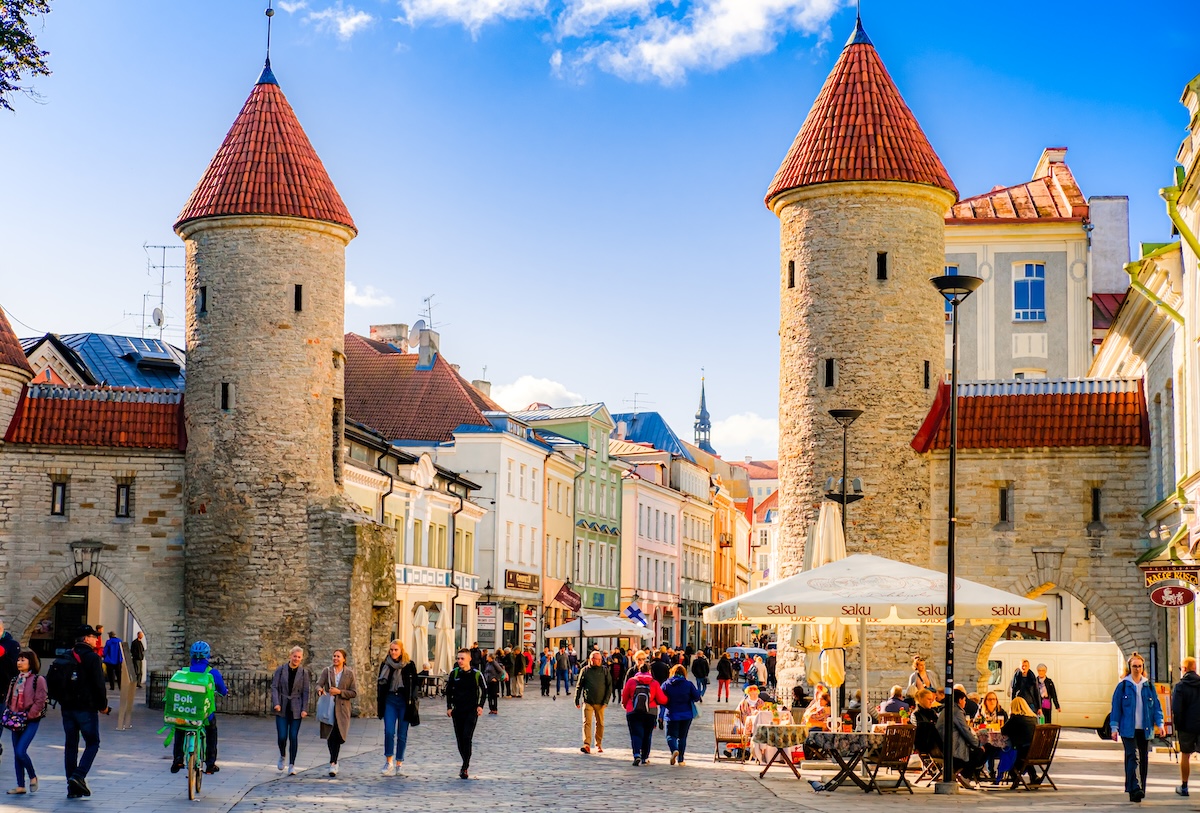
Cobbled streets, medieval towers, and centuries-old merchant houses give this capital city a timeless atmosphere. Once an important trading port, it has grown into one of Northern Europe’s most charming and increasingly popular destinations.
Set along the Baltic Sea in Estonia, Tallinn lies just across the Gulf of Finland from Helsinki. Over the centuries, the city has been shaped by various powers, including the Swedes, Danes, Germans, and Soviets, leaving behind a fascinating mix of architecture and history.
Today, Tallinn is best known for its beautifully preserved Old Town, where churches, castles, elegant palaces, and medieval buildings line the historic streets. Alongside its rich heritage, the city also boasts excellent museums, stylish restaurants, and a lively bar scene.
15. St. Catherine’s Passage
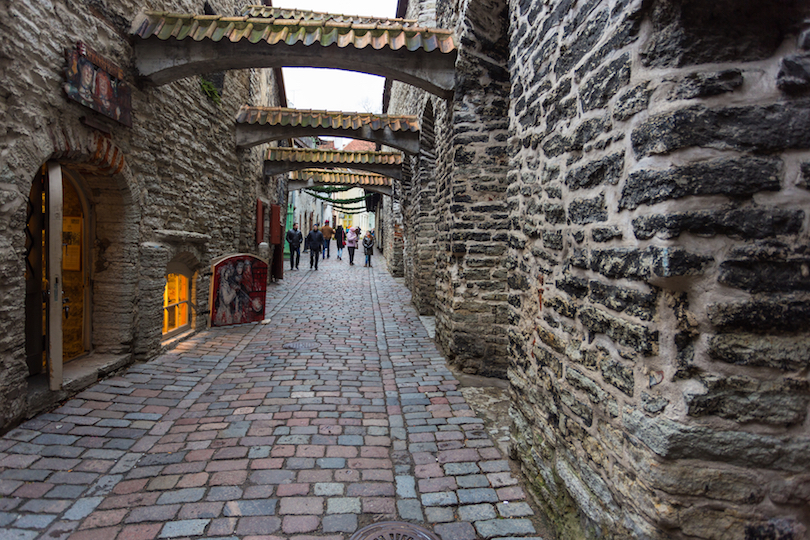
Appearing as if it has been left untouched and unchanged for centuries, St. Catherine’s Passage is a small yet scenic alley that is magical to wander along. Named after the old church which it runs alongside, the cobbled passageway is lined by lots of marvelous medieval buildings and connects Vene to Muurivahe street.
Once home to guilds, its age-old buildings now house workshops and studios where you can watch artists make ceramics, glassware, leather products, and weave textiles. Besides buying some fine handcrafted souvenirs, there is also a little cafe where you can sit and bask in the delightful architecture and atmosphere all around you.
14. KGB Museum
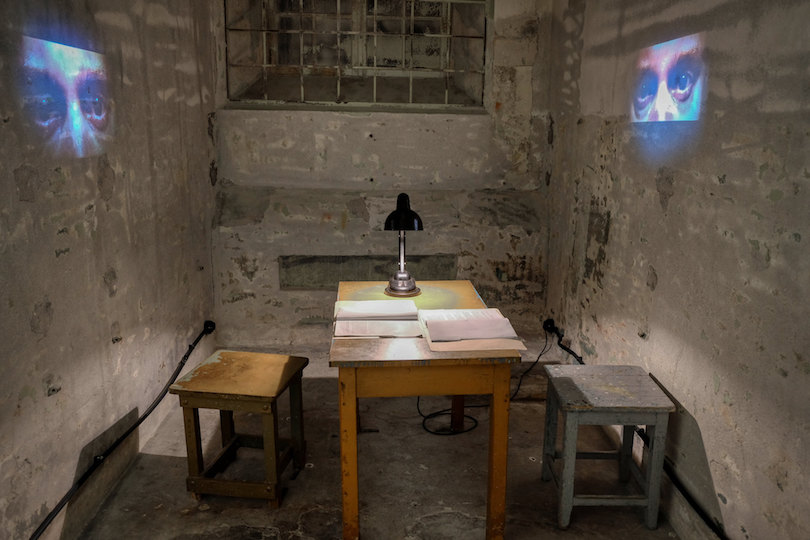
As it was the only place that foreign tourists were allowed to stay at the time, it was on the 23rd floor of Hotel Viru that the KGB set up their headquarters to keep tabs on what they got up to. Opened in 1972, the hotel was the first skyscraper in the city and was used by the KGB right up until the country’s independence in 1991.
Nowadays, visitors can take a captivating tour around the headquarters to see old surveillance devices, uniforms, and artifacts from Soviet times. As well as offering up an interesting insight into the Soviet state and its security apparatus, the museum also boasts a stunning view of Tallinn below.
13. City Wall
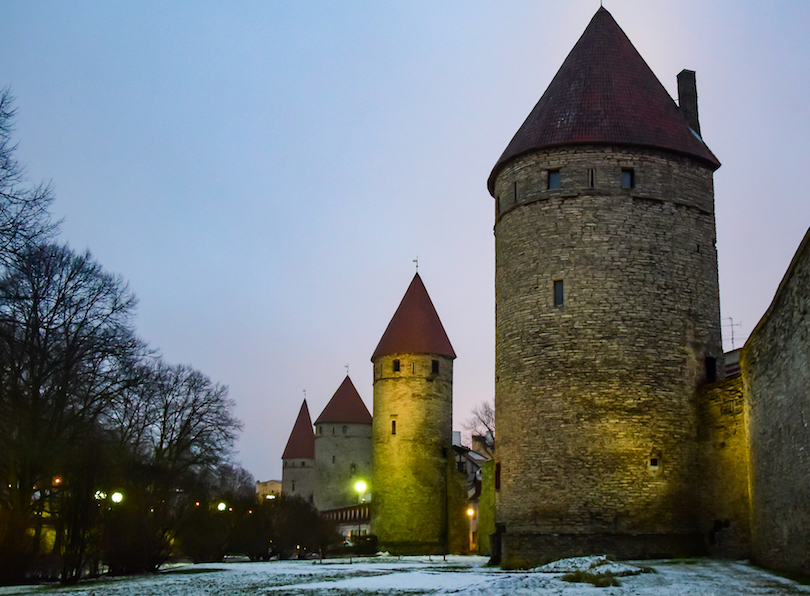
Encircling the Old Town, the city wall was first erected in the 13th century, before later being enlarged and strengthened by subsequent rulers. Punctuated by gates and guard towers, it is among the most well-preserved city walls in Europe and certainly makes for a very impressive and imposing sight.
In addition to gazing upon the sturdy defensive fortifications, there is also a small part of the wall that you can walk along; this offers up some fantastic views over the Old Town.
12. Kumu Art Museum
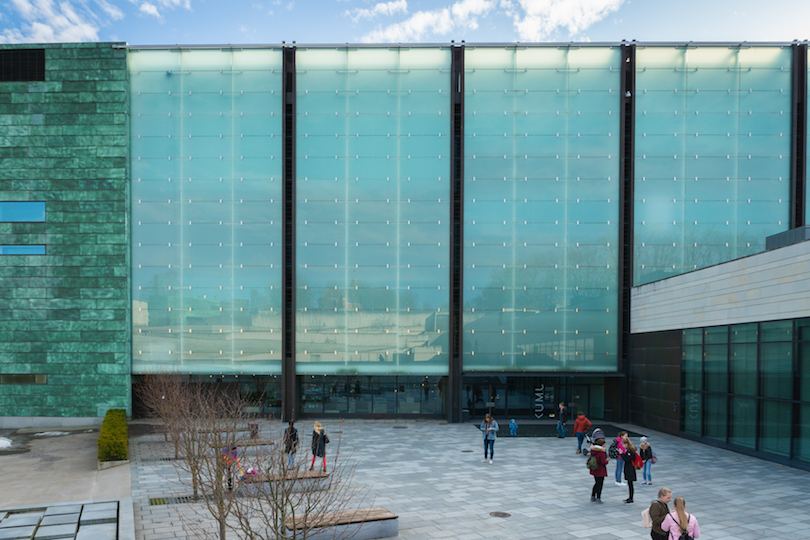
Located in a magnificent modern building set within the pretty Kadriorg Park, Kumu is one of the largest art museums both in Estonia and Northern Europe at large. Spanning three floors, its vast collection showcases some of the best works by Estonian artists, with Socialist Realism paintings displayed alongside more modern and contemporary pieces.
Taking you from the beginning of the 18th century right up until the present day, the award-winning Kumu Art Museum is not to be missed out on and regularly hosts exhibitions featuring international artists.
11. Town Hall
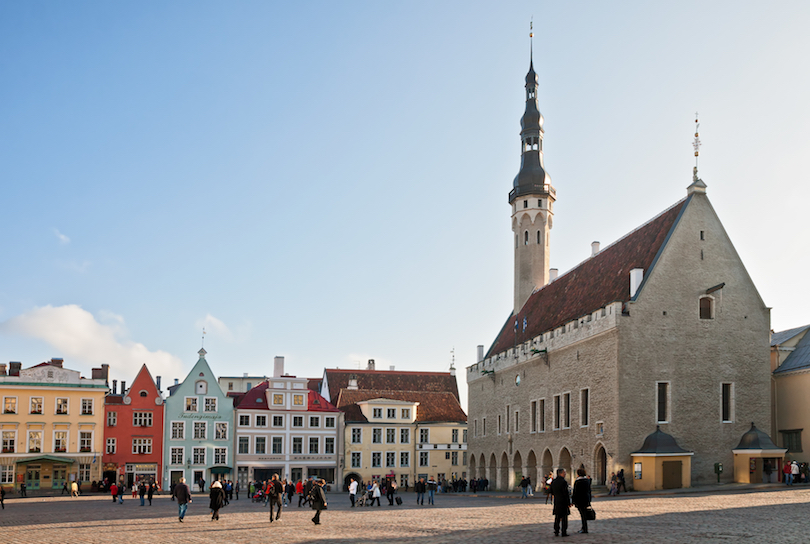
Lying right at the heart of the city, Tallinn Town Hall was built all the way back in 1404 and is the oldest such building still surviving in not only the Baltics, but the whole of Scandinavia. Gothic in design, the town hall sports a lofty tower upon which is perched a weather vane of Old Thomas – a symbol and guardian of Tallinn.
Inside, visitors can find some fabulous architecture, as well as lots of lovely old artifacts, decorations, and finely woven tapestries. Dominating the square of the same name upon which it lies, the Town Hall is one of the most recognizable and important landmarks in Tallinn.
10. Viru Gate
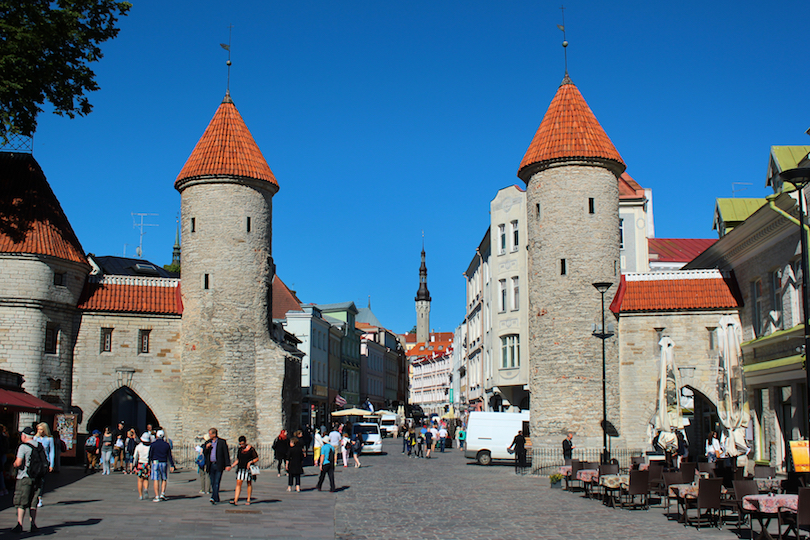
The main entrance to the Old Town, Viru Gate’s twin towers were built in the 14th century and were once part of a more extensive system of gates and towers. Very well-preserved, the gate’s towers lead on to Viru Street – a very busy pedestrian street which is home to lots of little boutiques, restaurants, and street stalls.
Entering the Old Town through the ivy-covered stone towers certainly makes for a very memorable introduction to Tallinn and is sure to leave a lasting impression.
9. St. Olaf’s Church
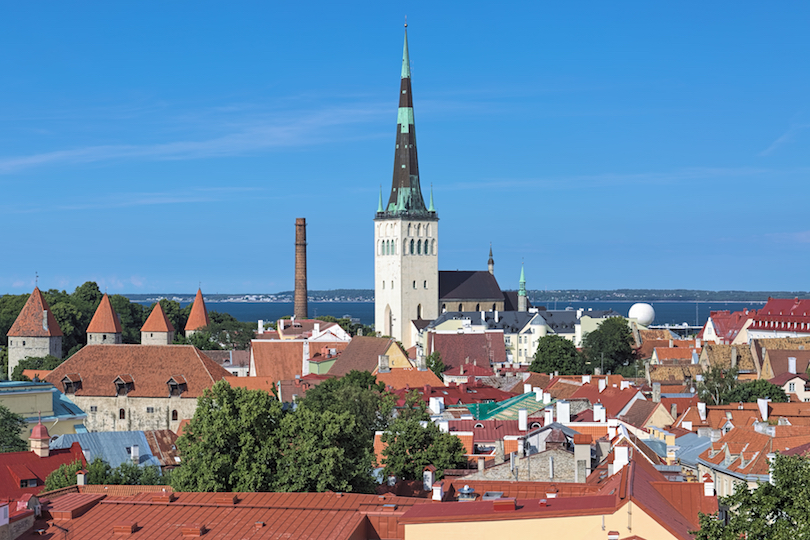
Named after King Olaf II of Norway, this wonderful church is the largest remaining medieval building in the whole of Tallinn. Built in the 1200s, it is still in remarkably good condition despite being struck by lightning numerous times over the centuries.
Once one of the tallest structures on Earth, its lofty spire towers to a height of 123 meters. From atop of it, you can enjoy breathtaking views out over the city. While its interior is quite stark and sparsely decorated, it is still well worth venturing inside to see some of the brilliant stone carvings on show.
8. Estonian Open Air Museum
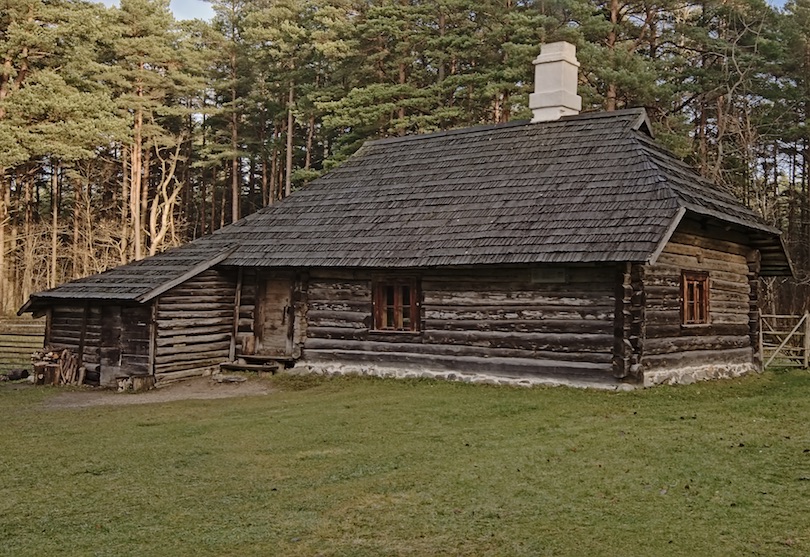
If you’re interested in learning more about the country’s rich history and heritage, then no trip to Tallinn can be complete without visiting the Estonian Open Air Museum. The sprawling collection of 80 or so reconstructed historic buildings is fascinating to wander around, and the small village is home to farms and mills, as well as a church, inn, and schoolhouse.
Besides taking in all of the marvelous architecture, you can also enjoy weaving, blacksmithing, and cooking demonstrations; these highlight what life used to be like in Estonia back in the 18th century.
7. Tallinn TV Tower
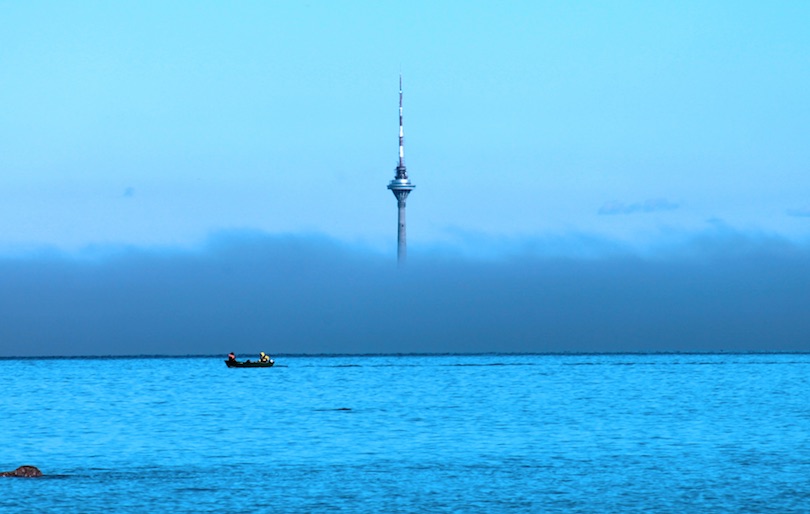
The tallest building in the country, the Tallinn TV Tower reaches a height of 314 meters and is located to the east of the city. Opened just in time for the 1980 summer Olympics in Moscow, the tall mast was erected to improve telecommunications in the region. This saw it stormed unsuccessfully by Soviet troops in 1991, when radio operators broadcasted news of Estonia’s independence.
Visible for miles, the TV Tower dominates its surroundings, with its observation deck offering up incredible views out over the country. In addition to this, it also has a great restaurant for you to try out, as well as some interesting interactive displays on the history of Tallinn and Estonia.
6. Seaplane Harbor
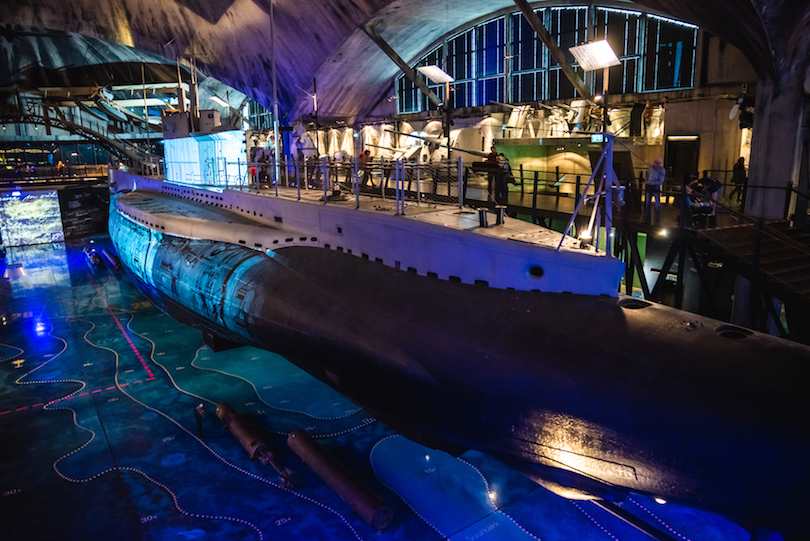
Now part of the Estonian Maritime Museum, Seaplane Harbor was originally built in 1916 to house Peter the Great’s seaplanes. Stretching away before you, its cavernous concrete interior makes for a majestic sight and is intriguingly lit up by lighting that wouldn’t look out of place in a nightclub.
Now home to lots of historic boats, submarines, and, of course, seaplanes, the extensive collection is magnificent to peruse, with some of them dating all the way back to WWI. Besides the hundreds of planes and boats on display, there are also some fun flight and submarine simulators for you to try out, while its outdoor harbor houses yet more ships and yachts.
5. Kadriorg Park
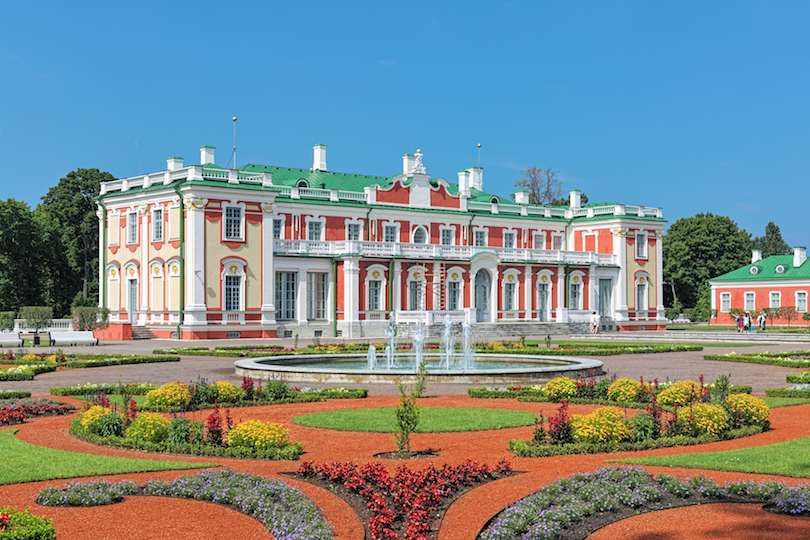
Located on the outskirts of the city, just a stone’s throw away from the Baltic Sea, the huge Kadriorg Park is a very pretty and picturesque place to stroll around. Commissioned by Peter the Great all the way back in 1718, the park is home to lots of lovely trees and flowerbeds, with sculptures, fountains, and ponds found dotted here and there.
Tucked away among all the delightful nature is the gorgeous Petrine Baroque Kadriorg Palace, which now houses an art museum and other fantastic institutions such as the KUMU and Mikkel Museum.
4. Toompea Hill
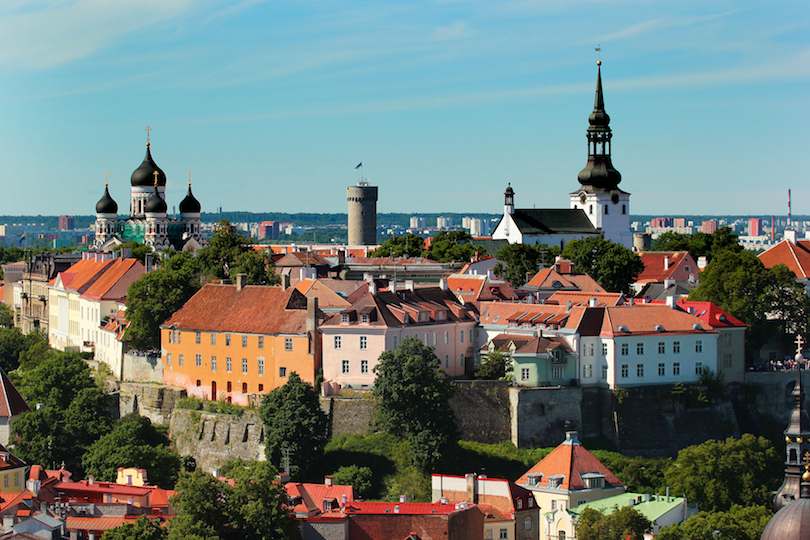
Despite only rising 20 or 30 meters above the rest of the Old Town, Toompea Hill’s prominent and strategic position has long connected it to power and prestige. On top of the small limestone mount, you can find a wealth of important and impressive historical sights, with Toompea Castle found alongside St. Olaf’s Church and Aleksander Nevsky Cathedral.
Reputed to be the grave of Kalev – a mythological figure in Estonia – the mound is an amazing place to wander around. Besides the many beautiful old buildings, it also offers up some great views of the city around you.
3. Aleksander Nevsky Cathedral
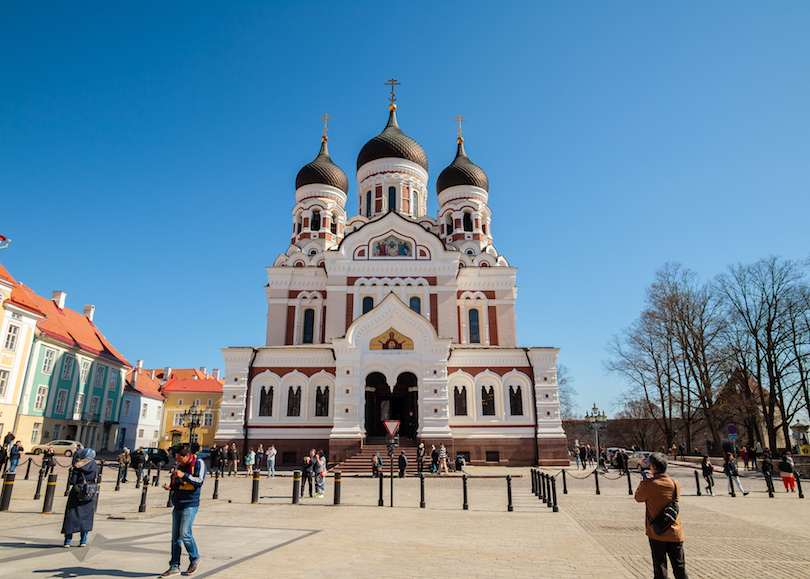
Only completed in 1900 when Estonia was still part of the Russian Empire, Aleksander Nevsky Cathedral looks absolutely stunning with its red walls, bright white ornamentation, and black onion domes. Set on top of Toompea Hill, the cathedral exhibits some exquisite Russian Revival architecture, with its interior boasting some wonderful wooden iconostases and marvelous mosaics.
Due to its prominent and possibly provocative position atop of the mound, the cathedral was long seen as a symbol of oppression by Estonians and was scheduled to be torn down after independence in 1924. Thankfully, these plans were never put in action, and the Aleksander Nevsky Cathedral is now one of the most popular tourist destinations in the city.
2. Town Hall Square
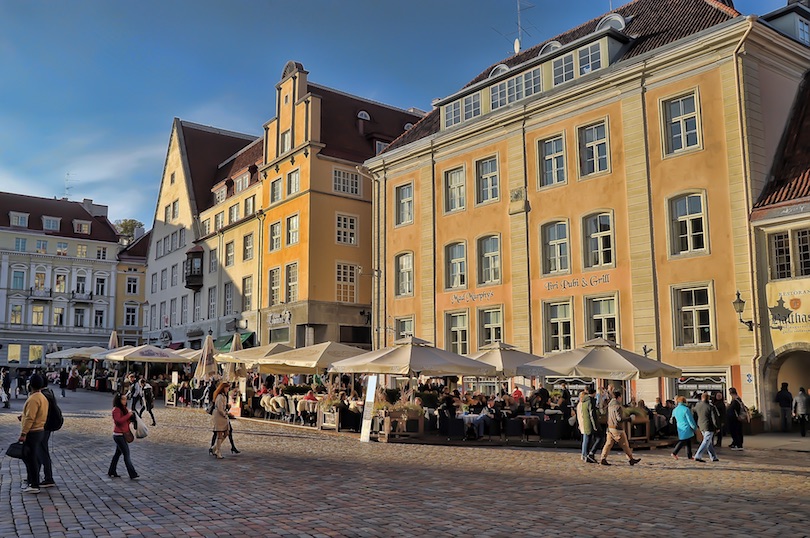
The beating heart of the city, much of life in Tallinn revolves around its bustling Town Hall Square. Lined by fantastic old medieval buildings – of which the Town Hall itself is the undoubted highlight – the large square is ringed by cafes, bars, and restaurants, and regular markets are held in its center.
Whether it’s stopping for a drink or a bite to eat at one of its establishments or buying souvenirs at the market, there is certainly a lot for you to see and do, and many of the city’s most famous sights lie just a short walk away. One of the most magical times of year to visit is during winter; the square has remarkably hosted a Christmas tree display since 1441, and its Christmas market has long been one of the best to visit in the whole of Europe.
1. Old Town
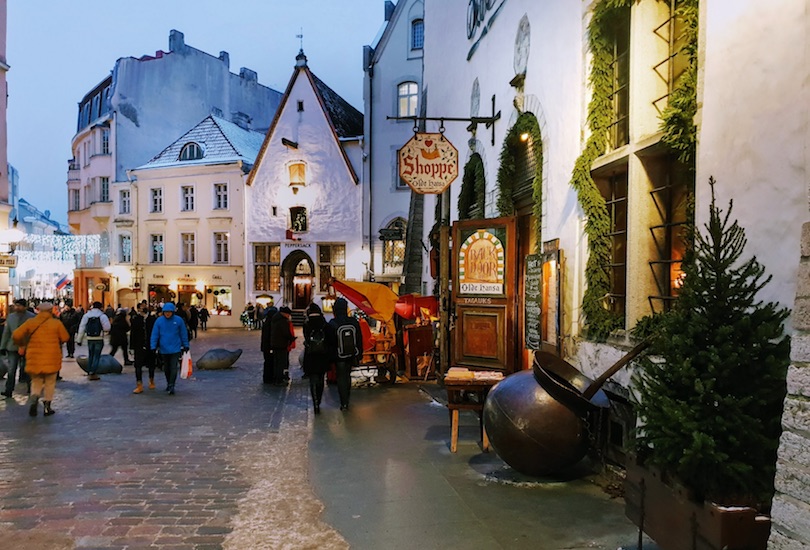
Home to lots of majestic medieval buildings that were built between the 15th and 17th centuries, Tallinn’s Old Town really is a mesmerizing place to explore. Hemmed in by the city walls that lie all around it, you will find atmospheric cobbled streets, charming churches, and historical monuments, with lots of fantastic bars, restaurants, and cafes also on offer.
Very well-preserved, its centuries-old buildings display several different architectural styles, while its fascinating museums take you through the city and country’s rich history and heritage. Although it is now quite touristy, the Old Town is not to be missed out on for the plethora of incredible sights it has to offer. Wandering around its amazing old streets will make you feel like you’ve entered a fairytale.