
Europe’s famous cities have always shot to the top of bucket lists while equally stunning places remain blissfully unknown to most travelers. You might even think you are more intrepid because you have been to Budapest or Bordeaux. But have you explored the colorful fishing villages, medieval hilltop towns, and capital cities that completely escape the tourist guidebook treatment?
Some are overshadowed by more famous neighbors. Others are slightly difficult to reach without a car. A few are in countries most people can’t even find on a map. But all of them offer authentic European experiences without the crowds and the price hikes that suffocate all the “must-see” usuals. Visit them before everyone else catches on.
23. Plovdiv, Bulgaria
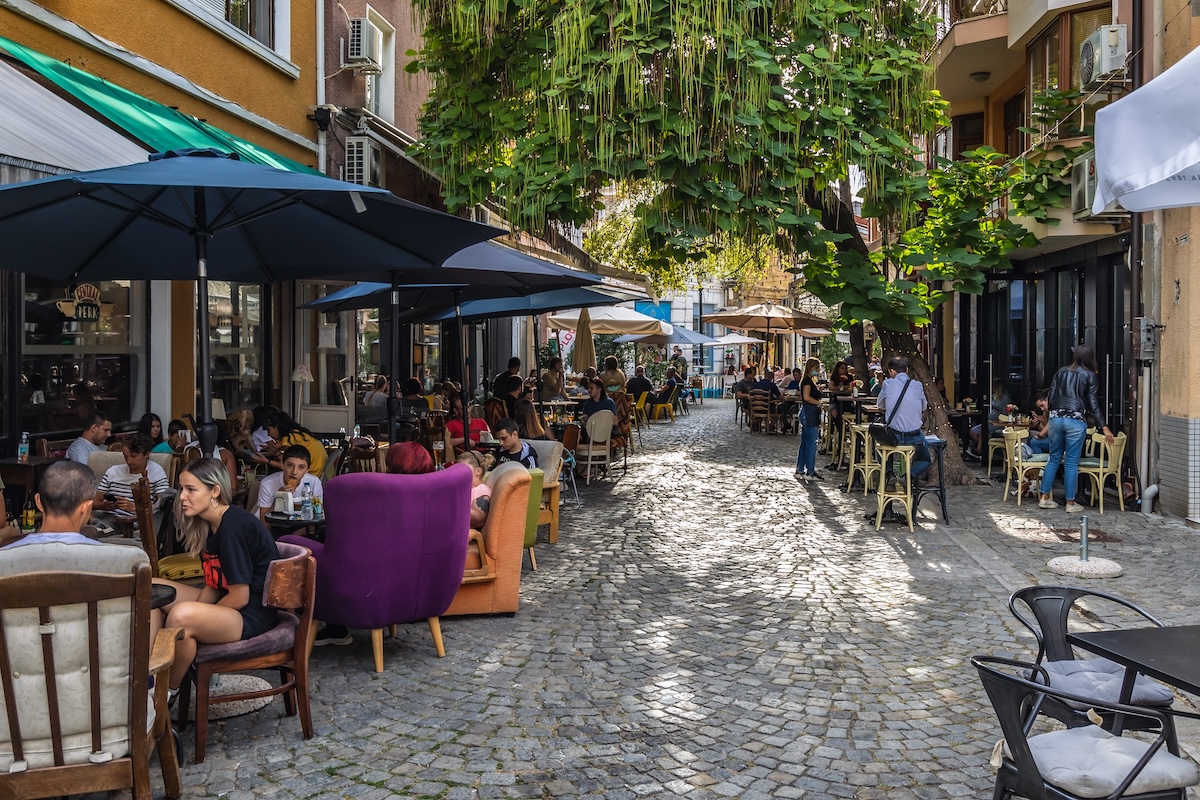
You might spot Sofia on a map, but Plovdiv? Most people miss it. That’s a mistake. This city has been around for over 6,000 years, making it one of Europe’s oldest. Walk through the Old Town and you’ll find colorful houses from the 19th century sitting right next to Roman ruins. The Ancient Theatre dates back to the first century and still hosts concerts today.
The Kapana district is where things get interesting. Artists turned old workshops into galleries, cafes, and bars. It’s gritty and creative all at once. Plovdiv became European Capital of Culture in 2019, but it still flies under the radar. About 350,000 people live here, right in the heart of Bulgaria. You can explore Roman stadiums, climb the hills for views, or just wander cobblestone streets that feel stuck in time.
22. Sigtuna, Sweden
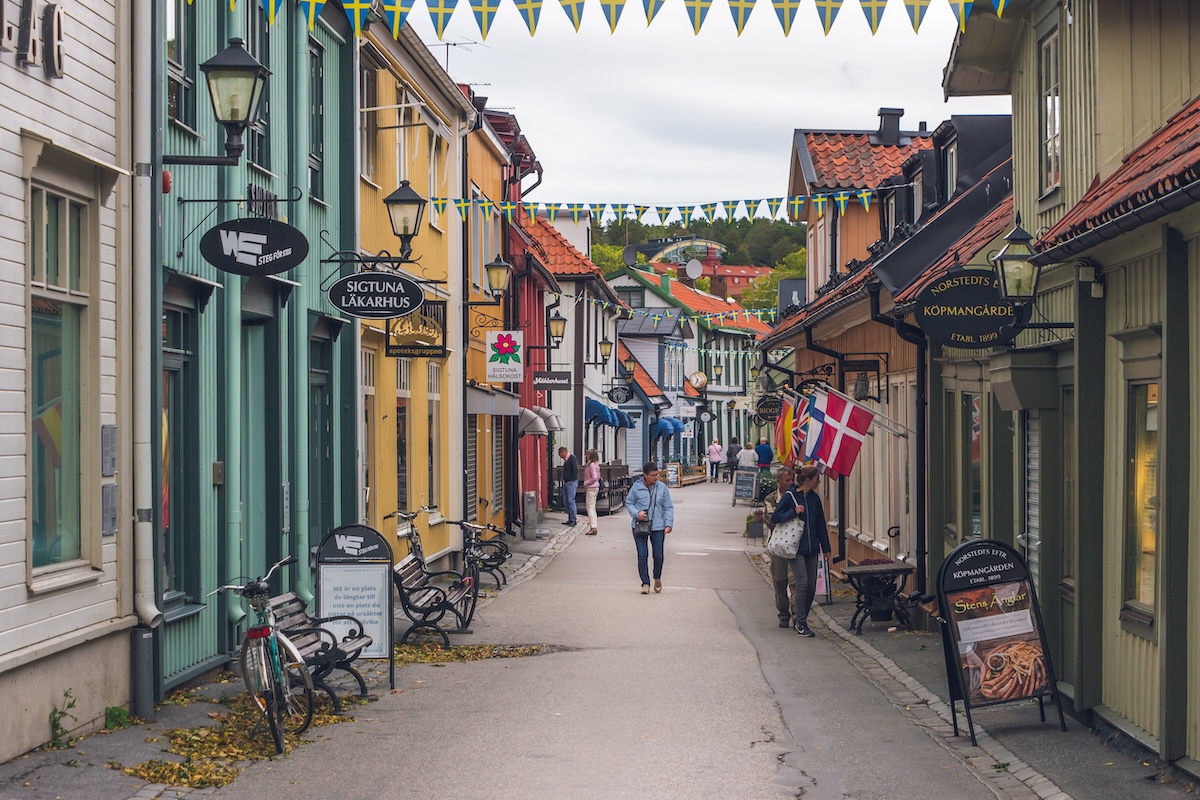
Stockholm gets all the attention, but Sweden’s actual oldest town sits just 30 minutes away. Sigtuna was founded in 980 by Erik the Victorious and served as Sweden’s first real capital city.
The town feels like stepping into a history book. Cobblestone streets wind past medieval church ruins and cafés tucked into old wooden buildings. Runestones pop up everywhere—more than any other place on earth. Some sit casually in garden walls like they’re no big deal.
The main pedestrian street is Sweden’s oldest, and you can walk it in about fifteen minutes. Lake Mälaren borders the town, giving you peaceful water views and a totally different vibe from busy Stockholm. It’s small, charming, and weirdly overlooked by most tourists. You can visit as a day trip or stay longer to really soak in the Viking-era atmosphere.
21. Vis, Croatia
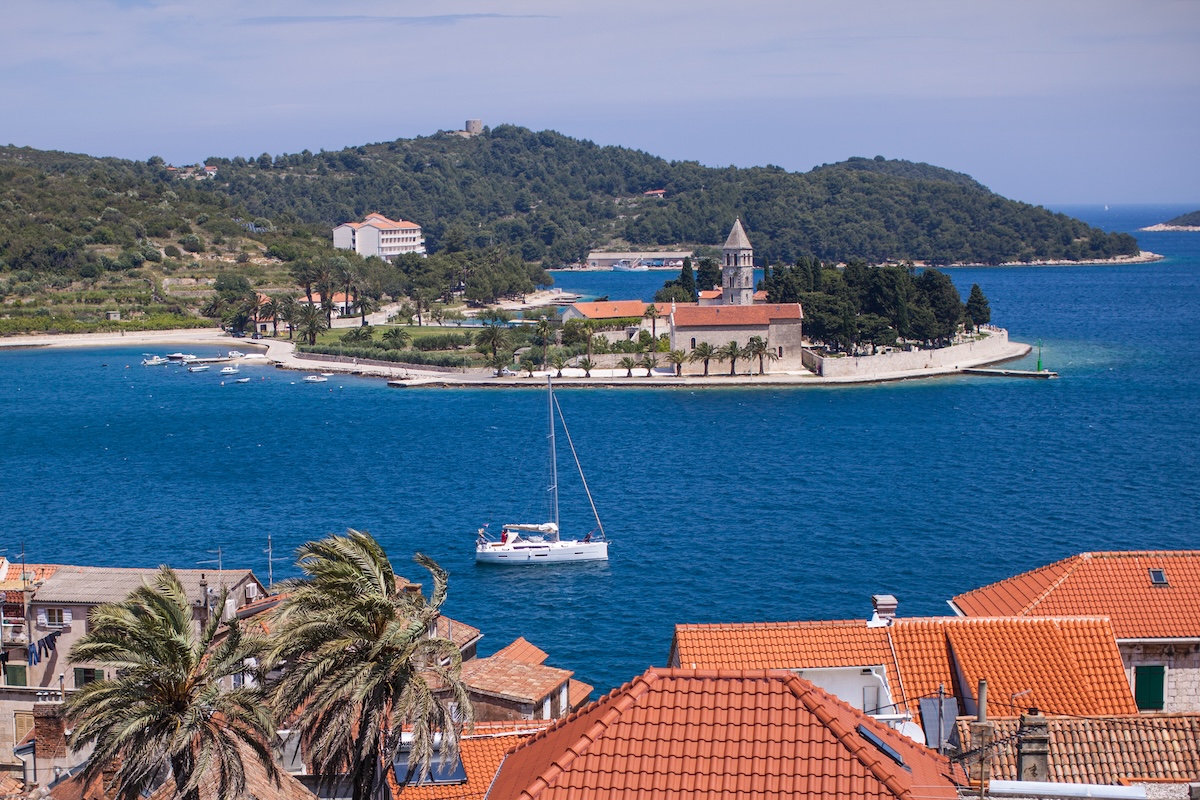
You’ve probably scrolled past a dozen Croatian islands without ever hearing about Vis. This small spot in the Adriatic Sea stays quiet while other destinations get packed with tourists. Vis sits off the Croatian coast and keeps things low-key. It’s one of the least inhabited islands in the Dalmatian chain. The island has a “Pomalo” lifestyle that locals swear by, which basically means taking it slow and easy.
The place made Intrepid Travel’s “Not Hot” list for 2026 as one of only three European picks. That’s travel expert speak for a destination worth visiting before everyone else catches on. The island has natural spots like the Blue Grotto and Stiniva beach. Summer months bring day-trippers from nearby Hvar and Brac, but visit during shoulder seasons and you’ll have more space to explore.
20. Guimarães, Portugal
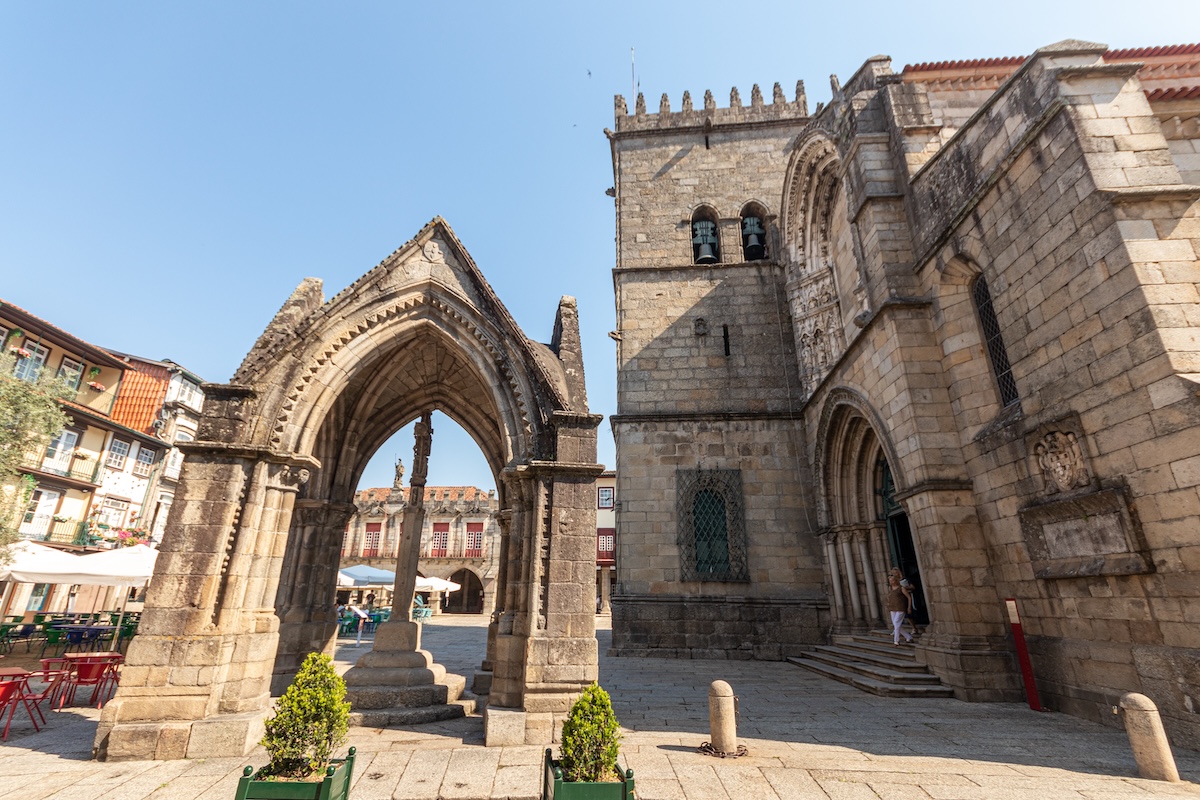
Most travelers skip right past Guimarães on their way to Porto or Lisbon. That’s their loss. This medieval city sits northeast of Porto and claims the title of Portugal’s birthplace. It’s not just a nickname. Portugal’s first king was born here, and the country’s identity actually started taking shape in this exact spot.
The old town is a UNESCO World Heritage Site packed with cobblestone streets and centuries-old buildings. You’ll find a castle, historic churches, and medieval architecture that looks like it jumped out of a history book. Conde Nast Magazine called it “the most beautiful small town in Europe.” You can explore the whole place without fighting through crowds of tourists. It makes a great day trip from Porto, but spending a weekend lets you really soak it all in.
19. Haarlem, The Netherlands
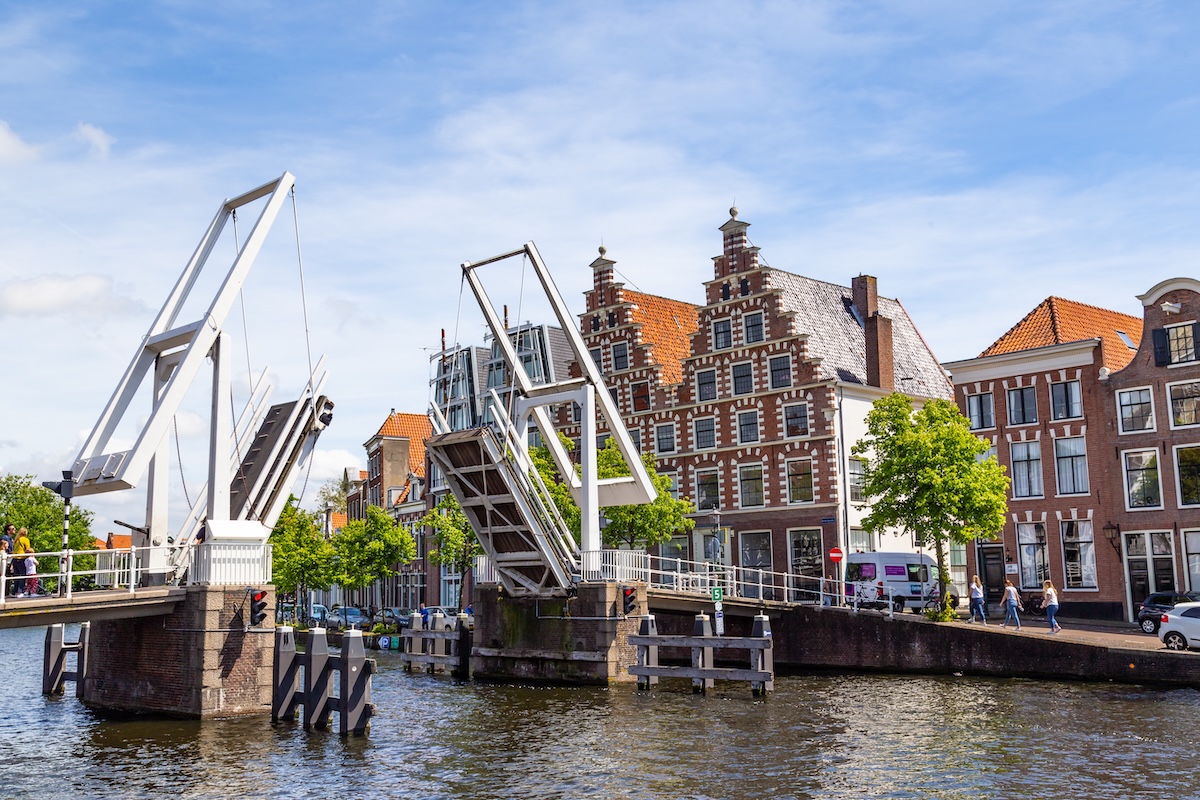
You’ve probably heard of Amsterdam, but have you discovered Haarlem? This Dutch city sits just 15 minutes away by train from the capital, yet it feels like a completely different world.
Haarlem gives you all the charm of Amsterdam without the crowds. The canals here are lined with tall historic houses and crossed by bridges full of bicycles. You can wander the cobblestone streets and stumble upon hidden courtyards that locals have enjoyed for centuries.
The city takes its museums seriously. Teylers Museum opened in 1784, making it the oldest museum in the Netherlands. Inside, you’ll find fossils, old scientific instruments, and rare drawings. Beyond the museums, Haarlem offers great food spots and unique shops along its walking streets. The beach is even close by if you want to escape for an afternoon. This former walled city on the river packs a lot into a small, walkable area.
18. Albi, France
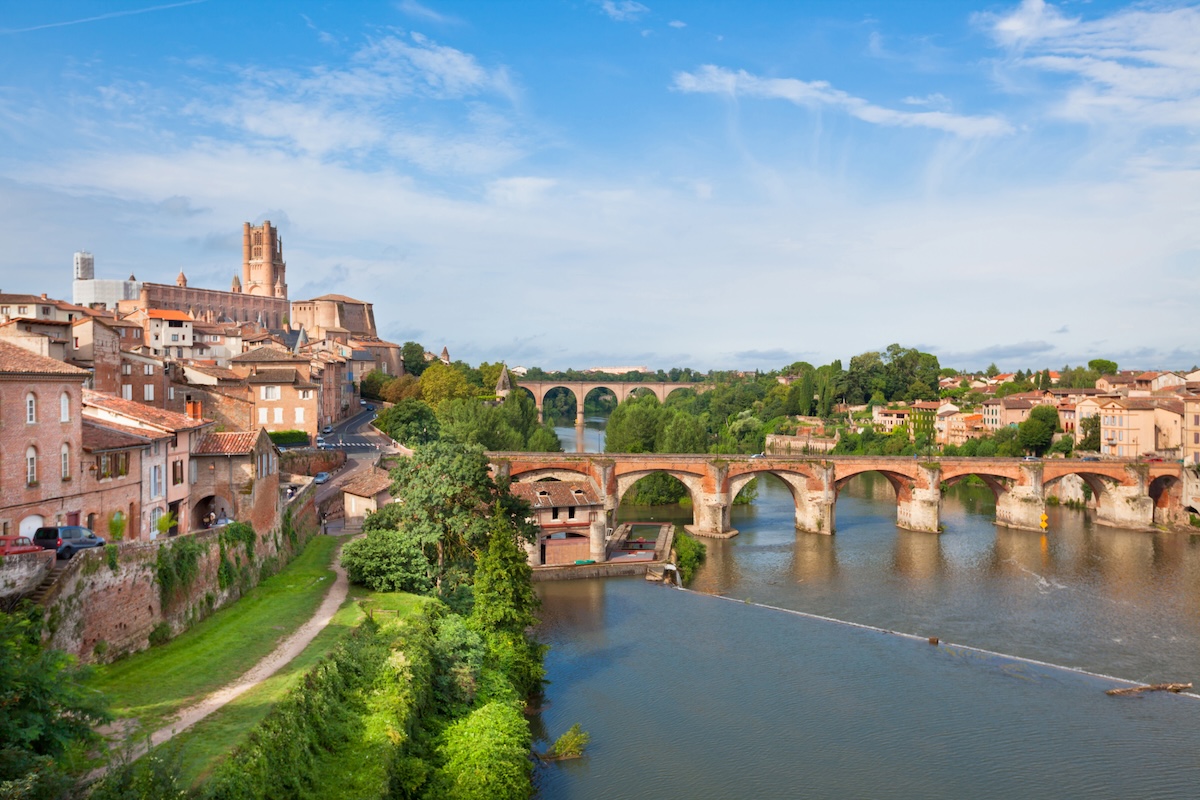
You’ll find Albi tucked away in the Occitanie region of southwest France. Most people rush past it on their way to bigger cities, but they’re missing something special. The entire town glows in shades of red and orange thanks to its brick buildings. The Sainte-Cécile Cathedral towers over everything as the world’s largest brick cathedral. Walking through the old town feels different from typical French cities because of this unusual red brick architecture mixed with medieval timber frames.
Albi earned its UNESCO World Heritage status for good reason. The town played a major role in the Cathar religious movement during medieval times. You can explore this history while wandering the narrow streets.
The nearby Gaillac wine region produces some of France’s oldest wines. Local restaurants serve seasonal dishes that pair perfectly with these regional wines. You can grab a bottle at the market or stop by a wine bar to taste what makes this area unique.
17. Sion, Switzerland
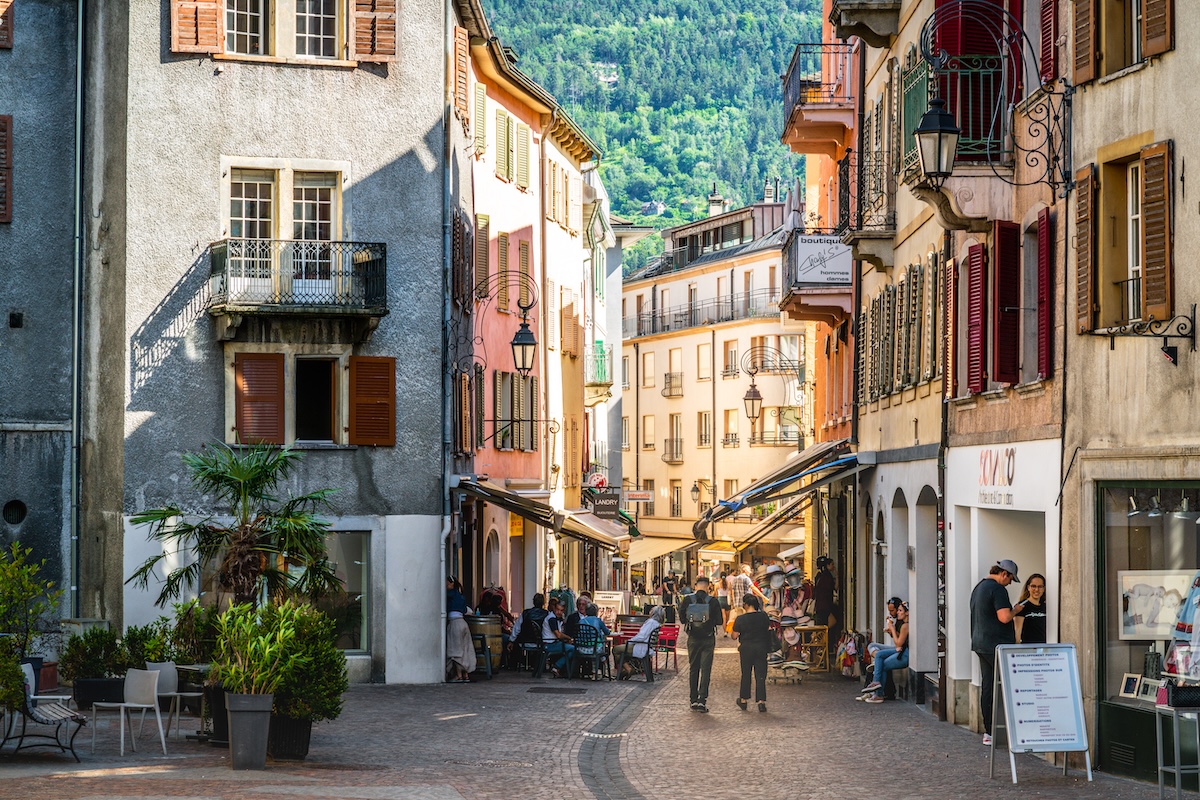
Sion sits tucked in the Rhône Valley, where two medieval castles perch on hilltops above the town. This small city serves as the capital of the Valais region, but it rarely shows up on typical Swiss travel lists.
The old town spreads out below those ancient fortresses, and vineyards blanket the surrounding hillsides. Sion ranks as Switzerland’s third largest wine-making region, so you can taste local wines without battling tourist crowds.
You can explore the underground lake of St Leonard, which happens to be Europe’s largest navigable subterranean lake. It’s a weird and wonderful experience that feels nothing like typical Swiss attractions.
Direct trains from Geneva International Airport get you here in about two and a half hours. The journey’s easy, and you’ll arrive in a town where cheese-heavy meals and mountain views are just part of daily life.
16. Rauma, Finland
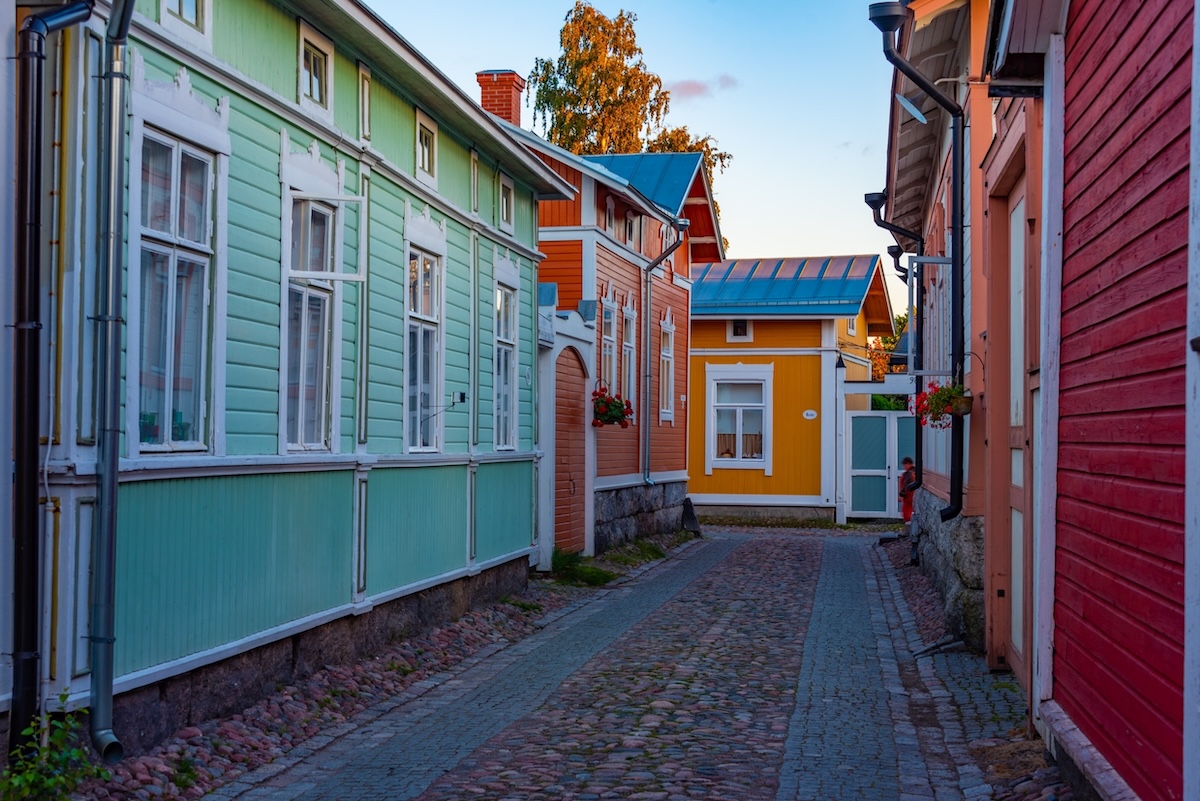
You’ll find Rauma on Finland’s west coast, and it’s the kind of place most tourists completely miss. This town has been around since the 1400s, making it Finland’s third oldest city.
The main attraction is Old Rauma, a UNESCO World Heritage site packed with colorful wooden houses. It’s actually the largest preserved wooden old town in the Nordic countries. The streets are narrow and winding, and the buildings look like something straight out of a storybook.
The town has deep roots in seafaring and lace-making. You can visit the Maritime Museum to learn about the region’s shipping history. During summer, the town hosts festivals and you can explore the nearby archipelago. In winter, snow covers everything and creates a quiet, peaceful atmosphere. Rauma has about 40,000 people living there today, so it’s not tiny but still feels manageable.
15. Gjirokastër, Albania
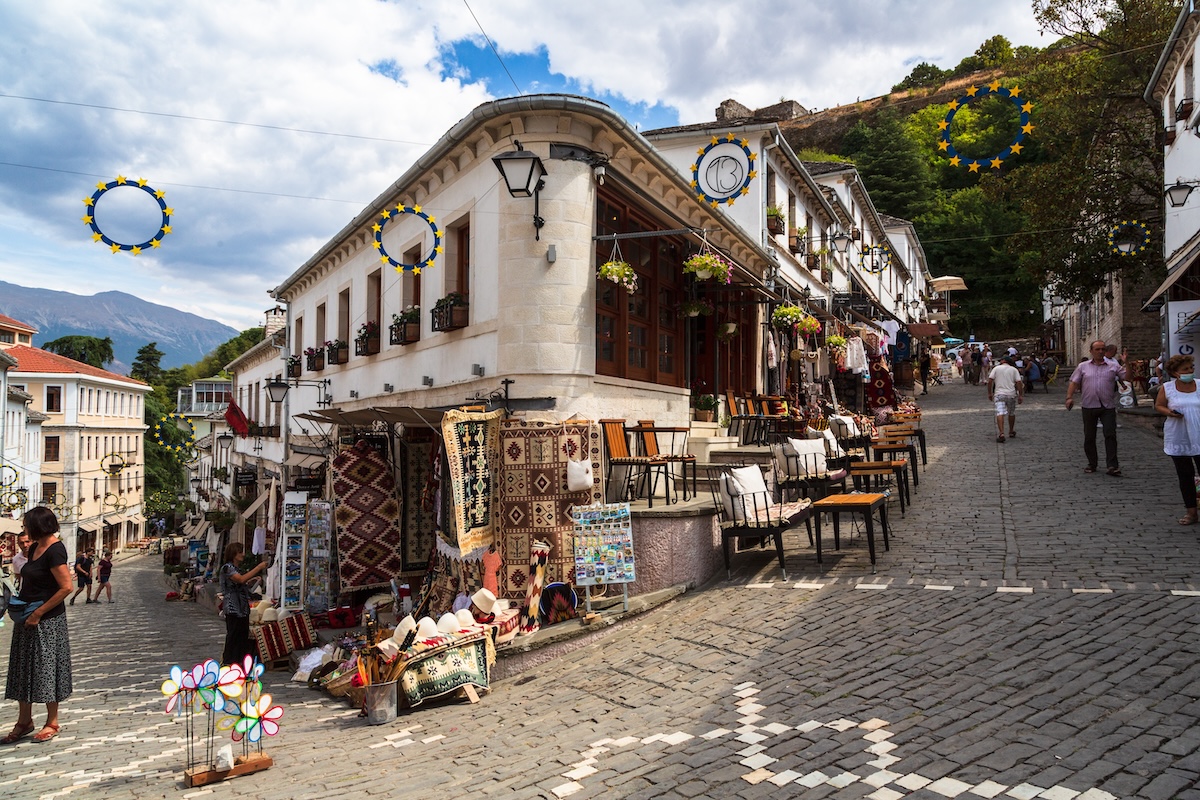
Gjirokastër sits tucked into southern Albania’s mountains, and locals call it the “Stone City” for good reason. Gray stone houses with distinctive slate roofs cascade down the hillside, creating a view that looks frozen in time.
This UNESCO World Heritage Site gives you a real taste of Ottoman architecture without the usual tourist crowds. The massive castle sitting above town offers sweeping views of the valley below. You can wander through narrow cobblestone streets and peek inside traditional Ottoman houses that show how families lived centuries ago.
The Old Bazaar still operates today, where you can grab local food and handmade crafts. Albania costs less than most European countries, so your money goes further here. The city stays pretty safe for visitors, though you should watch your belongings like anywhere else.
14. Syros, Greece
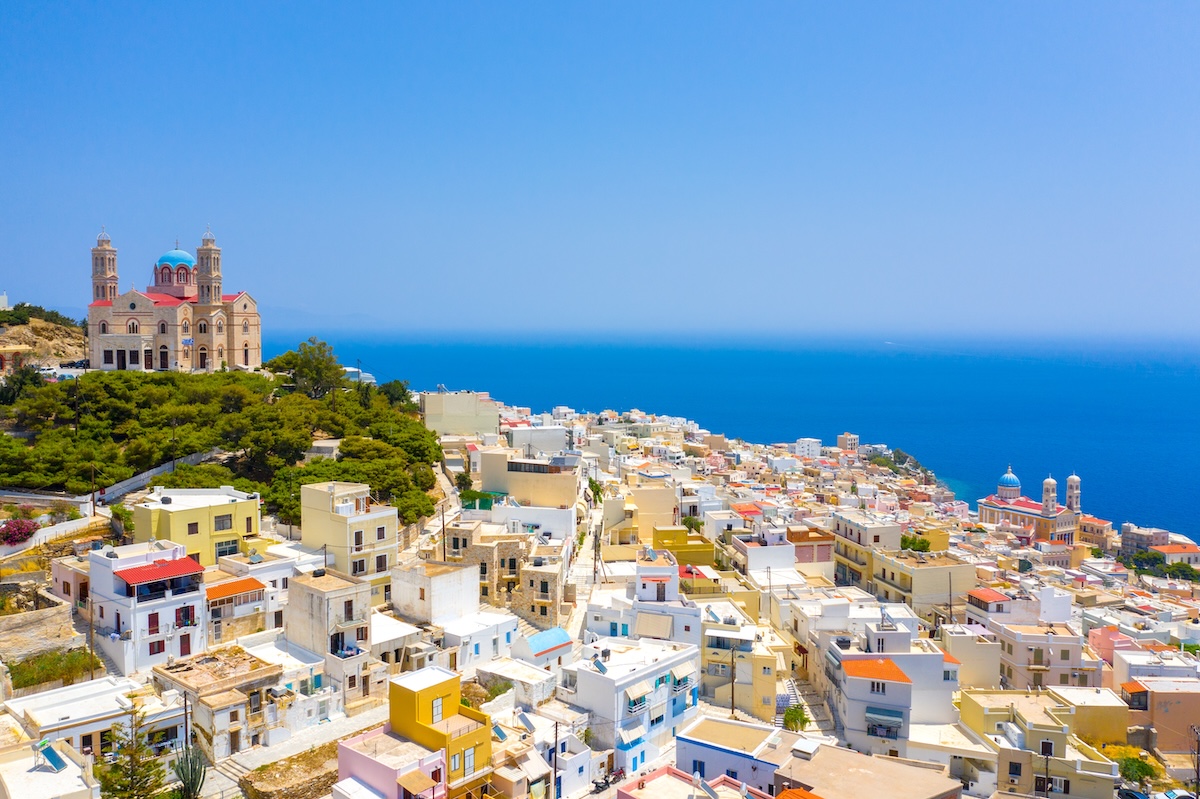
Most travelers fly right past Syros on their way to Santorini or Mykonos. But this small island sits at the center of the Cyclades and offers something rare: authentic Greek life without the tourist crowds.
Syros is the capital of the Cyclades, with about 20,000 people who actually live there year-round. The main town, Ermoupoli, mixes old-school neoclassical buildings with the classic white houses you see on postcards. Ano Syros, perched on a hilltop, shows off Venetian charm that dates back centuries.
You’ll find beaches that aren’t packed with sunbathers fighting for space. The food is local and made for Greeks, not tourists. Since the island never relied heavily on tourism, it kept its real character intact.
13. Telč, Czechia
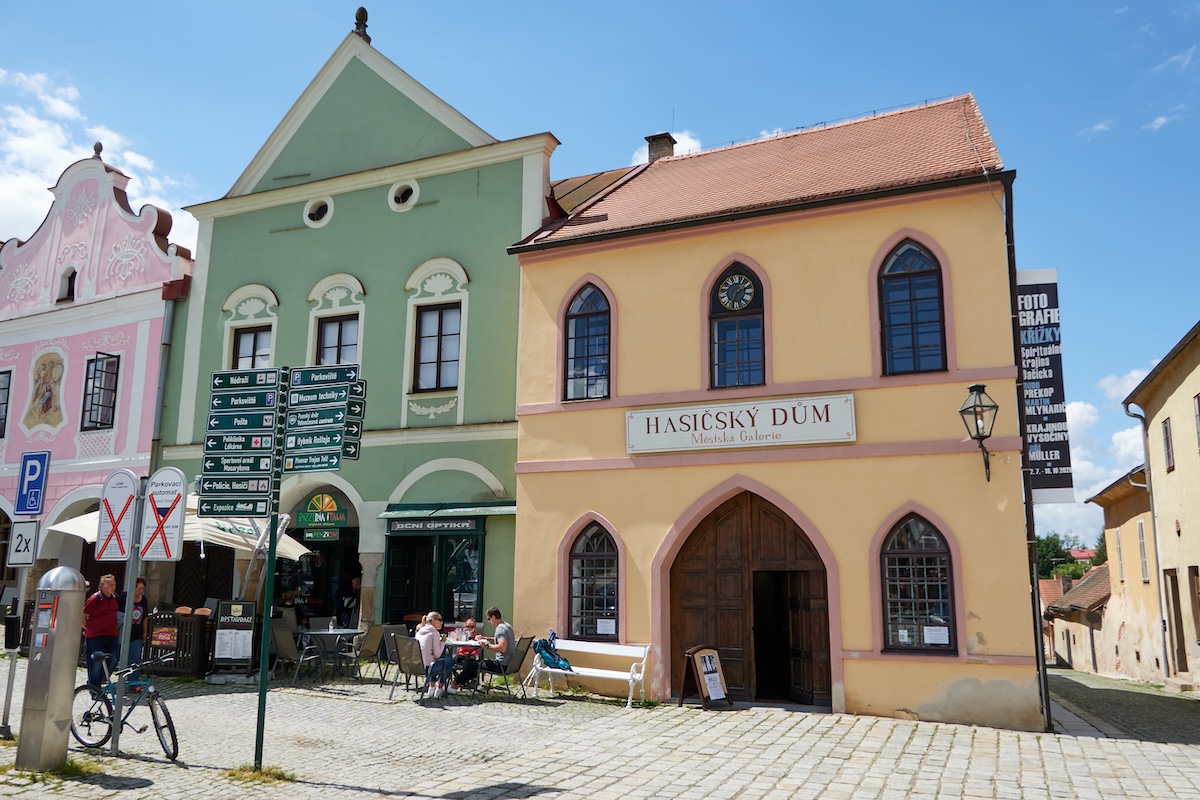
You’ve probably scrolled past dozens of Prague photos, but Telč is where you’ll find something different. This small town of about 5,100 people sits in the Bohemian-Moravian Highlands, and it’s been a UNESCO World Heritage Site since 1992.
The main square looks like someone painted it by hand. Colorful Renaissance and Baroque buildings hug the cobblestone streets, and their facades look so fresh it almost feels unreal. Two ponds wrap around the historic center—locals call it “Moravian Venice,” which honestly fits.
You won’t find tour buses clogging the streets here. That’s kind of the whole point. Telč gives you that authentic Czech experience without the crowds. There’s also a Renaissance château if you’re even remotely into history—worth a peek, seriously.
12. Procida, Italy
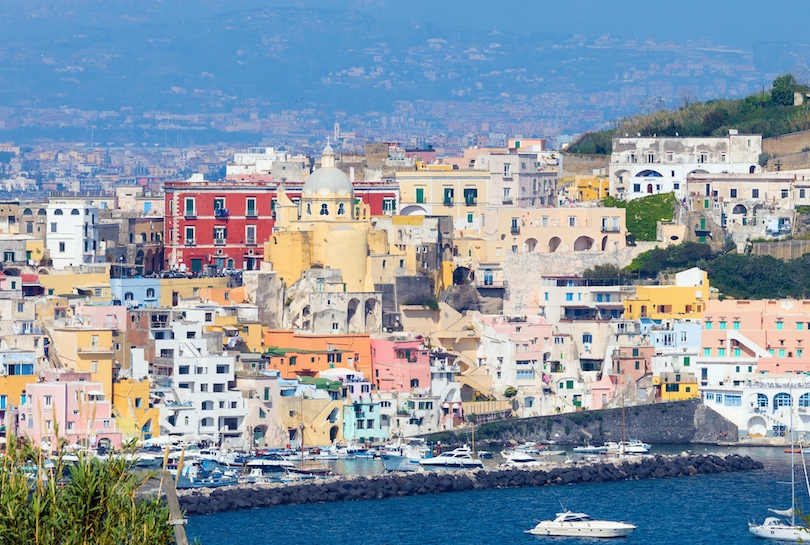
While tourists pack Capri and the Amalfi Coast, tiny Procida remains relatively undiscovered despite being equally stunning. The smallest island in the Bay of Naples features pastel-colored fishing villages, quiet beaches, and narrow streets that still whisper stories of the past.
Marina Corricella is the island’s postcard-perfect harbor with colorful buildings stacked up the hillside. The island served as a filming location for “The Talented Mr. Ripley” but somehow never became a tourist circus like Positano. Procida offers authentic Italian island life with excellent seafood, local wine, and beaches where you might actually find space to lay your towel. A true rarity these days.
11. Constanța, Romania
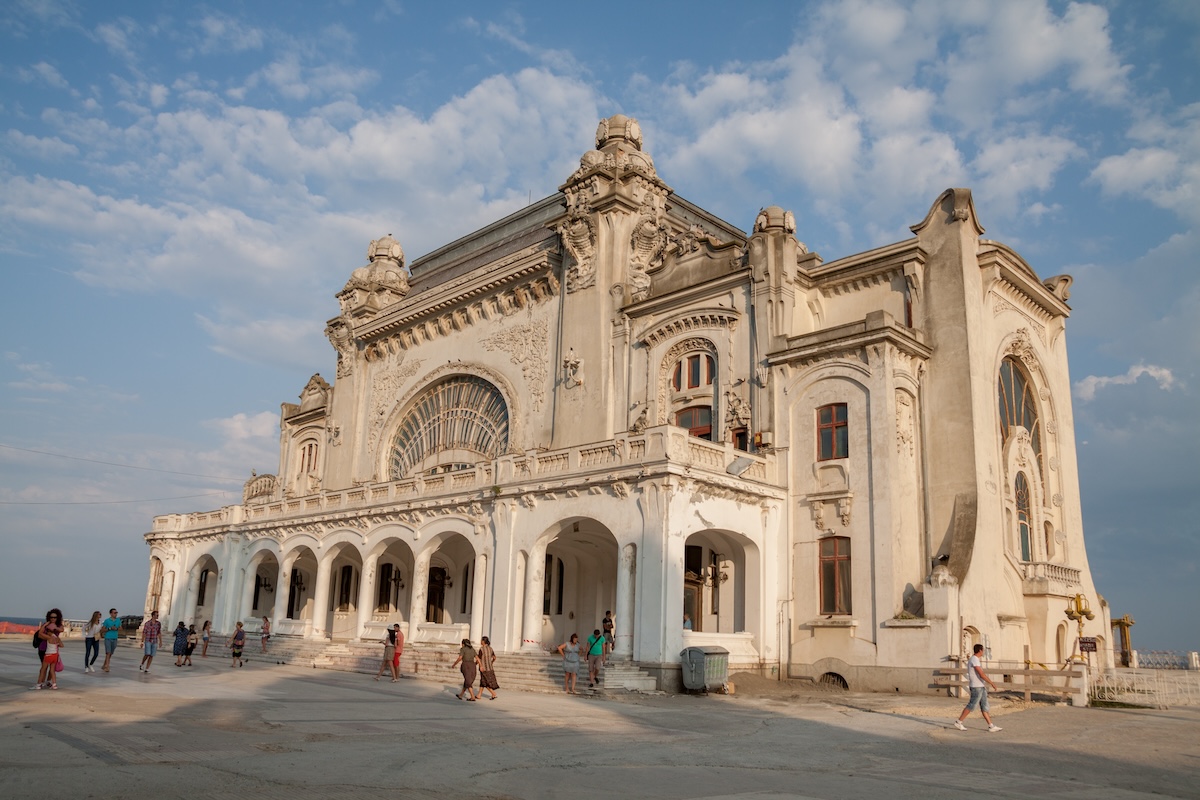
Romania’s largest port city on the Black Sea coast gets ignored by tourists rushing between Bucharest and Transylvania. They’re missing a city with 2,000 years of history, beautiful Belle Époque architecture, Roman ruins, and beaches that attract Romanian vacationers but few internationals.
One of its most unique attractions is the Roman Edifice with Mosaic is a stunning 3rd-century floor mosaic depicting Medusa. The old Casino building is also an Art Nouveau masterpiece, though currently abandoned and awaiting restoration. The city has a grittier, more authentic feel than polished tourist towns. Here, summer brings beach culture, while the rest of the year offers a working port city with real character.
10. Vézelay, France
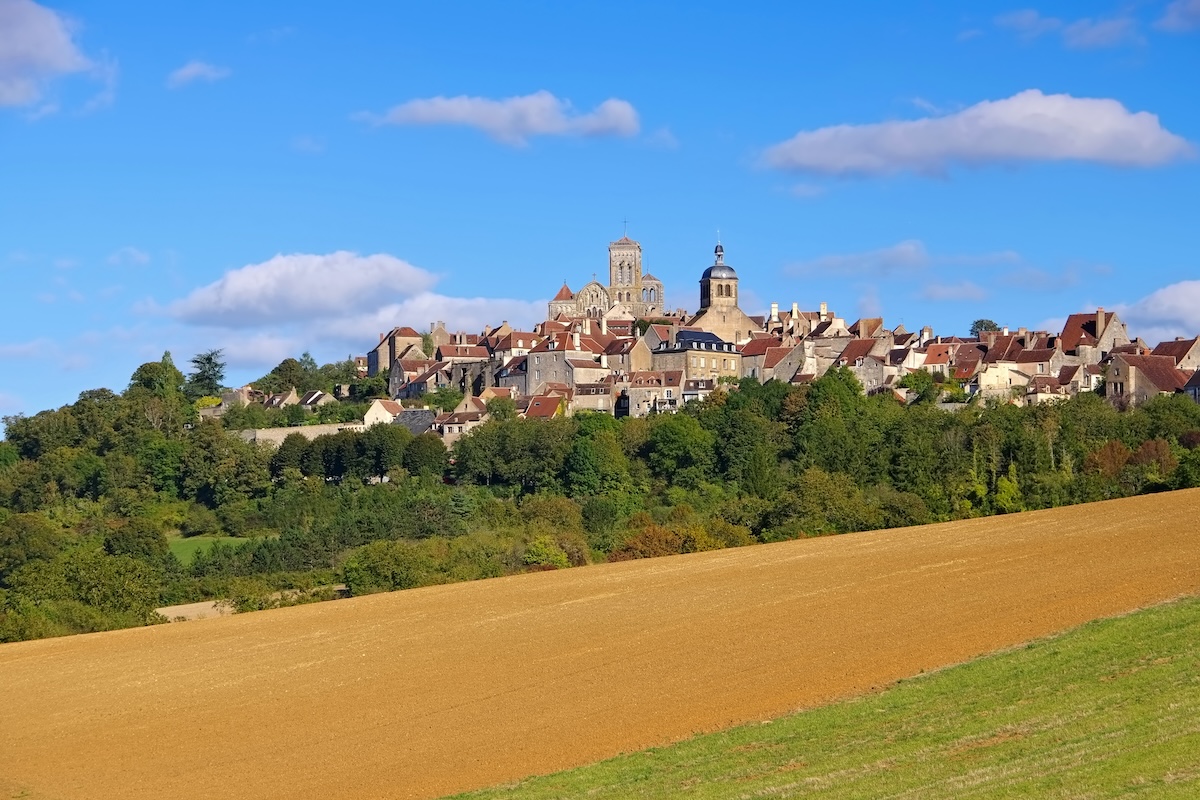
Perched on a hilltop in Burgundy, Vézelay’s medieval village clusters around one of France’s most important Romanesque basilicas. The town was a major pilgrimage site on the route to Santiago de Compostela and remains remarkably well-preserved without feeling like a museum.
The Basilica of Sainte-Marie-Madeleine features stunning architecture and sculptural details that easily rival more famous French churches. The village itself is a pleasure to wander with stone houses, artisan shops, and excellent restaurants serving Burgundian cuisine. Views from the hilltop stretch across the surrounding countryside, giving you everything you want from a French medieval village without the tour buses. Luckily, the roads are too small for them to ever make an appearance.
9. Vaduz, Liechtenstein
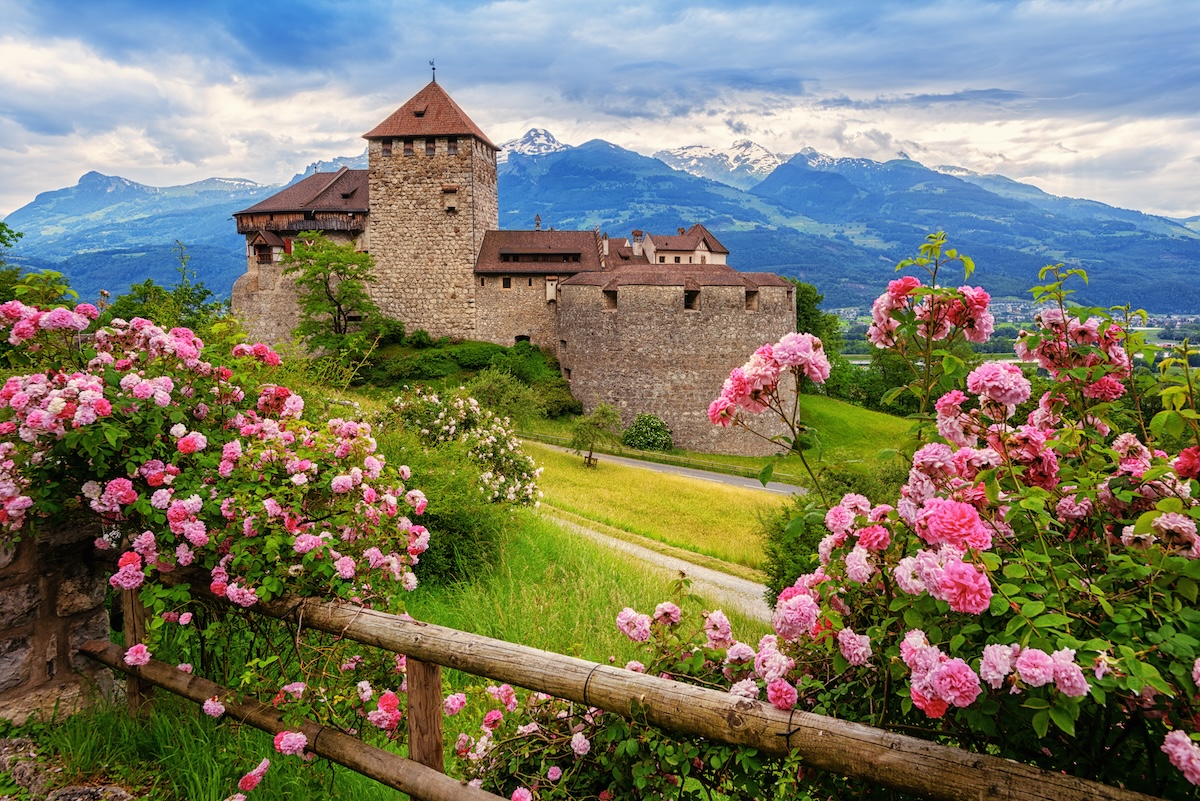
Can you believe there is still an unspoiled European capital around? Lichtenstein sits in the Rhine Valley between Switzerland and Austria? Most people have heard of Europe’s 4th smallest country, but very few actually visit, making Vaduz an oddly overlooked European capital with Alpine scenery and serious wealth.
The Prince’s castle perches dramatically above the town, though it’s not open to visitors since the royal family actually lives there. Don’t miss the postage stamp museum, which might sound boring but is authentically interesting since Liechtenstein’s stamps are miniature works of art. The entire country is drivable in under an hour, making it perfect for a quirky day trip from Switzerland or Austria.
8. Piran, Slovenia
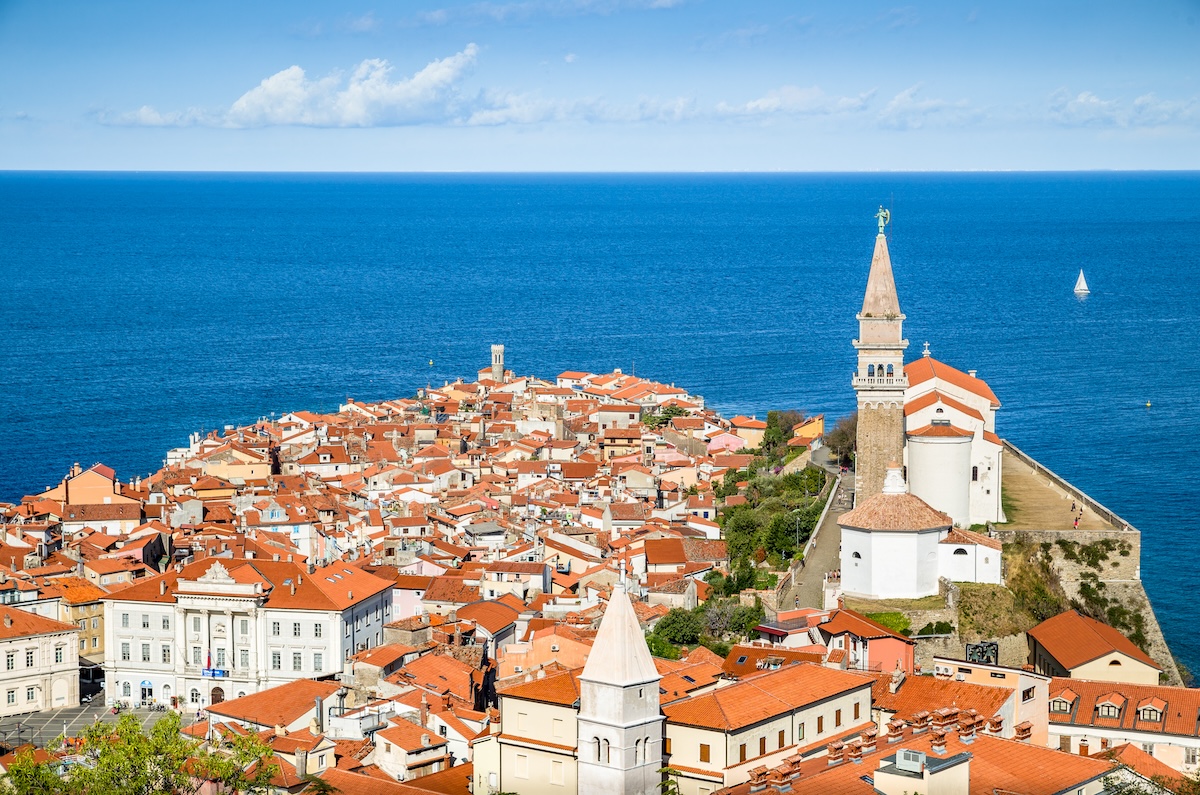
Slovenia’s Venetian-influenced coastal gem sits on a peninsula jutting into the Adriatic. Red-roofed buildings cluster around Tartini Square, and narrow medieval streets wind up to St. George’s Cathedral, offering spectacular views over the town and sea.
Piran feels like a mini-Venice without the crowds or canal smell. The Slovenian coast is tiny at just 47 kilometers, but Piran makes the most of it with excellent seafood restaurants, gelato shops, and a relaxed Mediterranean atmosphere. It’s easily reached from Ljubljana and makes a perfect base for exploring Slovenia’s coastline, wine country, and nearby Italian and Croatian towns.
7. Logroño, Spain
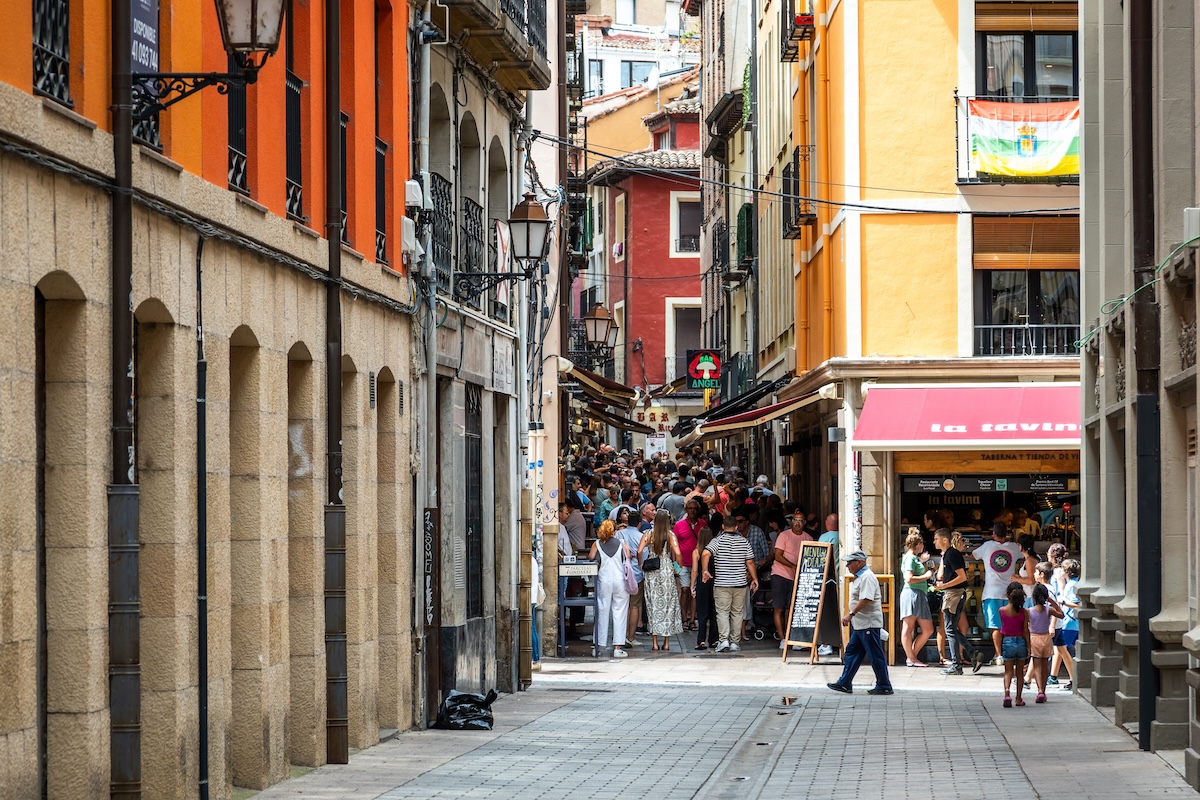
Capital of Spain’s La Rioja wine region, Logroño is a gorgeous mid-sized city that tourists blow through on their way to wineries. They’re missing fantastic tapas culture, beautiful old town streets, and wine bars where locals actually drink rather than tourists on wine tours.
Calle Laurel is Logroño’s famous tapas street where hopping from bar to bar is the main evening activity. Each bar has its specialty and the quality-to-price ratio is exceptional. The city sits along the Camino de Santiago, giving it historical churches and pilgrim infrastructure, but unlike some Camino towns that became tourist traps, Logroño remains authentic with real Spanish city life.
6. Prizren, Kosovo
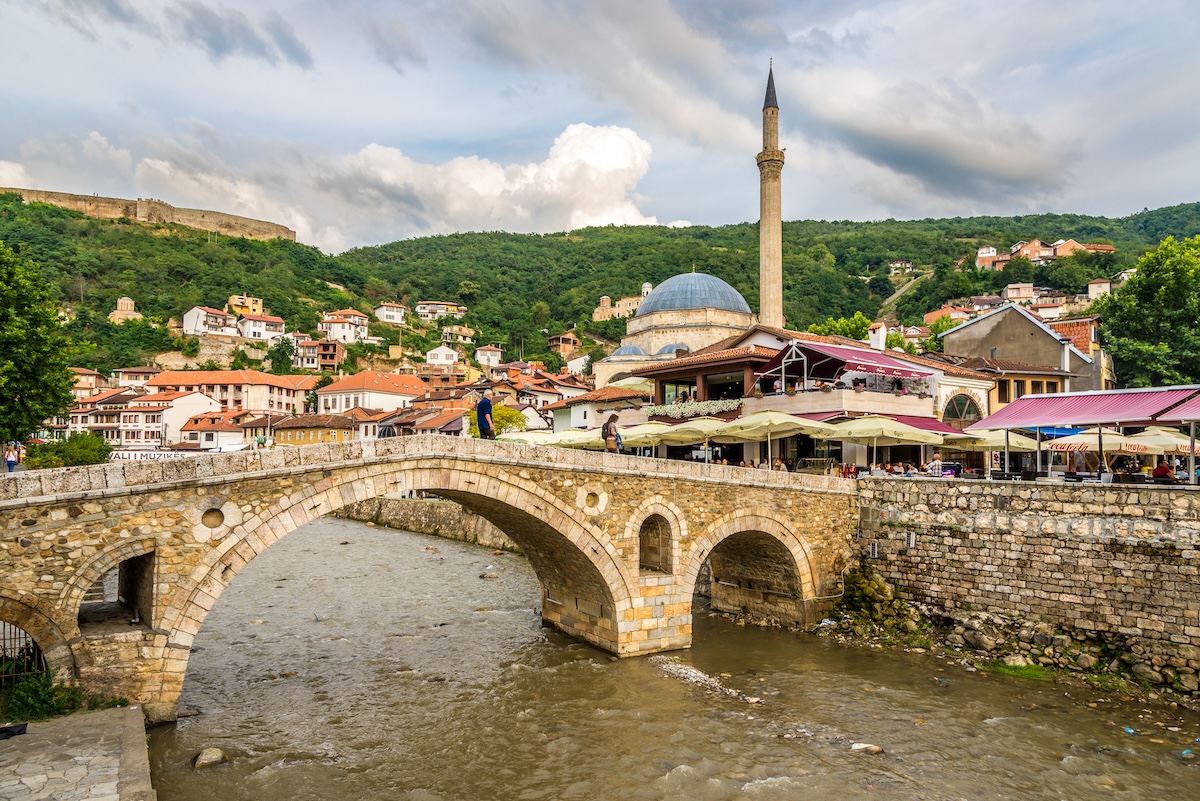
Kosovo’s second-largest city sits beneath a hilltop fortress along the Bistrica River, with Ottoman-era architecture, medieval churches, and a lively café culture. The old town has plenty of stone bridges, mosques, and colorful houses that feel much more Turkish than Balkan.
Prizren served as Kosovo’s medieval capital and later became an important Ottoman city, leaving layers of history visible throughout. The Sinan Pasha Mosque and Serbian Orthodox Church of Our Lady of Ljeviš represent different periods coexisting in the cityscape. Kosovo’s complicated politics keep many tourists away, but Prizren is safe, welcoming, and remarkably beautiful.
5. Regensburg, Germany
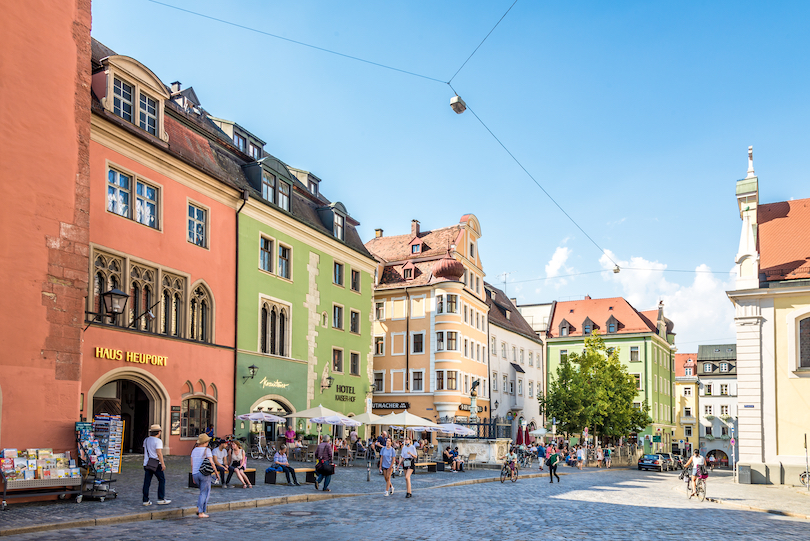
Bavaria’s best-preserved medieval city somehow gets skipped by tourists rushing between Munich and Prague. Regensburg’s old town is a UNESCO World Heritage Site with over 1,500 historic buildings, a stunning Gothic cathedral, and a 12th-century stone bridge still carrying traffic.
The city miraculously escaped World War II bombing, leaving its medieval core intact. Students from the university keep it lively with beer gardens, cafés, and nightlife that feel authentically local rather than tourist-oriented. Regensburg invented the quintessentially German sausage kitchen, and the 900-year-old Wurstkuchl still operates by the river, serving grilled sausages. In one word, “wunderbar!”
4. Tropea, Italy
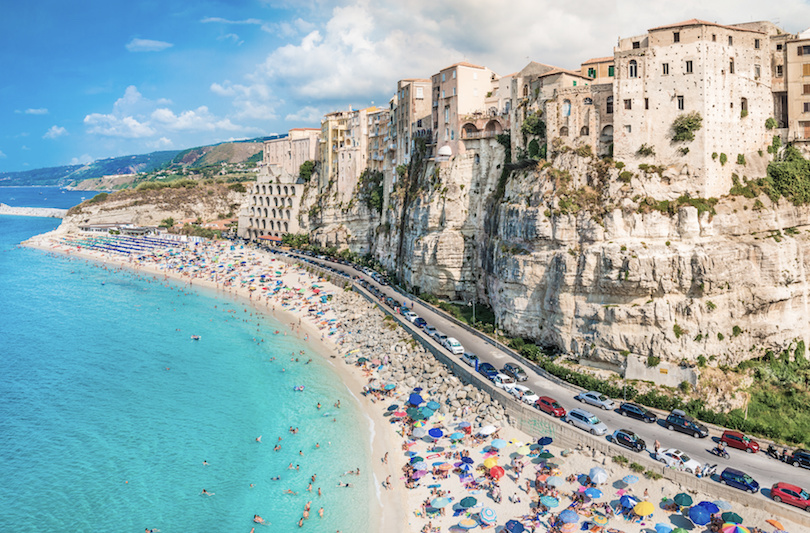
Nestled into cliffs overlooking the Tyrrhenian Sea, Tropea is Calabria’s jewel with white-sand beaches, turquoise water, and a medieval town center that seems carved from the rock itself. The town’s dramatic position on a promontory creates postcard views from every angle.
Santa Maria dell’Isola sits on its own rocky outcrop connected to town, creating Tropea’s iconic image. The beaches below the cliffs are stunning, with water so clear you can see straight to the bottom. Calabria remains Italy’s least-visited mainland region, meaning Tropea offers beauty rivaling the Amalfi Coast without the impossible crowds and prices. Plus, the local red onions are famously sweet and delicious, serving up something special that other cities can’t compete with.
3. St. Gilgen, Austria

Mozart’s mother was born in this lakeside village on the Wolfgangsee, but St. Gilgen remains quieter than Salzburg despite being equally picturesque. Alpine peaks surround the turquoise lake, and traditional Austrian architecture lines the waterfront with flower boxes overflowing from every window.
The Zwölferhorn cable car whisks you up 1,522 meters for panoramic views across the lake and surrounding mountains. Swimming in the Wolfgangsee’s clear water beats any pool, and lakeside trails offer easy walks with spectacular scenery. St. Gilgen provides access to Salzkammergut’s natural beauty without the tourist intensity of nearby Hallstatt, which has been completely overrun by day-trippers.
2. Tromsø, Norway
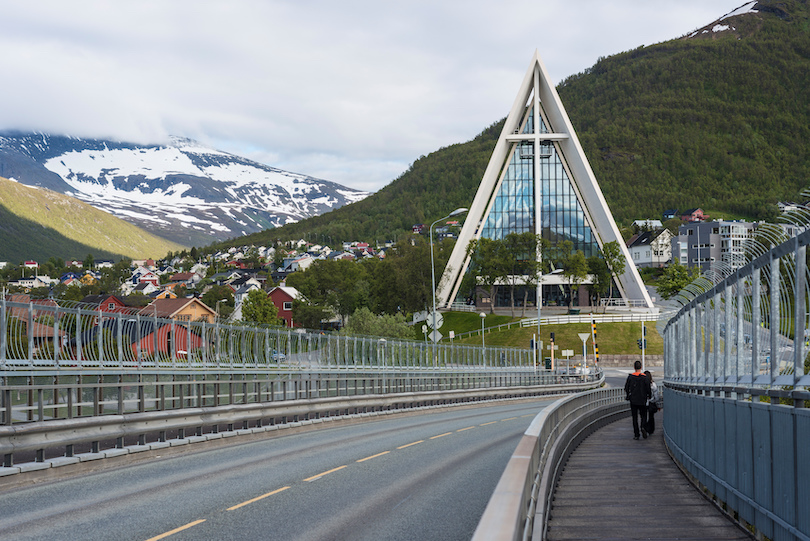
Located 350 kilometers north of the Arctic Circle, Tromsø offers Northern Lights viewing, midnight sun, dramatic fjords, and a surprisingly lively city culture for somewhere this far north. Wooden houses, modern architecture, and excellent museums make it more than just a aurora-chasing basecamp.
Winter brings possibilities of seeing the Northern Lights dancing overhead, but always remember that nothing is guaranteed. Summers are flooded by the midnight sun and opportunities for hiking in mountains that drop straight into the sea. The Arctic Cathedral is an architectural masterpiece, and the city has a buzzing cultural scene with festivals, concerts, and Arctic research institutions. Just be warned that Tromsø is expensive, but what part of Norway isn’t?
1. Skopje, North Macedonia
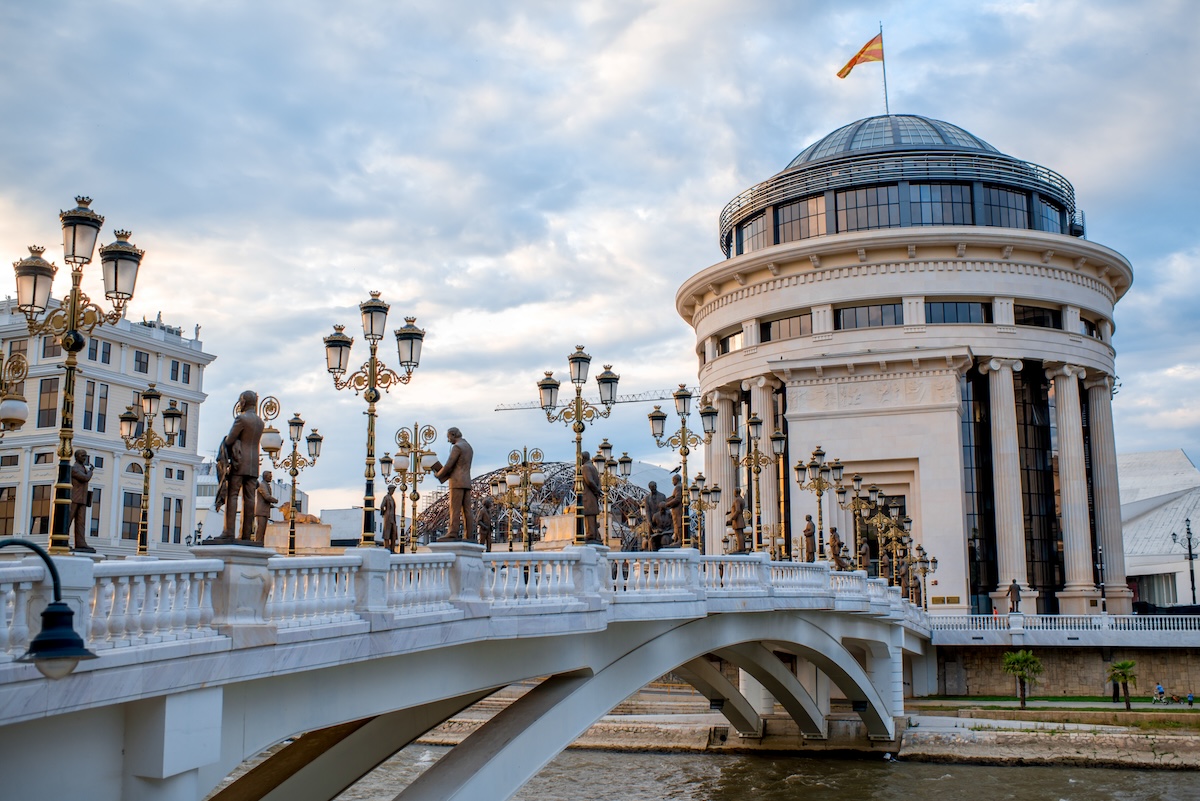
North Macedonia’s capital surprises visitors with its bizarre mix of ancient history, Ottoman architecture, communist-era brutalism, and wildly over-the-top neoclassical buildings from a recent controversial redesign. The result is architecturally chaotic but undeniably fascinating.
The Old Bazaar is one of the Balkans’ largest, with cobblestone streets, mosques, and traditional craftsmen working in shops unchanged for generations. Then you cross the Stone Bridge into the center where massive statues and faux-classical buildings dominate, all built in the last decade as part of the “Skopje 2014” project. It’s weird, it’s controversial, but it’s undeniably interesting. North Macedonia remains incredibly affordable and welcoming, making Skopje perfect for travelers wanting something completely different from typical European destinations.