I’ll be the first to say that nobody needs another article about the Eiffel Tower or the Colosseum. So. while the Instagram squad battles for selfie space at Europe’s mega-attractions, savvy travelers are slipping away to spots that haven’t been hashtagged into oblivion.
These under-the-radar destinations pack all the charm without the tourist hordes. Think empty beaches, authentic food that doesn’t come with a “tourist menu” translation, and locals who still get excited to chat with visitors. Ready to ditch the obvious and discover Europe’s best-kept secrets? Let’s dive into these hidden gems before everyone else finds them!
12. Ulm, Germany
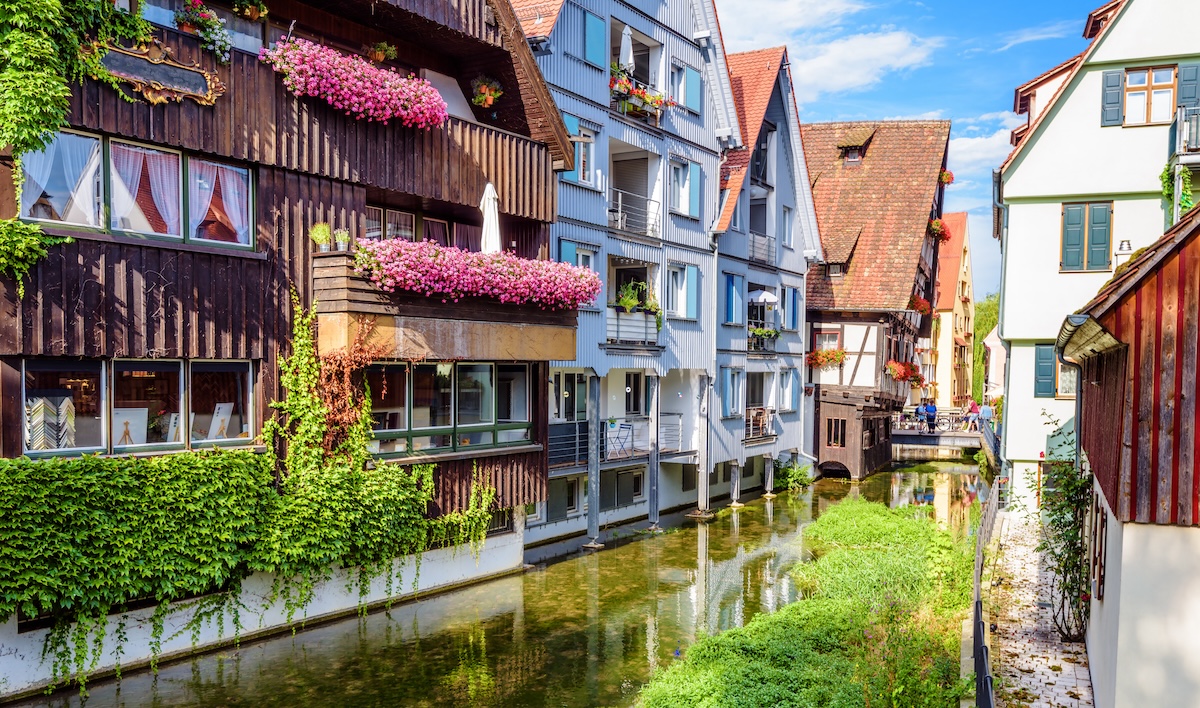
Ever heard of Ulm? Exactly. This criminally overlooked German city flies under the radar despite housing the tallest church spire in the world (take that, Cologne!). The Ulm Minster towers a vertigo-inducing 162 meters high, rewarding those who conquer its 768 steps with killer views.
Beyond that architectural flex, Ulm charms with its ancient Fishermen’s Quarter – a maze of canals, crooked houses, and cobblestone streets that feels plucked from a fairytale. As Einstein’s birthplace, the city offers plenty of clever nods to its famous son. The Danube River cuts through town, creating perfect picnic spots where you can recover from that tower climb.
Where is Ulm?

Situated in the southern part of Germany, Ulm lies on the left bank of the Danube River in the state of Baden-Württemberg. The city is about 55 miles southeast of Stuttgart, the state capital, and roughly 90 miles west of Munich. It is located at the point where the rivers Blau and Iller flow into the Danube, forming a key historic crossroads.
11. Bohinj, Slovenia

While the crowds flock to Lake Bled, smart travelers head just 30 minutes further to Lake Bohinj – Bled’s bigger, wilder, and significantly less touristy sibling. Nestled in Triglav National Park, this pristine alpine lake delivers the same postcard-worthy mountain scenery without the tour buses.
The water here is so clear you’ll question if it’s actually real. Surrounded by towering Alps and lush forests, Bohinj offers endless adventure options: kayaking on crystal waters, hiking to Savica Waterfall, or taking the cable car up Mount Vogel for views that’ll bend your mind. The lakeside villages maintain that authentic Slovenian charm so go now before the secret gets out.
Where is Bohinj?
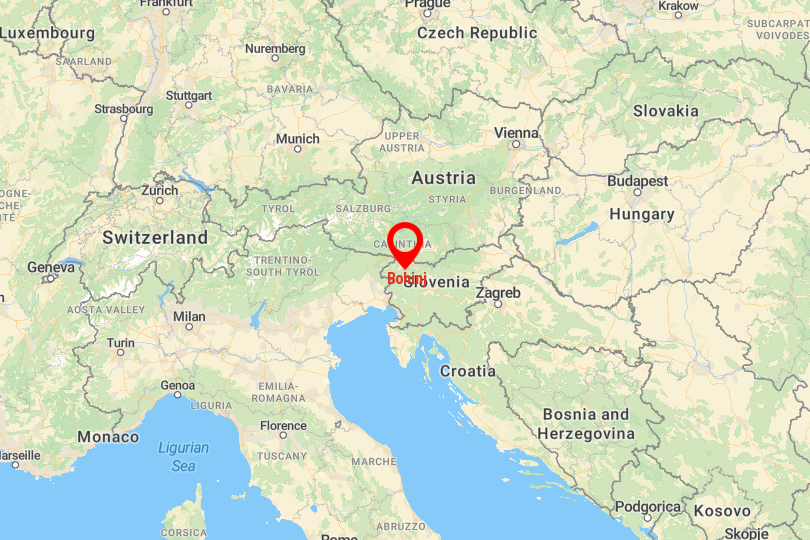
Situated in northwestern Slovenia, Bohinj lies within the Julian Alps and is part of Triglav National Park. The area is centered around Lake Bohinj, the largest permanent lake in Slovenia, and is surrounded by high mountain peaks and forests. It is about 50 miles northwest of Ljubljana, the capital of Slovenia, and roughly 16 miles southwest of the town of Bled.
10. Primosten, Croatia

While Dubrovnik drowns in Game of Thrones fans, Primosten keeps it real on Croatia’s Dalmatian coast. This former island (now connected to the mainland by a skinny causeway) packs all the Croatian coastal magic into one adorable package: crystalline waters, ancient stone buildings, and seriously good seafood.
The old town sits on a peninsula surrounded by gorgeous beaches and gin-clear water. What makes Primosten special is how it balances tourism with authenticity – you’ll find beach bars and restaurants, but also local fishermen mending nets and grandmas hanging laundry between medieval buildings. The surrounding hills are covered with stone-walled vineyards so distinctive they’re UNESCO-protected.
Where is Primosten?
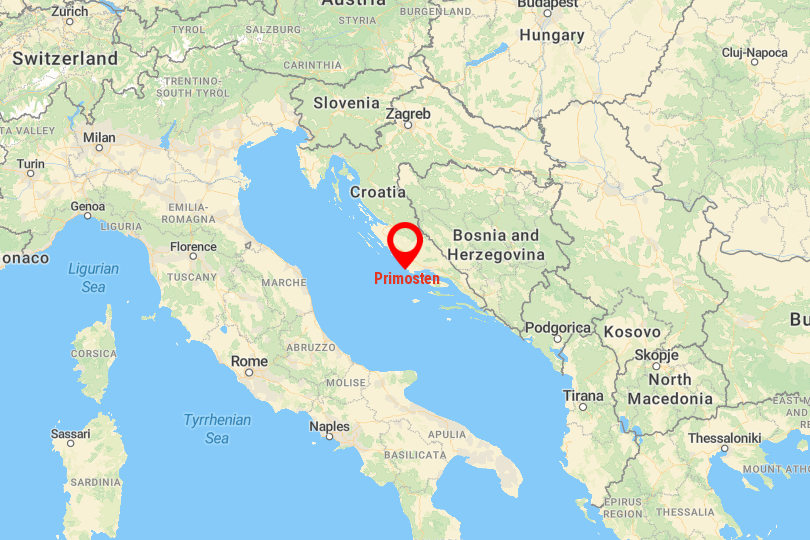
Situated on the central Dalmatian coast of Croatia, Primošten lies on a small peninsula jutting into the Adriatic Sea. The town is about 20 miles south of Šibenik and roughly 25 miles northwest of Split, two major coastal cities. It is surrounded by beaches, vineyards, and the clear waters of the Adriatic.
9. Aeolian Islands, Italy

Just off Sicily’s northeast coast, this volcanic archipelago delivers peak Mediterranean vibes without Amalfi Coast prices or crowds. Seven islands, each with distinct personalities, offer everything from luxury retreats to raw natural adventure.
Lipari brings the buzz as the largest island, while Stromboli offers the ultimate natural fireworks show with its constantly erupting volcano (nighttime hikes to watch the eruptions = bucket list material). Vulcano invites you to slather yourself in stinky therapeutic mud and soak in natural hot springs. Panarea plays the exclusive card with its whitewashed streets and upscale scene. Best part? Island-hopping between them via wooden boats, diving into absurdly blue coves inaccessible by land.
Where are the Aeolian Islands?
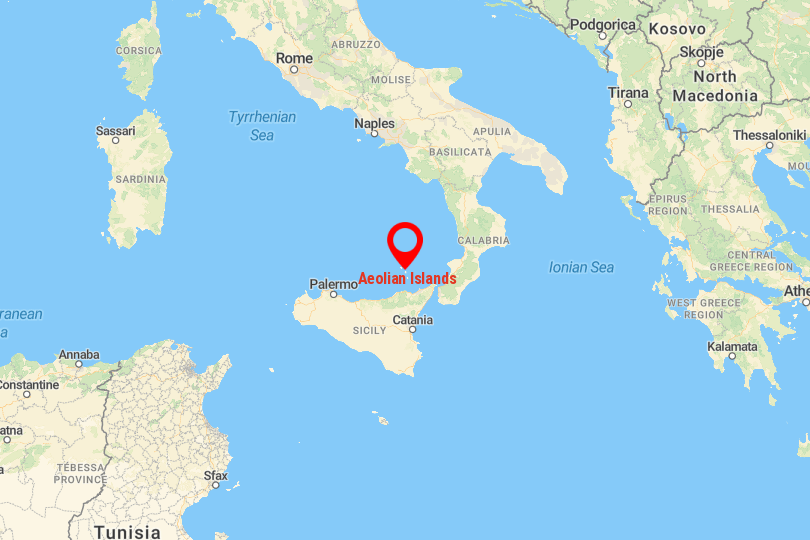
Situated off the northern coast of Sicily, the Aeolian Islands are a volcanic archipelago in the Tyrrhenian Sea, part of southern Italy. The islands lie about 25 miles north of the Sicilian town of Milazzo and roughly 45 miles northeast of Messina. The group consists of seven main islands, including Lipari, Vulcano, Salina, Stromboli, Filicudi, Alicudi, and Panarea.
8. Le Puy-en-Velay, France

Looking like something straight out of a fantasy novel, this volcanic town in central France rocks the most ridiculous skyline you’ve never seen. Enormous volcanic plugs shoot straight up from the town center, topped with impossible-looking chapels and statues that make you wonder how they were ever built.
The entire medieval old town clusters around these dramatic rocks, with the candy-striped cathedral anchoring the scene. Le Puy isn’t just about bizarre geology – it’s the starting point for the famous Camino de Santiago pilgrimage route and produces delicious green lentils that French chefs obsess over.
Where is Le Puy-en-Velay?
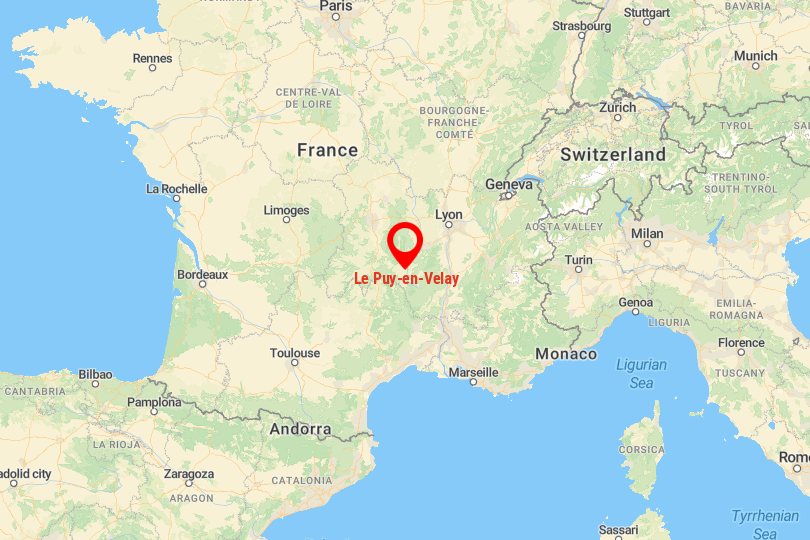
Situated in south-central France, Le Puy-en-Velay lies in the Auvergne-Rhône-Alpes region within the Massif Central highlands. The city is about 75 miles southwest of Lyon and roughly 85 miles northwest of Avignon. It is set in a volcanic landscape, surrounded by hills and dramatic rock formations, including basalt outcrops.
7. The Hague, Netherlands

Amsterdam gets all the attention, but The Hague delivers Dutch charm without the tourist swarms and cycle-dodging stress. This sophisticated city balances grand international institutions with cozy neighborhoods and a surprisingly awesome beach scene at Scheveningen.
The compact center mixes palatial buildings (it’s the seat of Dutch government) with modern architecture and hidden hofjes (peaceful garden courtyards). Art lovers can drool over Vermeer’s “Girl with a Pearl Earring” at the Mauritshuis or explore the mind-bending optical illusions at Escher in Het Paleis. The city’s international vibe also means amazing Indonesian restaurants are everywhere – a legacy of Dutch colonial history. The perfect balance of culture, cuisine, and coastal vibes.
Where is the Hague?
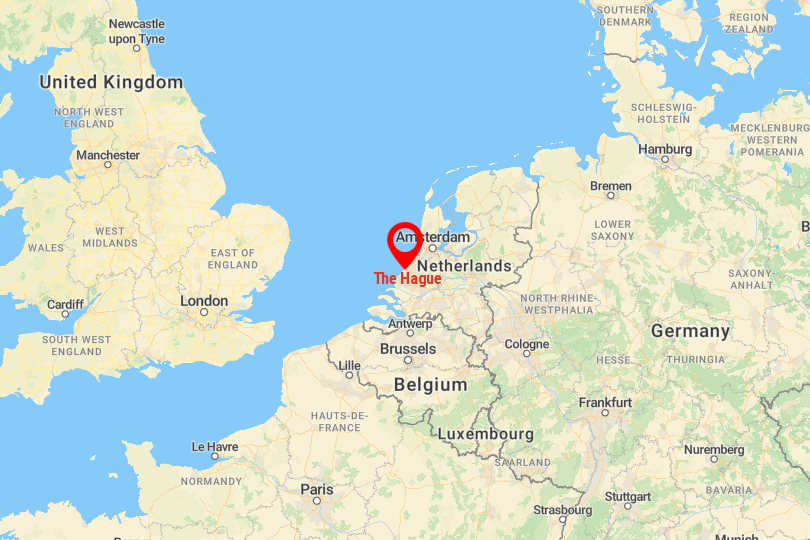
Situated in the western Netherlands, The Hague lies along the North Sea coast in the province of South Holland. The city is about 40 miles southwest of Amsterdam and roughly 16 miles northwest of Rotterdam. It is surrounded by coastal dunes, parks, and urban areas, with several canals running through its center.
6. Berat, Albania

Nicknamed “The City of a Thousand Windows,” Berat looks like someone stacked white Ottoman houses up a steep hillside, creating a mesmerizing cascade of windows that glow golden at sunset. This UNESCO-listed gem represents the best of Albania’s emerging tourism scene – authentic, affordable, and blissfully uncrowded.
The massive castle complex (actually a full living neighborhood) crowns the city, offering jaw-dropping views and the chance to explore Byzantine churches filled with stunning frescoes. Down below, the Osum River divides the historic Mangalem and Gorica quarters, connected by the seven-arched Gorica Bridge. Albania’s tourism sweet spot won’t last forever, so go now!
Where is Berat?

Situated in south-central Albania, Berat lies along the banks of the Osum River at the foot of the Tomorr Mountains. The city is about 70 miles south of Tirana, the capital of Albania, and roughly 50 miles east of the Adriatic coast. It is surrounded by hills and valleys, with its historic neighborhoods climbing the slopes above the river.
5. Northern Finland

While travelers flock to Iceland for northern lights and winter wonderlands, Finland’s arctic north delivers equally epic experiences with a fraction of the tourists. Lapland isn’t just Santa’s official hometown – it’s an outdoor playground of pristine wilderness, reindeer, and skies that explode with color.
Summer brings the midnight sun, with 24-hour daylight perfect for kayaking, hiking, and berry-picking under golden light that never ends. Winter transforms the landscape into a snow-globe world where you can chase aurora borealis from the comfort of glass igloos. The Sámi culture adds a rich indigenous heritage to explore. Just bring serious cold gear if visiting in winter – temperatures drop to properly ridiculous levels.
Where is Northern Finland?
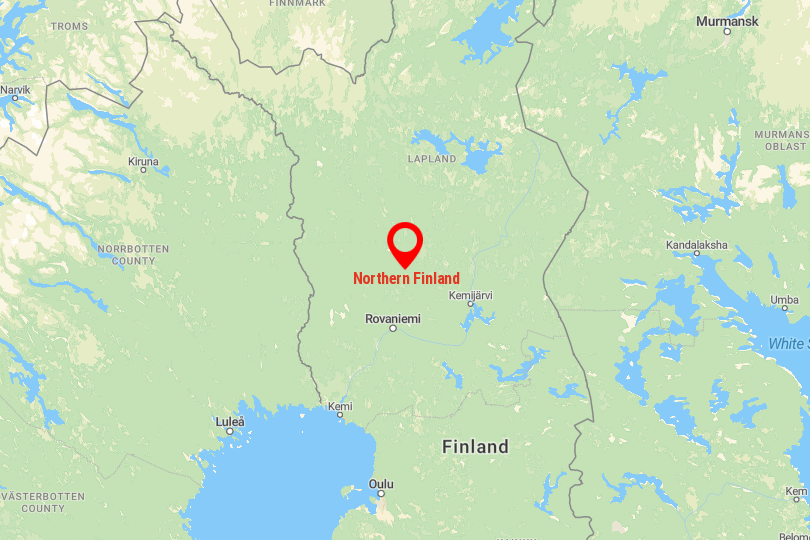
This region lies mostly above the Arctic Circle and encompasses the area known as Lapland. It is bordered by Sweden to the west, Norway to the north, and Russia to the east, with the Gulf of Bothnia to the southwest. The region is characterized by vast forests, numerous lakes, and tundra landscapes, as well as long, cold winters. Northern Finland is sparsely populated, with Rovaniemi serving as its largest city and administrative center.
4. Durmitor National Park, Montenegro

Montenegro packs ridiculous natural beauty into a country smaller than Connecticut, with Durmitor National Park as its wild, rugged crown jewel. This alpine wonderland combines sawtooth mountain peaks, 18 glacial lakes (called “mountain eyes”), Europe’s deepest canyon, and ancient forests that feel straight out of a Tolkien novel.
The Black Lake creates perfect reflections of surrounding peaks, while adrenaline junkies flock to the Tara River Canyon for Europe’s best whitewater rafting. Hiking trails range from easy lakeside strolls to serious summit expeditions. The tiny town of Žabljak makes the perfect base, with its mountain-cabin vibes and hearty local cuisine. Nature this spectacular would be swarming with tourists anywhere else in Europe, but you are still in luck here!
Where is Durmitor National Park?

Situated in northwestern Montenegro, Durmitor National Park lies within the Dinaric Alps and encompasses much of the Durmitor mountain massif. The park is about 55 miles northwest of Podgorica, the capital of Montenegro, and roughly 15 miles southwest of the border with Bosnia and Herzegovina. It is centered around the town of Žabljak, which serves as the main gateway to the park.
3. León, Spain

While tourists crowd Madrid and Barcelona, León keeps it authentically Spanish in the country’s northwest. This underrated city nails the Spanish art of living well – stunning architecture, mind-blowing food, and a nightlife scene that doesn’t even get started until after midnight.
The jaw-dropping cathedral features some of Europe’s most spectacular stained glass – nearly 1,800 square meters of colorful medieval artistry. The old quarter, Barrio Húmedo (“Wet Neighborhood”), earned its nickname from the absurd concentration of bars serving free tapas with every drink. Plaza Mayor comes alive nightly with multi-generational socializing that’ll make you rethink your screen-dominated social life. The city sits on the Camino de Santiago pilgrimage route, adding a layer of wandering travelers and spiritual energy.
Where is León?
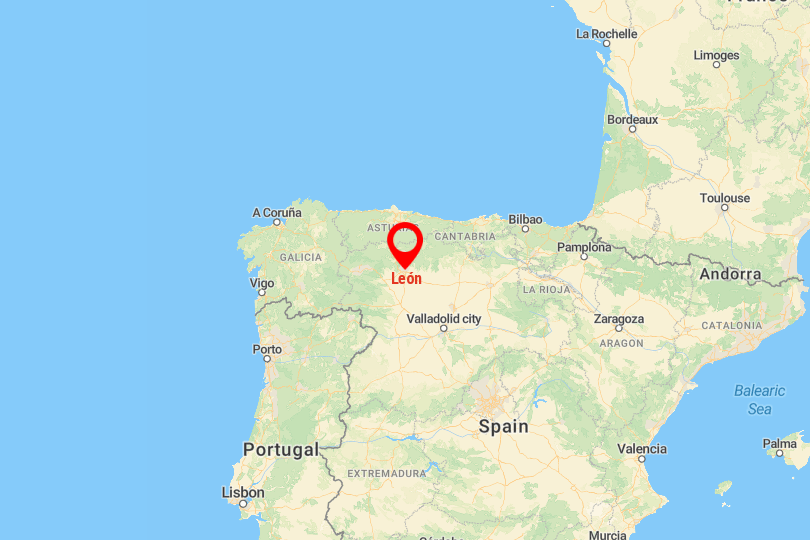
Situated in northwestern Spain, León lies on the Bernesga River in the autonomous community of Castile and León. The city is about 210 miles northwest of Madrid, the capital of Spain, and roughly 90 miles south of Oviedo. It is surrounded by the plains of the León province, with the Cantabrian Mountains to the north.
2. Kutná Hora, Czechia

Just an hour from Prague but worlds away from its tourist crowds, this medieval silver mining town packs seriously quirky attractions alongside genuine Czech charm. The Gothic St. Barbara’s Cathedral dominates the skyline, built with profits from the silver mines that once made this town richer than Prague.
But let’s be honest – most visitors come for the macabre Sedlec Ossuary (Bone Church), where the remains of 40,000+ people were artistically arranged into chandeliers, coat of arms, and other decorations. Creepy? Absolutely. Fascinating? 100%. Beyond the bone basement, the town itself is delightful, with winding lanes, ancient stone fountains, and traditional Czech pubs serving perfect pilsners at non-Prague prices. Winning!
Where is Kutná Hora?
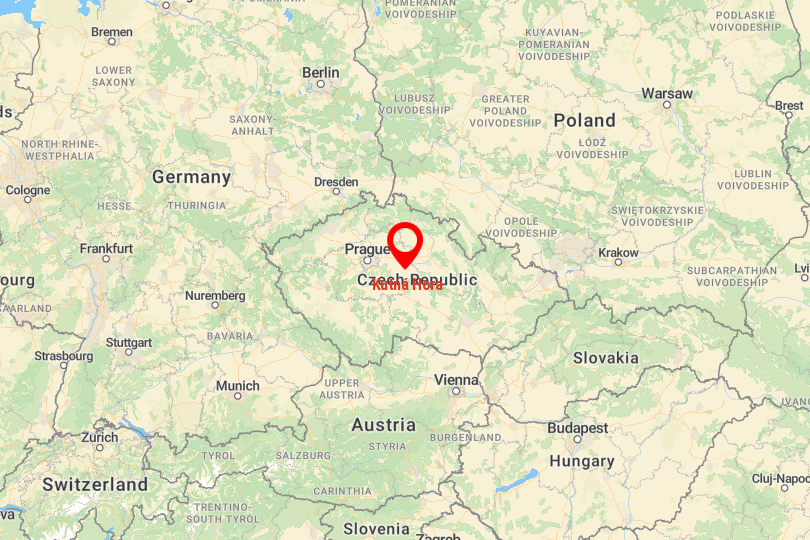
Situated in central Czechia (Czech Republic), Kutná Hora lies about 45 miles east of Prague, the nation’s capital. The city is located in the Central Bohemian Region, surrounded by gently rolling hills and agricultural land. It is set along the Vrchlice Creek, a tributary of the larger Elbe River.
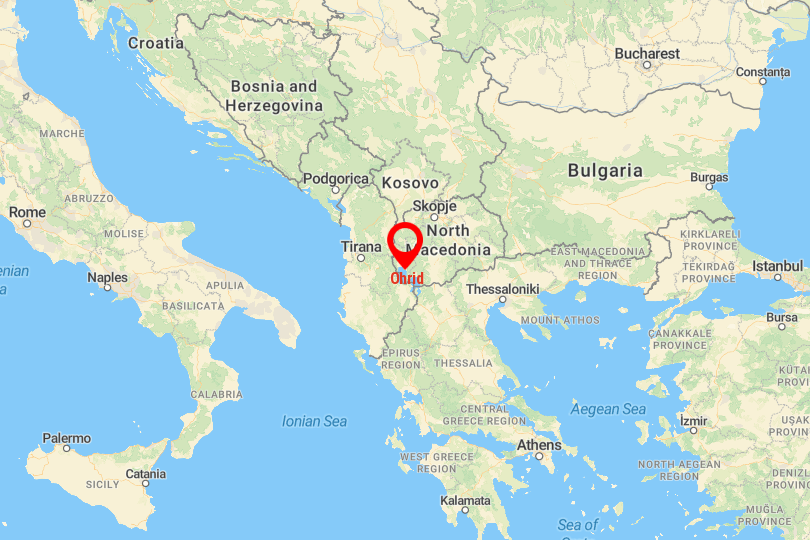
1. Ohrid, North Macedonia

Perched on the shores of ancient Lake Ohrid, this UNESCO double-whammy (listed for both cultural and natural significance) might be Europe’s most underrated destination. Crystal-clear waters give the lake an otherworldly blue glow, while the town itself cascades down steep hills packed with 365 historic churches – supposedly one for each day of the year.
The Church of St. John at Kaneo sits on a cliff above the lake, creating the town’s iconic postcard shot. Wandering the old town reveals Ottoman-era architecture, Roman ruins, and fortifications dating back to Tsar Samuel’s 10th-century empire. The lake itself is one of Europe’s oldest and deepest, with unique species found nowhere else. Summer brings perfect swimming conditions and lakeside dining, while shoulder seasons offer peaceful exploration without another tourist in sight. The ultimate European gem hiding in plain sight.