
Europe may not be able to compete with other continents when it comes to national parks and exotic wildlife. But the continent is the unbeatable winner when it comes to streets that feel like you stepped into another time.
From cobblestone alleys barely big enough to walk through, to pedestrianized high streets. These picture-perfect streets all offer a glimpse into Europe’s architecture in centuries gone by. Travel from one to the next, ticking off bucket list destinations as you hop around the continent.
Let your thoughts wander and your imagination run wild as you explore the unusual houses and bask in the tranquil atmosphere along Europe’s most historic streets!
10. Victoria Street, Edinburgh
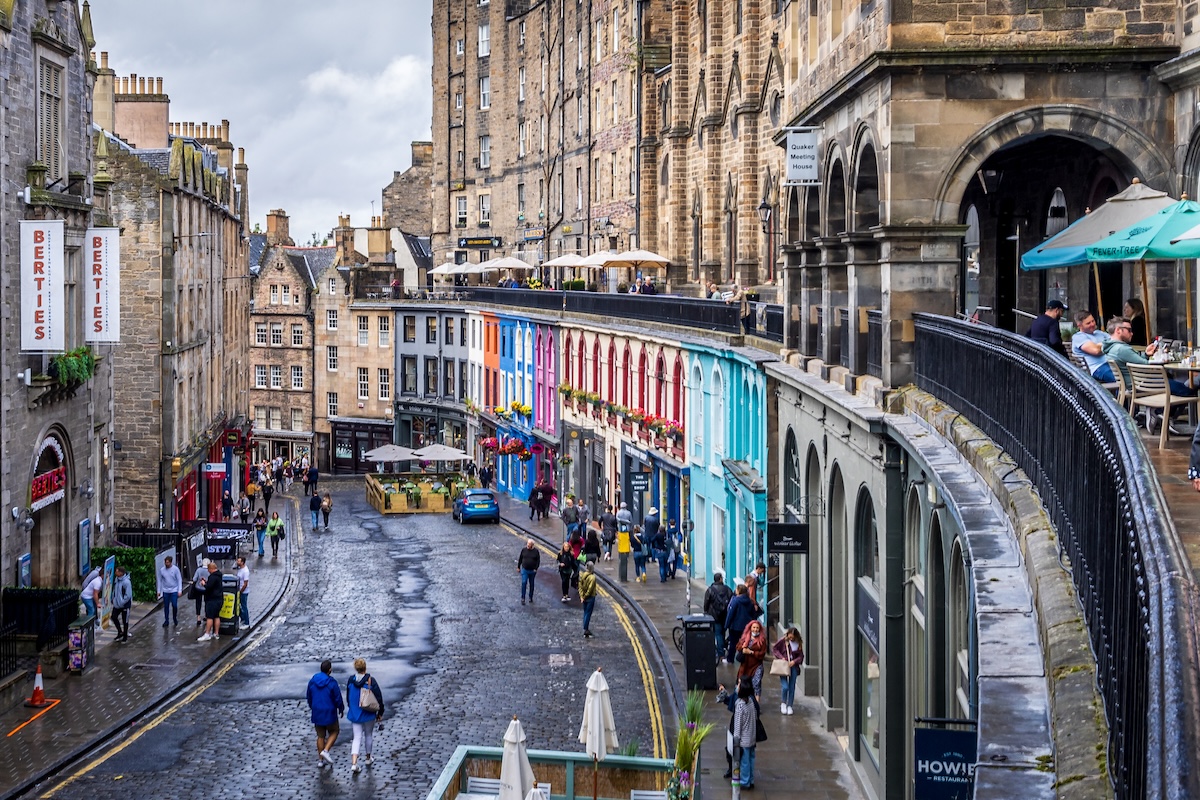
The stone buildings contour perfectly to the sharp bend of Victoria Street. Unusual and enchanting, they’re reminiscent of times gone by. The street feels soulful and lived in, kept alive by the quirky boutique shops and cafes along its length.
Don’t leave before you’ve visited the Grassmarket, which started up in the 14th century and is still going today. They sell local produce and yummy snacks.
For the coolest views of the street, stop for a drink at one of the cafes that has an outdoor patio. If you look down, you’ll realize the floor is in fact the roof of one of the buildings below!
Where is Victoria Street?
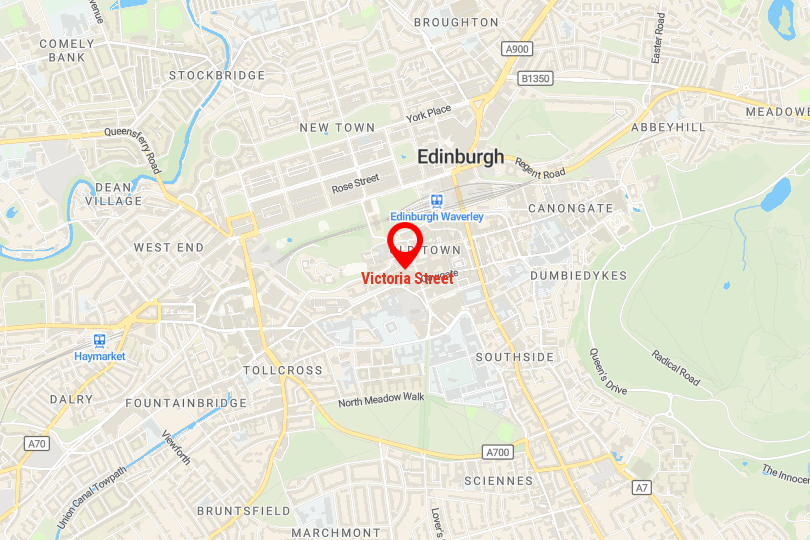
Situated in the Old Town of Edinburgh, Victoria Street curves down a steep hill between George IV Bridge and the Grassmarket. The street is located just west of the Royal Mile and lies close to Edinburgh Castle in the heart of the city. It is about half a mile south of Waverley Station, the city’s main railway hub.
9. Mermaid Street, Rye
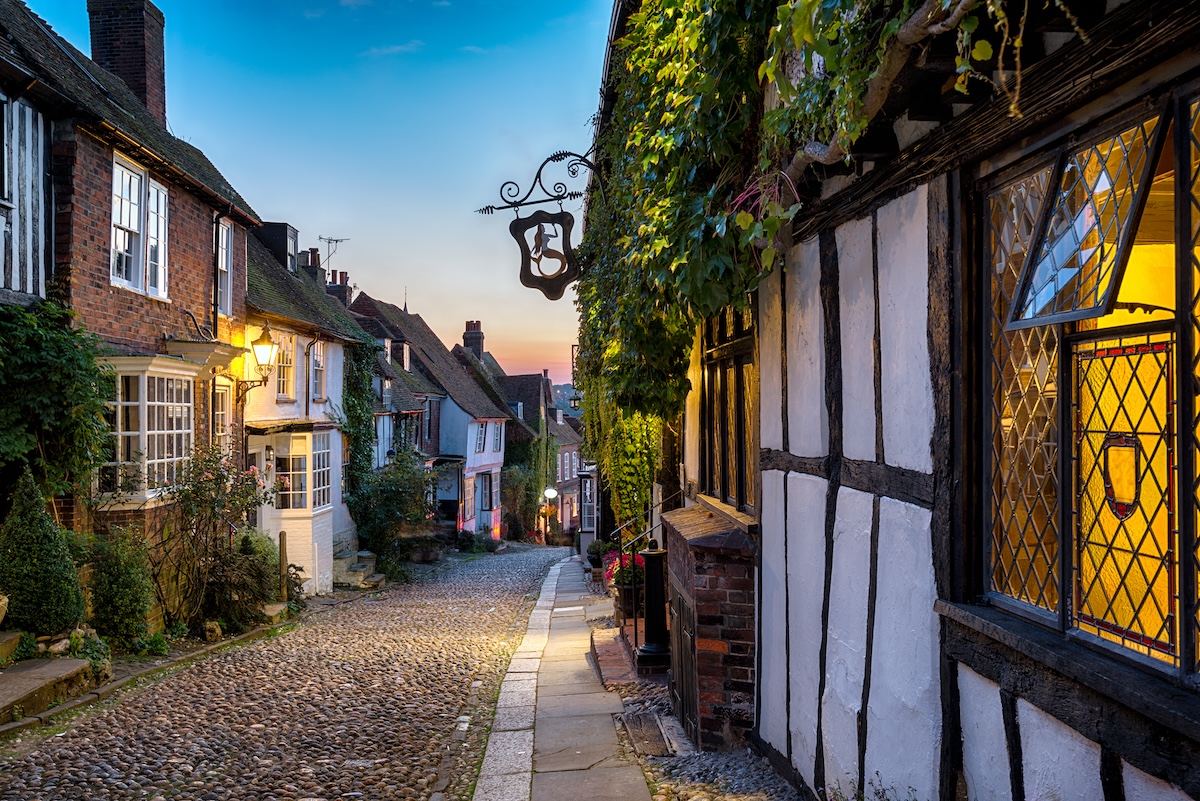
In the dainty, old-English town of Rye, one street in particular has captured visitors’ hearts. Lined with stripy black and white Tudor houses and old cottages, you can almost hear the clip-clop of horseshoes on the cobblestone streets and imagine the scenes of life in the middle ages.
The street is also the home of the Mermaid Inn, a historical inn that was originally built in the 12th century. Smugglers and ghosts still seem to linger in the house’s secret passages and period rooms.
Where is Mermaid Street?
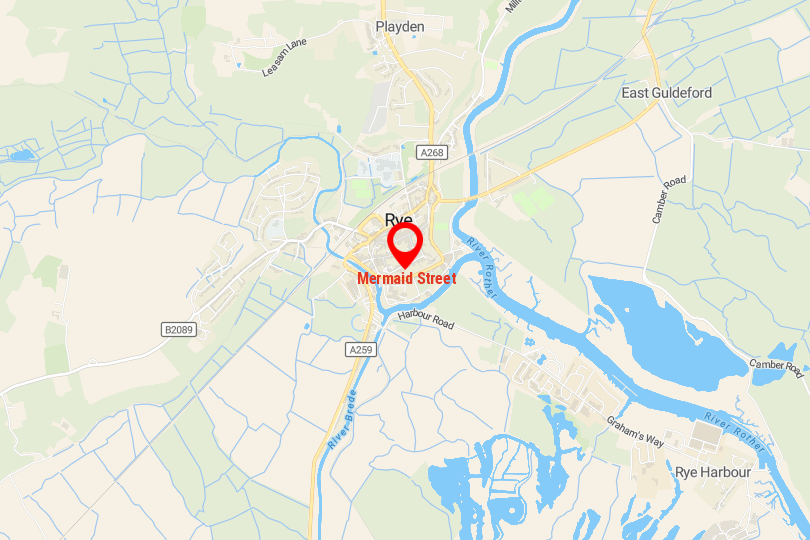
Situated in the historic town of Rye in southeastern England, Mermaid Street runs downhill from the High Street to the Strand near the River Rother. The street is located in East Sussex, about 55 miles southeast of London and roughly 12 miles northeast of Hastings.
8. Golden Lane, Prague
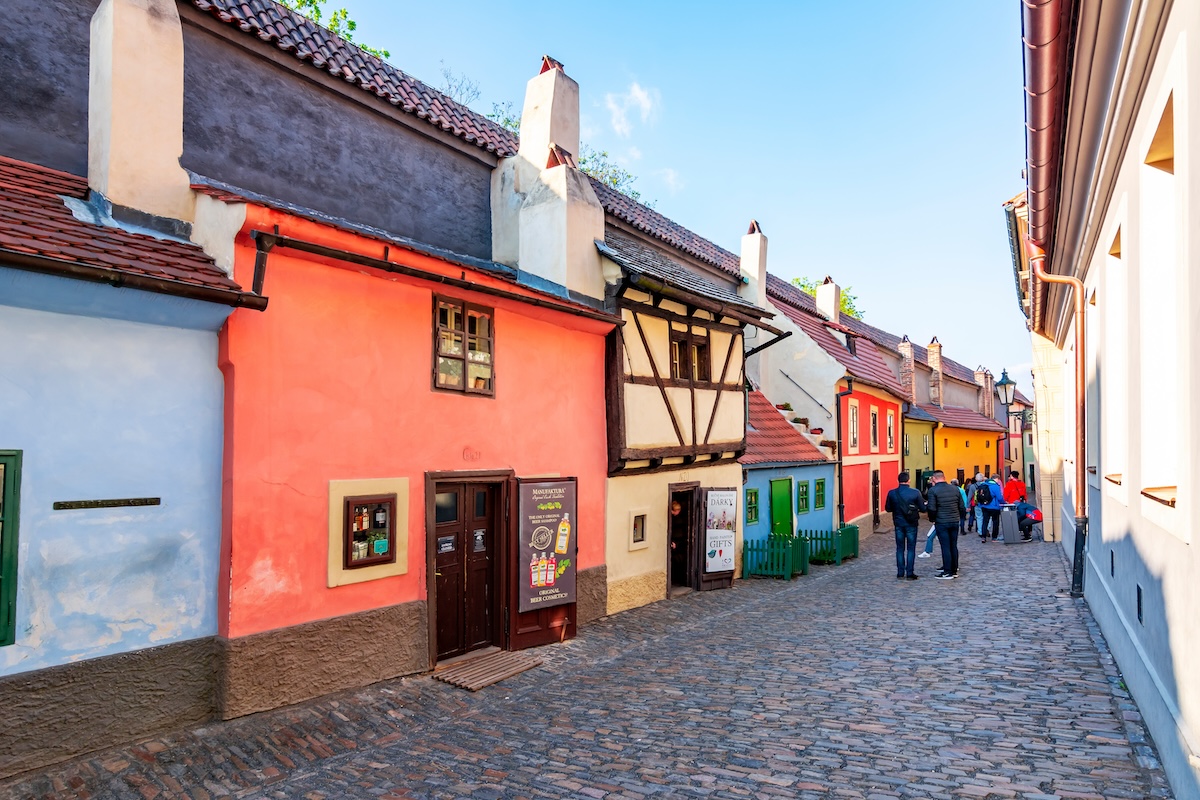
This magical little street in the Prague Castle precinct looks like it’s been taken out of a children’s book. The cottages that line the cobblestone street are so small they have a comical, squished appearance. Traditional Czech ornaments decorate their colorful windows and give them a homely feel.
Curiously, the cottages were originally the homes of the castle guards. Later, they were lived in by local artisans. The artisanal spirit of the street is still alive today, and many of the houses are still craft and souvenir shops today.
The most famous house is number 12, that was the home of historian Josef Kazda. Inside, you can see the film photos which he concealed from the Nazis in 1939.
Where is the Golden Lane?
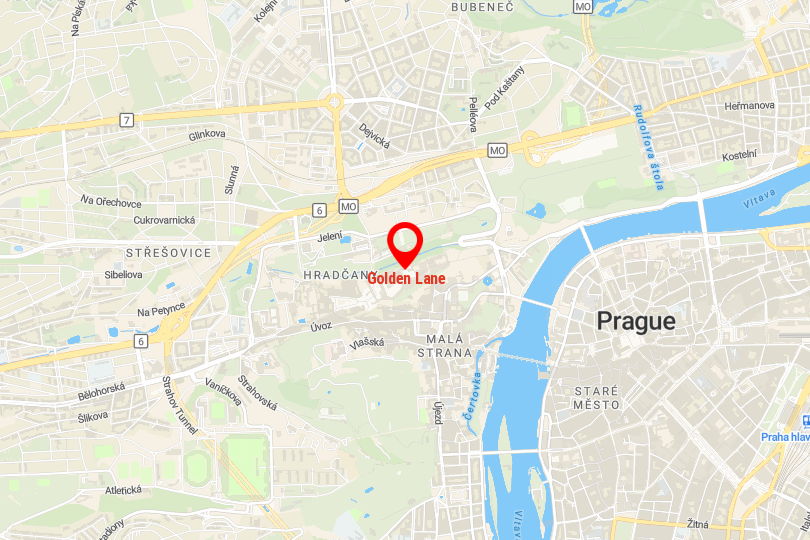
Situated within the grounds of Prague Castle in the Czech capital, Golden Lane runs along the northern wall of the castle complex. The lane is located in the Hradčany district, about a mile west of the historic Old Town Square.
7. Via dei Coronari, Rome
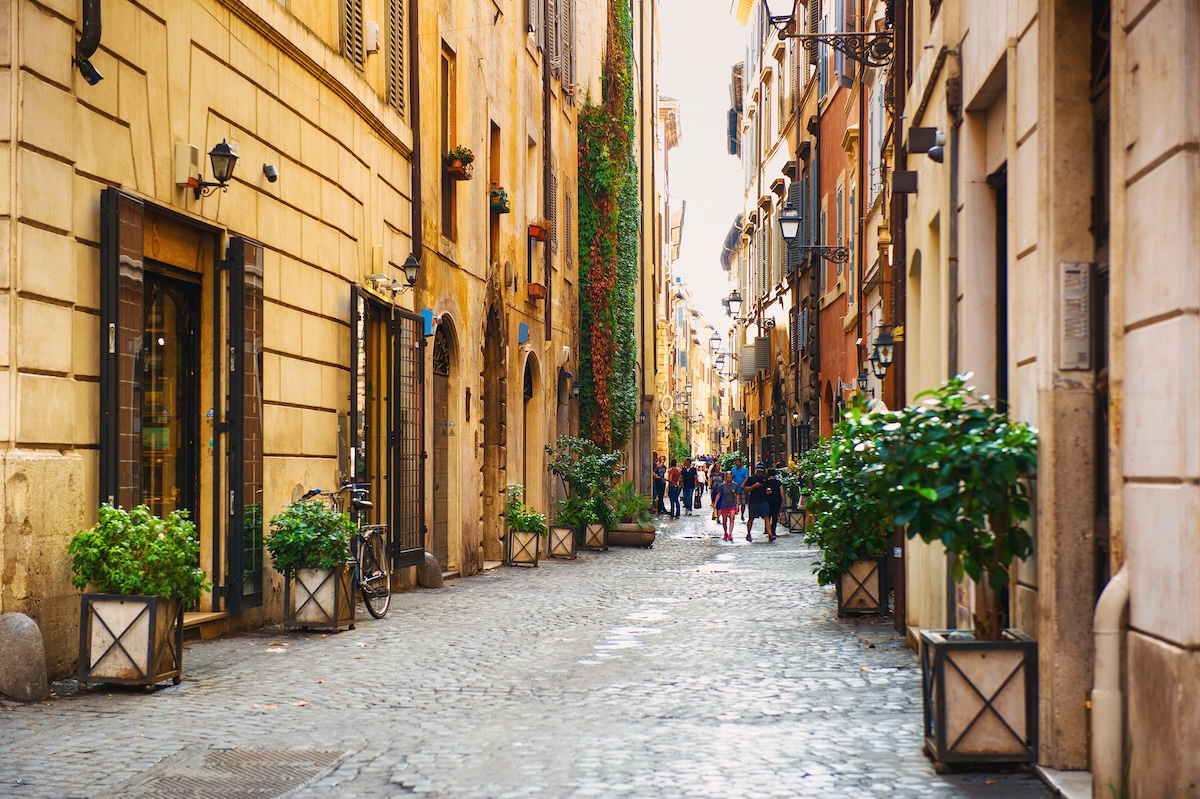
As you take a turn off the Piazza Navona and into the peaceful Via dei Coronari the hustle and bustle of tourists quietens. The little street invites its visitors to slow their pace and meander.
Pop in and out of the little boutique and antique shops along its length, or stop and people-watch from a cafe. Even if you decide not to go in, you can easily get lost in the intricately decorated shop facades.
Keep a look out for the classical Renaissance religious sculptures molded onto the corners of the street’s 15th and 16th-century buildings.
Where is Via dei Coronari?
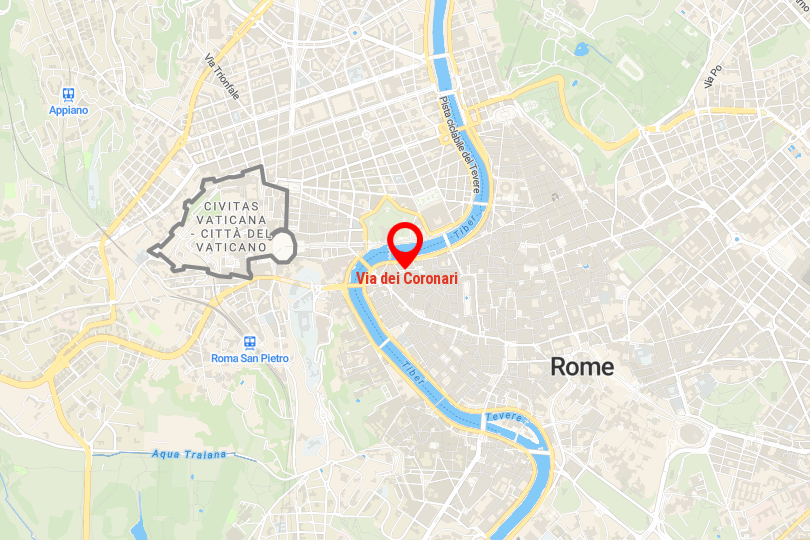
Situated in the historic center of Rome, Via dei Coronari runs parallel to the Tiber River and connects Piazza di Tor Sanguigna near Piazza Navona to the area around Ponte Sant’Angelo. The street is about half a mile northwest of the Pantheon and roughly a third of a mile east of Castel Sant’Angelo.
6. Herengracht, Amsterdam
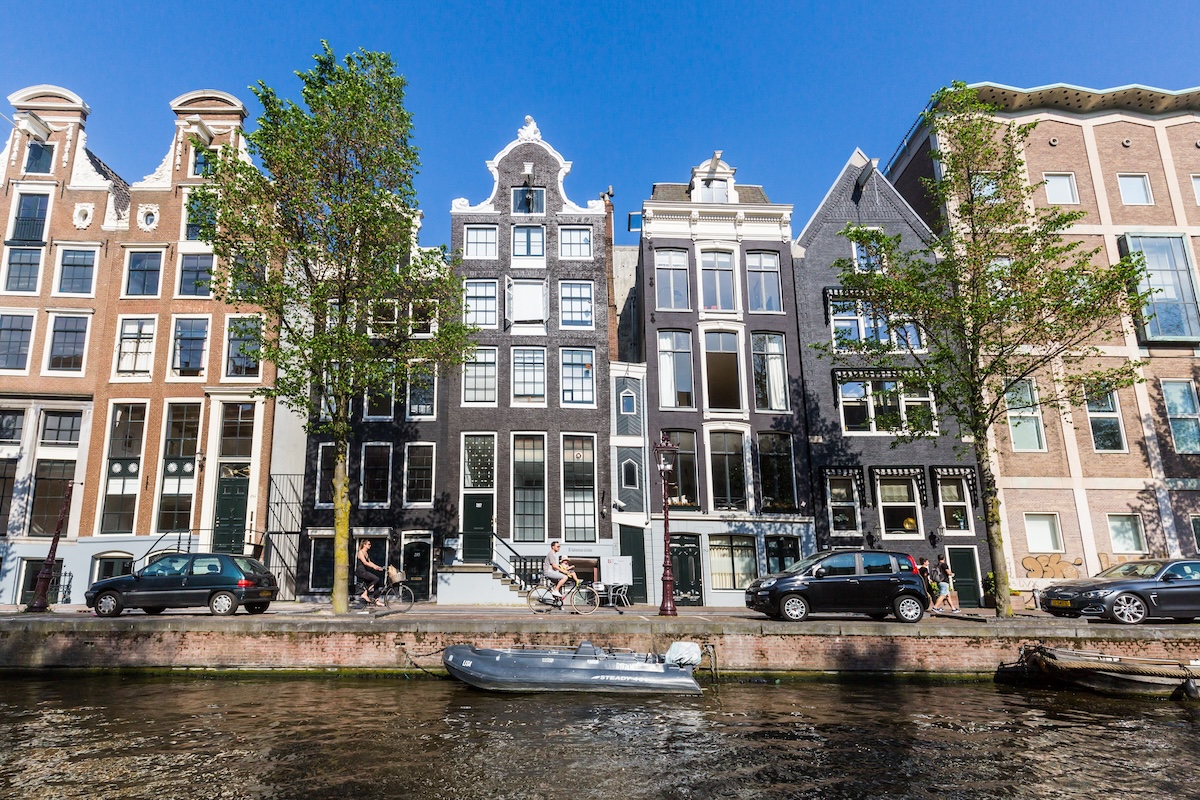
Like most things in Amsterdam, this enchanting street is designed around its canal. The Herengracht is the second of Amsterdam’s four canals in the canal belt between the Singel and Keizersgracht.
Considered the most important canal in the city, it was the home of the richest merchants and influential regents in the 17th century. The area’s wealth is still plain to see today, and the houses are far more decadent than anywhere else in the city.
Keep a look out for the street’s oldest house, number 81 on the left side of the canal, which was built in 1590.
Where is Herengracht?
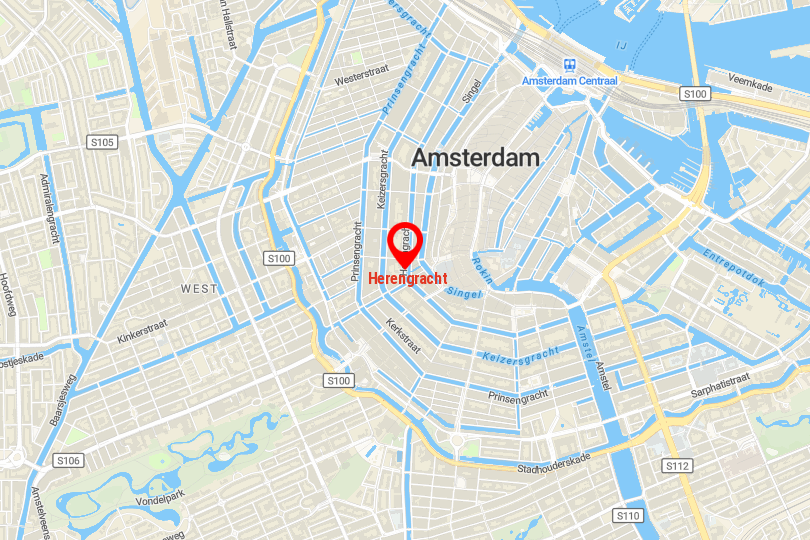
Situated in the heart of Amsterdam, Herengracht is one of the city’s principal canals, forming part of the canal belt (Grachtengordel) that encircles the old city center. The canal runs in a sweeping arc from the Brouwersgracht in the northwest to the Amstel River in the southeast. It is located about half a mile west of Amsterdam Centraal railway station and just north of the Leidseplein area.
5. Grand Rue, Colmar

The Grand Rue is Colmar’s enchanting high street. It blends historic buildings with trendy independent cafes and stores, giving it an old-world charm with a fresh lease of life. The gorgeous pastel-colored, half-timbered houses are like Tudor houses with a fun twist!
Make sure you keep your eyes peeled for the late Renaissance former Protestant presbytery with its remarkable oriel window and the former neo-classical Palace of the Sovereign Council of Alsace.
Leave your worries behind and go for a slow wander through Grand Rue’s serene cobblestone streets dotted with the occasional square.
Where is Grand Rue?
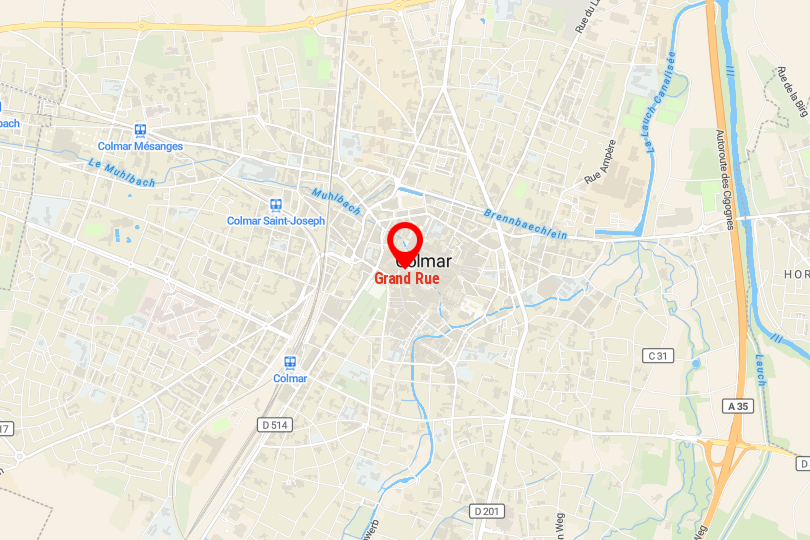
Situated in the historic center of Colmar, in the Alsace region of northeastern France, Grand Rue runs through the heart of the old town. The street is about 40 miles southwest of Strasbourg and roughly 45 miles north of Mulhouse.
4. Rue de l’Abreuvoir, Paris
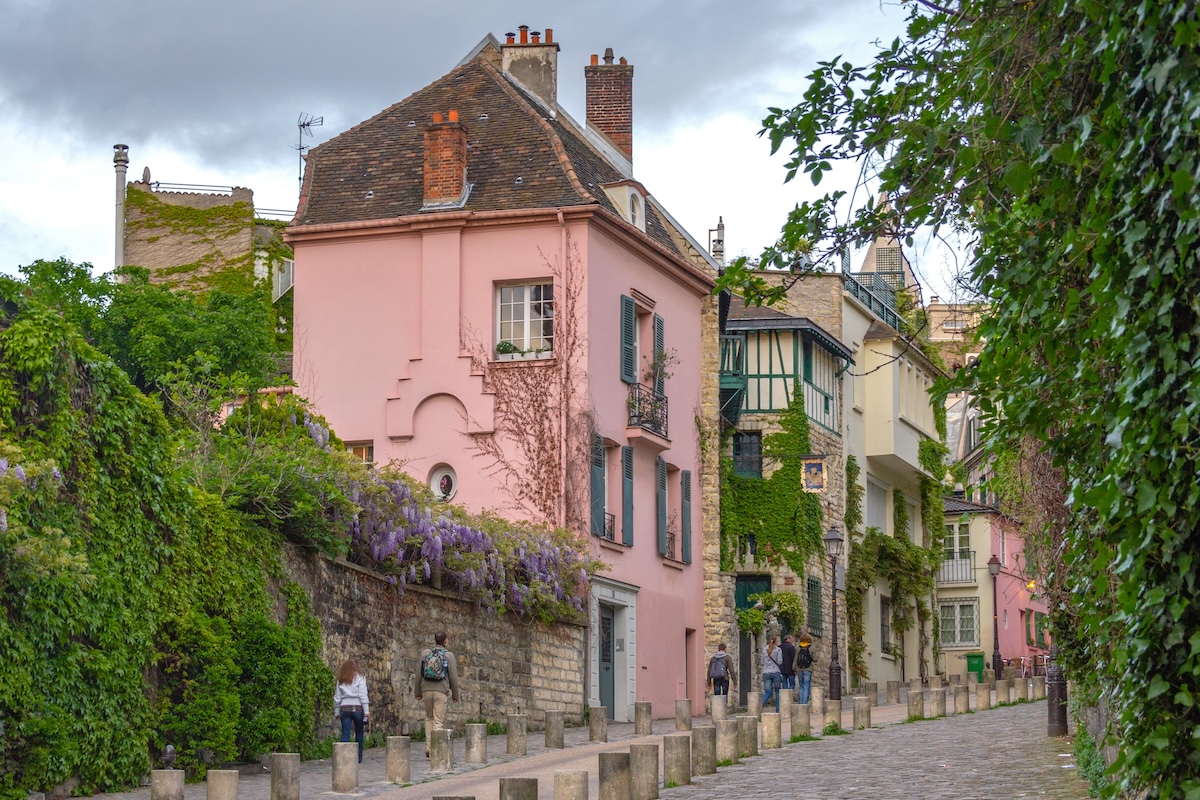
Paris is riddled with quaint streets that will make your heart melt, but none are as picturesque as Rue de l’Abruvoir. A popular spot amongst photographers, the traditional French windows and tempest tile roofs give it an old-world charm.
You’ll find the little street in the Montmartre district. We’re sure it won’t take you long to spot the characterful La Maison Rose restaurant. Back in its heyday, it was visited by Pablo Picasso and Salvador Dali! If that isn’t a testament of the street’s undeniable allure – what is?
From the bottom of the road, views of the Sacre Coeur Basilica tower and dome pepper the vistas up Rue de l’Abreuvoir.
Where is Rue de l’Abreuvoir?
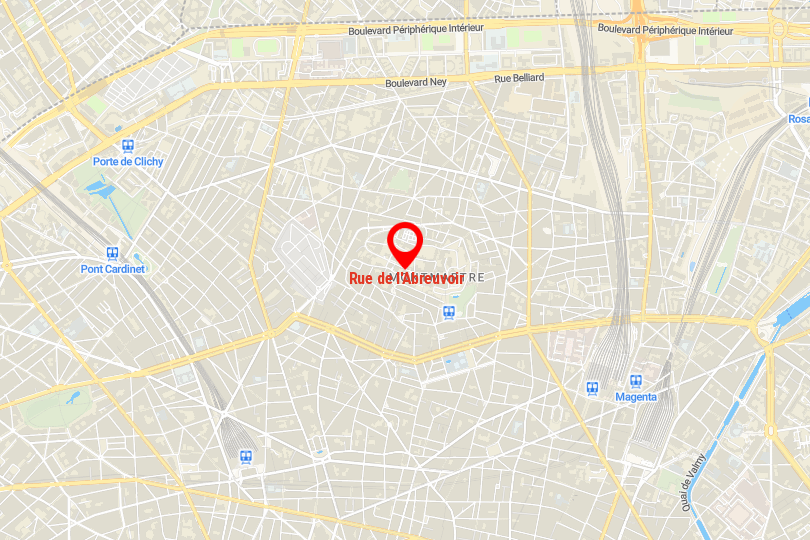
Situated in the Montmartre district of northern Paris, Rue de l’Abreuvoir winds its way up the hill toward the Sacré-Cœur Basilica. The street is located in the 18th arrondissement, about two miles north of the city center and roughly half a mile west of the Lamarck–Caulaincourt Metro station.
3. The Shambles, York
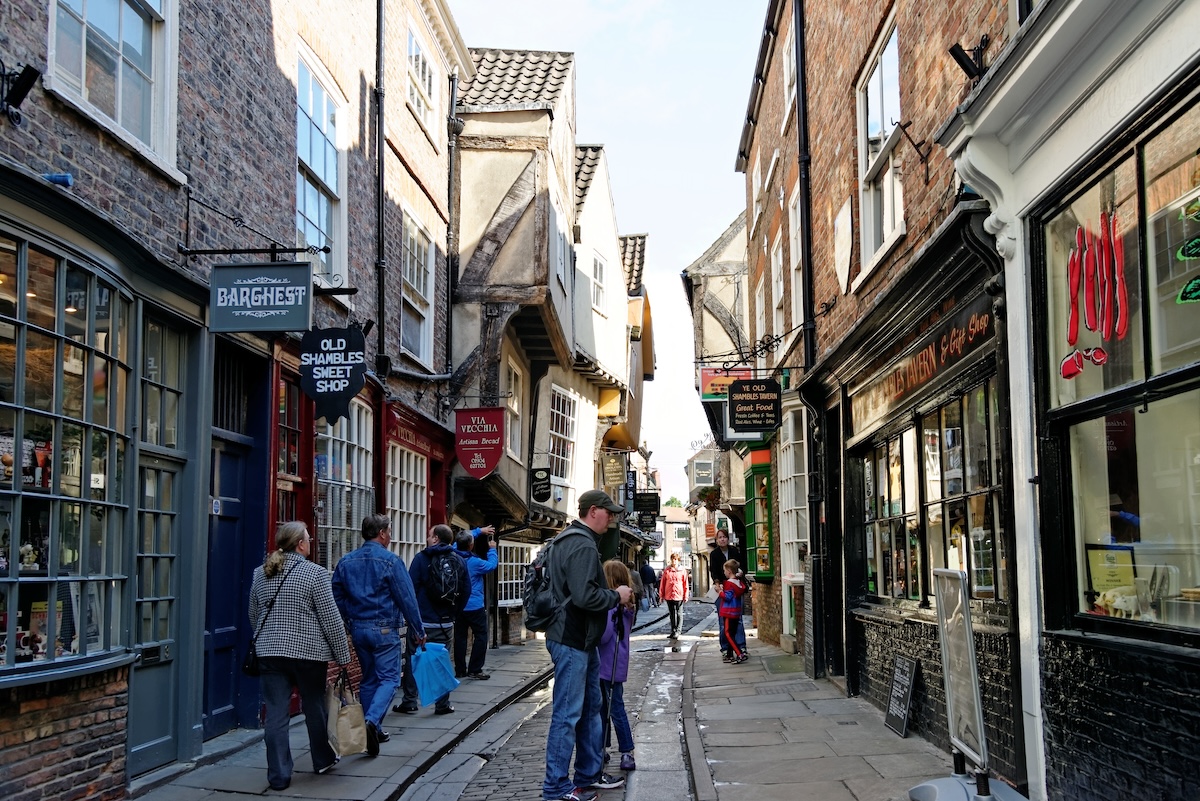
The tilted timber-framed houses along the narrow Shambles Street in York have captured the imagination of many travelers. Twisted by time, the oldest house dates as far back as the 14th century!
Few people know this, but ‘shambles’ is an old English word for meat market. In the 19th century, there were 31 butchers along the tiny street, which were its namesake.
An important historical figure, St Margaret Clitherow, lived here as the life of a local butcher in the late 1400s too. She refused to switch to Catholicism and was crushed to death. Later, she was canonised as a Catholic saint.
Where are the Shambles?
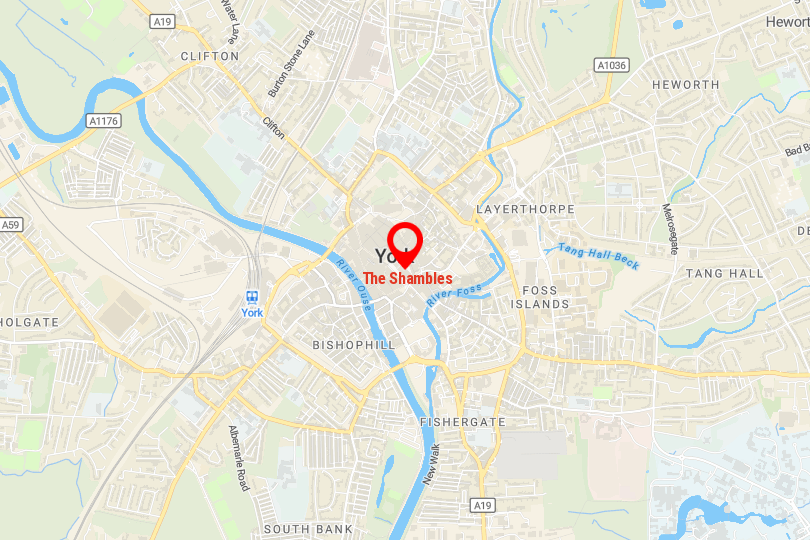
Situated in the historic city center of York, England, The Shambles is a narrow, medieval street running between Pavement and King’s Square. The street is located about a quarter mile southeast of York Minster and just a short walk from the River Ouse.
2. Via Monte San Michele, Alberobello
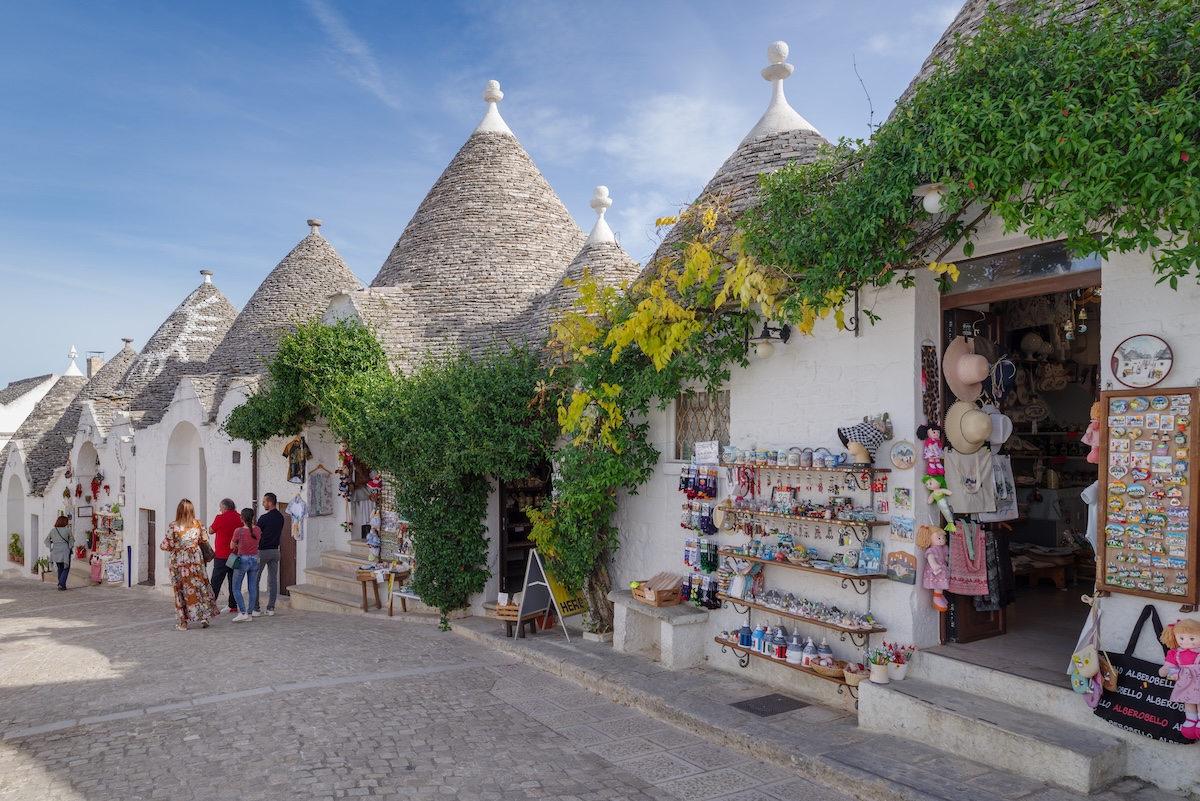
Alberobello’s Via Monte San Michele is characterized by the peculiar and distinct trullo cone roofs that have put the town on the map. If you’re looking for the most unique street in Europe – you’ve found it!
Dotted with whitewashed stone huts with grey pebble conical roofs are so significant they were recognized as a National Heritage Site as far back as the 1920s.
The area’s tranquil and laid-back atmosphere is complemented by the little souvenir shops that are housed in the old trulli buildings. Few places offer such an accurate glimpse into the 17th-century era of Count Aquaviva.
Where is Via Monte San Michele?
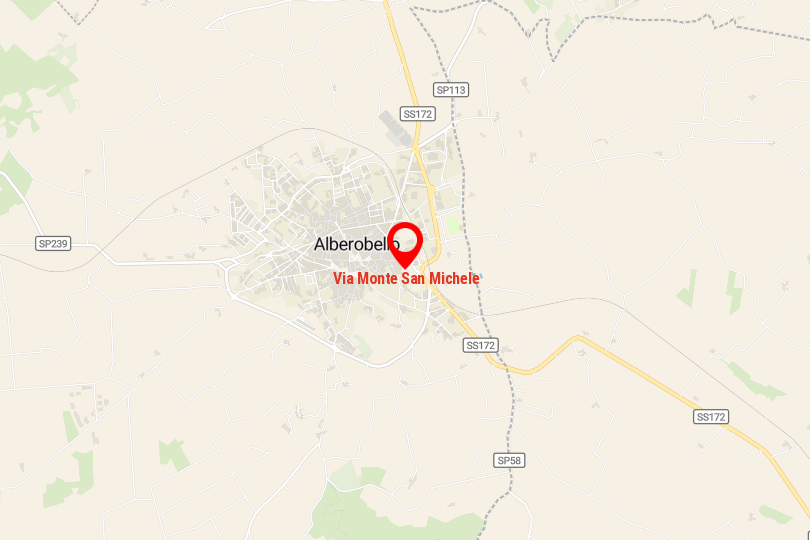
Situated in the town of Alberobello in southern Italy’s Apulia region, Via Monte San Michele runs through the heart of the Rione Monti district, known for its iconic trulli houses. Alberobello is about 30 miles southeast of Bari and roughly 12 miles north of Martina Franca.
1. Stradun, Dubrovnik
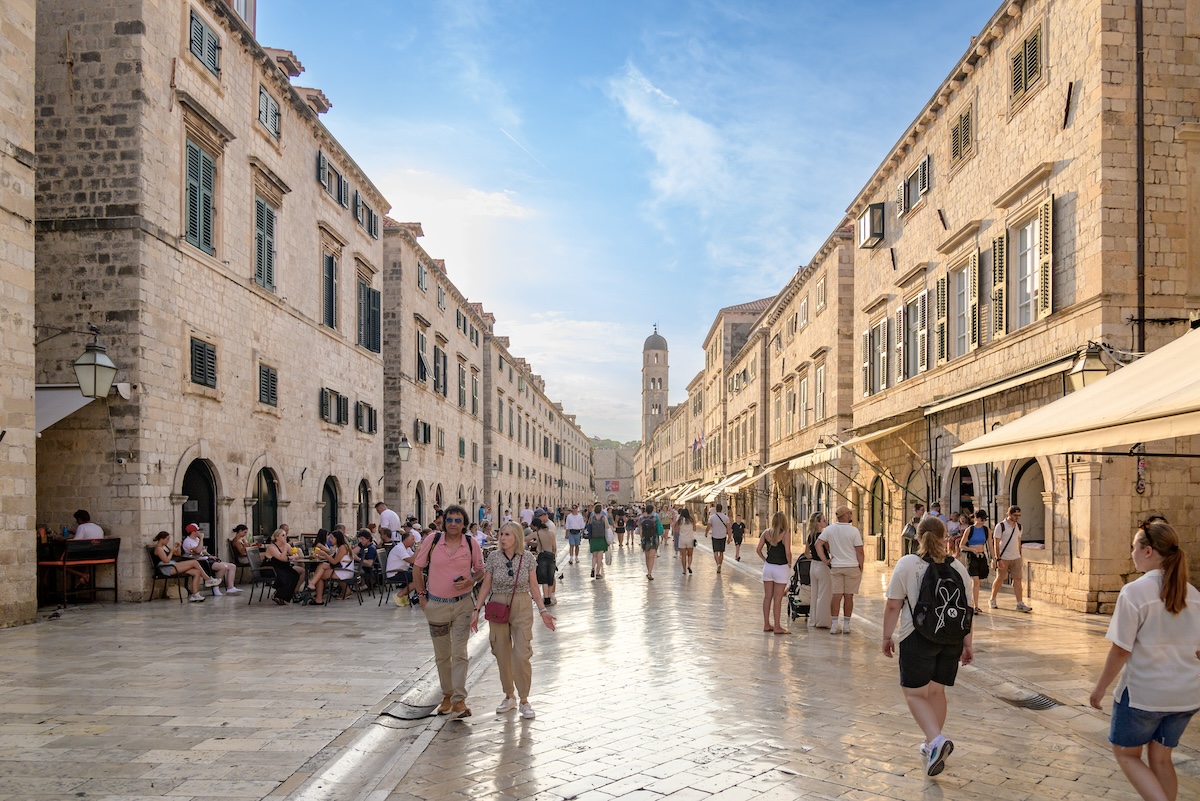
Also known as ‘Placa’, Stradun is the star of Dubrovnik’s Old Town. It splits the neighborhood in two and runs from the Pile Gate to the port. Far from being off-the-beaten-track, this bustling street attracts historians, culture enthusiasts, and even avid Game of Thrones fans!
The street is especially picturesque at sunset when the orange light bounces off the glistening stone buildings and cobblestone paths.
Medieval churches and bell towers with impressive limestone walls decorate the street, and famous Game of Thrones movie sets linger just around the corner.
Where is Stradun?
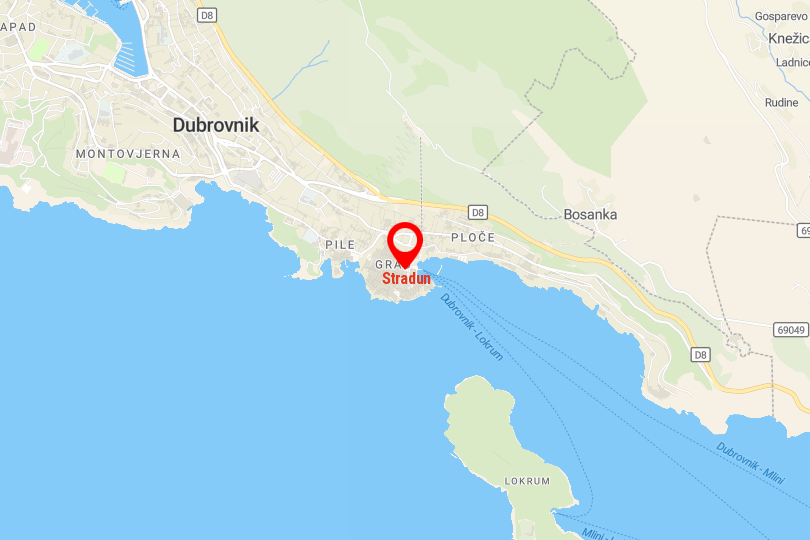
Situated in the heart of Dubrovnik’s Old Town on Croatia’s southern Adriatic coast, Stradun is the city’s main pedestrian street. The thoroughfare runs east to west, connecting the Pile Gate at the western entrance with the Ploče Gate at the eastern end.