
Traveling around Europe gives you the chance to see some of the most stunning islands in the world. You get to explore beautiful coastlines, clear blue waters, and unique cultures that each island has to offer.
Whether you want a quiet place to relax or a spot packed with things to do, Europe’s islands have both. No matter what kind of vacation you’re looking for, you can find an island that fits your style.
Kefalonia, Greece
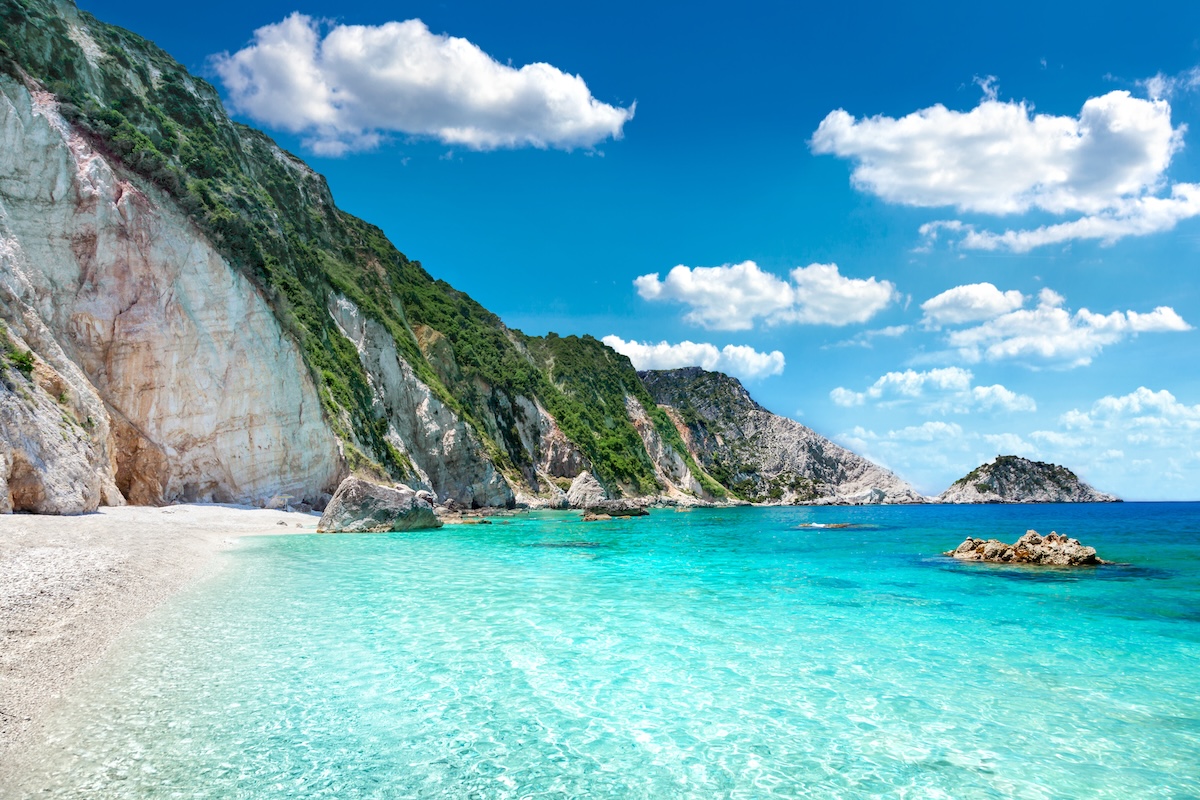
Kefalonia sits in the Ionian Sea, on the west side of Greece. This island is known for its clear blue water and green mountains.
You can swim at beaches like Myrtos and Antisamos, each with bright turquoise waves and white pebbles. The water feels warm enough for a relaxing swim, especially in summer.
Kefalonia has small villages where you can try local food and see everyday Greek life. Don’t miss exploring caves like Melissani or taking a boat ride across the underground lake.
If you enjoy history, you’ll find old castles and ancient ruins scattered around. The mix of natural beauty and culture really makes Kefalonia stick in your memory.
Corsica, France
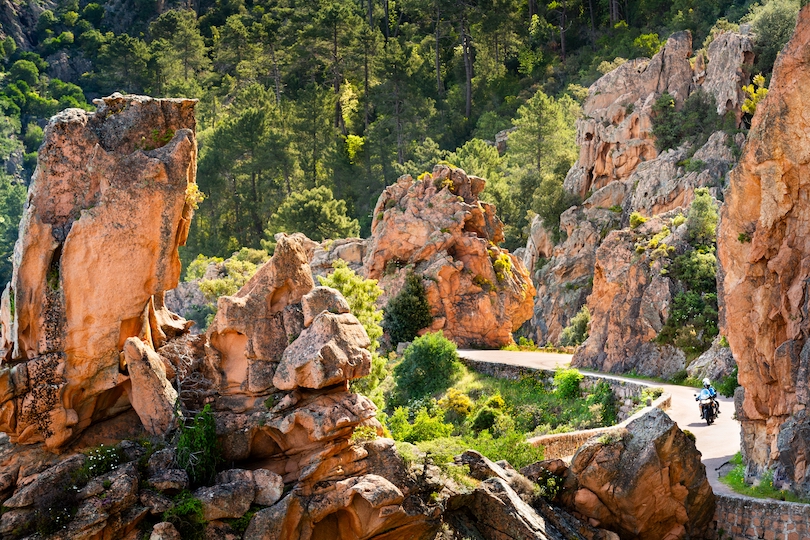
Corsica is part of France, but it feels a bit different from mainland France. You’ll notice its mix of French and Italian influences, especially in the food and local language.
If you’re into mountains and hiking, Corsica’s got you covered. The GR20 trail is famous, but there are easier walks with big coastal views too.
The island has beautiful beaches with clear water. Towns like Calvi and Bonifacio have old buildings and nice harbors to visit.
Driving around is easy, and you’ll stumble across quiet coves, forests, and cliffs. Corsica works well for both relaxing by the water and exploring nature.
Saaremaa, Estonia
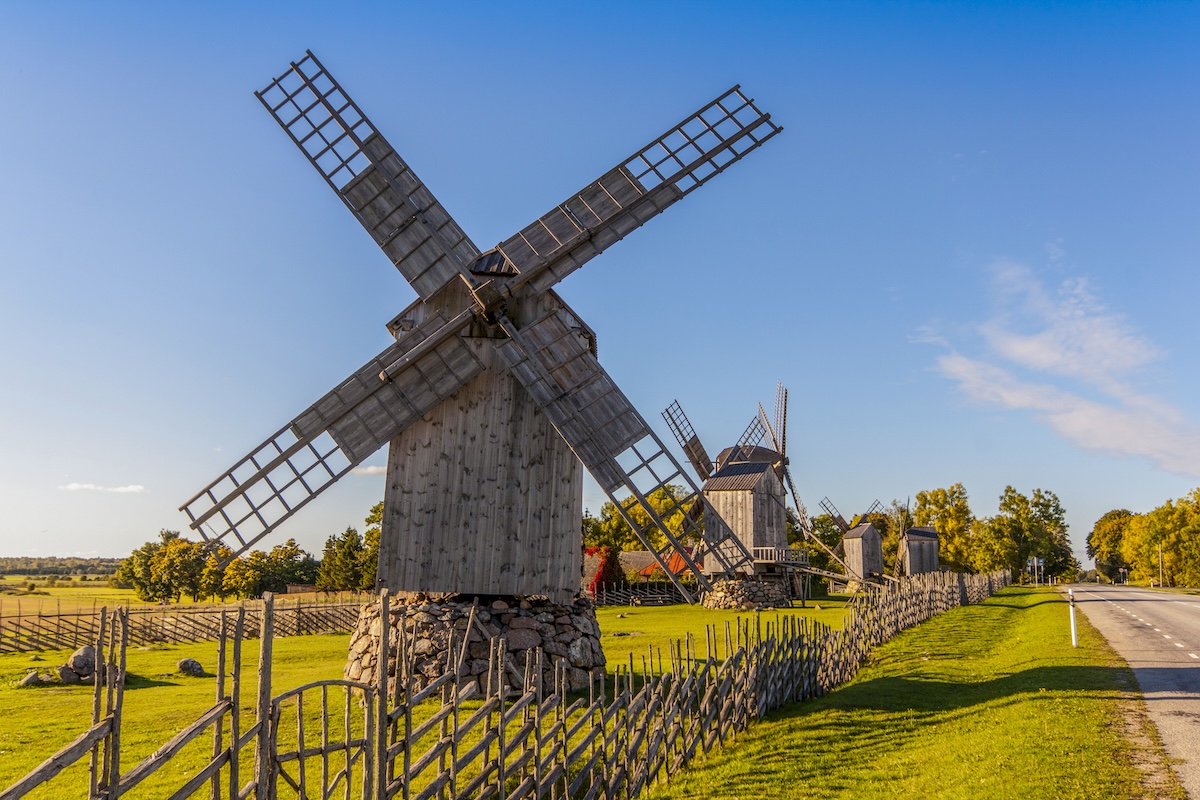
You’ll find Saaremaa as Estonia’s largest island, located in the Baltic Sea. The island is known for its quiet forests, old windmills, and peaceful coastline.
The Kuressaare Castle stands as a well-kept medieval fortress with a moat. The streets in the main town, Kuressaare, feel laid-back and friendly.
Hiking trails lead you through pine woods and open bogs. In spring and fall, rare birds stop here on their yearly journeys.
Locals are proud of their traditional black rye bread and homemade beers. You’ll likely spot stone fences and juniper fields as you explore Saaremaa’s tiny villages.
The air feels clean, and the pace of life is slow. Saaremaa really lets you step away from city noise and crowds and just enjoy nature and history for a while.
Inis Mór, Ireland
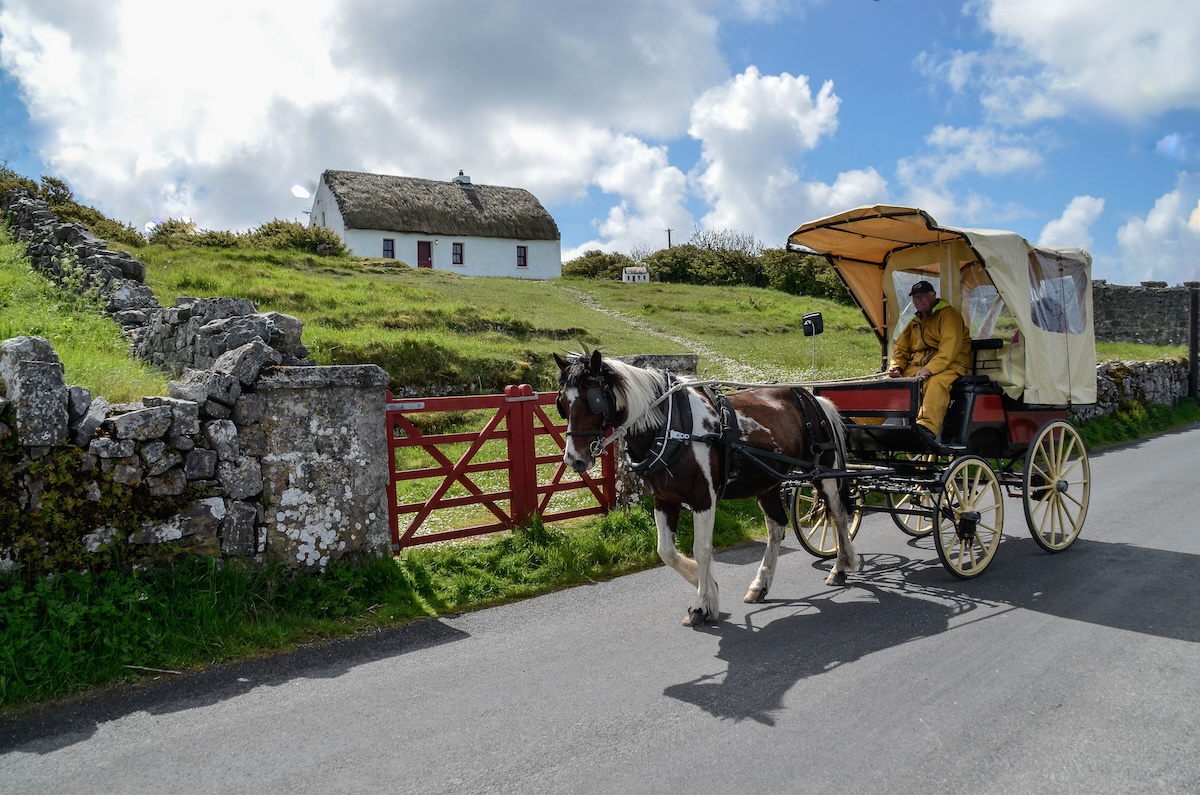
When you visit Inis Mór, you step into a world where Irish is the main language and life moves at a slower pace. The island is the largest of the Aran Islands, sitting in the mouth of Galway Bay on Ireland’s west coast.
You’ll find rocky landscapes, green fields, and stone walls everywhere. It’s easy to get around by bike, which many visitors choose so they can enjoy the quiet roads and open views.
Old stone forts like Dún Aonghasa sit right on the edge of steep cliffs. There are also beaches and small villages where you can listen to traditional music at night.
Local festivals and events bring people together throughout the year. If you’re after a spot with deep history and a true Irish feel, Inis Mór is a special place to explore.
Hvar, Croatia
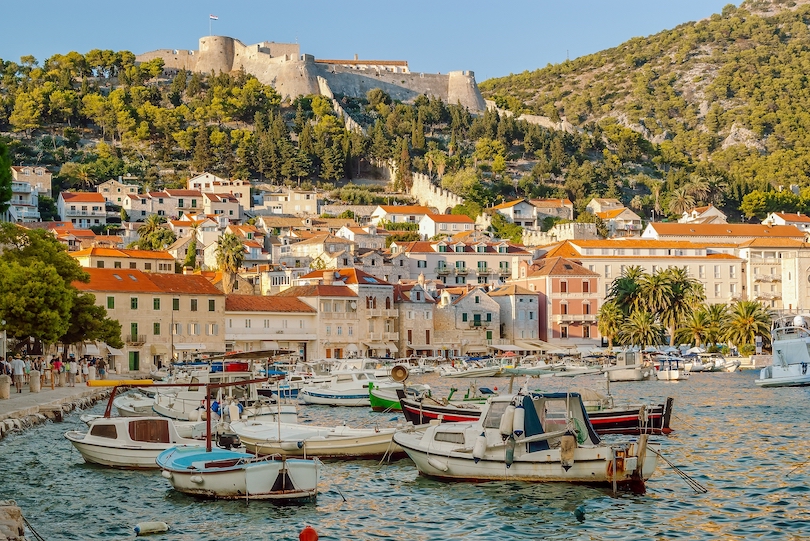
Hvar is a sunny island in Croatia known for its clear blue water and pebble beaches. You’ll find lavender fields, olive trees, and old stone houses around the island.
The town of Hvar buzzes with small cafés, restaurants, and a marina full of boats. A stone fortress sits on top of the hill, giving you a great view of the whole area.
You can walk through narrow streets or relax by the harbor. Hvar is also popular for swimming and boat trips to hidden coves. At night, the island wakes up a bit, with people out for food and music.
Lofoten Islands, Norway
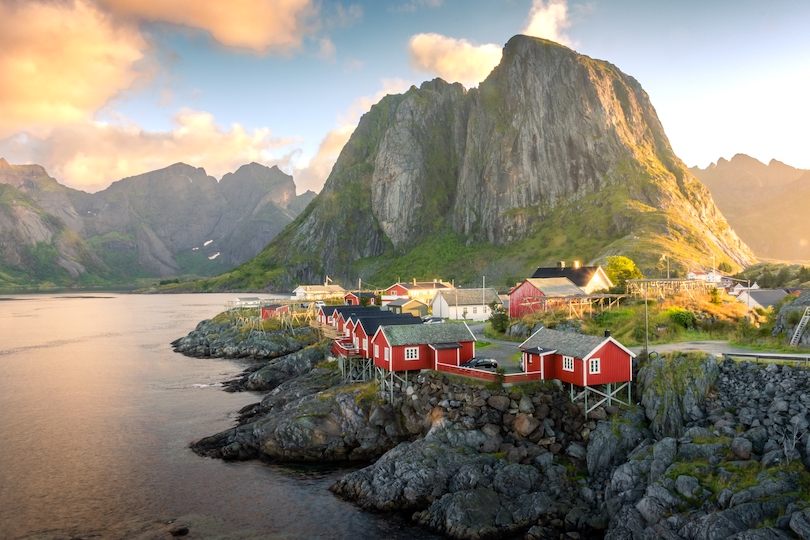
You’ll find the Lofoten Islands above the Arctic Circle in Norway. The area is known for tall, jagged mountains and deep blue fjords. Small fishing villages sit along the coast, with red and yellow houses popping against the mountains.
Places like Henningsvær, sometimes called “Lofoten’s little Venice,” have docks and bridges that feel almost surreal. Beaches like Uttakleiv offer white sand and clear water, even though the ocean stays chilly.
You might spot fishing boats, seabirds, and maybe even the northern lights in winter. Roads link the islands, so you can drive or bike between small towns. Hiking, fishing, and kayaking all make for a good time here.
Lofoten has a relaxed pace, with friendly locals and plenty of space to explore.
Santorini, Greece
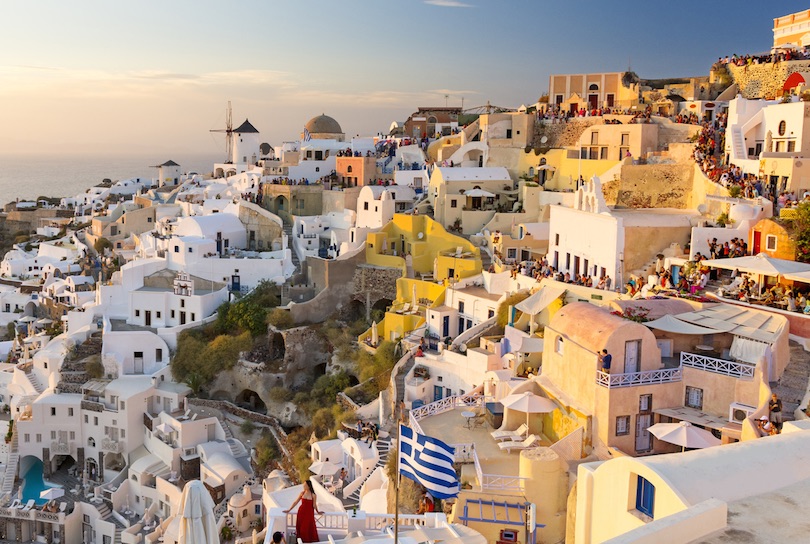
When you visit Santorini, you’ll spot the famous white houses with blue roofs. These buildings line the steep hills above the sea, giving the island a unique look.
You can walk through narrow lanes in small villages and see amazing views of the water. The sunsets here are a big deal—people gather in Oia just to watch the sky change colors.
You’ll find beaches with black or red sand, shaped by old volcanoes. Cozy restaurants and little shops invite you to relax and sample local Greek food.
Boats can take you to other nearby islands for a day trip. Whether you like exploring ruins, taking photos, or just relaxing, Santorini has something for you.
Isle of Skye, Scotland
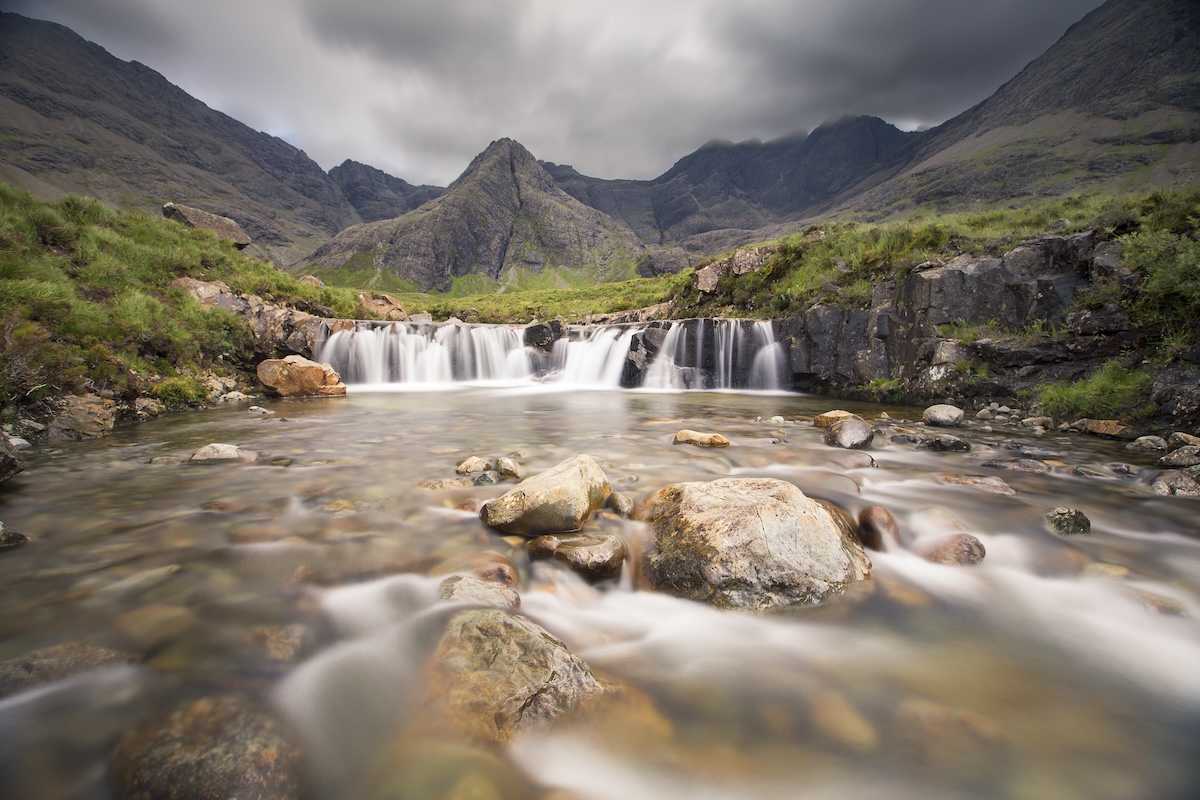
When you visit the Isle of Skye, you’re surrounded by dramatic hills, rocky cliffs, and wide, open skies. The island is famous for its rugged landscape and peaceful scenery. You might notice how quiet everything feels, even if you’re near the popular spots.
Villages offer fresh seafood or a spot to relax with a cup of tea. Skye’s coastline hides little coves, with clear water and rocky beaches. Walking paths take you past old castles, waterfalls, and bright green hills.
Many people come for hiking or to snap photos of the wild views. The weather changes quickly, so packing a jacket is smart. You’ll see sheep along the roads and maybe spot seals out at sea.
The Isle of Skye gives you a real taste of rural Scotland.
Texel, the Netherlands
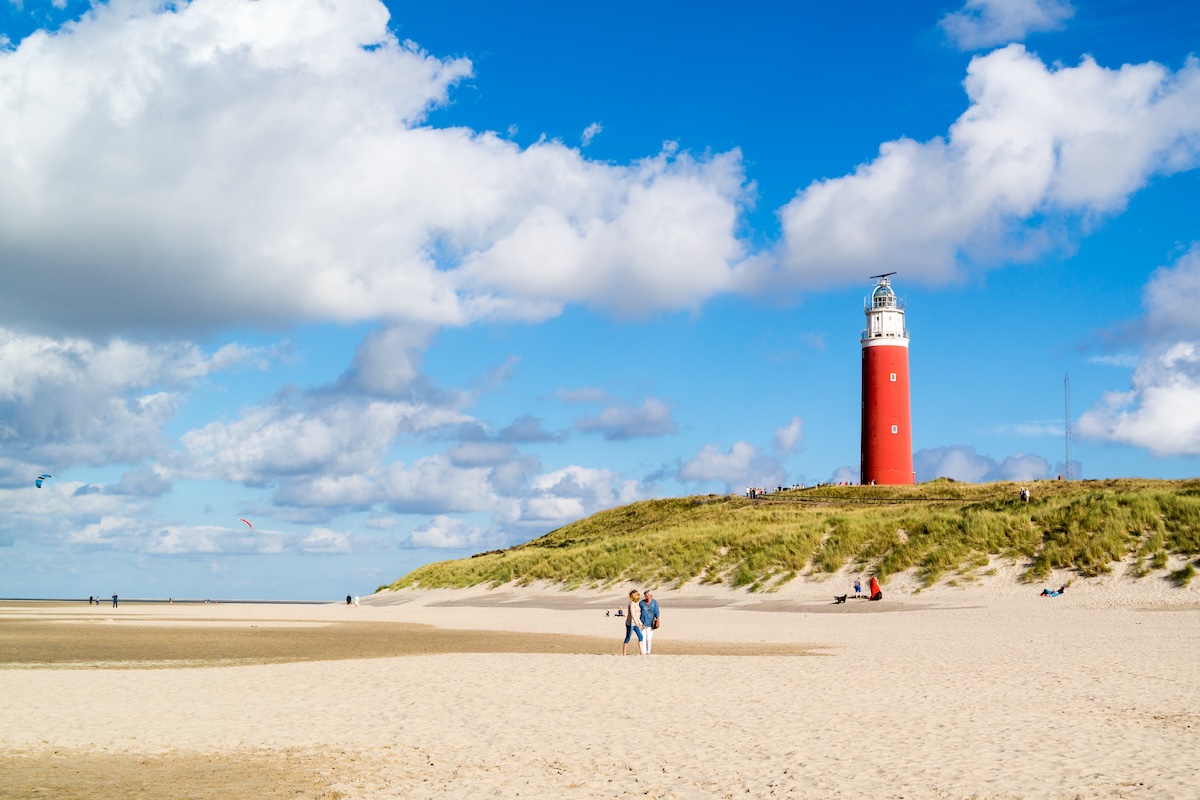
Texel is the largest of the Dutch Wadden Islands, just off Holland’s northeast coast. You get a real holiday feeling here, with quiet villages and open landscapes.
Wide white-sand beaches let you walk or ride a bike for miles. In spring and summer, fields near the coast burst with wildflowers.
Nature reserves and forests around Texel are filled with birds and local wildlife. You can spot seals or visit the sheep farms and lighthouses.
Texel is easy to explore by bike, with plenty of flat paths. Each village has its own character, cafes, and shops—nothing too fancy, but just right for a slow day out.
Menorca, Spain
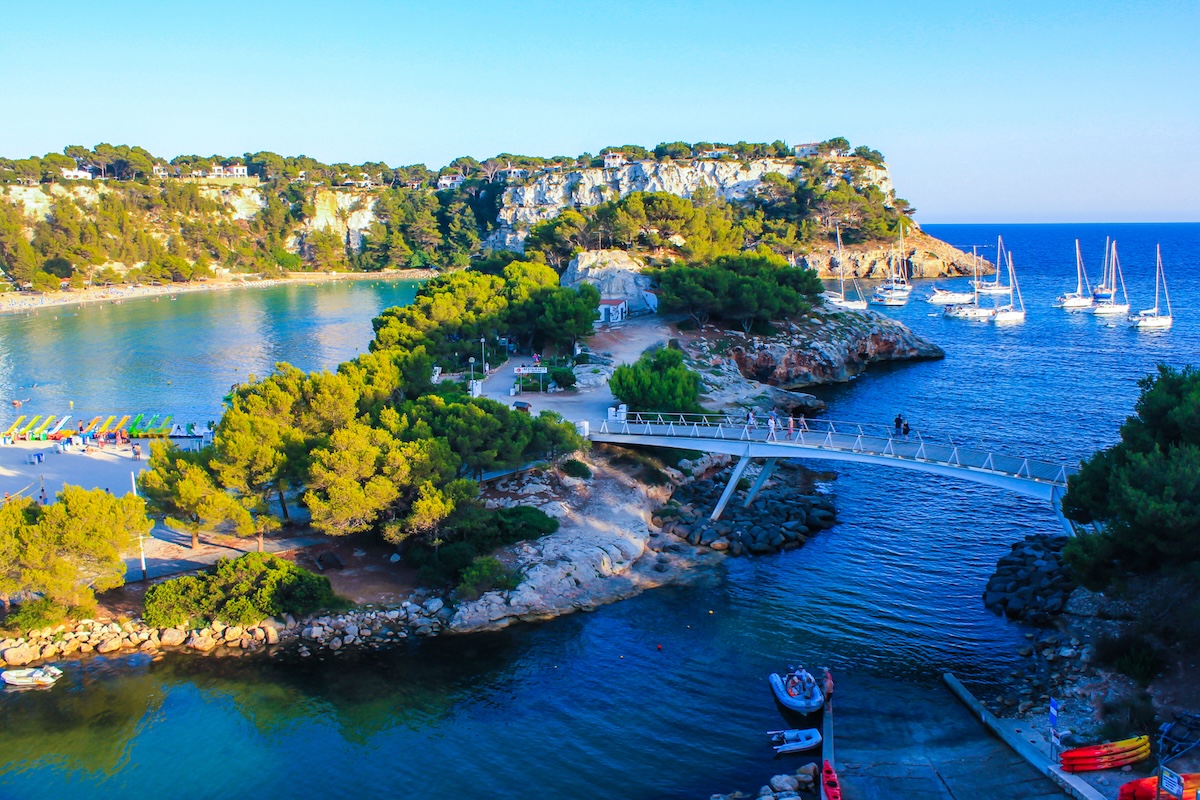
When you visit Menorca, you find quiet beaches with clear blue water. This island is part of Spain’s Balearic Islands and is less crowded than bigger spots like Mallorca or Ibiza.
You can drive around the island and see hidden coves and small fishing villages. The towns, like Ciutadella and Mahón, have narrow streets and old buildings that feel peaceful.
The island is also known for its nature. Walking trails and protected areas let you spot local wildlife or just relax outdoors.
Many travelers come for the calm vibe. Menorca is a good choice if you want a laid-back break, gentle sea views, and a slower pace. You won’t find loud nightlife here, but you will find space to unwind and enjoy the scenery.
Gotland, Sweden
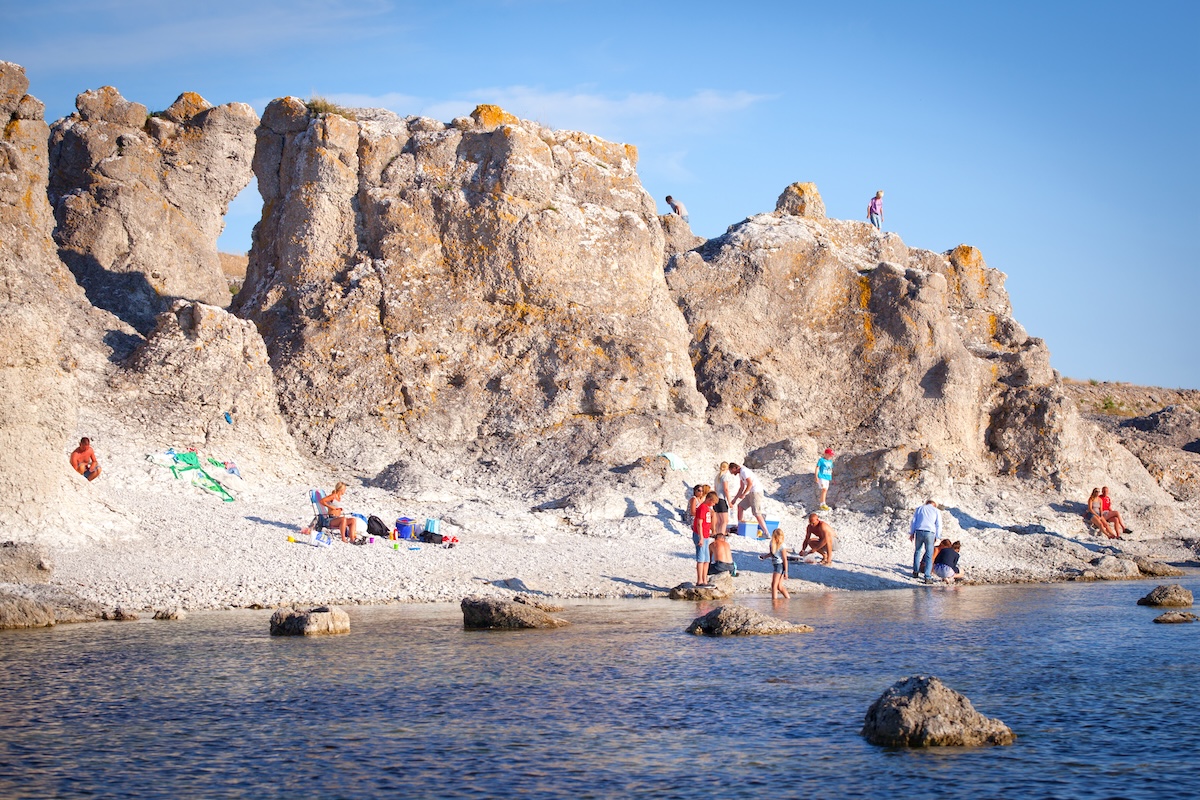
You’ll find Gotland in the Baltic Sea, just off Sweden’s east coast. It’s called the “Queen of the Baltic” for a reason. Here, you’ll see a mix of medieval buildings, quiet villages, and long sandy beaches.
You can walk through Visby, which is a UNESCO World Heritage site. The old stone walls, towers, and cobblestone streets make it feel like stepping into history.
If you like nature, Gotland has unique rock formations along the shore. These strange, tall rocks are called sea stacks, and they’re perfect for photos.
In the summer, the island fills with wildflowers and gentle meadows. Biking, hiking, or just relaxing by the beach—those are some of the simple joys you can enjoy on Gotland.
Capri, Italy
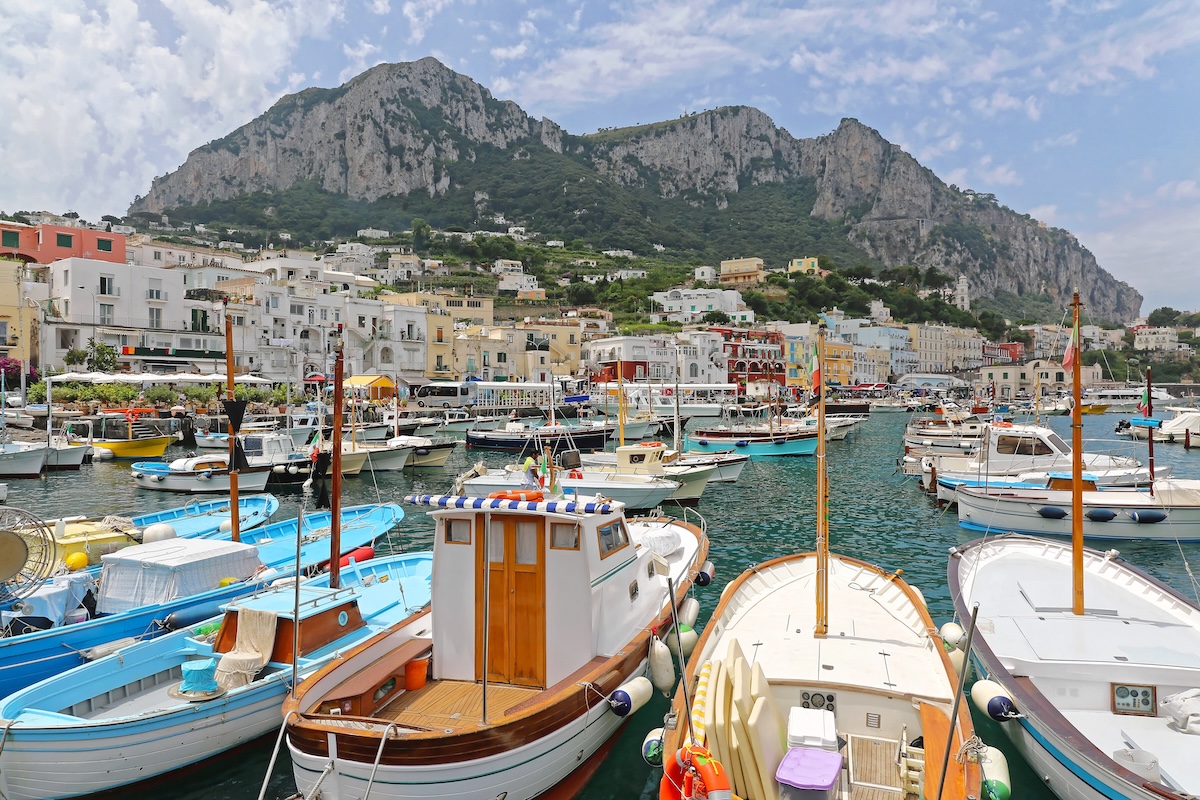
Capri sits just off the coast near Naples, Italy. When you get off the boat, you’ll notice steep cliffs, colorful buildings, and the bright blue sea. The island is small, but you’ll find cozy cafes and quiet side streets around every corner.
You can take a boat tour to see the famous Blue Grotto and its glowing water. If you like to hike, there are scenic trails with great views of the ocean.
Walking through Capri Town, you might spot high-end shops and busy squares. The air smells like lemons, and flowers grow along the winding roads.
Capri is a good spot if you want a mix of nature, history, and small-town charm. You can relax at a beach club, try fresh seafood, or just soak up the views. Every visit here feels special in a low-key way.