
Have you ever stumbled into a neighborhood and felt like you’ve discovered a secret corner of the world? These kind of place that makes you think, “should I move here?” Same… These are places with a pulse, a distinct personality that pulls you in and makes you want to ditch the map. You know, the kind of spot where getting lost is the whole point.
So, forget the tourist traps for a moment. We’re diving into those enchanting enclaves where every alleyway whispers a story and the local coffee shop feels like your new best friend’s living room. If you’re after beauty with a backbone, and a real sense of place, these are the neighborhoods you’ll be dreaming about long after you’ve left.
20. Trastevere, Rome, Italy
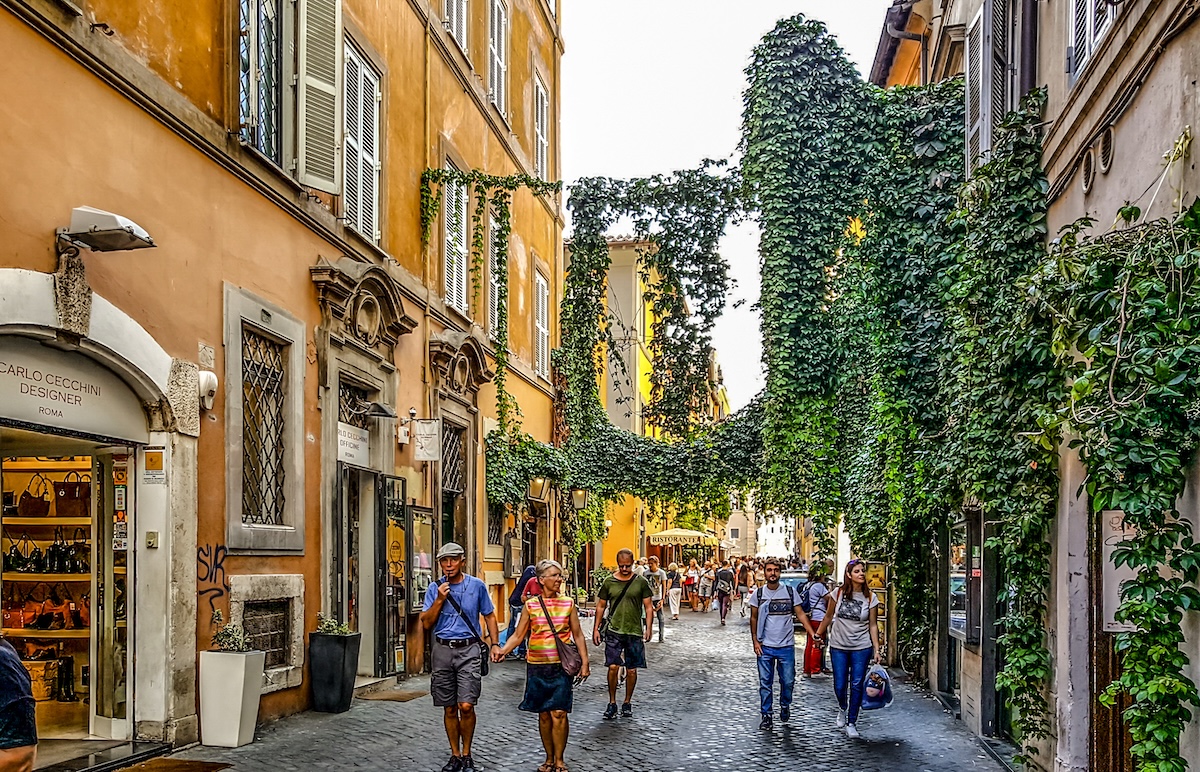
Trastevere sits on the west bank of the Tiber River, with cobblestone streets winding through a maze of medieval buildings. The neighborhood feels different from the rest of Rome—more relaxed, more real.
The narrow, curved streets twist between ivy-covered walls and small piazzas that pop up when you least expect them. You could spend hours just wandering around without a plan.
By day, artisan shops and historic churches hide in quiet corners. When the sun goes down, locals and visitors fill outdoor tables at trattorias. Street performers play music in the squares while people eat and drink late into the evening.
Trastevere gives you a taste of authentic Roman life, far from the heavy tourist crowds near the Colosseum or Trevi Fountain.
Where is Trastevere?
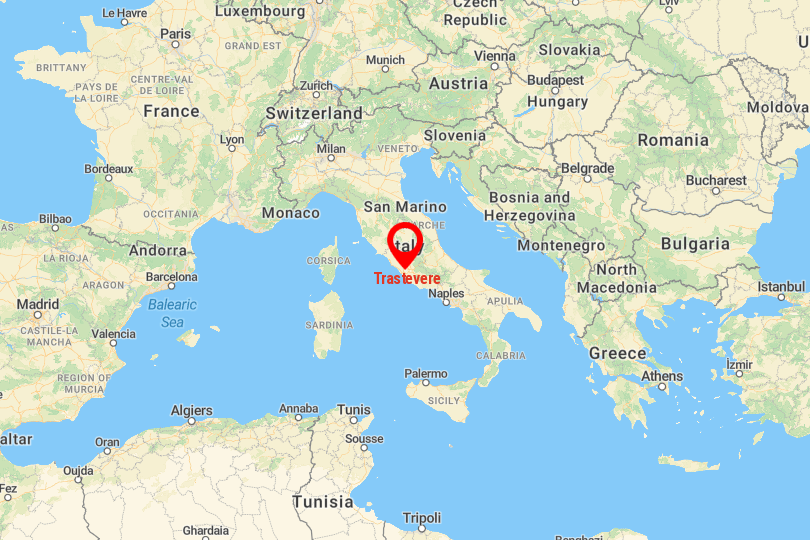
Situated in the historic center of Rome, Italy, this district lies on the western bank of the Tiber River. It is located just across the river from areas such as the historic center and Campo de’ Fiori. It can be reached on foot via several bridges or by public transport, with nearby tram and bus connections.
19. Old Quarter, Hanoi, Vietnam
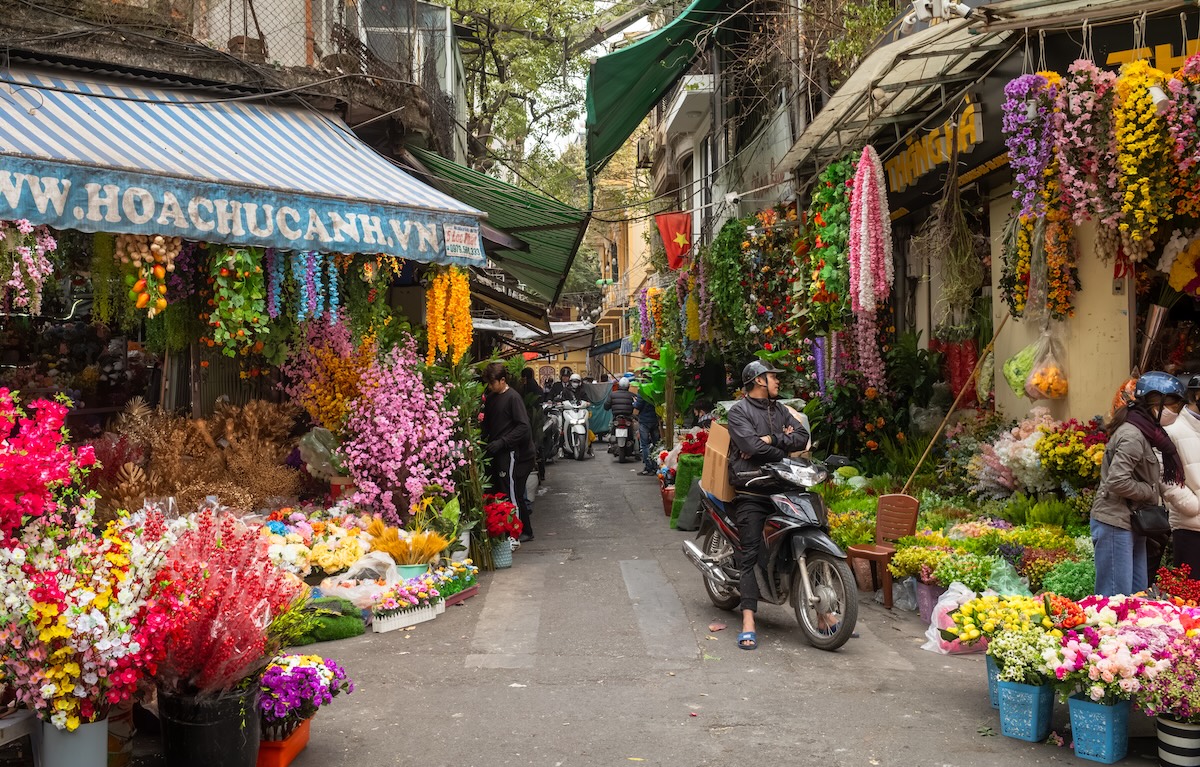
The Old Quarter sits in the heart of Vietnam’s capital, north of Hoan Kiem Lake. This neighborhood is over 1,000 years old, but it still buzzes with energy every single day.
You’ll walk through tight streets where history and modern life crash together. Local vendors balance goods on shoulder poles while motorbikes zip past ancient buildings. The architecture tells stories from centuries past.
The area is famous for its 36 old streets, each one originally home to a different craft or trade. Now, you can explore traditional markets, hidden cafés, and street food stalls at every turn.
This place keeps its old-world charm while staying part of daily life. It isn’t a museum—it’s a living neighborhood where people work, eat, and gather just like they have for generations.
Where is Old Quarter?
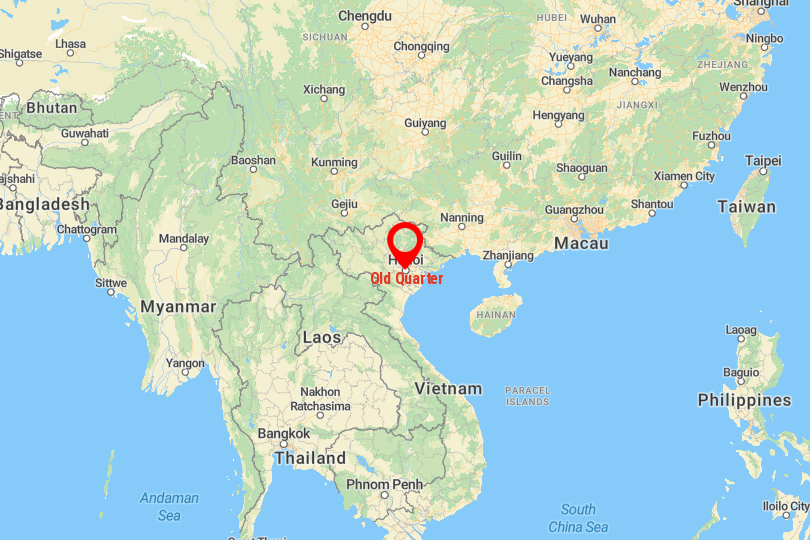
Situated in the historic center of Hanoi, Vietnam, this district lies just north of Hoàn Kiếm Lake. It is located within the Hoàn Kiếm district and forms the cultural and commercial heart of the city. It can be reached on foot from central Hanoi or by taxi and bus, with nearby access points around the lake and surrounding streets.
18. Plaka, Athens, Greece
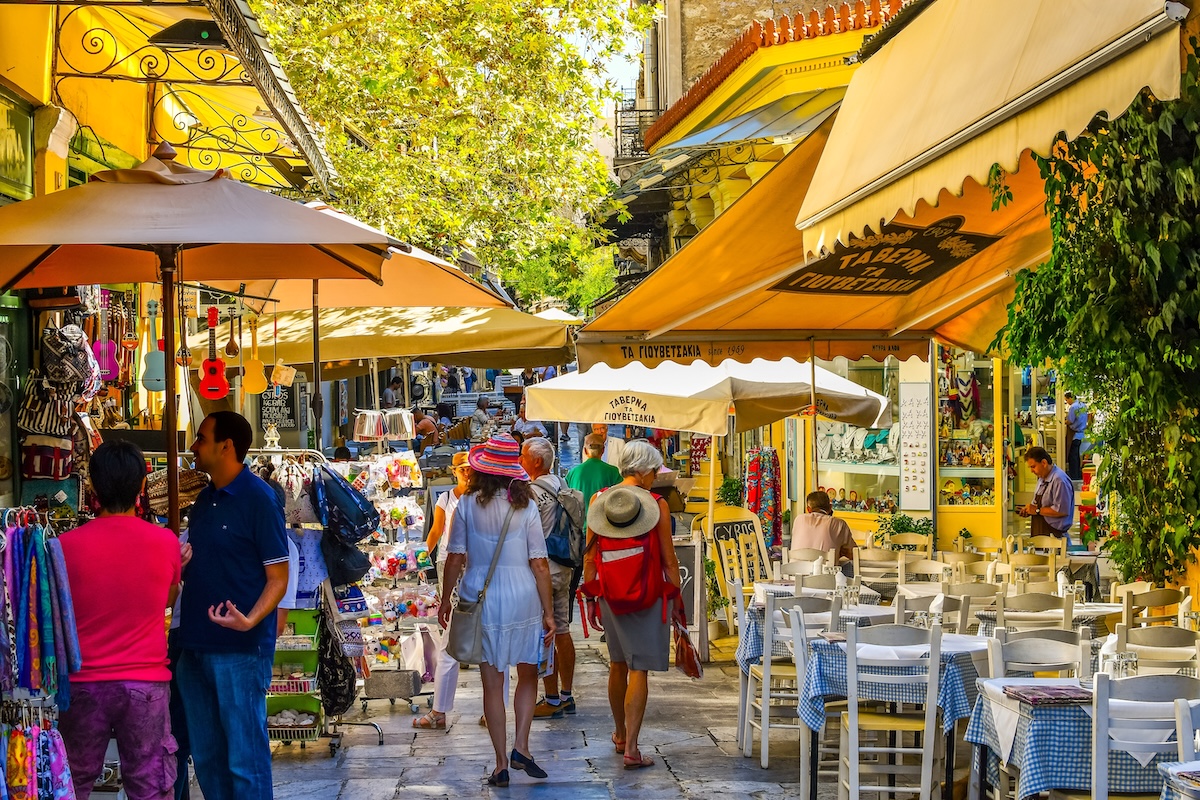
Plaka sits right below the Acropolis, where ancient history meets everyday Greek life. It’s Athens’ oldest neighborhood, and it shows in the best way possible.
The narrow streets twist through whitewashed buildings, with bright flowers climbing the walls. You’ll pass neoclassical houses painted in warm colors, stumble on tiny Byzantine churches, and discover quiet courtyards that feel worlds away from the city’s rush.
Local tavernas spill onto cobblestone lanes, and you’ll hear Greek music mixing with conversations. Small shops sell everything from handmade sandals to traditional embroidery. The Athens Folk-Art Museum sits here too, showing how Greeks lived from the 1650s to today.
Walk these streets and you’re literally stepping through layers of history. Roman ruins peek out between modern cafes. It gets crowded with tourists, but honestly, Plaka really does capture something special about Athens.
Where is Plaka?
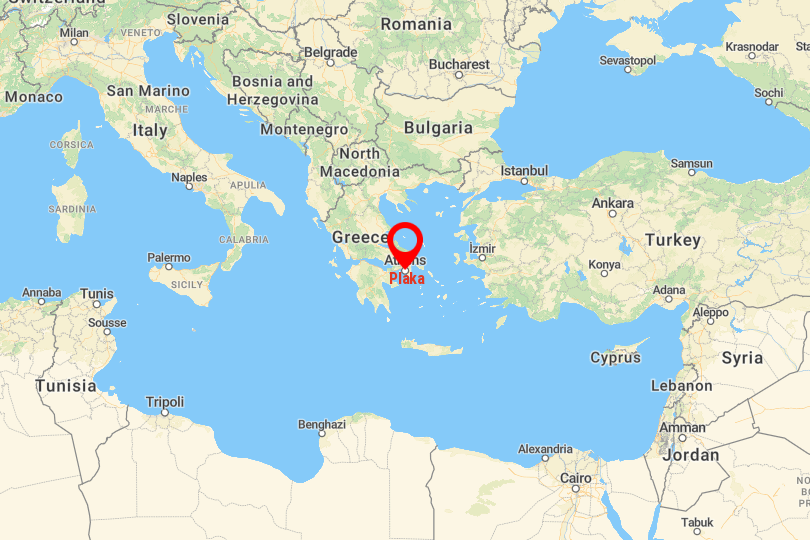
Situated on the northeastern slopes of the Acropolis of Athens in Athens, Greece, this district lies just below major landmarks such as the Parthenon and the Acropolis Museum. It is located between Monastiraki and Syntagma. It can be reached on foot from the city center or by metro, with nearby stations including Acropoli and Monastiraki.
17. La Boca, Buenos Aires, Argentina
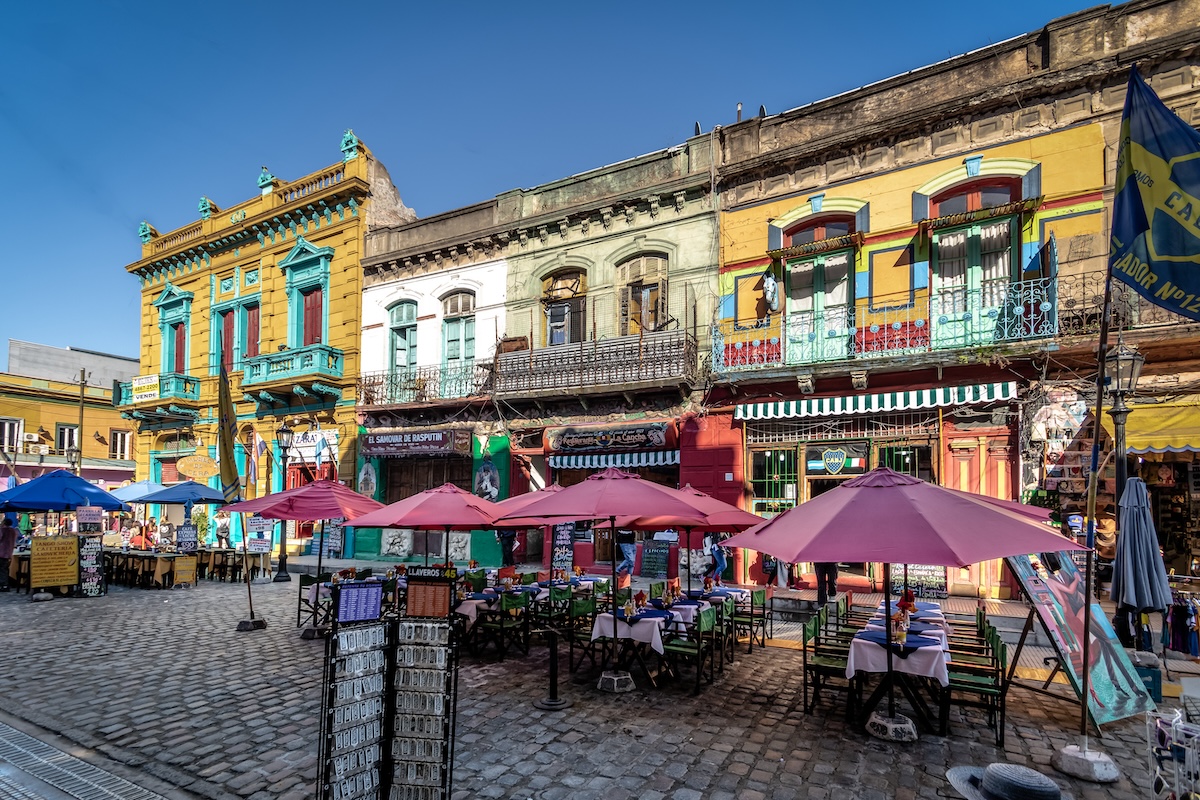
La Boca sits at the southern edge of Buenos Aires, right where the Matanza River meets the city. The name means “the mouth” in Spanish, fitting for its spot at the river’s edge.
You’ll see some of the most colorful buildings anywhere. The streets burst with houses painted in blues, yellows, reds, and greens—leftover ship paint from the neighborhood’s working-class roots.
The famous Caminito street steals the show. This pedestrian walkway bursts with street performers, tango dancers, and local artists selling their work.
Italian immigrants, especially from Genoa, settled here in the early 1900s and shaped the neighborhood’s character. Their influence still lingers. You can also check out La Bombonera stadium, home of the Boca Juniors football team.
Where is La Boca?
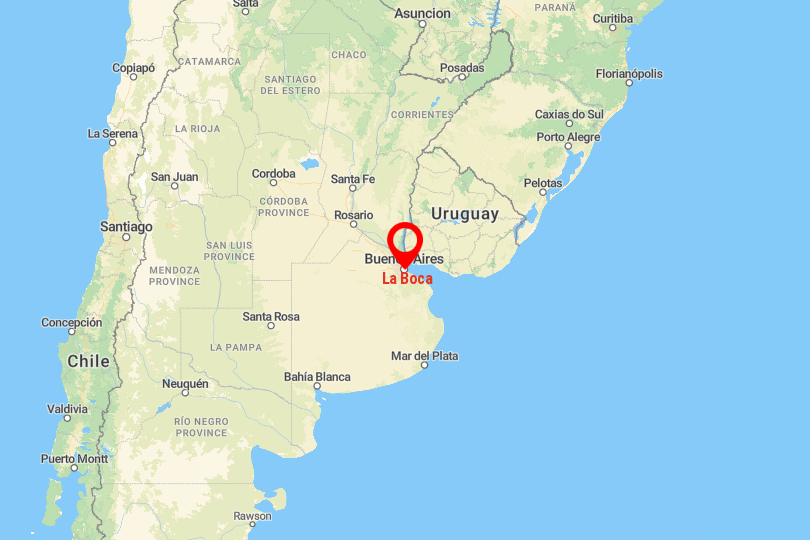
Situated in the southeastern part of Buenos Aires, Argentina, this district lies at the mouth of the Riachuelo River where it meets the Río de la Plata. It is located near the port area and south of San Telmo. It can be reached by bus or taxi from the city center.
16. Bukchon Hanok Village, Seoul, South Korea
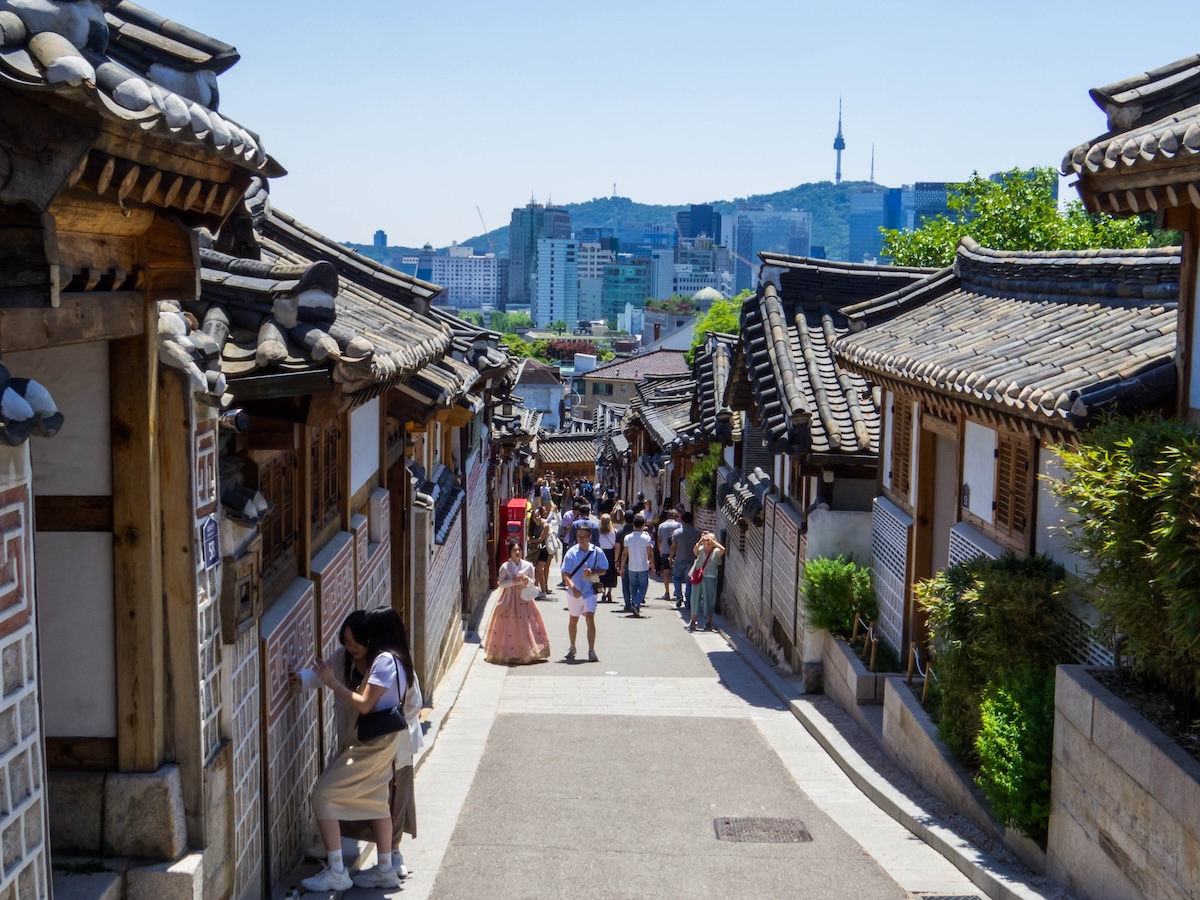
Walk through Bukchon’s narrow hillside streets lined with traditional Korean homes called hanoks. These houses date back to the Joseon Era, when only wealthy families lived here.
The village sits between two palaces in central Seoul. Its sloped alleyways offer views of the city skyline mixed with historic rooftops. You can peek into craft workshops, visit small museums, or stop at tea houses tucked inside centuries-old buildings.
Many hanoks are still private homes. You’ll notice the contrast between old wooden structures and Seoul’s modern glass towers just beyond. The neighborhood feels like stepping into another time, right in the middle of a busy city.
Walking the stone paths between these well-preserved homes gives you a glimpse of traditional Korean life.
Where is Bukchon Hanok Village?

Situated in the historic center of Seoul, South Korea, this district lies between Gyeongbokgung Palace and Changdeokgung Palace. It is located north of Insadong and Jongno. It can be reached on foot or by metro, with nearby stations including Anguk Station.
15. Alfama, Lisbon, Portugal
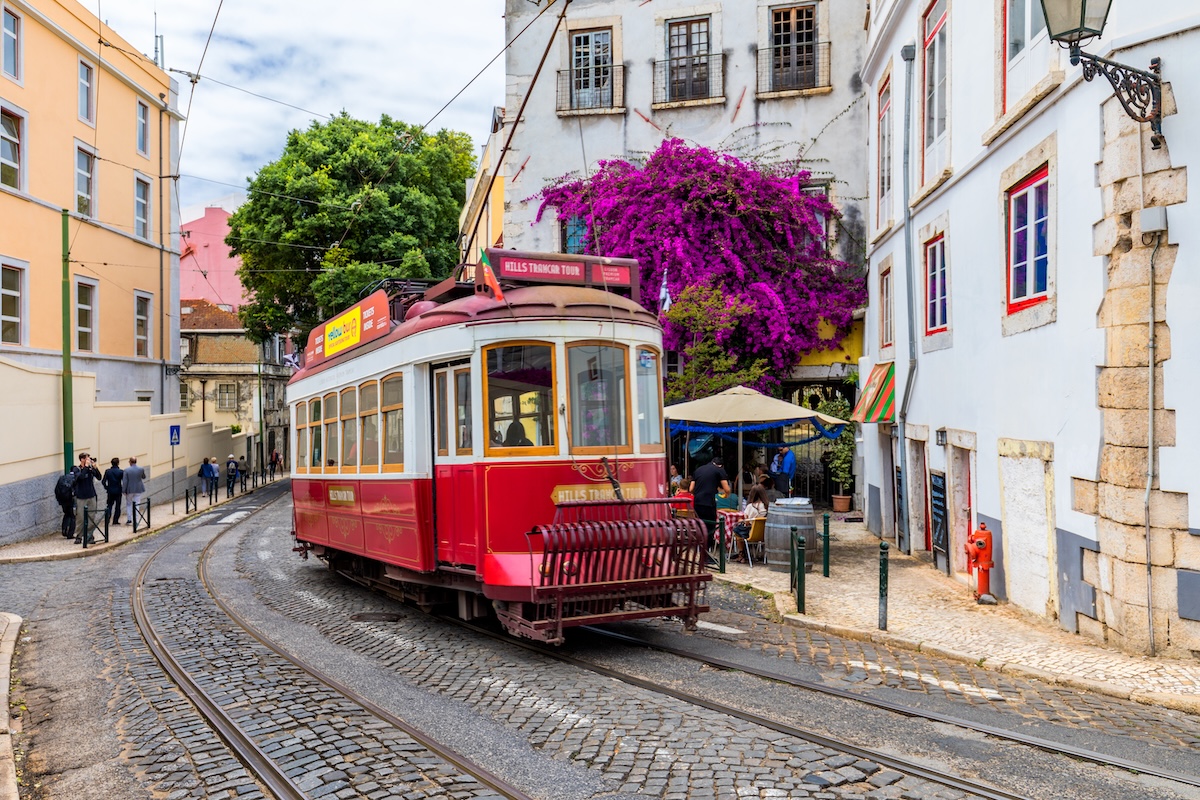
Alfama is Lisbon’s oldest neighborhood, and it’s easy to see why travelers fall in love with this place. The district sits between São Jorge Castle and the Tagus River, creating a maze of narrow cobblestone streets and hidden squares.
You’ll spot colorful buildings with traditional tiles on their facades. The hilly streets twist through the area, and each turn reveals something new. Old-world architecture stands beside local shops and cafés.
The neighborhood is famous for Fado music drifting through the alleyways at night. You can hop on the iconic Tram 28, which rattles along the historic streets and gives you views of the old buildings. Churches dot the landscape, each with its own style.
From various viewpoints, you’ll catch sweeping views of the city and river below. Alfama keeps its authentic feel, even as visitors flock here.
Where is Alfama?
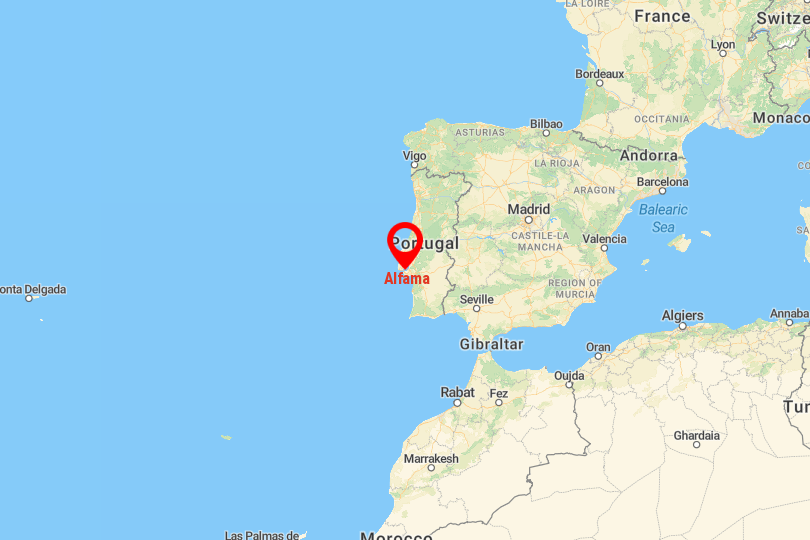
Situated in the historic center of Lisbon, Portugal, this district lies on the slopes between São Jorge Castle and the Tagus River. It is located east of Baixa. It can be reached on foot, by tram, or by metro, with nearby stations including Santa Apolónia and Terreiro do Paço.
14. Stone Town, Zanzibar City, Tanzania
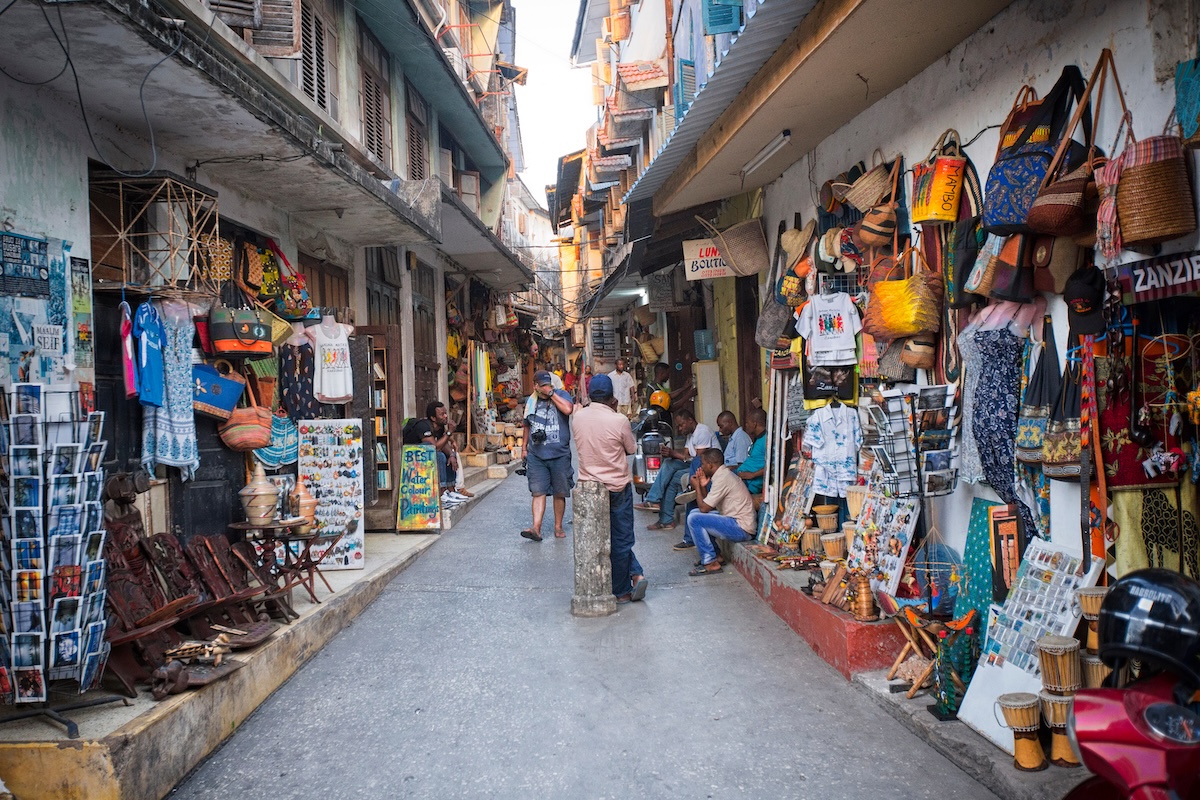
Stone Town sits on Unguja Island off Tanzania’s coast. This old neighborhood forms the historic heart of Zanzibar City, and it’s a UNESCO World Heritage Site.
The narrow, winding streets blend African, Arabian, Indian, and European styles. You’ll find colorful markets, old coral stone buildings, and carved wooden doors that have stories to tell.
Oman ruled the area in the 1800s and built much of what you see today. Locals call it Mji Mkongwe, meaning “old town.” Walking through Stone Town feels like time travel, honestly.
Most people spend a couple of days exploring before heading to Zanzibar’s beaches. The town keeps its historical character but still feels vibrant and lived-in. When you visit, you’ll see how different cultures came together to create something unique.
Where is Stone Town?
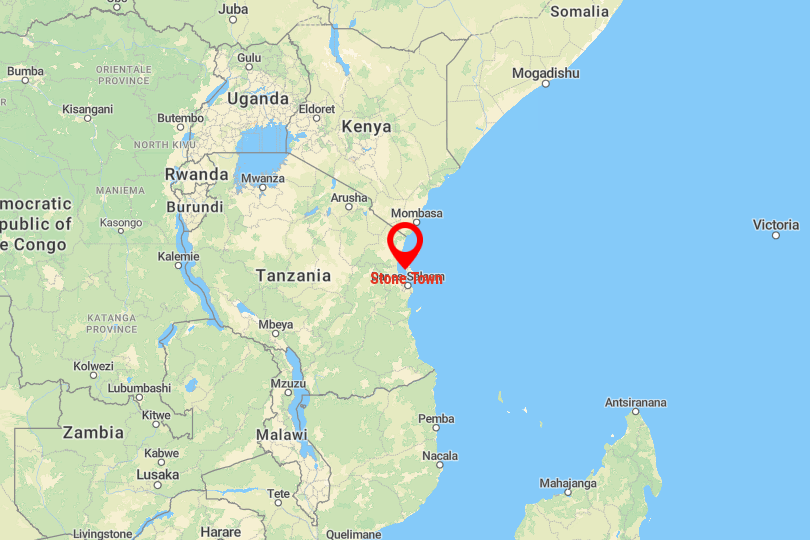
Situated in the historic center of Zanzibar City, Tanzania, this district lies along the western coast of Unguja, facing the Indian Ocean. It is located near the old harbor area. It can be reached on foot from the city center or by taxi, with nearby access from Zanzibar International Airport.
13. Coyoacán, Mexico City, Mexico
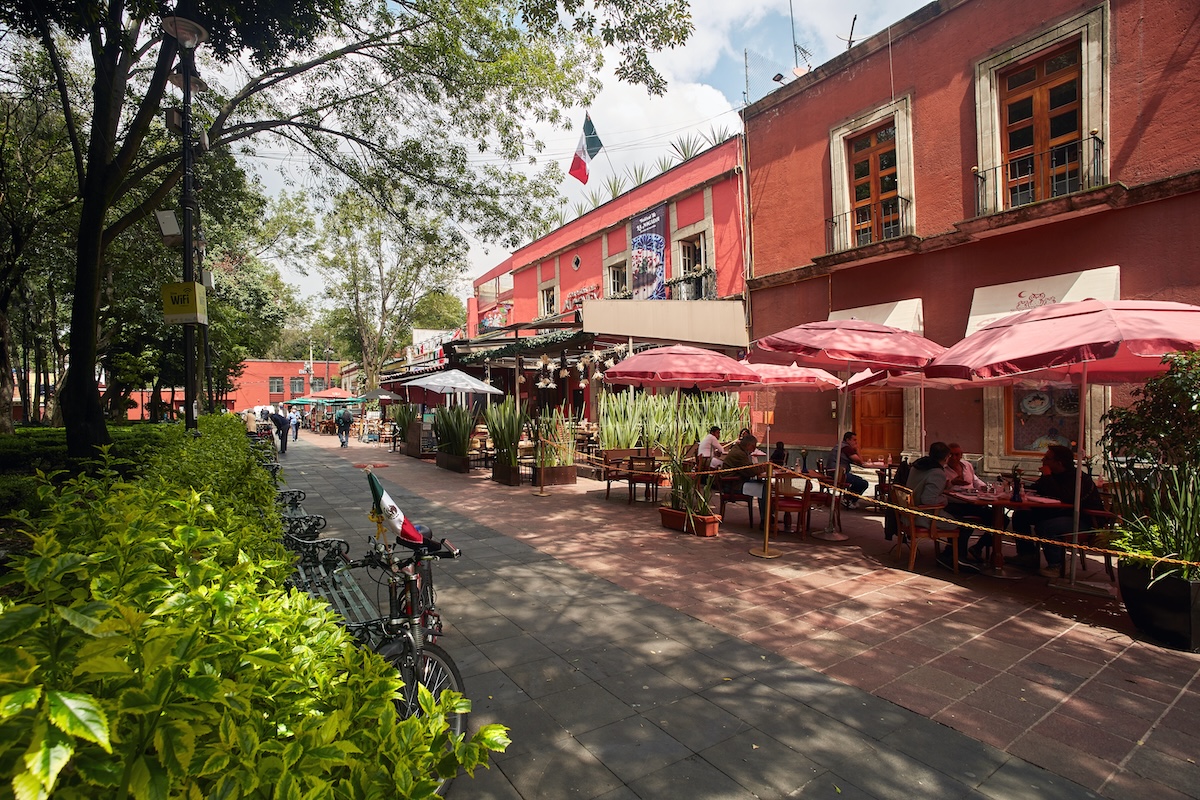
Coyoacán feels like a quiet village tucked inside one of the world’s biggest cities. The cobblestone streets and colorful colonial buildings give you a break from the city’s chaos.
This neighborhood is famous as Frida Kahlo’s home. You can visit her Blue House museum and walk the same streets where she lived and painted. But there’s more to explore than just one artist’s legacy.
The main plazas buzz with street performers and food vendors. Local markets sell everything from fresh produce to handmade crafts. Small cafés and bookstores line the streets—perfect for a lazy afternoon.
The tree-lined parks offer shady spots to rest. You’ll spot murals on building walls and art galleries tucked into old homes. Coyoacán keeps its bohemian spirit alive while showing off centuries of Mexican history and culture.
Where is Coyoacán?
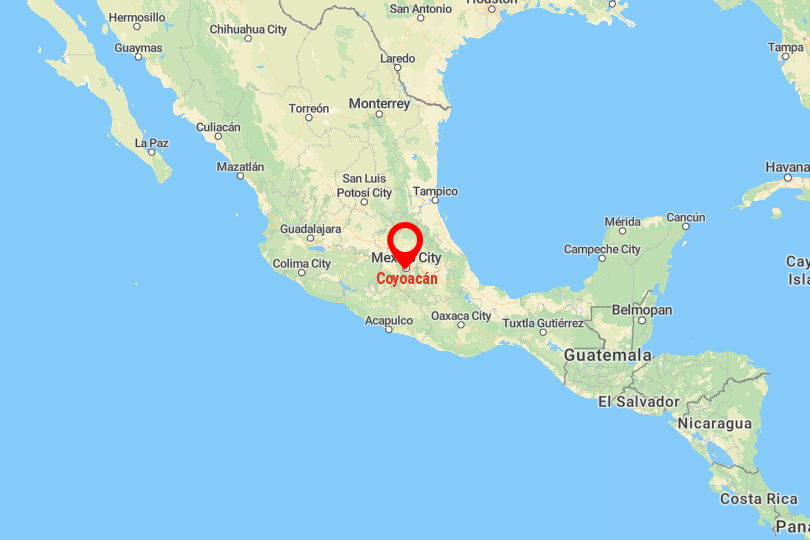
Situated in the southern part of Mexico City, Mexico, this district lies southeast of the historic center. It is located near areas such as San Ángel and the National Autonomous University of Mexico. It can be reached by metro, bus, or taxi, with nearby stations including Coyoacán and Viveros-Derechos Humanos.
12. Gamla Stan, Stockholm, Sweden
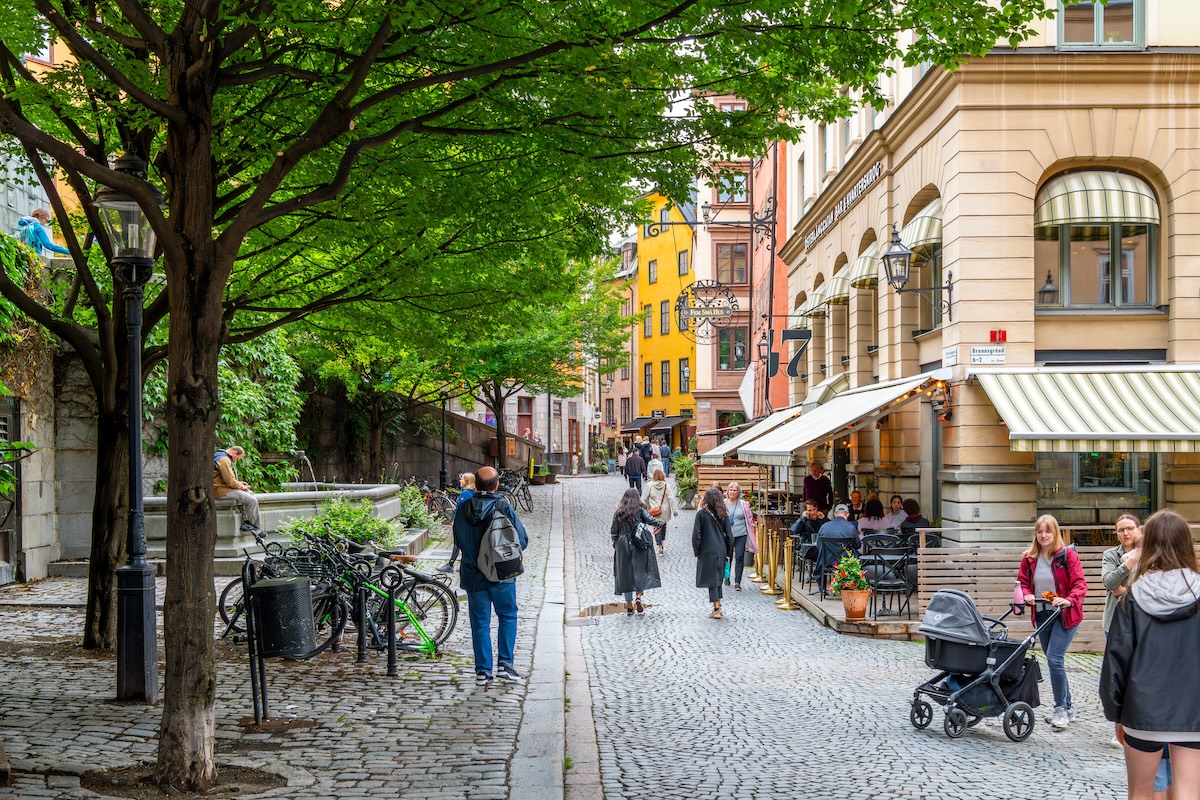
Step into Gamla Stan and it almost feels like time slows down. These narrow cobblestone streets have seen centuries of footsteps, and the district itself has been part of Stockholm since the 1200s.
It’s honestly one of Europe’s most striking old towns. Colorful buildings squeeze together along winding alleys that seem to twist just for the fun of it. You might stumble into a hidden courtyard, peek inside an ancient church, or browse a tiny shop tucked behind a centuries-old doorway.
Somehow, Gamla Stan balances its deep history with the buzz of everyday life. The main street can get packed—especially when summer rolls around—but if you slip into a side alley, you’ll find quieter corners where locals go about their routines.
Pastel facades and medieval architecture give the whole place a sort of storybook charm. One moment you’re looking up at the Royal Palace, the next you’re settling into a cozy café for a fika and a slice of something sweet.
Where is Gamla Stan?
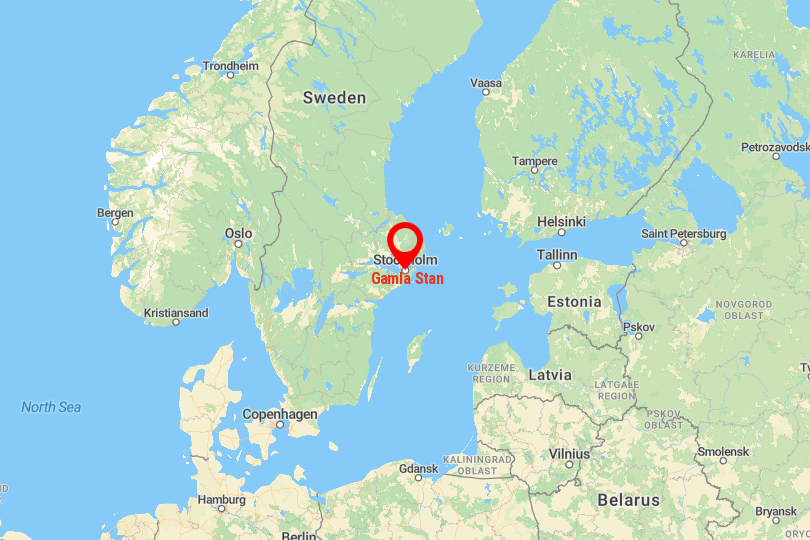
Situated in the historic center of Stockholm, Sweden, this district lies on an island between Lake Mälaren and the Baltic Sea. It is located south of Norrmalm and north of Södermalm. It can be reached on foot or by metro, with nearby stations including Gamla stan.
11. Bo-Kaap, Cape Town, South Africa
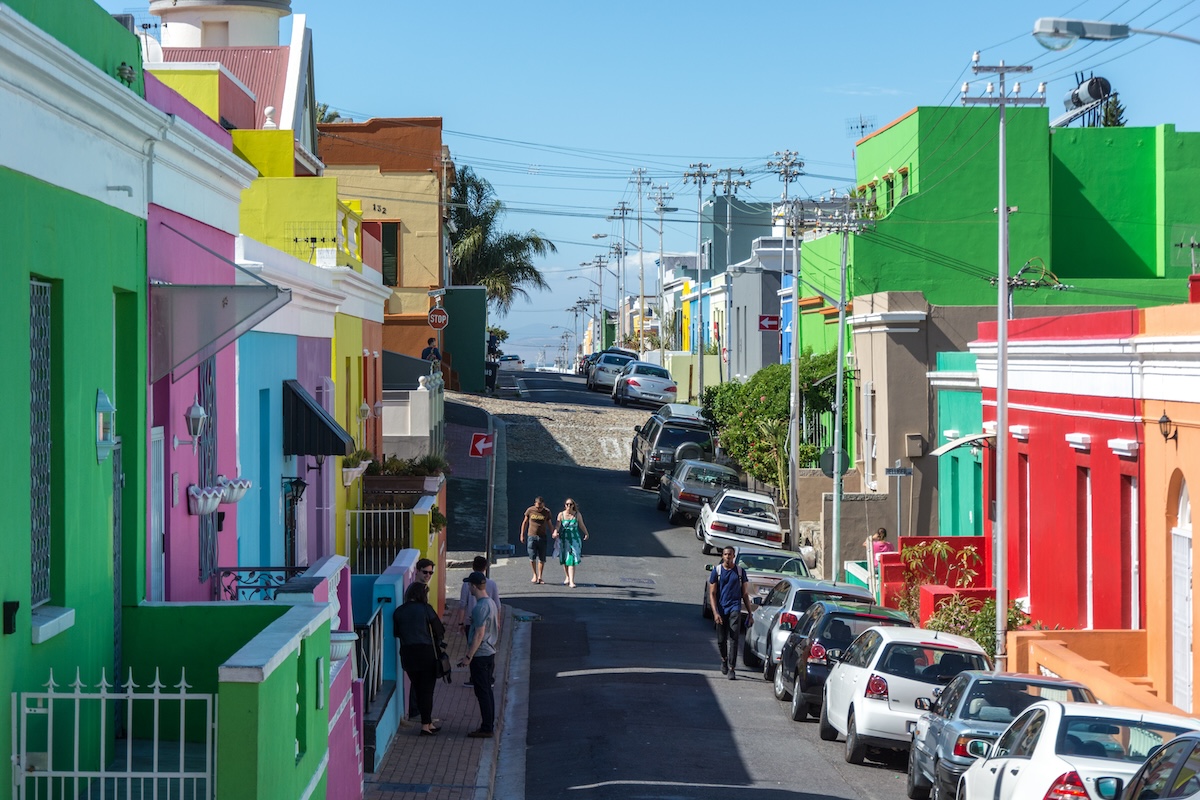
If a rainbow ever decided to settle down on a hillside, that’s Bo-Kaap. You’ll find yourself grinning as you wander past rows of houses painted in audacious shades of lime, magenta, and turquoise. It’s pure joy in architectural form, nestled against the backdrop of Signal Hill.
But there’s more than just eye-candy here. This is the vibrant heart of Cape Malay culture, and you can almost taste the history in the fragrant spices drifting from home kitchens. Let the cobbled lanes lead you; you might just stumble upon a cooking class or a story that changes how you see the city.
Where is Bo-Kaap?

Situated on the slopes of Signal Hill, this neighborhood lies within the city of Cape Town, South Africa. Bo-Kaap is located just above the city center, close to the waterfront and Table Mountain. The area can be reached easily by car, bus, or on foot from central Cape Town.
10. Gothic Quarter (Barri Gòtic), Barcelona, Spain

Dare to dive into Barcelona’s Gothic Quarter? It’s a place where the 21st century seems to politely step aside for shadowy medieval lanes and sun-dappled squares that have seen centuries unfold. You half expect a troubadour or a time traveler to appear around the next ancient stone corner.
Forget your sense of direction; the real magic here is in the aimless wander. You’ll discover hidden courtyards where fountains murmur secrets, stumble upon tiny artisan workshops, and find tapas bars that feel like they’ve been there forever. It’s a living, breathing history lesson that serves incredible food.
Where is the Gothic Quarter?

Located in the heart of Barcelona, Spain, this historic neighborhood sits between La Rambla and Via Laietana. The Gothic Quarter, or Barri Gòtic, is part of the city’s Ciutat Vella district. It can be reached on foot from central Barcelona or by metro, with nearby stations such as Jaume I and Liceu.
9. Casco Viejo, Panama City, Panama
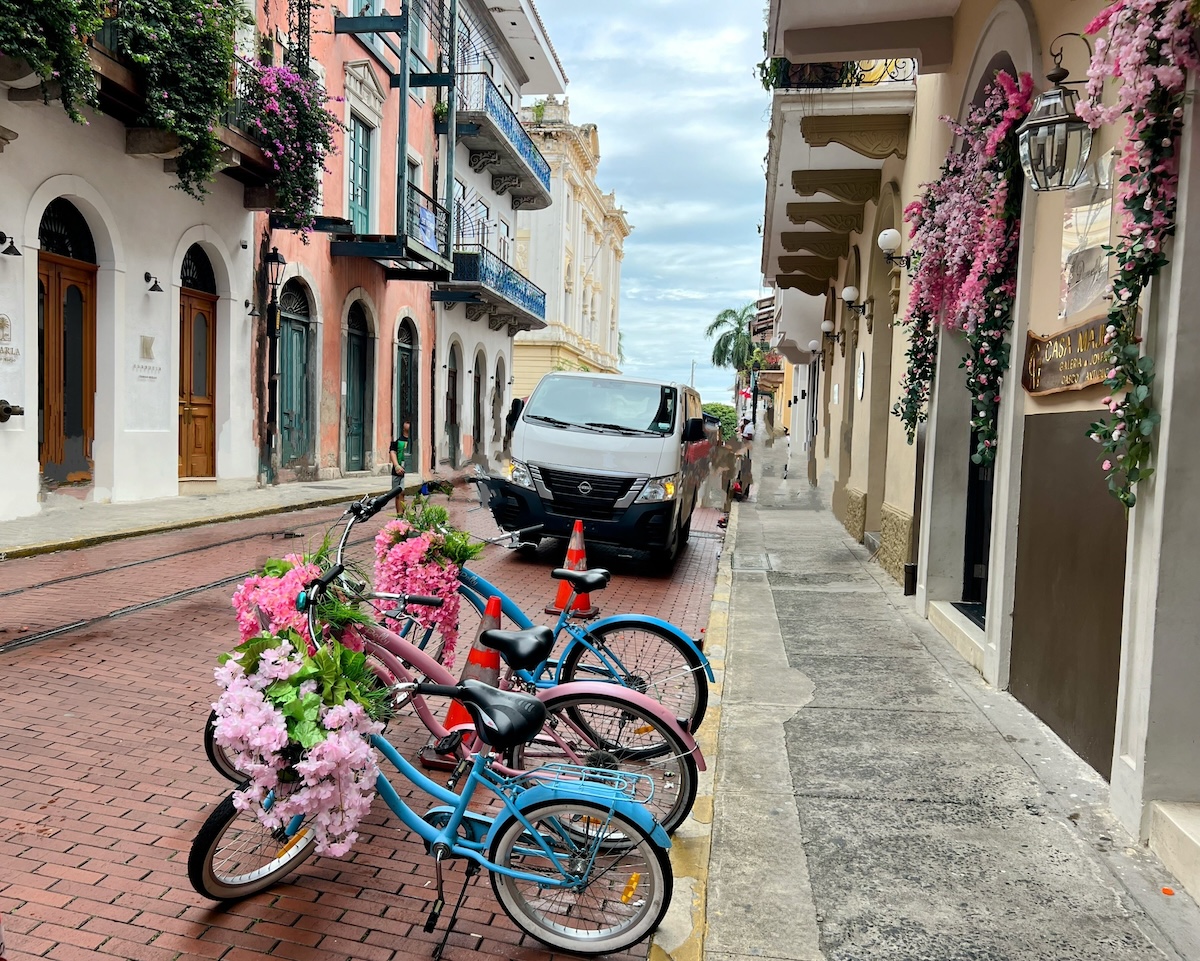
Casco Viejo is brimming with beautifully crumbling Spanish colonial grandeur and bougainvillea spilling from wrought-iron balconies. It’s almost hard to believe it is all set against the glittering, futuristic skyline of Panama City. That’s the captivating paradox of Casco Viejo, a UNESCO gem that more than earns that honor.
This isn’t some stuffy museum piece, though. It’s alive with an undescribable buzz. Rooftop bars offer jaw-dropping sunset views over the Pacific, while down below, salsa rhythms might spill from an open doorway. You can feel the layers of history, from pirates to presidential palaces, as you explore its charming, brick-paved streets.
Where is Casco Viejo?
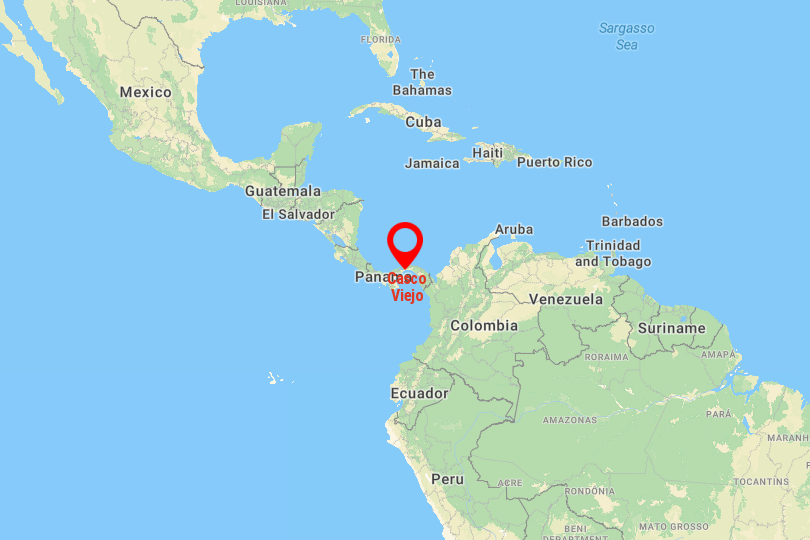
Situated on a small peninsula in Panama City, this historic district lies along the Pacific coast. Casco Viejo is just southwest of the city’s modern downtown area. It can be reached easily by car, taxi, or on foot from central Panama City.
8. West Village, NYC, New York
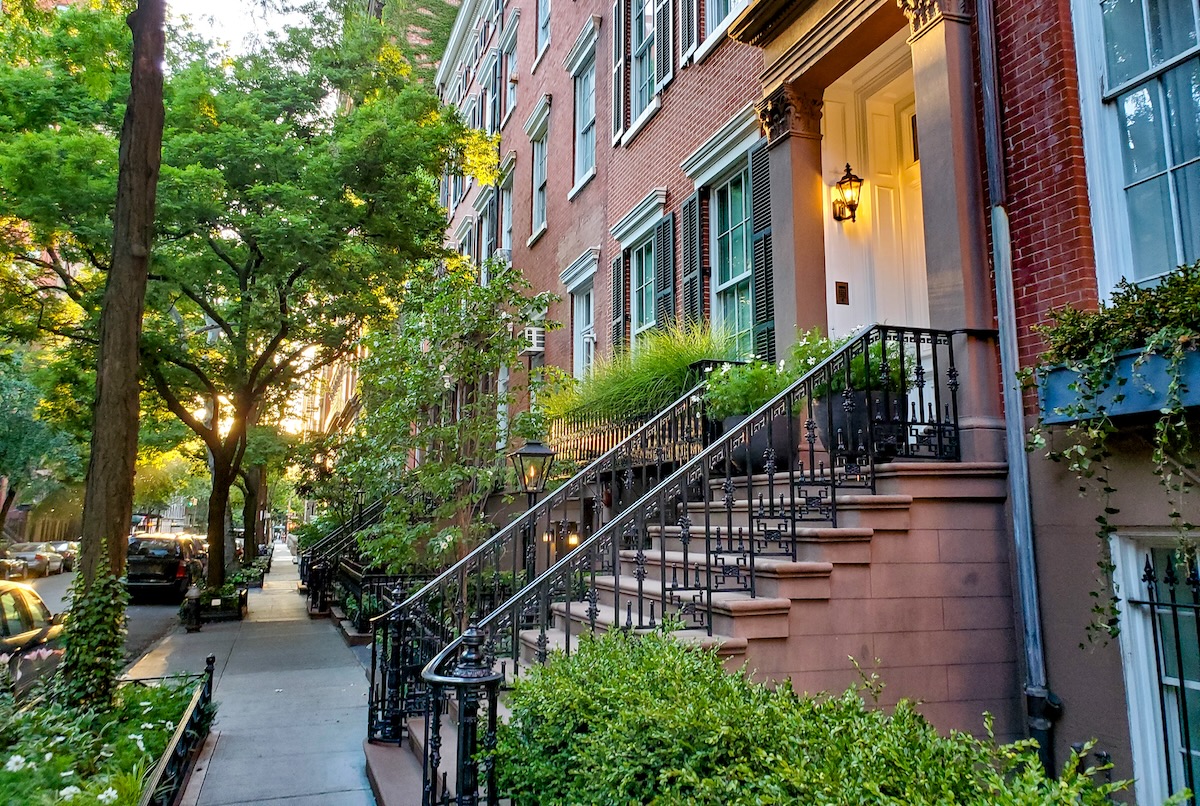
If New York City wrote a romance novel, the West Village would be its charming, slightly rumpled protagonist. This isn’t the New York of soaring skyscrapers, but of leafy, human-scale streets, ivy-clad brownstones, and a palpable sense of community. It feels like a village hugged by a metropolis.
You could spend days just drifting here, discovering hidden garden squares, popping into one-of-a-kind bookshops, or lingering over coffee in a café where literary giants once scribbled. It’s where you go to fall in love with a quieter, more intimate side of the city that never sleeps.
Where is West Village?
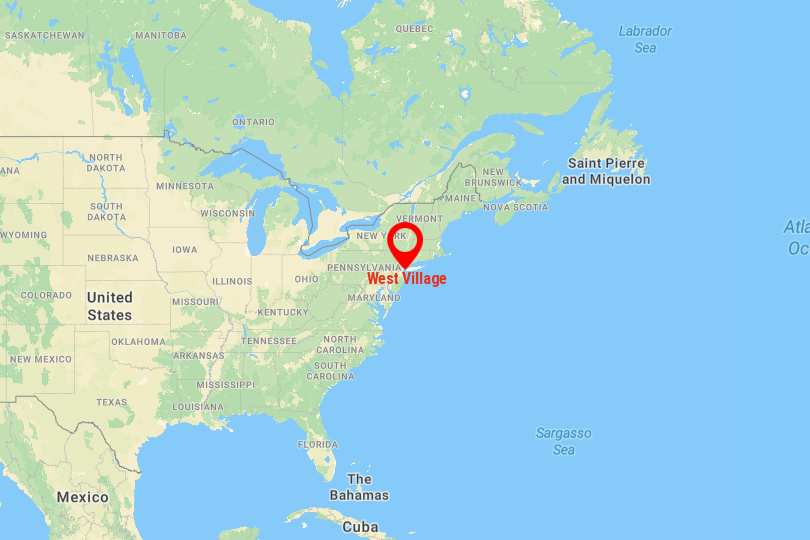
Located on the west side of Lower Manhattan in New York City, this neighborhood is part of the larger Greenwich Village area. West Village is bounded roughly by the Hudson River, 14th Street, Houston Street, and Seventh Avenue. It can be reached by subway, bus, taxi, or on foot from other parts of Manhattan.
7. Medina, Marrakech, Morocco

Prepare your senses for a beautiful assault in Marrakech’s Medina. This is a full-blown 360 experience as a whirlwind of sights, sounds, and smells pulls you into its ancient rhythm. Donkeys jostle with motorbikes in alleys narrower than your outstretched arms, and the air is thick with the scent of spices, leather, and mint tea.
The main square, Djemaa el-Fna, is pure theater, especially as dusk falls and food stalls fire up their grills under a canopy of stars. But the real treasure is found in getting gloriously lost in the souks, discovering lanterns that glow like captured stars and carpets that tell woven stories.
Where is Medina?
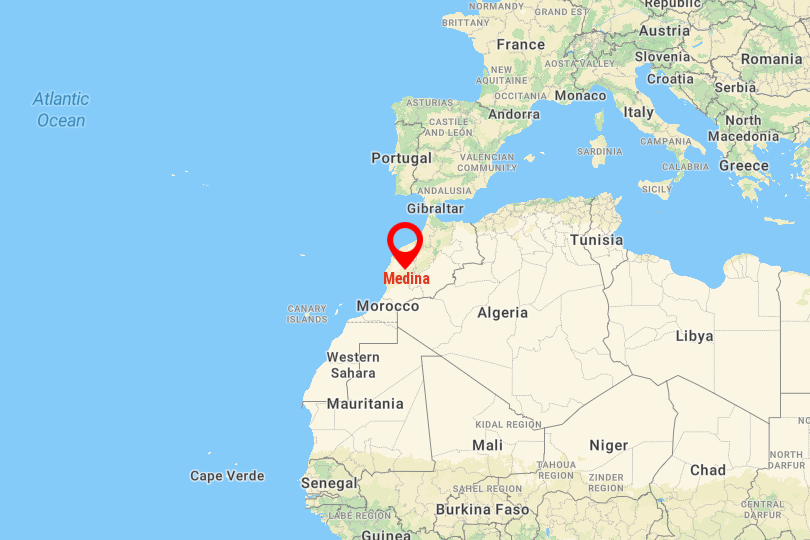
Situated in the center of Marrakech, Morocco, this historic district is enclosed by ancient city walls. The Medina lies just west of the modern Gueliz neighborhood. It can be reached by car, taxi, or on foot from elsewhere in Marrakech, with main entrances through its historic gates.
6. Cerro Alegre, Valparaiso, Chile
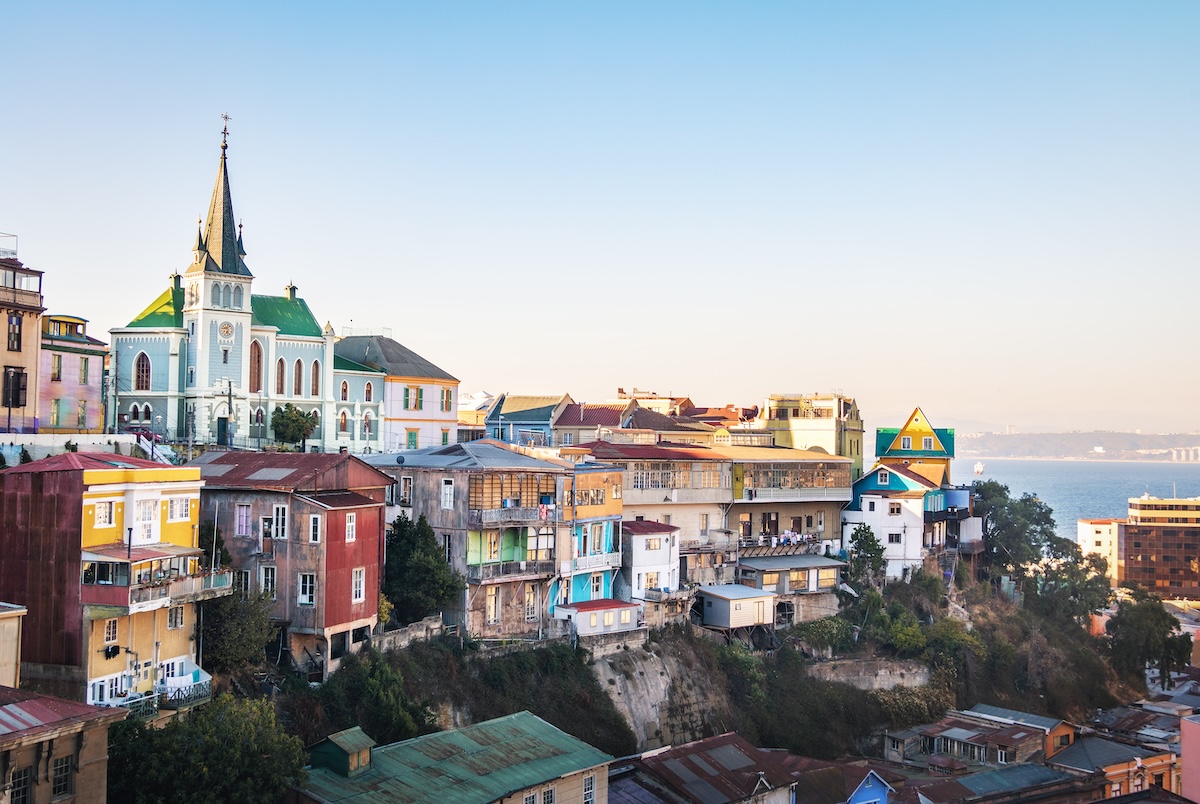
Valparaiso doesn’t just have street art; it is street art. And Cerro Alegre (Happy Hill) is its beating, bohemian heart. Imagine a cascade of brightly painted, corrugated iron houses tumbling down a steep hillside towards the vast Pacific, each wall a potential canvas for a vibrant mural.
And forget straight lines and order; this place is a delightful, chaotic maze of winding staircases and narrow alleyways that always seem to lead to another stunning view or a quirky café. You’ll ride ancient, creaking ascensores (funiculars) up the slopes, feeling like you’re ascending into a living art installation.
Where is Cerro Alegre?
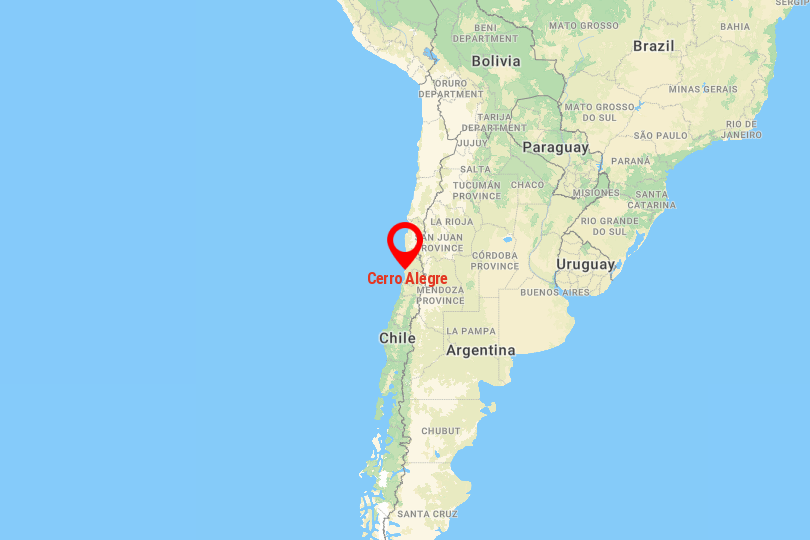
Located in the coastal city of Valparaíso, Chile, this hillside neighborhood overlooks the Pacific Ocean. Cerro Alegre lies close to Cerro Concepción and the city’s historic port area. It can be reached by car, taxi, or on foot, and also by using the city’s funiculars that connect the hills with downtown Valparaíso.
5. Balat, Istanbul, Turkey

Want to find a piece of old Istanbul, where time seems to have a gentler pace? Venture into Balat. Here, steep cobbled streets are lined with wonderfully weathered wooden houses painted in faded, soulful pastels, and laundry flutters like colourful flags between buildings. It feels real, lived-in, and utterly captivating.
This historic neighborhood whispers tales of the Jewish and Greek Orthodox communities who once thrived here. You’ll find synagogues tucked next to mosques, kids playing football in tiny squares, and old men sipping tea in unassuming cafes. It’s a photographer’s dream and a balm for the hurried soul.
Where is Balat?

Situated along the western shore of the Golden Horn in Istanbul, Turkey, this historic neighborhood lies within the district of Fatih. Balat is northwest of the city’s historic peninsula, near Fener. It can be reached by bus, taxi, or on foot from central Istanbul.
4. Vieux-Québec (Old Quebec), Quebec City, Canada
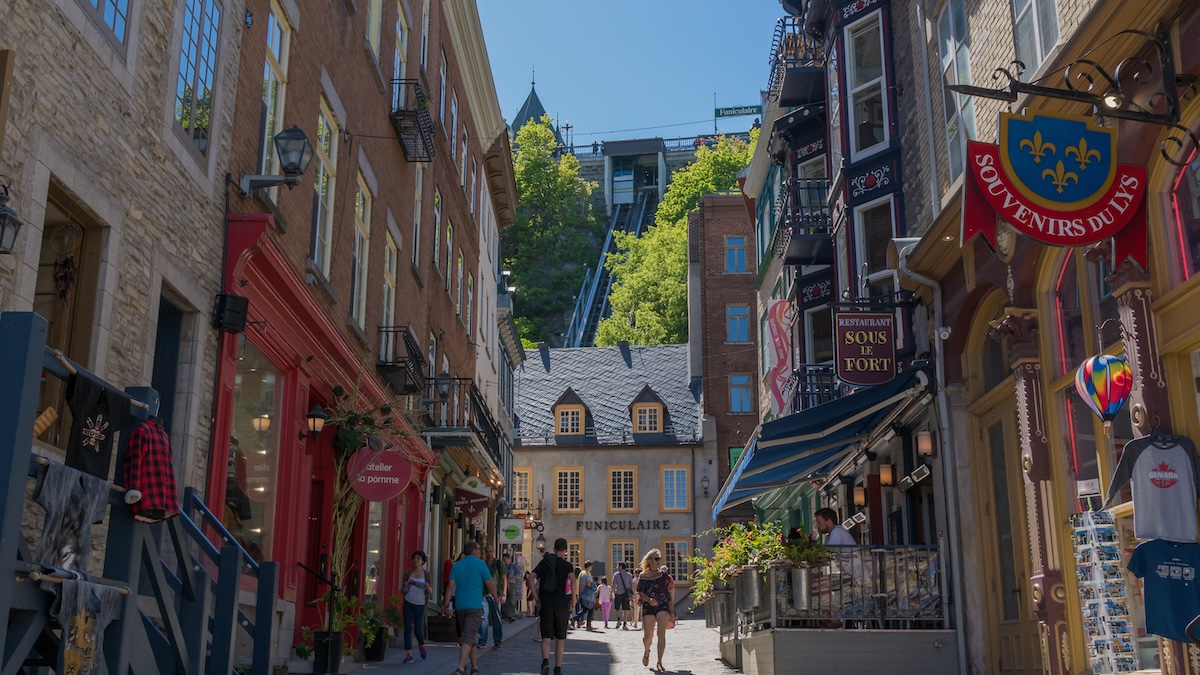
You’d be forgiven for thinking you’ve accidentally crossed the Atlantic when you step into Old Quebec. This is North America’s only walled city north of Mexico, and it wears its European heritage with undeniable flair. Cobblestone streets wind past stone houses with colourful shutters, leading to grand squares and, of course, the fairytale Château Frontenac.
There’s a romance to Vieux-Québec that’s hard to resist, whether you’re strolling the fortified ramparts with views over the St. Lawrence River or ducking into a cozy bistro for some French-Canadian fare. Especially in winter, when snow dusts its historic rooftops, it’s pure magic.
Where is Vieux-Québec?
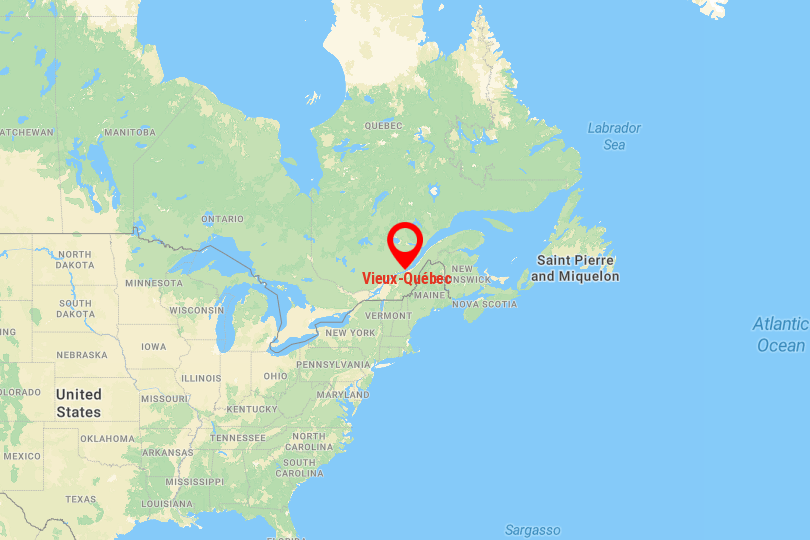
Located in Quebec City, Canada, this historic district sits on the banks of the St. Lawrence River. Vieux-Québec, or Old Quebec, is divided into the Upper Town on the cliffs and the Lower Town by the waterfront. It can be reached on foot from central Quebec City or by car and public transit from other parts of the city.
3. Gion, Kyoto, Japan

To walk through Gion, especially as evening descends and lanterns cast a soft glow on its traditional wooden machiya houses, is to step into a different era. This is Kyoto’s famed geisha district, and there’s an almost reverent hush in the air, a sense of anticipation.
You might be lucky enough to catch a fleeting glimpse of a geiko (Kyoto geisha) or maiko (apprentice) gliding silently to an appointment, a flash of silk and perfectly coiffed hair. It’s not a show; it’s a living tradition. Beyond that, Gion offers exquisite dining and a deep dive into Japanese aesthetics.
Where is Gion?

Situated in eastern Kyoto, Japan, this historic district lies around Shijō Avenue and the Yasaka Shrine. Gion is located just east of the Kamo River. It can be reached by bus or train, with nearby stations including Gion-Shijō and Kawaramachi.
2. Dorsoduro, Venice, Italy
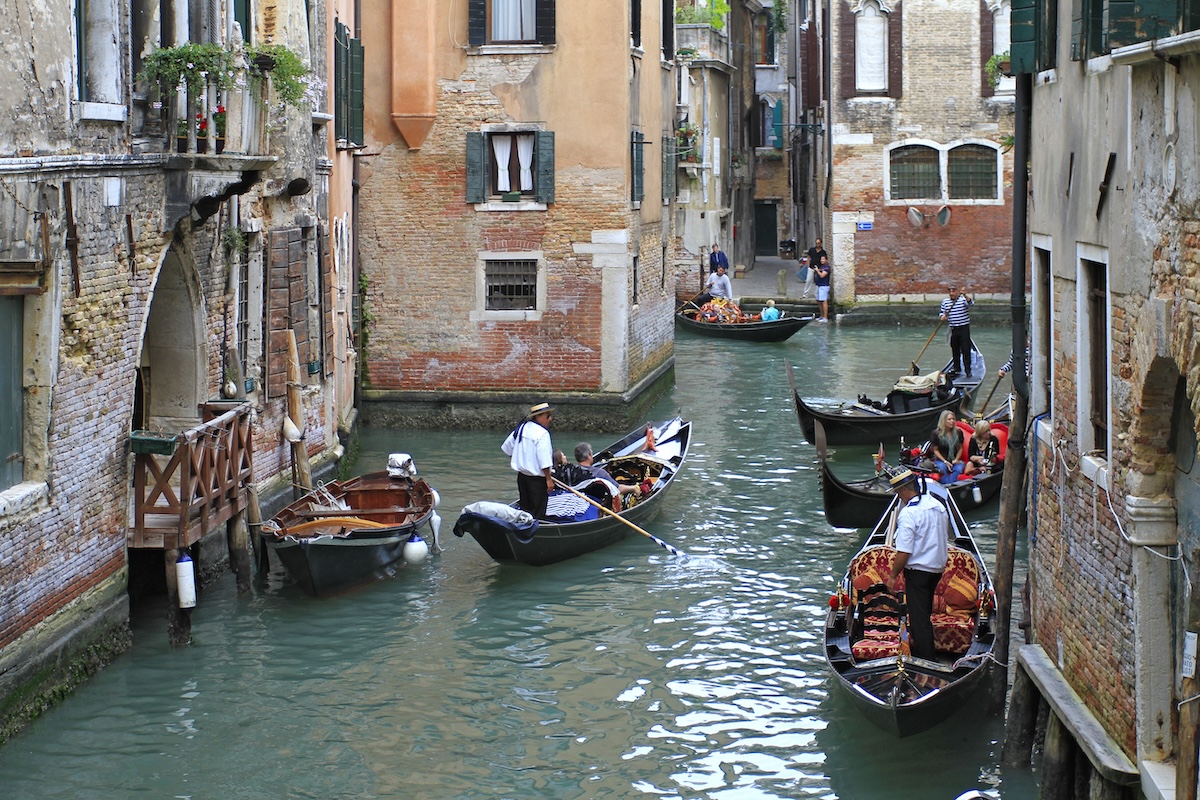
Venice is, of course, all beautiful, but Dorsoduro offers a Venice where you can breathe a little deeper, wander a little more freely. It’s home to world-class art like the Peggy Guggenheim Collection, but also to the city’s university, lending it a vibrant, slightly bohemian energy that feels wonderfully authentic.
Here, you can discover quiet canals where the only sound is the gentle lapping of water, stumble upon sun-drenched campi (squares) perfect for an Aperol spritz, and find charming bacari (wine bars) that locals actually frequent. It’s where you find the soul of Venice, just off the beaten track.
Where is Dorsoduro?
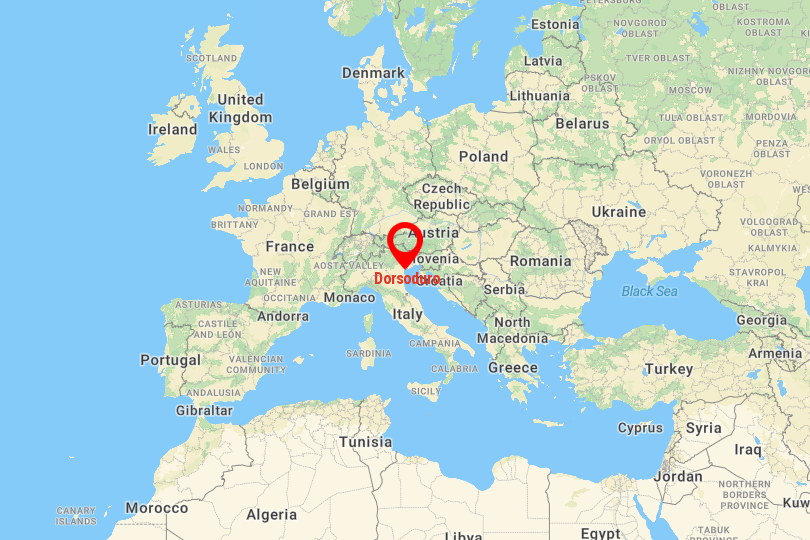
Located in the southern part of Venice, Italy, this district stretches along the Grand Canal and the Giudecca Canal. Dorsoduro lies across from San Marco and Santa Croce. It can be reached on foot across Venice’s bridges or by vaporetto (water bus) with stops such as Accademia and Zattere.
1. La Petite France, Strasbourg, France
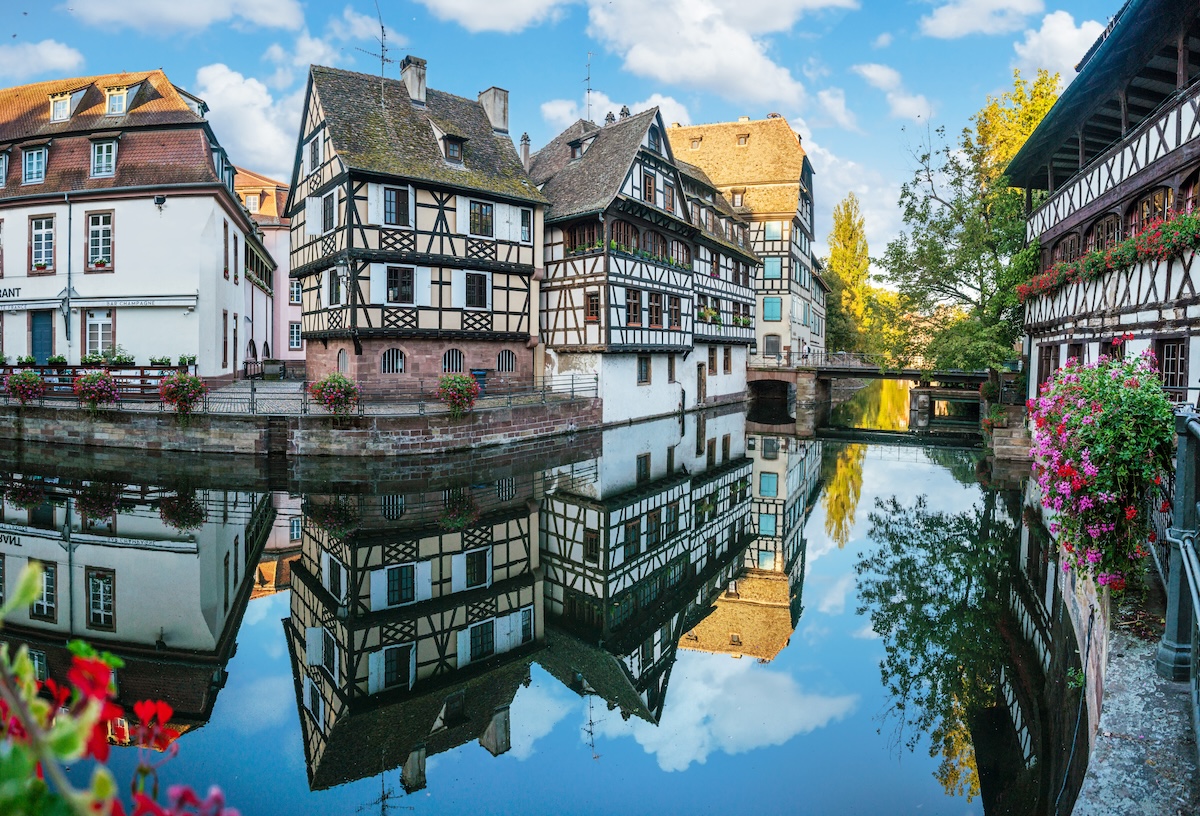
If your heart yearns for storybook charm, La Petite France will make it skip a beat. This historic quarter in Strasbourg is a postcard come to life, with magnificent half-timbered houses leaning companionably over narrow canals of the River Ill. Geraniums cascade from window boxes, and weeping willows dip their branches into the water.
Once the bustling domain of tanners and fishermen, its picturesque beauty is now undeniable. You’ll wander across covered bridges, marvel at the reflections in the canals, and find it hard to believe a place so utterly enchanting truly exists. It’s pure, unadulterated Alsatian magic.
Where is La Petite France?
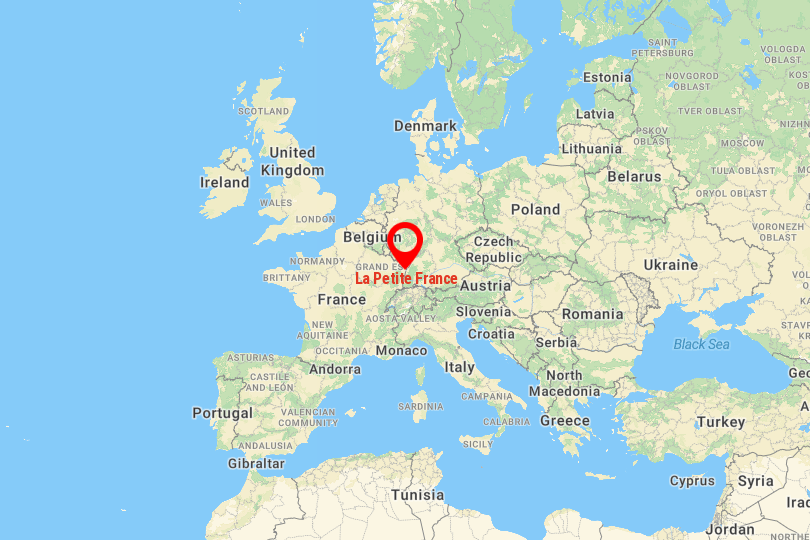
Situated in the historic center of Strasbourg, France, this district lies on the Grande Île at the River Ill. La Petite France is southwest of Strasbourg Cathedral. It can be reached on foot from central Strasbourg or by tram, with nearby stops such as Langstross Grand’Rue.