
Exploring this dynamic Central American capital quickly reveals that it is far more than a single world-famous engineering feat. While its iconic canal may first capture attention, the city’s layered history and striking modern skyline soon take center stage.
Panama City blends tales of pirates like Captain Morgan with glassy skyscrapers, colonial quarters, and lively waterfront districts. Scenic causeways and promenades trace the coastline reshaped by the canal, while nearby hills and offshore islands offer sweeping views across the bay. National parks on the city’s edge bring visitors face-to-face with rainforest landscapes and native wildlife, creating a rare mix of urban life and nature.
Wander through atmospheric old neighborhoods before heading up to rooftop bars overlooking the skyline, or escape the bustle entirely. When the heat and traffic start to wear thin, several beautiful beaches lie just a (short) boat ride away—making it easy to trade city streets for sand and sea.
18. Ancon Hill
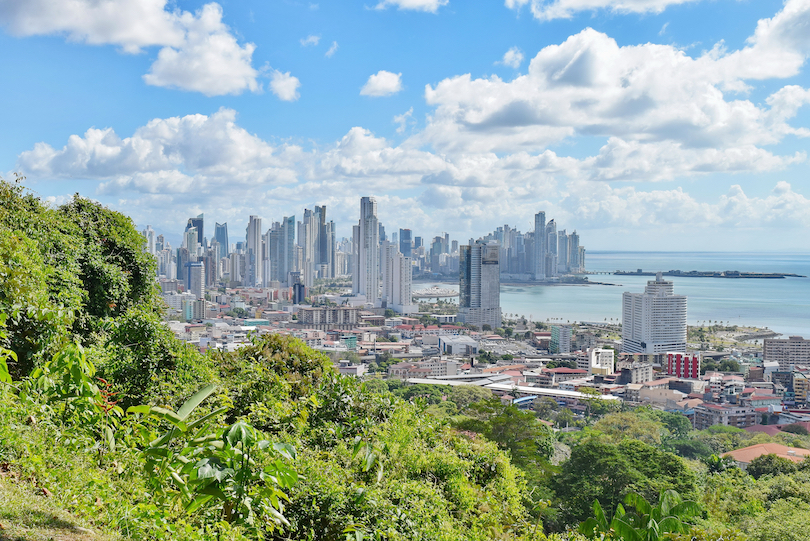
There are several ways to get vibrant views of Panama City. But a trip up Ancon Hill is likely to be your favorite. A paved road takes you from the hill base entrance to the summit, with 30 minutes needed for walkers.
Ancon Hill opens to the public at 5.30am, allowing early risers the chance to watch the sunrise slightly to the right of Panama City. These folks are rewarded with bursting oranges traveling across the water to wake up the city, painting high-rise buildings with warm morning colors.
Regardless of your time of visit, the view allows you to see the entire city from above, along with the Miraflores Locks and the Bridge of the Americas.
17. Bridge of the Americas
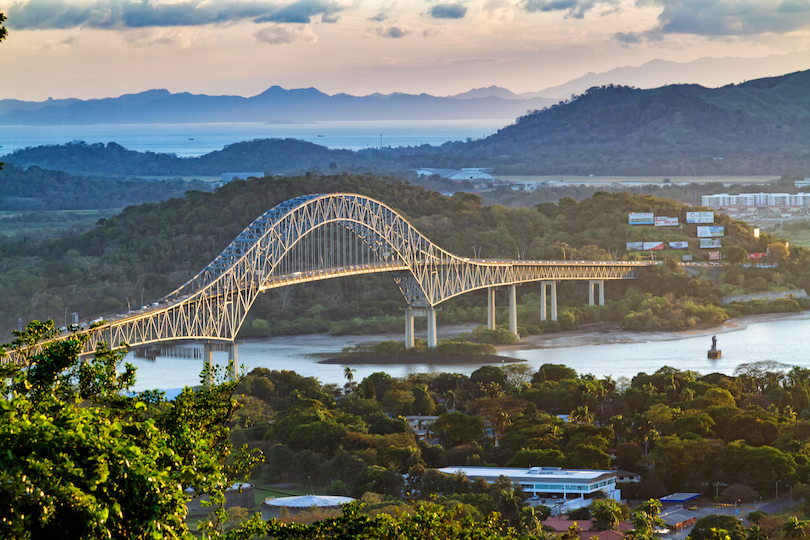
One of Panama City’s attractions that can be seen from the Amador Causeway is the Bridge of the Americas. Crossing above the entrance of the Panama Canal, this spectacular bridge connects either side of Central America and was built over three years from 1959 to 1962.
In addition, without it, there would be no major connection between either the North and South American continents. The historic four-lane bridge replaced the old swinging bridge at Gatun Locks with the other major option, a car ferry across the canal. The Bridge of the Americas is now complemented by the Centennial Bridge and the Atlantic Bridge.
The best time to visit is at night, when the bridge lights up in front of a colorful sunset.
16. Capilla San Jose
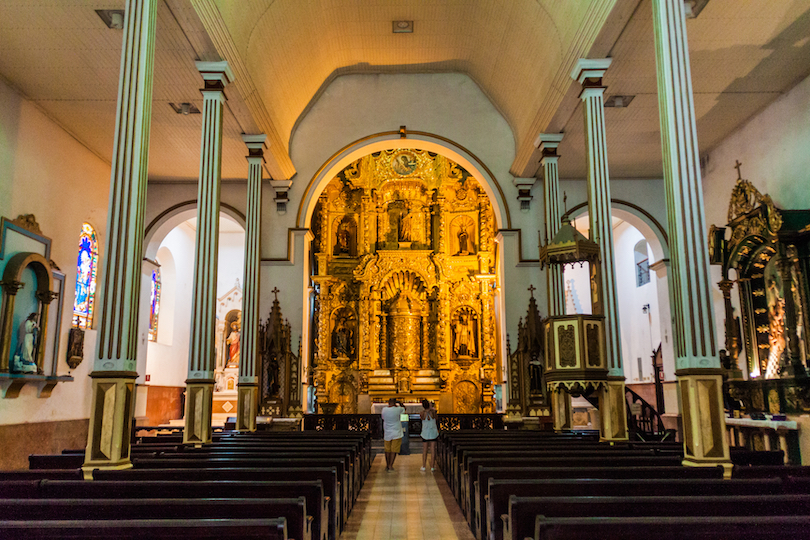
In 1671, the notorious Captain Morgan made his way to modern day Panama City and changed the region’s trajectory. He pillaged and looted the old city. But there was once a particular piece, a church, that survived untouched and is now found within Capilla San Jose.
The famous church was developed two years after the famous raid in 1673. The church features gorgeous altarpieces and columns. But its main attraction is the enormous Golden Altar, aka Altar de Oro.
The altar survived the clutches of Morgan as the resident priest painted it black as a disguise. Thinking it was already taken, Morgan went on his merry way.
15. El Tornillo
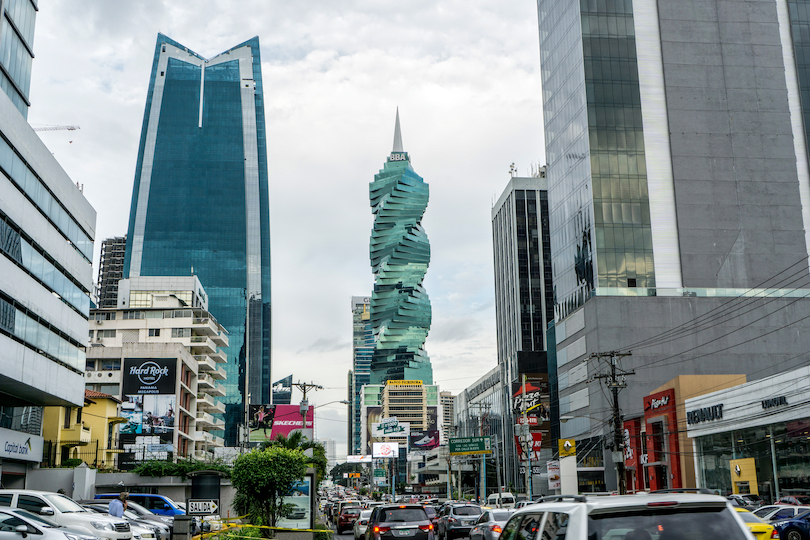
Iglesia del Carmen may be the most romanticized building in Panama City, but none are more futuristic and inspiring than El Tornillo. The unique structure twists and climbs towards the heavens, reminiscent of a spiral staircase.
The 52-storey behemoth reaches a total height of 243 meters (796 feet). Found within Panama City’s business district, the best way to appreciate this stunning piece of architecture, otherwise known as F & F Tower, is to view it from afar.
A great way to do this is by visiting the Cinta Costera where you can explore the waterfront and see the tower’s central place in the city’s mesmerizing skyline.
14. Albrook Mall
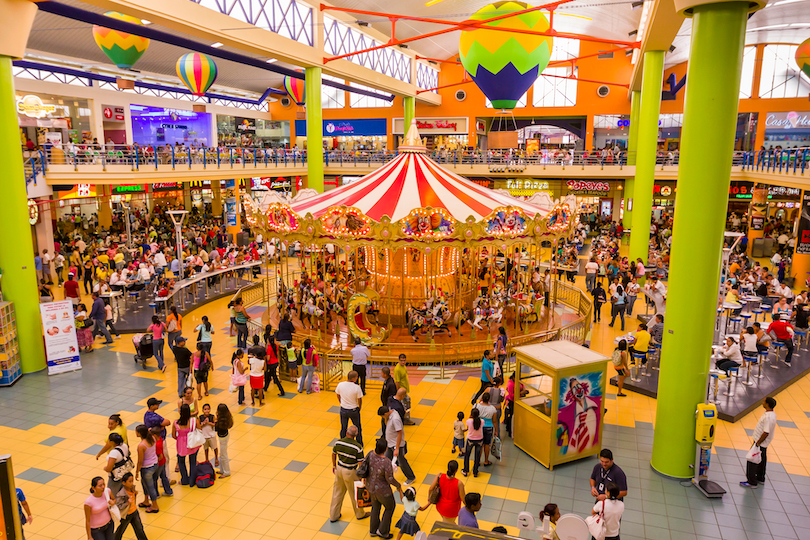
There are two reasons to visit the largest shopping mall in Central America. You need a break from the outside weather (think heavy rain or scorching heat), or you’re in need of a little retail therapy. Regardless, what you’ll discover is a mall that is an attraction all on its own. With air conditioning included.
Close to the Causeway and the Miraflores Locks, the Albrook Mall is packed with 50,000 daily visitors with hundreds of shops, ample restaurants and plenty of additional fun.
Once you’ve loaded up the shopping bags with clothing, it’s time to enjoy some indoor fun that includes ten-pin bowling and a cinema.
13. Metropolitan National Park
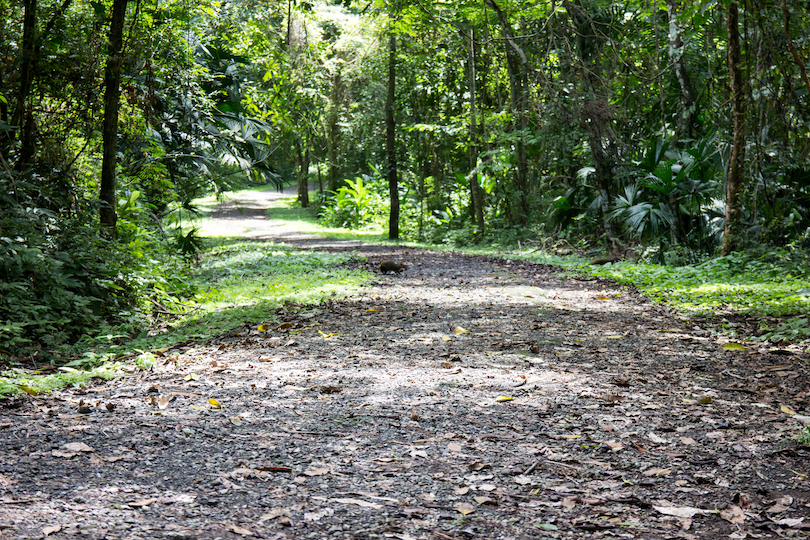
National Parks are usually found away from high-rise buildings and bustling streets of major cities. Panama, however, does things a little differently. With the Metropolitan National Park, you can understand how closely entwined the city is with its vibrant nature.
The rare combination of city and national park is one to get giddy about. Grab a bike and in minutes be within a sprawling natural sanctuary home to over 200 bird species, 45 mammals and almost 300 unique plant species.
The lush greenery is rich and as towering as the surrounding buildings. Some of the city’s oldest trees reach over 35 meters (115 feet) high.
12. Panama Canal Museum
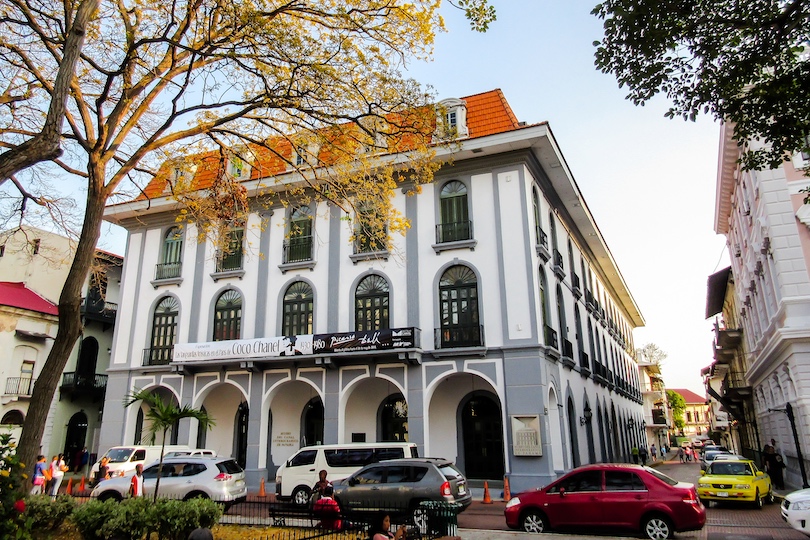
If the Miraflores Visitor Center wasn’t enough to satisfy your pursuit of understanding the Panama Canal, then we have another option. The Panama Canal Museum explores the early, failed attempts at creating a canal and follows a timeline to the modern day.
Housed within Panama City’s old central post office, the Panama Canal Museum goes into detail on France’s original attempts to create a canal. You can learn more about how the United States took over creating this engineering marvel.
Then discover the political back and forth that led to the return of the canal to Panama’s government. Afterwards, wander outside and explore the local streets of Casco Viejo.
11. Iglesia del Carmen
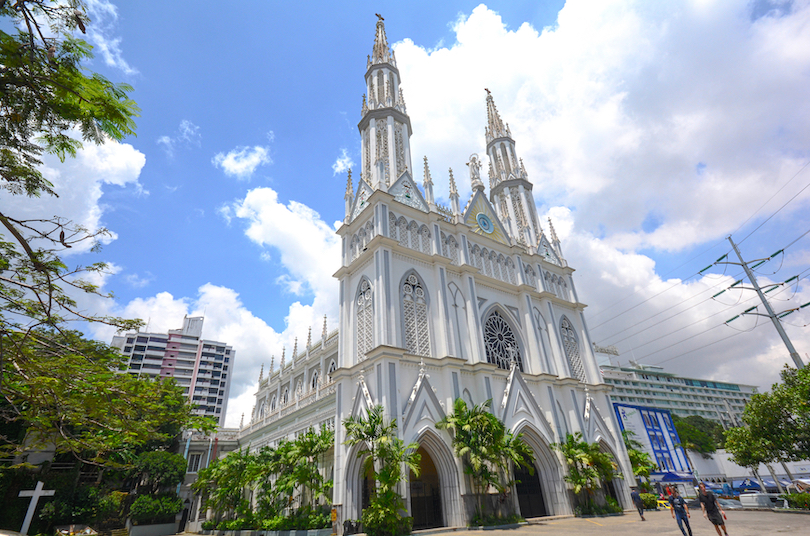
The architecture of Panama City is a rich blend of old and new. Perhaps the most striking construction to be found here is the Iglesia del Carmen. However, the Gothic design of The Church of Our Lady of Mount Carmen may look medieval, but the beloved church was built recently in the 1900s.
The only Gothic church in Panama, Iglesia del Carmen, is a sight to behold. The front facade features two skyscraping towers and a detailed arch. Running along either side are a series of glimmering stained windows.
Within, the cream columns guide your eyes up to the vaulted arched ceiling and eventually to the church’s end, where spectacular iconography is painted along the wall.
10. Soberania National Park
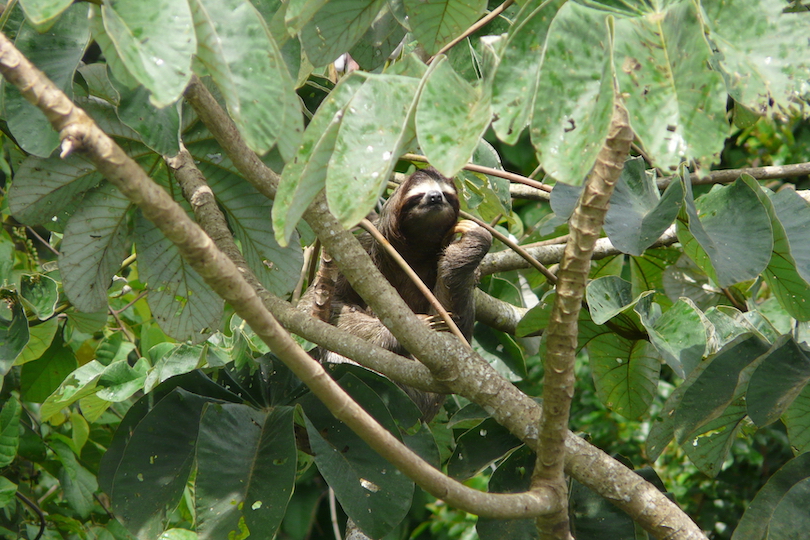
The Amador Causeway and Cinta Costera are two quick ways to get active and enjoy nature. But neither compare to a trip to Soberania National Park.
A mere 30 minutes from Panama City, Soberania is the perfect place for a long hike. The park’s trails will guide you through stunning rainforests where birds sing brilliant tunes, native animals lurk behind the trees and waterfalls mark the turnaround point.
Animal lovers will want to hire a guide to best explore one of the top bird-watching destinations in Central America. In addition, a knowledgeable guide will help spot the critters that call the park home.
9. Cinta Costera
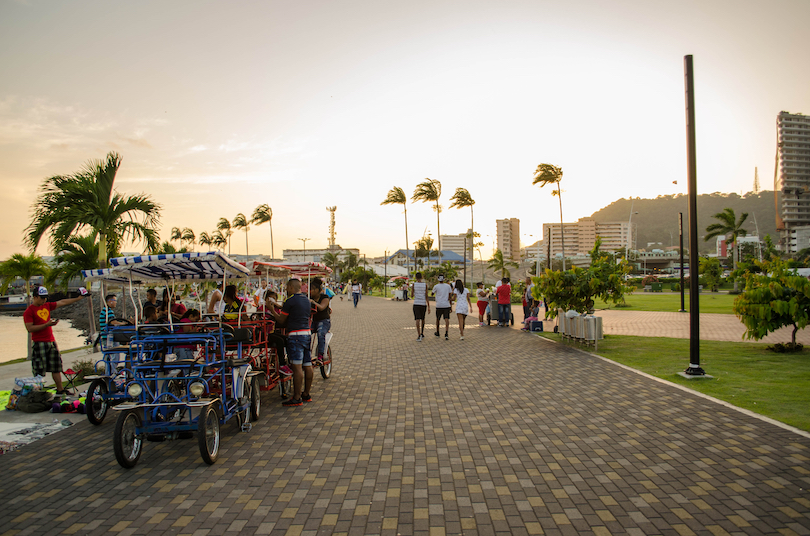
Surrounded by rows of palms, towering buildings and manicured landscaping, Cinta Costera is a place to walk, relax and enjoy a picnic. Wake up early before the Panamanian sun climbs too high, to explore this vast green space, or come back around golden hour.
Cinta Costera means coastal walkway and for those who can handle the heat the walking and bike paths are always brimming with activity. Travelers can get their hands on a bike of their own or even climb onboard a rickshaw to explore the walkway with a guide pointing out key monuments along the way.
At any point, get your hands on some shaved ice (raspado) to cool down.
8. Monkey Island at Gatun Lake
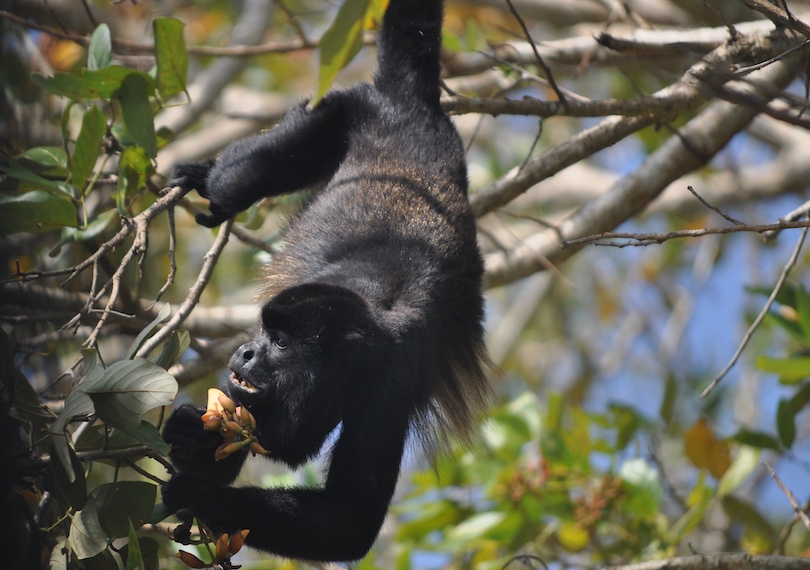
As one of the most popular day trips from Panama City, Monkey Island at Gatun Lake is more than just a way to escape the inner-city. A trip here will help you discover the world around the Panama Canal, its incredible collection of waterways and a world forever changed by this engineering marvel (Gatun Lake was once the largest man-made lake on earth).
And that’s just the trip to Monkey Island.
You’ll find a long list of tours, including or focusing on Gatun Lake. So it’s easy to complete as a last-minute excursion. Most tours take you along the canal to their island where you’ll see four monkey species in their natural habitat.
7. Biomuseo
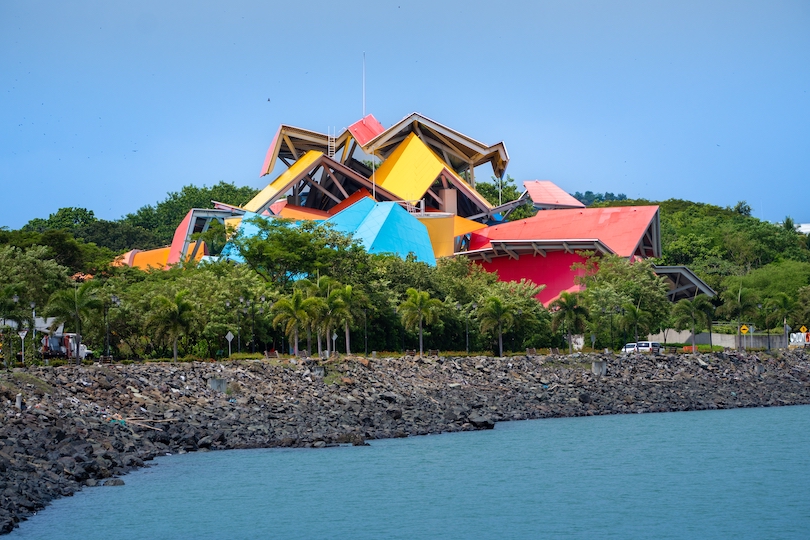
You’ll find the sightly Biomuseo along the Amador Causeway. Whether you’re arriving on a bike, foot or by car, take time to admire the stunning buildings from afar before entering.
The Biomuseo can be seen from Casco Viejo and is surrounded by the harbor close to the Panama Canal. Designed by the iconic architect Frank Gehry, the rainbow-esque building quickly captivates your imagination.
You’ll be happy to know all that’s within the Biomuseo strikes a similar vibe. Inside, you’ll learn all about the fascination and diverse nature in Panama alongside a look into the nation’s rich cultural history.
Travelers can also sign up for a free tour that takes you through each of the eight major galleries.
6. Miraflores Visitor Center
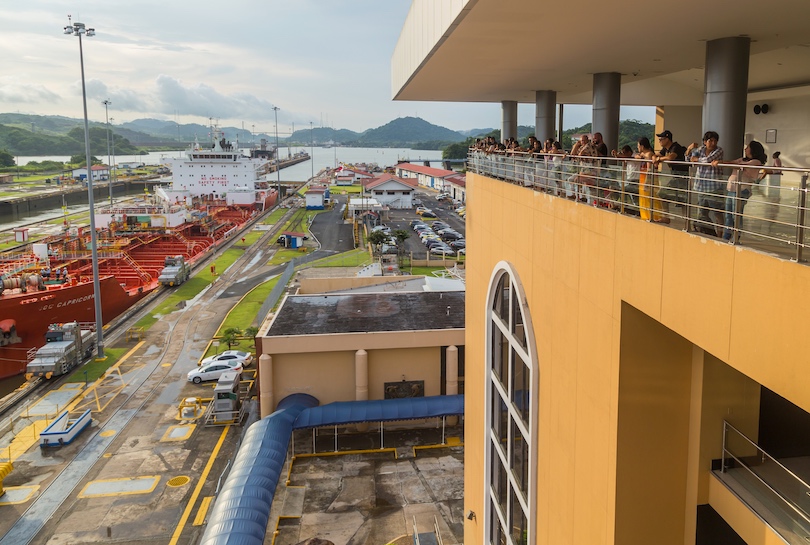
A visit to the Miraflores Locks along the famed Panama Canal will bring you to the doorstep of the Miraflores Visitor Center. A trip here isn’t complete without stepping inside the four-story complex that boasts an interactive look at the history of the canal.
Across the four stories, you’ll be taken on a journey through one of the 7 Industrial Wonders of the World. It all begins with a 15-minute film taking you back to May 4th 1904 when construction began and the 10-year journey of creating a canal that connected the Caribbean Sea with the Pacific Ocean.
Each level offers a look at a different era, along with the surrounding ecology, how it’s operated and expanded in 2016. Along the way, you’ll be afforded several views of the Panama Canal, so keep your cameras ready.
5. Panama Viejo
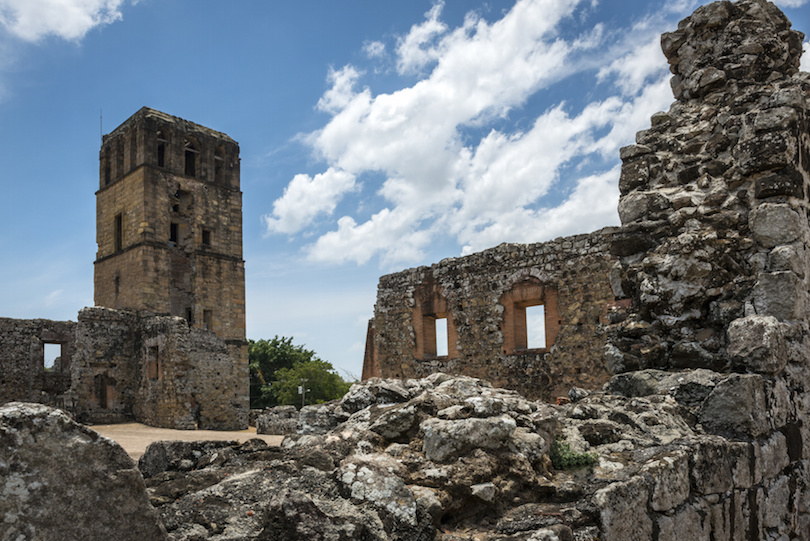
Before wandering around the old town of Casco Viejo, it pays to visit Panama’s original city, Panama Viejo. This ruinous city, located 20 minutes from downtown, was founded in the early part of the 16th century.
The Spanish city thrived until the arrival of one Captain Morgan, who forever challenged the status quo. Panama Viejo is now a collection of 14 major ruins covering a vast area.
Begin at the Museo de Sitio Panama Viejo where you can explore scale models of the entire city. Taking you back to the city’s heyday, you’ll have more appreciation for what it was and the role the remaining ruins once played.
Highlights include a cathedral and chapels from the early 17th century and Puente del Rey, thought to be the oldest bridge in the Americas.
4. Isla Taboga
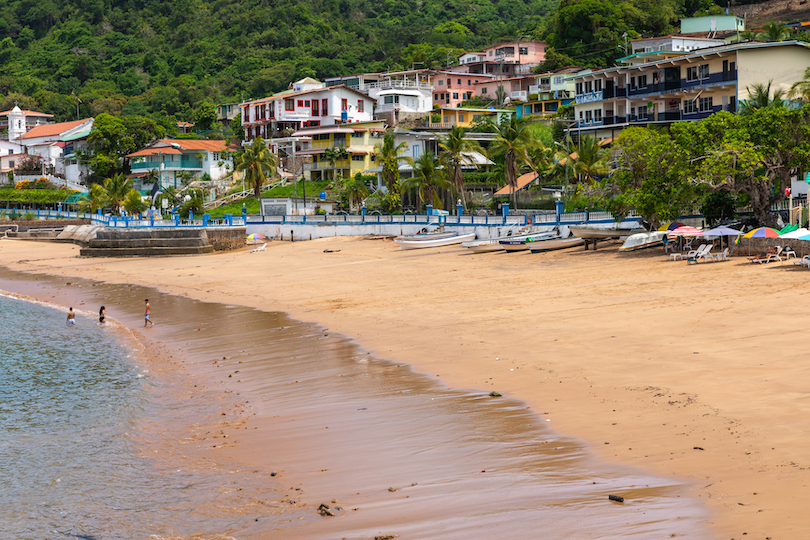
With a small population of around 2,000 residents, Isla Taboga is an idyllic escape from the bustling Panama City. Taking between 30 minutes and an hour (depending on boat choice), the brief trip will leave you surrounded by lush vegetation, pastel-colored homes and fresh Caribbean air.
Here, the long golden beaches stretch into the distance. Cocktails are served in carved-out coconuts and locals work, play and relax as if there’s nothing beyond the island’s confines.
Known as the Island of Flowers, the picturesque Isla Taboga is worth exploring on foot. The rolling hills lead to towering views of the bright blue sea and the vibrant, kaleidoscopic town of Cerro de la Cruz. The latter was a famous haunt of Captain Morgan and home to the second-oldest church in the Americas.
3. Casco Viejo
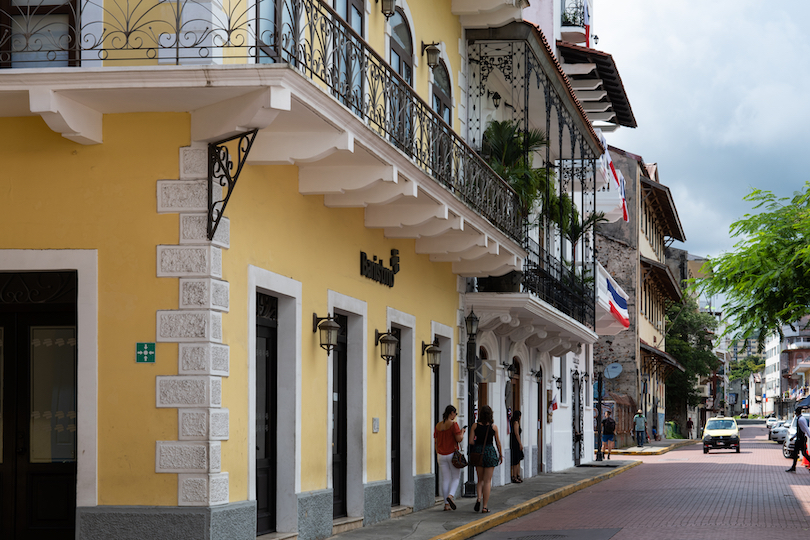
The Old Town of Panama City, Casco Viejo, is a time capsule. Its foundations are connected to the infamous Captain Morgan, and some of Casco Viejo’s oldest structures can be traced back to the 1600s.
In 1671, the English privateer Captain Henry Morgan rattled Spanish control of Panama and looted its rich city of Panama Viejo. Casco Viejo was born from this and while much has changed in the centuries since, the connection remains poignant.
In Casco Viejo, the old streets are narrow and paved with cobblestone. Once a poor neighborhood, it’s found new life as both a historic centerpiece and also a lively place for food and drink. Once the heat of day resides, locals descend upon the streets and head to rooftop bars for cocktails. Some likely with Captain Morgan’s rum.
2. Amador Causeway
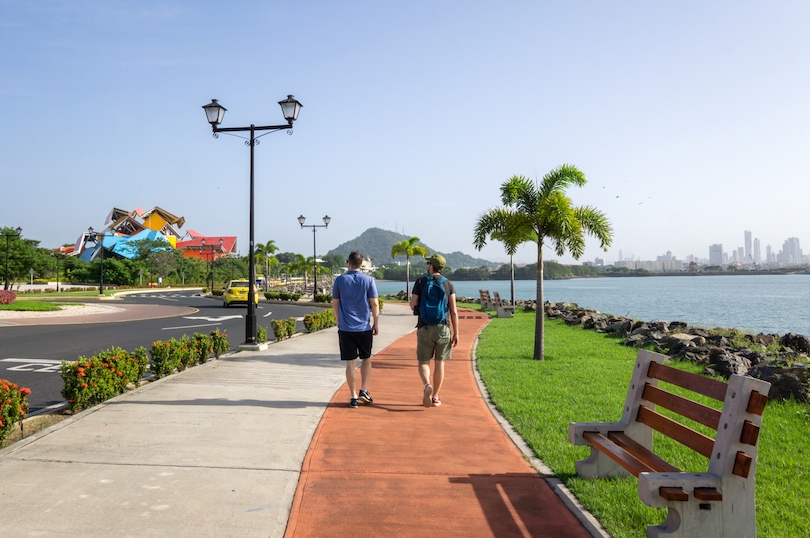
Perhaps the best way to explore Panama City is with a trip down the Amador Causeway. This stretch of tar combines some of the best things to do in Panama City, including many on this list, over the course of 6 kilometers (3.7 miles).
Although 20 minutes from downtown, the Amador Causeway is home to the intriguing Biomuseo, walking and biking trails and the spectacular Bridge of America.
For those seeking an authentic shopping experience, the Amador Causeway also ticks that box. Along the drive is the Centro Artisan Market, that’s littered with handcrafted goods and traditional clothing.
The best way to explore is on a bike. The slow pace allows you to take in the man-made slit of land surrounded by harbor on your way to each attraction.
1. Panama Canal
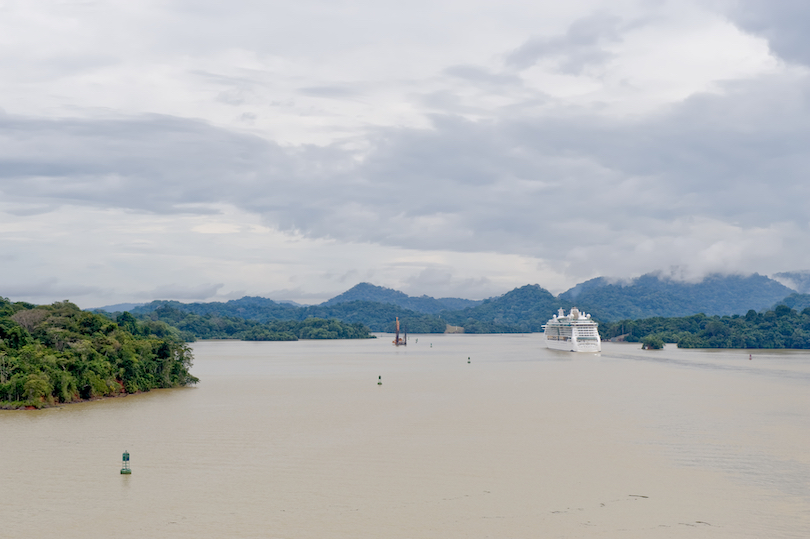
The engineering brilliance of the Panama Canal is just one aspect of what makes this marvel a must-see. The famous waterway and centerpiece of Panama’s international fame is complex and enormous, in ways hard to fathom.
Spanning the width of the country, the Panama Canal can be explored from various points. However, to stay close to Panama City, your best option is to make your way to the Miraflores Locks.
The Miraflores Locks are found 30 minutes from the inner city. Alongside fellow travelers, you can sense the atmosphere reach its zenith whenever a towering cargo ship makes its way through.
To learn more about the locks and the history of the canal, wander into the visitor center, where you’ll enjoy a trip back to the very beginning.