
Hollywood scouts have exceptional taste in real estate and they have transformed some normal neighborhoods into the main character. They are now cinematic legends that attract millions of visitors hoping to walk in their favorite characters’ footsteps. From cobblestone European districts to gritty American streets, these locations gained second lives as movie stars.
Some areas became so associated with films that reality and fiction blur together. Tourists arrive expecting to bump into fictional characters around every corner. The magic happens when authentic neighborhood character meets Hollywood storytelling, turning ordinary streets into pilgrimage destinations for film fans worldwide.
12. Old Montreal – Montreal, Canada

Quebec’s historic district doubled as 18th-century Europe in countless period dramas, saving productions millions in overseas filming costs. The cobblestone streets and French colonial architecture convinced audiences they were watching stories unfold in Paris, Prague, or Vienna rather than Canada. Films like “Catch Me If You Can” and “X-Men Origins: Wolverine” transformed these streets into completely different continents.
Directors particularly love Old Montreal’s flexibility where Victorian buildings can represent London while French facades work for European capitals. The district appeared in films ranging from historical epics to modern thrillers. Local businesses now cater heavily to film crews, with some cafes displaying photos of famous actors who dined there between takes.
11. Venice Beach – Los Angeles, USA

This California boardwalk became synonymous with laid-back American beach culture through decades of film appearances. The mix of street performers, murals, and eccentric locals provided an authentic West Coast atmosphere that studios couldn’t recreate on sound stages. “Lords of Dogtown” and “La La Land” practically made the boardwalk their co-star.
Venice Beach’s grittier edges and colorful characters made it perfect for stories about outsiders and dreamers. The area’s transformation from bohemian enclave to tourist magnet happened partly due to its movie fame. Modern visitors come seeking the Hollywood version of California beach life, complete with muscle-bound bodybuilders and quirky street art that cameras loved capturing.
10. Old Havana – Cuba

Cuban capital’s colonial architecture and vintage cars made it irresistible to filmmakers depicting tropical intrigue and Cold War tensions. The crumbling elegance of 16th-century buildings provided authentic period atmosphere without expensive set construction.
Political restrictions limited filming opportunities for decades, making each production special. When movies did shoot here, they captured a time capsule of Spanish colonial grandeur mixed with mid-century American influence. The neighborhood’s current restoration efforts often reference how areas appeared in famous films, using cinema as historical documentation.
9. Charlestown – Boston, USA

This working-class Boston neighborhood gained notoriety through crime dramas that highlighted its tight-knit Irish-American community and complex relationship with law enforcement. Directors found an authentic blue-collar atmosphere and stunning views of downtown Boston across the harbor, perfect for films like “The Departed.”
Local residents initially resented Hollywood’s focus on criminal elements, but film-induced tourism eventually brought economic benefits. The area’s narrow streets and triple-decker houses became instantly recognizable to movie audiences. Modern visitors explore locations from bank heist films while enjoying waterfront restaurants that didn’t exist when cameras first rolled.
8. Chinatown – San Francisco, USA

San Francisco’s Chinatown appeared in everything from film noir classics to modern action movies, its distinctive architecture and steep hills offering dramatic urban landscapes. The neighborhood’s authentic cultural elements eliminated the need for elaborate set decoration.
Filmmakers appreciated how Grant Avenue’s pagoda-style buildings and ornate street lamps translated beautifully to screen. The area’s role in movies helped establish visual shorthand for American Chinatowns nationwide. Tourism increased significantly after major film releases, with visitors specifically seeking restaurants and shops they recognized from favorite movies.
7. Dubrovnik Old Town – Croatia

This Adriatic coastal city became a fantasy television phenomenon, its limestone walls and terracotta roofs doubling as fictional kingdoms. The well-preserved medieval architecture eliminated costly digital effects while providing authentic historical atmosphere.
International fame from Game of Thrones transformed Dubrovnik from quiet tourist destination into major pilgrimage site. Local authorities now struggle with overtourism as fans arrive seeking specific filming locations. The city’s appearance in multiple productions established it as go-to location for epic storytelling requiring ancient European backdrops.
6. French Quarter – New Orleans, USA

New Orleans’ historic heart offered filmmakers a uniquely American blend of French, Spanish, and Creole architecture found nowhere else. The wrought-iron balconies and intimate courtyards became visual symbols of Southern Gothic atmosphere. “Interview with the Vampire” made these moonlit streets synonymous with supernatural romance.
Music, cuisine, and supernatural folklore added authentic cultural layers that enhanced storytelling. The Quarter’s tolerance for eccentric behavior made it ideal for productions needing colorful local characters. Post-hurricane recovery efforts often emphasized the area’s film legacy as part of cultural preservation, recognizing cinema’s role in documenting architectural heritage.
5. La Boca – Buenos Aires, Argentina

This vibrant Buenos Aires barrio attracted filmmakers with its rainbow-colored houses and passionate tango culture. The neighborhood’s working-class authenticity and artistic traditions offered genuine South American urban atmosphere without requiring elaborate set design. One of the most iconic films shot here is “Evita” which showcased these colorful streets to audiences craving authentic Argentine passion.
La Boca’s connection to tango dancing made it perfect for romantic dramas and cultural stories. The area’s European immigrant history added complexity to character backgrounds. Film appearances helped international audiences discover Argentine culture while boosting local tourism significantly. Street artists now incorporate movie references into their colorful building murals.
4. Shinjuku – Tokyo, Japan

Tokyo’s busiest district became shorthand for futuristic urban chaos, its neon-lit streets and massive crowds representing 21st-century metropolitan life. The area’s 24-hour energy and technological density fascinated international filmmakers exploring themes of modern alienation and connectivity.
Skyscrapers mixed with traditional businesses offered visual contrasts that highlighted Japan’s cultural complexity. The district’s role in science fiction films helped establish global perceptions of Japanese urban life. Modern tourists arrive expecting blade runner-style neon landscapes, though gentrification has changed some atmospheric elements that cameras originally captured. Most famously, “Lost in Translation” turned these glowing streets into poetry about urban loneliness.
3. Montmartre – Paris, France

This hilltop Parisian district epitomized romantic European bohemian life through countless film appearances. The winding cobblestone streets, artists’ studios, and panoramic city views delivered quintessential Parisian atmosphere that audiences worldwide recognized instantly. “Amélie” made every café table and metro station a potential stage for whimsical romance.
Sacré-Cœur Basilica and traditional bistros provided perfect backdrops for romantic comedies and artistic dramas. The area’s association with painters and writers added cultural depth to storylines. Modern Montmartre balances film-inspired tourism with maintaining authentic neighborhood character, though souvenir shops now occupy spaces where actual artists once worked.
2. Greenwich Village – New York City, USA

Manhattan’s bohemian quarter became synonymous with artistic creativity and countercultural movements through decades of film portrayals. The tree-lined streets and historic brownstones offered intimate urban settings that contrasted with midtown’s corporate atmosphere. Here, everyone has tried to recreate some “I’ll have what she’s having” laughs from “When Harry Met Sally,” peak of 90s cinema that captured this neighborhood.
Directors loved the Village’s human scale and neighborhood feel within America’s largest city. Coffee shops and jazz clubs provided authentic venues for character development scenes. The area’s transformation from affordable artists’ enclave to expensive real estate market mirrors themes explored in many films shot there.
1. Notting Hill – London, UK
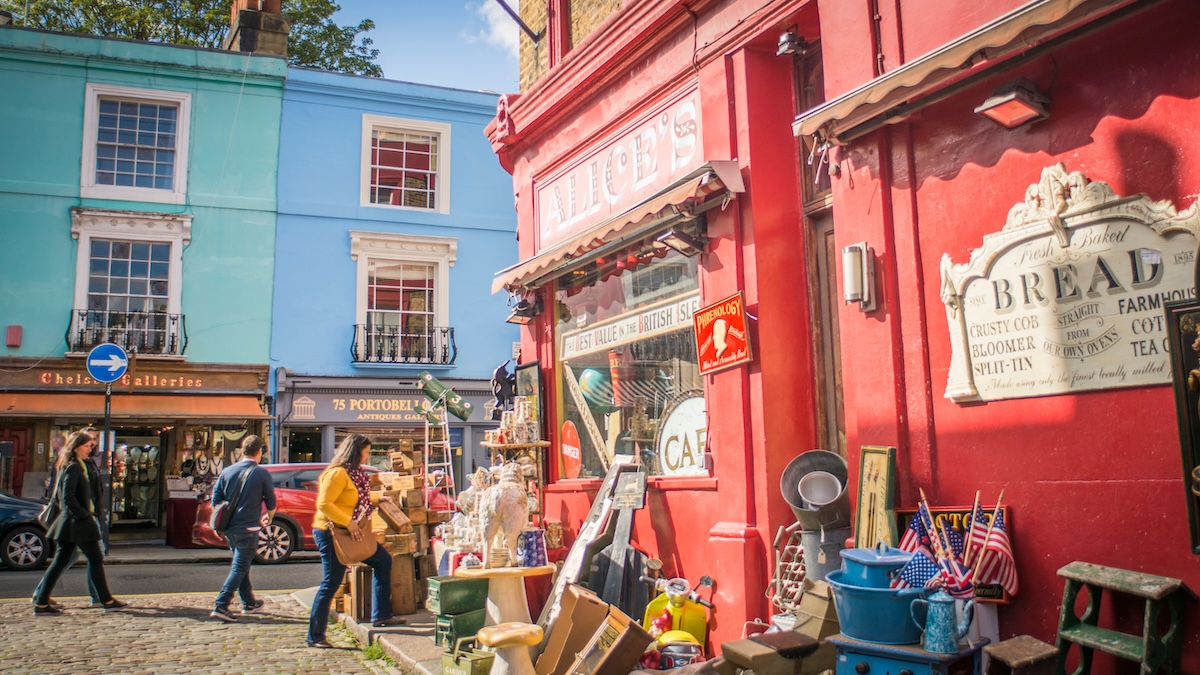
This West London neighborhood achieved global recognition through its namesake film’s success, transforming from a working-class area into an international tourist destination. Hugh Grant even made his return alongside Bridget Jones, who called this borough her home. The pastel-colored Victorian houses and quaint market stalls perfectly embodied British charm for international audiences.
Portobello Road Market became a must-visit London attraction largely due to film fame. Property values soared as the neighborhood’s cinematic reputation attracted wealthy residents and businesses catering to film fans. Local bookshops and travel agencies still reference movie scenes, acknowledging cinema’s role in reshaping community identity and economic prospects.