
America contains multitudes, and some of those multitudes decided that one singular fixation was enough to build an entire identity around. These towns picked their thing, committed completely, and never looked back. The results range from quite impressive to absolutely unhinged, occasionally landing somewhere in the middle.
Visiting these places means you will be embracing the bit fully. Half-hearted tourism doesn’t work here. Show up ready to eat the garlic ice cream, photograph the giant rocking chair, and accept that some American towns simply decided normal was never going to be enough.
12. Casey, Illinois
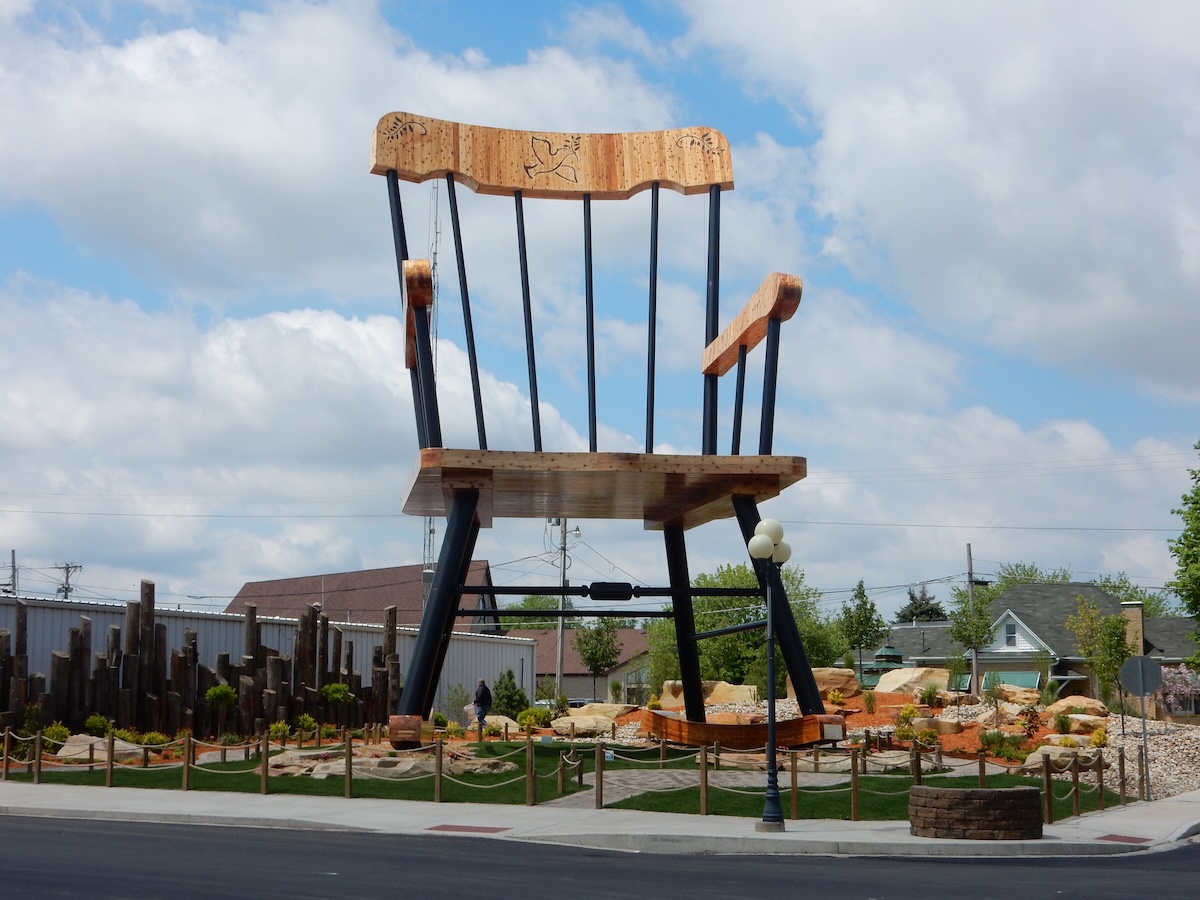
This small Illinois town holds more Guinness World Records for giant objects than anywhere else on Earth, and the list keeps growing. A rocking chair standing 56 feet tall, a wind chime the size of a building, and a knitting needles installation that required structural engineering all share space in Casey. The population of 2,700 might be small, but together they decided to go very large.
Local resident Jim Bolin started building oversized objects in 2011, and the project essentially never stopped. The giant mailbox actually functions as a real mailbox, a level of commitment that other towns simply can’t reach. Not without a ladder at least.
11. Tombstone, Arizona
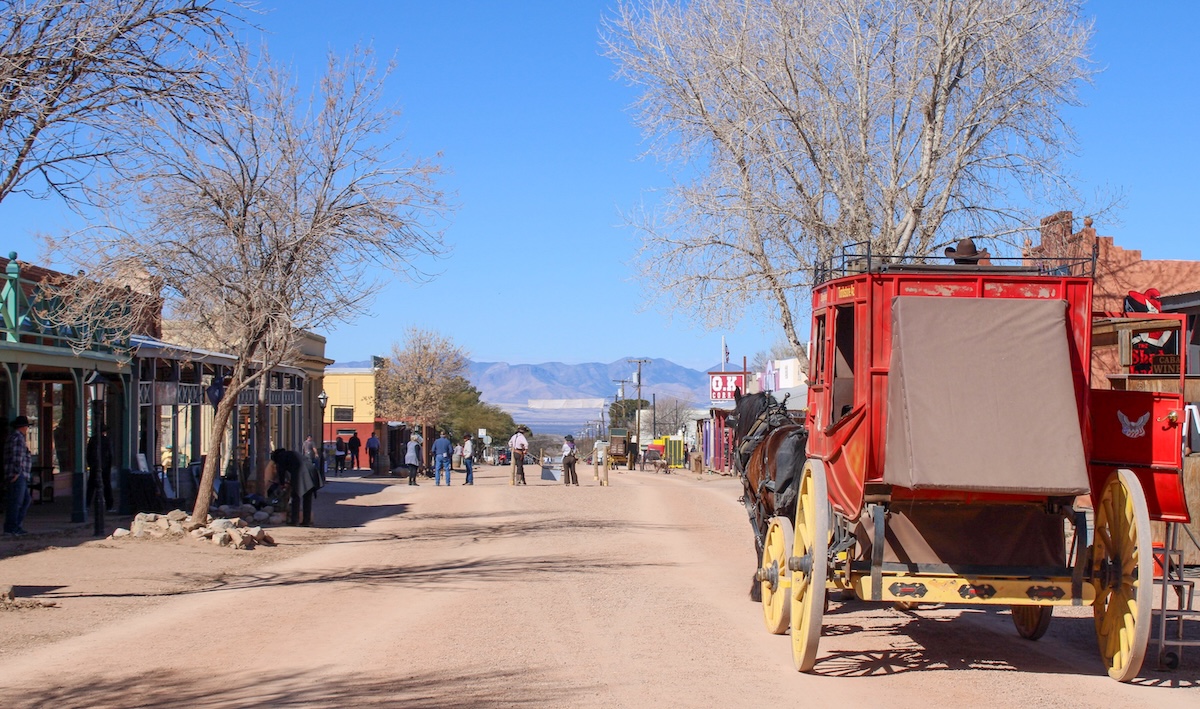
The town too tough to die decided to lean into that reputation. So hard, in fact, that the gunfight at the OK Corral now plays out multiple times daily for tourist audiences who drove through the desert to watch actors in period costume settle fictional disputes. Tombstone peaked historically in the 1880s and has been cheerfully reliving those years ever since.
Boot Hill Cemetery, the Bird Cage Theatre, and a main street where cowboy hats outnumber baseball caps by a significant margin describe a town operating as a living history exhibit. The real 19th-century buildings give the whole arrangement more authenticity than a Hollywood back lot, which counts for something.
10. Wallace, Idaho
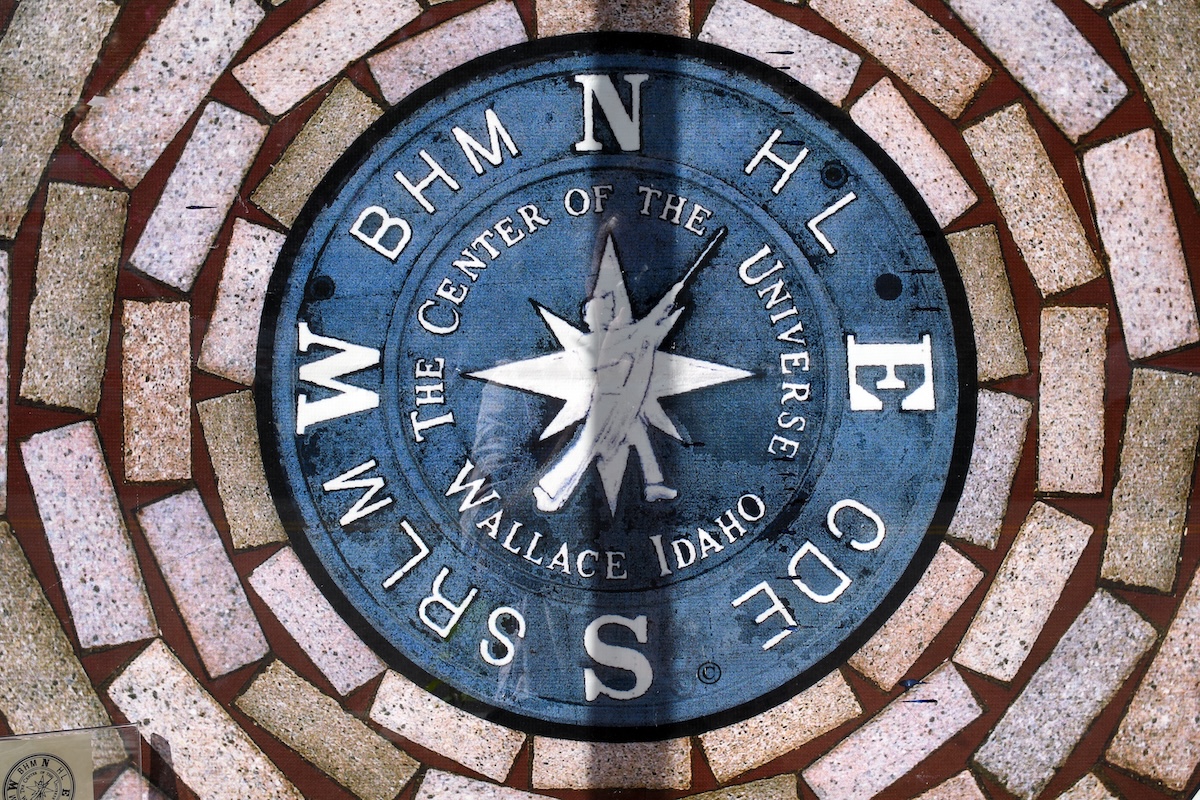
Wallace designated itself the Center of the Universe in 2004 by installing a manhole cover in the middle of an intersection and declaring the matter settled through city ordinance. The argument, technically, is that nobody has proven otherwise, which Wallace considers logically airtight.
The Coeur d’Alene mining district’s history gives the town some substance beneath the cosmic joke. Victorian architecture lines the compact downtown, and the surrounding Silver Valley produced enough silver ore to fund some impressively ornate buildings for a mountain town this size. The Center of the Universe designation costs nothing to verify and makes for a very good photograph.
9. Dearborn, Michigan
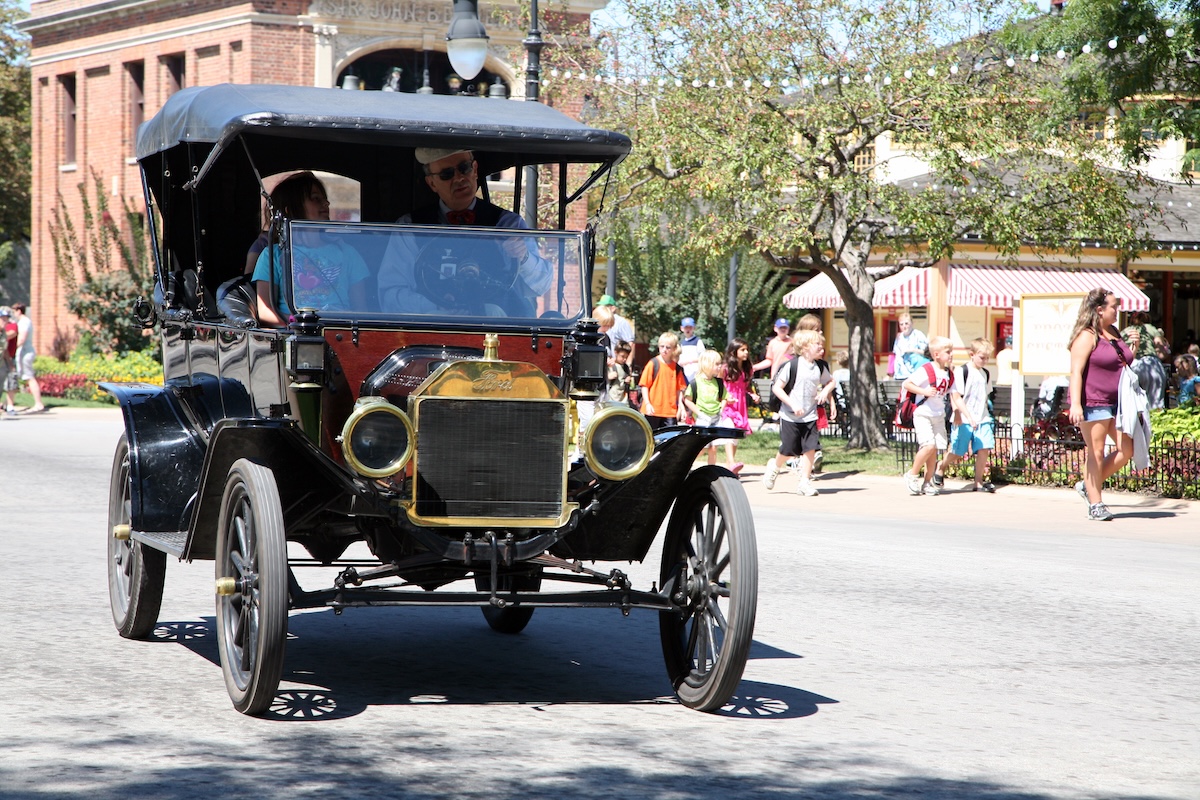
Henry Ford grew up here, built his empire here, and left behind enough automotive history to fill multiple museums, which is exactly what happened. The Henry Ford Museum of American Innovation covers 12 acres of indoor space with the original Rosa Parks bus, presidential limousines, and the rocking chair Lincoln was sitting in at Ford’s Theatre, making it one of America’s more unexpectedly broad collections despite the name.
Greenfield Village next door transplanted historic buildings from across the country onto a single site, including Edison’s laboratory and the Wright Brothers’ bicycle shop. Ford’s River Rouge Complex still operates as one of the world’s largest manufacturing facilities and offers tours that make industrial processes genuinely fascinating.
8. Punxsutawney, Pennsylvania
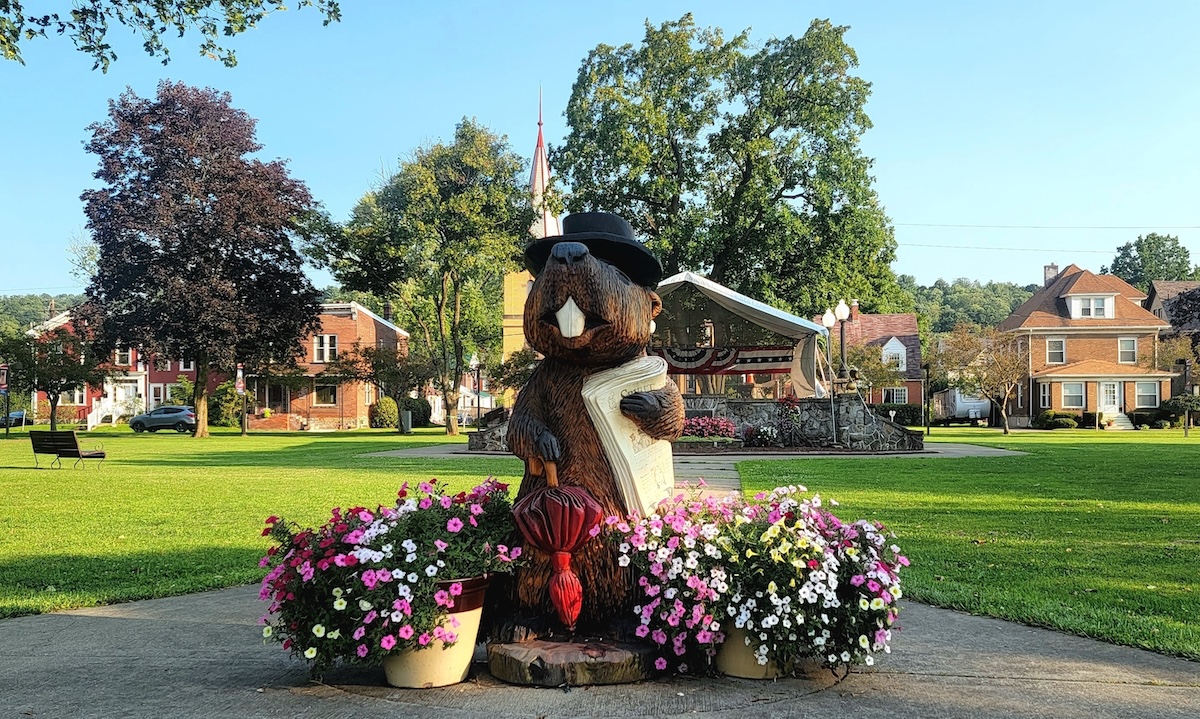
Every February 2nd, a groundhog named Phil emerges from a stump on Gobbler’s Knob. Thousands of people drive through Pennsylvania winter weather to watch a rodent make meteorological predictions with a track record that wouldn’t get a human forecaster rehired. The whole ceremony runs before dawn, outdoors, in February, in Pennsylvania, and crowds still show up numbering in the tens of thousands.
The 1993 Bill Murray film turned a regional tradition into an international cultural reference, and Punxsutawney embraced the attention by installing groundhog statues throughout town and opening a Groundhog-themed gift economy that runs year-round. Phil himself lives at the local library between public appearances.
7. Solvang, California
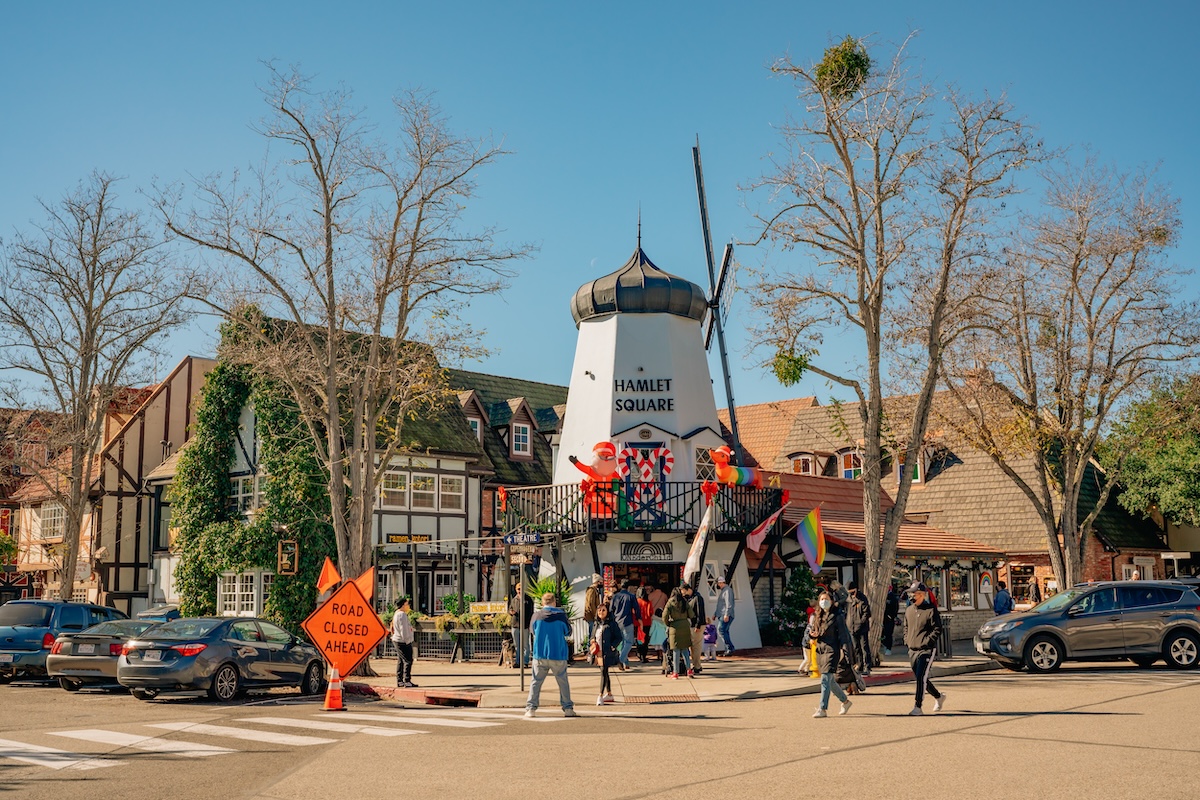
Danish settlers founded this Santa Barbara County town in 1911, and the architectural commitment to Scandinavian aesthetics never wavered. Half-timbered buildings, windmills, and bakeries serving æbleskiver pancake balls line streets where the Danish theme extends past decoration into something approaching full cultural immersion.
The population sits around 5,000 but the town pulls over a million visitors annually, most arriving for wine country touring and discovering the Danish village situation as a pleasant surprise. The surrounding Santa Ynez Valley produces serious wine that Solvang pairs with pastries, a combination that shouldn’t work but just does.
6. Wisconsin Dells
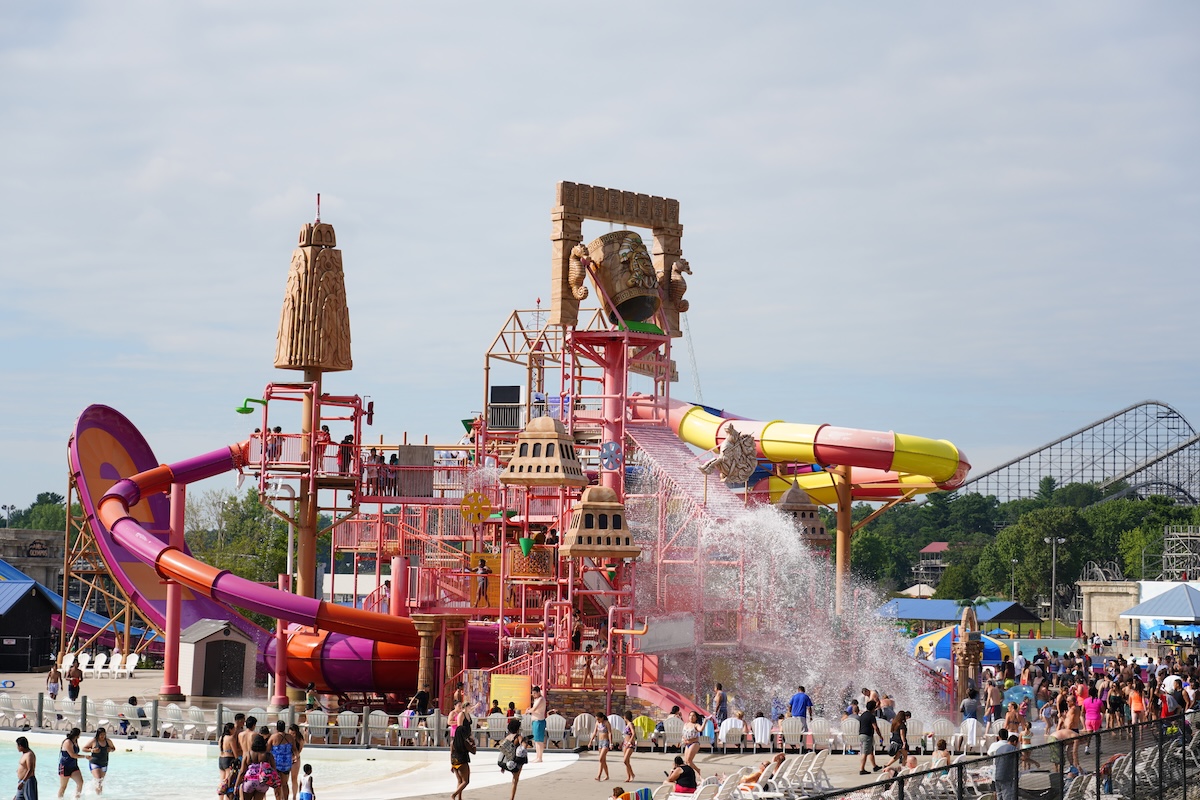
A modest Wisconsin river town transformed into America’s self-proclaimed Waterpark Capital of the World through a gradual accumulation of indoor and outdoor water attractions that now cover more ground than the original town could have predicted or planned for. The water park density here challenges comprehension until you’re actually standing in it.
Noah’s Ark claims status as America’s largest outdoor waterpark, though the sheer concentration of competing facilities means that title faces regular challenges from neighbors. Wisconsin winters pushed the industry toward indoor parks that operate year-round, turning Wisconsin Dells into a destination that defies seasonal logic and keeps drawing Midwestern families regardless of what the weather outside is doing.
5. Forks, Washington
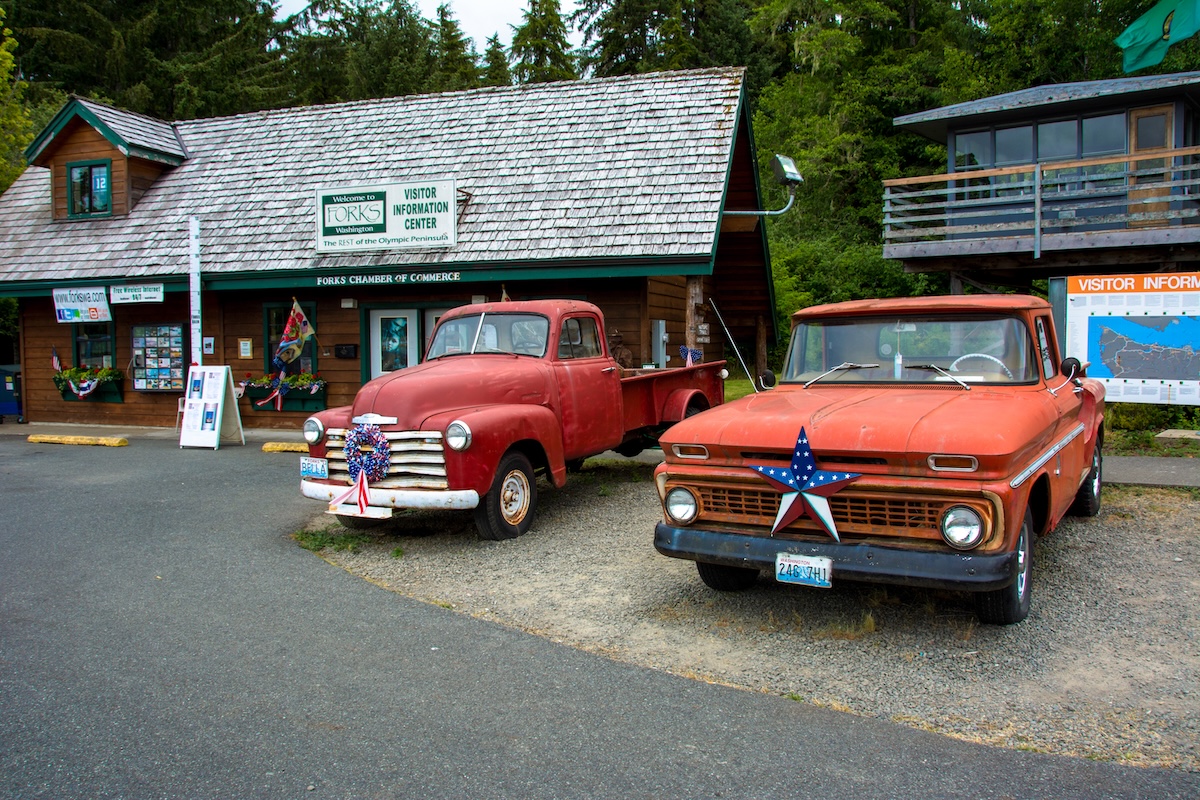
Before Stephenie Meyer set her vampire romance novels in this logging town, Forks averaged around 10,000 visitors annually. After Twilight, that number climbed past 70,000, and the town made a very sensible decision to lean completely into the supernatural tourism economy. Every diner, motel, and gift shop operates within the extended Twilight universe now, and nobody seems too embarrassed about it.
The surrounding Olympic Peninsula rainforest provides the atmospheric backdrop that drew Meyer’s fictional characters here, and the actual landscape delivers something photographers find compelling entirely outside the vampire context. Forks gets the last laugh on everyone who finds the premise ridiculous by running an impressively profitable tourism model off one book series.
4. Hatch, New Mexico
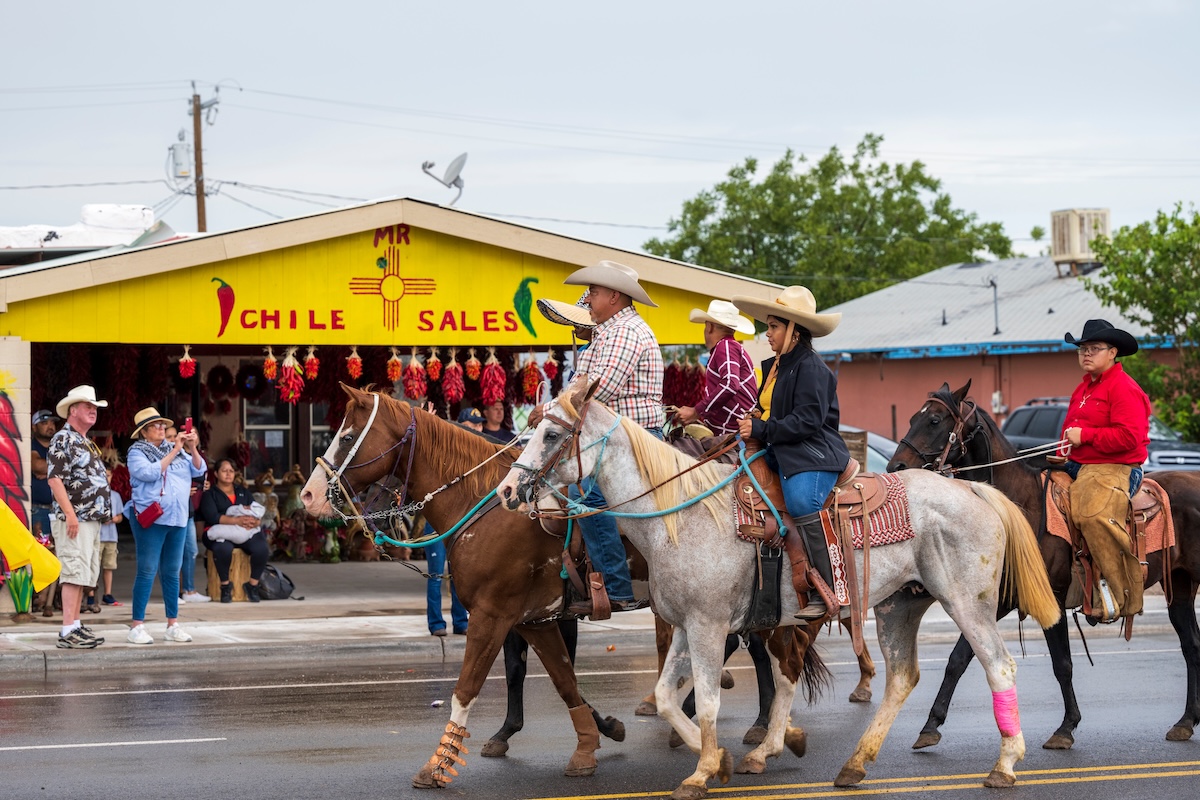
New Mexico’s Chile Capital of the World takes its agricultural identity deathly serious. The annual Chile Festival draws visitors from across the Southwest every Labor Day weekend for roasting, eating, and competitive consumption of the region’s most famous crop. The smell of green chile roasting in huge drums over open flames hits somewhere around the town limits and doesn’t let go.
Hatch chiles occupy their own distinct category in New Mexico cooking, and locals maintain strong feelings about the differences between their product and anything grown elsewhere. The short harvest season from August through October concentrates the full experience into weeks that the town treats as an annual celebration with religious undertones.
3. Intercourse, Pennsylvania
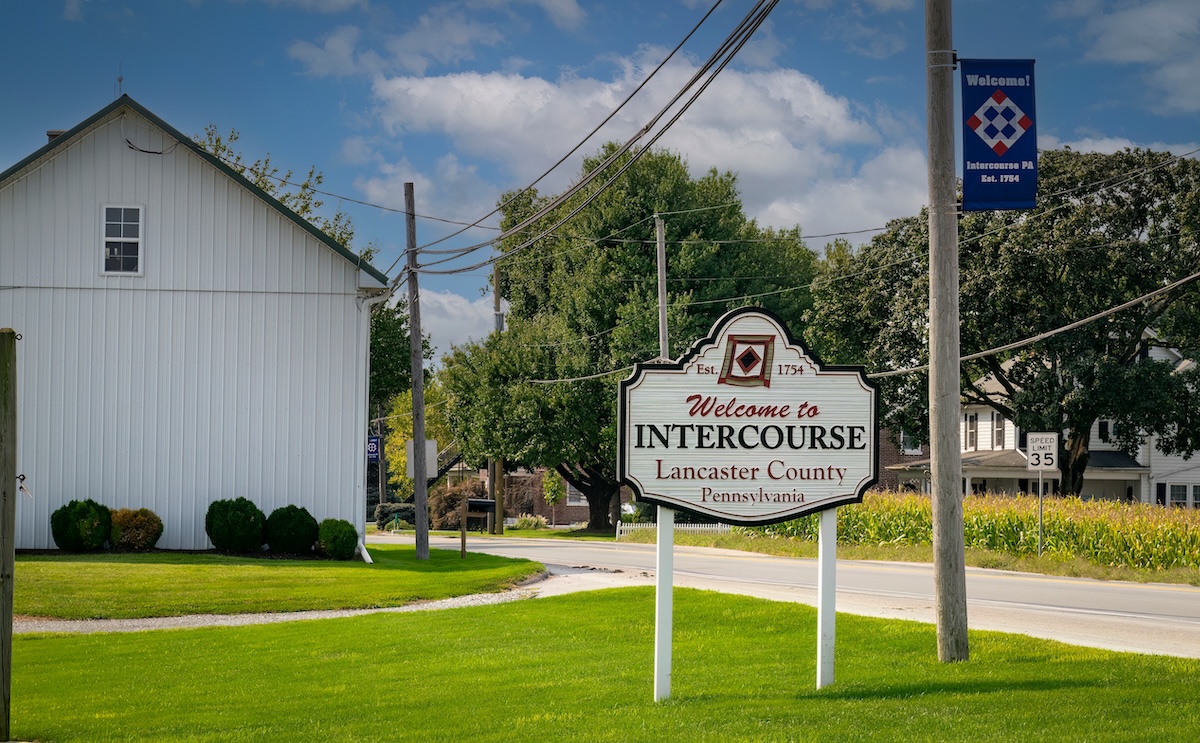
The name alone puts this Lancaster County village on every road trip list, and the tourism economy built around visitors stopping to photograph the town sign runs surprisingly deep for a community of a few hundred people. Founded in 1754, the original name derived from a crossroads usage of the word that predates modern associations, but nobody in marketing is rushing to clarify that context.
Beyond the sign photographs, Intercourse sits at the heart of Amish country with craft shops, quilt stores, and working farms surrounding a village center where horse-drawn buggies is the local transportation. The gap between the name’s reputation and the town’s actual peaceful Amish character produces a comedic contrast that the locals handle with plenty of patience.
2. Gilroy, California
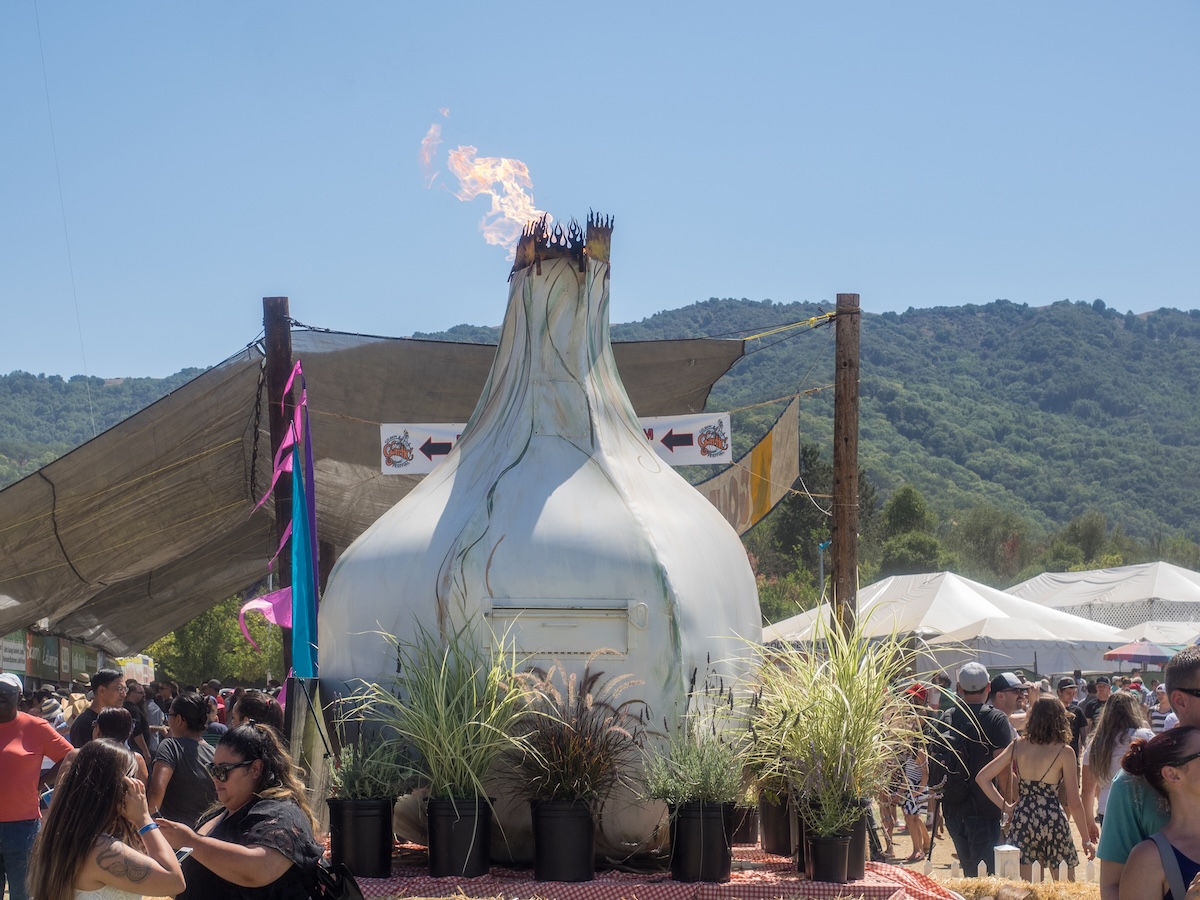
The Garlic Capital of the World takes its designation seriously, producing garlic ice cream, garlic bread, garlic braids, and an annual festival drawing 100,000 visitors to celebrate this attractive allium. The smell greets visitors before the town sign does, which provides clear advance warning of the commitment level ahead.
Surrounding farmland produces a significant percentage of America’s commercial garlic supply, so the fixation connects to the agricultural reality. The Gilroy Garlic Festival runs every July and includes a cooking competition, live music, and enough garlic-forward food combinations to challenge preconceptions about what the ingredient belongs in.
1. Roswell, New Mexico
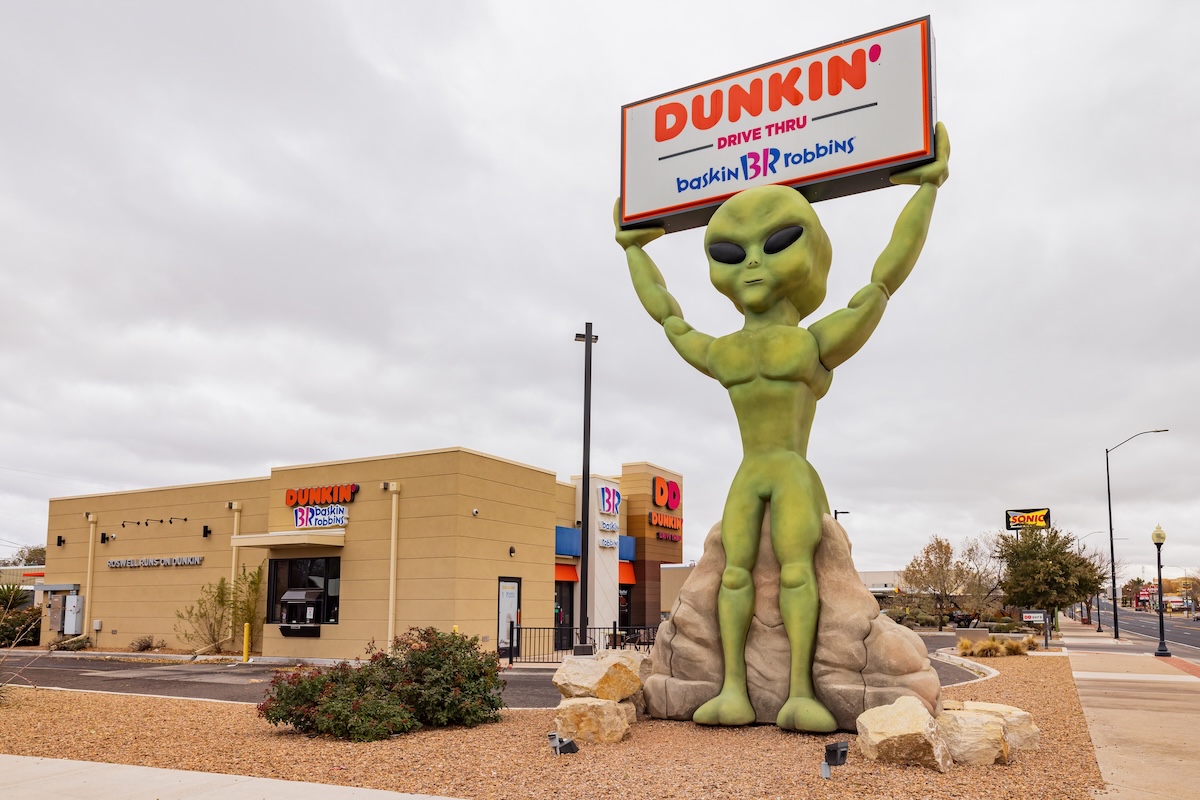
Whatever actually crashed in the New Mexico desert in 1947, the official explanations never quite satisfied Roswell. They eventually stopped waiting for government clarity and built a UFO-themed tourism economy that now generates around 80 million dollars annually. The International UFO Museum and Research Center anchors a Main Street where alien imagery covers every available surface, and the local McDonald’s features a flying saucer design.
The annual UFO Festival draws thousands of visitors in alien costumes who take the conspiracy theories with varying degrees of seriousness, creating an atmosphere where true believers and people enjoying the absurdity coexist in complete harmony. Roswell figured out that the mystery sells better than any confirmed answer ever could, and the town has been completely right about that for decades.