
Most villages throughout history chose flat ground near fresh water and called it a day. These twelve never got that memo, and travelers are eternally grateful for it. Built on stilts above open ocean, carved into cliff faces, frozen into permafrost, or deliberately designed to eliminate personal ownership, these settlements solved the problem of where to live with solutions that nobody else thought to try.
Some exist in conditions that make ordinary daily life look like an extreme sport. Others built philosophical frameworks so different that the mainstream mind simply can’t comprehend. But they all have one thing in common, the fact that they do it unlike anybody else.
12. Kampong Ayer, Brunei
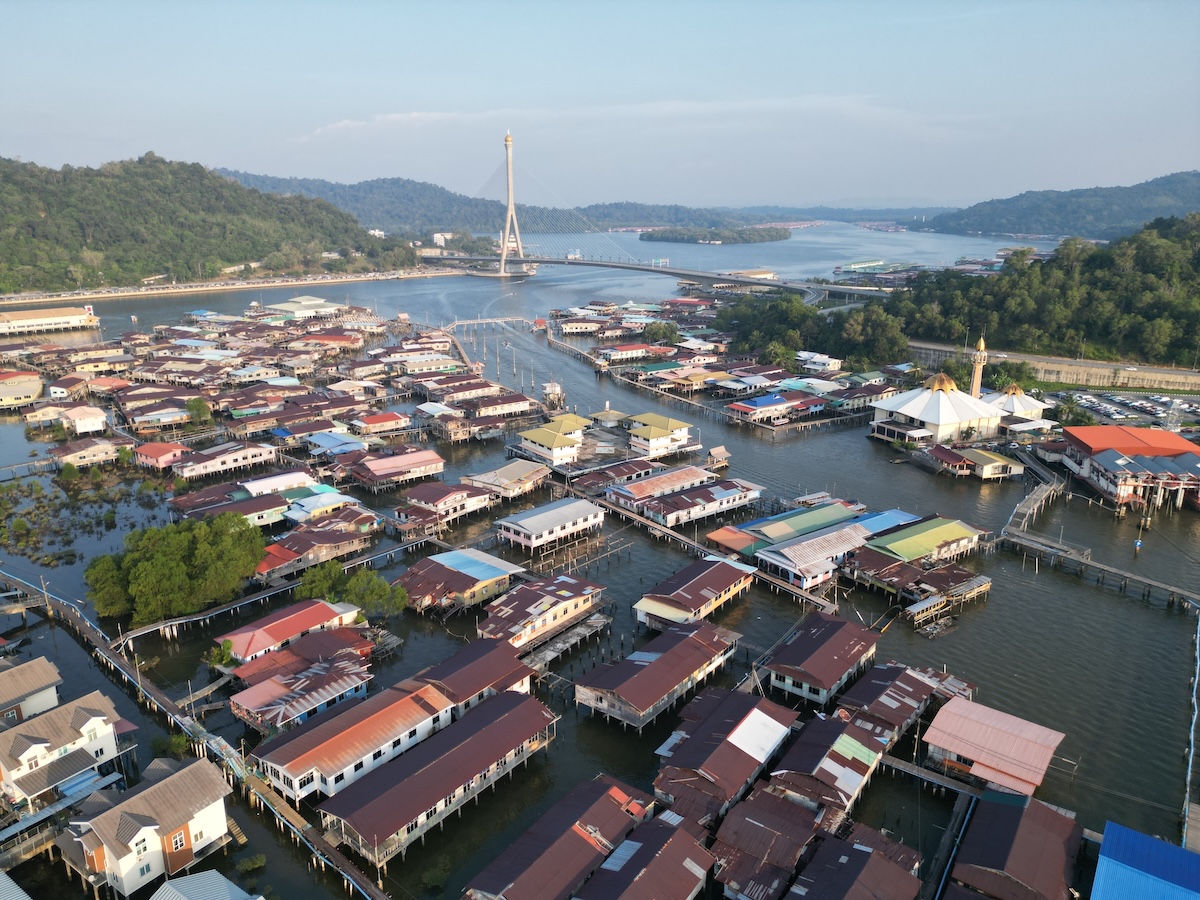
Around 30,000 people live on this water city built entirely on stilts above the Brunei River, making it the largest stilt settlement on Earth. Schools, mosques, hospitals, and police stations all occupy platforms connected by 36 kilometers of wooden boardwalks, creating a fully functioning city that sits completely above water and has done so for centuries.
Water taxis replace street traffic below the boardwalks while residents zip between neighborhoods in boats the way everyone else uses roads. The Sultan of Brunei offered to relocate residents to land multiple times over the decades, and the community declined each time. Kampong Ayer simply decided the water worked fine and has been proving that point ever since.
11. Kulusuk, Greenland
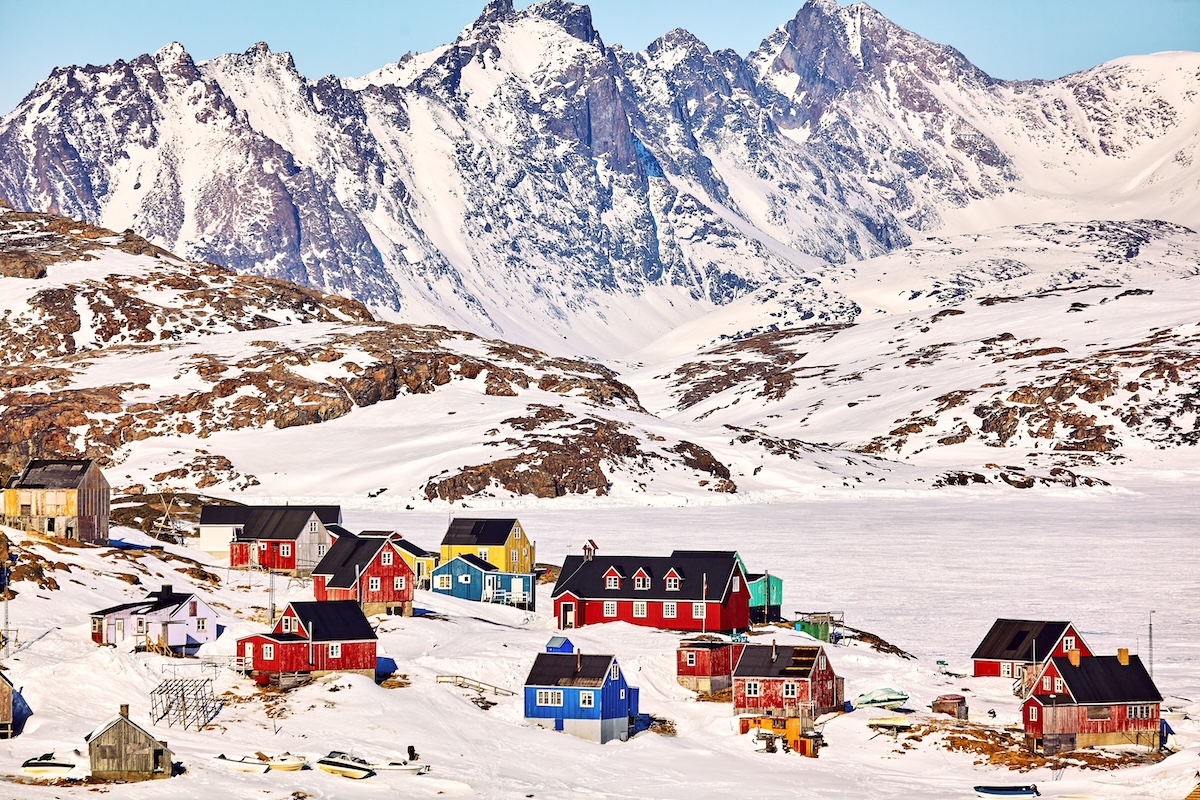
Around 200 people occupy this East Greenland settlement on a small island where the nearest town requires a helicopter flight, and the surrounding landscape consists of the Arctic Ocean and icebergs. The mountain terrain makes the concept of neighbors fairly theoretical, but the few that you have all live in brilliantly colorful houses. Kulusuk’s Inuit community hunts, fishes, and navigates sea ice conditions that change daily, demanding knowledge that accumulated across generations.
The airport exists primarily to connect adventurous tourists arriving for Arctic experiences that tour operators in Reykjavik package and sell at hefty prices. The gap between visitor experience and resident reality here runs wider than at any other destination on this list.
10. Supai, Arizona
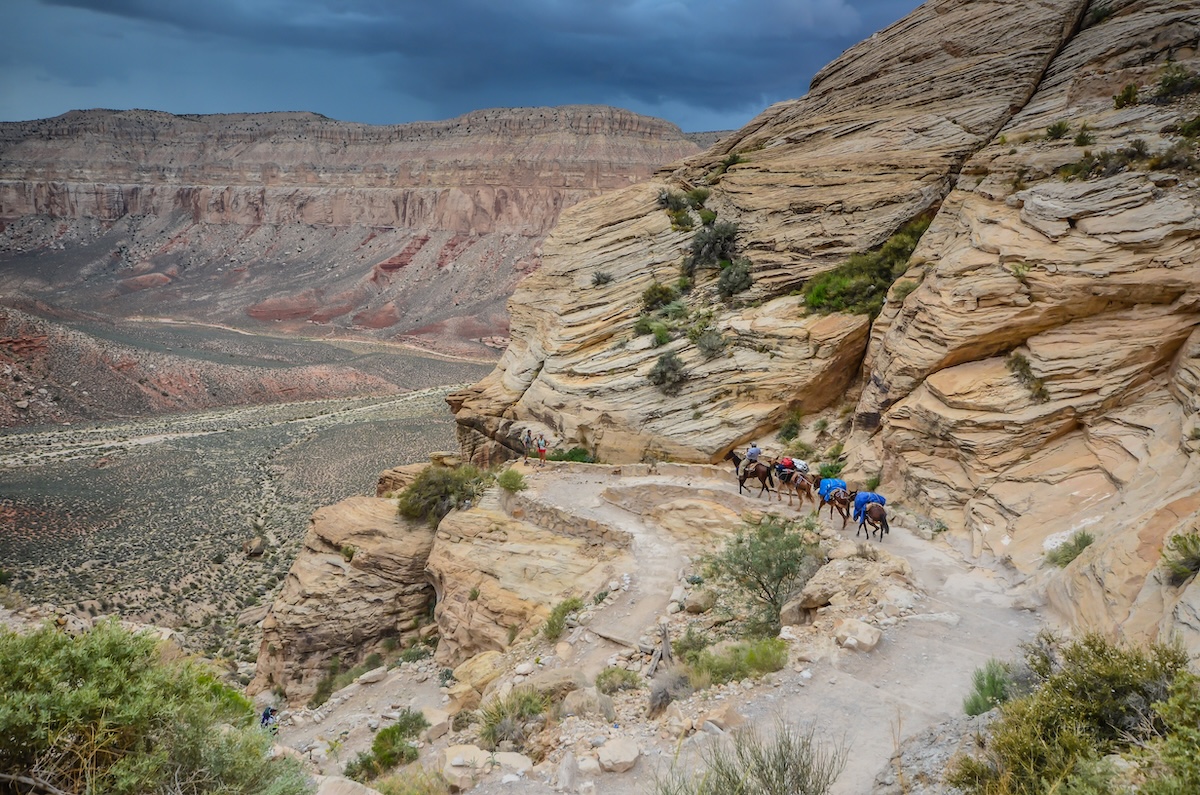
The only community in the United States where mail still arrives by mule lives at the bottom of a side canyon in the Grand Canyon, accessible by an 8-mile trail on foot or horseback. Around 200 members of the Havasupai Tribe live year-round in a village sitting beside turquoise waterfalls that the outside world lost its mind over once photographs started circulating online.
The tribe controls access strictly, requiring permits well in advance and limiting visitor numbers to protect a place their ancestors have occupied for at least 800 years. The mule mail situation stopped being a quirky historical footnote long ago and simply became how things work down here, which the Havasupai seem entirely unbothered by.
9. Giethoorn, Netherlands
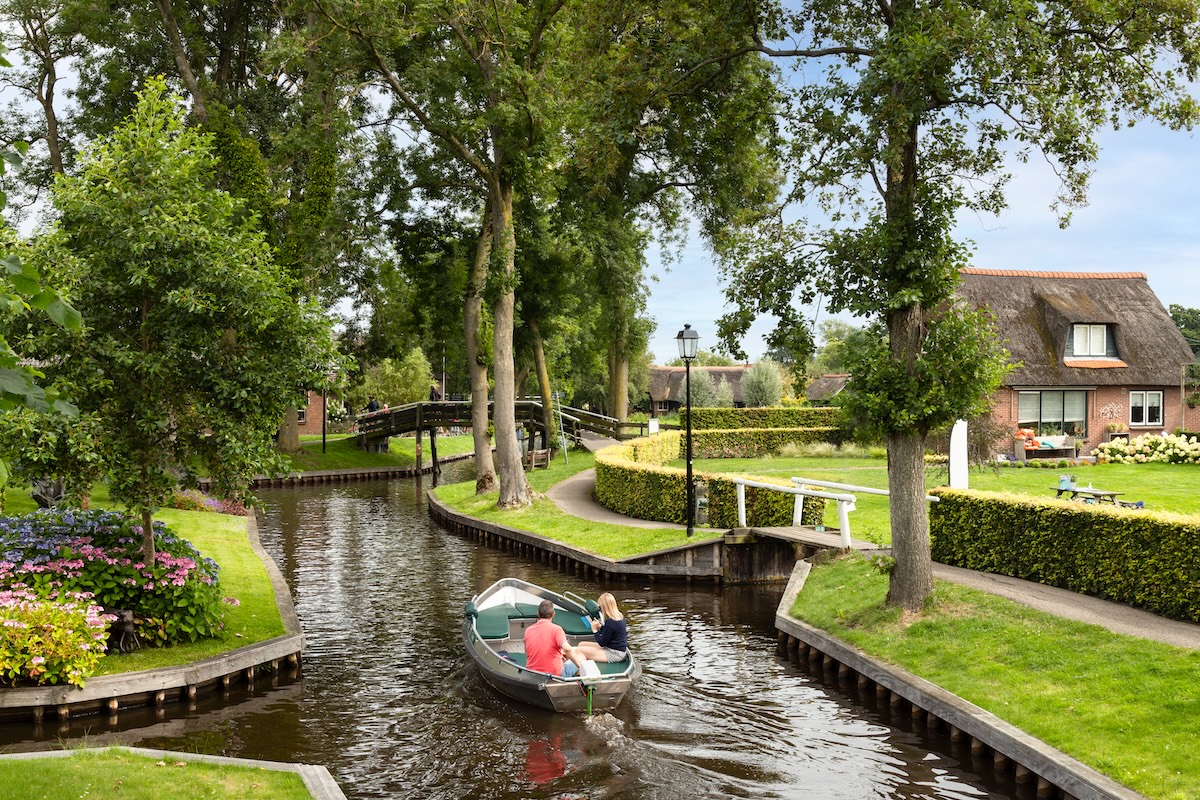
The Netherlands built a village with no roads, but they never regretted the decision. Canals connect every property in Giethoorn while small wooden bridges arc over the water between islands. In this settlement, the standard solution to getting anywhere involves a flat-bottomed boat called a whisper boat instead of a car or a bike.
The silence that results from removing motor vehicles from a populated area surprises every first-time visitor who arrives expecting a tourist attraction and finds something closer to a functional, quiet community. Day trippers from Amsterdam arrive in significant numbers during summer, though the village’s geography keeps the chaos at water level and moving slowly.
8. Haid Al-Jazil, Yemen
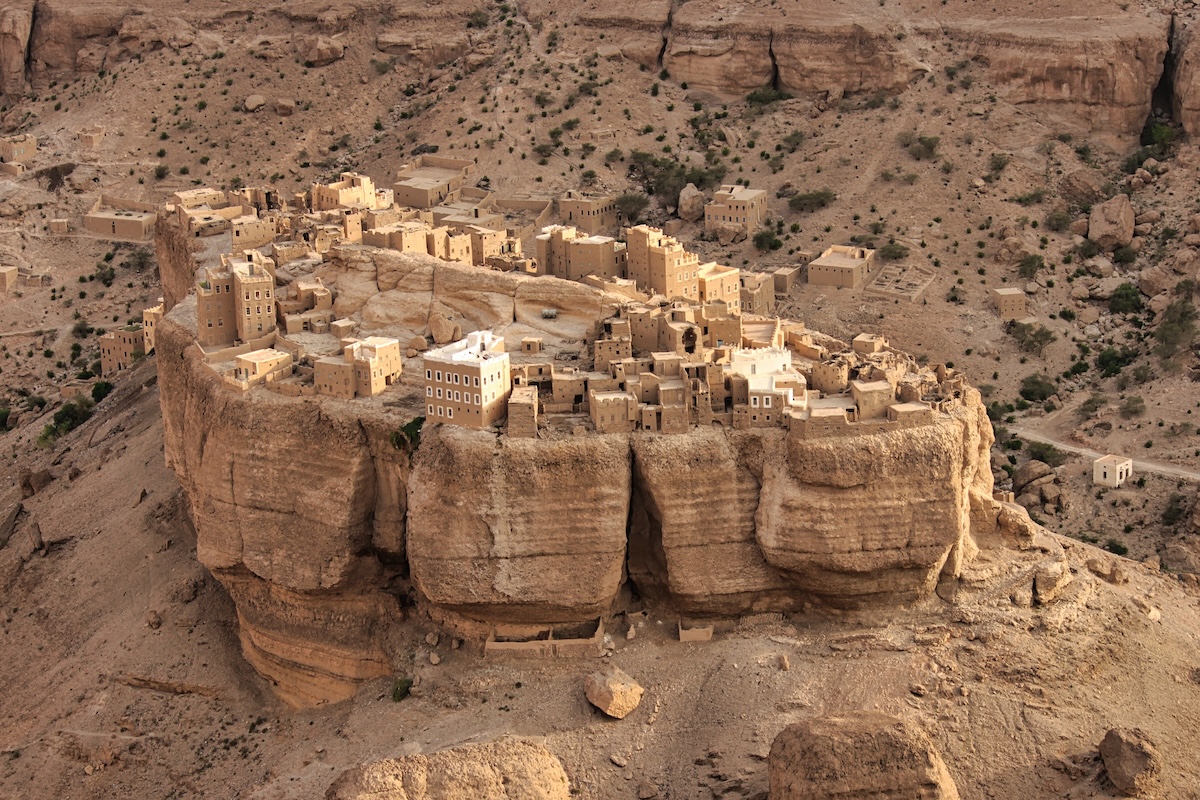
This Yemeni village sits on top of an isolated rock pinnacle rising from a desert valley floor, with houses stacked so tightly against the cliff edge that the exterior walls and the rock face are effectively the same structure. Nobody fully agrees on why the original settlers chose a location that makes grocery delivery impossible, though the defensive advantages seem like a reasonable starting point.
Access requires climbing the rock face, which the residents manage with a casual efficiency that visiting photographers find both impressive and mildly terrifying. The Hadhramaut region surrounding the pinnacle contains several spectacular cliff villages, but Haid Al-Jazil consistently stops people cold.
7. Phugtal, India
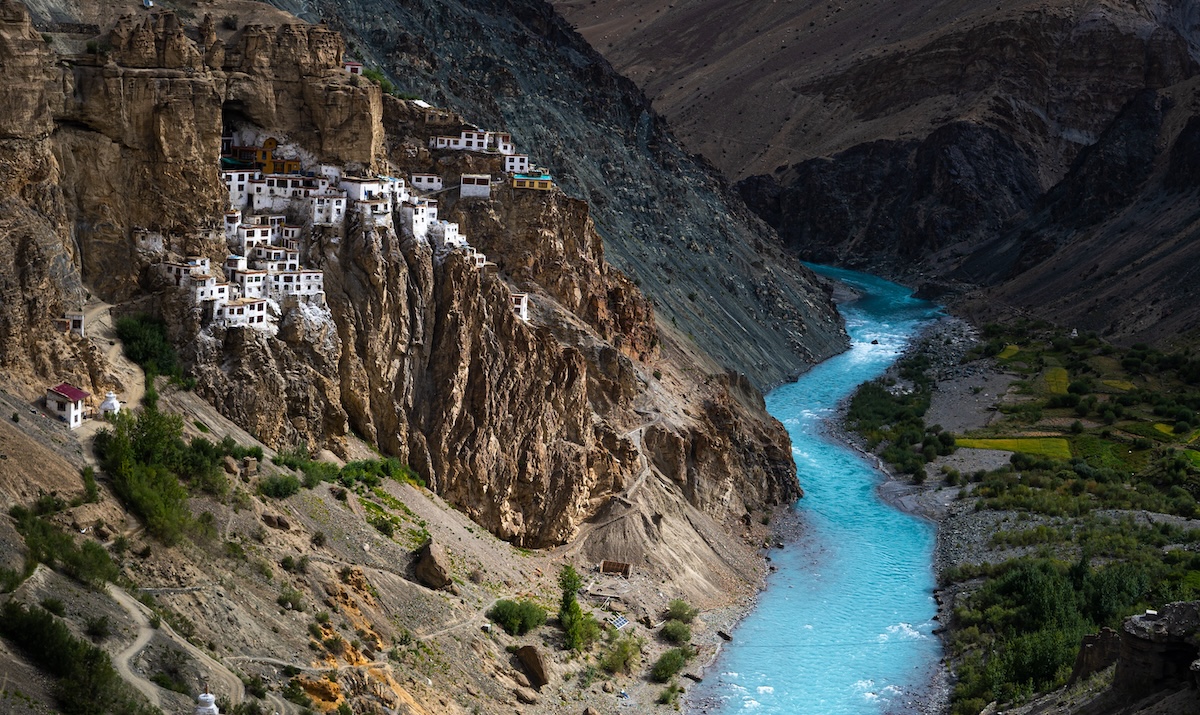
Phugtal Monastery is built directly into a cliff face in Ladakh’s remote Zanskar Valley and houses around 70 monks in a structure that appears to grow organically from the rock around a natural cave at its center. No road connects Phugtal to the outside world. A two-day trek through mountain terrain lies between you and the settlement, starting off beautiful and getting progressively more demanding.
The monastery dates back to the 12th century, which means monks navigated those same trails for hundreds of years before anyone considered roads an option worth pursuing in this direction. The community grows food on terraced plots carved into the surrounding slopes at 3,500 meters and supplements this through trade with remote neighboring settlements.
6. Ko Panyi, Thailand
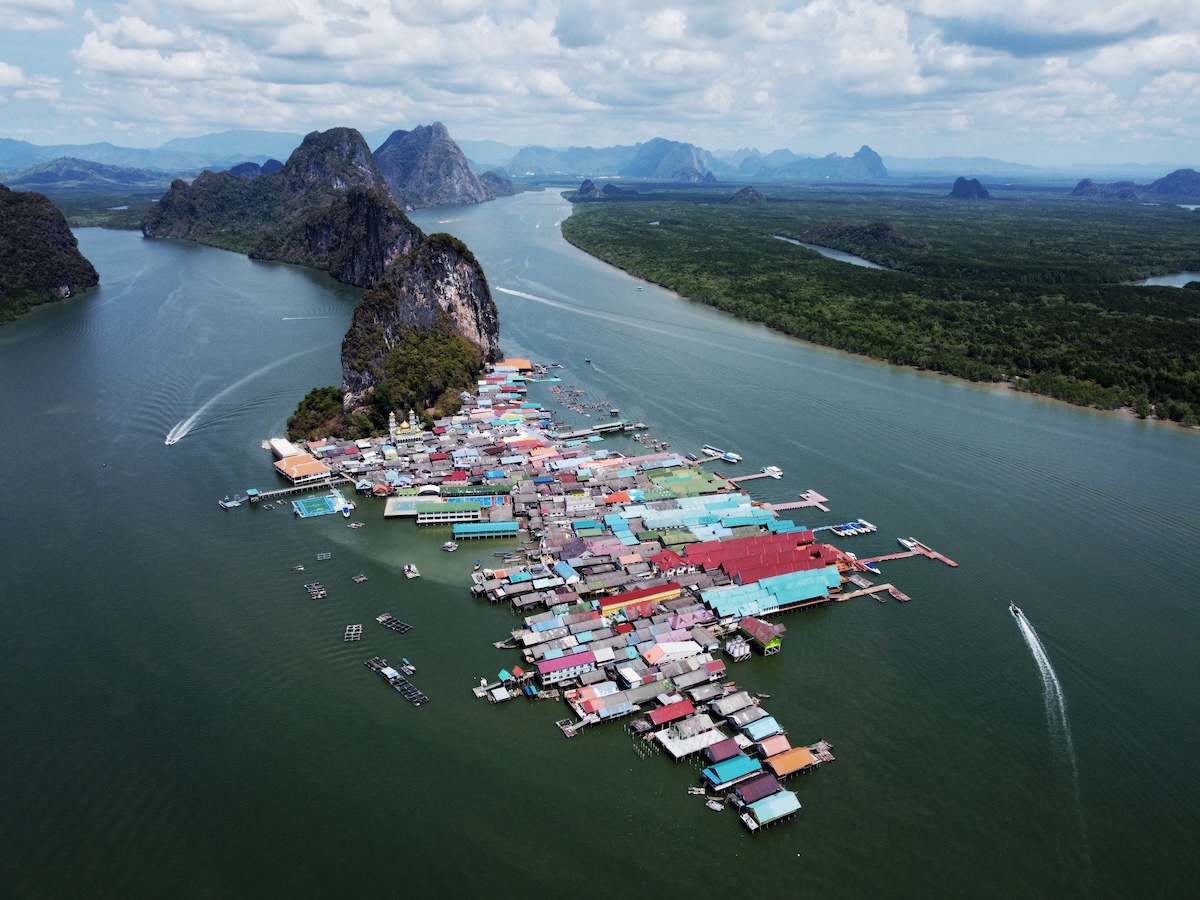
A Muslim fishing community of around 1,700 people built Ko Panyi on stilts above the water in Phang Nga Bay because the surrounding limestone islands left no flat land to build on. The floating village now includes a school, a mosque, and a football pitch that sits directly over the sea and loses balls at a hilarious rate.
Ko Panyi’s fishing economy adapted alongside a tourism trade that brings visitors from Phuket and Krabi through the limestone karsts to a village that looks exactly as improbable up close as it does in photographs.
5. Matmata, Tunisia
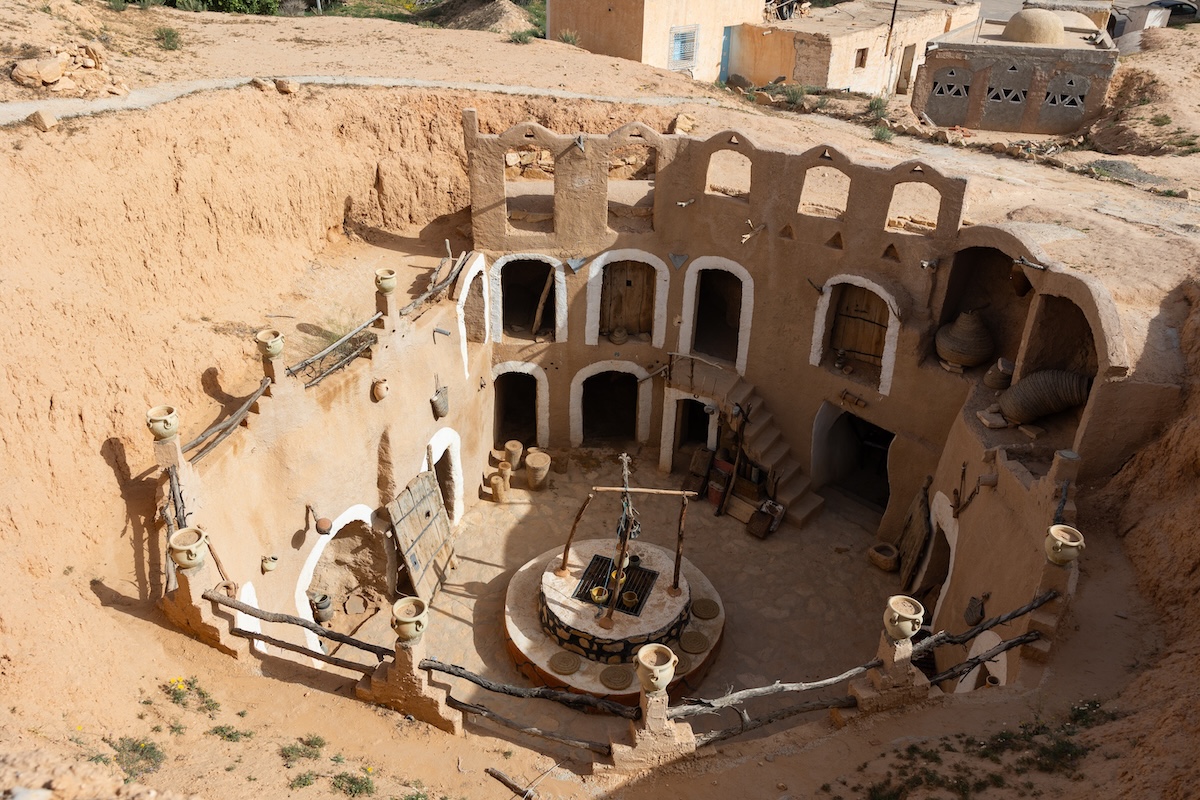
The Berber community here solved the problem of North African desert heat by building downward instead of upward, excavating central crater pits up to 10 meters deep, and carving rooms into the surrounding walls. From above, Matmata looks like an empty desert punctuated by circular holes. From inside those holes, the temperature drops to livable levels that the surface never reaches.
George Lucas used the underground dwellings as Luke Skywalker’s home planet, Tatooine, in the original Star Wars, which brought a particular category of visitor to southern Tunisia that the Berber community handles with admirable patience. Several families still live in the traditional pit houses, while others have converted theirs into cave hotels.
4. Auroville, India
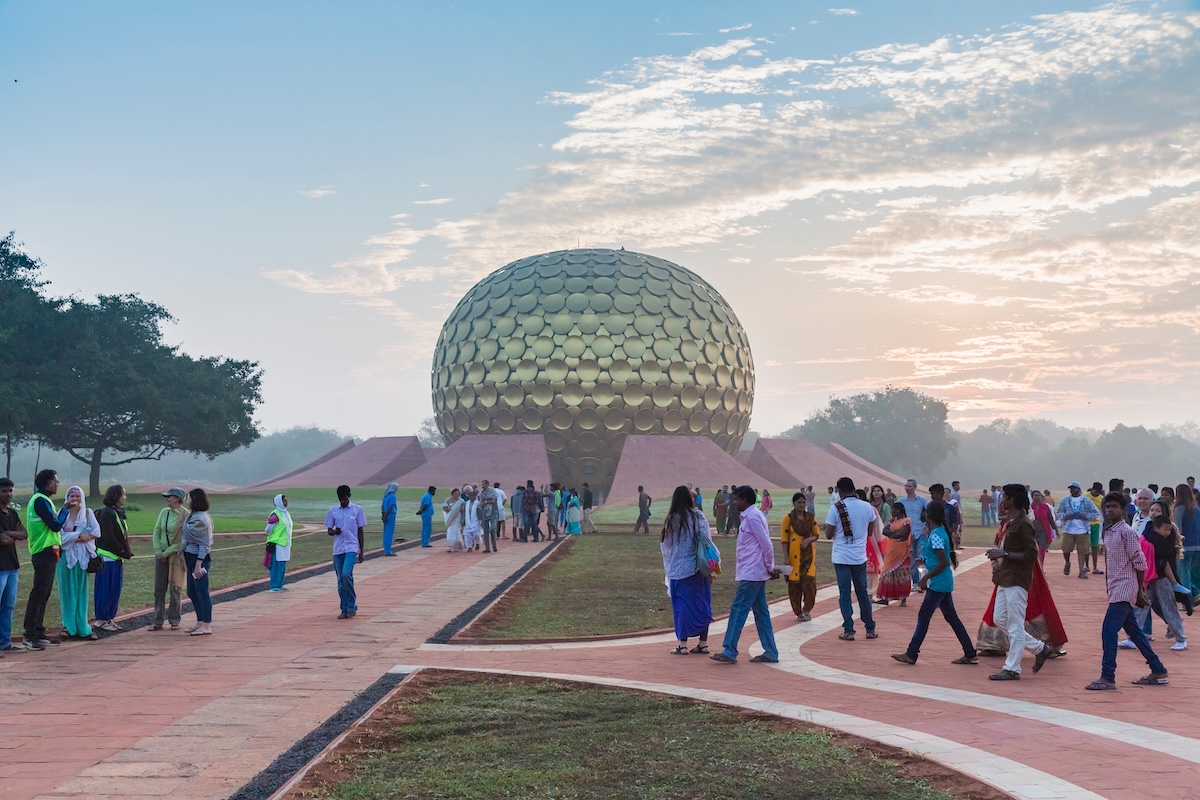
Auroville was founded in 1968 near Pondicherry and operates as an international community where money circulates internally through accounts, but personal land ownership doesn’t exist. This is because the land belongs collectively to humanity, at least according to the founding charter that UNESCO officially endorsed. Around 3,500 residents from 60 countries live here, attempting to build what the founders called a universal township.
The Matrimandir, a massive golden sphere at the community’s center used for silent concentration, makes Auroville immediately visually distinctive from any angle. Whether the social experiment succeeded depends entirely on who you ask, but you will leave a little more philosophically enriched either way.
3. Oymyakon, Russia
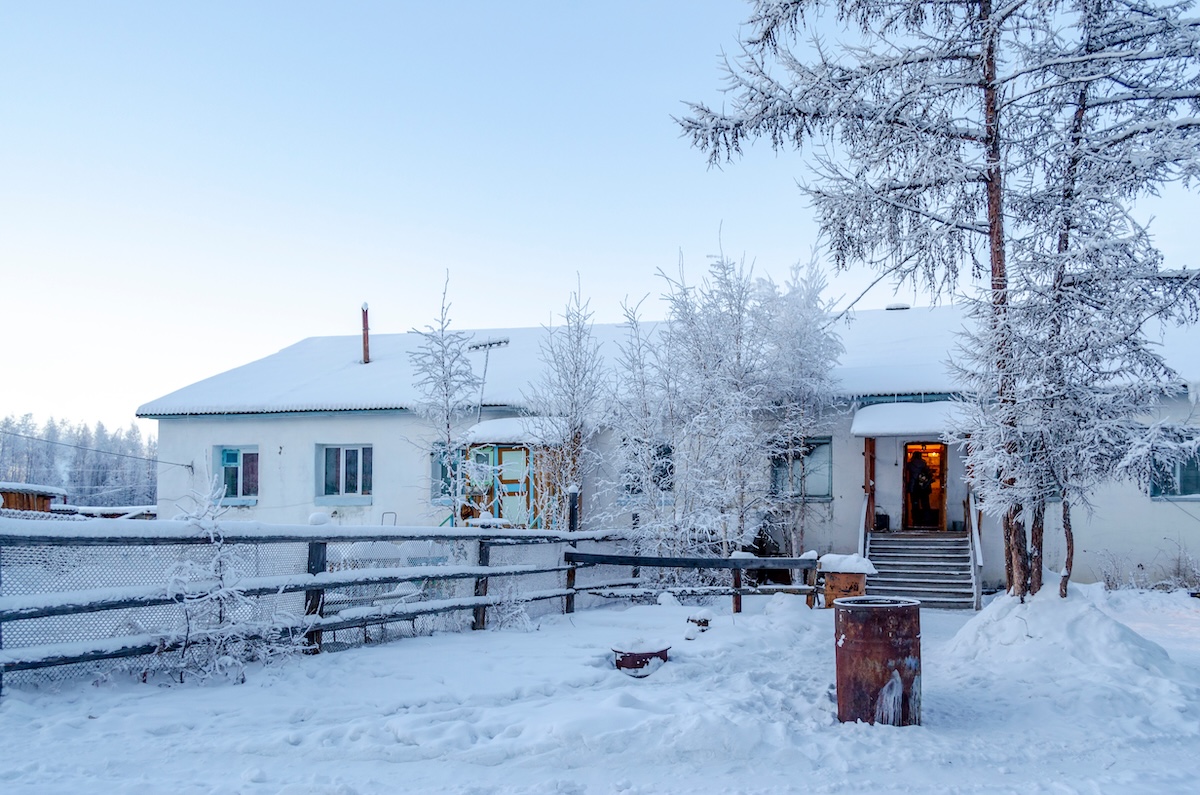
The coldest permanently inhabited place on Earth recorded a temperature of minus 67.7 degrees Celsius in 1933, and around 500 people decided to stay anyway and raise children there. Cars run continuously through winter because engines that stop in those temperatures often don’t restart, ink freezes in pens, and glasses bond to faces when metal contacts skin.
The name translates to “non-freezing water,” referring to a thermal spring that made the site viable for reindeer herders before anyone considered permanent settlement. The spring still flows year-round while everything else operates under conditions that make complaining about cold weather anywhere else feel a bit like an overreaction.
2. Ganvié, Benin
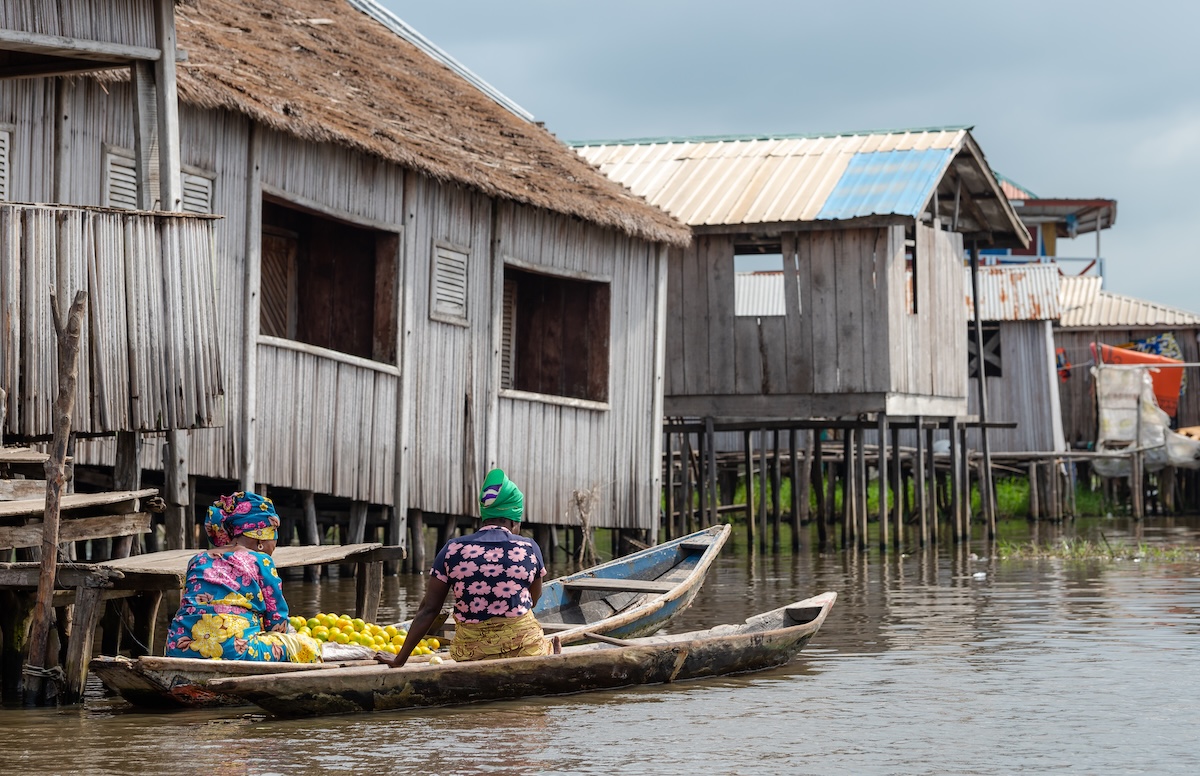
Around 30,000 people live on this stilt village built above Lake Nokoué in southern Benin, and the entire economy runs on water. Markets happen by boat, children paddle to school, and social visits require knowing your way around a lake. The Tofinu people originally built the village to escape slave raiders, since the Fon Kingdom’s soldiers refused to enter water for religious reasons.
That defensive logic from the 17th century created a community so successfully adapted to lake living that returning to land now seems beside the point. Ganvié functions as a complete city above the water, and the population shows no particular urgency about changing that arrangement.
1. Wae Rebo, Indonesia
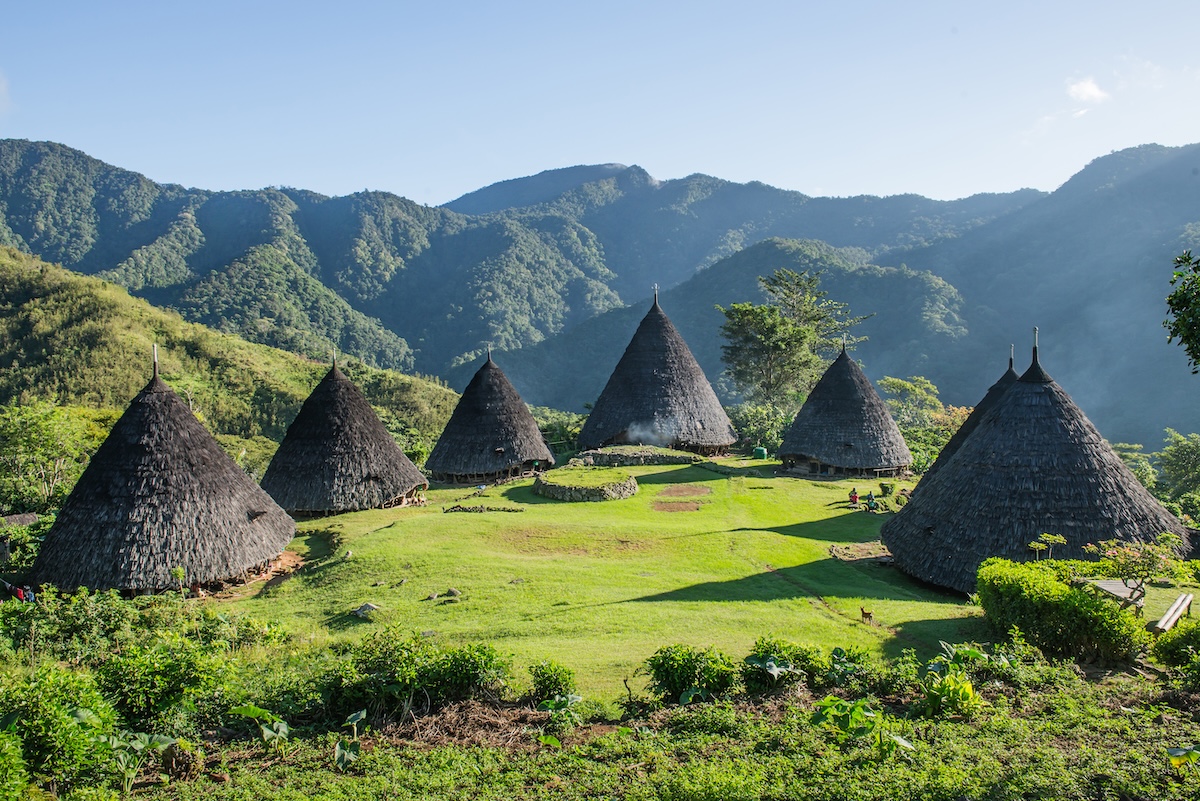
Seven traditional cone-shaped houses called Mbaru Niang sit in a mountain valley on Flores Island at 1,200 meters, accessible only by a three to four-hour jungle trek. The village’s 300 residents regularly complete this, while tourists manage once and consider it a significant personal achievement. The circular communal houses stack five floors of living space, storage, and community functions under enormous thatched roofs that sweep almost to the ground.
The community maintains traditional Manggarai practices largely intact, partly through geographic isolation and partly through deliberate choice. UNESCO recognized the architecture for preservation, though Wae Rebo’s most compelling quality isn’t the buildings but the village’s relationship to the surrounding forest, which the community treats as infrastructure, not just scenery.