
America markets its cities aggressively, and the gap between the pitch and the reality varies quite a bit. Some cities built reputations decades ago and never updated their products. Others attract enormous crowds for a very specific type of experience that not everyone actually came for.
Most of these cities work fine on their own terms. The disappointment mainly belongs to visitors who arrived expecting something specific and found something else entirely. Manage expectations correctly, and most of these places deliver. Show up with the wrong idea and the letdown feels personal.
Miami
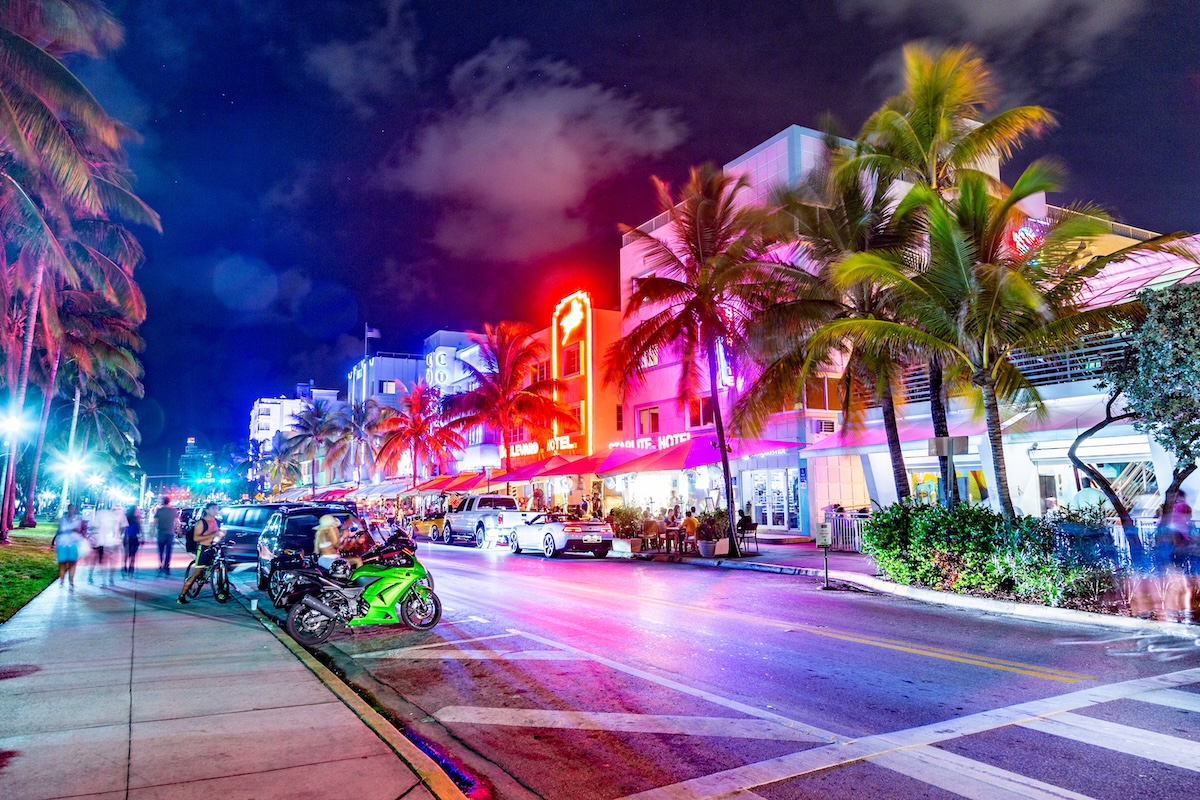
The version of Miami that music videos sell involves rooftop pools, celebrity sightings, and perfect weather. Most visitors land in summer humidity that is not forgiving, discover that South Beach cocktails cost as much as a short-haul flight, and spend a week on a tourist strip that the city’s Cuban, Haitian, and Latino neighborhoods consider a completely separate universe.
Push past South Beach, and Miami becomes a very different city entirely. Wynwood’s murals and gallery culture, Little Havana’s food and domino parks, and the Design District’s architecture all tell stories that South Beach conveniently forgets about. Visitors who plant themselves on the sand, spend aggressively, and leave complaining about the prices made a specific choice. Miami didn’t force it on them.
Las Vegas
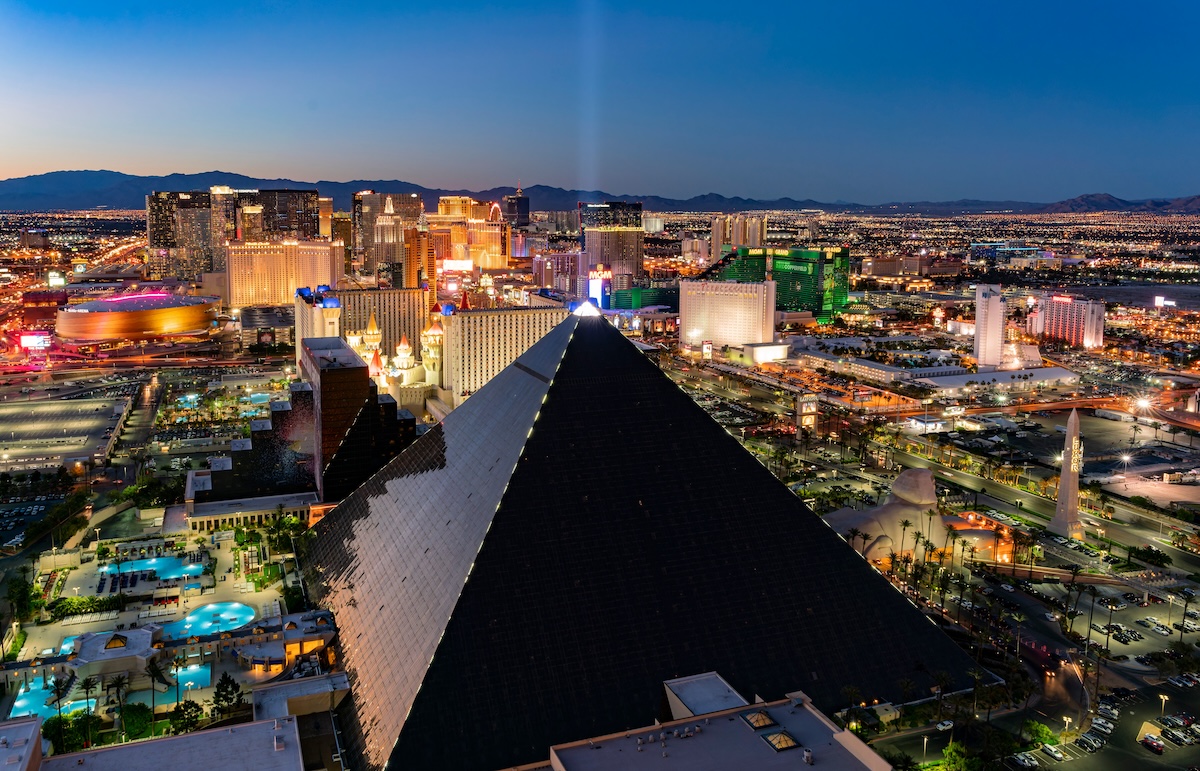
Vegas does exactly what it says on the packaging, which is both its strength and its problem. The Strip promises spectacle, excess, and entertainment at high volume and delivers all three without apology. The disappointment hits visitors who expected sophistication and found a very large, very loud, very expensive adult theme park that never claimed to be anything else.
Two days covers the Strip thoroughly. By day four, the formula becomes obvious, and the bill becomes alarming. Red Rock Canyon, Valley of Fire, and Hoover Dam all sit within easy striking distance, and most visitors who booked five nights in a casino hotel never make it to any of them.
Myrtle Beach
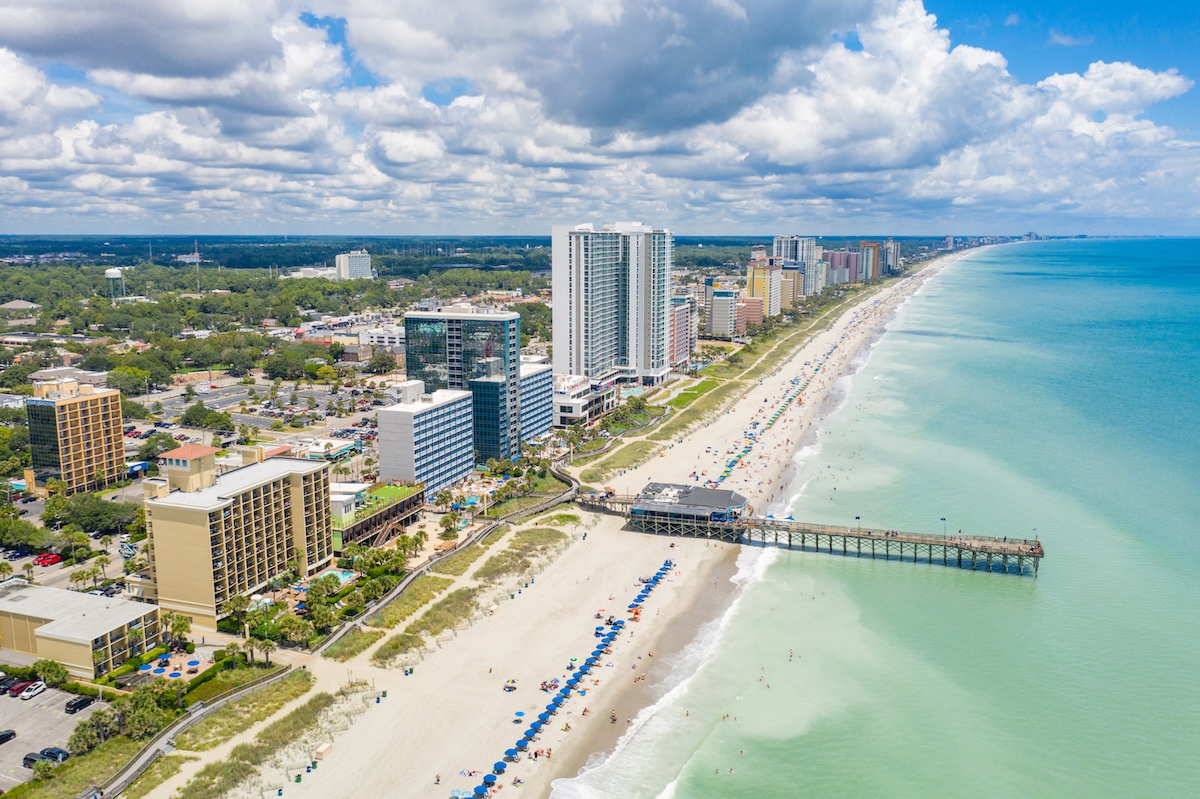
The Grand Strand stretches 60 miles of South Carolina coastline, and Myrtle Beach packs its commercial energy so aggressively that the beach itself becomes an afterthought between the mini-golf courses and chain restaurants. The water turns murky compared to Florida’s Gulf Coast, and peak summer traffic turns the main boulevard into a slow procession of rental cars hunting for parking.
The destination works perfectly for a specific vacation type: affordable, family-heavy, entertainment-saturated, and unbothered by aesthetics. Visitors arriving for pristine coastal scenery leave confused. Visitors arriving for a cheap family beach week with every possible distraction within walking distance leave satisfied.
Branson, Missouri
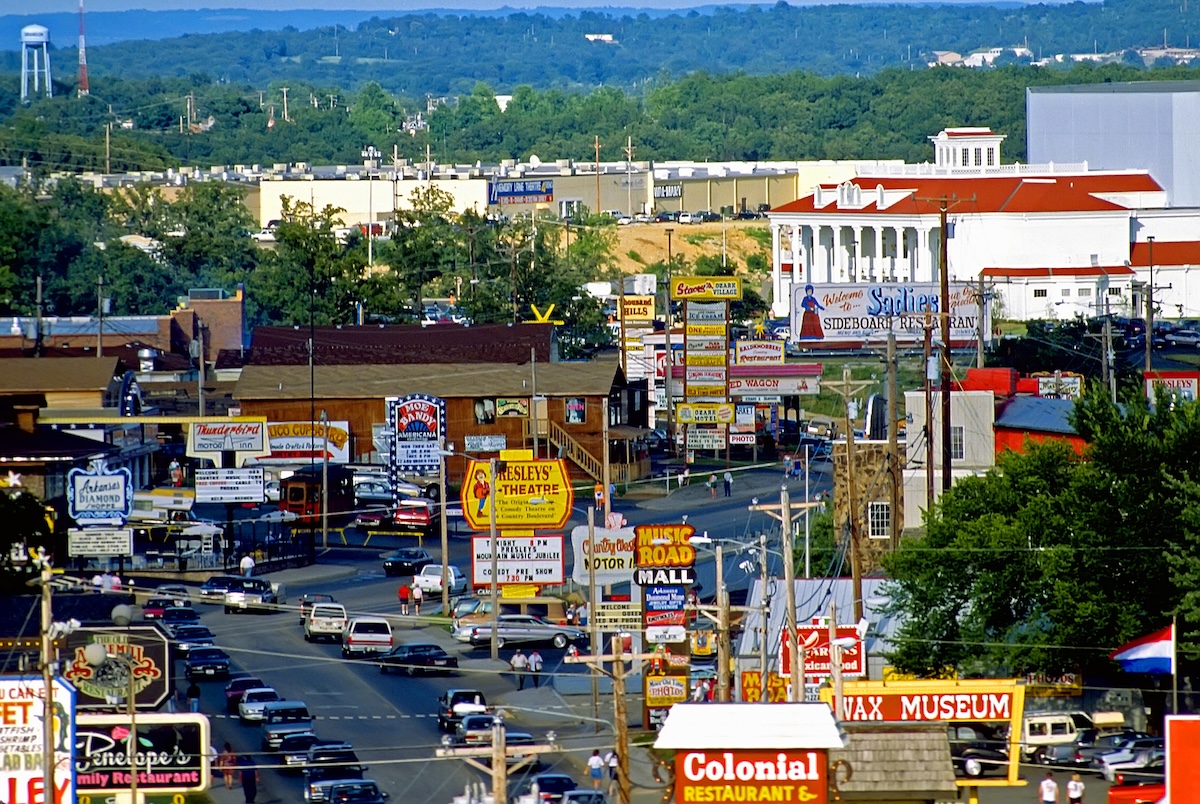
Country music theaters, outlet malls, and a lake drew millions of visitors to this Ozark Mountain town before Nashville figured out how to attract the same demographic more efficiently. Branson built its entertainment infrastructure for a particular generation of American traveler, and the shows, Christmas decorations, and family-friendly variety entertainment still appeal strongly to that audience.
Visitors under 40 expecting cultural relevance tend to find a 1990s American entertainment time capsule. The lake is beautiful, and the surrounding Ozarks have pleasant hiking and outdoor territory that the commercial strip never mentions. Branson is for visitors who know exactly what it offers and consistently disappoints everyone who expects something it never claimed to be.
Nashville
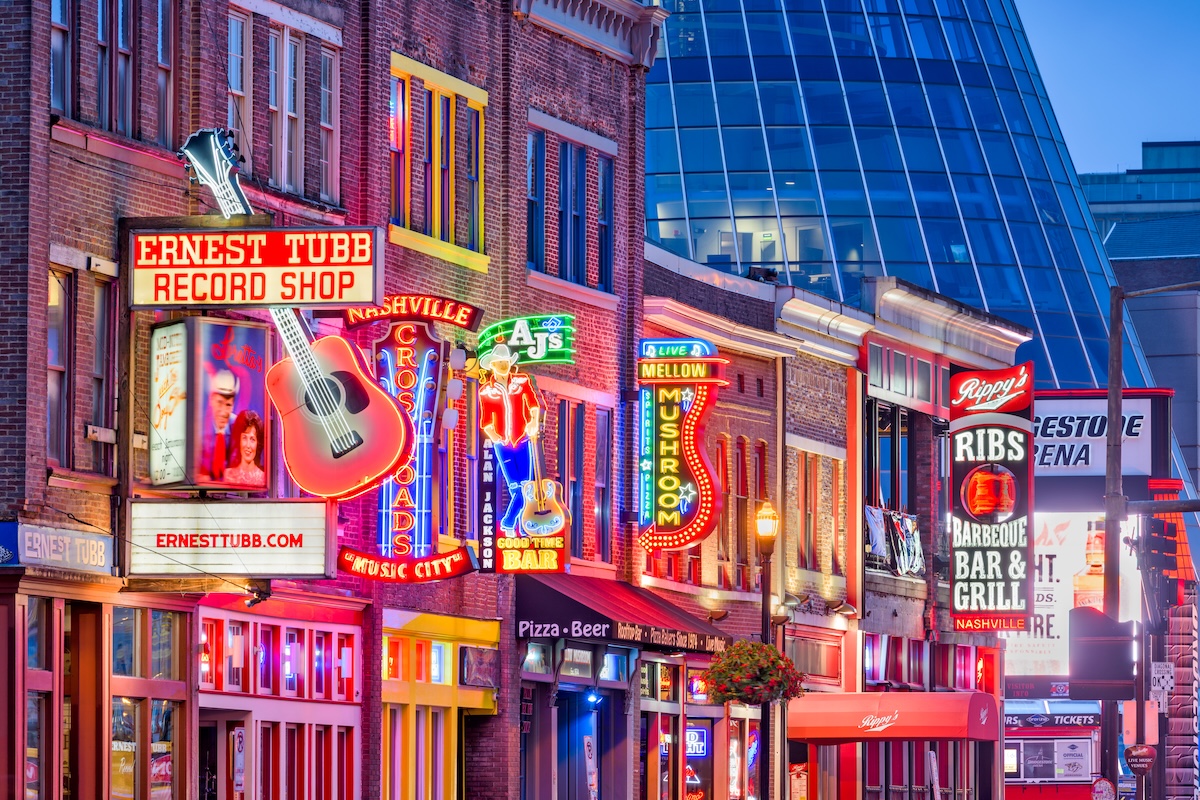
Lower Broadway’s honky-tonk strip works for an evening of revelry before the formula becomes repetitive. Every bar features live music, cheap beer, and crowds thick enough that moving from one end to the other takes real determination. Authentic country music culture retreated to venues that first-time visitors rarely find.
The city beyond the entertainment district has some surprisingly real substance. The Ryman Auditorium covers musical history with authority, East Nashville’s independent food and music scene operates on a completely different frequency, and the surrounding countryside reaches Jack Daniel’s distillery territory. Nashville’s problem isn’t the city. It’s that the marketed version and the actual version share very little real estate.
Austin
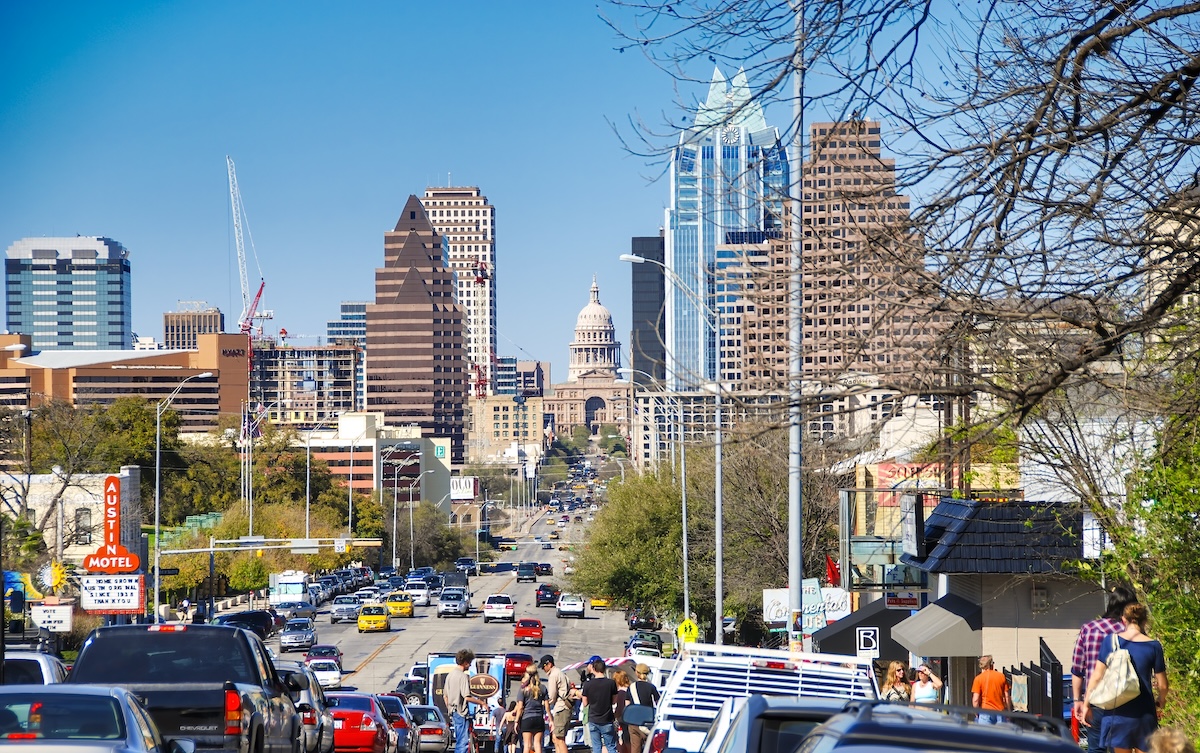
“Keep Austin Weird” became a slogan, then a brand, then a business model that priced out most of the weird. The tech industry boom changed the city’s cost of living and cultural character simultaneously, and visitors chasing the counterculture atmosphere that older travel writing described tend to find expensive cocktail bars and rooftop restaurants where record shops used to be.
The food scene holds up consistently, the live music infrastructure still covers serious ground, and Barton Springs Pool remains one of America’s best urban swimming holes regardless of what happened to the surrounding rents. If you are on of the visitors who engage with what the city currently is rather than mourning what it used to be, Austin could still be a treasure.
Orlando
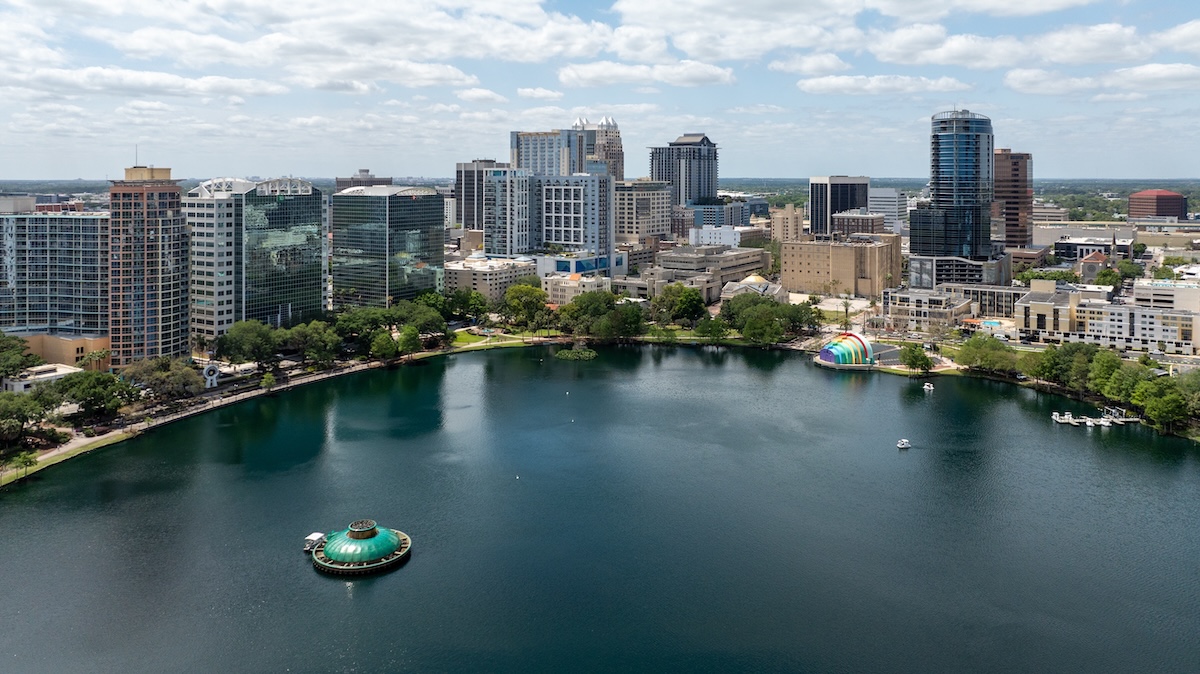
The theme park infrastructure dominates Orlando so completely that the city itself barely exists in most visitor itineraries. Walt Disney World, Universal Studios, and SeaWorld absorb the time and budget, leaving visitors with sunburned feet, empty wallets, and very limited exposure to anything beyond the resort perimeter.
For families with children, Orlando delivers exactly what the marketing promises. For everyone else who booked expecting beaches and discovered the nearest decent coastline sits an hour away, the city offers limited consolation. Ocala National Forest, the St. Johns River, and a solid craft brewery scene all exist here but the theme park corridor just hides them very effectively.
Dallas
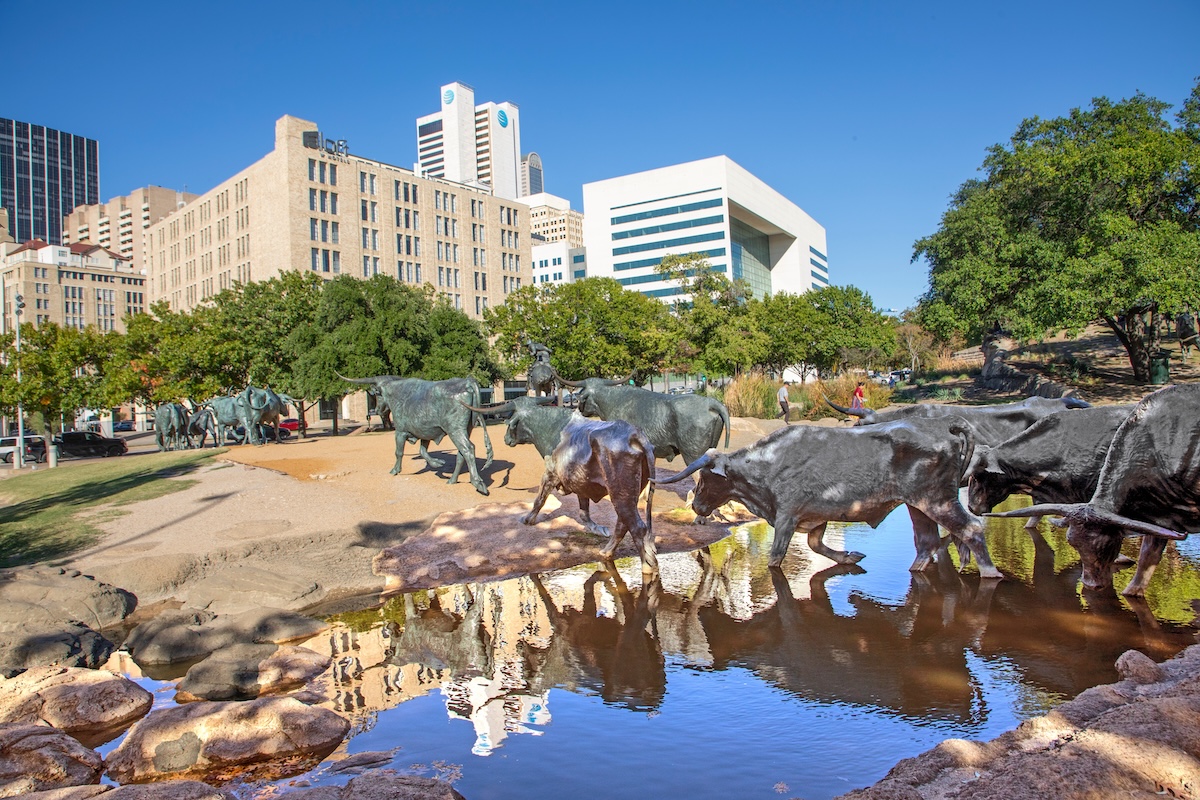
Texas sells itself on scale, and Dallas delivers that reliably: big highways, big steakhouses, big suburban sprawl, and a downtown that empties after business hours in ways that walkability advocates find very distressing. Without local knowledge, the city’s best qualities stay hidden behind six-lane roads and parking structures.
The Arts District has one of the strongest museum clusters in the South, Deep Ellum keeps a music scene alive, and Vietnamese and Korean food communities are ready to serve hungry and curious explorers. Dallas works well for visitors with a car, a flexible schedule, and good restaurant recommendations, and it reliably disappoints visitors who show up expecting a concentrated city experience.
Charleston
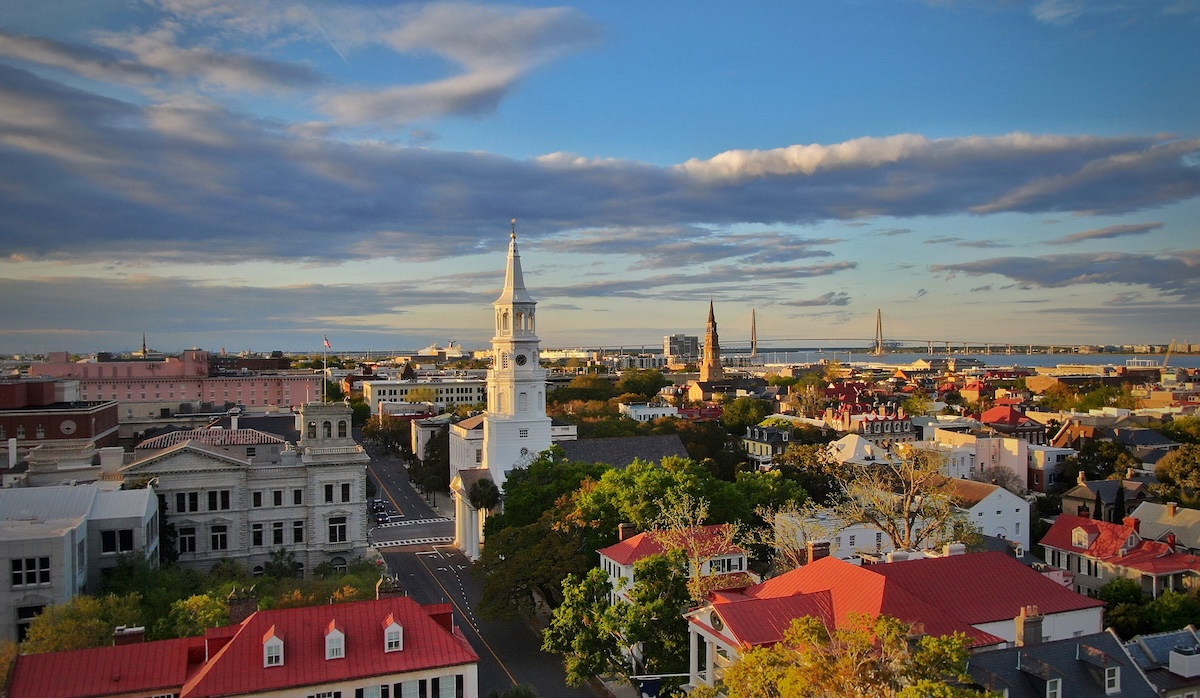
The historic architecture and food scene deliver without qualification. The crowds, particularly in spring and fall, test both. Southern charm gets strained when the city center fills with bachelor parties and food tour groups moving through streets that the residential neighborhood was never designed for art this volume.
Visiting in January or February drops the crowds to levels where the city’s quality shows properly. The architecture along East Bay Street, King Street’s independent restaurants, and the surrounding Lowcountry landscape all hold up to scrutiny. Charleston’s problem isn’t Charleston. It’s the gap between the city’s intimate historical character and the tourist pressure it currently absorbs.
Denver
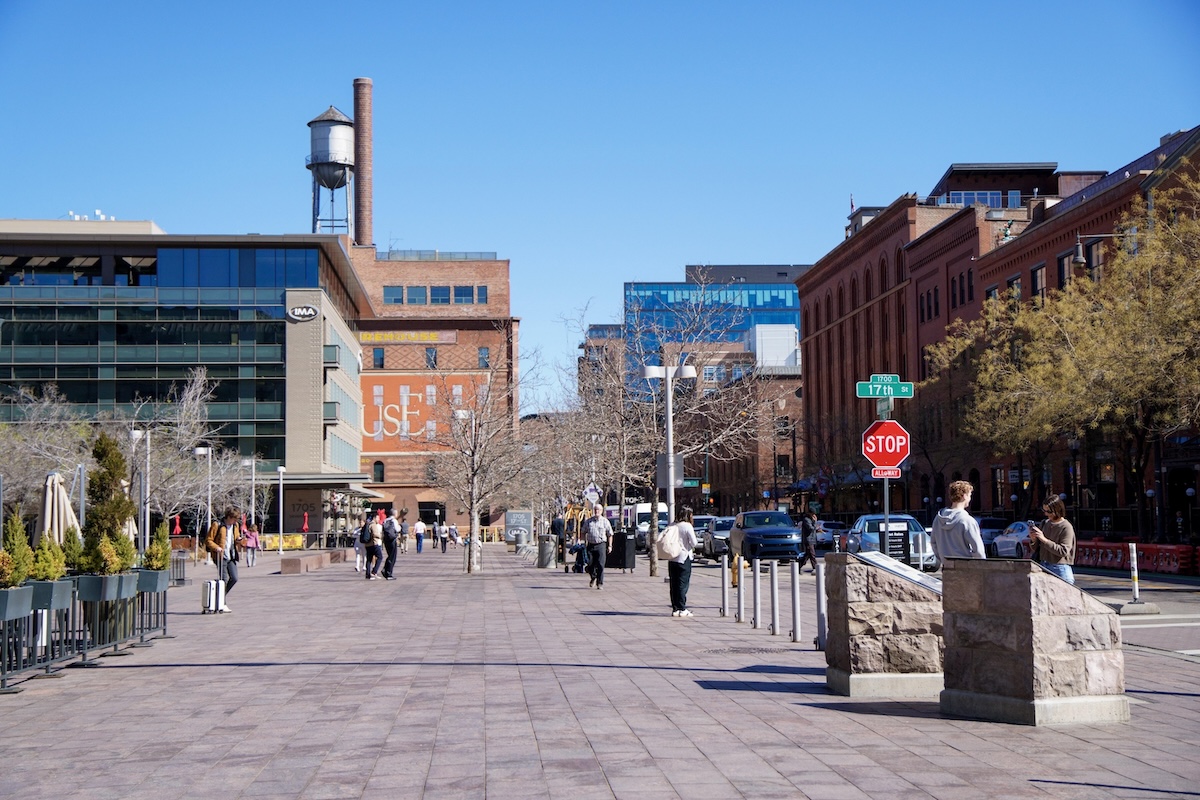
Proximity to the Rocky Mountains defines Denver’s appeal so thoroughly that the city itself sometimes feels like a very large airport hotel between flights to better destinations. Visitors arrive, eat one good meal on Larimer Square, and drive two hours to whatever mountain town they actually came for.
The city has more going on than the mountains allow people to notice. The RiNo art district developed real cultural depth, the craft beer scene built a legitimate national reputation, and the 16th Street Mall covers enough dining and entertainment to fill an urban afternoon properly. Denver is for visitors who actually spend time there and don’t just treat it as a staging ground.
Hollywood, Los Angeles
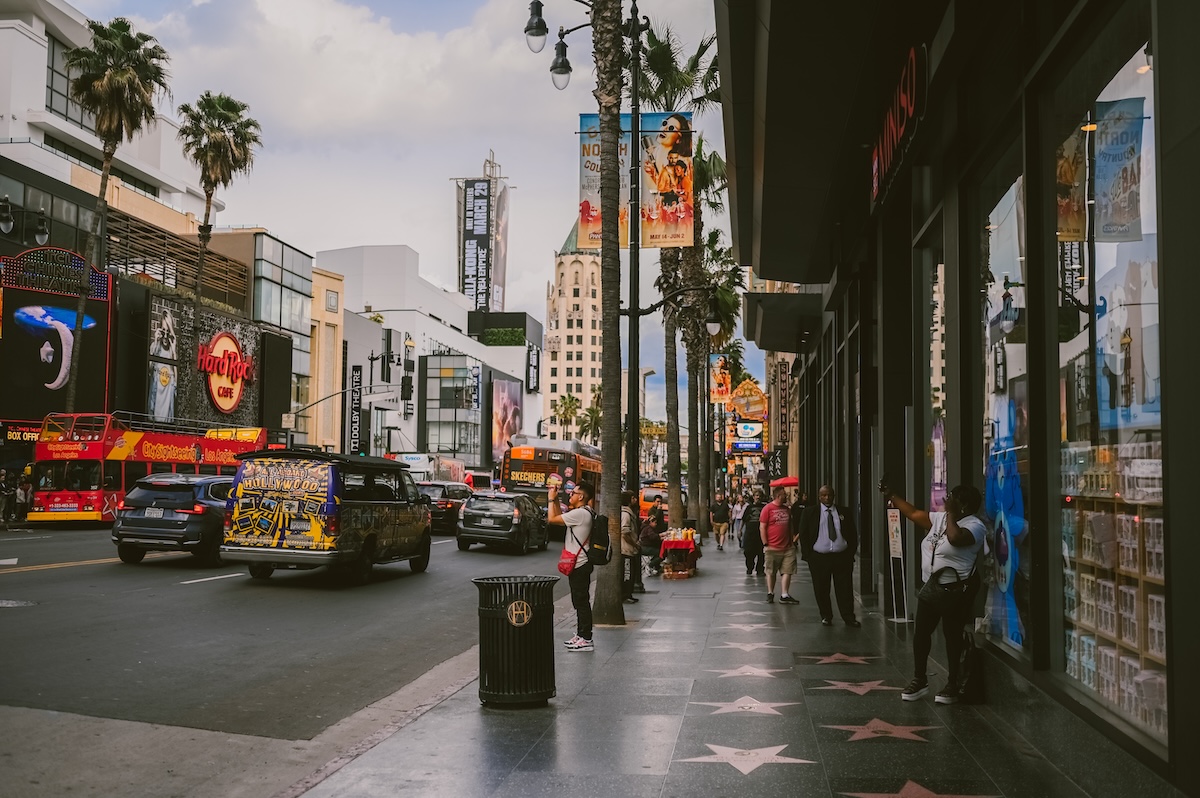
The Hollywood Walk of Fame covers a stretch of boulevard that smells like sunscreen and mild disappointment. Tourists photograph brass stars while street performers in superhero costumes negotiate for tips and souvenir shops sell the same merchandise in slightly different configurations. The entertainment industry that created all of this operates entirely inside buildings that visitors cannot enter.
The surrounding neighborhoods tell a more interesting story. Silver Lake and Los Feliz capture the creative energy that Hollywood once generated. The Hollywood Bowl remains one of America’s finest outdoor music venues, and Griffith Observatory delivers city views that make the drive up completely worthwhile. One lap of the boulevard before heading somewhere else is the correct approach.
Indianapolis
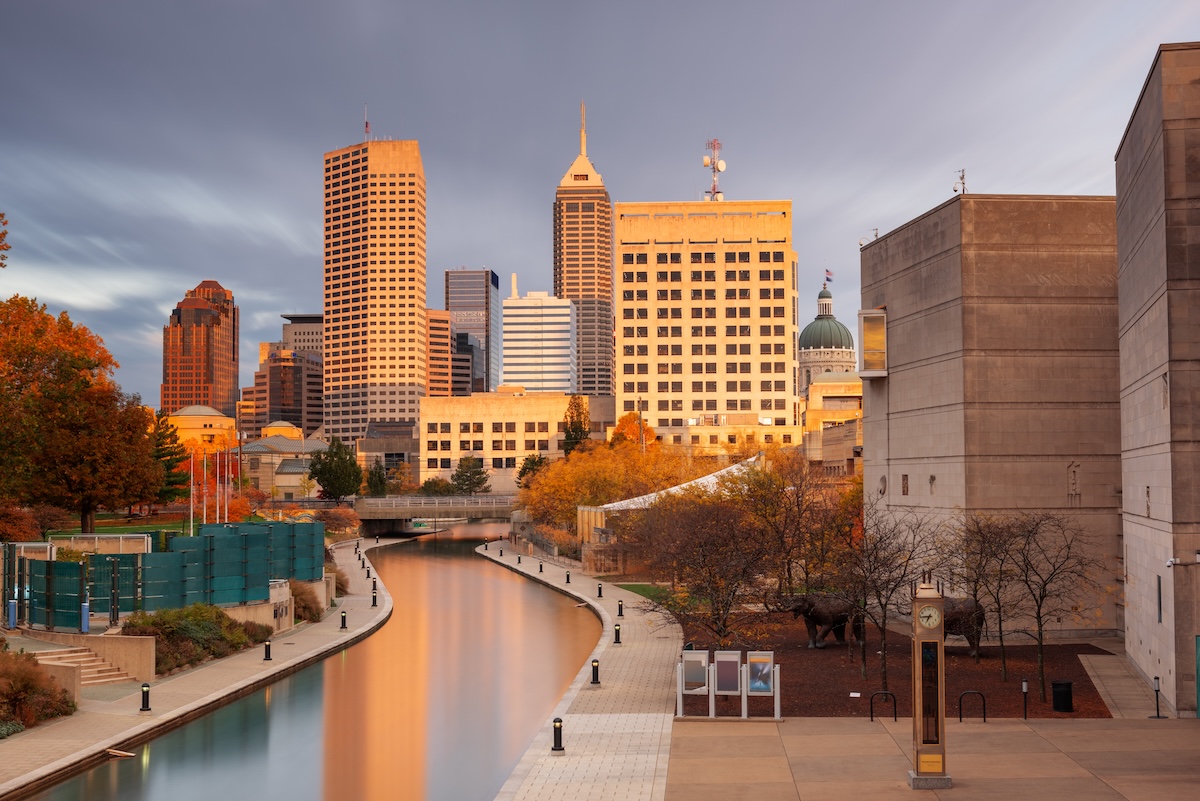
Indiana’s capital has built a strong convention and sports tourism economy that works well for those specific visitor types. Everyone else tends to find a Midwest city with a lovely canal walk, a respectable food scene centered on Mass Ave, and a downtown that the Super Bowl visits every decade and otherwise operates at a lower temperature.
The Children’s Museum of Indianapolis surprises adults who explore it properly and holds a legitimate claim to being the world’s largest. The Indianapolis Motor Speedway produces one of the world’s great sporting events once a year and sits largely empty the rest of the time. The city works better as a base than a destination, and visitors who approach it that way leave considerably more satisfied.
Memphis
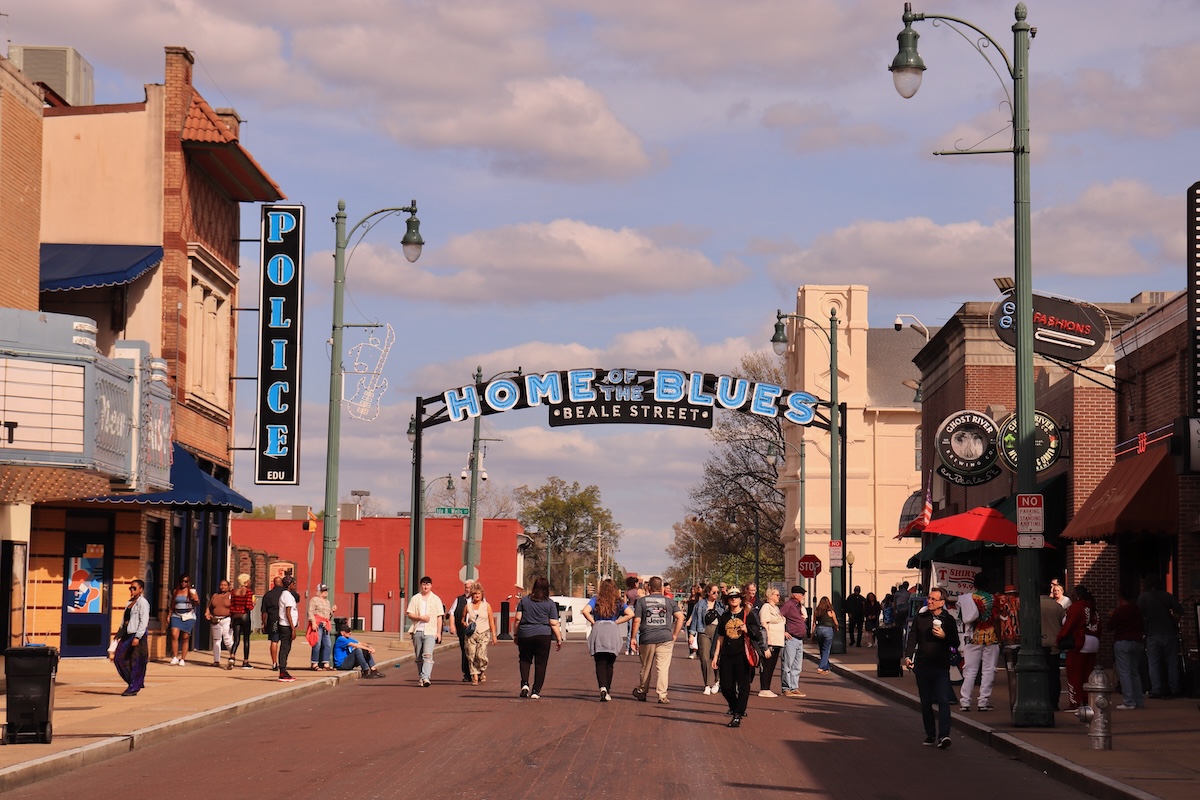
The city that produced blues, soul, and rock and roll deserves a better tourism infrastructure than Beale Street currently provides. The strip delivers live music and cheap beer without much depth, telling a narrow version of a music history that the rest of Memphis covers far more honestly.
Sun Studio, the Stax Museum, and the National Civil Rights Museum at the Lorraine Motel anchor a cultural itinerary that serious visitors find extraordinary. The barbecue holds up across multiple establishments with very strong opinions about each other. Try to look past the obvious strip, and you will find some depth that makes Beale Street’s shortcomings considerably more forgivable.
Atlantic City
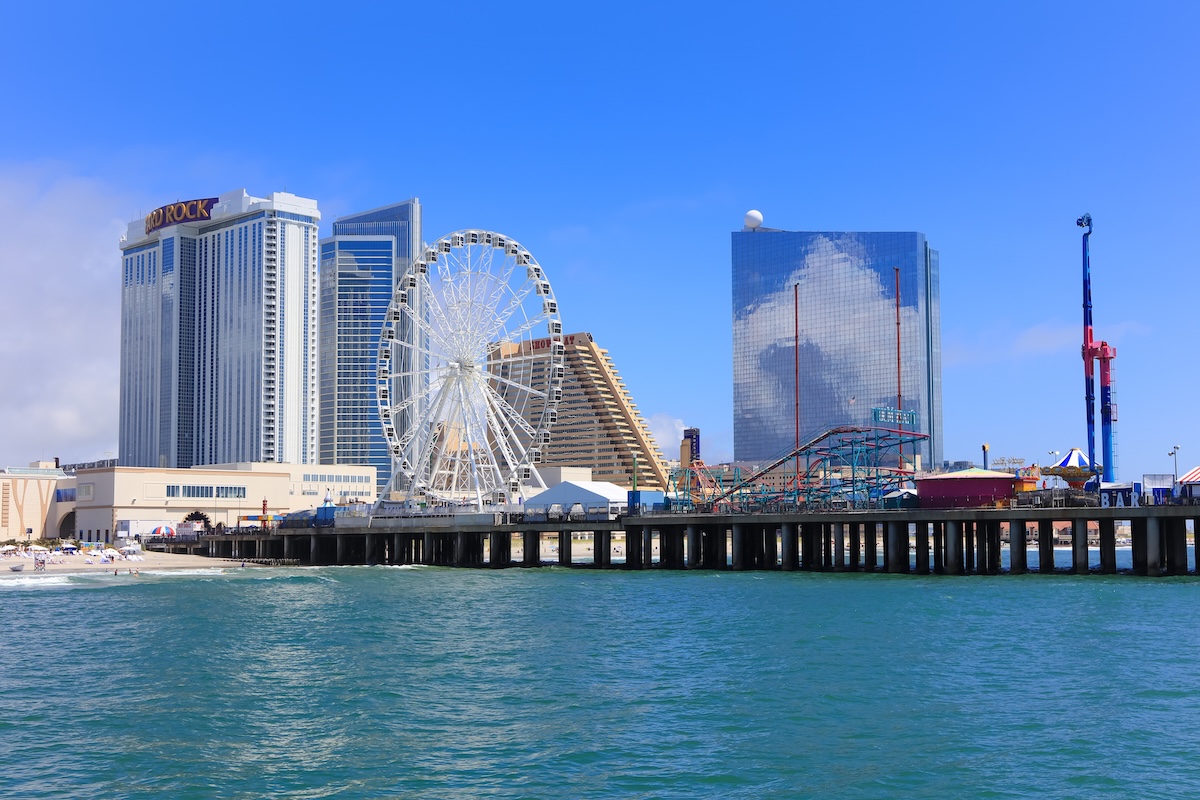
New Jersey’s casino corridor sits on a real barrier island with a famous boardwalk, ocean air, and architectural bones from a resort era when the city drew visitors from across the Eastern Seaboard. The casino economy concentrated wealth inside specific buildings and left the surrounding neighborhood largely behind, which the boardwalk walk between properties makes plainly visible.
The beach is free, wide, and relatively uncrowded. The boardwalk delivers the nostalgia it promises. The casinos provide their specific entertainment at their specific price point. Visitors expecting Las Vegas production values find a more modest, weather-worn version of that experience. Atlantic City suits day trippers from New York and Philadelphia better than destination travelers who fly in specifically for it.
Houston
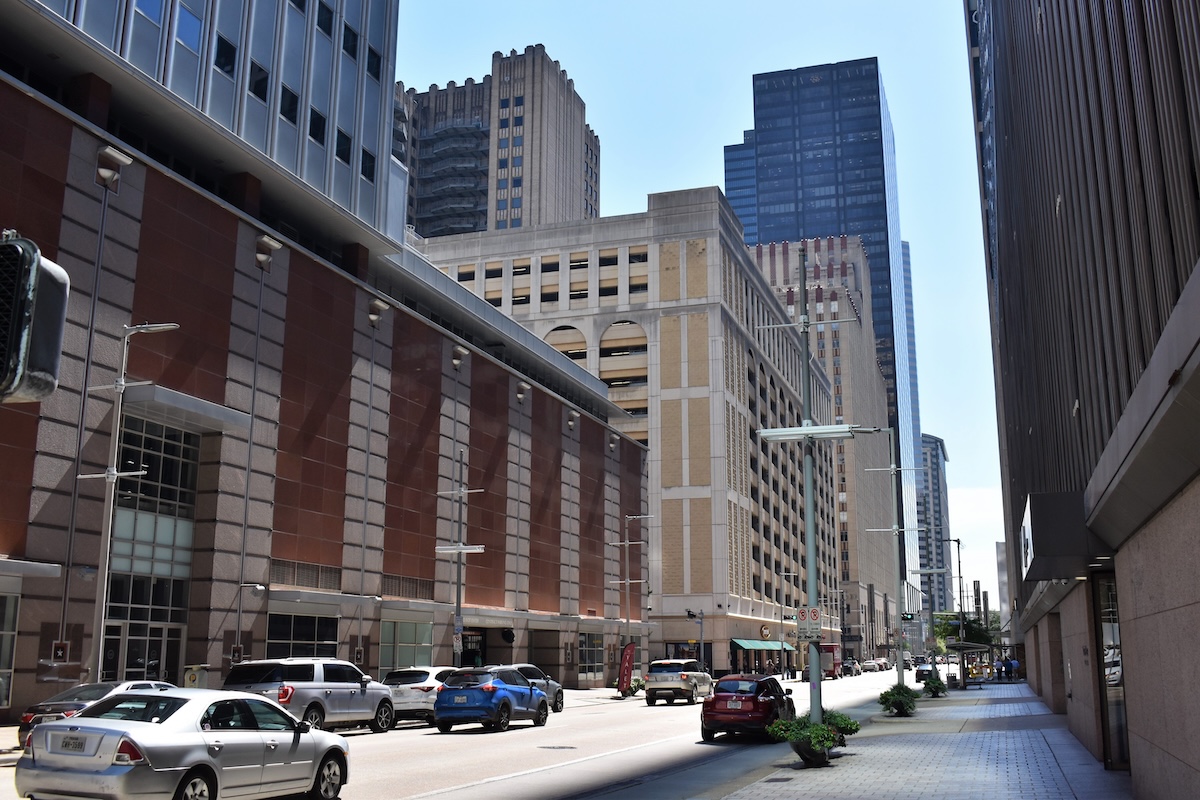
America’s fourth-largest city sprawls across a geography that defeats casual tourism efficiently. No zoning laws produced a city where a Vietnamese restaurant sits next to a tire shop next to a midcentury office building, which either reads as urban chaos or real character depending on tolerance for the unexpected. Most visitors take the NASA tour and leave without discovering what Houston actually contains.
The food scene covers more diverse culinary territory than any other American city, and that claim holds up across Houston’s Vietnamese, Nigerian, Indian, and Mexican community cooking without serious competition. The Museum District concentrates several excellent institutions within a walkable area that the city’s car-dependent reputation obscures. Visitors who engage with Houston seriously rave about it for years, but the city resists everyone who expects a conventional city.