
Antique hunting operates on its own particular logic: spend three hours driving to a small town, pay too much for something heavy, and haul it home wondering what you’ll do with a Victorian umbrella stand. These cities and towns make that whole sequence completely worth it, delivering the kind of hunting grounds that turn casual browsers into people with storage unit problems.
Some destinations built their reputations through sheer volume, others through quality curation, and a few through the kind of eccentric local character that makes the trip memorable regardless of what you actually buy. Pack the truck.
12. Alexandria, Virginia
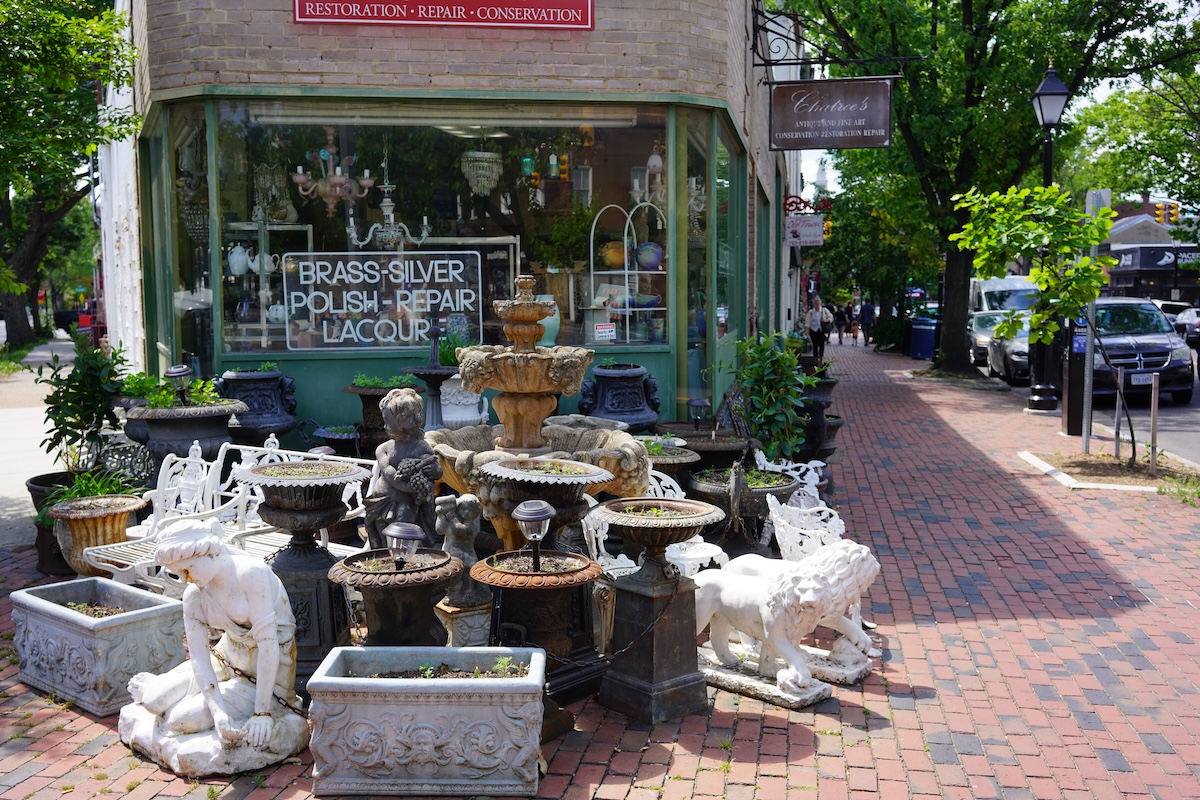
King Street runs the full show here, lined with antique shops occupying Federal-era buildings that are themselves older than most of the furniture inside them. The historic Old Town district provides a walkable hunting ground that doesn’t require a car, a map, or much of a plan beyond showing up with empty trunk space.
The proximity to Washington DC means dealers know their market and price accordingly, so bargain hunters may need to recalibrate expectations. That said, the quality stays consistently high, and the range covers everything from formal 18th-century pieces to mid-century finds. After a long morning of shopping, King Street also happens to be one of Virginia’s better lunch destinations.
11. Pasadena, California
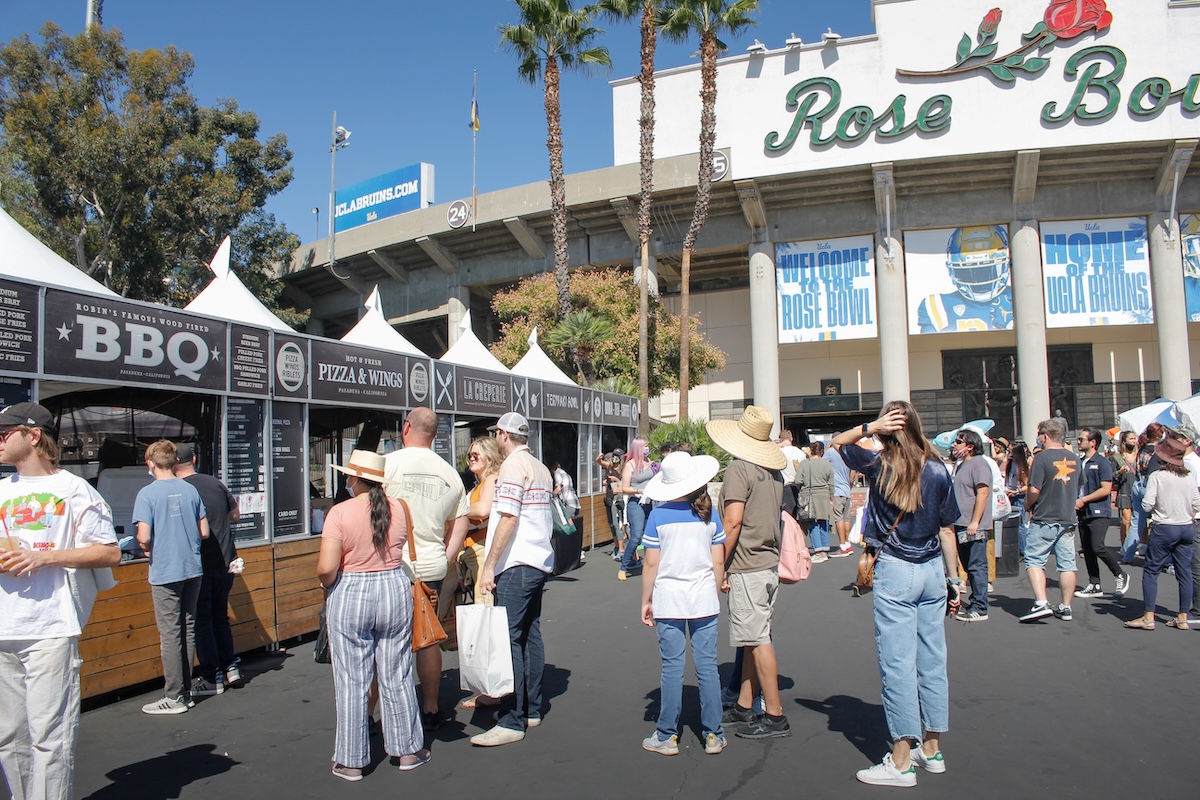
The Rose Bowl Flea Market transforms the famous stadium parking lot into one of California’s biggest monthly vintage markets, drawing dealers from across the Southwest with truckloads of furniture, clothing, art, and objects that resist easy categorization. Arriving early rewards serious hunters; arriving late rewards people who prefer a more relaxed browse with less competitive energy.
Old Town Pasadena extends the hunting ground beyond the flea market with permanent shops covering decorative arts, mid-century modern furniture, and California-specific collectibles that other markets rarely stock. The city’s wealthy history means quality pieces surface regularly, pulled from estates that accumulated interesting things for decades before finally letting them go.
10. New Holland, Pennsylvania
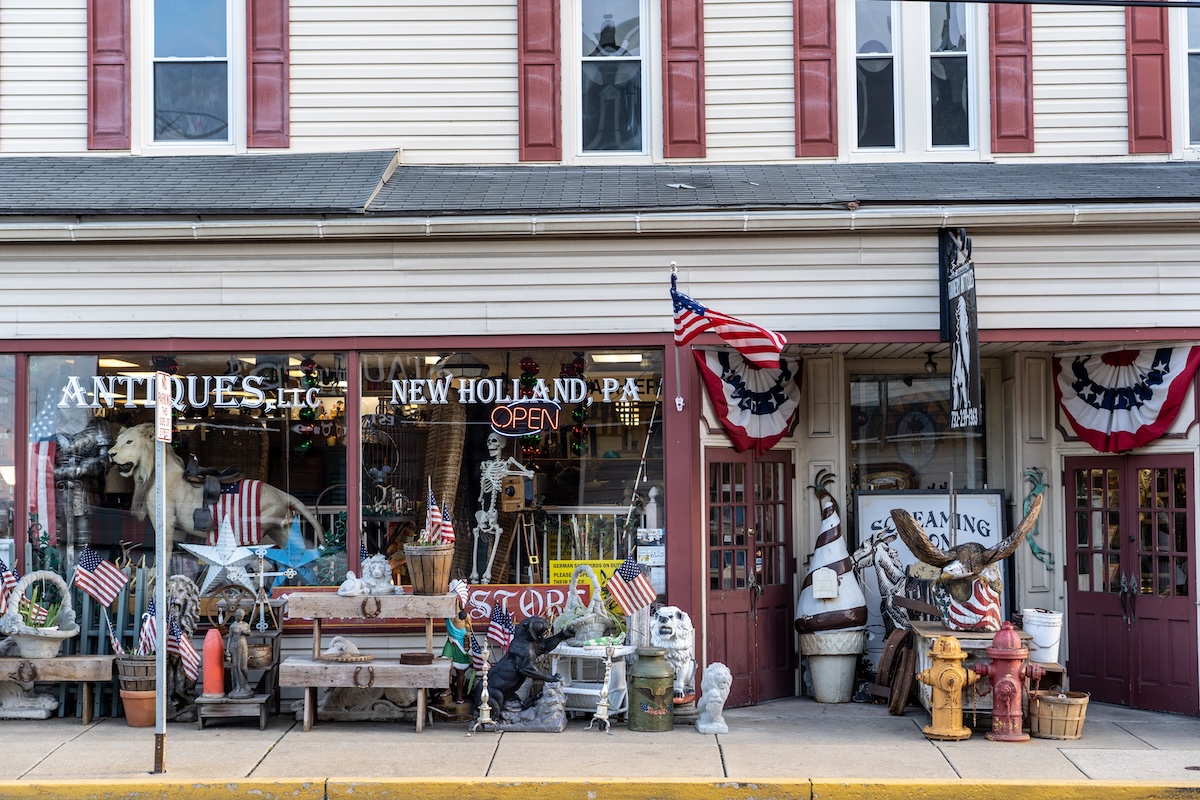
Pennsylvania Dutch country operates on a different schedule than most of America, and New Holland leans into that unhurried pace with weekly auctions and farm sales that put serious furniture, tools, and household goods directly on the block. The Amish and Mennonite community presence means agricultural antiques and handcrafted pieces show up here that simply don’t exist in urban markets.
Wednesday auctions draw professional dealers alongside civilians, creating a competitive atmosphere that demands people to do their homework beforehand. The surrounding Lancaster County area amplifies the hunting territory considerably, with roadside shops and barn sales extending the options well beyond New Holland’s town limits on any given weekend.
9. Havre de Grace, Maryland
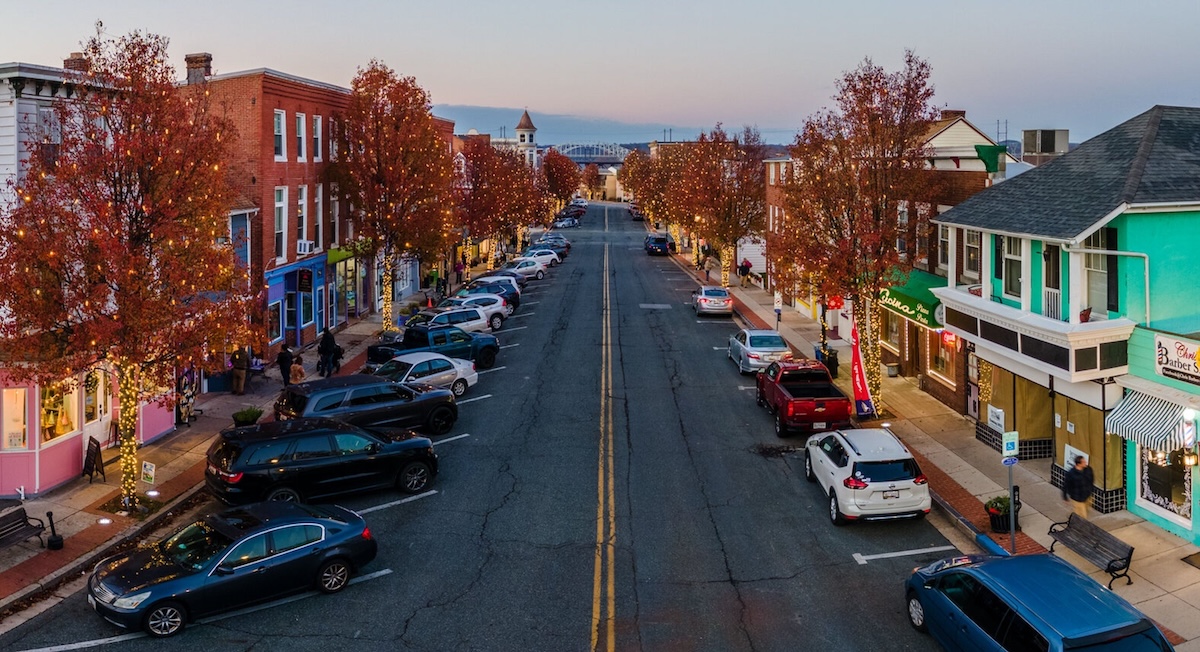
This small Chesapeake Bay city built an antique district along a few compact downtown blocks, creating a hunting ground that is an easy drive from Baltimore or Washington without requiring an entire weekend commitment. Maritime antiques and Chesapeake regional pieces show up here with more frequency than anywhere else on this list, reflecting the waterfront history that shaped the whole area.
The compact scale works in hunters’ favor, covering the main dealers in a single afternoon before settling in for crabs somewhere nearby. Prices stay reasonable by mid-Atlantic standards, and dealers tend toward the knowledgeable and opinionated end of the spectrum, which makes the whole experience more entertaining than a silent browse through anonymous inventory.
8. Warrenton, Virginia
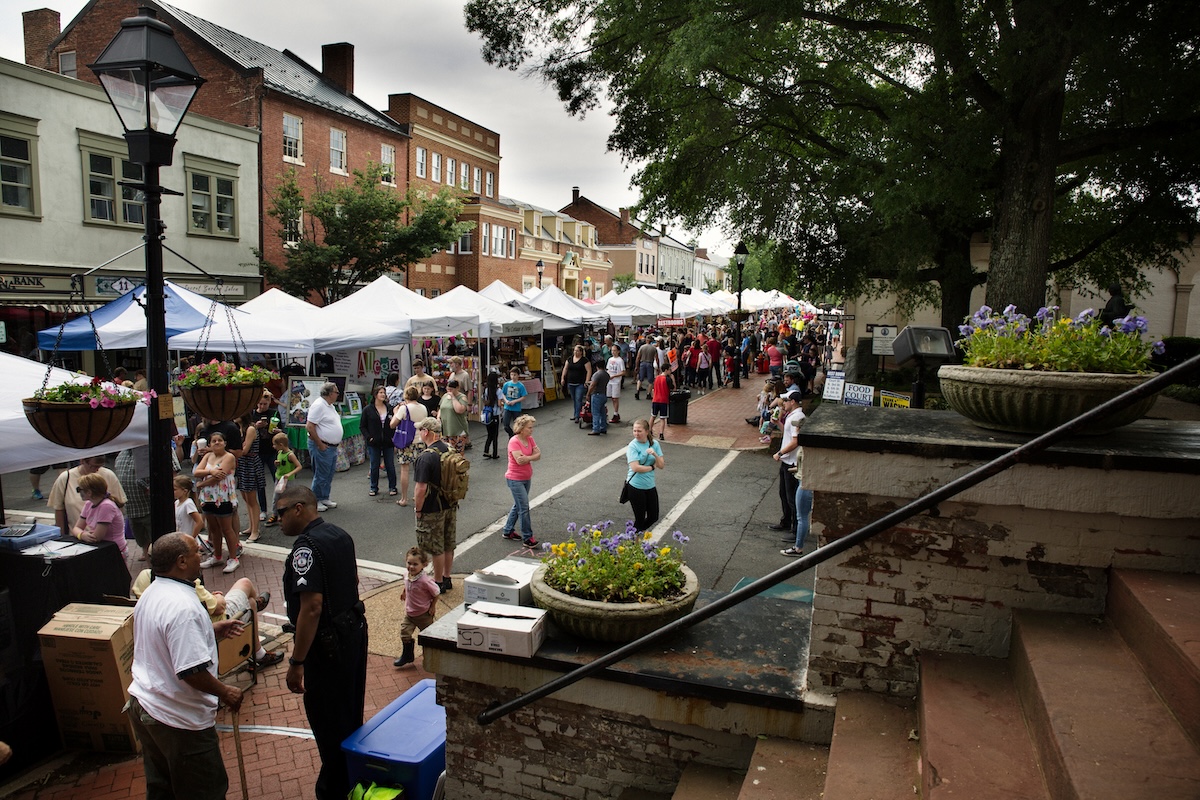
Virginia officially designated Warrenton the antique capital of the state, which the town takes seriously enough to back the claim with actual inventory. The surrounding Piedmont region feeds a steady supply of estate pieces into shops that line the historic downtown, covering American furniture, silver, and decorative arts across several centuries of Virginia history.
Weekend markets expand the options considerably beyond permanent shops, drawing dealers from across the mid-Atlantic with portable inventory that changes constantly. The horse country setting adds atmosphere that most antique towns can’t claim, and the drive through Fauquier County gives you even more reason to venture out.
7. Natchitoches, Louisiana
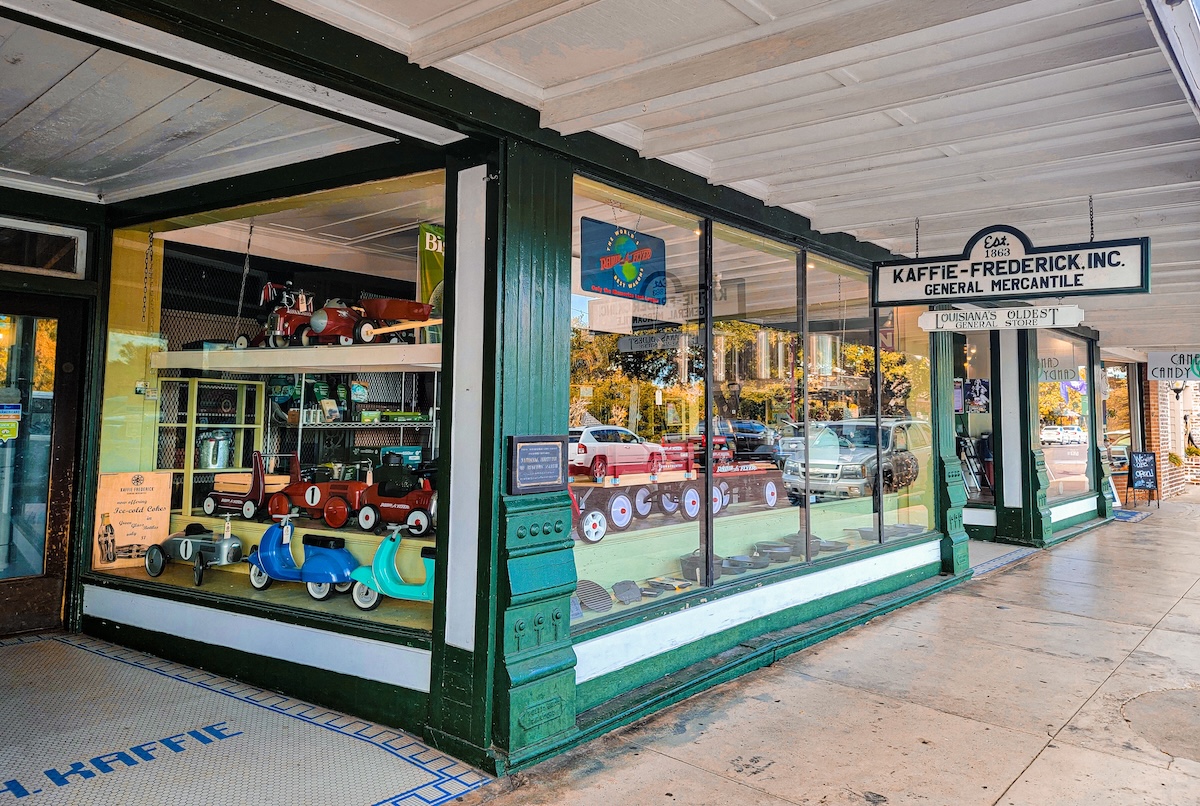
America’s oldest permanent European settlement sits in northwestern Louisiana doing something most historic towns stopped attempting decades ago: maintaining a living antique culture rooted in French Creole heritage that surfaces in the inventory constantly. Plantation-era furniture, ironwork, and Louisiana-specific decorative pieces appear in Natchitoches shops with a frequency that sends serious collectors back repeatedly.
The brick-paved Front Street district runs along Cane River Lake with enough shops to fill a full day without rushing, and the surrounding region adds depth through estate sales and rural dealers who rarely advertise online. Natchitoches also makes a strong case for the best food stop on this entire list, which helps rationalize the fuel costs getting there.
6. Lambertville, New Jersey
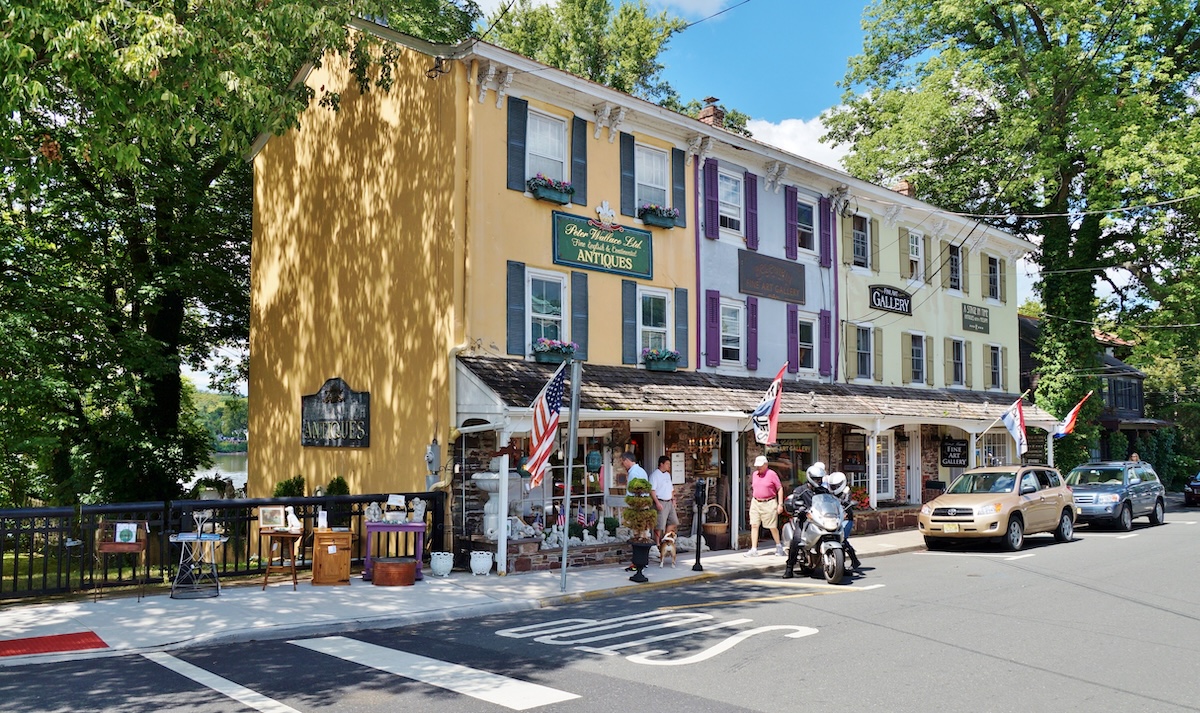
Across the Delaware River from New Hope, Pennsylvania, Lambertville stacks antique shops, art galleries, and weekend markets into a few square blocks with a density that surprises first-time visitors expecting a quiet small town. The Golden Nugget Antique Market runs Wednesday, Saturday, and Sunday with indoor and outdoor dealers covering everything from formal American period furniture to vintage kitsch.
The New Hope connection doubles the hunting territory for anyone willing to cross the bridge, creating a combined market that serious collectors treat as one destination rather than two separate towns. Prices reflect the sophisticated clientele that both towns attract from New York and Philadelphia, but the selection justifies the investment for anyone hunting quality over bargain.
5. Adamstown, Pennsylvania
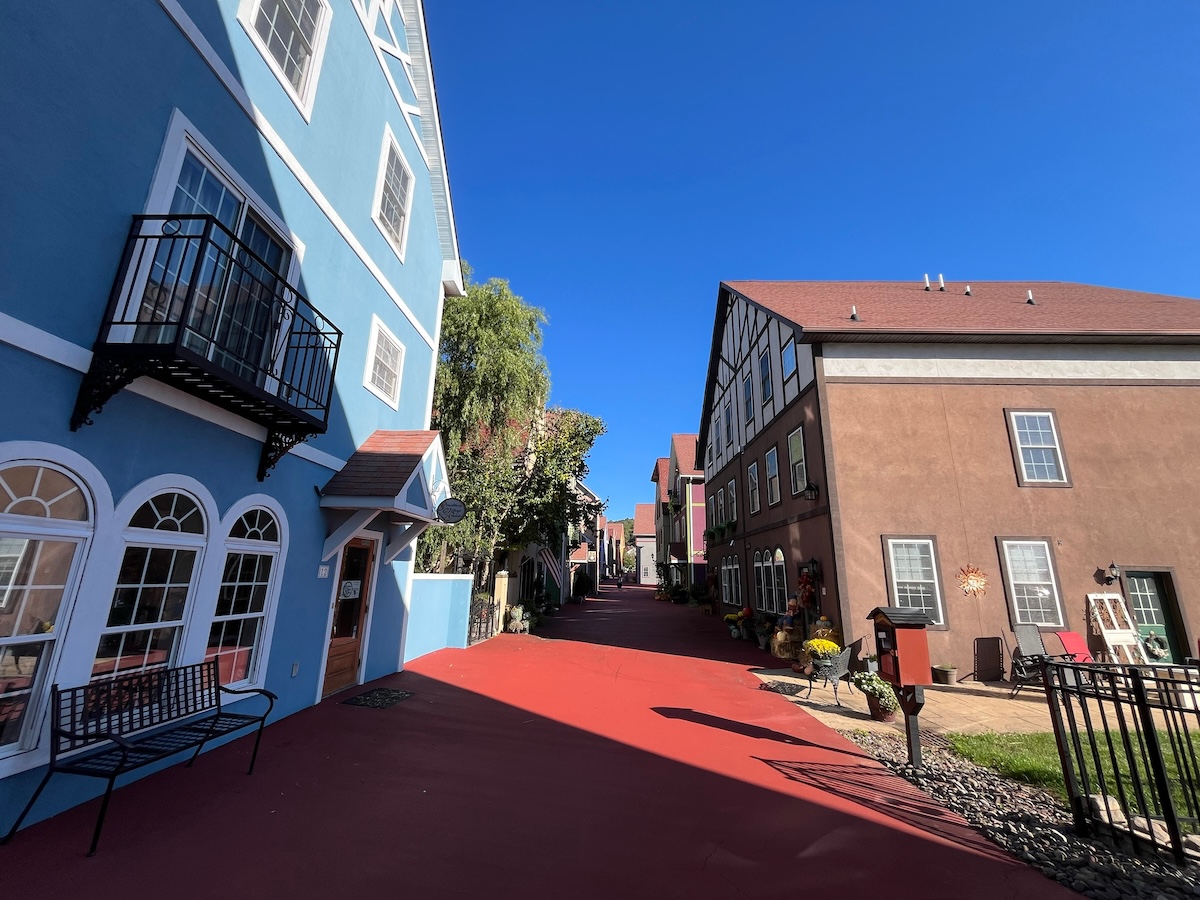
Sunday mornings belong to Adamstown, where the self-proclaimed antiques capital of the USA earns that title through markets that have operated continuously since the 1960s. Stoudtburg Village and Renninger’s anchor the main action, with hundreds of dealers spreading across buildings and outdoor spaces along Route 272 in a setup that requires comfortable shoes and a flexible schedule.
The sheer volume means patience pays off here more than almost anywhere else on this list. Dealers specialize deeply, and the concentration of expertise means serious questions get serious answers. Adamstown works best as a dedicated Sunday operation rather than a quick stop, so plan the drive, bring cash, and accept that leaving by noon isn’t happening.
4. Asheville, North Carolina
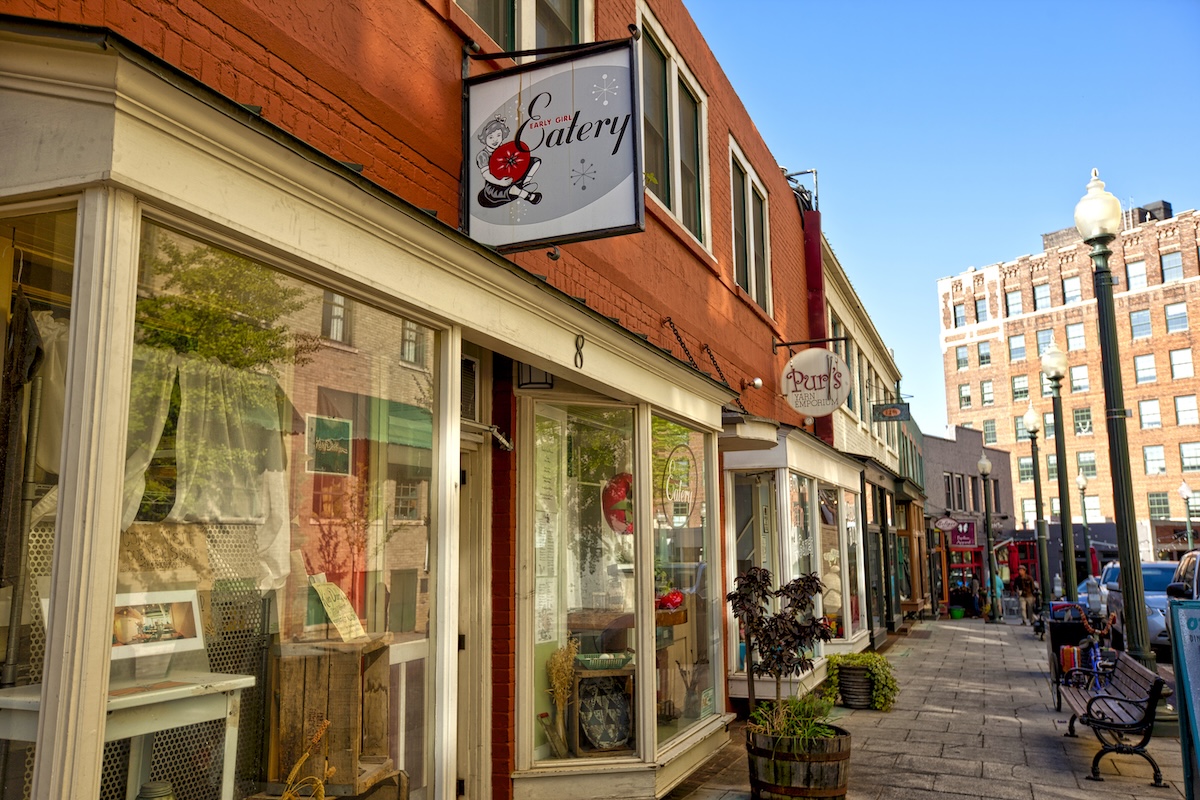
Asheville’s arts-focused culture pushed the antique scene toward the eclectic end of the spectrum, where folk art, Appalachian crafts, and mid-century pieces share floor space with formal antiques in combinations that feel completely natural in this particular mountain city. The River Arts District and downtown shops collectively cover more stylistic territory than most cities twice Asheville’s size.
The hunting here is for browsers with broad taste more than specialists hunting specific categories. That being said, the folk art selection is a particular favorite amongst collectors focused on American vernacular objects. Asheville’s general commitment to keeping things interesting extends to the antique market, where dealers tend to stock with personality without defaulting to safe commercial inventory.
3. Hudson, New York
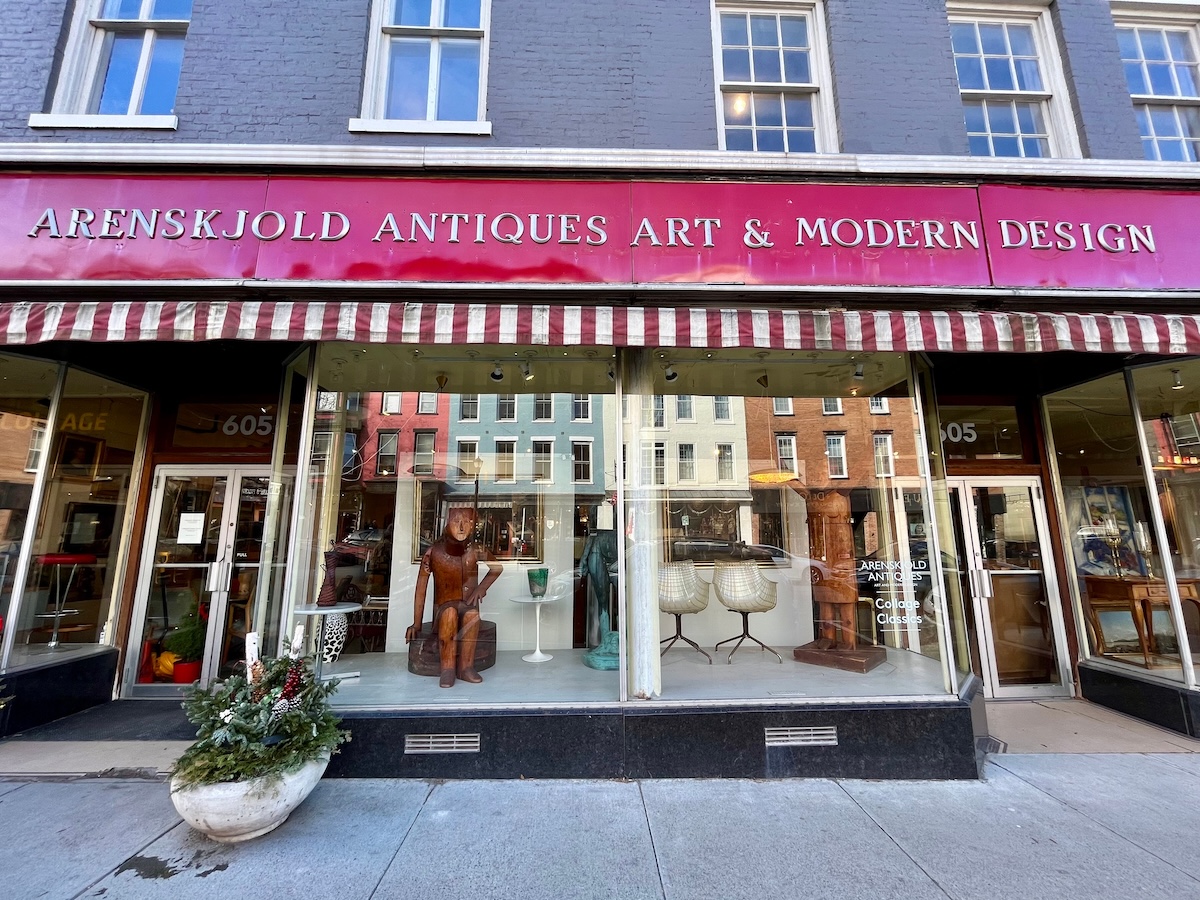
Warren Street delivers one of America’s most concentrated stretches of high-quality antique dealers in a single walkable mile. Shops lean toward the sophisticated end of the market with European furniture, American folk art, and decorative objects priced for collectors who know exactly what they’re looking at. Hudson built this reputation deliberately over several decades, attracting dealers from New York City who needed more space and lower rent.
The quality ceiling here runs higher than most destinations on this list, and prices reflect that positioning honestly. Weekend visitors from New York City treat Hudson as a regular pilgrimage, creating a lively Saturday atmosphere where the competition for good pieces starts early. The surrounding Columbia County adds farmhouse finds and estate sales for hunters willing to explore beyond Warren Street.
2. Round Top, Texas
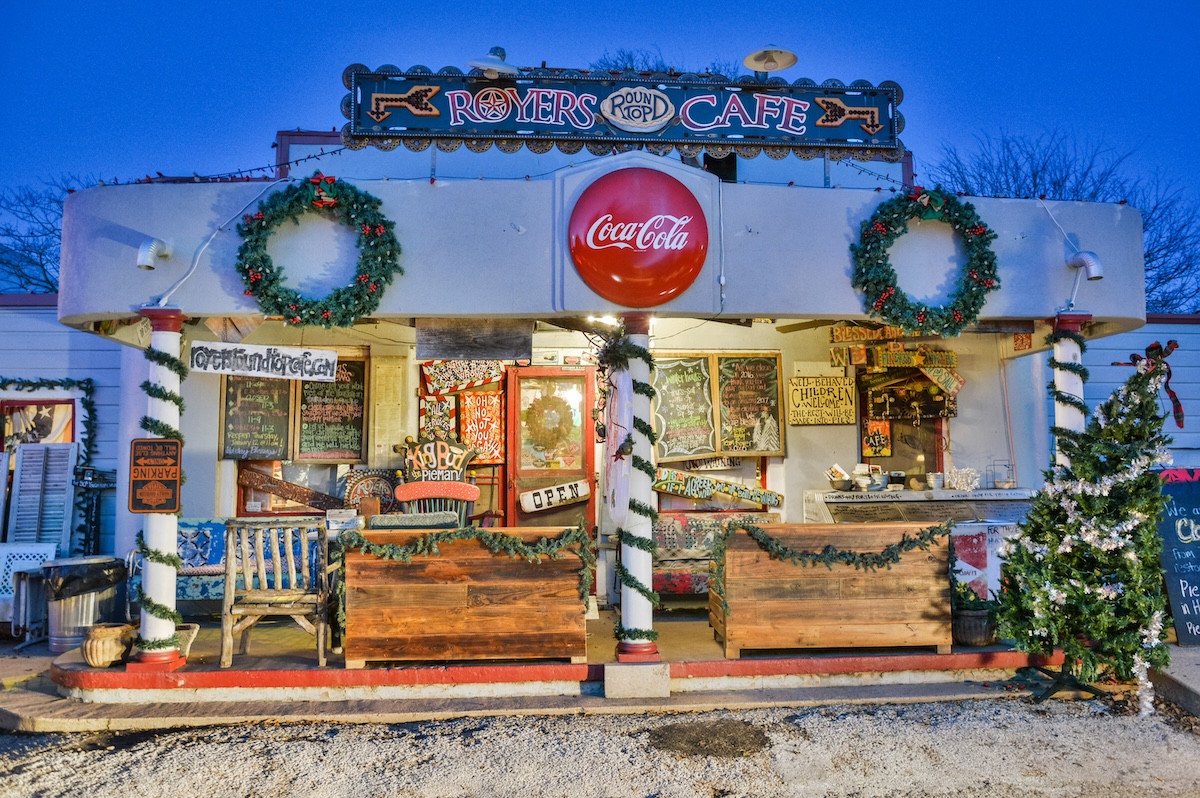
Twice a year, a town of fewer than 100 permanent residents transforms into one of America’s largest antique events when the Round Top Antiques Fair takes over the surrounding fields and venues along Highway 237. Dealers from across the country haul inventory to Texas for two weeks of trading that covers everything from European architectural salvage to American primitive furniture spread across multiple venues.
The scale defies easy description and requires actual trip planning: accommodation books out months ahead, serious buyers arrive in the first days, and the sheer physical territory calls for a car and multiple visits to cover properly. Round Top only happens twice a year, in spring and fall, which creates urgency that permanent markets simply cannot manufacture. Missing it feels like a costly mistake.
1. Brimfield, Massachusetts

Three times a year, a Massachusetts town becomes the undisputed center of the American antique universe for six days at a stretch. Over 5,000 dealers spread across multiple fields along Route 20, creating an outdoor market that covers more hunting ground than most people can physically cover in the available time, regardless of how seriously they approach the task.
The Brimfield Antique Show operates on a field-by-field schedule where different venues open on different days, so hunters study the layout beforehand and arrive with a strategy. Serious collectors plan entire vacations around the three annual shows, in May, July, and September. Rain turns the fields to mud, heat makes the July show physically demanding, and none of that stops anyone from coming back every single time.