
Travelers searching for something interesting to do in January will find a number of fantastic and interesting festivals that occur throughout the world during the first month of the year. January is also traditionally a great time of the year for bargains in the travel industry. So travelers can often attend unique cultural festivals or visit lovely destinations in January without breaking their banks.
10. Carnaval de Negros y Blancos, Pasto
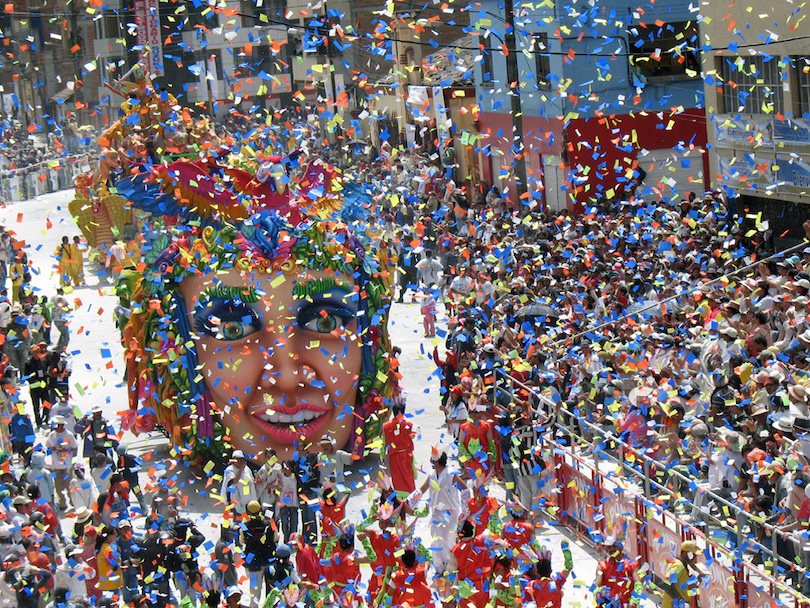
One of the best places to visit in January is the city of Pasto, in southwestern Colombia, which celebrates the Carnaval de Negros y Blancos, Pasto. This event’s name translates to the Blacks and Whites’ Carnival, and it is one of the oldest festivals in South America.
The Carnaval de Negros y Blancos starts on January 4th with a big parade. Then on January 5, which is considered the Day of the Blacks, festival goers paint themselves with black paint. This day actually started off as an official day off for slaves. On January 6, the Day of the Whites, festival goers toss white talcum powder on each other. There is also another big parade on this day that includes a large number of colorful and creative floats.
9. Australia Day
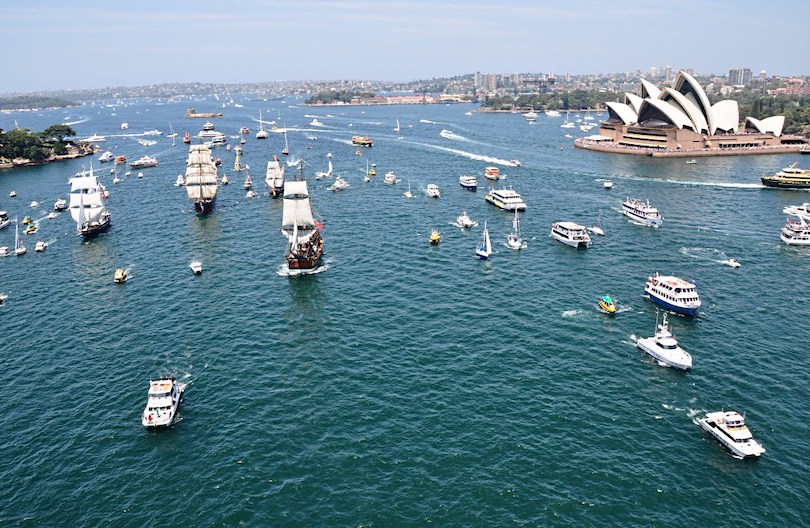
Australia Day, January 26, is a relatively new national holiday that has only been celebrated consistently since 1994. This holiday is held in honor of the day that Captain Arthur Phillip first raised the British Flag in Sydney in 1788.
A number of big events occur on this day, including the naming of the Australians of the Year. In addition, there are numerous local events held throughout the country, including festivals, concerts and spectacular firework shows. Australia’s summer is also a nice time to visit the southern states as travelers can take advantage of the warm weather.
8. Rideau Canal Skateway, Ottawa
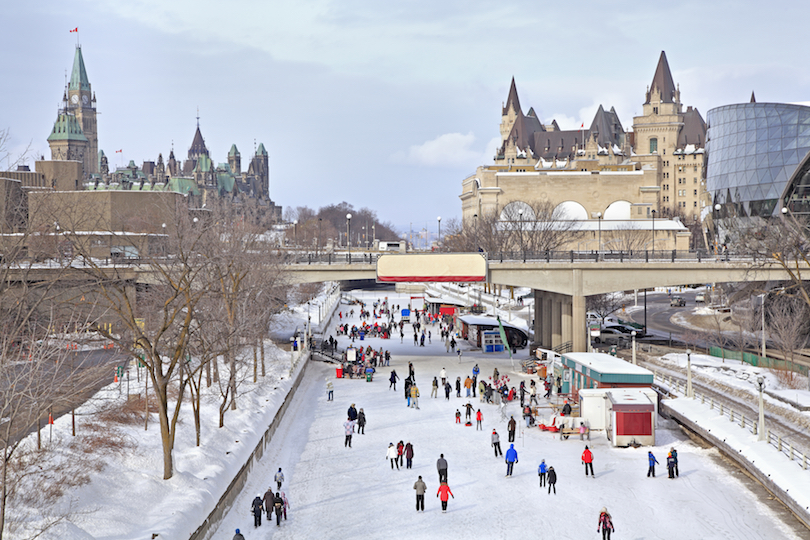
The Rideau Canal, which cuts through downtown Ottawa and measures 7.8 kilometers or about 5 miles long, is often called the largest skating rink in the world. Travelers hoping to skate the Rideau Canal Skateway typically need to wait until January for the canal to freeze completely over, though last winter, unusually cold weather allowed it to be opened on December 31.
The skateway typically closes in March. Travelers interested in skating on the rink at the spur of the moment are in luck as skates are available at three rental facilities along the canal.
7. Up Helly Aa, Shetland Islands
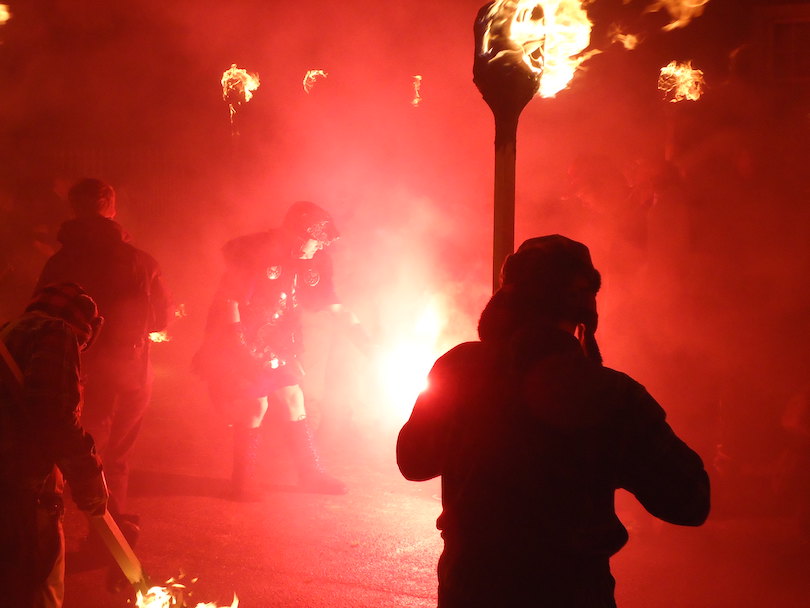
Up Helly Aa is a celebration of fire and of Nordic tradition in the remote Shetland Islands in which hundreds of costumed participants march through the streets with torches on the last Tuesday in January. The festival takes all day and involves a number of ceremonial preparations, but the highlight of the event is a torch-lit procession and the burning of a replica Viking ship, also known as a galley.
As the ship burns, the crowd sings, “The Norseman’s Home.” This is an elaborate festival and its participants take their jobs seriously. Work for the festival begins almost as soon as the last one ends.
6. Monarch Butterfly Migration
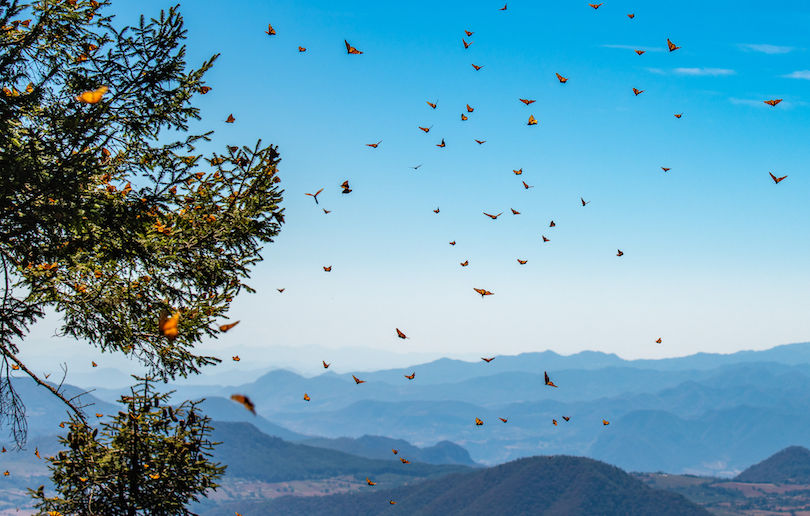
The annual Monarch butterfly migration is one of nature’s great spectacles and a top attraction for visitors to Mexico’s central highlands. Each year, millions of Monarch Butterflies make the journey from eastern Canada to the forests of western central Mexico, a journey that spans up to 3,000 miles.
The Monarch butterflies spend their winter hibernation clustered in small areas of the Monarch Butterfly Biosphere Reserve in Michoacan, before they travel to the north again. January and February are popular months to visit the reserve, because the Monarch population is at a peak at this time.
5. Icehotel
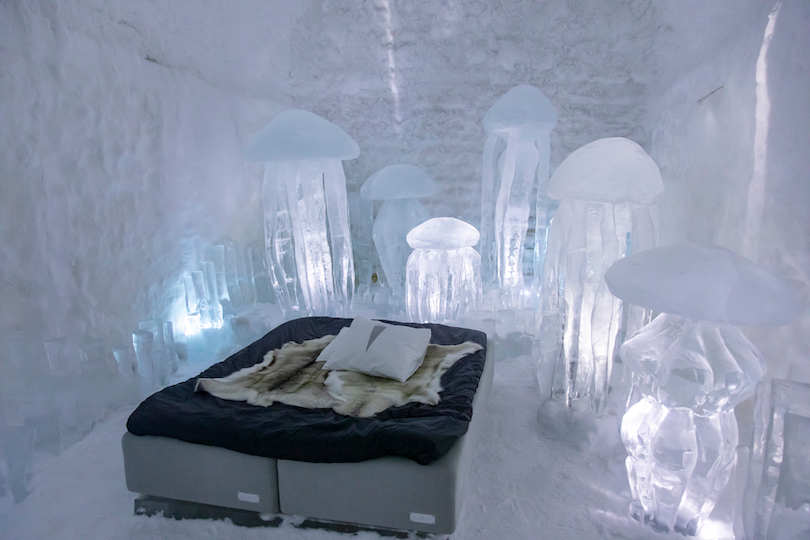
The Icehotel in the tiny village of Jukkasjärvi in northern Sweden, provides it guests with an unique experience. Each year from December to April, an entire hotel is made out of snow and ice, including the chairs and beds in the guest rooms.
Even the glasses in the bar are made of ice! Guests sleep in polar-tested sleeping bags. There’s no plumbing at the hotel, but bathrooms for guests are found in a warm building close by and there is also a sauna on the premises. A whole host of optional activities such as snowmobiling and husky sledding complete an unforgettable trip.
4. Sundance Film Festival, Park City
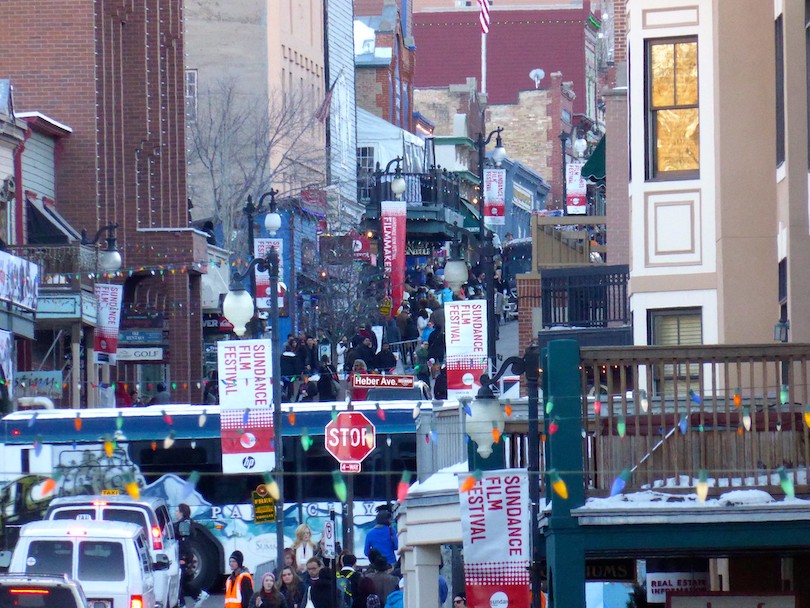
The Sundance Film Festival in Park City, Utah, which was co-founded by Robert Redford in 1978, began as a low-key showcase for American independent movies and as a way to attract filmmakers to the State of Utah. It has now morphed into a star-studded event that attracts celebrities and media from around the world. In fact, the Sundance Film Festival, which is the largest in the United States, has now become the place to see and be seen in the United States during the month of January.
In addition, there is more to do at the Sundance Festival than just viewing new movies. Park City is also home to three ski resorts, and because everybody is going to movies, snow-seekers might feel they have the slopes all to themselves.
3. Sinulog Festival, Cebu City
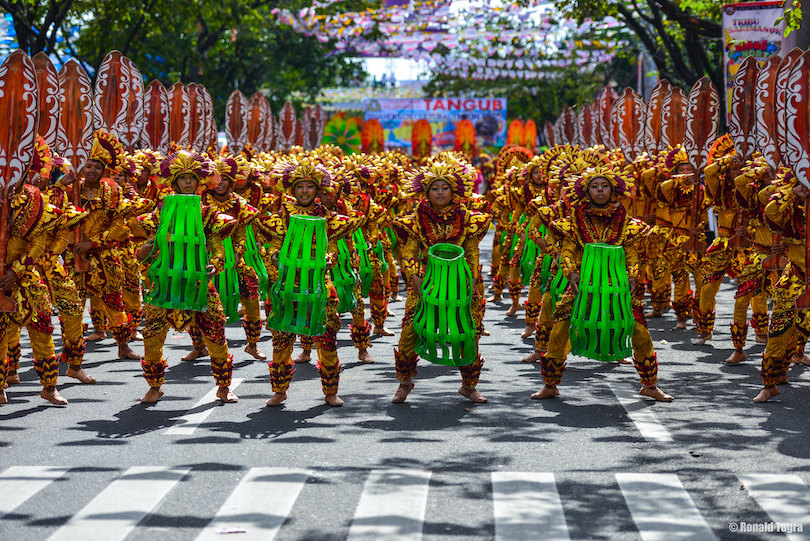
The annual Sinulog Festival in Cebu City, which bills itself as a “Celebration of Faith and Heritage,” is a nine-day-long celebration which ends with the spectacular Sinulog Grand Parade. During this parade, participants dress in brightly colored costumes and dance the Sinulog to the sound of drums.
For those unfamiliar with the Sinulog, it is a dance where participants take two steps forward, then one step backwards as they move down the street. This is a very long parade that can last between nine and twelve hours. The Sinulog Festival begins on the third Sunday of January and is held in honor of the Santo Nino, which is a statue of Jesus as a child that is considered to be the oldest religious image in the Philippines.
2. Tromso International Film Festival
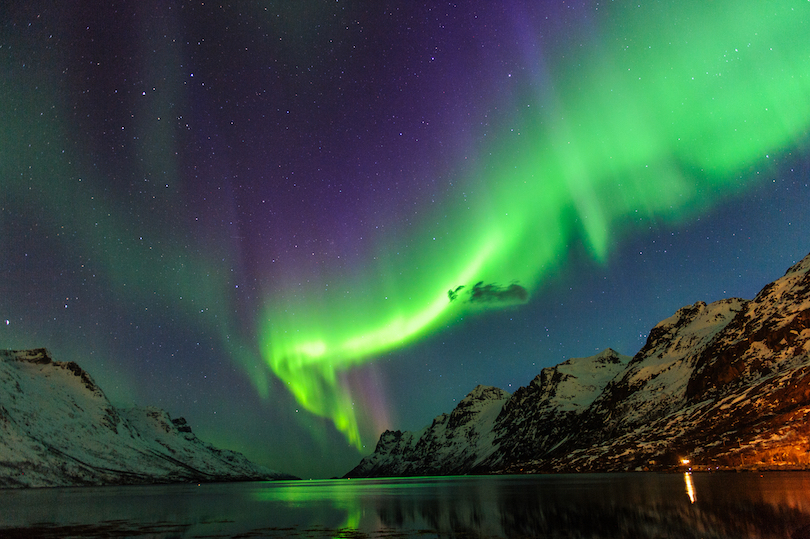
Featuring more than 300 screenings, the Tromso is the largest film festival in Norway. In addition, because the city of Tromso is located in the Arctic Circle, it is also the northernmost international film festival in the world. The Tromso Film Festival boasts seven screens, including a big outdoor one that is set up in the city’s main square for viewers who don’t mind a little chilly weather with their movies.
Film festival goers also have a good chance of viewing the spectacular beauty of the Northern Lights during their stay in Tromso, which is located in a prime viewing zone for these natural works of art.
1. Harbin Ice Festival
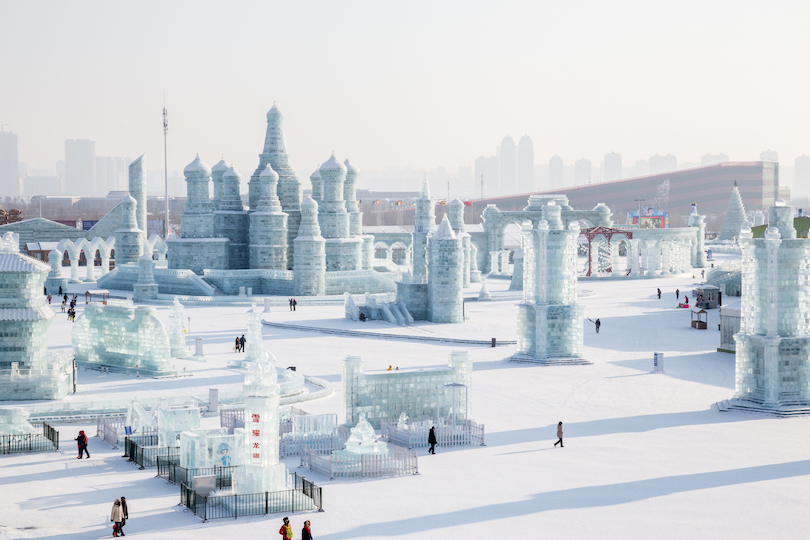
The Harbin Ice and Snow Sculpture Festival is a month-long festival in Harbin in Northeast China, where visitors are treated to the sight of amazing works of art and even buildings sculpted out of either ice or snow.
While these icy works of art are beautiful in the daylight, they are even more stunning at night when they are set aglow with colorful LED lights. In addition, each year the ice artists work to recreate famous landmarks and artworks from around the world, such as the Egyptian pyramids. The Harbin festival is now the largest ice and snow sculpture event in the world.