
The American mall peaked somewhere around 1985, spent the next two decades absorbing apocalypse predictions, and then certain locations quietly stopped caring about any of that. These aren’t the hollowed-out corridors with a single sad pretzel vendor holding down the fort.
America’s best malls figured out that spectacle sells better than floor space. Some went full architectural drama. Others built theme parks, ski slopes, or food halls serious enough to anchor an entire vacation. All of them earned destination status the hard way. But one thing is for sure, your family vacations are certain to take on a whole new look when you add these mall destinations to the itinerary.
12. The Americana at Brand, Glendale
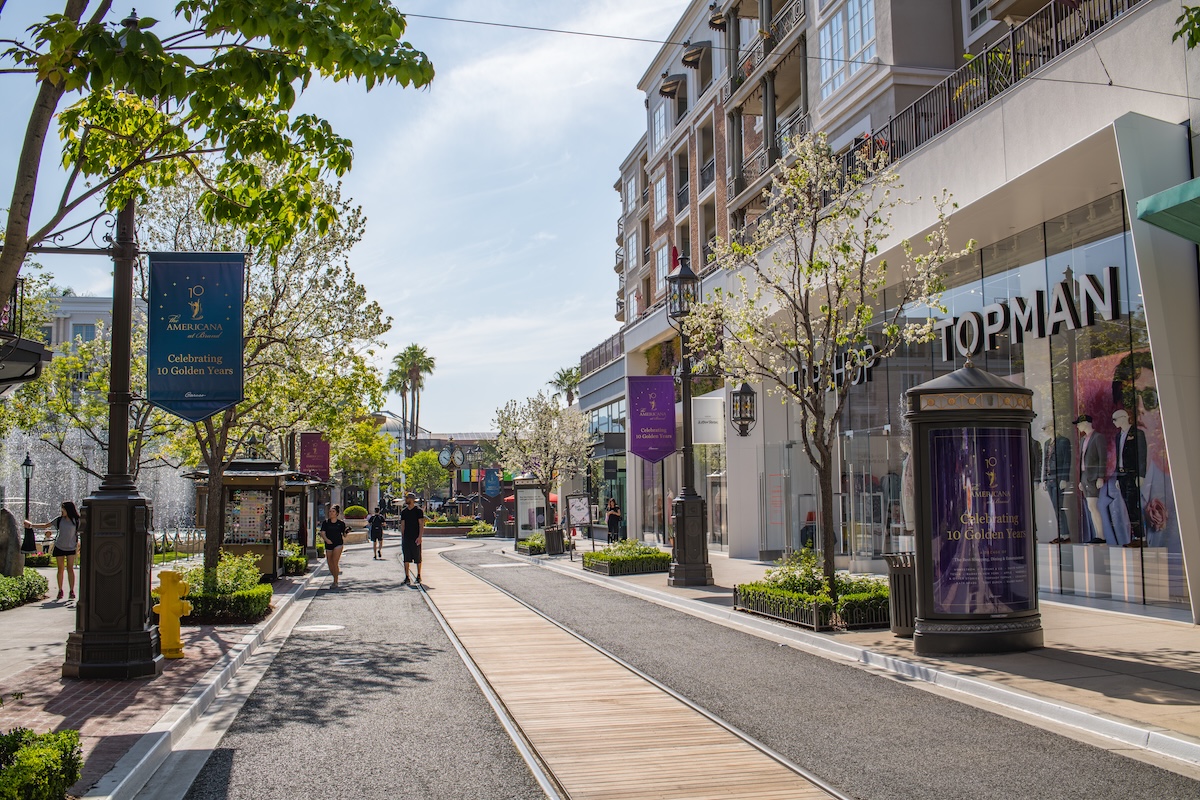
Glendale’s outdoor lifestyle center runs a vintage trolley between its two main streets, which sounds completely unnecessary until you’re actually riding it and reconsidering your position. A dancing fountain anchors the central plaza where the design prioritizes lingering over efficiency, putting it ahead of most California retail developments immediately.
The Grove’s sister property draws weekend crowds who treat Saturday here as a social ritual. High-street brands and independent restaurants share space in proportions that work, live entertainment fills the plaza on weekend evenings, and the whole setup feels more like a neighborhood than a mall. Glendale residents exploit that distinction shamelessly.
11. King of Prussia Mall, King of Prussia
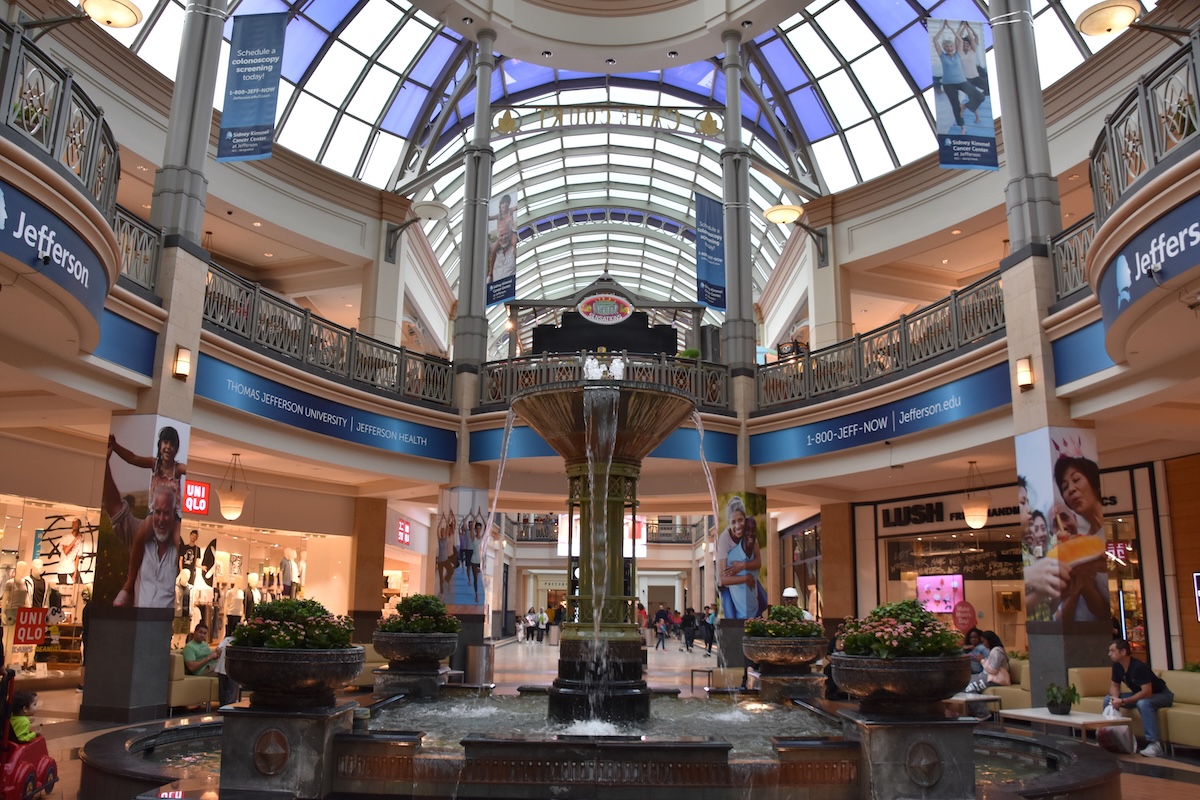
Two connected buildings, stores covering every income bracket simultaneously, and a food court large enough to qualify as a standalone food hall. Pennsylvania’s retail heavyweight pulls eager shoppers from across the tri-state area, and the scope rewards planning: arrive with a list, wear comfortable shoes, and accept that you’ll cover serious ground.
First-timers wander until their feet make the decision to stop. No single store justifies the trip. It is the cumulative variety that does, the kind that takes decades to build, and no online algorithm could replicate. KOP survives on scale, and scale here is very hard to argue with.
10. South Coast Plaza, Costa Mesa
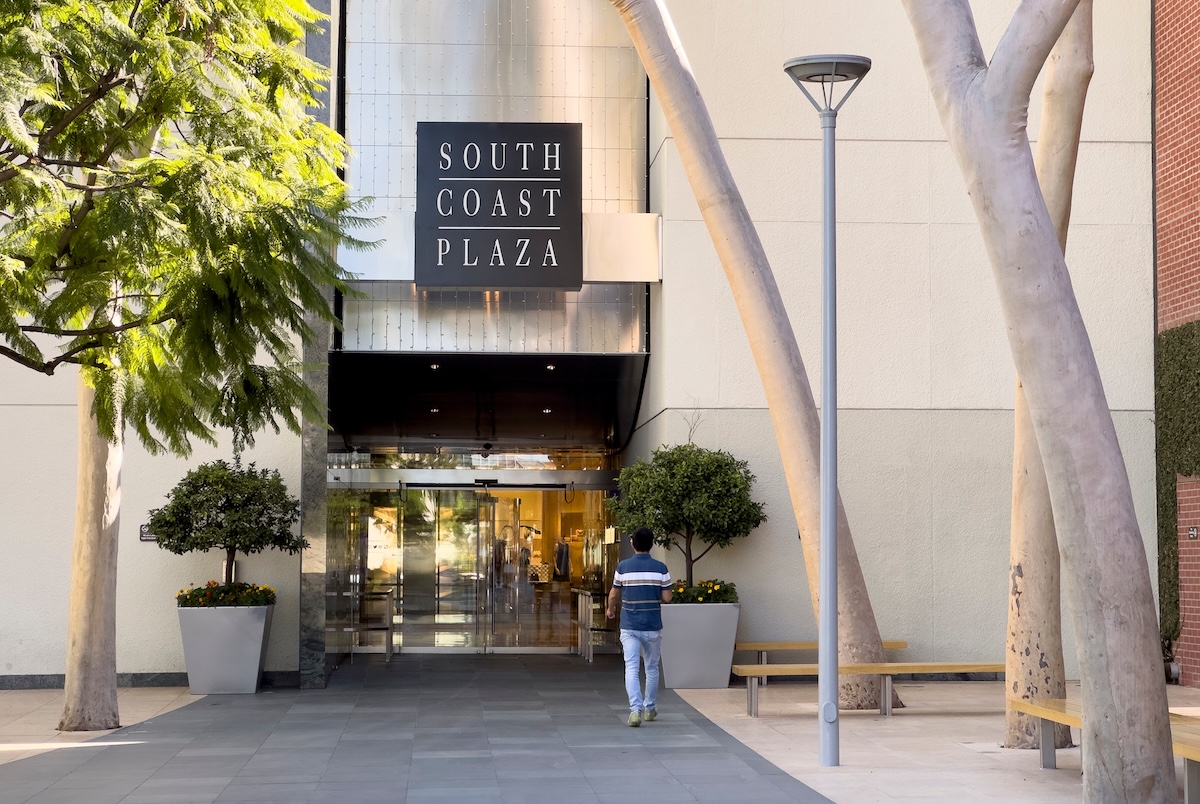
Orange County’s luxury flagship handles designer retail at a scale most American cities simply don’t attempt. European brand spaces feel closer to galleries than stores, a sky bridge connects two buildings over a major road, and the whole loop begs you to take your time and not just rush toward any particular spot.
The Segerstrom Center for the Arts sits directly next door, and arts partnerships bring performances and events into the mix throughout the year. That combination of high-end shopping and strong programming pulls visitors from Los Angeles even on bad traffic days, which says something about what South Coast Plaza has built here.
9. The Galleria, Houston
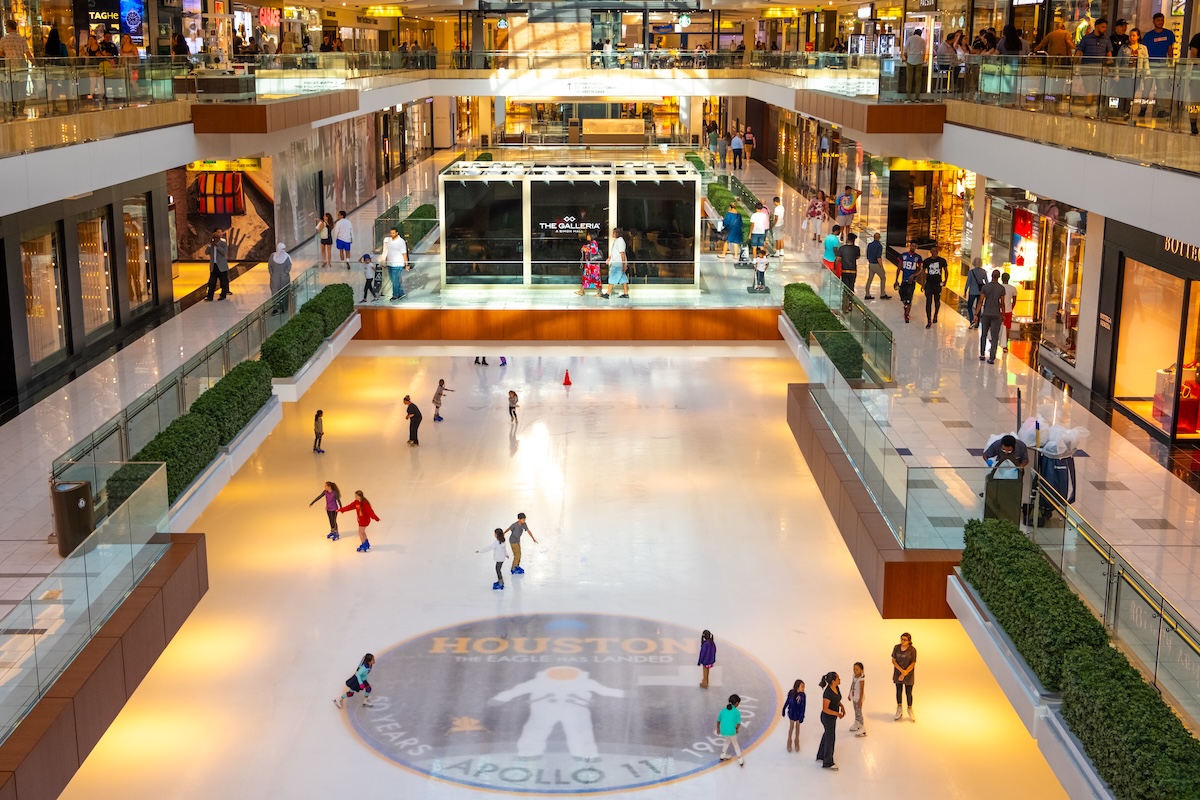
A full-size ice rink operating year-round in a city where summer temperatures regularly push past 100 degrees requires a unique flavor of committed logic. Houston’s most famous shopping complex has run on that arrangement for decades, and locals treat it as completely unremarkable background activity.
Three hotels connect directly to the building, and the food options mirror Houston’s remarkably diverse population, covering cultural territory that few comparable malls approach. The Galleria could also function as a self-contained neighborhood, one that residents use on a Tuesday afternoon as comfortably as on a weekend. And one with a global menu to boot!
8. American Dream, East Rutherford
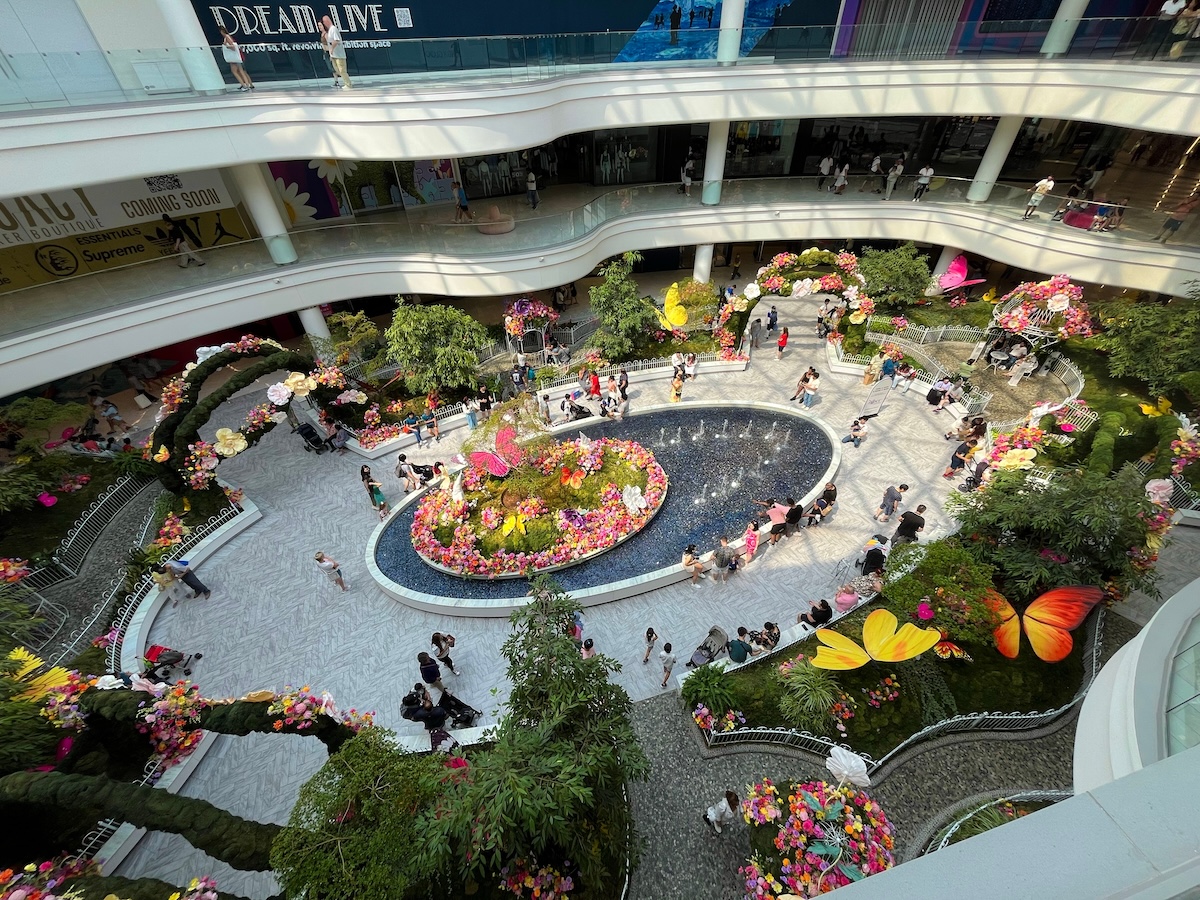
Fifteen years, multiple developers, and several near-collapses later, New Jersey opened a mall containing an indoor ski slope. Also a water park, an ice rink, an observation wheel, a DreamWorks theme park, and somewhere buried in the mix, actual stores. The entertainment footprint runs so large that shopping becomes almost a footnote.
First-time visitors need either a map or full surrender to wandering. Weekend crowds pour in from across the New York metro area, all working through the same mild confusion about what this place actually is. Nobody lands on a clean answer, and honestly, that might be the whole point.
7. The Shops at Crystals, Las Vegas
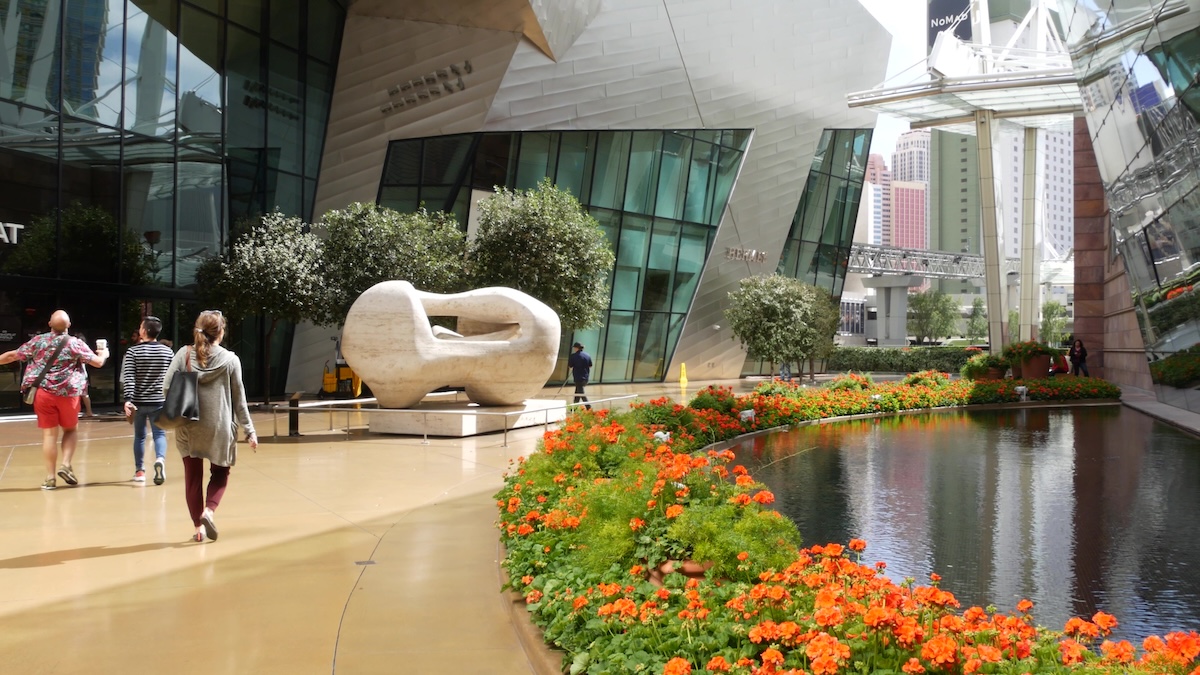
Daniel Libeskind contributed to the architecture here, and the angular drama announces itself the moment you walk in. Free rotating art installations give visitors another reason to slow down and look up, and the building as a whole earns more time than most people budget for a shopping stop.
The tenant list skews toward brands where a single item costs more than a month’s rent for most people, which makes Crystals outstanding window-shopping territory for everyone not actually buying. Las Vegas always understood that spectacular environments justify the trip, and this might be the city’s most architecturally committed version of that idea.
6. Ala Moana Center, Honolulu
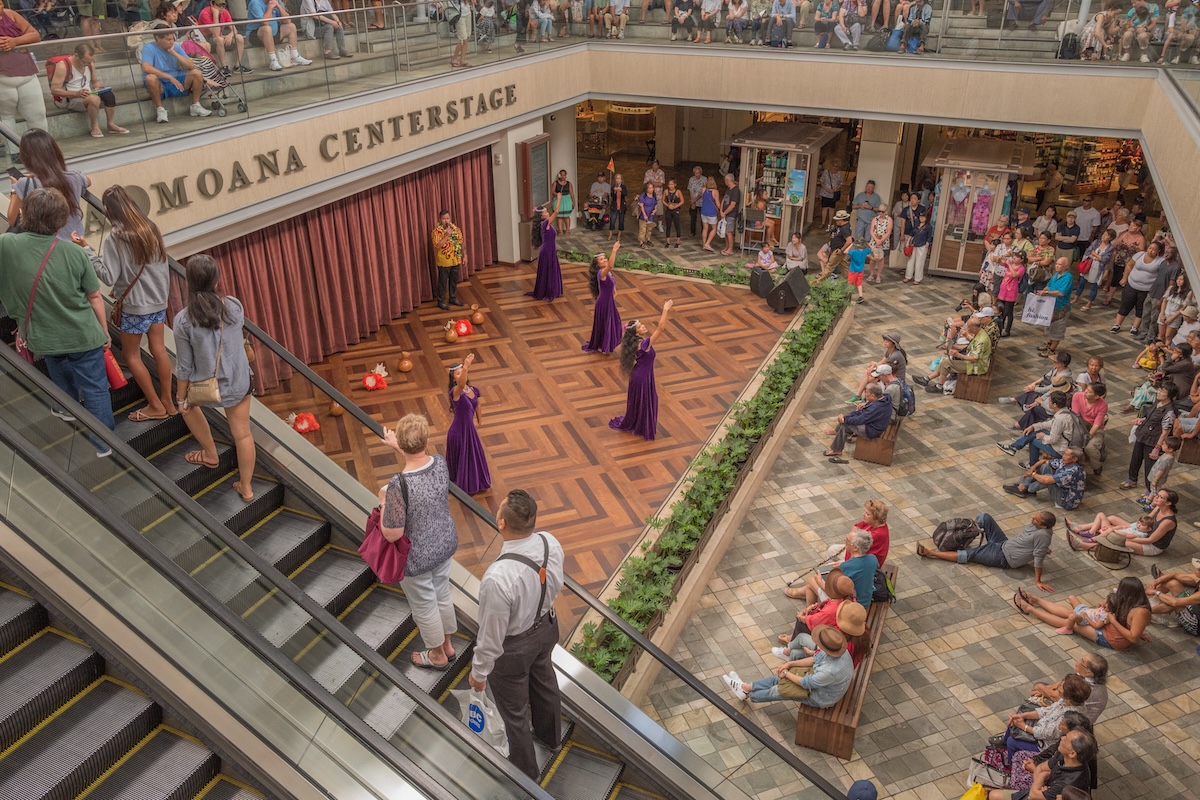
Trade winds cool the walkways, natural light replaces fluorescent anxiety, and the Pacific Ocean sits close enough to smell on a clear day. Walking distance from Waikiki Beach, this open-air center sidesteps everything exhausting about conventional mall visits before you’ve even reached the first store.
Local Hawaiian brands sit alongside international retailers in a tenant mix that reflects the islands without feeling curated for tourists. Come back in the early evening when the light shifts through the open corridors, stopping people mid-stride. Locals and visitors share the space comfortably here, which resort-adjacent developments struggle to pull off.
5. Bal Harbour Shops, Miami Beach
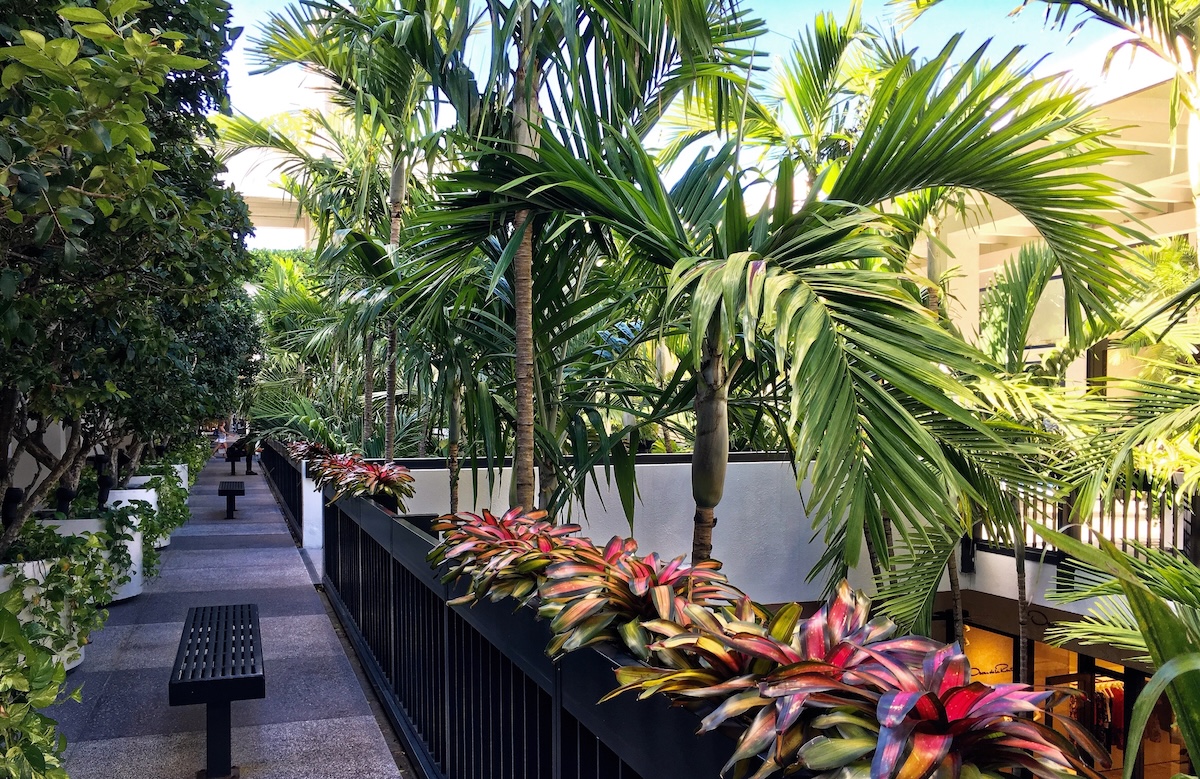
Tropical landscaping, open-air walkways, and a shop directory that reads like a fashion editorial. The philosophy here runs on the idea that the environment surrounding luxury retail matters as much as the retail itself, and every corner of the property holds to that standard.
The scale stays deliberately compact, concentrating the whole experience rather than sprawling it across multiple wings. Restaurants draw strong Miami Beach dining crowds with no shopping agenda whatsoever, making Bal Harbour worth the visit on appetite alone. The price tags in surrounding stores may produce immediate cardiovascular symptoms, but the setting at least provides excellent recovery conditions.
4. Hudson Yards, New York City
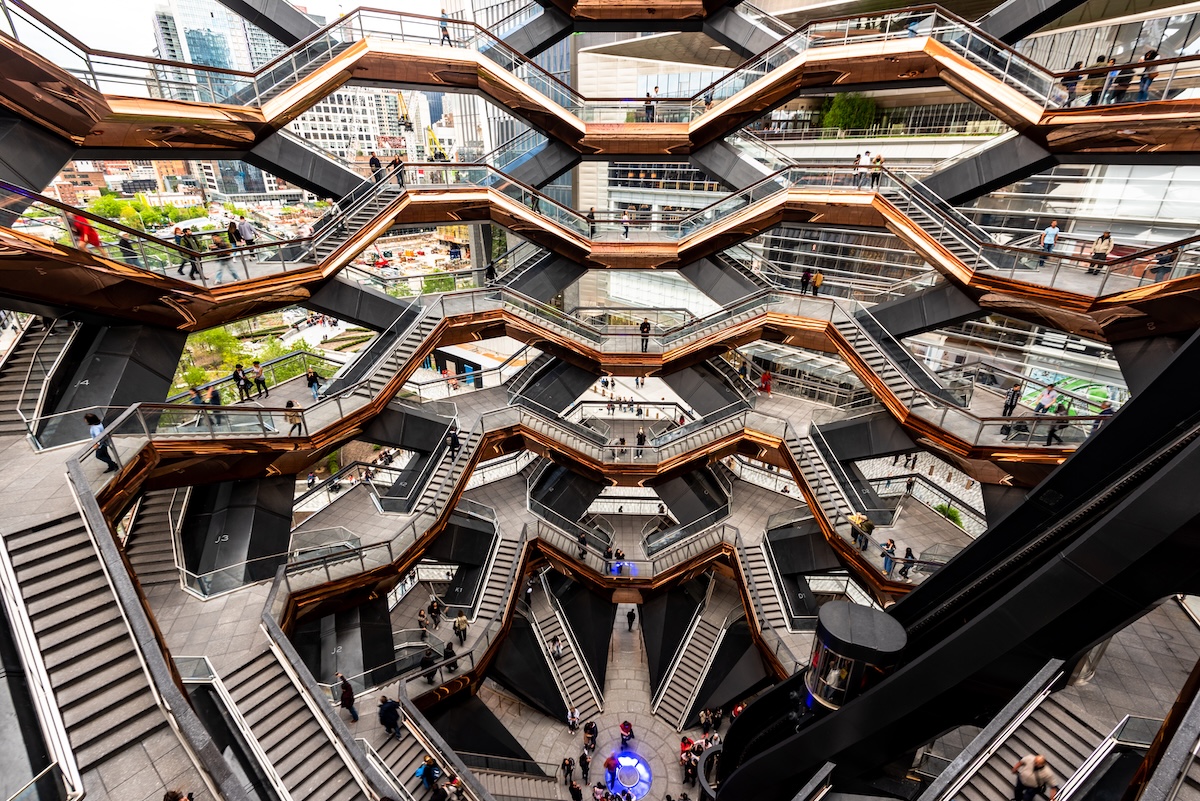
Building a neighborhood over active rail yards took engineering ambition that New York spent years debating before finally delivering. The Vessel, a honeycomb-shaped climbable sculpture at the development’s center, became one of the city’s most photographed new landmarks almost immediately, which nobody fully predicted.
The High Line terminates nearby, connecting Hudson Yards to one of New York’s best public space projects and making the entire Far West Side worth a dedicated afternoon. The Shed arts center anchors the northern end with cultural programming at real scale, pushing the development’s identity well beyond shopping into territory that justifies repeat visits.
3. Forum Shops at Caesars Palace, Las Vegas
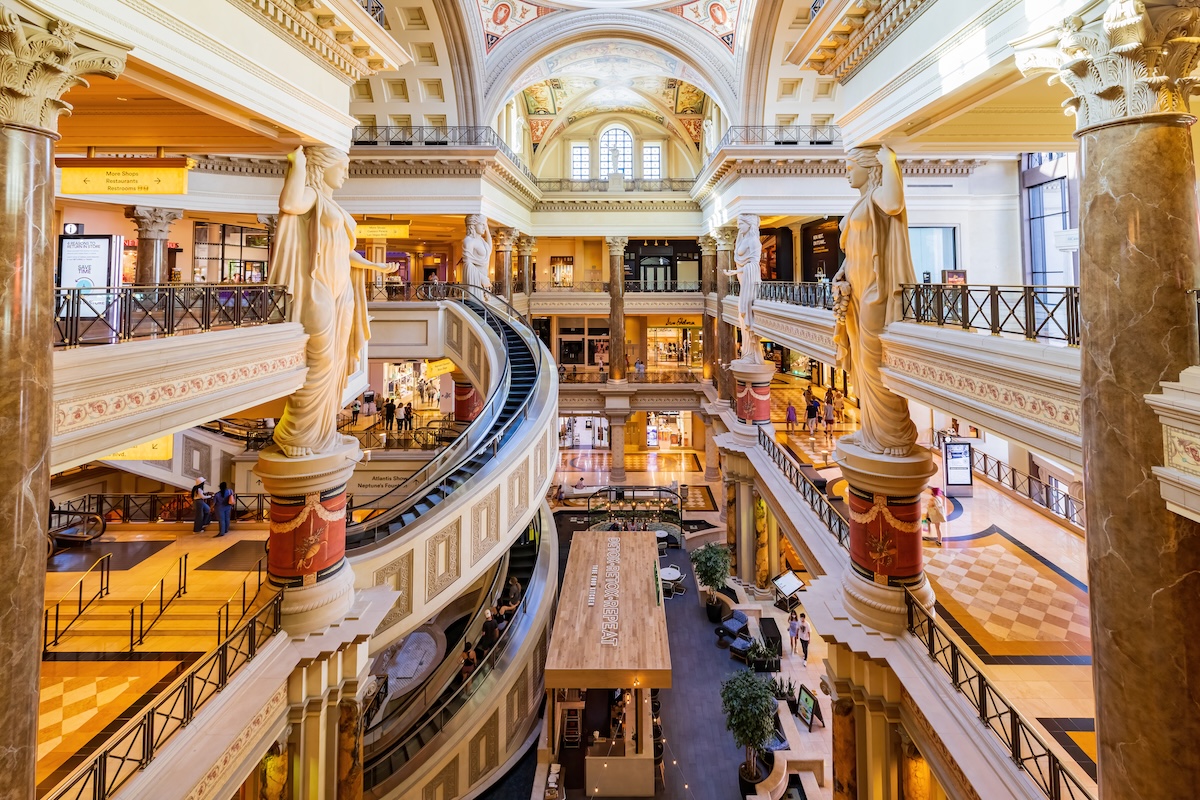
The indoor sky cycles through artificial day and night while animatronic statues perform periodically for crowds treating the whole thing like a ticketed show. Roman theming at this level of committed absurdity could only exist in Las Vegas, where decades of escalating spectacle earned the city the right to take this kind of thing completely seriously.
High-end fashion brands occupy marble-columned streetscapes in combinations that shouldn’t work but absolutely do. The Fall of Atlantis fountain show draws crowds at every hour of the day, and plenty of visitors walk through, watch the performance, and leave without opening their wallets once, completely satisfied.
2. The Grove, Los Angeles
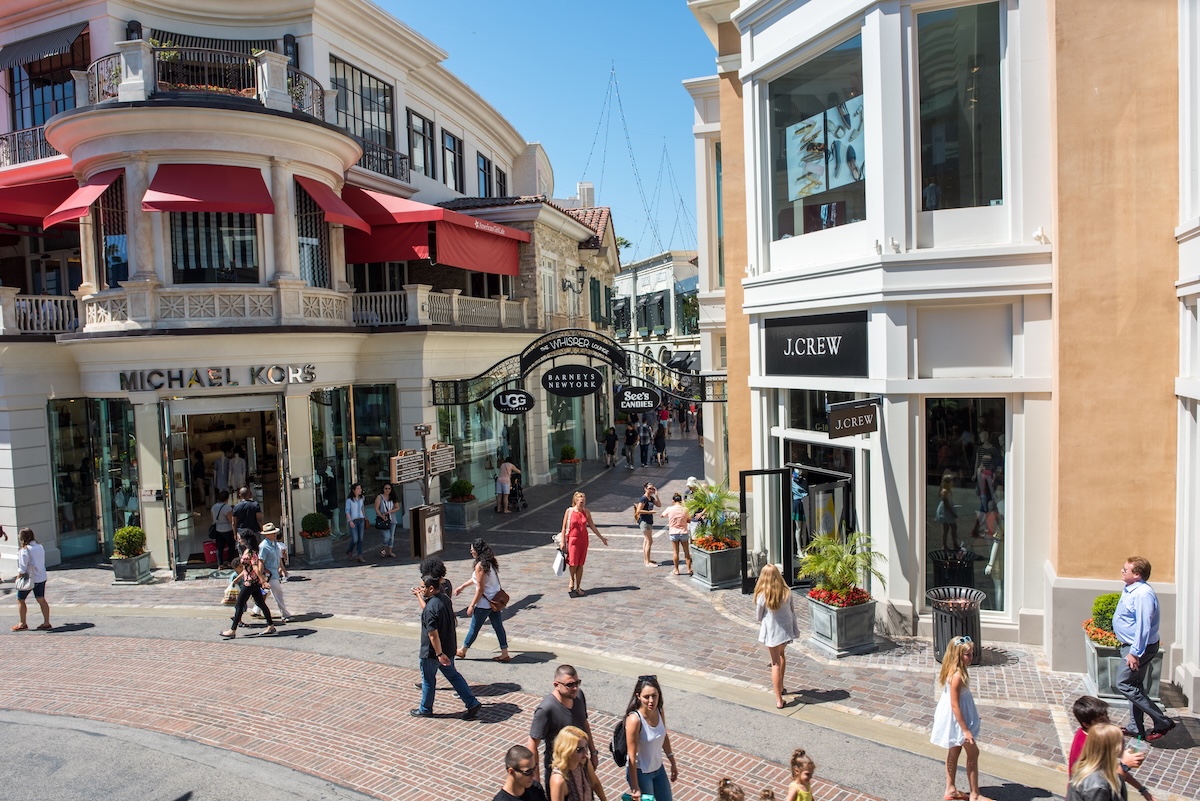
Keeping the original 1934 Farmers Market intact rather than demolishing it was the smartest call the development team made. The historic market connects seamlessly to the polished outdoor mall, placing nostalgic Los Angeles food culture right alongside contemporary shopping without either side undermining the other.
A dancing fountain and outdoor spaces built for sitting around help the Grove function as a community gathering point that happens to contain stores. The Farmers Market side packs counter-service restaurants and specialty food vendors into an atmosphere no new construction could manufacture. Angelenos treat Saturday morning here as social infrastructure, and the shopping just tags along.
1. Mall of America, Bloomington
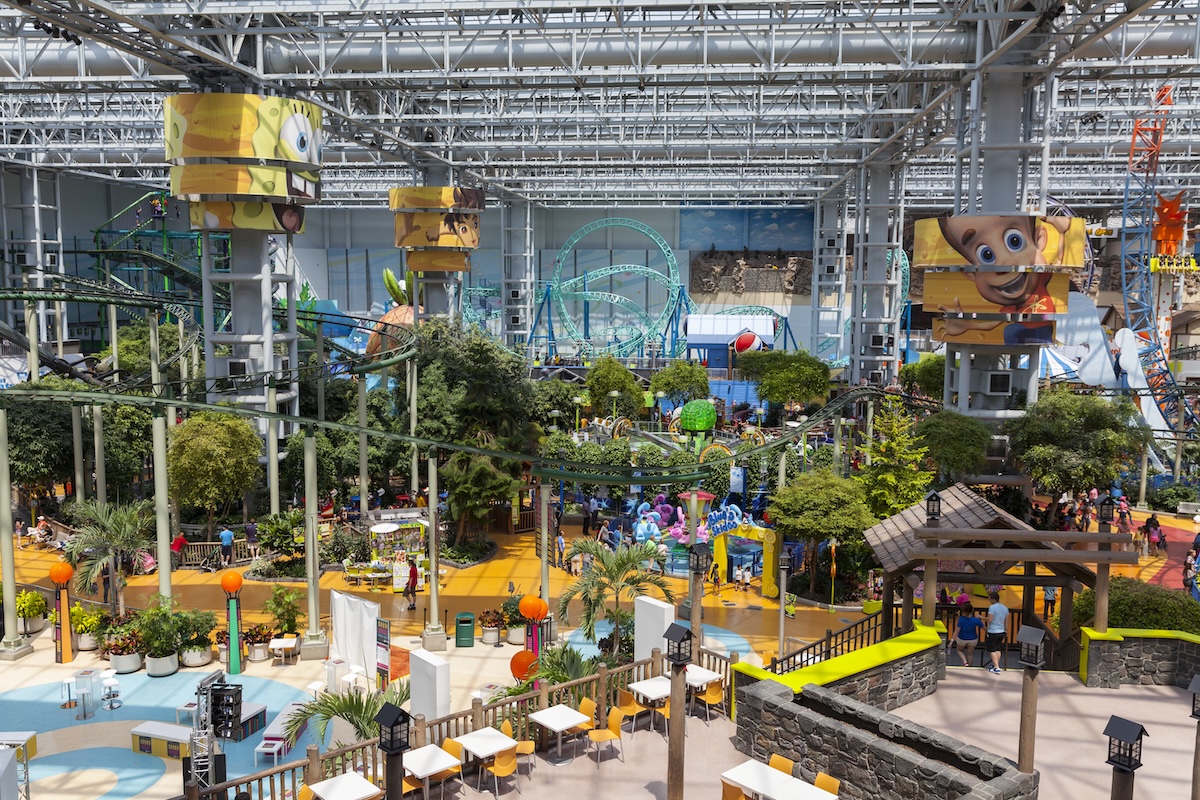
An indoor theme park occupies the central atrium, with roller coasters clearing floors above street-level retail while shoppers below treat the whole arrangement as perfectly normal background activity. Minnesota winters may be trying to eliminate you outside, but inside this Bloomington landmark, it stays 70 degrees and completely unhinged in all day.
Beyond the theme park, there’s a full-size aquarium, mini golf, a spa, and enough dining options to fuel a lifetime. Hotels connect directly to the building because people fly specifically to Minnesota to spend entire weekends here. Mall of America didn’t survive the retail apocalypse. It simply outlasted it.