
Touropia Logo

Touropia Travel

Discover the World

  • Destinations
  • Videos

“It’s Not Just Bad… It’s Weirdly Bad” — The U.S. Airports Travelers Complain About the Most

By Mike Kaplan · Last updated on May 3, 2026

Miami International

Airports are supposed to be predictable.

A little stressful, sure — lines, delays, overpriced food — but still manageable.

But when someone asked what the worst airport in the U.S. is, people didn’t just complain.

They got specific.

Like: this exact hallway, this exact delay, this exact moment where everything falls apart.

Here’s what kept coming up.

Miami International
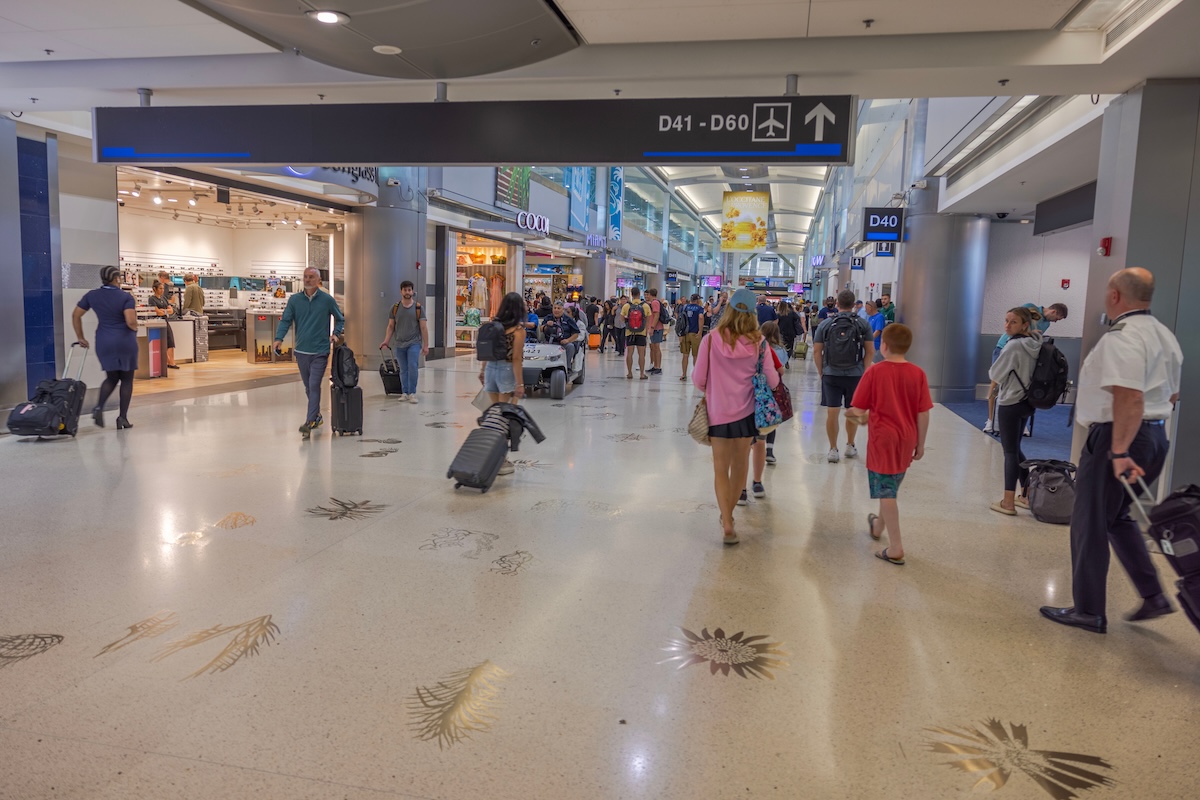
Miami International

Miami International is the kind of airport that should feel like a major hub — busy, international, well-oiled.

Which is exactly why it’s so surprising how often it comes up.

“Miami is a complete shit show.”

And it’s not just one issue — it’s everything stacked together.

“Bathrooms are disgusting… Border control was a nightmare.”

Even just moving through it can feel like work:

“You might have to walk what feels like a mile to the next gate.”

It somehow manages to feel crowded, outdated, and exhausting all at the same time.

LAX
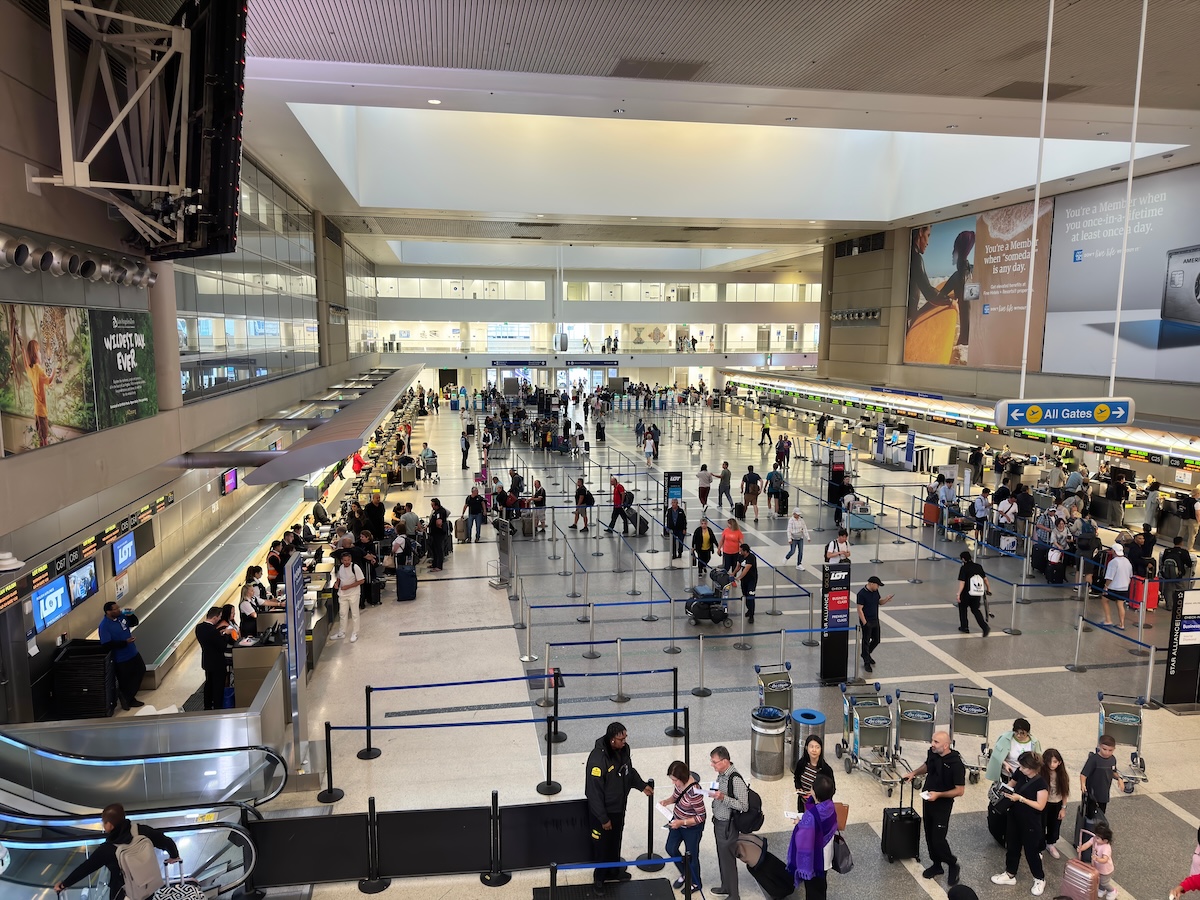
LAX

LAX is exactly what you picture — massive, busy, always under construction somewhere.

Which sounds manageable.

Until you’re actually inside it.

“LAX is an absolute shit hole… way too crowded for the gate sizes they have.”

It’s not just the crowds — it’s how everything feels slightly undersized for them.

“You can’t have 170 seat aircrafts… and 80 chairs.”

So you end up standing, waiting, squeezing through spaces that never quite feel built for the number of people in them.

Dulles (IAD)
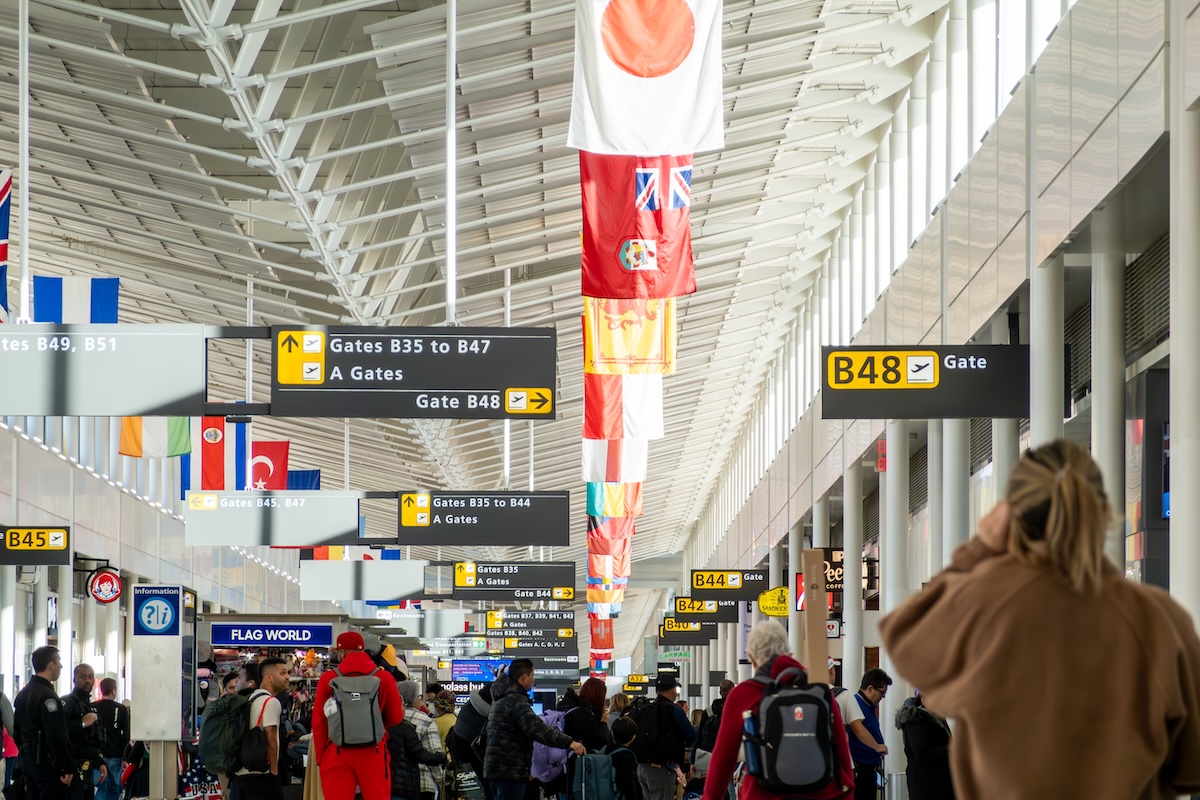
Dulles

Dulles has one thing everyone remembers.

Not the terminals. Not the flights.

The buses.

“I don’t think I’ve ever seen a people mover situation like IAD… the thought of riding them stresses me out.”

They technically work fine.

They just feel like something that should’ve been replaced years ago.

And once you’re on one, packed in with everyone else, you start wondering why this is still the system.

San Diego International
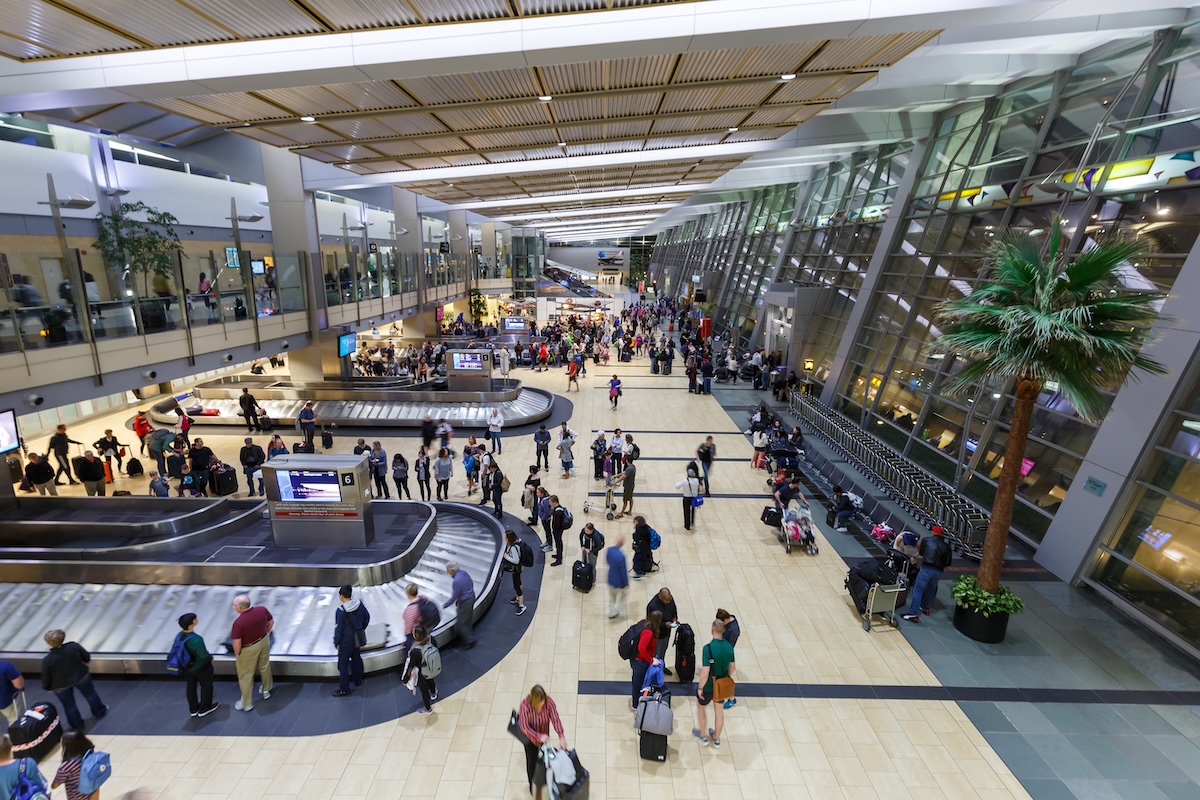
San Diego International

San Diego feels like it should be simple.

Smaller airport. Easy layout. No chaos.

And then everything gets packed into one space.

“It ranges from packed to obscenely packed… too many flights departing from a small area.”

Then the logistics start stacking up:

“You have to take a bus to the rental car area… 15–20 minute ride.”

“Layovers… require you to change terminals… and go through security again.”

It’s not a big, chaotic mess — it’s just everything feeling tighter and slower than it should.

Boston Logan
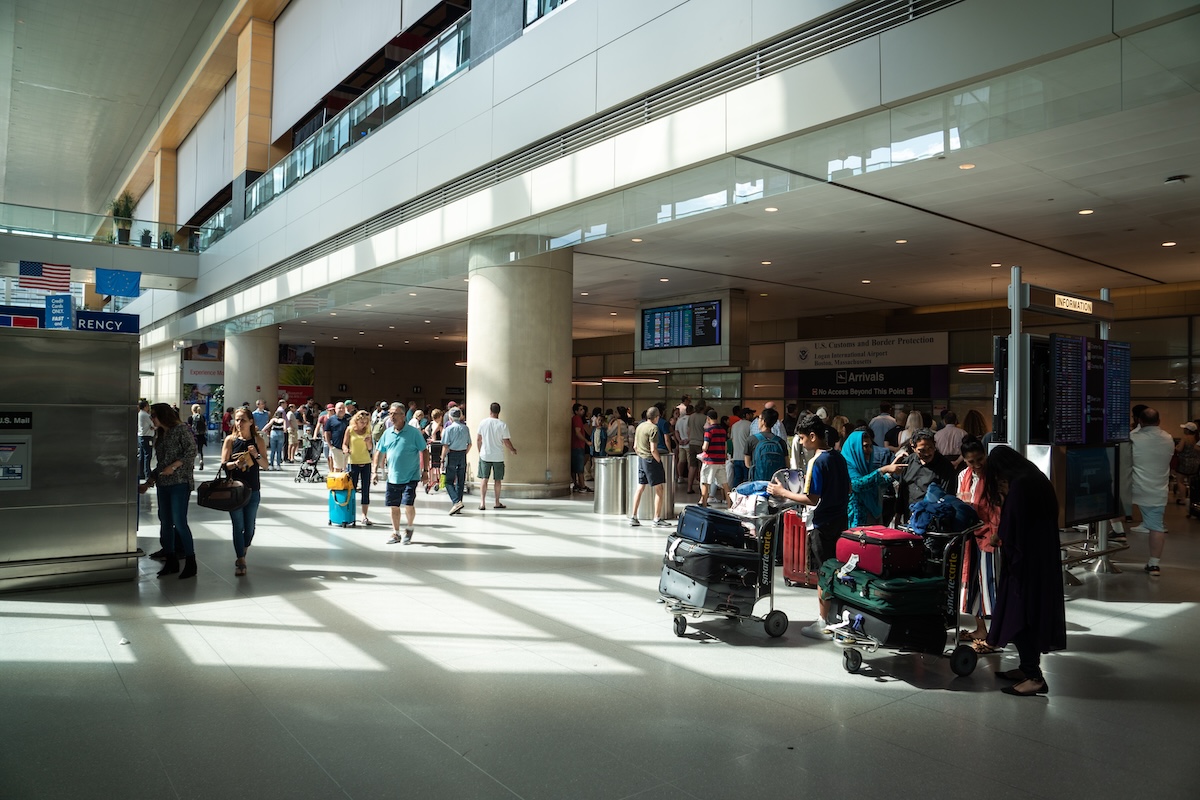
Boston Logan

Boston Logan feels normal right up until it suddenly doesn’t.

Especially if you’re connecting.

“I had to… leave the airport, walk outside… and come back in through security.”

No clear reason. No warning.

Just you, outside, with your luggage, trying to figure out if this is actually part of the process.

Charlotte (CLT)
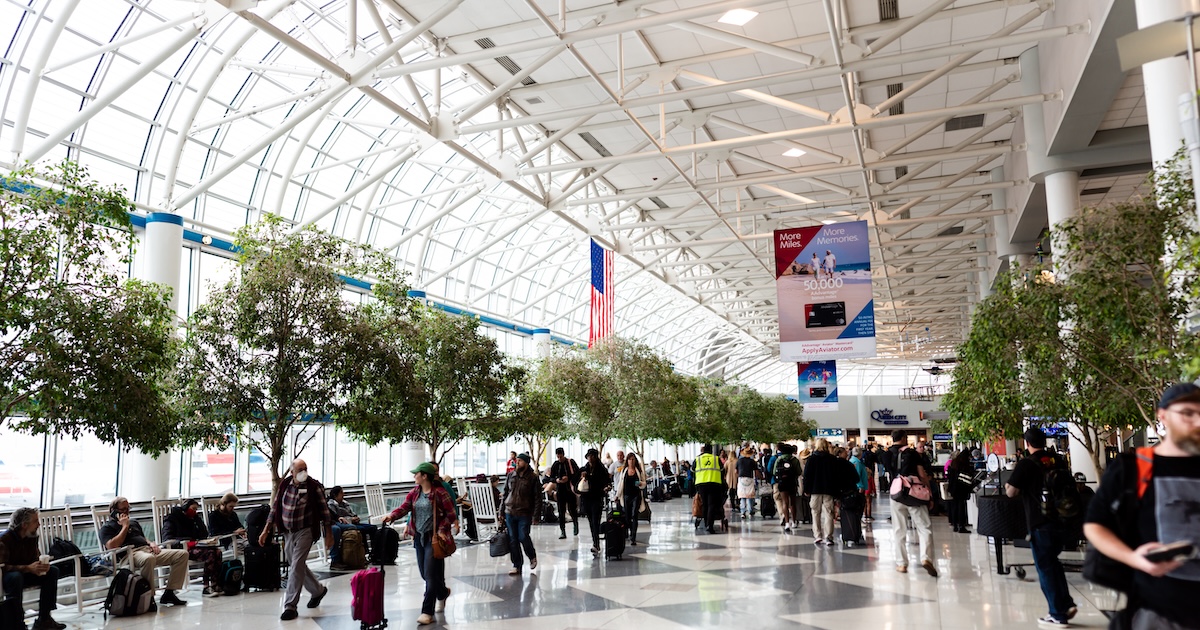
Charlotte

Charlotte looks straightforward — big hub, lots of flights, nothing unusual.

But once you’re there, small things start adding up.

“Signage is horrific… people are rude… food closes super early.”

Even timing can fall apart:

“Sat 45 minutes on the tarmac… waiting for a gate… at 10pm.”

Nothing is completely broken.

It just never feels smooth.

Newark (EWR)
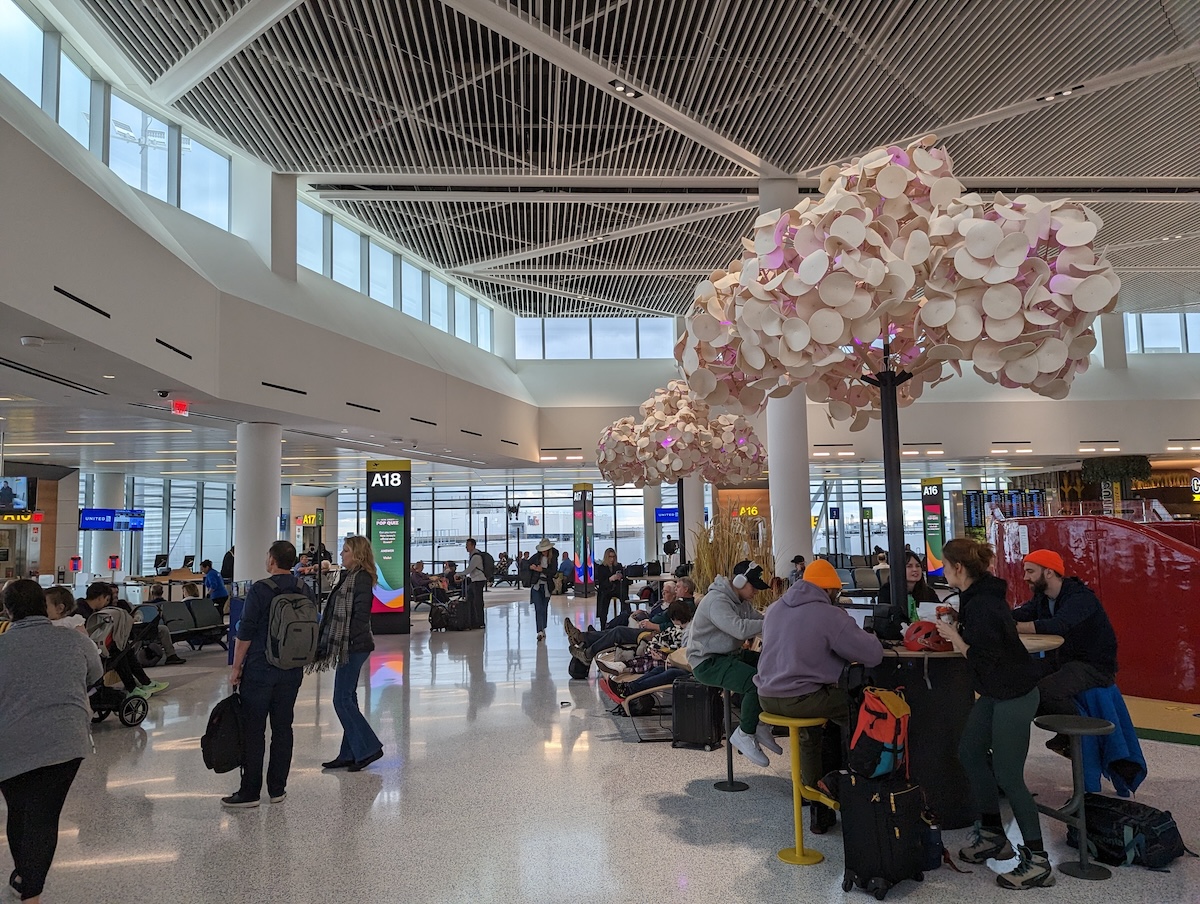
Newark

Newark is the kind of airport where everything just feels a bit off from the start — crowded, tense, worn down.

And then it piles on.

“Filthy, worst delays in the country, angry staff, no good lounges.”

Even the basics don’t land:

“Astonishingly expensive food… consistently long queues at security with TSA employees who hate life.”

It’s not one big disaster.

It’s everything being slightly worse than it needs to be, all at once.

JFK
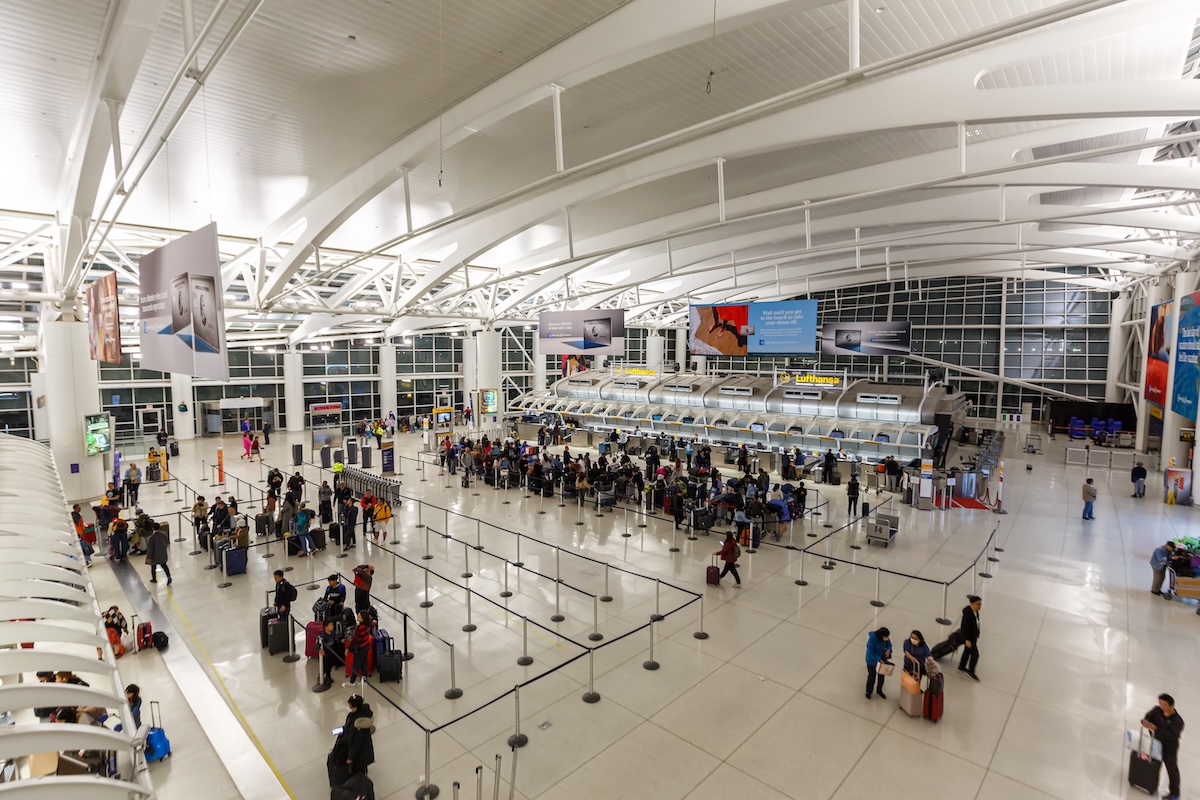
JFK

JFK is one of those airports where things work…

Until you have to connect.

Then it becomes a full process.

“Change terminal… pass border control… 2 hour line again… then cancel your flight.”

You’re not just catching another flight.

You’re basically starting the whole airport experience over again.

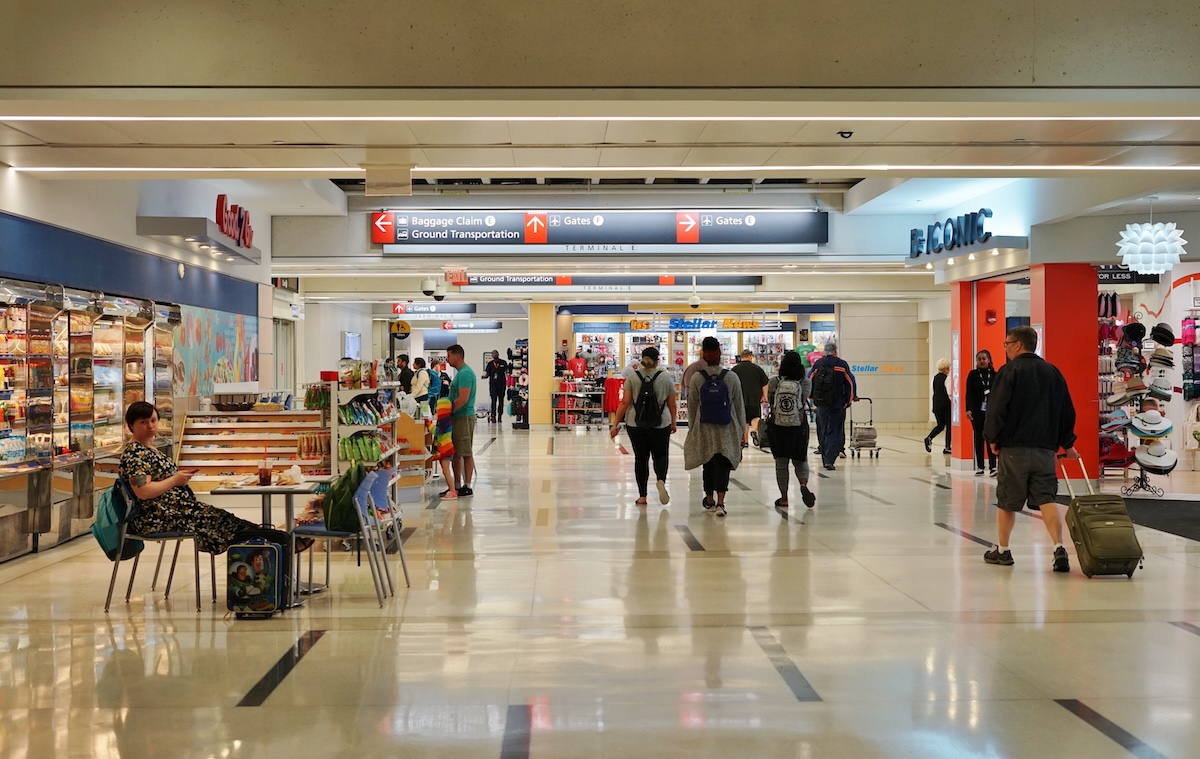
Philadelphia International
Philadelphia International

Philadelphia doesn’t get complicated complaints.

It gets very direct ones.

“The rudest and DIRTIEST airport… caked with thick dust.”

There’s no puzzle to solve here.

It’s just not a place you want to spend more time than necessary.

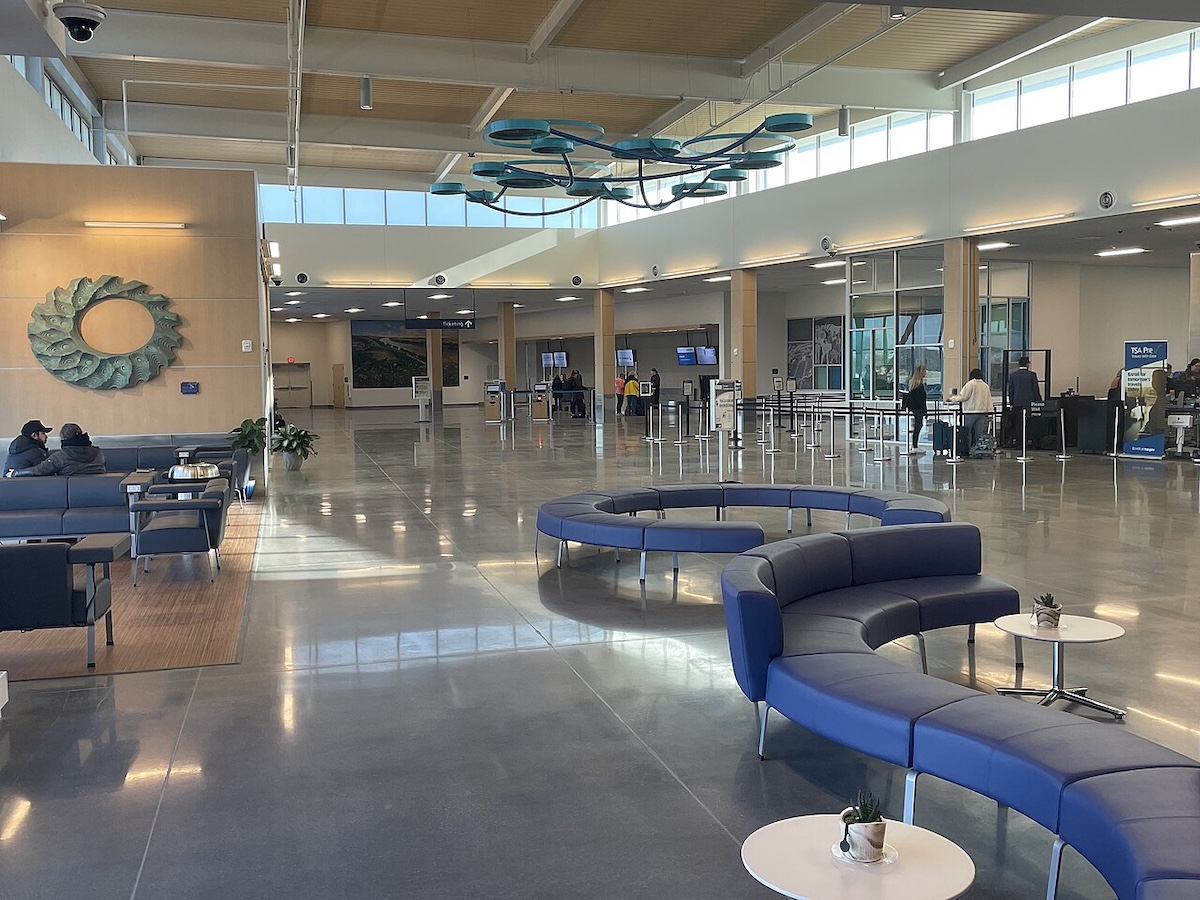
Columbia, Missouri (COU)
ColumbiaGrey Wanderer / Wikipedia

Columbia is the opposite of the big, chaotic airports.

It’s tiny.

Which sounds easy — until you realize how little there is.

“One gate… no food option past security… maybe vending machines.”

And when something goes wrong:

“I’ve never had a flight leave on time from COU.”

There’s no backup plan.

You’re just stuck waiting it out.

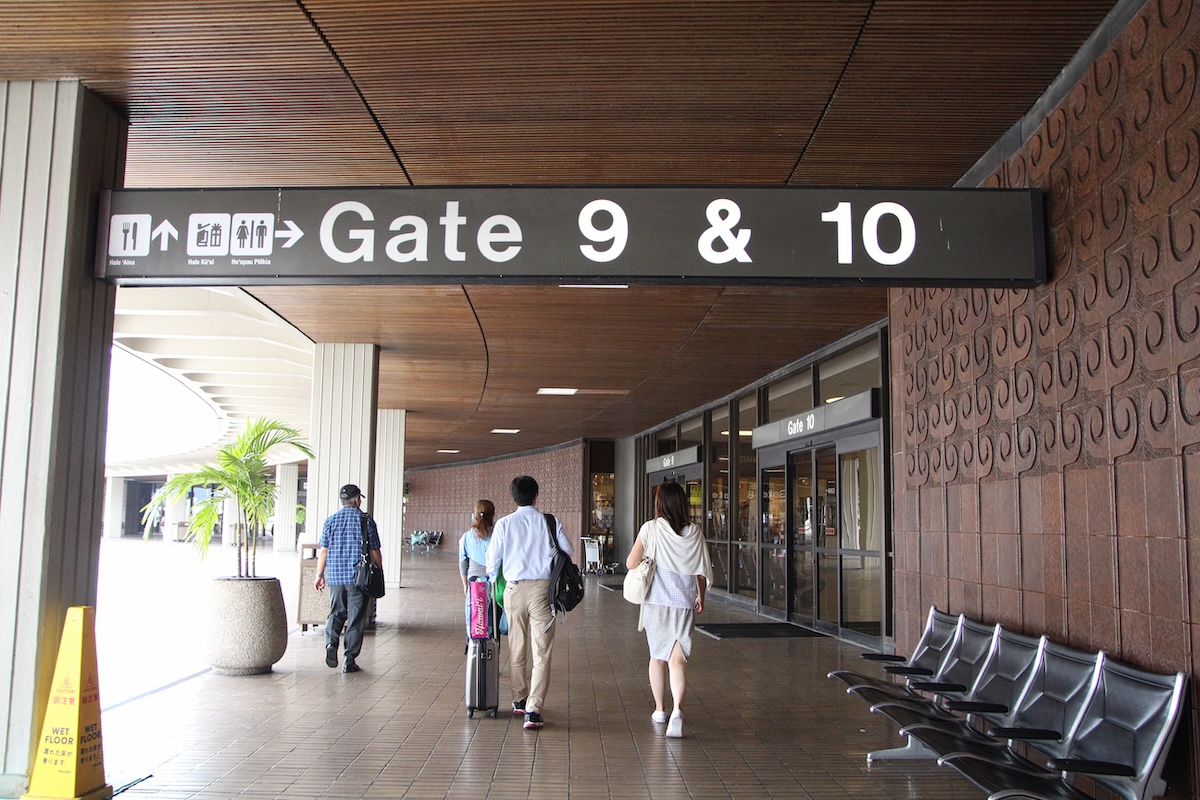
Honolulu (HNL)
Honolulu

Honolulu feels like it should be straightforward.

Big airport. Clear flow. Easy arrival.

But even simple things get weird.

“You come to a split… both paths lead to baggage claim… and you just guess.”

It’s not broken.

It just manages to be confusing in a way that doesn’t feel necessary.

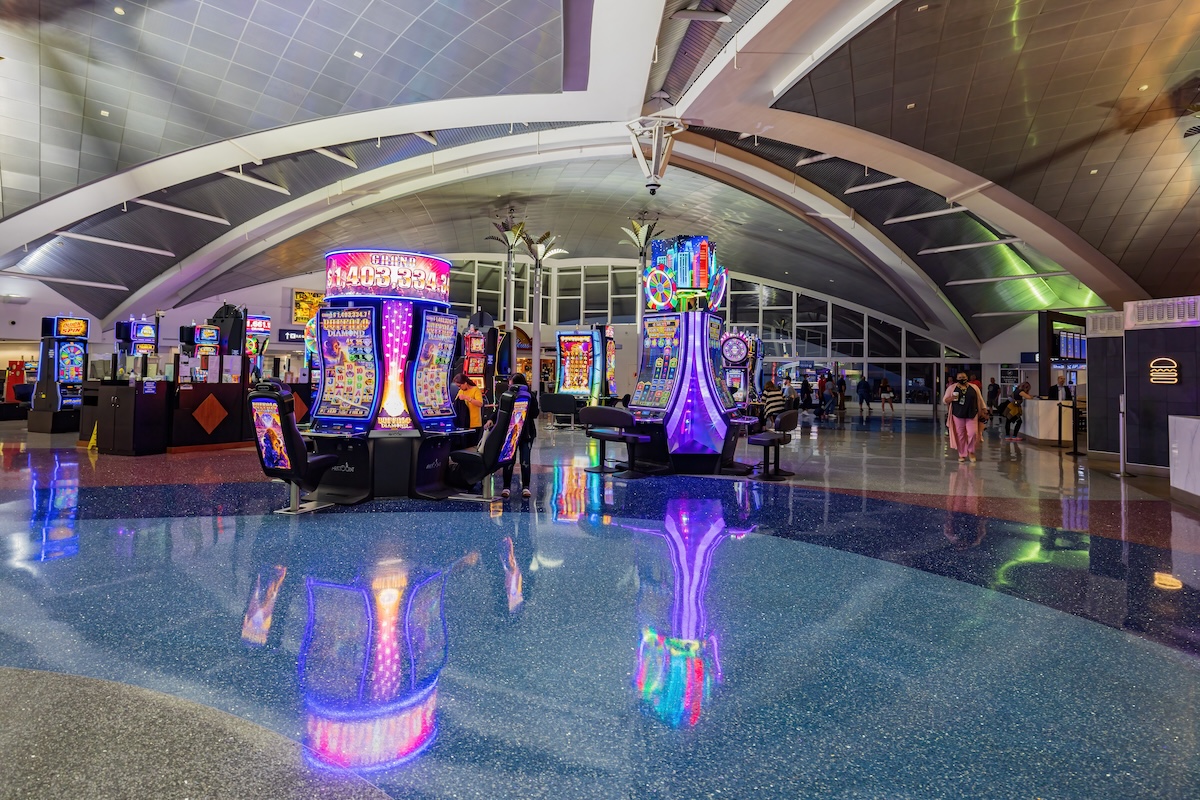
Las Vegas (LAS)
Las Vegas

Vegas is exactly what you expect — loud, bright, chaotic.

And that starts before you even leave the airport.

“Everyone is racing to get wasted, currently wasted, or has been wasted for days.”

Which sounds fun for about five minutes.

After that, it just makes everything feel louder, busier, and slightly more exhausting than it needs to be.

Primary Sidebar

Latest

Bardstown, Kentucky

Bourbon Made This Town Famous, but That’s Not What Makes It Special

George Peabody Library Baltimore Visitor Guide Most visitors don't expect to find one of the most striking interiors in America tucked behind a row of white columns in a quiet Baltimore neighborhood. You walk through the doors of the Peabody Institute in Mount Vernon, turn a corner, and suddenly you're standing beneath a skylit atrium that climbs six stories above a polished marble floor. It stops you cold. The George Peabody Library Baltimore is that kind of place. It doesn't announce itself from the street. There's no flashy signage, no grand plaza. But step inside the stack room and you'll see why people call it a "cathedral of books." Over 300,000 volumes line the walls, and the space itself feels like something pulled from a 19th-century novel you half-remember reading. Johns Hopkins University runs the place as part of its Sheridan Libraries system. This isn’t a museum replica—it’s a working research collection. You can visit for free during public hours, which makes it one of the easiest cultural stops in Baltimore. Whether you’re chasing that perfect symmetrical shot up through the iron balconies or just want a quiet ten minutes surrounded by something genuinely beautiful, the library delivers without asking much of your time or your wallet. Cast-Iron Balconies And The Soaring Atrium The first thing that hits you is the scale. Five tiers of ornamental cast-iron balconies rise from the ground floor and climb 61 feet to a massive skylight that floods the room with natural light. The effect is vertical and dramatic, like standing inside a very elegant cage made of books and ironwork. Each balcony tier is lined with gold-and-black volumes shelved behind low railings, and the repeating geometric patterns of the iron railings create a visual rhythm that photographers obsess over. Point your camera straight up from the center of the floor and you'll get that iconic symmetrical shot that's all over travel feeds. The image almost looks digitally generated, but it's real, and it's been here since 1878. The marble floor adds to the atmosphere. Sound carries differently in here. Footsteps echo softly, and conversations drop to whispers without anyone being told. The reading room on the ground level sits just off the main atrium, offering a quieter space with wooden tables and the kind of warm, worn-in feeling that modern libraries rarely manage. The light keeps the space from feeling like a museum. On a clear afternoon, sunlight pours through the skylight and shifts across the iron railings and book spines, changing the room's character every hour. You could visit twice in the same day and walk away with completely different impressions. A Quick History Of The Landmark George Peabody, a financier who got his start in Baltimore before heading off to London, founded the Peabody Institute in 1857. He wanted to give something meaningful back to the city that launched his career—a free public library, a lecture series, a music conservatory, and an art gallery. The library building itself took its sweet time, finally opening up in 1878. Baltimore architect Edmund G. Lind teamed up with Nathaniel H. Morison, the institute's first provost, to design the interior. Lind focused on that dramatic stack room—he wanted it to feel grand enough to match Peabody's vision but still practical for researchers. Local craftsmen made the decorative cast-iron balconies, and people immediately noticed the design. It stood out as one of the most distinctive library interiors on the East Coast. The collection changed hands a few times. In 1966, the City of Baltimore took over and ran things through the Enoch Pratt Free Library. Then, in 1982, Johns Hopkins University stepped in, and the library became part of the Sheridan Libraries system. These days, the focus is on 18th- and 19th-century works—architecture, religion, science, geography, literature—with gems from folks like Edgar Allan Poe and Walt Whitman. George Peabody Library Baltimore

One of America’s Most Beautiful Interiors Is Hidden in Baltimore

Mount Vernon

It’s Hard to Believe an American President Once Called This Beautiful Estate Home

Travel Inspiration

Danjia Fishing Village

10 Amazing Floating Villages Across The World

Prague

Ranked: The 17 Most Walkable Cities In The World

Burano

21 Laid-back Islands Where Cars Are Not Allowed

Copyright © 2026· Touropia.com · Contact · About · Privacy Policy · Disclaimer