
Set along the shores of a Great Lake, this underrated city blends historic character with a creative and easygoing atmosphere. Old industrial buildings, lively waterfront districts, and a strong local identity give it far more personality than many first-time visitors expect.
Sitting on the western edge of Lake Michigan, Milwaukee has long been shaped by its port, rivers, and brewing heritage. The Milwaukee River cuts through the city alongside the Menomonee and Kinnickinnic rivers, helping create lively waterfront neighborhoods and historic industrial districts.
Alongside its museums and historic landmarks, Milwaukee is best known for its brewery culture and its packed summer calendar, highlighted by the enormous Summerfest held along the lakefront each year.
Milwaukee Public Market
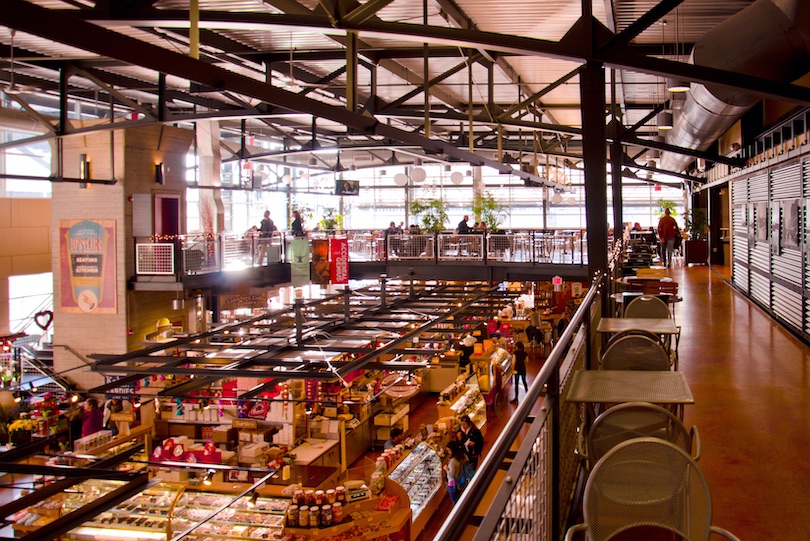
If it is instead tasty treats and fresh local produce that you are after, then you can’t beat heading to the Milwaukee Public Market. Home to dozens of vendors who sell everything under the sun, the large indoor market can be found in the center of the city in the Historic Third Ward district.
Since opening in 2005, it has been a firm favorite with locals and tourists thanks to its wide variety of delicious dishes and sumptuous snacks. On top of buying baked goods, cheeses, and chocolates, visitors can stop off for a coffee or Belgian beer with some stalls also selling clothes and souvenirs.
Historic Third Ward
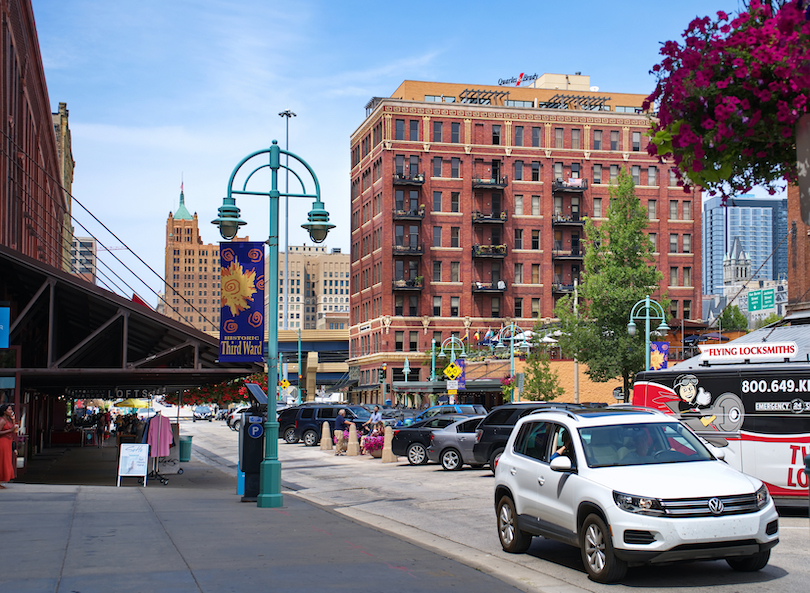
Once mainly home to dilapidated and decaying warehouses, the Historic Third Ward is now one of the most vibrant and creative places to visit in the city. Located between the Milwaukee River and Lake Michigan, its myriad of booming businesses, unique art galleries, and upmarket boutiques can be reached in just five minutes from Downtown.
Formerly known as the ‘Bloody Third’ due to its rough reputation, the district was revitalized in the 1990s with the creation of the RiverWalk and other urban renewal projects. Nowadays it is one of the most popular parts of Milwaukee to visit thanks to its lively yet laidback ambience and wealth of things to see and do.
Lakefront Brewery
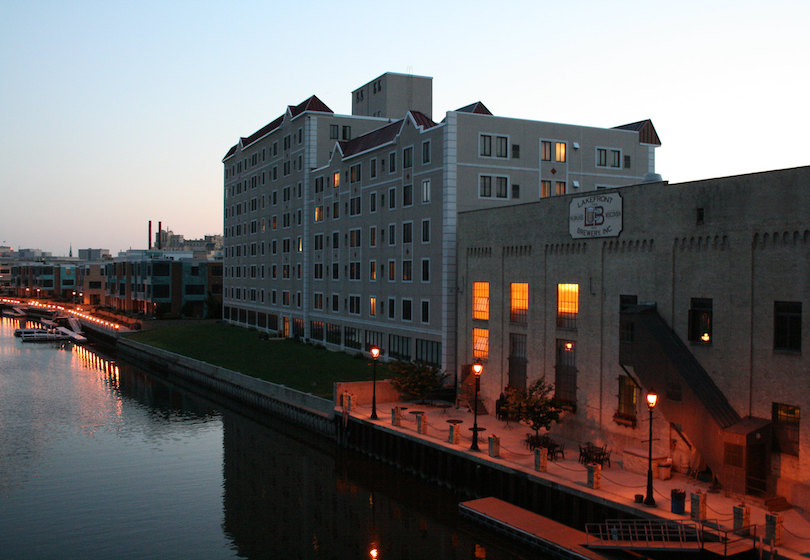
As Milwaukee is renowned for its breweries, no visit can ever be complete without sampling some of the city’s excellent ales and lagers, stouts, and IPAs. One of the best and most popular places to enjoy a freshly pulled pint is the award-winning Lakefront Brewery which is located alongside the Milwaukee River in the Beerline B neighborhood.
Since 1987, it has produced high quality beers with tours taking you to see how they are brewed and bottled. While guests are given a beer to sip while taking the tour, you can also sample many more brews in their atmospheric tasting room, stop off for a bite to eat, and even enjoy some live music.
Milwaukee Art Museum
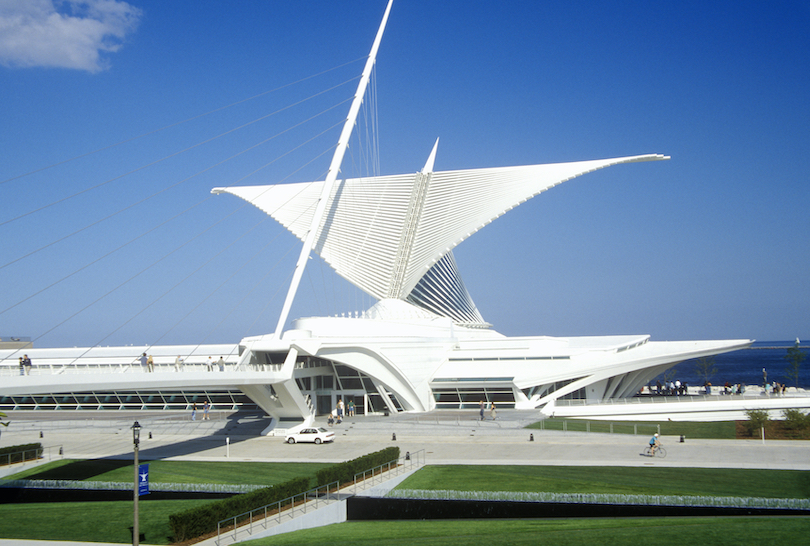
Although it contains lots of incredible artworks, Milwaukee Art Museum is perhaps most known for its strikingly modern architecture which looks out over Lake Michigan. Besides a pretty suspension bridge, its futuristic-looking pavilion sports retractable winglike structures that majestically open up and extend to a length of 66 meters during the day.
While the building’s bold design is undoubtedly beautiful, its light-filled interior is just as delightful to explore with over 25,000 paintings, photos, and prints on display. In addition, you can also find masterpieces by big names such as Georgia O’Keeffe, Claude Monet, and Pablo Picasso alongside countless other decorative arts, drawings, and sculptures.
Harley-Davidson Museum
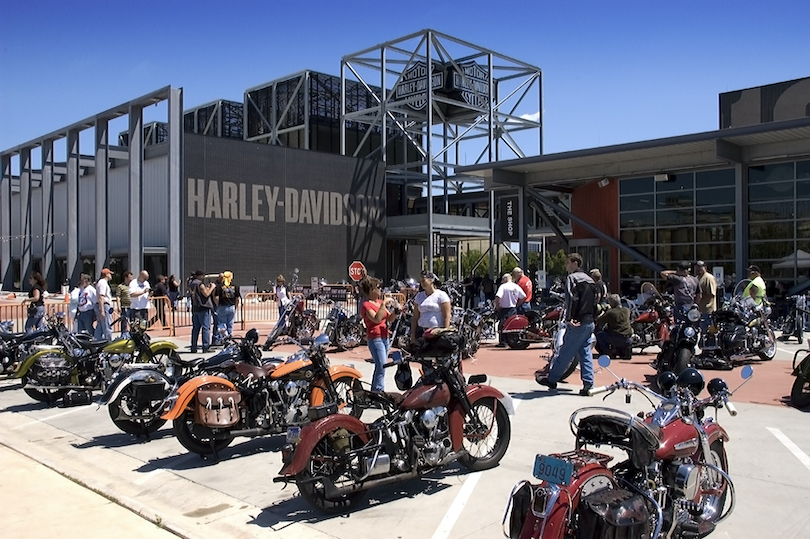
One of the city’s top attractions that is well worth visiting even if you aren’t into motorcycles is the excellent Harley-Davidson Museum. Besides hundreds of glittering bikes, it has lots of interesting exhibits and artifacts to peruse with great photos to be had amidst all the amazing machines.
Opened in 2008, the museum tells the story of the famous biker brand that was founded in the city a century earlier. In addition to its motorbikes and memorabilia, there are fascinating displays on the history and evolution of engines, the brand, and racing culture. All in all, its captivating collection is definitely worth checking out and can be found just five minutes’ drive from the center.
North Point Lighthouse
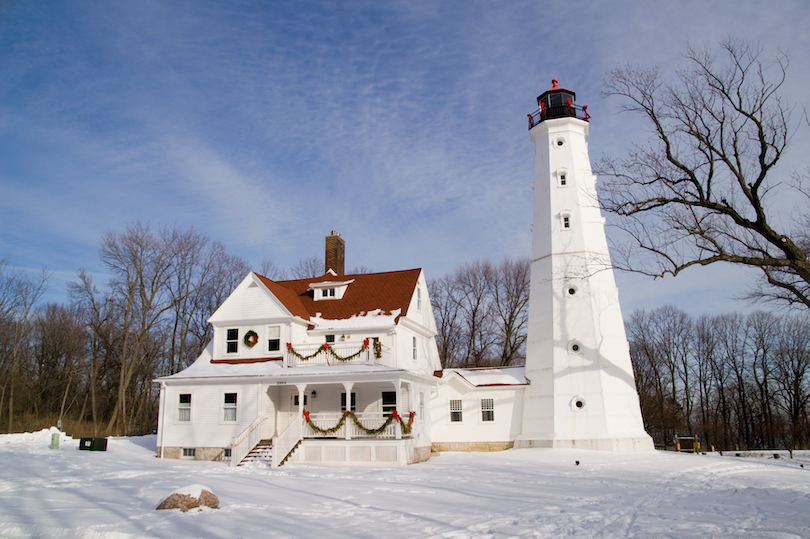
Just ten minutes’ drive up the coast from Discovery World you can find the bright white North Point Lighthouse which lies nestled away in the lovely Lake Park. Now protected as part of a museum, the historic lighthouse was built in 1888 to mark the entrance to the Milwaukee River.
Aside from snapping photos of its tall tower and elegant Queen Anne-style light keeper’s house, you can also venture inside its lantern room which offers up divine views out over the lake. In addition, the museum houses lots of interesting exhibits and artifacts that shine a light on the history of the lighthouse and its keepers.
Milwaukee RiverWalk
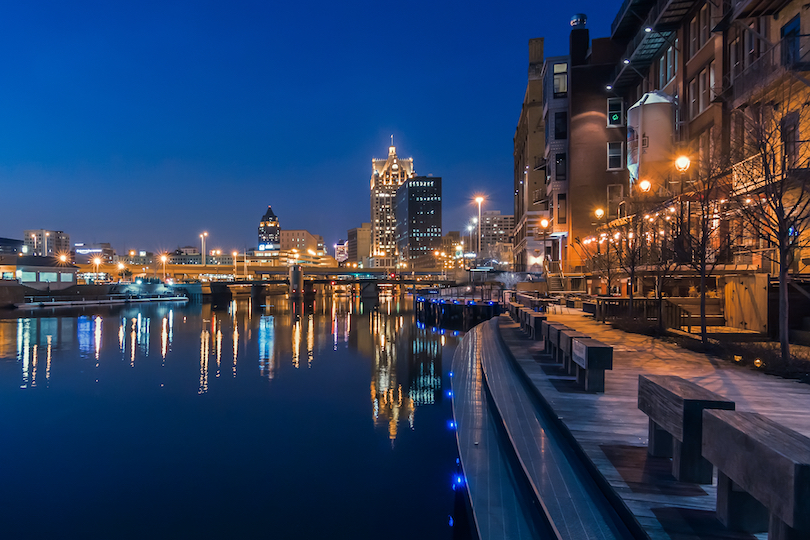
Meandering its way along both banks of the Milwaukee River is this wonderful pedestrian walkway that takes you past everything from public art displays and historic sights to cafes, restaurants, and brewpubs. Besides its enticing attractions and eateries, the pretty pathway is also a fantastic way to get around town and offers some lovely views over the river.
First conceived of in the ‘90s, it now stretches six kilometers in total and connects the three riverside neighborhoods of the Historic Third Ward, Downtown, and Beerline B. With superb sculptures and outdoor galleries to stop by alongside terrific restaurants and bars, the Milwaukee RiverWalk is certainly not to be missed out on.
Pabst Mansion
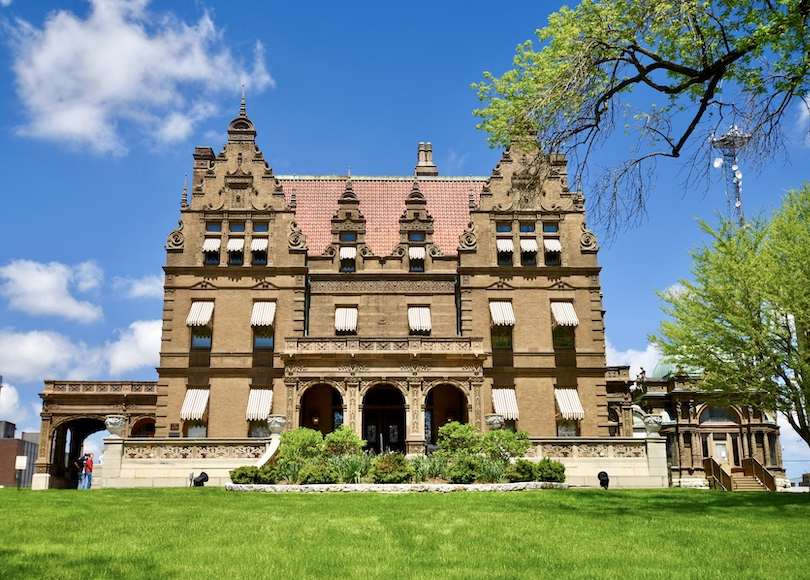
Now protected as part of an historic house museum, the majestic Pabst Mansion is named for Captain Frederick Pabst – the founder of one of Milwaukee’s biggest and best breweries. Erected in 1892, it exhibits some absolutely exquisite Flemish Renaissance Revival-style architecture with its interior being just as sumptuously decorated.
On tours of the property, guests explore its wonderfully well-preserved rooms and halls replete with fabulous furnishings and period pieces. Aside from taking in the residence’s fine features, you also learn about the history of the Pabst family and the marvelous mansion which lies in the west of the city, not far from the University of Wisconsin campus.