
Between the jostling elbows at famous landmarks, the endless cacophony of ringtones, and the terrifying prospect of making small talk in a hotel elevator, travel can sometimes feel like a contact sport. True relaxation often requires putting as much geographical distance as possible between oneself and the rest of the species. It is time to trade the queue for the view and the chatter for the chatter of teeth in the arctic wind.
And don’t worry, you don’t need to launch into outer space for some peace and quiet, though that would certainly work. Plenty of terrestrial destinations offer vast, empty landscapes where the only neighbors are rocks, trees, or perhaps a confused sheep. These locations prioritize silence over souvenirs, offering a sanctuary for anyone who believes that the best company is no company at all.
12. São Tomé & Príncipe
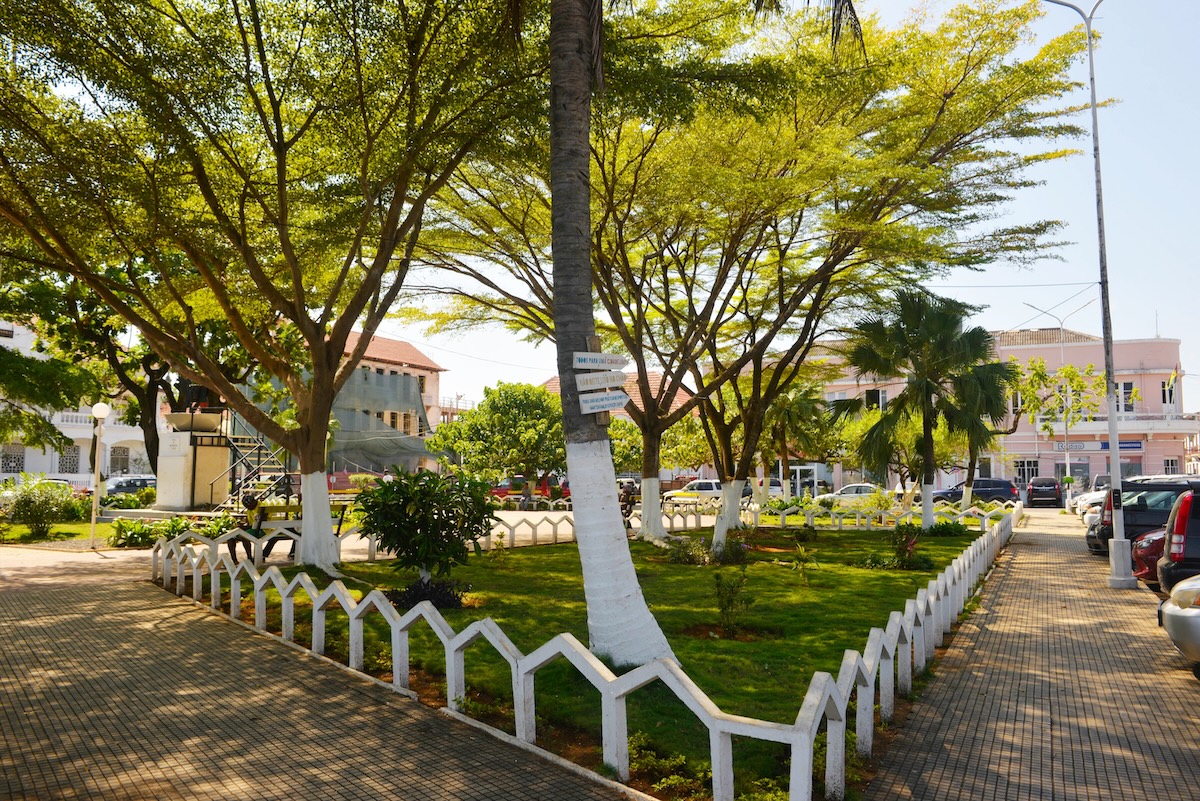
If you asked a room full of people to point to this nation on a map, most would likely point to the exit. Floating in the Gulf of Guinea off the coast of West Africa, this two-island nation remains one of the least visited countries on Earth. It is a volcanic lost world where jagged phonolite towers pierce the clouds and the jungle reclaims crumbling colonial estates.
The star attraction here is the chocolate, and rightfully so. Visitors can wander through old roças (plantations) where cacao dries in the sun, smelling the rich aroma without fighting a single person for a sample. The beaches are pristine crescents of gold sand bordered by leaning palms, often completely devoid of footprints. It offers the rare chance to feel like a castaway, but with much better snacks and a distinct lack of volleyball companions named Wilson.
11. Alentejo, Portugal
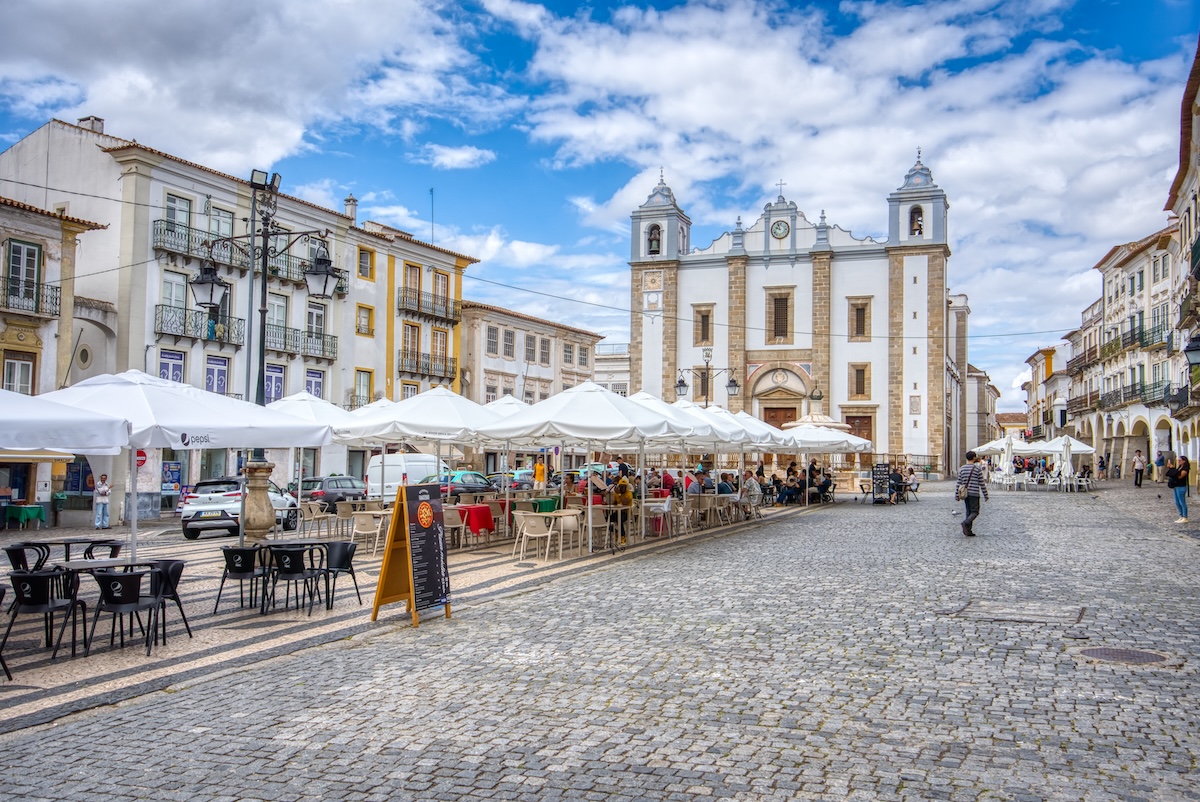
While the rest of the world squeezes into the trams of Lisbon or fights for towel space on the Algarve, the Alentejo region sleeps quietly in the sun. This vast, golden plain covers a third of Portugal but holds only a fraction of its population. Rolling hills are dotted with gnarled cork oaks and olive trees, a landscape that moves at the speed of a drowsy afternoon nap.
Time seems to stop in the whitewashed villages, where the loudest sound is usually the clinking of wine glasses. The region produces bold reds that are best enjoyed on a terrace overlooking absolutely nothing but wheat fields. Even the coastline remains wild and untamed, with the Rota Vicentina hiking trail delivering miles of cliffside walking without anyone in sight. It is a place to eat bread, drink wine, and stare at the horizon until your blood pressure drops dangerously low.
10. Åland Islands, Finland
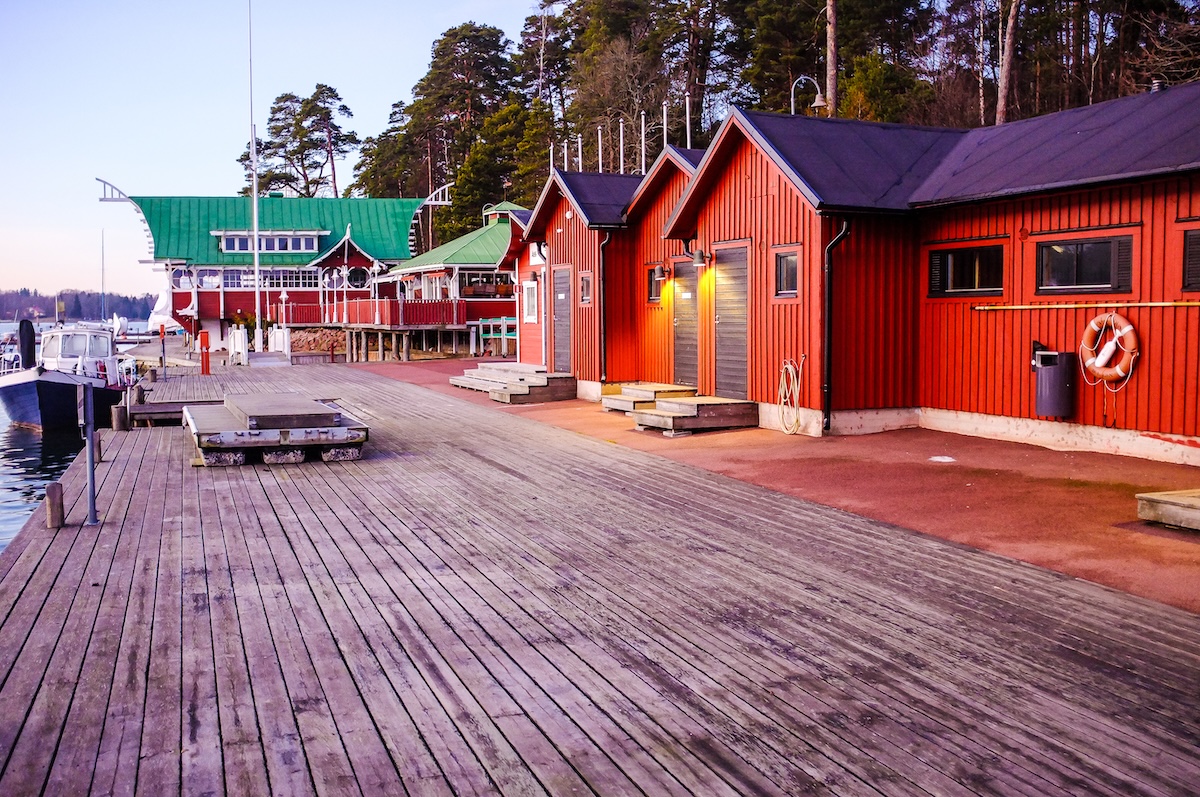
Technically part of Finland but culturally Swedish, this autonomous archipelago in the Baltic Sea consists of roughly 6,700 islands. With a population of only 30,000 spread across that many rocks, the math creates a very favorable ratio of land to human. It is a cyclist’s utopia, where bridges and ferries connect red granite roads that wind through pine forests and past wooden boathouses.
The vibe is aggressively peaceful. The “Everyman’s Right” law allows travelers to pitch a tent or hike almost anywhere, ensuring that finding a private camping spot is never a challenge. In the long summer days, the sun barely sets, giving introverts extra hours to kayak through the labyrinth of islets in solitude. The best bridges are always the ones that lead away from civilization.
9. Peloponnese, Greece
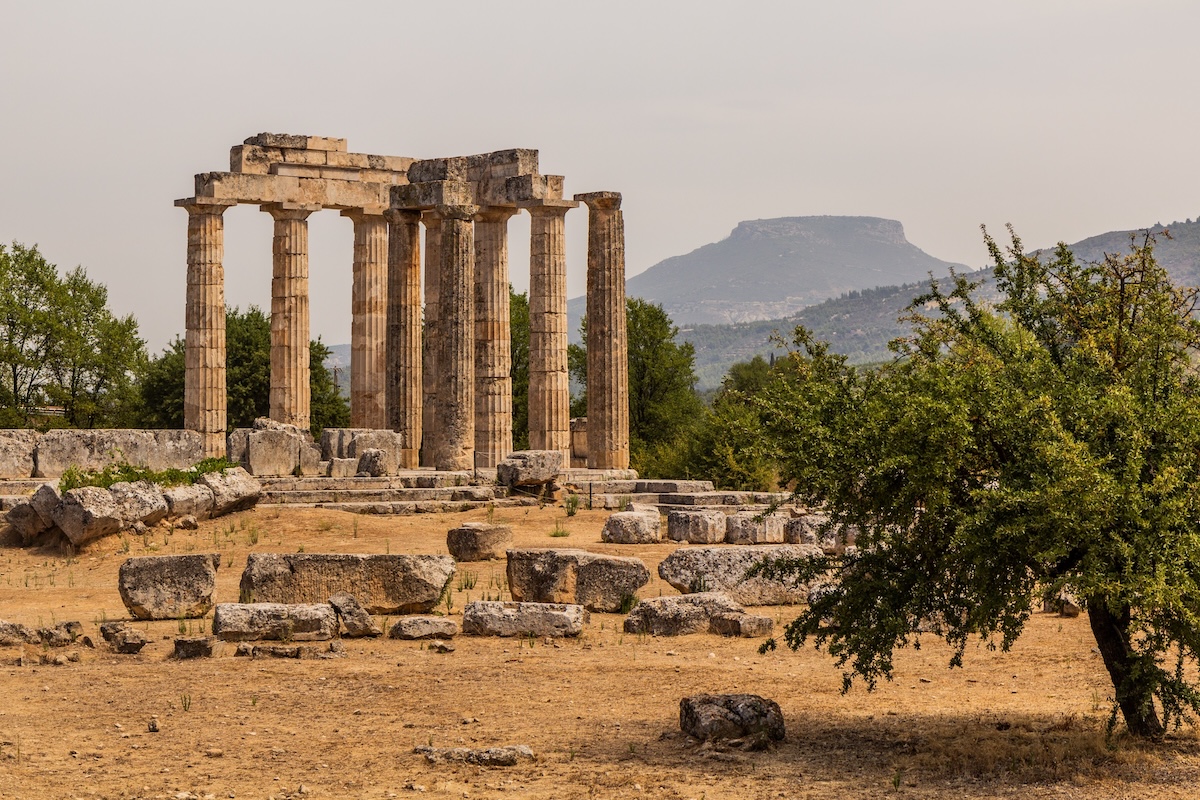
Ignore the lure of Santorini and Mykonos, where the streets are paved with tourists and the sunsets are blocked by iPhones. The Peloponnese peninsula is the rugged, mythic heart of Greece without the cruise ship congestion. This is the land of Spartans and ancient Olympics, where crumbling stone towers dominate the Mani landscape and olive groves stretch endlessly toward the sea.
Driving the winding coastal roads reveals hidden coves and Byzantine ghost towns that feel frozen in antiquity. The sheer size of the region swallows visitors whole, leaving plenty of room to explore the ruins of Mycenae or the fortress of Monemvasia without bumping shoulders. It delivers all the feta, history, and azure water of the islands, but substitutes the disco beats for the sound of goat bells and wind rushing through cypress trees.
8. Big Bend National Park, Texas
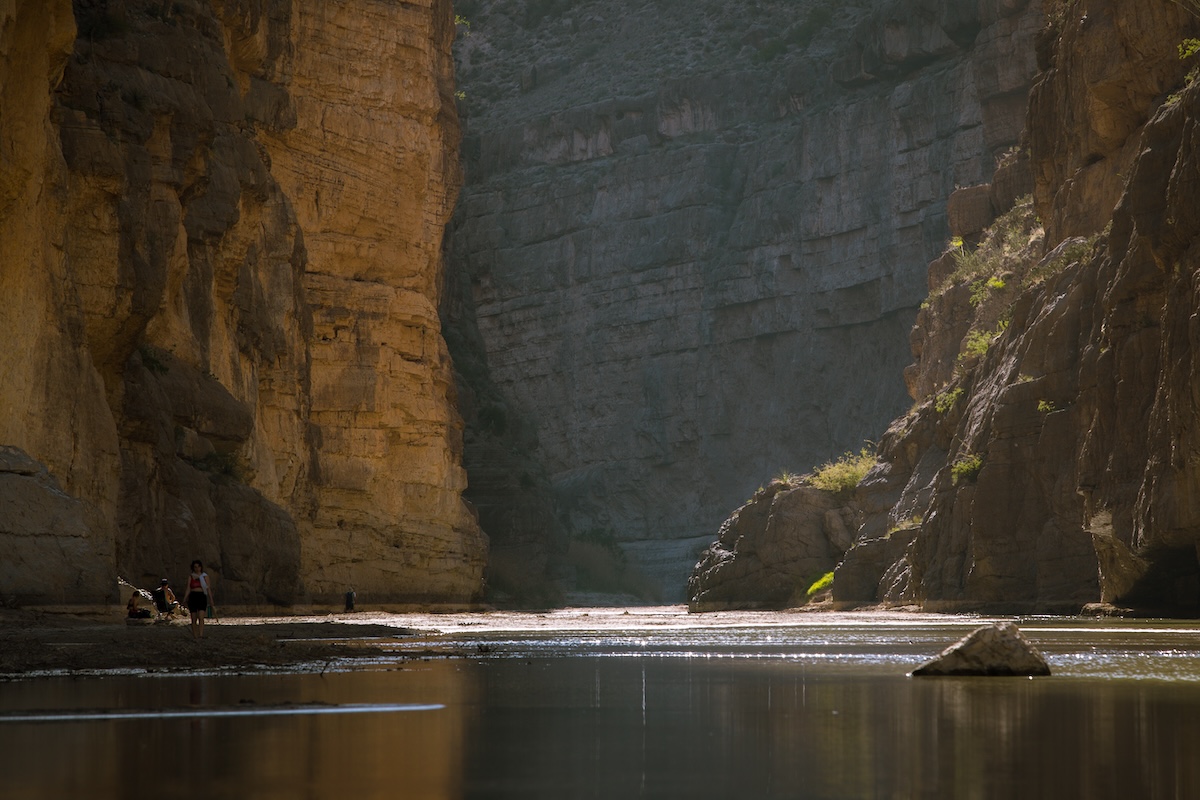
“Remote” is an understatement for this park; it is famously far from everywhere. Nestled in the crook of the Rio Grande, Big Bend requires a commitment to driving that weeds out the casual weekender. The reward is a sprawling expanse of Chihuahuan Desert, where the silence is so heavy it feels like a physical weight. Limestone canyons cut through the earth, offering shelter from the relentless sun and a home for javelinas and roadrunners.
Nighttime brings the real show. As an International Dark Sky Park, the lack of light pollution turns the heavens into a blinding display of stars, planets, and the Milky Way. You can lie on the hood of a car and stare into the infinite abyss, confident that the nearest Starbucks is hundreds of miles away. It is a dusty, harsh, beautiful place that demands self-reliance and rewards with absolute isolation in return.
7. Faroe Islands
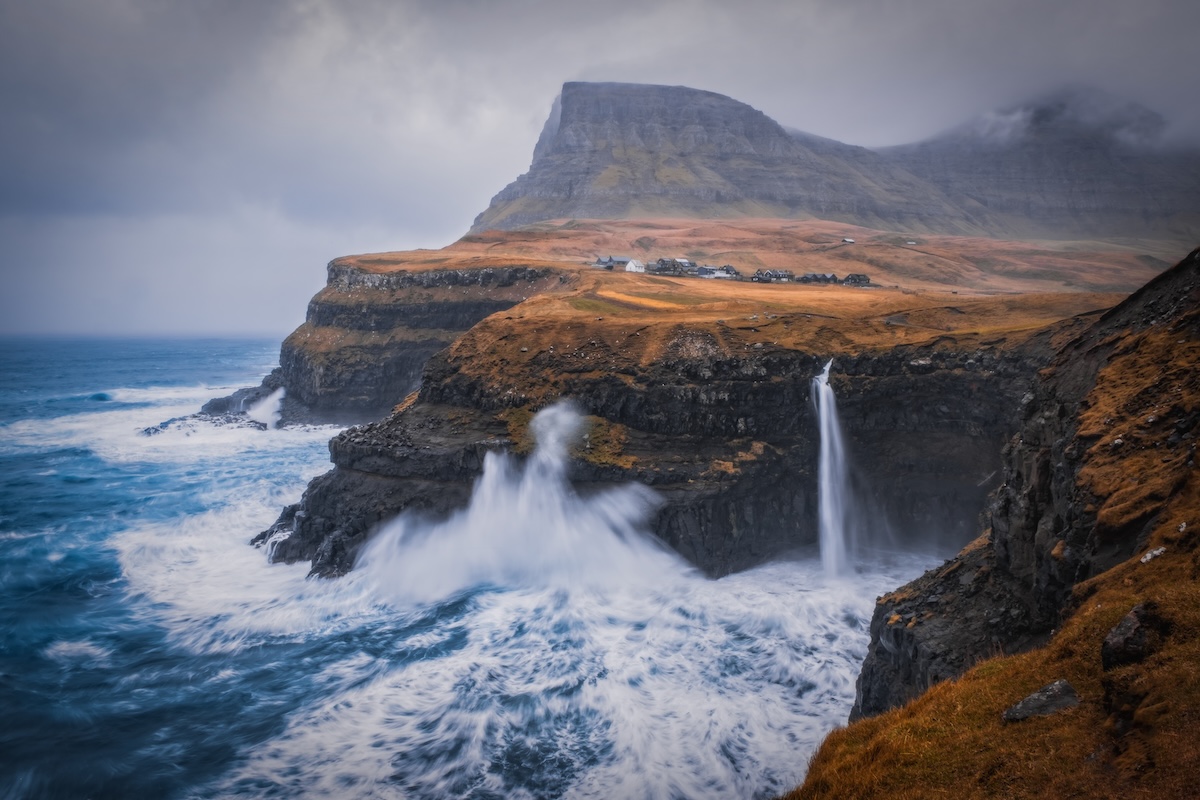
In the North Atlantic, halfway between Norway and Iceland, eighteen jagged islands rise from the sea like the spine of a submerged dragon. Here, sheep outnumber humans by a significant margin, and they are generally terrible conversationalists. The weather changes every five minutes, shifting from blinding sunshine to horizontal rain, which effectively keeps the fair-weather crowds at bay.
Dramatic scenery is the standard. Waterfalls like Múlafossur crash directly into the ocean, and turf-roofed cottages huddle against the elements in tiny villages. Hiking the cliffs feels like walking on the edge of the world, with puffins serving as the only witnesses to your vertigo. It is a raw, moody destination for those who find beauty in desolation and don’t mind getting their boots muddy in exchange for a view that belongs on a fantasy novel cover.
6. Great Bear Rainforest, Canada
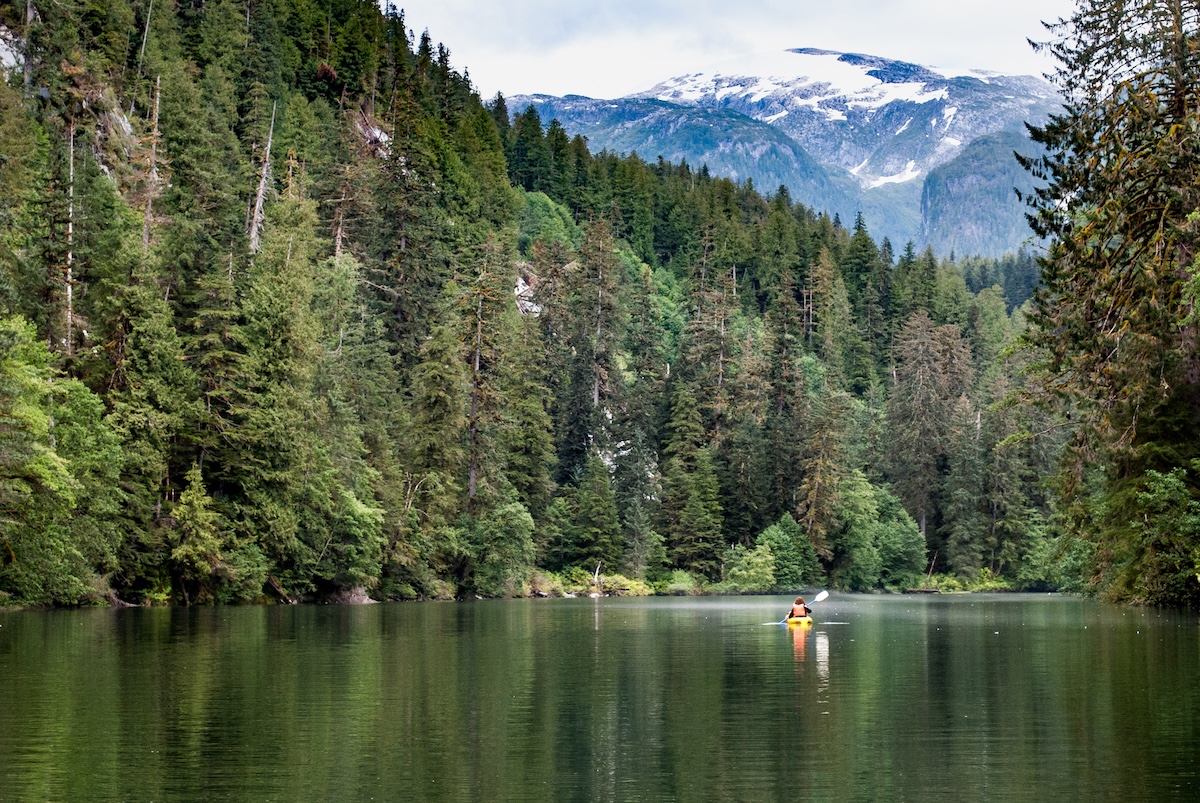
Accessing this temperate rainforest on the coast of British Columbia usually requires a floatplane or a boat, instantly filtering out the masses. It represents one of the largest unspoiled tracts of rainforest left on the planet, a place where ancient cedars draped in moss create a green cathedral. The air is thick with moisture and oxygen, cleaning out lungs clogged by city smog.
The locals here are legendary. This is the only place to find the Spirit Bear, a rare subspecies of black bear with white fur that looks like a ghost moving through the ferns. Watching grizzly bears snatch salmon from rushing rivers is a humbling reminder of the food chain. Nature rules this domain completely, and humans are merely quiet, respectful guests allowed to watch from the sidelines before retreating to floating lodges.
5. Aysén Patagonia, Chile
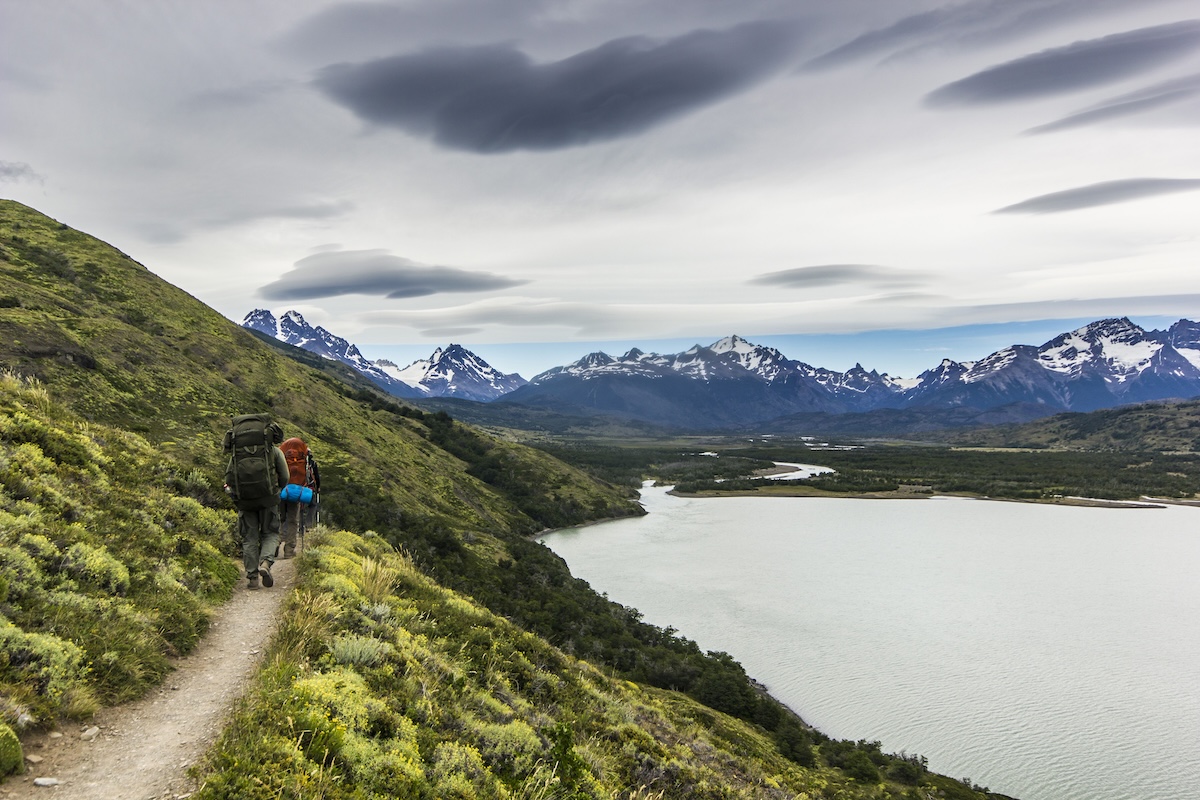
While hikers queue up in Torres del Paine, the Aysén region to the north remains the wild, untamed sibling of Chilean Patagonia. The Carretera Austral, a gravel highway that winds through the region, is the only artery in a land of glaciers, fjords, and hanging valleys. Driving here is an adventure in itself, passing hours without seeing another vehicle, just the occasional guanaco crossing the road.
The landscape defies logic. The Marble Caves of General Carrera Lake feature swirling blue and white caverns carved by water, accessible only by small boats. Massive ice fields feed rivers that run an impossible shade of turquoise. It feels like the end of the Earth, a place where the map blurs and the wilderness takes over completely. For those seeking the frontier spirit, this is the final outpost.
4. Altai Mountains, Mongolia
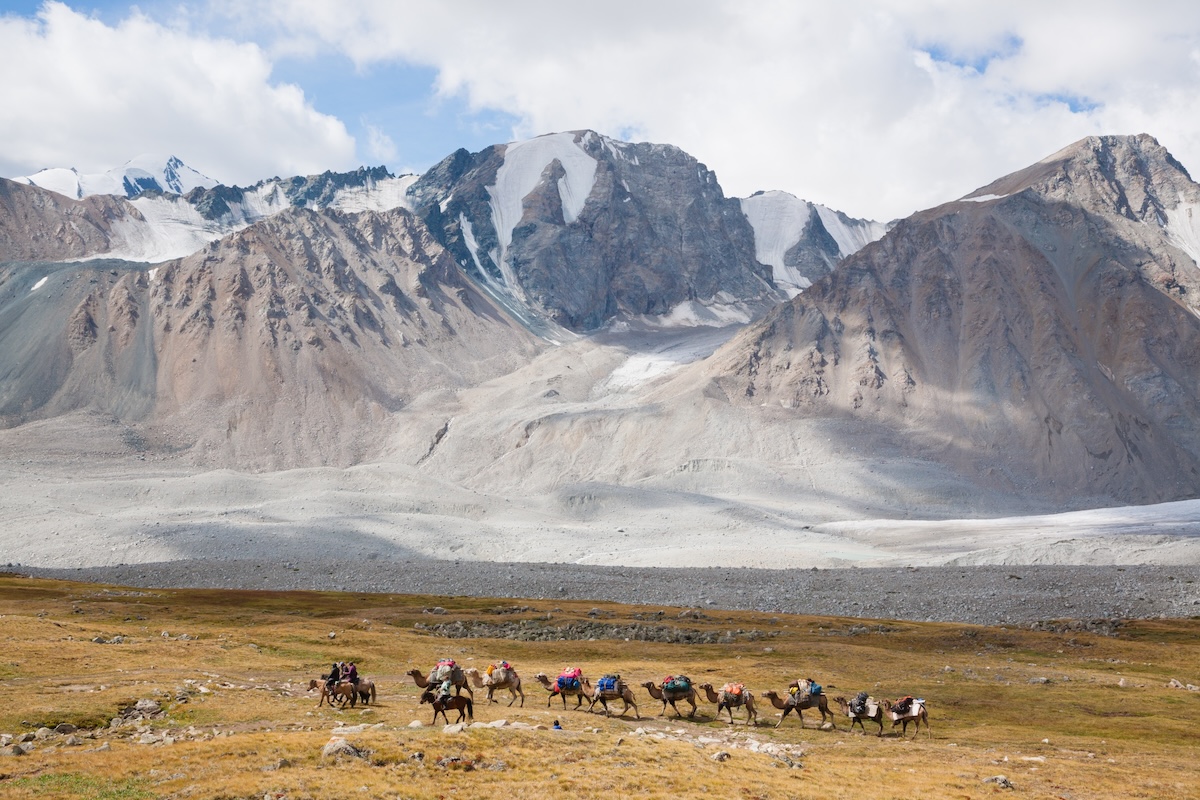
Mongolia has the lowest population density of any sovereign nation, making it the holy grail for crowd-haters. The Altai region in the far west takes this emptiness to the extreme. Majestic, snow-capped peaks frame vast steppes where distances are measured in days of riding rather than kilometers. There are no fences, no power lines, and definitely no Wi-Fi signals to interrupt the immersion.
The culture here is as rugged as the terrain. Kazakh eagle hunters still practice their ancient tradition, riding on horseback with golden eagles perched on their arms. Staying in a ger (yurt) with a nomadic family offers a glimpse into a life dictated by the seasons rather than the clock. The vast, open silence cleanses the mind and brings perspective to how small we really are.
3. Swedish Lapland
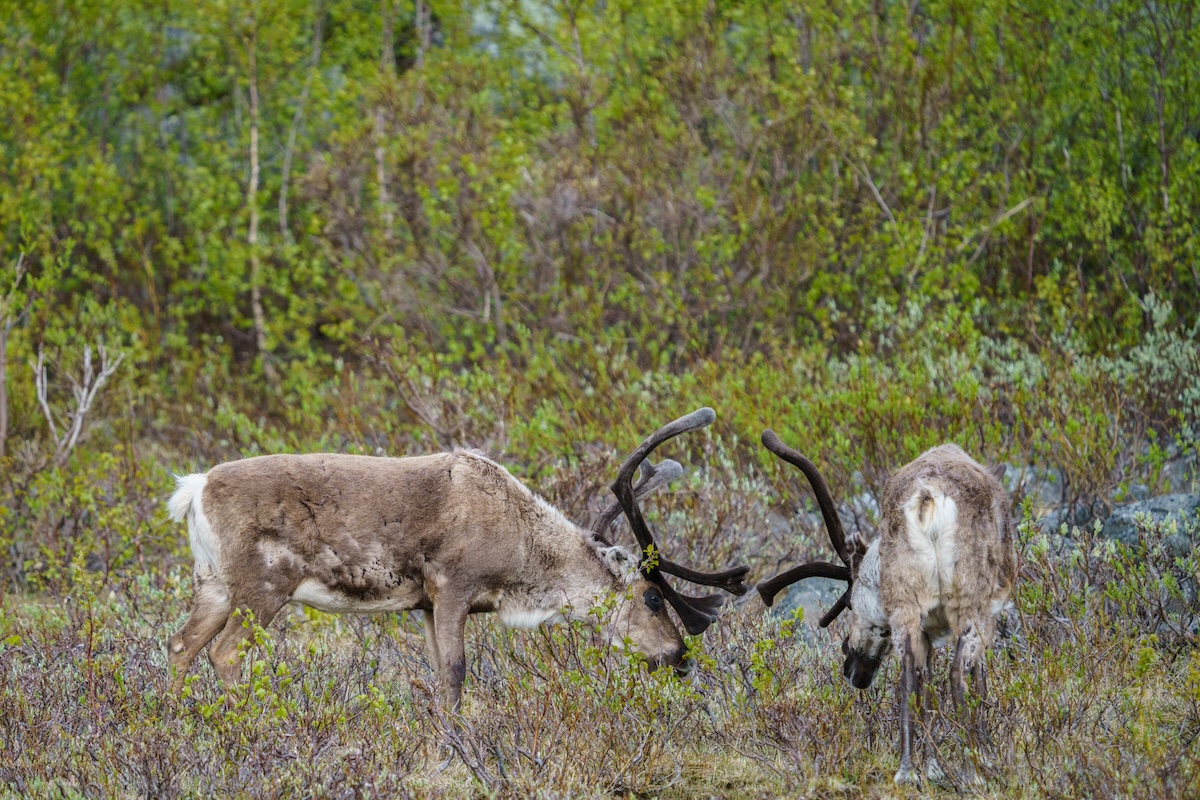
North of the Arctic Circle, the concept of a “crowd” usually refers to a herd of reindeer blocking the road. Swedish Lapland is a winter wonderland that doesn’t feel manufactured. The landscape is a monochrome masterpiece of snow-laden pines and frozen lakes, illuminated by the ethereal glow of the Northern Lights dancing overhead. The cold is sharp and purifying, keeping the fainthearted indoors.
Indigenous Sámi culture permeates the region, with opportunities to learn about reindeer husbandry and traditional living. Whether sleeping on a bed of ice at the famous Icehotel or mushing a team of huskies through the silent forest, the experience is intimate and hushed. The absolute stillness of the Arctic night, broken only by the crunch of snow under boots, is a rare luxury in a noisy world.
2. Bhutan
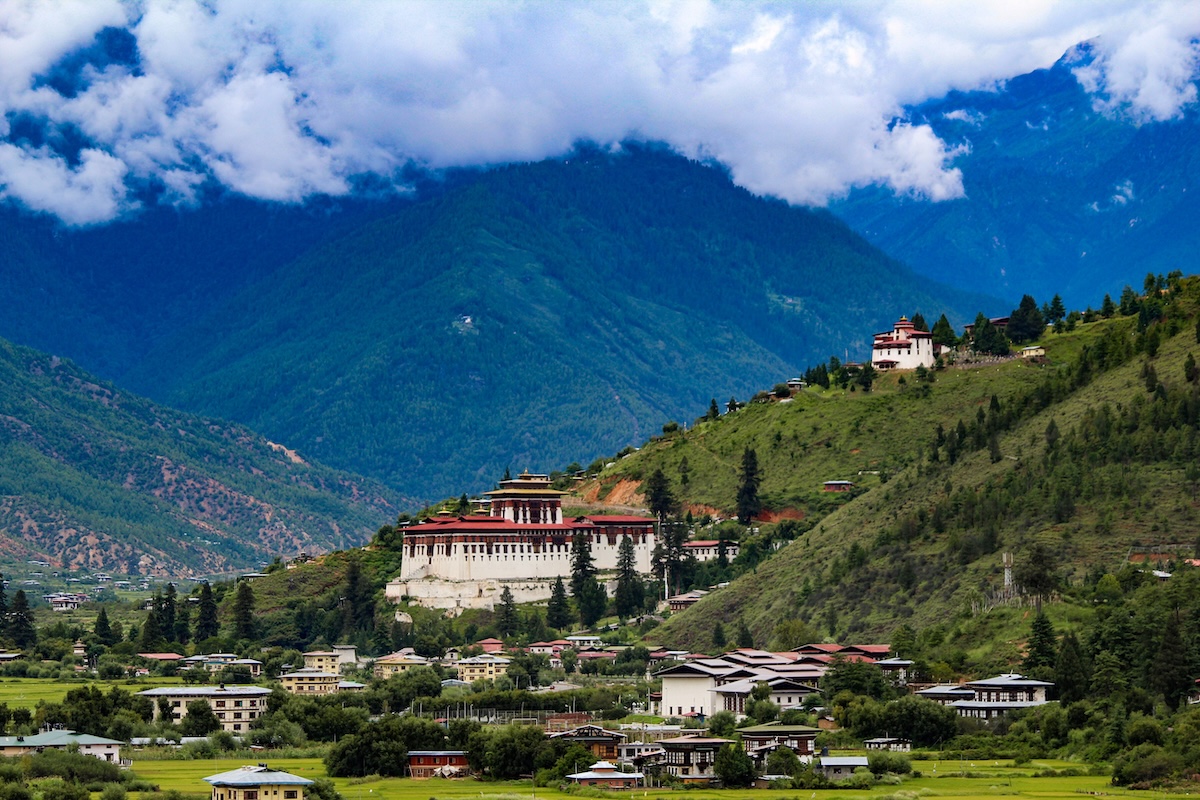
This Himalayan kingdom has gone so far as to legislate fewer tourists. By imposing a hefty daily fee on visitors, Bhutan ensures that only the most dedicated travelers cross its borders. This “High Value, Low Volume” tourism policy preserves the culture and keeps the mountain trails blissfully empty. It is a country that measures success in Gross National Happiness rather than GDP, creating an atmosphere of calm contentment.
Monasteries like the Tiger’s Nest cling precariously to cliff faces, shrouded in mist and prayer flags. The air is thin and crisp, and the architecture remains strictly traditional, avoiding the concrete sprawl of modern cities. Trekking through the pristine rhododendron forests feels like a privilege, a secret shared between the traveler and the mountains. You know that this is an exclusive escape where peace of mind is part of the package deal.
1. Skeleton Coast, Namibia
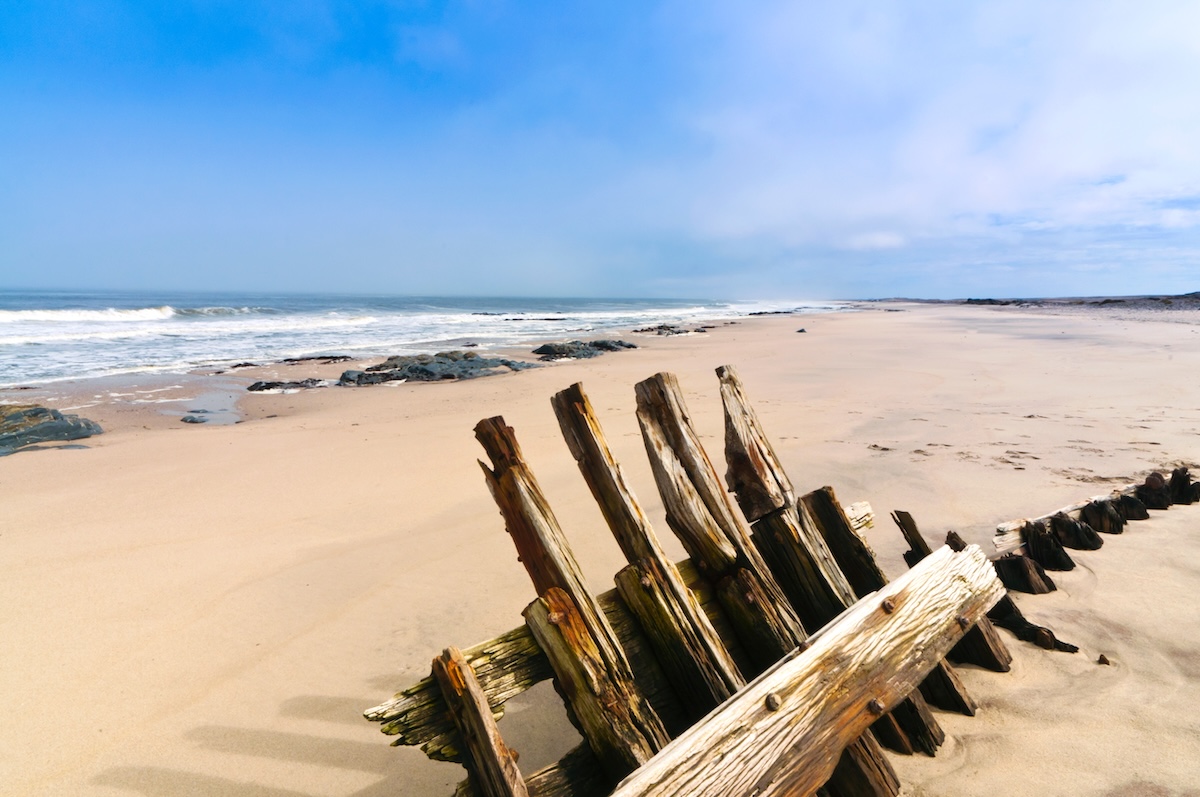
The San people called it “The Land God Made in Anger,” and Portuguese sailors dubbed it “The Gates of Hell.” If that isn’t a ringing endorsement for solitude, nothing is. This stretch of Namibian coastline is where the burning desert sands crash directly into the freezing Atlantic currents. The result is a haunting, fog-shrouded graveyard of rusting shipwrecks that have succumbed to the treacherous conditions over the centuries.
Despite the name, life clings to the dunes. Desert-adapted elephants slide down sandy banks, and lions prowl the beaches looking for seals, a surreal sight that seems to violate the laws of nature. The remoteness is absolute and getting here often requires a fly-in safari. Standing on the bleak, windswept beach with nothing but bones and rust for company is a beautiful reminder of nature’s indifference to human endeavors.