
Nature created swimming holes long before humans invented concrete and chlorine, and honestly, she did a better job. So please leave your giant inflatable flamingo at home. These geological formations have been millions of years in the making and come in the form of waterfalls cascading into turquoise basins, hidden caves with crystal-clear water, and pools that defy any manmade beauty.
Some of these natural pools require serious hiking to reach while others sit conveniently beside roads because sometimes nature is generous like that. A few are warm from geothermal activity, while others will make you gasp from cold even in summer. What they all share is water so clear and settings so stunning that swimming in them feels like a privilege you are not worthy of.
23. Weano Gorge, Australia
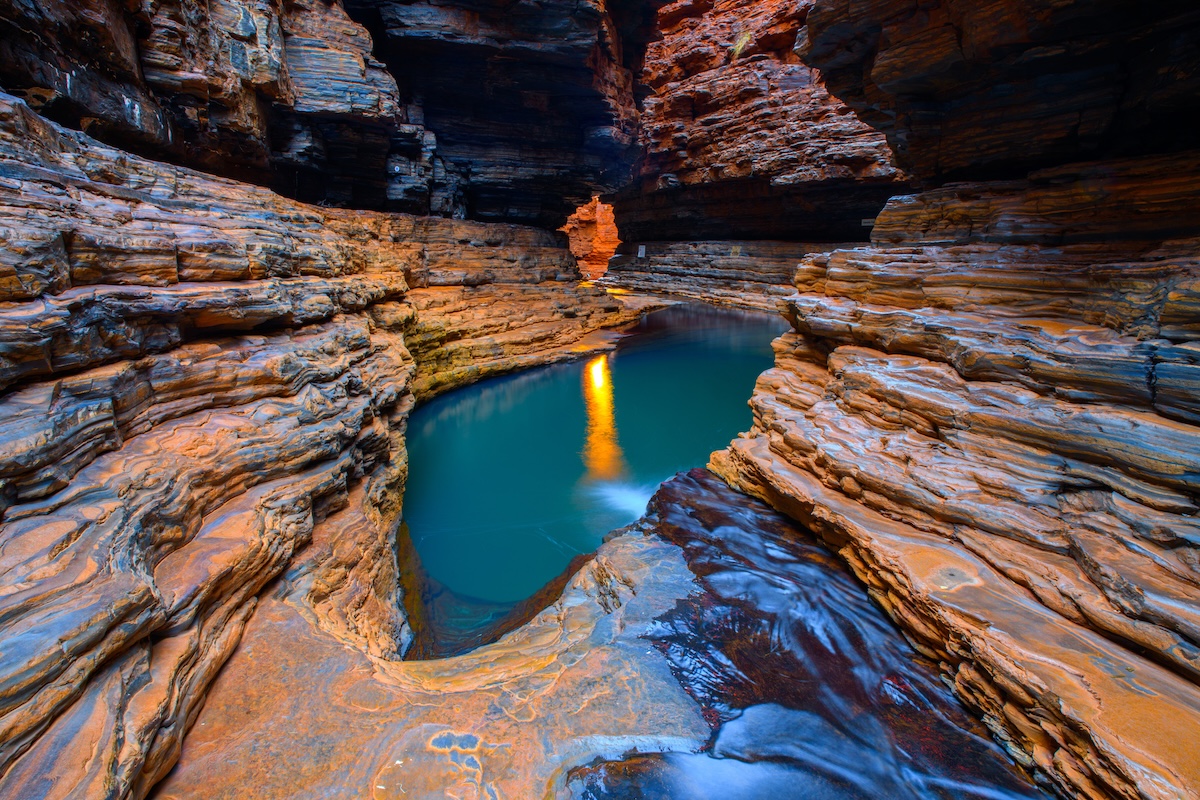
Deep in Western Australia’s Karijini National Park, Weano Gorge narrows into a slot canyon ending at Handrail Pool. The journey there requires scrambling down rocks and using a literal handrail bolted into the stone, but the reward is a pristine pool surrounded by ancient rock walls that glow orange and red in filtered sunlight.
The water stays cold year-round because it’s fed by underground sources and rarely sees direct sun. Swimming here feels like discovering a secret that the earth tried to hide deep in the rocks, which is basically exactly what happened over millions of years of erosion.
22. Semuc Champey, Guatemala
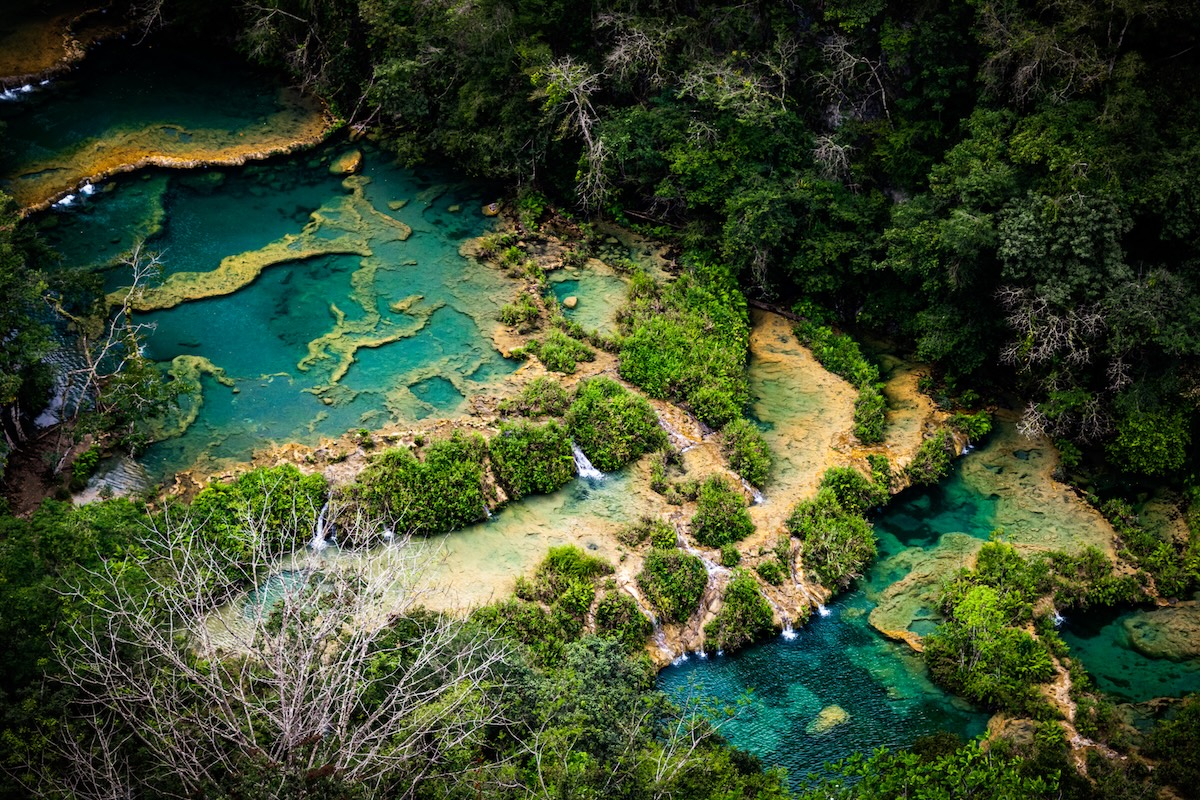
The Cahabón River disappears underground for about 300 meters, and on top of this natural limestone bridge, pools of turquoise water cascade down in terraces that look too perfect to be natural. The water color shifts from emerald to bright blue depending on depth and mineral content, creating an unreal palette against the jungle backdrop.
You can swim in most of the pools, though some currents near where the river reemerges are dangerous enough that locals and guides will physically prevent you from being stupid. The hike to the overlook requires cardio fitness but provides views that explain why Semuc Champey appears on the cover of every Guatemala travel guide.
21. Devil’s Pool, Victoria Falls
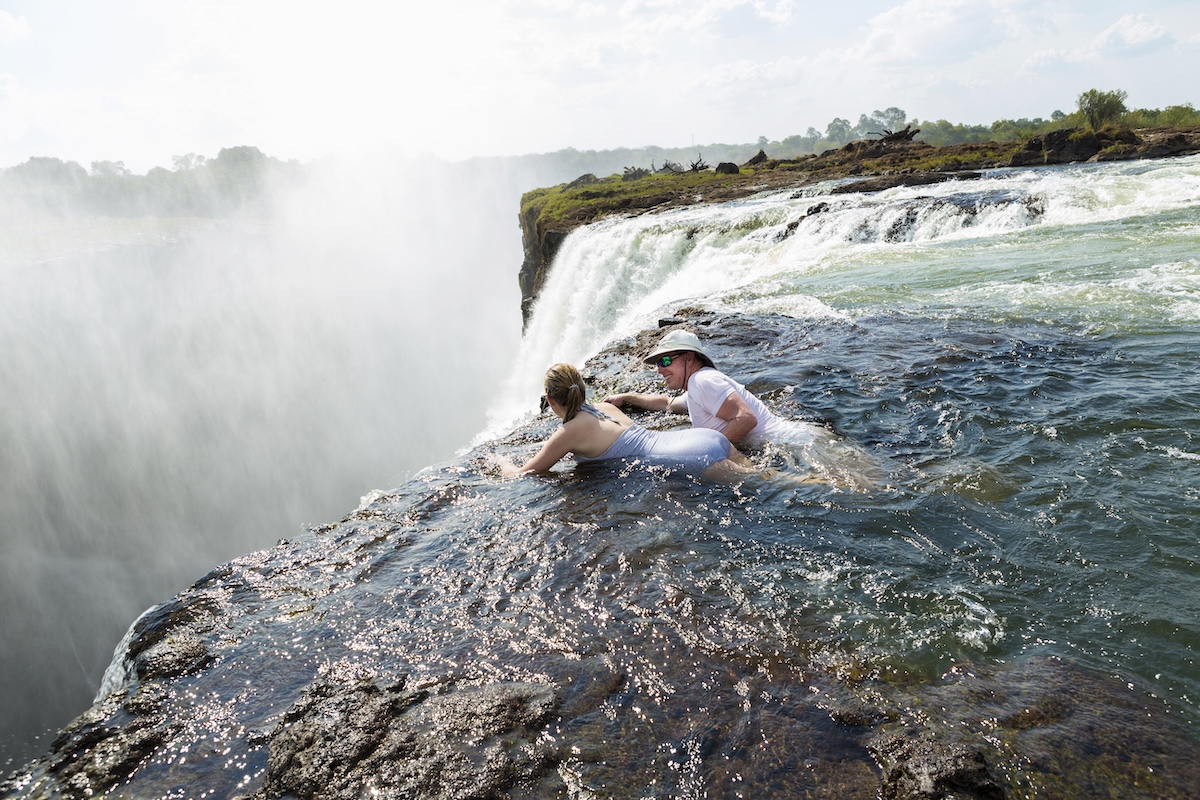
Swimming on the edge of one of the world’s largest waterfalls feels like something you’d do right before evolution eliminates your genes from the pool. But during low water season (roughly September to December), a natural rock barrier creates a pool right at the lip of Victoria Falls where you can swim up to the edge and look down 108 meters into the gorge below.
Guides make sure you don’t get swept over, though the experience still produces enough adrenaline to power a small city. The Zambian side provides access, and you’ll be sharing the pool with others who also enjoy flirting with their mortality in beautiful locations.
20. Hamilton Pool, Texas

A collapsed grotto dome created this pool about 23 miles west of Austin, where a 50-foot waterfall torrents over limestone into jade-green water. The partially collapsed ceiling creates a natural amphitheater, and the cave walls are covered in dripping stalactites and ferns that thrive in the constant mist.
Summer weekends get crowded enough that the preserve implements a reservation system to prevent overcrowding. The water stays cool even in brutal Texas heat, making it popular with locals who’ve known about this spot long before Instagram made it famous. Swimming is allowed when bacteria levels cooperate, though recent years have seen more closures due to water quality concerns.
19. Mostnica Gorge, Slovenia

The Mostnica River carved this gorge through the Julian Alps, creating pools so blue they look like someone’s oversaturated the photos. Wooden walkways let you explore the gorge without scrambling over wet rocks, which is appreciated because slipping here would result in explanations to doctors that start with “well, there was this really pretty gorge.”
The pools range from small pockets barely big enough for one person to larger basins suitable for swimming if you don’t mind cold alpine water. The gorge stays relatively uncrowded compared to more famous European natural pools, partly because Slovenia itself remains somewhat under the tourist radar despite being gorgeous.
18. Cenote Ik Kil, Mexico
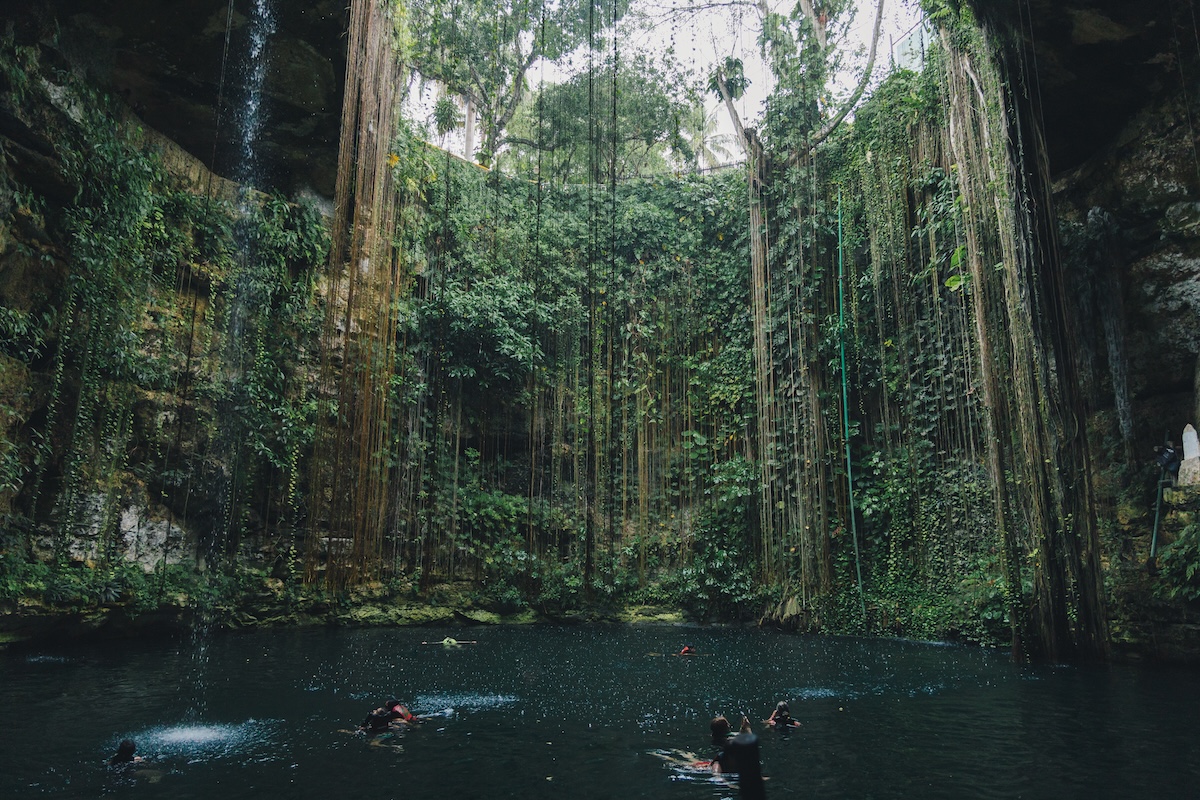
About two miles from Chichén Itzá, this open cenote drops 26 meters below ground level with vines cascading down the circular walls like natural curtains. A stone staircase descends into the cenote, where the water stays a constant 77°F year-round. Small fish nibble at your legs while you swim, which is either delightful or creepy depending on your tolerance for aquatic life getting personal.
The cenote connects to underground cave systems extending throughout the Yucatan Peninsula, though you’re not exploring those without proper cave diving certification and a healthy relationship with confined dark spaces. Tour groups visit throughout the day, so arrive early for the best chance at peaceful swimming.
17. Sua Ocean Trench, Samoa
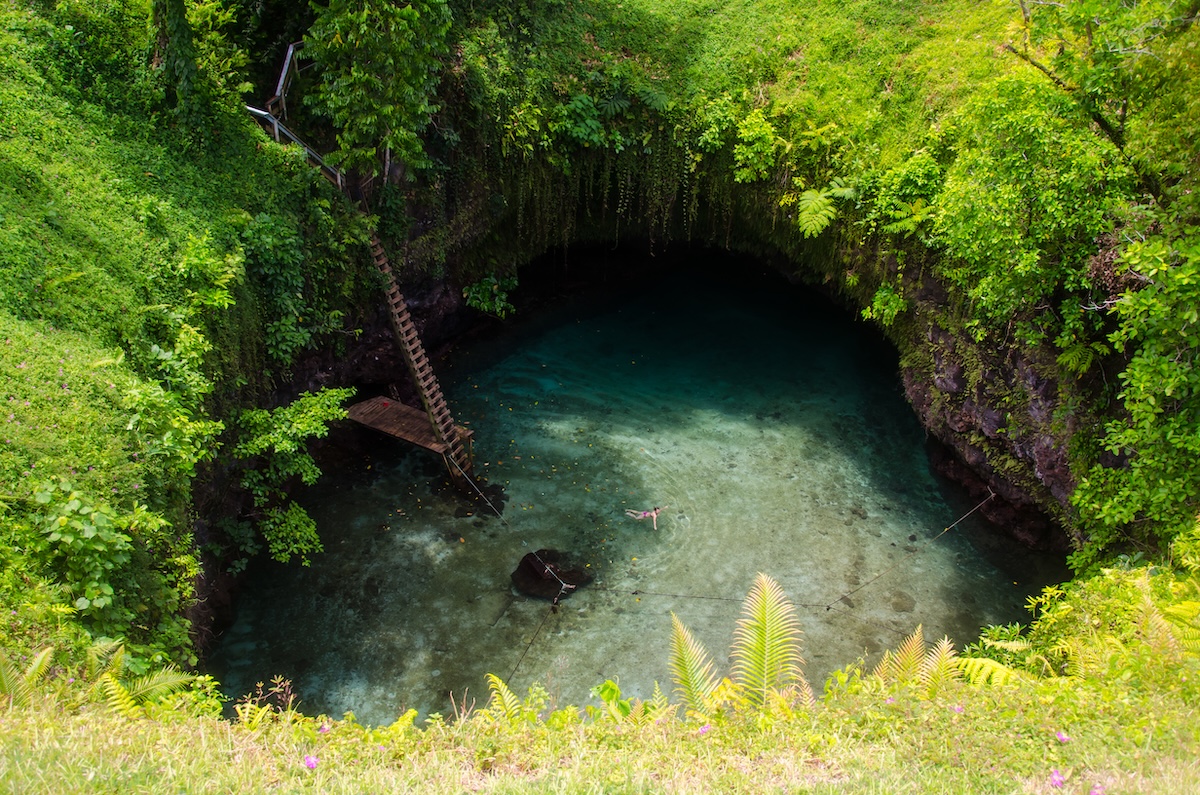
A massive hole in the ground opens to reveal a deep pool connected to the ocean by underwater lava tubes. Ladder access descends 30 meters to the water surface, where you can swim in clear water while tropical vegetation grows around the rim high above.
Local legend claims a chief threw his daughter into the trench, which is probably not true but makes for dramatic storytelling. The pool depth exceeds 30 meters, so you’re swimming in essentially a vertical shaft filled with seawater that’s calmer and clearer than the ocean just beyond the rock wall.
16. Lençóis Maranhenses, Brazil
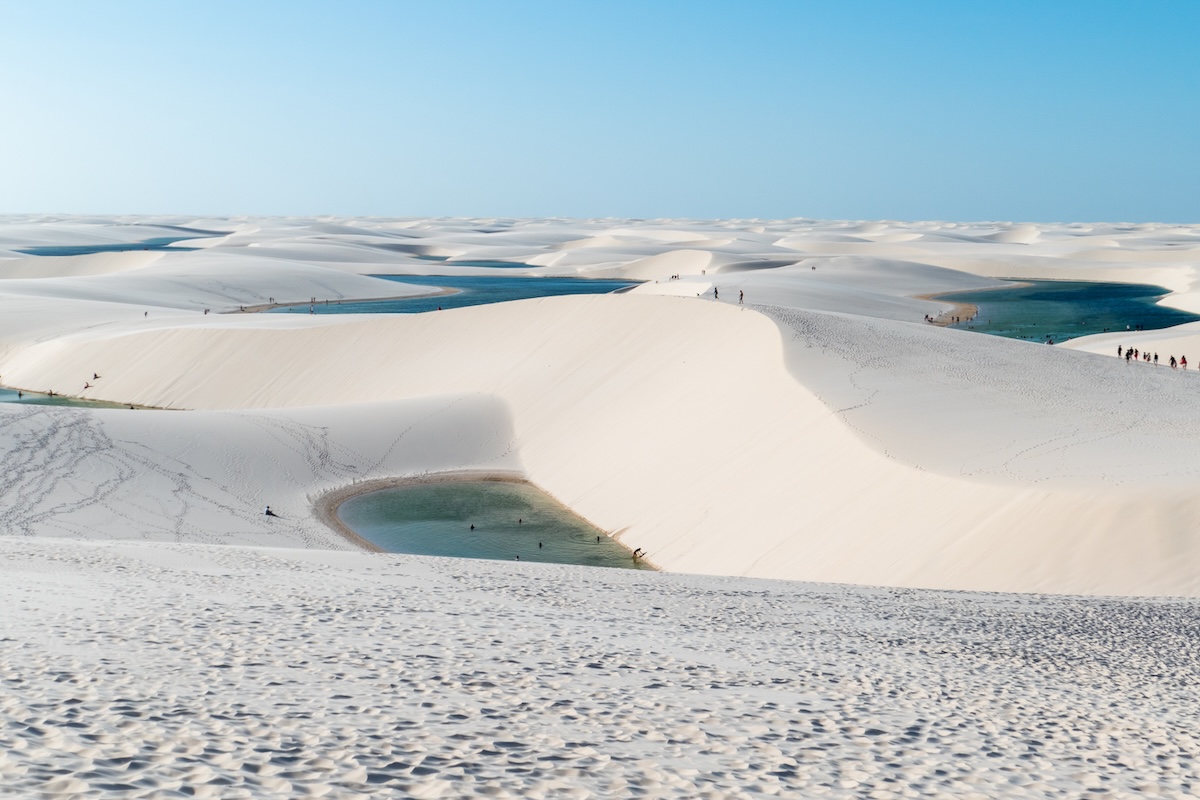
This isn’t exactly a traditional pool situation, but thousands of freshwater lagoons form between sand dunes during Brazil’s rainy season, creating a dreamy landscape that looks like the Sahara decided to flood itself. The white sand dunes stretch endlessly, and the lagoons range in color from clear to deep blue depending on depth and algae content.
You can swim in most lagoons, with water temperatures reaching surprisingly comfortable levels under the tropical sun. The season runs roughly from July to September when water levels peak before the dry season evaporates the lagoons back into pure dunes. Getting there requires flights to São Luís followed by a long drive, but the alien landscape rewards the effort.
15. Cave of Poetry, Italy
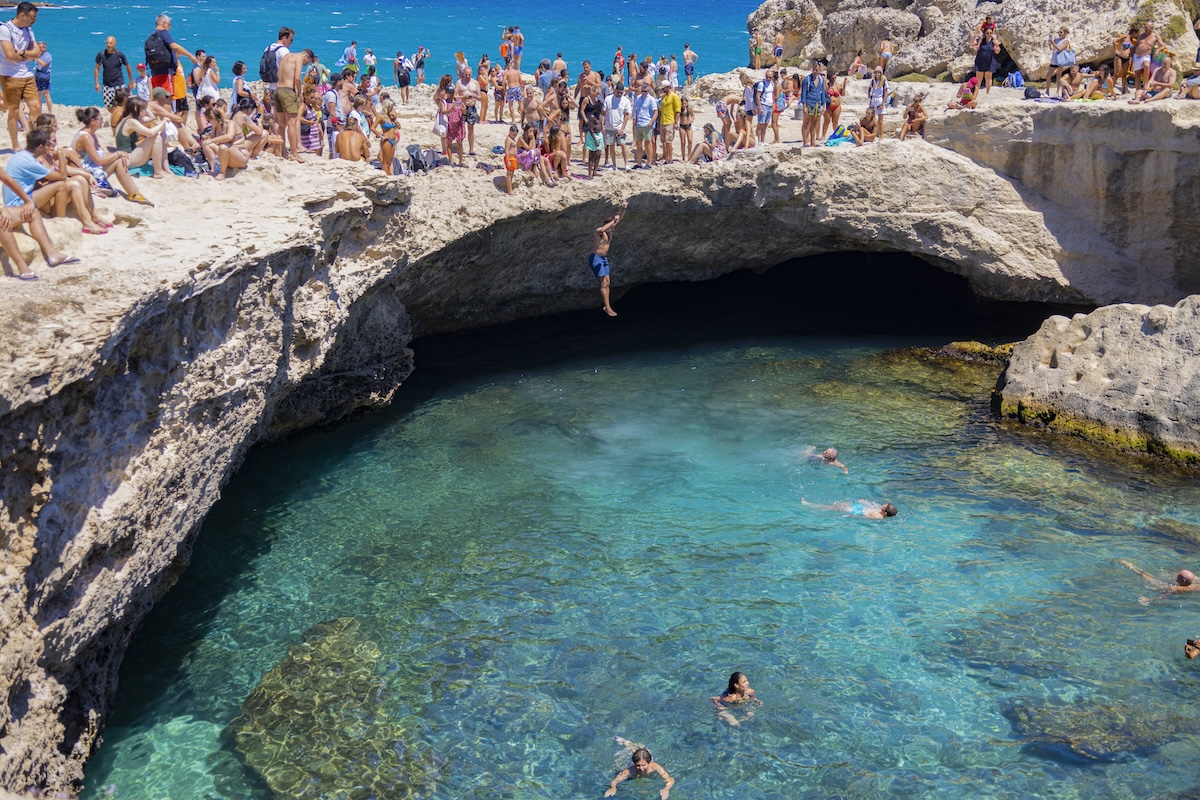
On the Adriatic coast near Lecce, a collapsed sea cave created a natural pool connected to the ocean where locals have been swimming for generations. Stone steps carved into the rock provide access, and the pool’s sheltered position protects swimmers from waves and currents.
The name comes from poetry readings that apparently happened here historically, though mostly people just swim and jump from the surrounding rocks now. The water is brilliantly clear, and small fish dart around swimmers who venture into the cave sections. It’s not a secret spot by any means, especially in summer when Italian families pack the area, but the setting remains beautiful despite the crowds.
14. Las Grietas, Galapagos Islands
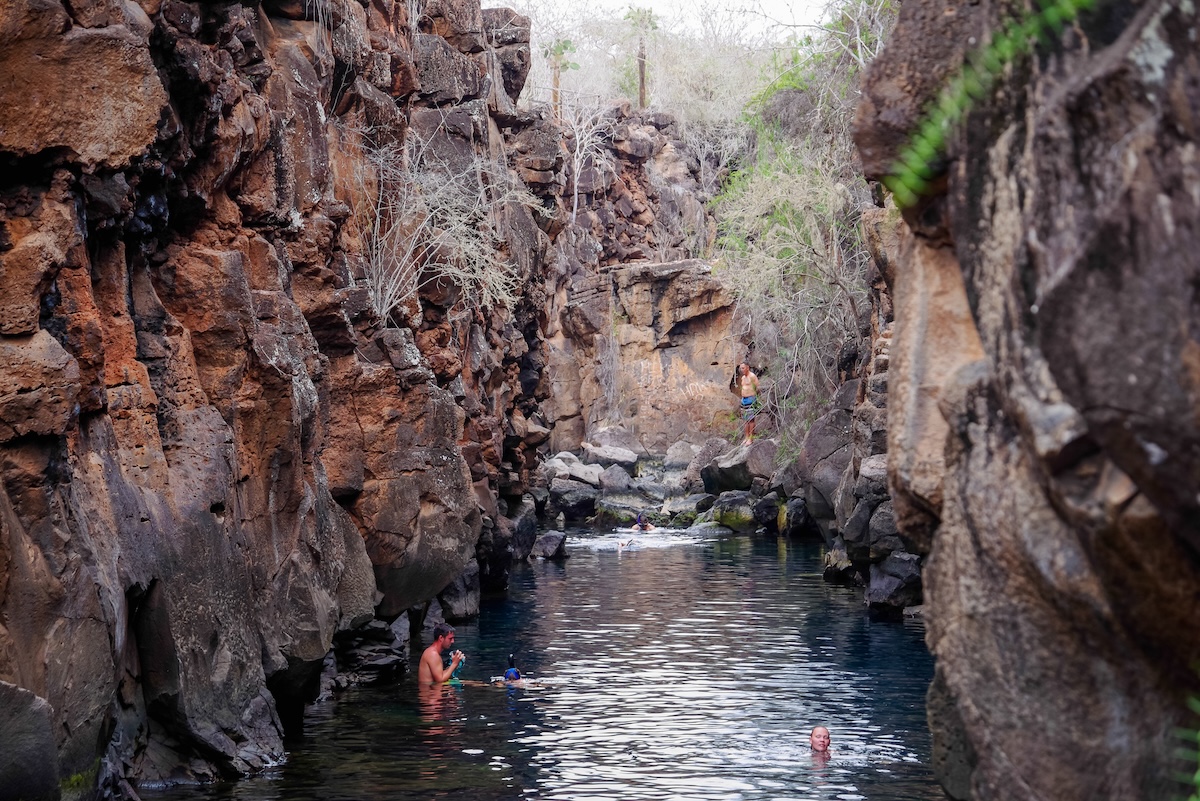
A narrow gorge between volcanic rocks on Santa Cruz Island fills with brackish water that’s part seawater, part freshwater from underground sources. You swim through the gorge between towering walls that block direct sunlight most of the day, creating an eerie blue glow in the water.
The temperature hovers around 22°C, refreshing after hiking through the Galapagos heat. Snorkeling reveals fish adapted to the unique salinity conditions, and the deeper sections drop down into darkness that triggers mild existential dread in anyone thinking too hard about what might be down there. It’s accessible via a short trail from the coast, making it popular with cruise ship passengers looking for a quick swim.
13. Blue Lagoon, Iceland
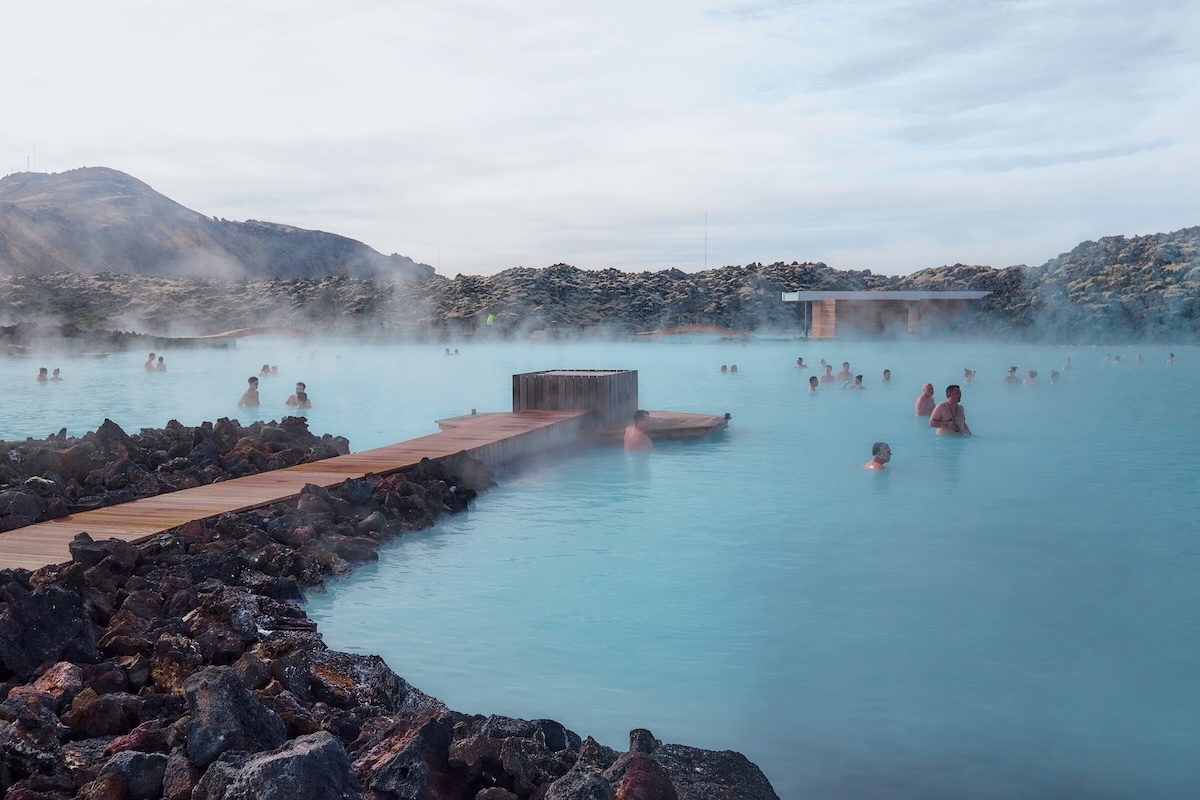
Iceland’s most famous geothermal pool is technically man-made, a byproduct of the nearby geothermal power plant, but the minerals and heat come entirely from the earth so we’re counting it. The milky blue water maintains temperatures around 37-39°C year-round, creating surreal scenes of people bathing in steam while snow falls around them.
Silica mud masks are included, and you’ll look ridiculous wearing them but your skin will feel amazing. The lagoon has become heavily touristy with high entrance fees and advance reservations required, but the experience of floating in warm mineral water while snow accumulates on your head justifies the cost. Just remember that natural geothermal pools also exist elsewhere in Iceland if you want less commercial alternatives.
12. Fairy Pools, Isle of Skye, Scotland
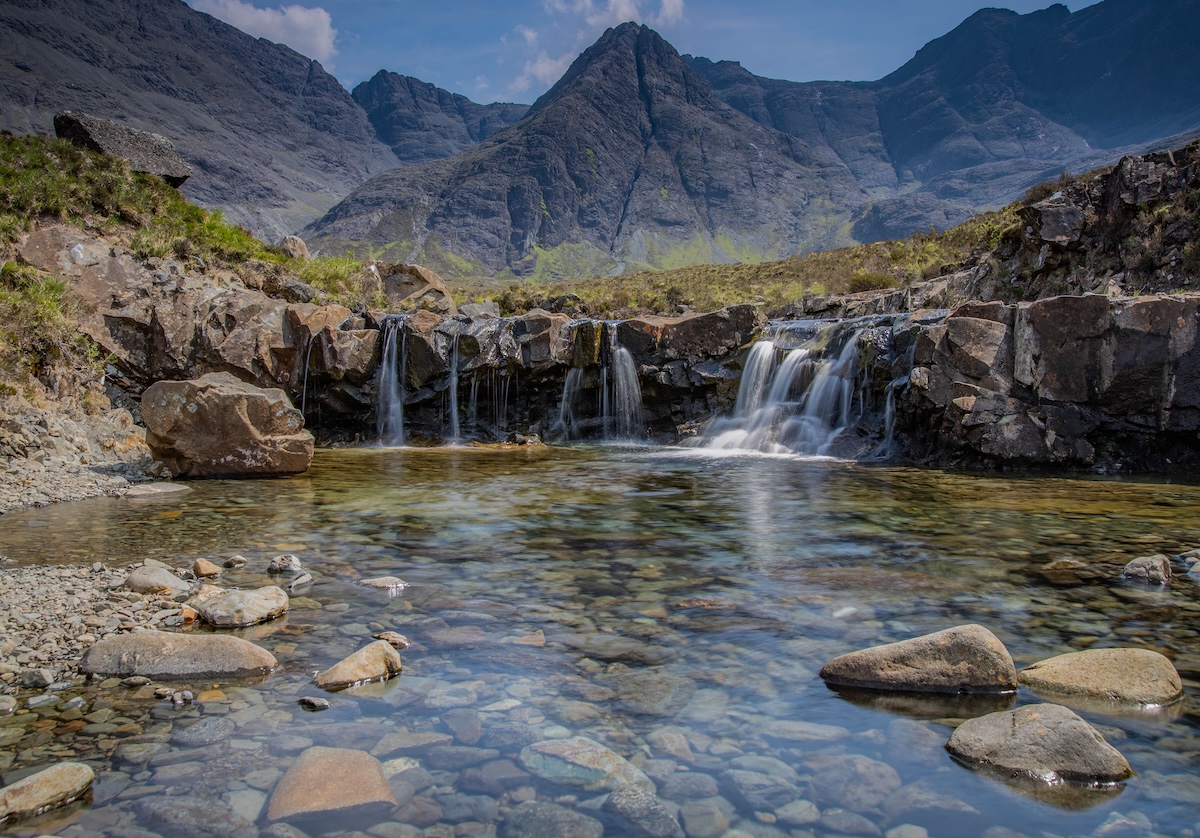
The River Brittle cascades down the Cuillin Mountains creating a series of crystal-clear pools that look like they were designed specifically for your social feeds. The water is absolutely freezing, fed directly from mountain runoff, so swimming requires either a wetsuit or the kind of determination that comes from traveling all the way to Skye specifically for this.
On rare sunny days, the water takes on brilliant blue and green tones that seem impossible for Scottish water. The short hike from the parking area follows the river upstream through increasingly dramatic scenery. Swimming here is more about the experience and the story than actual enjoyment since you’ll mostly be gasping from cold.
11. Giola Lagoon, Thasos, Greece
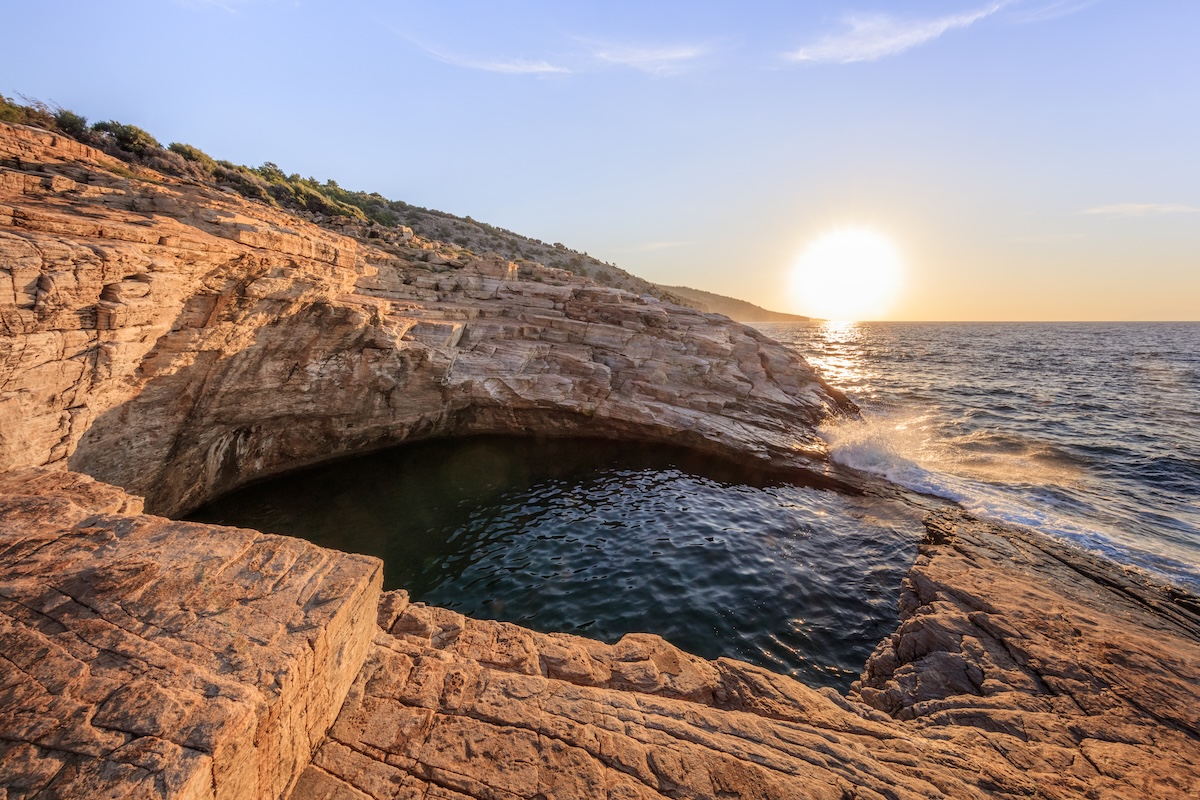
This natural rock pool on the Greek island of Thasos sits right next to the Aegean Sea, separated by just a thin barrier of rock. Legend claims Aphrodite used it for bathing, which sounds made up but makes for good marketing. The pool is small, maybe 8 meters wide, and during summer it fills with tourists taking turns jumping off the surrounding rocks.
The water connects to the sea through underground channels, keeping it fresh but calm. You’ll wait your turn to swim since it’s popular and small, but the dramatic coastal setting and clear water make it worth the patience. Getting there requires hiking down a rocky path that gets slippery, so wear appropriate shoes or risk becoming a cautionary tale.
10. Erawan Falls, Thailand
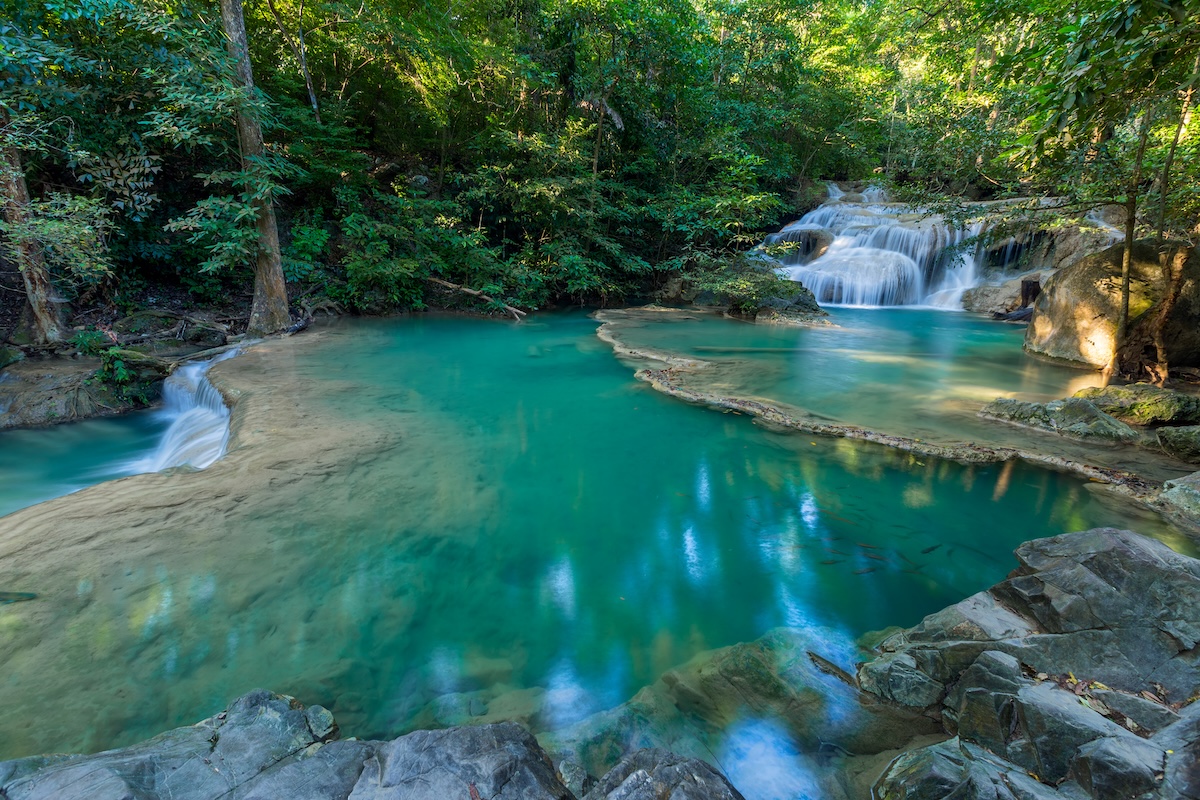
Seven tiers of waterfalls cascade down Erawan National Park in Kanchanaburi Province, with pools at each level inviting swimmers to climb higher. The lower pools get crowded with tourists who don’t want to hike, while upper levels require more effort but reward you with better swimming and fewer people.
Fish in the pools will nibble dead skin from your feet, providing free pedicures that feel weird but apparently are good for something. The trail between levels is well-maintained, making the climb accessible for most fitness levels. The park sees serious visitor numbers during weekends and holidays, so weekday mornings offer the best chance of enjoying the pools without constant company.
9. Tolantongo Caves, Mexico
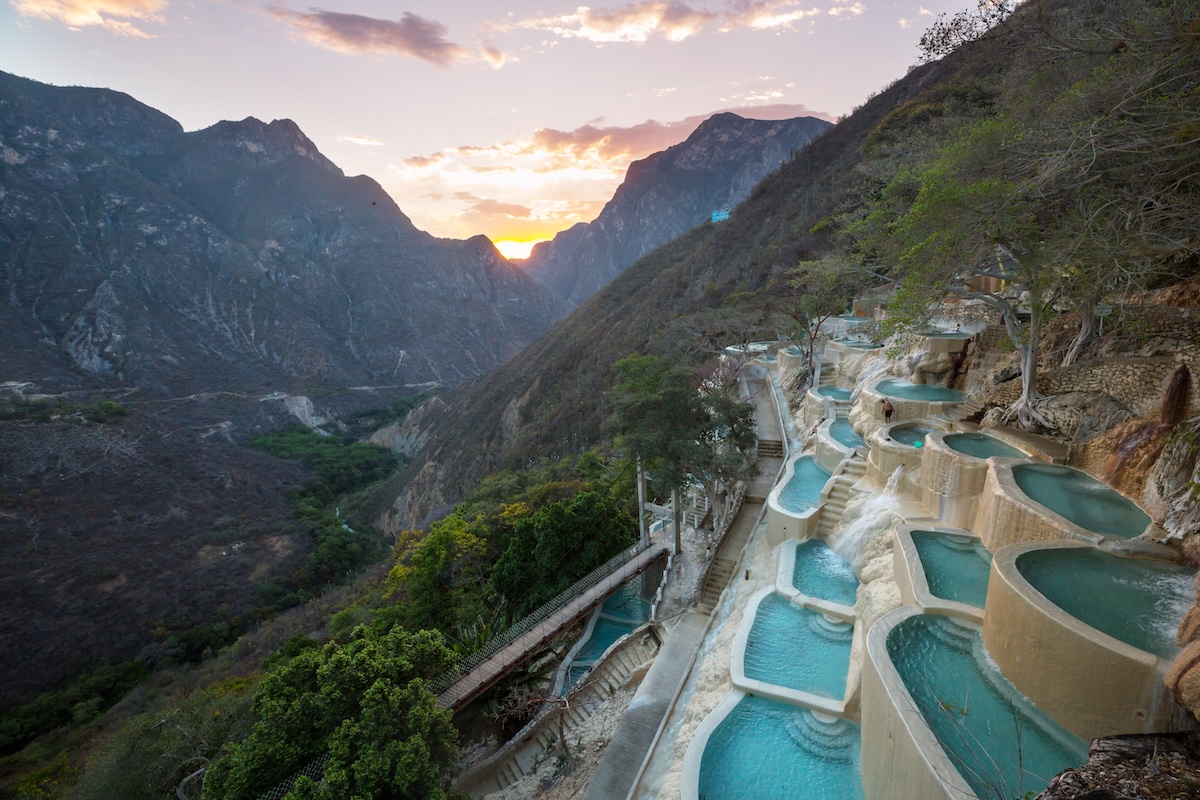
Hot springs flow through caves in the Hidalgo mountains, creating thermal pools both inside caverns and in outdoor pools built into the hillside. The water emerges at around 100°F, perfect for soaking while surrounded by theatrical canyon walls. You can swim into the caves where the hot water originates, though they’re small enough that claustrophobia might kick in.
The resort complex has expanded over the years to include pools at various levels down the canyon, some natural and some constructed but all using the same thermal water. The location is remote enough that it stays mostly popular with Mexican tourists rather than international visitors, keeping it relatively authentic. Camping is available if you want to wake up and immediately jump into hot springs.
8. Queen’s Bath, Kauai, Hawaii
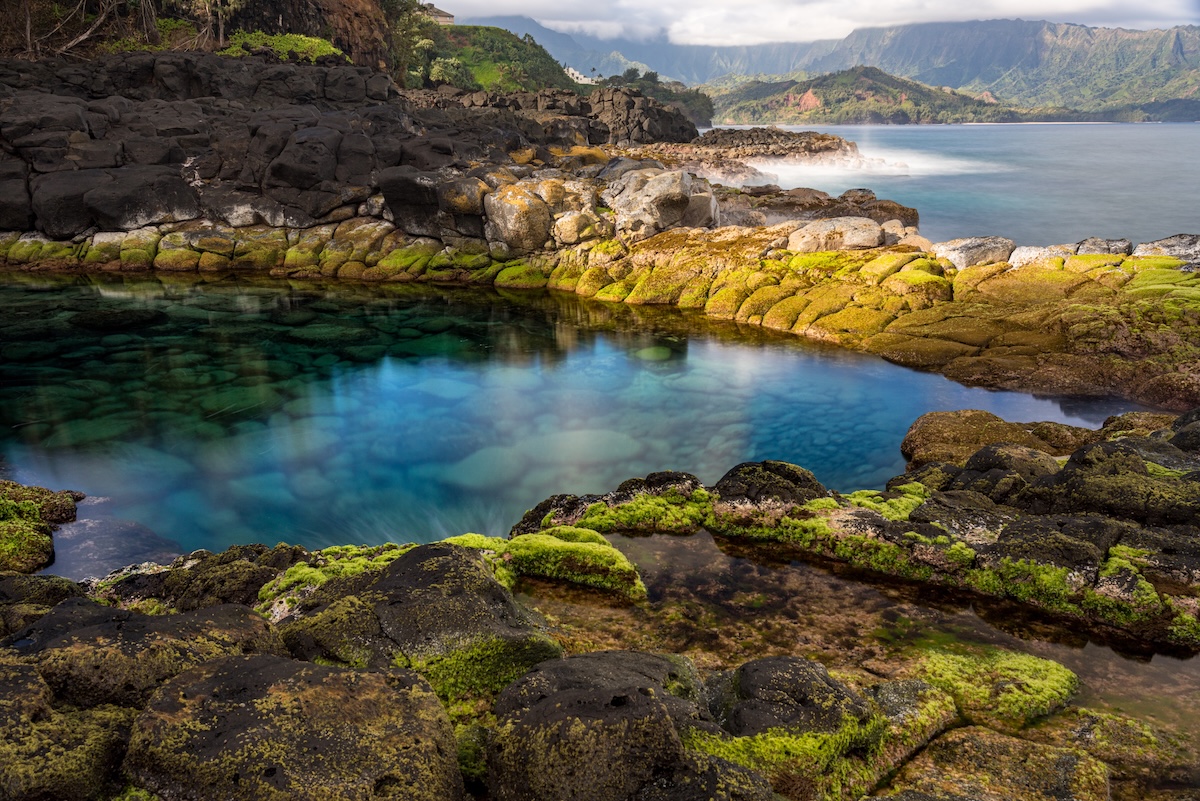
A tide pool on Kauai’s north shore fills with ocean water during calm conditions, creating a natural swimming pool protected from open ocean waves. The catch is that “calm conditions” is key here, because when swells are running, waves crash over the edge with enough force to sweep people into the ocean, which has resulted in multiple deaths over the years.
During summer’s calm seas, the pool is relatively safe and stunning, with crystal-clear water and colorful fish. The short hike down involves lava rock that gets slippery, and locals will tell you straight up not to visit during high surf or if you see waves crashing over the pool. Listen to those warnings because Kauai’s ocean doesn’t care about your vacation plans.
7. Rio Celeste, Costa Rica
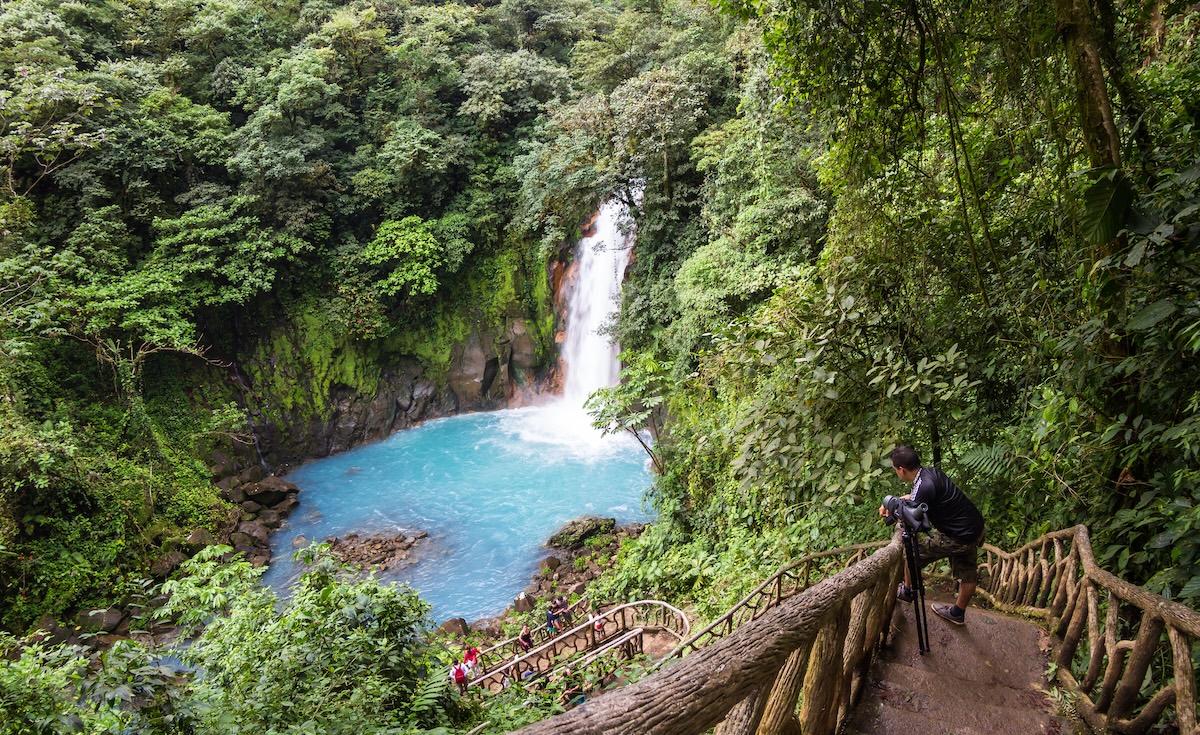
A chemical reaction between volcanic minerals turns the Celeste River an almost unnatural bright blue color that looks like someone dumped food coloring upstream. The trail through Tenorio Volcano National Park leads to a waterfall dropping into a blue pool that photographs so well people regularly accuse you of filter abuse.
Swimming used to be allowed but is now prohibited to protect the unique ecosystem, so you’ll have to content yourself with just looking and taking photos. The hike requires navigating steep sections that get muddy and slippery, so proper footwear is essential unless you enjoy wiping out in Costa Rican mud. The blue color is most vivid during dry season when the water is clearest.
6. Pamukkale, Turkey
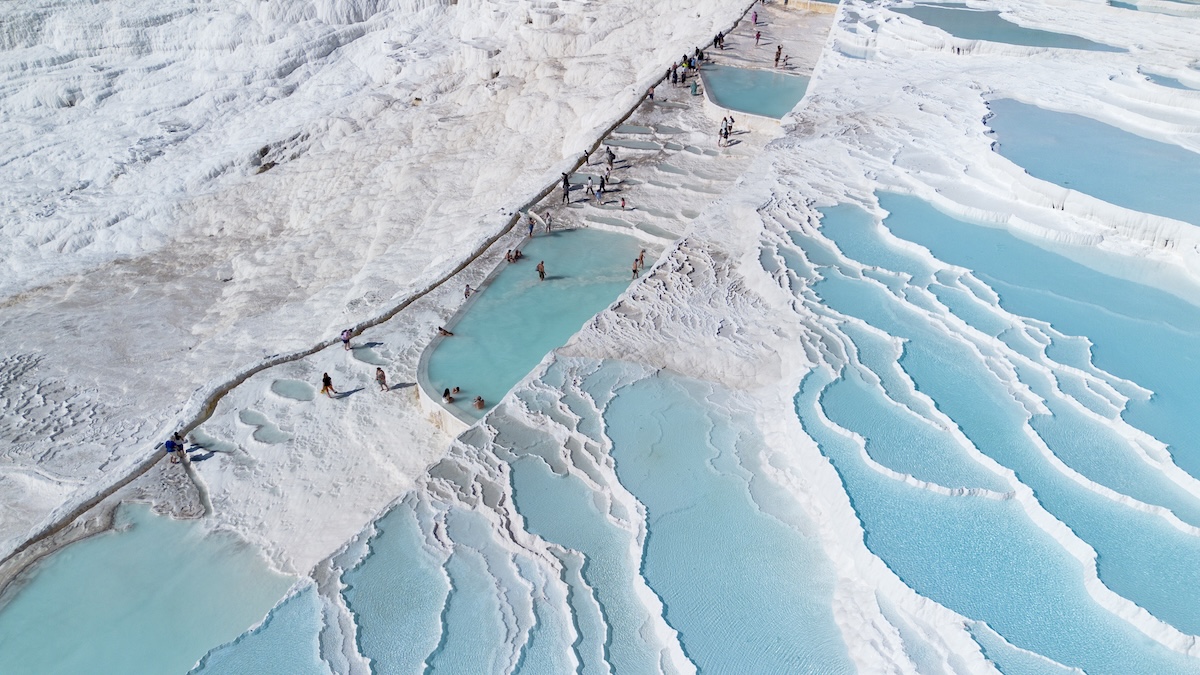
Travertine terraces created by mineral-rich thermal water have been forming here for millennia, creating white calcium carbonate pools cascading down the hillside. The name means “cotton castle” in Turkish, which accurately describes the white formations. Some pools are accessible for swimming and wading, though much of the site is protected to prevent damage from too many tourists.
The water maintains around 35°C, comfortable for soaking while admiring views across the valley. The ancient Roman spa city of Hierapolis sits above the terraces, adding historical context to the geological wonder. Pamukkale attracts massive tourist numbers, so early morning visits offer the best chance of experiencing it without constant crowds, but you might have to wait for the sun to hit just right to get the perfect blue and white gleam.
5. Krka Waterfalls, Croatia
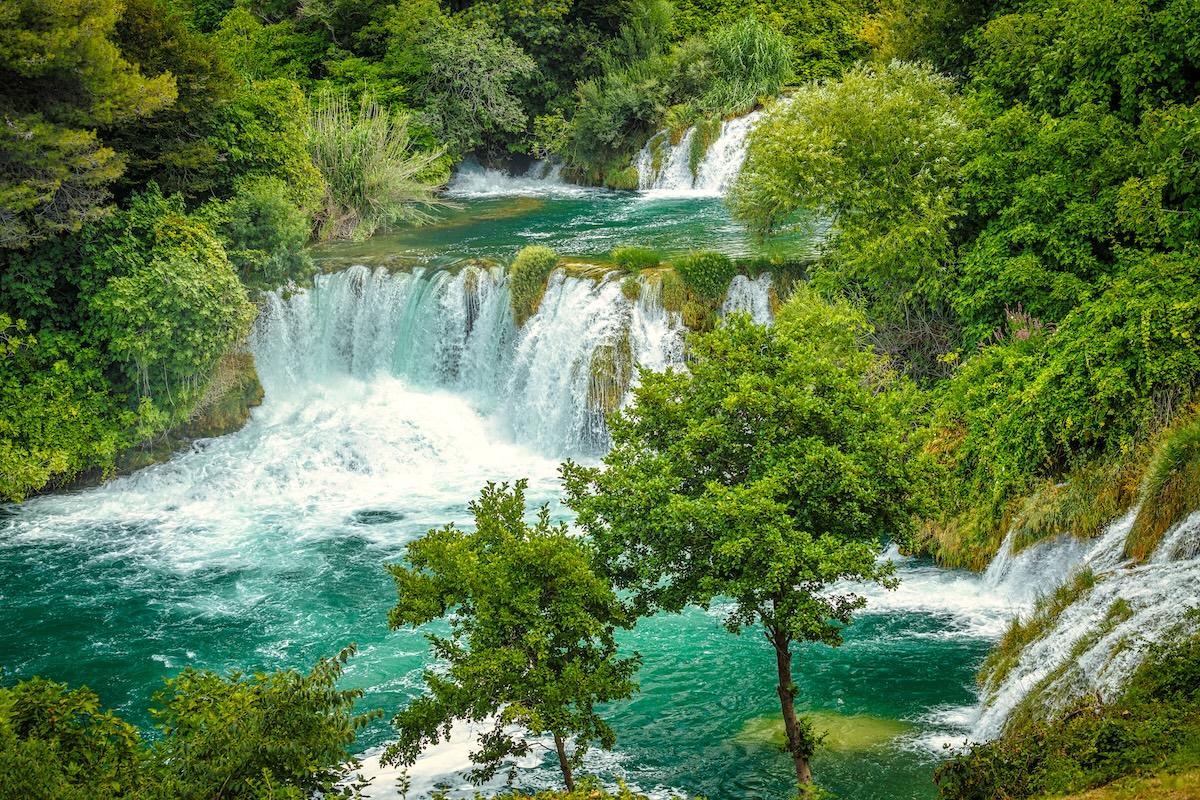
Multiple waterfalls cascade through Krka National Park, with Skradinski Buk being the most impressive and accessible. The falls create natural pools where swimming used to be allowed throughout the park, though recent regulations have restricted swimming to maintain the ecosystem.
When swimming is permitted, the experience of floating in cool water while waterfalls thunder around you ranks among Europe’s best natural swimming spots. Wooden walkways and bridges provide views even when swimming is off-limits, and the park’s size means you can find quieter sections away from the main falls. The park sits close to Split, making it a popular day trip destination that fills up during summer.
4. Terme di Saturnia, Italy
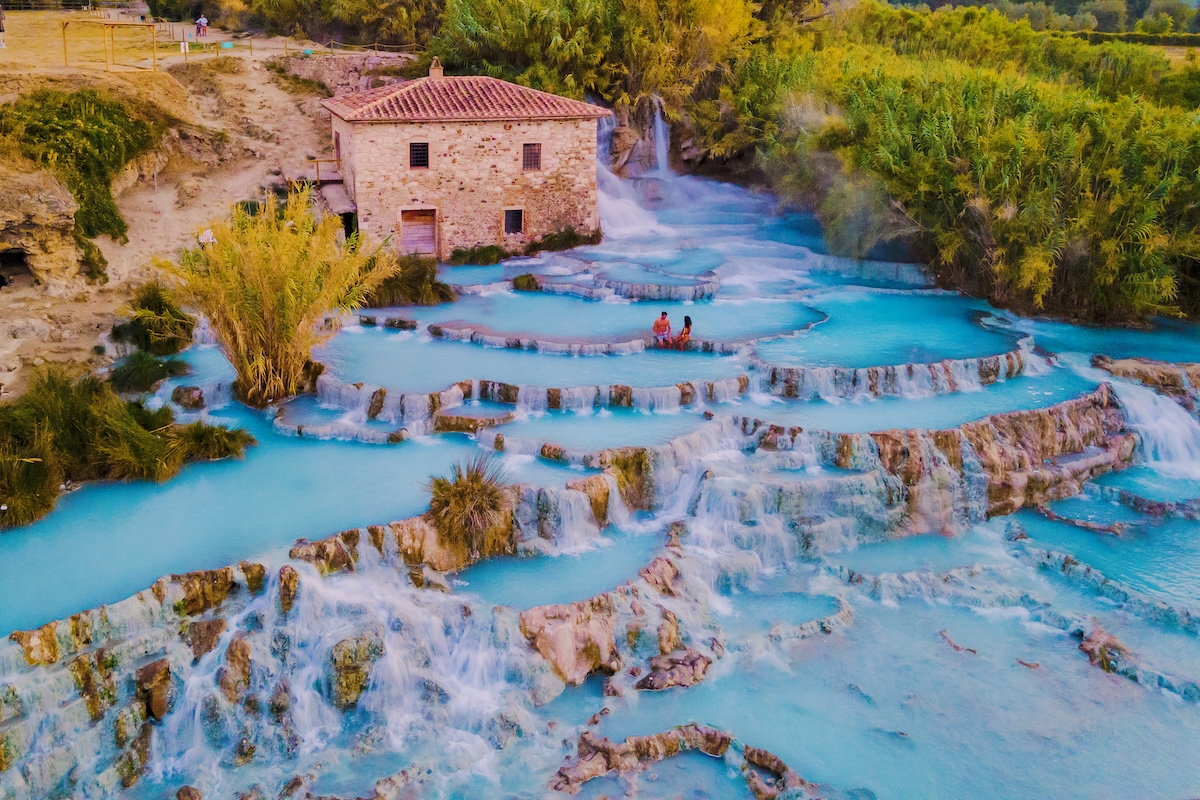
These free public thermal springs in Tuscany have been flowing for thousands of years at a constant 37°C, cascading down white travertine terraces into pools of varying sizes and depths. Romans bathed here, and apparently the waters come from volcanic activity underground, though mostly you’ll just care that they’re warm and free.
The sulfur content gives the water that distinctive hot springs smell, and the minerals supposedly have healing properties if you believe in that sort of thing. The springs flow year-round, creating magical scenes when steam rises on cold mornings. The location is free and open 24/7, attracting everyone from local families to tourists who’ve discovered that not all of Italy’s best experiences require entrance fees.
3. Garganta de Los Infiernos, Spain
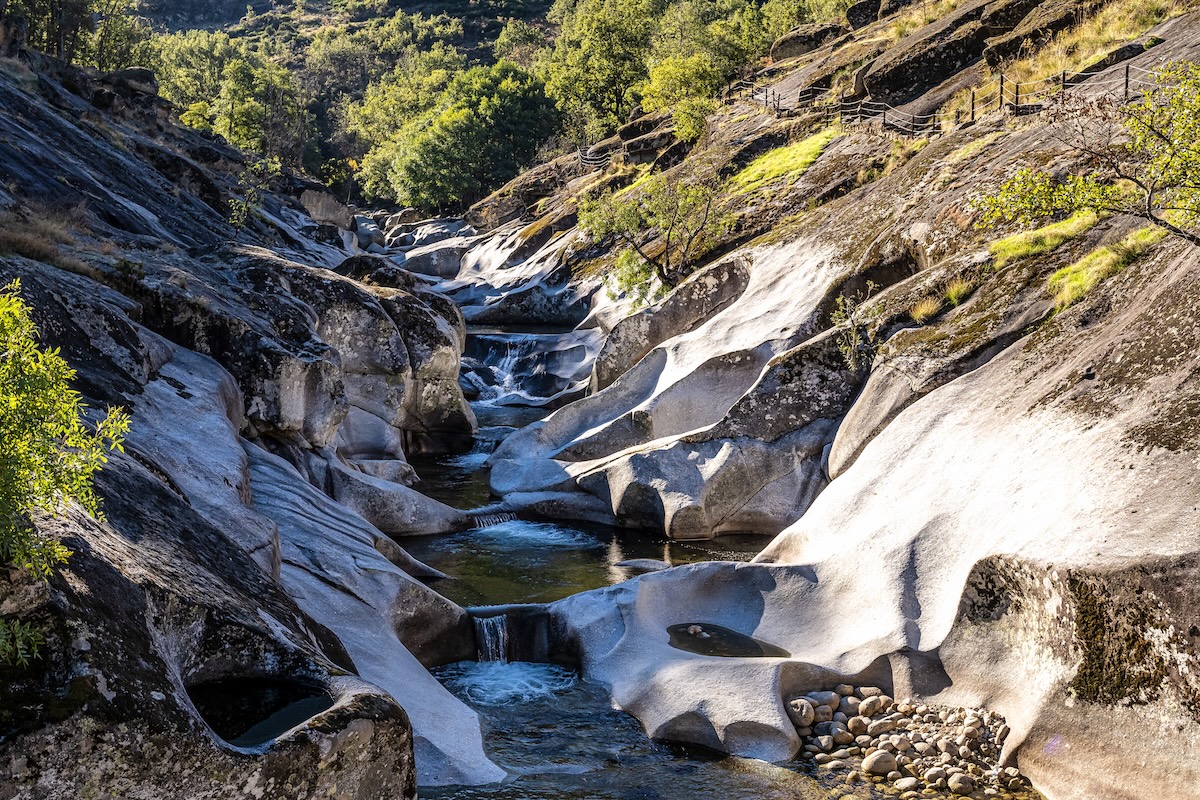
The “Gorge of Hell” in Extremadura features a series of natural pools and waterfalls carved into granite rocks, with water so clear you can count stones on the bottom. The name sounds more dramatic than the actual experience, which involves hiking to increasingly beautiful pools fed by mountain streams.
Los Pilones are the most famous pools, a series of rounded basins connected by small waterfalls. Access is limited during peak season to prevent overcrowding and environmental damage, so reservations are required. The water is cold because it’s alpine snowmelt, but Spanish summers make that a feature rather than a bug. The hike in is relatively easy, making these pools accessible for families and people who prefer nature without extreme effort.
2. Havasu Falls, Arizona
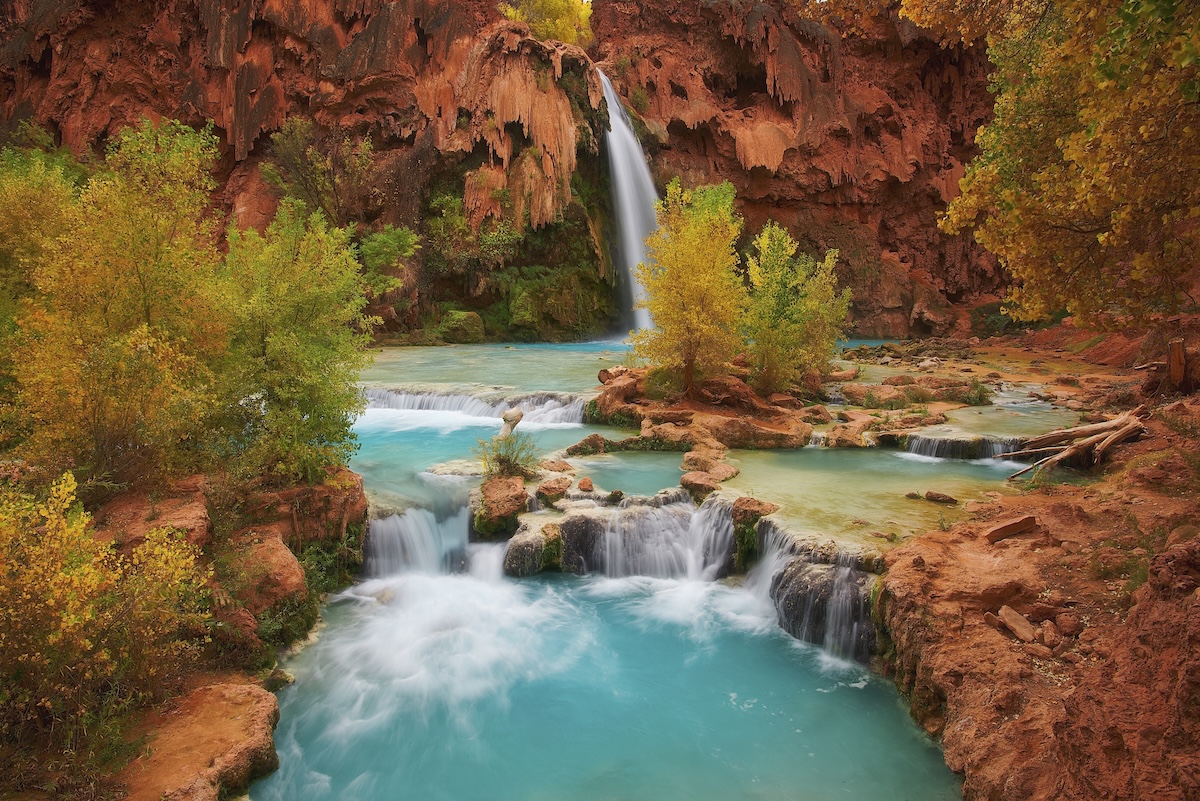
Deep in the Grand Canyon on the Havasupai Reservation, these turquoise waterfalls drop into pools that look Photoshopped even in person. The water gets its distinctive blue-green color from calcium carbonate deposits, and swimming in the pools is allowed and encouraged despite the water being fairly cold year-round.
Getting there requires a 10-mile hike or helicopter, and permits sell out almost immediately when they become available due to limited numbers allowed in the canyon. The Havasupai Tribe manages access carefully to protect both the land and their way of life, and respecting their rules and culture is non-negotiable. The falls occasionally change appearance after flash floods move rocks and travertine, meaning each visit might look different from photos you’ve seen.
1. Kuang Si Falls, Laos
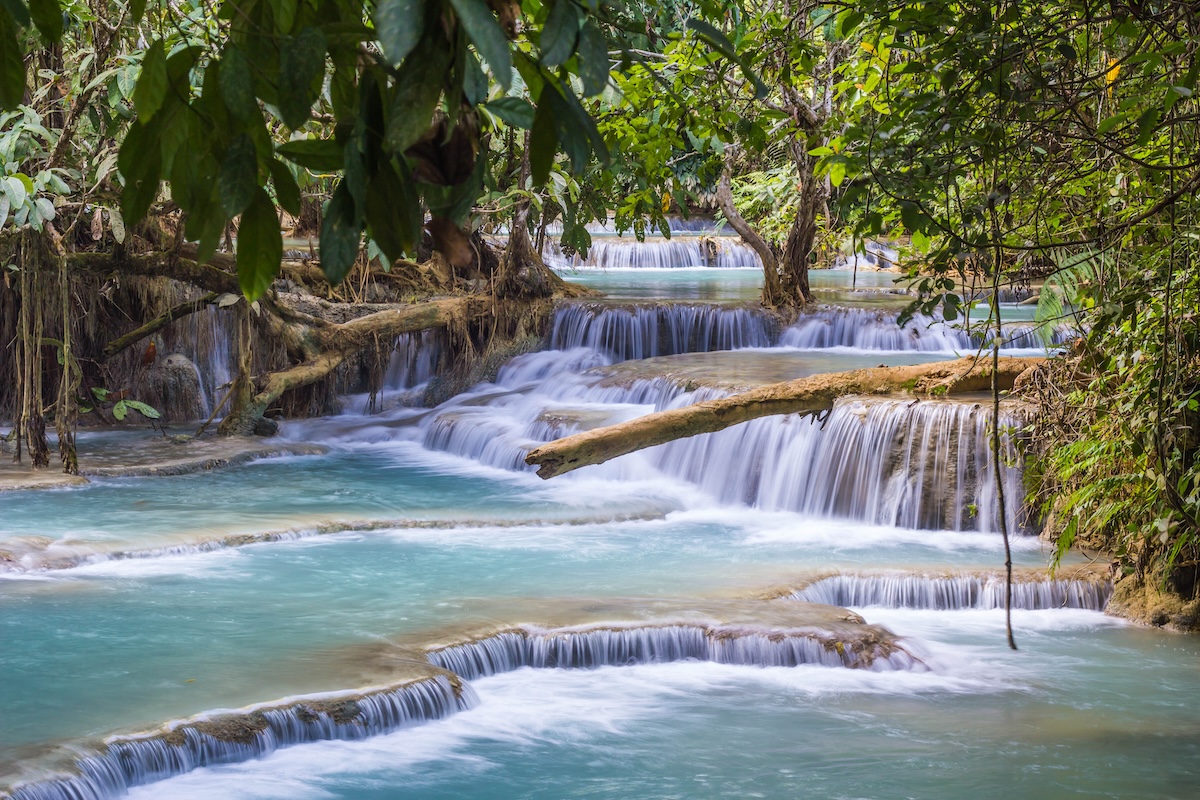
Three-tiered waterfalls cascade into pools of water so blue it looks artificial, set in jungle surroundings near Luang Prabang. Swimming is allowed in most pools except those near the main falls, where currents and depth make it dangerous. The water stays refreshingly cool, fed by mountain streams, and the pools range from shallow wading areas to deeper swimming spots suitable for all abilities.
A trail with wooden walkways and bridges provides access to different levels, making it easy to find your preferred swimming spot. The falls sit within a park that also houses a bear rescue center, adding educational context to the natural beauty. It ticks all the boxes with accessibility, stunning water color, and swimming possibilities, putting Kuang Si at the top of natural pools you can actually enjoy rather than just photograph.