
Europe draws food lovers from all over, thanks to its wild variety and deep culinary traditions. Whether you’re wandering the streets of Spain or sipping coffee in a French café, every country has something memorable to eat. Travelers often say their best European memories are tied to the food they stumbled upon. The dishes become more than just meals—they’re moments that linger long after you’ve unpacked.
Some of the best bites turn up in busy city markets or tiny family-run joints, and sometimes right from a street vendor’s cart. Maybe it’s just a flaky pastry eaten on a bench, or a classic dish that locals have been enjoying forever. Whether you crave salty snacks or crave sweets, Europe’s got options that’ll have you daydreaming about your next trip before you’ve even left.
San Sebastián, Spain — Pintxos and Cheesecake
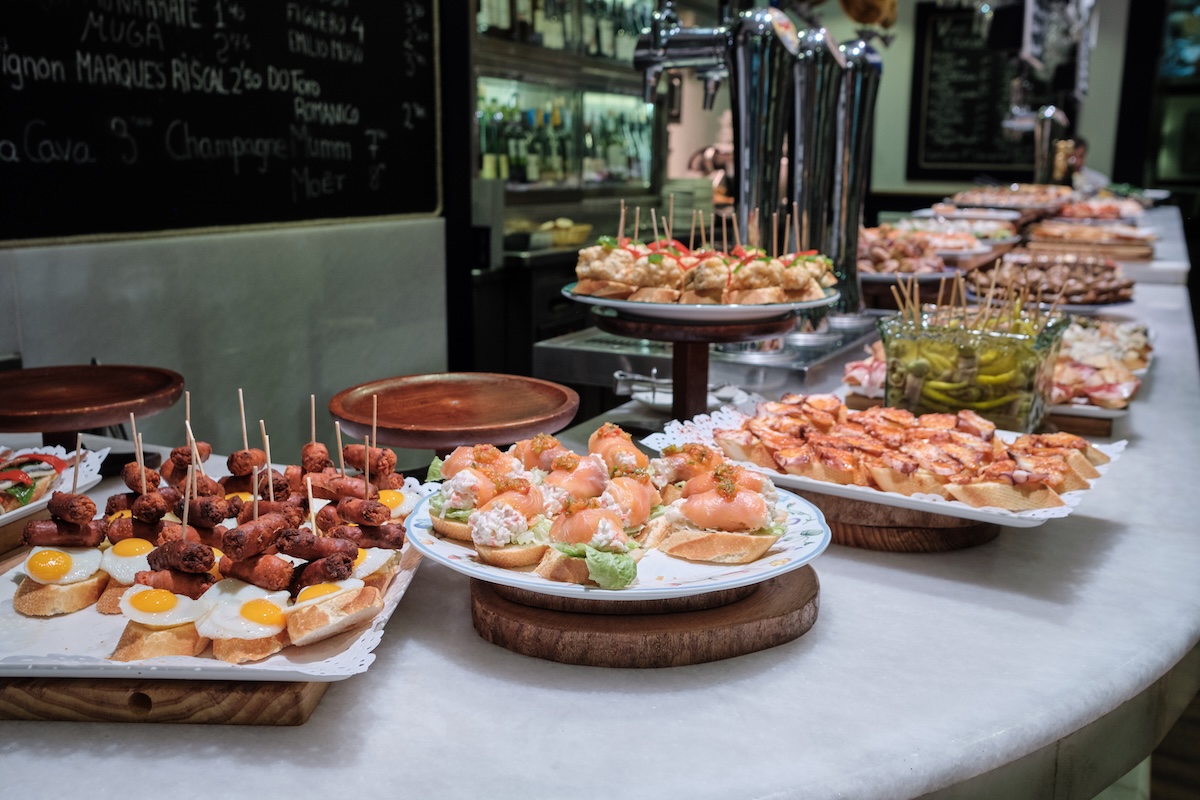
San Sebastián makes eating into a kind of treasure hunt. You’ll wander from bar to bar in the old town, grabbing pintxos along the way.
These aren’t your standard snacks. Each spot lines up its own specialties on the counter. Maybe you start with a gilda—anchovies, olives, and peppers on a skewer—which sounds basic but is surprisingly addictive. Then there’s jamón, or those marinated anchovies that locals can’t get enough of.
But the Basque cheesecake steals the show. La Viña put it on the map, and now it’s everywhere. Creamy, with a caramelized top, it’s a far cry from the cheesecakes you might know.
People in San Sebastián take food seriously. Somehow, this small coastal city managed to collect more Michelin stars per capita than almost anywhere else.
Kraków, Poland — Pierogi and Żurek
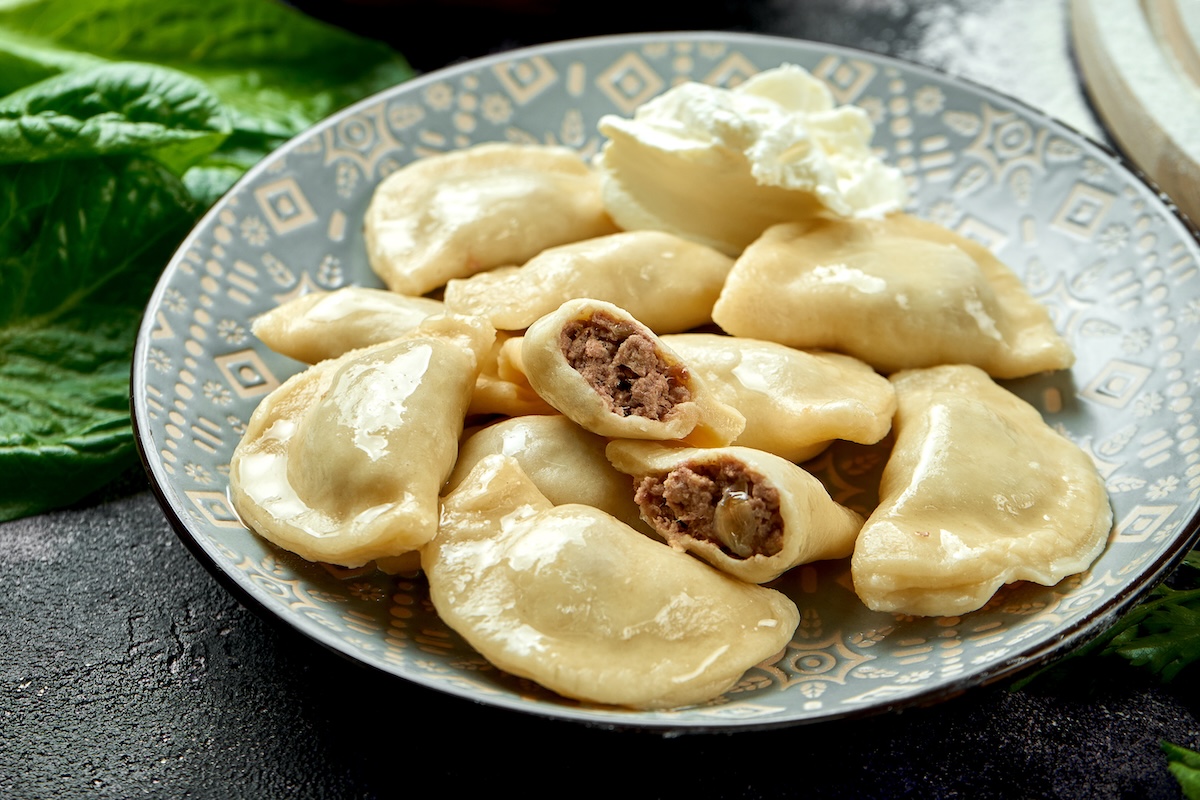
Kraków serves up comfort food like nowhere else in Poland. Locals know exactly where to hunt down the classics, and they’ll point you in the right direction if you ask.
Pierogi take center stage. These dumplings get stuffed with everything from potatoes and cheese to mushrooms or meat. They’re boiled, sometimes pan-fried for a bit of crunch, and served with sour cream or fried onions.
Then comes żurek—a sour rye soup that sounds odd but tastes incredible. It’s loaded with sausage, hard-boiled eggs, and potatoes in a tangy broth. Polish grandmothers have been making this forever.
You don’t need to spend much, either. Milk bars dish out these classics for prices that barely make sense. Kraków’s food scene works whether you’re on a shoestring or ready to splurge.
Athens, Greece — Gyros
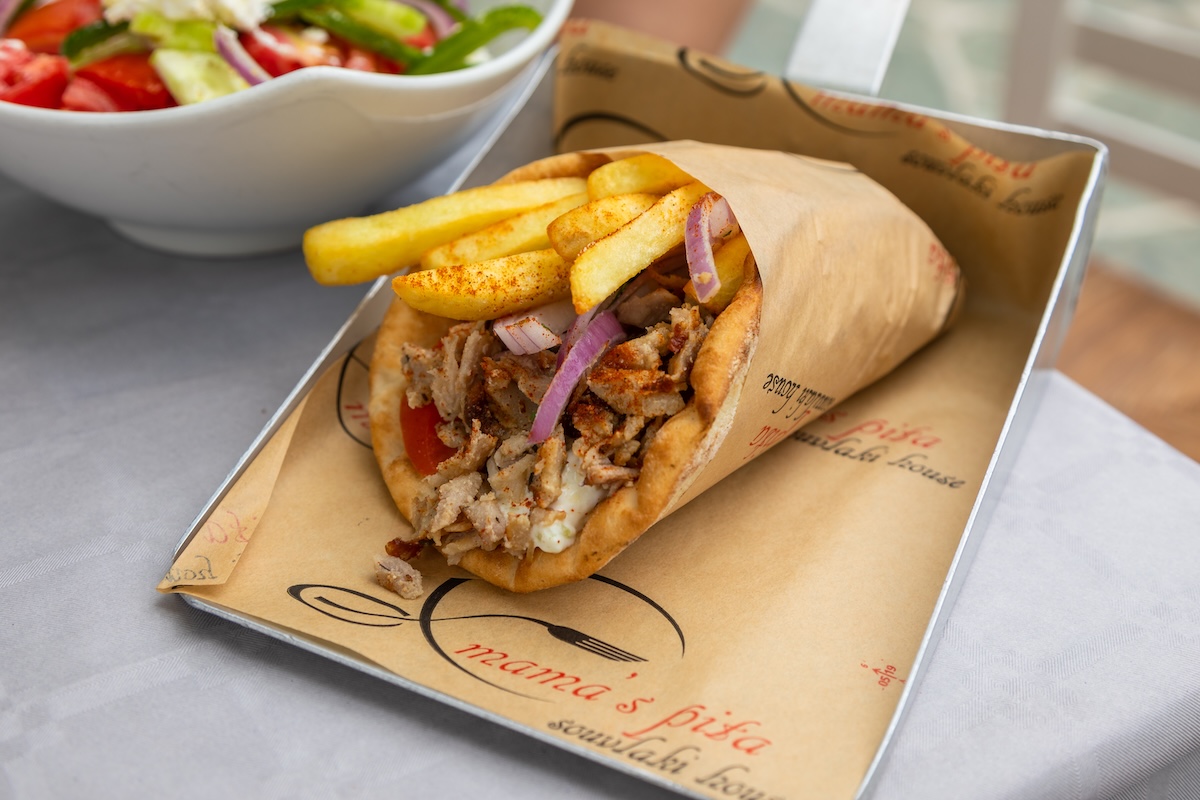
If you haven’t grabbed a gyros from a street vendor in Athens, you’re missing out. The smell of spiced meat turning on a rotisserie pulls you in from blocks away.
This Greek staple wraps juicy pork or chicken in warm pita, then piles on tomatoes, onions, and crispy fries. A good drizzle of tzatziki ties it all together. The mix of hot and cold, crunchy and soft, is something you’ll crave long after you leave.
Monastiraki Square’s side streets hide some of the best spots. Vendors have honed their recipes for ages. For just a few euros, you can wander through ancient ruins with a gyros in hand.
Lisbon, Portugal — Grilled Seabass and Pastéis de Nata
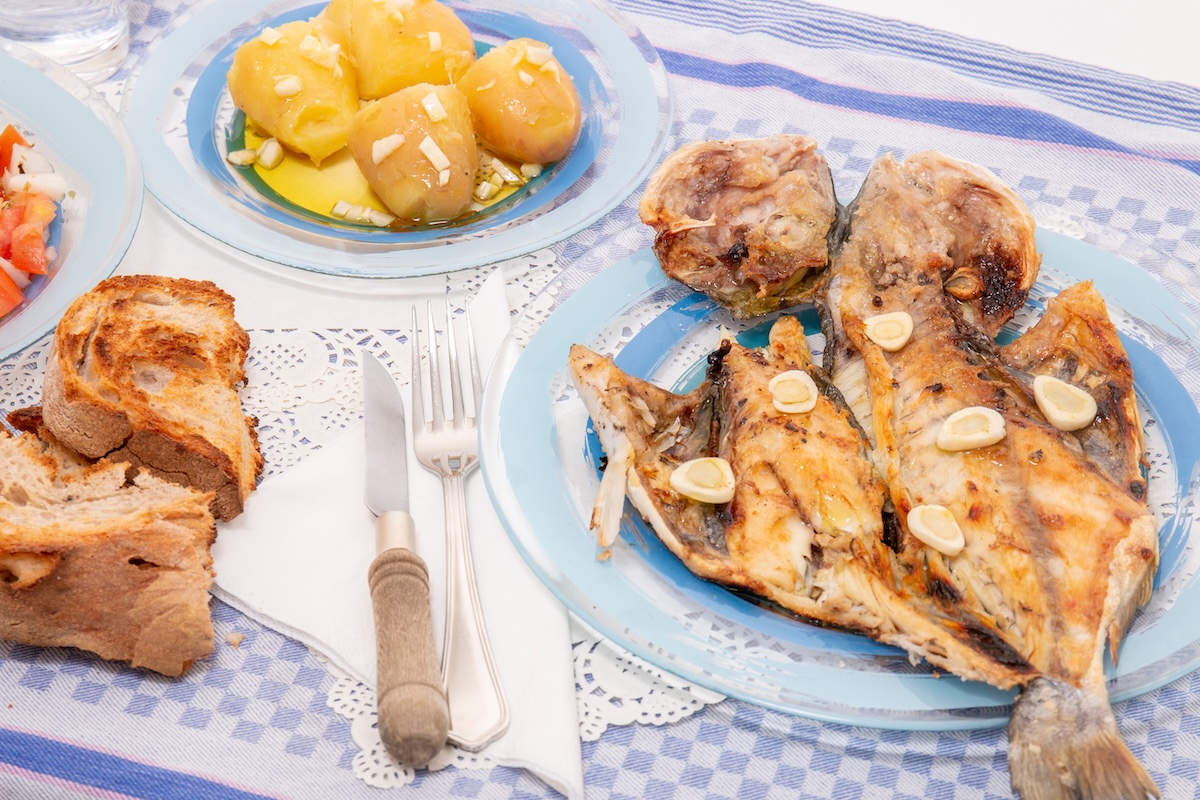
Lisbon’s Atlantic coast delivers some of Portugal’s best eats. Grilled seabass goes from ocean to plate, seasoned simply with salt and olive oil. Restaurants grill it over charcoal, crisping the skin and keeping the meat tender.
But skipping pastéis de nata would be a crime. These custard tarts, with their flaky crust and creamy centers, have been perfected over centuries. The Pastéis de Belém bakery near Jerónimos Monastery still guards the original recipe.
You’ll spot these golden tarts everywhere, baked fresh all day. Most locals eat them warm, dusted with cinnamon and powdered sugar. Pair one with a strong Portuguese coffee and you’re set.
Spain — Tapas and Pulpo
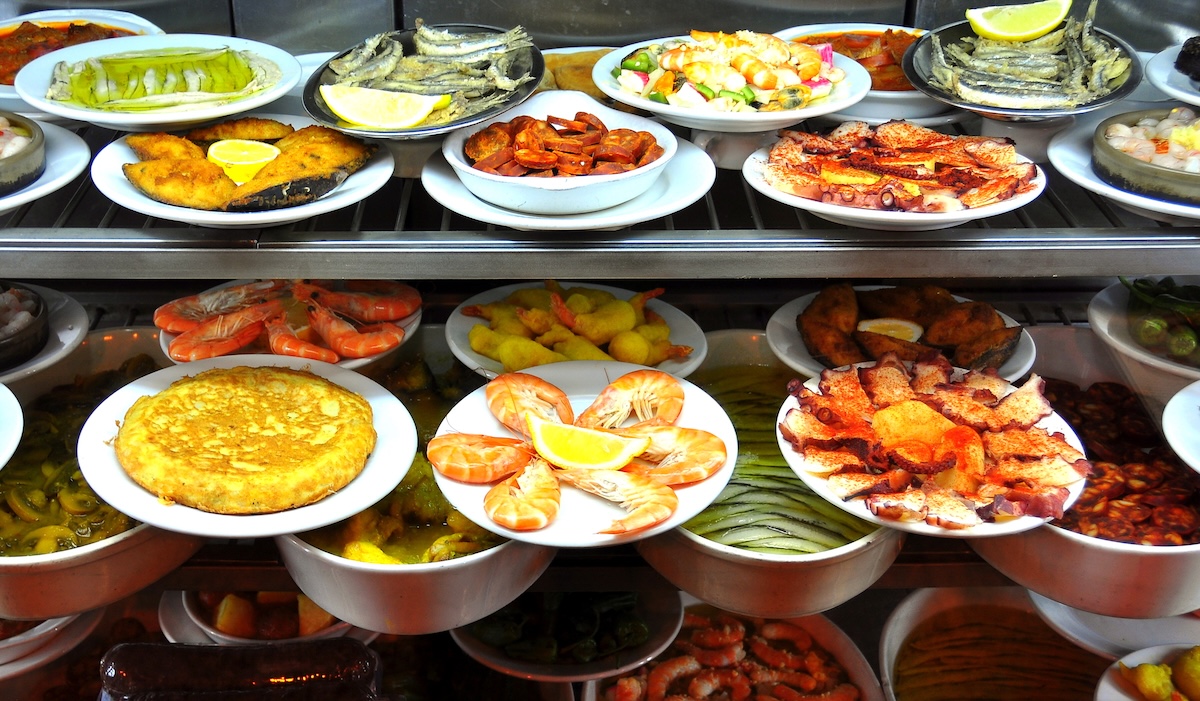
Spain’s food scene gets people talking, and tapas are at the heart of it all. They’re not just dishes—they’re a whole approach to eating. You order plate after plate, share with friends, and just keep going.
Tapas mean variety. Potato omelettes, Iberian ham, croquettes, and who knows what else—all in one meal. Each plate brings a new flavor.
Pulpo, or grilled octopus, shows up everywhere. It’s smoky, tender, and finished with paprika and olive oil. Some folks would honestly hop on a plane just for another bite.
Tapas go way back to medieval days, when bartenders used small plates to cover drinks. Now, every Spanish city is packed with tapas bars buzzing with locals.
Barcelona, Spain — Churros and Chocolate
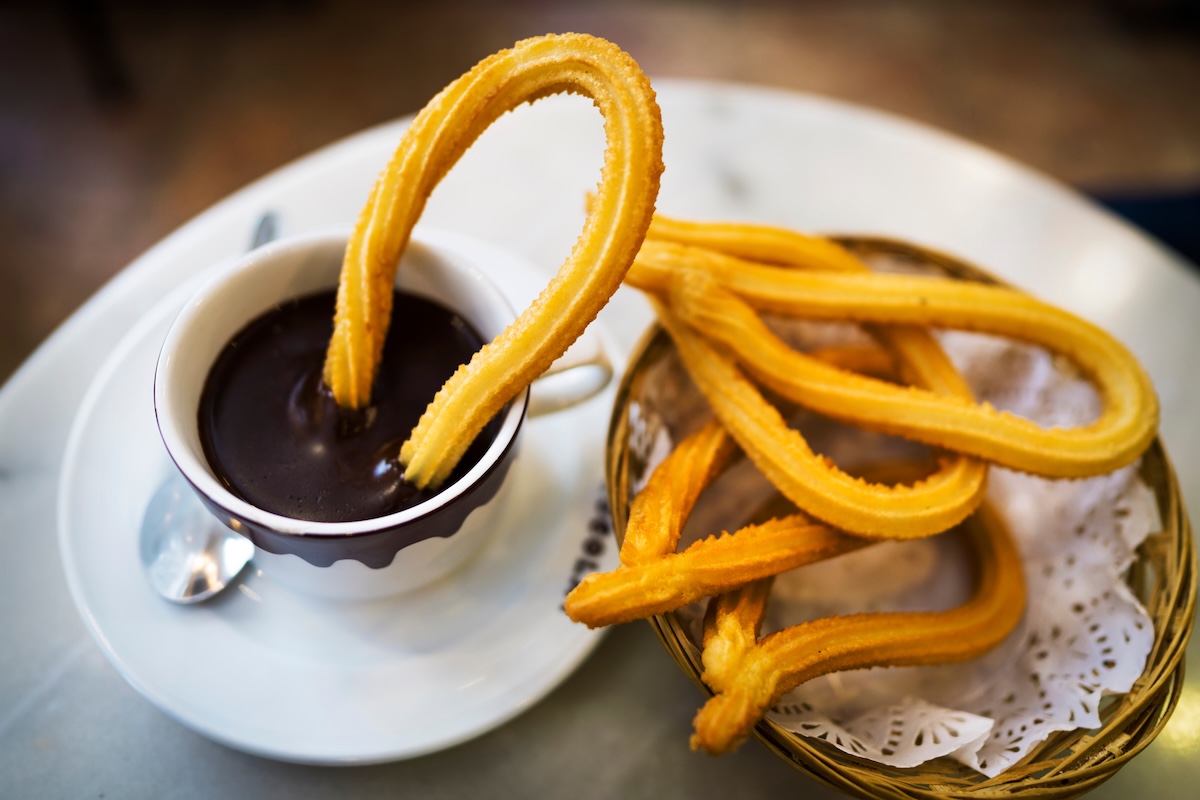
Barcelona’s chocolaterías have churros con chocolate waiting for you. Locals have loved this combo for generations.
Churros come together from flour, butter, water, and eggs, then get piped and fried until golden. What makes it magic is the thick, almost pudding-like hot chocolate for dipping. Honestly, you might question if it’s even a drink.
Churros are fair game any time—breakfast, afternoon snack, or late-night treat. The city’s got century-old spots and newer places with their own twists on the classic.
There’s something special about enjoying them after wandering the Gothic Quarter or Las Ramblas.
Naples, Italy — Sfogliatella
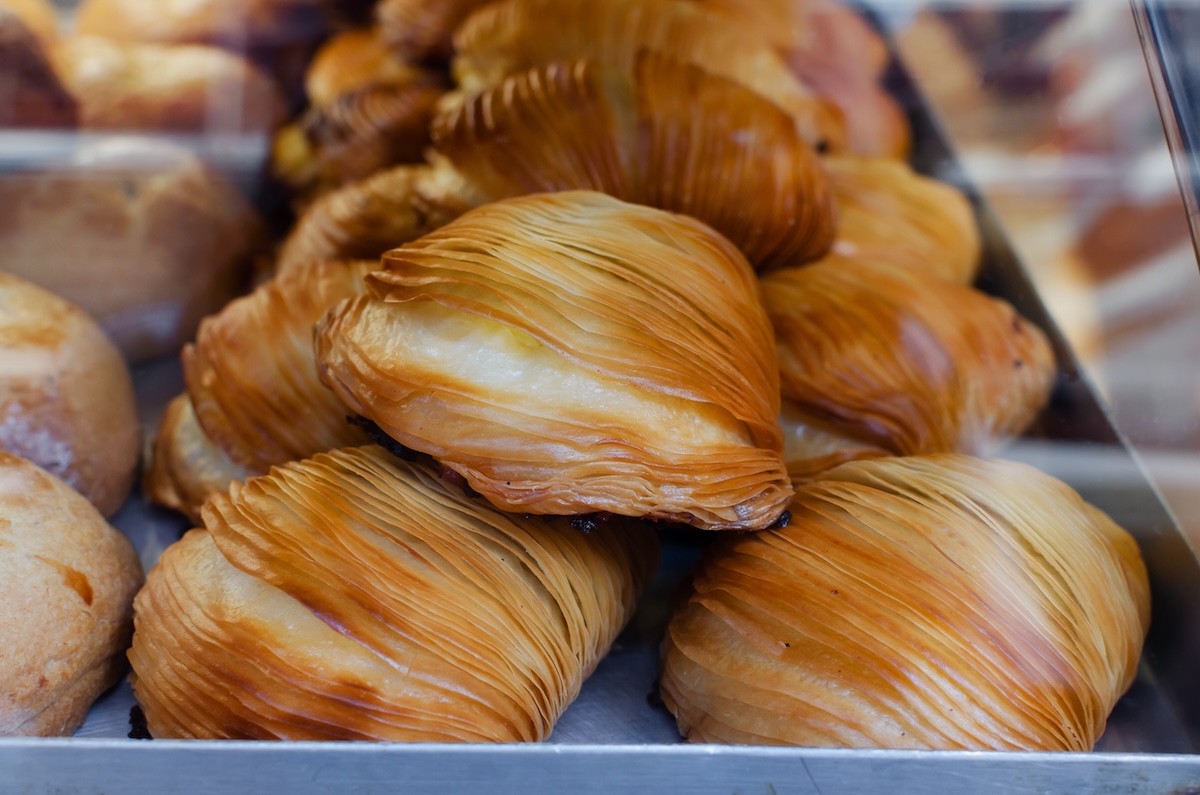
Naples’ crowded streets hide one of Italy’s best pastries: the sfogliatella. It’s shell-shaped, with crisp, flaky layers outside and a sweet ricotta filling inside.
There are two kinds. The riccia has crackly layers that shatter with every bite. The frolla is smoother, with a softer shell.
Grab your sfogliatella while it’s hot from the oven. Shops serve them warm, dusted with powdered sugar and wrapped in paper for eating on the go. Attanasio and Sfogliatella Mary are among the best—try them and you’ll get why this pastry’s a Naples staple.
The filling mixes ricotta, semolina, sugar, and sometimes candied citrus. Each bakery tweaks the recipe, so no two are exactly alike.
Rome, Italy — Pizza by Weight
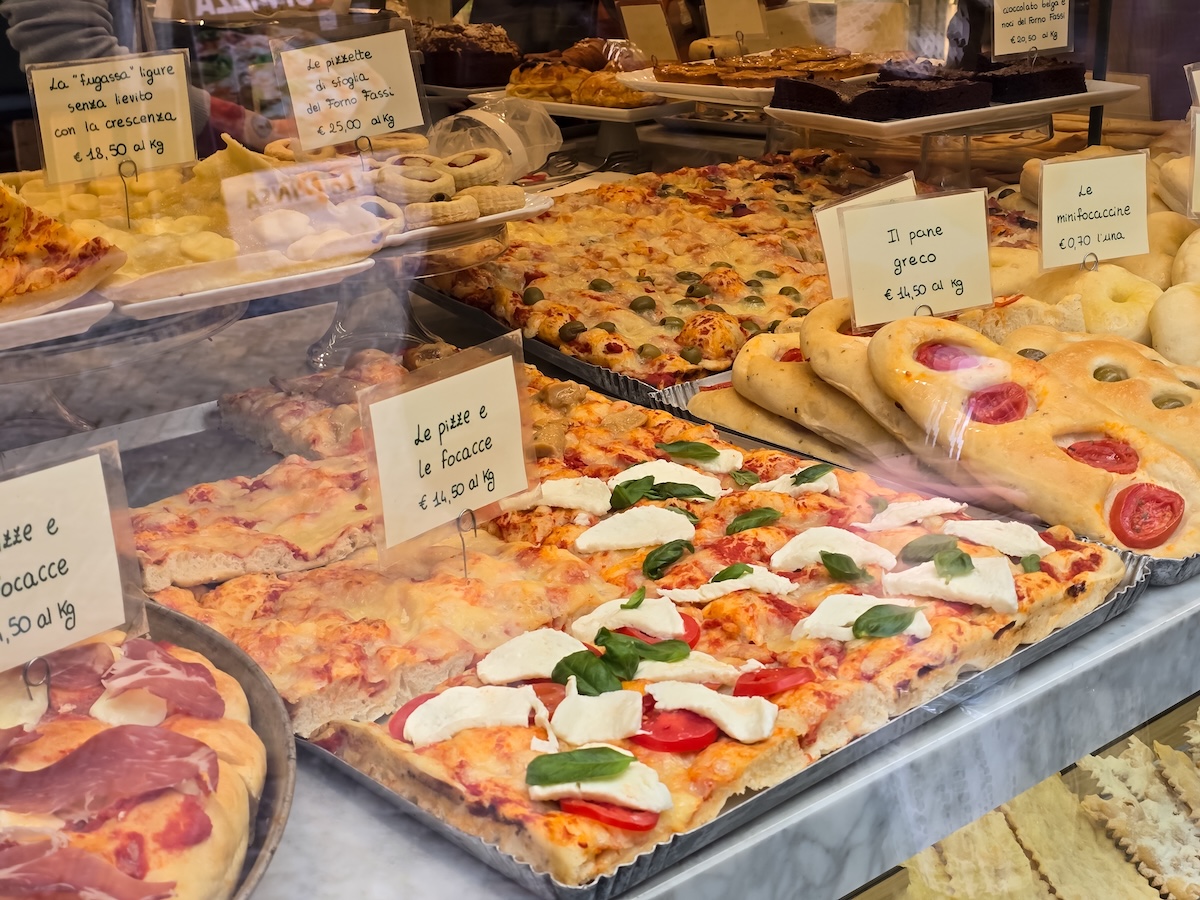
In Rome, you can’t skip pizza al taglio. It’s pizza by the slice, but not how you’d expect.
You point at what you want, and they cut a piece, weigh it, and charge you by the gram. It’s cheap, fast, and lets you taste a bunch of flavors without committing to a whole pie.
Pizzerias set out big rectangular trays behind glass. Toppings go from classic margherita to potato and rosemary. The crust is thicker than you’d think, light and airy.
Sicily, Italy — Arancini
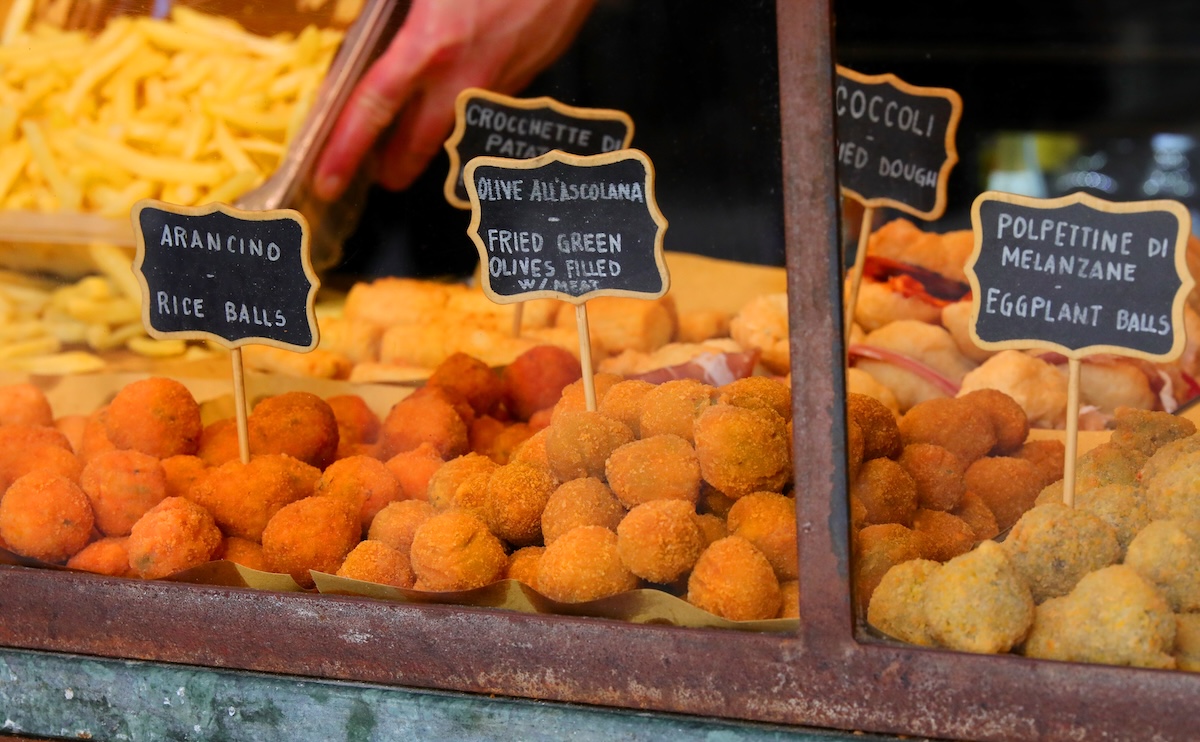
Sicily’s streets are packed with arancini—deep-fried rice balls with a crisp shell and a warm, savory core. Their name comes from their orange-like look.
These snacks go way back to Sicily’s Arab roots. Fillings run from meat ragù to mozzarella or spinach with béchamel. Some shops get creative and mix things up.
Locals have strong opinions about arancini. Palermo and Catania even argue over the name and the right way to make them. Grab one from a street vendor or bakery. They’re perfect as a snack or light meal, and the crispy outside with that rich filling is worth hunting down.
Sarajevo, Bosnia — Ćevapi with Ajvar and Kajmak
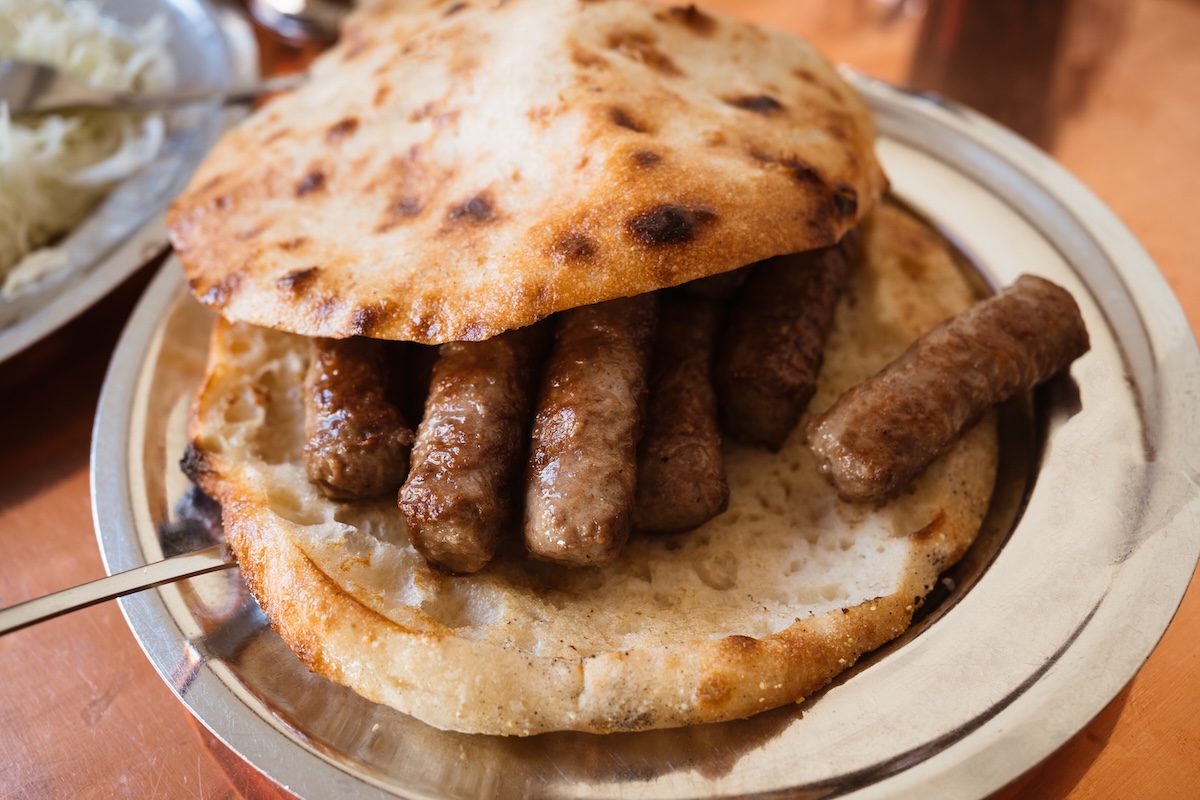
Sarajevo’s busy streets serve up some of the best ćevapi you’ll ever eat. These little grilled sausages are made from top-notch minced beef, mixed by hand with just salt and pepper, then cooked over an open flame.
They come tucked into soft lepinja flatbread, with chopped onions, creamy kajmak (think clotted cream), and tangy ajvar (red pepper relish) on the side.
It’s all quick and casual. Most places run like well-oiled street food joints—no long waits, just a steady buzz of locals and travelers crowding tables for the same thing.
The meat stays juicy, the bread soaks up the flavor, and the toppings bring it all together. Sarajevo really takes this dish to heart.
Budapest, Hungary — Lángos
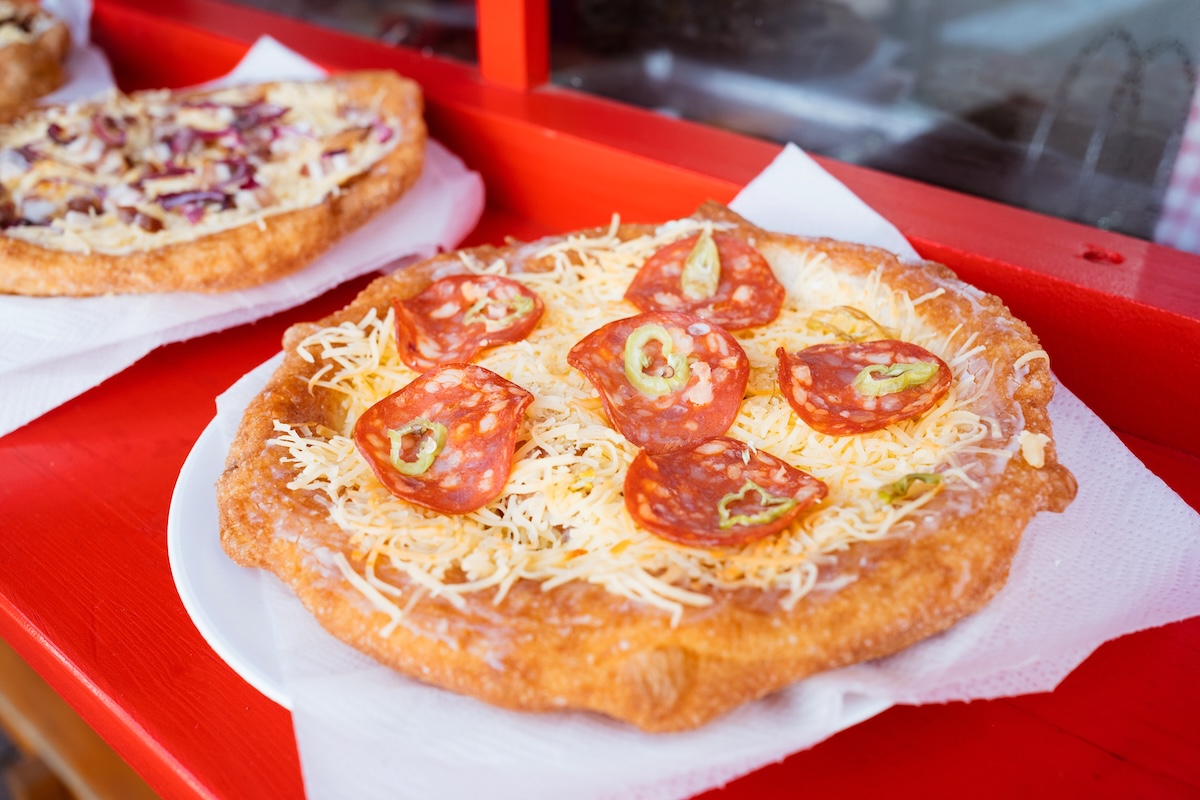
If you haven’t tried lángos in Budapest, you’re missing a classic. This deep-fried dough comes out crisp outside, soft inside, and gets topped with sour cream, cheese, and garlic.
You’ll find it everywhere. The Central Market Hall has the traditional stuff, and Street Food Karavan has creative versions if you’re curious.
Vendors stretch dough into flat discs and fry them up fresh. It’s warm, savory, and perfect for a quick lunch or snack while wandering the city. Locals eat it with their hands—don’t worry if it gets a little messy.
Lángos usually costs just a couple euros, so it’s an easy way to taste real Hungarian comfort food.
France — Croque Monsieur and Onion Soup
France does simple food better than just about anyone. The croque monsieur—basically a grilled ham and cheese—became an icon. It started showing up in Paris cafés around 1910 and never left the menu.
“Croquer” means to crunch, and that’s what you get: crispy bread, gooey cheese, and salty ham. It’s not fancy, just really well done.
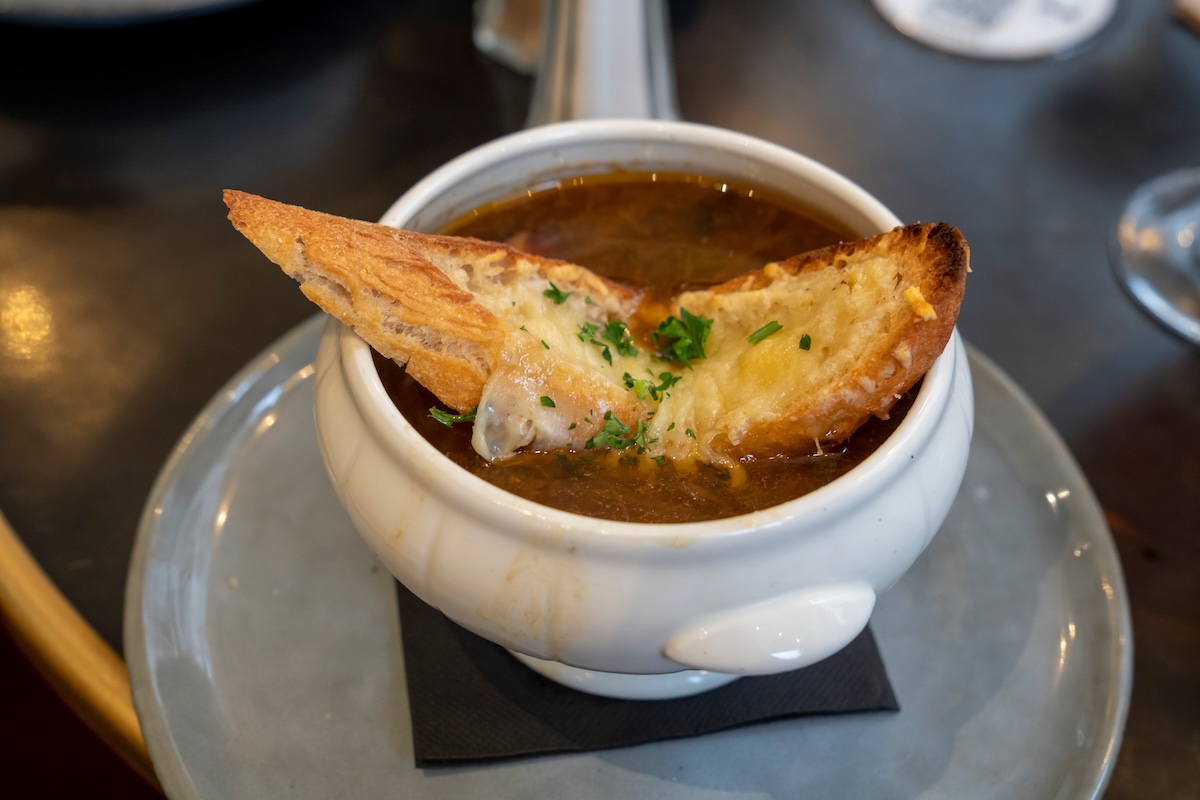
French onion soup is another must. Some travelers remember eating it under stained-glass ceilings in Paris, which, honestly, makes the memory even sweeter. Both dishes show off how France can turn humble ingredients into something you’ll want to fly back for.
Slovakia — Hot Chocolate

Bratislava’s hot chocolate isn’t your average powdered mix.
Cafés here melt real chocolate bars with cream or milk, stirring until it’s thick and smooth. Some use dark chocolate from South America; others blend milk and white chocolate.
Each café does it their own way and takes pride in the result. You’ll find cozy spots pouring it all over the city, especially when it’s cold out.
Travelers rave about Bratislava’s hot chocolate. Some even say it’s the best in Europe. The rich, velvety texture sets it apart from anything you’ll find elsewhere.
Switzerland — Raclette
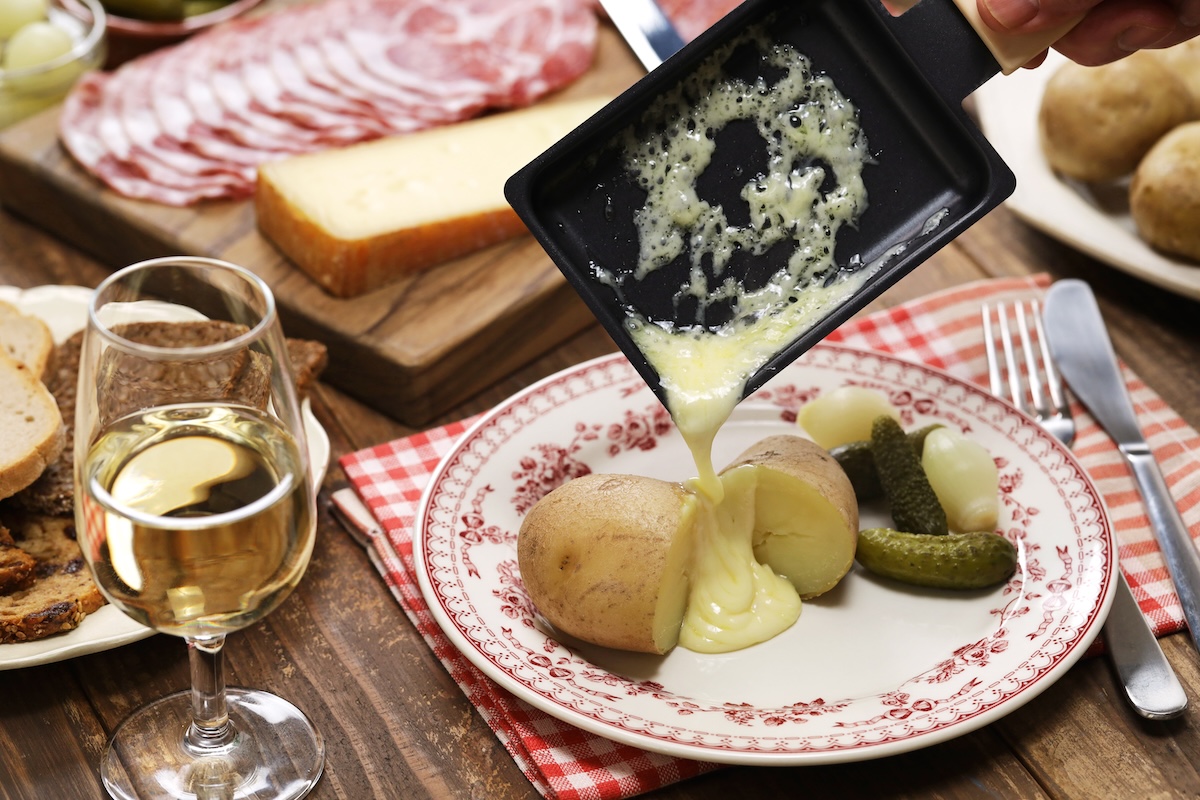
You haven’t truly experienced Switzerland until you’ve watched a half wheel of cheese melt over an open fire. Raclette is one of those foods travelers just can’t stop talking about, even years after visiting.
This dish started in the alpine villages of Valais, tucked away in southwestern Switzerland. Locals don’t wait for a holiday—they’ll scrape that gooey cheese onto plates any old day, usually with potatoes, pickles, and some cured meats on the side.
You’ll spot raclette everywhere: cozy mountain huts, swanky restaurants, even at random festivals. Some places keep it old-school with a fire, while others use electric grills. But honestly, the real magic is watching someone heat and scrape the cheese for you, right there at your table.
Swiss folks eat about 50 pounds of cheese each year, so they definitely know what they’re doing. If you’re after the real raclette experience, skip the tourist traps and find a local spot—it’s just better that way.