
Time travel might not be possible, but visiting America’s oldest cities comes pretty close. These destinations have been welcoming visitors, settlers, and the occasionally confused tourist for centuries. From Spanish conquistadors planting flags in Florida to Pilgrims stepping off boats in Massachusetts, these cities witnessed America’s messy, complicated, and fascinating beginnings.
Each one tells a different story about how Europeans stumbled, settled, and eventually figured out how to make this whole “New World” thing work. Luckily, they’ve added modern amenities like Wi-Fi and decent coffee since their founding days, but walk down their historic streets and you’ll still feel echoes of their ancient past. Let’s see what the oldest of the old have to offer!
20. Newport, Rhode Island (1639)
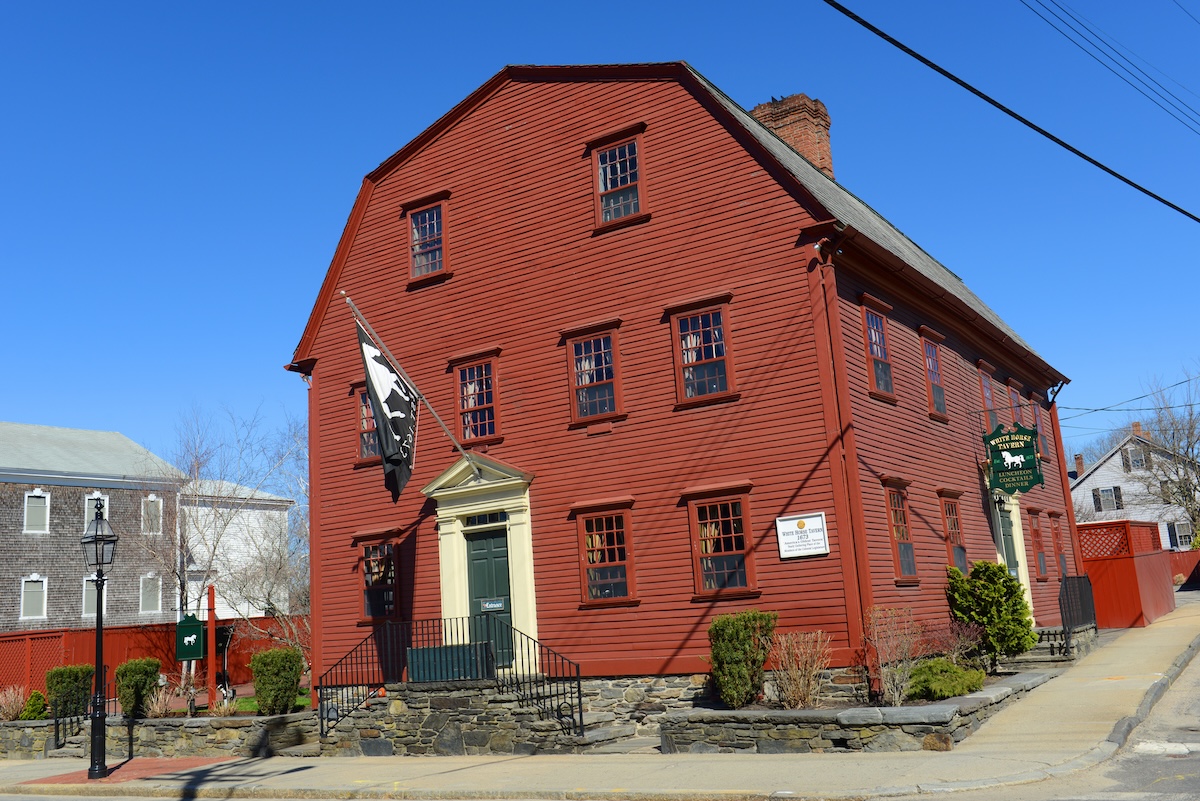
Founded in 1639, Newport sits at the southern tip of Aquidneck Island. Walking through the city, you’ll spot some seriously old buildings.
Back in the 1700s, Newport thrived as a major port. Ships came from everywhere to trade goods, and you can see that history in the cobblestone streets and along the waterfront.
There are impressive Gilded Age mansions and narrow lanes lined with colonial homes. The Newport Colony House, built in the 1730s, still stands as one of America’s oldest statehouses.
Today, maybe you’re drawn in by the beaches or music festivals, but the city’s past is right there in the open, impossible to miss.
19. Providence, Rhode Island (1636)

Roger Williams founded Providence in 1636, hoping to create a place where people could practice their beliefs freely.
Williams landed here after Massachusetts Bay Colony kicked him out. He called the area “Providence,” believing it was a gift from God.
Providence sits at the head of Narragansett Bay, a smart spot for trading and building a new community. Over the years, the city grew into a center for industry and culture in Rhode Island.
Even now, you’ll catch glimpses of its long history in the old streets and buildings. The city mixes its past with new energy and creativity—it’s got a vibe all its own.
18. Green Bay, Wisconsin (1634)

If you visit Green Bay, you’re stepping into Wisconsin’s oldest city. The story goes back to 1634, when French explorer Jean Nicolet arrived at the shores of what’s now Green Bay.
The city sits at the mouth of the Fox River on Lake Michigan. Long before Europeans showed up, Native Americans like the Menominee and Ho-Chunk lived here for ages, drawn by the land’s rich resources.
Nicolet came on behalf of the French to meet local tribes and scout out new trade routes. They called the spot La Baye Verte, or “The Green Bay,” because of the water’s color.
The area grew into a fur trading hub, attracting more settlers. These days, Green Bay keeps traces of its early roots, but it’s definitely a lively Wisconsin city now.
17. Windsor, Connecticut (1633)

Windsor claims the title of the state’s oldest English settlement. Founded in 1633, settlers picked this spot where the Farmington and Connecticut Rivers meet—fertile land and easy access for trading drew them in.
Native peoples lived here long before. English settlers, including a group led by Reverend John Warham, arrived and started building a community. You’ll still spot historic sites around town, like the site of the first trading post.
Windsor today feels like a blend of old and new. Colonial homes and monuments from the 1600s mix with modern neighborhoods. If you love history, the museums and old buildings here make it easy to imagine early Connecticut life.
16. Williamsburg, Virginia (1633)

Williamsburg’s roots run back to 1633, when it started out as Middle Plantation—one of America’s earliest European settlements.
After Jamestown’s government buildings burned in 1698, Williamsburg became Virginia’s new capital and took its name from King William III in 1699.
You can still spot old colonial buildings, thanks to the town’s commitment to preserving its past. The College of William & Mary, founded in 1693, sits right in the middle of things and claims the title of second-oldest college in the U.S.
Williamsburg isn’t just old—it’s a piece of early American life you can walk through today.
15. Boston, Massachusetts (1630)

Boston stands out as one of the country’s oldest cities. Founded in 1630 by English Puritans searching for a new home, it’s been central to American history ever since.
You can walk the same streets where big moments unfolded—think Boston Tea Party, Boston Massacre, all that. Boston quickly turned into a hub for business and learning in New England.
Many oldest neighborhoods and buildings still stand. If you visit, you’ll notice how modern life weaves right into its long history. It’s a city that wears its past on its sleeve.
14. Gloucester City, New Jersey (1627)

Visit Gloucester City and you’ll find deep roots by the Delaware River in Camden County. The Dutch first settled here in the 1620s, building Fort Nassau for trading.
The city changed hands a few times—Dutch, Swedes, and later the English all claimed it. Today, you’ll spot reminders of its long past downtown and along the waterfront. Gloucester City might not get as much attention as other old towns, but its streets have a quiet, lived-in history.
13. Salem, Massachusetts (1626)

Salem’s name brings the witch trials to mind, but there’s more to its story. Settled in 1626, Salem began as a fishing village called Naumkeag. Roger Conant and his group picked the spot after leaving a failed settlement at Cape Ann.
Salem’s name later came from a word meaning “peace.” By the late 1600s, it had grown into a small but busy seaport.
You can still see traces of its early days—old buildings, historic streets, and that unmistakable sense of place. Salem’s early start and role in American history make it a fascinating place to wander or read about.
12. Quincy, Massachusetts (1625)

Just south of Boston sits Quincy, first settled by colonists in 1625. Back then, people called it Mount Wollaston.
The city got its current name later, after Colonel John Quincy. Two U.S. presidents—John Adams and John Quincy Adams—were born here, so folks sometimes call it the “City of Presidents.”
Walking around Quincy, you’re surrounded by American history. The city played a big role in shaping the country’s early days. It even had the Granite Railway, one of America’s first railroads, built in the 1820s. Not bad for a Boston neighbor.
11. New York City, New York (1624)

You know New York City as the largest city in the United States, but its story kicked off way back in 1624. Dutch settlers got things rolling when they set up a trading post called New Amsterdam at the southern tip of Manhattan.
Things started off pretty small, mostly focused on the fur trade. Over the years, different groups—like the English in 1664—took over and shaped the city with new buildings and faces.
If you wander downtown, you might spot traces of those early days in places like Stone Street. Sure, the city’s changed a lot, but some old corners still hang onto that centuries-old vibe.
Now, more than eight million people call New York City home, but it all started with just a handful of settlers on a tiny island. You can still feel the city’s history woven into its streets and neighborhoods—if you know where to look.
10. Kittery, Maine (1623)

Kittery might not grab headlines like its flashier New England neighbors, but this coastal town has been quietly perfecting the art of seaside living for four centuries. The Piscataqua River meets the Atlantic Ocean here, creating a maritime atmosphere that feels both timeless and refreshingly unpretentious.
Fort McClary Historic Site overlooks Portsmouth Harbor from its rocky perch, where military structures spanning three centuries tell stories of coastal defense while the Kittery Trading Post has been outfitting outdoor enthusiasts since 1938. The Kittery Outlets transform this historic settlement into a shopping destination, but don’t let the modern retail fool you because if you peek between the stores and you’ll find remnants of the town’s ancient past still holding strong.
9. Weymouth, Massachusetts (1622)

Two years after the Mayflower gang made their famous landing, Weymouth had its rocky start. The town’s founders probably didn’t expect their settlement to eventually become part of greater Boston’s suburban sprawl, but that’s progress for you. For a special dose of American history, you can pay a visit to the birthplace of Abigail Adams, one of only 2 women who can say they were the wife of a president and gave birth to another.
The waterfront area maintains its connection to the sea through marinas, restaurants, and recreational activities that celebrate the town’s maritime heritage. The park’s trails and ponds offer an escape from urban development while showcasing natural features that attracted those original settlers.
8. Plymouth, Massachusetts (1620)

Everyone knows Plymouth’s claim to fame and it has embraced its role as America’s hometown with good humor and plenty of tourist attractions. Plymouth Rock might be smaller than expected and most visitors express surprise that this famous landmark fits under a modest pavilion. The actual rock’s authenticity remains debatable, but the symbolism remains powerful enough to attract thousands of annual visitors seeking connection to America’s founding story.
A more impressive attraction is the Mayflower II, a full-scale replica of the original ship, complete with costumed interpreters who explain 17th-century sailing life. The living history approach brings Plymouth’s founding era to life while acknowledging both European and Indigenous perspectives on this complicated chapter.
7. Jersey City, New Jersey (1620)

Jersey City’s age might surprise people who associate it primarily with Manhattan views and PATH train commutes. The Dutch established a trading post here in 1618, though the city’s modern identity bears little resemblance to its colonial origins.
Liberty State Park offers spectacular views of the Statue of Liberty and Ellis Island, creating one of America’s most patriotic photo opportunities. The waterfront has also undergone dramatic transformation from industrial wasteland to luxury residential and commercial development. Glass towers and upscale restaurants now occupy land where Dutch traders once conducted business with local Indigenous peoples.
6. Albany, New York (1614)

Albany’s strategic location at the Hudson River’s navigable limit made it a natural trading center, a role it maintains today as New York’s capital city. The Dutch established Fort Nassau here, though the settlement changed hands and names several times before becoming Albany.
The New York State Capitol building dominates the city’s skyline today with its elaborate architecture and political significance. Historic Cherry Hill preserves a colonial mansion and its surrounding grounds, offering glimpses into how wealthy families lived during Albany’s early centuries. The Riverfront revitalization projects balance historic preservation with contemporary urban development, giving it that distinctly “New York” vibe.
5. Hopewell, Virginia (1613)

Hopewell’s industrial character might seem at odds with its colonial origins, but this James River city has always been about commerce and production. The settlement began as a trading post and evolved into a major manufacturing center, particularly during both World Wars.
One of the most significant spaces is City Point National Cemetery, which honors Civil War soldiers in a setting that witnessed significant military activity. The Hopewell Visitor Center also occupies a restored train depot that celebrates the city’s transportation heritage. Railroad history displays and local artifacts help visitors understand how geography and commerce shaped this ancient settlement’s development.
4. Hampton, Virginia (1610)

Hampton’s location near the mouth of the Chesapeake Bay made it a natural landing spot for English colonists seeking to establish permanent settlements. The city has maintained its connection to both military history and space exploration throughout its four-century existence.
Fort Monroe National Monument preserves the largest stone fort ever built in America while NASA Langley Research Center puts Hampton at the forefront of aerospace technology. The Hampton History Museum occupies a modern building but tells ancient stories through artifacts and exhibits that span from Indigenous peoples through modern times. Nowhere else in America does the past and the future collide in quite such a formidable way.
3. Santa Fe, New Mexico (1607)

The unmistakable adobe architecture and high-desert setting of Santa Fe create an atmosphere unlike any other American city, ancient or modern. The Spanish established this settlement as a colonial capital in the early 1600s, and it remains New Mexico’s seat of government today.
The Palace of the Governors claims to be America’s oldest continuously occupied public building, housing Spanish, Mexican, and American territorial governments since 1610. The building now serves as a history museum with exhibits that span multiple centuries and cultures. The city transformed from a humble Hispanic village to a vibrant city, and it remains one of the most charming spots in the state.
2. Jamestown, Virginia (1607)

Jamestown holds the distinction of being America’s first permanent English settlement, though “permanent” proved relative given the challenges those early colonists faced. If the only reference you have to this city is Pocahontas, you are off to a good start but there is still much to learn.
At the Jamestown Settlement living history museum you can experience recreated colonial life through period buildings, costumed interpreters, and hands-on demonstrations. The museum’s approach makes 17th-century challenges and achievements tangible for modern visitors. It has come a long way since its 1607 beginnings, but this is one of the best places to get a truly immersive experience of America’s founding years.
1. St. Augustine, Florida (1565)

St. Augustine wins the age contest by a comfortable margin, predating the next oldest American city by over 40 years. The Spanish established this settlement as a military outpost, and it has been continuously inhabited ever since, making it America’s oldest city by any measure.
Castillo de San Marcos National Monument showcases Spanish colonial military architecture with walls that have withstood centuries of attacks, storms, and tourists. The Fountain of Youth Archaeological Park might not deliver eternal youth, but it offers beautiful gardens and historical exhibits on the site where Spanish explorers first landed. Walking through St. Augustine feels continents and centuries apart from modern America, but it might just be the best place to truly appreciate how far the country has come.