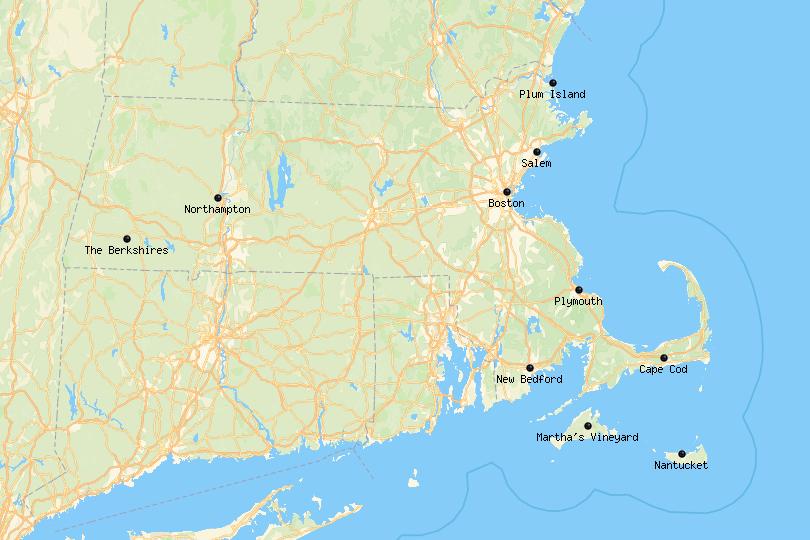
Massachusetts is made for history lovers. After all, the Pilgrims landed here in 1620; its colonial residents were a force to be reckoned with during the American Revolution. But the “Bay State” also boasts a vibrant cultural scene, through the visual, written and performing arts. And nature isn’t forgotten either, with an abundance of hiking trails, bird watching and beach activities. An overview of the best places to visit in Massachusetts:
10. Plum Island
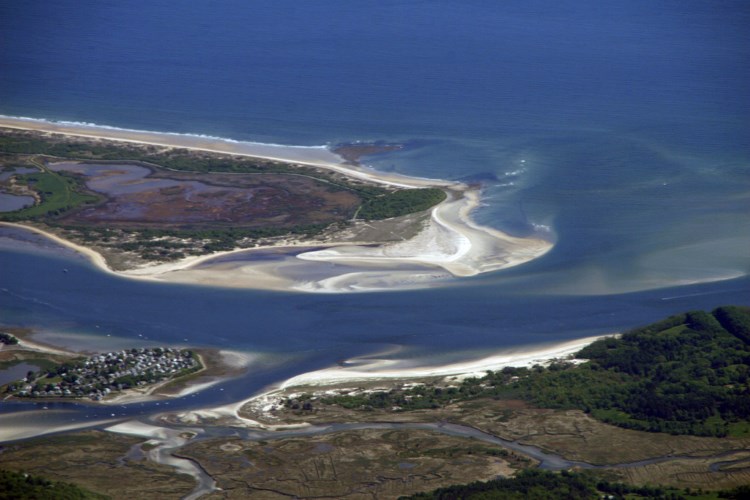
Plum Island is a great destination for nature lovers. It’s a bird watcher’s paradise; a haven for migrating birds and a breeding ground for shorebirds. Joined to northeast mainland Massachusetts by a single bridge from Newburyport, even the island’s name suggests a connection with nature: It was named after the beach plums that grow on the sand dunes.
Public beaches are plentiful, and the fishing, whether from the shore or boat, is great. The coastal ecology is delicate; visitors can only access the sand dunes by boardwalk. There are numerous lodging options on the island, including bed and breakfasts, inns, and rental cottages. In addition, there is a population of year-round residents.
9. The Berkshires
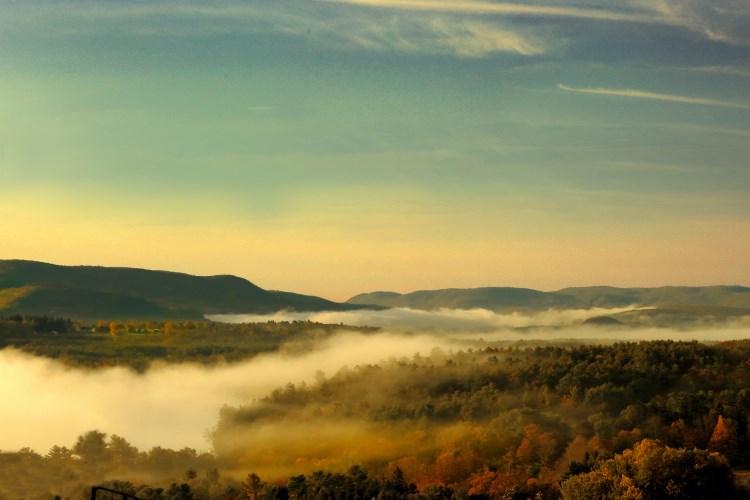
Nature and the arts exist compatibly in the Berkshires, a hilly area in western Massachusetts. Most of the hills are under 1,200 feet (360 meters) high though a couple do climb higher to the sky. The Berkshires are filled with hiking trails, including parts of the Appalachian Trail.
The highest waterfall in Massachusetts, Bash Bush Falls, is located here. Travelers who get tired of hiking can take in an art museum or two, including the Norman Rockwell Museum, or a concert at Tanglewood Music Center. The Boston Symphony Orchestra makes its summer home in the Berkshires.
8. Northampton
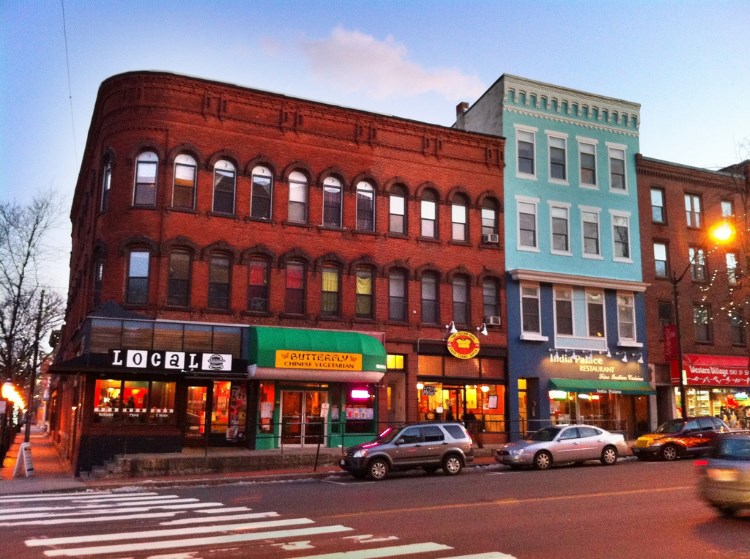
Northampton is a charming college town in the Pioneer Valley with a picturesque and vibrant downtown, consisting of numerous art galleries, restaurants and quirky shops sprinkled among coffee shops and performing arts venues. It is home to Smith College, a prestigious women’s college.
The presence of college students and their professors gives the town a distinctly liberal political atmosphere. More than 20 percent of Northampton is devoted to open space and greenways, which make strolling a delight. Cultural activities include a vibrant music scene and annual film festival.
7. Nantucket
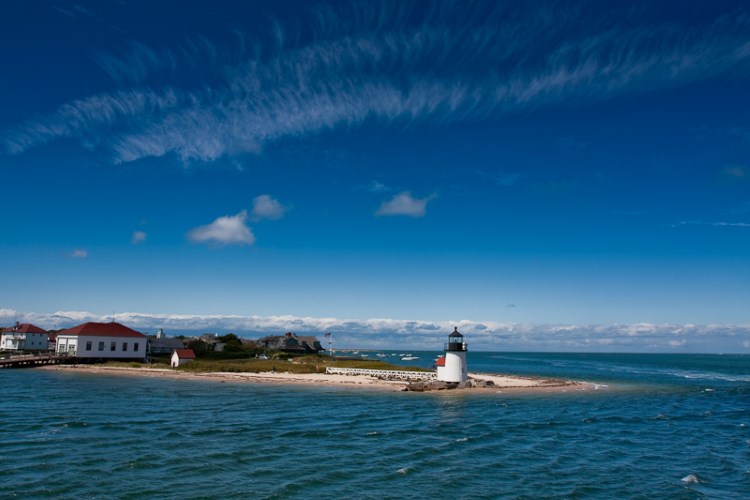
In the early 1600s, Nantucket Island was a refuge for Native Americans who wanted to escape the European settlements on mainland Massachusetts; its name is derived from an Algonquin word. Today it is a playground mainly for the wealthy, having one of the highest home property values in the United States.
Nantucket is a popular summer tourist destination with a population that jumps from almost 11,000 year-round residents to 50,000 in the summer. It offers quiet harbors, dramatic cliffs, sandy beaches, lighthouses, beautiful old mansions and gardens. The island is popular also with artists and writers, as well as visitors who for the annual summer music festival.
6. New Bedford
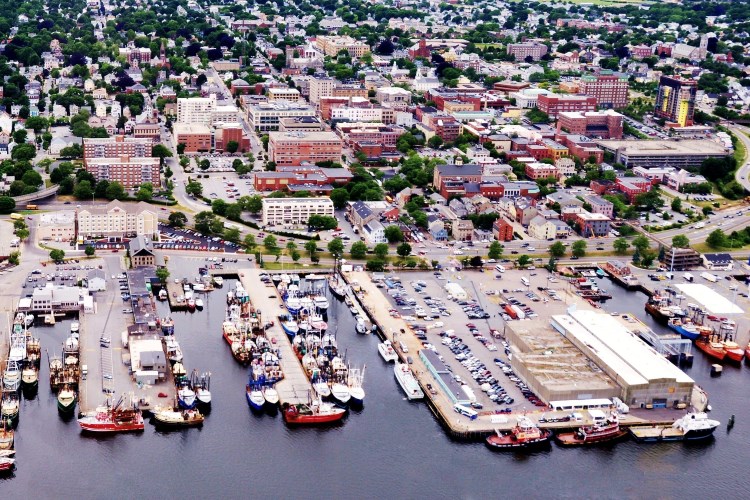
New Bedford, the 6th largest city in Massachusetts, is known as “the whaling city” as it was one of the most important whaling cities in the world during the 19th century. The New Bedford Whaling Museum is the largest museum in the United Sates devoted to whaling; it has whale skeletons on display. Across the street from the museum, Seamen’s Bethel is the chapel that was immortalized in Moby Dick.
Visitors can also tour a whaling merchant’s home as well as museums devoted to art and firefighting equipment. The city also has its quaint side with several districts that are deemed historically valuable.
5. Martha’s Vineyard
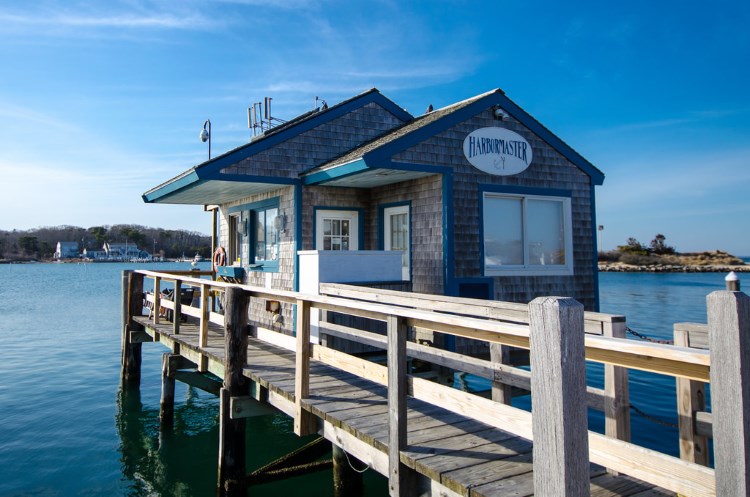
New England’s largest island, Martha’s Vineyard is a popular summer destination for the wealthy, including numerous celebrities who have homes here. Martha’s Vineyard was the setting for the first Jaws movie in 1974, with some scenes also included in the two sequels.
Located 7 miles (11 km) off Cape Cod, the island is accessible by boat (public ferries leave from several places on Cape Cod) or air. The island boasts great beaches for swimming or surfing, panoramic views of the Atlantic from cliffs on the island, an outdoor tabernacle and several notable lighthouses, including at Edgartown.
4. Salem
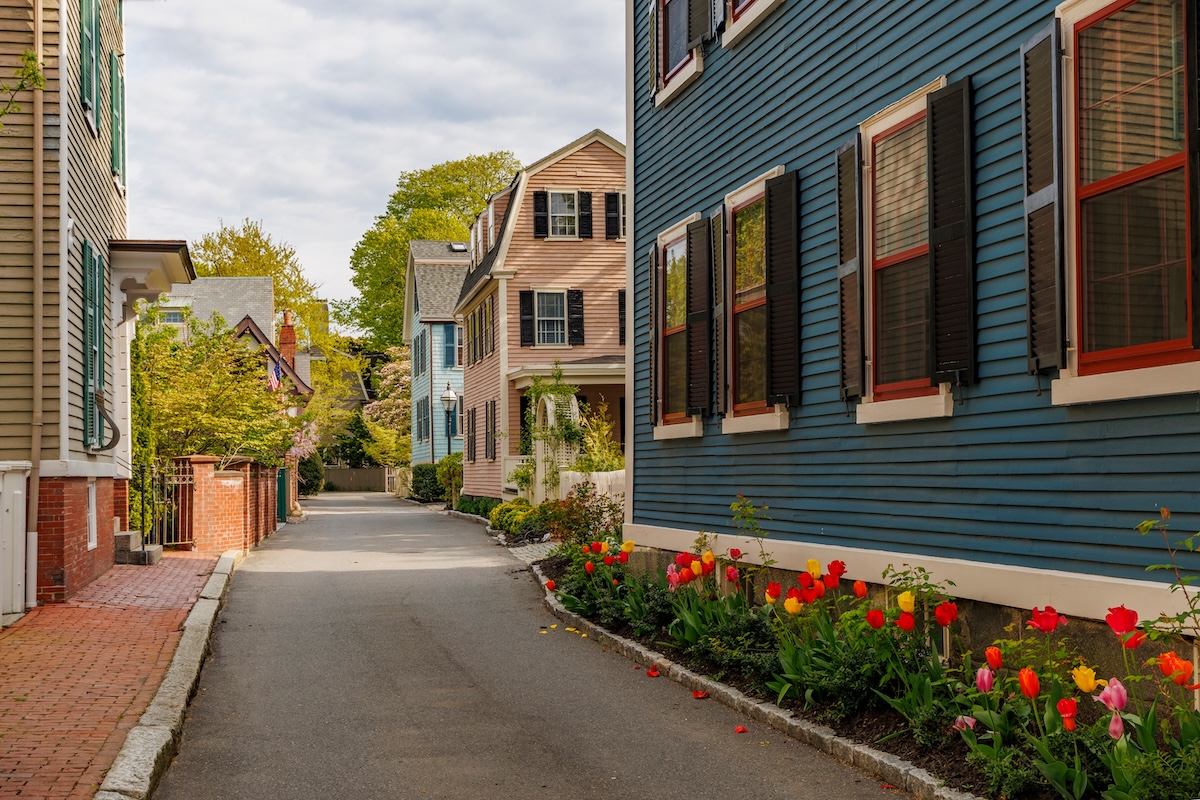
Travelers who aren’t afraid of ghosts and goblins may want to spend Halloween in Salem, home of the famous witchcraft trials in the days when Puritans ruled the city. Haunted happenings take place all over Salem then, but those who visit at other times can learn about witches at a special museum devoted just o them.
Salem also was the setting for Nathaniel Hawthorne’s The House of the Seven Gables, which is an historic house worth visiting. Oysterfest, which celebrates the bivalve, takes place every September. Art shows and theatrical productions are popular events throughout the year.
3. Plymouth
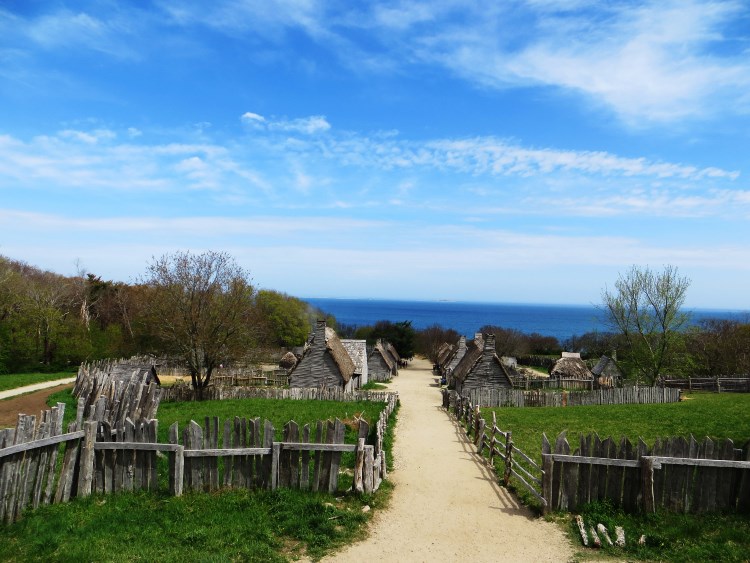
Plymouth is where it all began back in 1620. Travelers can transport themselves back in time at Plimouth Plantation, a living history museum that shows how the Pilgrims lived in 1627. Next comes a tour of Mayflower II, a replica of the ship that carried the Pilgrims to the New World.
Or they can be one of the estimated one million visitors a year to Plymouth Rock, the site where the Pilgrims supposedly stepped ashore. Travelers can also tour a cranberry farm, visit historic homes or play a round of golf on more than a dozen courses.
2. Cape Cod
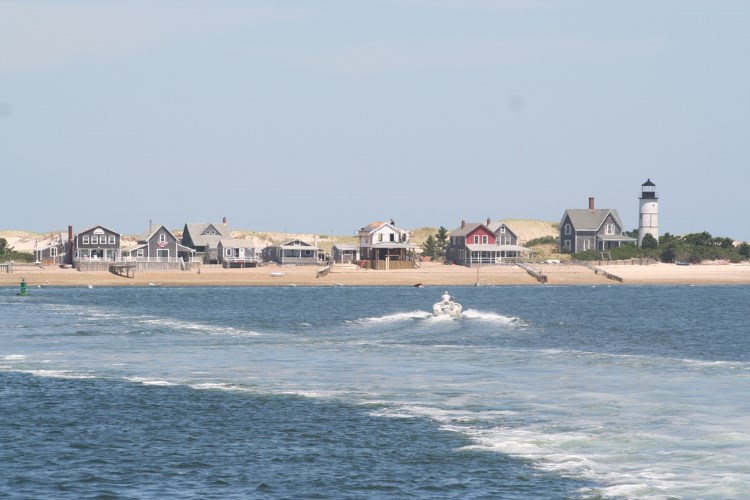
Cape Cod is an arm-shaped peninsula located on the easternmost part of Massachusetts. It has developed into one of the most popular places to visit in Massachusetts in the summer. Lighthouses, cranberry bogs, swimming beaches, and walking and biking trails dot the Cape Cod National Seashore. The popular resort town of Provincetown, at the very tip of the peninsula, is the site of the first landing of the Pilgrims.
While Cape Cod is known for its artist colonies and quaint villages, its village of Hyannis, part of the cape’s largest town of Barnstable, put the cape on the map because it is the summer home of the Kennedy family. It is also a good jumping off place to reach Massachusetts’ outer islands.
1. Boston
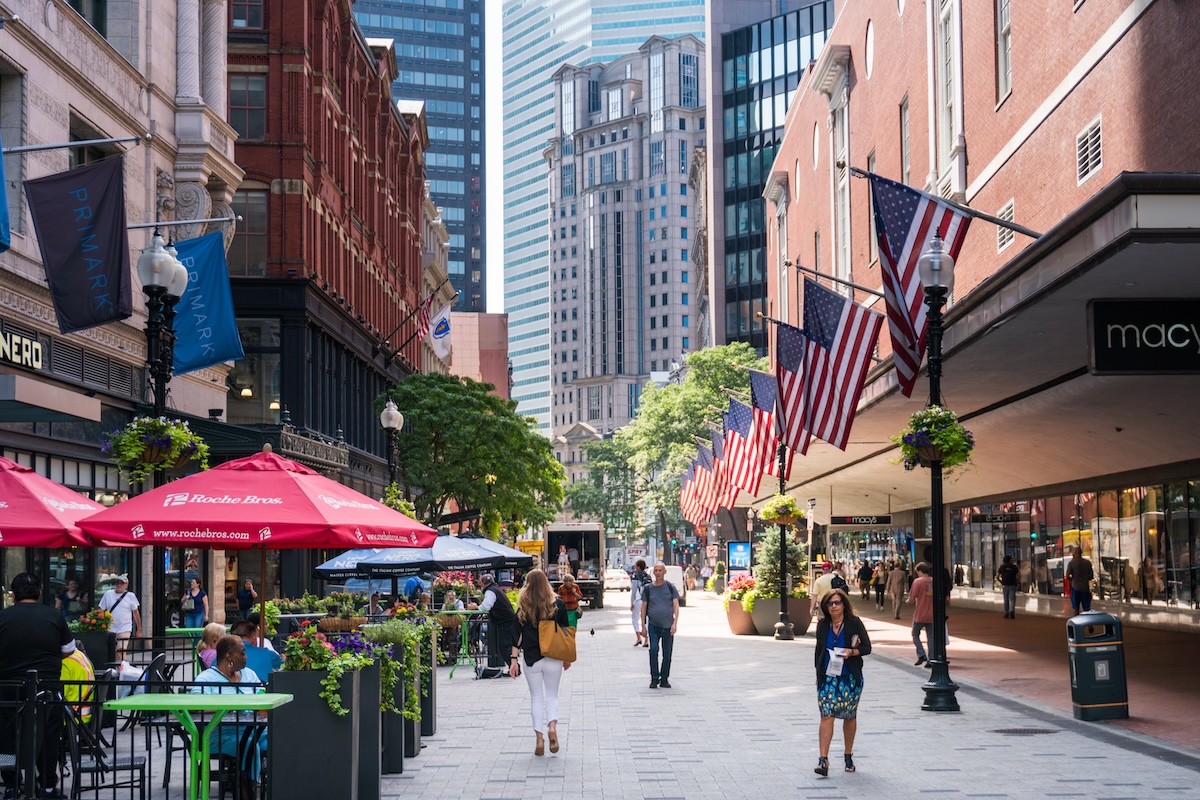
Boston is loaded with history, from being one of the oldest cities in the United States (the city was founded in 1630) to hosting the world’s most famous tea “party.” Visitors can relive Boston’s participation in the American Revolution by walking the Freedom Trail. But the commonwealth’s capital is so much more than history.
The capital and largest city in Massachusetts as well as the largest city in the New England also is home to successful professional athletic teams as well as the Boston Pops Orchestra. Whether travelers are visiting Paul Revere’s house or Fenway Park, cultural activities and fine dining opportunities abound in this eastern city by the bay.