
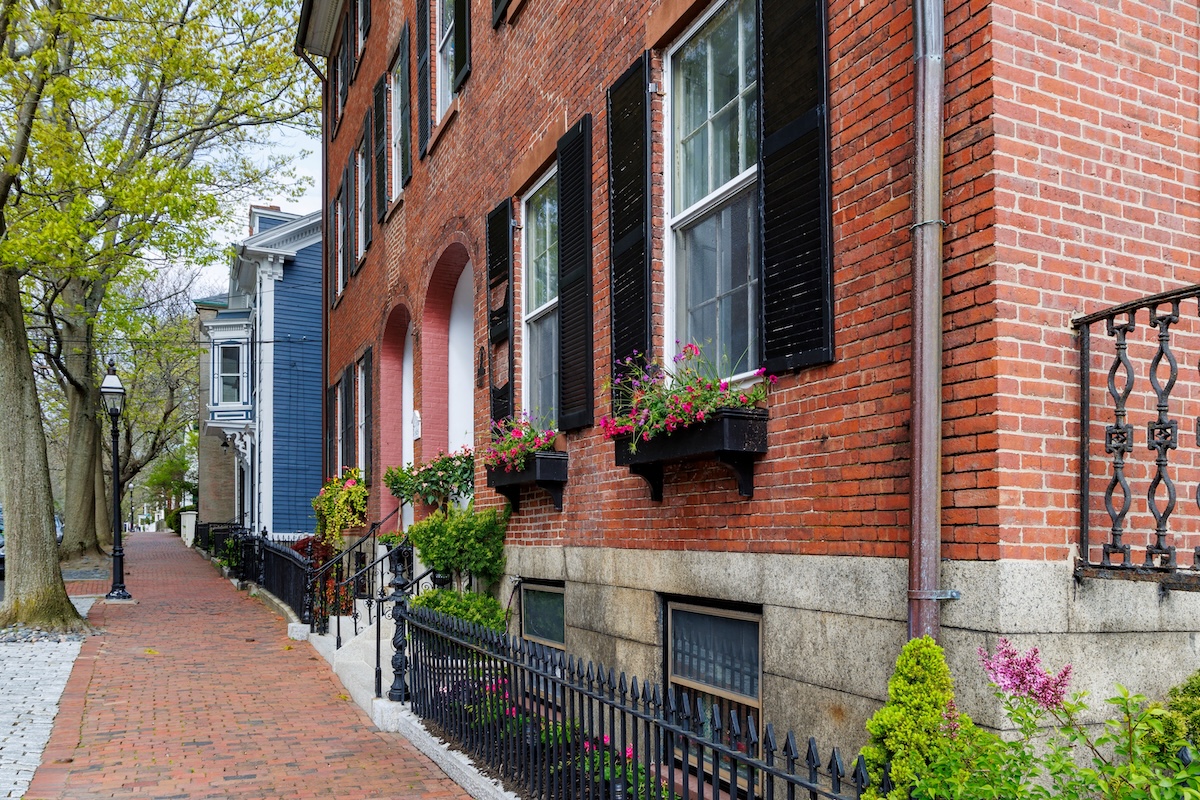
Cobbled streets, centuries-old buildings, and a lingering sense of mystery make this one of New England’s most fascinating destinations. History is woven into almost every corner, creating an atmosphere that feels both captivating and unforgettable.
Located along the coast of Massachusetts, Salem is forever linked to the infamous Salem witch trials of 1692. Rather than shy away from its past, the city has embraced it, turning its history into one of its defining attractions while preserving much of its colonial-era character.
Beyond the witch trials, Salem also has a rich maritime heritage. Its historic waterfront, old custom houses, and centuries-old architecture reveal a prosperous seafaring past that helped shape one of the most distinctive towns in the United States.
Bewitched Statue of Elizabeth Montgomery
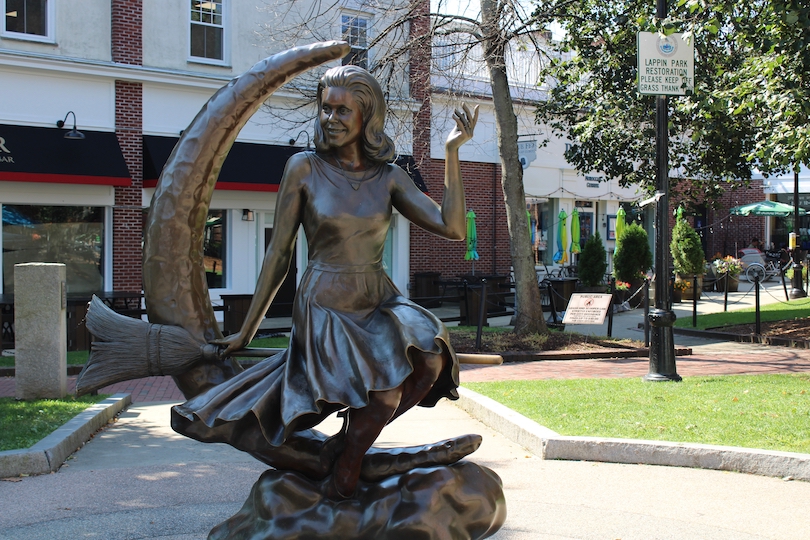
In a city famed for its witches, you may still be surprised to stumble upon the Bewitched Statue of Elizabeth Montgomery. But where else should we honor one of the most iconic made-up witch in the history of television?
For the uneducated, Elizabeth Montgomery played the role of Samantha on Bewitched, which had a successful run from 1964 to 1972. There were even episodes of the show filmed right here in Salem.
The statue stands at six feet and cast in bronze. It was first revealed to a large audience in 2005 and today you can find it at the Essex Street Pedestrian Mall. For those who remember the twitchy-nosed star, will have a wonderful time getting a photo with the beautiful statue.
Salem Witch Museum
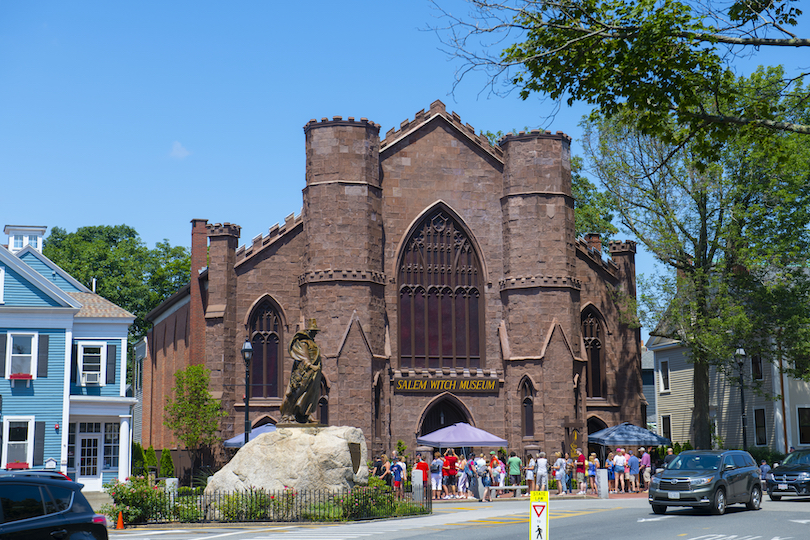
A combination of moving presentations, the Salem Witch Museum explores both the town’s history with witches and the evolution of them through history. The experience begins by entering a darkened room where you’ll be met with 13 life-sized humans that are illuminated in line with the recorded narration.
Each diorama plays a role in telling the story about the Salem Witch Trials, focusing on the hysteria within the neighborhood and the events of the trials themselves. Keep in mind that it can be spooky for young kids. The second stop explores the perception of witches. Discover the witch hunts that also took place in Europe and their role in pop culture. After getting up to speed, head over to the gift shop for all your witch-related souvenirs.
Witch House
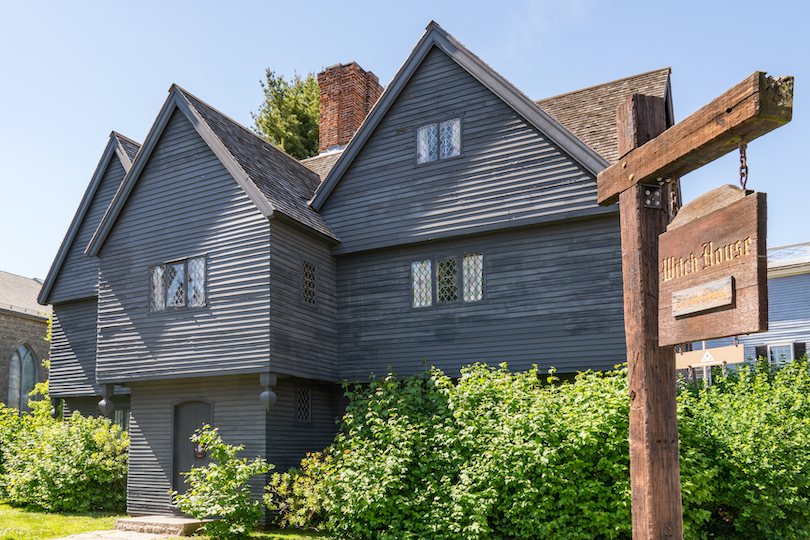
As the only remaining home with direct ties to the infamous Salem Witch Trials in 1692, the Witch House is a must-visit. The home was originally built as early as 1620, when it was bought by the Corwin family who would live in the house until well into the 19th century.
The most famous of the Corwins was Jonathan, who resided here during the Salem Witch Trials. At the time, he was a local merchant who then presided over the trials and eventually ruled against the 19 innocent people who were sent to their death. Jonathan Corwin would go on to serve in the Superior Court and the Judge of Probate.
As you tour the home, it will take you on a journey back to that haunted era as you learn about the trials and everyday family life.
Peabody Essex Museum
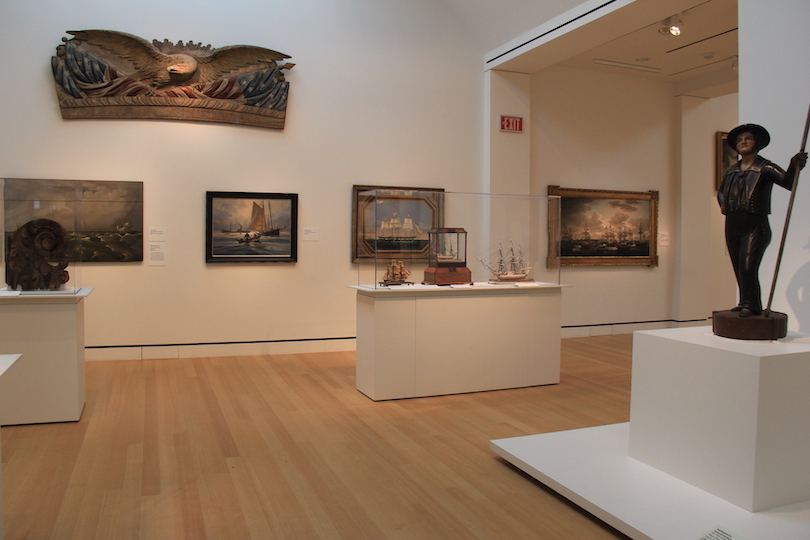
One of the largest and most respected museums in the United States, the Peabody Essex has a number of exceptional collections. The museum’s esteem comes from the combination of two beloved museums, the Peabody Museum and Essex Institute combining. This event led to the present-day museum’s stunning assortment of Asian Art.
In addition to this section of the Peabody and Essex Museum, you’ll uncover prominent art work and heritage artifacts from around the world, including Africa and Oceania. There is also a strong focus on the nation’s maritime history, which you can explore in amazing detail.
The museum’s complete repository stands at over 1.3 million pieces, inclusive of its captivating 22 historic buildings. For further research, head to the duo of expansive libraries.
House of the Seven Gables
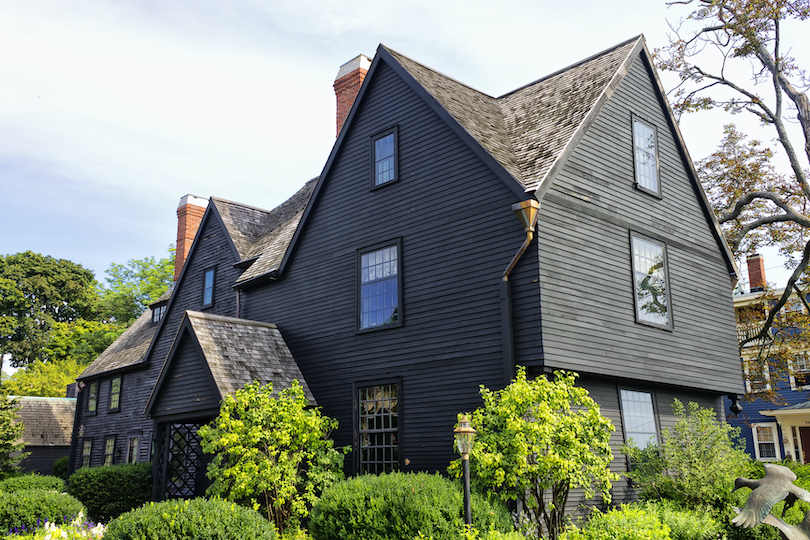
Encased in ornate gardens, looking out over the Salem Harbor, the House of Seven Gables is a well-preserved home built in 1668. The historic architecture was the home of wealthy merchant John Turner and was handed down through the generations until it was sold to the Ingersolls. It was then that the home caught the eye of Nathaniel Hawthorne. So inspired, Hawthorne wrote the famed novel, The House of the Seven Gables, in 1851.
Over the years, many additions were made to the must-see attractions, including a hidden staircase through the chimney. The House of Seven Gables has undergone a restoration to its original design, and you can now explore it on a guided tour.
Visitors can also enjoy a reduced ticket price if they just want to explore the scenic gardens, which include the childhood home of Hawthorne that was moved onto the property.
Phillips House
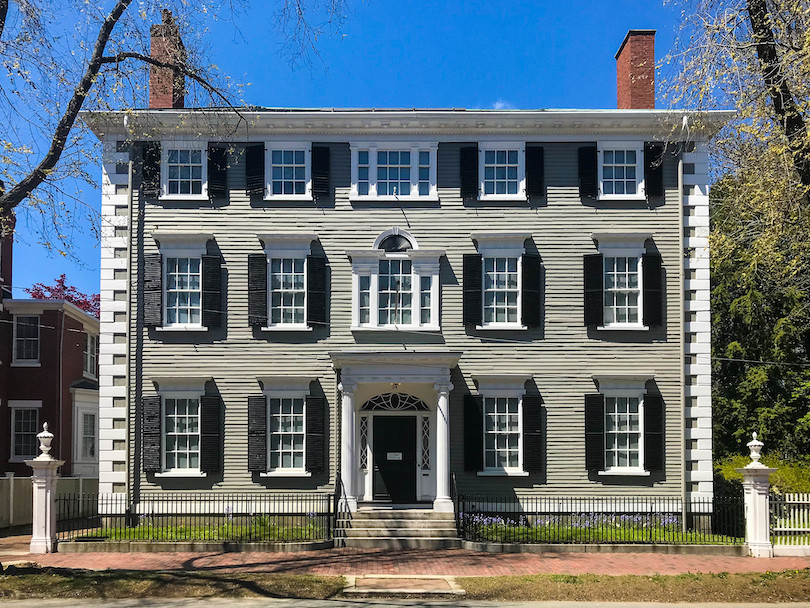
When in Salem, you must incorporate a morning walk down the historic Chestnut Street. Here, you’ll find rows of Federal-style mansions from the 18th and 19th century. However, only one of them is open for visitors and that’s the Phillips House.
The original home was moved here in the 1820s but received its fame when Anna and Stephen Phillips arrived towards the beginning of the 20th century. They revived the home and included their incredible family repository that dated back five generations. Join a guided tour which departs every 30 minutes for an insightful look into life 100 years ago.
Misery Islands
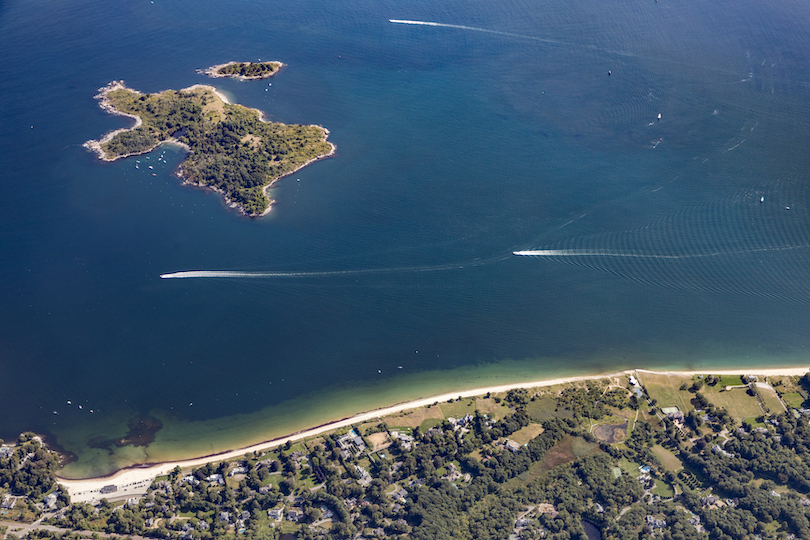
Comprising two islands, one Great and one Little, the Misery Islands are just off the coast of town in Salem Sound. Now a sightly nature reserve, the islands received their ominous names from Robert Moulton, who got stranded there during a snow blizzard in 1620.
Ever since, the islands have taken on many roles as home for businesses and residents. But today, they lay uninhabited and waiting to be explored. After arriving on her shores, wander down the nature paths for splendid views of the mainland and towards pebble stone beaches. In low tide, you can wade across to Little Misery and discover the remains of a shipwrecked steamship.
Custom House
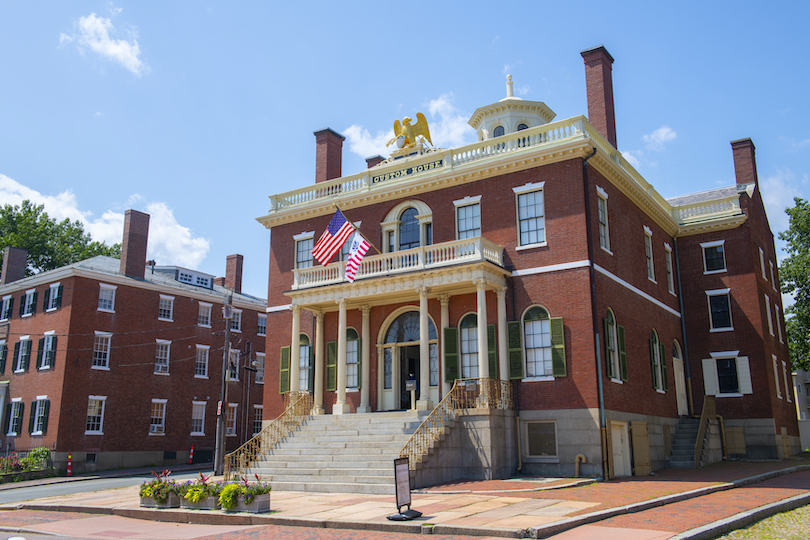
Salem has a fascinating maritime past best explored along Derby Wharf, the longest in the city. It’s here you can explore a range of attractions including the famous ship, the Friendship of Salem.
But just across the road from the wharf is Derby Street, where you’ll uncover the imposing presence of Salem’s Custom House. The beguiling red-brick building is adorned with a gilded eagle and was built in 1819. During its heyday, it was as busy as any place in Salem, handling all the city’s trade in what was a bustling port town.
Nathaniel Hawthorne once worked here, with several of his memories inspiring the plot lines of his book, the Scarlet Letter.
Winter Island Park
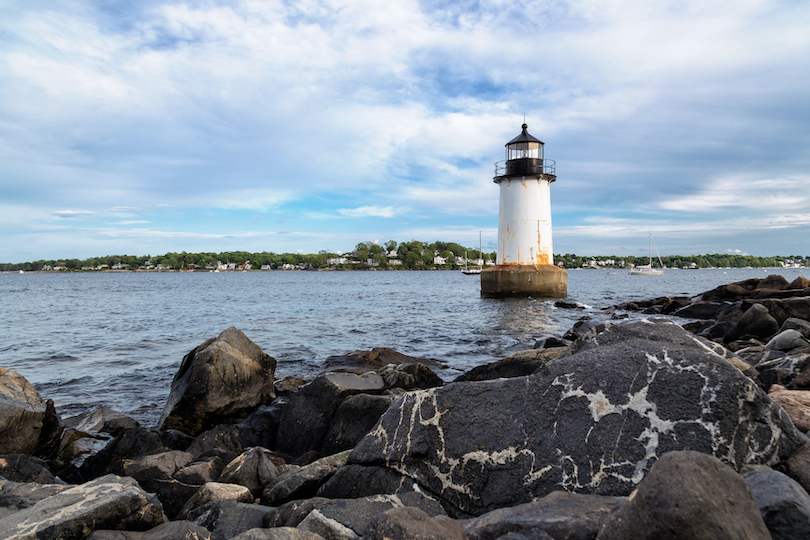
For a splash of nature while in Salem, spend a day at Winter Island Park. Connecting the harbor with the local peninsula, the park has a history as long as any in town. Winter Island Park was first established as a place of military importance in 1643. It was then that the construction of Fort Pickering began. Much of the fort was destroyed in the civil war with its historic ruins and bunkers laying on the eastern side.
As you explore the ruins, you’ll come across the striking sight of the Winter Island Lighthouse built in 1871. Afterwards, find a picnic spot and enjoy the waterfront views. Or head down to the beach for some sunbathing and a swim.
Salem Witch Village
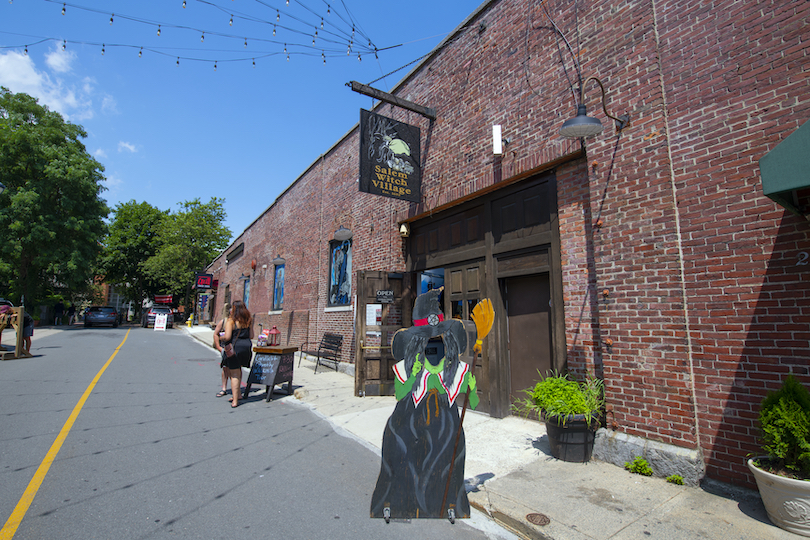
Across from the striking Old Burying Point Cemetery, the Salem Witch village is where you can discover the truth and tales that have defined witches through the ages.
Guests will be guided through the village by a practicing witch who will help split fact from fiction, leaving you with a greater understanding of the place witches hold in our society. These include a thorough exploration not just of the Witch Trials, but also the Burning Times in Europe. Afterwards, you can try to escape the indoor maze before combining your visit with a trip to the Salem Wax Museum.
Witch Dungeon Museum
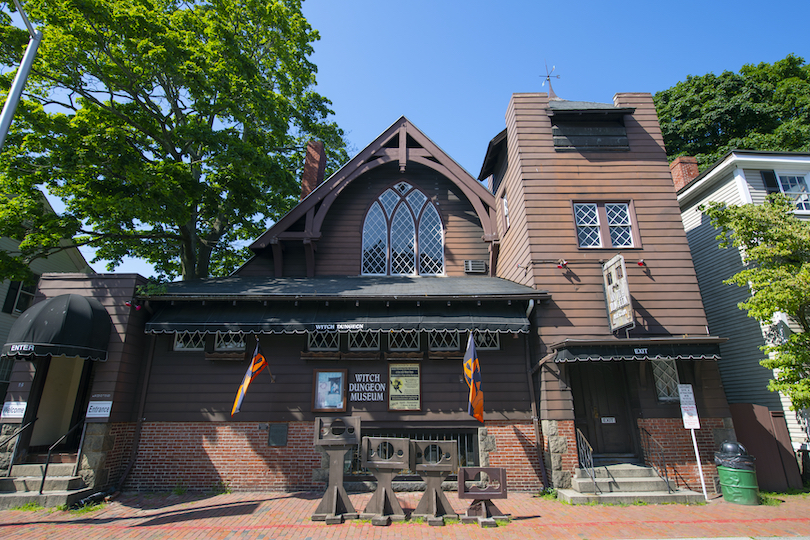
Short of visiting the Witch House and the historic cemetery, the Witch Dungeon Museum does the best job in town at recreating the events of the Salem Witch Trials. As you enter, you’ll jump in the proverbial teleport back to 1692, where you’ll be surrounded by period actors, who played out the court case using the real transcripts.
As you sit in the court audience, you’ll get a great sense of the movement, the fear and the power held by men such as Jonathan Corwin. After seeing 19 people sentenced to death, gather up the courage to wander into the dungeon, which is a replica of the one used to hold the so-called witches.
Count Orlok’s Nightmare Gallery

Salem is all about indulging in the mysterious world of witchcraft, vampires, and horror. For pure fun, there’s no better place to do that than at Count Orlok’s Nightmare Gallery. The one stop, shock shop is known as the city’s only monster museum. Here, visitors can experience the thrills of science fictions, horror movies and the world’s most infamous monsters.
Horror movie buffs will have a blast as they interact with their favorite characters and actors while learning all about the cinematic genre. The highlight will be coming face to face with vampires, crazy characters, and zombies which have all been recreated through exceptional special effects.
Friendship of Salem
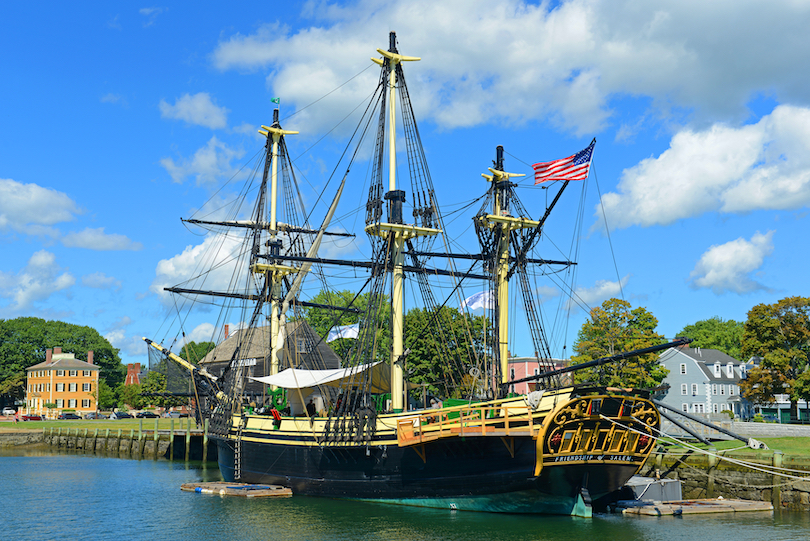
To learn more about Salem’s love and connection to the sea, spare plenty of time on the itinerary for the Salem Maritime National Historic Site. Along the gorgeous waterfront in downtown Salem, the site includes several historic buildings, including the Pedrick Store House, which played an important role in the Revolutionary War.
But the highlight of the attraction is just a few steps away. The Friendship of Salem is a breathtaking replica of the famed 1797 East Indiaman, a triple-mast ship. The replica operates as a museum and explores the boat’s history, including her mysterious disappearance after being captured in the War of 1812. Friendship of Salem is still fully functional and sets sail for special occasions throughout the year.
Old Burying Point Cemetery
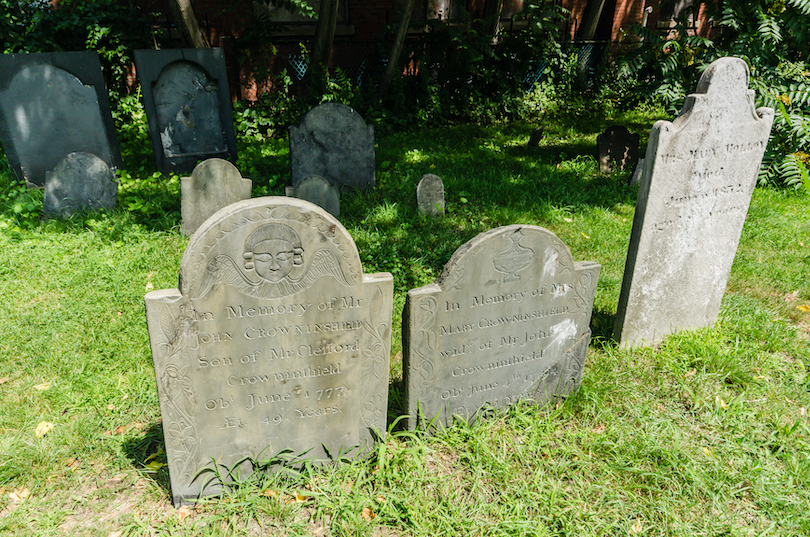
Known also as the Charter Street Cemetery, Old Burying Point is the oldest cemetery in town. The first grave pits were dug here way back in 1637, however the basic wooden grave symbols have since rotted. As you explore, the oldest known grave in the cemetery belongs to Doraty Cromwell who passed in 1673.
Although surrounded by modern concrete buildings, the aura and history of the cemetery is still poignantly present. In the morning, the sun creeps through the canopy, creating long shadows that run towards old and wonky gravestones.
It’s a beautiful nod to the city’s long and often tragic history. Some of the famous graves you can find include John Hawthorne. He was a judge during the notorious trials and was the great-great-grandfather of renowned author Nathan Hawthorne.