
Who needs roads when the world’s most enchanting cities navigate by water. These canal cities transform ordinary urban life into something magical, where gondolas replace cars and bridges outnumber traffic lights. From ancient waterways to modern engineering marvels, these aquatic arteries shaped history, commerce, and romance.
Whether carved by human hands or blessed by nature, canals create unique cityscapes where reflections double the beauty. Morning mists, sunset colors, and nighttime lights turn simple water channels into liquid poetry. These cities prove that the best urban planning sometimes means letting water take the lead. Here are the world’s most beautiful canal cities, where life flows at a gentler pace.
29. Aveiro, Portugal
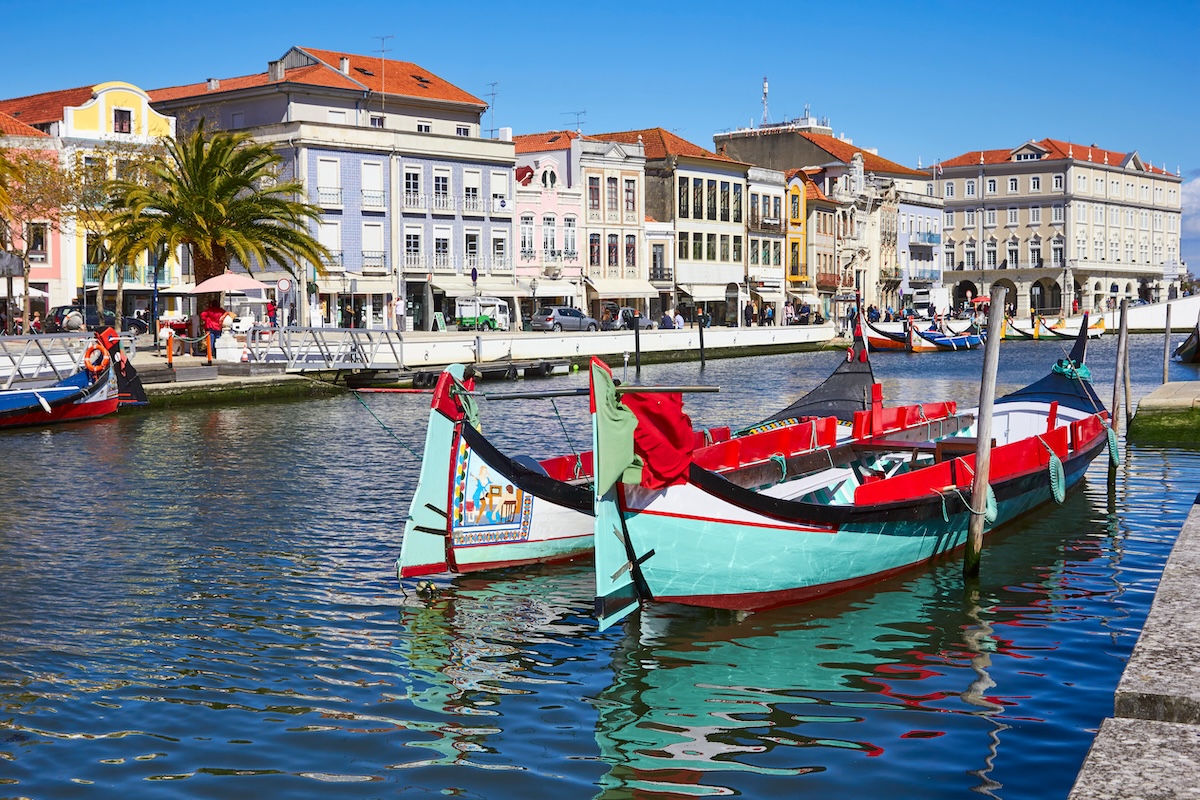
You’ll find Aveiro on Portugal’s central coast, often called the “Portuguese Venice.” Locals gave it this nickname thanks to its peaceful canals and those bright, slender boats called moliceiros.
Wander through the city center, and you’re surrounded by Art Nouveau buildings and lively streets. The main canal slices through town, linking you to shops, cafes, and squares like Rossio.
Hop on a boat to see Aveiro from the water. You’ll float under little bridges painted with murals and pass by buildings splashed with color.
Try ovos moles, a sweet treat locals swear by. If you’ve got a bit more time, check out the nearby beaches or salt flats for a change of pace.
28. Annecy, France

Annecy sits in southeast France, right by Lake Annecy. People call it the “Venice of the Alps” for its canals and pastel houses.
Walk through the Old Town, and you’ll cross stone bridges over clear water. Cobblestone streets lined with shops and cafes invite you to slow down and just wander.
The Palais de l’Ile, a historic building on an island in the canal, is about as photogenic as it gets. Mountains in the background give everything a peaceful, almost storybook feel.
In fall, you’ll dodge the tourist crowds and get cooler weather. Even rainy days have their charm—the canals and old stone buildings look especially lovely then. There’s no rush here, just a relaxed pace that lets you soak it all in.
27. Venice, California

Strolling through Venice, California, you’ll spot canals lined with palm trees and cozy houses. Back in the early 1900s, someone decided to make this LA neighborhood look like Venice, Italy.
Meander along quiet walkways, cross little bridges, and watch ducks drift by. Sometimes you’ll see kayaks or people paddling lazily down the water.
The canals wind through a residential area, so things stay pretty peaceful. The beach is just a short walk away, but here, it’s all calm and quiet.
If you come in spring or early summer, flowers and green plants spill over the banks, making it extra colorful.
26. Wuzhen, China

Wuzhen sits in eastern China, stretched along ancient canals lined with stone bridges and wooden houses. This town’s been around for centuries, right in the Yangtze River region.
Walk the narrow lanes, and you’ll pass historic buildings and tiny shops facing the water. Many houses have steps dipping straight into the canal.
The Grand Canal—the world’s longest—links up with Wuzhen, so boat rides are a breeze. You’ll catch glimpses of daily life along the river as you float by.
Most folks check out both Dongzha and Xizha, the town’s two main districts. It’s a peaceful spot for sampling local snacks or poking into museums. At night, lanterns light up the water, giving the place a dreamy, relaxed vibe.
25. Giethoorn, Netherlands

Step into Giethoorn, and right away you’ll spot something odd—no roads for cars. Instead, canals and little bridges connect everything.
People get around by boat, bike, or just walking along quiet paths. The houses, many with thatched roofs, sit right at the water’s edge.
Locals and visitors glide through the canals in small boats. The village stays calm, surrounded by greenery and nature reserves.
Some call it the “Venice of the Netherlands,” but honestly, it’s way quieter. If you’re into slow travel and snapping photos, this is your place.
Getting here is pretty simple by train and bus from bigger Dutch cities. It’s a unique village where water shapes how everyone lives.
24. Gold Coast City, Australia

Think Gold Coast, and you probably picture beaches and high-rises. But this Queensland city is also crisscrossed with winding canals and waterways.
Houses line the canals, many with their own docks for boats or jet skis. The canals—built back in the 1950s—now link up with rivers like the Nerang and smaller creeks.
If you’re into kayaking or paddleboarding, the calm canal waters are perfect. You’ll also spot people swimming or fishing right in their backyard.
Even just strolling along the waterfront or crossing one of the many bridges, you’ll get awesome water and skyline views. The canals really do give Gold Coast a relaxed, different vibe compared to other big Aussie cities.
23. Hamburg, Germany

Arriving in Hamburg, you’ll spot canals weaving all through the city. Folks call it the “Venice of the North” since it’s got a staggering number of bridges and waterways.
Rows of houses and old warehouses hug the canals. Take a walk or hop on a boat tour—you’ll float past lively neighborhoods and cool shops perched right above the water.
The city’s port is massive, and Hamburg actually has more bridges than Venice and Amsterdam put together. These bridges tie districts together and give you some pretty epic canal views.
You don’t have to leave Germany to find a city packed with water streets and hidden corners. Hamburg’s canals are a huge part of what makes it stand out.
22. Tigre, Argentina

In Tigre, you’ll find waterways instead of roads in lots of places. Boats ferry you around this small city just north of Buenos Aires.
Tigre sits on the Paraná Delta, where the river splits into a maze of canals and islands. The whole place feels calm and easygoing.
Browse local markets, walk the riverside, or jump on a river tour to check out the scenery. It’s only about 45 minutes by train from Argentina’s capital.
Jaguars once roamed here, which is how Tigre got its name. Now, it’s all about local life and a chilled-out break from the city.
21. Xochimilco, Mexico

Head to Xochimilco in Mexico City and you’ll see long, winding canals bordered by green banks and floating gardens. Hard to believe you’re in one of the busiest cities in the world—it’s that peaceful.
Hop on a bright, wooden trajinera. Locals celebrate here, bringing family, food, and even mariachi bands for the ride.
The canals come from the valley’s ancient lake system, making this one of the last places where you can glimpse what Mexico City looked like centuries ago. The floating gardens, or chinampas, show off Aztec-era farming methods.
If you’re into local culture, music, and a different side of city life, you really shouldn’t skip this spot.
20. Trogir, Croatia

Trogir rests on a tiny island along Croatia’s Dalmatian coast, tucked between the mainland and Čiovo, all linked by stone bridges.
The old town is a maze of narrow streets, ancient buildings, and squares. Walk around, and you’ll spot canals separating Trogir from the mainland, giving the city a relaxed, island vibe.
People sometimes call Trogir the “Little Venice of Dalmatia” for its canals and historic atmosphere. The waterfront is lined with boats and cafes—perfect for unwinding and people-watching.
Check out old churches, stroll medieval walls, or just watch the blue water from the promenade. Trogir isn’t huge, but the mix of history and calm canals makes it memorable.
19. Nan Madol, Micronesia

Arriving at Nan Madol, you’ll find a place that doesn’t feel like any other canal city. It sits on the east shore of Pohnpei Island in Micronesia. Over 90 small artificial islands are linked by narrow canals.
You can travel through the ruins by boat or on foot. Massive basalt stones make up the walls and ancient temples, some towering over seven meters high, can be found at the site.
People started building Nan Madol back in the 12th century. It became the capital of the Saudeleur dynasty. Now, most of it’s abandoned, but the canals and stonework still impress.
The calm waters between the islands give the place a quiet, mysterious feel. Exploring history here, surrounded by the Pacific, is an experience you won’t soon forget.
18. El Gouna, Egypt

El Gouna sits on Egypt’s Red Sea coast. The town is known for pastel-colored villas, clean streets, and a laid-back style. Canals and lagoons thread through the city, so you’re never far from the water.
Boats float between small islands, with green plants and bright skies everywhere. Some folks call it the “Venice of Egypt.” The water’s clear and blue—almost unreal at times.
El Gouna feels smaller and quieter than most resort towns. You won’t run into big crowds, and the vibe is peaceful. There’s even a modern conference and culture center that mixes new architecture with desert scenery.
Walking the canals, you’ll spot palm trees, cafes, and little bridges. If you like warm weather and a mellow waterfront, this place might just win you over.
17. Newport Beach, California

Newport Beach is famous for its scenic harbor and those easygoing, sun-soaked vibes. Canals wind their way through neighborhoods like Balboa Island, where you’ll spot beach houses and colorful boats bobbing along the water.
Go for a walk along the sidewalks, or maybe rent a Duffy boat and drift right up close to the water. You’ll come across little bridges and docks just waiting to be explored.
If you get hungry, you won’t have to look far—waterfront cafés and ice cream shops are scattered nearby. The palm-lined streets and calm waters invite you to slow down and just enjoy the moment, whether you’re with family or friends.
Sunsets here? They’re kind of magical, with soft light bouncing off the canals. Newport Beach brings together that classic beach-town charm and peaceful, scenic waterways. Not a bad combination, honestly.
16. Birmingham, England

When you visit Birmingham, you’ll spot canals weaving through the city. Builders first dug them back in the 18th century to move goods during the industrial boom.
Now, the canals give Birmingham a unique charm. You can walk along the water, watch narrowboats float by, or just chill at a café right on the canal’s edge.
Turns out, Birmingham actually has more miles of canal than Venice. The waterways link up different parts of the city, winding past shops, parks, and bursts of street art.
As evening rolls in, the canal area comes alive—bars and restaurants light up the water, and people gather to hang out or just watch the city drift by. It’s a good place to unwind and maybe see a different side of Birmingham.
15. Utrecht, The Netherlands

Most people know Amsterdam, but Utrecht’s got its own distinct vibe with winding canals and quiet streets. It’s not as crowded, so you can actually breathe and soak it all in.
Old stone bridges, historic canal houses, and tree-lined water paths cut right through the city center. Cafés and shops pop up at the lower canal levels—perfect for grabbing a snack or just sitting by the water for a while.
Just a few steps off the main road, you’ll stumble on medieval church towers or quirky street art. Utrecht’s canals feel lively but never rushed, and the whole place has an easygoing, welcoming energy. Honestly, it’s a great spot for a slow afternoon.
14. Copenhagen, Denmark

In Copenhagen, canals snake through the city and bring the water right up to the action. Nyhavn’s the most famous—lined with bold-colored houses, old ships, and bustling little cafes.
Back in the 17th century, Nyhavn had breweries and sailors’ bars. Now? It’s a favorite hangout whether you want to people-watch or jump on a canal tour.
Take a canal tour and you’ll see Copenhagen from a new angle—gliding under low bridges, past modern buildings and historic spots. The city really mixes old and new right along the water.
Even just wandering the banks, you’ll catch street performers, locals out for a stroll, and boats cruising through the center. It’s a laid-back, almost effortless way to see Denmark’s capital.
13. Cape Coral, Florida

Looking for a city with more canals than Venice? Cape Coral, Florida, might surprise you. Down in southwest Florida, it’s got about 400 miles of canals winding through everything.
You’ll find both freshwater and saltwater canals here, which makes it a go-to spot for boating, fishing, and kayaking. Locals and visitors alike spend plenty of time out on the water.
Developers started building Cape Coral as a planned community back in the late 1950s, and the canal system just kept growing—it’s now the longest of any city worldwide.
With so much water everywhere, you’re never far from a waterfront view. As you drive or walk around, you can’t help but notice how the canals shape every neighborhood and park. It’s a city that’s basically built around the water.
12. Kurashiki, Japan

Head to Kurashiki and you’ll find a canal city with a calm, historic vibe. The Bikan Historical Quarter stands out for its old buildings and willow-lined waterways—honestly, it feels like stepping back in time.
Small boats drift along the canal, and you can hop on one for a closer look. These rides are popular, so sometimes tickets run out faster than you’d expect.
If you’re into art, you’ll find museums and tiny galleries tucked nearby. Kurashiki’s got guesthouses and local shops that give the area a cozy, almost homey feel.
Wander the narrow streets and you’ll spot white-walled warehouses and peaceful corners to just sit and relax. Sure, it’s not a huge city, but Kurashiki definitely holds its own as one of Japan’s loveliest canal towns.
11. Empuriabrava, Spain

When you visit Empuriabrava, you’ll spot winding canals at every turn. This small town sits in Costa Brava, up in northeast Spain, and honestly, it feels a bit like a modern marina with a twist. You can drift by boat right through its calm, endless canals—kind of surreal, really.
People sometimes call Empuriabrava the “Venice of Spain.” With more than 20 kilometers of canals, it’s actually one of the largest residential marinas out there. The houses line the water, and most have docks, so folks just park their boats right at home. Not a bad way to live, if you ask me.
If you’re into water, you’ve got options. Go boating, mess around with water sports, or just chill by the sea. There’s a big sandy beach nearby too—perfect for lazy afternoons or maybe a quick swim if the mood strikes.
10. Stockholm, Sweden

Built across 14 islands, Stockholm floats like a Nordic dream where Lake Mälaren meets the Baltic Sea, making the Swedish capital’s waterways part of the city’s DNA. Water surrounds literally everything, making boat tours as practical as they are scenic. The city’s water is so clean you could theoretically swim anywhere, though December dips require Viking blood.
The Old Town rises from the water like a medieval pop-up book with colorful buildings reflecting in calm channels. Summer brings endless daylight for canal cruising, while winter ice adds fairy-tale charm. Even the subway stations feature canal-themed art, proving Stockholm’s water obsession runs deep.
9. Alappuzha, India

Kerala’s “Venice of the East” floats through a maze of canals, lagoons, and lakes and Alappuzha’s backwaters stretch over 900 kilometers. Traditional houseboats (kettuvallams) are converted from rice barges and offer floating hotel experiences through palm-lined channels.
The canal network serves as highways for locals and you can spot farmers paddling produce, kids commuting to school, and floating vendors selling everything. Chinese fishing nets dot the shores, their ancient mechanisms still catching dinner. Sunset paints the backwaters golden while fruit bats emerge for evening flights. These canals are lifelines supporting entire communities who’ve mastered water living for centuries.
8. Bangkok, Thailand

Bangkok’s khlong network once earned it the title “Venice of Asia” but that was before cars muscled in. These remaining canals offer glimpses of old Bangkok, where water ruled and roads were afterthoughts. Longtail boats roar through narrow channels, dodging floating vendors and low bridges with impressive precision.
Thonburi’s canals particularly preserve traditional life. Locals bathe, wash dishes, and feed giant catfish from their waterside homes. Floating markets still operate at dawn, though tourists now outnumber aunties selling mangoes. The canals provide blessed relief from Bangkok’s notorious traffic when your longtail boat zips past gridlocked cars. Evening brings cooler air and glimpses into illuminated homes.
7. Fort Lauderdale, Florida

This Florida icon boasts 165 miles of waterways that turned swampland into a yacht paradise. Fort Lauderdale’s canals showcase floating wealth as mega-yachts park outside waterfront mansions like aquatic Ferraris. Water taxis offer cheap tours past millionaire rows where houses cost more than small countries and Las Olas Boulevard bridges offer perfect yacht-spotting perches.
Manatees occasionally cruise through, providing free wildlife encounters. The New River winds through downtown, mixing history with happy hours at waterside bars. Sunset gondola rides add romance without the Venice prices. Even hurricanes can’t dampen the canal love as locals just haul their boats out and wait for sunshine’s return.
6. St. Petersburg, Russia

Peter the Great’s “Window to Europe” spreads across 42 islands connected by 800 bridges over countless canals. St. Petersburg’s waterways frame pastel palaces and golden domes like liquid picture frames. Summer white nights mean midnight canal cruises in full daylight which is a surreal experience that beats any theme park. The Moyka, Fontanka, and Griboyedov canals wind past Russia’s greatest architectural hits.
Winter transforms canals into snow-globe scenes, though boats hibernate until spring thaw. Bridge raising ceremonies at night create maritime ballet as ships pass through. Canal-side walks reveal hidden courtyards and locals feeding ducks year-round.
Even Soviet apartment blocks look romantic reflected in these historic waterways.
5. Suzhou, China

Marco Polo wasn’t exaggerating when he raved about Suzhou’s canals 700 years ago when Suzhou perfected water gardens centuries before Venice existed. Ancient canals lined with whitewashed houses and humped stone bridges create scenes unchanged since dynasties past. UNESCO-listed classical gardens incorporate waterways into philosophical landscapes where every view teaches harmony.
Pingjiang Road follows a Song Dynasty canal where teahouses and silk shops occupy centuries-old buildings. Stone bridges arch gracefully, each with poetic names like “Paired Happiness” or “Precious Belt.” The canal network once transported silk that funded empires. Today it transports tourists through living history where ancient China refuses to disappear.
4. Hoi An, Vietnam

Hoi An’s Thu Bon River and connecting canals transform this ancient port into a lantern-lit dream each evening. The UNESCO World Heritage old town glows with thousands of silk lanterns reflecting in calm waters. Traditional wooden boats offer sunset cruises past merchant houses that traded with Japan 400 years ago.
The Japanese Covered Bridge spans a canal, its pagoda roof sheltering centuries of crossings. Morning markets explode along canal banks where vendors arrive by boat. Tailors, cafes, and galleries occupy waterfront shophouses painted in fading yellows and blues. Flooding during rainy season turns streets into temporary canals and locals just switch to more boats. The canal atmosphere peaks at dusk when lanterns illuminate ancient architecture and modern romance equally.
3. Bruges, Belgium

Medieval Bruges dozed through centuries, waking to find its canals and Gothic architecture perfectly preserved. These waterways once connected the city to the sea, bringing wealth that built the fairy-tale scenery tourists adore today. Canal boat tours glide under stone bridges past swans who’ve held residence permits since the 1400s. The Minnewater (Lake of Love) promises eternal romance to couples who cross its bridge.
Flemish stepped-gable houses reflect in still waters like architectural narcissists. Early morning canal walks beat crowds to misty photo opportunities. Hidden gardens and ancient hospitals reveal themselves only from water level and beer boats exist because Belgium prioritizes properly. To top it all off, Christmas markets along canals add twinkling lights to an already fairytale setting.
2. Amsterdam, Netherlands

Amsterdam’s 165 canals form perfect concentric rings, proving 17th-century urban planning peaked early. The Canal Ring UNESCO site showcases Golden Age wealth in 1,550 monumental buildings leaning at amusing angles. More than 2,500 houseboats line waterways ranging from palatial to peculiar. Amsterdammers treat canals as lifestyle accessories, not just pretty backgrounds.
Here, bikes outnumber everything with about 15,000 ending up in canals annually. Coffee shop culture means some canal views come extra relaxed. The Jordaan district’s narrow canals hide brown cafes and vintage shops. Even Amsterdam’s infamous Red Light District gains romance reflected in ancient canals which is proof that water improves everything.
1. Venice, Italy

The ultimate canal city needs no introduction because Venice wrote the book on water-based living. Built on 118 islands connected by 400 bridges over 150 canals, Venice defies logic and gravity daily. The Grand Canal snakes through like a liquid boulevard lined with palazzos that belong in museums. Gondoliers navigate narrow channels like it’s no big deal, but this is a true art form.
No cars means footsteps and boat engines provide the soundtrack. Acqua alta floods add drama to St. Mark’s Square visits. Venetian life also adapts to tides as all deliveries arrive by boat: vegetables, Amazon packages, even funeral services. The city sinks slightly yearly, adding urgency to visits. Behind tourist-packed areas, quiet canals reveal real Venetians hanging laundry and arguing about football. Venice remains the undisputed canal champion – often imitated, never equaled.