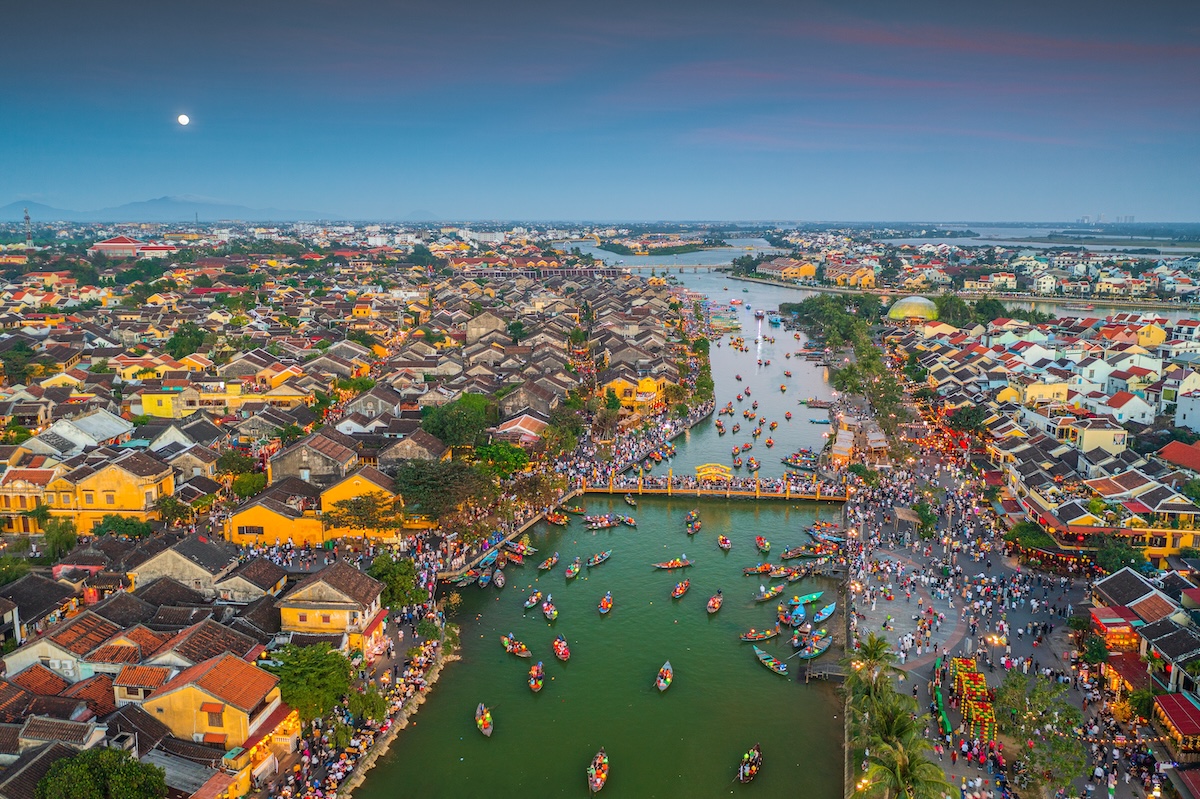
Widely regarded as one of the prettiest and best-preserved cities in Asia, this charming coastal destination enchants visitors with its timeless atmosphere. Layers of history, vibrant culture, and a relaxed pace of life make it far more than a simple sightseeing stop.
Located along Vietnam’s central coast, not far south of Da Nang, Hội An is best known for its beautifully preserved Old Town, home to hundreds of historic buildings. Beyond its lantern-lit streets, the city also boasts an outstanding food scene, inviting beaches, and several rewarding day trips that round out its appeal.
Old Town of Hoi An
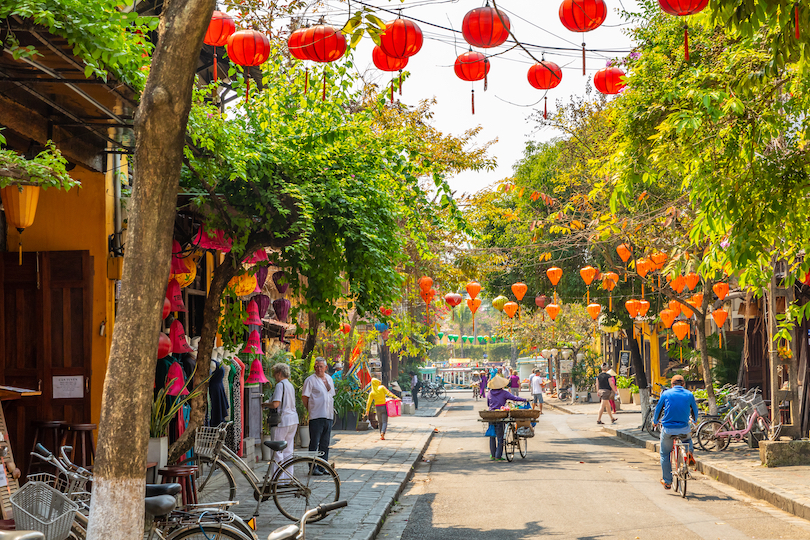
The heart of Hội An is its enchanting Old Town, where centuries of history are reflected in every street and building. Influences from Japanese, Chinese, and French traders can be seen throughout the architecture, creating a unique blend of styles that sets the town apart from anywhere else in Vietnam.
Traditional yellow buildings draped in colorful bougainvillea line the narrow streets, while lanterns hang overhead and glow softly after sunset. Cafés spill onto sidewalks, locals sip traditional Vietnamese coffee, and cyclists weave through the pedestrian-friendly lanes.
One of the best ways to experience the Old Town is simply to wander. Every corner reveals another photogenic storefront, hidden courtyard, or inviting café.
If you need a break, stop at a local café and order an iced Vietnamese drip coffee while soaking up the atmosphere.
Hoi An Central Market
Just a short walk from the Old Town, Hội An Central Market (Chợ Hội An) offers an authentic glimpse into daily life in the city.
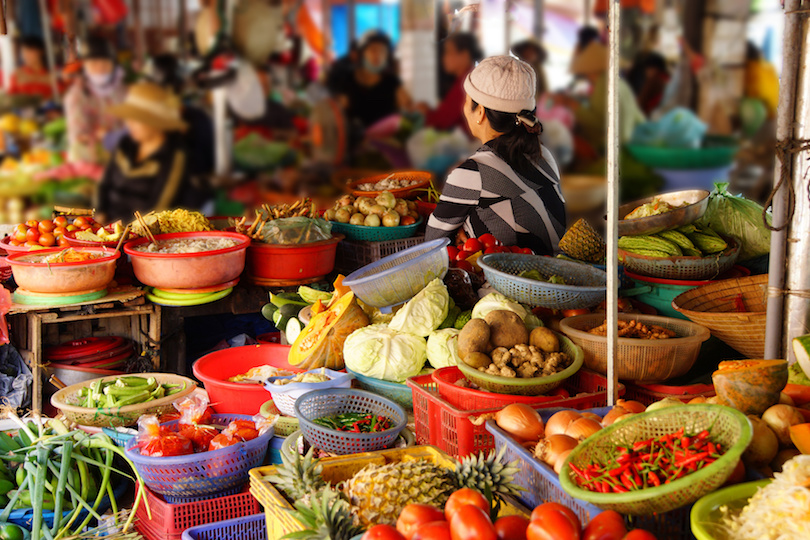
Located along the banks of the Thu Bồn River, the market has served as a trading hub since the 15th century. Today, it’s one of the most vibrant places in town, packed with colorful displays of fresh produce, spices, seafood, textiles, handmade lanterns, and local handicrafts.
The market is divided into several sections, including fresh produce, prepared foods, seafood, and cooking supplies. Walking through the aisles is a feast for the senses, with fragrant herbs, tropical fruits, and sizzling street food around every corner.
For the best experience, visit in the morning when the produce is freshest and the crowds are lighter. It’s also an excellent place to shop for souvenirs, including handmade lanterns and locally crafted goods.
The Tailor Shops of Hoi An
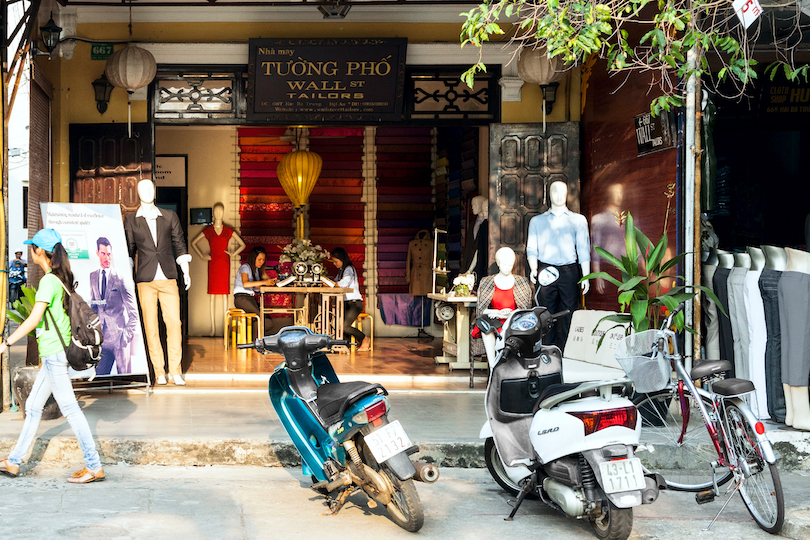
Few experiences are as uniquely Hội An as ordering custom-made clothing from one of the town’s renowned tailors.
The city has earned an international reputation for producing high-quality garments with remarkably fast turnaround times. Many shops can take measurements, create a pattern, and complete a custom piece within 24 to 48 hours.
Whether you’re looking for a tailored suit, dress, blazer, or casual clothing, you’ll find countless tailoring shops throughout the Ancient Town. The process typically involves selecting a design, choosing fabrics, taking measurements, and attending a fitting before the final garment is completed.
While custom clothing isn’t the cheapest souvenir, the craftsmanship, personalization, and speed make it one of the most memorable purchases you can make during your visit.
Japanese Covered Bridge
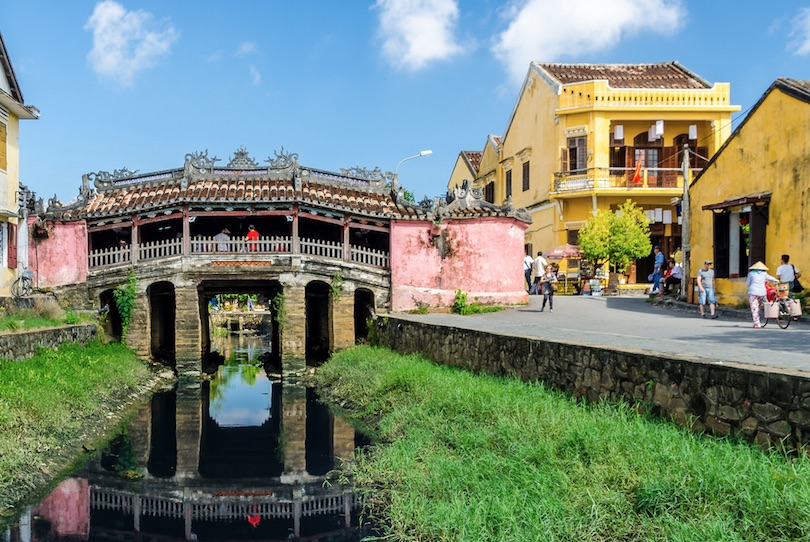
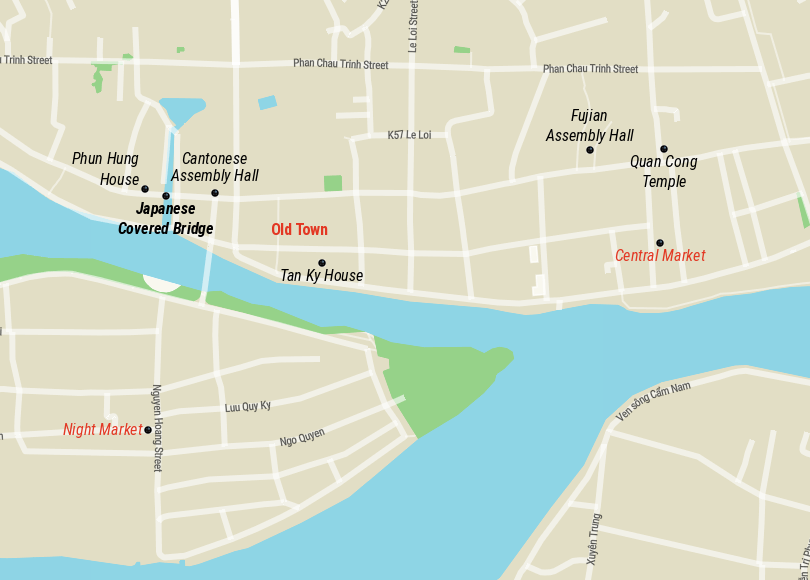
Built in the 16th century, the Japanese Covered Bridge was originally constructed to connect the Japanese and Chinese quarters of the town. Its distinctive architecture combines practical design with intricate decorative elements, making it one of the most photographed sites in Hội An.
Crossing the bridge takes only a few minutes, but it’s worth spending time admiring the details and learning about its historical significance. The surrounding streets are equally charming and can easily be explored on foot.
One of the advantages of visiting Hội An is that many of its major attractions are located within a short walking distance of one another, making it easy to explore several landmarks in a single afternoon.
Tan Ky Old House
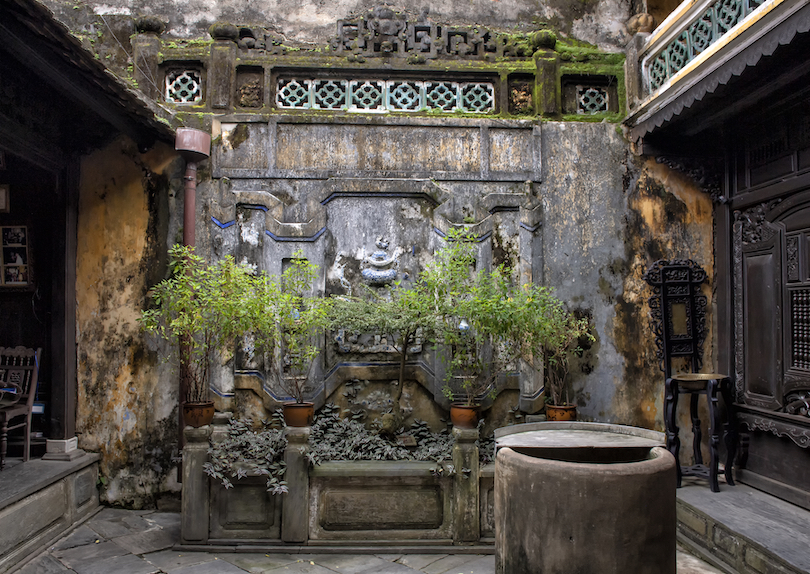
A three-minute walk east along the river sits the Tan Ky Old House, a historic home that blends Vietnamese, Chinese, and Japanese influences. It has an impressively well-preserved interior with carved wooden furniture and dark wooden beams, offering a glimpse into what life was like for the wealthy merchants of Hoi An.
The home is more than 200 years old, and it has passed through the hands of seven generations within the same Vietnamese family. Family members still reside in the Old House of Tan Ky, which brings the history of the property to life in a fascinating way.
Quan Cong Temple
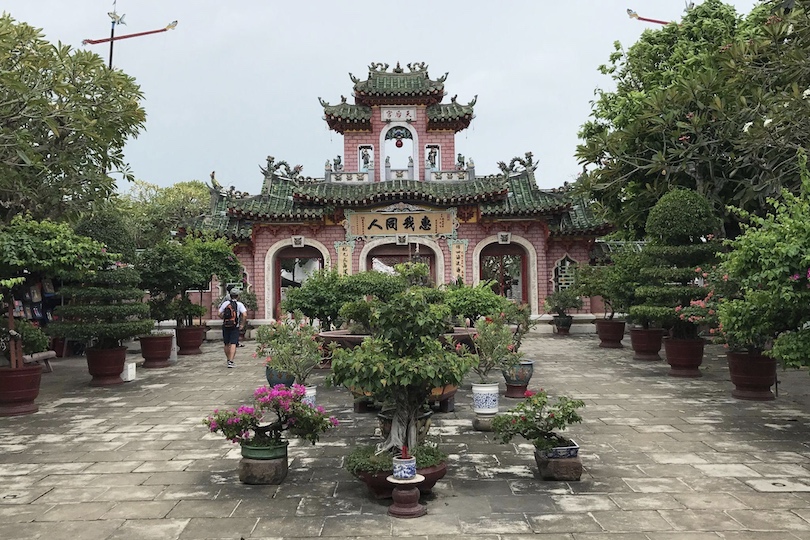
One of the city’s most important places of worship, the colourful Quan Cong Temple lies right in the heart of Hoi An’s atmospheric Old Town. Known for its incredible art and architecture, it has an elaborate facade, fine frescos and plenty of other classical Chinese features to check out.
Built back in 1653, the well-preserved temple is dedicated to Quan Van Truong – a famous Chinese general who was known for his loyalty, integrity, sincerity and sense of justice. These qualities were of huge importance, as the coastal city had a thriving port and merchants needed to trust one another.
Once past its bright red, yellow and green entrance gate, you can explore the grounds full of statues and pay your respects in the sacred site’s incense-infused interior. As well as snapping photos of its delightful dragon motifs and majestic main altar, guests can also see a superb old statue of the revered general himself.
Old House of Phun Hung
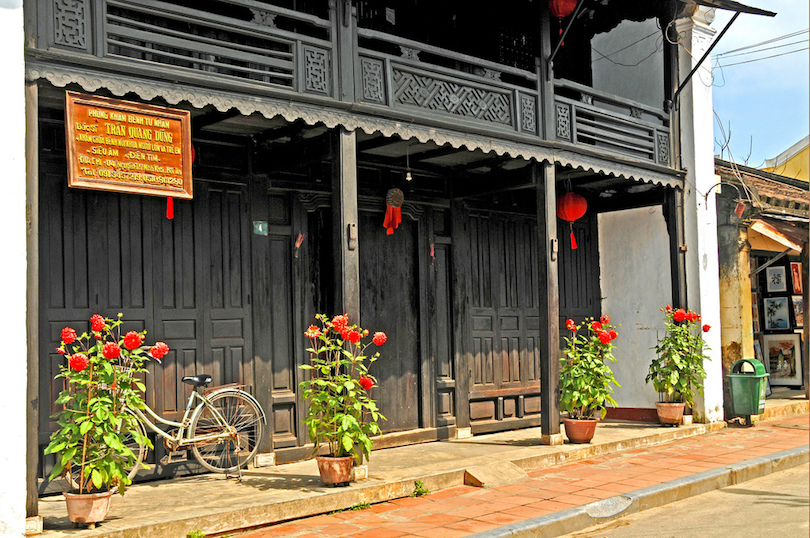
The home of Phun Hung is two stories, and was built in the 18th century. More than eight generations of the same family have lived in the Old House of Phun Hung since then.
What makes this house truly unique, however, is the fact that it is more than just a museum: It is still a home, and the tour guide today is part of that eighth generation. Follow Ms. Anh around as she shows you her family home, and be on the lookout for the details that make the home unique.
You’ll see carved Chinese beam supports, trap doors and a distinct Japanese influence in both architecture and decor.
Cantonese Assembly Hall
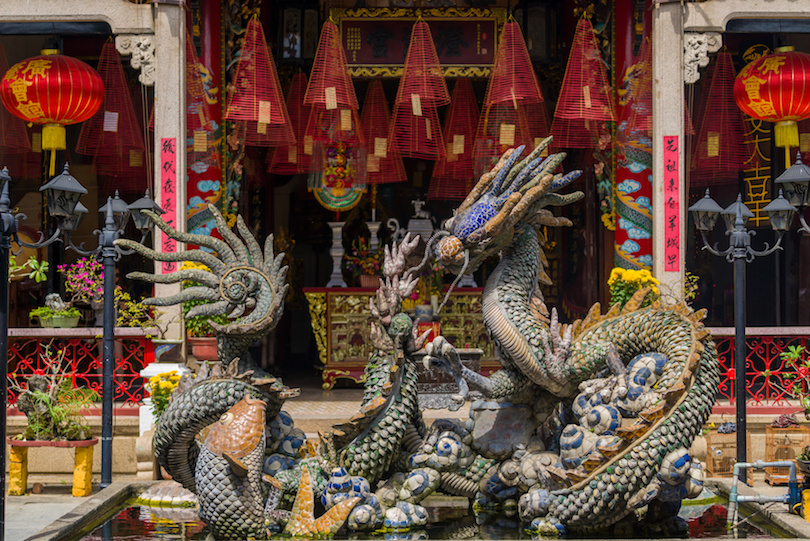
One of the most popular attractions in Hot An is the Cantonese Assembly Hall. Also known as the Quang Trieu, the assembly hall sits right next to the Cau Pagoda. As the name suggests, the assembly hall was constructed by Cantonese settlers during the 19th century.
Dedicated to the Thien Hau Holy Mother, the Cantonese Assembly Hall was a gathering place for worship and communication among Chinese visitors and residents. On a tour of the Cantonese Assembly Hall, you can admire the structure as well as the decor, which includes a striking dragon made from pottery.
Fujian Assembly Hall
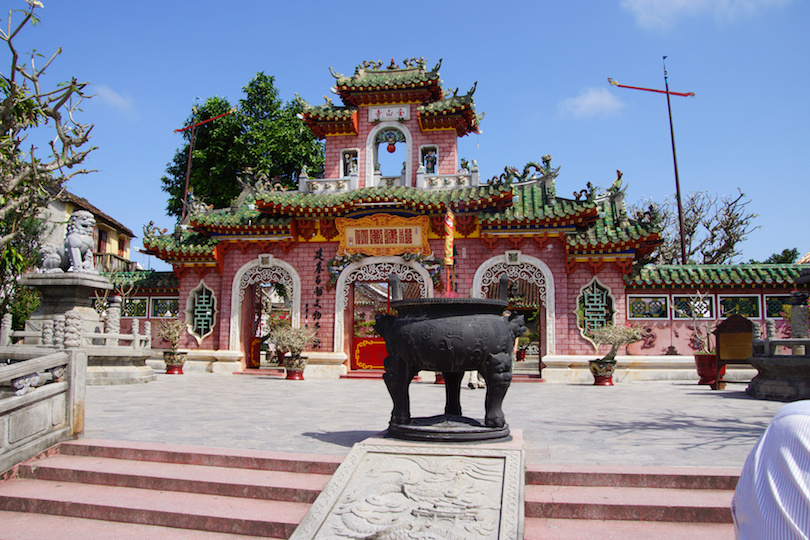
Phuc Kien is the common name for the Fujian Assembly Hall. Like other assembly halls in the city, Phuc Kien served as the gathering place for residents, traders and visitors from a specific area in China called Fujian.
Later, the assembly hall transformed into a religious site to honor the deity Thien Hau. Visiting the Fujian Assembly Hall means being able to spot the colorful fountains in the courtyard, the ornate gates surrounding the property and the beautifully carved dragons in the main room.
The Fujian Assembly Hall is still a popular place among visitors and residents of Fujian origin and ancestry.
Hoi An Night Market
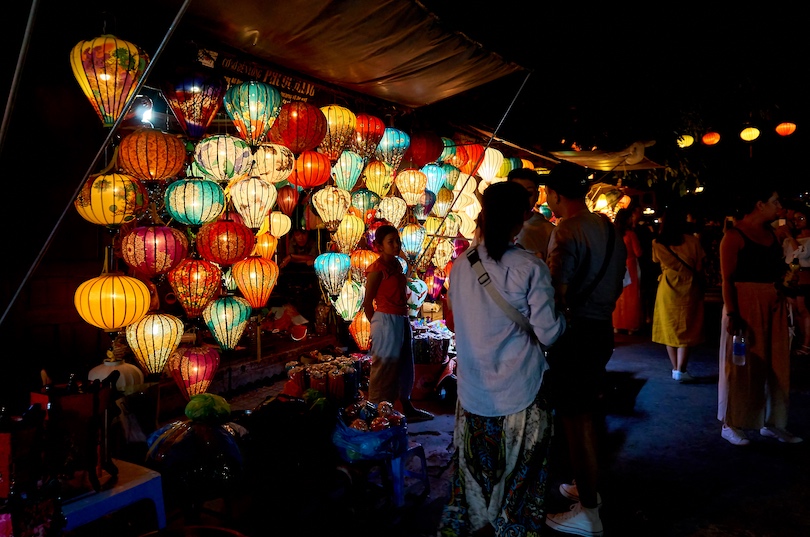
There is no shortage of shopping opportunities in the city, but one of the most interesting is found at the Hoi An Night Market. The market is located on Nguyen Hoang Street, just opposite the Japanese Covered Bridge.
The market opens around five each evening, when more than 500 vendors open up their stalls to sell everything from souvenirs to clothing to fresh food. Perhaps the most-spotted item for sale is the paper lantern, which glows beautifully after nightfall.
You can buy a colorful lantern to cast a glow as you shop, or you can take it home as a way to remember the colors, vibrancy and excitement of the Hoi An Night Market.
An Bang Beach
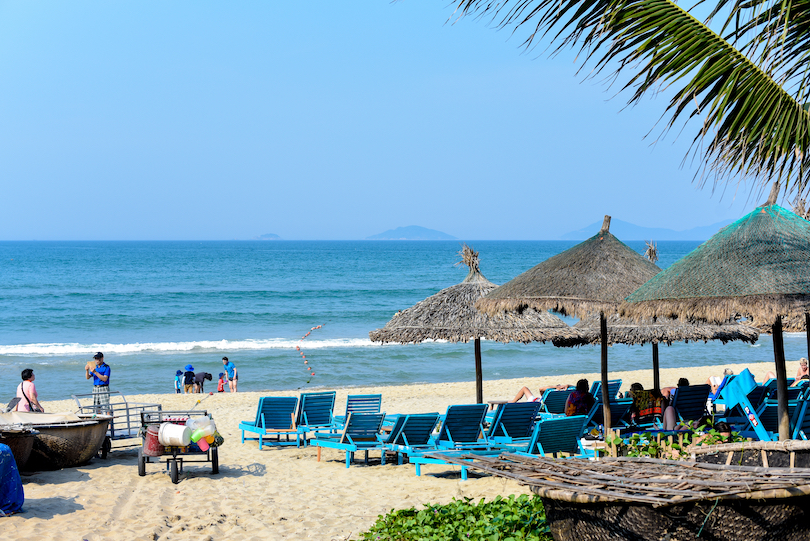
One of the busiest beaches in all of Vietnam is Hoi An’s An Bang Beach. If after all the sightseeing and strenuous outdoor activities you want to kick back, relax and soak up some sun, then An Bang Beach is definitely the place to go. Located ten minutes drive north of the center, its pristine white sands are lined by deckchairs and palapas with cafes and restaurants also dotted here and there.
Facing the shimmering East Vietnam Sea and far off Cham Islands, sweeping sands stretch more than four kilometers in total. Due to recent erosion at the neighboring Cua Dai, it is an increasingly popular place to head with countless hotels, guest houses and eateries having sprung up over the last few years.
Countless vendors are lined up under the shade of the palm trees to feed hungry beachgoers throughout the day.
Take a Bike Tour
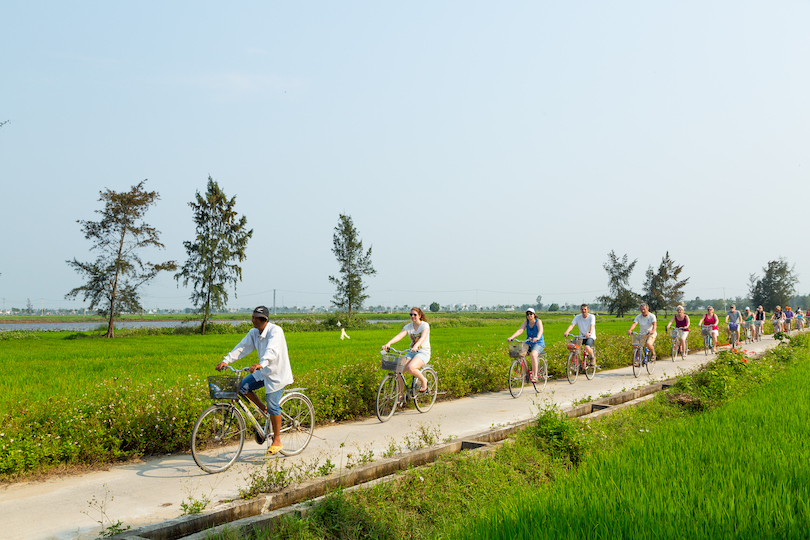
A wonderful way to see more of the city and its scenic surroundings is to take a bike tour around its charming center and the bucolic countryside just outside. From the Old Town, numerous companies rent out bikes and motorbikes with some also offering leisurely cycling tours to the area’s traditional temples, villages and nature spots.
As you slowly peddle along, you’ll pass pretty paddy fields, reflective rivers and rural villages with frequent stops planned all along the way. These often take you off-the-beaten-path and along rickety bamboo bridges to little local artisans’ workshops and isolated islands along the river delta.
At each stop, your guide will provide more information on the region’s rich history and culture with many tours also including tasty lunches, too. Amongst the most popular excursions are those run by Heaven and Earth and Hoi An Cycle Tours.
Trip to Cham Islands
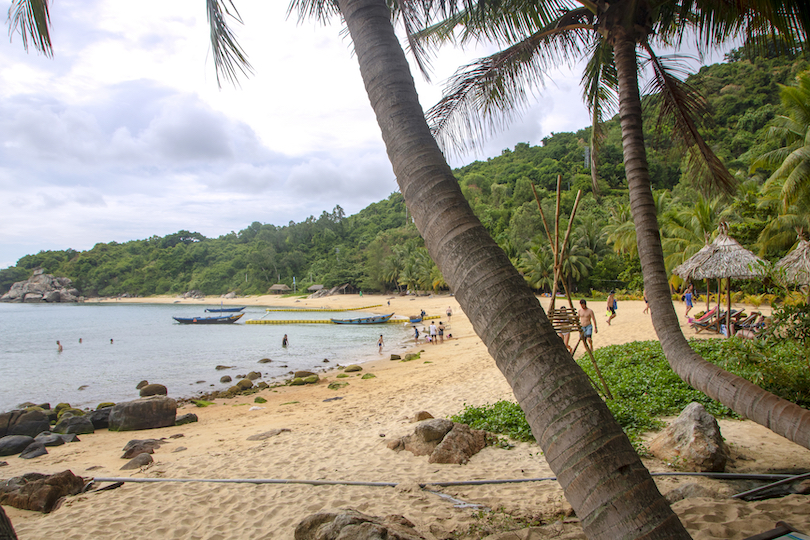
Not to be missed when in town, are the idyllic Cham Islands that lie just nine nautical miles offshore from An Bang Beach. Easily reached in half an hour by ferry or speed boat, the eight untouched isles have superb sunbathing, swimming, snorkeling and scuba diving to enjoy.
Now protected as part of a nature reserve and marine park, the mountainous archipelago is mostly uninhabited with only the largest island, Hon Lao, housing a couple of quaint fishermen’s villages. Aside from enjoying sightseeing cruises along their secluded shores, you can also stay overnight in guest houses to gain a greater understanding of local life.
The most fun things to do here, however, is undoubtedly enjoying the archipelago’s breathtaking beaches and snorkeling in the teeming coral reefs.
Trip to Mỹ Sơn
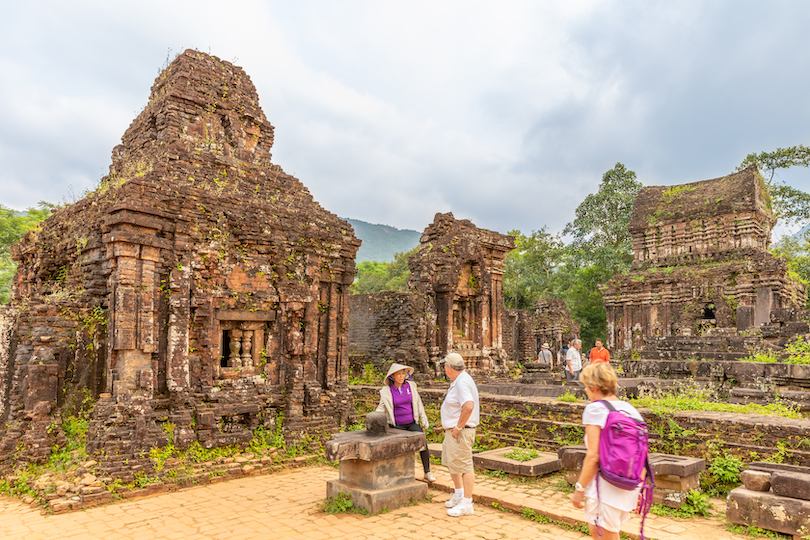
Another memorable trip you can make when visiting Hoi An is to the impressive and extensive archaeological ruins of Mỹ Sơn. The sprawling site is an hour’s drive southwest of the center with crumbling old religious buildings and ornate carvings on show.
One of the longest inhabited archaeological sites in Southeast Asia, the collection of Hindu temples was erected between the fourth and fourteenth centuries by the Kings of Champa. Often compared to other complexes like Angkor Wat in Cambodia and Bagan in Myanmar, the wide valley in which it lies encompasses around seventy temples and tombs.
Wandering around is an awe-inspiring experience. Intricately carved inscriptions and statues peek out from beneath the undergrowth that threatens to engulf the ancient edifices. While some temples are still in good condition, much of the site sadly suffered a lot of damage during the American War.
Take a Vietnamese Cooking Class
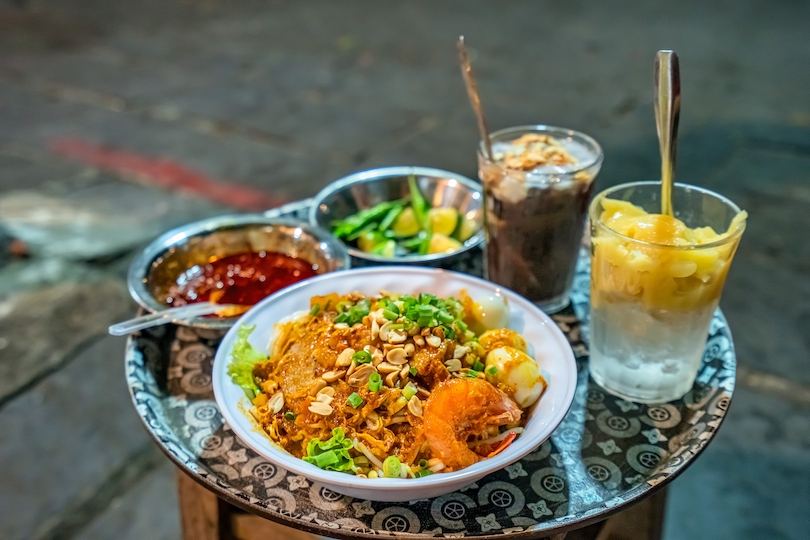
After having tasted so many delicious dishes during your time in Vietnam, why not take a cooking class so you can replicate your favorite pho and fresh spring rolls when you get home? In Hoi An, countless restaurants and cooking schools run fun classes that usually also include a trip around the local markets to source ingredients.
As you peruse all the market stalls laden with fresh vegetables and fragrant herbs, your friendly teacher will explain a bit about the history and culture of cooking in the country. Back at the culinary school or kitchen, they’ll then teach you how to prepare the food and make tasty treats like spicy mango salad, crispy banh xeo and sweet and sour fish soup.
As this is one of the most popular things to do in Hoi An there are many cooking school with Gioan, Red Bridge and the Kumquat BBQ Restaurant among the most popular. All of which put on unforgettable experiences that see you master Vietnamese classics in no time at all.
Tra Que Vegetable Village
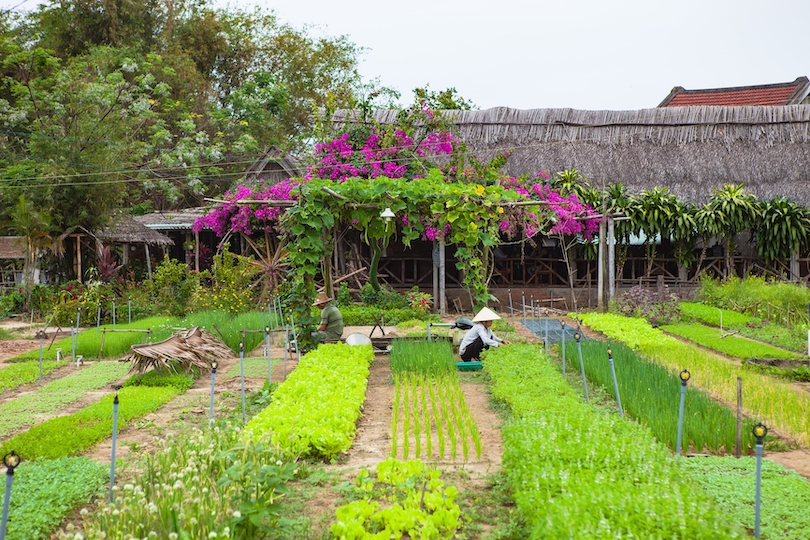
Fervent foodies can go one step further and tour the tranquil Tra Que Vegetable Village which lies just to the north of town on the way to An Bang Beach. A peaceful and picturesque spot, its fertile farms and fields are famed for their fresh veggies that are used in Hoi An and the surrounding region.
Named after the sweet-scented vegetables that are used every day to spice up locals’ dishes, the small village has rows and rows of gorgeous green vegetable patches for you to amble around. In addition to taking scenic shots of the crops stretching endlessly into the distance, you can also watch the farmers prepare the soil, plant seeds and harvest their produce.
Visitors can even help sow vegetables themselves and sample some with both cooking classes and guided tours available at the laidback village.
Thanh Ha Pottery Village
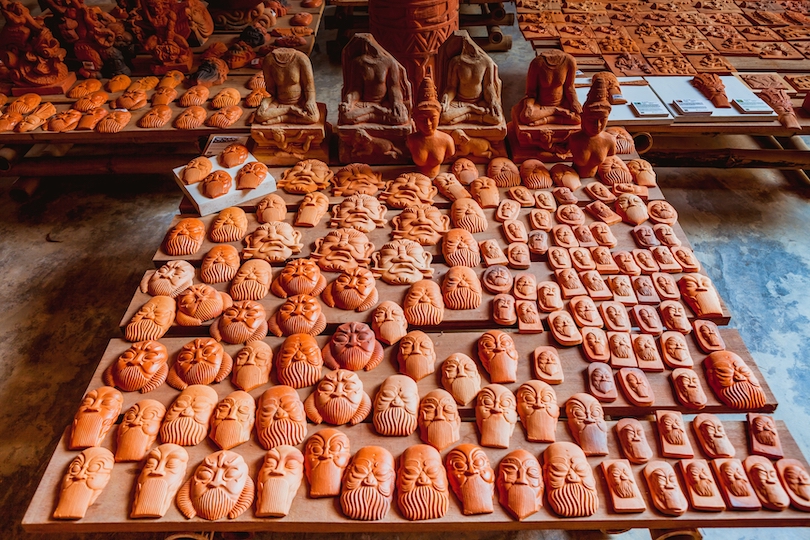
One of the oldest pottery villages in Vietnam, the traditional Thanh Ha can be found just fifteen minutes drive down the Thu Bon River from the city center. Here you can watch master craftsmen at work and pick up some beautiful pots, statues and other ceramic products to remind you of your time traveling around the country.
Still home to dozens of pottery workshops and small, family-run ceramics businesses, the quiet little village was formed sometime in the sixteenth century. As you wander about its charming old streets, you can see talented artists fire up their kilns and create amazing artworks using ancient techniques.
Besides admiring the impressive potters as they shape the clay and conjure up lovely creations, you can also have a go yourself as classes regularly take place. Afterwards, make sure to stop by the Thanh Ha Terracotta Park for interesting exhibits on the art form and remarkable replicas of the Arc du Triomphe and Colosseum, among other famous landmarks.