
While Rust Belt cities were losing half their populations, the Sun Belt was absolutely exploding. Air conditioning made deserts and swamps livable year-round. Interstate highways opened up previously isolated regions, and millions of Americans decided they were done with snow and wanted cheaper housing. The result? Cities that barely existed in 1950 turned into major metropolitan areas, and sleepy towns transformed into sprawling urban regions that now dominate population rankings.
These cities represent the most extreme growth stories in American history. Some multiplied their populations by 10, 20, or even 80 times over. They built entirely new cities from scratch, swallowing farmland and desert at rates that our ancestors could never dream up. The growth brought jobs, opportunities, and cultural diversity, but also traffic, sprawl, and infrastructure challenges that come with building cities at breakneck speed.
12. Fresno, CA (From 91,669 to 550,105 | +500%)
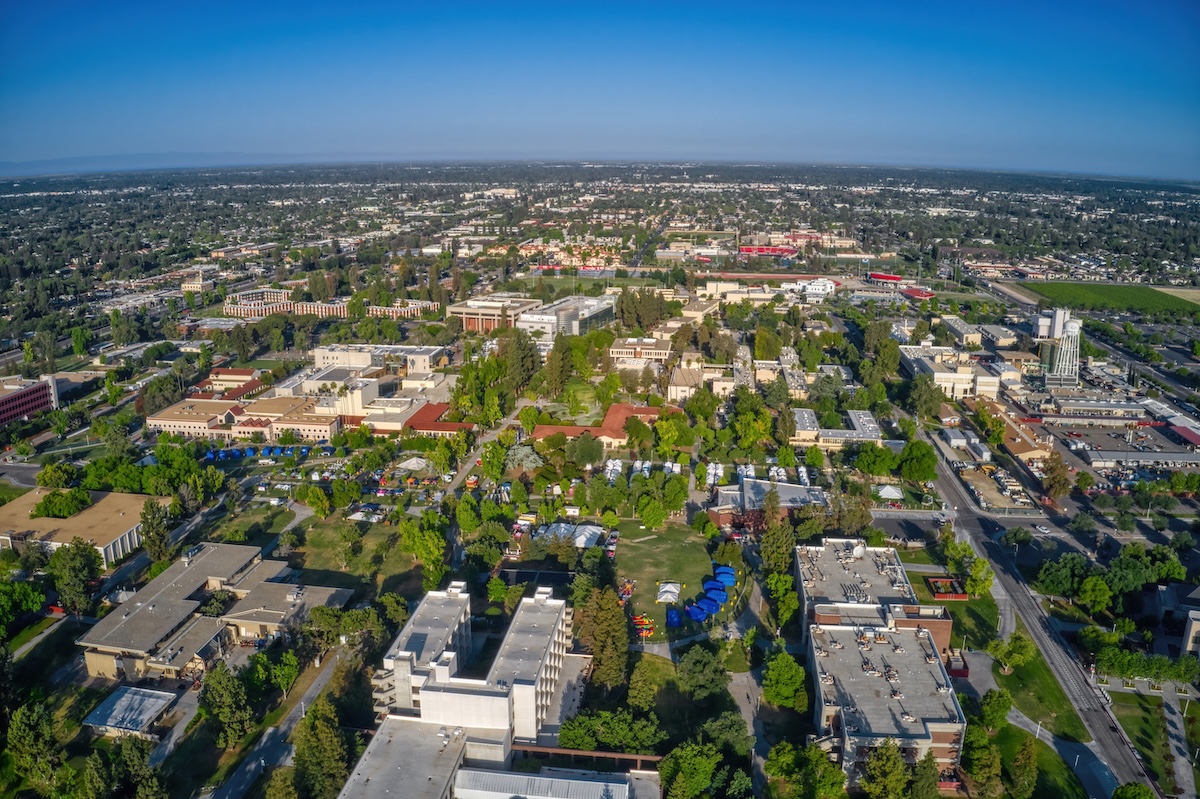
Fresno sits in California’s Central Valley, producing more agriculture than most states while growing from a small farming town into California’s fifth-largest city. The population sextupled since 1950, fueled by agriculture, highway connections, and people priced out of coastal California discovering that Fresno had houses they could easily afford. The city sprawled across former farmland in all directions, creating suburban neighborhoods that seem to go on forever.
The growth brought economic opportunity but also California’s worst air quality, thanks to the geography that traps pollution between mountain ranges. Fresno lacks the glamour of coastal California cities and summer heat regularly tops 100 degrees, but the cost of living remains reasonable by California standards. The city keeps growing because people keep arriving. After all, who needs a beach when housing costs half what it does in San Francisco.
11. San Diego, CA (From 203,341 to 1,414,266 | +596%)
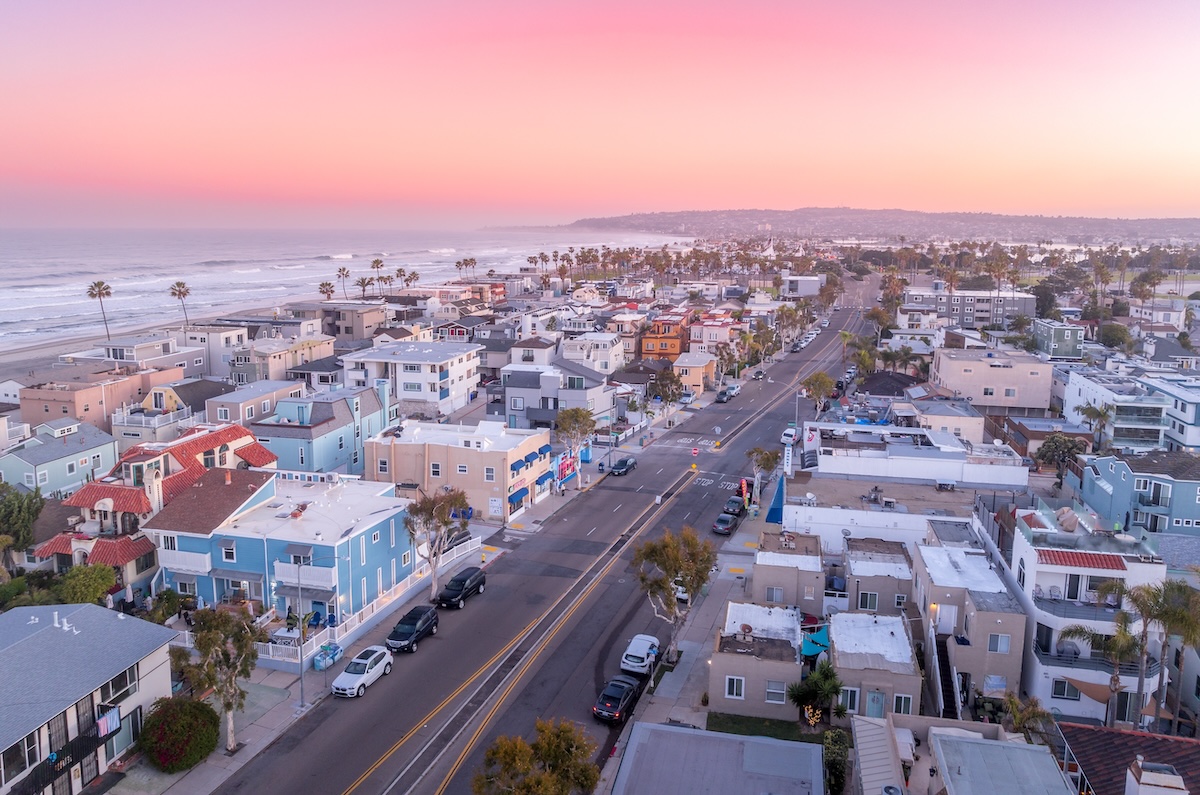
San Diego grew from a mid-sized Navy town into America’s eighth-largest city, nearly sevenfold growth fueled by perfect weather, military expansion, and biotech industries that discovered paradise was a good place to recruit scientists. The city’s geography limited sprawl somewhat compared to other Sun Belt cities, but North County developments like Carlsbad and Oceanside absorbed overflow growth.
The weather is absurdly good and 70 degrees and sunny becomes so normal that locals complain when it drops to 65. Military bases and defense contractors employ huge numbers, and the biotech cluster rivals Boston for research talent. Housing costs have skyrocketed, making San Diego among America’s most expensive cities despite being nowhere near as big as LA or San Francisco. The beaches and tacos compensate for a lot, but you’ll pay dearly for the privilege of living somewhere this pleasant.
10. Charlotte, NC (From 134,042 to 977,740 | +629%)
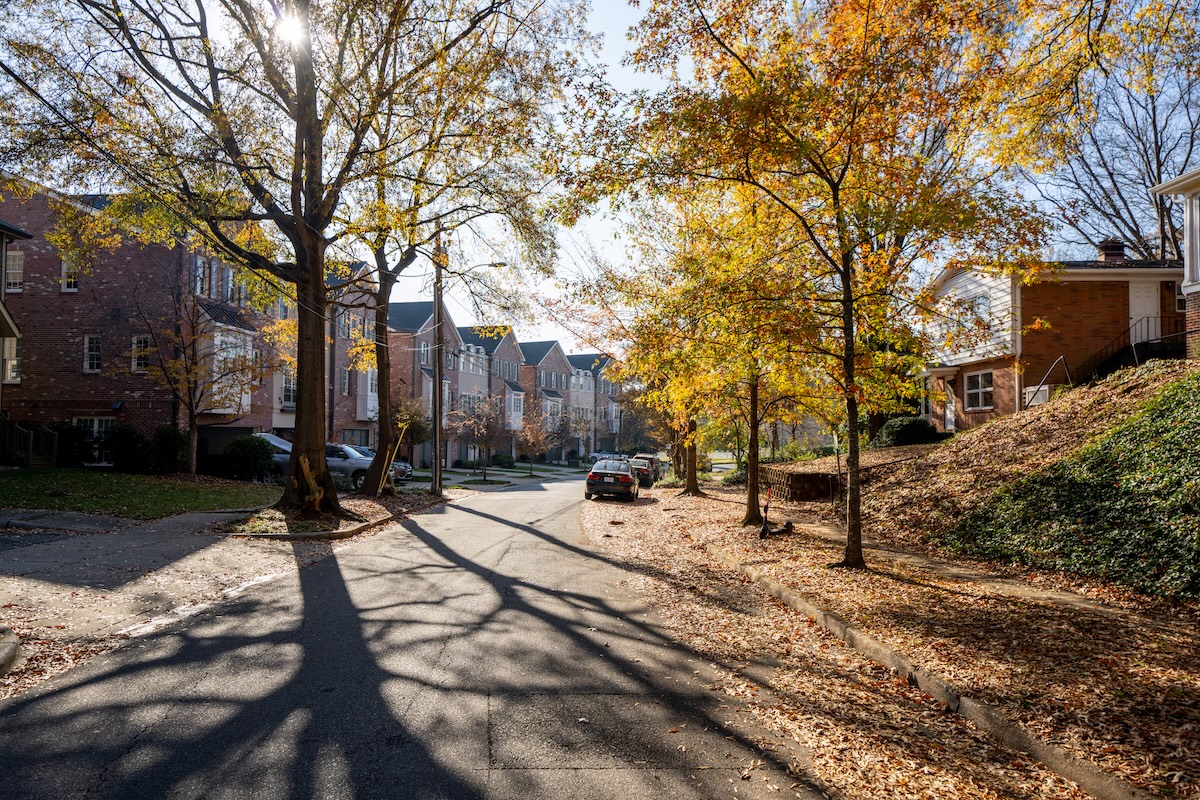
Charlotte went from regional Southern city to major banking center, nearly octupling its population by becoming America’s second-largest banking hub after New York. Bank of America and Wells Fargo built major operations here, and the financial sector transformed Charlotte from textile town to corporate powerhouse. The city annexed aggressively, absorbing surrounding areas and preventing the city/suburb divide that limited other cities’ growth.
The NASCAR Hall of Fame and a thriving restaurant scene give Charlotte culture beyond banking, and the airport hub status makes it easy to leave when Southern summer humidity becomes oppressive. Recent years brought an NBA team, NFL success, and enough transplants to dilute the traditional Southern character that longtime residents sometimes lament. The growth shows no signs of stopping, with cranes dotting the skyline and new neighborhoods appearing constantly.
9. Raleigh, NC (From 65,679 to 499,825 | +661%)
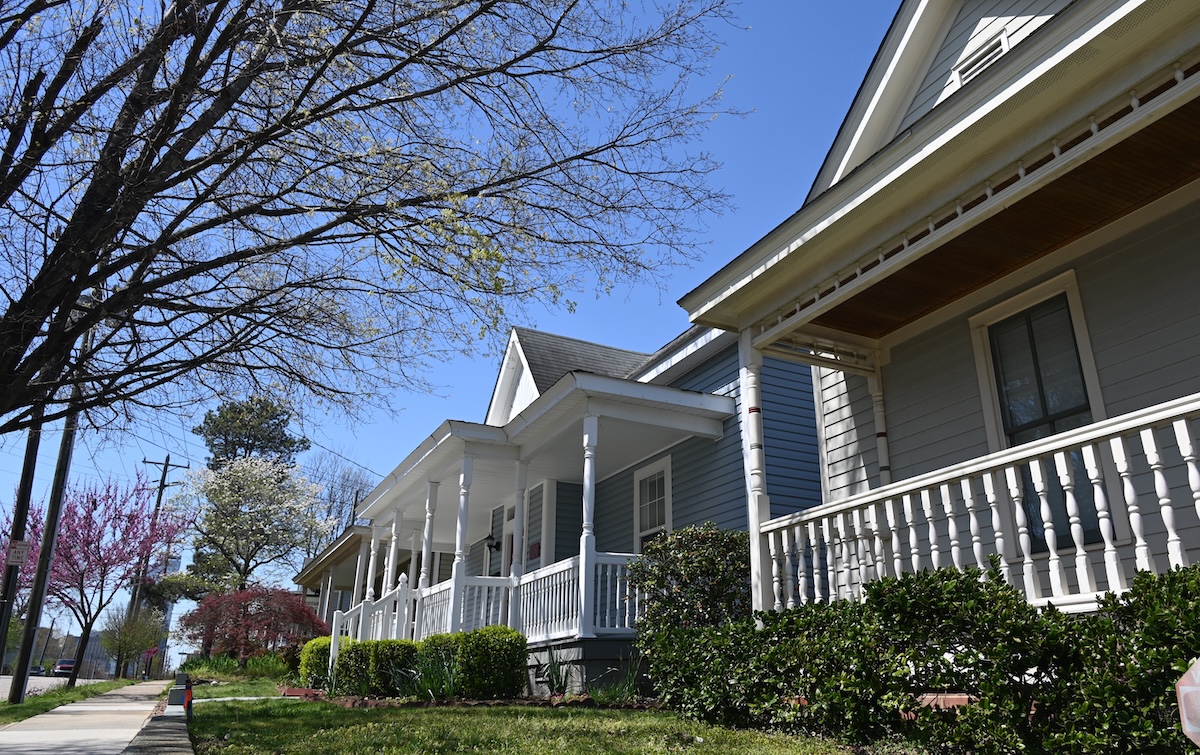
Research Triangle Park’s creation in the late 1950s turned Raleigh from a sleepy state capital into a booming tech hub that attracted educated workers from across the country. The population grew more than sevenfold, with growth accelerating as tech companies discovered North Carolina offered lower costs than Silicon Valley with educated workers from nearby universities. The city expanded in all directions, with suburbs like Cary becoming cities themselves.
The combination of universities, tech jobs, and relatively affordable housing (at least compared to coastal cities) made Raleigh consistently rank high on “best places to live” lists, which only attracted more people and drove up prices. Trees and greenery give the metro area a different feel from sprawling Sun Belt counterparts in Texas or Arizona. The growth brought diversity and culture that transformed Raleigh from Southern college town to cosmopolitan tech hub faster than many longtime residents could process.
8. Austin, TX (From 132,459 to 1,007,435 | +661%)
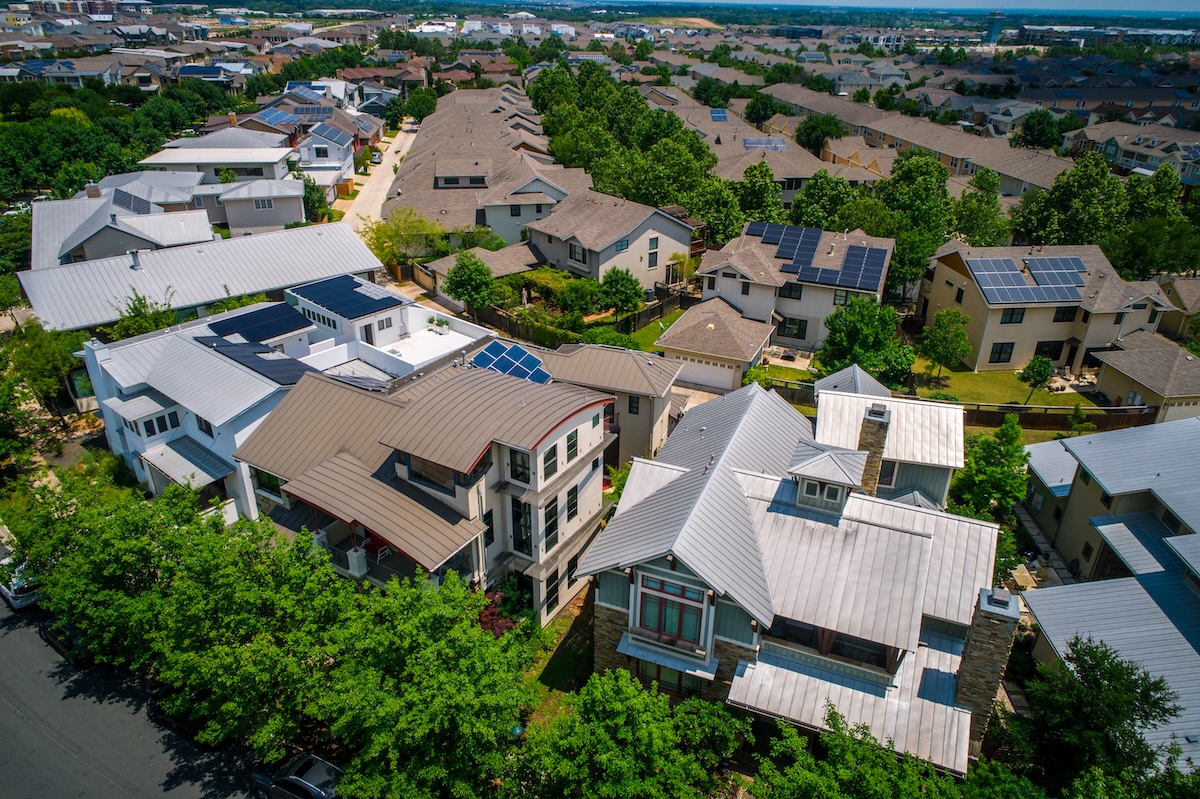
This Texas giant went from quirky college town to major tech hub, representing one of America’s most dramatic urban transformations. The city grew more than sevenfold, accelerated by tech companies fleeing California taxes, live music culture attracting creative types, and the “Keep Austin Weird” slogan that ironically helped attract the very growth that made it less weird. Dell, Apple, Google, Tesla, and countless startups established major presences.
The growth strained infrastructure designed for a much smaller city, creating legendary traffic on I-35 and housing costs that longtime residents find outrageous even if they’re still cheaper than San Francisco. The music scene survives but struggles with rising rents, and the city’s character fights against homogenization that rapid growth brings. Barbecue and breakfast tacos remain excellent, and you can still find weirdness if you know where to look, just not as easily as before everyone discovered Austin was awesome.
7. San Jose, CA (From 95,280 to 991,209 | +940%)
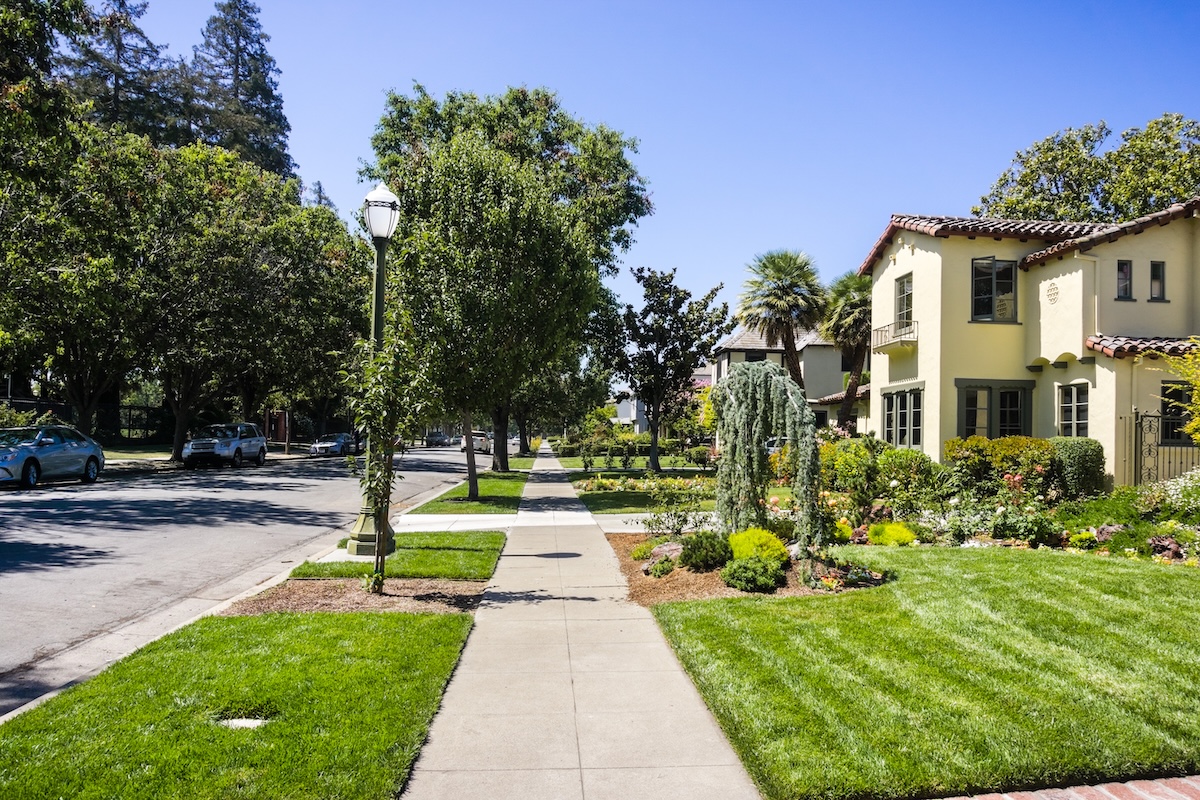
Silicon Valley’s capital grew tenfold from agricultural center to the heart of global technology innovation. Apple, Google, Facebook, and countless other tech giants ring the city, employing hundreds of thousands in companies that didn’t exist when San Jose was still orchards and farms. The transformation was so complete that younger residents can barely imagine the valley covered in fruit trees instead of office parks.
Housing costs are among America’s highest, with million-dollar homes that would be torn down in other markets. The city lacks a traditional downtown and sprawls formlessly across the valley floor, connected more by freeways than coherent urban planning. Tech wealth created massive inequality between engineers earning six figures and service workers priced out of the communities they serve. But the innovation and opportunity concentrated here changed the world, for better or worse.
6. Colorado Springs, CO (4From 45,472 to 93,554 | +986%)
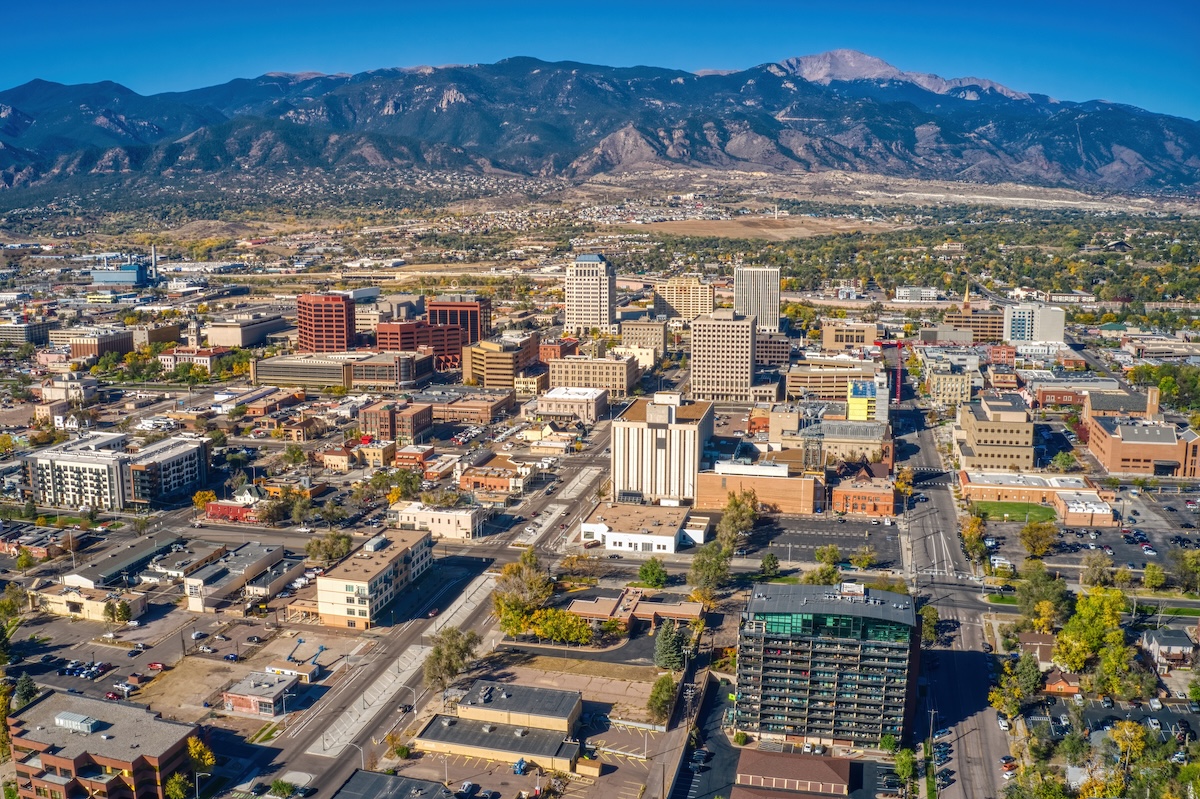
Colorado Springs grew from small mountain town to nearly 500,000 residents, expanding almost eleven-fold thanks to military bases, defense contractors, and people discovering Colorado has amazing mountains and better weather than most people realize. The Air Force Academy, Fort Carson, and NORAD’s Cheyenne Mountain complex brought stable employment that fueled residential growth spreading across former ranchland.
Pikes Peak looms over everything, and access to hiking, climbing, and skiing attracts outdoor enthusiasts willing to trade coastal amenities for mountain recreation. The city has conservative political leanings unusual for growing Western cities, partly due to military presence and evangelical organizations headquartered here. Recent growth accelerated as remote work let people live in Colorado Springs while earning coastal salaries, driving up prices and traffic while increasing the population that already grew dramatically for decades.
5. Tucson, AZ (From 45,454 to 554,013 | +1,119%)
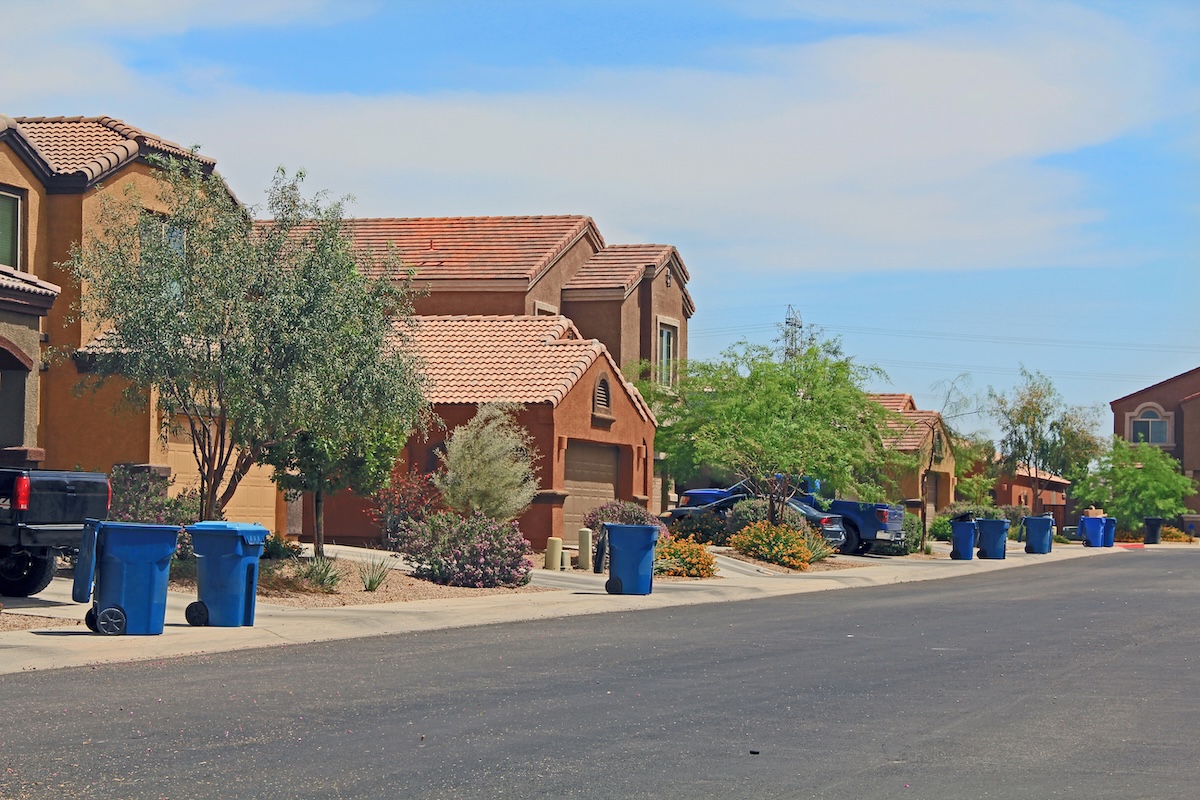
From Desert outpost to major city, Tucson convinced people that 110-degree summers are tolerable with air conditioning and swimming pools. The University of Arizona anchors the economy, and defense contractors like Raytheon employ thousands in aerospace and missile systems. Retirees discovered Tucson offered Phoenix’s warmth with slightly less sprawl and better Mexican food.
The Sonoran Desert surrounding Tucson is deeply beautiful with saguaro cacti and mountain ranges creating scenery that partly justifies living somewhere this hot. The city maintained more character than Phoenix by limiting sprawl somewhat, though strip malls and suburban developments still spread across the desert. Cost of living stays lower than coastal cities, and winter weather is legitimately perfect, but summer requires accepting that outdoors becomes largely off-limits from June through September.
4. Phoenix, AZ (From 106,818 to 1,703,449 | +1,496%)
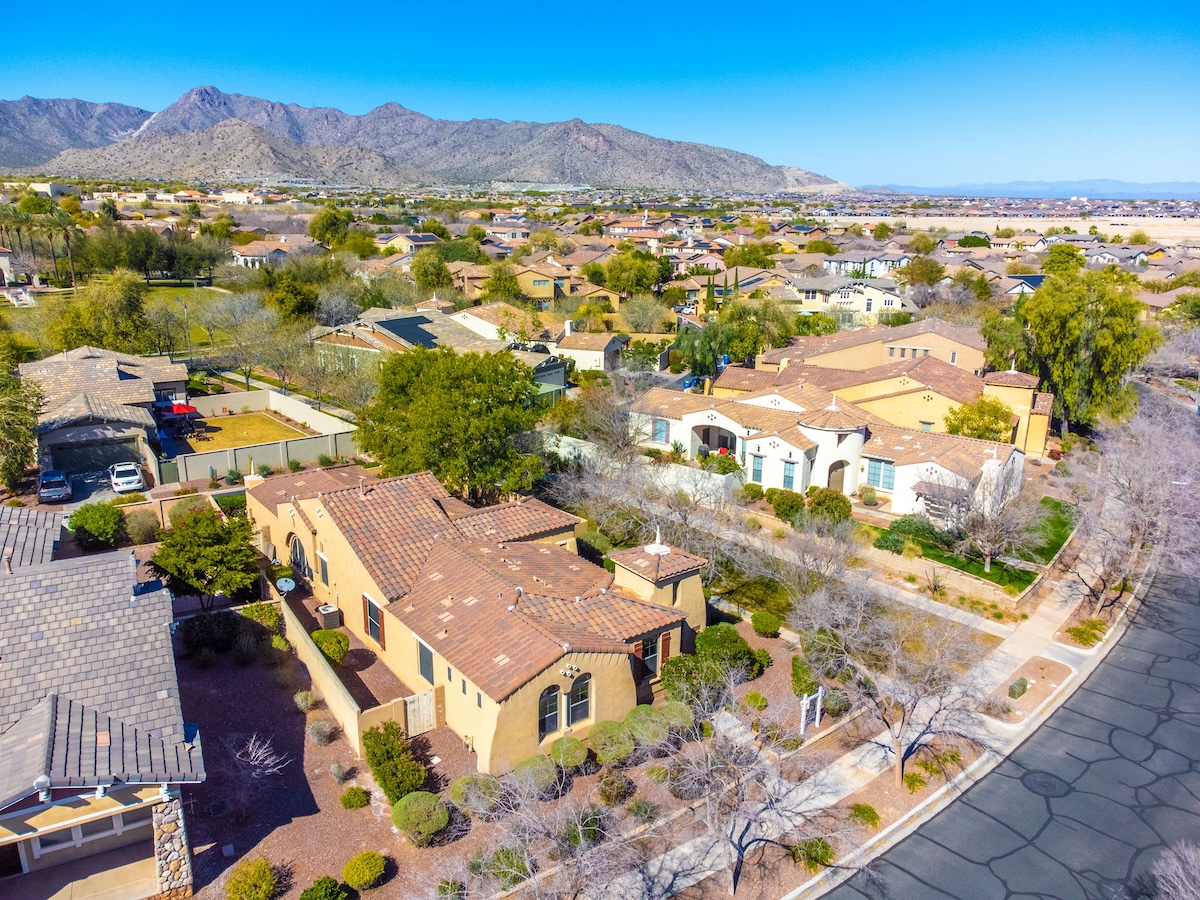
America’s fifth-largest city became a metropolis through sheer force of will and air conditioning, sprawling across the Sonoran Desert in defiance of common sense about building cities in places with 120-degree summer days. The Valley of the Sun spread across hundreds of square miles of former desert, consuming farmland and creating an urban area that’s impossible to cross without a car and freeway tolerance.
Water from the Colorado River and Salt River Project made growth possible despite Phoenix getting seven inches of rain annually. Retirees flocked to Sun City and similar developments, while jobs in healthcare, education, and tech attracted younger workers. The growth created a city with no real center, just sprawling suburbs connected by freeways that turn into parking lots during rush hour. But winter weather is perfect, golf courses are everywhere, and housing costs less than California, which is enough to convince millions that desert life is worth the summer suffering.
3. Las Vegas, NV (From 24,624 to 694,501 | +2,720%)
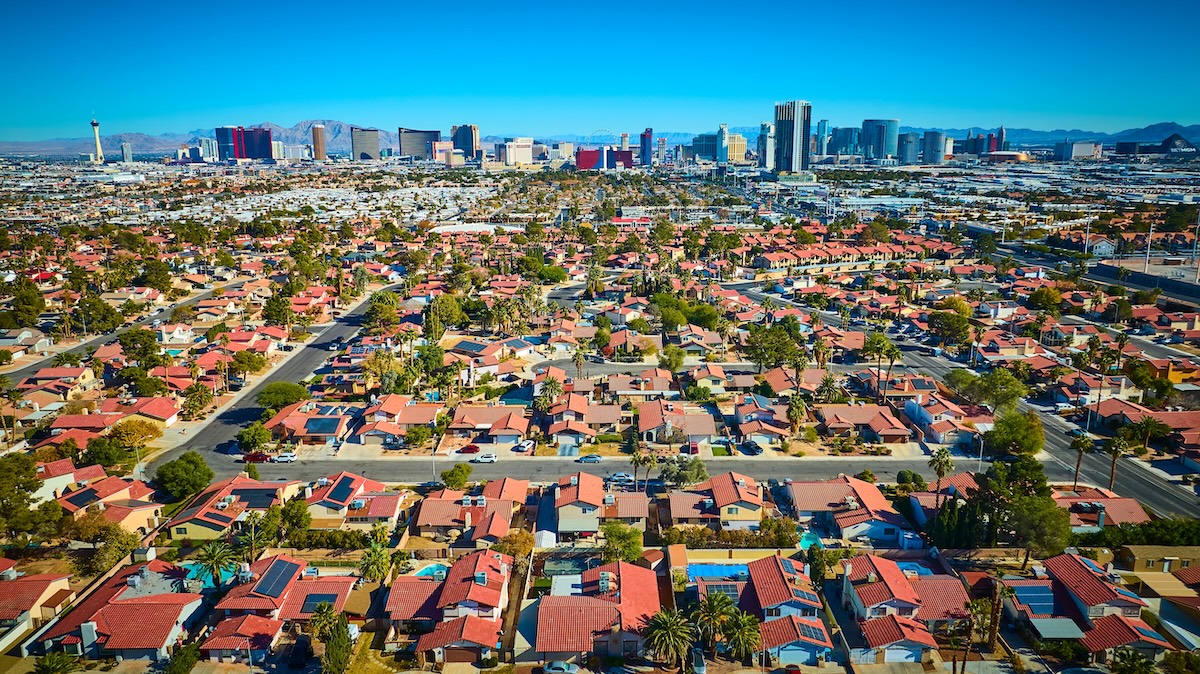
Vegas exploded from desert outpost to major city by building an economy around gambling, entertainment, and convincing people that a city in the Mojave Desert makes perfect sense. The population grew 28 times since 1950, accelerated by casino expansion, convention business, and eventually diversification into healthcare, education, and tech that made Vegas more than just a gambling town.
The Strip employs tens of thousands and generates tax revenue that keeps Nevada income-tax-free, attracting Californians tired of high taxes and people from across the country seeking cheap housing and warm weather. Lake Mead water levels dropping to concerning lows raise questions about long-term sustainability that boosters prefer not to discuss. But the city keeps growing, sprawling across the valley floor with subdivisions and strip malls that look identical to suburbs anywhere except they’re surrounded by desert mountains.
2. Mesa, AZ (From 16,790 to 517,151 | +2,980%)
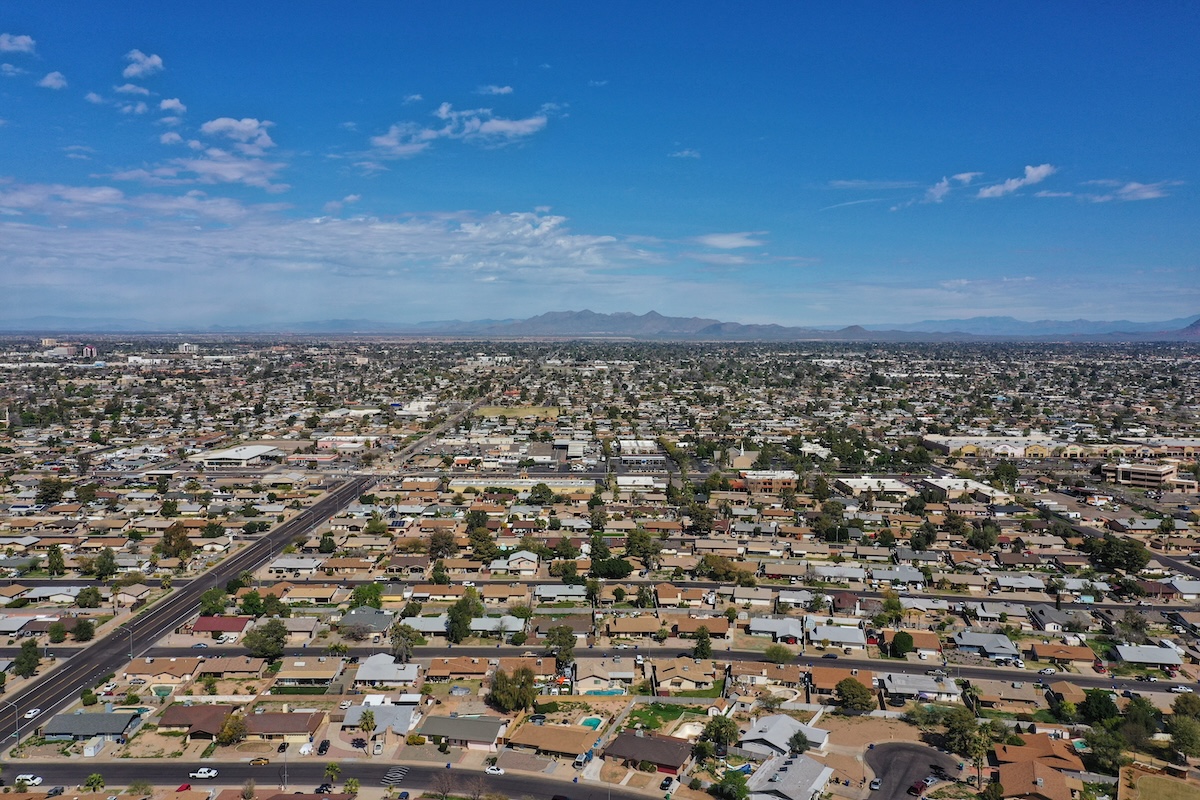
Mesa grew thirtyfold from agricultural community to Arizona’s third-largest city, essentially becoming Phoenix’s largest suburb while maintaining separate city status. The growth mirrored Phoenix’s explosion, with retirees, families, and workers filling subdivisions that spread across former citrus groves and cotton fields. Mesa lacks Phoenix’s downtown but makes up for it with master-planned communities and shopping centers.
The city is large enough to be America’s 36th biggest but lacks the identity or character that usually comes with cities its size. It functions more as a bedroom community than an independent city, though local boosters would dispute that characterization. Mesa’s affordability compared to Phoenix and Scottsdale attracts families seeking suburban life and retirees wanting warmth without paying premium prices.
1. Virginia Beach, VA (From 5,390 to 454,808 | +8,340%)
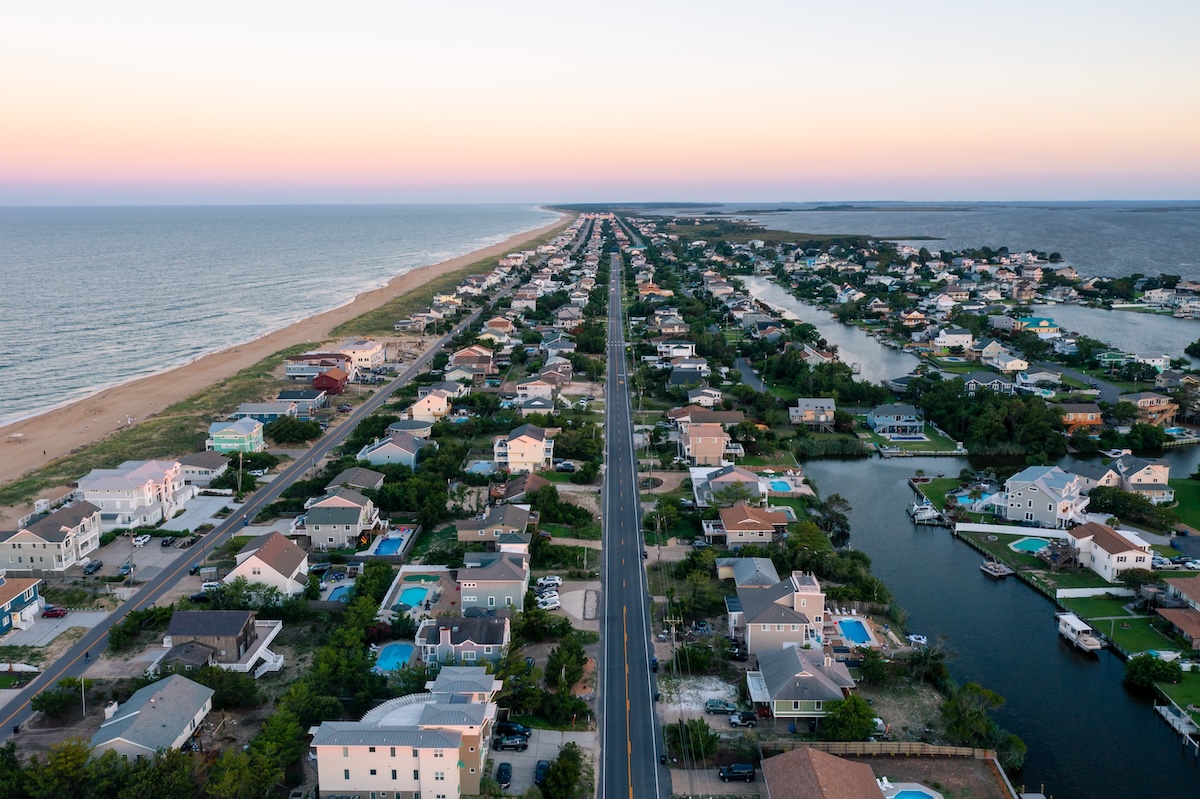
Virginia Beach wins by absurd margin, growing from tiny beach community of 5,390 to 455,000. The city’s 1963 merger with Princess Anne County added land area and population, but the growth remains staggering. Military bases, beach tourism, and proximity to Norfolk created employment while the beach location attracted residents despite its hurricane risk.
The city sprawls across former farmland from the oceanfront to the North Carolina border, creating suburban developments that barely feel connected to the beach areas that tourists visit. Military presence from nearby bases provides stable employment, and the lack of state income tax helps attract residents from Maryland and other high-tax states. The oceanfront remains touristy and sometimes tacky, but the population growth shows that people want to live near beaches even if it means suburban sprawl and traffic that comes with building a major city from basically nothing in 70 years.