
America’s architectural landscape tells a story—one of history, community, and state identity. From grand civic structures to humble homes, these landmarks give each region its own flavor and sense of heritage.
Every state has at least one building that everyone recognizes, a place that’s woven into its cultural fabric. Some are old churches or forts, others are museums or monuments, but all of them preserve something important about American history.
As you travel across the country, you see how architecture links you to the past but still matters today. Some states show off ornate towers from the early 1900s, while others keep things simple, honoring houses where influential people once lived.
Alabama: Ivy Green
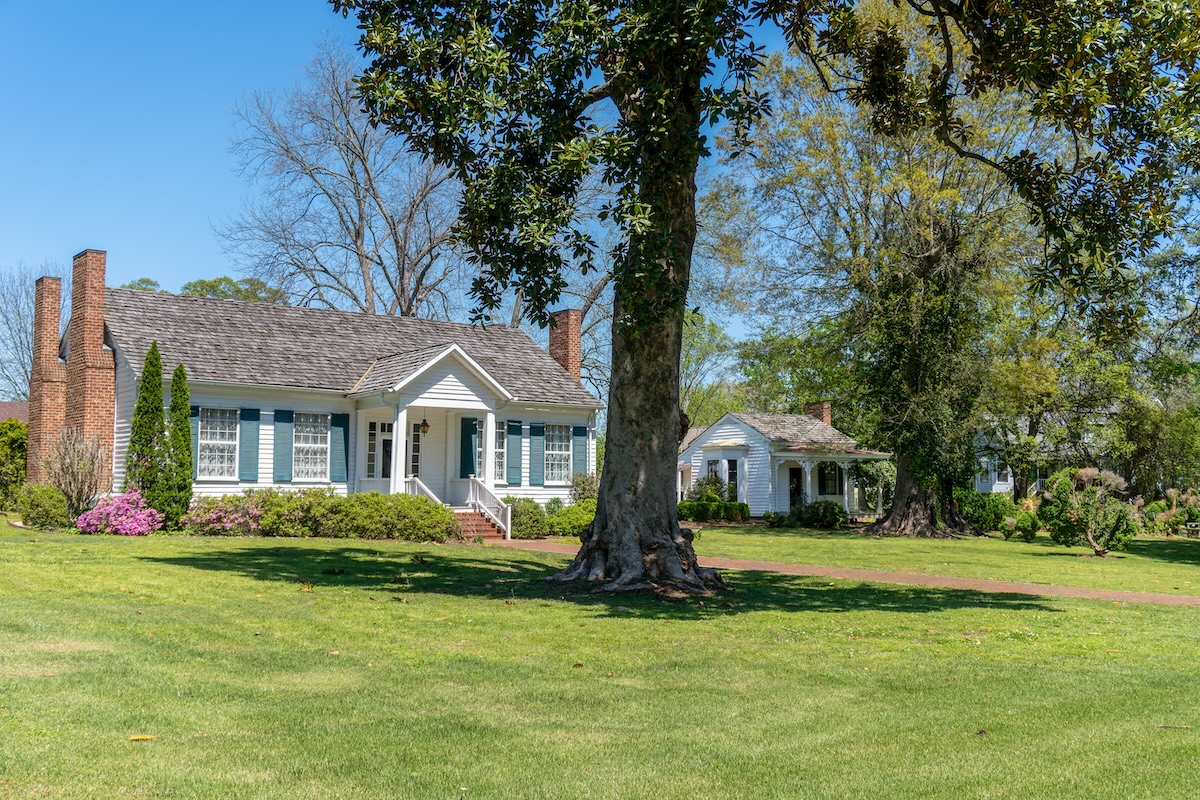
In Tuscumbia, there’s a modest white cottage draped in English ivy—hence the name Ivy Green. This is where Helen Keller was born in 1880 and spent her early years. It’s a quiet, almost unassuming spot, but history echoes here.
This is the place where seven-year-old Helen had her legendary “water pump moment” with Anne Sullivan in 1887. You can still see the actual pump where Helen first linked the feeling of water running over her hand with the finger-spelled word Anne tapped into her palm. That single breakthrough opened up language for a child who’d been cut off by deafness and blindness.
The property holds the main house, some outbuildings, and the cottage where Sullivan stayed during those intense first lessons. Walking these grounds, you retrace the steps of one of America’s most remarkable educational journeys. Today, it runs as a museum, preserving the space and the story of grit and discovery that happened here.
Alaska: Russian Bishop’s House
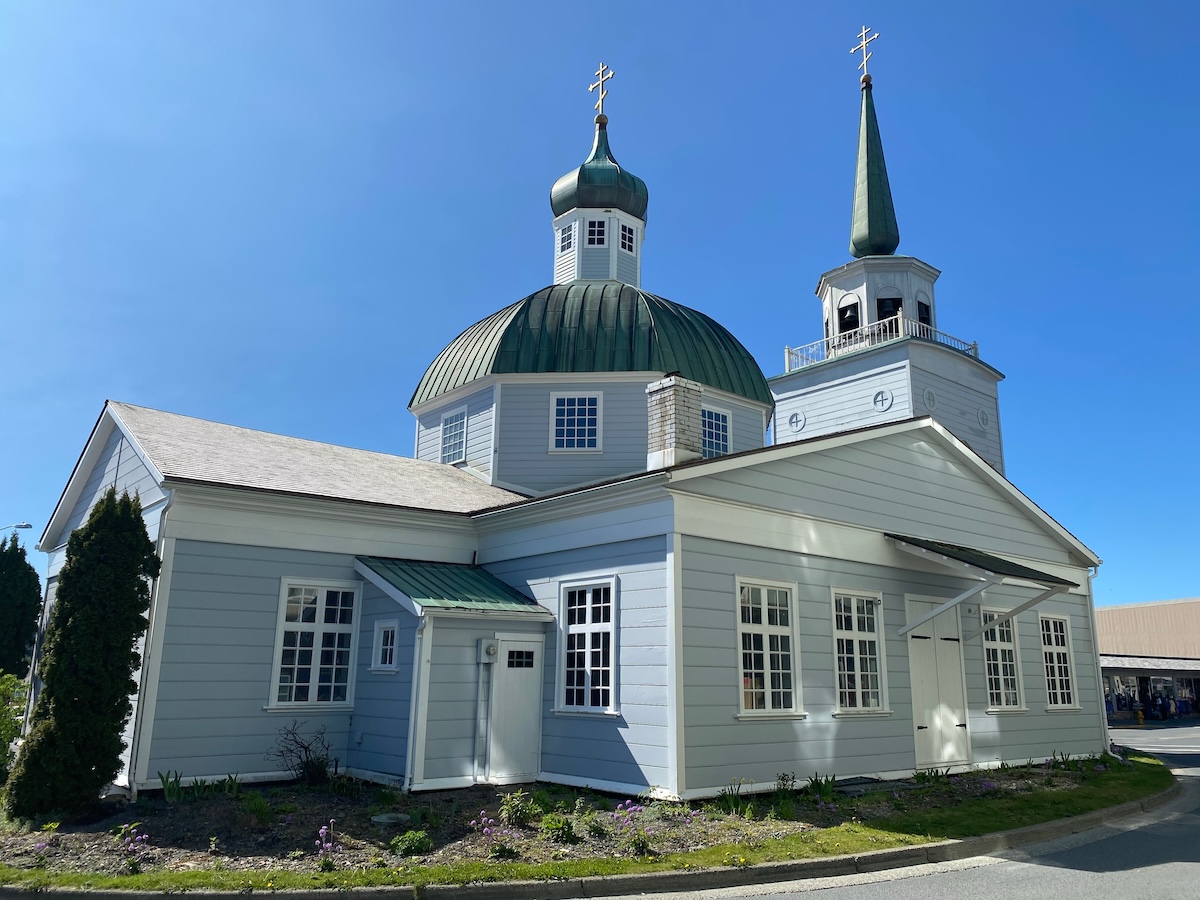
In Sitka, the Russian Bishop’s House stands out as one of Alaska’s most remarkable historic structures. Built in 1842, it was home to Bishop Innocent Veniaminov, a major figure in Russian America’s spiritual and cultural life.
The National Park Service has meticulously preserved this two-story log building. It’s rare—only four Russian colonial buildings like it survive in all of North America. The house features hand-hewn logs, original details, and period furnishings that really pull you into the mid-1800s.
Inside, you’ll find exhibits on Russian Orthodox influence in Alaska and snapshots of daily life for the bishop who served such a diverse region. The ground floor once held a seminary and chapel, while the upstairs was living space. Visiting here gives you a real sense of Alaska’s multicultural roots, long before it joined the United States in 1959.
Arizona: Arizona Biltmore
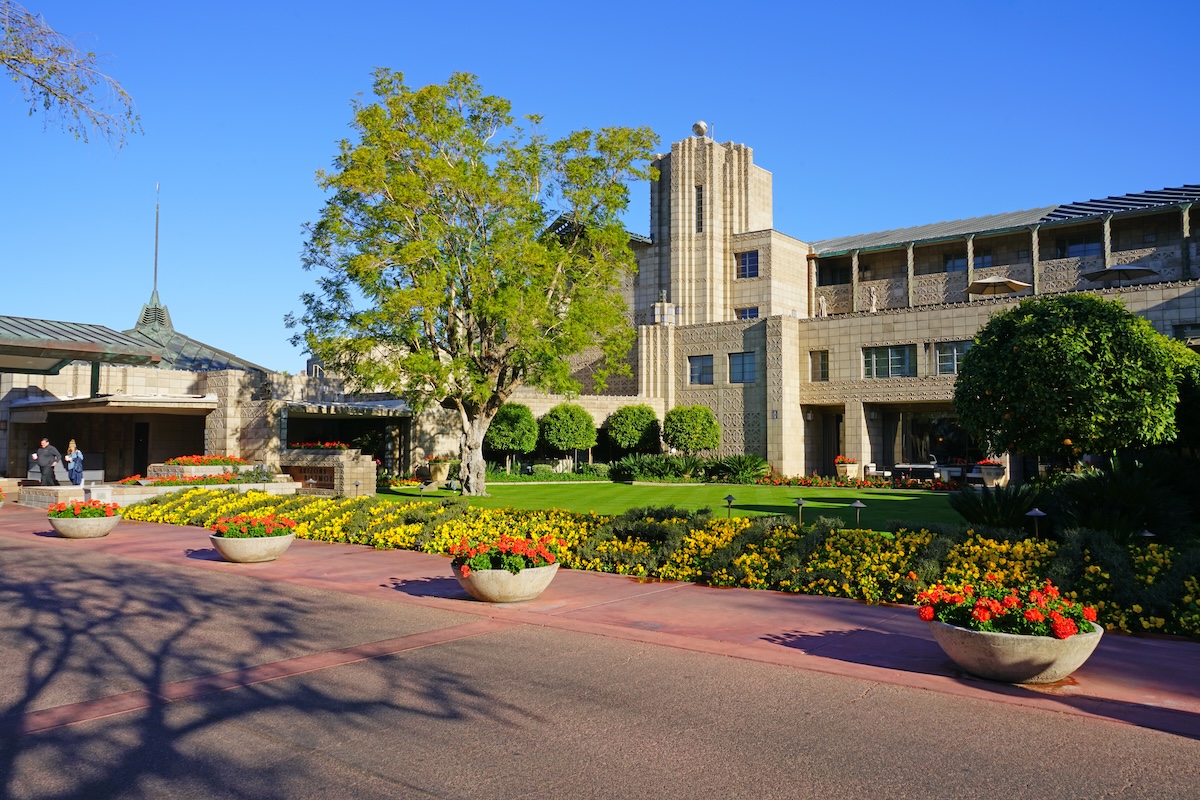
Since 1929, the Arizona Biltmore has stood in Phoenix as a bold experiment in architectural innovation. This luxury resort shows off geometric concrete blocks in striking patterns across its facade—Frank Lloyd Wright’s influence is all over the place, especially in the textile-block style that sets it apart from the usual desert look.
Wandering the 39 acres of landscaped grounds, you’ll spot original Wright-inspired touches everywhere, from the lobby to the gardens. Back in the day, Hollywood stars and dignitaries flocked here for winter retreats, helping to put Phoenix on the map as a luxury hotspot.
The Biltmore still holds its spot as one of Arizona’s most recognizable landmarks, thanks to careful preservation and a bit of glamour that hasn’t faded. Even now, you can feel the blend of Art Deco flair and desert modernism that makes this place so distinct—almost a century after it first opened its doors.
Arkansas: Little Rock Central High School
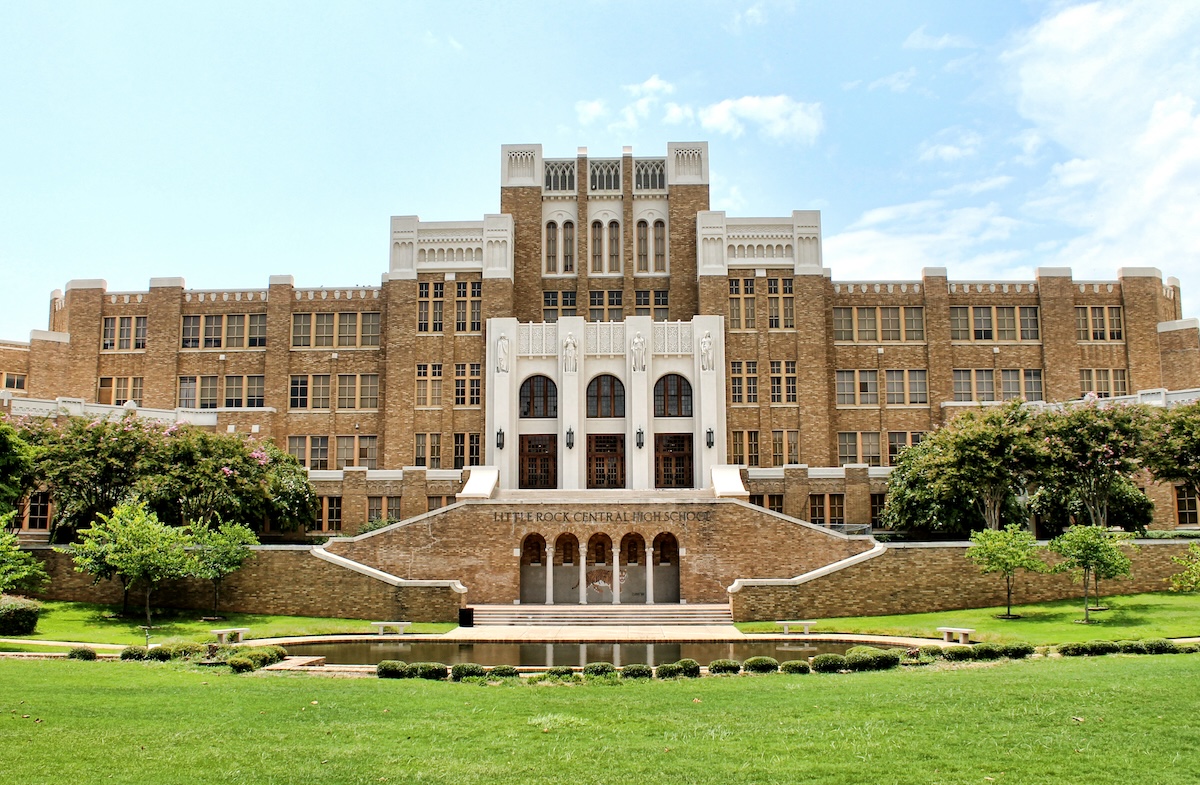
Right in the heart of Arkansas’s capital, you’ll run into one of America’s most important civil rights landmarks. Little Rock Central High School doesn’t just sit there quietly—it stands as a stubborn, proud reminder of the long struggle for educational equality and the fight to end segregation in U.S. schools.
They built it back in 1927, and it’s hard to miss those Gothic Revival towers and all that detailed stonework. But let’s be real: most people know this place because of what went down in 1957. That’s when nine African American students—now known as the Little Rock Nine—walked through those doors, federal troops by their side, pushing back against a wall of institutional racism. If you swing by, the visitor center nearby lays it all out, telling the story of their courage and the chaos that swirled around them.
California: The Getty Center
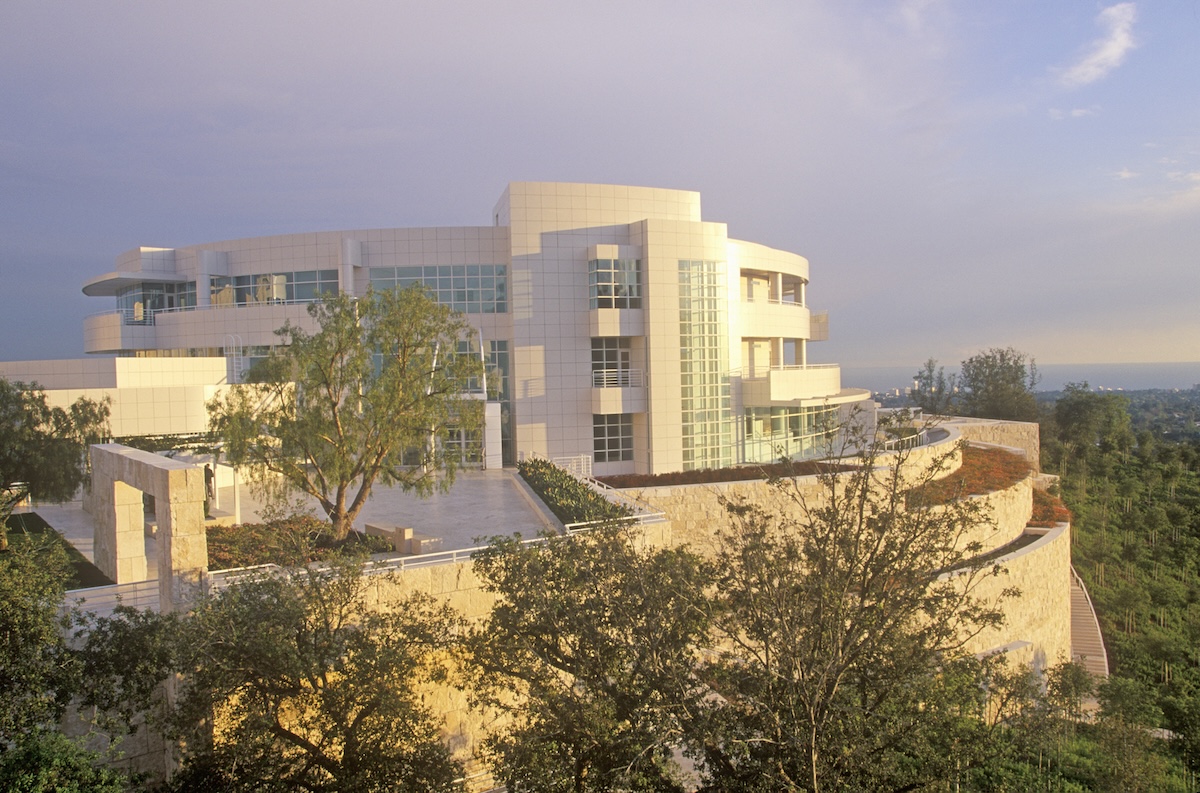
Head up into the hills of Brentwood in LA, and you’ll spot the Getty Center, almost floating above the city. Richard Meier designed it, and it opened in 1997. At 881 feet above sea level, the views alone are worth the trip.
The place is a cluster of crisp, travertine-clad buildings, all arranged in this open, modernist way. You can wander through galleries filled with European paintings, sculptures, and decorative arts—some pieces go back to the Middle Ages. The stone is a story in itself: workers hauled 16,000 tons of travertine from Italy, leaving the surfaces rough so you see fossils and veins running through.
But there’s more than just art inside. The Central Garden, dreamed up by Robert Irwin, sprawls with carefully planted paths and a big reflecting pool. Light pours in everywhere, and you get this feeling of art and nature bleeding into each other. Admission? Still free. Parking, not so much.
Colorado: The Brown Palace Hotel
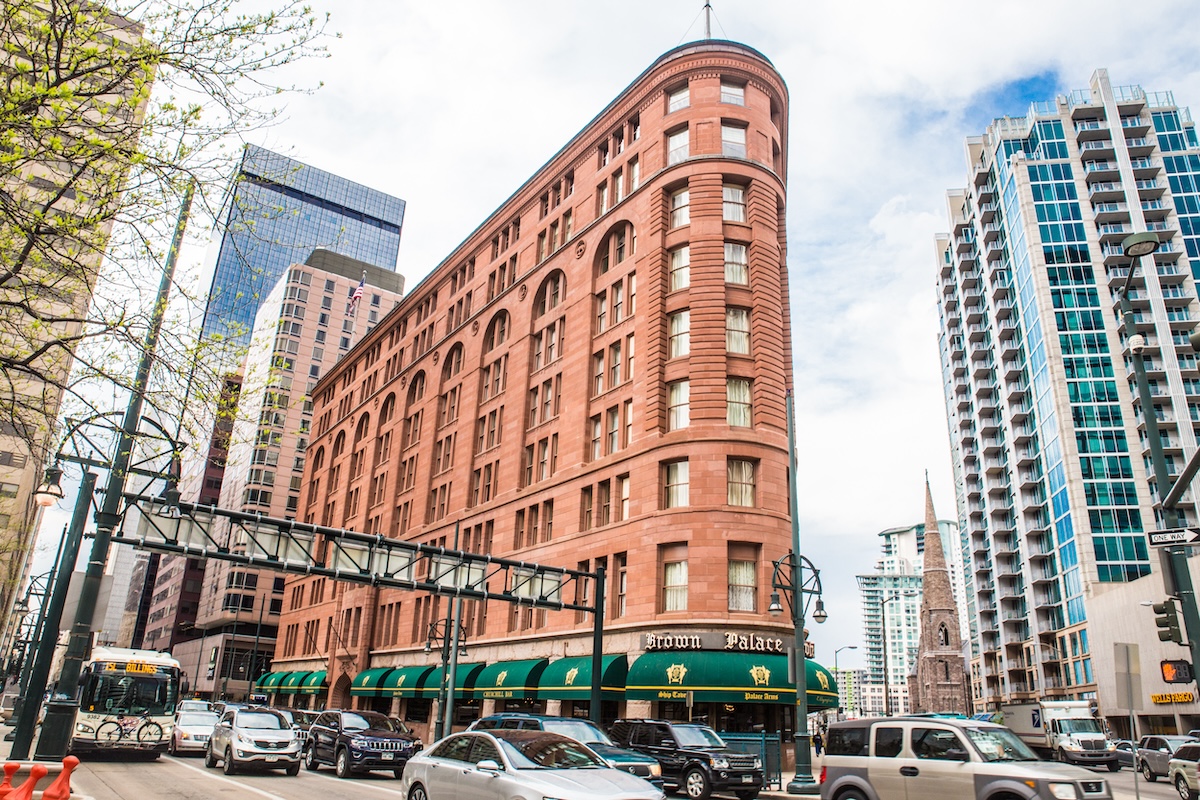
Step into The Brown Palace Hotel in downtown Denver and you’re instantly surrounded by Colorado history. This wedge-shaped icon has been around since 1892 and, honestly, it’s seen a lot—every U.S. president since Teddy Roosevelt has passed through those doors.
The eight-story atrium steals the show. You look up and see ornate cast-iron railings and a stained-glass ceiling that bathes the lobby in sunlight. Outside, the building’s Italian Renaissance Revival style stands out, built completely from Arizona sandstone.
What’s wild is that the hotel never closed—not once in over 130 years. You can still sip tea in the same Victorian elegance folks enjoyed in the 1890s. They even draw water from the original artesian well. It’s old-school in the best way.
Connecticut: The Glass House
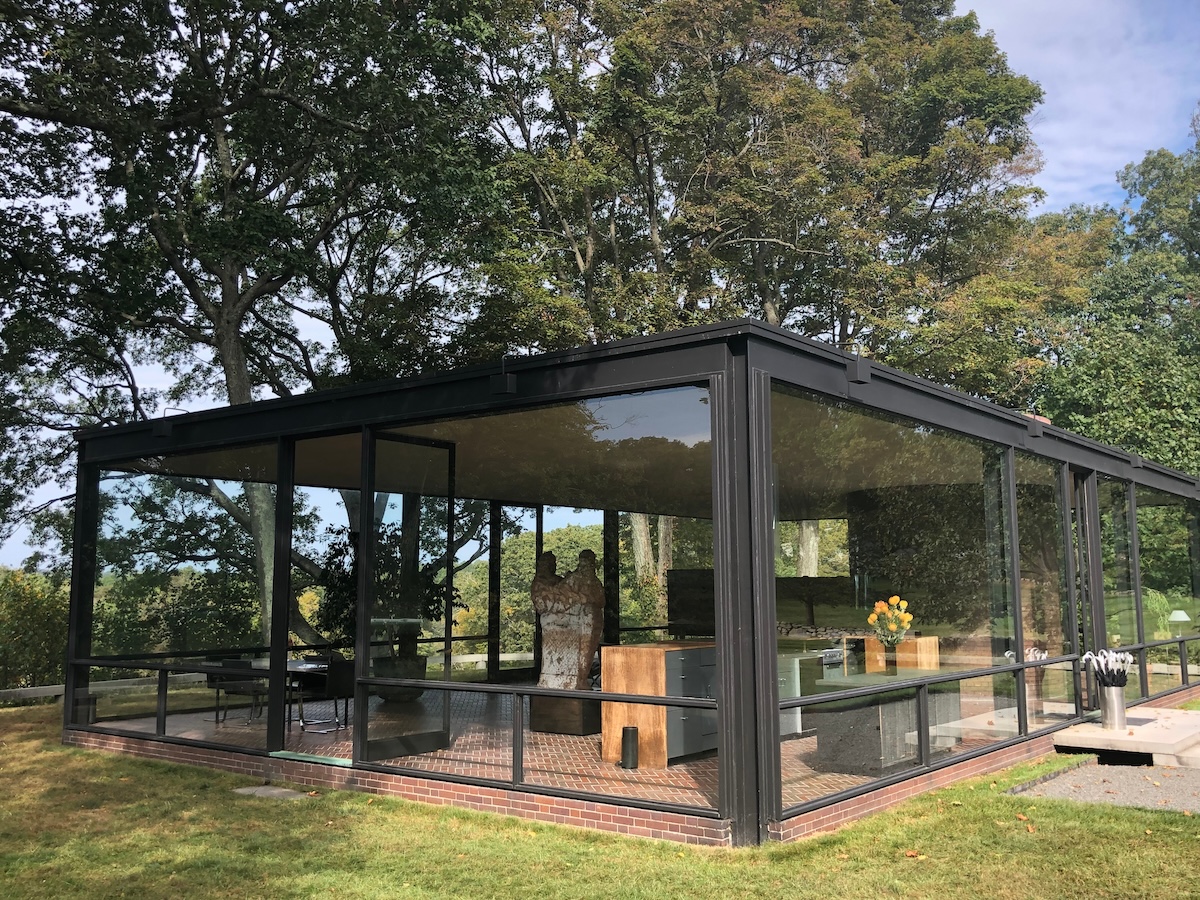
Hidden among the trees in New Canaan sits one of the boldest homes you’ll ever see: The Glass House. Philip Johnson designed it in 1949 for himself, and it’s basically a 1,815-square-foot glass box where inside and outside melt together.
The walls? Pure glass, held up by black steel frames that almost vanish against the landscape. When you’re there, you can’t help but question what “privacy” even means. Johnson lived there for nearly sixty years, proving that you really can call something this radical “home.”
The estate sprawls over 49 acres, dotted with other structures Johnson played around with over the years. You can tour the grounds and see his experiments up close. The Glass House still draws architecture buffs from everywhere, and it keeps shaping how people think about design, transparency, and living with nature.
Delaware: Nemours Mansion
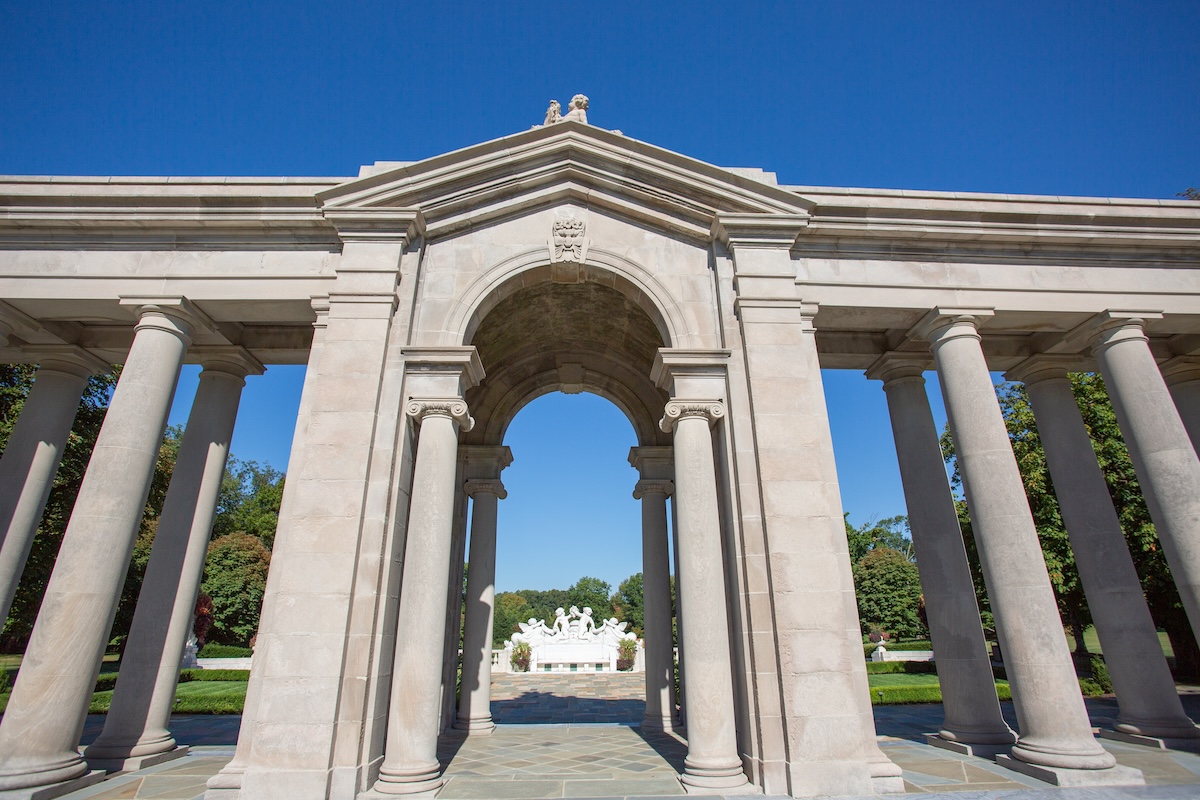
Just north of Wilmington, there’s this architectural gem—Nemours Mansion. Alfred I. du Pont built it back in 1910, drawing inspiration from French neoclassical châteaux. The name, Nemours, nods to the family’s roots in north-central France.
Step inside and you’ll find rooms packed with fine art, antiques, and period pieces that really capture the vibe of early 20th-century luxury. The estate stretches across 300 acres, and honestly, the formal French gardens are stunning—fountains, statues, reflecting pools, all of it.
Florida: Fontainebleau Miami Beach
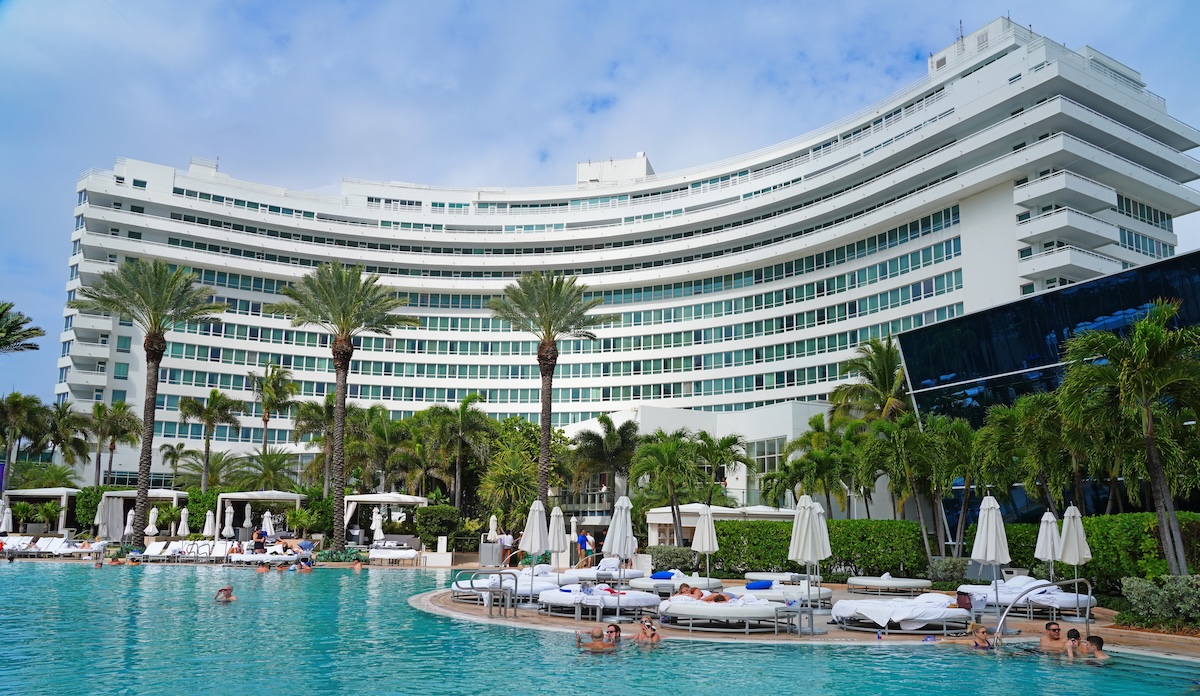
You can’t really miss the Fontainebleau curving along Collins Avenue in Miami Beach. Since opening in 1954, it’s been a symbol of post-war American glamour and a kind of wild, unapologetic excess. Architect Morris Lapidus went all-in on the sweeping, “bow-tie” shaped resort—a design that basically kicked off Miami Modern (MiMo) architecture.
Step into the Fontainebleau today and you’re walking the same halls that Frank Sinatra and Elvis Presley once did. The place has shown up in plenty of films, but maybe most famously in the James Bond classic Goldfinger. Its dramatic curves, those grand staircases, and that oceanfront backdrop made it an instant icon—and honestly, it still feels larger than life. Sure, it’s had some renovations over the years, but the place hangs onto that bold, optimistic 1950s vibe that made it famous in the first place.
Georgia: Fox Theatre
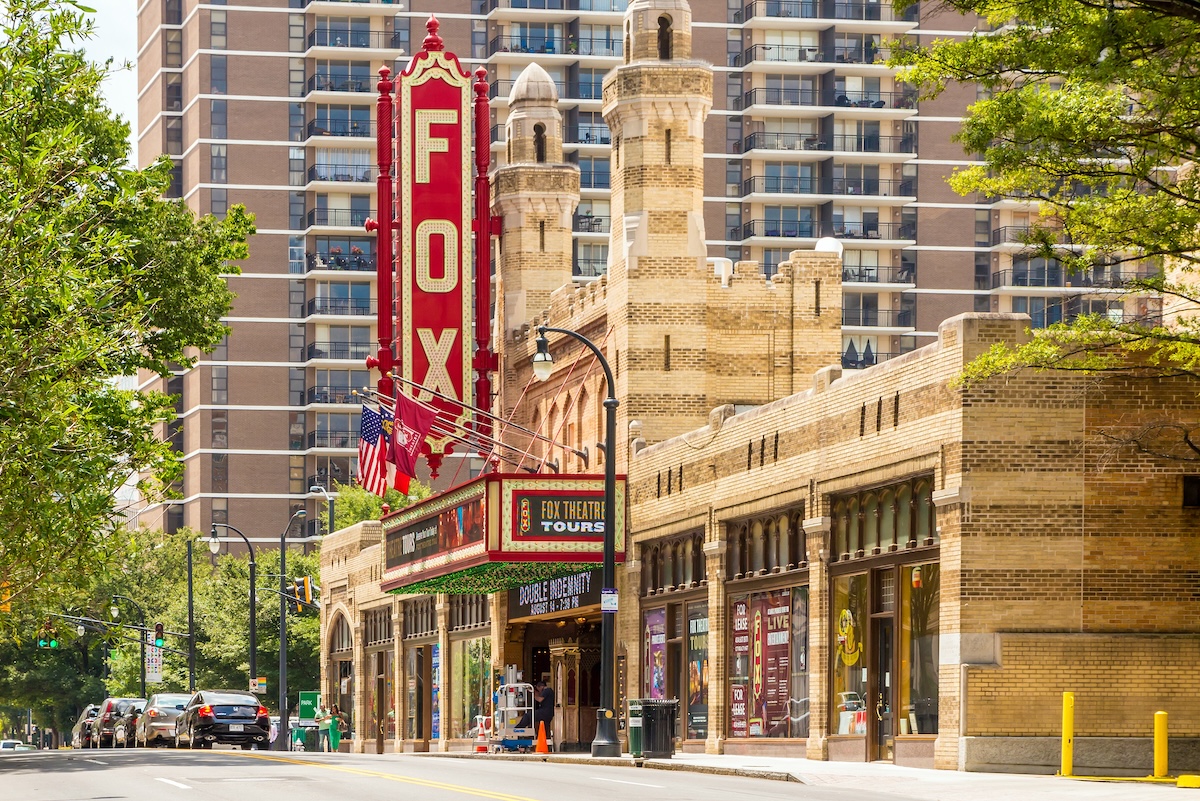
Sitting right in Midtown Atlanta, the Fox Theatre has wowed audiences since 1929. It’s an over-the-top movie palace with a wild mix of Egyptian and Moorish styles—ornate decorations, towering minarets, and that unforgettable starlit sky ceiling in the auditorium. Inside, gold-leaf details, dramatic arches, and hand-stenciled patterns make the place feel like something out of a storybook.
The Fox actually started as a Shriners temple before turning into a grand cinema. In the 1970s, it nearly got demolished, but locals weren’t having it—they fought hard to save it. Now, it’s a go-to spot for Broadway shows, concerts, and classic films. The 4,665-seat auditorium still has its original grandeur, and the massive Möller organ still rises up from beneath the stage. Walking in, you can’t help but feel the weight of Atlanta’s cultural history—and maybe a little awe at all the details.
Hawaii: Iolani Palace
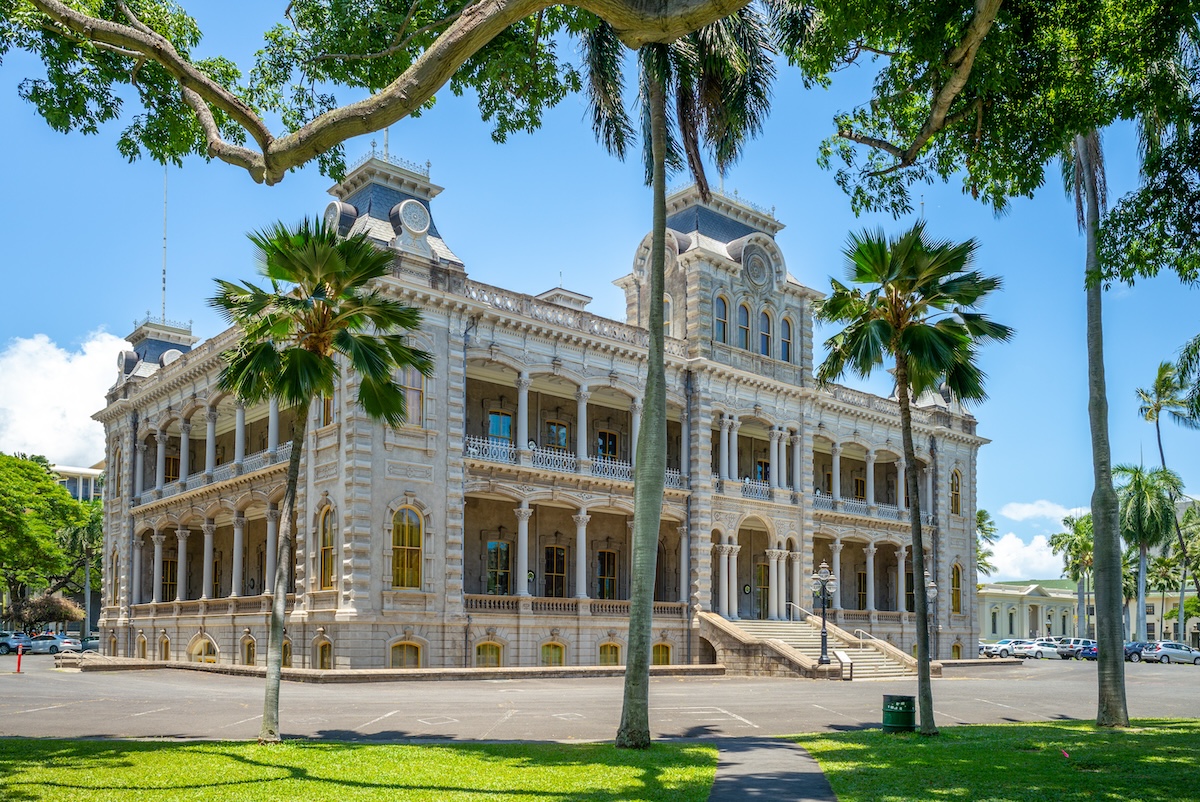
Right in downtown Honolulu, Iolani Palace stands out as the only royal palace on American soil. King Kalākaua built it in 1882, and it served as the home for Hawaii’s last monarchs until the kingdom’s overthrow in 1893. Back then, the palace had modern luxuries—even electric lights and indoor plumbing—before the White House did.
These days, you can tour the restored rooms where King Kalākaua and his sister, Queen Liliuokalani, once lived and ruled. The palace displays original furnishings, royal portraits, and even the Hawaiian crown jewels, all telling the islands’ story of sovereignty. You’ll see the grand halls where the king hosted legendary parties, and upstairs, the bedroom where Queen Liliuokalani was held after the monarchy fell. The American Florentine architecture mixes European elegance with tropical vibes, making this place a one-of-a-kind landmark and a reminder of a pivotal chapter in Hawaii’s past.
Idaho: Mission of the Sacred Heart
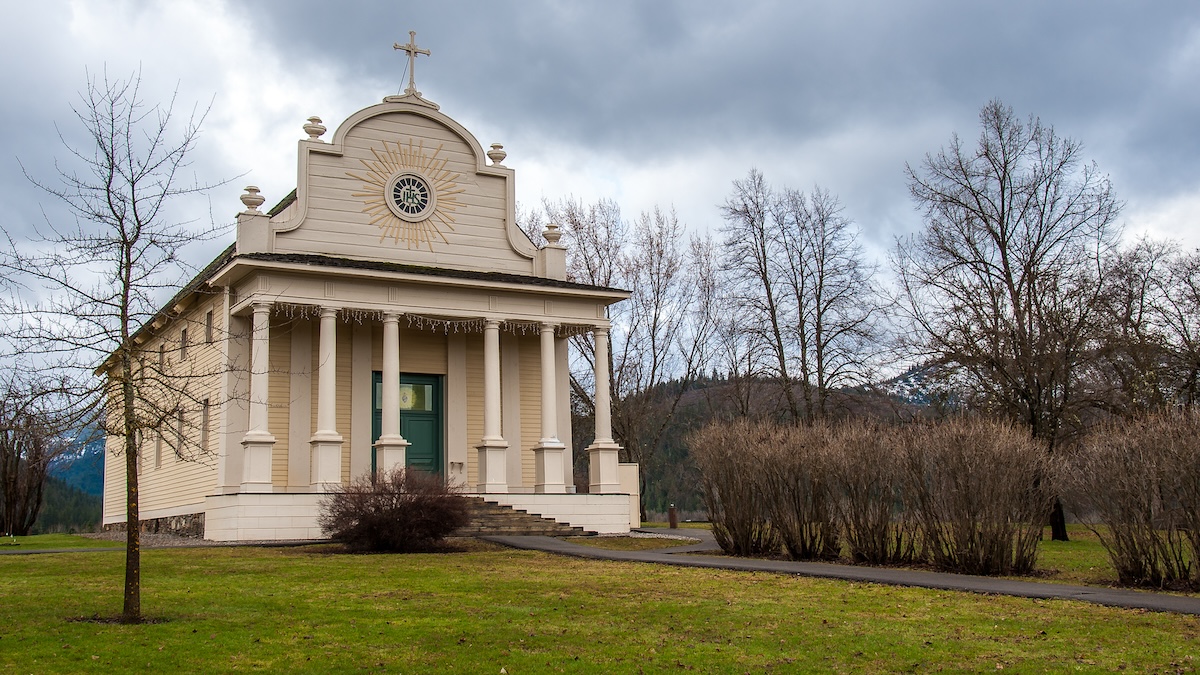
Tucked away in the small town of Cataldo, the Mission of the Sacred Heart has quietly watched over Idaho since 1853. It’s actually the oldest building still standing in the state. Coeur d’Alene tribe members and Jesuit missionaries built it together, relying on traditional techniques and whatever tools they had on hand. They skipped nails and used wooden pegs instead, and for the walls, they grabbed mud straight from the river nearby.
Step inside and you’ll spot the frescoes on the walls and ceiling—vivid, earthy colors made from local materials. The place once buzzed as a spiritual and cultural hub for the whole region back in the 1800s. Now, it’s a state park and museum, and you can wander through the original church, piecing together stories of how indigenous people and missionaries pooled their skills to create this place. There’s something quietly striking about the way European religious design mixes with Native American craftsmanship—honestly, you won’t find anything quite like it anywhere else in Idaho.
Illinois: Aqua Tower
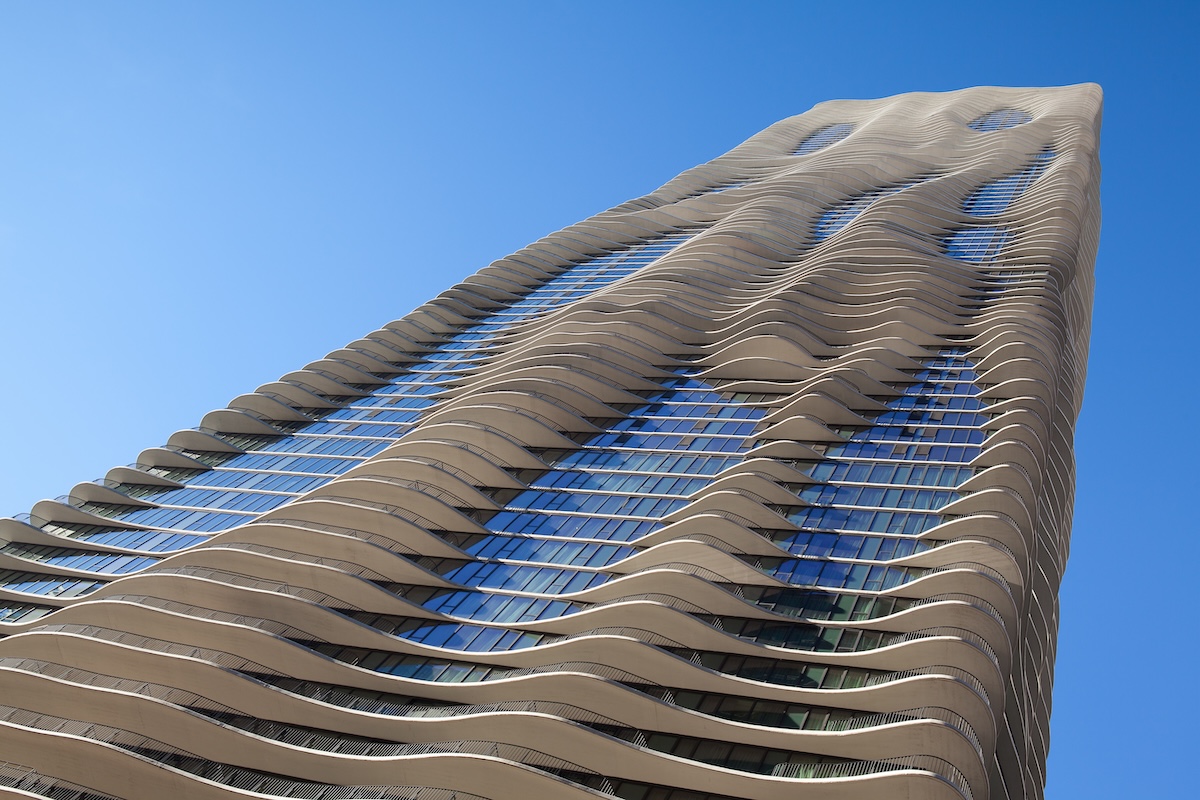
In Chicago, the Aqua Tower shoots up 82 stories, immediately catching your eye. It’s not just tall—the whole thing ripples like water, thanks to those wild balconies that jut out at different lengths. Jeanne Gang, the architect, dreamed up this flowing design, so the building kind of shimmers and shifts as the light changes or you move around it.
Look closer, and you’ll spot over 250 distinct floor slabs, each shaped a little differently. Those wavy balconies aren’t just for show—they actually help shade the building, cut down on wind, and, honestly, give you some of the best views of Lake Michigan and Millennium Park. When it opened in 2009, it was the tallest building ever designed by a woman-led firm. Inside, it’s a real mix: apartments, a hotel, offices—basically a little city stacked up in Lakeshore East.
Indiana: West Baden Springs Hotel
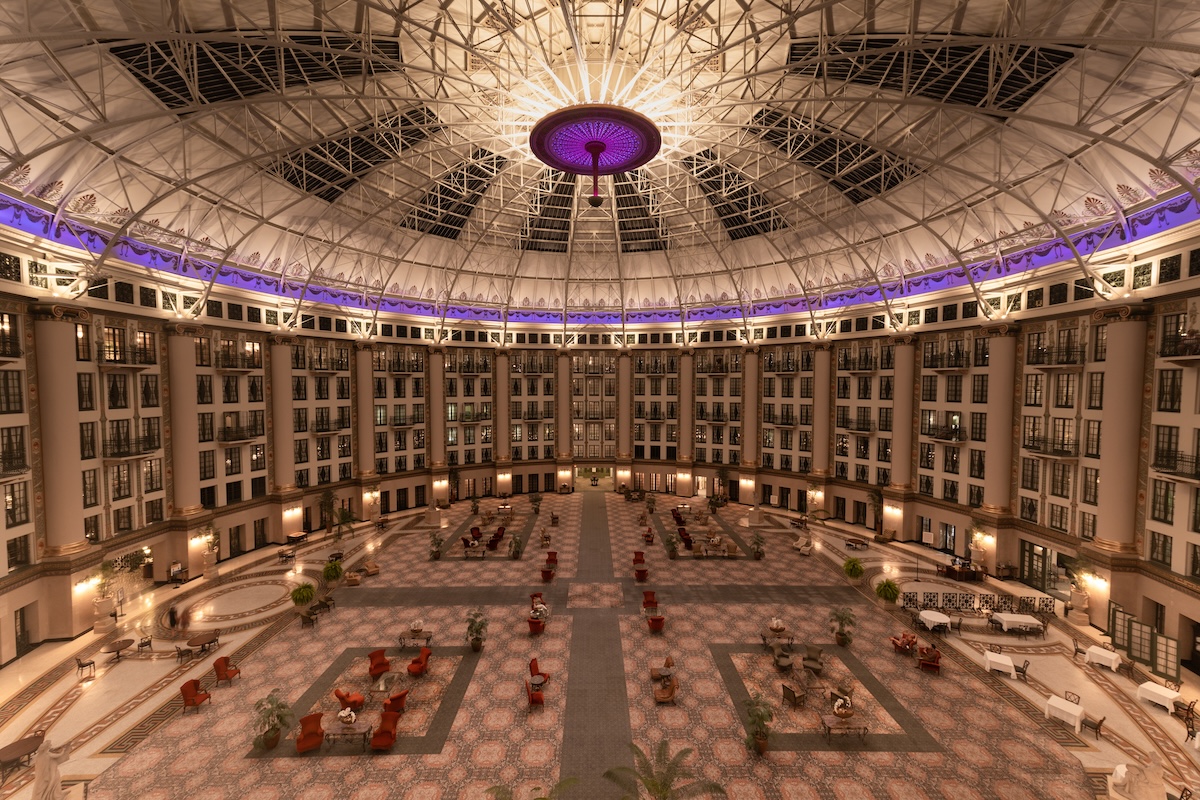
Down in southern Indiana, tucked into the hills, the West Baden Springs Hotel stands as a jaw-dropping feat of engineering. Built in 1902, its dome spans a whopping 200 feet—no supports in the middle, just open space. For years, no other dome in the world could match it, and even now, stepping into that airy atrium feels surreal.
People called it the “Eighth Wonder of the World” back when it opened. The place nearly vanished after decades of neglect, but a massive restoration in 2007 brought it roaring back. Now, it’s a luxury resort again, with sunlight pouring through the dome’s skylights. The ironwork, those bright white columns, all the little details—they pull you right back to the grand days of early 1900s resorts.
Iowa: Figge Art Museum
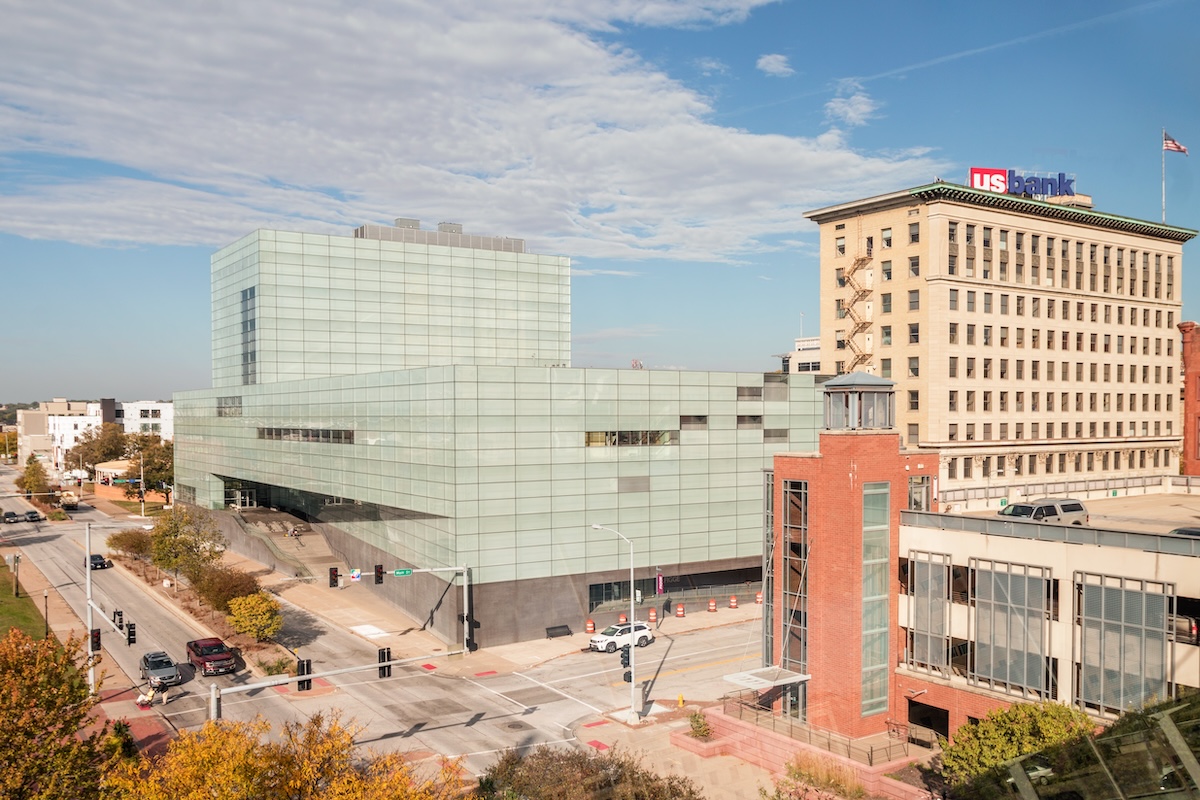
Right along Davenport’s Mississippi riverfront, the Figge Art Museum stands out with its sharp glass walls and a front that curves just enough to catch the sky and water. Opened in 2005, it replaced the old museum and quickly became a Quad Cities icon.
Step inside and you’re surrounded by more than 4,000 pieces of art from all over the map—different centuries, different styles. The glassy exterior floods the galleries with daylight, making the art feel alive and ever-changing. The building doesn’t just hold the collection; it’s part of the show, anchoring Davenport’s revived riverfront and giving the city a fresh sense of identity.
Kansas: Museum at Prairiefire
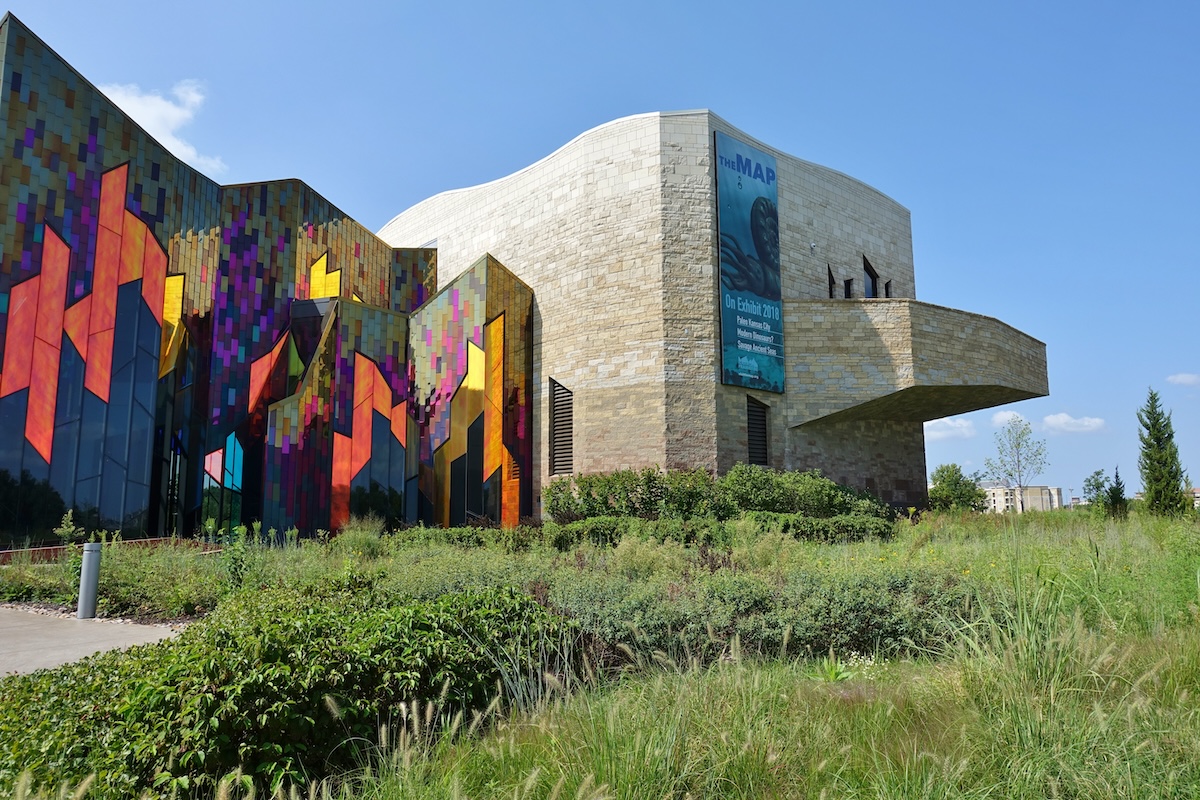
Overland Park’s Museum at Prairiefire stands out as one of the Midwest’s most striking architectural achievements. The building rises from the prairie with a facade that seems to shift and dance with the light—seriously, you can’t miss it. Its exterior uses dichroic glass panels that change color throughout the day, echoing the prairie fires that once swept across Kansas grasslands. There’s just nothing else like it in the state.
Step inside and you’ll find rotating exhibits from the American Museum of Natural History, plus regional displays that highlight Kansas’s natural history and scientific heritage. The museum opened in 2014 as part of a bigger mixed-use development, blending culture with commerce in a way that feels fresh and a little unexpected. Visiting here isn’t only about the museum—the whole Prairiefire district buzzes with restaurants, shops, and public spaces, so it’s easy to make a day of it. At night, the building glows from within, turning into a beacon that really captures the spirit of modern Kansas architecture.
Kentucky: Churchill Downs
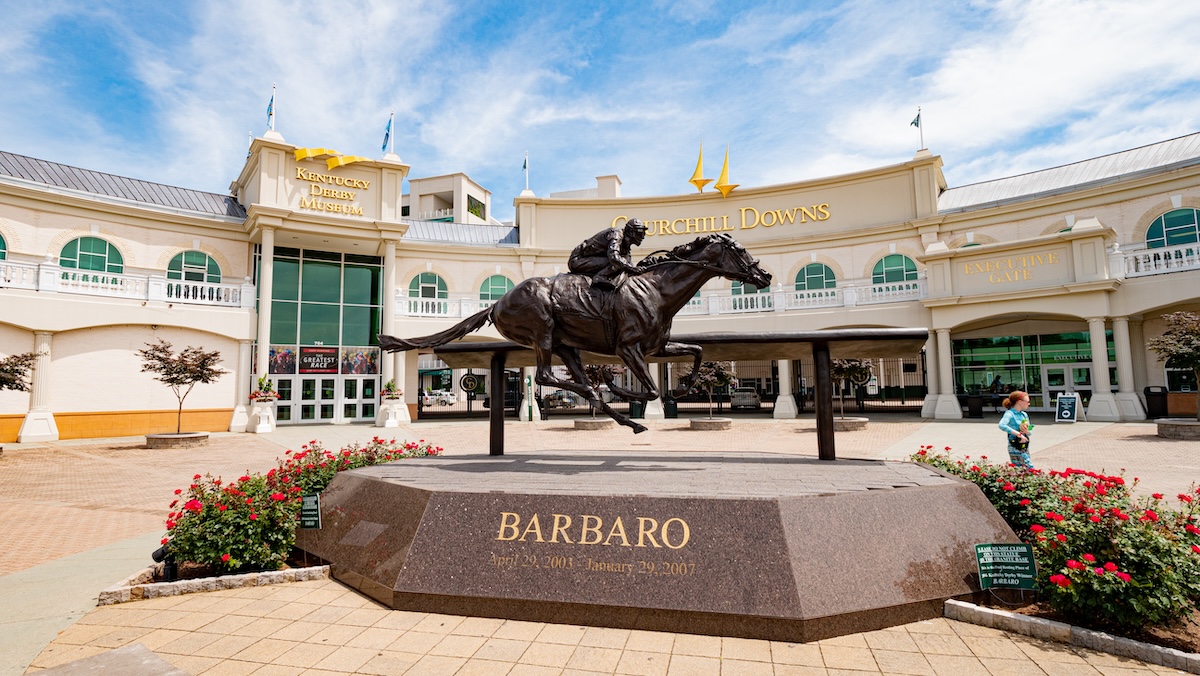
If Kentucky brings anything to mind, it’s probably Churchill Downs. This iconic racetrack in Louisville has hosted the Kentucky Derby since 1875, making it one of America’s oldest sporting traditions. Those twin spires atop the grandstand? They’re instantly recognizable—not just for the track, but for horse racing everywhere.
Churchill Downs sprawls across 147 acres and packs in over 150,000 fans on Derby Day. You can visit throughout the year to tour the grounds and check out the Kentucky Derby Museum, where exhibits dive deep into the race’s colorful history. Even if you’re not big on racing, the architecture alone is worth a look. The Victorian-era grandstand blends old-school charm with modern comforts, and you get a real sense of Southern tradition mixed with competitive spirit. Whether you’re sipping a mint julep during the Derby or wandering the track off-season, this National Historic Landmark gives you a real taste of Kentucky.
Louisiana: St. Louis Cathedral
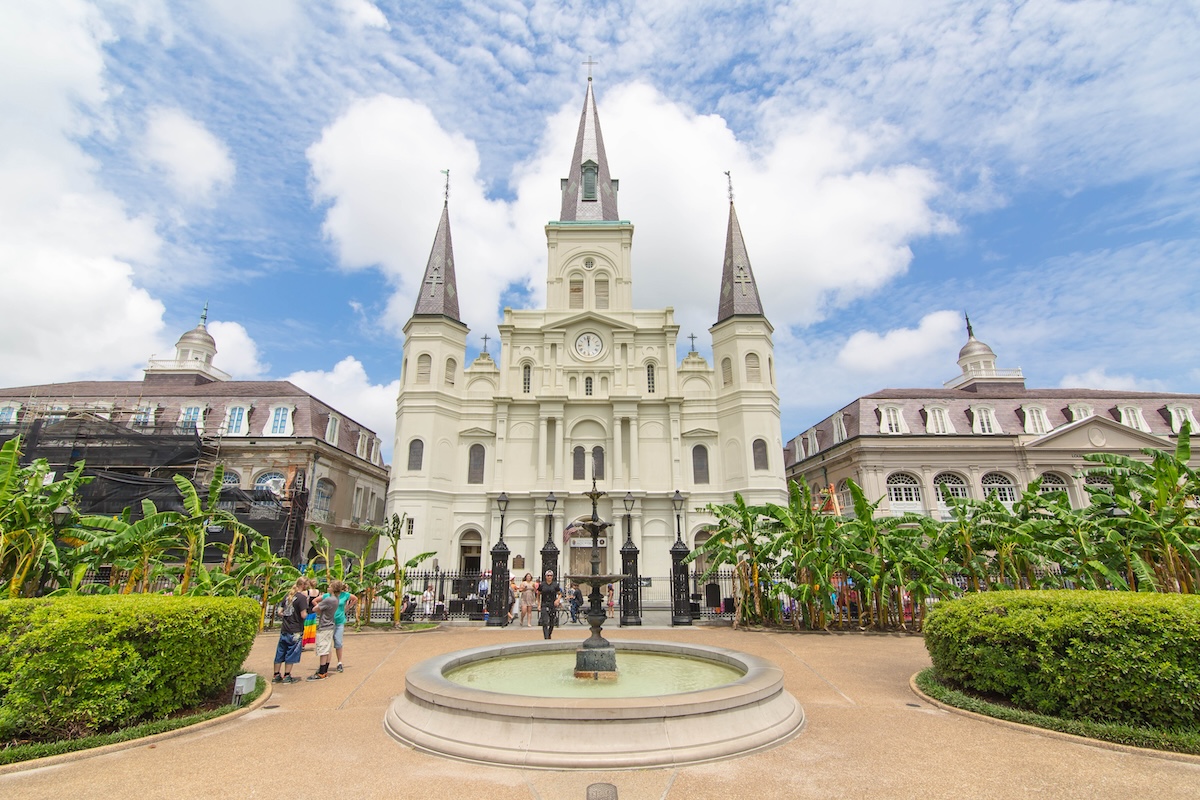
St. Louis Cathedral stands tall in New Orleans’ Jackson Square, anchoring the French Quarter since 1794. With its three spires, this brilliant white structure is the oldest continuously active cathedral in the country. The central clock tower, flanked by two shorter steeples, creates a design that’s become a symbol of New Orleans itself.
Step inside and you’ll find impressive religious artwork and gorgeous stained glass. The cathedral has weathered fires, hurricanes, and centuries of change, yet it remains a cornerstone of Catholic worship in Louisiana. Its Spanish Colonial architecture pops against the constant buzz of Jackson Square, where street performers and artists gather every day. The cathedral has seen pivotal moments, from the Louisiana Purchase ceremony to countless weddings and celebrations that still happen today.
Maine: Wadsworth-Longfellow House
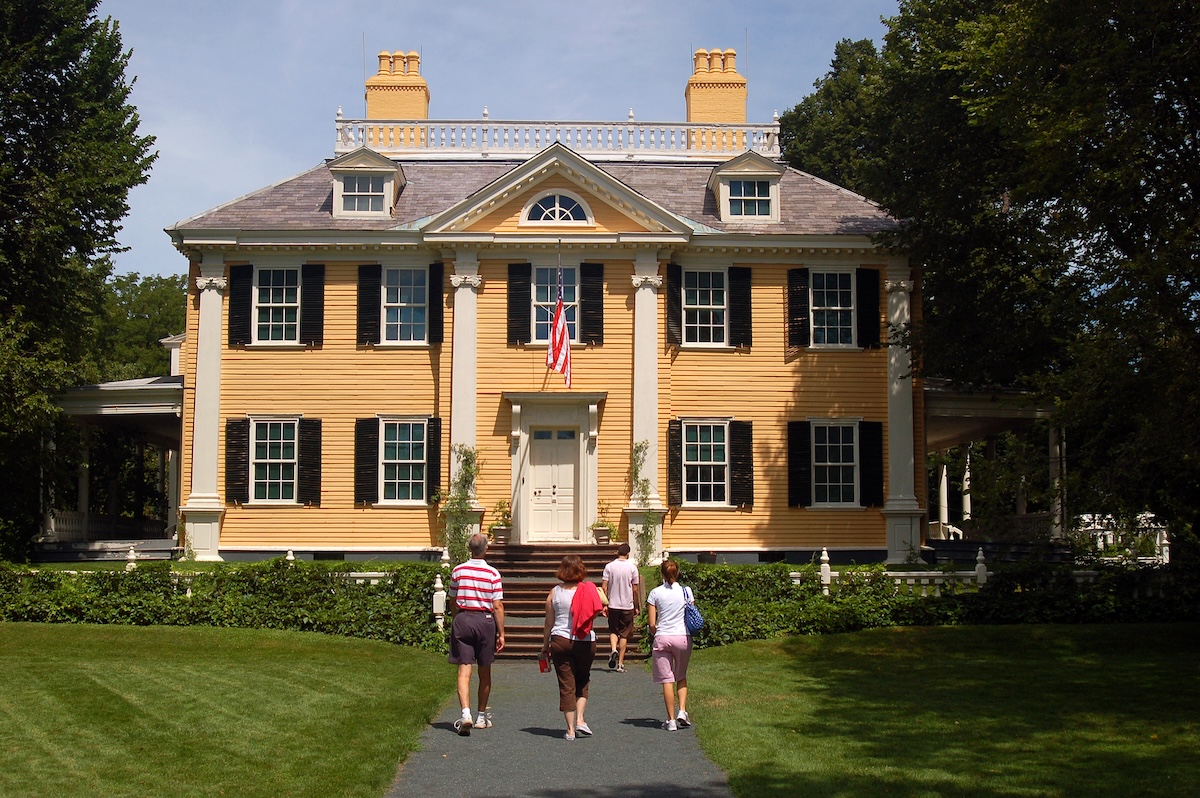
On Congress Street in Portland’s West End, you’ll come across the Wadsworth-Longfellow House—Maine’s first brick residence, built in 1785 by General Peleg Wadsworth. Later, it became the childhood home of poet Henry Wadsworth Longfellow, who spent his early years there in the 1800s.
Visiting the house feels like stepping into a preserved piece of early American life, spanning three generations of the Wadsworth and Longfellow families. The home stayed in the family until 1901 and now operates as a museum, filled with original furnishings, personal belongings, and manuscripts. You can wander through rooms that capture both Federal and Victorian styles, offering a window into how domestic life shifted through the 19th century. The adjacent garden, kept in period style, gives you a quiet spot that ties into Portland’s maritime and literary roots.
Maryland: Fort McHenry
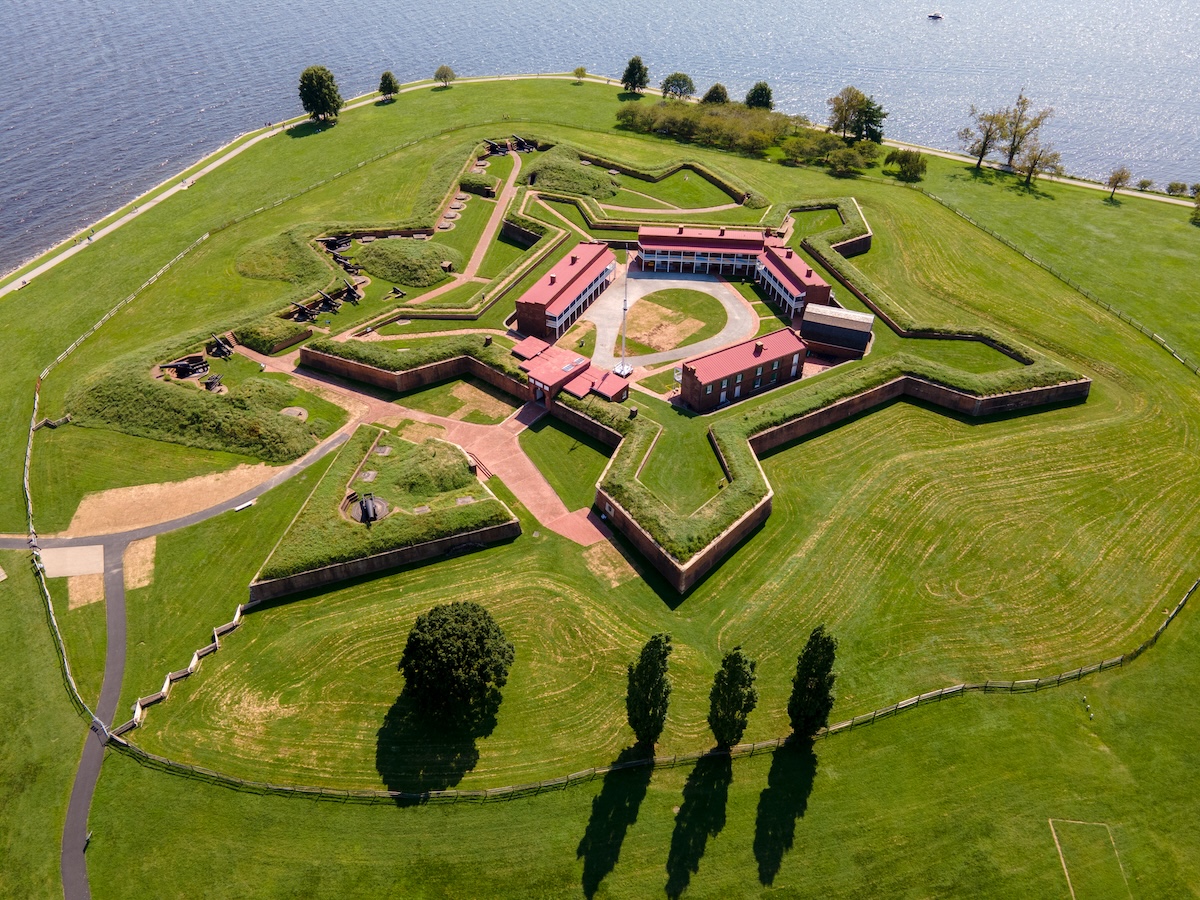
Fort McHenry stands at the entrance to Baltimore’s Inner Harbor, playing a crucial role in American history. During the War of 1812, this star-shaped fortress withstood a 25-hour British bombardment in September 1814. When the American flag still flew above the fort after the attack, Francis Scott Key wrote “The Star-Spangled Banner,” which later became the national anthem.
Today, you can walk the fort’s five-pointed layout and explore restored barracks and powder magazines. The site hosts daily flag-raising ceremonies and ranger-led programs that bring the fort’s history to life. From the ramparts, you get sweeping views of the Patapsco River and Baltimore’s skyline. The visitor center displays artifacts and digs into the fort’s significance beyond that famous battle, including its roles in the Civil War and both World Wars.
Massachusetts: Faneuil Hall
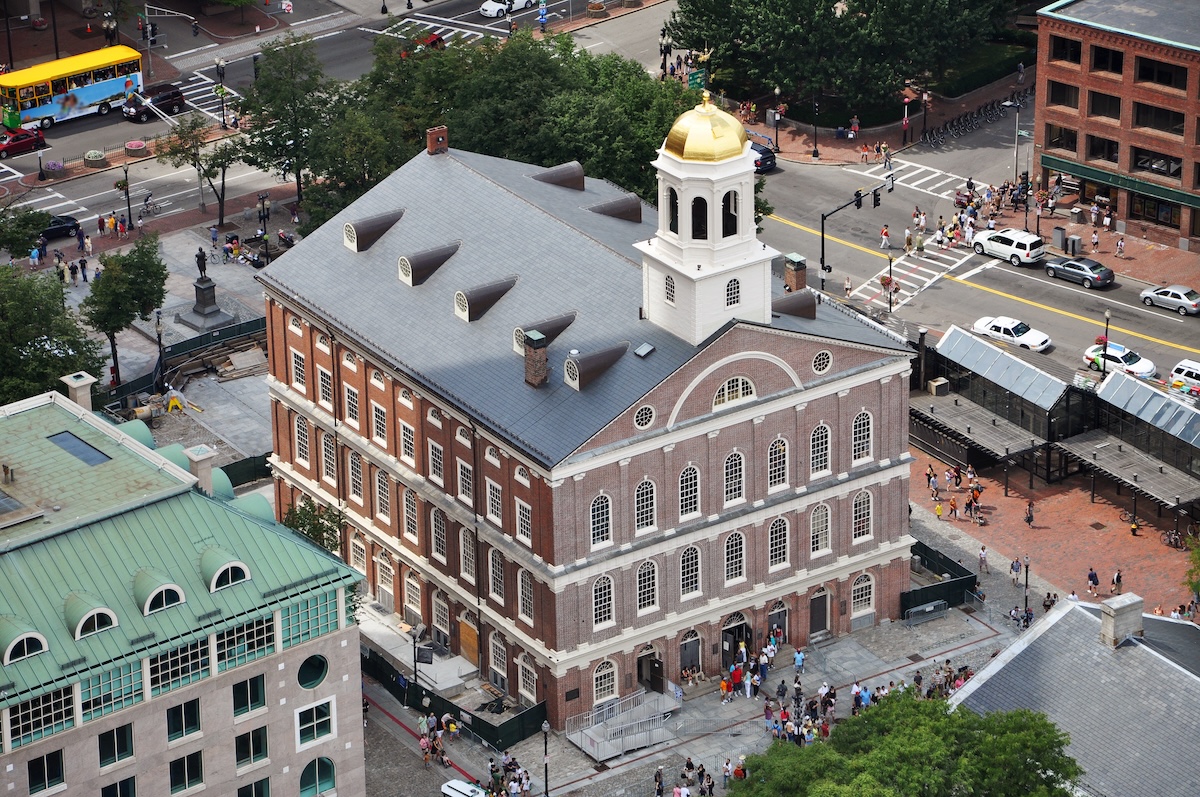
In the heart of Boston, Faneuil Hall stands as one of America’s most storied buildings. Since 1742, it’s been a marketplace and meeting space, earning the nickname “Cradle of Liberty” for hosting revolutionary speeches by Samuel Adams and other colonial leaders. The Georgian-style brick building sports a grasshopper weather vane that’s become a quirky city icon.
Today, you can browse the ground-floor market that still buzzes with activity, while the second-floor assembly room preserves the space where colonists debated independence. The hall is part of the larger Quincy Market complex, with dozens of food vendors and shops. Free tours tell the story of its role in American history, or you can just soak in the architecture from the cobblestone plaza outside. Faneuil Hall remains a working part of Boston’s daily life, blending its revolutionary roots with a lively commercial scene.
Michigan: Fisher Building
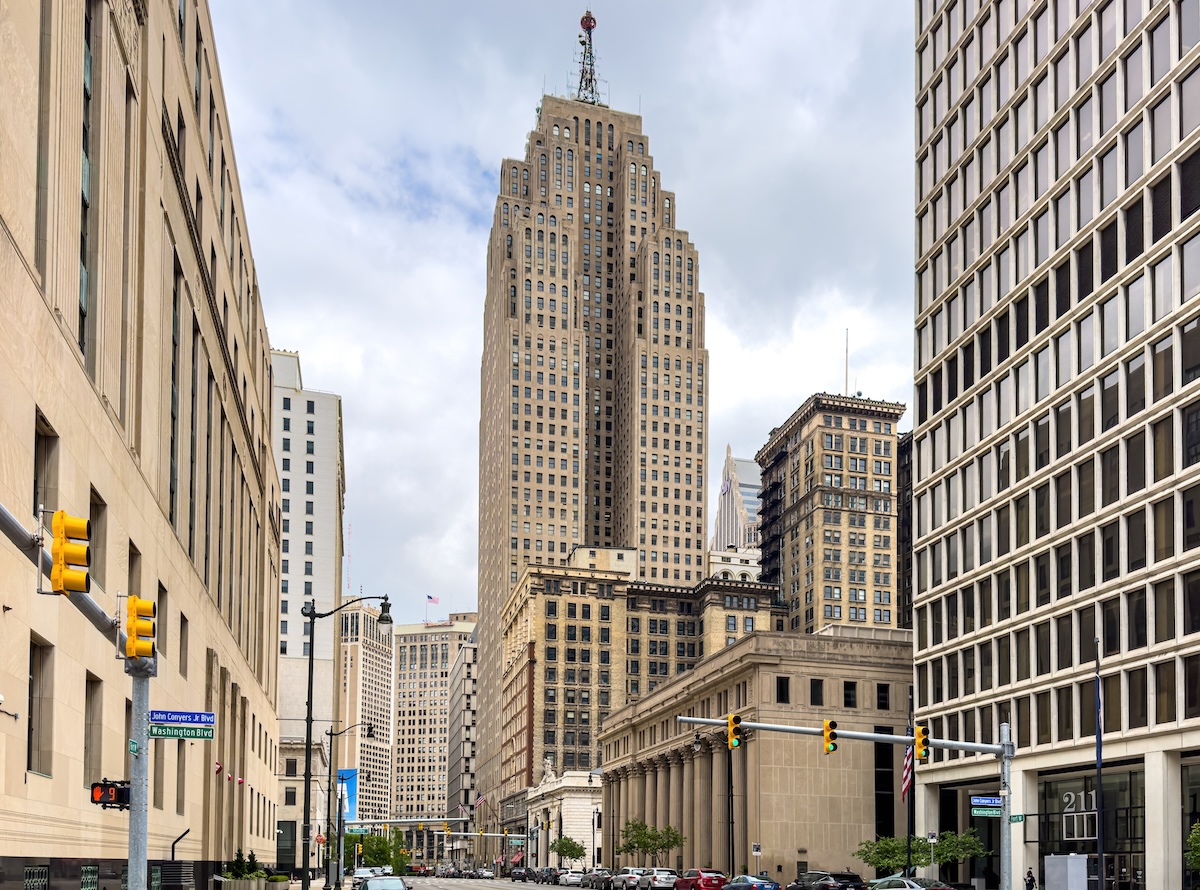
Detroit’s Fisher Building rises as one of the country’s best examples of Art Deco design. Built in 1928, it picked up the nickname “Detroit’s largest art object” thanks to its dazzling details. The 28-story building is clad in marble, granite, and decorative metalwork that catches sunlight from blocks away.
Step inside and you’re greeted by a three-story vaulted arcade, bursting with vibrant mosaics, hand-painted murals, and more than 40 types of marble. The lobby ceiling is a showstopper, with artwork celebrating commerce and transportation. You can still visit today to admire its ornate theater, retail spaces, and office floors that keep much of their 1920s grandeur. The Fisher Building stands as a symbol of Detroit’s booming automotive era, and it’s still an active office building where you can soak in that old-school architectural flair.
Minnesota: Foshay Tower
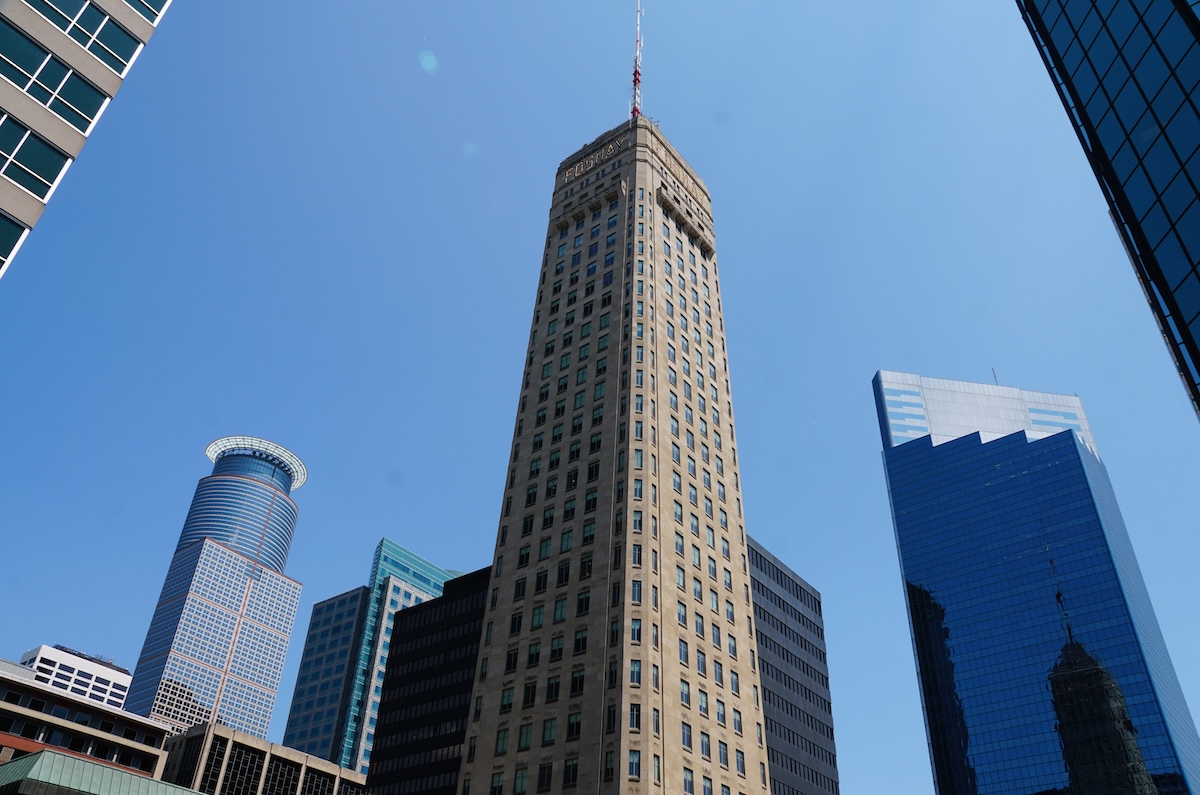
In Minneapolis, the Foshay Tower stands as a monument to the city’s bold ambitions. Built in 1929, this 32-story obelisk-shaped skyscraper was Minnesota’s tallest for over forty years. Wilbur Foshay, a utilities tycoon, modeled it after the Washington Monument and spared no expense on luxury.
You can visit the observation deck on the 30th floor for panoramic views of downtown and the city’s lakes. The tower is now home to the W Minneapolis – The Foshay, a luxury hotel that preserves much of the original Art Deco style. The 1929 dedication was legendary—John Philip Sousa even composed and conducted a special march for the occasion. The Foshay Museum on site lets you dig into the building’s colorful history and get a feel for the Roaring Twenties era that shaped it.
Mississippi: Medgar Evers Home Museum
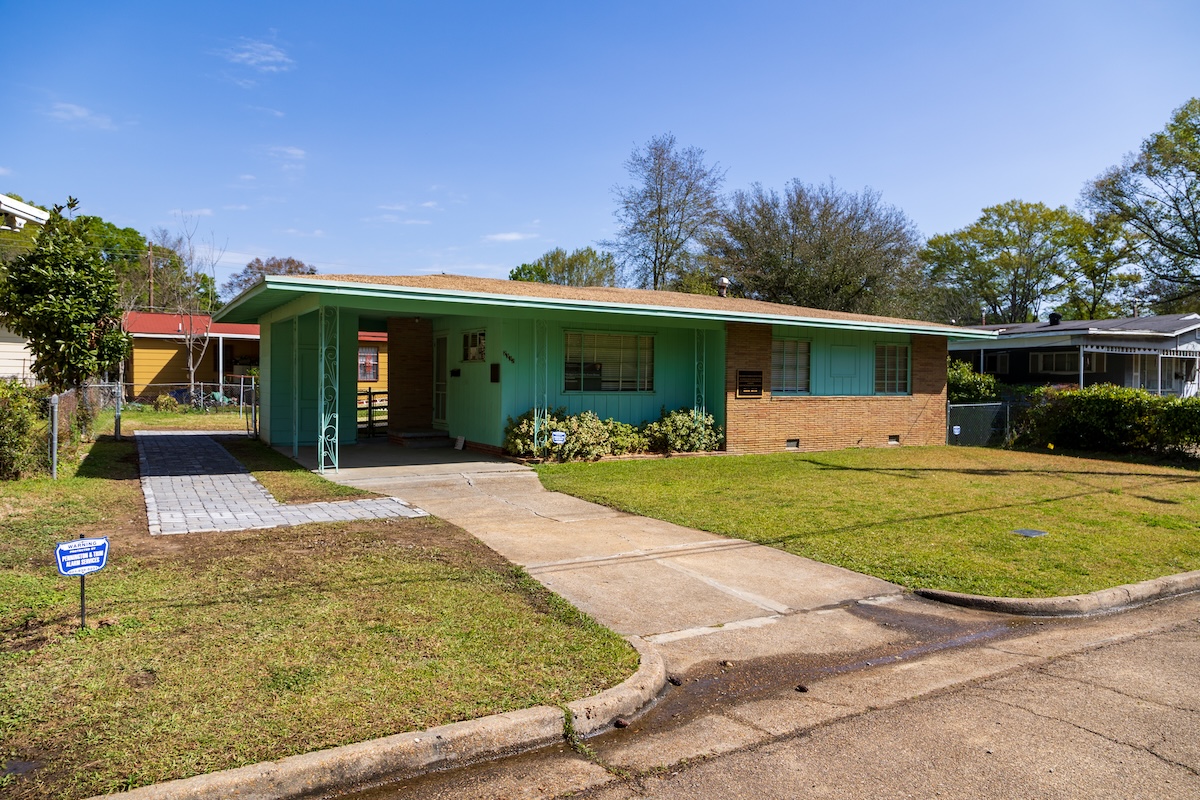
In Jackson, the Medgar Evers Home Museum stands as a powerful civil rights landmark. This modest ranch-style house was home to Medgar Evers, the NAACP field secretary who fought segregation and racial injustice in Mississippi. The property became tragically historic on June 12, 1963, when Evers was assassinated in the driveway after returning from a strategy meeting.
Today, you can walk through rooms preserved much as they were during the Evers family’s years there in the early 1960s. The museum gives you an intimate look at both the family’s personal life and the broader civil rights movement that changed the South. You’ll see original furnishings, family photos, and exhibits that put Evers’ activism in the context of Mississippi’s struggle for equality. The home’s National Historic Landmark status recognizes its deep significance to American history and the ongoing fight for civil rights.
Missouri: National World War I Museum and Memorial
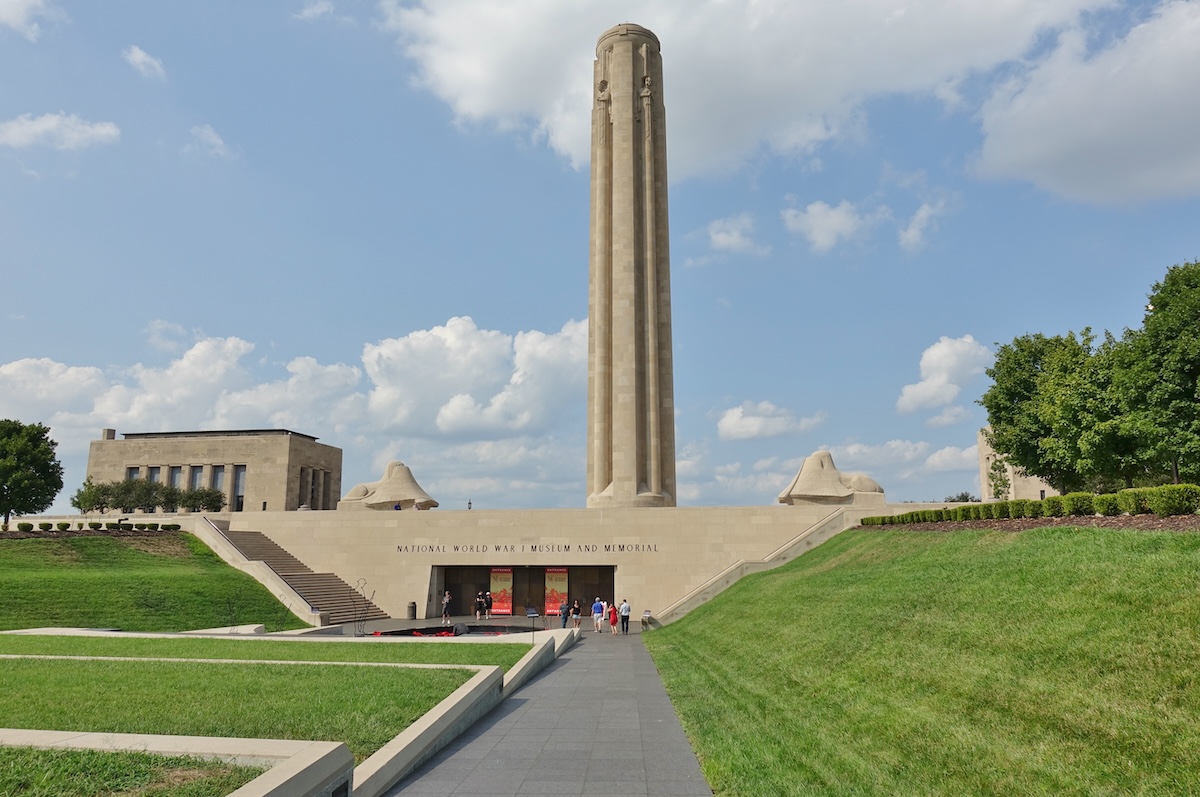
Kansas City’s skyline wouldn’t be the same without the National World War I Museum and Memorial, marked by the Liberty Memorial tower that’s stood since 1926. The 217-foot tower offers citywide views if you make the climb, and the memorial courtyard below features two massive limestone sphinxes. This place isn’t just another museum—it’s the country’s most comprehensive collection of WWI artifacts and documents.
Inside, you’ll cross a glass bridge suspended above 9,000 red poppies, each one representing 1,000 combat deaths from the war. The museum holds over 300,000 items: uniforms, weapons, personal letters, even a French Renault tank. You can explore immersive exhibits that recreate battlefield trenches and listen to firsthand accounts from soldiers. The memorial’s national designation in 2004 cemented its status as the leading institution for preserving WWI history in the U.S.
Montana: Hotel Meade
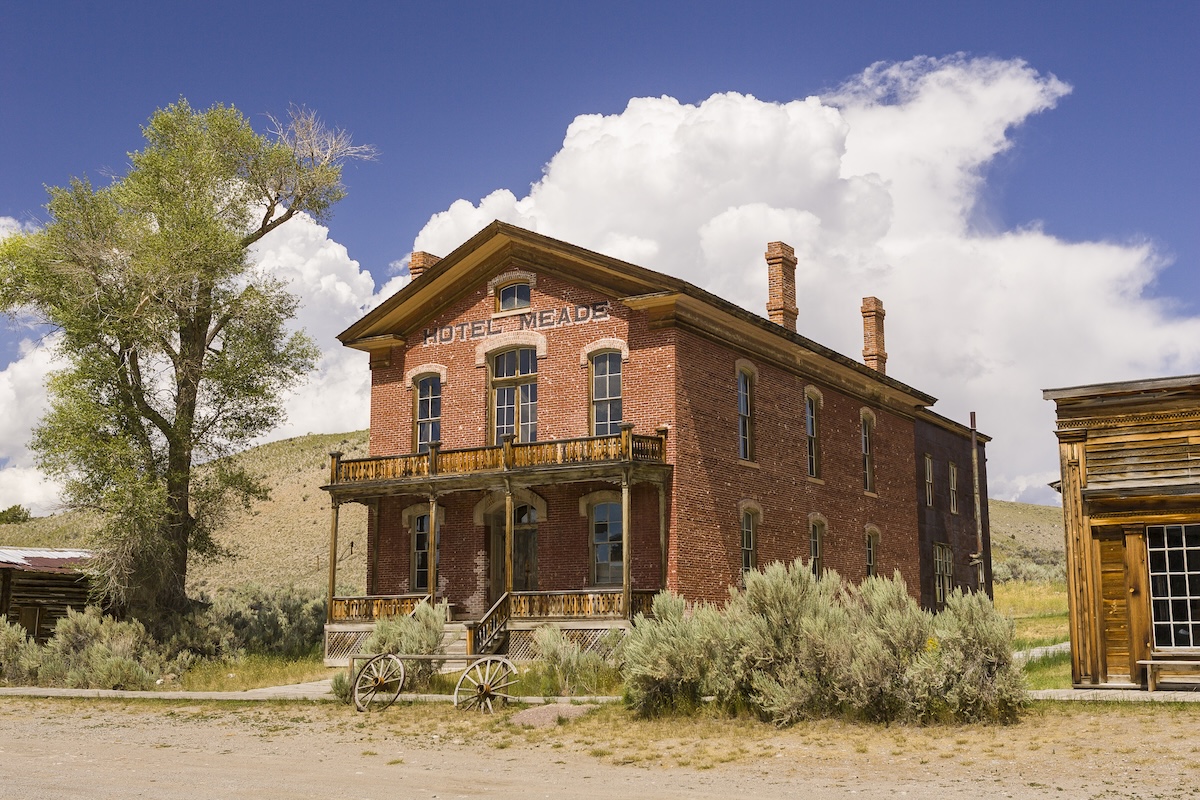
Hotel Meade stands tall in Bannack, Montana’s first territorial capital and now a hauntingly well-preserved ghost town. Built in 1875 during the gold rush, this two-story brick hotel was one of the area’s top lodging spots when Bannack bustled with miners and merchants chasing fortune.
The hotel, built from locally fired bricks, has survived more than 150 harsh winters. When you visit Bannack State Park today, Hotel Meade is easily one of the most photographed buildings among the 60-plus structures in this authentic Old West town. Its simple, sturdy design reflects the practical needs of 19th-century travelers, and its survival makes it a key landmark for anyone curious about Montana’s mining days and early statehood.
Nebraska: Stuhr Museum of the Prairie Pioneer
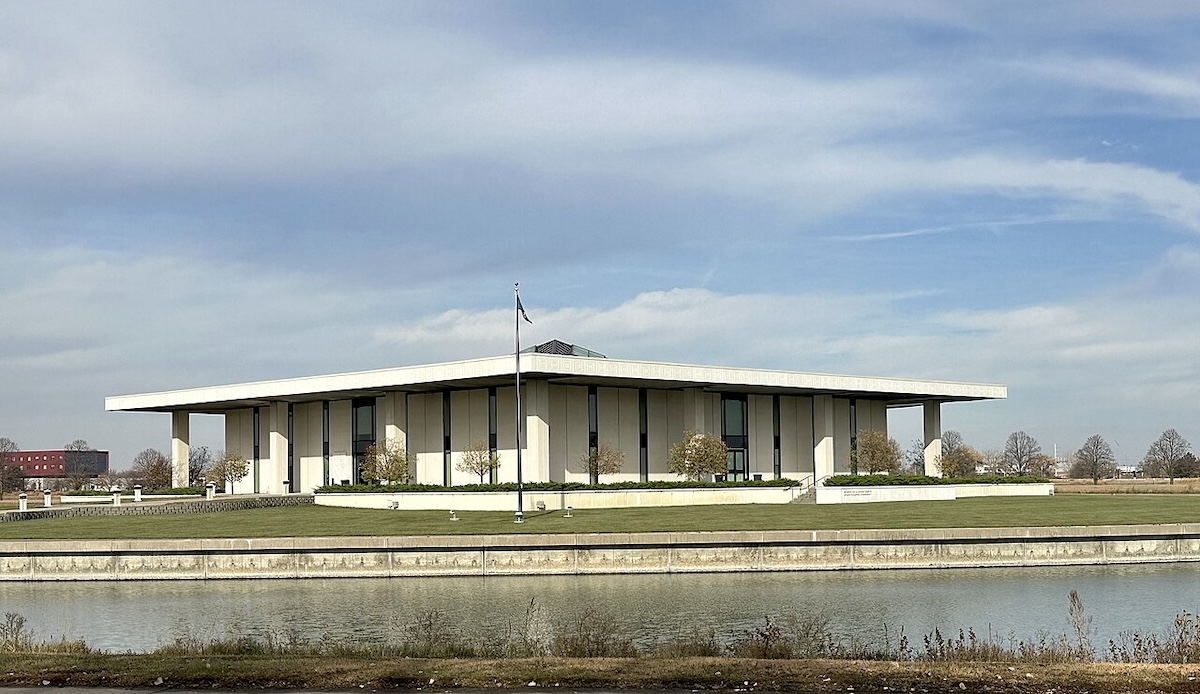
In Grand Island, you’ll spot one of Nebraska’s standout architectural gems—the Stuhr Museum of the Prairie Pioneer. Architect Edward Durell Stone designed the main building in 1967, giving it this bold modernist rotunda that almost seems to hover above a reflecting pool. With all that white marble and glass, the place has an airy, almost surreal vibe right in the middle of the prairie.
Step inside, and you’ll find the museum really leans into the pioneer spirit, not just in what it displays but in how it feels. The campus spreads out into a recreated railroad town with over 60 historic buildings. It’s a full-on immersion into 19th-century prairie life—some folks say it’s like walking straight into the past. The way Stone’s crisp, futuristic design sits next to the old railroad village? It’s a bit of a conversation, visually speaking, between eras. If you’re wandering the 200 acres here, you’re not just looking at history—you’re kind of living it for a while.
Nevada: Luxor Las Vegas
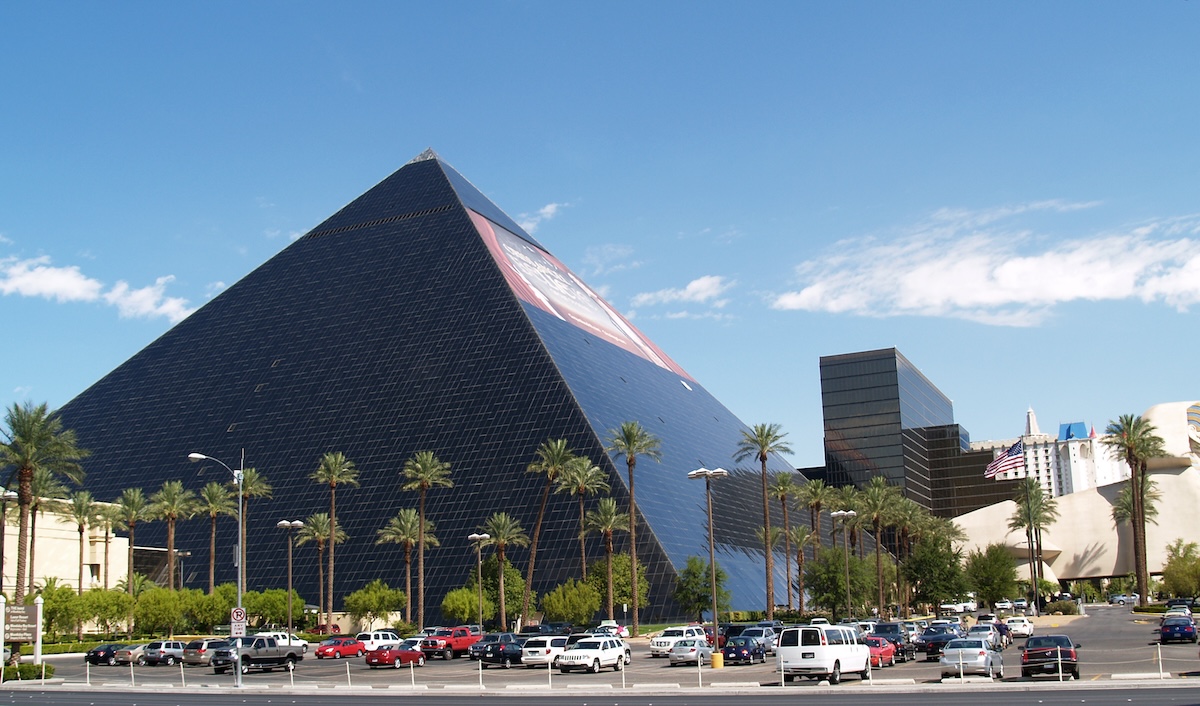
You just can’t miss the Luxor when you’re driving down the Las Vegas Strip. This huge black glass pyramid rises 30 stories into the desert sky, and that beam of light shooting from its apex? You can see it for miles. Built in 1993, the Luxor marked a time when Vegas was really leaning into wild, themed resorts.
The pyramid shape is like nothing else on the Strip. Inside, the massive atrium—the world’s largest—gives the whole place a cavernous, otherworldly vibe. There are more than 4,400 hotel rooms, restaurants, entertainment venues, and a casino that sprawls across thousands of square feet. Vegas has plenty of wild architecture, but the Luxor’s dramatic silhouette and that iconic light beam pretty much define the city’s over-the-top style.
New Hampshire: Franklin Pierce Homestead
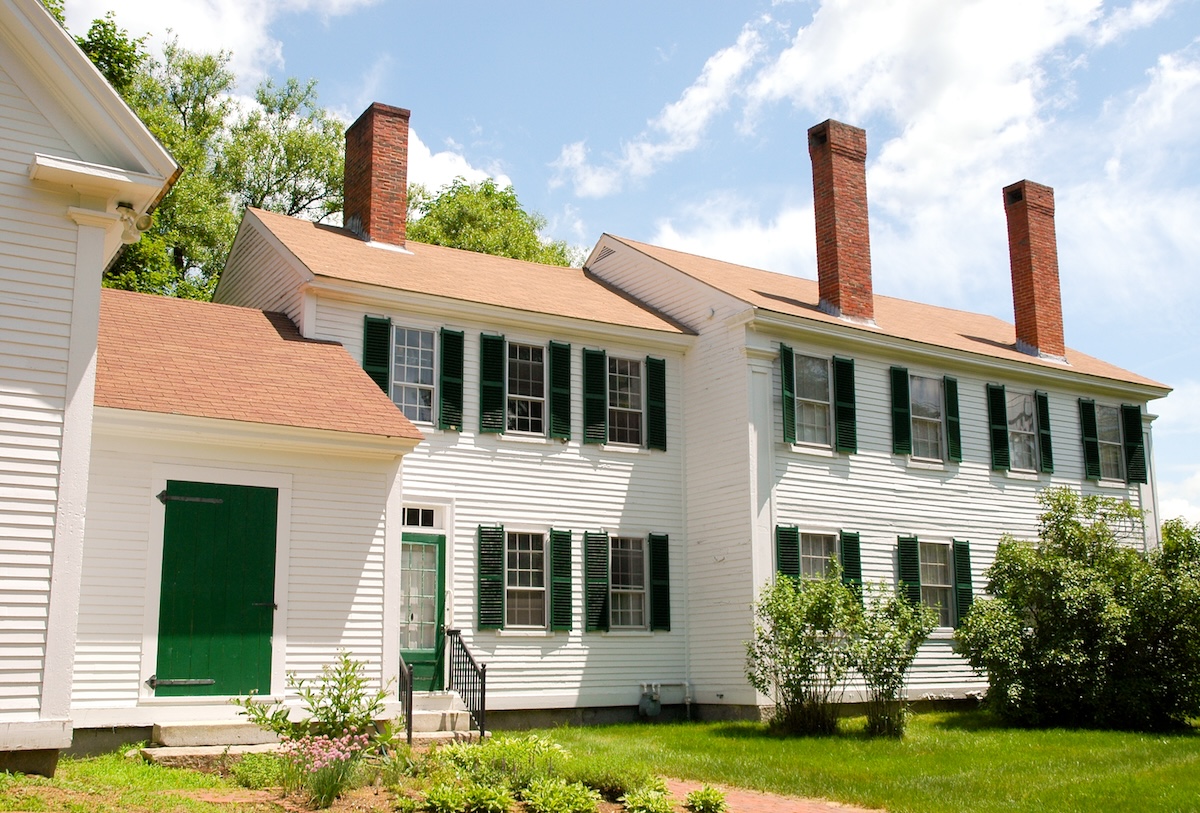
In Hillsborough, you’ll spot this elegant Federal-style mansion, once home to America’s 14th president. Benjamin Pierce, Franklin’s father, built it in 1804, and it’s a great example of early 19th-century New England architecture. The white clapboard, the symmetry—it all reflects the Pierce family’s status in New Hampshire politics.
Step inside and you’ll find rooms filled with period furniture and personal artifacts, giving you a sense of Pierce’s early years. It’s a window into the domestic life of a future president and the political climate before the Civil War. The homestead now runs as a historic house museum, so you can actually walk through the rooms where Pierce grew up and see firsthand the environment that shaped his presidency.
New Jersey: Ford Mansion and Washington’s Headquarters Museum
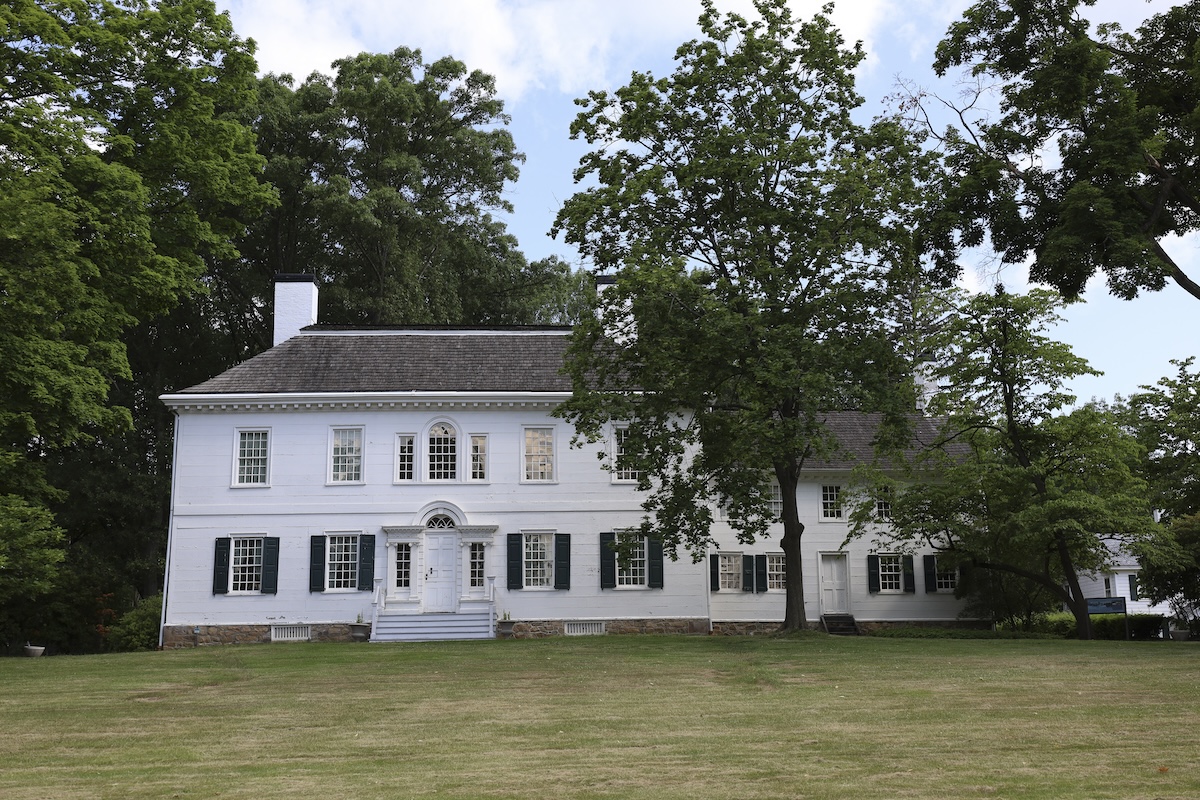
In Morristown, the Ford Mansion stands as one of the most important Revolutionary War sites. George Washington used this elegant Georgian-style home as his winter headquarters during the bitter cold of 1779-1780. Built in 1774, the mansion became Washington’s residence and command center while his troops braved brutal conditions nearby.
Today, you can explore the carefully preserved mansion and its museum next door. Inside, you’ll get a real sense of both the military decisions made here and the daily life of the Washington family during wartime. There are original furnishings and exhibits that dive into the challenges faced by the Continental Army. The mansion stands as a reminder of New Jersey’s key role in the Revolution and remains a cornerstone of the nation’s founding story.
New Mexico: Taos Pueblo
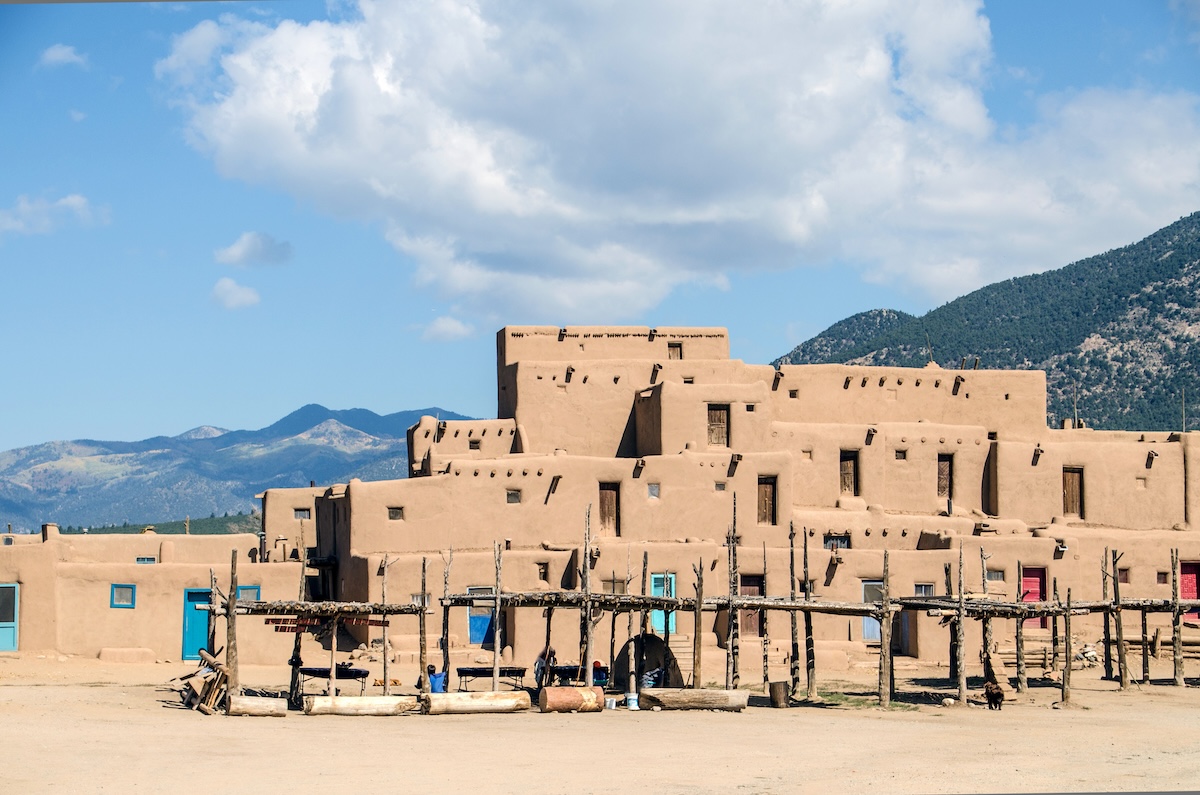
Taos Pueblo is one of the oldest continuously inhabited places in the U.S., with adobe buildings that have stood for over a thousand years. These multi-storied structures, made from sun-dried mud bricks and wooden beams, rise dramatically against the Sangre de Cristo Mountains. Members of the Taos Pueblo tribe still live here, keeping traditions alive just as their ancestors did.
Visiting feels like stepping into living history—this place predates European arrival by centuries. The thick adobe walls keep the interiors cool in summer and warm in winter. UNESCO made it a World Heritage Site in 1992, recognizing its massive cultural importance. You can take guided tours, but remember, this is a real community—some areas are private. The red willows and mountain streams running through the pueblo have supported generations.
New York: Chrysler Building
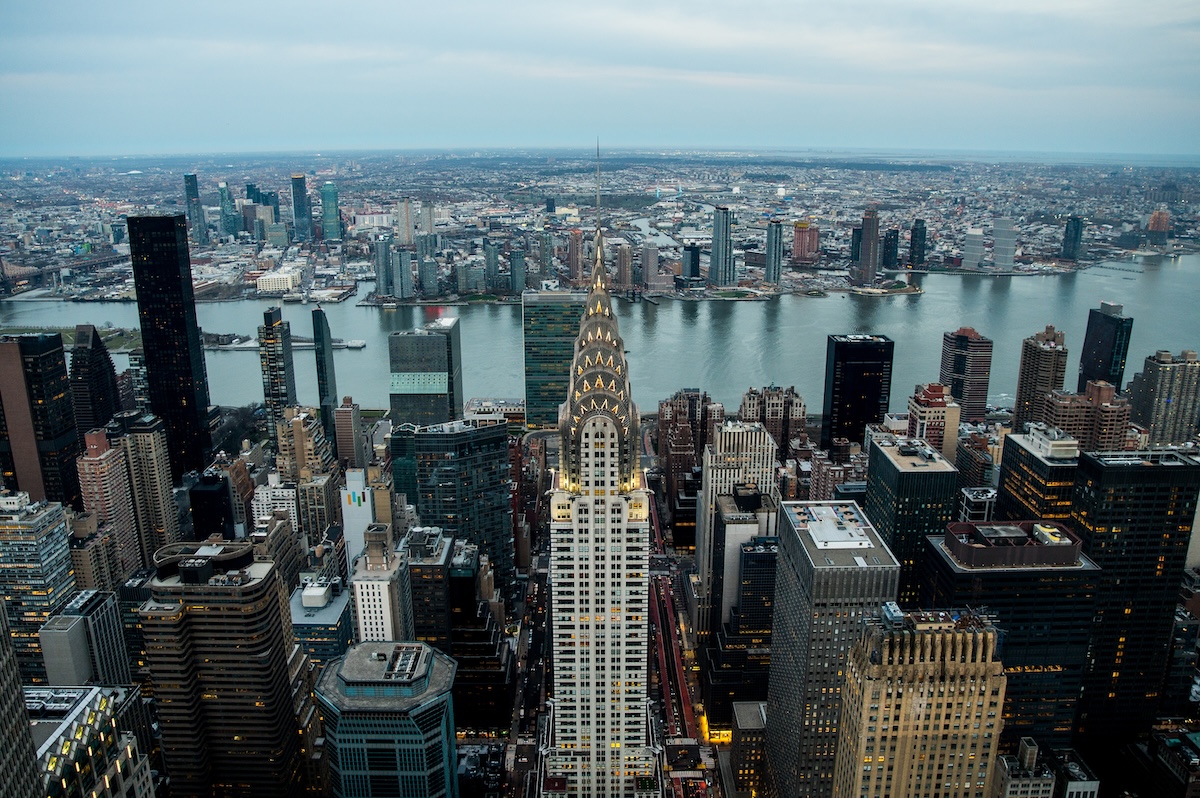
In Manhattan, the Chrysler Building soars 1,046 feet over midtown, right at 42nd and Lexington. It briefly held the title of world’s tallest building in 1930-31, but its Art Deco crown—those gleaming steel arches—still turns heads. The terraced crown, with its seven radiating arches, catches the sunlight in a way that never gets old.
Look closer and you’ll spot details inspired by the Chrysler Corporation: huge eagle gargoyles modeled after 1929 hood ornaments on the 61st floor, and radiator cap replicas on the corners. You can’t just wander the upper floors, but the lobby is open and worth a peek for its lavish Art Deco design, African marble walls, and a ceiling mural of the building itself. Architect William Van Alen designed it for Walter P. Chrysler, and it’s been a New York icon ever since 1930.
North Carolina: Biltmore
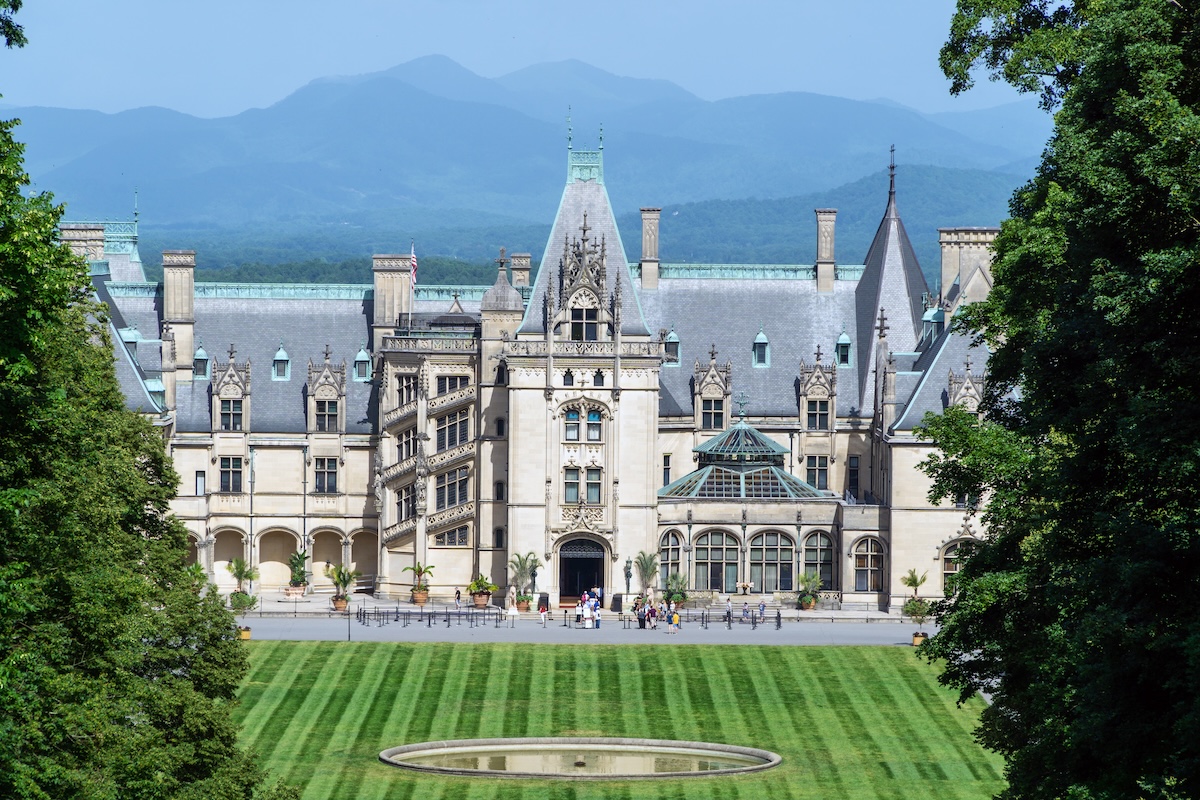
Head to Asheville and you’ll run into America’s largest privately-owned home, sprawling across the Blue Ridge Mountains. George Vanderbilt II built the Biltmore between 1889 and 1895—250 rooms, 178,926 square feet, and all the grandeur you’d expect from a French Renaissance château. Richard Morris Hunt designed the mansion, and Frederick Law Olmsted (the guy behind Central Park) planned the gardens.
You can wander through four acres of floor space, including a banquet hall with a 70-foot ceiling, a library packed with 10,000 books, and even an indoor pool. The estate now sits on 8,000 acres, though it used to be much bigger. There’s a winery, too, and gardens ranging from Italian to English styles. The Biltmore is still owned and run by Vanderbilt’s descendants, so it’s both a historic landmark and a working estate you can actually tour any time of year.
North Dakota: Bagg Bonanza Farm
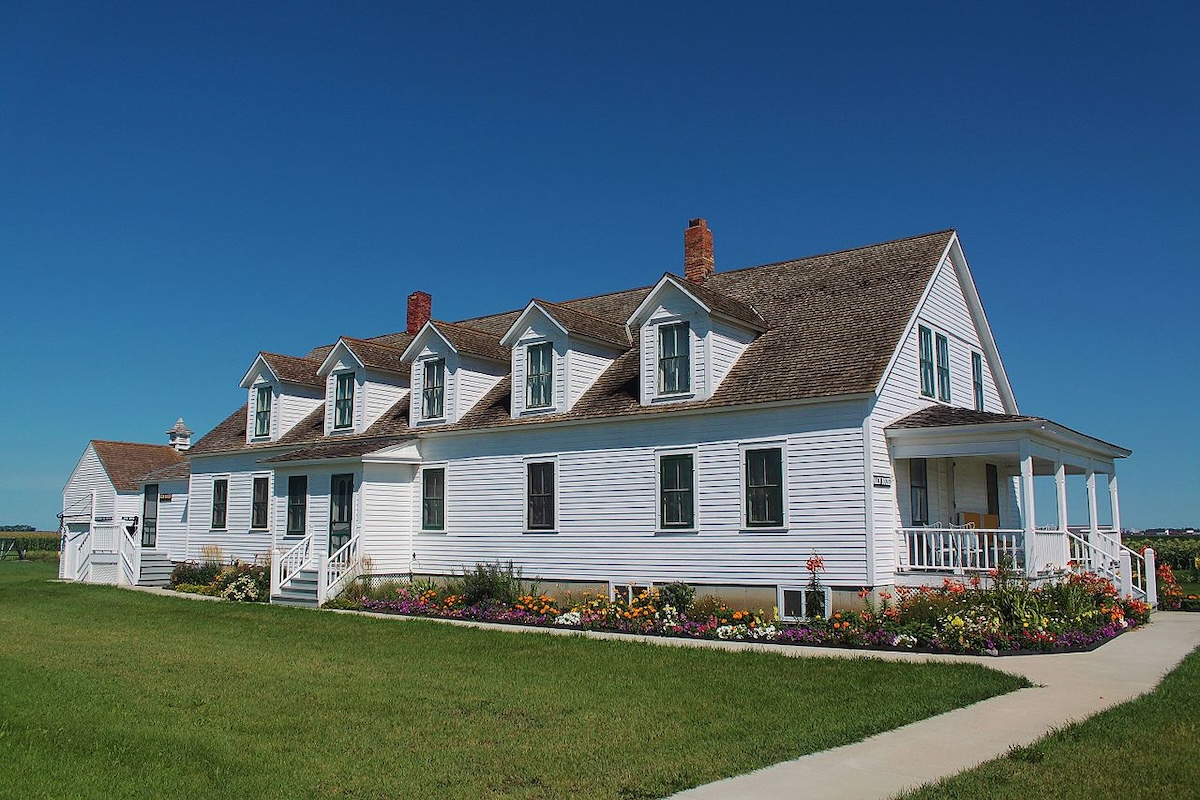
Near Mooreton, the Bagg Bonanza Farm stands out as a symbol of North Dakota’s agricultural past. This huge estate dates back to the late 1800s, when big investors snapped up land in the Red River Valley to cash in on wheat farming.
Visit today and you’ll find original buildings that show what life was like during the state’s farming boom. The complex includes several structures, giving you a peek at how hundreds of workers kept things running during harvest. The architecture is practical and sturdy, built for industrial-scale farming but still holding onto a bit of frontier character. You can tour the grounds and get a sense of how these massive farms shaped the region’s growth.
Ohio: Longaberger Basket Building
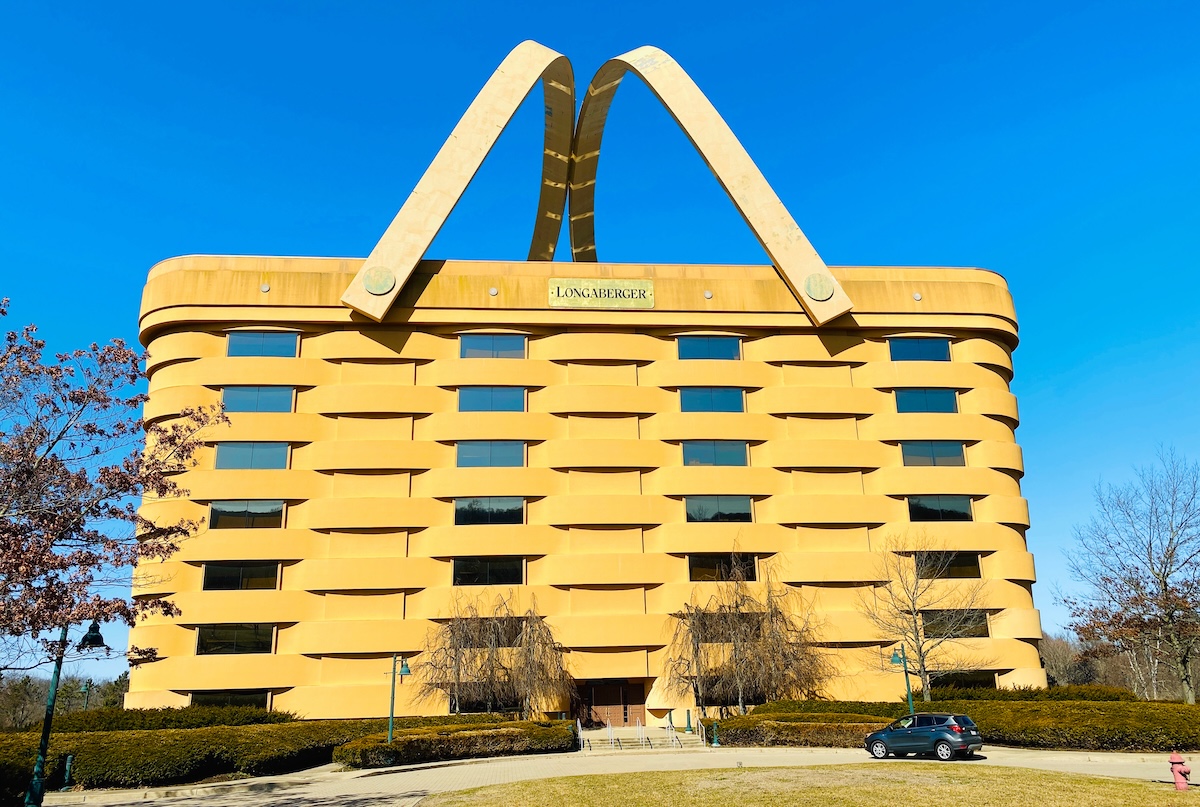
In Newark, Ohio, you’ll spot one of the country’s oddest corporate headquarters—a seven-story building shaped exactly like a Longaberger Medium Market Basket. Built in 1997, it’s 160 feet tall and 208 feet long, with handles that weigh about 150 tons each (they’re even heated in winter to keep ice off).
The Longaberger Company left the building in 2016, but the place remains a roadside curiosity. You can still appreciate the basket-weave details and the sheer commitment to branding—turning an office into something you just can’t ignore. Even now, it draws photographers and the just-plain-curious, years after its original purpose faded away.
Oklahoma: Price Tower
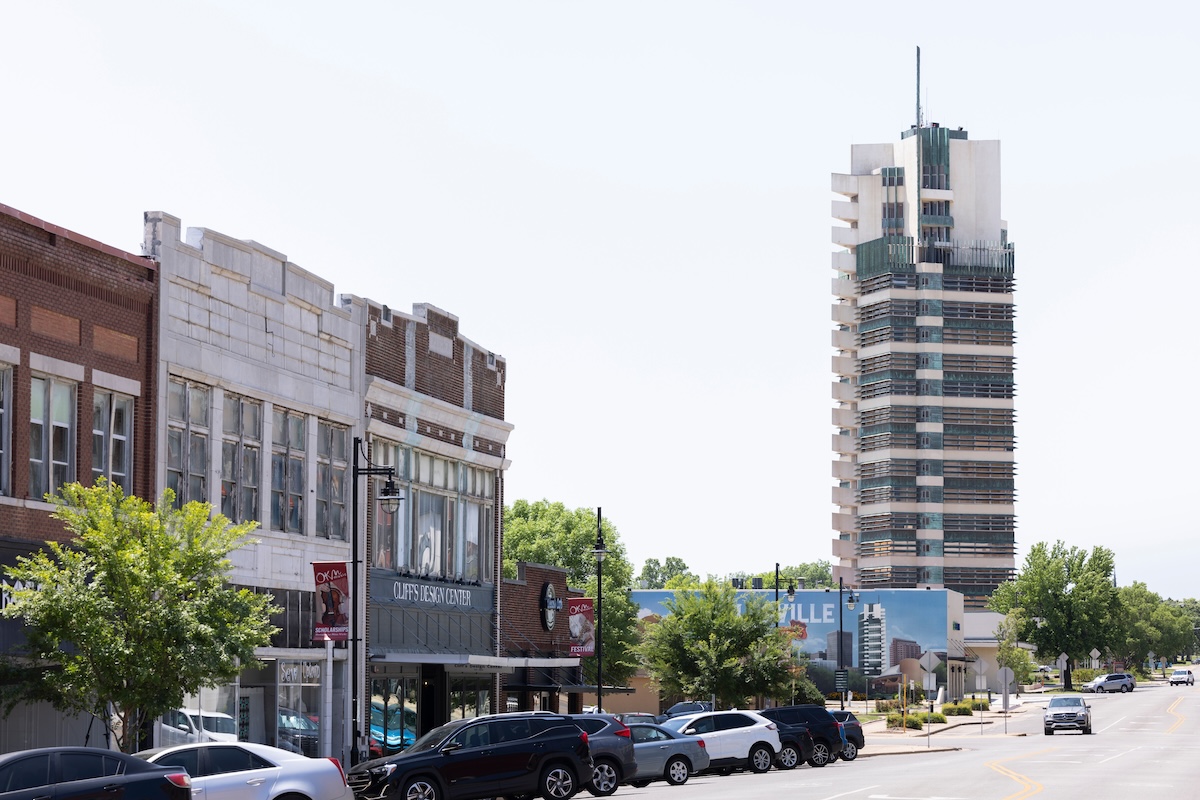
In Bartlesville, you’ll find Frank Lloyd Wright’s only realized skyscraper—Price Tower. Standing 221 feet tall, it opened in 1956 as an office and apartment building. The copper-green exterior and cantilevered floors shoot out from a central core, following Wright’s “tree that escaped the crowded forest” idea. That design lets natural light pour in from all angles.
Today, you can check out the building’s mix of offices, apartments, and the Inn at Price Tower—a boutique hotel where you can actually spend the night. There’s also an art center and a museum devoted to Wright’s work. The geometric patterns, custom furniture, and art throughout the tower really show off Wright’s unique take on high-rise design.
Oregon: Pioneer Courthouse
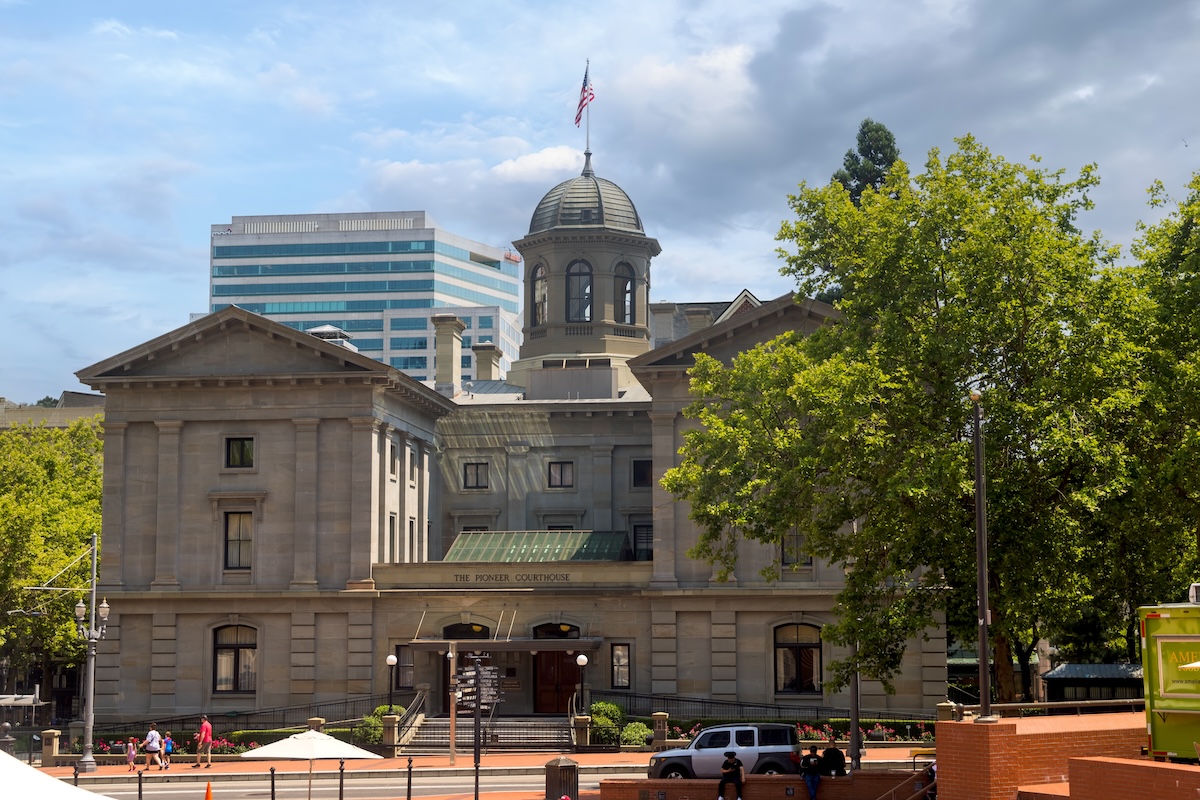
Downtown Portland’s Pioneer Courthouse has stood since 1875, making it the oldest federal building still in use in the Pacific Northwest. The Italianate design—with its tall arched windows, ornate details, and central cupola—gives it serious presence.
The courthouse has seen Oregon change from frontier territory to a full-fledged state, and it’s still serving its original purpose after 150 years. You can admire its restored exterior and see how it anchors Pioneer Courthouse Square, a favorite Portland gathering spot. The building’s a testament to both craftsmanship and the establishment of federal authority in the region.
Pennsylvania: Fallingwater
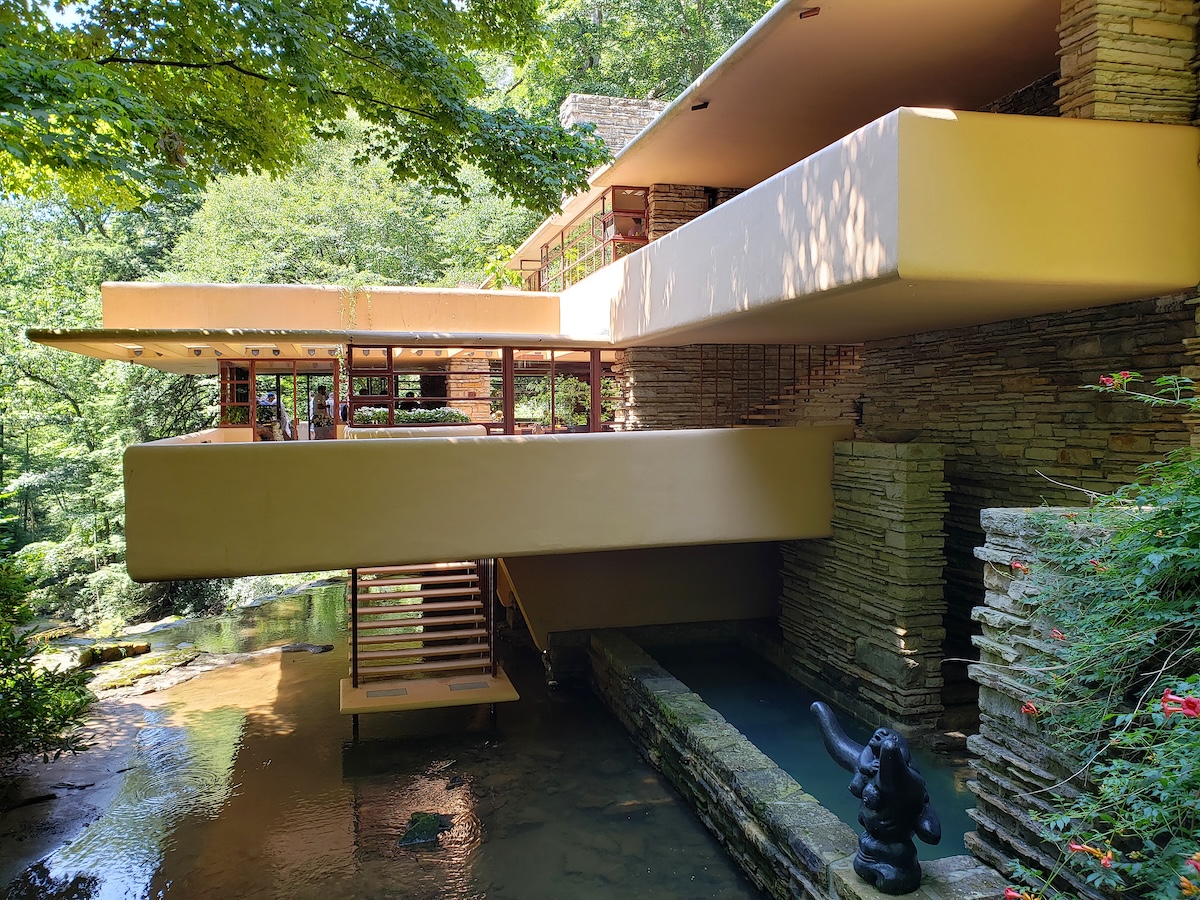
In the Laurel Highlands of southwestern Pennsylvania, Fallingwater perches right over a waterfall. Frank Lloyd Wright designed it in 1935 for the Kaufmann family, and it’s probably his most famous work. The house doesn’t just sit near Bear Run creek—it literally cantilevers over the falls, blending architecture and nature in a way that was totally new at the time.
Inside, you’ll find low ceilings, natural materials, and rooms that flow right into one another. The sound of the water is everywhere, and terraces jut out over the stream. Wright used local sandstone and left natural rock exposed inside the living areas. The American Institute of Architects called it the best American building ever, and UNESCO made it a World Heritage Site in 2019. Guided tours happen year-round, and honestly, it’s a must-see for anyone into architecture or just cool houses.
Rhode Island: The Breakers
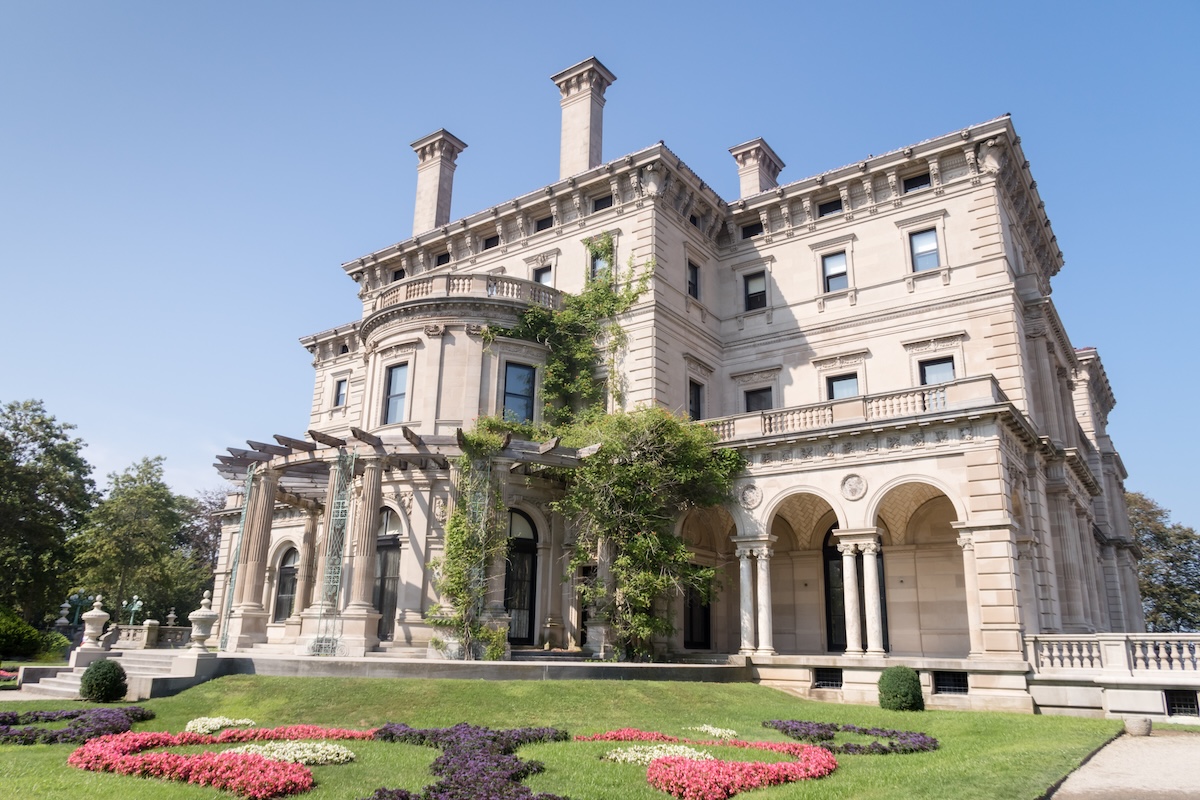
In Newport, The Breakers sits on the rocky Atlantic coast, built by Cornelius Vanderbilt II in the 1890s as a “summer cottage”—though calling this 70-room Italian Renaissance palace a cottage is a stretch. The place is packed with gilded interiors, hand-carved details, and marble columns that scream Gilded Age luxury.
You can wander through the 45-foot-high Great Hall, a Music Room covered in platinum leaf, and grounds that roll down to the ocean. Now a museum, The Breakers lets you step into the world of America’s wealthiest families and see how the Vanderbilts turned their riches into architectural splendor. It’s the crown jewel of Newport’s historic mansions and Rhode Island’s most famous landmark.
South Carolina: The Citadel
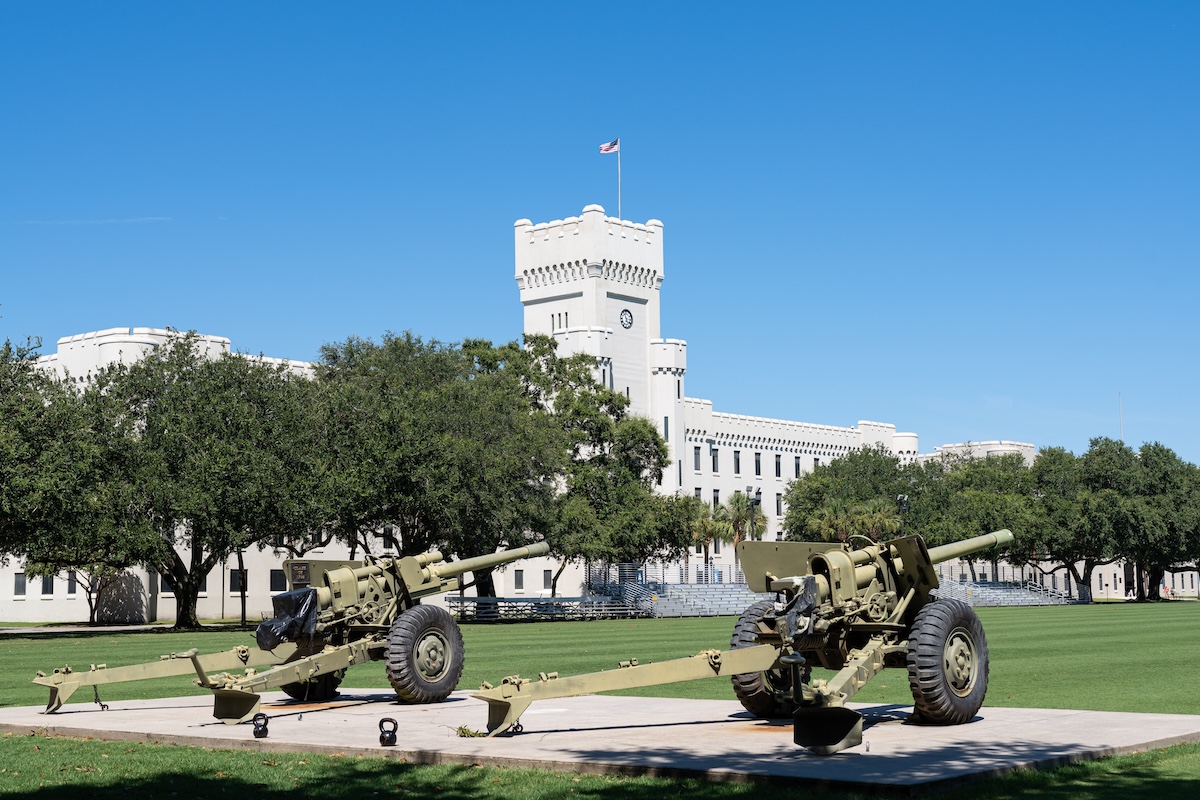
In Charleston, The Citadel stands out as one of America’s most recognizable military colleges. Founded in 1842, the campus features Moorish Revival architecture—battlements and towers give it a castle-like silhouette you can’t miss. Over 2,000 cadets live and train here, sticking to traditions that have lasted nearly two centuries.
If you visit during the academic year, you can catch the Friday dress parades, with cadets marching in formation in their crisp uniforms. The campus also houses the Citadel Museum, where you’ll find artifacts and exhibits about the college’s long military history and its place in South Carolina’s story. The stark white buildings and grand archways create a dramatic scene along the Ashley River.
South Dakota: Mitchell Corn Palace
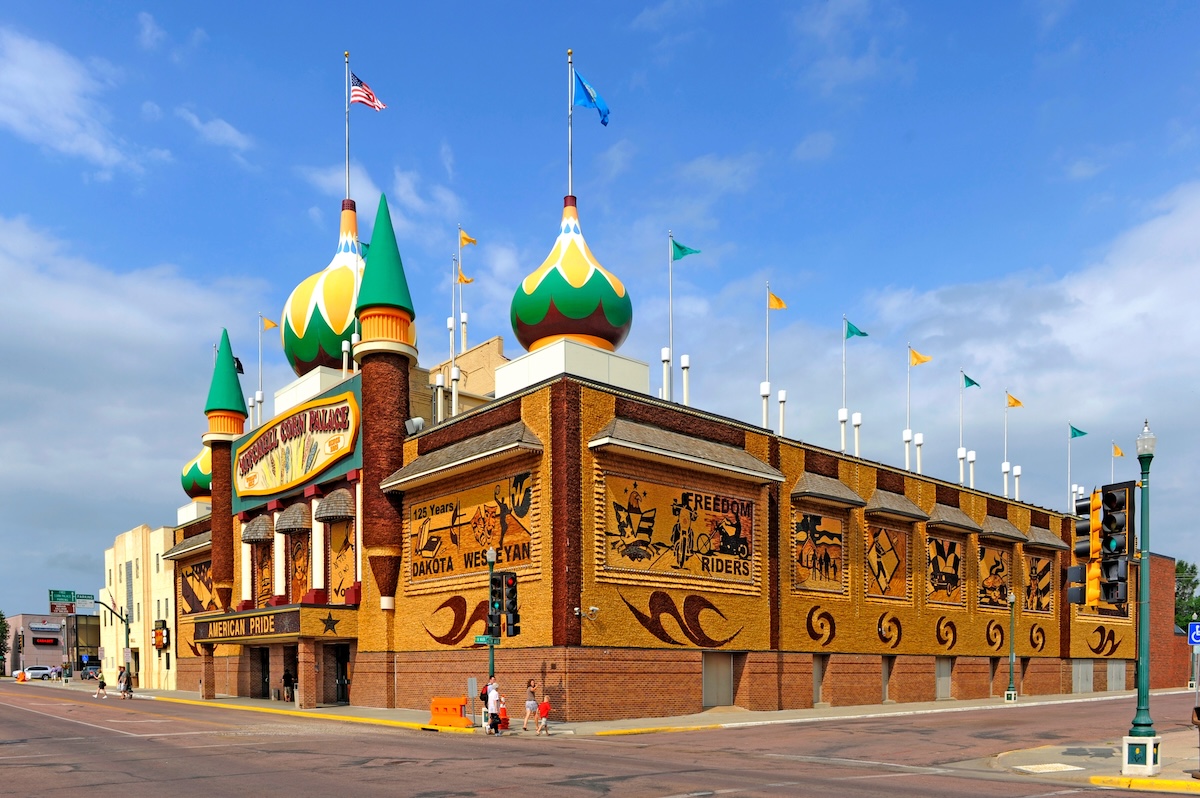
In Mitchell, you’ll find one of the quirkiest buildings in the country—the Corn Palace. Since 1892, it’s been attracting visitors with its exterior murals made entirely from thousands of bushels of corn, grain, and native grasses. The designs change every year, keeping the tradition fresh and celebrating South Dakota’s agricultural roots.
When you stop by, you’ll see that year’s theme played out in surprisingly detailed corn art across the facade. Inside, the palace hosts concerts, sports, and community events. You can tour the building and learn about its history, plus the painstaking process of applying around 275,000 ears of corn for each year’s display. It’s free to visit and, honestly, it’s one of those roadside stops that’s just weird enough to be worth your time.
Tennessee: Batman Building
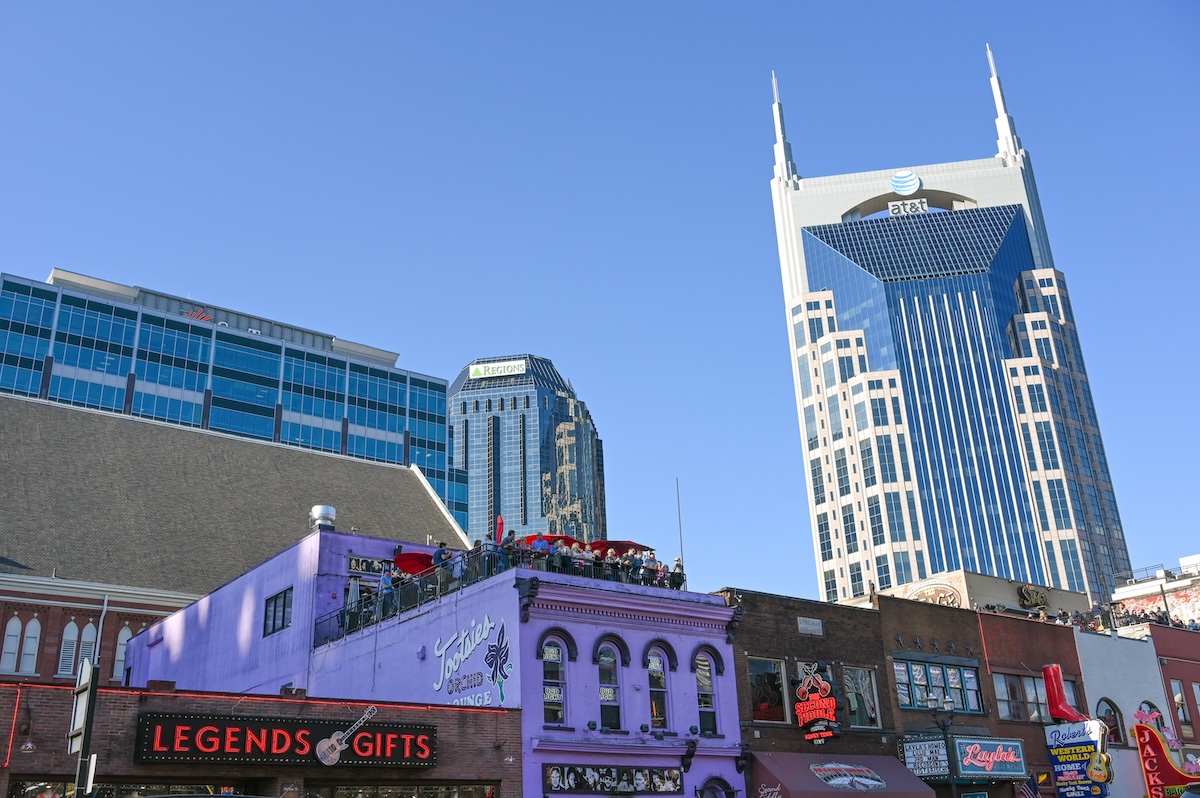
If you visit Nashville’s skyline, you’ll spot the AT&T Building—though honestly, everyone just calls it the Batman Building. Its 617-foot height and those unmistakable twin spires make it look like Batman’s cowl, so the nickname stuck. Finished in 1994, this 33-story tower still stands as the tallest building in Tennessee, and you can see it from just about anywhere in the city.
Head to 333 Commerce Street downtown and you’ll find it housing office spaces and a bunch of corporate tenants. Earl Swensson Associates designed it with a postmodern flair—lots of granite, lots of glass, all reflecting Nashville’s growing city vibes. Whether you’re catching a Titans game, wandering Broadway’s honky-tonks, or just strolling downtown, the Batman Building is impossible to ignore. It’s woven right into Music City’s modern identity.
Texas: Texas School Book Depository
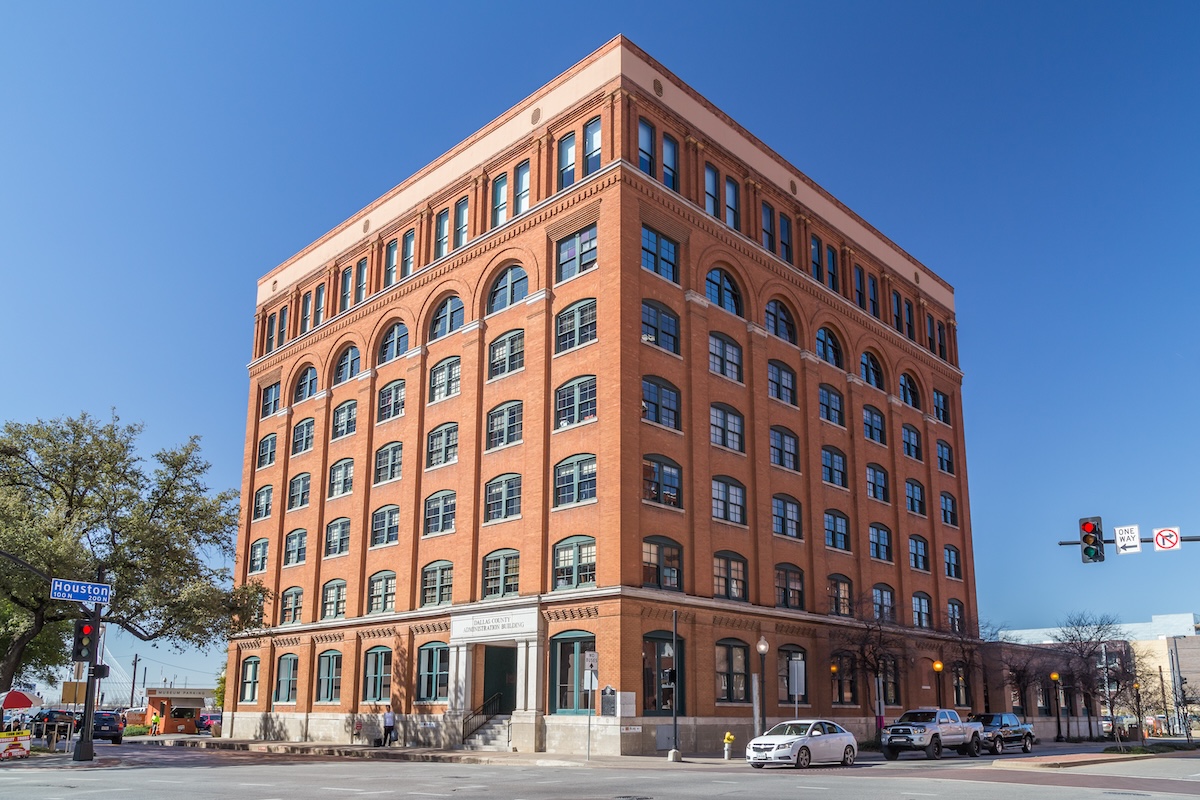
Right in downtown Dallas, the Texas School Book Depository stands as one of Texas’s most historic buildings. On November 22, 1963, this seven-story red brick building became forever linked to the assassination of President John F. Kennedy. It overlooks Dealey Plaza, and you can feel the weight of history just standing there.
Now, the Sixth Floor Museum at Dealey Plaza fills the upper floors. The museum takes you through Kennedy’s life, presidency, and the events of that tragic day. You’ll see photographs, artifacts, and films that bring the story to life. The building draws visitors from all over the world, each hoping to understand a pivotal moment in America’s past.
Utah: Salt Lake Temple
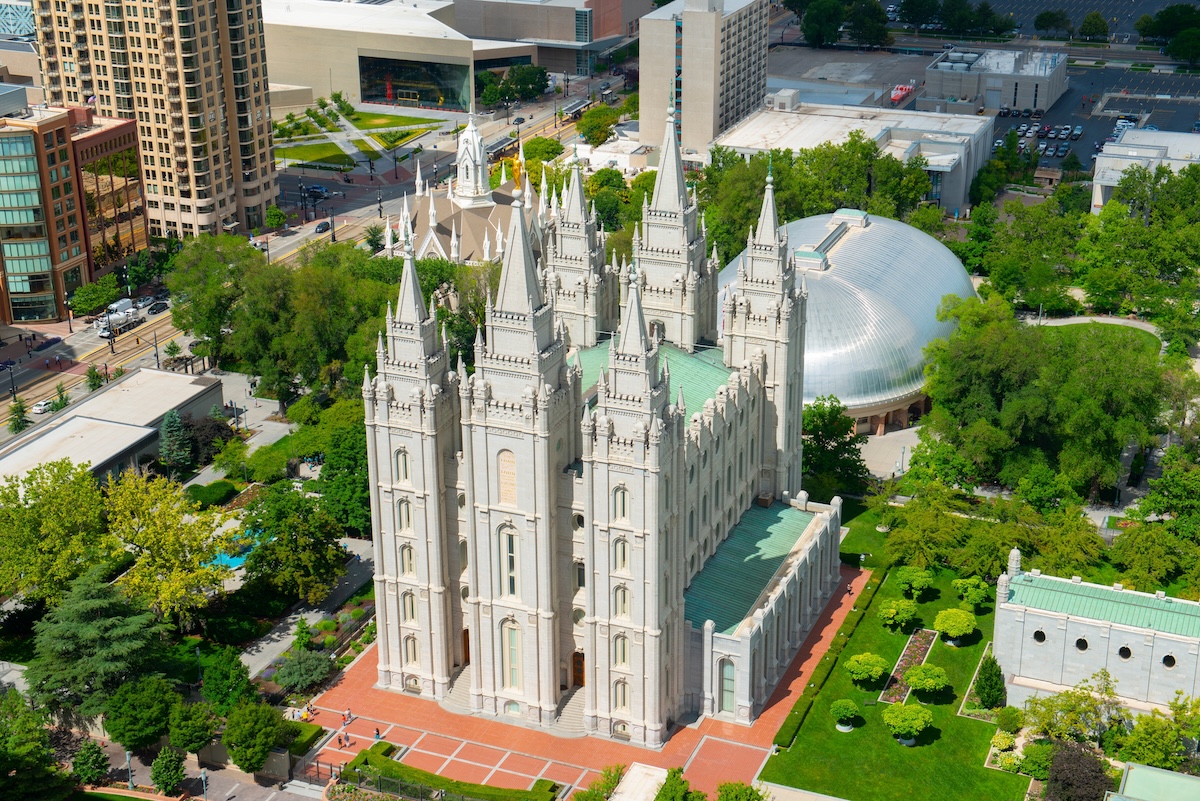
Right in downtown Salt Lake City, the Salt Lake Temple rises up as one of the country’s most recognizable religious buildings. Construction started in 1853 and didn’t wrap up until 1893—forty years of effort, with granite blocks hauled by oxen from a canyon about 20 miles away. That’s dedication, plain and simple.
Six spires reach into the sky, the tallest capped with a golden angel Moroni at 210 feet. You can admire the Gothic and Romanesque details from Temple Square, though only members of The Church of Jesus Christ of Latter-day Saints can actually go inside. The 10-acre grounds stay open year-round, with visitor centers, gardens, and the famous Tabernacle. Whether you’re into history, architecture, or just curious about a landmark that shapes Utah’s identity, the temple stands at the heart of Salt Lake City’s skyline.
Vermont: Robert Frost Stone House Museum
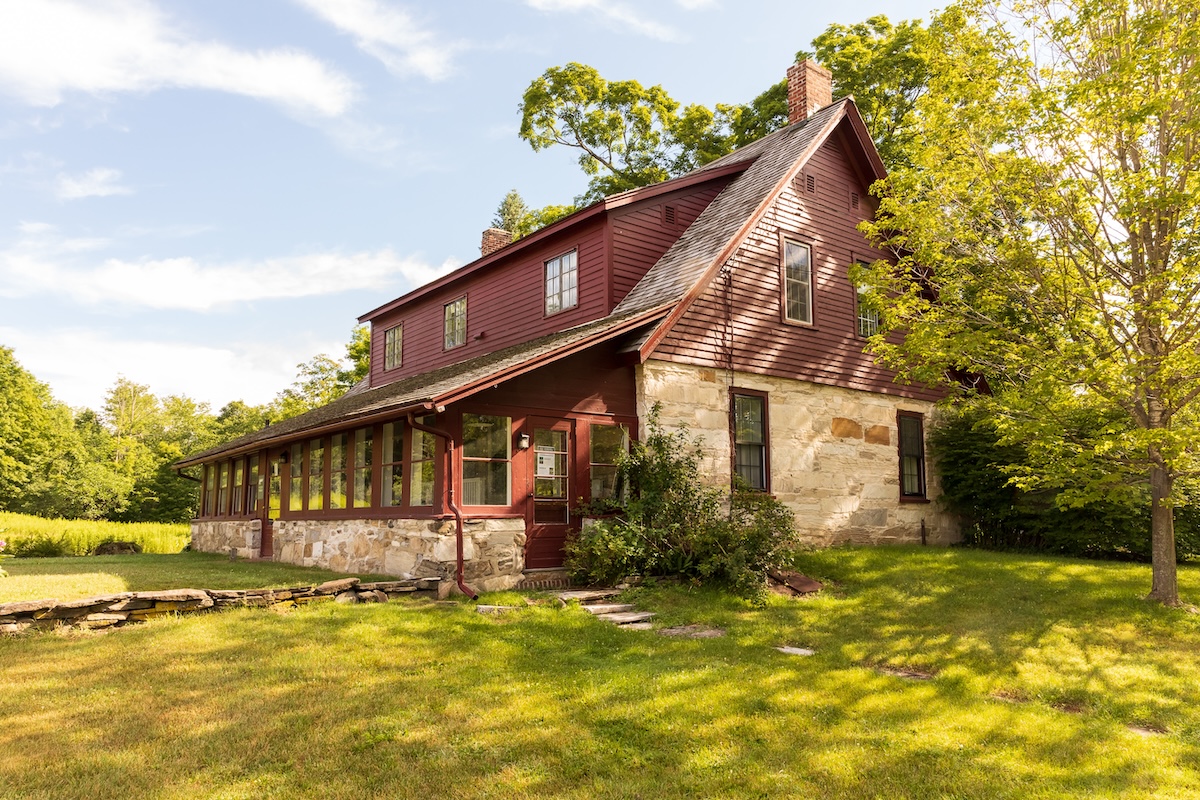
Tucked away in Bennington, this historic stone cottage is where Robert Frost lived and worked during a key stretch of his career. He called it home from 1939 to 1963, writing some of his most memorable poems right inside these thick stone walls. The building itself dates back to the early 1800s, radiating that rustic New England charm that clearly seeped into Frost’s writing.
If you visit, you can wander through the rooms where Frost actually lived, with original furnishings still in place. The museum gives you a real sense of the poet’s daily life. You’ll see his writing desk, personal belongings, and spaces that feel almost frozen in time. It’s both a literary landmark and a piece of Vermont’s cultural heritage—simple, unpretentious, and quietly significant.
Virginia: Virginia State Capitol
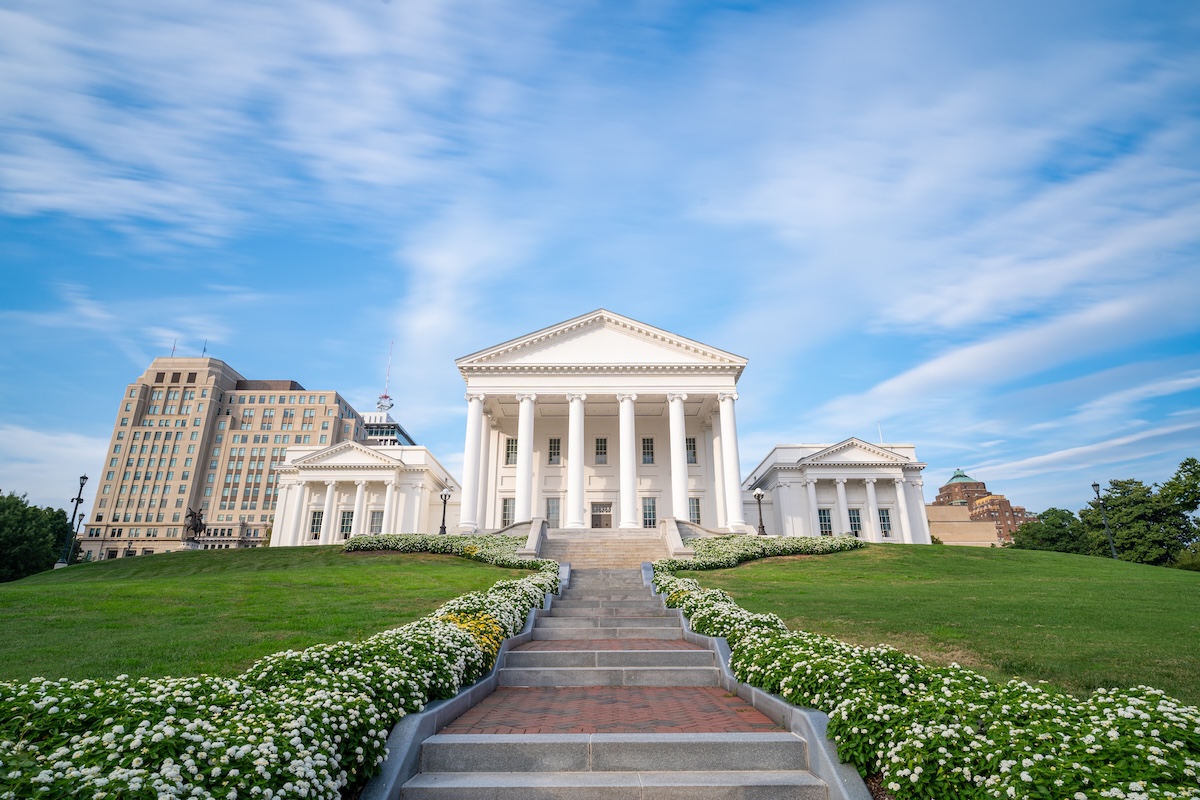
In Richmond, you’ll see Thomas Jefferson’s architectural vision brought to life at the Virginia State Capitol. He worked with French architect Charles-Louis Clérisseau to design it, and when it was finished in 1788, it became the first public building in the New World to look like a classical temple. Jefferson based the design on the Maison Carrée, an ancient Roman temple he studied while in France.
The Capitol has anchored Virginia’s government for more than 200 years, still housing the oldest elected legislative body in the Western Hemisphere. Inside, you’ll find Jean-Antoine Houdon’s marble statue of George Washington—the only one made from life. Its neoclassical style helped shape government buildings across the country, setting a template for American democracy. On the Capitol grounds, the Executive Mansion has housed Virginia’s governors since 1813.
Washington: Space Needle
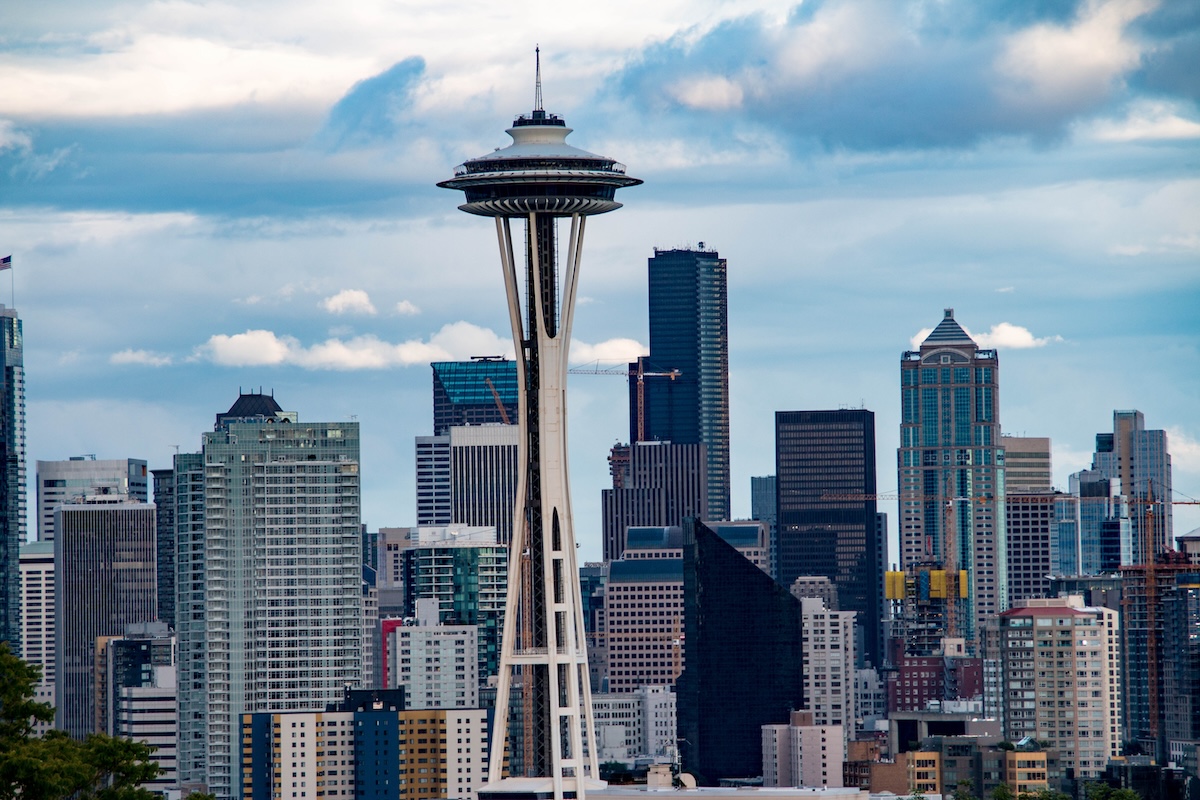
Seattle’s skyline just wouldn’t be the same without the Space Needle. Shooting up 605 feet, it’s the city’s most recognizable landmark. Built for the 1962 World’s Fair, the Space Needle captured all that mid-century hope about the future and space travel. Its tripod base, slender shaft, and saucer-shaped observation deck look straight out of a sci-fi movie.
Take the elevator up (it’s a quick 41 seconds), and you’ll reach the top, where rotating glass floors and angled glass walls give you sweeping views of Elliott Bay, Mount Rainier, and the Cascades. A big renovation in 2018 added floor-to-ceiling glass, so you get clear views in every direction. From 520 feet up, Seattle’s blend of water and mountains just clicks into place. The Space Needle pops up in movies and TV all the time—no surprise, really. It’s a Northwest icon.
West Virginia: Our Lady of the Pines
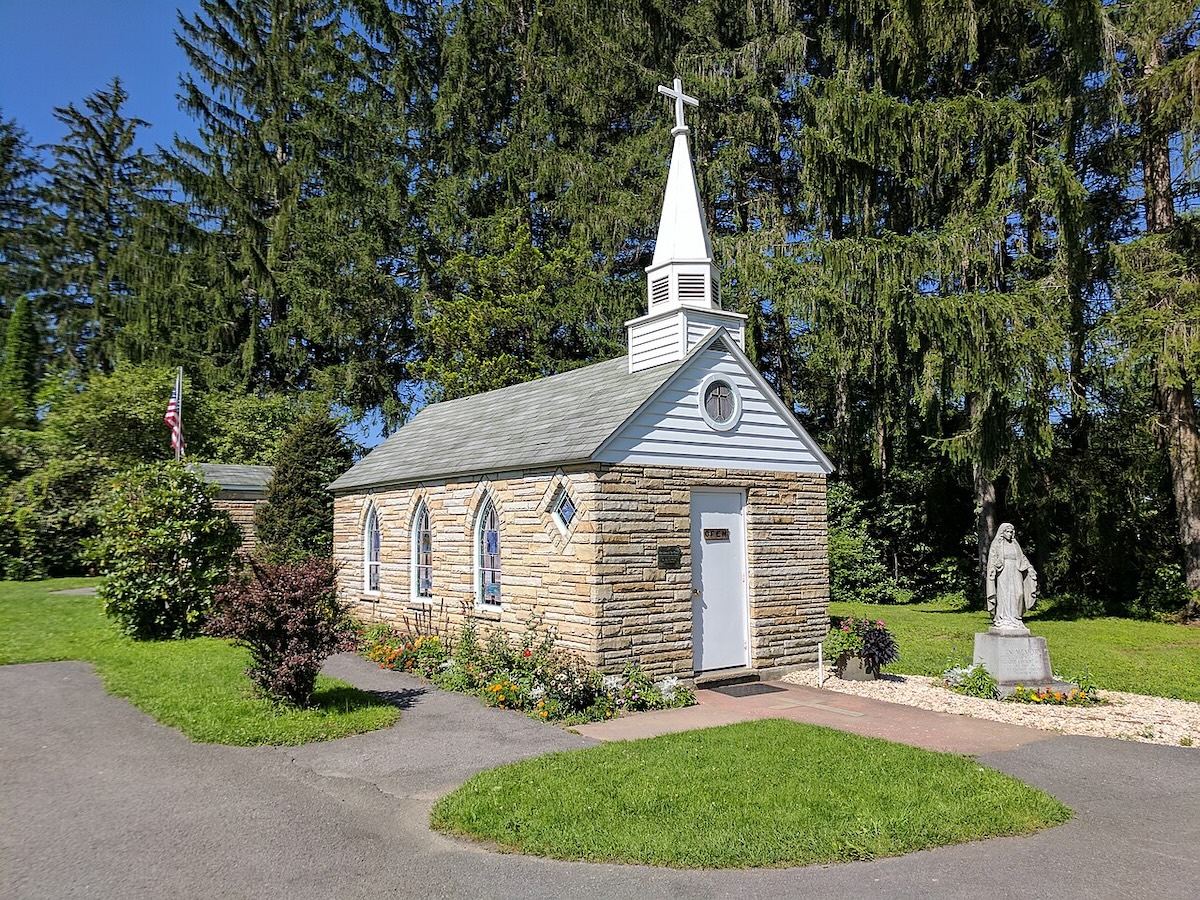
High in the Appalachian mountains, Our Lady of the Pines stands as a striking landmark. Its unique design catches your eye amid the rolling forests of West Virginia. The building serves as a spiritual center, but it also showcases a blend of traditional devotional architecture and the rugged beauty of its natural setting.
If you visit, you’ll see how the church almost melts into the pine woods that inspired its name. It’s become a symbol for locals and travelers passing through West Virginia’s quieter corners. Honestly, its significance goes beyond faith—it represents the state’s cultural heritage and the resilience of Appalachian communities. You can’t help but appreciate the craftsmanship and heart that went into building it on this challenging terrain.
Wisconsin: Cana Island Lighthouse
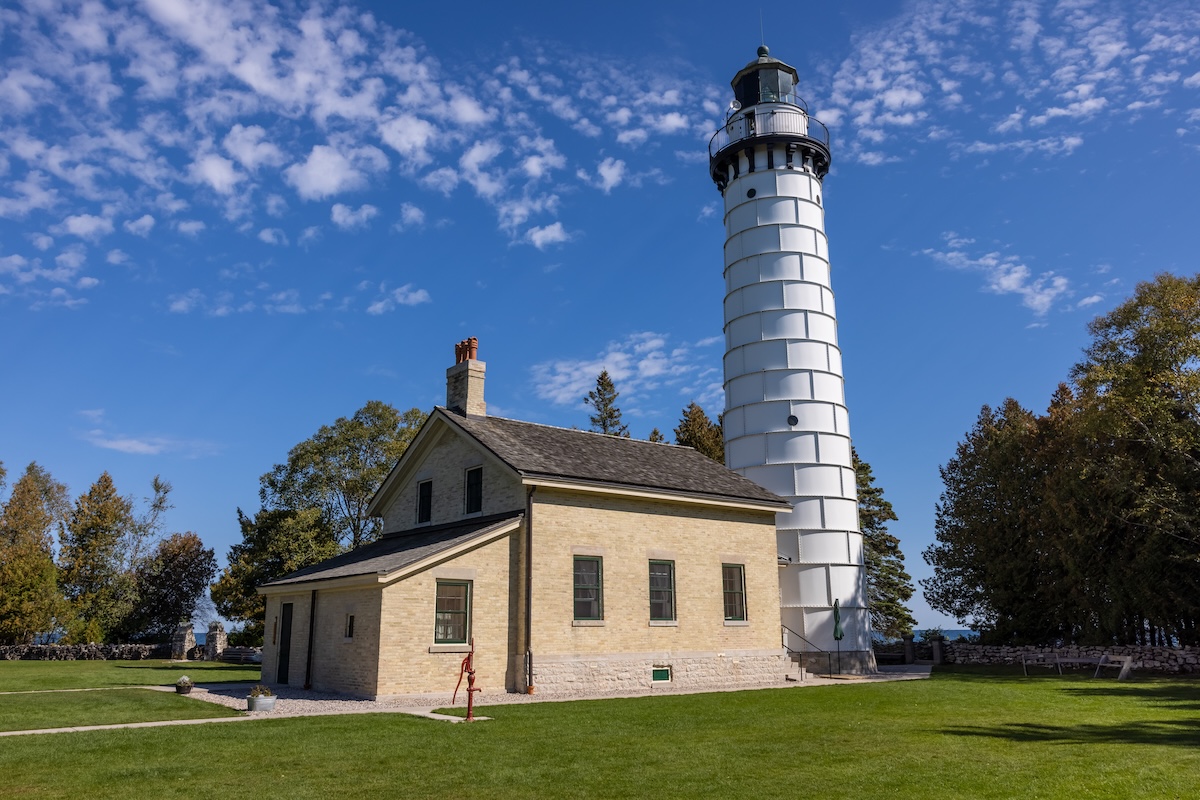
On a tiny island off Door County’s shore, the Cana Island Lighthouse stands watch. You reach it by a gravel causeway that sometimes vanishes under Lake Michigan’s waves—so timing your visit matters. Built in 1869, the 89-foot tower has guided ships through the tricky waters between the Door Peninsula and Washington Island for over 150 years. Its cream brick and red top make it a favorite for photographers.
Climb the 102 steps to the top for sweeping views of the lake and coastline. The keeper’s house and oil house still sit on the grounds, giving you a peek into the lives of lighthouse keepers from days gone by. The rocky shores and thick forests make the island a magnet for nature lovers, especially when the weather cooperates enough to cross.
Wyoming: Sheridan Inn
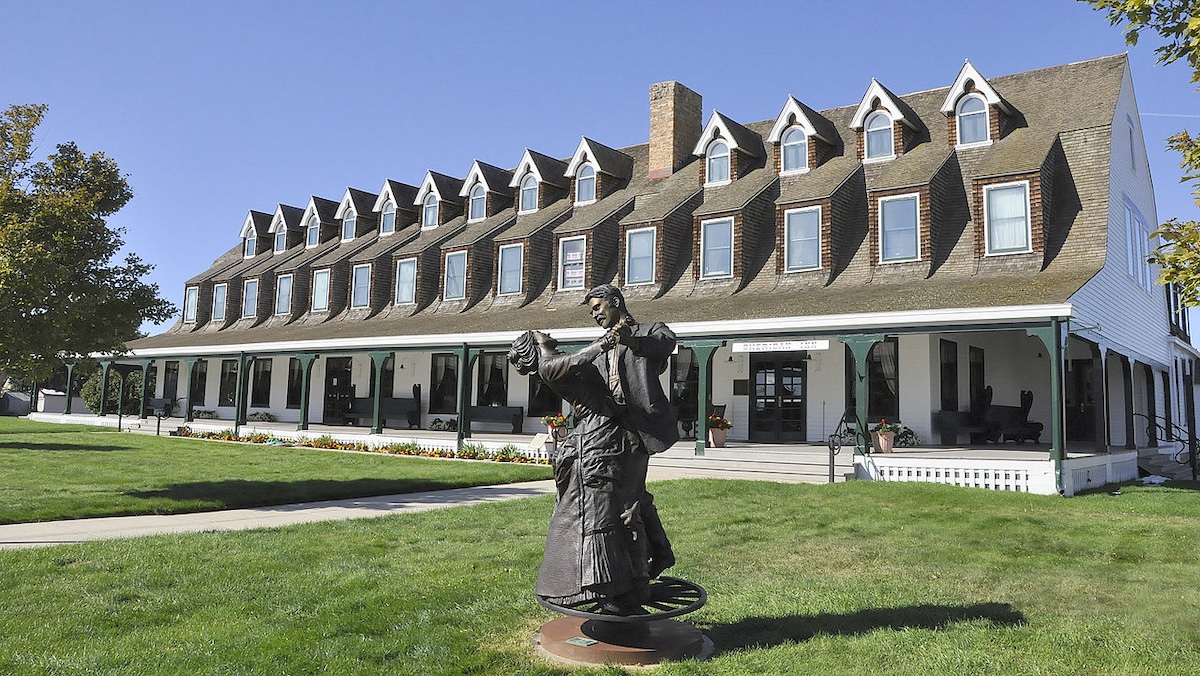
The Sheridan Inn has stood proudly in the town of Sheridan since 1893, opening its doors as one of the finest hotels between Chicago and San Francisco. Buffalo Bill Cody actually invested in and co-owned this three-story spot, and folks say he held auditions for his Wild West Show right from the front porch. The inn’s got a pretty unique look—sixty-nine gables and a wraparound veranda that nearly hugs the whole building.
If you swing by today, you can wander through this National Historic Landmark, the same place that once drew presidents, cattle barons, and famous entertainers back in Wyoming’s frontier days. The building ran as a hotel until 1965, and since then, people have worked hard to restore its Victorian-era charm and Western character. Inside, you’ll spot original furnishings, period artifacts, and stories that really bring the Old West to life—back when Sheridan buzzed as a railroad town and ranching hub.