
Some places hit you right in the feels the moment you step foot on their grounds. America’s memorial sites aren’t just tourist stops for history buffs, they’re powerful spaces where the past collides with the present in ways that can leave even the most stoic visitors reaching for tissues.
These nine memorials tell America’s story; the triumphs, the tragedies, the moments that changed everything. Each site transforms statistics and historical events into deeply human experiences. Whether you’re planning a dedicated pilgrimage or adding a meaningful stop to your vacation itinerary, these sites will stick with you long after you’ve left.
9. Astronauts Memorial, Florida
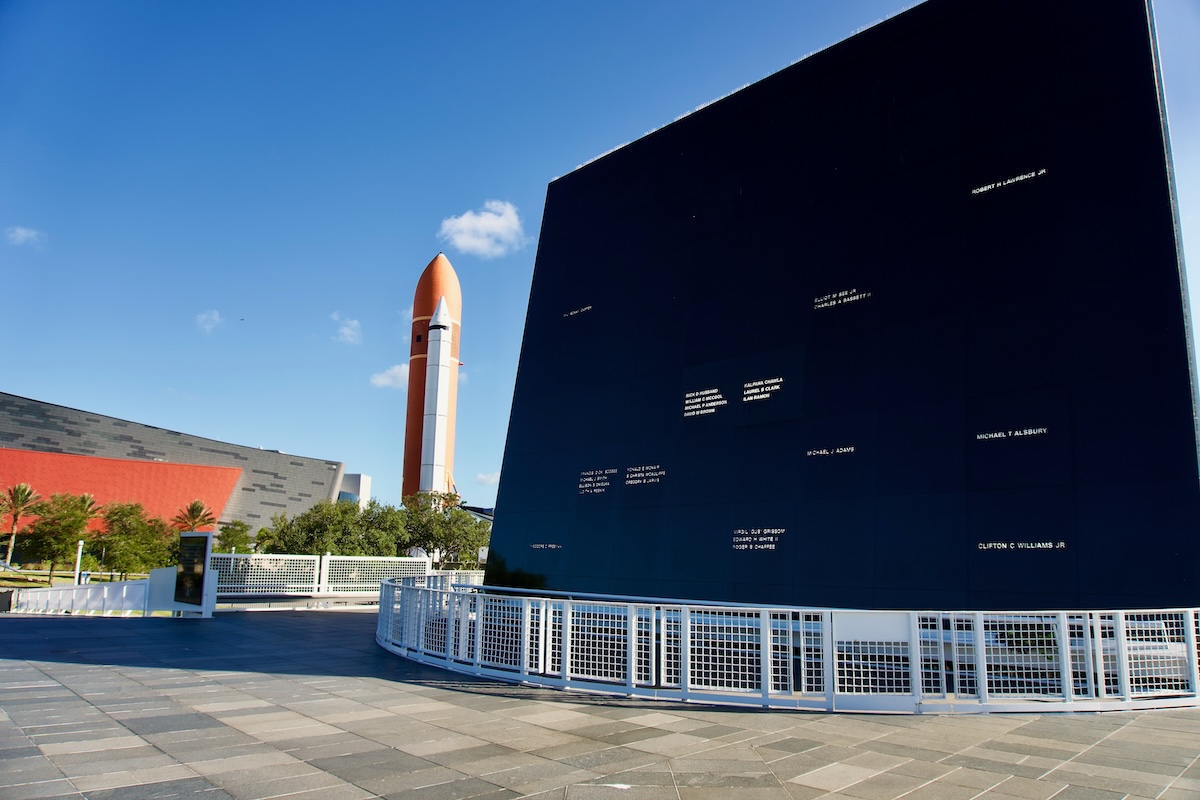
Hidden gem alert! Tucked away at Kennedy Space Center stands a massive 42-foot-tall polished granite monument that literally follows the sun. This “Space Mirror” honors the 24 astronauts who lost their lives in the pursuit of space exploration, with names like the Challenger and Columbia crews cut straight through the stone so sunlight blazes through.
What makes this memorial hit different is the engineering behind it – the entire structure rotates and tilts throughout the day to capture the sun’s rays, illuminating the names from within. The effect is both high-tech and deeply poetic. While tourists flock to see rocket launches and space suits, this quieter corner offers a moment to remember that behind every space mission were real people with extraordinary courage.
8. Lincoln Memorial, Washington, D.C.
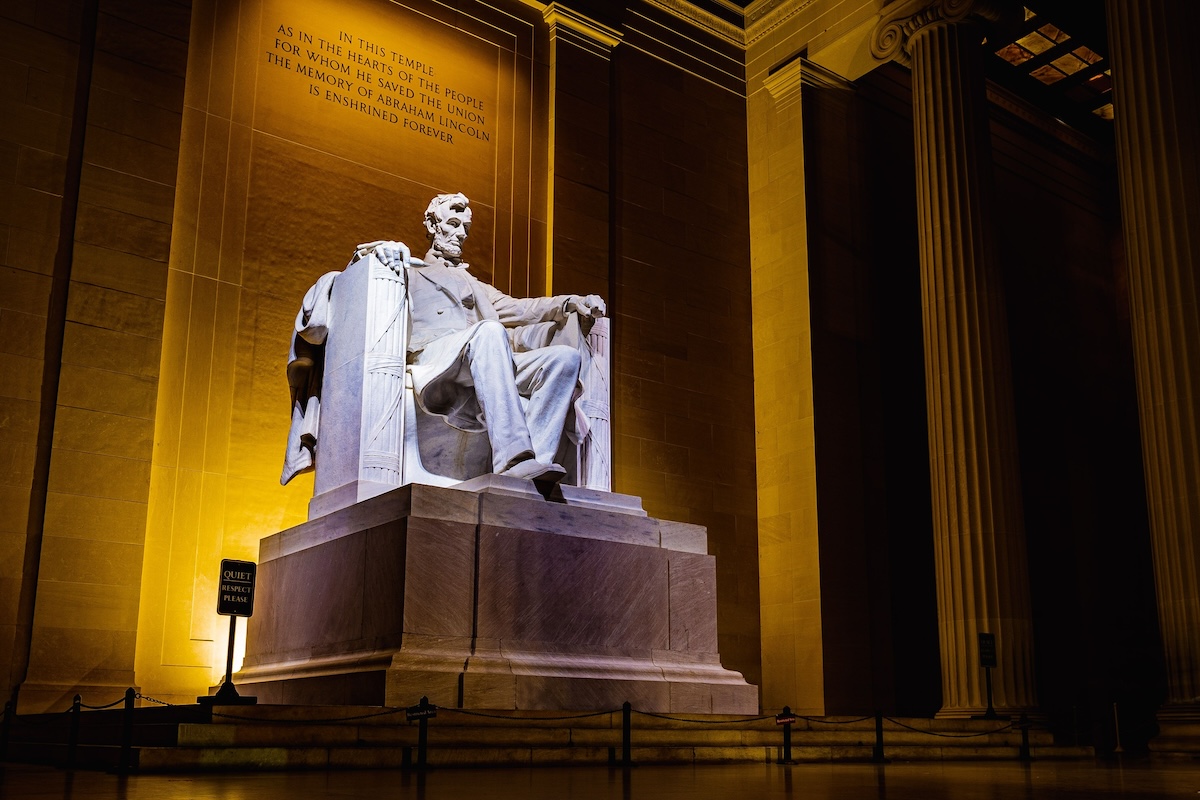
Sure, you’ve seen it a million times on the back of pennies and in movies, but nothing prepares you for the real-deal Lincoln Memorial experience. Daniel Chester French’s 19-foot marble Lincoln sits like a contemplative giant, somehow radiating both power and compassion from his massive throne.
Find a spot on the steps overlooking the Reflecting Pool toward the Washington Monument and feel the weight of American history wash over you. This is where MLK delivered his “I Have a Dream” speech, where protests and celebrations have unfolded, and where countless ordinary Americans have come to reconnect with the ideals the country was founded upon.
7. Flight 93 National Memorial, Pennsylvania
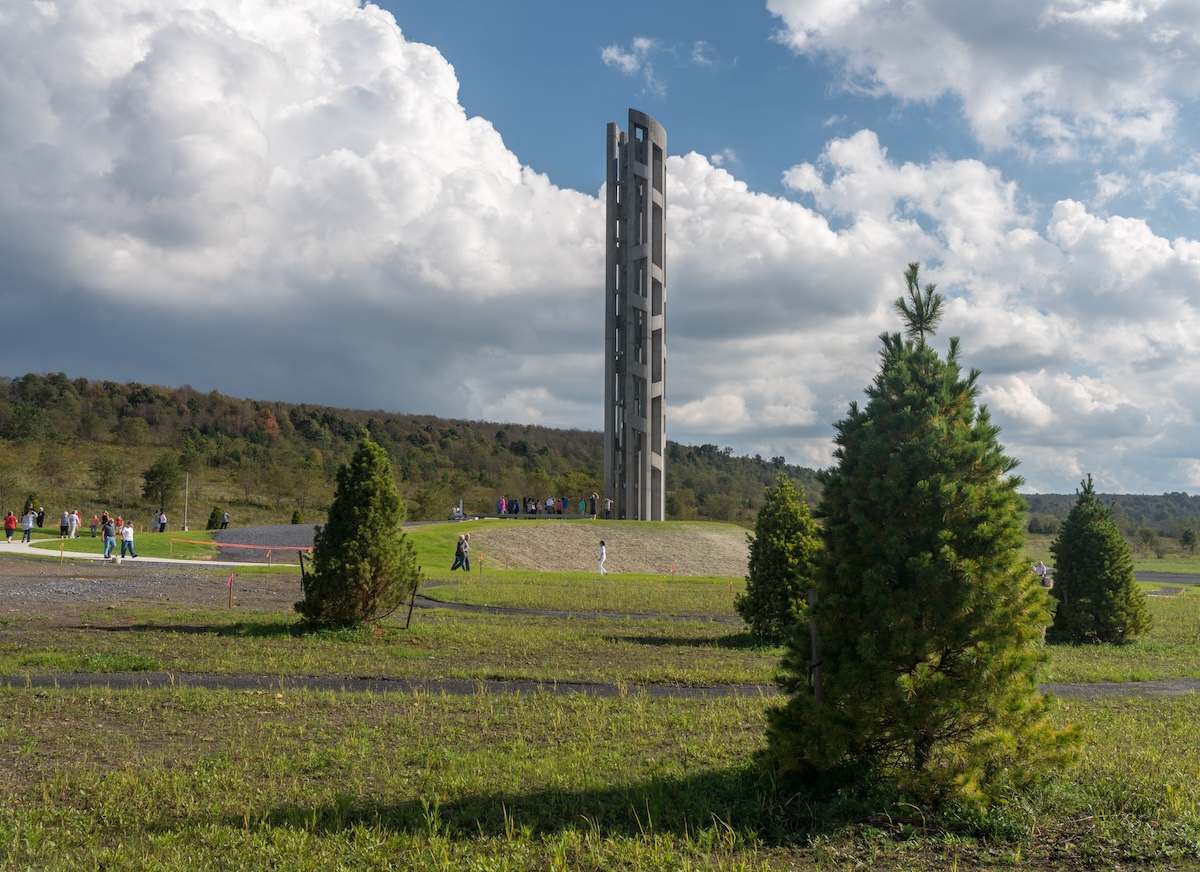
In the rolling fields of rural Pennsylvania, this memorial marks where ordinary people became extraordinary heroes on September 11, 2001. Unlike most memorials built in bustling cities, the remote location of Flight 93 National Memorial creates an immediate sense of solemn isolation. The quiet here speaks volumes.
The design brilliantly captures both absence and presence – a concrete and glass visitor center tells passengers’ stories through personal artifacts, while the memorial plaza features a wall of white marble panels inscribed with each passenger’s name. The most powerful element is the quarter-mile “Flight Path Walkway” leading to a boulder marking the exact crash site, visible but deliberately unreachable.
6. Oklahoma City National Memorial, Oklahoma
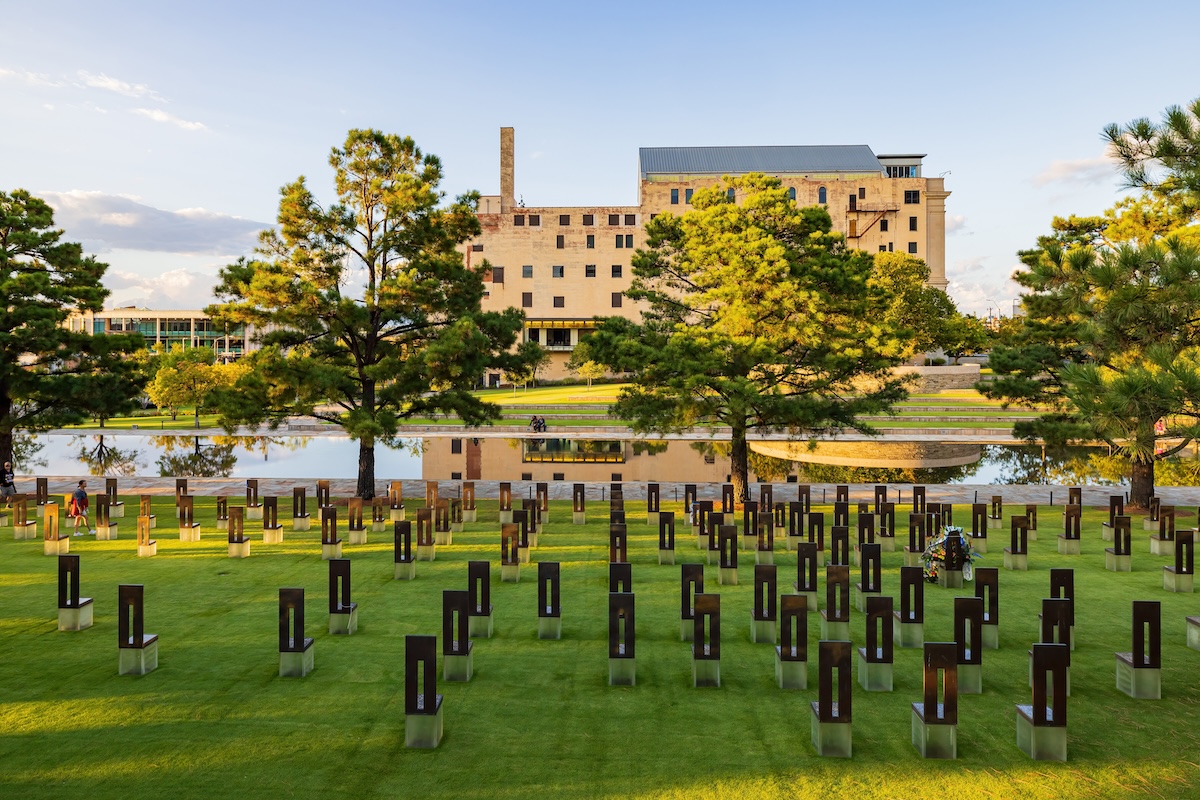
Few memorials capture the before, during, and after of tragedy like this powerfully designed space commemorating the 1995 bombing of the Alfred P. Murrah Federal Building. The memorial’s Gates of Time frame the moment – 9:01 represents the minute before the blast, 9:03 the minute after, with a reflecting pool between them symbolizing the frozen moment of destruction at 9:02.
What truly breaks your heart are the 168 empty chairs – 19 smaller ones for the children – arranged in rows corresponding to the floors where victims worked or visited. At night, the glass bases illuminate, creating a floating effect that’s hauntingly beautiful. The Survivor Tree, an American elm that somehow withstood the blast, stands as a living monument to resilience.
5. Martin Luther King Jr. Memorial, Washington, D.C.
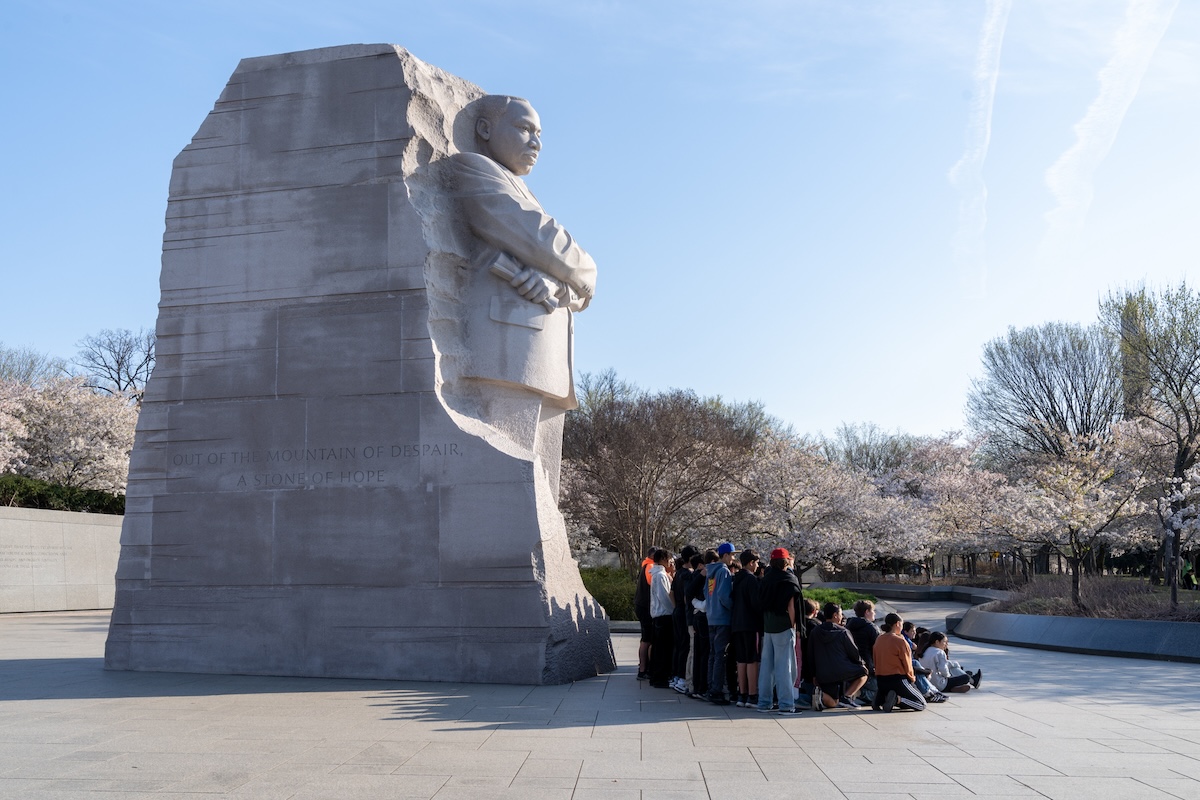
Unlike traditional memorials that place their subject behind walls or on pedestals, the MLK Memorial boldly positions King’s 30-foot likeness emerging from a massive block of white granite – still partially trapped in the stone as if his work remains unfinished. The “Stone of Hope” cut out from the “Mountain of Despair” literally brings King’s own words to three-dimensional life.
The memorial’s position along the Tidal Basin creates powerful sightlines connecting King visually to both Jefferson and Lincoln across the water. Carved into the surrounding walls, King’s quotes pack as much punch today as when he first spoke them. Visit in early April when cherry blossoms frame the white stone for truly spectacular photos.
4. Vietnam Veterans Memorial, Washington, D.C.
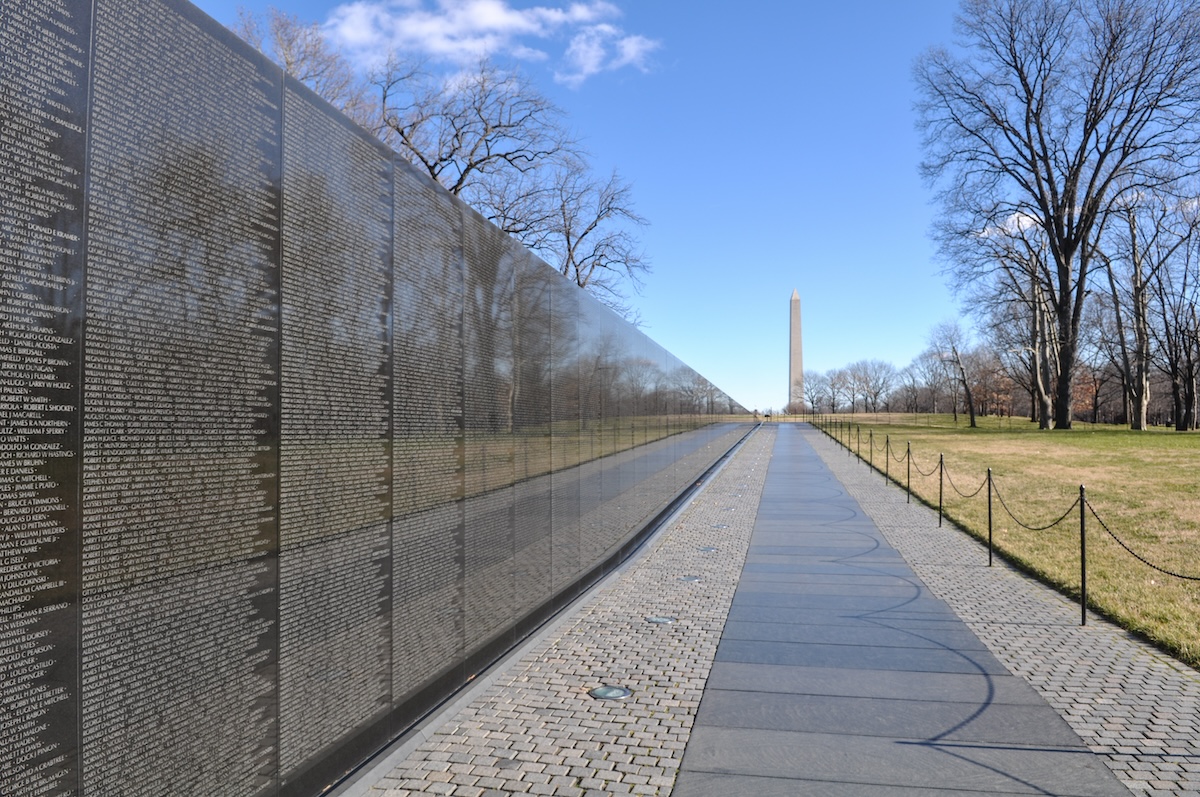
Maya Lin’s controversial design has become one of America’s most profoundly moving spaces, proving sometimes the simplest concepts hit hardest. Two black granite walls, cut into the earth like an open wound that’s begun to heal, list over 58,000 names in the order they were lost. The reflective surface ensures you see yourself among the fallen, creating an immediate connection between visitor and veteran.
The memorial transforms abstract war statistics into intensely personal experiences. Watching visitors trace names on paper, leave personal mementos, or simply touch the cool stone surface with tears streaming shows how healing happens here daily. The wall begins and ends at the same height, bringing the experience full circle.
3. 9/11 Memorial, New York
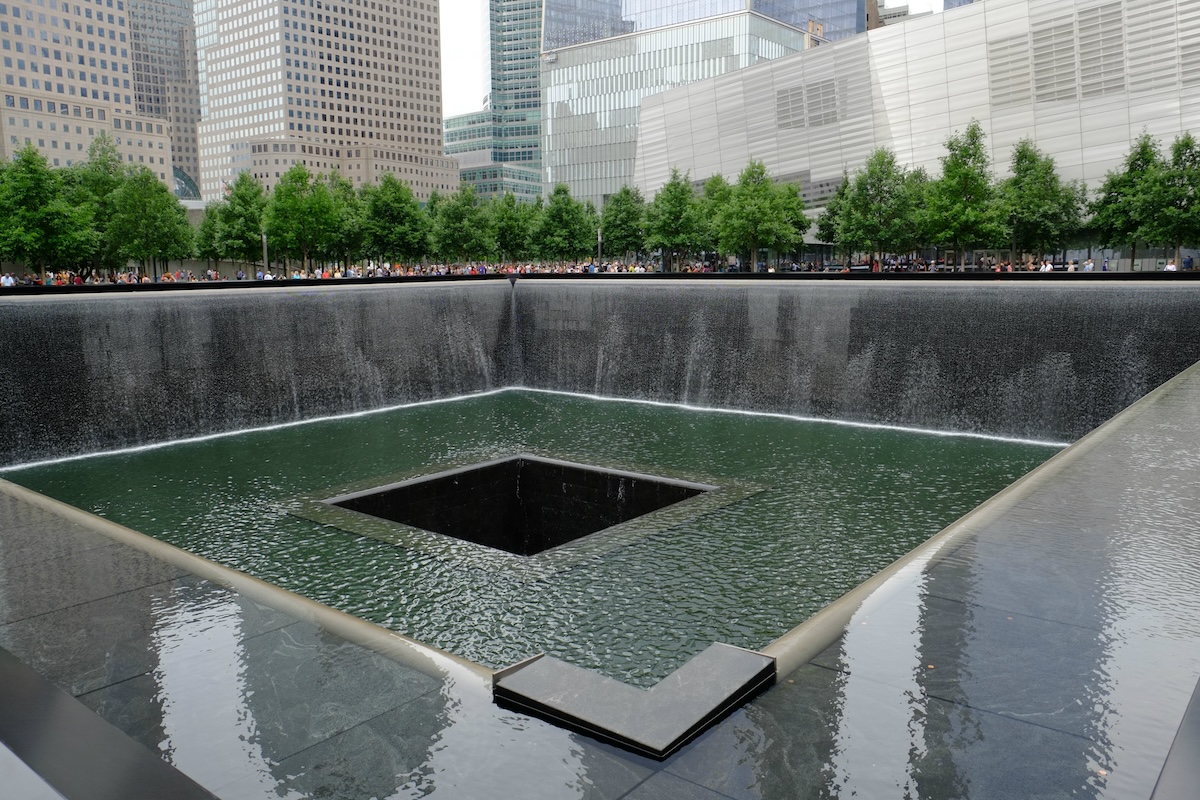
Where the Twin Towers once stood, two massive square voids now plunge 30 feet into the ground, water eternally falling into seemingly bottomless centers. The design brilliantly captures the scale of absence – these aren’t just footprints but enormous empty spaces that can never be filled. Bronze panels ringing the pools bear the names of 2,983 victims, arranged not alphabetically but by meaningful connections – coworkers, flight passengers, first responders who died together.
The surrounding plaza features a forest of swamp white oak trees providing shelter, with one special Survivor Tree – a Callery pear found damaged but alive in the rubble – standing as a living symbol of resilience. While the museum below ground documents the attacks in gut-wrenching detail, the memorial above creates space for personal reflection.
2. National Memorial for Peace and Justice, Alabama
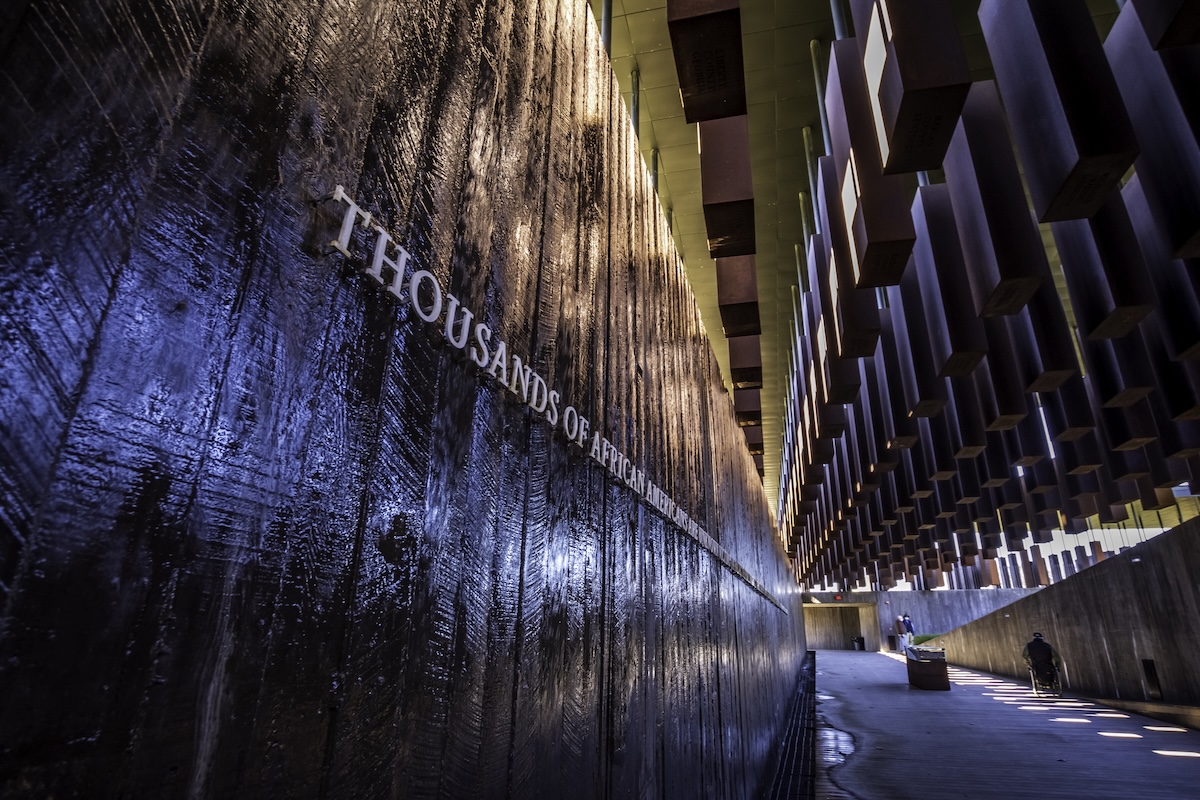
America’s newest and perhaps most overdue national memorial confronts the horror of racial terror lynchings with unflinching honesty and extraordinary design. Over 800 weathered steel columns hang from the ceiling, each representing a county where documented lynchings occurred, with victims’ names engraved on each. As you move through the space, the floor slopes downward until these “strange fruit” hang above your head – forcing a physical reckoning with this history.
What sets this memorial apart is its active component. Duplicate columns lie in a field outside, waiting to be claimed by the counties they represent when those communities are ready to acknowledge their history. The accompanying Legacy Museum connects historical racial injustice to contemporary issues in ways impossible to ignore. Prepare to leave changed.
1. Pearl Harbor National Memorial, Hawaii
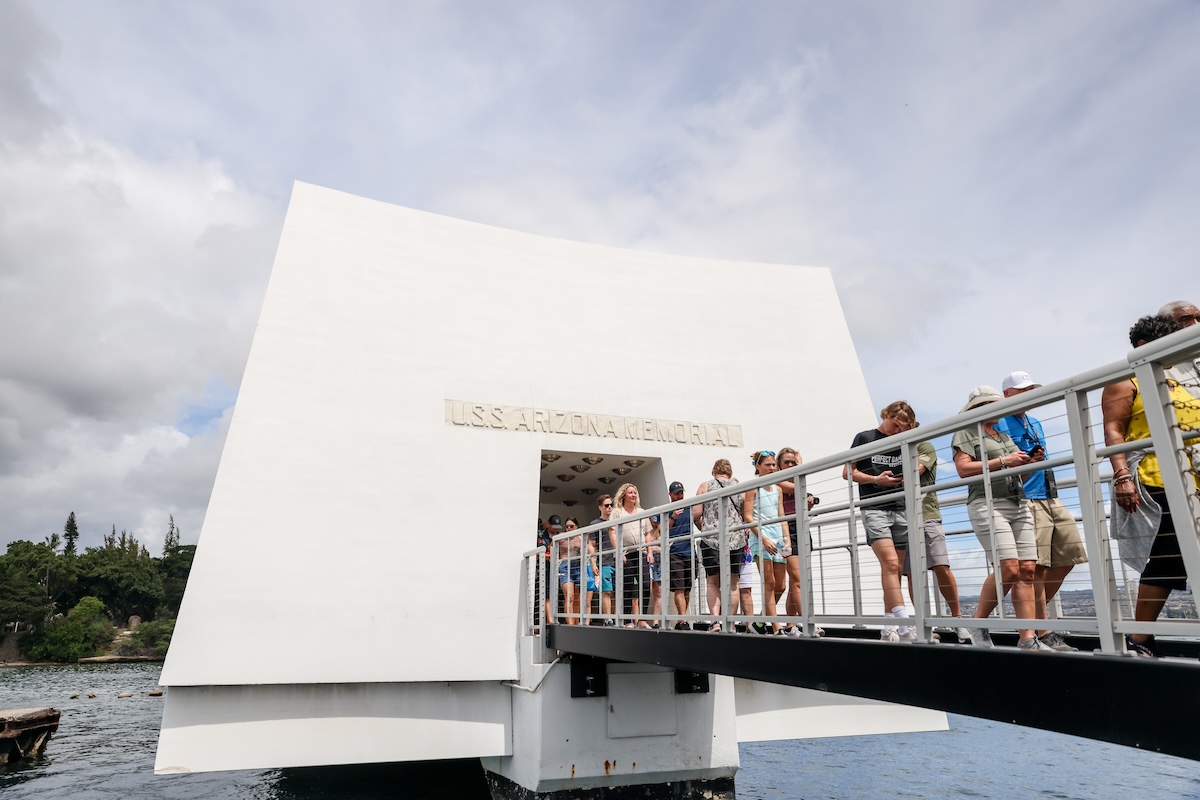
Standing on the stark white USS Arizona Memorial as it floats above the sunken battleship where 1,177 sailors remain entombed creates an experience that transcends time. Oil still seeps from the ship’s hull – “black tears” that continue to surface more than 80 years after the attack that launched America into World War II. The dichotomy of Hawaii’s tropical beauty against this solemn site creates a uniquely powerful atmosphere.
The names of the dead etched in marble, the visible remains of the ship below the water’s surface, and the small shrine room listing those lost create a deeply moving experience. What makes Pearl Harbor particularly meaningful is the reconciliation element – Japanese visitors pay respects alongside Americans, demonstrating how former enemies can become allies.