
Staring at oil paintings of grumpy 17th-century aristocrats gets old fast. Sometimes, the soul craves something a bit more bizarre. A little more jagged around the edges, or perhaps just a place dedicated entirely to sugary soda. The United States acts as a goldmine for the eccentric, offering institutions that celebrate everything from elusive hairy beasts to glassblowing wizardry. Road trips simply aren’t complete without a detour into the weird.
Forget the hushed whispers of traditional galleries. These destinations demand interaction, confusion, and occasionally, a strong stomach. From the deserts of New Mexico to the bustling streets of St. Louis, curators have gathered collections that defy logic and embrace the peculiar. Here are those stops that prove reality is often stranger, and much more entertaining, than fiction.
12. Mothman Museum, Point Pleasant, West Virginia
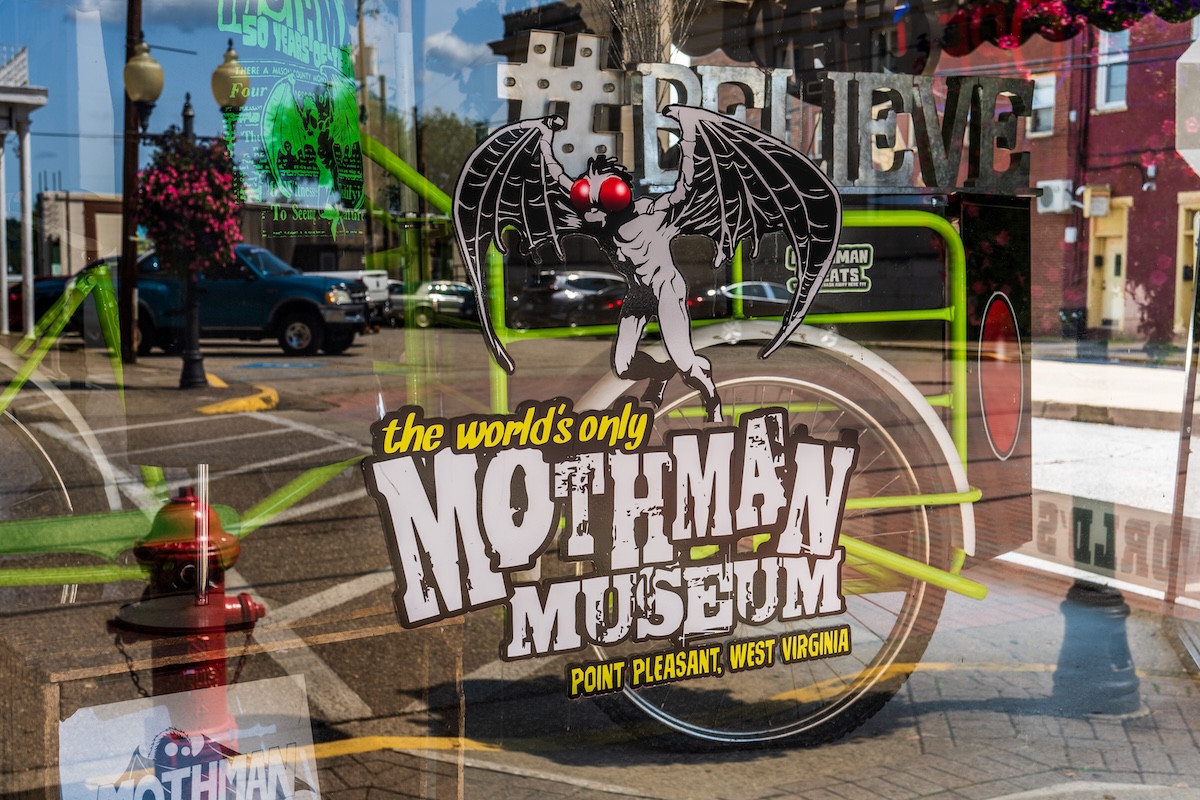
It is not every day a town builds a shrine to a red-eyed, winged humanoid that allegedly terrorized the locals in the 1960s. Point Pleasant embraces its cryptid claim to fame with open arms and a shiny chrome statue right on Main Street. Inside the storefront facility, visitors find a treasure trove of police sketches, props from the Richard Gere movie, and enough handwritten witness accounts to make anyone nervous about driving across bridges at night.
The atmosphere stays far away from “dusty history” and leans heavily into “X-Files episode come to life.” Enthusiasts can pore over timeline exhibits detailing the creature’s eerie connection to the tragic Silver Bridge collapse. It represents a fascinating dive into modern folklore where truth and hysteria blur, leaving guests wondering if they should keep watching the skies on the drive home.
11. Corning Museum of Glass, Corning, New York
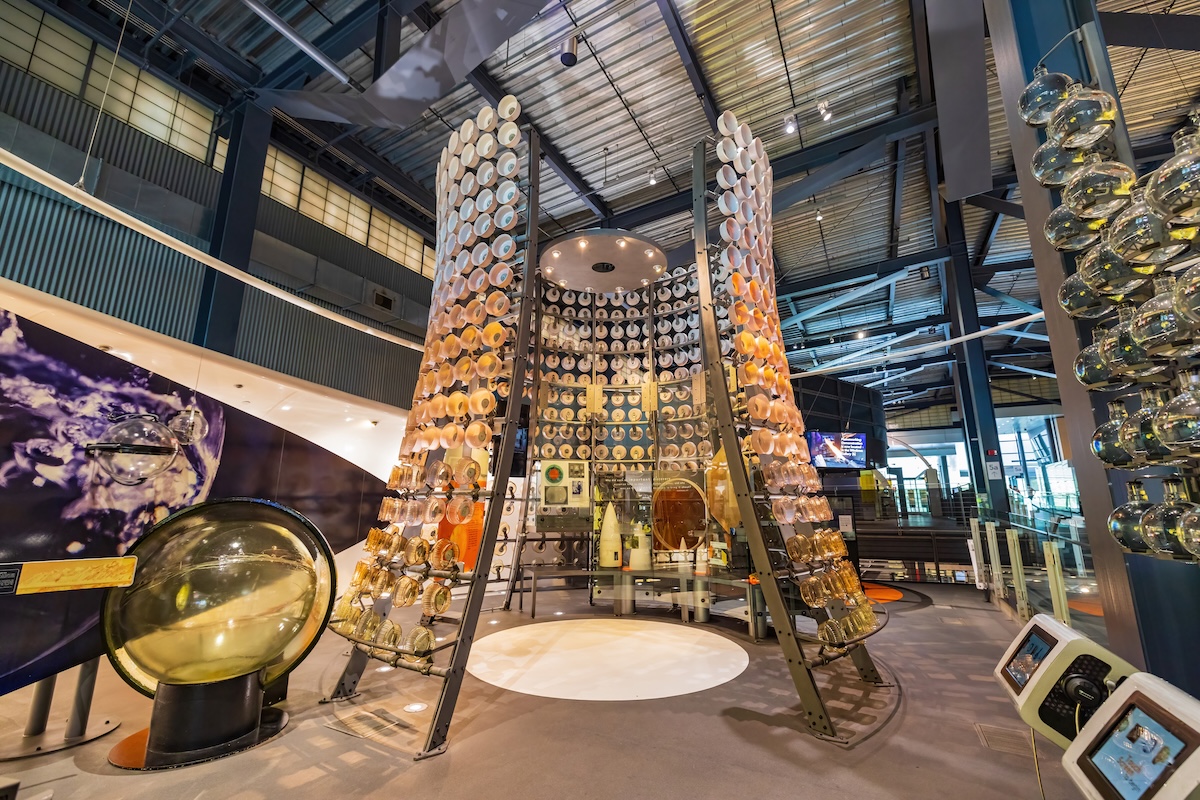
This destination is far more than a collection of Grandma’s fragile vases. The Corning Museum of Glass explores the science and art of silica with fiery passion. Live demonstrations steal the show as gaffers manipulate molten blobs into delicate masterpieces right before a sweating audience. The heat radiates from the glory holes, reminding everyone that creating beauty often requires playing with fire and risking a singed eyebrow.
Beyond the hot shop, the galleries display 35 centuries of silica history, from ancient Egyptian phials to contemporary sculptures that defy gravity. There is even a chance to try sandblasting or fusing, proving that anyone can be an artist with the right safety goggles. It is a fragile world where one wrong move means a broom and dustpan are the only necessary tools for cleanup.
10. Dr. Pepper Museum, Waco, Texas
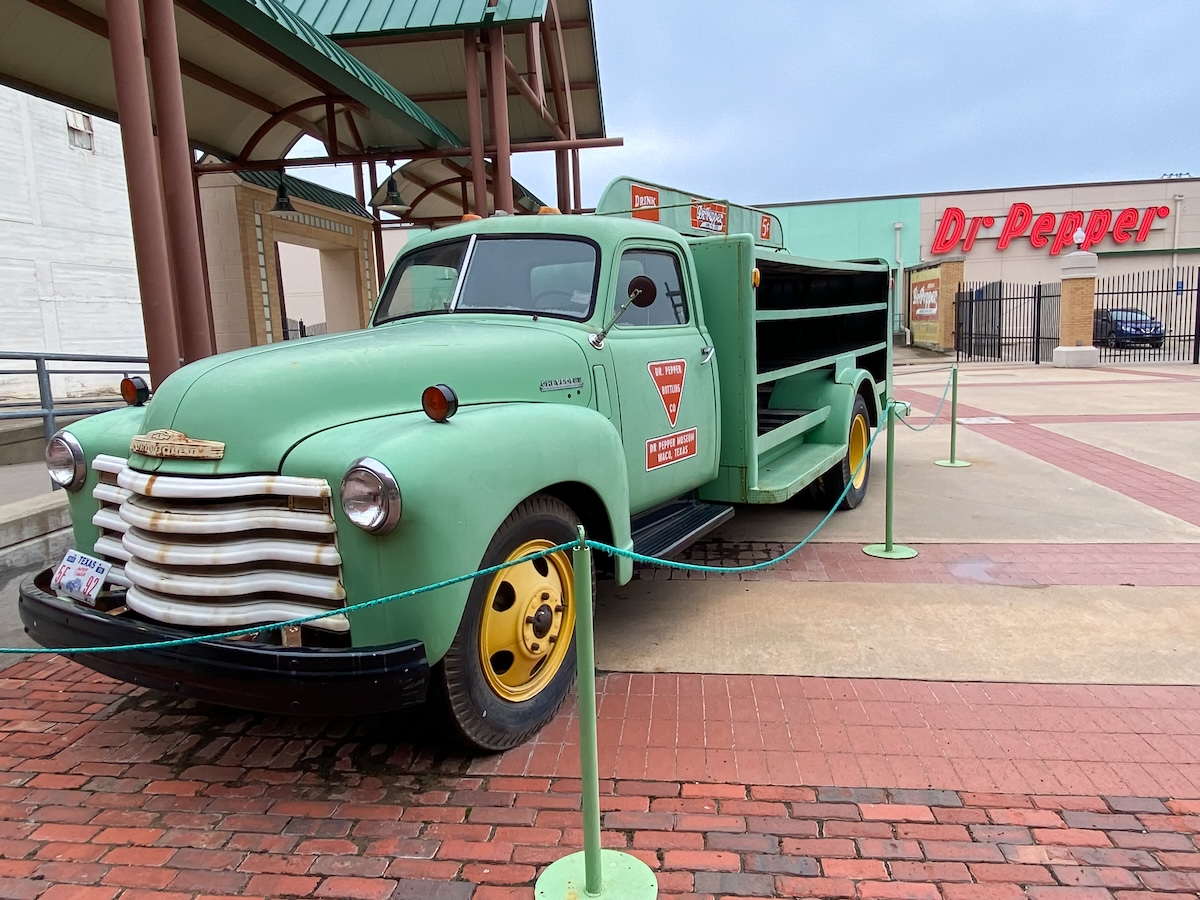
Before adventurous taste buds fell in love with a mysterious blend of 23 flavors, a pharmacist in Waco concocted a distinctively peppery syrup. Housed in the original 1906 bottling plant, this institution bubbles over with nostalgia. Vintage delivery trucks and animatronic figures explain the bottling process, while neon signs illuminate the evolution of advertising for the drink that famously urged people to consume sugar at 10, 2, and 4 o’clock.
The real cherry on top (or perhaps the prune, depending on who you ask about the recipe) sits at the soda fountain. A “Soda Jerk” hand-mixes fresh Dr. Pepper, offering a taste far superior to the canned version found at gas stations. It serves as a fizzy tribute to American enterprise and the eternal quest to quench thirst with something other than water.
9. International Cryptozoology Museum, Portland, Oregon
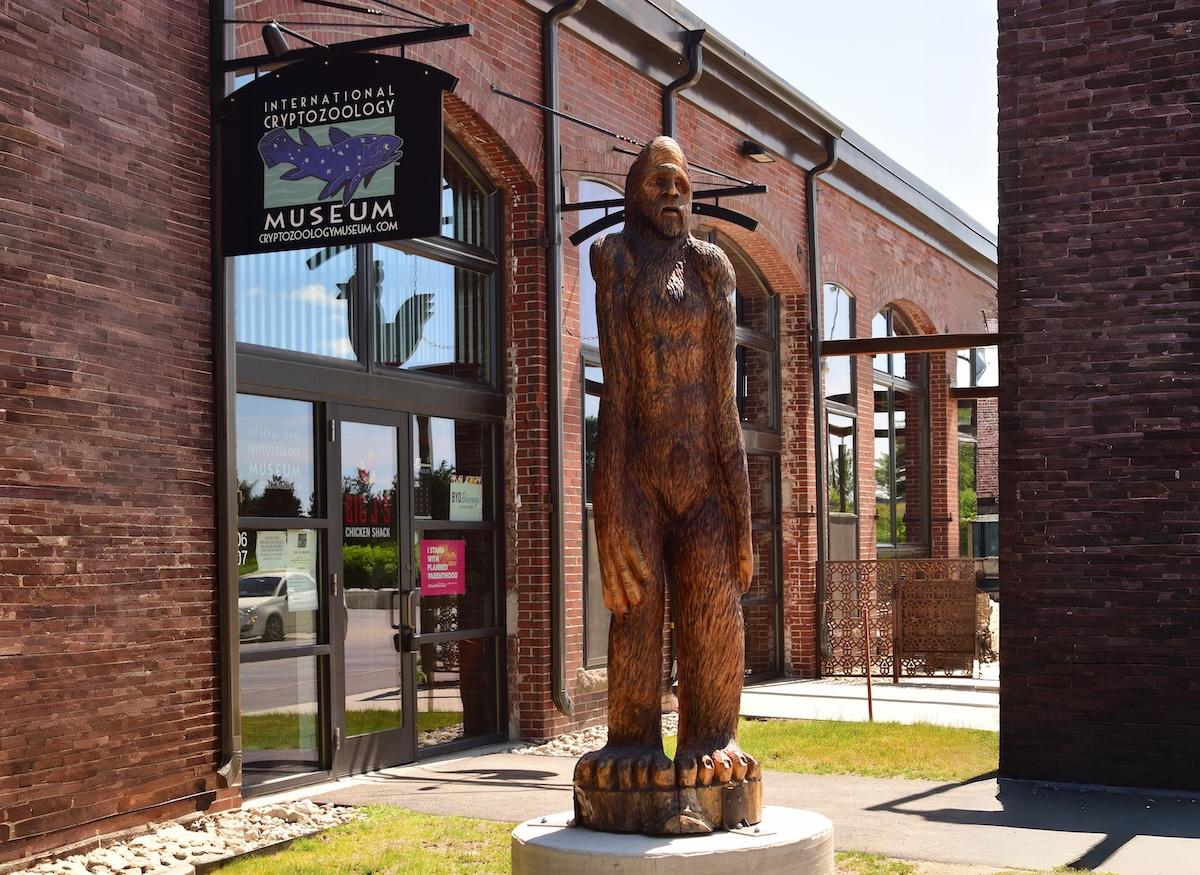
Portland keeps it weird, and nothing proves that maxim quite as effectively as Loren Coleman’s temple to hidden animals. This is not a place for skeptics to scoff; it stands as a sanctuary for the “what if.” The collection boasts hair samples, footprint casts, and even a life-sized coelacanth, bridging the gap between biological fact and campfire fiction.
Highlights include the Crookston Bigfoot prop and various lake monster interpretations that look suspiciously rubbery. Despite the kitsch factor, the curation takes the subject seriously, treating the study of hidden animals with the same reverence usually reserved for dinosaur bones. It creates a delightful detour into the unexplained, guaranteeing a renewed suspicion of deep woods and dark waters.
8. Shelburne Museum, Shelburne, Vermont
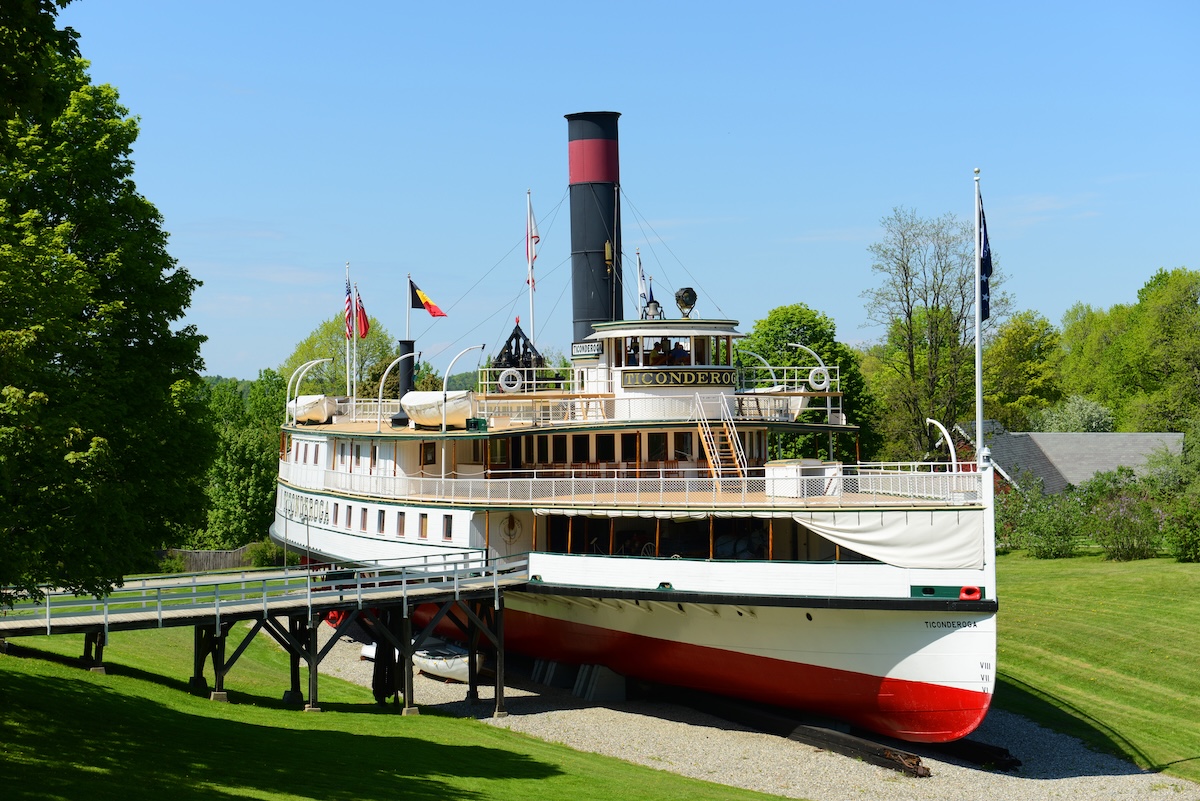
Most curators frame paintings; Electra Havemeyer Webb collected entire buildings. This sprawling campus in Vermont functions as a village of relocated historic structures, including a jail, a lighthouse, and a covered bridge. The sheer scale of the operation boggles the mind, especially considering the massive steamboat Ticonderoga, which was hauled overland by rail to sit permanently on a grassy lawn.
Inside these structures, a kaleidoscope of Americana awaits. We are talking about thousands of duck decoys, circus figures, and intricate quilts. It avoids the stuffiness of traditional galleries by placing art in context, surrounding visitors with the tangible textures of the past. It is an overwhelming, charming, whimsical hoarder’s dream turned into a national treasure.
7. Circus Museum, Sarasota, Florida

Step right up to the legacy of the Ringling Bros. on the sunny Gulf Coast. John Ringling didn’t do anything halfway, and this tribute to the “Greatest Show on Earth” reflects that opulence. The star attraction is the Howard Bros. Circus Model, a 44,000-piece miniature recreation that captures the logistical madness of the tented city in obsessive detail.
Visitors can squeeze into a clown car or walk the high wire (safely near the ground) to test their acrobatic mettle. Gilded parade wagons and sequined costumes display the glitz that once rolled into towns across the country via rail. It captures the romance of a bygone era when the arrival of the big top was the most important day of the year.
6. The International UFO Museum and Research Center, Roswell, New Mexico
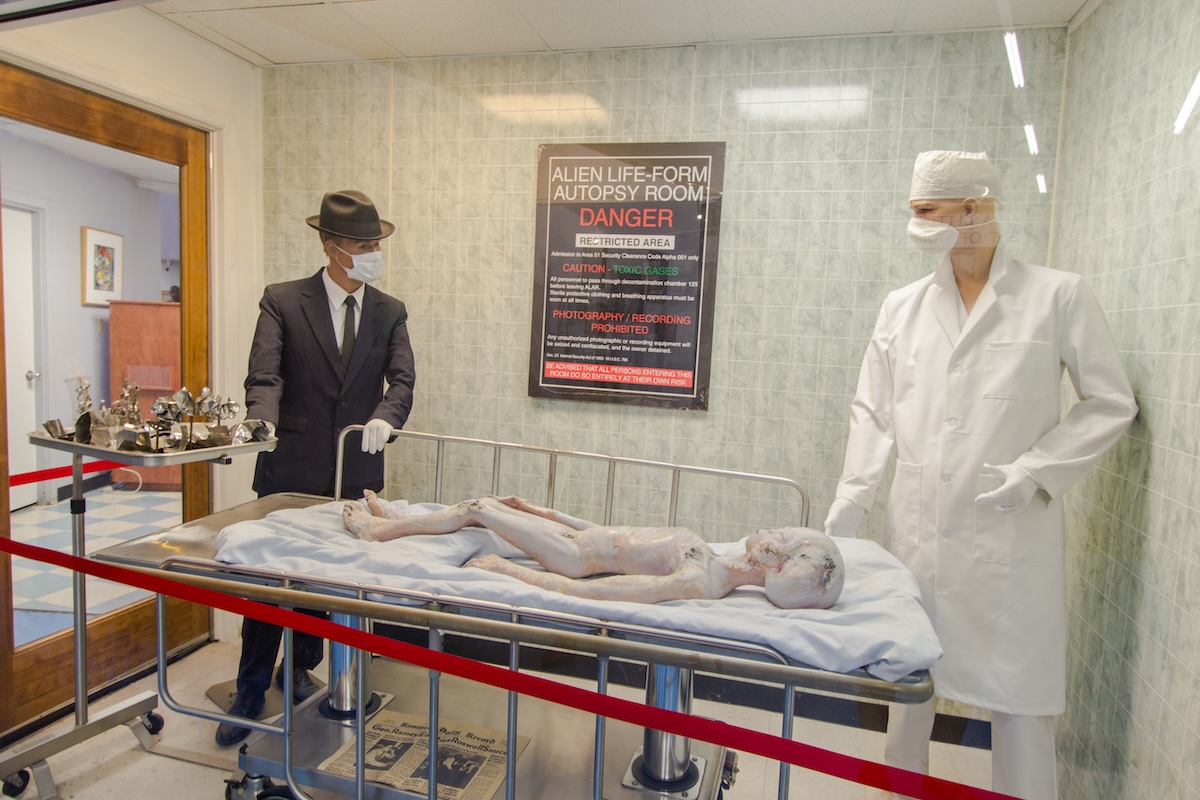
In the middle of the New Mexico desert, truth seekers gather to debate what actually crashed in 1947. Was it a weather balloon, or did visitors from Zeta Reticuli take a wrong turn? This center lays out the affidavits, debris theories, and military press releases, allowing guests to play detective in the world’s most famous extraterrestrial cold case.
The tone balances historical documentation with pure sci-fi fun. Animatronic aliens stand ready for photo ops, while the library hosts serious research for those wearing tinfoil hats. It anchors the town’s economy and identity, providing a hub for anyone who wants to believe that we are not alone in the universe, or at least not alone in the gift shop.
5. Museum of Jurassic Technology, Los Angeles, California
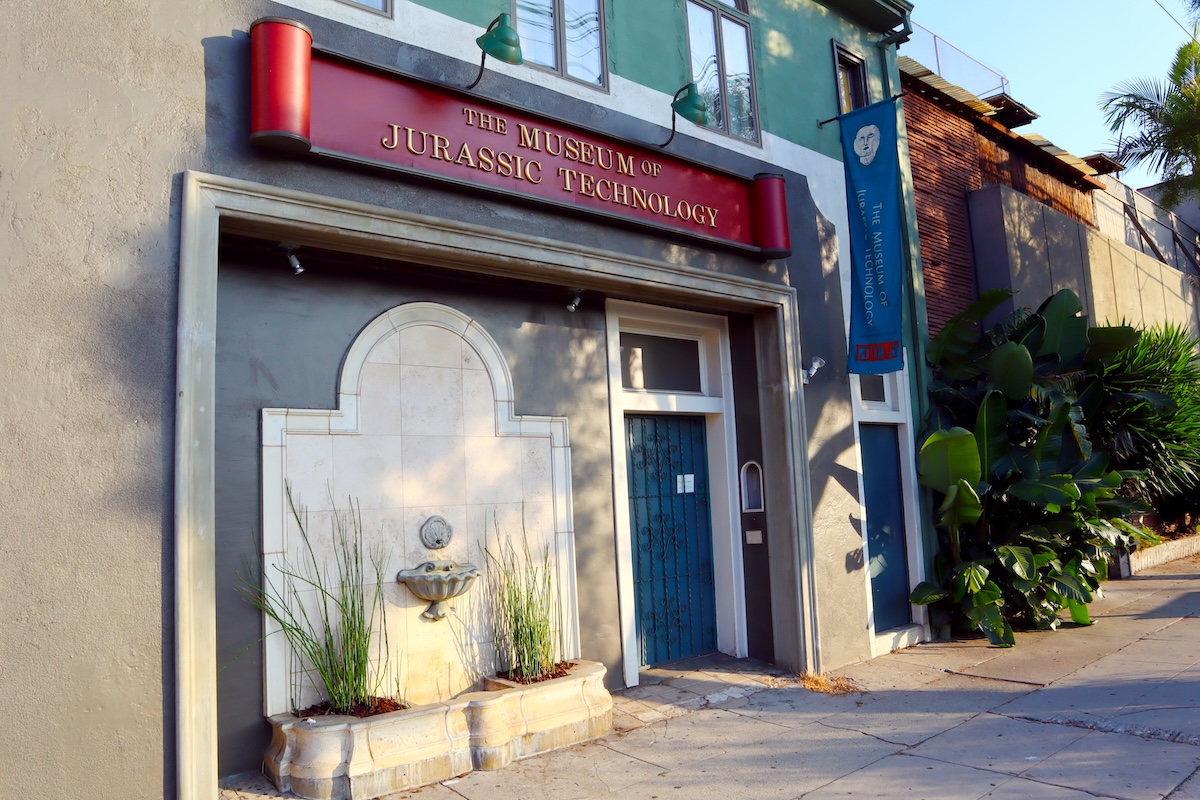
Trying to explain this Culver City establishment usually results in confused stares. It presents itself as a repository of scientific wonders, yet the line between fact and fabrication vanishes in the dimly lit corridors. Exhibits range from decomposing dice to microscopic mosaics made of butterfly wing scales, all presented with a hushed, academic gravity that feels slightly prankish.
Visitors wander through a labyrinth of curiosities that challenge the concept of authority in museums. Is the exhibit on the “stink ant” of the Cameroon real? Probably. What about the theory of forgetting? Who knows. The experience concludes with tea in a Tula tearoom, leaving patrons disoriented, charmed, and entirely unsure of what they just learned.
4. House on the Rock, Spring Green, Wisconsin
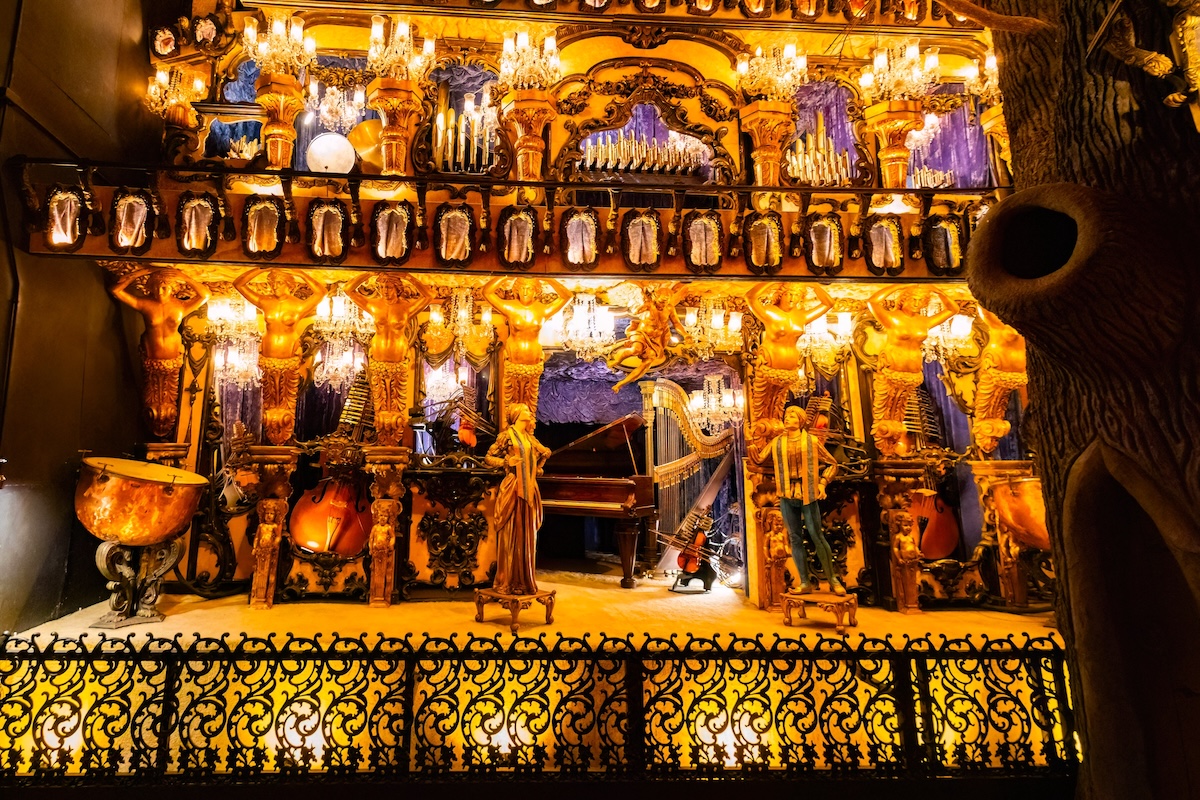
Frank Lloyd Wright might have hated it, but Alex Jordan Jr.’s architectural fever dream remains the ultimate roadside attraction. Perched atop a chimney of rock, the complex sprawls into a maze of dark, carpeted rooms filled with… everything. The Infinity Room juts out over the valley floor with no supports, offering a view that tests one’s fear of heights and structural integrity.
Deeper inside, the madness truly begins. A massive sea creature battles an octopus, and the world’s largest indoor carousel spins with 269 handcrafted animals, none of which are horses. The automatic music machines play by themselves in dimly lit halls, creating an atmosphere that is equal parts magical and nightmarish. It is a monument to obsession that must be seen to be believed.
3. Titanic Museum, Branson, Missouri
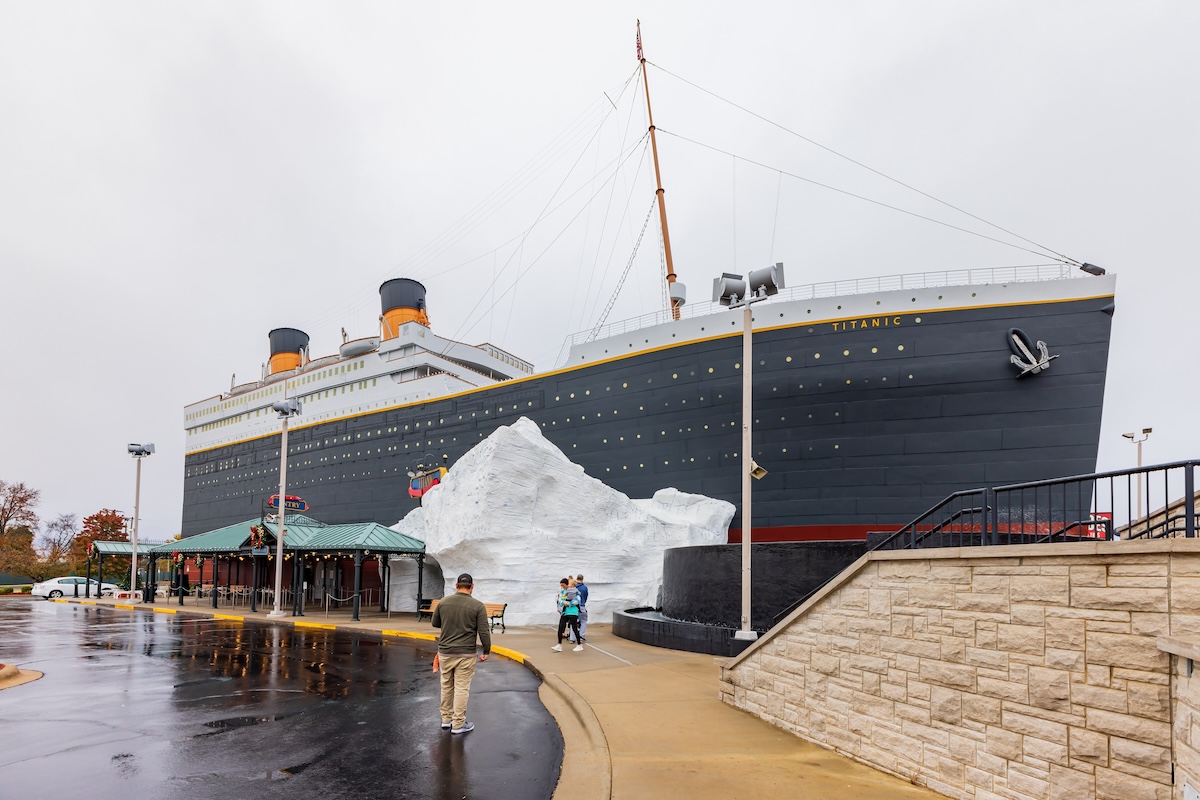
Who expects a massive ocean liner to be docked in the Ozarks? This half-scale replica of the doomed ship towers over the Branson strip, complete with a terrifyingly cold iceberg that guests can touch. Upon entry, everyone receives a boarding pass with the name of a real passenger, adding an emotional weight to the self-guided tour through the lavish parlors and cabins.
The attention to detail is staggering. The Grand Staircase has been recreated from the original blueprints, allowing for a moment of Edwardian elegance before the tragic history takes over. The sloping decks demonstrate the angle of the ship’s final moments, bringing the disaster home in a visceral way. At the end, checking the passenger manifest reveals the fate of the name on the card.
2. The Mob Museum, Las Vegas, Nevada
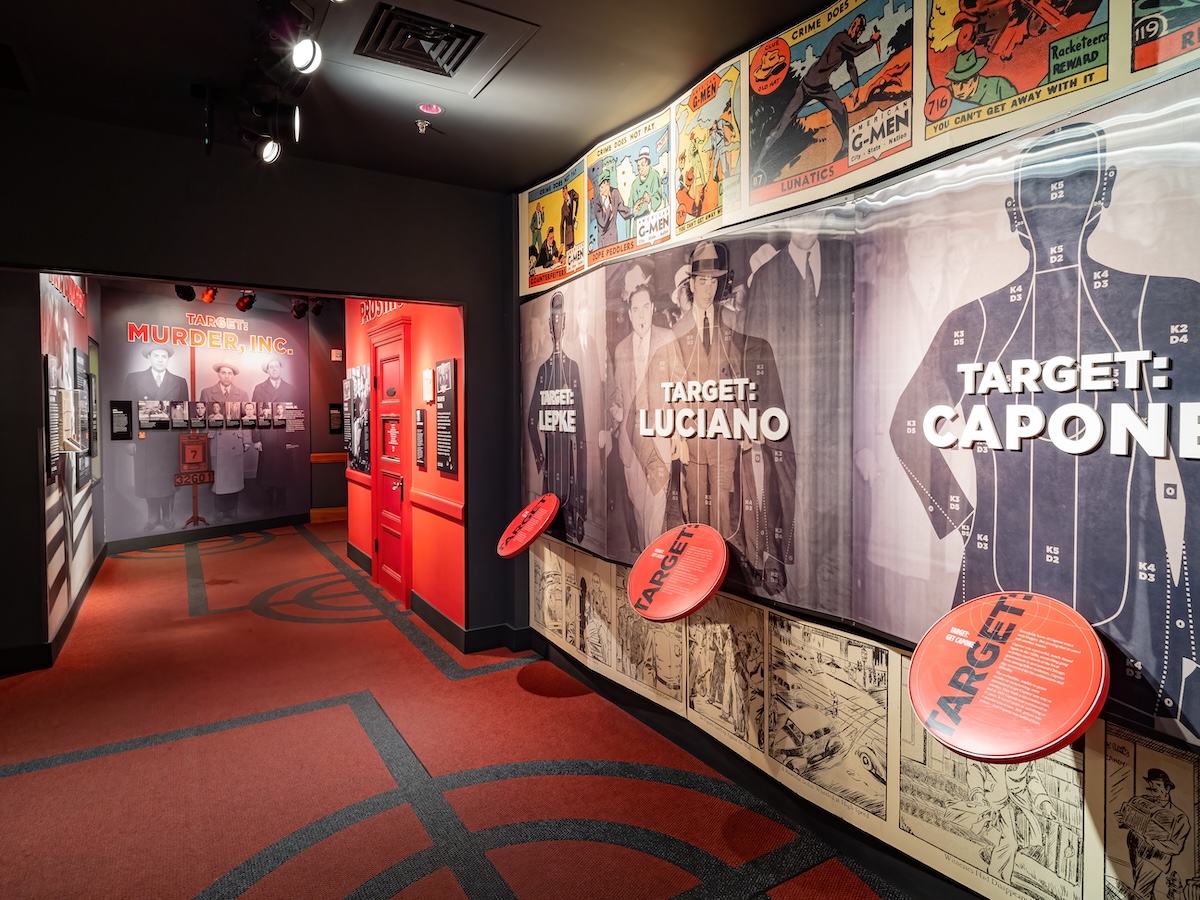
Housed in the actual federal courthouse where the Kefauver hearings took place, this downtown Las Vegas institution chronicles the battle between organized crime and law enforcement. It pulls no punches, displaying graphic crime scene photos alongside the glitz of Bugsy Siegel’s vision. You can listen to wiretaps, train in a use-of-force simulator, and marvel at the wall of shame featuring the most notorious gangsters in history.
It isn’t just about the bad guys; the exhibits highlight the FBI agents and Eliot Ness types who tried to clean up the streets. For a more interactive history lesson, the basement holds a working speakeasy and distillery. Sipping moonshine while surrounded by stories of prohibition bootleggers provides a fittingly spirited conclusion to a tour of America’s underworld.
1. City Museum, St. Louis, Missouri
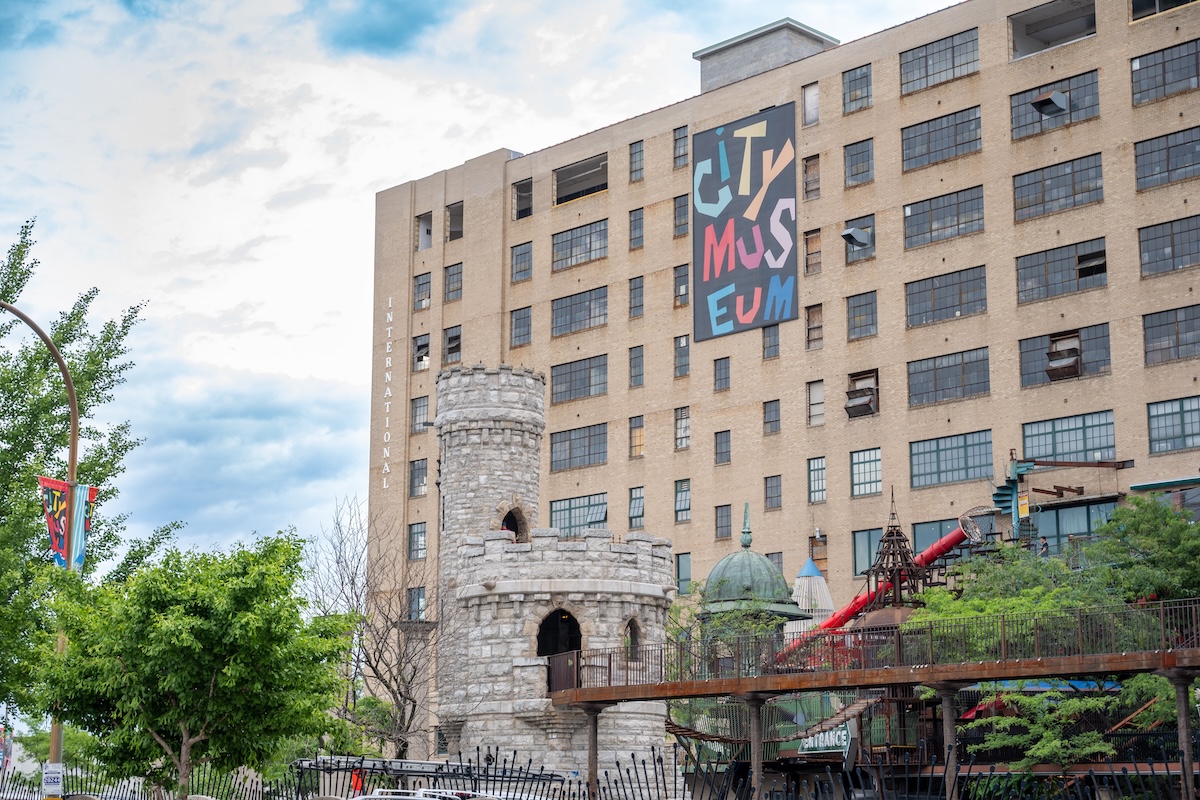
Forget “do not touch” signs; here, the rule is “climb on everything.” Housed in a former shoe factory, this ever-evolving architectural playground is constructed from the city’s industrial cast-offs. Visitors crawl through sky-high wire tunnels, slide down 10-story chutes, and explore secret caverns.
The rooftop features a school bus dangling off the edge and a Ferris wheel offering views of the Mississippi River. There are no maps, encouraging guests to get lost in the labyrinth of rebar and concrete. It rejects safety rails in favor of adventure, demanding physical engagement and a sense of wonder. St. Louis boasts the ultimate space for the joy of play and recycled creativity.