
California’s big names like Los Angeles and San Francisco are but a small slice of a majorly diverse state. The gap between what people actually visit and what California contains tells a story worth acting on. Didn’t think you could go high-altitude climbing in Cali did you?
The state keeps shifting between desert, redwood forest, volcanic plateau, and Gold Rush town without making a big deal out of it. Pack the car, download offline maps, and plan on the drive taking longer than expected once the scenery starts demanding attention.
21. Cambria
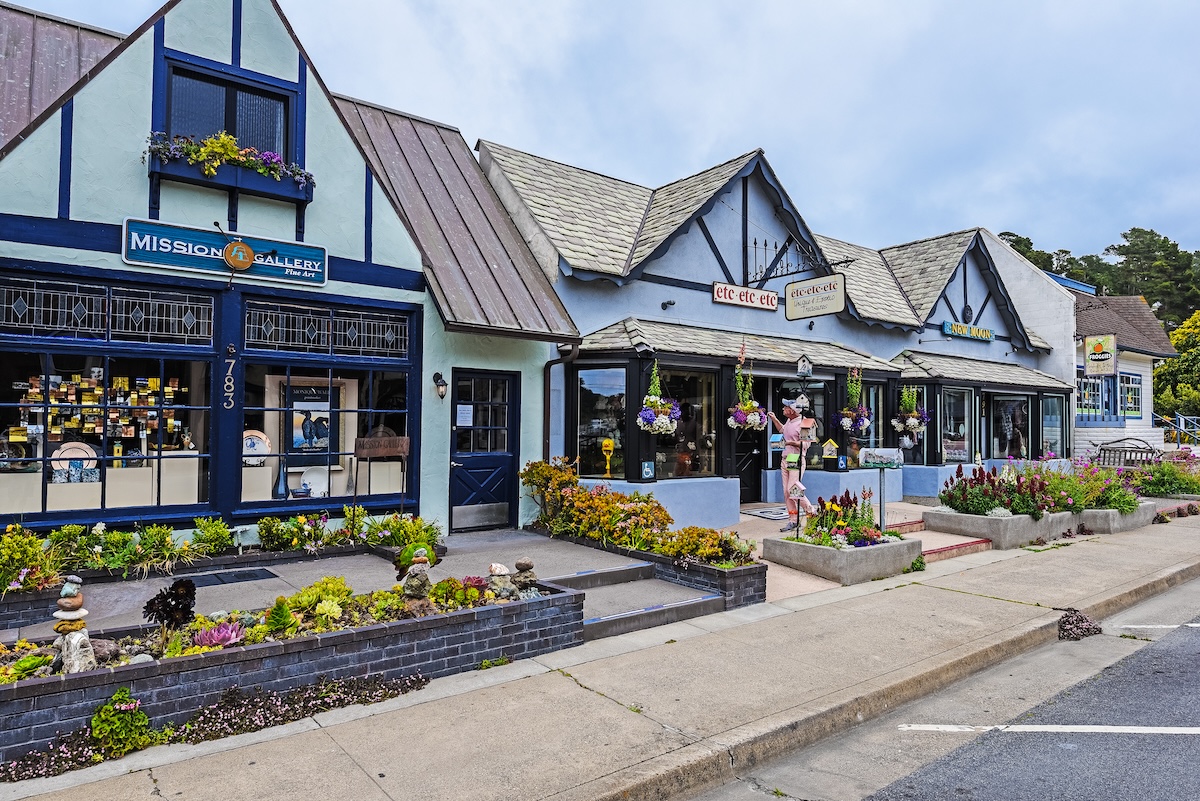
Cambria sits on California’s Central Coast, right between San Francisco and Los Angeles. This little seaside town stays under the radar, and honestly, that’s a big part of its appeal.
Sandy beaches hide between rugged cliffs and shady Monterey pine forests. Here, you can finally slow down and actually relax. Take a walk along the shore to poke around tide pools or just watch the waves slam into the rocks. Downtown’s got local shops and restaurants worth poking your head into. If you like wine, you can sample pours from Paso Robles wineries—no need for a long drive inland.
Cambria makes a solid weekend getaway when you need to dodge the crowds. Nature, good food, and those moody coastal views are all on the menu. It’s the kind of place where you might—finally—finish that book you’ve been lugging around.
20. Idyllwild
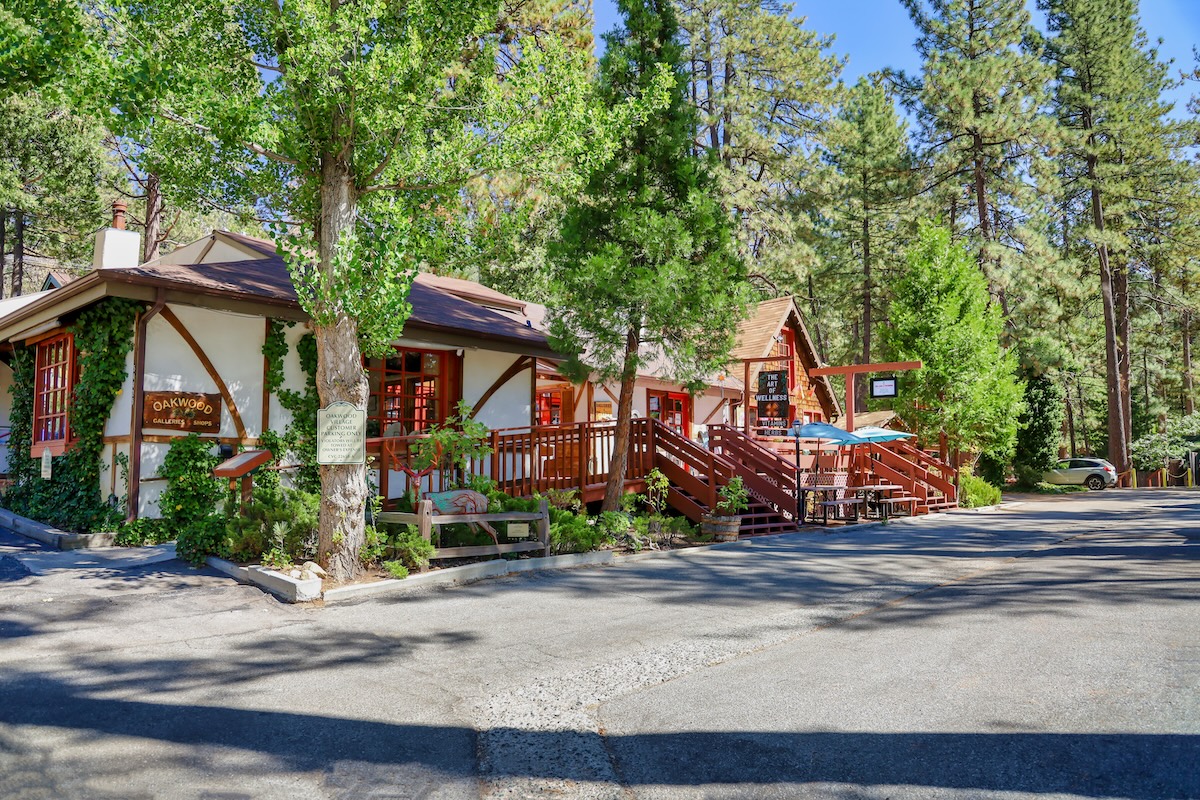
Idyllwild hides out in the San Jacinto Mountains, about a mile above sea level. It’s just a couple hours from Los Angeles, but it feels like you’ve left Southern California behind entirely.
Pine forests wrap around the town, and the air feels crisp and clean—perfect for hiking or even a little rock climbing. You can wander trails through the mountains or just amble around the artsy downtown.
The place has cozy cabins, mom-and-pop shops, and restaurants that give it a lived-in, welcoming vibe. It’s somewhere you can actually slow down and breathe. Whether you’re into the outdoors or prefer to browse through local art, there’s enough here to fill a weekend.
19. Santa Ynez Valley
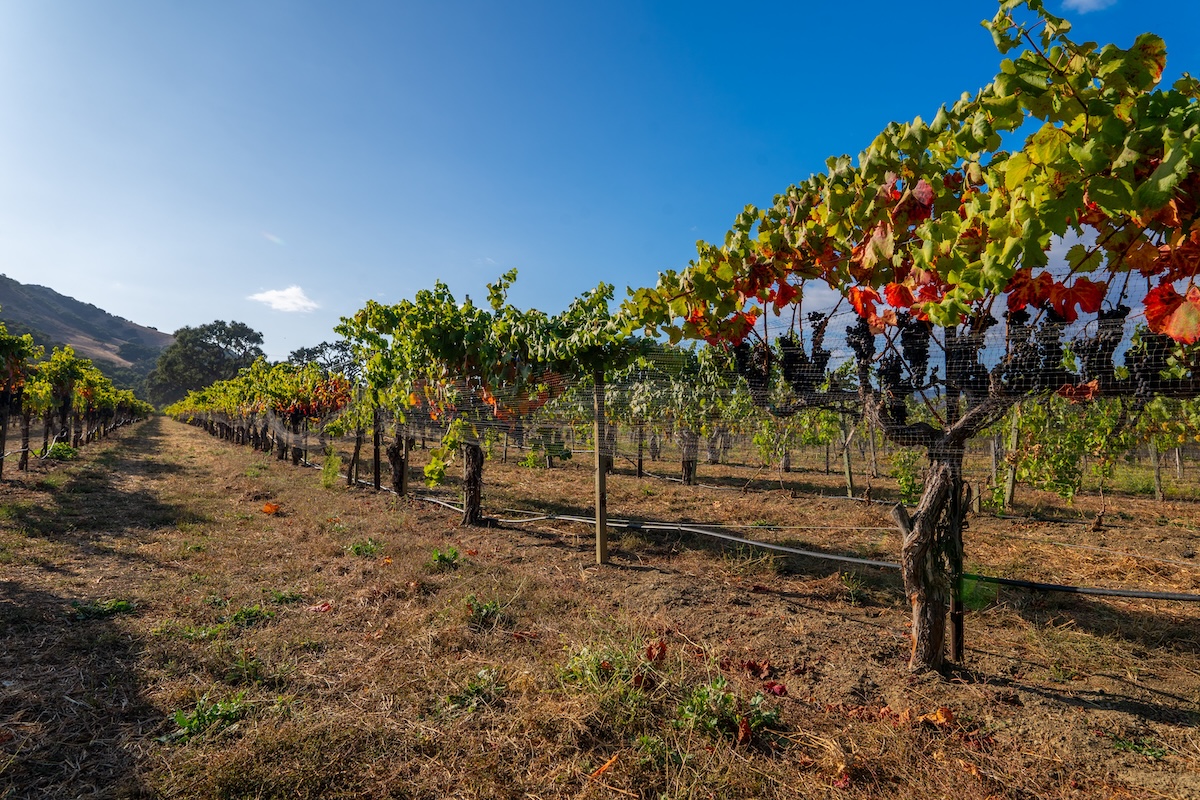
Santa Ynez Valley sits about 45 minutes north of Santa Barbara, but it might as well be on another planet. Over 100 vineyards sprawl across rolling hills, making it a dream for wine lovers who’d rather skip Napa’s hustle.
The valley’s got six small towns, each with its own personality. Los Olivos is packed with art galleries and tasting rooms you can wander on foot. Solvang goes all-in on Danish-style buildings and bakeries. Lately, Los Alamos has turned into a bit of a foodie haven.
You could spend your days bouncing between wineries, then grab dinner at spots that focus on local, farm-fresh food. The valley’s close enough to LA and San Diego for a quick trip. Sure, wine’s the headline, but you’ll also find hiking trails, quirky shops, and that easygoing small-town vibe that’s getting rare in California.
18. Arcata
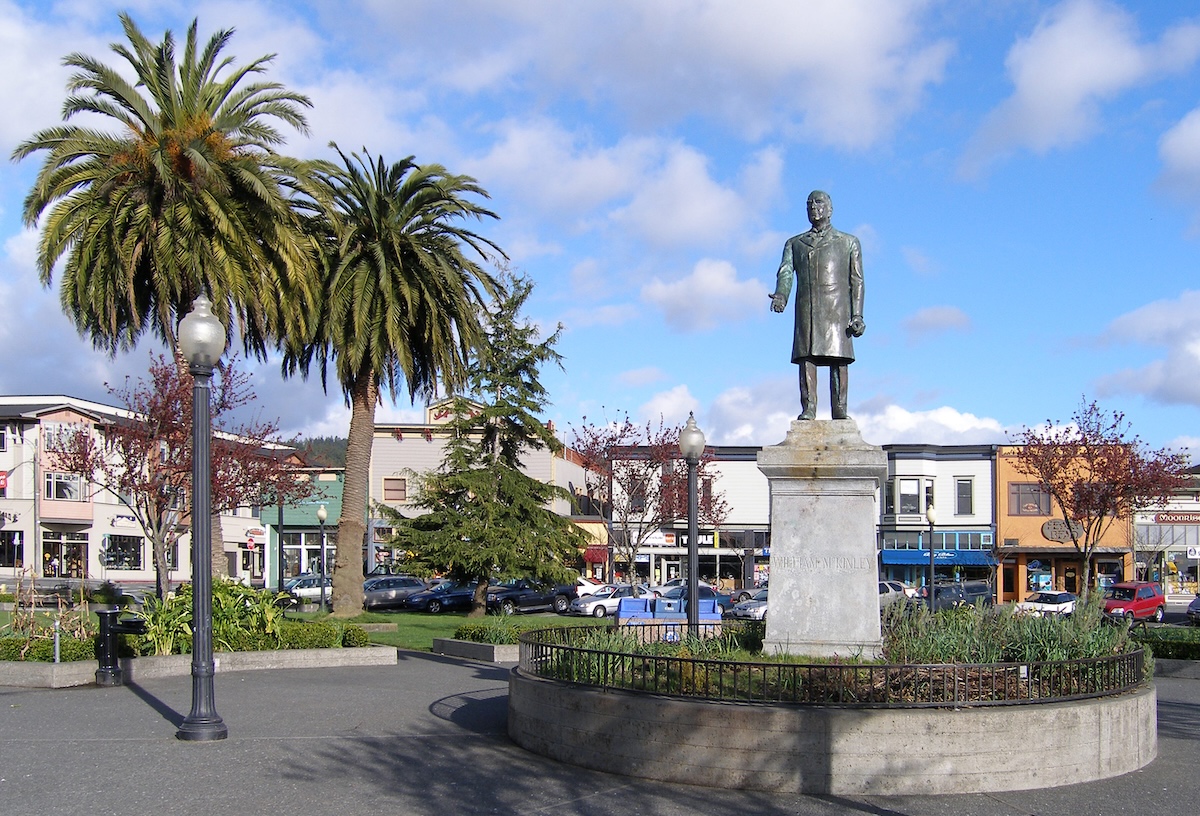
Arcata sits along California’s northern coast in Humboldt County, where old Victorian buildings meet a laid-back college town energy. The historic plaza is the heart of it all, hosting farmers’ markets and offbeat events like the Kinetic Sculpture Race or the Arcata Bay Oyster Festival.
Students from Cal Poly Humboldt give the town a progressive, creative spark. You can wander through the Arcata Community Forest right in town or hit the trails at the Arcata Marsh. The redwood-covered hills nearby are perfect for anyone craving time outdoors.
Downtown has local breweries and shops you won’t find anywhere else. The mix of fog, historic architecture, and easy access to nature makes Arcata stand out from the usual California stops. If you’re driving through, it’s a refreshing detour from the typical tourist circuit.
17. Bolinas
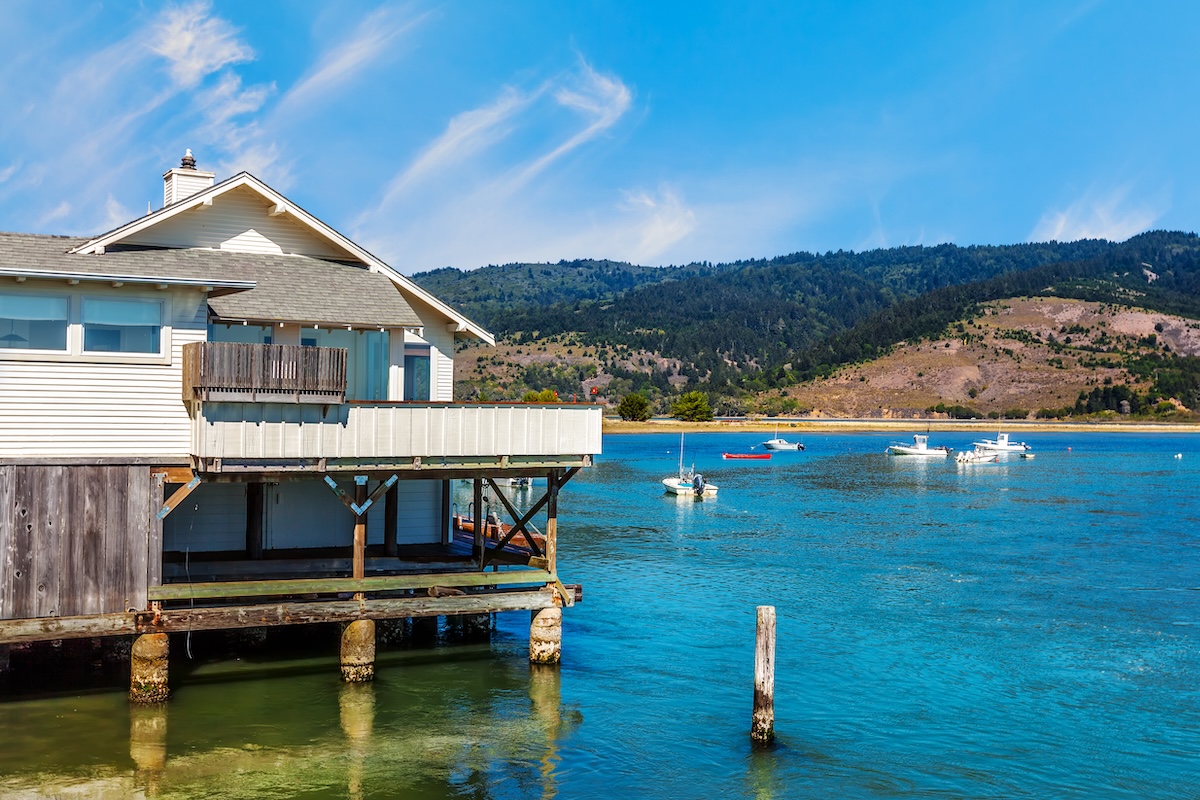
Don’t expect big signs leading you to Bolinas—locals kind of like it that way. This tucked-away coastal town in Marin County sits between the Pacific and Bolinas Lagoon, and honestly, it feels like time stopped here decades ago.
The vibe’s nothing like your standard California beach town. No boardwalks, no rows of T-shirt shops. Instead, you’ll find quiet beaches, salt marshes, and trails winding through coastal dunes. Life moves at its own, slow pace.
Kayak around Bolinas Lagoon or pop into the tiny museum for a look at local art and history. Agate Beach has tide pools and killer views, minus the crowds you’ll see at better-known beaches.
16. Grass Valley
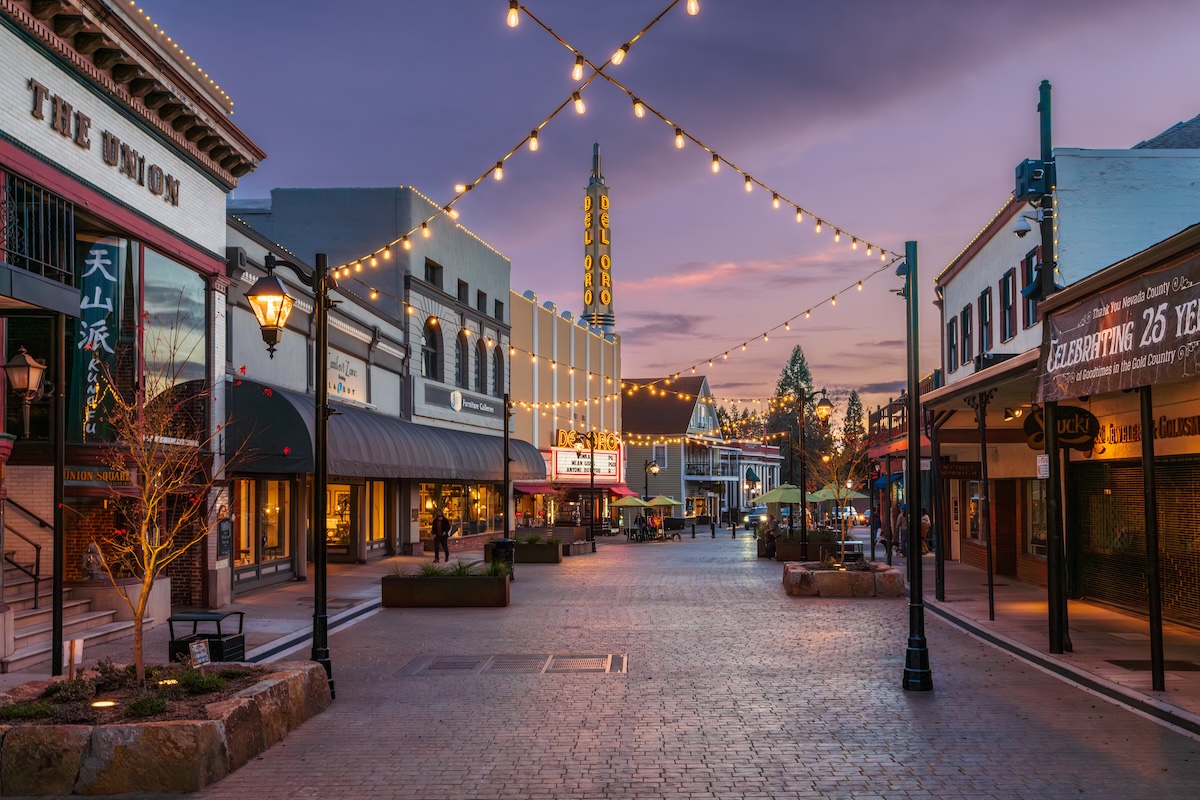
Grass Valley nestles into the Sierra Nevada foothills, about an hour northeast of Sacramento. It’s a Gold Rush town that somehow flies under the radar, but honestly, it deserves more love.
The historic downtown dates back to the 1850s, with old brick buildings lining streets that miners once roamed. Empire Mine State Historic Park, just outside town, sprawls across 856 acres of old mining land. Sitting at 2,500 feet, Grass Valley mixes its mining roots with a mellow wine country feel. No massive crowds like Napa or Tahoe—just a slower pace and a sense of history that’s hard to fake.
Back in the day, miners from Cornwall and Ireland flocked here for California’s richest hard-rock gold. Now, you get that Gold Rush flavor without the touristy nonsense.
15. Eureka
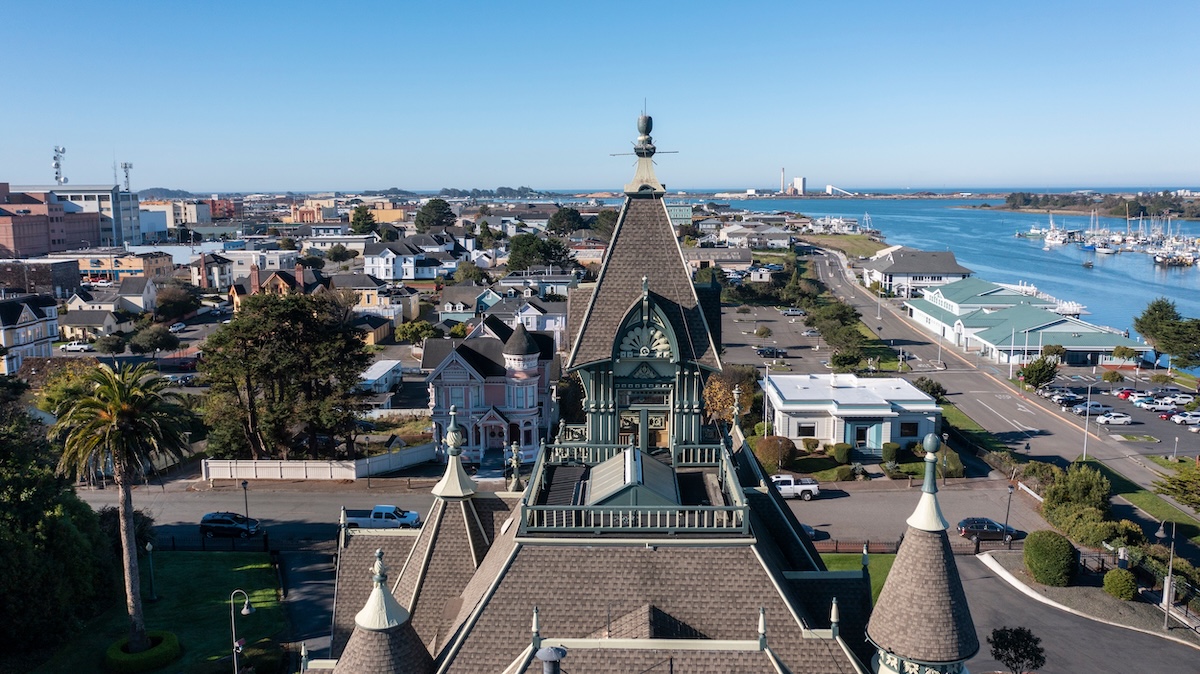
Eureka sits on California’s northern coast, where grand old Victorian homes meet towering redwoods. It doesn’t get a ton of buzz, but maybe that’s what keeps it special.
Old Town is the heart of it all. This historic district covers 350 acres and packs in over 150 buildings from another era. You can wander the streets, duck into galleries or restaurants, and not worry about elbowing your way through crowds. The scenery around Eureka is wild—giant redwoods just minutes away, and the rugged Pacific coastline stretching out forever. You’re right by Sequoia Park and the famous Redwood Highway.
Eureka gives you a taste of real Northern California coastal life. It’s not overly polished or trying too hard. With Victorian architecture, ancient trees, and ocean views all in one place, it makes a great weekend escape or a memorable stop on a longer coastal drive.
14. Lassen Volcanic National Park
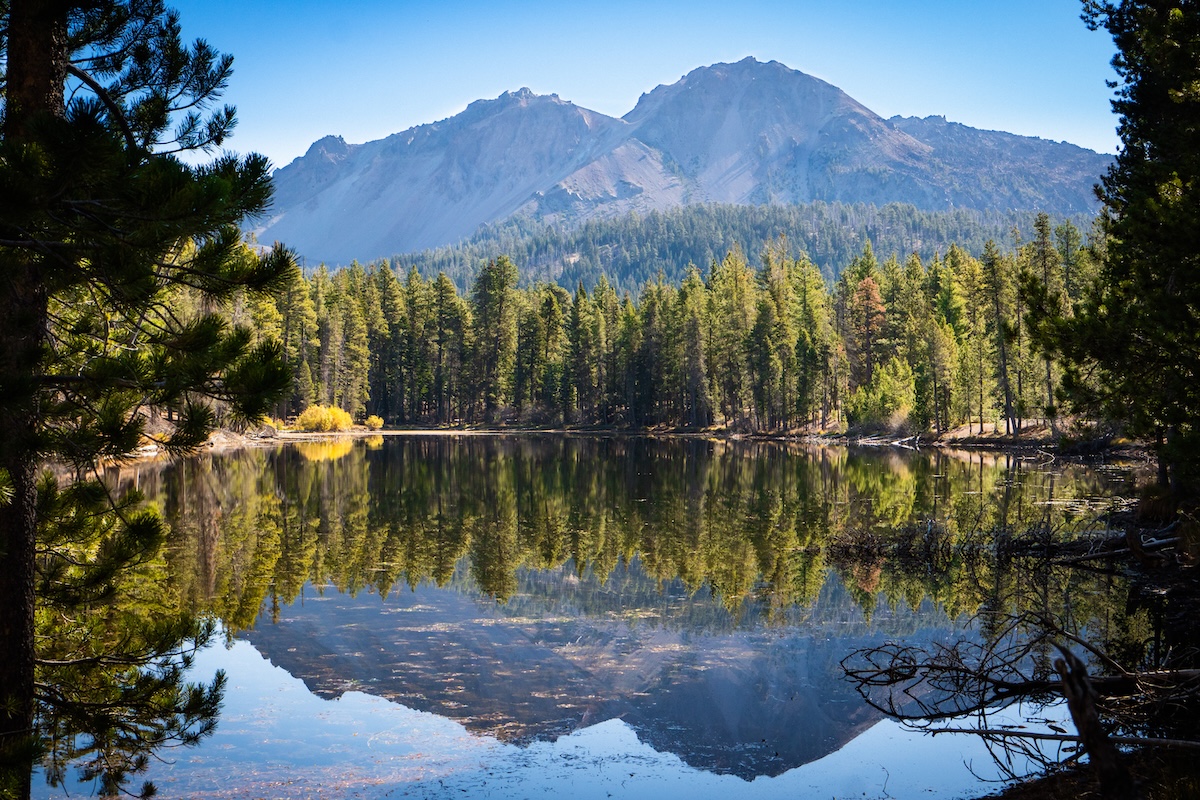
Maybe you’ve heard of Yosemite and Sequoia, but Lassen Volcanic National Park? It’s probably California’s best-kept secret. Way up north, this 106,000-acre park only sees about half a million visitors a year—meanwhile, its famous neighbors pull in millions.
Here’s the wild part: all four types of volcanoes—shield, composite, cinder cone, and plug dome—are crammed into this one park. Nowhere else on the planet can claim that.
The landscape is just plain weird, in the best way. Boiling mud pots bubble up, steam hisses from cracks in the earth, and jagged lava fields stretch out toward alpine meadows. Lassen Peak towers over it all, surrounded by hydrothermal areas and clear mountain lakes.
13. Bishop
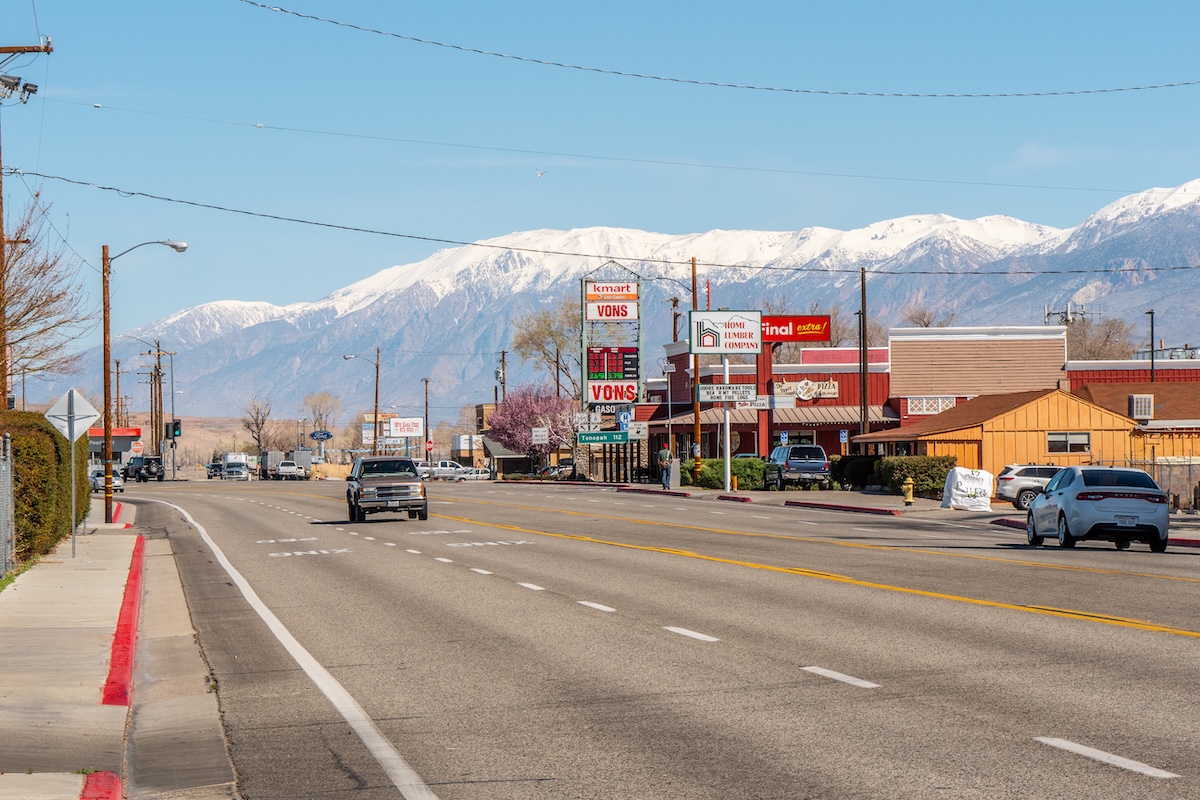
Bishop sits in the Eastern Sierra, tucked between the Sierra Nevada and White Mountains about three hours north of Los Angeles. This small town has quietly become a hotspot for climbers and hikers, but most California travelers still drive right past it.
The outdoor scene here is honestly impressive. You can boulder at the Buttermilks, fish in alpine lakes, or just soak in some natural hot springs. Lots of people use the town as a base camp to explore places like the Ancient Bristlecone Pine Forest or Mammoth Lakes—there’s a lot packed into this stretch of the Sierra.
Bishop’s vibe sets it apart. In recent years, a younger, more energetic crowd has rolled in—climbers, Pacific Crest Trail hikers, that sort. Now you’ll spot good coffee shops and local restaurants that weren’t around ten years ago. The setting is dramatic but not swamped with tourists, and the town still feels refreshingly unpretentious. It’s hard not to like a place that keeps its character even as it changes.
12. Ojai
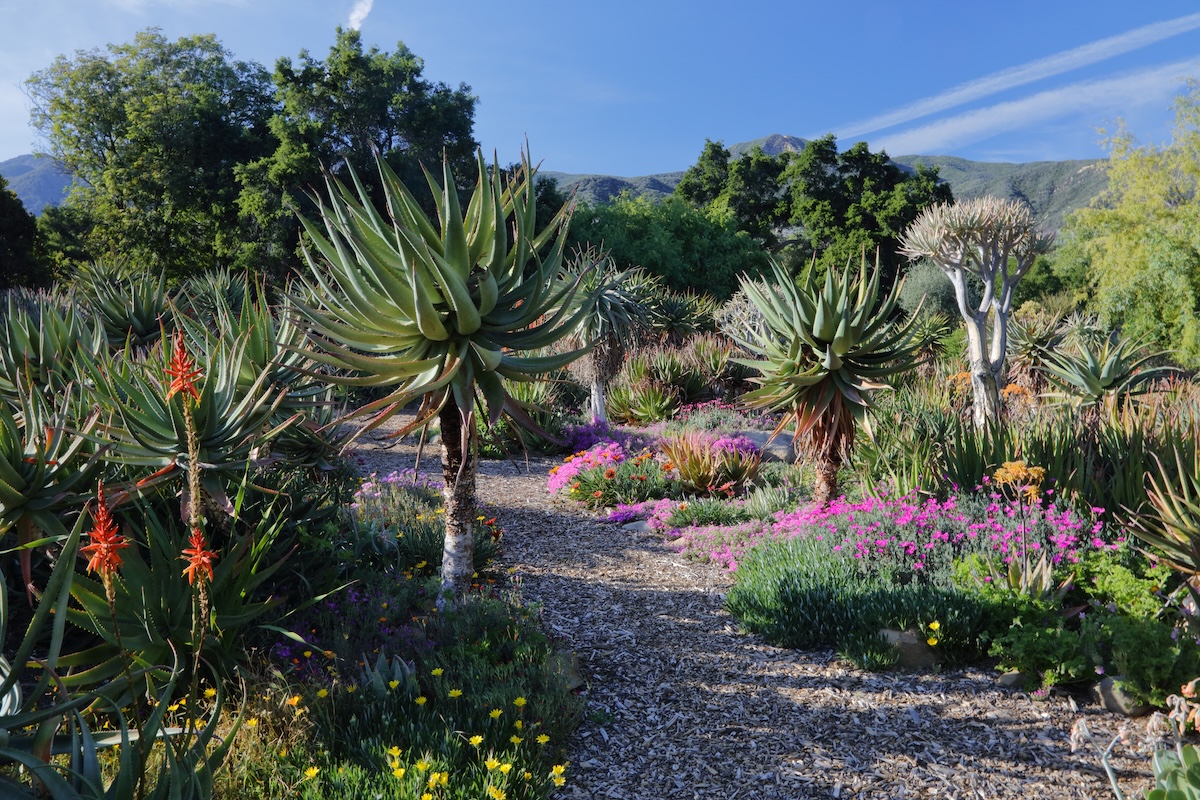
The Ojai Valley sits about 90 miles from Los Angeles, behind a mountain range that creates both a microclimate and a psychological distance those miles don’t fully explain. Artists, spiritual seekers, and organic farmers built deep roots here before wellness tourism turned those exact selling points into a global industry, and the town carries that history throughout.
The famous “pink moment” hits every clear evening when the setting sun turns the Topa Topa Mountains rose gold, and residents pretend to take it for granted but definitely don’t. The walkable downtown along Ojai Avenue has independent shops, tasting rooms, and restaurants that keep things interesting well into the evening.
11. Julian
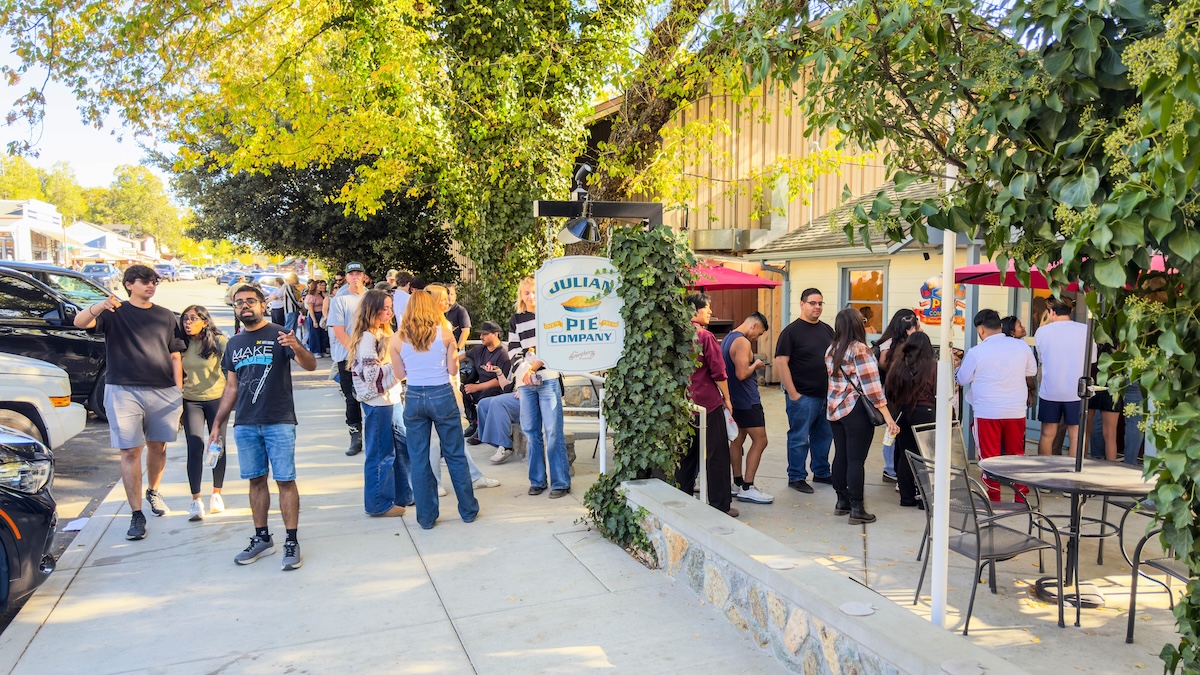
Gold brought prospectors to this San Diego County mountain town in 1870, and apple orchards kept it going long after the mining played out. The historic downtown preserves Gold Rush-era buildings in a compact cluster, and the apple pies Julian became famous for hold up completely to the reputation preceding them.
At 4,235 feet in the Cuyamaca Mountains, Julian catches snow that San Diego residents drive up specifically to experience, and the fall apple harvest season transforms the town into something close to a Southern California autumn fantasy. The surrounding countryside is teeming with hiking trails and wineries that go perfectly undetected, just the way we like it.
10. Carrizo Plain National Monument
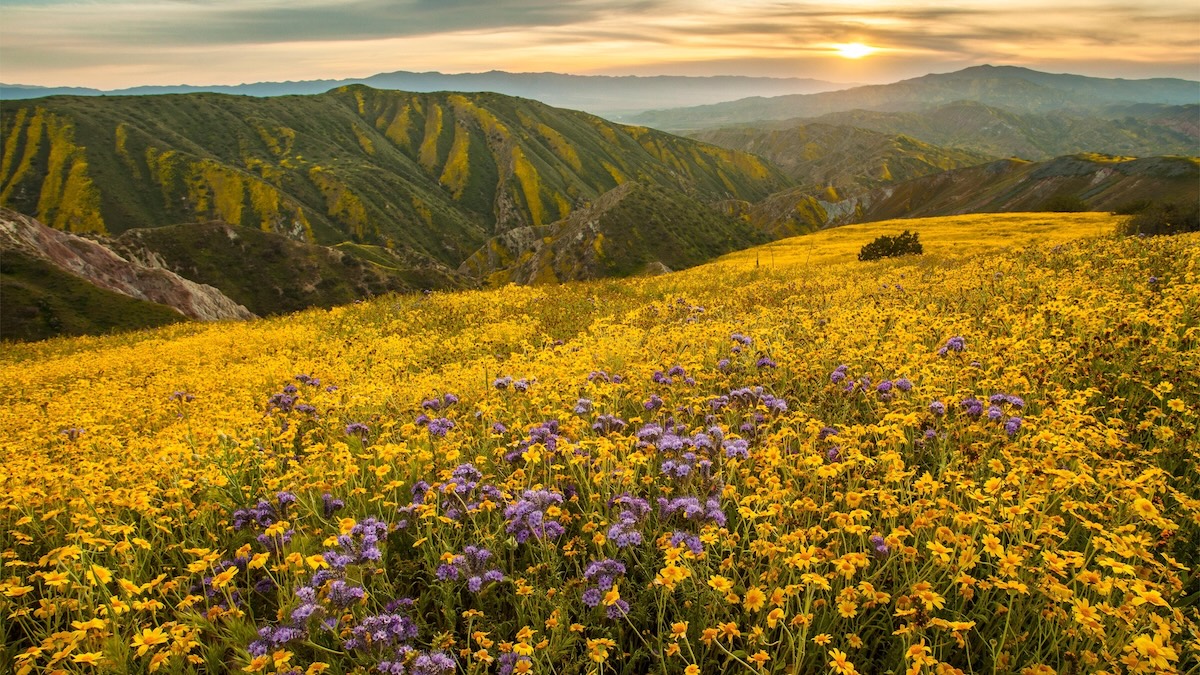
The San Joaquin Valley’s western edge contains one of California’s most overlooked landscapes. This is where the San Andreas Fault runs visibly through the plain, and Soda Lake turns white with alkali deposits across a broad valley floor completely enclosed by mountains. Most Californians couldn’t find this place on a map, which keeps visitor numbers at levels the fragile ecosystem can thankfully handle.
Superbloom wildflower years draw significant crowds when winter rains hit the right totals, but the monument delivers dramatic scenery regardless of season. Tule elk and pronghorn antelope share the grasslands, and the dark sky conditions at night put most designated stargazing spots to shame.
9. Ferndale
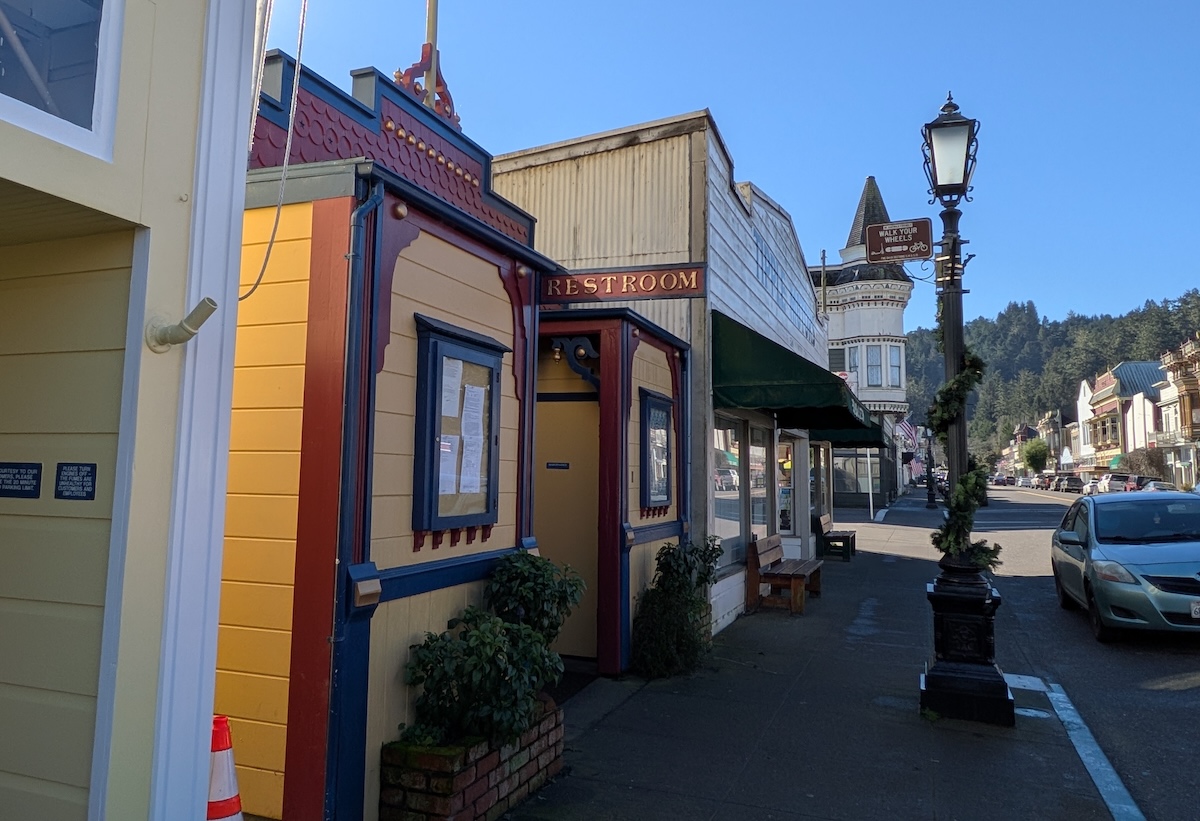
Film crews love this Humboldt County dairy town, perfect for period settings requiring no digital modification. The Victorian architecture along Main Street gives them everything they need. Ferndale sits about five miles from the coast in the Eel River Valley, surrounded by farmland that the local agricultural community has worked continuously since the 1850s.
Main Street and its galleries, independent shops, and restaurants is protected through a combination of geographic isolation and active local commitment. The absence of chain stores and tourist infrastructure beyond what the community decided to offer gives Ferndale a character that feels unmanufactured.
8. Morro Bay
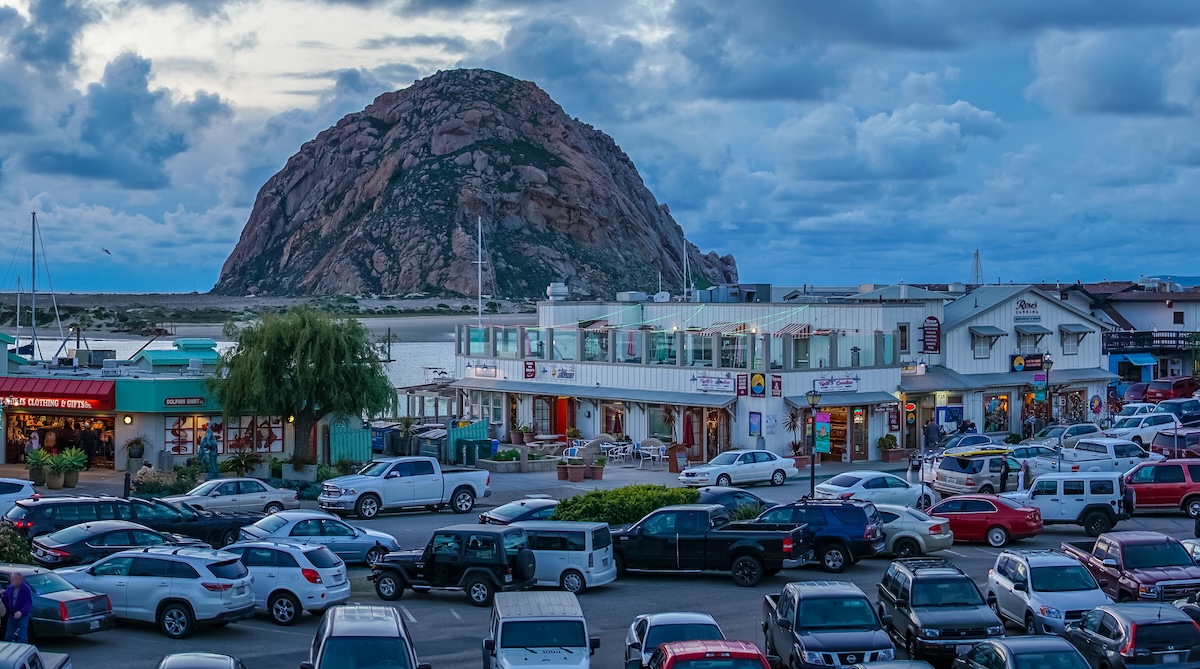
The 576-foot volcanic plug called Morro Rock dominates the harbor from every angle in town, creating an instant orientation point and one of California’s most distinctive coastal silhouettes. The working fishing fleet still operates out of the harbor alongside kayak rentals and wildlife tour boats, and the estuary behind the sandbar is a haven for ornithologists or just mildly obsessive bird-watchers.
Sea otters wrap themselves in kelp and float unbothered in the bay below the Embarcadero. The restaurant scene is anchored by seafood than landed directly at the docks a short walk away. Fresher than that, you don’t easily get.
7. Alabama Hills
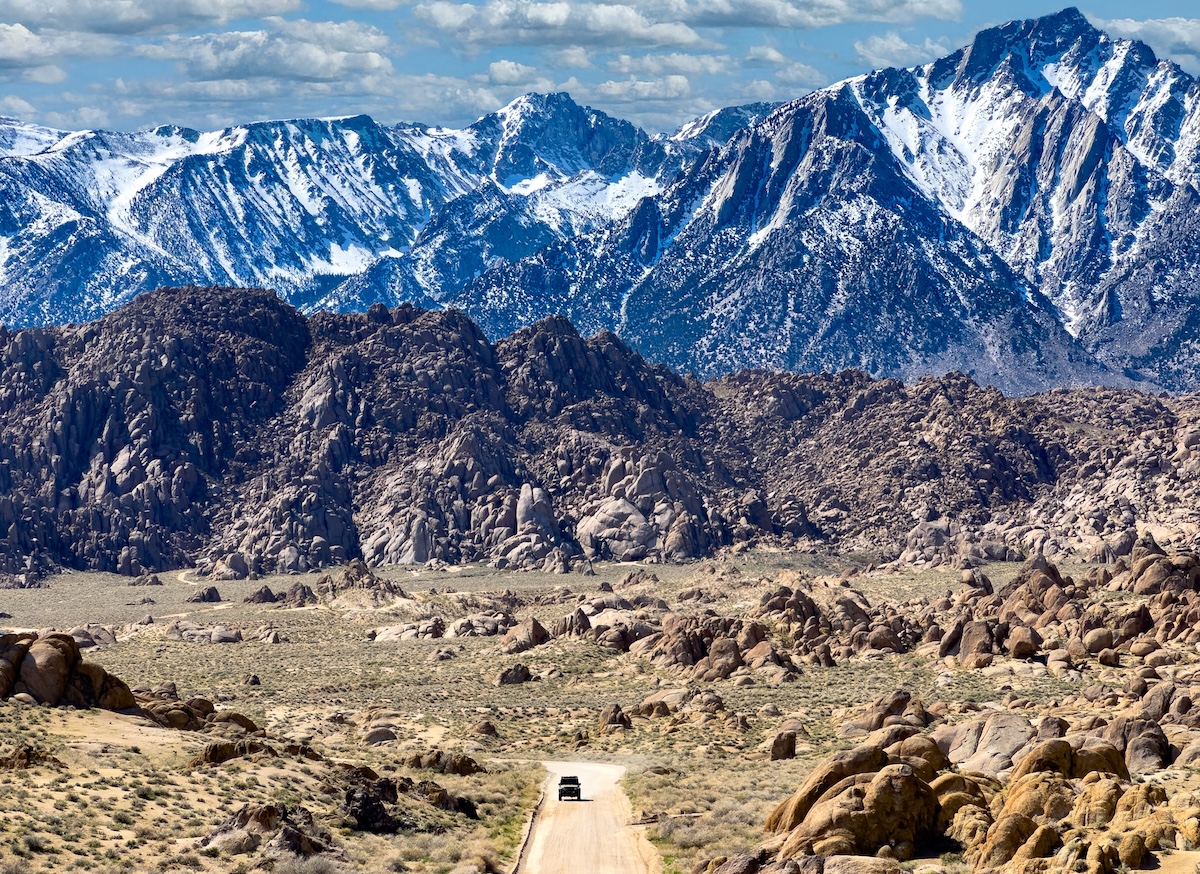
Near Lone Pine, rounded granite boulders and rock arches create a landscape Hollywood used as a stand-in for everywhere from the American West to the Arabian Desert across hundreds of productions. The Eastern Sierra Nevada rises directly behind the formations, a backdrop that makes the whole scene feel slightly unreal until you’ve been standing in it long enough to adjust.
The Mobius Arch frames Mount Whitney, the highest peak in the contiguous United States, at 14,505 feet. The BLM land status allows dispersed camping throughout the area, and waking up in the hills with the Sierra Nevada filling the eastern sky at first light makes the drive from anywhere in California worth it.
6. Nevada City
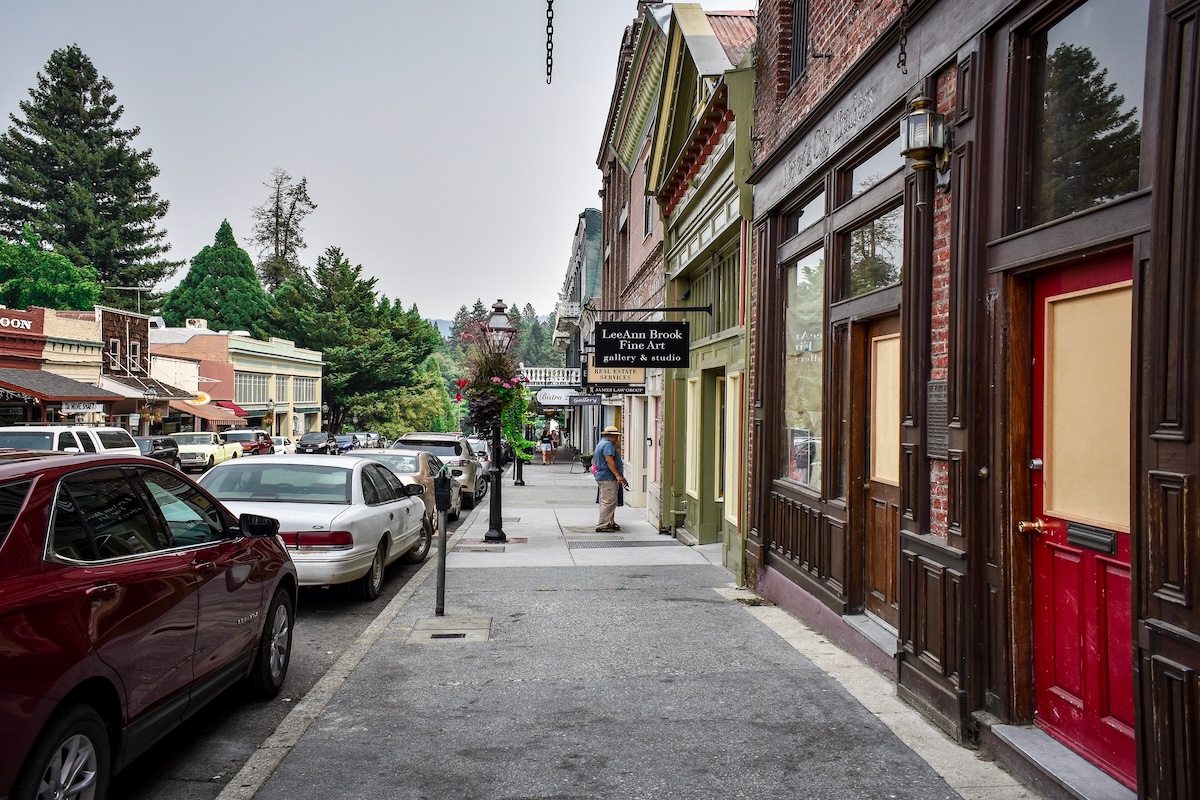
The Gold Rush left California a handful of beautiful towns before the boom moved on, and Nevada City sits at the top of that short list. Victorian commercial buildings line Broad Street in a downtown hosting independent bookshops, farm-to-table restaurants, and a performing arts scene impressive for a population of around 3,000 people.
The surrounding Sierra Nevada foothills have hiking trails, swimming holes, and wine tasting rooms that the town serves as a natural base camp for exploring. Summer evenings on Nevada City’s restaurant patios feel like a reward for knowing the place exists, and the Tuesday morning farmers market gives a clear picture of what the foothills actually produce.
5. Anza-Borrego Desert State Park
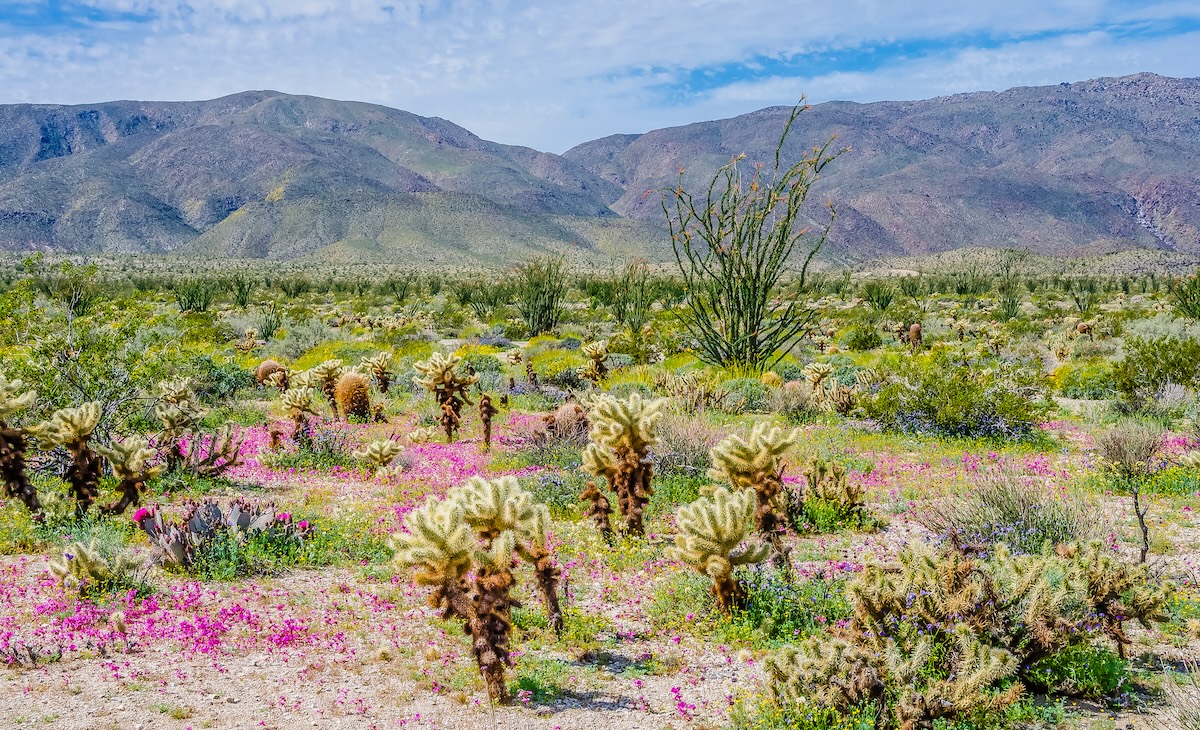
California’s largest state park covers an enormous stretch of the Colorado Desert east of San Diego, running from badlands and slot canyons in the south to palm oases and volcanic formations in the north. The geological variety across this territory exceeds what most entire states have, and visitor numbers stay low enough that solitude comes standard.
Wildflower blooms transform the desert floor in good rain years, filling the small town of Borrego Springs and spilling onto desert roads. The rest of the time, the park rewards visitors who come specifically for the silence, the slot canyon hiking, and night skies dark enough to make the Milky Way feel close.
4. Los Alamos
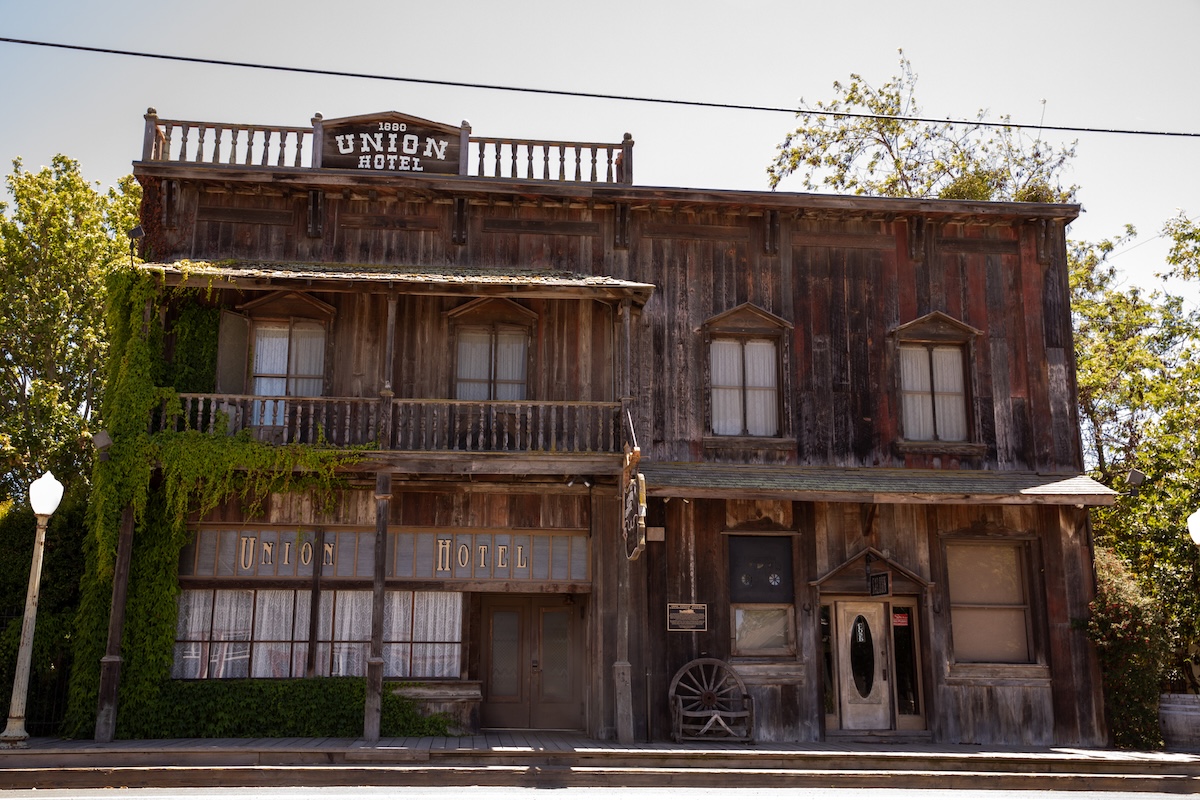
Santa Barbara wine country holds plenty of polished tasting rooms catering to weekend visitors from Los Angeles. Los Alamos sits in the middle of all that while operating on a completely different frequency. One main street of exceptional restaurants, antique shops, and wine bars occupies a small agricultural town that the food and wine world quietly discovered about a decade ago.
Bob’s Well Bread Bakery alone is enough to send California’s gluten-phobics into a spiral. The town’s compactness means everything worth doing falls within easy walking distance, and the surrounding Sta. Rita Hills and Santa Maria Valley wine regions give serious wine drinkers reasons to extend the visit considerably.
3. Point Lobos State Natural Reserve
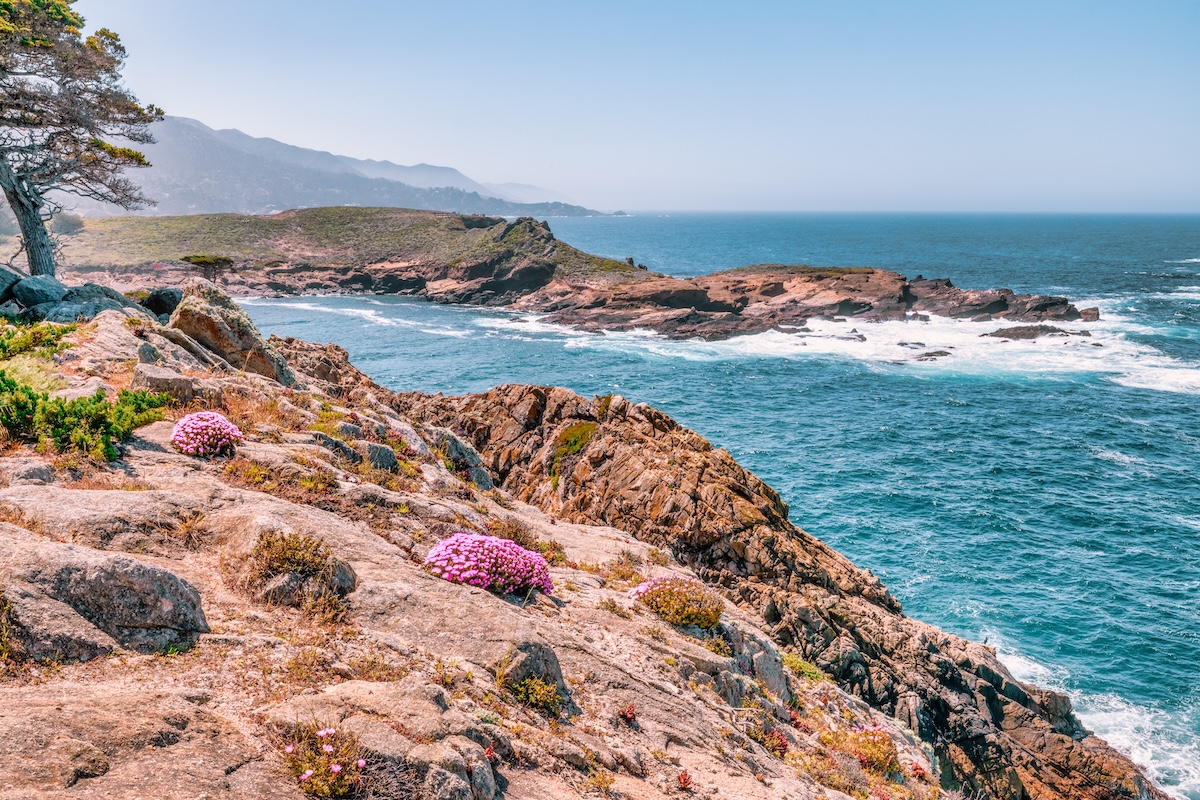
The stretch of Carmel coastline at Point Lobos packs more biological diversity per acre than almost any comparable coastal area in the country, and the park’s strict visitor limits protect conditions that make every trip feel like the place just opened. Cypress forests, sea caves, and rocky coves are alive with sea otters, harbor seals, and migrating gray whales, depending on the season.
The underwater reserve extends offshore and draws divers who rank Point Lobos among the best dive sites on the Pacific Coast. Photography here requires a ton of self-discipline to stop documenting and actually look around. Reservations go fast on weekends, so plan ahead to avoid standing at the entrance watching other people enjoy it.
2. Mendocino
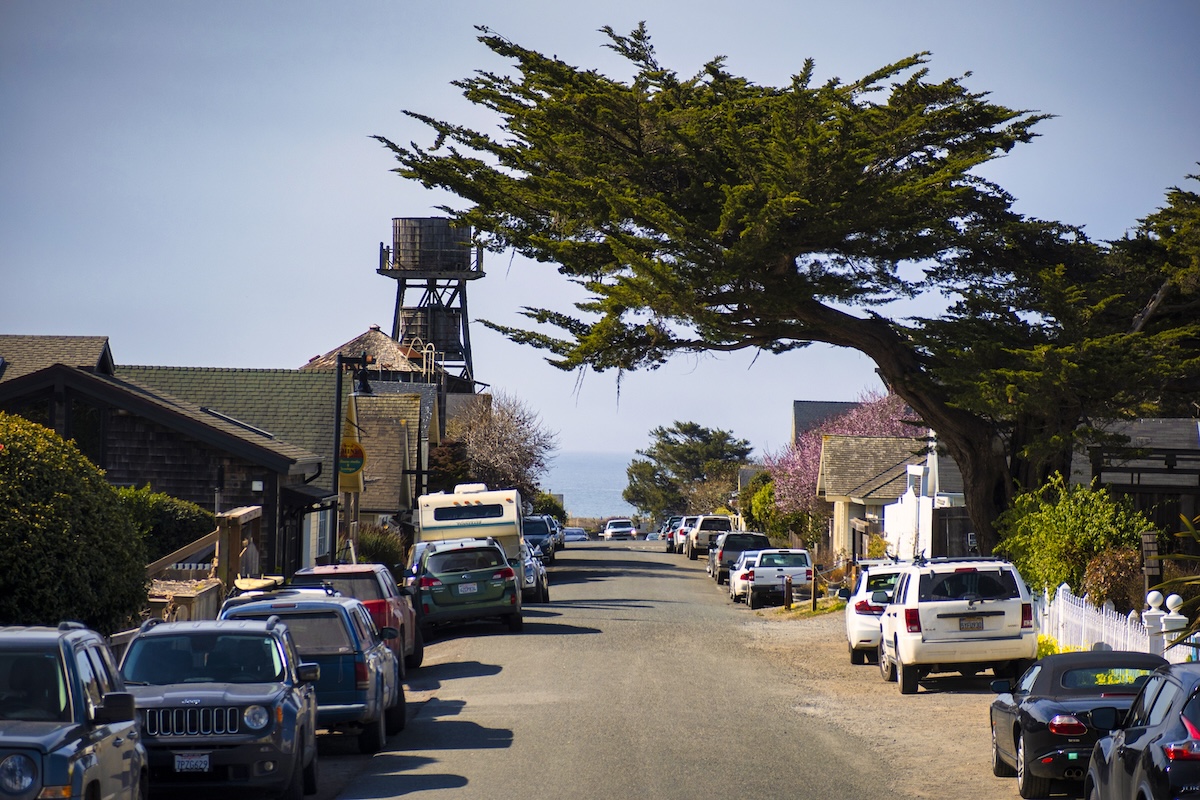
This is a Victorian village perched on a coastal bluff above coves and sea arches that the Pacific spent centuries carving into the cliffs, wrapped on three sides by Mendocino Headlands State Park. Water towers, historic New England-style architecture, and art galleries give the village an identity so distinct that arriving for the first time produces a strong suspicion that it simply shouldn’t exist in California.
The Anderson Valley wine region inland gives us Pinot Noir and Chardonnay from coastal vineyards that built a strong reputation over several decades, and the combination of coastal scenery and good wine structures a long weekend here very naturally. Highway 1 north from Bodega Bay is also one of Northern California’s most dramatic approaches to anywhere.
1. Trinidad
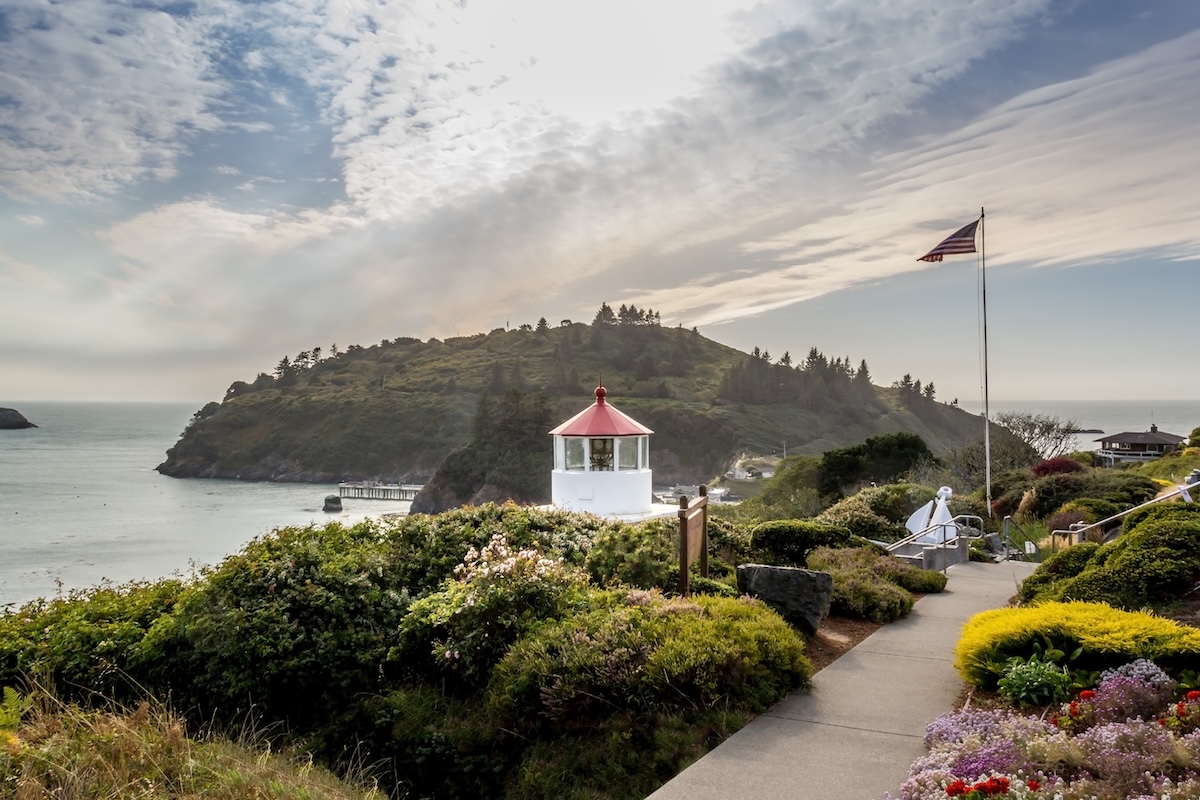
Around 300 people live in this Humboldt County coastal village on a bluff above a harbor protected by sea stacks and rocky headlands. Most California coastal towns grew up and got complicated. Trinidad stayed small enough that the harbor, the beach, the lighthouse, and a handful of excellent restaurants constitute the full agenda, and that simplicity works completely in its favor.
The surrounding Trinidad State Beach and Patrick’s Point State Park extend the natural territory considerably, with agate hunting on the beaches and Yurok cultural sites at Patrick’s Point adding depth to the scenery. The drive up Highway 101 through the redwoods sets exactly the right tone before the village delivers the conclusion that the introduction deserved.