
Florida’s marketing machine pushes the same handful of destinations so relentlessly that most visitors never discover what the state actually does well. Theme parks, cruise ports, and overcrowded beach resorts absorb the crowds while all the interesting Florida spots sit a few exits down the highway, completely unbothered.
The state’s real character lives in spring-fed rivers, fishing villages that time forgot, and barrier islands where the loudest sound at night comes from wildlife. These destinations are for travelers who rent a car and point it away from anything a billboard recommends.
22. Venice
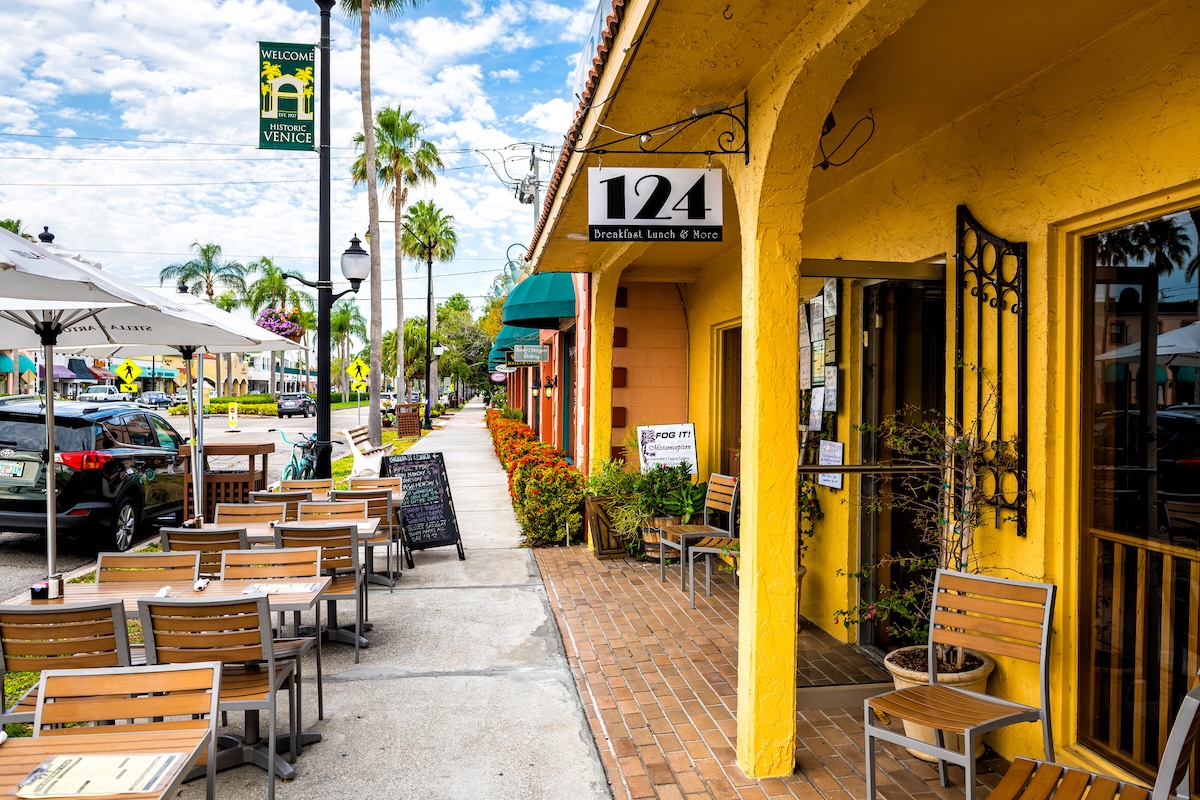
Venice sits on Florida’s Gulf Coast about 20 miles south of Sarasota. It draws fewer crowds than its famous neighbors but still packs plenty of charm. The beaches stretch for 14 miles from Casey Key to Manasota Key. Swim, sunbathe, fish, or hunt for fossilized shark teeth—it’s all right there. The warm Gulf waters and sandy coastline make it easy to lose track of time by the water.
Downtown Venice feels different from your typical Florida beach town. Palms line the streets and Italian-inspired buildings give it a unique look. You’ll stumble across local shops, art galleries, and cozy cafes. The Venetian Waterway Park runs along the water, perfect for a walk or bike ride.
The city keeps things relaxed and unhurried. If you want Gulf Coast views without the chaos, this is your spot.
21. Sanford
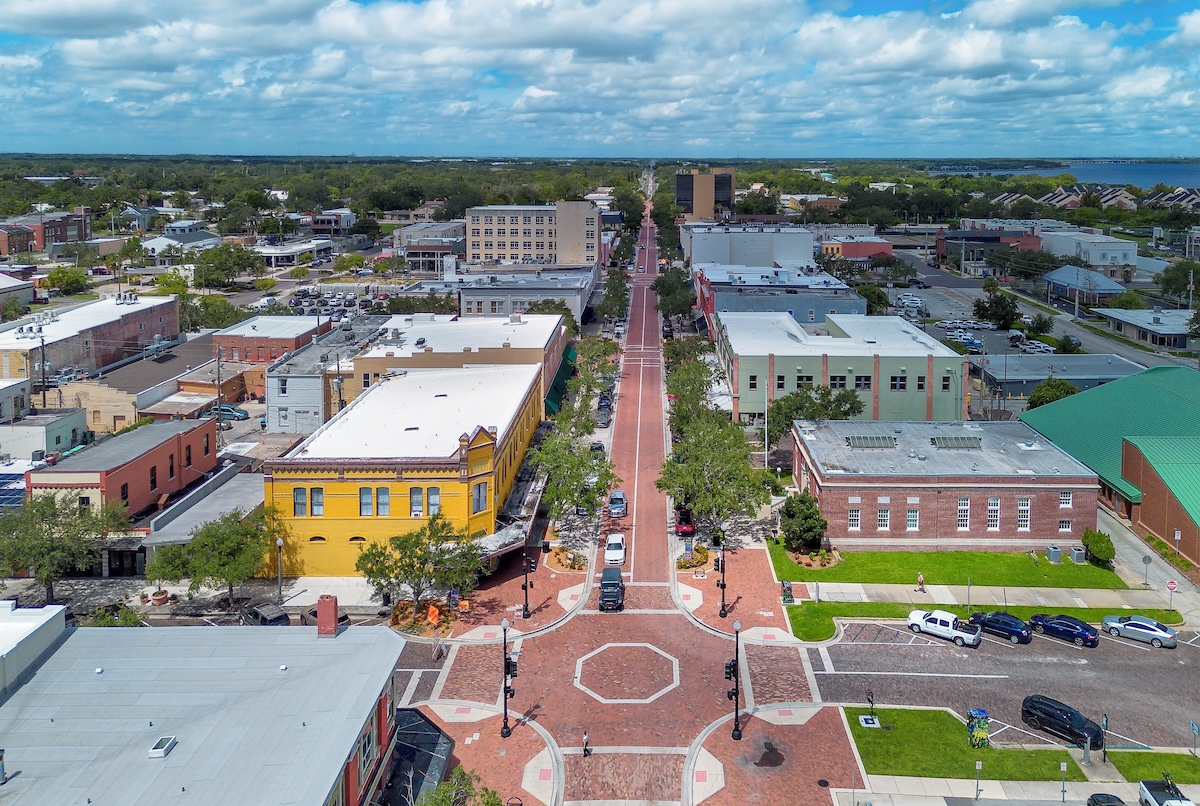
Sanford sits on the shores of Lake Monroe, about 20 minutes north of Orlando. With a population of around 58,000, it’s got way more going on than most people expect.
The historic downtown is walkable and filled with award-winning restaurants and craft breweries. Spend an afternoon checking out art galleries or catching live music at a local venue. The Central Florida Zoo and Botanical Gardens brings families up close with animals and nature. If you’re into the outdoors, Black Bear Wilderness Area has hiking trails and paddleboarding spots.
The waterfront along Lake Monroe is great for an evening walk or just relaxing. You can even book a dinner cruise if you feel like switching things up. Sanford has its own international airport, so you can skip the Orlando crowds entirely.
20. Winter Garden
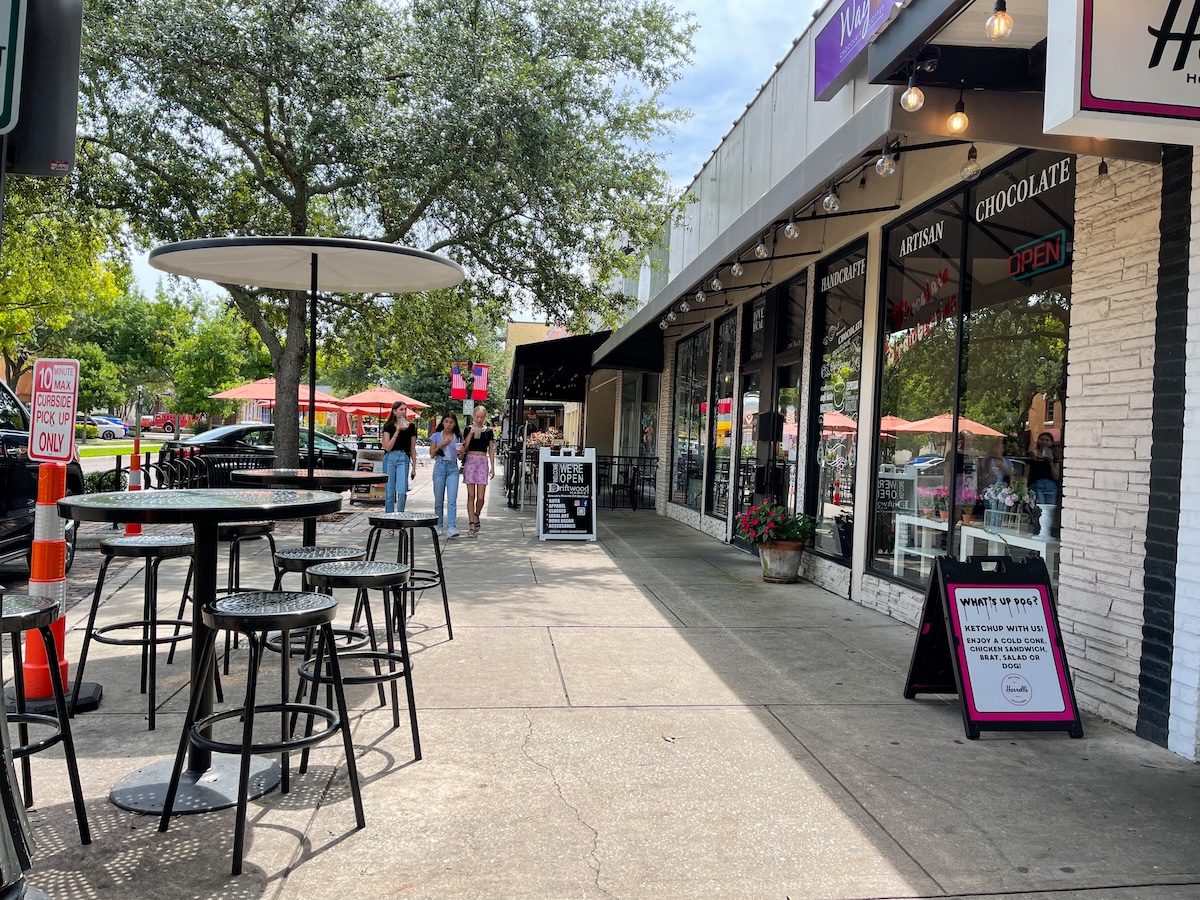
Winter Garden sits just 14 miles west of Orlando, but it feels like a different world. The historic downtown looks straight out of an old movie, with brick streets and local shops along Plant Street.
The Saturday farmers market draws people from all over. It runs 8:00 am to 1:00 pm and features over 100 vendors selling fresh produce, handmade crafts, and local goods.
Check out art galleries, catch a show at the local theatre, or grab a bite at a family-owned spot downtown. Winter Garden Village has more shopping and dining if you want options. The town holds onto that Old Florida vibe without trying too hard, which is honestly refreshing.
19. Wakulla Springs State Park
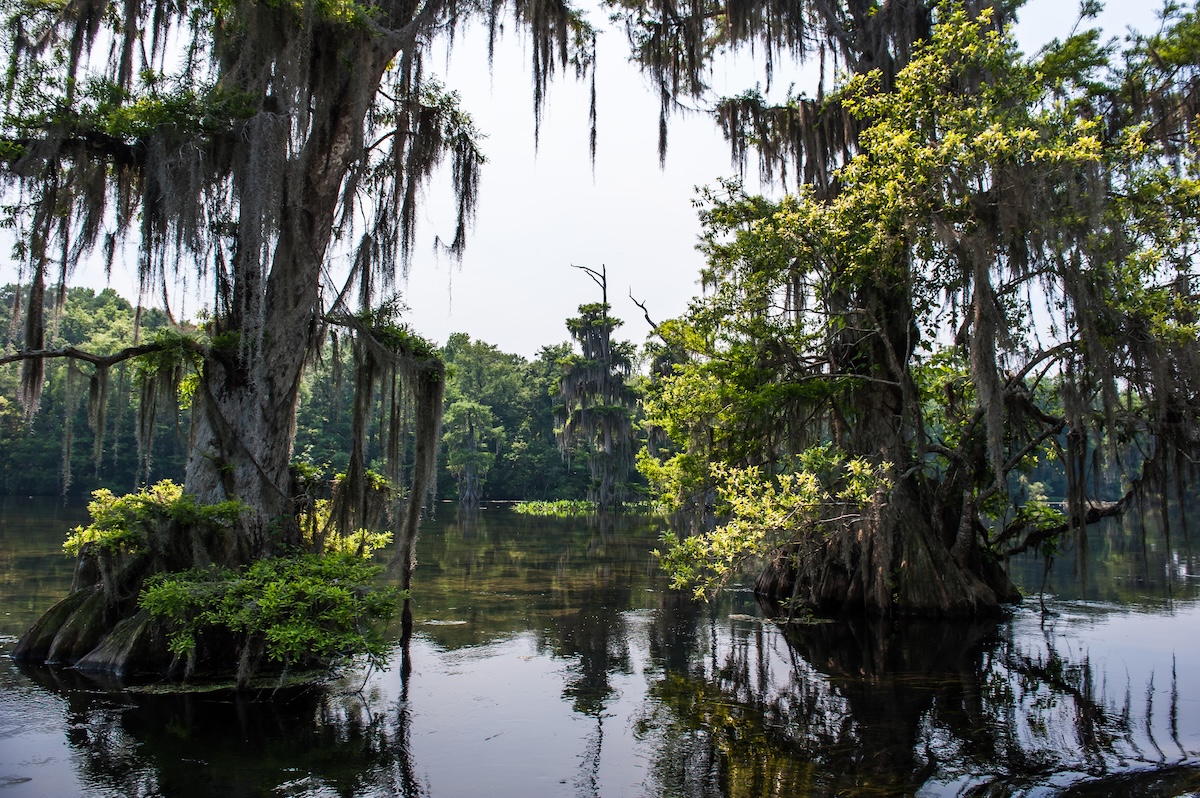
Wakulla Springs sits about 15 miles south of Tallahassee, tucked away in Florida’s Big Bend region. This 6,000-acre park protects one of the largest and deepest freshwater springs on the planet.
The water’s so clear it almost doesn’t look real. Swim in the spring or hop on a guided riverboat tour to spot wildlife. Manatees love visiting, and you’ll see plenty of alligators and birds along the river. The park has a historic lodge if you want to stay overnight. Nature trails wind through the woods, and there are spots for kayaking. You can even go horseback riding on certain trails.
Most visitors skip this place, so you won’t deal with the crowds. The spring stays a steady temperature all year, so swimming’s always an option.
18. Dunedin
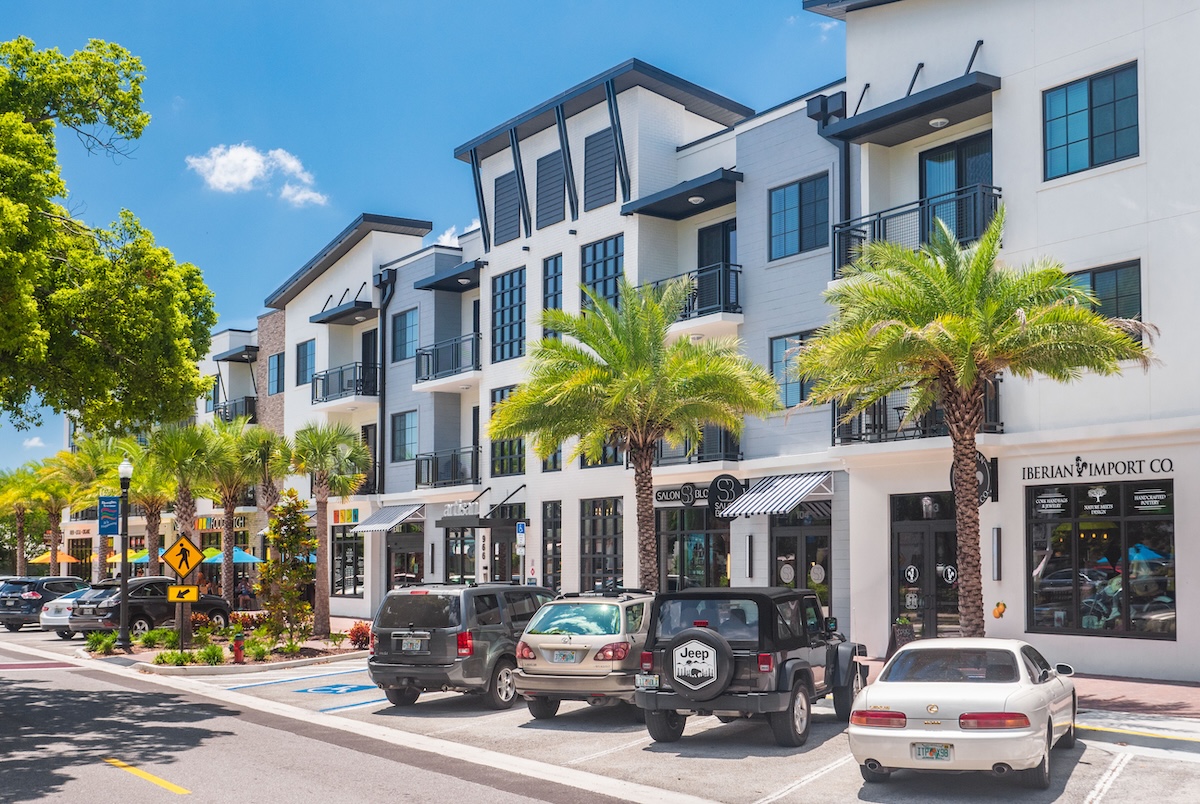
This Gulf Coast town sits between Tampa and Clearwater, but it feels far removed from the typical Florida tourist scene. Dunedin keeps things low-key, mixing Scottish heritage with small-town charm.
The Pinellas Trail cuts right through downtown, offering 47 miles of paved paths for biking or walking. You can hit up eight craft breweries without ever needing your car. Downtown’s full of local shops and restaurants that actually feel authentic. Honeymoon Island State Park sits just offshore with four miles of beaches and nature trails. Caladesi Island’s only accessible by boat, which keeps the crowds down. Both spots show off natural Florida without the usual hassle.
The town hosts Scottish festivals and parades during the year. You’ll spot the Scottish influence in street names and local traditions—a quirky mix that just works.
17. Pass-a-Grille
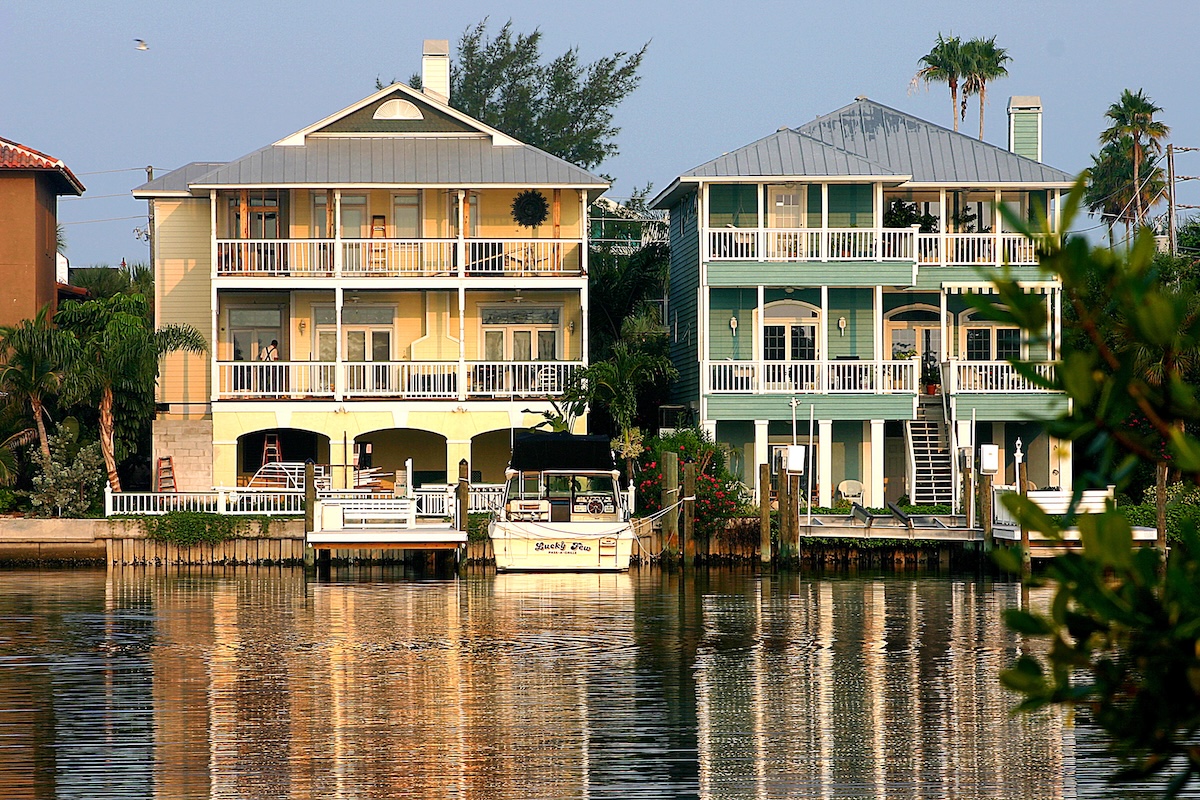
Pass-a-Grille sits at the southern tip of St. Pete Beach, right between the Gulf of Mexico and Tampa Bay. This small beach town just feels different.
The area holds onto its old Florida character. Instead of huge condo towers or crowded strips, you’ll see cute bungalows and local shops that give the place a chill vibe. The beach stays pretty quiet, even during peak season. Browse the outdoor art markets, grab an ice cream, or check out local restaurants—without elbowing through crowds.
Weekdays are especially peaceful if you want to dodge other visitors. The whole town is walkable, so you can wander between boutiques, rooftop bars, and fishing piers without ever needing your car.
16. Navarre Beach
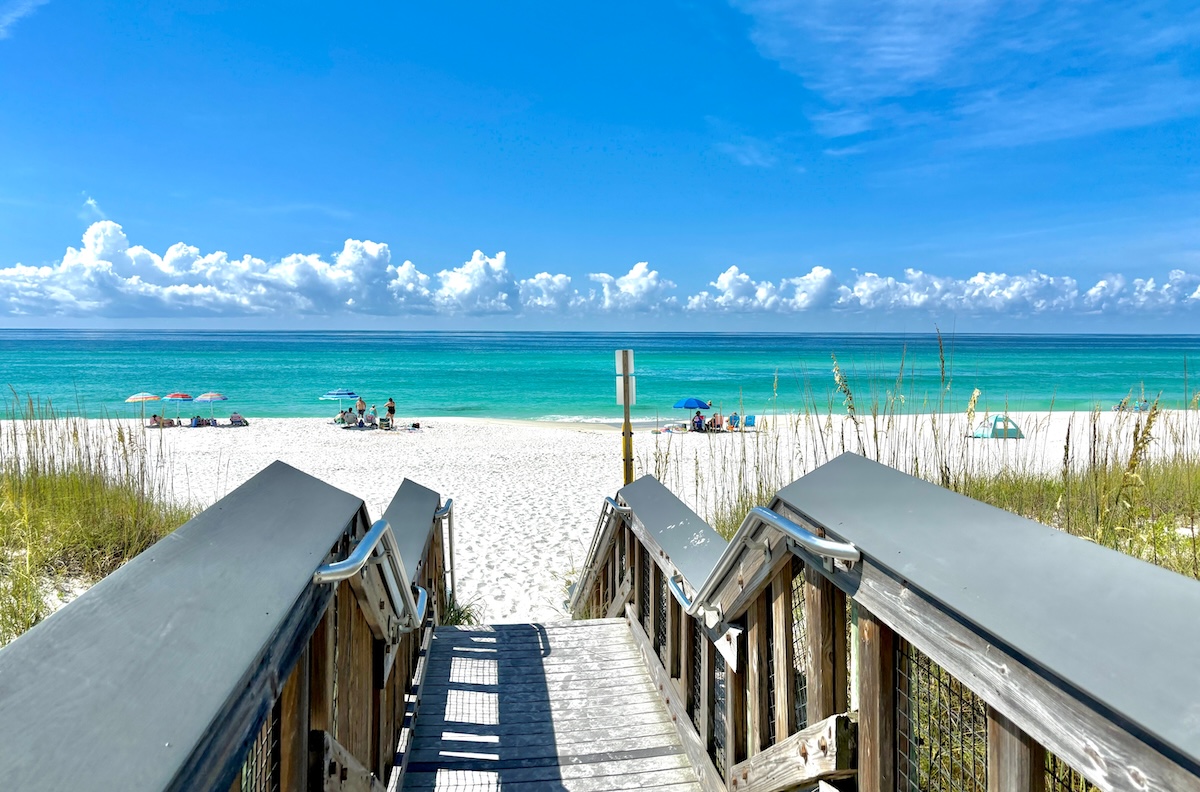
Navarre Beach sits along Florida’s Emerald Coast, right between Pensacola and Destin. While millions flock to those busy neighbors, this spot somehow stays blissfully uncrowded.
Sugar-white sand stretches for miles, meeting clear emerald water. Spend your days swimming, paddleboarding, or snorkeling at the Navarre Beach Marine Sanctuary. The fishing pier juts into the Gulf, offering killer sunset views. What makes this beach special is what’s missing. No walls of high-rise condos, no packed parking lots. Just a laid-back feel, easy beach access, and fresh seafood joints close by.
The town sits on a narrow strip between Santa Rosa Sound and the Gulf. You can explore without battling crowds or shelling out for resort prices.
15. DeLand
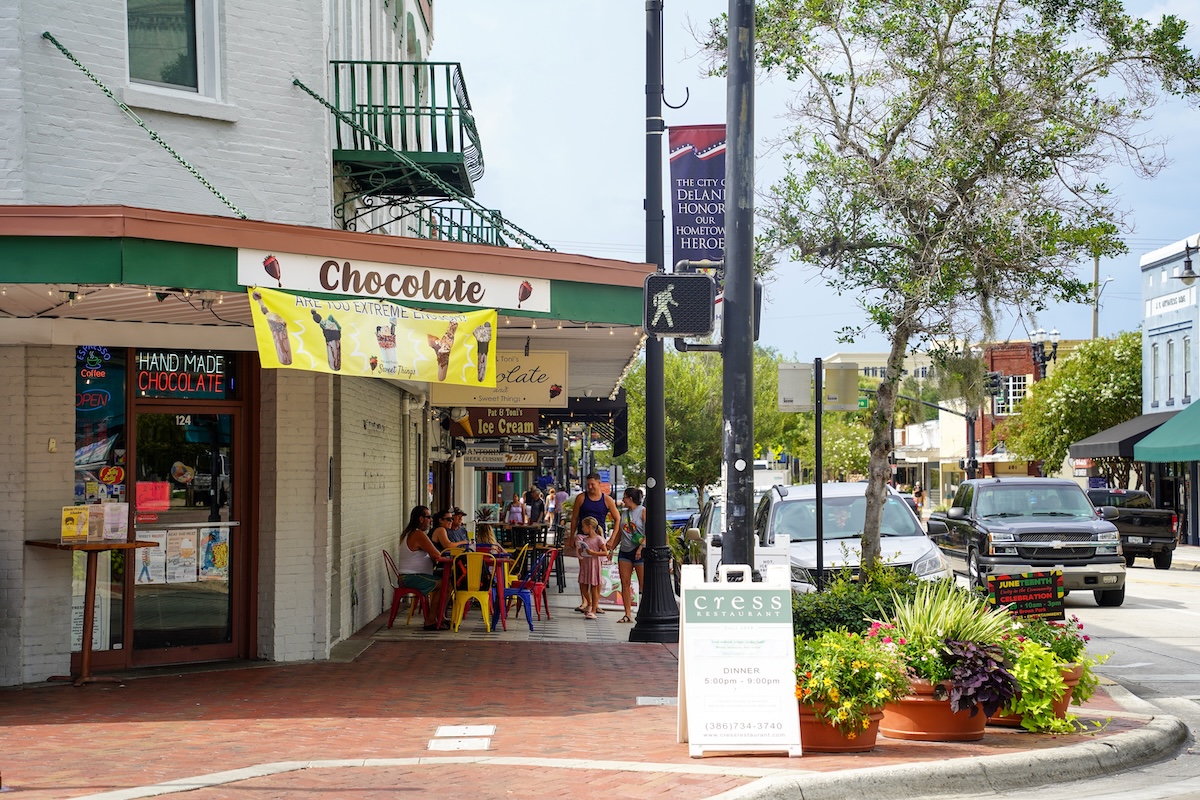
DeLand sits between Orlando and Daytona Beach, but most tourists just drive right by. Honestly, that’s their loss.
Downtown runs along Woodland Boulevard, with old brick streets and buildings that show their age in the best way. Local shops and art galleries fill the area, not chains. The restaurants are mostly independent spots where locals actually eat. Stetson University gives the town a college feel without overwhelming it. Catch live performances or check out the Museum of Art if you need a break from the outdoors.
DeLeon Springs State Park is nearby if you want to swim in a natural spring—the water stays cool all year. Pioneer Settlement in Barberville shows off what old Florida looked like before theme parks took over.
14. Canaveral National Seashore
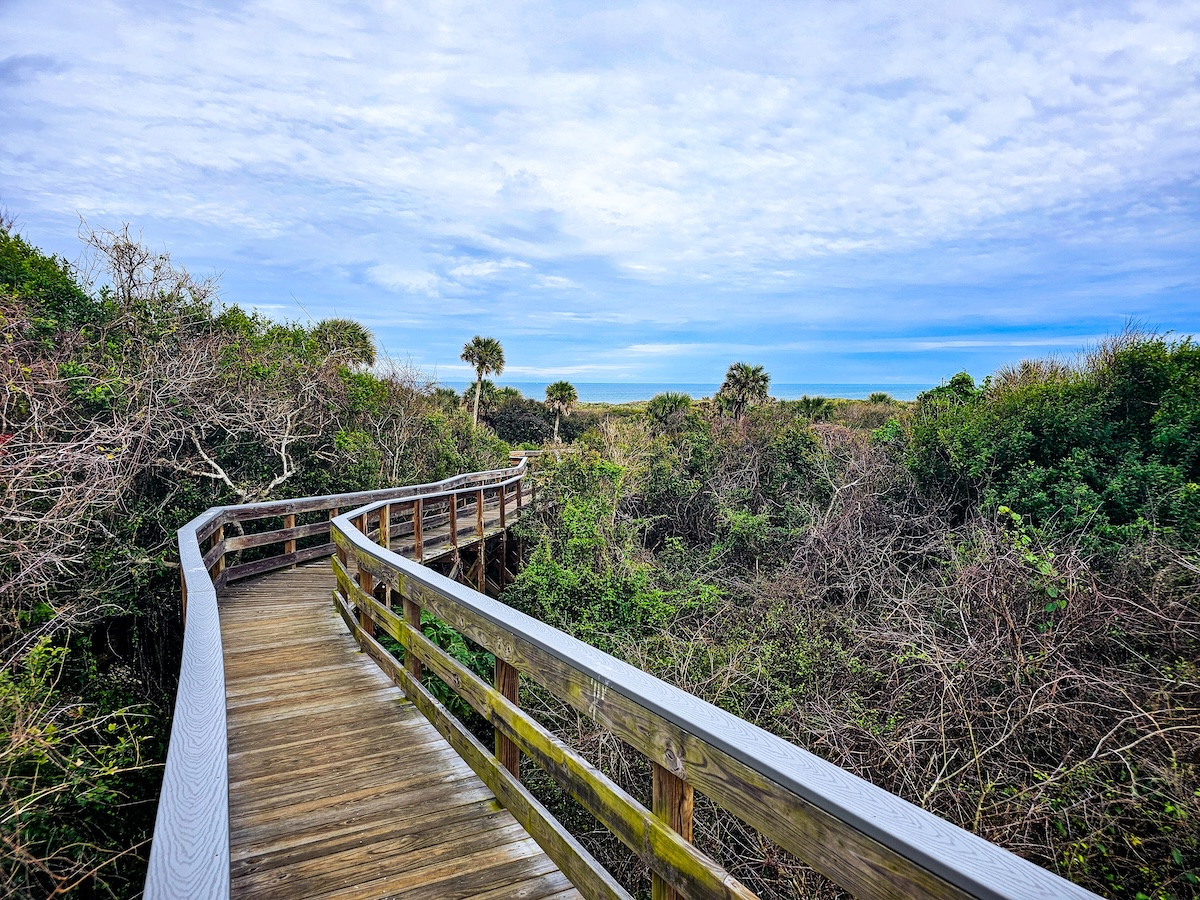
Canaveral National Seashore offers 24 miles of undeveloped Atlantic coastline—the longest stretch of pristine beach left in Florida. This barrier island sits between Daytona Beach and Cape Canaveral, about an hour east of Orlando. The park covers 58,000 acres of coastal hammocks, lagoons, and untouched dunes.
More than 1,000 plant species and 310 bird species call it home. Walk ancient Timucua shell mounds or kayak through the peaceful waters of Mosquito Lagoon. The park splits into two main areas: Playalinda Beach in the south and Apollo Beach in the north.
You won’t find the typical Florida beach crowds here. This protected sanctuary gives you a rare glimpse of what the state’s coastline looked like before development took over.
13. Anna Maria Island
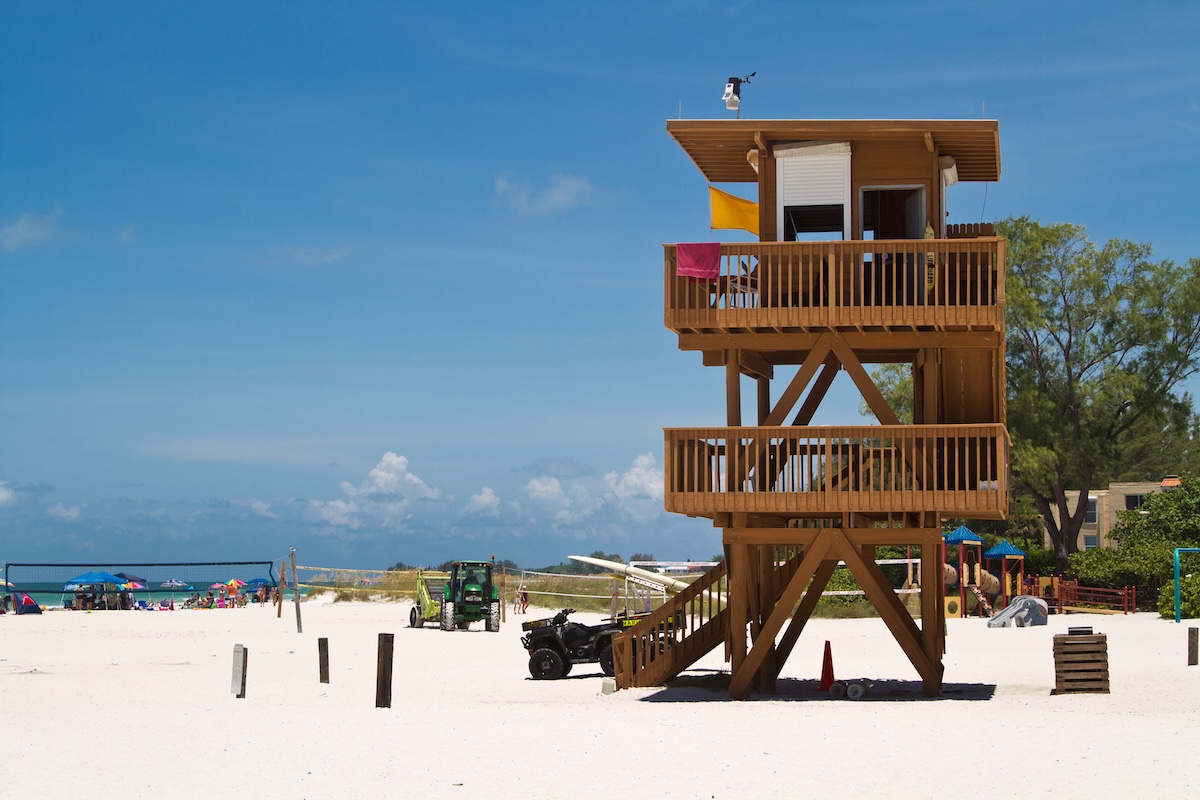
Anna Maria Island sits tucked along Florida’s Gulf Coast, a little south of Tampa and north of Sarasable. This seven-mile barrier island stretches between the Gulf of Mexico and Anna Maria Sound in Manatee County.
The beaches here are the real draw. Soft white sand melts into clear blue water, and somehow, the pace just slows down compared to those busier Florida hotspots. Maybe you’ll swim, maybe you’ll fish, or maybe you’ll just doze off under an umbrella and call it a good day.
The island’s got three small towns, all with their own local shops and waterfront restaurants serving seafood that actually tastes fresh. No big chain hotels, no jam-packed boardwalks—just that easygoing, old Florida beach town feeling that’s getting harder to find. Plenty of folks come for the wildlife, too. Dolphins like to cruise by the shore, and every now and then, if you’re lucky, you’ll spot a manatee drifting through the calm water.
12. Tarpon Springs
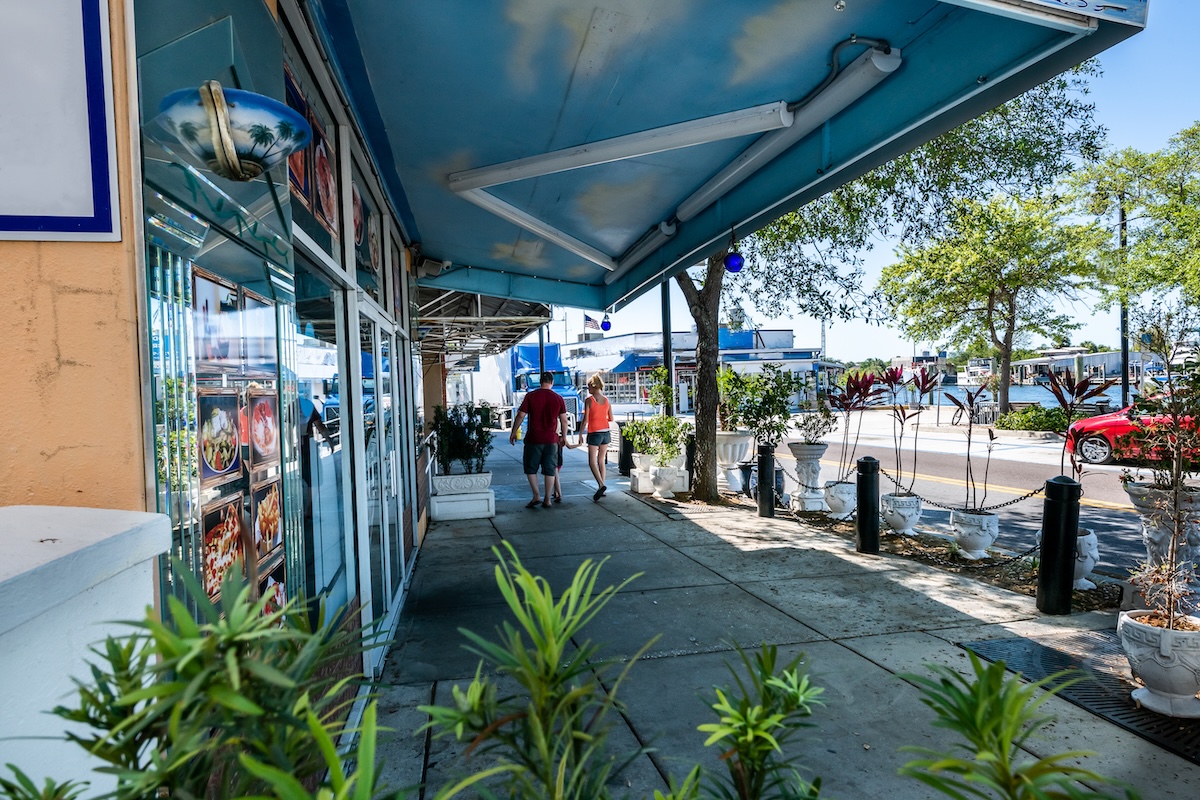
Greek sponge divers settled this Gulf Coast town in the early 1900s and built a community that still runs the largest natural sponge market in the country. The Dodecanese Boulevard sponge docks sell the real product, Greek bakeries produce loukoumades and baklava, and the Greek Orthodox church holds Epiphany celebrations every January that draw visitors from across the state.
The cultural depth here runs well below the tourist surface. Third and fourth-generation Greek families operate many of the businesses, and the food scene reflects that heritage consistently. It is far from the human-zoos that cultural towns embody, giving you a true melting pot vibe that is hard to replicate.
11. Bok Tower Gardens
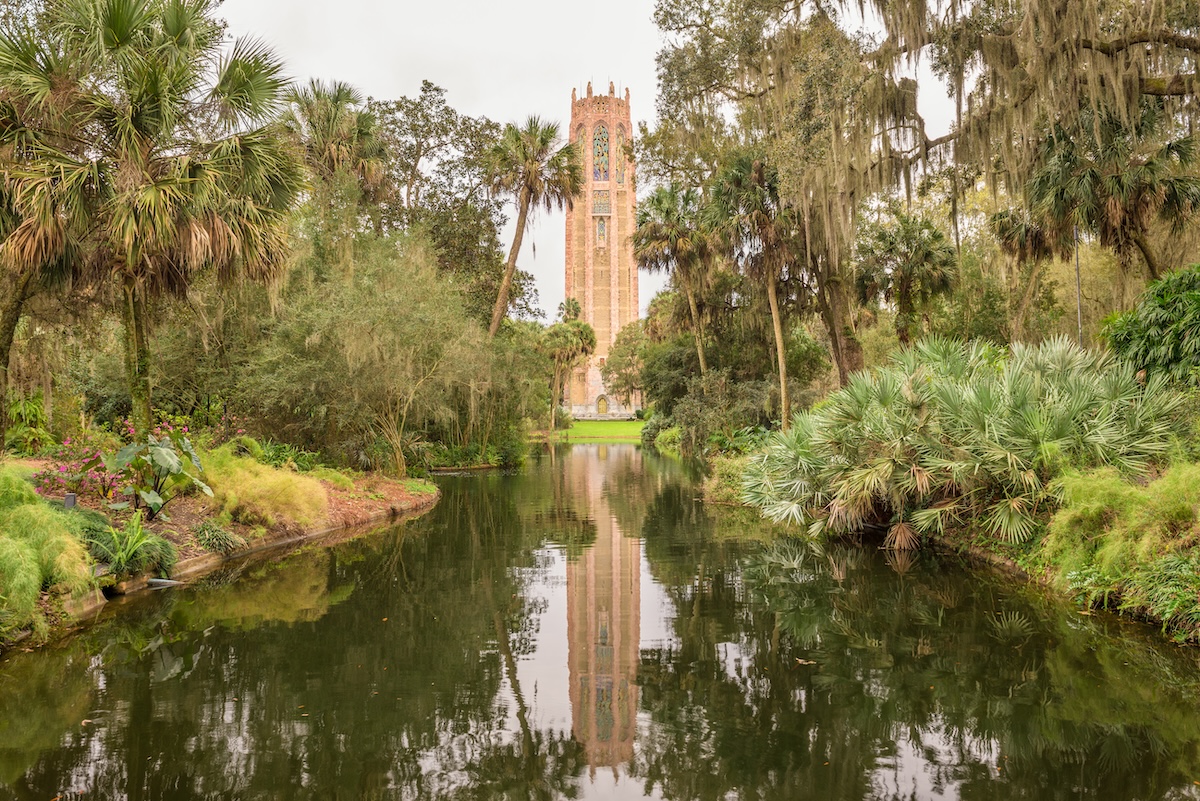
Edward Bok built this National Historic Landmark in 1929 on Iron Mountain, Florida’s highest point at a modest 298 feet, which tells you something useful about Florida’s topography. The 205-foot Singing Tower carillon rises above a landscape that Frederick Law Olmsted Jr. designed, and the bells perform concerts that drift across the gardens and into the surrounding pine flatwoods.
Most Floridians have never visited, which makes Bok Tower Gardens one of the state’s best-kept open secrets near Lake Wales. Dedicated birders share the grounds with visitors who come for the carillon concerts and stay considerably longer than planned.
10. Matlacha
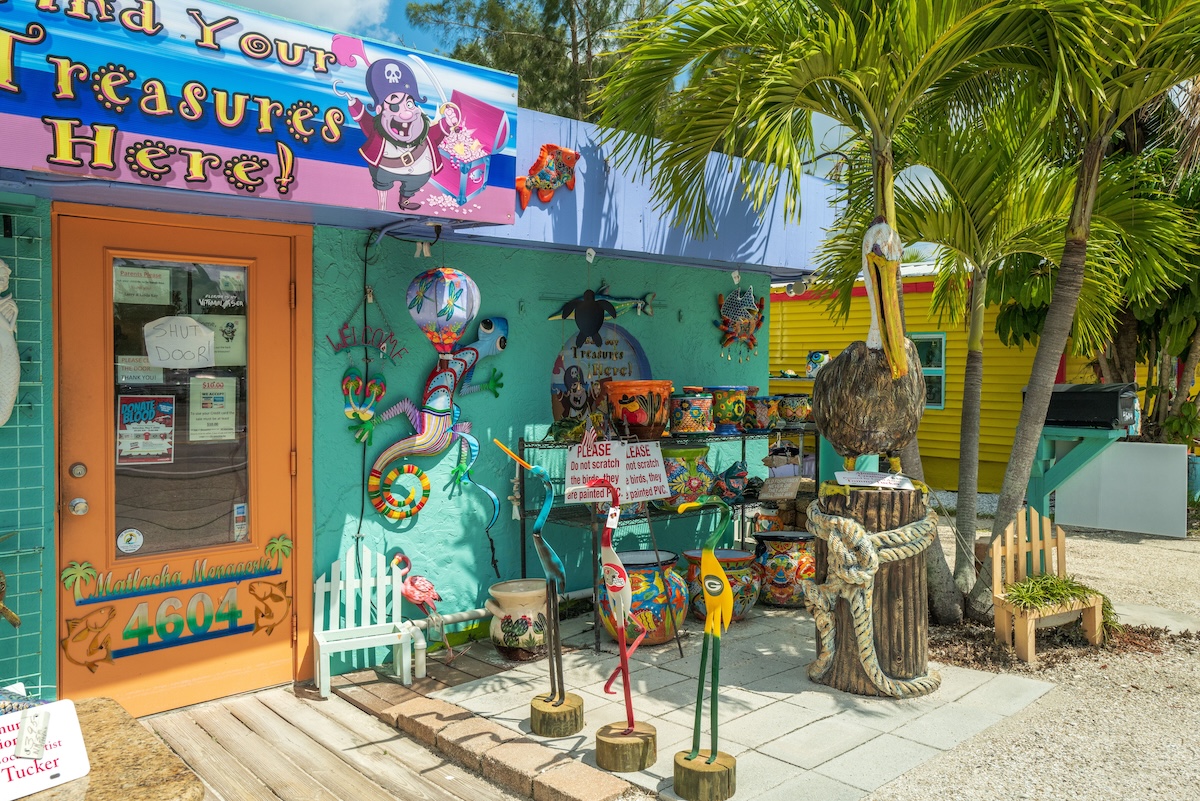
This tiny fishing village on Pine Island Sound might be the most colorful place per square foot in the state. Take that, Disney World! Artists claimed the affordable waterfront properties decades ago and painted everything in sight, turning a working fishing community into an outdoor gallery where studio spaces and fishing boats share the same docks without either side seeming particularly bothered.
The narrow bridge connecting Matlacha to Pine Island creates a natural bottleneck that keeps development at bay. Independent galleries, waterfront seafood shacks, and a fishing culture predating the art scene all share a few compact blocks that force you to slow all the way down.
9. Fernandina Beach
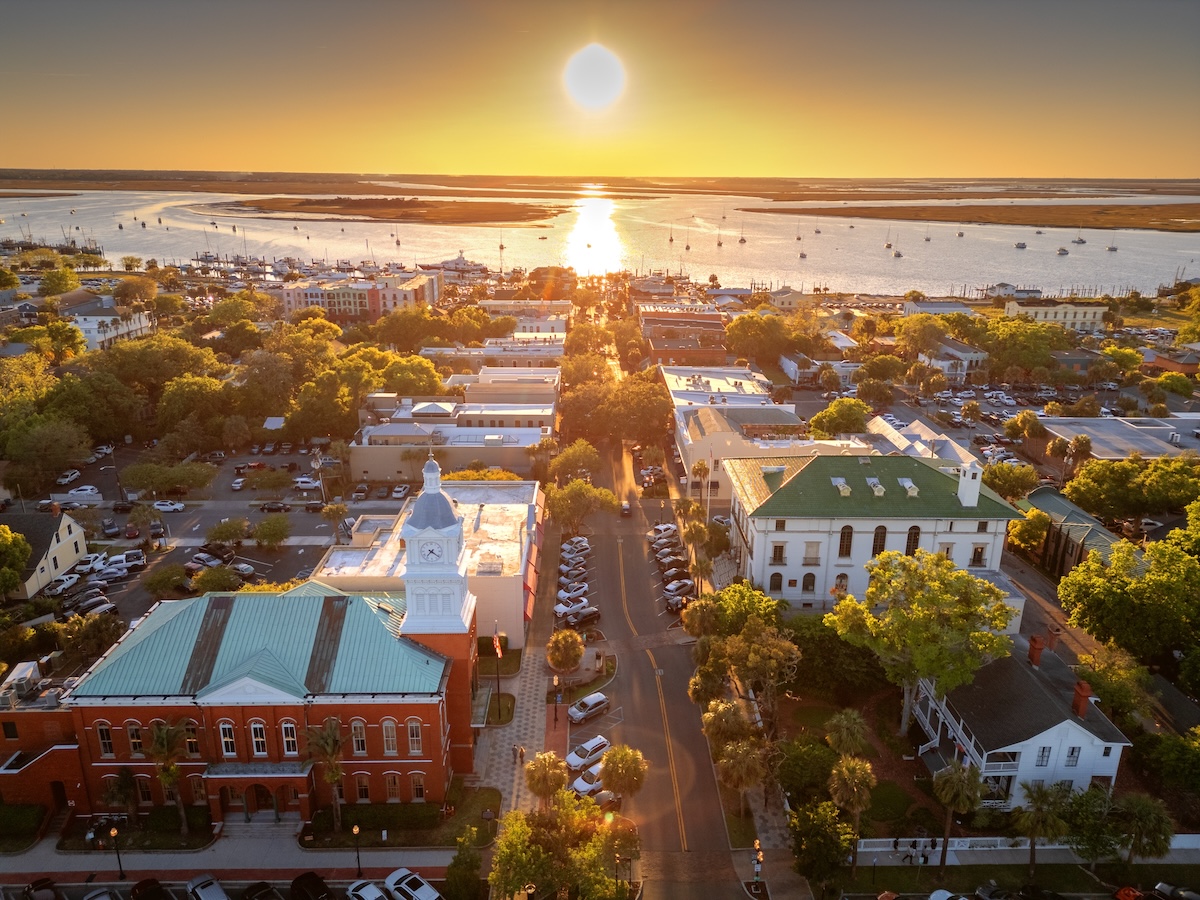
Amelia Island’s main town carries eight flags of historical occupancy and the Victorian architecture to prove the prosperity those occupations occasionally generated. The 50-block historic district holds more 19th-century buildings than almost anywhere in Florida, giving Centre Street palpable historic depth.
The shrimping fleet still works out of the harbor alongside a growing craft brewery scene, which describes Fernandina Beach’s current personality accurately. The beaches stay uncrowded by Florida standards, and the surrounding island retains a natural habitat that development pressure has consumed everywhere else along the northeast coast.
8. Ichetucknee Springs State Park
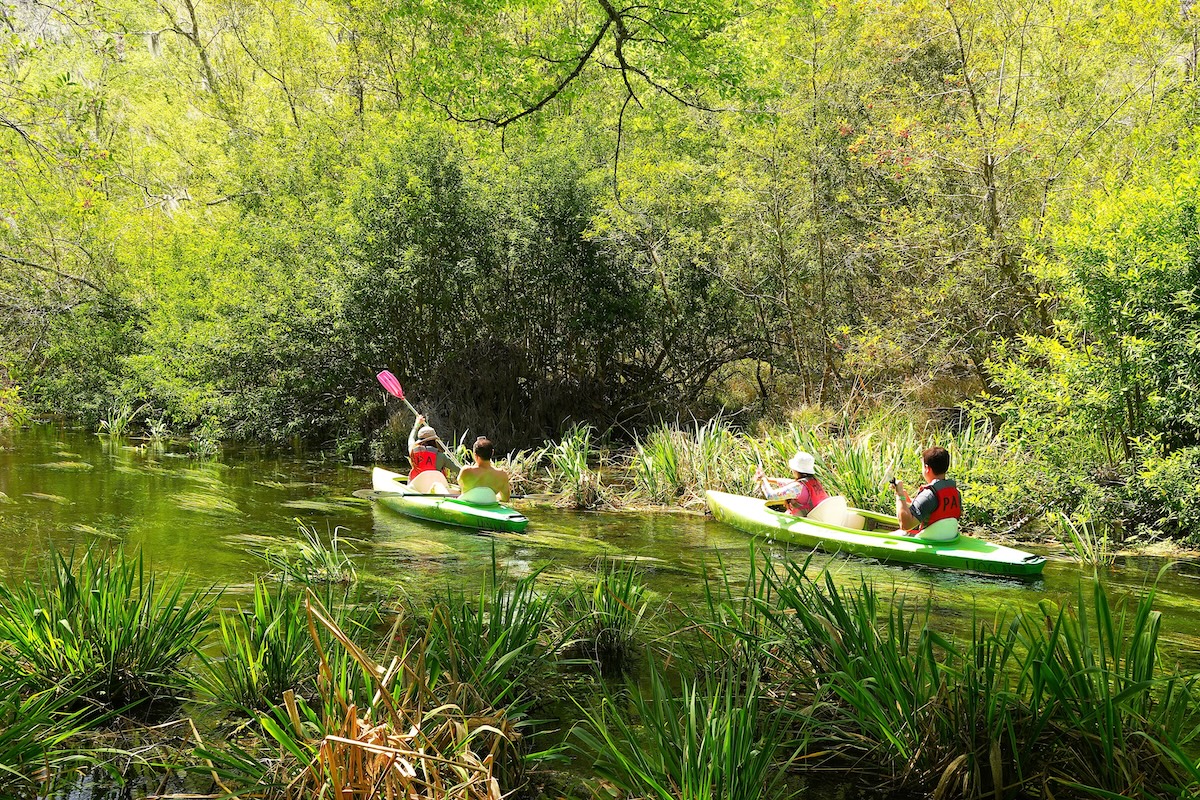
Nine crystal-clear springs feed the Ichetucknee River and hold a constant 68-degree water temperature year-round. Thanks to these conditions, tubing downstream is one of the more understated yet spectacular things Florida offers. The river runs through an undeveloped forest for six miles, and the water clarity lets you watch the riverbed the entire way.
The park limits daily tubing numbers to protect the ecosystem, so arriving without advance planning on summer weekends offers only disappointment. Early arrivals get the best conditions before the cumulative volume of sunscreen in the water becomes a philosophical concern.
7. Micanopy
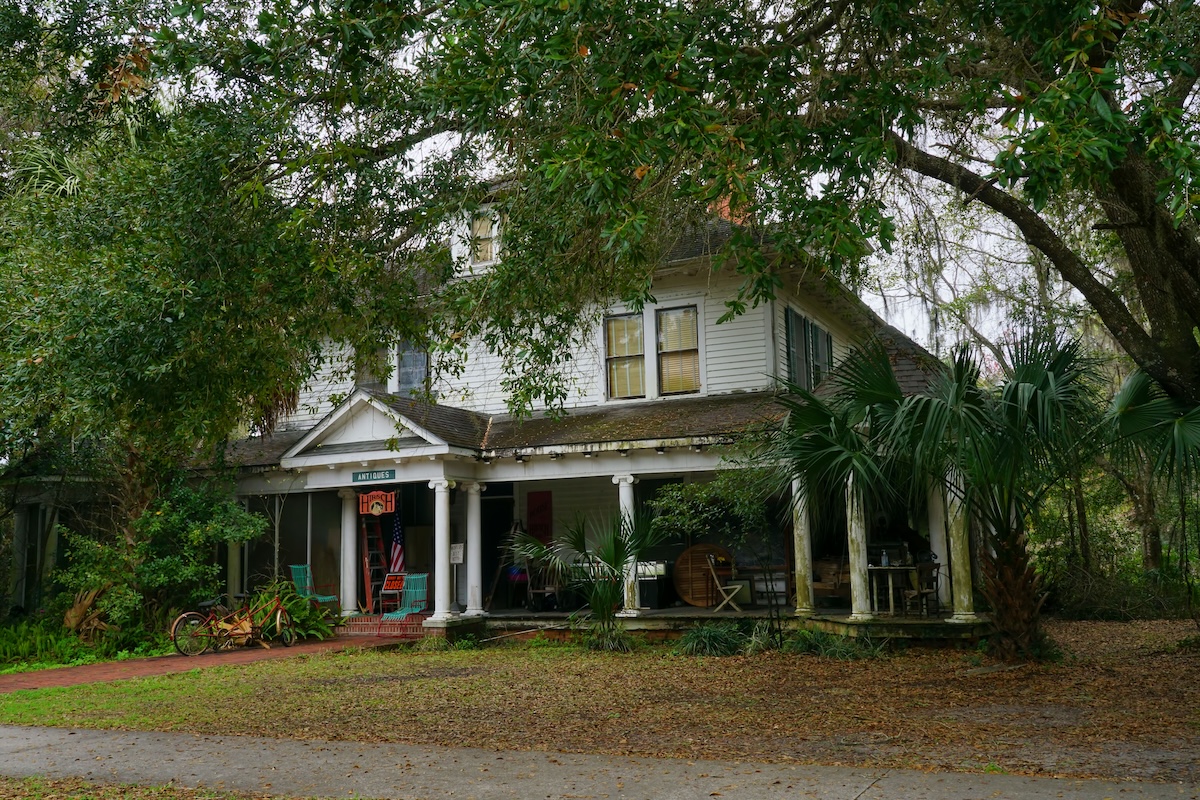
Florida’s oldest inland town is home to around 600 residents and more antique shops per capita than seems logically supportable for a community this size. Live oaks draped with Spanish moss line the main street, the historic buildings date to the early 1800s, and the overall atmosphere operates several decades behind the rest of the state, completely intentionally.
The town appeared in the film Doc Hollywood, which brought a brief wave of visitors who came and went before anyone built anything to accommodate them. That absence of tourist infrastructure preserves exactly the quality that makes Micanopy worth the detour.
6. St. George Island
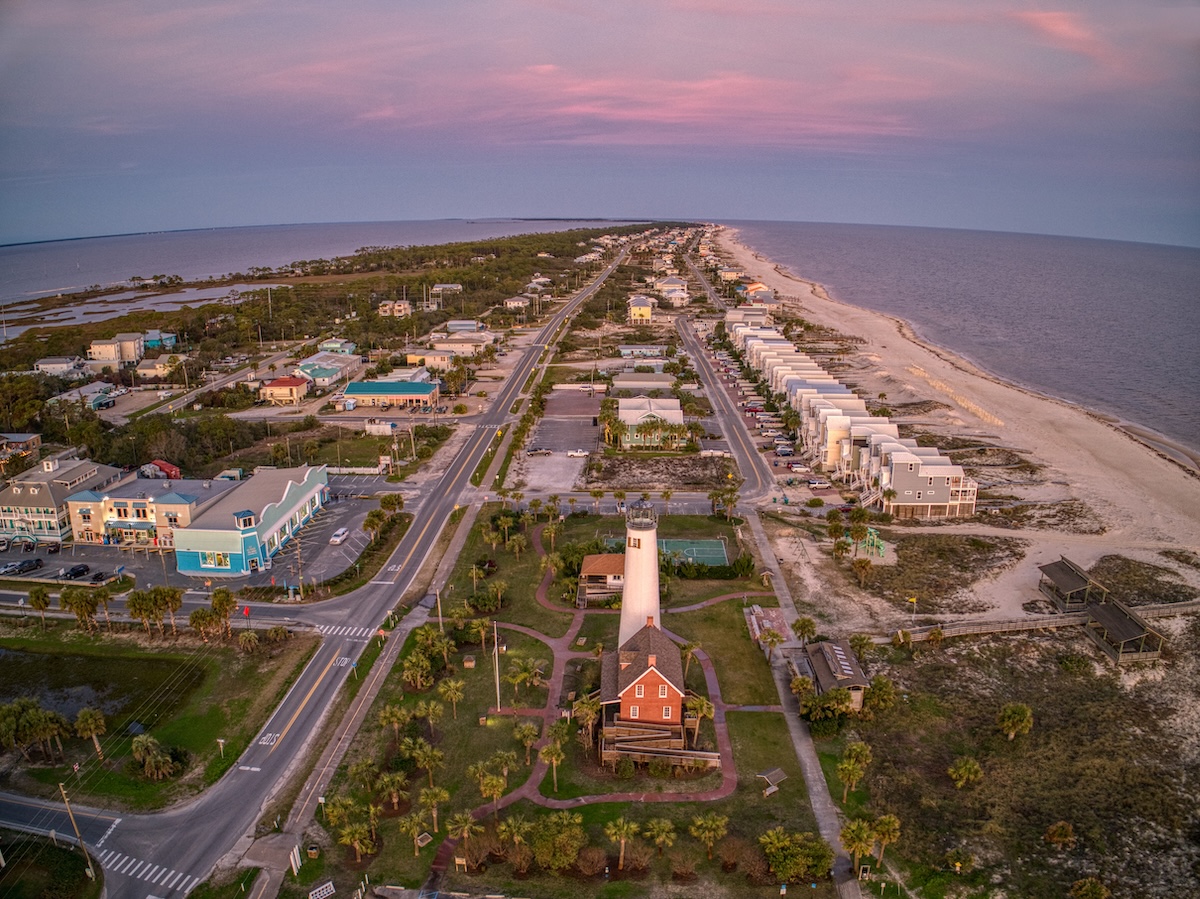
The eastern half of this panhandle barrier island falls within Dr. Julian G. Bruce St. George Island State Park, and the park’s nine miles of undeveloped beach consistently rank among Florida’s best without the crowds that usually go hand-in-hand. The absence of commercial development east of the bridge keeps things quiet, unlike most Florida beach towns that abandoned that notion decades ago.
The western end is made up of vacation rentals and a small strip serving the island’s basic needs without overwhelming its character. Fishing, shelling, and watching Loggerhead sea turtles nest in season give visitors enough to do without a single water slide anywhere in sight.
5. Cedar Key
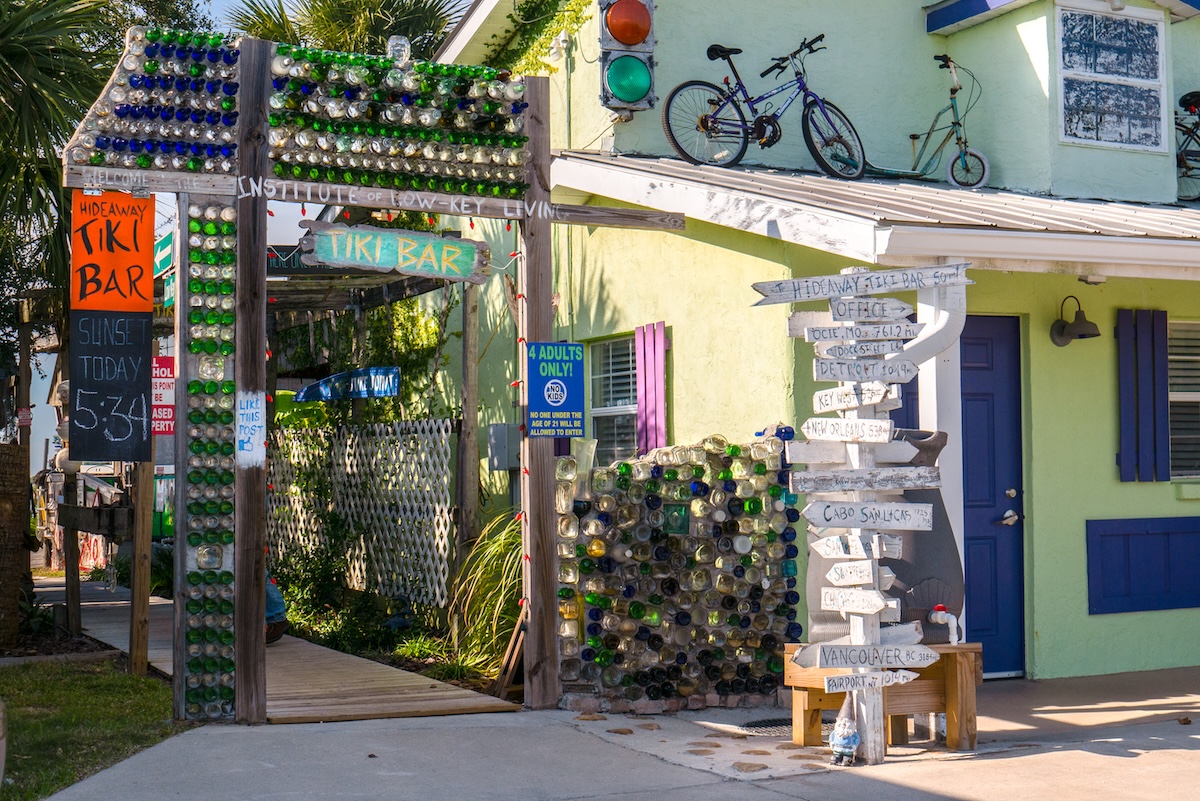
This Gulf Coast island community sits at the end of State Road 24, the kind of dead-end geography that filters out casual visitors before they even make the turn. Cedar Key’s economy runs on clam aquaculture, waterfront seafood restaurants, and artists who discovered the light conditions and affordable rents before anyone marketed the place.
The surrounding Cedar Keys National Wildlife Refuge protects a cluster of small islands that kayakers explore at low tide, finding bird rookeries and tidal flats representing Gulf Coast Florida before development reached everywhere else. Cedar Key moves slowly, and you will quickly adapt to that pace without any complaints.
4. Big Talbot Island State Park
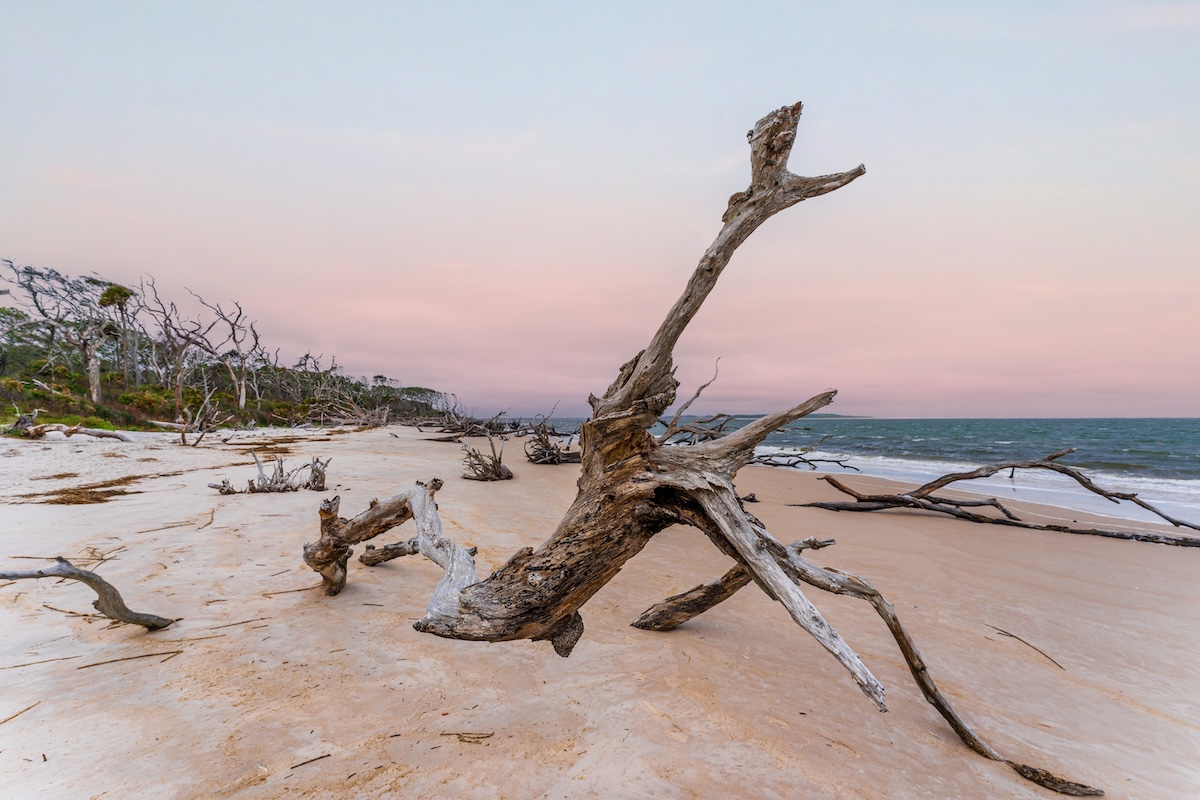
While most Florida visitors fight for beach chairs further south, Big Talbot Island sits on the northeast coast offering something the rest of the state doesn’t have. The Boneyard Beach, where ancient oak trees fall onto the shoreline and bleach white in the salt air, creates a landscape so visually striking that photographers make dedicated trips from Jacksonville to work the morning light.
The surrounding maritime hammock forest and salt marshes hold remarkable biodiversity that the park protects with minimal infrastructure and even less fanfare. Kayaking in the tidal creeks almost guarantees wildlife encounters that you won’t find anywhere else. At least not as secluded as here.
3. Mount Dora
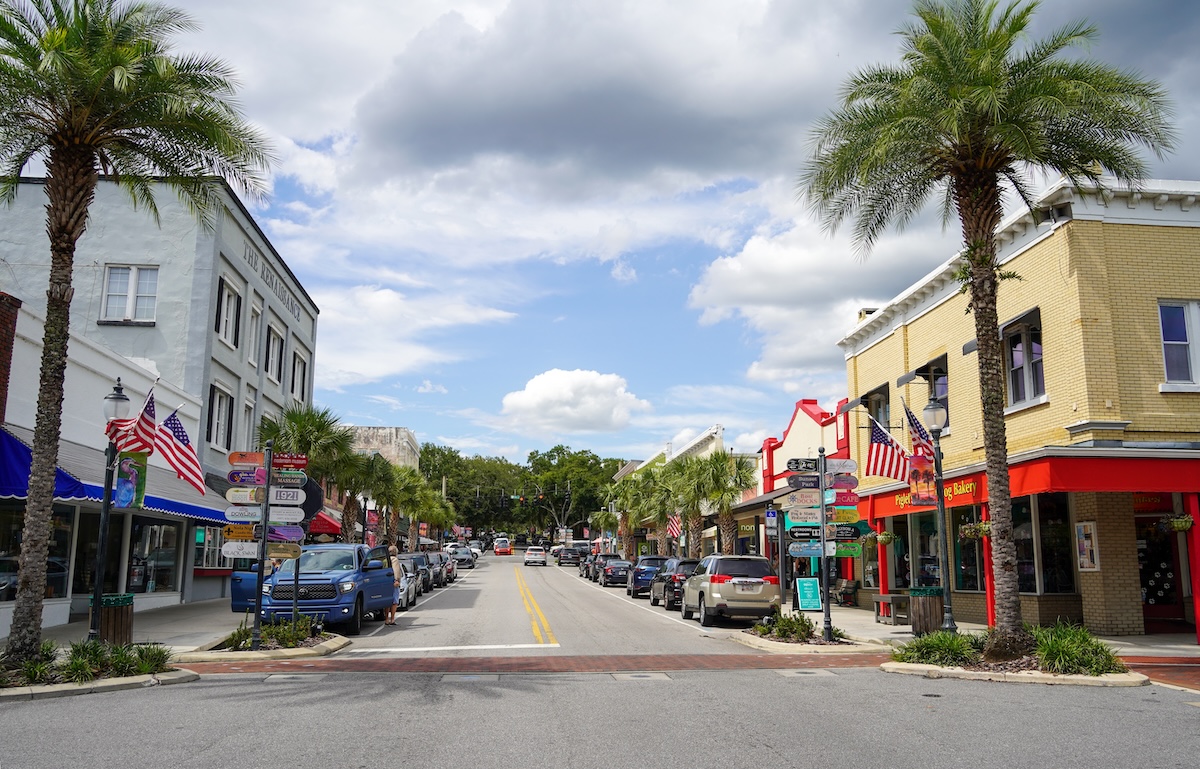
Lake County’s most charming small city sits on a hill above Lake Dora, which qualifies as elevated terrain by Florida standards at around 184 feet. The Victorian commercial district has independent shops, established antique dealers, and a local arts scene that the town deliberately cultivated over several decades.
The annual Mount Dora Arts Festival draws strong crowds every February, and the surrounding lake district has boat tours through connected waterways that the freshwater ecosystem still supports well in this part of Central Florida. The proximity to Orlando drives some day-trip traffic, though Mount Dora maintains a distinct small-city personality.
2. Dry Tortugas National Park
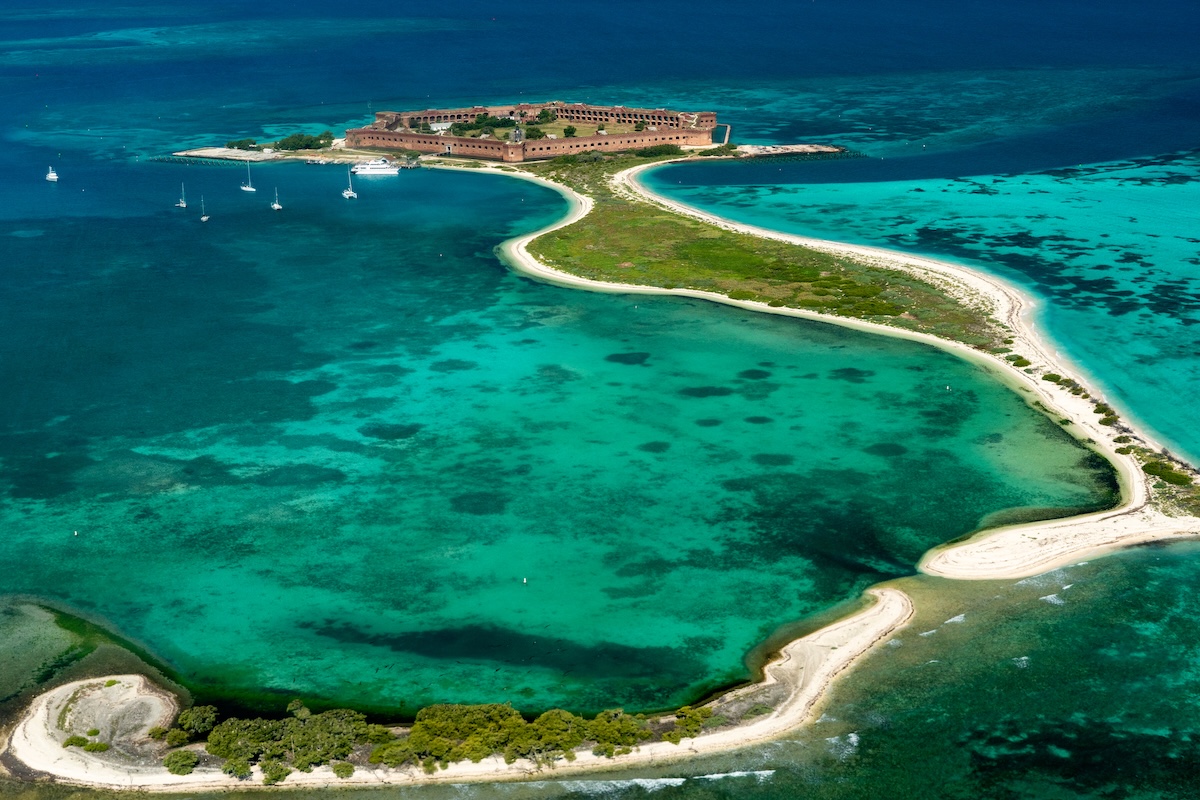
Seventy miles west of Key West, accessible only by ferry or seaplane, Fort Jefferson rises from a coral island in the Gulf of Mexico as one of the largest 19th-century brick structures in the Western Hemisphere. The Union Army started construction in 1846, never finished it, used it as a military prison anyway, and left behind a massive hexagonal fort surrounded by water so clear that snorkelers spot coral and tropical fish from the ferry deck before arriving.
The park campground on Garden Key requires advance booking, and sleeping inside a Civil War fort while bioluminescent plankton lights up the shallows at night is an experience that nothing else in Florida’s tourism catalog comes close to matching.
1. Apalachicola
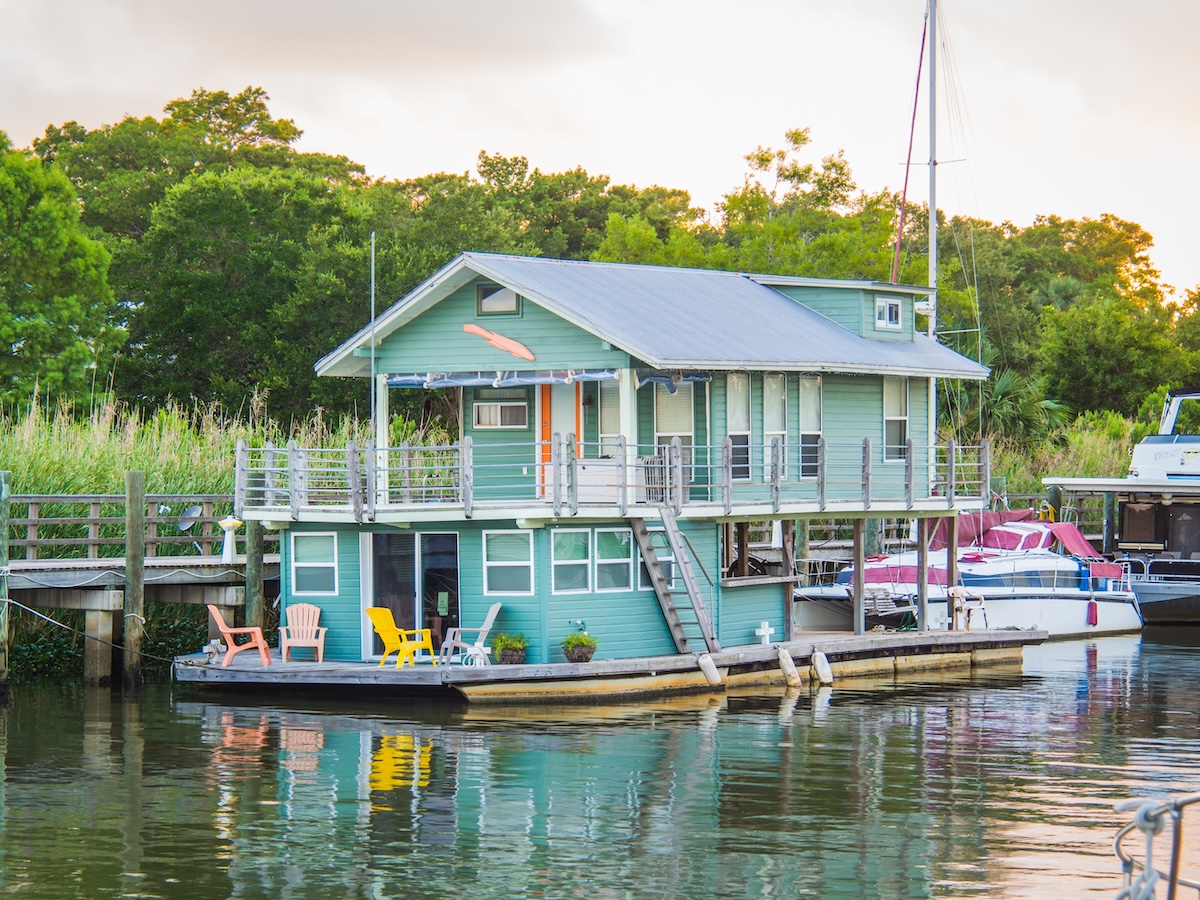
The Florida Panhandle’s most compelling small city built its reputation on oysters, and the Apalachicola Bay estuary produced some of the finest in the country before environmental pressures complicated the harvest in recent years. The seafood culture that the oyster industry created runs deep enough through the local restaurant scene that the town keeps its position as a food destination while the fishery works toward recovery.
Historic cotton warehouses and Victorian commercial buildings line streets the city preserved through economic circumstances as much as deliberate planning, creating an architectural record of 19th-century prosperity. The surrounding Apalachicola National Forest and coastal wildlife refuges give the area an ecological richness on top of it all, making it a well-rounded destination that people have yet to discover.