
Paradise exists, but filters and TikToks haven’t ruined it everywhere yet. While Bali, Phuket, and the Maldives drown under influencers and overwater bungalows charging $1,000 per night, plenty of tropical islands remain blissfully undiscovered by the masses. These places bring you the same turquoise water, white sand beaches, and swaying palms without the crowds or the resort complexes that destroyed what made the famous islands special in the first place.
Getting to these islands usually demands more effort than a direct flight and Uber to your resort. Some need multiple connections, boat rides, or a willingness to rough it slightly. That inconvenience is exactly what keeps them beautiful and relatively empty. Here are all the tropical islands where you can still find that deserted beach fantasy without flying to the literal ends of the earth or spending your retirement savings on accommodation.
12. Isla Holbox, Mexico
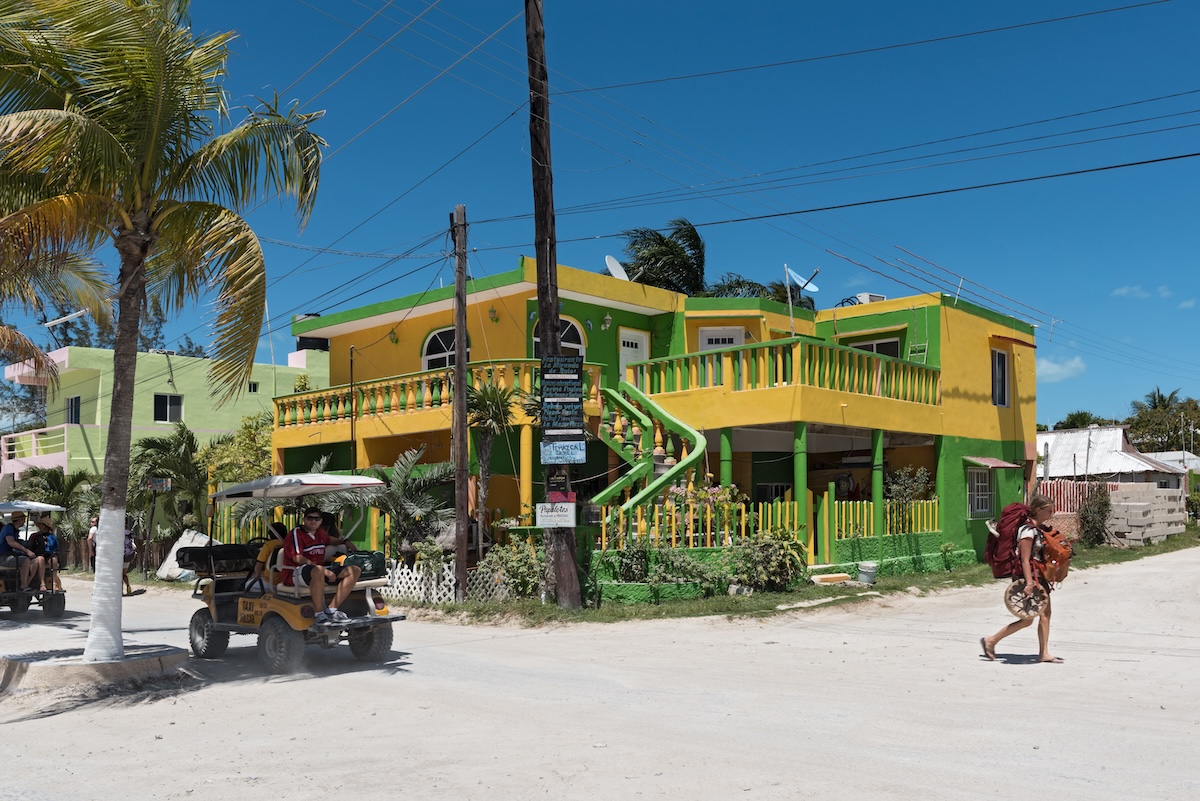
Just north of the Yucatan Peninsula, this sand-street island bans cars entirely and embraces a pace of life measured in hammock hours. Golf carts and bicycles provide transportation, while the main beach stretches endlessly with water so shallow you can wade out hundreds of meters before it reaches your chest. Whale sharks gather offshore from June through September, and bioluminescence lights up the water on dark nights during summer months.
Holbox has been “discovered” by Tulum refugees seeking the vibe that town lost to influencer culture, but it retains a laid-back atmosphere where the biggest decision involves which beachfront palapa bar deserves your afternoon. The downside is increasing development as word spreads, so visit before the inevitable resort complexes arrive.
11. Koh Yao Islands, Thailand
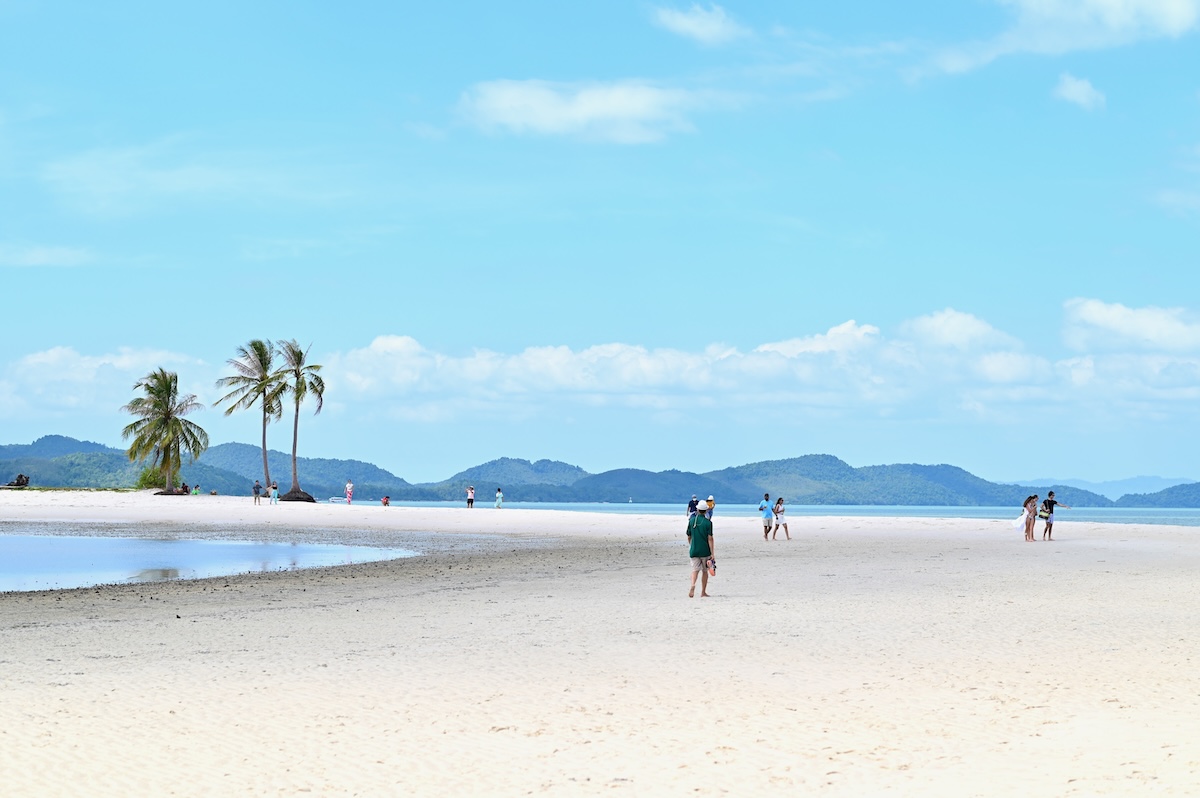
Sandwiched between Phuket and Krabi in Phang Nga Bay, Koh Yao Noi and Koh Yao Yai remain mysteriously uncrowded despite sitting amid Thailand’s tourist infrastructure. Local Muslim communities maintain a traditional lifestyle focused on fishing and rubber tapping rather than mass tourism. The islands has dramatic limestone karst views across the bay, quiet beaches, and authentically friendly locals who haven’t been jaded by decades of backpacker hordes.
Accommodation ranges from basic bungalows to a few upscale resorts, though the emphasis remains on low-key island living. Rock climbing, kayaking through mangroves, and lounging on empty beaches fill days nicely. Getting here is a mission aboard ferries from Phuket or Krabi, which filters out tourists looking for easy access to party beaches and makes the islands feel like a secret that Andaman Sea veterans know to keep quiet about.
10. Tobago Cays, St. Vincent & the Grenadines
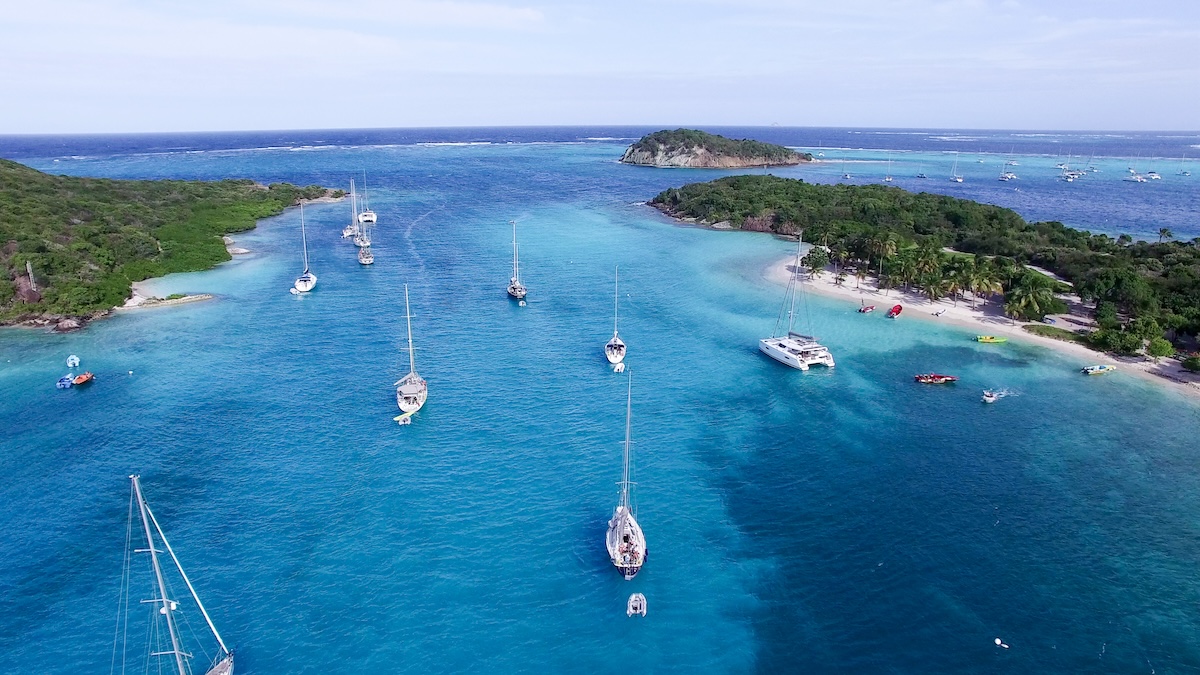
Five uninhabited islands surrounded by horseshoe reef create what might be the Caribbean’s most pristine marine park. The protected waters attract sea turtles in numbers that make snorkeling here feel like swimming in an aquarium, except the fish and turtles aren’t behind glass and occasionally bump into you with surprising nonchalance. Yacht charters anchor here regularly, but day-trippers from nearby Union Island come on small boats that don’t overwhelm the tiny cays.
No development exists beyond bathrooms maintained by the marine park, meaning you’re getting a true deserted island experiences. The surrounding Grenadines remain underdeveloped compared to other Caribbean destinations because island-hopping flights or sailing is still your only way to get there. These are natural barriers that mass tourism hasn’t overcome yet.
9. Flores Island, Indonesia
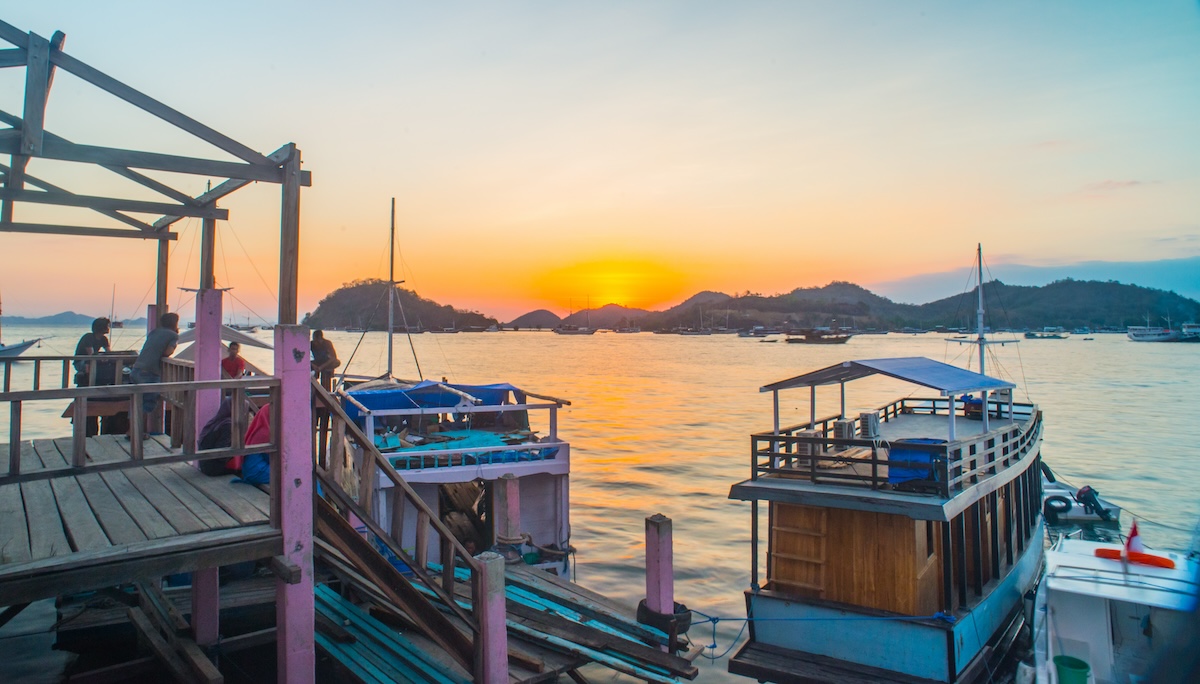
While everyone flocks to Bali or the Gili Islands, Flores sits in eastern Indonesia , serving the trifecta of dramatic landscapes, traditional villages, and absolutely incredible diving without the crowds. The island serves as jumping-off point for Komodo National Park, but Flores itself deserves attention for its volcanic peaks, rice terraces, and unique Ngada culture.
Traditional villages with thatched-roof houses surround ceremonial stones that predate Christianity’s arrival. The beaches along the north coast remain largely undeveloped, and the waters around Maumere attract serious divers seeking healthy reefs. Getting around forces you to be patient with rough roads and limited infrastructure, but that’s precisely why you won’t find hordes of tourists or beach clubs every 500 meters like in Bali.
8. Savai’i, Samoa
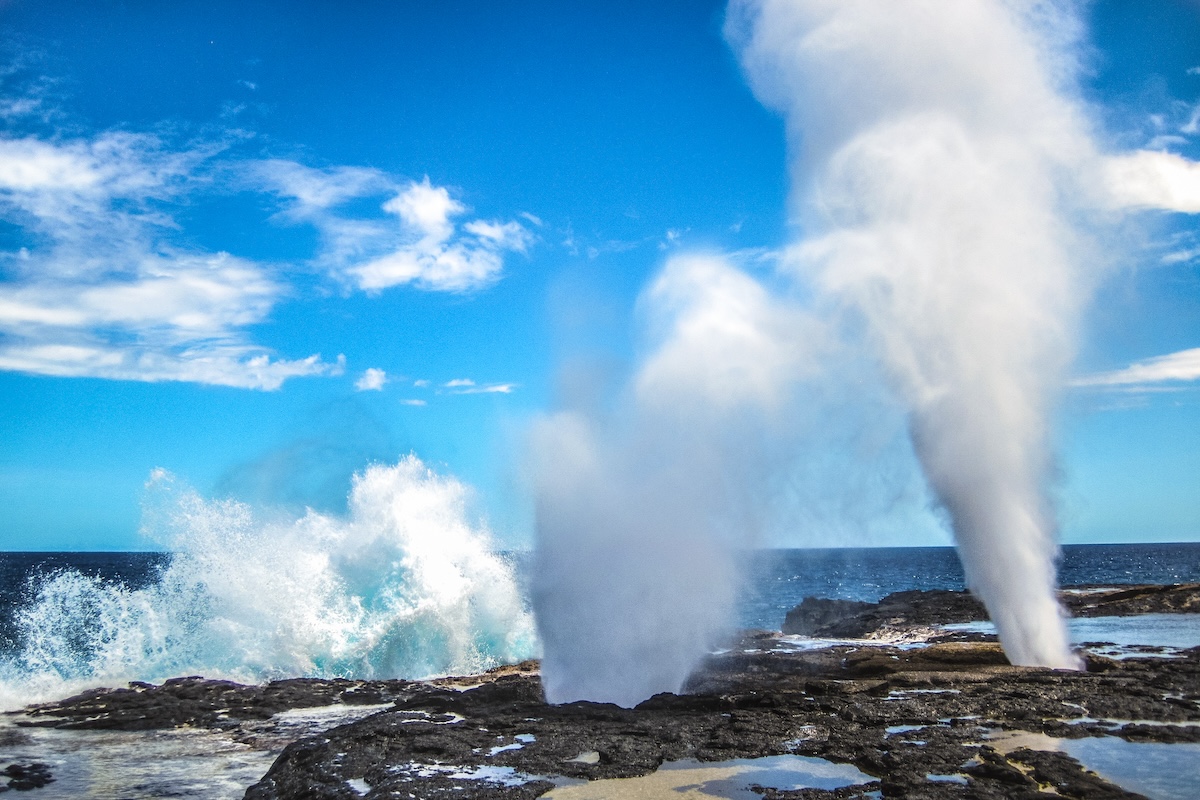
Samoa’s largest island sees a fraction of the tourists that nearby Upolu attracts, despite having equally stunning beaches and considerably more dramatic volcanic landscapes. Recent lava flows created fields of black rock stretching to the sea, and the island’s interior contains waterfalls, crater lakes, and villages maintaining traditional Samoan fa’a culture.
Accommodation options stay limited to small beach fales and a few basic resorts, which prevents the kind of development that ruined parts of other Pacific islands. You will get here from Upolu by ferry, just inconvenient enough to keep most visitors on the main island where the airport and more amenities exist. Savai’i rewards travelers seeking authentic Pacific island culture and natural beauty without the polish or prices of more developed destinations.
7. Kadavu Island, Fiji
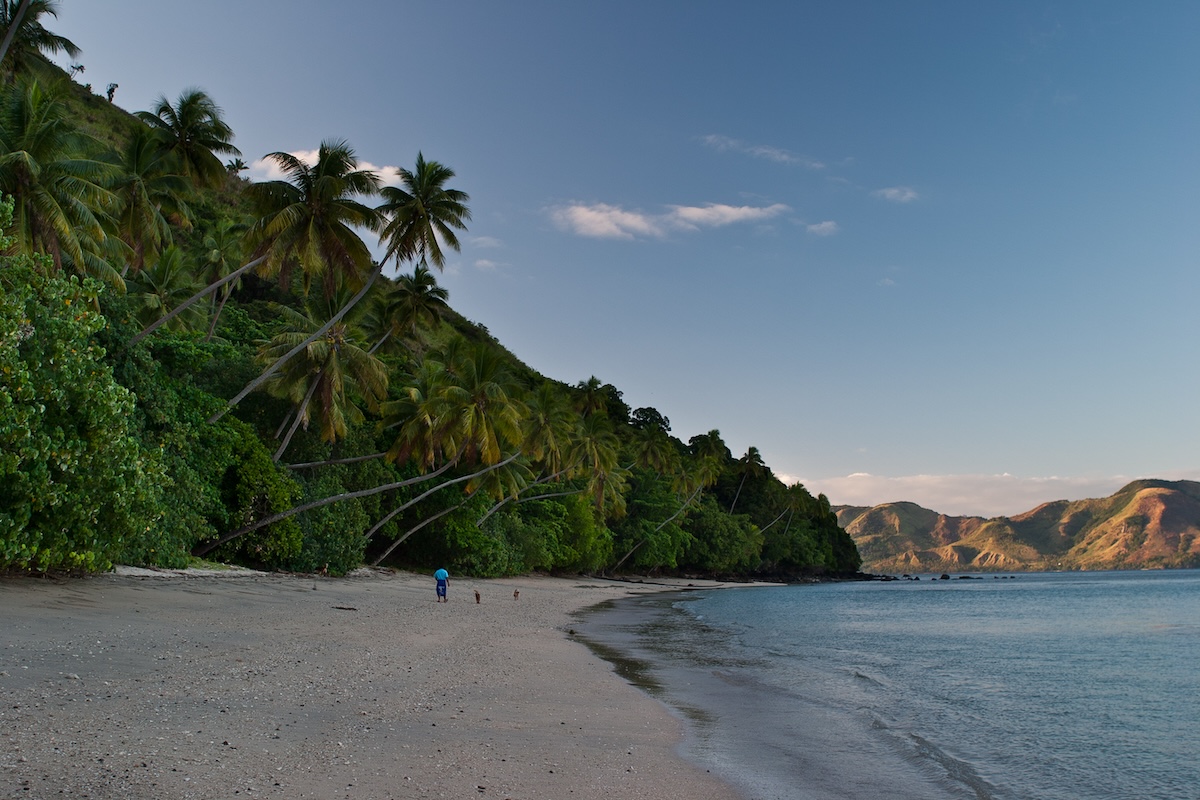
Fiji’s fourth-largest island attracts mostly divers heading to the Great Astrolabe Reef, one of the world’s largest barrier reefs surrounding the island in a massive horseshoe. The reef diving is world-class, with healthy corals and big fish that disappeared from more accessible Pacific destinations decades ago. Kadavu lacks the infrastructure of Viti Levu or resorts of the Mamanucas, meaning visitors stay in small eco-lodges run by local villages.
Traditional village culture remains strong since tourism hasn’t overwhelmed local life. If your nerves can handle it, you will hop on board a small plane from Nadi, and the limited accommodation keeps visitor numbers manageable. It’s Fiji before mass tourism, showing what the famous islands probably looked like before becoming cruise ship ports and resort destinations.
6. Isla El Tigre, Honduras
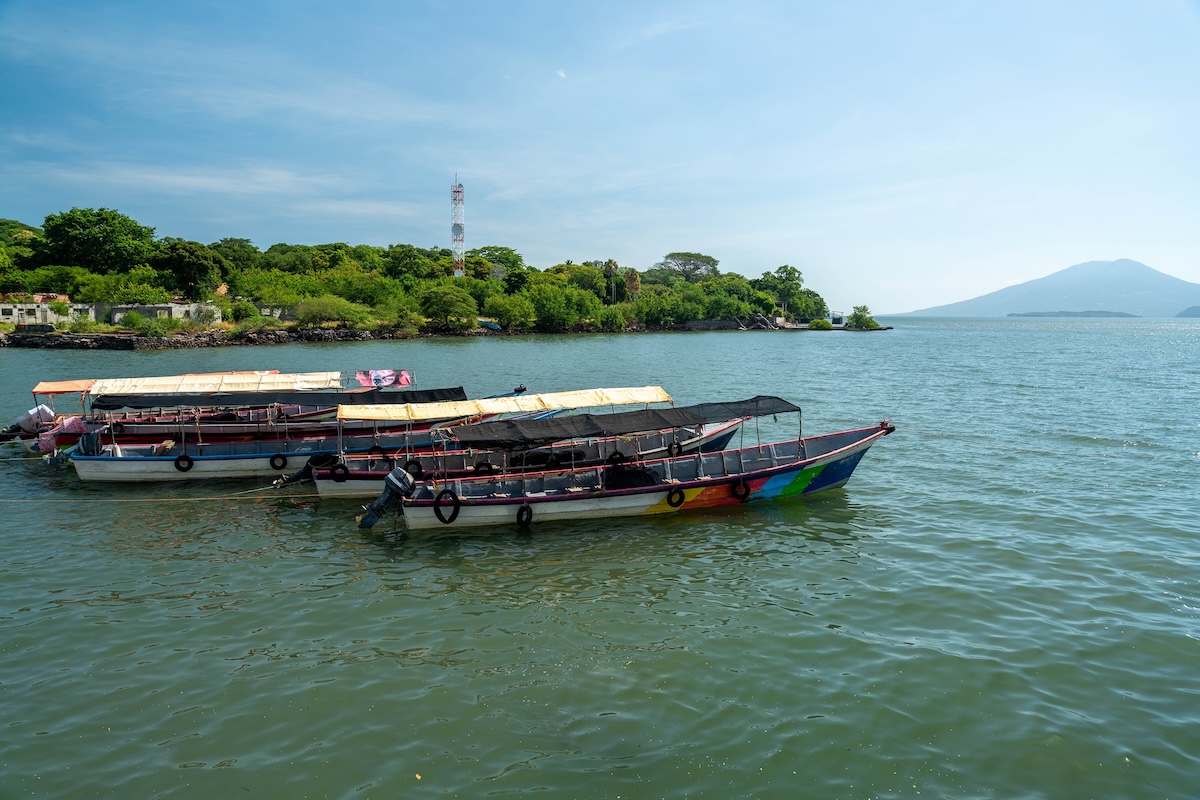
Rising dramatically from the Gulf of Fonseca, this volcanic island topped by a 783-meter peak serves Central American island life without the development of Bay Islands like Roatán. The main town of Amapala spreads along the waterfront with colorful buildings and a vibrant local atmosphere since tourists are rare enough to provoke curiosity rather than sales pitches.
Beaches around the island remain mostly empty, and hiking to the summit provides views across three countries: Honduras, El Salvador, and Nicaragua. Buses to the coast are followed by small boats, enough inconvenience to keep it firmly off typical Central American tourist routes. Infrastructure is basic, but that’s part of the appeal for travelers tired of polished resort experiences.
5. Isla de Providencia, Colombia
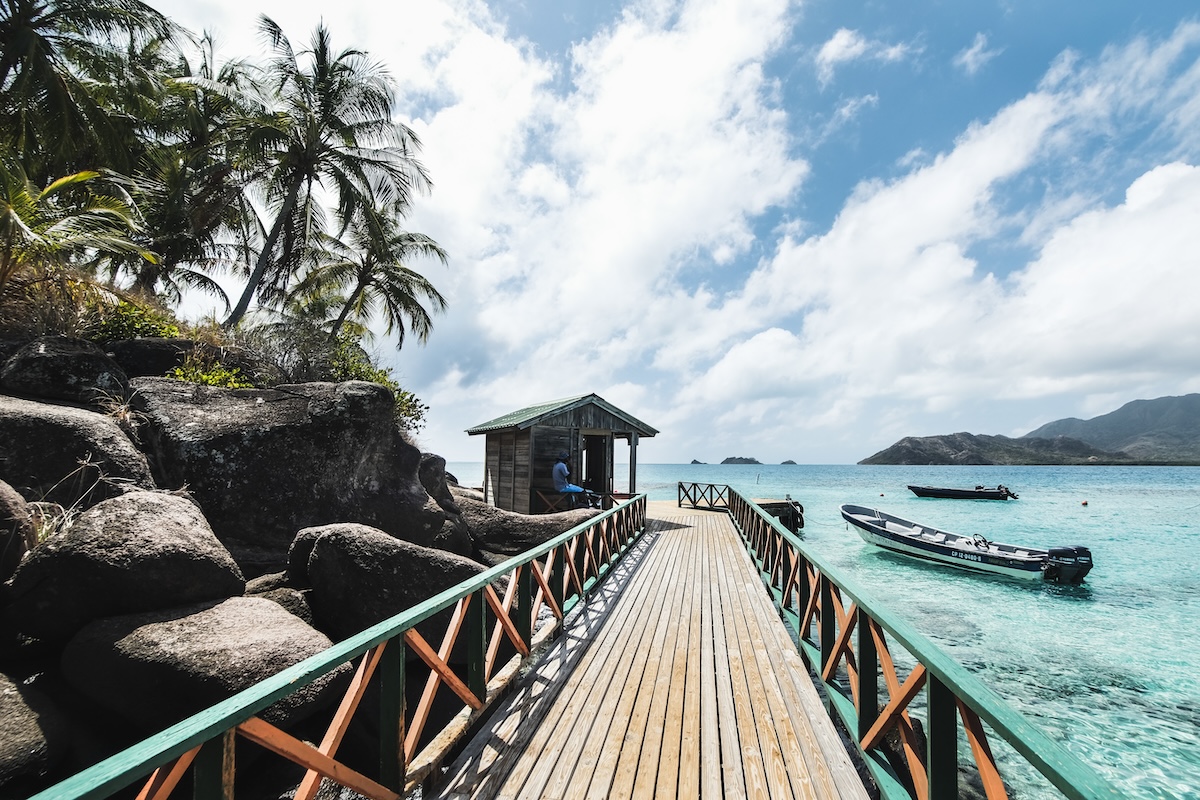
Colombia’s Caribbean island sits 140 miles off the coast, closer to Nicaragua than mainland Colombia, which keeps it blissfully free from the crowds destroying Cartagena and Santa Marta beaches. The island’s seven-color sea lives up to its name with water ranging from pale turquoise to deep sapphire depending on depth and bottom composition. English-based Creole is spoken alongside Spanish, reflecting the island’s history as a British pirate haven.
Old Providence McBean Lagoon National Park protects coral reefs that remain healthy compared to Caribbean destinations ruined by cruise ship anchors. You will need to board flights through Bogotá or San Andrés, making it inconvenient enough that most tourists skip it for easier destinations, which is exactly what keeps it beautiful.
4. Ternate, Indonesia
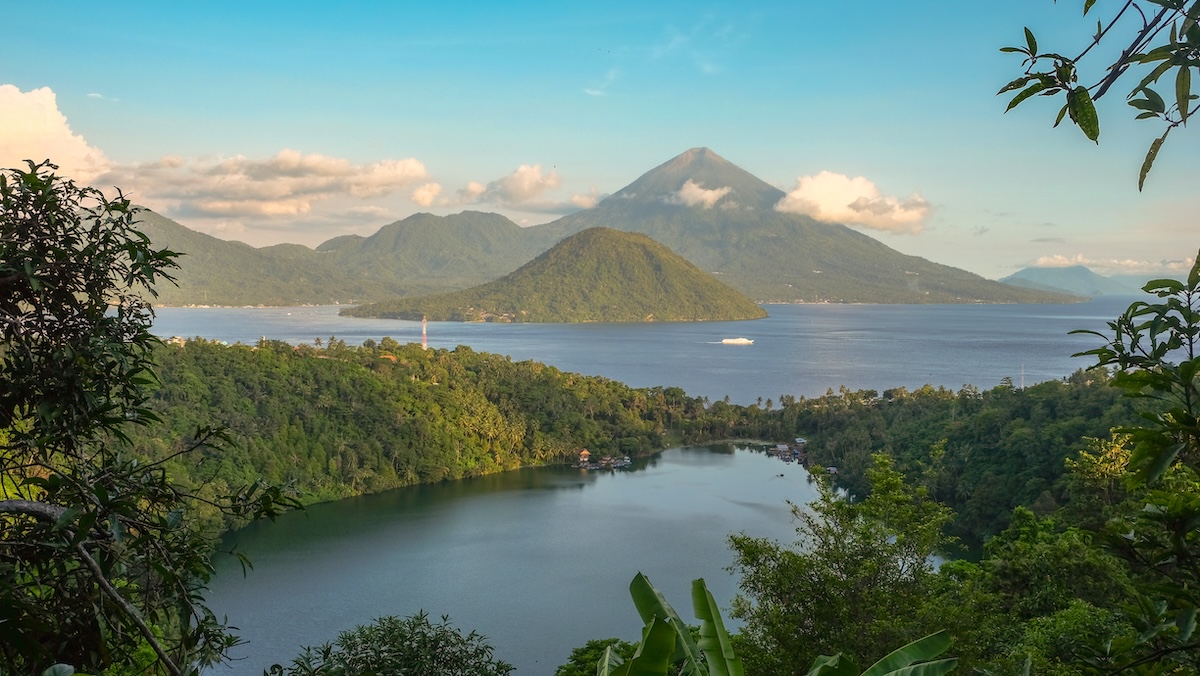
This tiny volcanic island sits in Indonesia’s Maluku Islands, once the center of the global spice trade and now largely forgotten by tourists rushing between Bali and Raja Ampat. Mount Gamalama volcano dominates the island’s center, and historical forts built by competing European powers dot the coastline as reminders of when these islands were worth fighting wars over.
The beaches aren’t the finest in Indonesia, but the combination of history, culture, and diving in the surrounding waters creates interest beyond just lounging on sand. You will be taking flights through Makassar or Manado, routing that keeps tourist numbers minimal despite the island’s historical significance and natural beauty.
3. Îles des Saintes, Guadeloupe
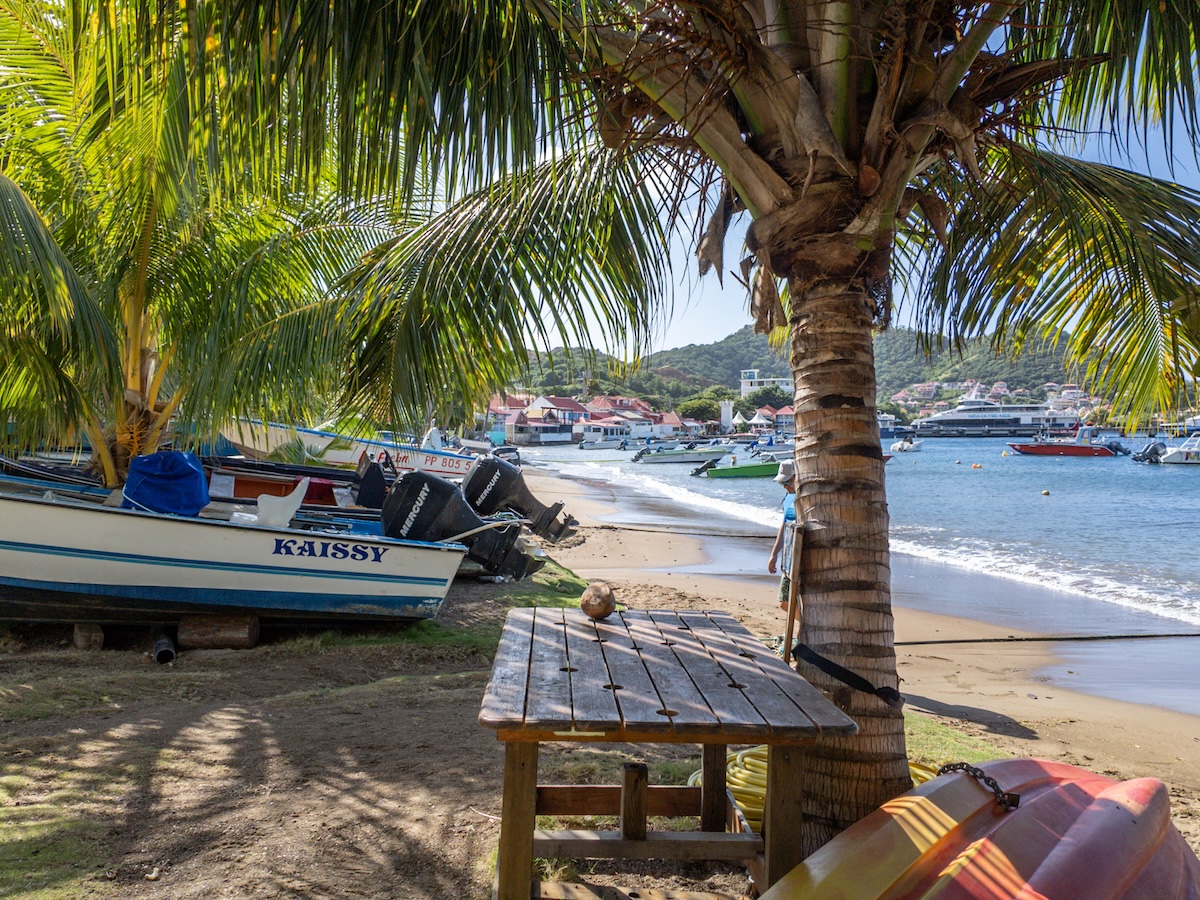
Eight islands off Guadeloupe’s southern coast have all the French Caribbean charm without St. Barth’s prices or crowds. Terre-de-Haut, the main island, features a protected harbor surrounded by red-roofed houses climbing hillsides above turquoise water. Fort Napoléon provides historical context and panoramic views, while Pain de Sucre beach consistently ranks among the Caribbean’s finest with calm water and white sand that feels impossibly soft.
The French influence means excellent bakeries, wine with lunch, and a sophisticated atmosphere rare in Caribbean beach destinations. Day-trippers arrive by ferry from Guadeloupe, but staying overnight reveals the islands after visitors leave and local life resumes. Being part of France means European standards for food and infrastructure without typical Caribbean development intensity.
2. Rote Island, Indonesia

Indonesia’s southernmost island keeps the secret of world-class surf breaks and traditional ikat weaving villages, promising beaches that remain blissfully empty because getting here commands dedication. The island sits close enough to Timor for cultural influence from both Indonesia and East Timor, creating unique traditions distinct from Bali or Java. T-Land surf break attracts serious surfers seeking perfect left-handers without crowds, while the rest of the island sees maybe a hundred tourists annually.
Traditional Sasando musicians play tube zithers made from palm leaves, performing music you won’t hear anywhere else. Flights from Kupang in West Timor are the only way in, and accommodation options stay limited to basic guesthouses, ensuring Rote remains Indonesia’s secret island for those willing to work slightly harder than booking a Bali villa.
1. Bazaruto Archipelago, Mozambique
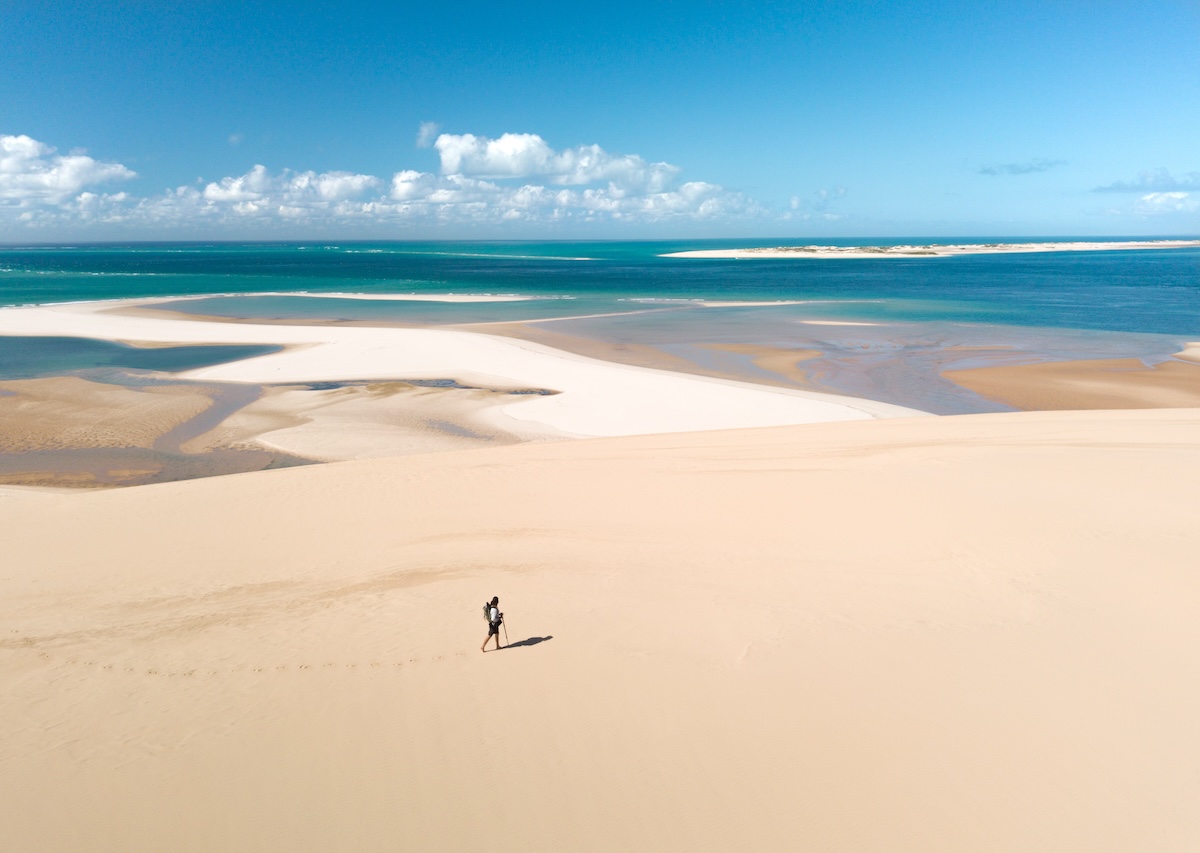
Five islands off Mozambique’s southern coast create a marine park protecting dugongs, dolphins, whale sharks, and some of Africa’s finest coral reefs. Bazaruto and Benguerra islands also have upscale lodges for those with safari budgets, while the other islands remain largely undeveloped and accessible mainly by boat. The archipelago combines Indian Ocean beaches with African wildlife, an unusual combination that hasn’t been fully discovered by the masses because Mozambique itself remains off most tourist itineraries.
Portuguese colonial influence shows in the language and cuisine, while Swahili culture influences music and traditions. The diving and snorkeling rival anywhere in the Indian Ocean, and the beaches stretch endlessly with sand dunes reaching 100 meters high. Flights to Vilanculos are your only option, followed by boats or helicopters. This is complex enough to keep it peaceful despite having everything tropical island fantasies are made of.