
Beauty is subjective until you stand in front of something so overwhelming that everyone around you goes silent at the same time. These places have that effect regardless of whether you’re a jaded traveler or someone who just left their hometown for the first time. They represent nature and human achievement at their most striking, with landscapes and structures that photographs can’t quite capture no matter how good your camera or how perfectly you time the golden hour.
What they all share is the ability to make you stop whatever you’re doing and just stare, sometimes with your mouth hanging well and truly open. Here are those places that justify whatever effort it might take to see them in person.
37. Torres del Paine, Chile
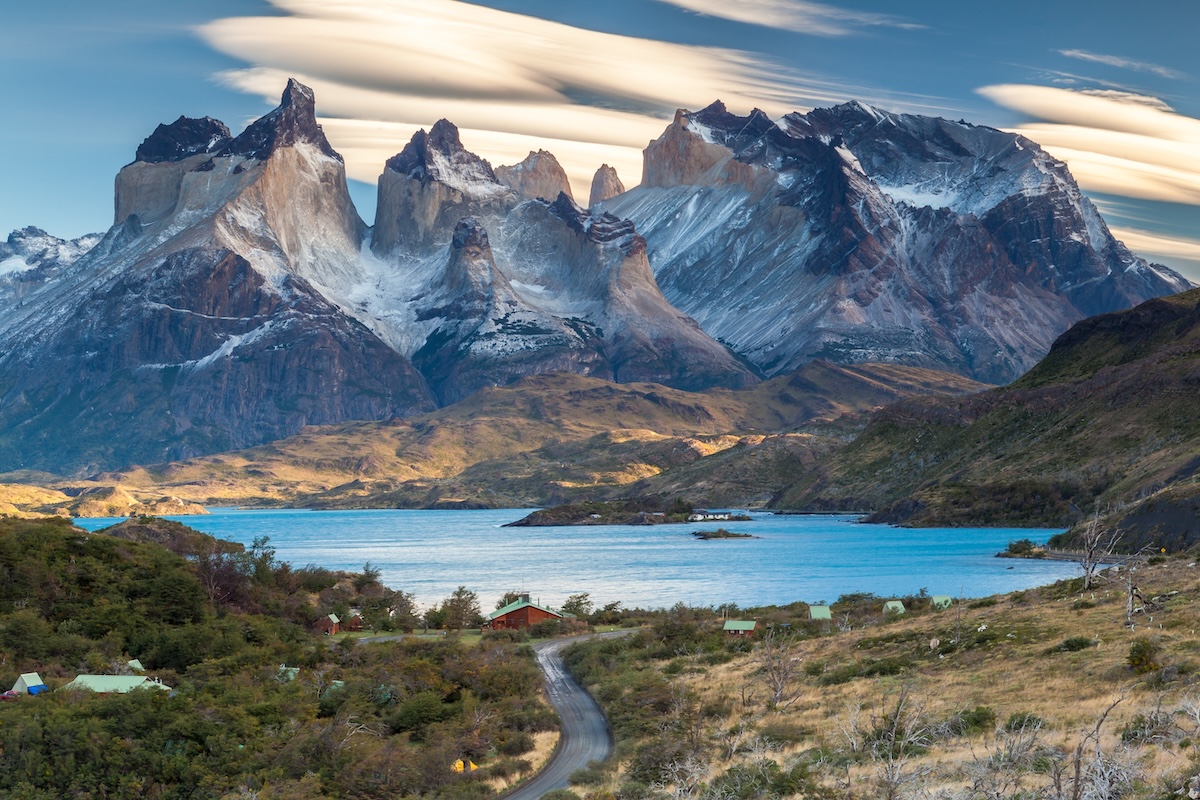
Head to the southern tip of Chile and you’ll land in Torres del Paine National Park, where Patagonia lets loose. Huge granite towers shoot up from the earth like something out of a dream. Bright turquoise lakes dot the land, fed by glaciers from the Southern Patagonia Ice Field. The water’s unreal color comes from glacial sediment—photos barely do it justice.
Guanacos wander the plains, condors drift overhead. The park throws together golden grasslands, icy glaciers, and jagged peaks all in a single day’s walk. UNESCO marked Torres del Paine as a Biosphere Reserve for its wild mix where forests meet the Patagonian steppe.
36. Palawan, Philippines
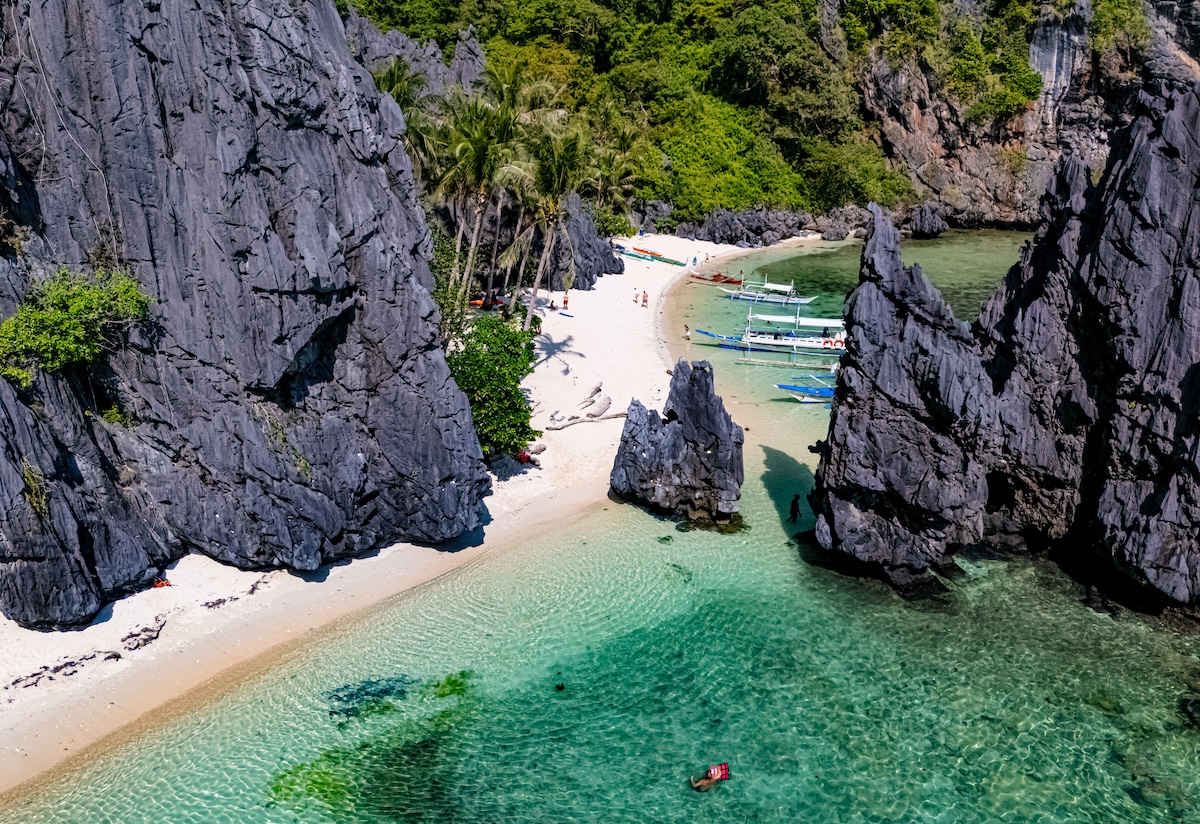
Palawan sprawls across nearly 15,000 kilometers in the western Philippines. The white sand beaches meet turquoise waters so clear you can spot fish from the shore. Limestone cliffs rise straight from the sea. Tucked between them, hidden lagoons invite you to kayak through glassy waters. El Nido and Coron get all the attention, but honestly, beauty’s everywhere here.
The reefs are alive with color—coral, fish, things you might not even recognize. Snorkel right off the beach or hop a boat for deeper dives. Inland rainforests are thick and wild, home to animals you won’t find anywhere else. There’s a reason people call Palawan the Philippines’ last ecological frontier.
35. Plitvice Lakes, Croatia
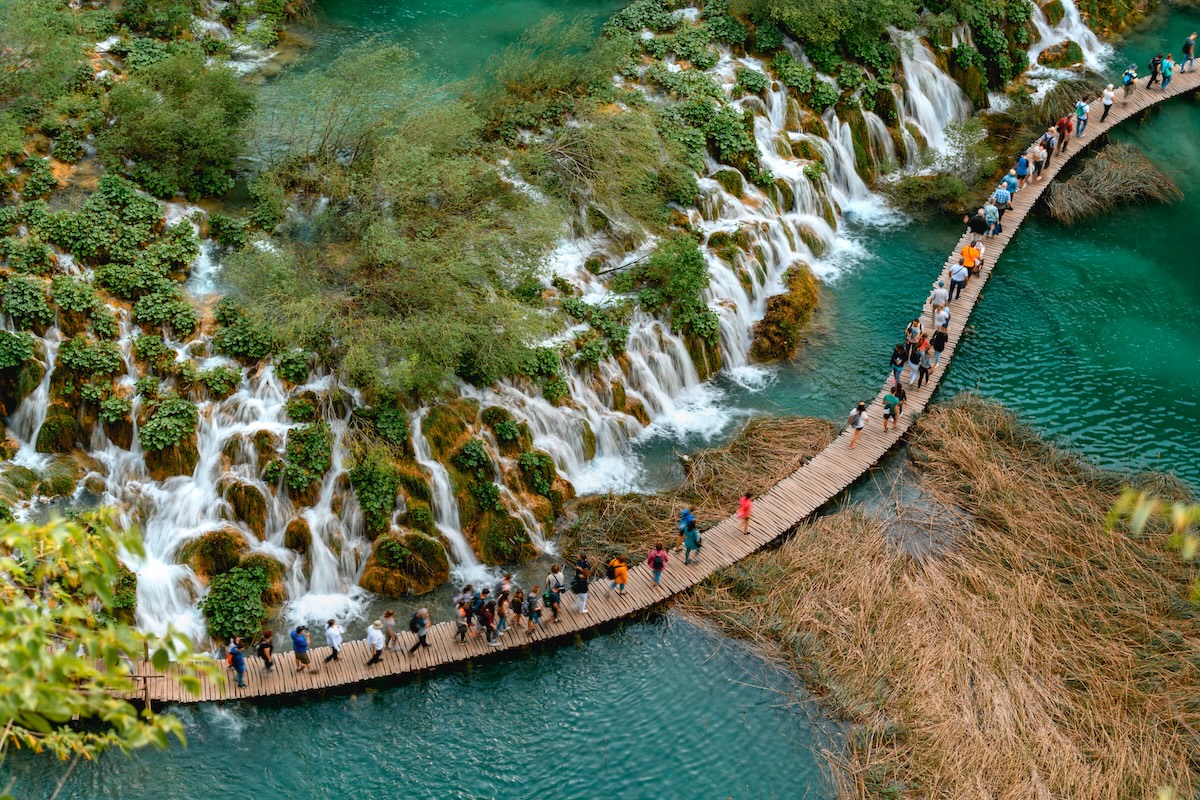
Deep in Croatia’s Lika region sits Plitvice Lakes National Park, a UNESCO World Heritage site since 1979. It’s easy to see why people rave about it. Sixteen terraced lakes link together with waterfalls that tumble through forests. Wooden boardwalks float over turquoise water, bringing you close enough to feel the spray.
The park sprawls over 73,000 acres, with trails for every mood—easy strolls or longer treks. You can even hop on a boat for a lazy ride across the still lakes. Lakes stack up at different heights, so the whole landscape feels layered and surprising. It’s about a 2-3 hour drive from Zagreb, Zadar, or Split.
34. Reynisfjara, Iceland
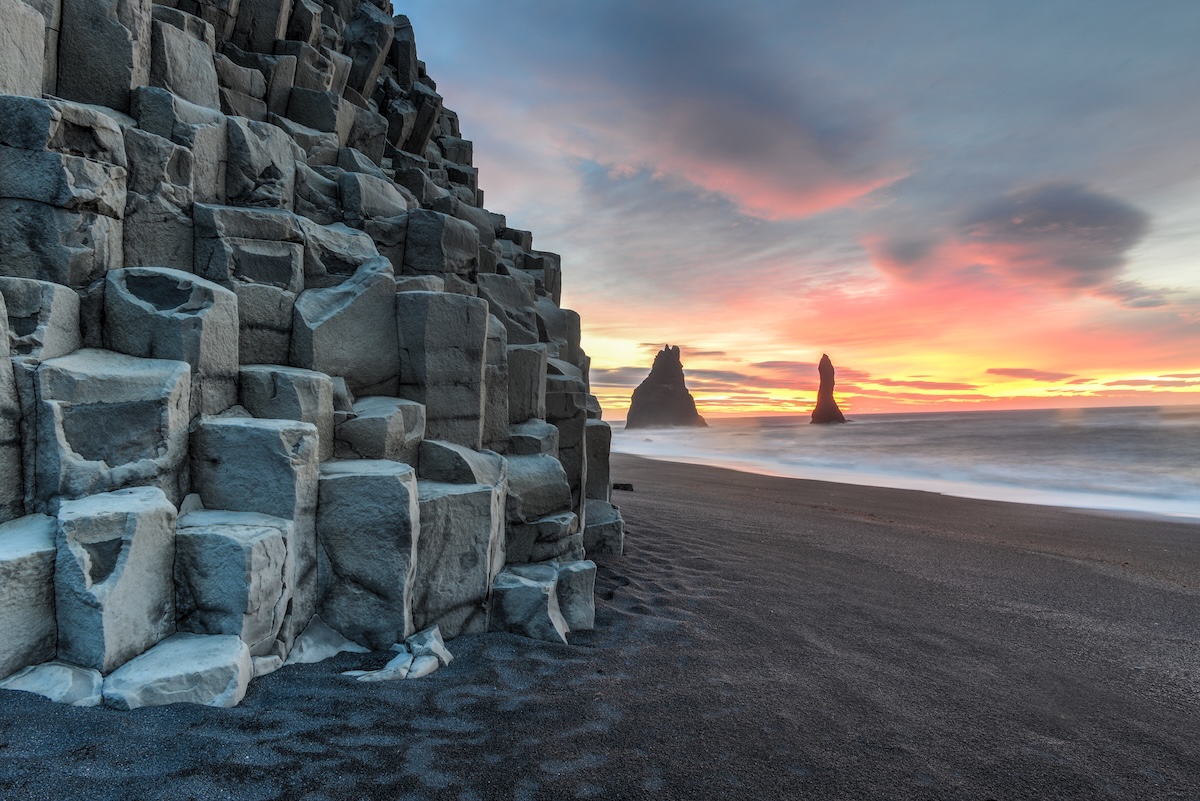
On Iceland’s southern coast, Reynisfjara beach grabs your attention with its jet-black volcanic sand. It’s almost otherworldly. The sand gets its color from ancient lava that cooled and crumbled over millennia. Basalt columns tower from the cliffs, looking like they were carved by hand—except, nope, just nature showing off.
Offshore, the Reynisdrangar sea stacks jut from the waves. Locals say they’re trolls caught by sunlight and turned to stone. Who’s to say? The waves here mean business. Keep your distance—sneaker waves can catch you off guard.
33. Cappadocia, Turkey
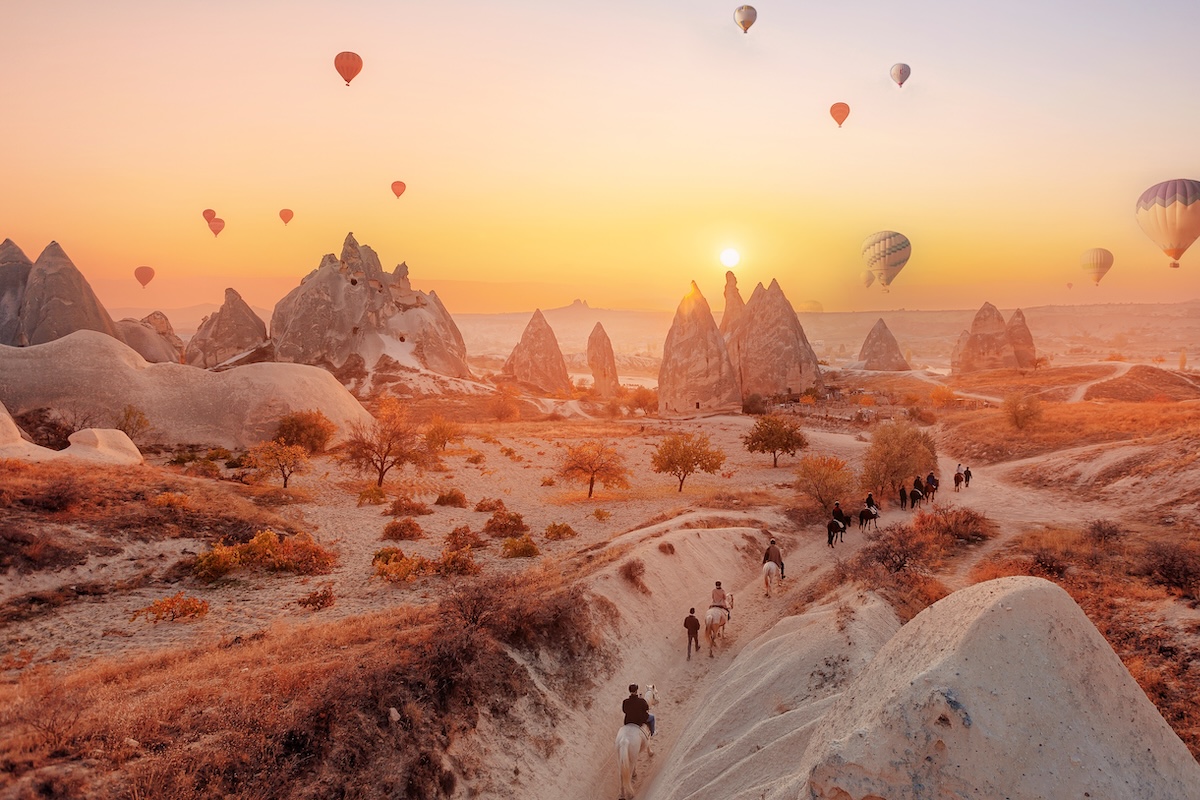
Visiting Cappadocia feels like stepping onto another planet. The tall fairy chimneys—rock towers shaped by ancient volcanic eruptions—make the whole region feel surreal. Set in central Turkey, there’s more than just strange rocks. You can wander ancient underground cities where early Christians hid from danger. Churches carved straight into stone still show off their colorful murals.
Hot air balloons at sunrise are pretty much a must. Floating above the chimneys as the valleys glow below? Unreal. It’s easy to lose yourself here, meandering through rock formations and stumbling on hidden caves. Cappadocia mixes wild geology with layers of human history you won’t find anywhere else.
32. Faroe Islands
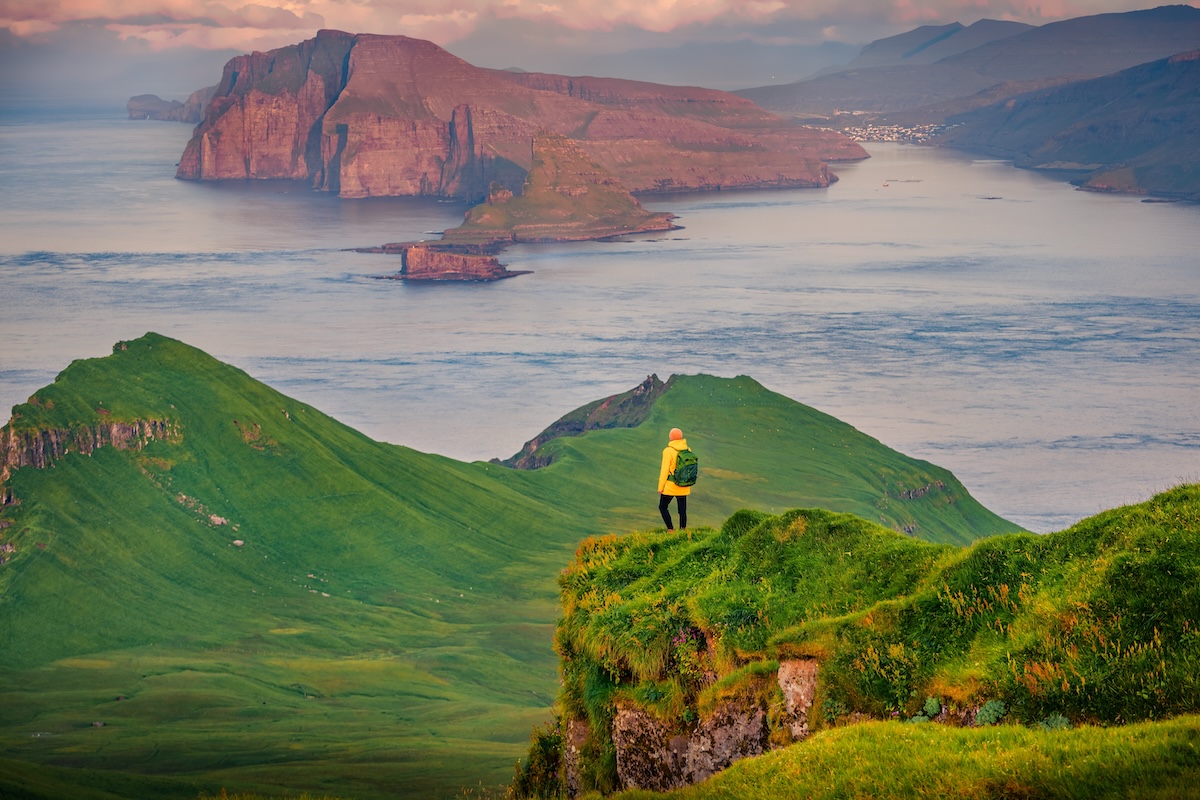
The Faroe Islands float in the North Atlantic between Iceland and Norway. Eighteen volcanic islands, all green grass and steep cliffs plunging into the sea. More sheep than people. Villages look like they belong in a fairy tale—colorful houses, grass roofs, the works. Hike to waterfalls that spill into the ocean, or watch puffins nest on cliff ledges.
The weather’s all over the place. Sun, fog, rain—sometimes all before lunch. The isolation keeps crowds away, so the landscape feels wild and untouched, like nature’s still in charge.
31. Ha Long Bay, Vietnam
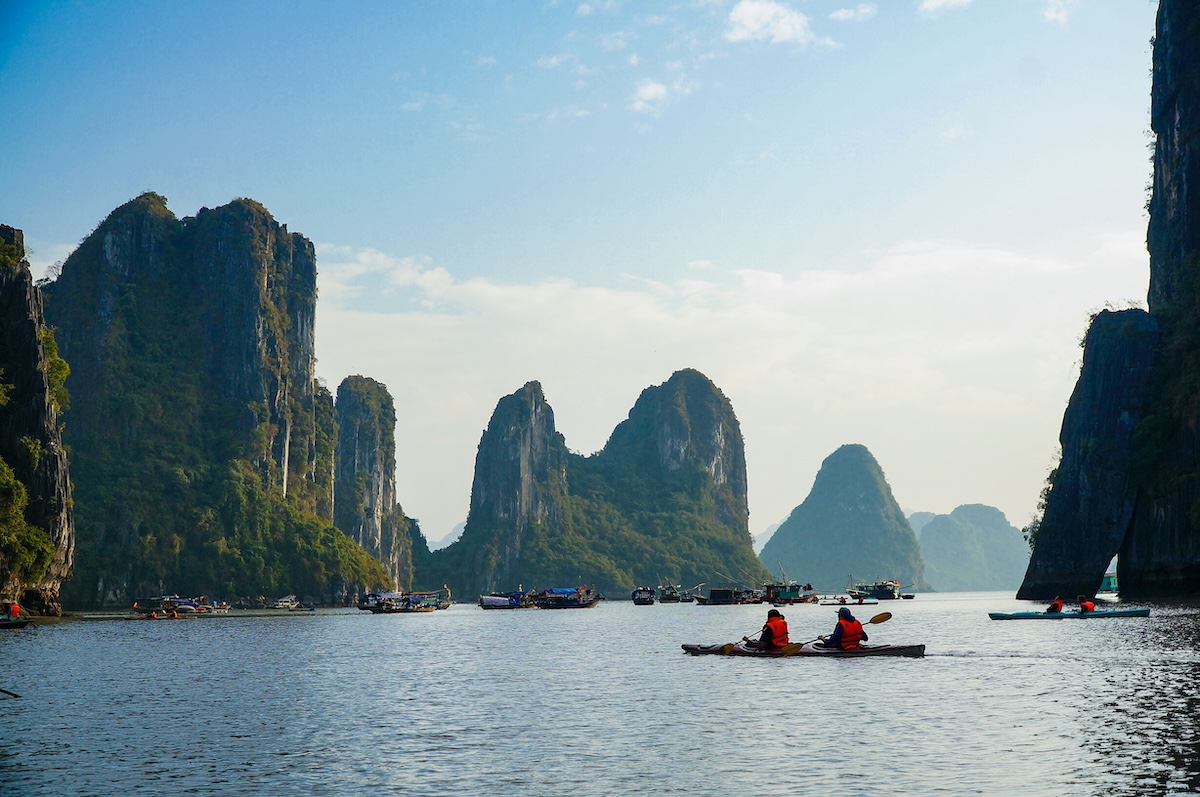
Ha Long Bay sits along Vietnam’s northeastern coast in Quang Ninh Province. UNESCO gave it World Heritage status back in 1994 and again in 2000. Thousands of limestone karsts shoot up from emerald waters. The scene looks dreamlike, almost impossible. Small islands and floating villages dot the bay.
Travel magazines and websites can’t stop talking about this place, and they’re not wrong. Exploring by boat gets you right up close to the limestone towers. Water, stone, sky—it’s a mix that makes Ha Long Bay one of Vietnam’s most visited spots, and for good reason.
30. Fiordland, New Zealand
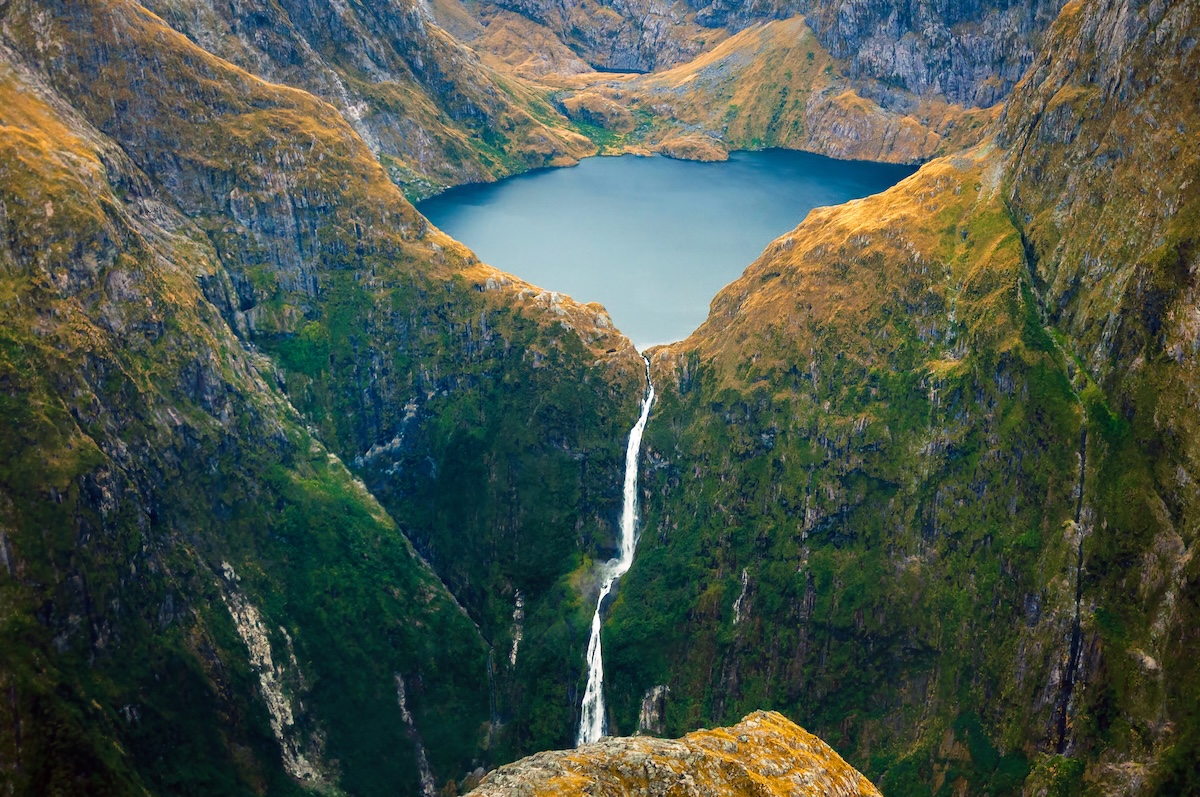
Fiordland hides away in New Zealand’s southwest corner, covering over 1.2 million hectares of wild country. About seven meters of rain fall each year, feeding hundreds of waterfalls that pour down sheer cliffs. Deep fjords cut through the land, carved by ancient glaciers. Rainforests fill the valleys, snow-capped peaks loom overhead.
Hike the famous Milford Track or cruise Milford Sound by boat. Rare birds and plants call this place home—nowhere else on Earth has quite the same mix. Fiordland forms part of the UNESCO Te Wāhipounamu World Heritage site. It’s remote, dramatic, and honestly, hard to beat.
29. Ella, Sri Lanka
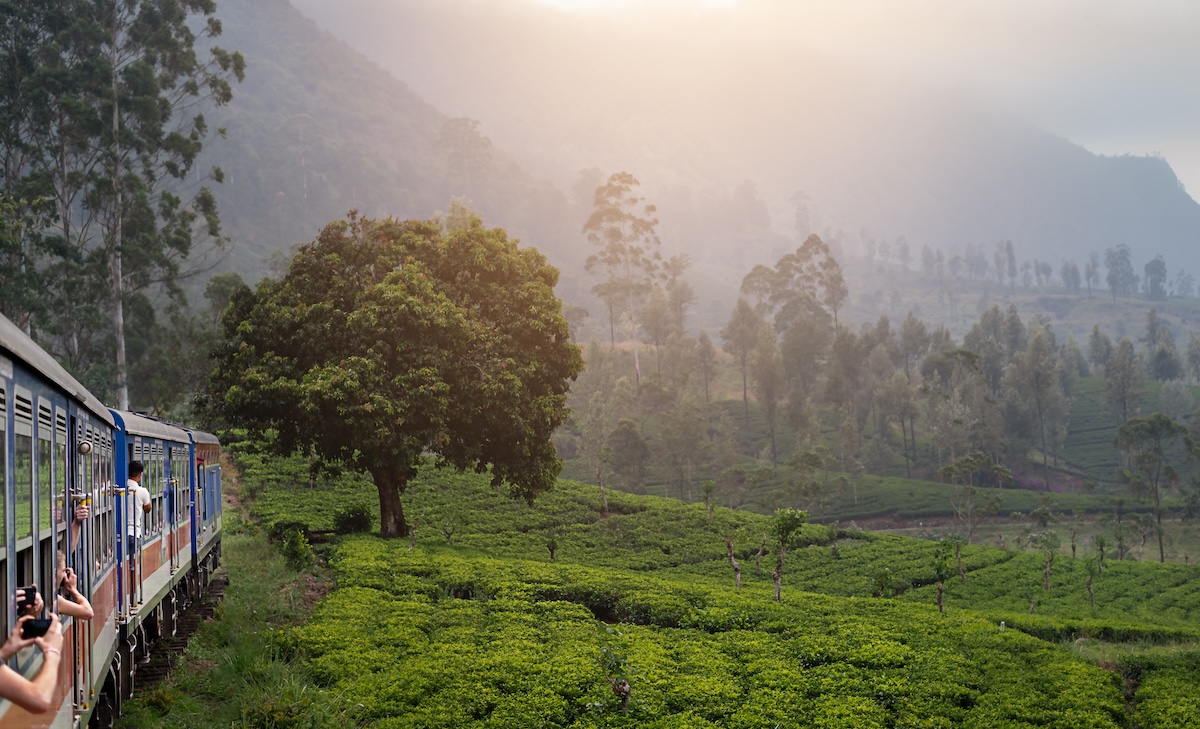
Ella perches high in Sri Lanka’s hill country, draped in endless green tea plantations. The views go on forever. The Nine Arch Bridge is the big landmark here—built during colonial times from stone and brick, curving through the jungle. Watching the train crawl across, surrounded by tea fields, feels a bit surreal.
Little Adam’s Peak is an easy hike with a big payoff. Trails wind through tea fields up to a ridge where you get sweeping valley views. No fancy gear needed, just a bit of energy. The town itself keeps things simple—small guesthouses, local eats, and friendly folks who make you feel at home. The cool mountain air feels like a relief after the coastal heat.
28. Na Pali Coast, Hawaii
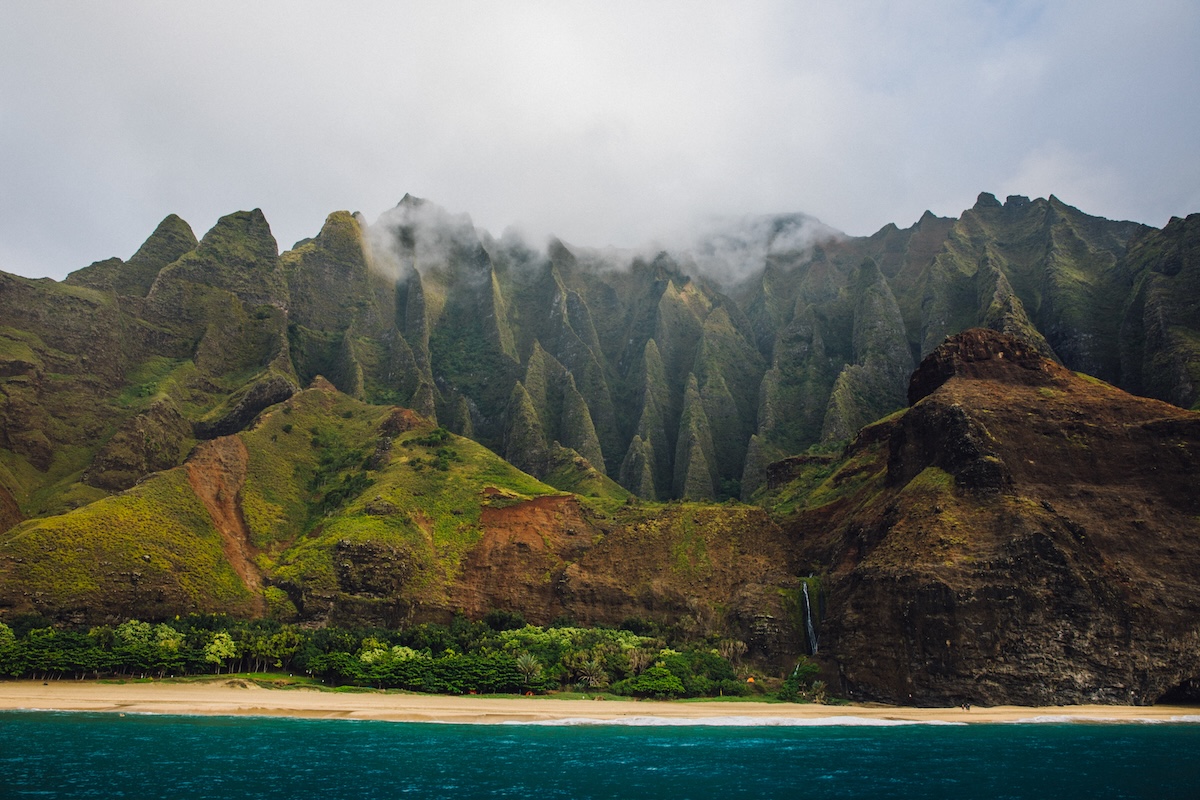
The Na Pali Coast runs for 17 miles along Kauai’s northwest shore. Cliffs rise over 1,000 feet straight from the Pacific, covered in green and sliced by deep valleys. The name means “many cliffs” in Hawaiian, and you’ll see why. Waterfalls tumble into hidden beaches, sharp ridges cut through the valleys.
You can’t drive most of this coastline—it’s too rugged. Hike the Kalalau Trail, take a boat tour to sea caves, or kayak along the cliffs if you’re up for it. The area stretches from Ke’e Beach to Polihale Beach. Ancient Hawaiians once lived in these remote valleys, leaving behind a wild, sacred landscape.
27. Valle de la Luna, Chile
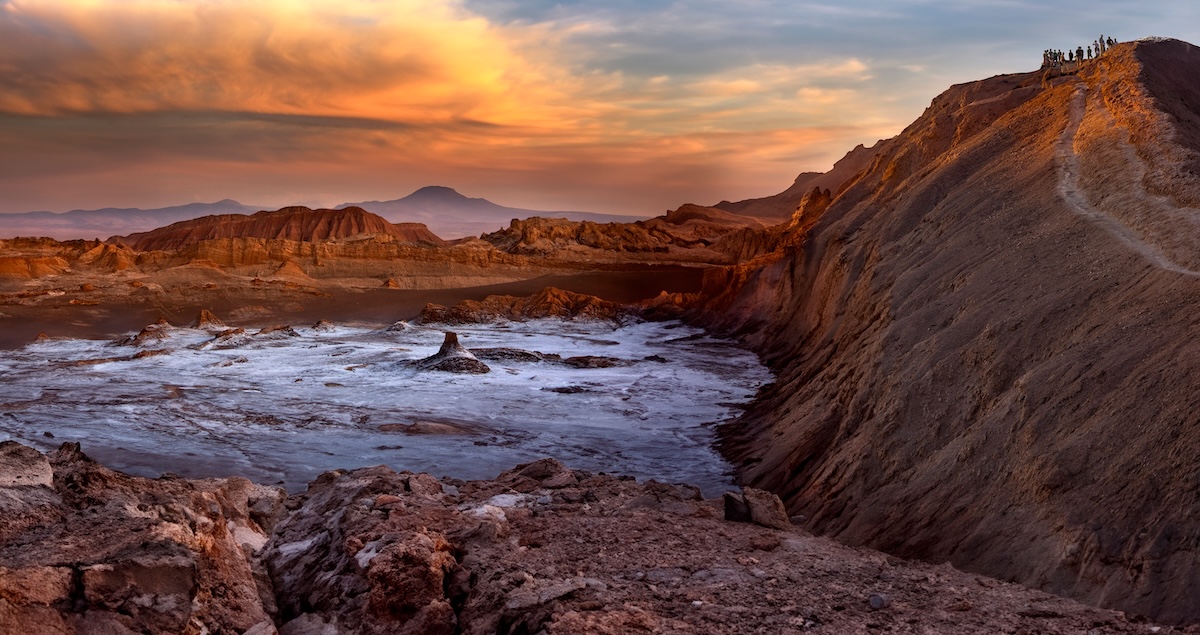
Valle de la Luna lies in Chile’s Atacama Desert, one of the driest places anywhere. The name fits—the landscape really does look like the moon. Wind and water sculpted the rocks here over millions of years. Sand dunes, deep valleys, salt caves—they’re scattered everywhere. The rock formations twist into strange shapes, and the colors shift as the sun moves across the sky.
It’s just outside San Pedro de Atacama, part of Los Flamencos National Reserve and marked as a National Monument. Sunset is the big moment—the rocks glow red, orange, and purple. Hiking here, ducking into salt caves, it’s hard not to feel like you’ve landed on another planet.
26. Raja Ampat, Indonesia
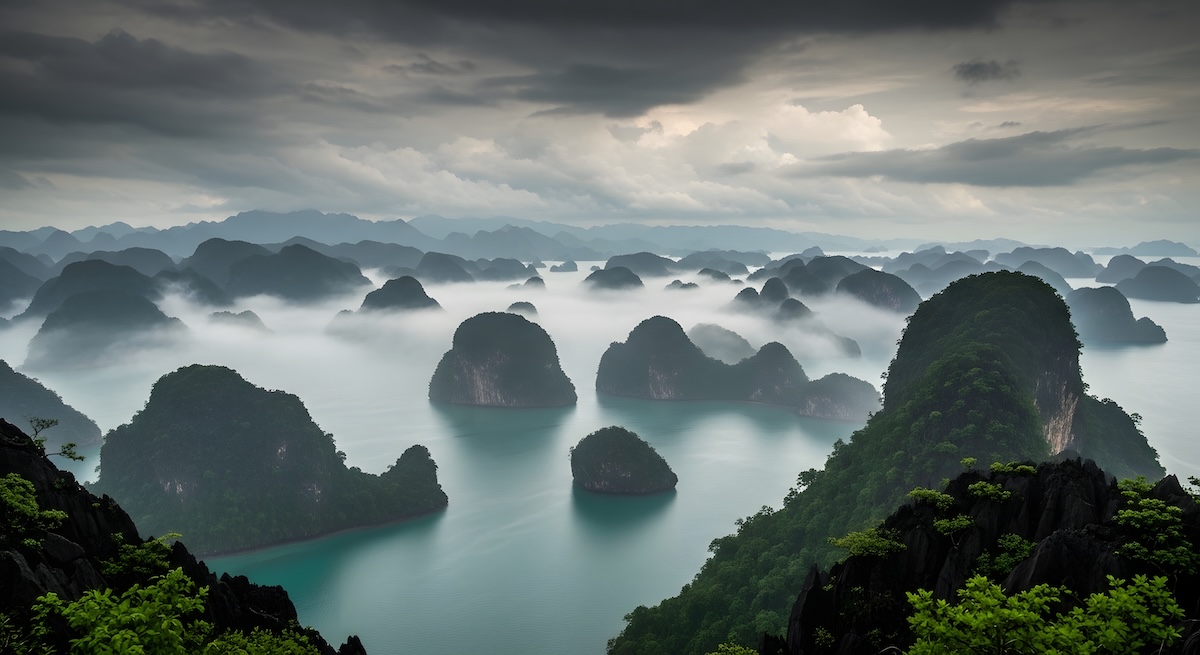
Raja Ampat sits in West Papua, Indonesia, with over 1,500 small islands scattered across turquoise waters. You’ll find four main islands here: Waigeo, Batanta, Salawati, and Misool. This place has some of the best diving and snorkeling you’ll ever try. Coral reefs here burst with thousands of fish species and all sorts of marine life. The water’s so clear you can just stare down and catch glimpses of that wild, colorful world below.
Above the surface, jungle-covered islands and hidden lagoons pop up everywhere. The landscape throws together limestone cliffs, white sand beaches, and quiet bays. Sure, getting to Raja Ampat isn’t exactly easy—it’s remote, but the natural beauty here just sweeps you up. You can kayak, hop between islands, or meet some of the local communities who call this region home.
25. Scottish Highlands, UK
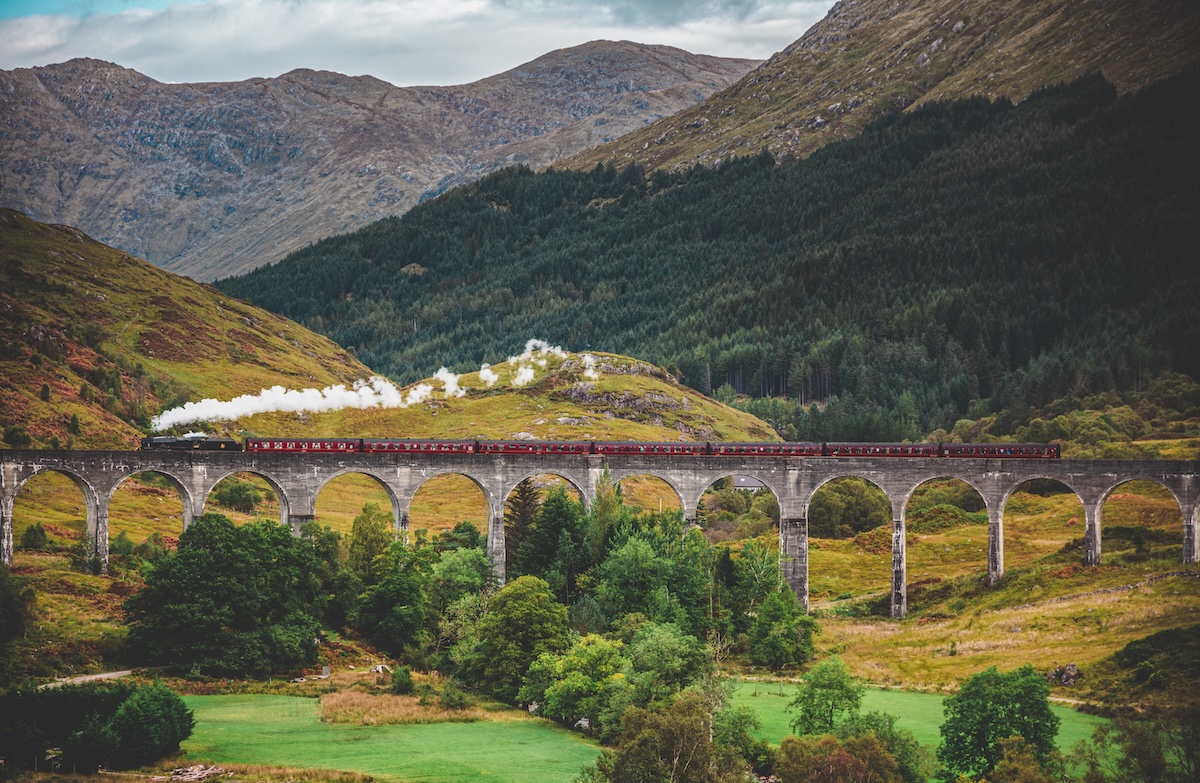
Mist clings to mountain peaks and lochs reflect ever-changing skies across northern Scotland’s wildest landscapes. Glen Coe’s towering valleys and the jagged Cuillin ridge on Skye spawned countless legends and ghost stories for good reason. Heather blooms purple across the moorlands in late summer, and ancient castles crumble picturesquely on rocky outcrops because even the ruins here refuse to be ordinary.
Roads wind through terrain where you’ll encounter more sheep than people, and the weather does whatever it wants regardless of the forecast. Rain sweeps horizontally one minute, then sunshine breaks through to illuminate mountains in ways that stop you mid-sentence. Despite all of this, it still leaves you breathless.
24. Meteora, Greece
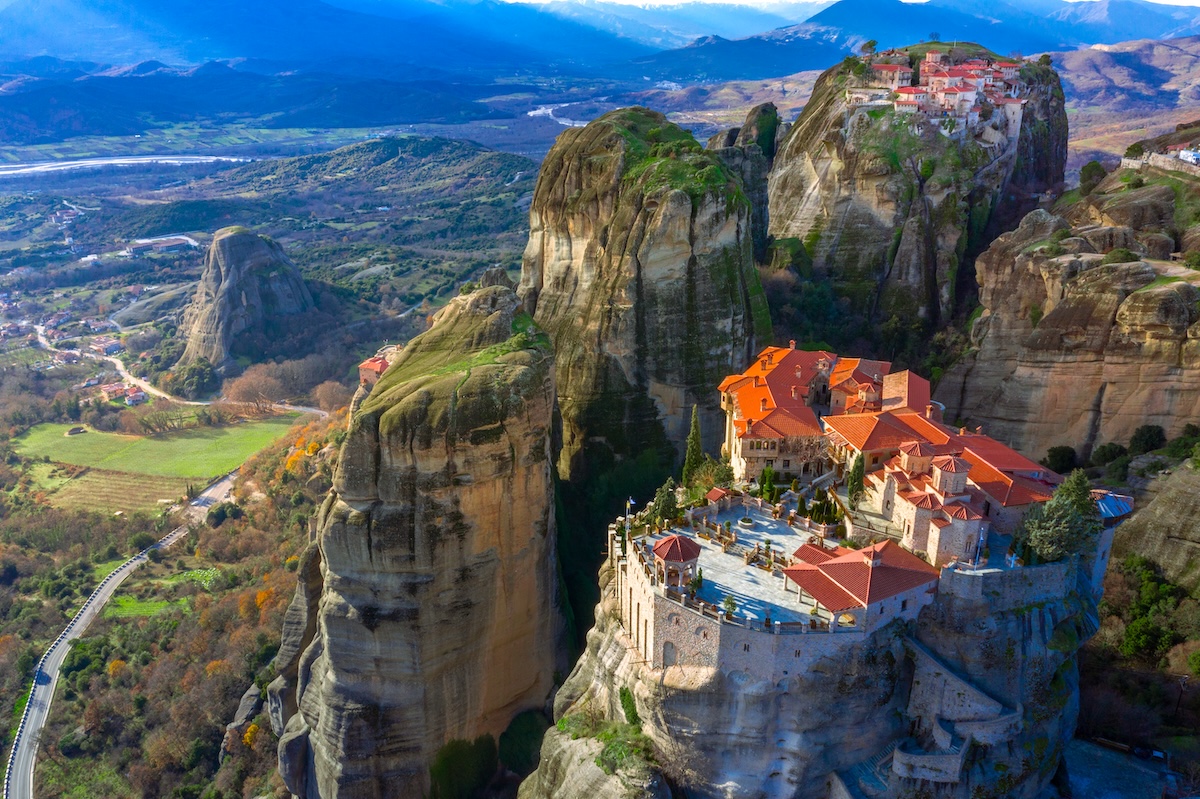
Rising from the Thessaly plains is the bizarre spectacle of monasteries perched on an almost stand-alone rock pillar. Six of the monasteries remain active from the original 24 built between the 14th and 16th centuries. Brave monks originally accessed them using ladders and nets that could be pulled up for protection.
Luckily, today, stairs carved into rock give you access, though the climb is still not for the faint of heart. This construction seems too wild to be dreamt up by mere mortals hundreds of years ago, but maybe this is what people needed to see to believe in a higher power.
23. Denali National Park, Alaska
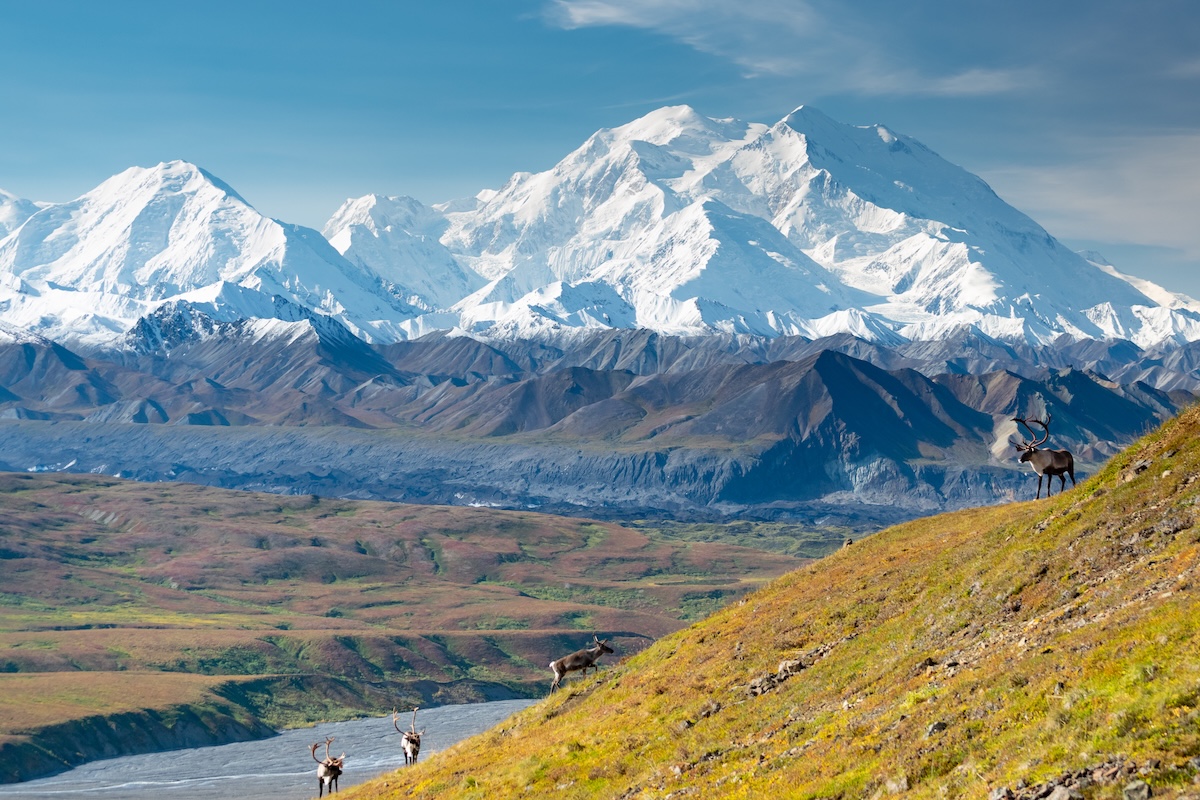
North America’s highest peak dominates the horizon at over 2000 feet, though you’ll only see it clearly about 30% of the time thanks to clouds that seem personally committed to blocking your view. Grizzly bears, wolves, and caribou roam across tundra and taiga that stretches farther than seems reasonable, reminding you that humans are absolutely not in charge here.
A single 100-mile road cuts through the park, with most of it restricted to shuttle buses that prevent the kind of traffic jams that would ruin the whole point of wilderness.
The landscape shifts from boreal forest to windswept tundra to glaciated peaks as you gain elevation, packing an absurd amount of ecological diversity into one park. Alaska doesn’t do subtle beauty, and Denali proves it by throwing everything at you at once.
22. Lençóis Maranhenses, Brazil
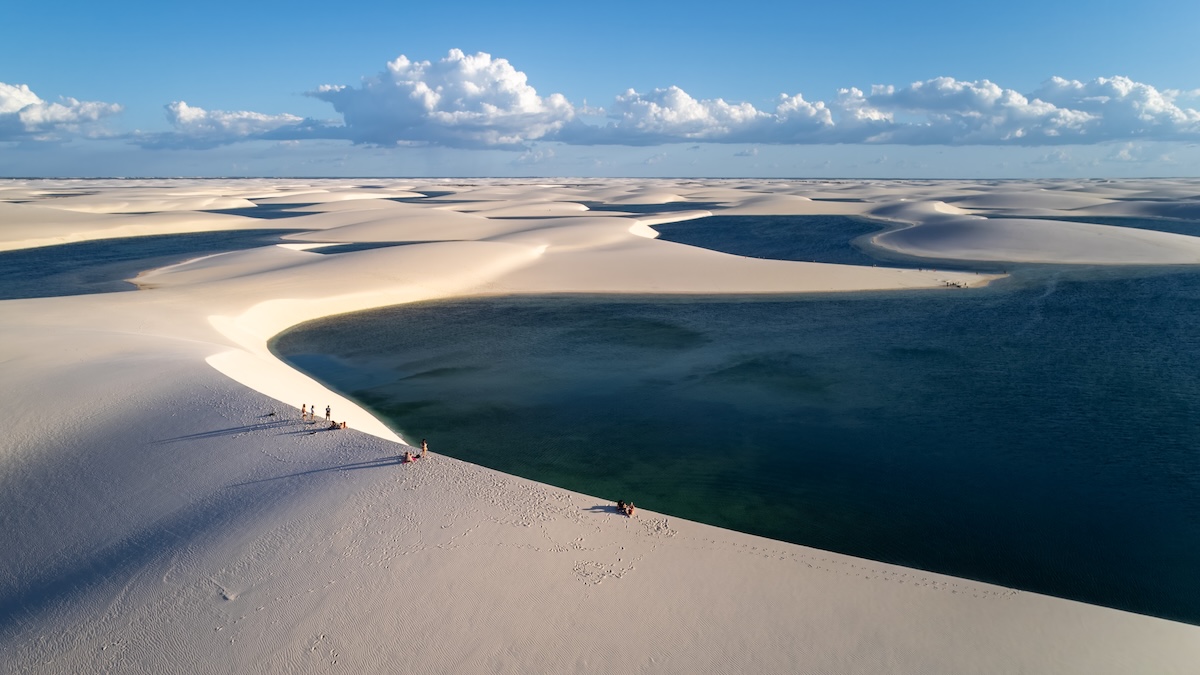
Freshwater lagoons appear between sand dunes during Brazil’s rainy season, turning the desert into a flooded dreamscape. The contrast is jarring: brilliant white dunes stretching endlessly, interrupted by pools of water so blue they look artificially dyed. Fish somehow survive in these temporary lagoons, burrowing underground when the dry season evaporates their homes and reemerging when the rains return.
The national park covers 1,550 square kilometers of this surreal terrain where the usual rules about deserts and water don’t seem to apply. July through September has the peak water levels before evaporation reclaims the landscape and turns it back into pure sand.
21. The Pitons, St Lucia
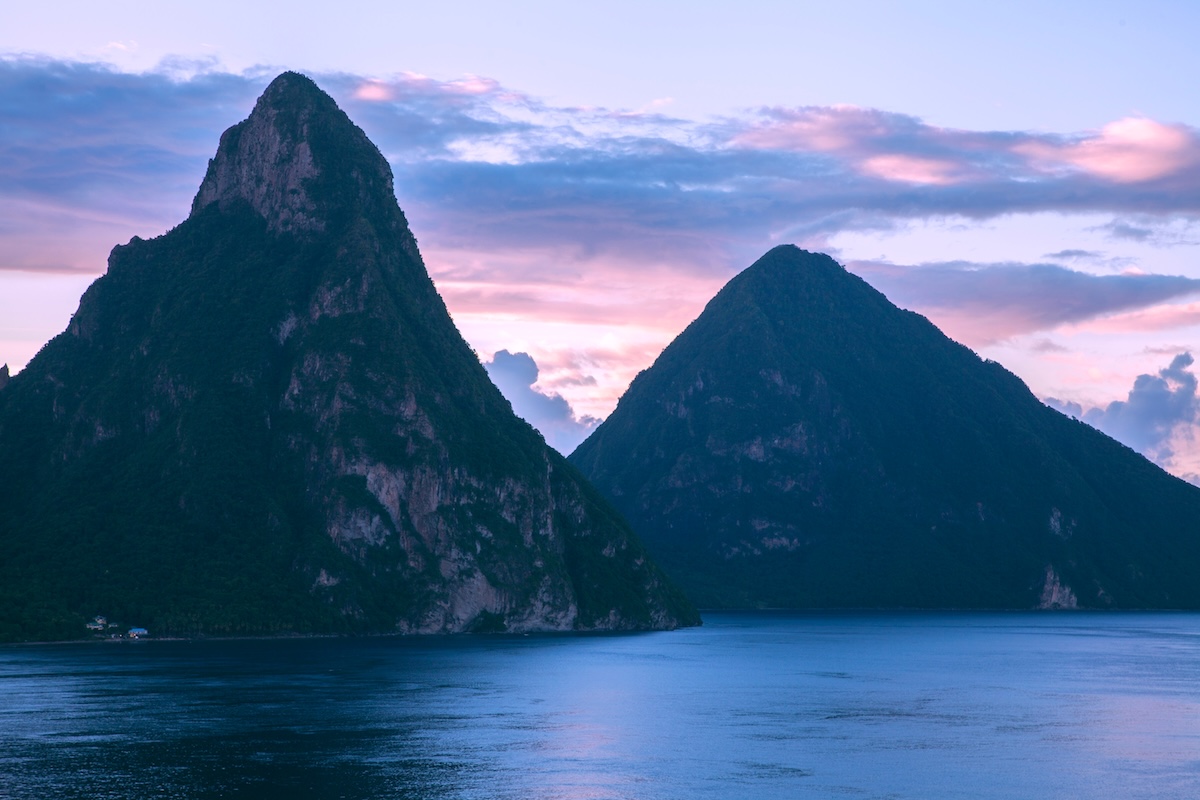
Two volcanic plugs rise out of nowhere in the Caribbean Sea near Soufrière, creating St. Lucia’s iconic image visible from across the island. Gros Piton reaches 771 meters while Petit Piton tops out at 743 meters. The peaks are protected as a UNESCO World Heritage Site alongside the surrounding rainforest and coral reefs.
Hiking Gros Piton requires guides but mostly stamina, and rewards climbers with views across the Caribbean. The Pitons are the backdrop for some of the Caribbean’s most expensive resorts, though the peaks themselves remain wild and dramatic regardless of how much luxury exists at their base.
20. Victoria Falls, Zambia/Zimbabwe
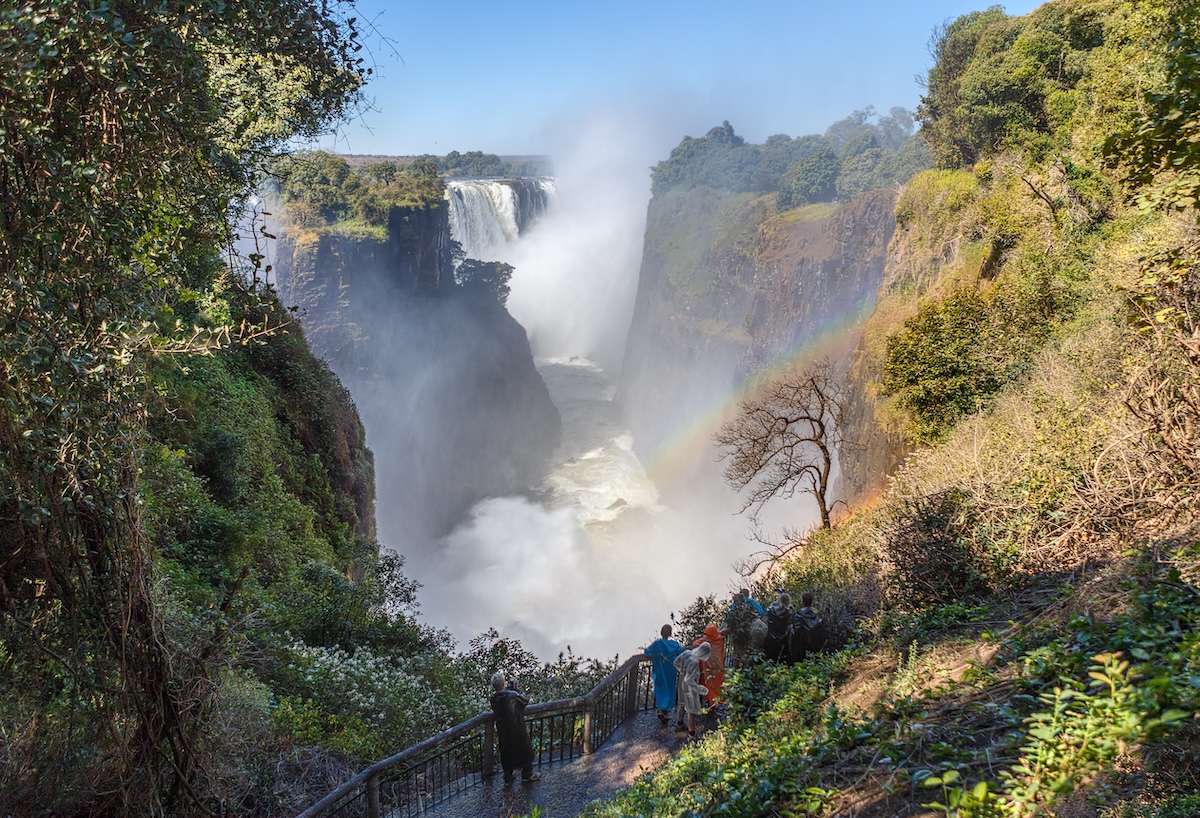
The mighty Zambezi River plunges 108 meters into a narrow gorge, sending up spray visible from 30 kilometers away and earning the local name “the smoke that thunders.” During peak flow, over 500 million liters cascade over the edge every minute. Both countries have different perspectives too. Zambia gets you closer to the action while Zimbabwe provides the panoramic money shots.
If you are yet to learn what fear is, pay a visit to Devil’s Pool. It is on the the Zambian side and lets swimmers sit at the falls’ edge during low water season, which sounds terrifying because it absolutely is.
19. Bora Bora, French Polynesia
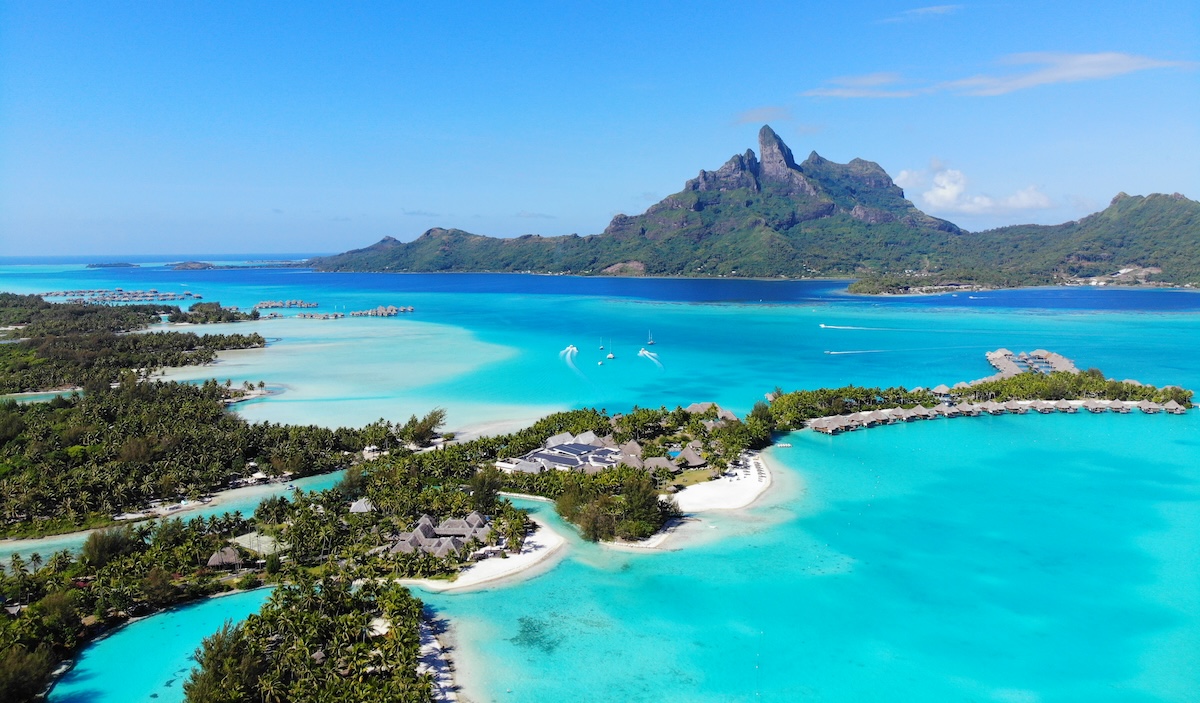
A volcanic peak juts from the center of a turquoise lagoon so absurdly perfect it launched a million honeymoon clichés and travel agent commissions. Mount Otemanu rises 727 meters while overwater bungalows dot the water on stilts, letting you roll out of bed directly into bathwater-warm Pacific. The barrier reef keeps the lagoon calm enough for mediocre swimmers and protects coral gardens buzzing with tropical fish.
It’s outrageously expensive, and it’s crawling with newlyweds taking the same sunset photos. But sometimes a place earns its reputation honestly, and Bora Bora’s combination of undisturbed peaks and ridiculous water clarity justifies the hype even if your credit card disagrees.
18. Machu Picchu, Peru
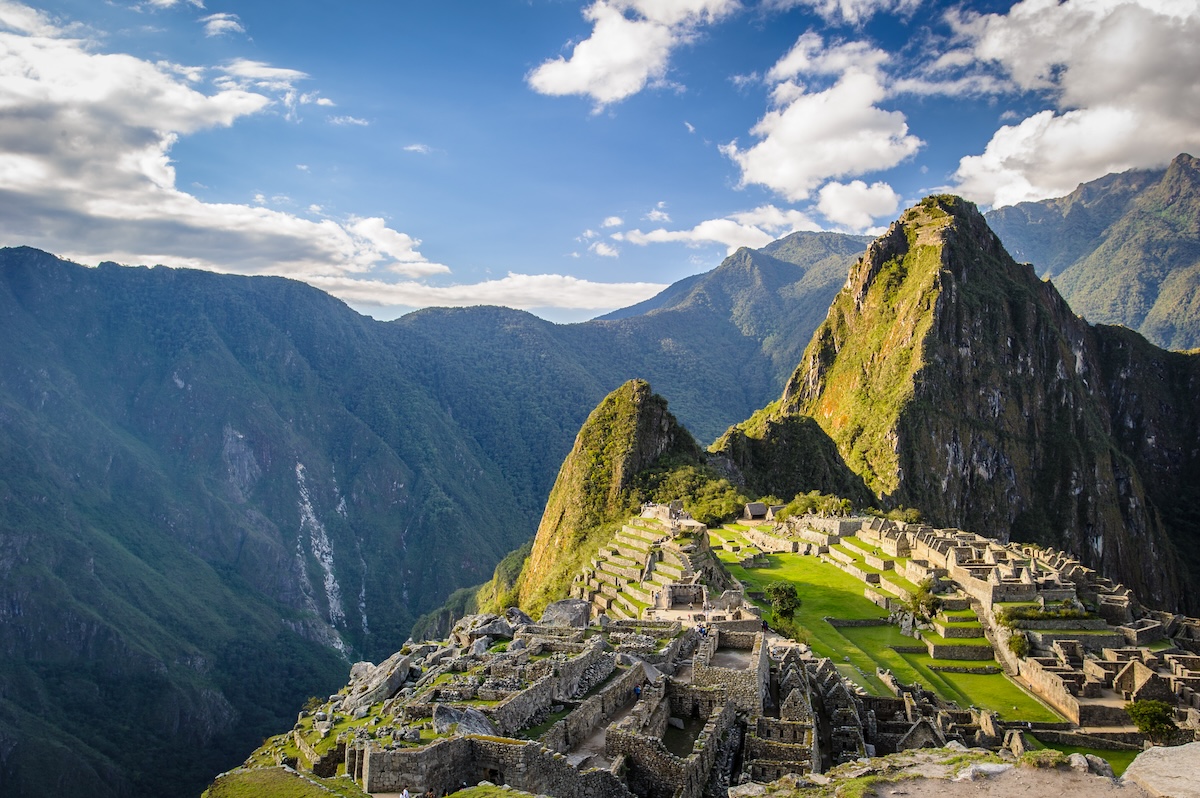
The Spanish never found these incredible Inca ruins during their conquest, which explains why the stonework remains intact, because no one bothered destroying or looting what they didn’t know existed. Hiram Bingham stumbled across it in 1911, though local farmers already knew about the ruins and probably rolled their eyes at yet another foreigner “discovering” something.
Getting there isn’t easy and you take trains from Cusco and shuttle buses grinding up switchbacks, or the Inca Trail if you prefer earning your views through days of uphill suffering. As one of the Seven Wonders of the World, this more than earns a spot on your bucket list.
17. Monteverde Cloud Forest, Costa Rica
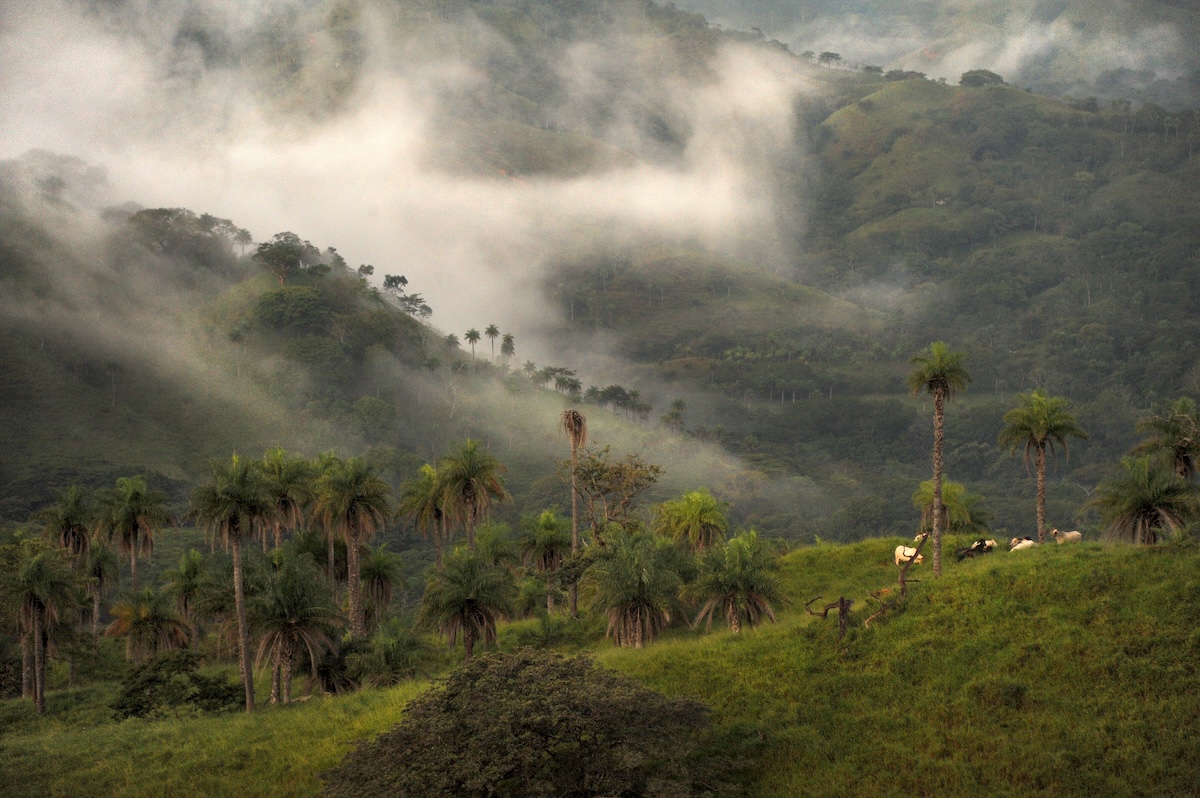
Mist swallows everything in this mountain forest where water literally hangs in the air and drips from every surface. Epiphytes cover every available branch, stacking life on top of life until you can’t tell where one plant ends and another begins.
Over 400 bird species call this place home, including the resplendent quetzal that birdwatchers lose their minds over. Suspension bridges let you walk through the canopy without being an actual bird, swaying gently above the forest floor while humidity frizzes your hair into oblivion.
16. Zhangjiajie National Forest, China
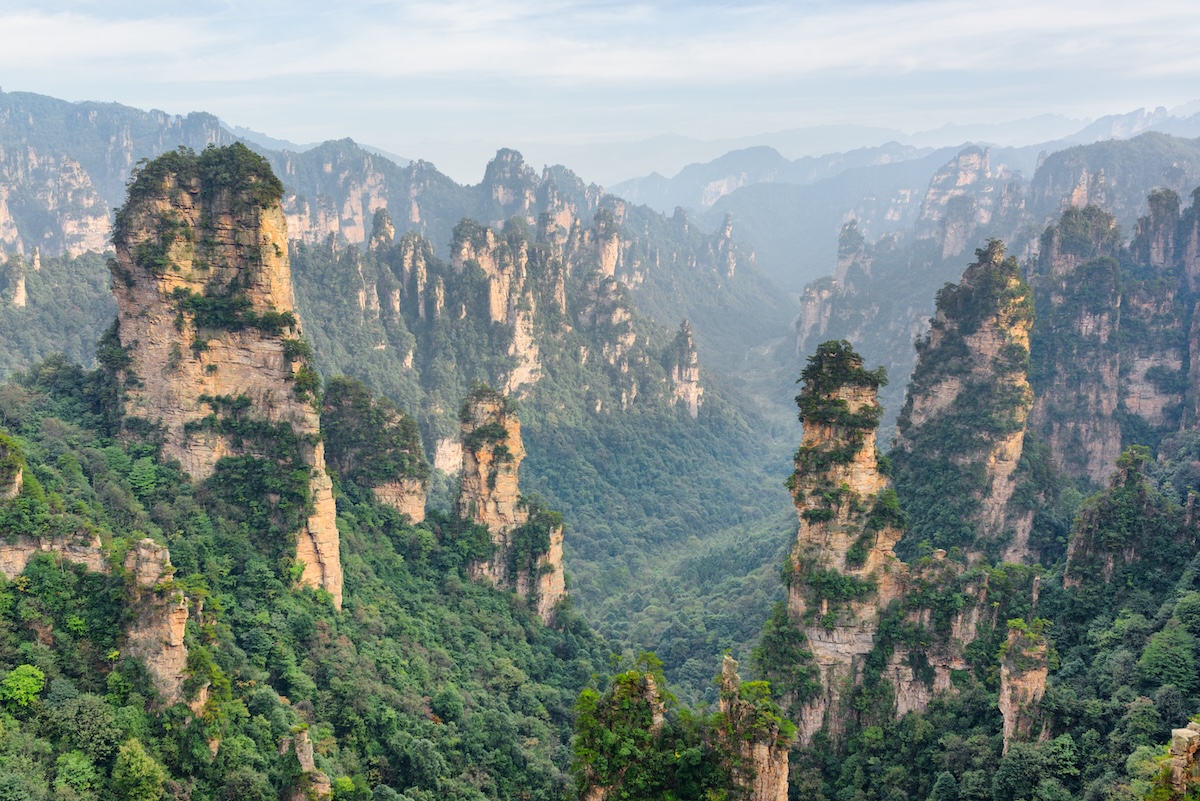
Sandstone pillars punch through mist in quantities that seem physically impossible, inspiring the mystical scenes now made famous in Avatar. Cable cars and glass walkways now crisscross the park, because China doesn’t do understated tourism infrastructure.
The place gets absolutely mobbed during holidays when Chinese tourists arrive by the busload, turning scenic viewpoints into human traffic jams. Early mornings or shoulder seasons are your best shot at experiencing the forest without feeling like you’re queuing for a theme park ride.
15. Cliffs of Moher, Ireland
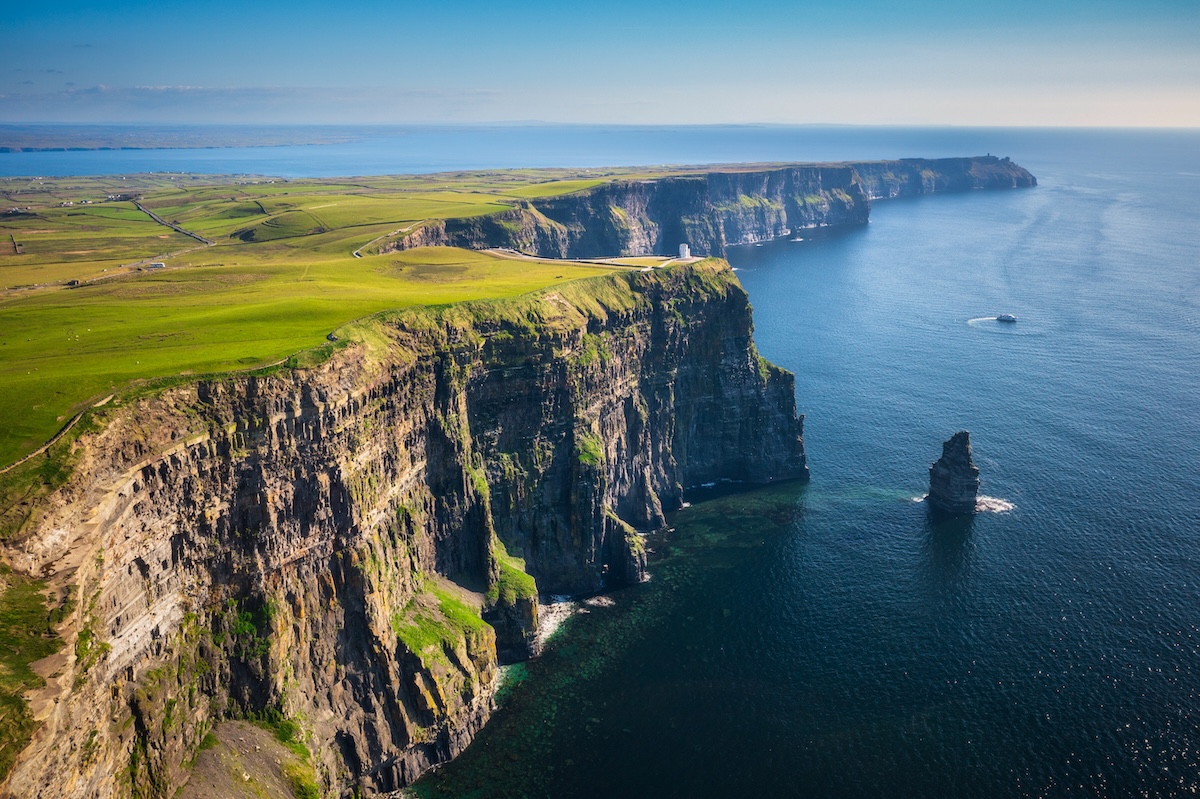
Sheer cliffs rise 214 meters above the Atlantic Ocean, stretching for 14 kilometers along Ireland’s west coast. Seabirds nest on the cliff faces, and on clear days, the Aran Islands and Connemara mountains are visible across the water. The cliffs attract over a million visitors annually, making them Ireland’s most popular natural attraction despite the west coast’s numerous scenic alternatives.
Wind and rain are nearly constant, ensuring over-the-top conditions that make the cliffs more impressive but also genuinely dangerous if you ignore safety barriers. The visitor center explains the geology and ecology while providing shelter from weather that can shift from sunny to sideways rain within minutes.
14. Ubud, Bali
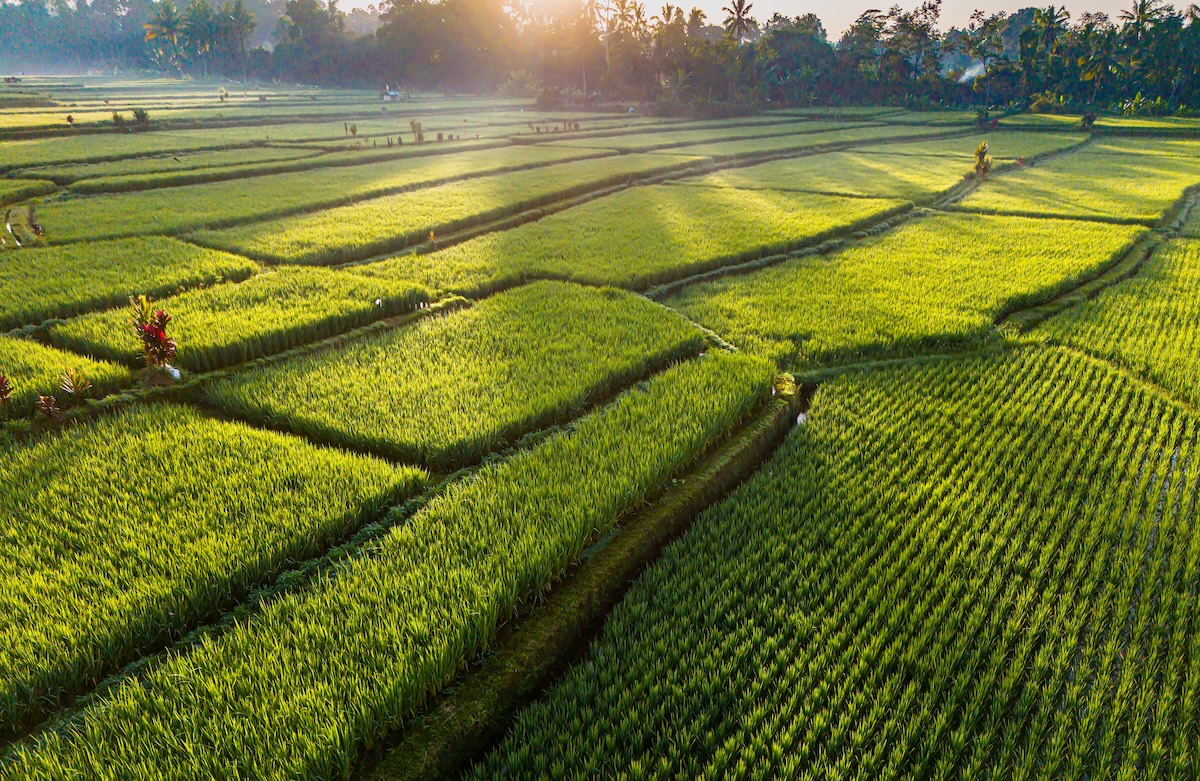
Rice terraces cascade down hillsides around this cultural center in Bali’s highlands, generating the landscape that appears on every Bali travel guide. Jatiluwih Rice Terraces showcase traditional Subak irrigation systems that have shaped these mountains for over a thousand years.
Ubud itself respects the need for modern tourism but still celebrates traditional culture better than Bali’s beaches, maintaining arts, dance, and ceremonies despite heavy visitor traffic. The Sacred Monkey Forest hosts long-tailed macaques in a temple complex where nature and Hindu spirituality intertwine. Ubud has certainly been discovered, but the surrounding landscapes remain stunning if you venture beyond the main tourist areas crowding the town center.
13. Lauterbrunnen, Switzerland
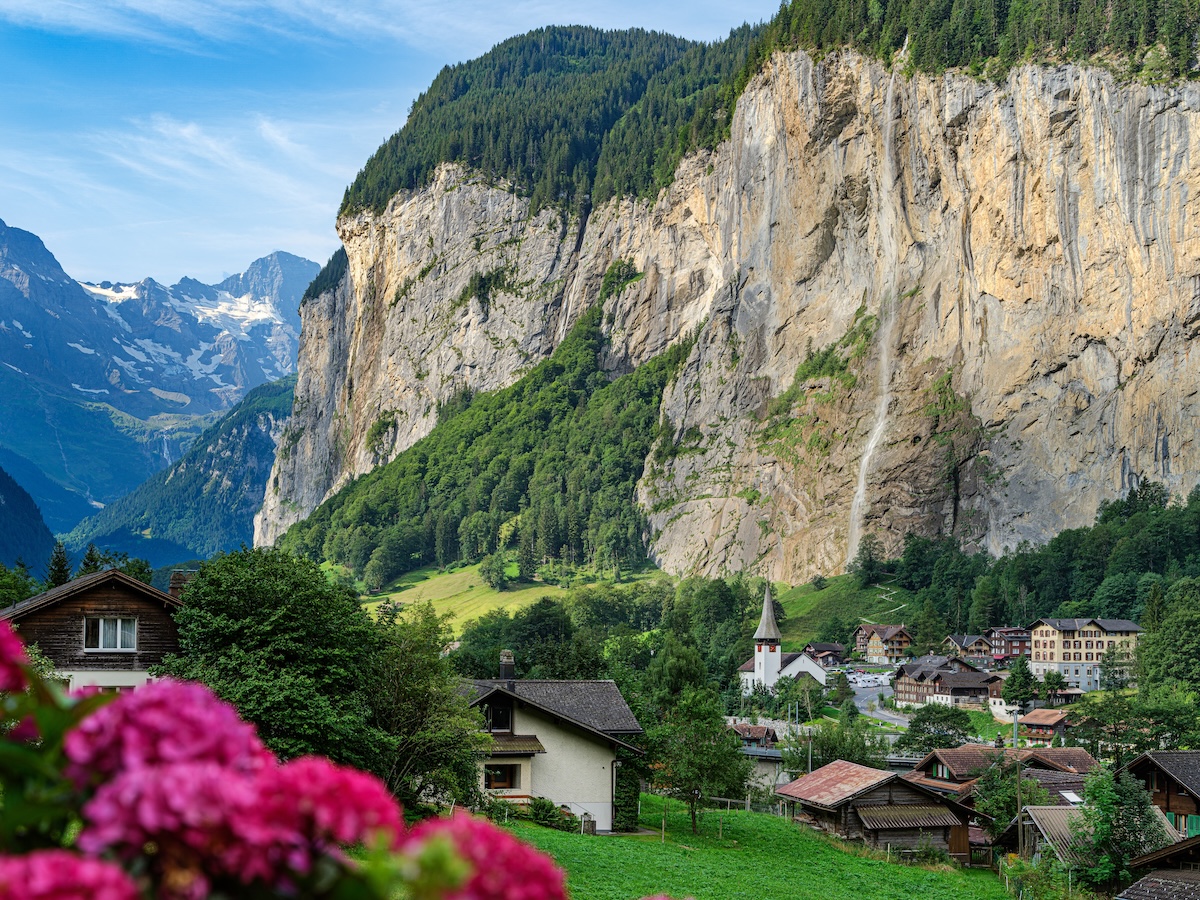
This valley has no less than 72 waterfalls cascading down sheer cliff walls between mountains that shoot up over 1,000 meters. Staubbach Falls drops 297 meters in a single plunge, and the valley’s unreal scenery rightfully inspired Tolkien’s Rivendell.
You will still find traditional Swiss chalets dotting the valley, and cable cars provide access to mountain peaks, including the Jungfraujoch, Europe’s highest railway station. The trifecta of attractions paint postcard scenes at every turn that you might even want to write fantasy novels about.
12. Kotor Bay, Montenegro
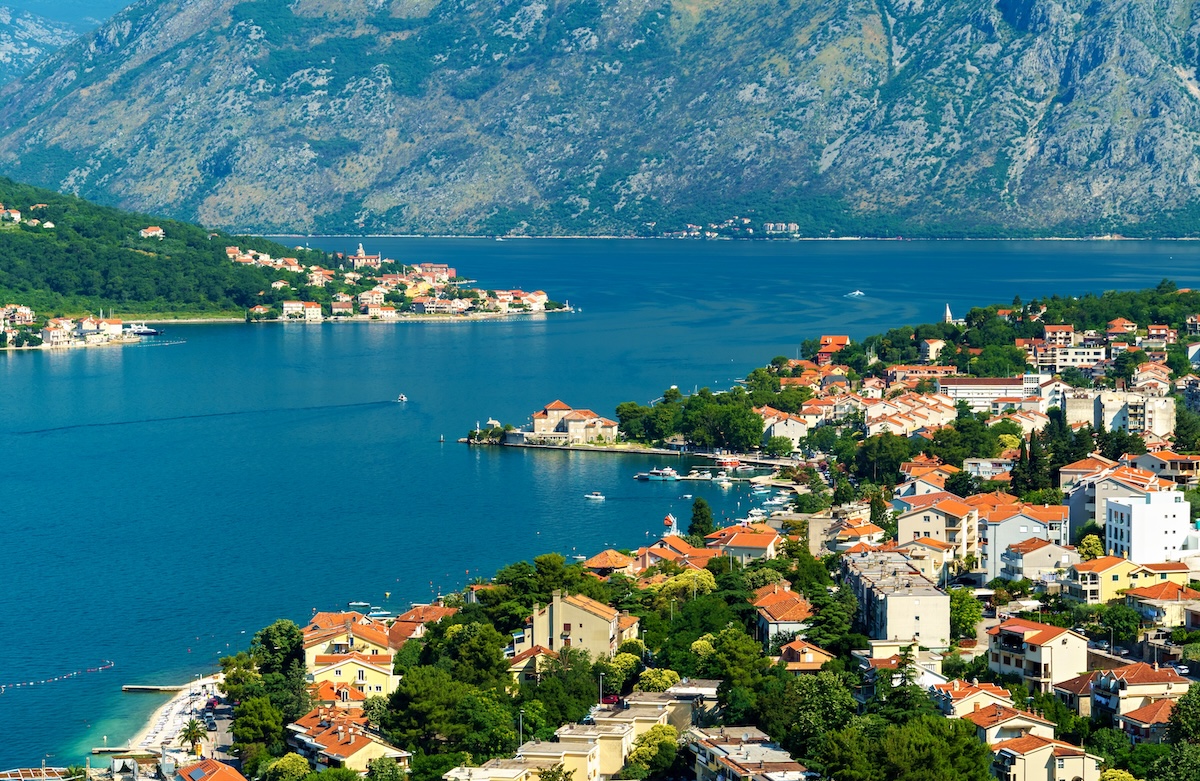
Europe’s southernmost fjord cuts deep into Montenegro’s coast, surrounded by mountains rising directly from the water. The medieval town of Kotor sits at the bay’s end, with fortification walls climbing the mountain behind it. Venetian architecture fills the old town, reflecting centuries when Venice controlled this strategic harbor.
The bay is the perfect canvas for mirror reflections of surrounding peaks when winds calm, and the drive around its perimeter serves a buffet of unbeatable coastal scenery. Kotor has been discovered by cruise ships, but visiting outside peak season or exploring smaller bay towns like Perast brings you Montenegro’s untamed landscapes without overwhelming crowds.
11. Sagarmatha National Park, Nepal
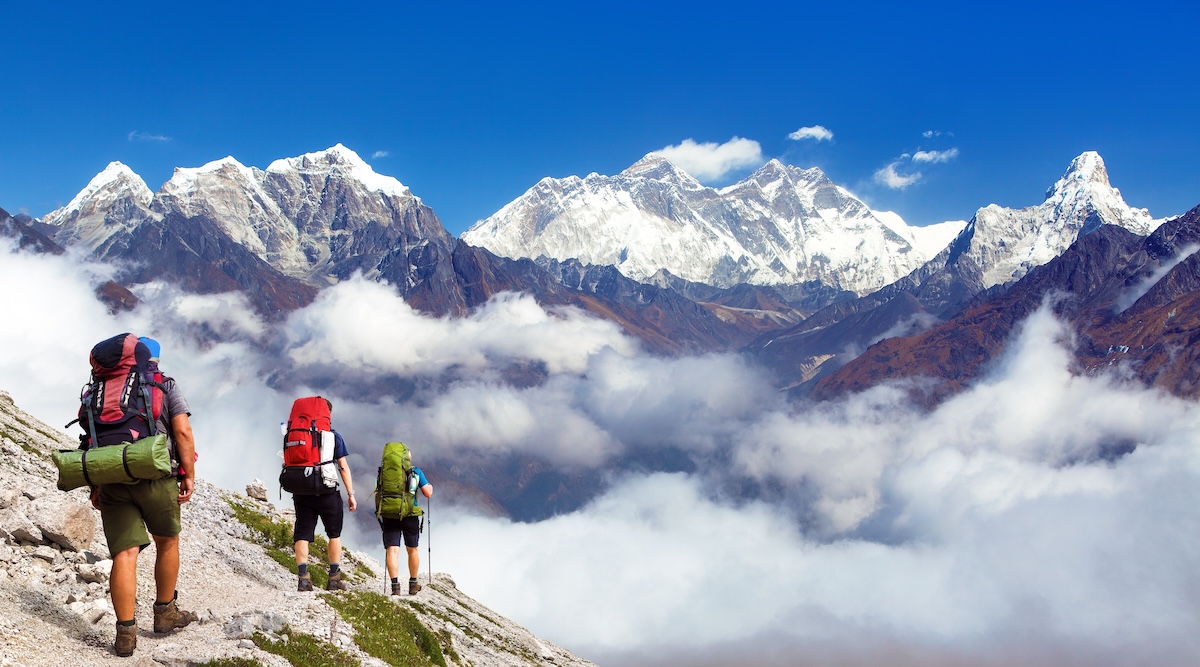
Mount Everest anchors this Himalayan national park, where eight of the world’s fourteen 8,000-meter peaks form the planet’s most respected mountain landscape. The Khumbu region surrounding Everest contains Sherpa villages where Buddhism shapes daily life and prayer flags flutter at high passes.
Trekking to Everest Base Camp doesn’t require technical climbing skills but does demand stamina and acclimatization to reach 5,364 meters elevation. The Himalayas serve landscapes on a scale that makes you feel appropriately tiny, with glaciers, turquoise lakes, and peaks disappearing into clouds.
10. Avenue of the Baobabs, Madagascar
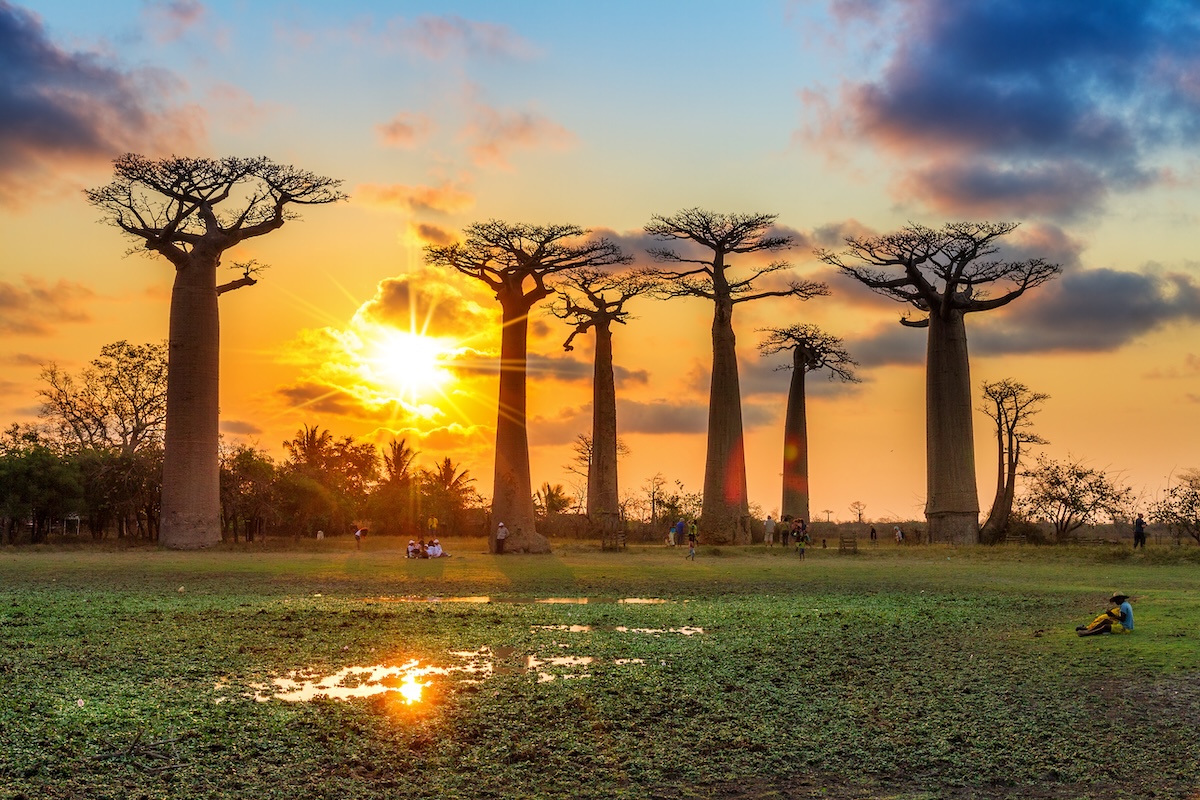
Ancient baobab trees line a dirt road between Morondava and Belon’i Tsiribihina in Madagascar. The massive trees can live over a thousand years and grow to 30 meters tall with trunks reaching 11 meters in diameter. It used to be a dense forest, but agriculture has taken over. Luckily, these mighty giants are considered sacred and survived the deforestation.
During sunset the trees become silhouettes against orange skies while dust fills the air. The avenue represents Madagascar’s unique ecology and connects you with the deep spirituality that roots itself in the complex nature.
9. Horseshoe Bend, Arizona
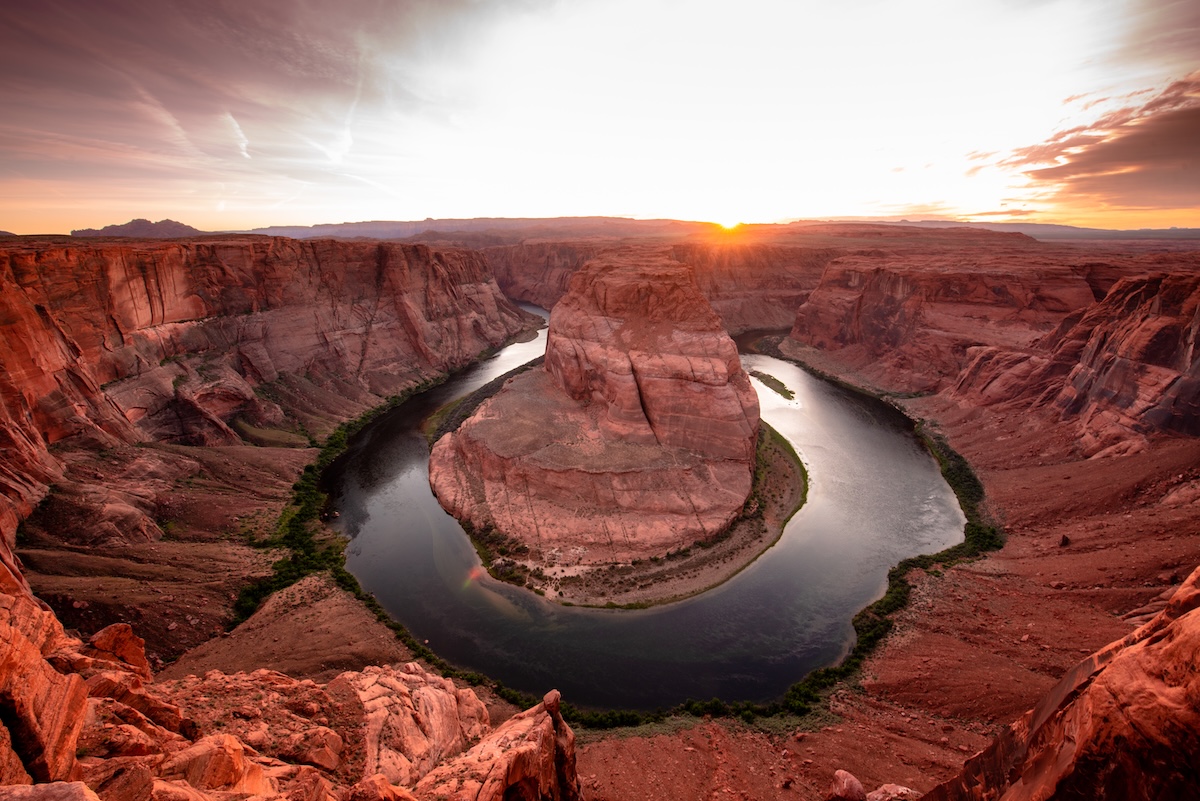
The Colorado River makes a 270-degree turn through sandstone, carving a horseshoe-shaped bend visible from cliffs 300 meters above. The viewing area sits on Navajo land just south of the Utah border, requiring a short walk from the parking area. The contrast between green river, red sandstone, and blue sky is an artist’s dream.
The lack of barriers makes it genuinely dangerous if you ignore your survival instincts for the perfect photo, and people have died proving Darwin right. And if you are a geography novice, this icon is standalone and not part of the Grand Canyon. Same river, different formation.
8. Komodo National Park, Indonesia
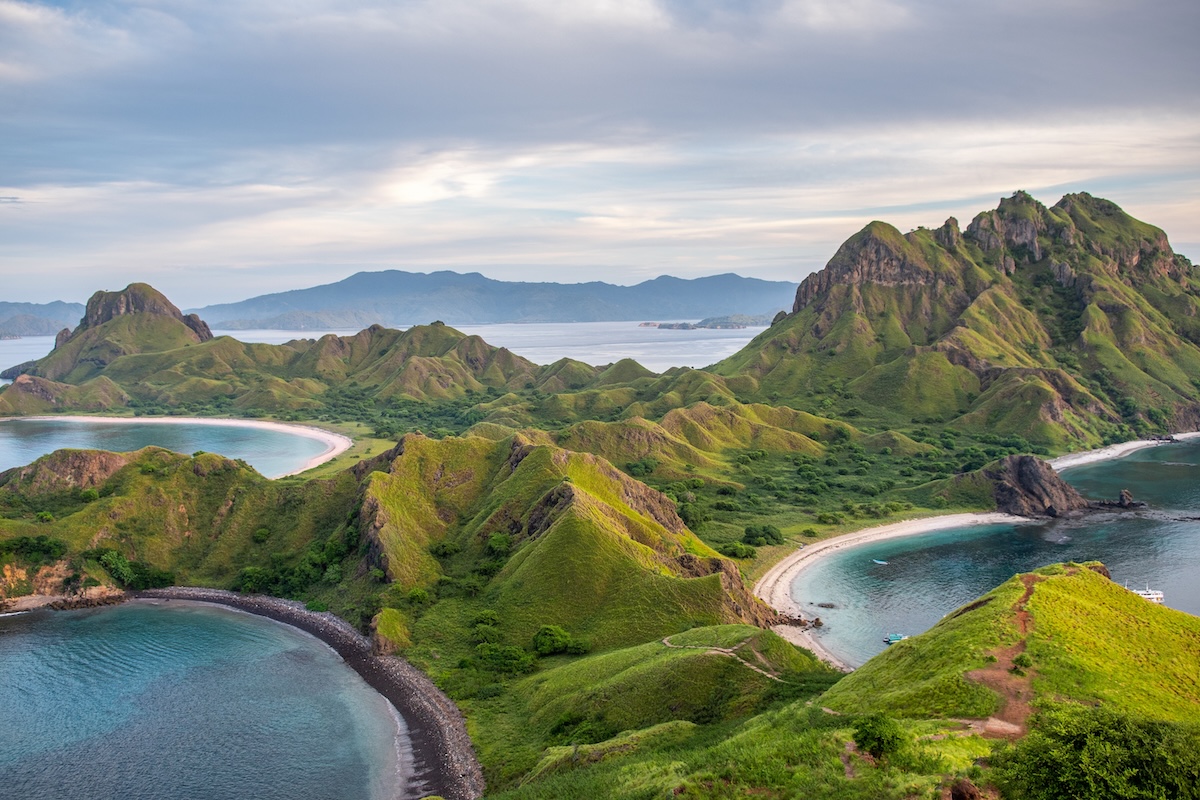
The closest thing to Jurrassic park is found on this volcanic island. Komodo dragons roam freely, striking fear in the eyes of their beholders. The dragons are iconic but the pink beaches are equally as attractive. The surrounding waters contain some of Indonesia’s best diving with healthy reefs and strong currents bringing big fish.
Getting there requires flights to Labuan Bajo in Flores followed by boats to the islands, enough inconvenience to keep visitor numbers manageable. Scoring a spot on the island is becoming increasingly difficult, simply adding to the allure of the destination.
7. Geirangerfjord, Norway
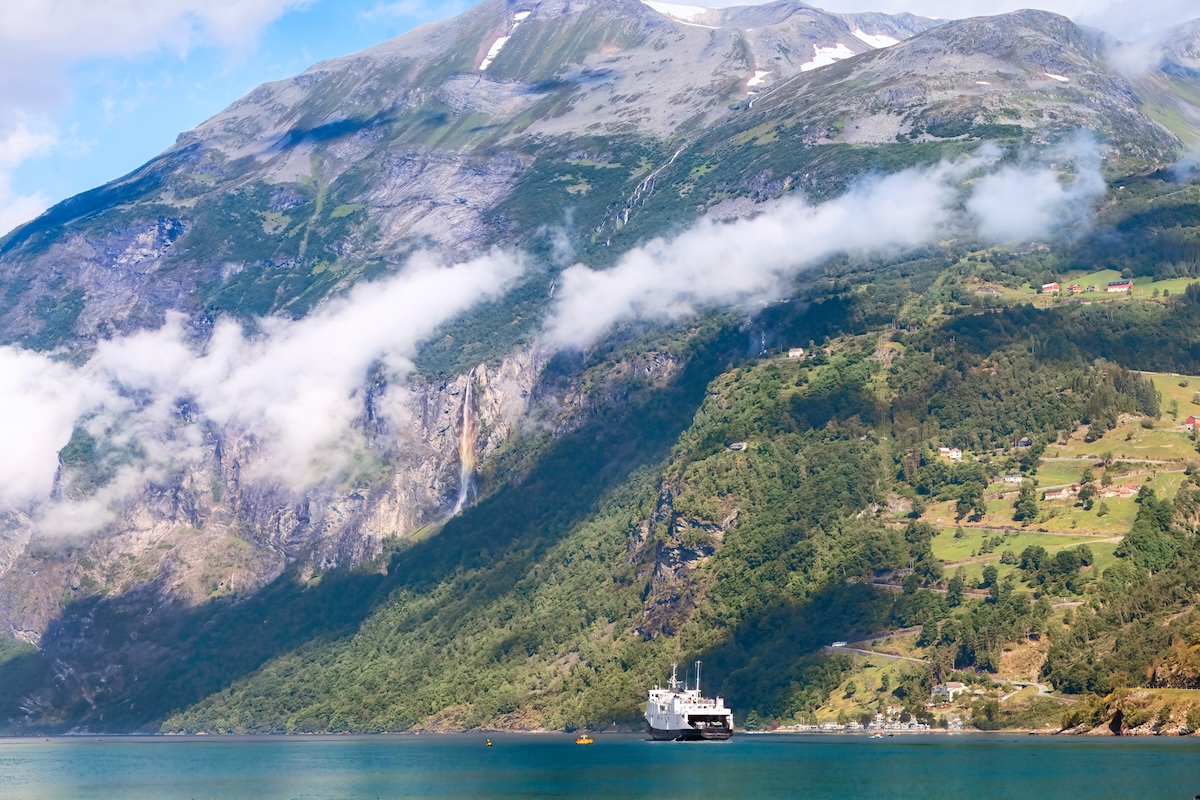
Sheer cliffs rise over 1,000 meters directly from the fjord’s deep blue water, with waterfalls cascading down mountainsides into the sea below. The S-shaped fjord stretches 15 kilometers inland, lined with abandoned farms clinging to impossibly steep slopes. Cruise ships navigate the narrow fjord during summer, and the viewing points above offer panoramas that justify Norway’s reputation for unearthly scenery.
The Seven Sisters waterfall and the Suitor waterfall face each other across the fjord, inspiring scenes that Norwegian folklore claims represent a spurned suitor serenading seven dancing sisters. This is not for the vertically challanged!
6. Iguazu Falls, Argentina/Brazil
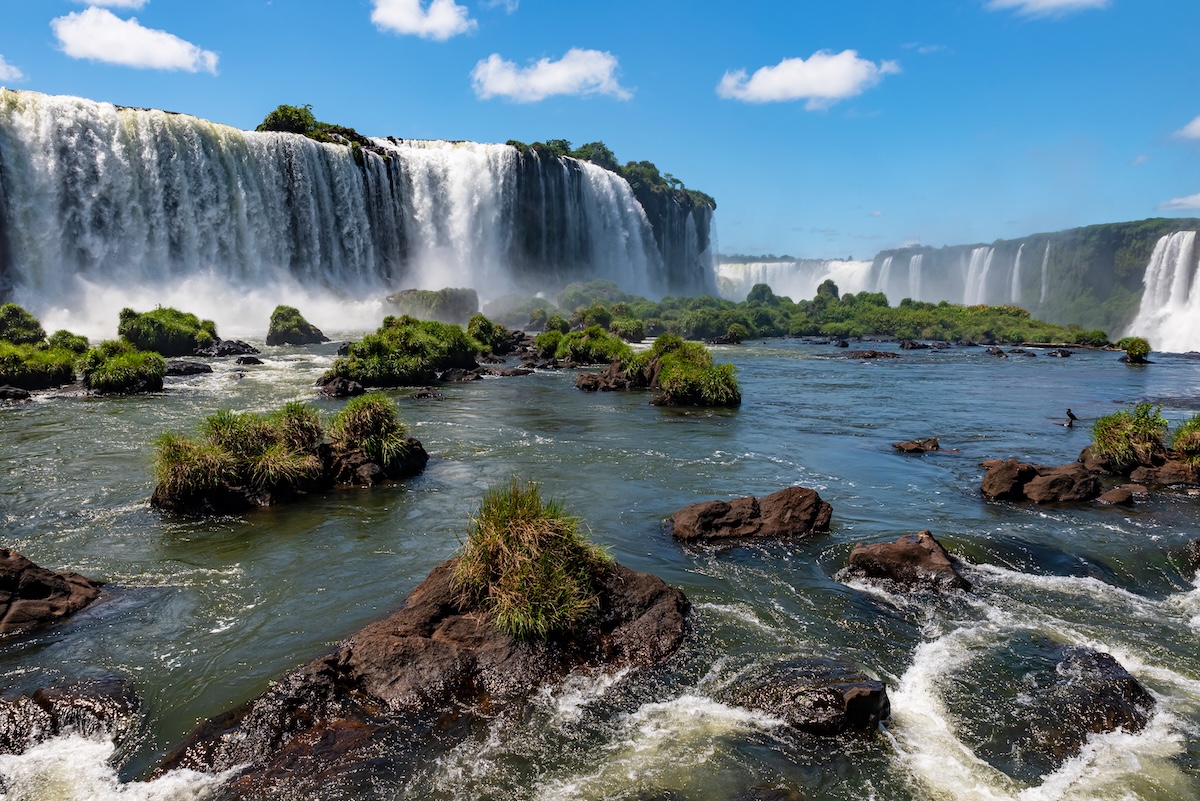
The Iguazu River drops through 275 individual falls, forming the world’s largest waterfall system by water volume. The falls stretch 2.7 kilometers across the border between Argentina and Brazil, with both countries giving you different perspectives. Devil’s Throat on the Argentine side shapes a horseshoe chasm where water thunders down 82 meters with force that generates constant spray and deafening sound.
Walkways allow visitors to get close enough to feel the power and mist, while helicopter flights provide aerial perspectives showing the falls’ true scale. The surrounding subtropical forest adds biodiversity to geological drama, fostering ecosystems where waterfalls and rainforest support incredible wildlife.
5. Socotra Island, Yemen
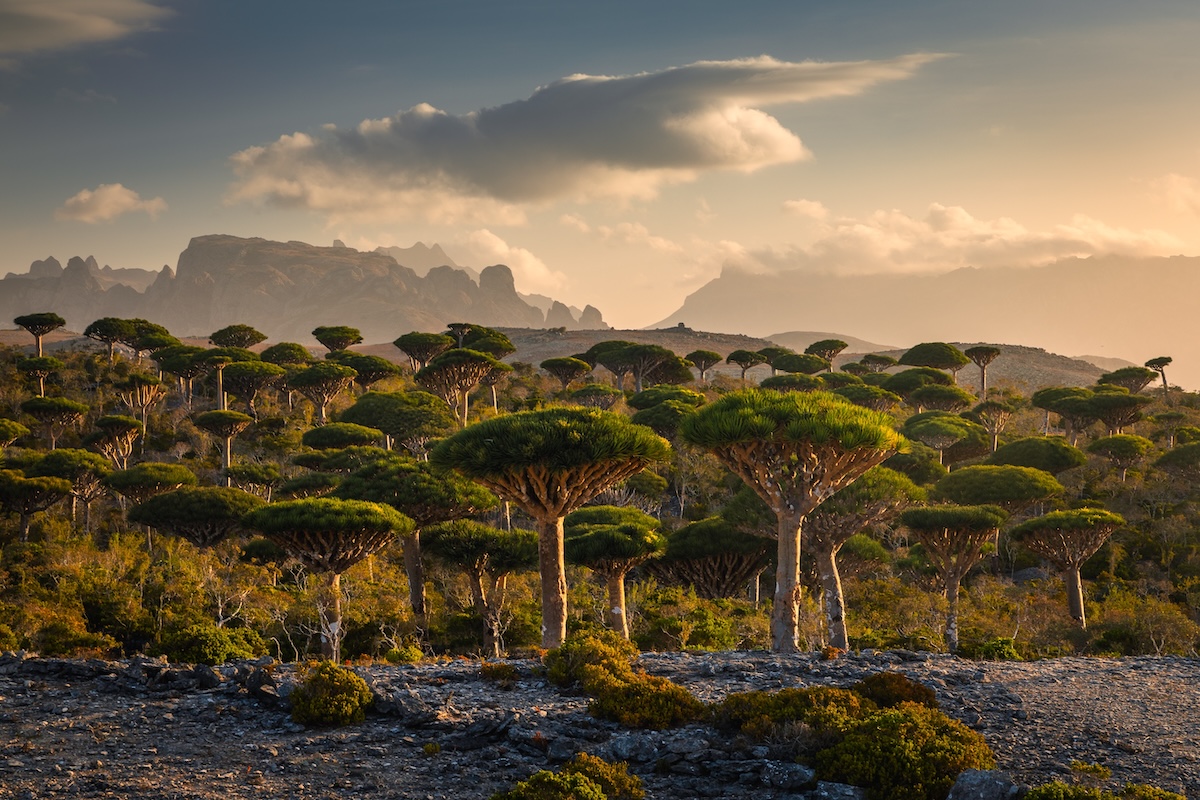
Isolation created ecosystems where a third of plant species exist nowhere else on Earth. Dragon’s blood trees look like umbrellas or mushrooms balanced on thick trunks, evolved to capture moisture from fog in this dry climate. Bottle trees, desert roses, and other endemic species fill the landscapes that seem alien despite being entirely terrestrial.
The island’s beaches and mountains add natural beauty beyond the unusual flora. Yemen’s political situation makes visiting complicated and occasionally impossible, but Socotra represents evolution, answering the unique environmental challenges in ways visible nowhere else.
4. Banff National Park, Canada
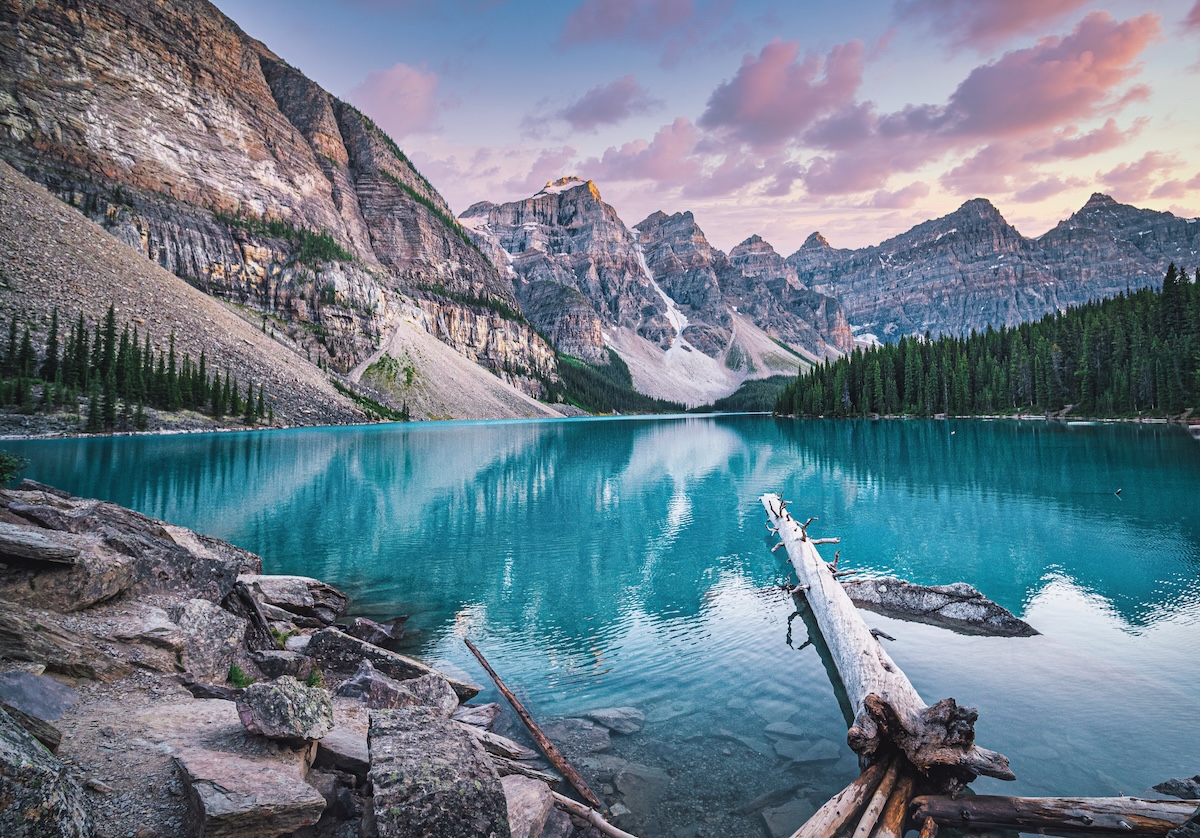
The Canadian Rockies rise from turquoise lakes fed by glacial meltwater that show off in distinctive colors from rock flour suspended in the water. Lake Louise and Moraine Lake provide iconic mountain reflections, while the Icefields Parkway connects Banff to Jasper through some of North America’s most ethereal mountain scenery.
Wildlife including elk, black bears, and grizzlies roam freely through the park. Winter brings world-class skiing, while summer brings hiking that ranges from easy lakeside walks to serious alpine routes. The park’s accessibility via the Trans-Canada Highway makes it one of the world’s most visited mountain parks, but its size provides escape from crowds for anyone willing to hike beyond the parking lots.
3. Petra, Jordan
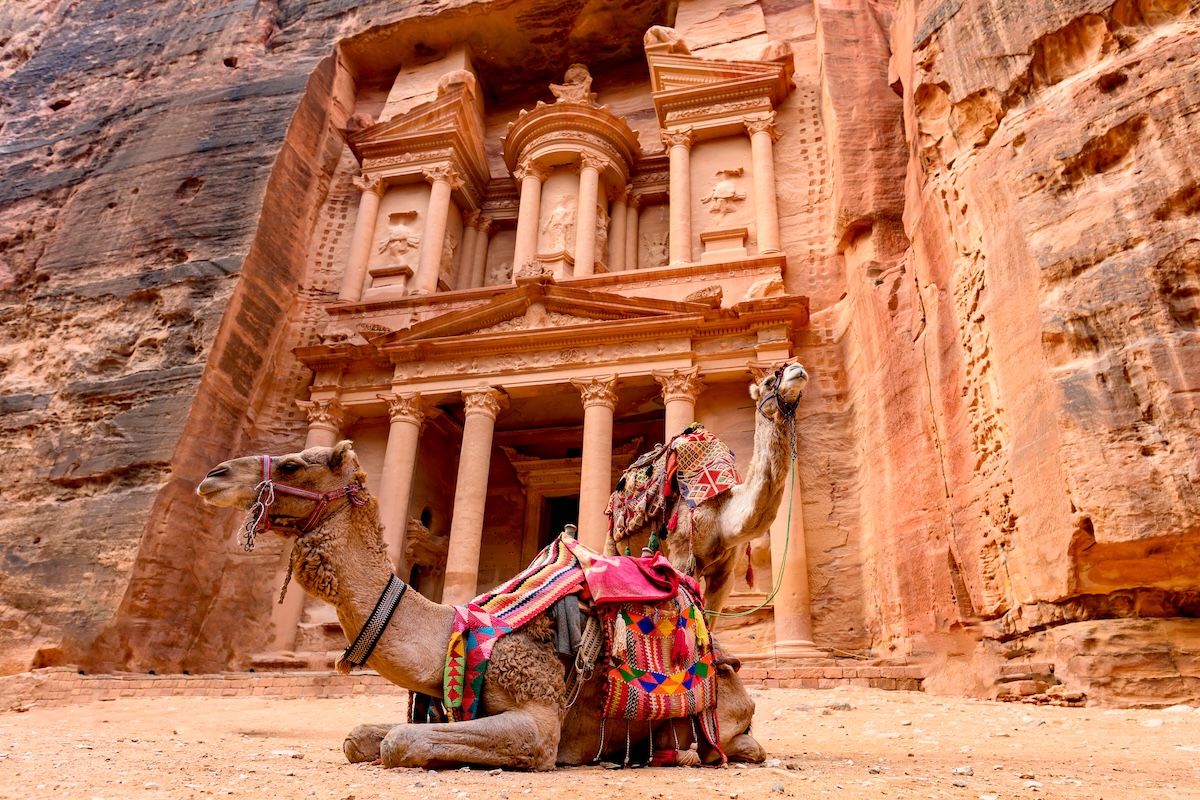
The Nabataean city carved directly into rose-red sandstone cliffs remained hidden from the Western world until 1812. The Treasury facade, carved with intricate detail into the cliff face, appears at the end of the Siq gorge, forming an entrance that builds anticipation perfectly.
Beyond the Treasury, the ancient city spreads across the valley with tombs, temples, and a monastery carved into rocks in colors ranging from red to pink to white. The site’s scale and preservation bring connections to ancient civilizations that feel more immediate than many archaeological sites.
2. Cinque Terre, Italy
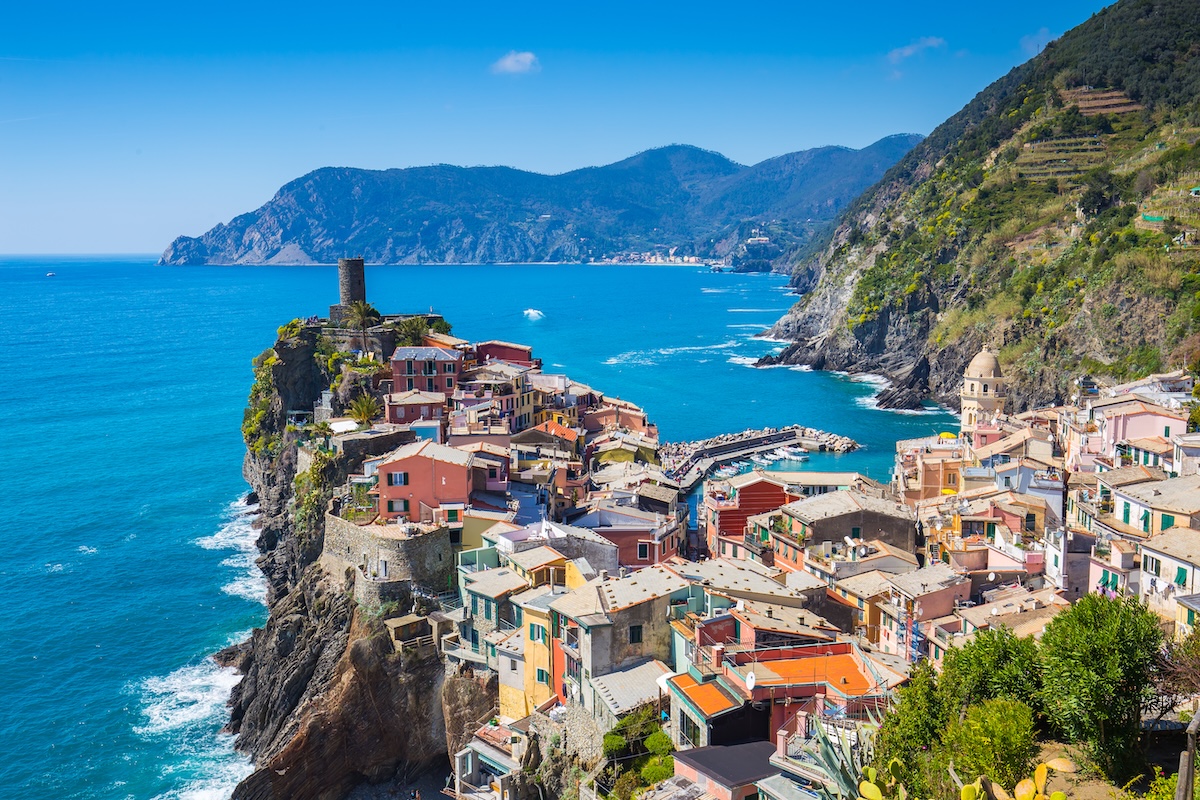
Five fishing villages cling to the Ligurian coast with colorful buildings stacked vertically on cliffs above the Mediterranean. Monterosso, Vernazza, Corniglia, Manarola, and Riomaggiore each maintain distinct characters while sharing gleaming coastal settings. Hiking trails connect the villages with views that combine sea, cliffs, and terraced vineyards.
The area has become heavily touristed with day-trippers arriving by train and cruise ship, but staying overnight allows you to experience the villages after crowds depart. The way humans have adapted to the unforgiving landscape, all in the name of good views (and some fishing) is honestly impressive and well worth facing the crowds.
1. Ngorongoro Crater, Tanzania
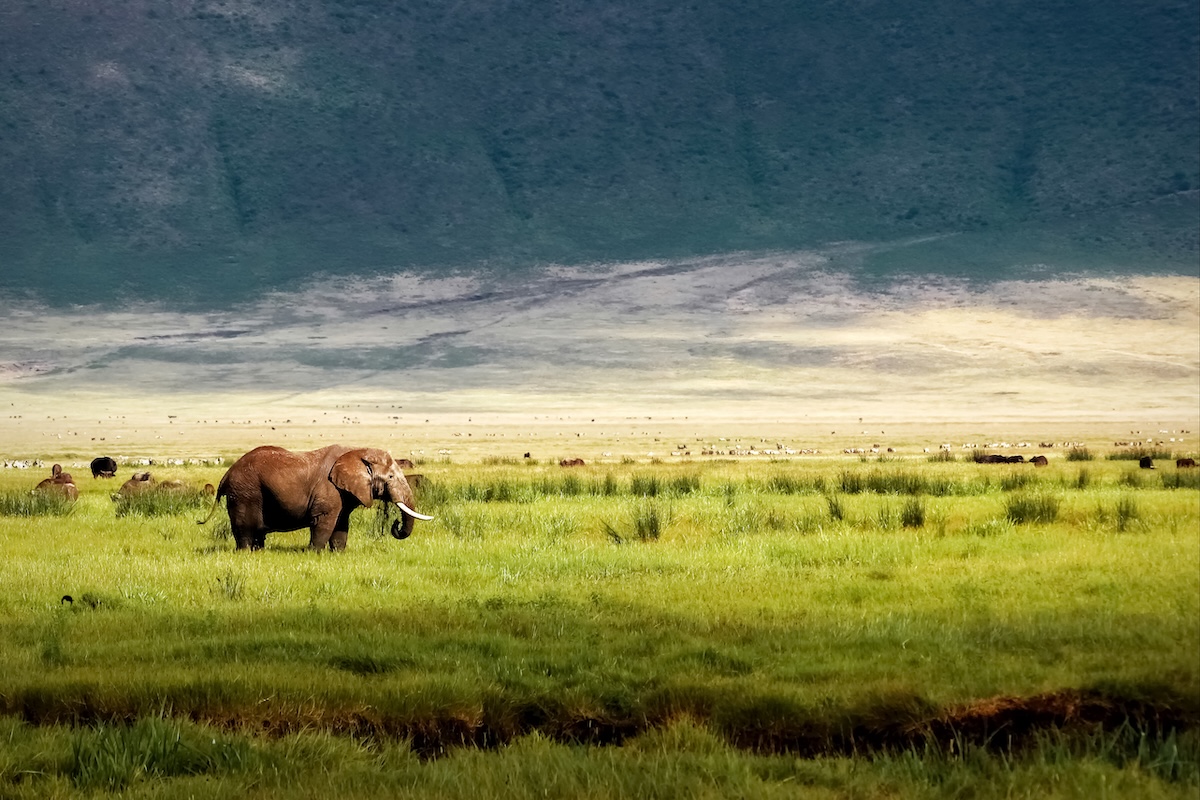
The world’s largest intact volcanic caldera creates a vast ecosystem where Africa’s big game concentrates in densities found almost nowhere else. The crater floor sits 600 meters below the rim, and the natural enclosure keeps wildlife from migrating, nurturing permanent populations of lions, elephants, rhinos, and thousands of other animals. Driving down into the crater feels like entering a lost world where animals haven’t learned to fear humans completely.
The crater represents Africa’s wildlife and landscapes in concentrated form, with game viewing that rivals the Serengeti while adding more unique geography. Standing on the rim looking across this massive caldera, where nature built a natural amphitheater for one of Earth’s great wildlife spectacles, justifies whatever effort it takes to reach Tanzania’s northern highlands.